
Algerian Ports Cargo Volumes Reach 133.96 Million Tons in 2025
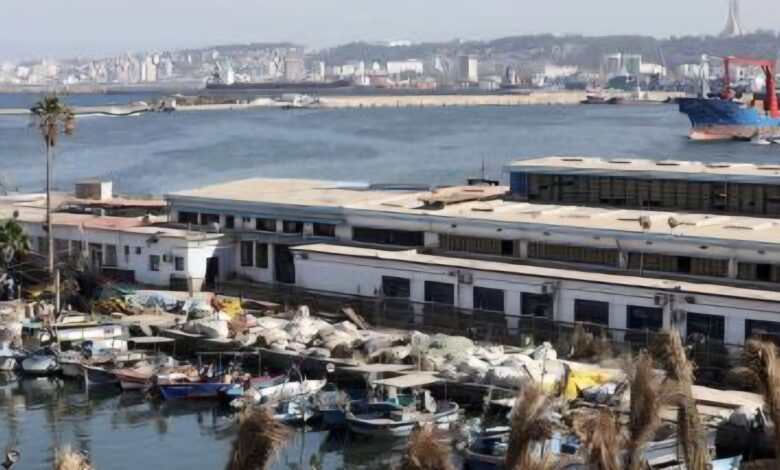
Shipping Arabia, October 2, 2026 – Algerian ports cargo volumes reached 133.957 million tons in 2025, rising 4% from the previous year as vessel calls and container traffic also recorded strong growth. Algeria is simultaneously reorganizing its commercial port system through specialization, infrastructure upgrades and digitalization aimed at improving efficiency and supporting exports.
Ali Boularas, CEO of SERPORT Group, said Algeria’s port system includes 10 commercial ports in addition to facilities dedicated to hydrocarbon exports. The number of vessels handled by Algerian ports increased to 16,923 in 2025 from 15,141 in 2024, representing growth of 12%.
Container traffic exceeded 2 million containers across import and export operations, up 19% year on year. The figures come as Algeria seeks to improve port capacity, reduce cargo-processing times and strengthen the role of its maritime gateways in the national economy.
Port Specialization Targets Efficiency and Lower Costs
Boularas said the specialization of commercial ports forms part of a wider effort to improve operational performance, better manage vessel waiting times and reduce shipping costs. The strategy also aims to improve the quality of services provided to businesses using the country’s ports.
The Port of Mostaganem in western Algeria is among the first facilities implementing the new approach. The port has been designated to handle import and export operations for public enterprises and institutions.
New infrastructure and equipment have been introduced at Mostaganem, including a five-hectare area designed to increase capacity for additional cargo flows and improve the movement of goods and vessels. According to Boularas, a roadmap for the specialization program includes port development, rehabilitation and the installation of equipment suited to the type and additional volume of cargo expected at each facility.
Mostaganem was selected partly because of its location and ability to serve a wide area of western Algeria. Its connections to road and rail networks are also expected to strengthen its role within the country’s transport and logistics chain.
Digitalization Expands Across Algerian Ports
Digitalization represents another major element of Algeria’s port strategy. SERPORT is developing digital platforms for port procedures through a specialized subsidiary, with the aim of simplifying document processing and improving cargo tracking.
The platform is connected to other networks and information systems. SERPORT plans to expand those connections to include additional participants in the logistics chain, including insurance companies and banks, creating a broader view of the different stages involved in cargo processing.
Boularas said wider deployment of the digital system is planned in the near future. The initiative is expected to reduce waiting times, improve port competitiveness and assist exporters in completing procedures linked to outbound cargo.
The importance of improving port performance is particularly significant because around 95% of Algeria’s foreign trade moves through its ports, according to Boularas. Improving port efficiency therefore forms a central part of efforts to support foreign trade and reduce logistics costs.
Annaba Expansion to Support Phosphate and Mining Exports
In eastern Algeria, work is continuing on the expansion of the Port of Annaba as part of a project designed to support phosphate and mining exports. Boularas said the port development extends over approximately 1,600 linear meters, with a depth exceeding 16 meters and a land area of 82 hectares.
The development is intended to increase the port’s capacity to receive, handle and export mining products. It will also connect the port by rail to production areas at the Bled El Hadba mines, creating an integrated logistics link between mining sites and the maritime export gateway.
SERPORT expects the Annaba project to add between 8 million and 10 million tons of activity. Completion is scheduled for March 2027, according to the figures presented by Boularas.
The project is part of a broader objective to strengthen Algeria’s position in regional and international phosphate and mining-product markets. Rail connectivity is also intended to reduce transport and logistics costs between production areas and the port.
More broadly, Algeria is developing three main logistics corridors across the central, eastern and western regions of the country. The plan seeks to integrate maritime, rail and road transport and support the movement of goods to and from the ports.
The Port of Oran also features in efforts to increase operational capacity. Boularas said its modern terminal is equipped with cranes capable of handling between 30 and 35 containers per hour, which can reduce vessel port stays and improve operational performance.
Export Support and 24-Hour Port Operations
Alongside infrastructure and organizational changes, the port strategy focuses on supporting Algerian exporters and facilitating export operations. Boularas cited cargo shipments from the ports of Skikda, Annaba and other facilities to destinations in Asia, Africa, Canada and elsewhere.
The strategy seeks to improve the competitiveness of Algerian companies in international markets by improving port services, shortening cargo-processing times and strengthening logistics connections. These measures accompany Algeria’s efforts to diversify exports beyond hydrocarbons.
Algerian ports are also moving toward continuous 24-hour operations. Boularas said round-the-clock working allows port infrastructure to be used more effectively while reducing vessel and cargo waiting periods.
The measure forms part of a wider package of initiatives covering expansion, specialization and digitalization. Together, the projects are intended to raise port productivity, accelerate cargo handling and position Algeria as a logistics hub linking the Mediterranean with the African continent.
Source: Al Araby Al Jadeed