Algeria

  • Port of Annaba Handles 22,947 Tonnes of Railway Equipment and Expands Cement Exports to Europe

    Shipping Arabia, November 19, 2026 – Algeria’s Port of Annaba has recorded significant cargo handling activity, receiving nearly 23,000 tonnes of equipment for a national mining railway project while exporting 7,300 tonnes of cement to European markets. The operations highlight the port’s role in supporting major infrastructure projects and expanding Algeria’s non-hydrocarbon exports.

    The two cargo operations demonstrate the Port of Annaba’s capacity to handle large project shipments and facilitate exports of locally produced goods. They also reflect efforts to strengthen the port’s position as a logistics gateway in eastern Algeria.

    According to the report, these activities align with directives from Algeria’s Minister of Transport, Saïd Sayoud, and the SERPORT Group, which oversees efforts to improve the performance of the country’s ports.

    Port of Annaba Receives Fifth Shipment for Mining Railway Project

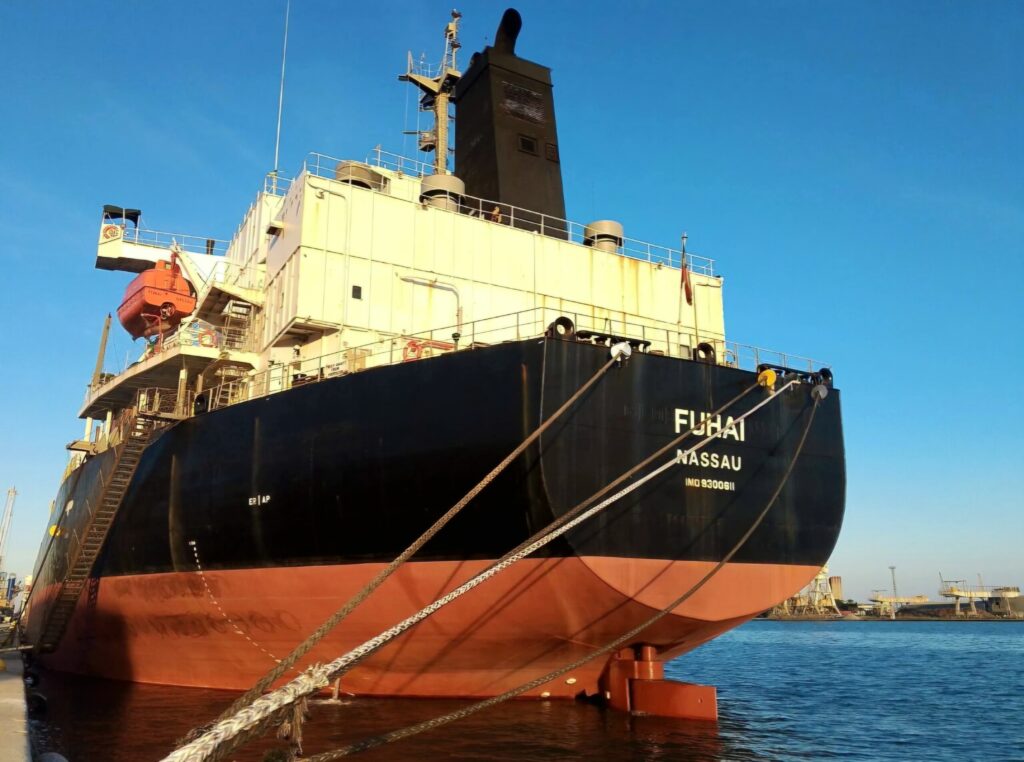
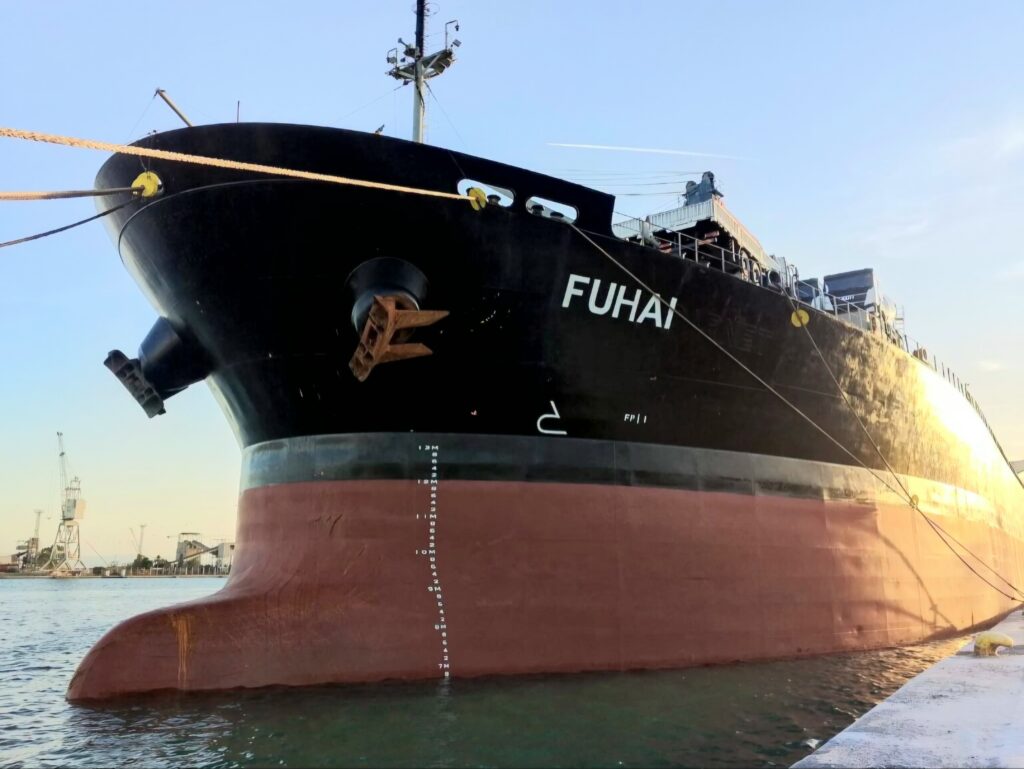
    The Port of Annaba received the vessel FUHAI at berths 9/10, carrying the fifth shipment of equipment designated for the national mining railway project.

    The shipment totaled 22,946.78 tonnes and included a range of technical and logistical equipment required to support the project’s construction activities.

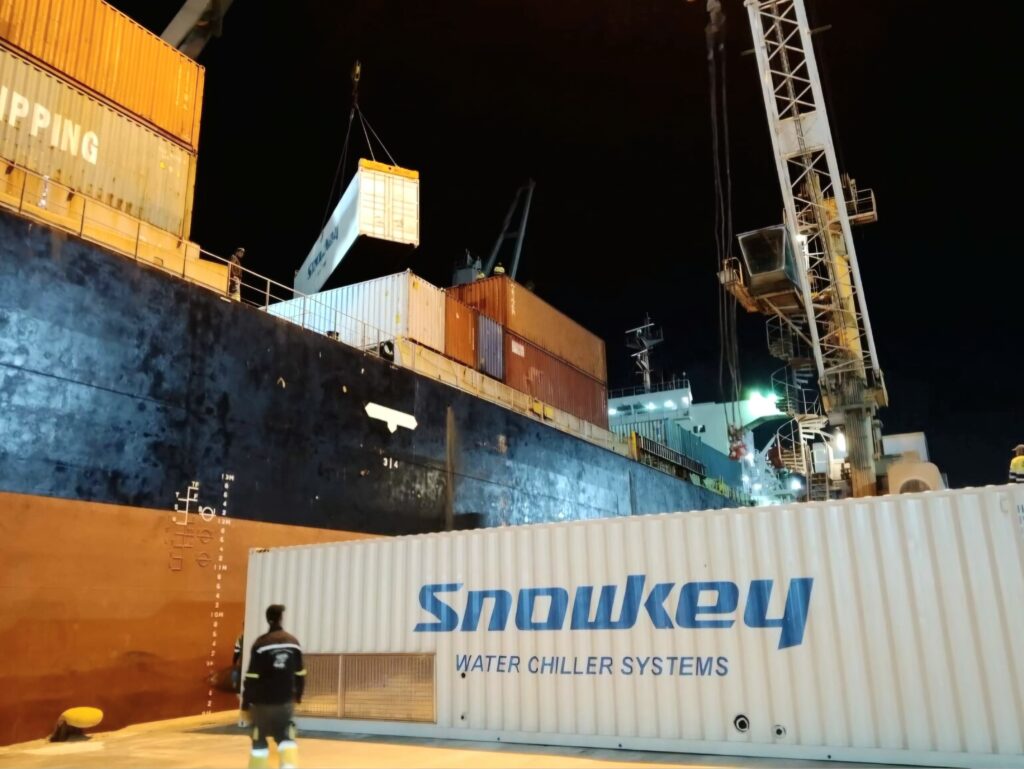
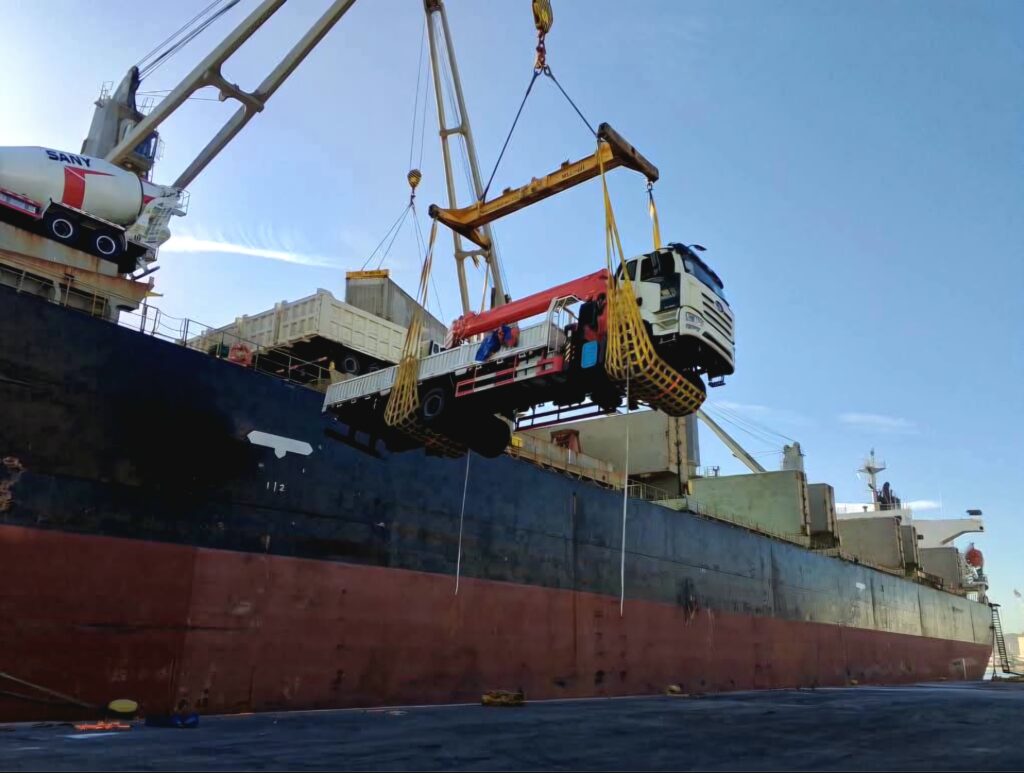
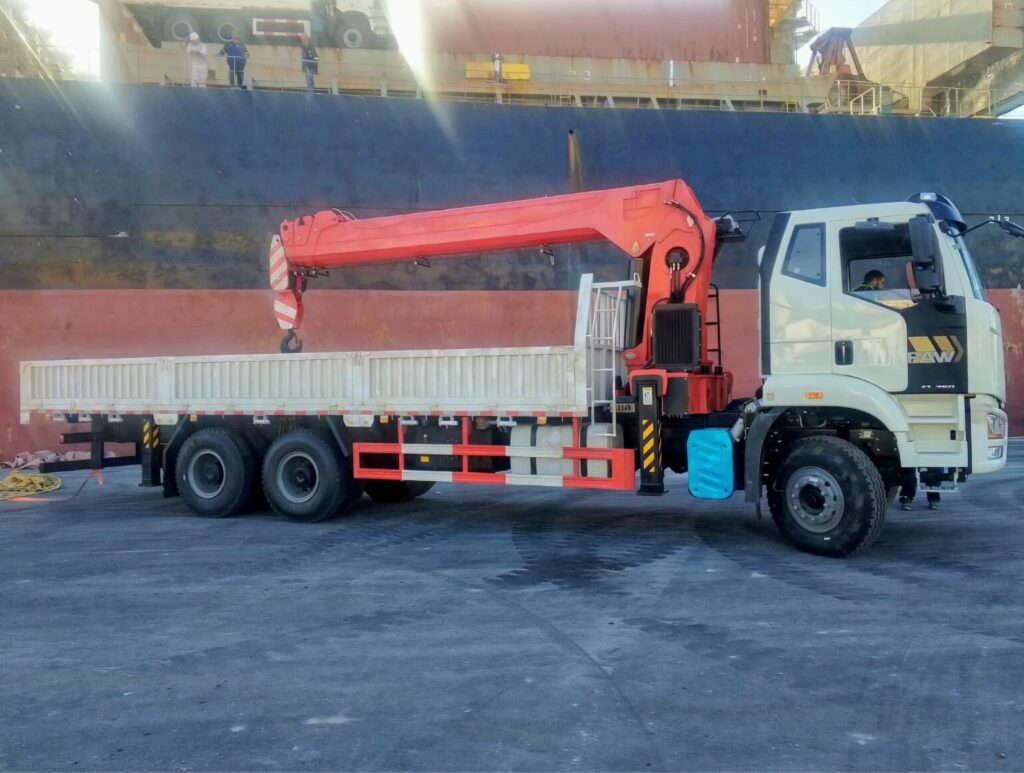
    The cargo consisted of 423 railway switches, 542 steel pipes, 715 metal concrete formwork units, and 32 trucks designated for transporting materials and equipment.

    The shipment represents another stage in the delivery of specialized equipment for the railway project, which forms part of Algeria’s major national infrastructure developments.

    Handling this volume of equipment required the mobilization of the port’s cargo handling capabilities to facilitate the discharge and movement of the imported materials.

    The operation highlights the importance of the Port of Annaba in supporting the logistics requirements of large infrastructure projects, particularly those involving heavy equipment and specialized cargo.

    By facilitating the arrival of successive equipment shipments, the port continues to support the flow of materials needed for the implementation of the mining railway project.

    Cement Exports to Croatia and Montenegro Support Trade Diversification

    Alongside its project cargo activities, the Port of Annaba handled an export shipment of 7,300 tonnes of cement destined for Croatia and Montenegro.

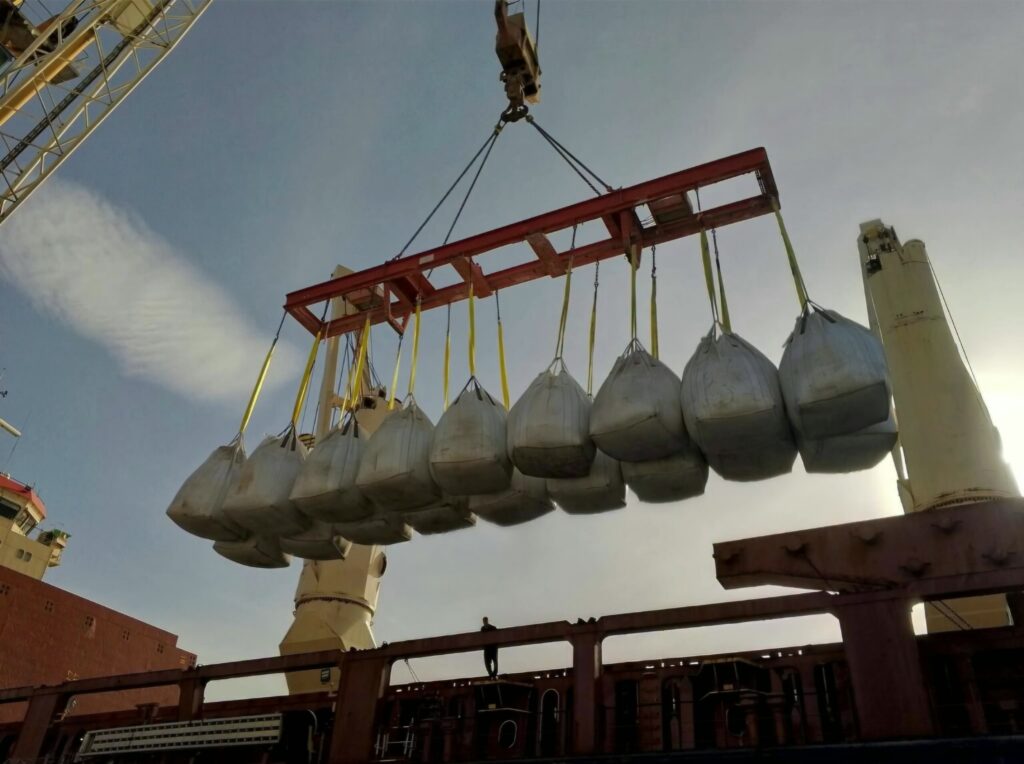
    The cargo was loaded aboard the vessel SAOURA at berth 11, with the cement packaged in large bulk bags, commonly known as Big Bags.

    The operation reflects the port’s efforts to attract new commercial operators and expand the international reach of Algerian products.

    According to the report, the shipment demonstrates the port’s ability to support exports to European destinations while contributing to the diversification of Algeria’s trade beyond the hydrocarbons sector.

    The export also highlights the role of maritime transport in connecting Algerian producers with international markets, particularly through the handling and shipment of non-hydrocarbon commodities.

    For the Port of Annaba, attracting additional export activity forms part of efforts to strengthen its commercial position and increase its contribution to the country’s foreign trade.

    Port Mobilizes Resources to Maintain Cargo Handling Efficiency

    To support the two operations, the Annaba Port Company mobilized its personnel and available equipment to maintain efficient loading and discharge activities.

    The port administration emphasized the importance of carrying out cargo operations safely while maintaining established quality and port safety standards.

    These measures also aimed to prevent congestion and ensure the smooth movement of cargo through the port’s facilities.

    The handling of railway equipment and cement exports illustrates the different logistics functions performed by the Port of Annaba, from receiving specialized cargo for infrastructure projects to facilitating the export of Algerian products.

    Together, the operations reinforce the port’s role in supporting national development projects, improving cargo handling performance, and expanding Algeria’s non-hydrocarbon trade with international markets.

    Source: Algérie Maintenant
  • Messina Line Removes Second Misrata Port Call From West Med Service

    Shipping Arabia, November 10, 2026 – Messina Line has eliminated the second call at Libya’s Port of Misrata from its West Mediterranean (West Med) service, reducing the port’s frequency from two calls to one per round voyage. The adjustment follows the introduction of the service in September 2026, which consolidated the carrier’s previous Libya and Algeria operations into a wider Western Mediterranean network.

    According to a report by maritime research firm DynaLiners, the revised rotation retains Misrata as a port of call before Tripoli but removes the second visit previously scheduled after the Libyan capital.

    Messina Line operates two vessels, each with a capacity of approximately 700 twenty-foot equivalent units (TEU), on the service. The network connects ports in Spain, France and Italy with Libya and Algeria.

    Messina Line Revises West Med Service Rotation

    Under the revised schedule, the West Med service follows this port rotation:

    Castellón – Barcelona – Marseille – Genoa – Misrata – Tripoli – Algiers – Castellón.

    The adjustment removes the second Misrata call while maintaining the service’s connections between Southern Europe and North Africa.

    Previously, the carrier had announced a rotation that included two calls at Misrata during each round voyage, with the vessel returning to the port after visiting Tripoli.

    The original rotation announced in August was:

    Castellón – Barcelona – Fos – Genoa – Misrata – Tripoli – Misrata – Algiers – Castellón.

    The updated schedule therefore represents a change to the service’s original operating structure, reducing the number of Misrata calls while preserving connections with both Libyan ports.

    West Med Service Launched to Integrate Libya and Algeria Operations

    In late August 2026, Ignazio Messina announced plans to launch the West Med Line in September, combining its existing services to Libya and Algeria into an expanded regional network.

    The company said the new service was designed to provide more efficient and reliable connections while responding to changing market requirements across the Western Mediterranean.

    A key objective was to improve transit times for cargo originating from regions beyond the Suez Canal through connections at the Port of Misrata.

    The carrier also intended to increase sailing frequency and strengthen connectivity across its Western Mediterranean network.

    Under the original operating plan, regular sailings from Spain and France were scheduled approximately every 10 days, providing customers with connections to the markets served by the expanded service.

    The network was also designed to connect customers with additional destinations accessible through the Port of Genoa, extending the carrier’s coverage across Spain, France, Libya and Algeria.

    Misrata Retains Role in Mediterranean Shipping Network

    Despite the removal of its second call, Misrata remains part of the West Med service and continues to feature in the rotation alongside Tripoli.

    The revised arrangement maintains the carrier’s connections between European ports and its North African destinations, including Libya and Algeria.

    The change follows the consolidation of Messina Line’s previously separate Libya and Algeria services into a single regional operation, with the carrier retaining its wider Western Mediterranean coverage.

    Source: Al Mal

  • Algeria’s Djen Djen Port Handles Third Transshipment Operation of 2026

    Shipping Arabia, September 24, 2026 – Algeria’s Port of Djen Djen has completed its third transshipment operation of 2026, handling 5,700 tonnes of Chinese steel coils bound for Djibouti as the port expands its role in international transit and transshipment cargo.

    The operation, carried out on September 20, involved 537 steel coils arriving from China aboard MV Seadance. The cargo was handled at the port’s Algeria 2 quay before being re-forwarded toward its final destination in Djibouti.

    The cargo was not destined for the Algerian market, with Djen Djen instead serving as an intermediate logistics point connecting an Asian-origin shipment with an East African destination.

    The latest movement represents the third transshipment operation carried out at Djen Djen this year. The port completed its first operation in January, when a China-origin shipment of 800 TEUs arrived aboard Xin Yong Chang 19, with 200 containers subsequently forwarded to St. Petersburg.

    Djen Djen Port Enterprise said the latest operation demonstrates the port’s ability to receive, handle and redirect different cargo types while supporting its integration into international transport and logistics chains.

    The activity comes as Djen Djen continues developing infrastructure aimed at expanding its international role. Four new berths entered service in May, including facilities supporting export, import, transshipment and bunkering activities, while development of the port’s container terminal is also progressing.

    Located on Algeria’s Mediterranean coast in Jijel, Djen Djen is seeking to develop beyond its traditional import and export role by attracting transit and transshipment cargo connecting Asia, the Mediterranean and African markets.

    Source: Rass El Mal – Algerian Business Platform

Back to top button