APM Terminals

  • Aqaba Container Terminal Hosts European Ambassadors to Discuss Operations and Future Development Plans

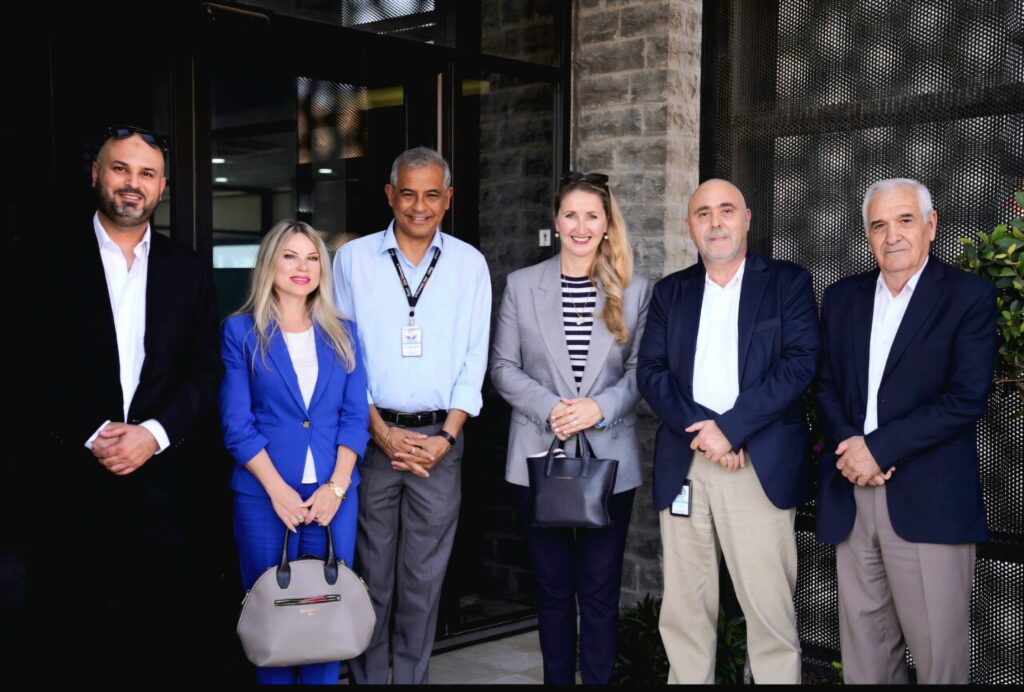
    Shipping Arabia, November 5, 2026 – Aqaba Container Terminal (ACT) welcomed the ambassadors of the Czech Republic, the United Kingdom and Spain to Jordan during a series of diplomatic visits focused on terminal operations, future development plans and the facility’s role in regional supply chains. The engagements provided an opportunity to present ACT’s operational performance and strategic vision as Jordan’s gateway to global trade.

    The visits brought together senior diplomatic representatives and ACT management to discuss the terminal’s capabilities, future priorities and contribution to international trade and logistics.

    European Ambassadors Visit Aqaba Container Terminal

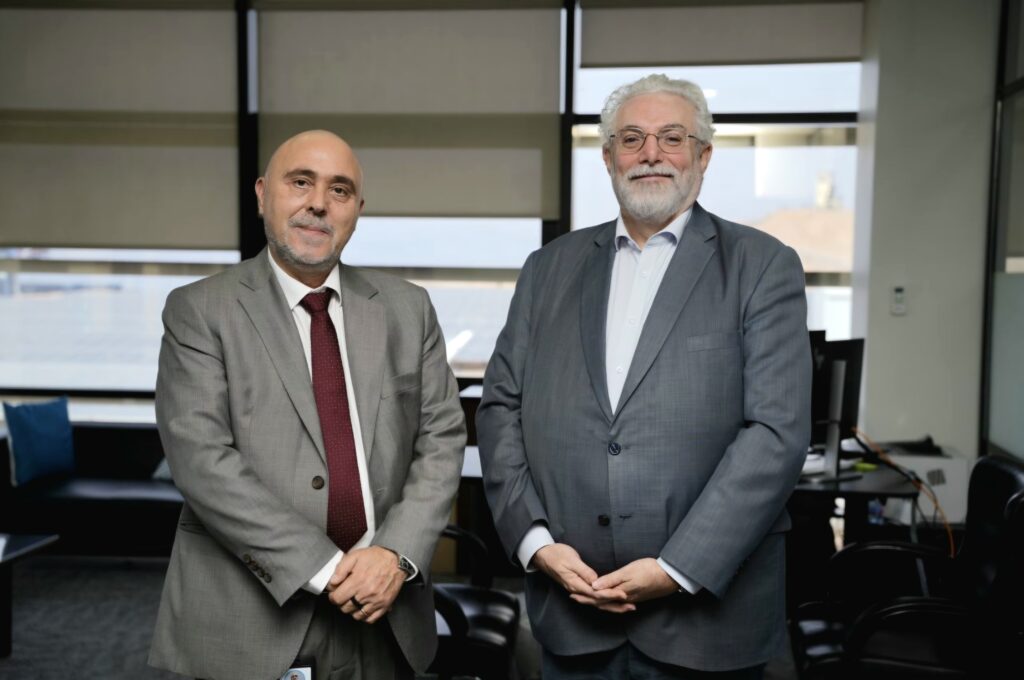
    The diplomatic visitors included Andrea Kučerová, Ambassador of the Czech Republic to Jordan; Philip Hall, British Ambassador to Jordan; and José Luis Pardo Cuerdo, Ambassador of Spain to Jordan.

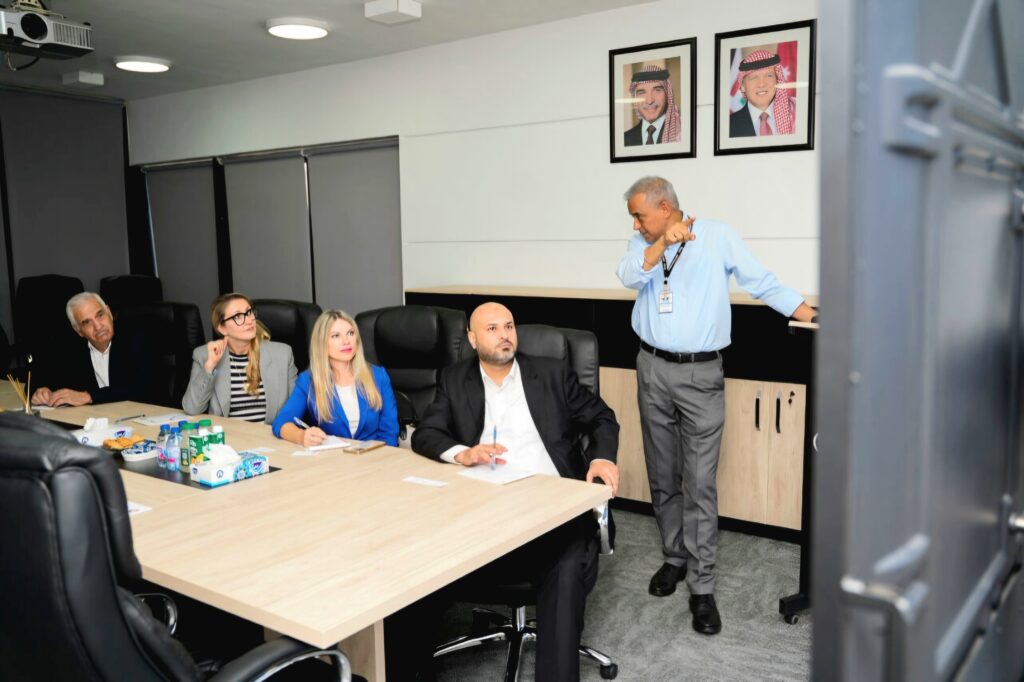
    During their respective visits, the ambassadors received an overview of ACT’s operations and its future vision for supporting Jordan’s international trade.

    The delegations also visited the terminal’s terrace, which provided panoramic views of the facility. This offered an opportunity to observe the terminal while learning about its operations and role in regional supply chains.

    The meetings reflected continued diplomatic interest in Jordan’s trade and logistics sector, particularly the role of Aqaba Container Terminal in connecting the country with global markets.

    ACT CEO Outlines Terminal Performance and Strategic Vision

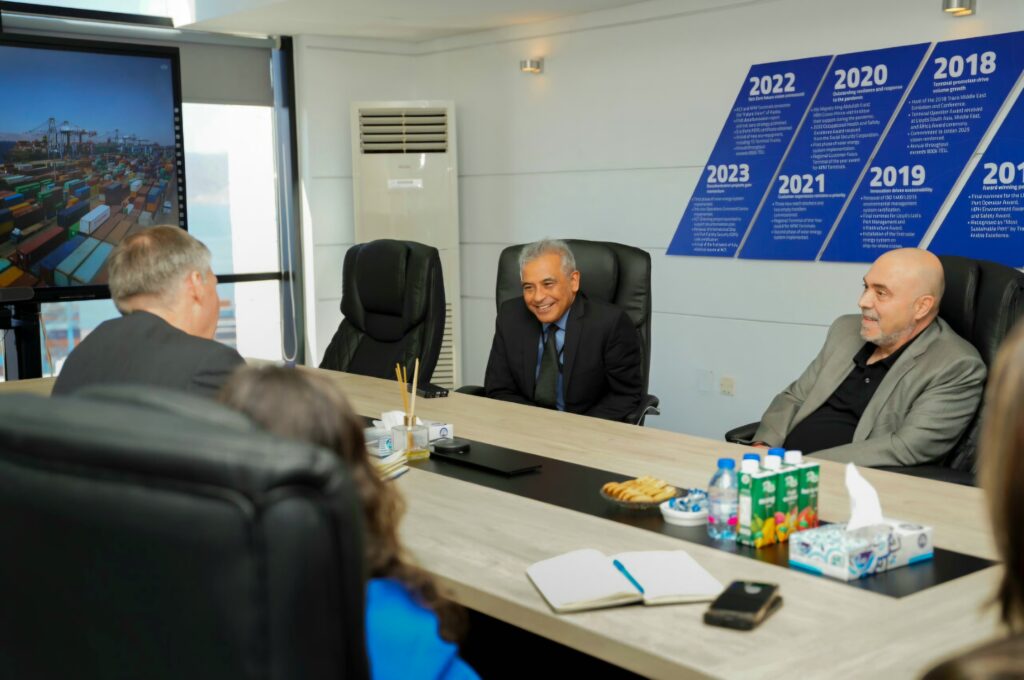
    ACT CEO Jose Rueda Salinas delivered comprehensive briefings to the visiting ambassadors, covering the terminal’s operational performance and its contribution to regional supply chains.

    The presentations also addressed ACT’s plans for the coming years and its future vision as a major gateway for Jordan’s international trade.

    Through the briefings, the ambassadors gained insight into the terminal’s current operations and the priorities guiding its future development.

    The discussions emphasized ACT’s role in facilitating international trade and supporting the movement of containerized cargo through Jordan’s maritime gateway.

    Strengthening International Trade and Logistics Relations

    Beyond the operational briefings, the diplomatic visits highlighted the importance of trade and logistics relations between Jordan and the Czech Republic, the United Kingdom and Spain.

    ACT expressed appreciation for the ambassadors’ visits and their continued interest in strengthening commercial and logistics cooperation between Jordan and their respective countries.

    The engagements also provided an opportunity for ACT to communicate its strategic priorities directly to international diplomatic representatives.

    By presenting its operational capabilities, regional supply chain role and future development plans, the terminal reinforced its position as a key component of Jordan’s international trade infrastructure.

    Source: Aqaba Container Terminal

  • Morocco Advances $825 Million Tanger Med Expansion as Nador West Med Nears Opening

    Shipping Arabia, November 1, 2026 – Morocco is advancing two major Mediterranean port developments, with an $825 million Tanger Med expansion planned to increase the complex’s annual container capacity to approximately 20 million TEUs, while the new Nador West Med port prepares to begin operations following $5.5 billion in public and private investment.

    The developments were presented during a meeting chaired by King Mohammed VI, which reviewed progress at the Nador West Med port and industrial complex and plans for the third expansion phase of Tanger Med. Both projects form part of Morocco’s strategy to strengthen its port infrastructure, expand maritime and logistics capabilities, and improve its competitiveness within global trade networks.

    According to Morocco’s Royal Cabinet, the investments aim to establish an efficient port system capable of responding to changes in global value chains. The strategy also emphasizes supporting regional economic development, creating employment opportunities and increasing the economic value generated in areas surrounding the new infrastructure.

    The projects come as Mediterranean ports gain importance amid disruptions affecting strategic shipping routes, particularly the Strait of Hormuz and Bab el-Mandeb. These challenges have increased risks to global oil, gas and cargo movements, reinforcing the importance of maritime infrastructure and alternative trade connectivity.

    Nador West Med has attracted more than MAD 54 billion ($5.5 billion) in combined public and private investment. The port’s first terminal is expected to enter operation in the coming days, marking a major milestone for the new maritime, industrial and energy complex on Morocco’s Mediterranean coast.

    The development combines container handling, fuel storage, liquefied natural gas processing, industrial activities and logistics facilities. Its first container terminal will have an annual capacity of 3.5 million TEUs upon completion, while a second terminal is scheduled to enter service in April 2027 with additional capacity of 1.8 million TEUs.

    Together, the two container terminals represent approximately MAD 8 billion ($825 million) in private investment, according to the Royal Cabinet. Their development will expand Morocco’s container handling capabilities and strengthen its infrastructure serving international maritime trade.

    Energy infrastructure represents another major component of Nador West Med. The complex includes a fuel terminal with potential storage capacity of 4 million cubic meters, alongside Morocco’s first liquefied natural gas (LNG) terminal, designed to process up to 5 billion cubic meters annually.

    The LNG facility will enable Morocco to import natural gas from international markets and process it domestically to meet industrial demand and support electricity generation. Combined with the fuel storage facilities, the development will expand the country’s energy handling and storage infrastructure.

    Nador West Med will also connect to national railway and highway networks, supporting the integration of maritime operations with inland transport and industrial activities. The project seeks to replicate aspects of Tanger Med’s success in attracting investment and developing integrated port and logistics infrastructure.

    Additional facilities include terminals for dry bulk and general cargo, further diversifying the port’s operational capabilities. The associated industrial zone has already entered operation, with one factory currently operating and three others under construction.

    Alongside the Nador West Med development, Morocco is preparing a third major expansion of Tanger Med through the planned Tanger Med 3 project, representing approximately MAD 8 billion ($825 million) in investment.

    The Tanger Med expansion will include 1,200 meters of quays and provide additional annual container handling capacity of 4.5 million TEUs. A concession agreement has been signed with Maersk-APM for the development of the new container terminal.

    The broader investment program also includes expanding passenger port facilities and infrastructure serving international road freight transport. In addition, the plans provide for an eastern extension of Tanger Med 2, further increasing the complex’s capacity and operational infrastructure.

    Once these developments are completed, Tanger Med’s total annual container handling capacity is expected to reach approximately 20 million TEUs. According to the Royal Cabinet, this would position the complex among the world’s ten largest ports by capacity.

    Tanger Med already holds a leading position in international maritime trade, ranking first among ports in Africa and the Mediterranean, according to the source. Since beginning operations in 2007, it has become one of Morocco’s most significant port infrastructure investments.

    Beyond its container terminals, Tanger Med has developed into an integrated industrial and logistics platform, supported by major economic and industrial zones. These facilities include Renault’s largest automotive manufacturing plant in Morocco, alongside other industrial companies producing goods for export to European markets.

    The combination of port infrastructure, manufacturing activities and logistics services has supported Tanger Med’s development as a major trade and industrial hub. The planned expansion aims to build on this model by increasing container handling capacity and strengthening the complex’s position in international shipping networks.

    Morocco currently operates 44 ports, including 14 serving foreign trade, supported by approximately 3,500 kilometers of coastline. Its geographic position provides maritime connections between Europe, Africa and the Americas, while its Mediterranean facilities also serve shipping routes linking European and Asian markets.

    The parallel development of Nador West Med and Tanger Med reflects Morocco’s approach to expanding its maritime infrastructure across several strategic activities. While Tanger Med focuses on increasing container handling capacity and strengthening its established logistics and industrial ecosystem, Nador West Med introduces additional capabilities in energy storage, LNG processing, container operations and industrial development.

    Together, the projects form part of the kingdom’s efforts to strengthen its position in maritime trade, attract investment and improve the competitiveness of its port system amid changing global supply chains and disruptions affecting international shipping corridors.

    Source: Asharq Business

  • Port of Salalah Concession Transition Raises Questions Over $200 Million in Equipment

    Shipping Arabia, October 23, 2026 – Oman’s decision not to renew the operating concessions of Salalah Port Services Company beyond November 1, 2028, has raised questions over approximately $200 million in leased port equipment and long-term commercial agreements. The Port of Salalah concession transition will bring a new operator to one of the country’s major maritime gateways, although the government has yet to announce its successor.

    The Ministry of Transport, Communications and Information Technology confirmed that a new operator will take over following the expiration of the existing concessions. However, the ministry has not disclosed details of the selection process or arrangements for transferring operations.

    Salalah Port Services confirmed receiving formal notification of the decision through a disclosure to the Muscat Stock Exchange. The company described the decision as final and unconditional, adding that its board would assess the implications and potential financial impact on its business.

    The company has not yet provided an estimate of the financial consequences. Meanwhile, the ministry confirmed that port operations and development activities would continue throughout the remaining concession period.

    Port of Salalah Concession Transition Raises $200 Million Equipment Question

    One of the principal commercial issues surrounding the Port of Salalah concession transition concerns approximately $200 million worth of equipment leased during the port’s expansion program.

    During discussions of the company’s 2025 financial results, reported in March 2026, Salalah Port Services executives explained that the equipment had been leased rather than purchased because of uncertainty surrounding the extension of the existing concession agreements.

    Management indicated that clarity over a potential concession extension would help determine whether the company should purchase the equipment outright or extend the existing lease arrangements. Such clarity would also support decisions regarding further investment in port infrastructure and handling capacity.

    However, the government’s decision not to extend the concessions introduces uncertainty over how these leased assets will be handled when the current agreements expire in November 2028.

    Salalah Port Services has not disclosed whether the equipment could be purchased, transferred or otherwise incorporated into arrangements involving the incoming operator.

    The outstanding equipment arrangements are particularly significant because they relate to a recently completed container terminal modernization program.

    $300 Million Container Terminal Expansion Increased Capacity to 6.5 Million TEUs

    The leased equipment forms part of the investment arrangements associated with a $300 million container terminal upgrade completed during the first quarter of 2025.

    The project included improvements to six existing container berths, the installation of additional container-handling cranes and the expansion of container storage yards.

    It also involved upgrades to electricity infrastructure and port access facilities, strengthening the terminal’s capacity to accommodate container traffic.

    Following completion of the project, the Port of Salalah’s annual container-handling capacity increased from approximately 4.5 million TEUs to 6.5 million TEUs.

    The expansion represents a substantial investment in the port’s container infrastructure ahead of the scheduled expiration of the existing operating concessions.

    The future treatment of the leased equipment therefore remains an outstanding issue in the transition process. The company has not announced any agreement governing the assets after November 2028.

    Long-Term LPG and Port Land Agreements Extend Beyond 2028

    The Port of Salalah concession transition also raises questions about commercial agreements whose contractual terms extend well beyond the current operating concessions.

    According to the 2025 audited financial statements of OQ Base Industries, the company entered into agreements with Salalah Port Services in May 2017 covering liquefied petroleum gas (LPG) storage and associated port facilities.

    One agreement provides for the lease of 76,844 square meters of land within the port for an initial period of 30 years, extending to approximately 2047.

    The agreement also includes provisions for a further 10-year extension.

    Additional agreements cover access to port facilities and pipeline rights of way, with similarly long contractual periods.

    These commitments extend considerably beyond November 2028, when Salalah Port Services’ existing operating concessions are scheduled to expire.

    However, the published financial disclosures do not explain how these agreements would be treated following the appointment of a successor operator.

    Importantly, the existence of agreements extending beyond the current concession period does not establish that they will be terminated or negatively affected by the change in operator.

    The arrangements remain among the commercial matters for which the future treatment has not been publicly specified.

    Existing Concession Structure and APM Terminals’ Role

    Salalah Port Services operates the Port of Salalah’s container terminal and general cargo terminal under separate concession agreements.

    According to the company’s financial statements, the concession arrangements require fixed annual payments that increase by 3% each year, alongside variable royalties.

    Separate management agreements with APM Terminals govern the port’s day-to-day operations.

    Under these agreements, management fees are linked to container terminal revenue and general cargo handling volumes.

    APM Terminals, part of the A.P. Moller-Maersk group, holds approximately 30% of Salalah Port Services. Meanwhile, Oman’s government-owned Asyad Group holds a stake of approximately 20%.

    The existing ownership and management arrangements form part of the operating structure that will be affected by the scheduled concession transition.

    However, no details have been announced regarding the structure or identity of the incoming operator.

    Salalah Port Handled 4.3 Million TEUs in 2025

    The concession decision comes after a period of substantial cargo growth at the Port of Salalah.

    The port handled approximately 4.3 million TEUs during 2025, representing a 31% increase compared with the previous year.

    General cargo throughput also increased by 17%, reaching 26.4 million tons.

    Located on Oman’s Arabian Sea coast, the Port of Salalah serves as a major container transshipment hub connecting maritime trade routes between Asia, Europe, the Middle East and East Africa.

    Its recently expanded container terminal has an annual handling capacity of approximately 6.5 million TEUs, following completion of the $300 million modernization program.

    These developments place the planned operating transition alongside substantial recent infrastructure investment and growing cargo volumes.

    The Ministry of Transport, Communications and Information Technology has confirmed that port operations and development will continue until the existing concessions expire.

    Nevertheless, several important details remain unresolved, including the selection of the successor operator, treatment of leased equipment, continuity of long-term commercial arrangements and operational handover procedures.

    The government has not yet announced when it will identify the incoming operator or disclose further details of the transition process.

    Source: Oman Observer

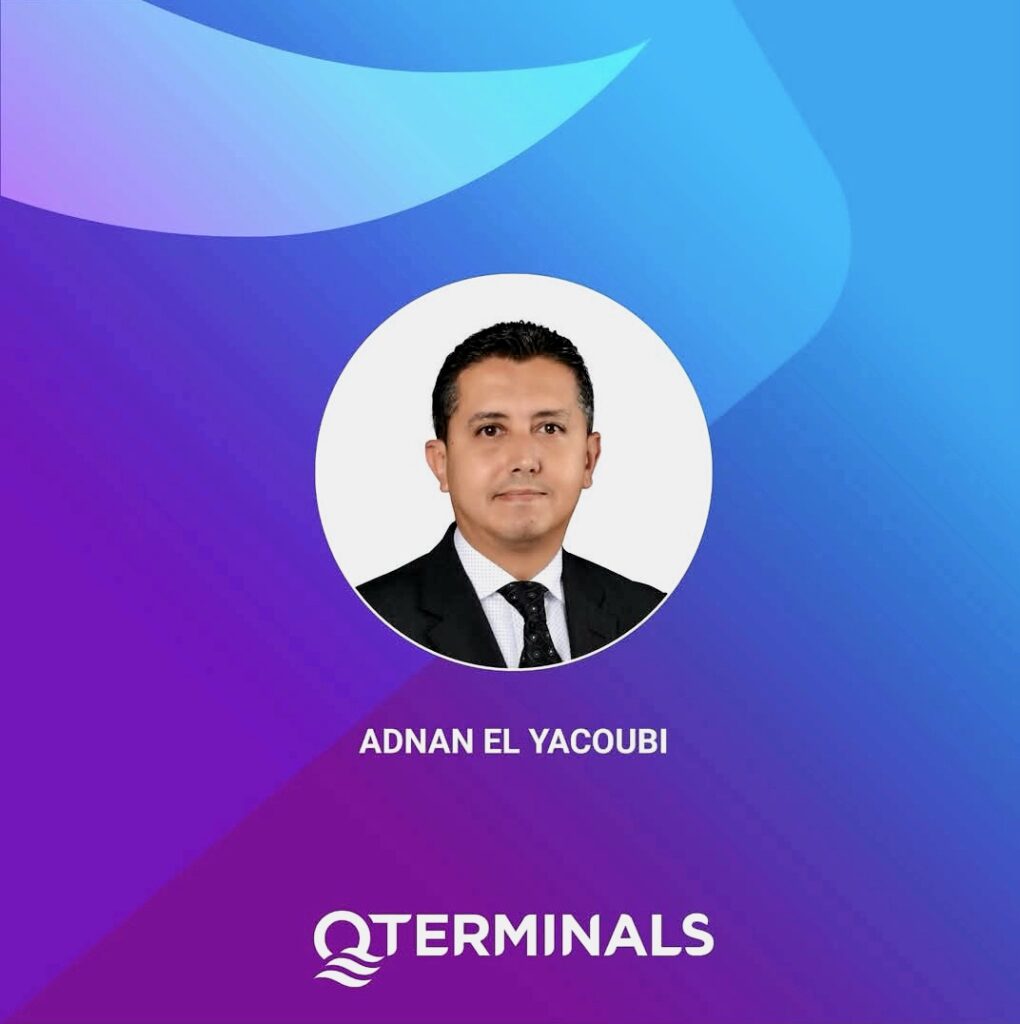
  • QTerminals Appoints Adnan El Yacoubi as Managing Director of Hamad Port in Qatar

    Shipping Arabia, October 12, 2026 – QTerminals has appointed Adnan El Yacoubi as Managing Director of Hamad Port in Qatar, bringing more than 17 years of international experience in port operations, terminal management and operational leadership across major maritime markets.

    The appointment, announced by QTerminals on October 1, places El Yacoubi at the helm of Hamad Port as the company prepares for its next phase of development. His professional background spans senior operational and executive positions across Belgium, Jordan, Malaysia, Morocco and the Netherlands.

    Extensive International Experience in Port Operations

    El Yacoubi joins QTerminals following his tenure as Chief Operations Officer at Aqaba Container Terminal (ACT) in Jordan, where he served from July 2024 to September 2026.

    Before joining ACT, he was Head of Operations at Malaysia’s Port of Tanjung Pelepas from April 2021 to July 2024. In that position, he oversaw terminal operations and managed a workforce of more than 4,000 employees at one of the world’s largest container terminals.

    His earlier career included several senior operational and planning positions within APM Terminals. He served as Head of Shared Planning Center, supporting terminal planning activities across international locations, including Africa and Europe.

    El Yacoubi also held the position of Head of Terminal Operations Planning at APM Terminals MedPort Tangier in Morocco between 2017 and 2020. His responsibilities included establishing operational planning functions, implementing terminal operating systems and developing planning procedures.

    Additionally, he served as Yard Manager at APM Terminals Maasvlakte II in the Netherlands and previously held terminal planning management positions in Morocco and the Netherlands.

    These assignments provided him with extensive experience in container terminal operations, operational planning, workforce management and performance improvement across different international markets.

    Leading Hamad Port’s Next Phase of Development

    As Managing Director, El Yacoubi will lead the overall management and operations of Hamad Port, with a focus on operational performance, service quality and business growth.

    In its announcement, QTerminals highlighted his international leadership experience, operational expertise and commitment to continuous improvement as key strengths supporting his appointment.

    The company expressed confidence in his ability to guide Hamad Port through its next phase of growth and development, building on his experience managing major port operations and leading operational teams across international maritime markets.

    Source: QTerminals

    Adnan El Yacoubi, newly appointed Managing Director of Hamad Port in Qatar, in an official QTerminals announcement.
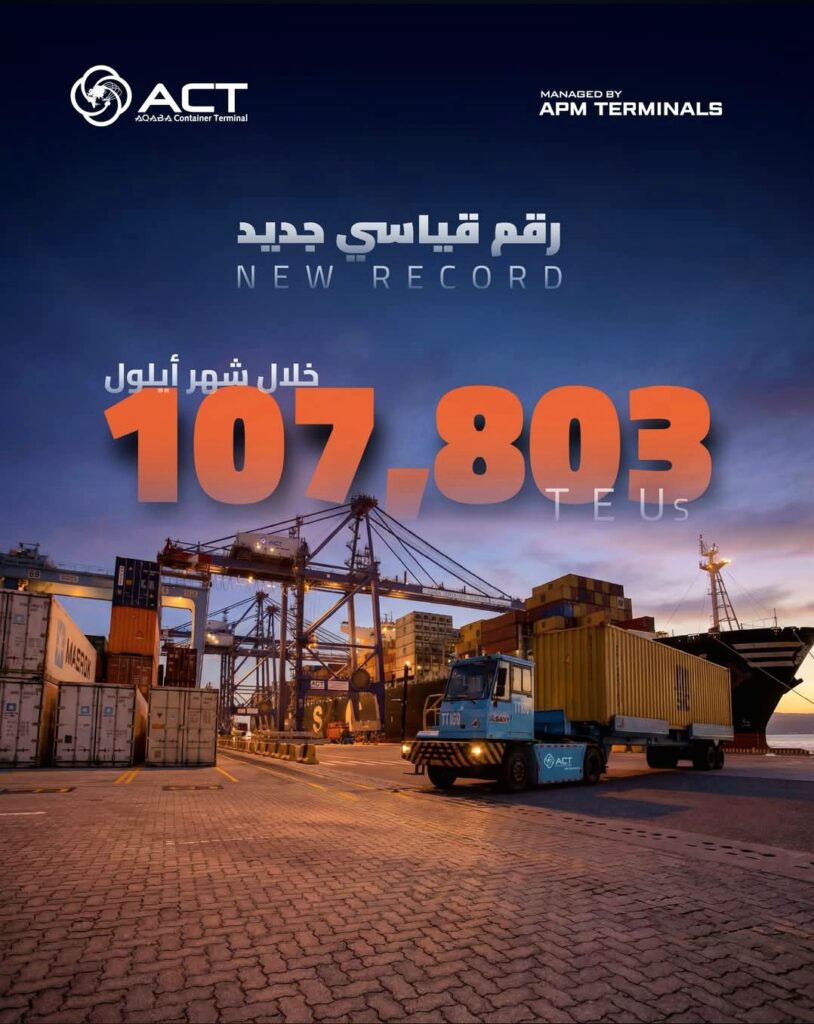
  • Aqaba Container Terminal Sets Third Consecutive Monthly Record with 107,803 TEUs in September 2026

    Shipping Arabia, October 12, 2026 – Aqaba Container Terminal (ACT) in Jordan achieved its third consecutive monthly throughput record in September 2026, handling 107,803 twenty-foot equivalent units (TEUs) across 53 vessels. The milestone marked the third straight month in which container volumes exceeded 100,000 TEUs, highlighting sustained operational momentum at Jordan’s principal container terminal.

    The September performance followed record throughput levels in July and August, extending ACT’s run of consecutive monthly records. The results reflect the terminal’s continued role in facilitating Jordan’s international trade and supporting cargo movements between the country and regional markets.

    Aqaba Container Terminal Throughput Maintains Record Levels

    ACT’s September container throughput of 107,803 TEUs represented another milestone in a period of sustained high-volume operations. The terminal surpassed the 100,000-TEU threshold for the third consecutive month, maintaining the momentum established during July and August.

    The latest figures also highlight the scale of marine activity at the terminal, with 53 vessels handled during September. ACT maintained its focus on accommodating sustained container volumes while delivering efficient and reliable services to shipping customers and supply chain partners.

    The sequence of monthly records reflects the continued importance of Aqaba within regional maritime trade flows. It also demonstrates the terminal’s capacity to handle significant container volumes as it serves Jordan and the wider regional market.

    Transit Cargo Reaches 14,712 TEUs as Truck Activity Remains Strong

    Transit cargo continued to represent an important component of ACT’s operations during September. The terminal handled 14,712 TEUs of transit shipments, reinforcing its role in facilitating the movement of goods between Jordan and regional markets.

    The transit figures highlight the importance of Aqaba’s connectivity to surrounding markets and its function as a maritime gateway for cargo moving beyond Jordan’s domestic market.

    Meanwhile, landside operations maintained high activity levels. ACT recorded 45,901 truck visits at its terminal gates during September, reflecting the substantial flow of containers between the port and inland transport networks.

    The combination of strong vessel activity, high container throughput and sustained truck movements demonstrated the terminal’s ability to manage cargo volumes across both marine and landside operations.

    According to ACT, maintaining efficient and reliable services remains essential to supporting customers and supply chain partners as the terminal handles sustained operational demand.

    ACT Reinforces Its Position as a Regional Logistics Gateway

    Commenting on the September performance, José Rueda, Chief Executive Officer of Aqaba Container Terminal, said the three consecutive months of record throughput reflected the strength and resilience of Aqaba’s position within regional trade flows.

    He emphasized that the terminal’s performance demonstrated its ability to accommodate those trade flows at scale, while maintaining the operational standards required by its customers and partners.

    Rueda also highlighted ACT’s focus on strengthening its position as a trusted regional gateway as the logistics landscape continues to evolve.

    The terminal aims to combine strong operational performance with improved connectivity, service reliability and consistent customer service standards. These priorities remain central to supporting the needs of shipping lines, logistics providers and other supply chain partners.

    According to Rueda, the sustained performance provides a strong foundation for ACT to continue contributing to the growth and competitiveness of Jordan’s logistics sector.

    The September results consolidate three consecutive months of record container throughput, reinforcing Aqaba Container Terminal’s role in facilitating regional trade and supporting Jordan’s maritime and logistics activities.

    Source: APM Terminals

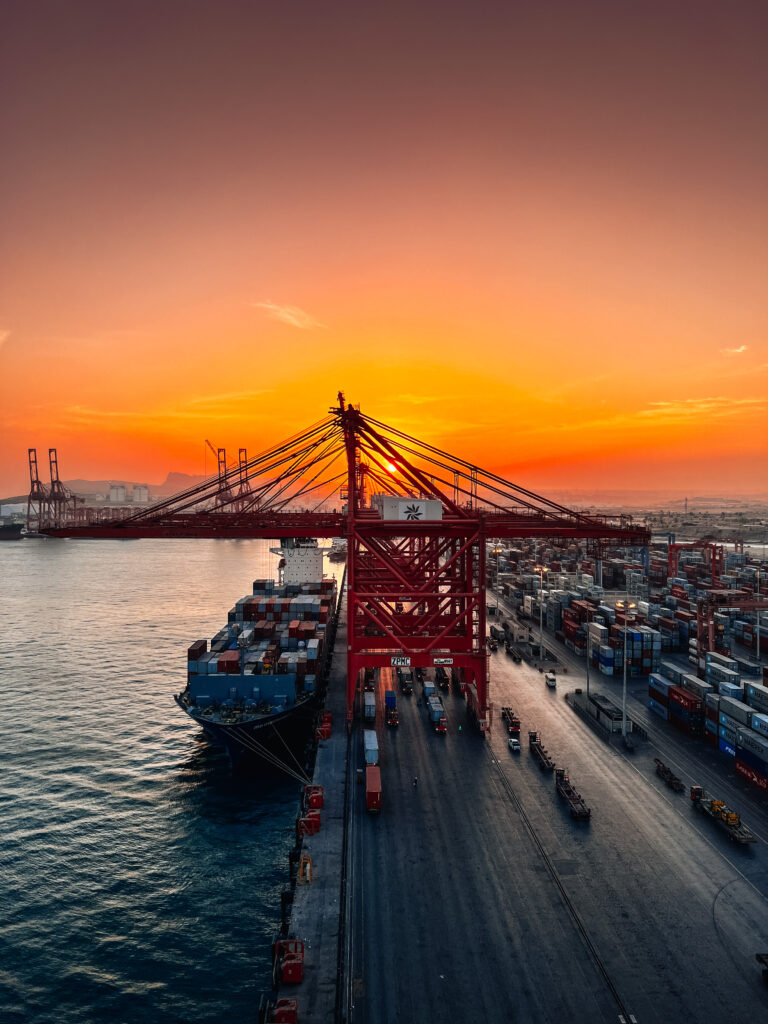
    Aqaba Container Terminal in Jordan, which achieved its third consecutive monthly container throughput record in September 2026.
  • Port of Salalah Container Throughput Sets Second Consecutive Monthly Record

    Shipping Arabia, October 11, 2026 – Port of Salalah container throughput reached a record 511,209 TEUs in September 2026, marking the second consecutive monthly high at the Omani port. The latest performance pushed combined container volumes for August and September above 1 million TEUs, extending the port’s growth following a major terminal expansion completed in 2025.

    September throughput increased 4.1% from August’s previous record of 491,114 TEUs. Container-handling moves also rose 3.7%, reaching 301,113 compared with 290,418 in August.

    Josh Surdin, Chief Operating Officer of the Port of Salalah Container Terminal, disclosed the September figures in a LinkedIn post. He described the result as the highest monthly container volume recorded in the port’s history.

    Port of Salalah Container Throughput Exceeds 1 Million TEUs in Two Months

    The combined throughput for August and September reached 1,002,323 TEUs, equivalent to approximately 23% of the port’s total container volume for 2025.

    The consecutive monthly records follow significant annual growth in container traffic. In 2025, Port of Salalah handled 4.325 million TEUs, representing a 31% increase from the 3.305 million TEUs recorded in 2024.

    Growth continued into 2026. During the first six months of the year, the port handled 2.331 million TEUs, compared with 2.031 million TEUs during the corresponding period of 2025. This represented a year-on-year increase of approximately 14.8%.

    The September record therefore follows a period of sustained growth in container volumes, with both annual and first-half figures showing increases before the consecutive monthly highs in August and September.

    Transshipment Dominates Container Traffic

    Transshipment remains the largest component of Port of Salalah’s container business. During the first half of 2026, transshipment volumes reached approximately 2.034 million TEUs, accounting for around 87% of total container throughput.

    These volumes reflect the port’s principal role as an international transshipment hub, where containers are transferred between vessels as part of global shipping networks.

    Import and export containers accounted for a smaller share of overall traffic. Combined import and export throughput reached 190,304 TEUs during the first six months of 2026, representing just over 8% of total volume.

    Meanwhile, container restows contributed a further 106,586 TEUs to first-half throughput.

    The breakdown highlights the dominance of international transshipment activity compared with container traffic directly associated with cargo entering or leaving Oman.

    $300 Million Terminal Expansion Supports Container Operations

    The consecutive monthly records follow the completion of a $300 million expansion of the Port of Salalah Container Terminal in 2025.

    The project involved upgrades to all six container berths, expansion of the container yard, and installation of new ship-to-shore cranes and supporting infrastructure.

    The investment expanded the terminal’s infrastructure and was designed partly to accommodate container traffic associated with the Gemini Cooperation shipping network operated by Maersk and Hapag-Lloyd.

    The Gemini Cooperation forms an important part of the port’s operating environment, with the upgraded terminal infrastructure developed in part to serve traffic moving through the network.

    APM Terminals, part of A.P. Moller-Maersk, operates Port of Salalah and holds a 30% ownership stake in Salalah Port Services Company.

    The operator’s parent group is also one of the two shipping companies behind the Gemini Cooperation, alongside Hapag-Lloyd.

    With the terminal expansion completed in 2025, Port of Salalah has recorded growth in first-half 2026 container throughput, followed by successive monthly records in August and September.

    Source: Oman Observer
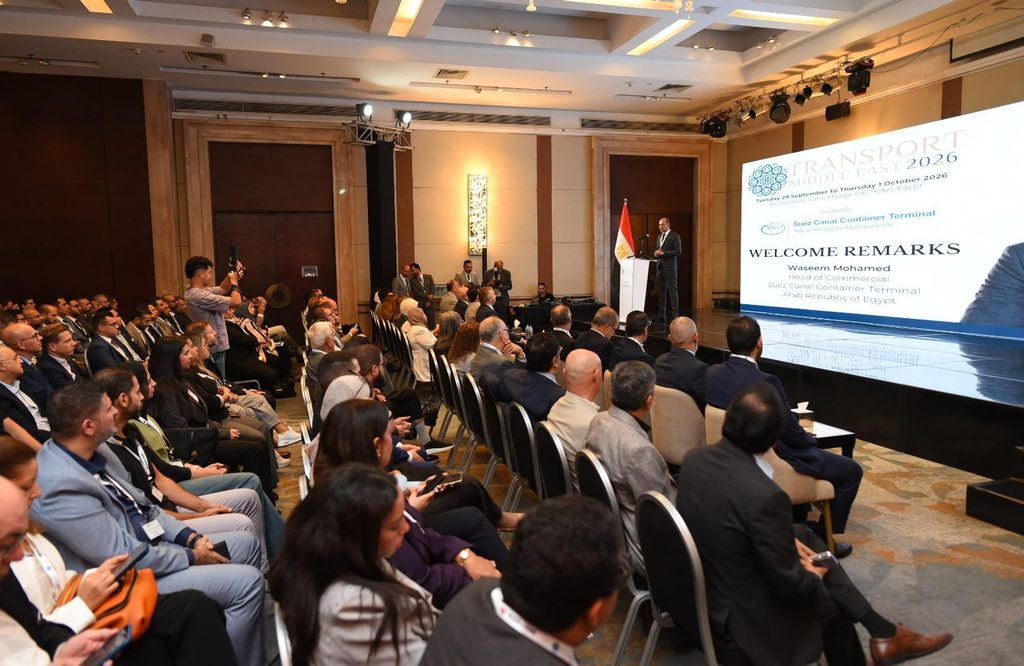
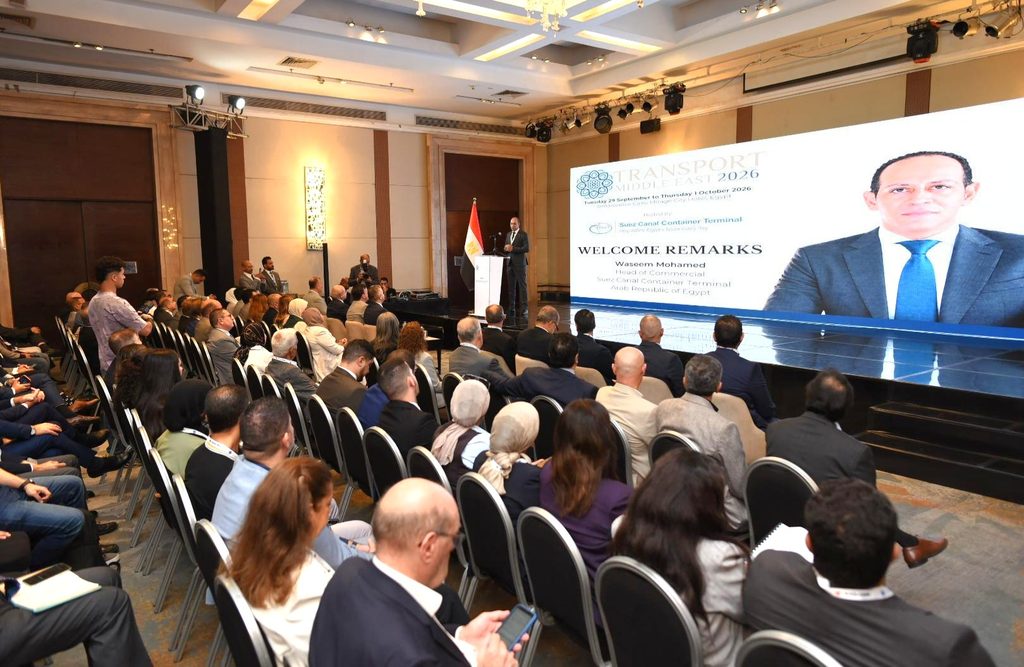
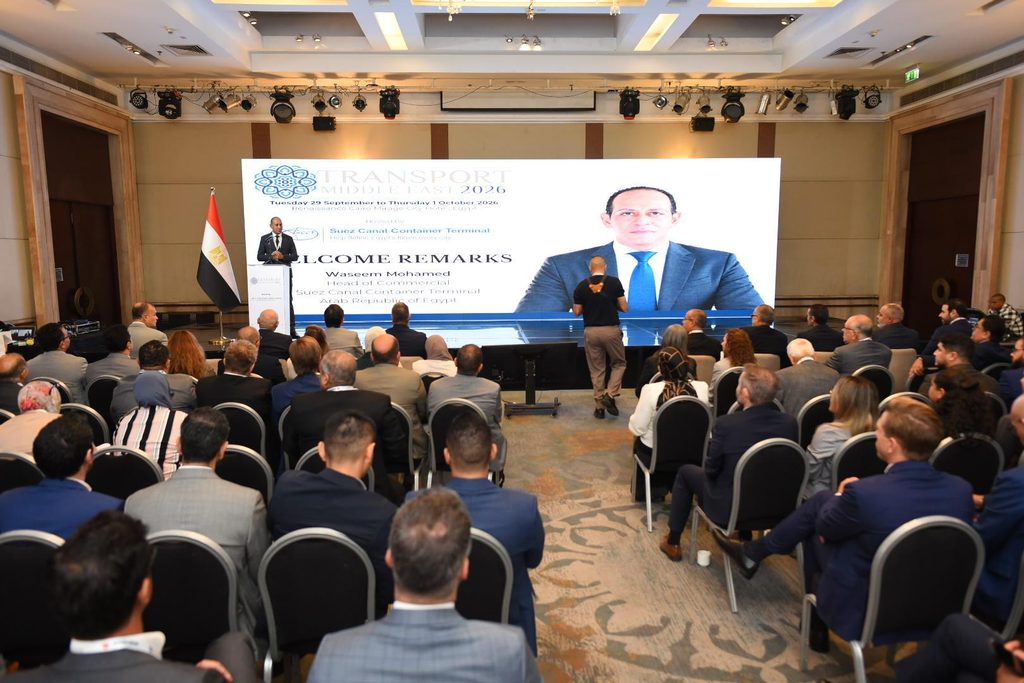
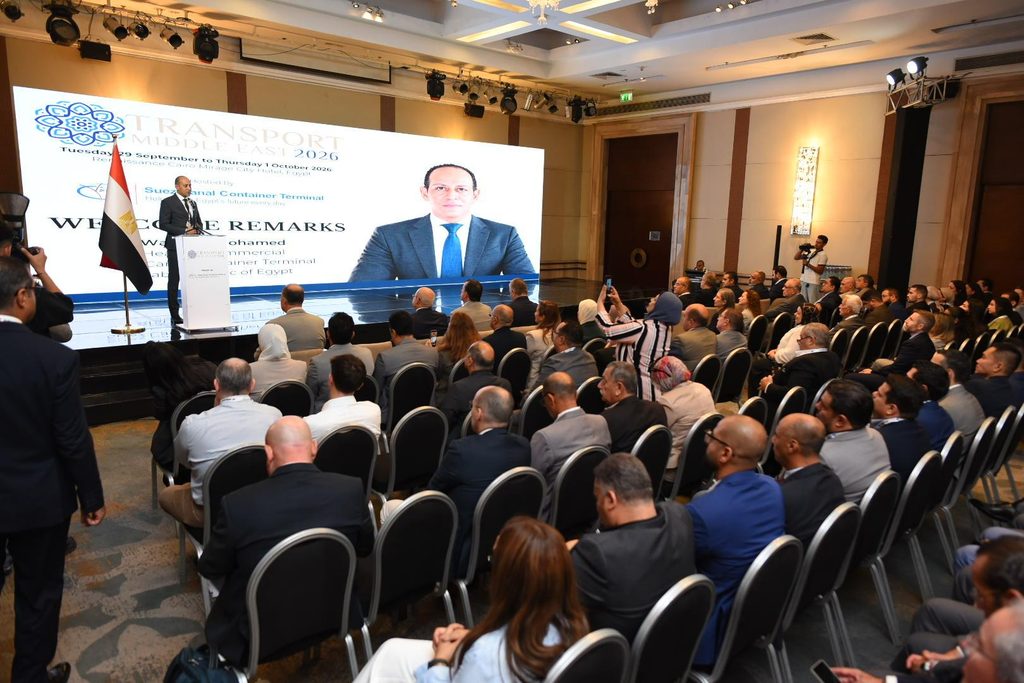
  • SCCT Hosts Transport Middle East 2026 as Global Maritime and Logistics Leaders Gather in Cairo

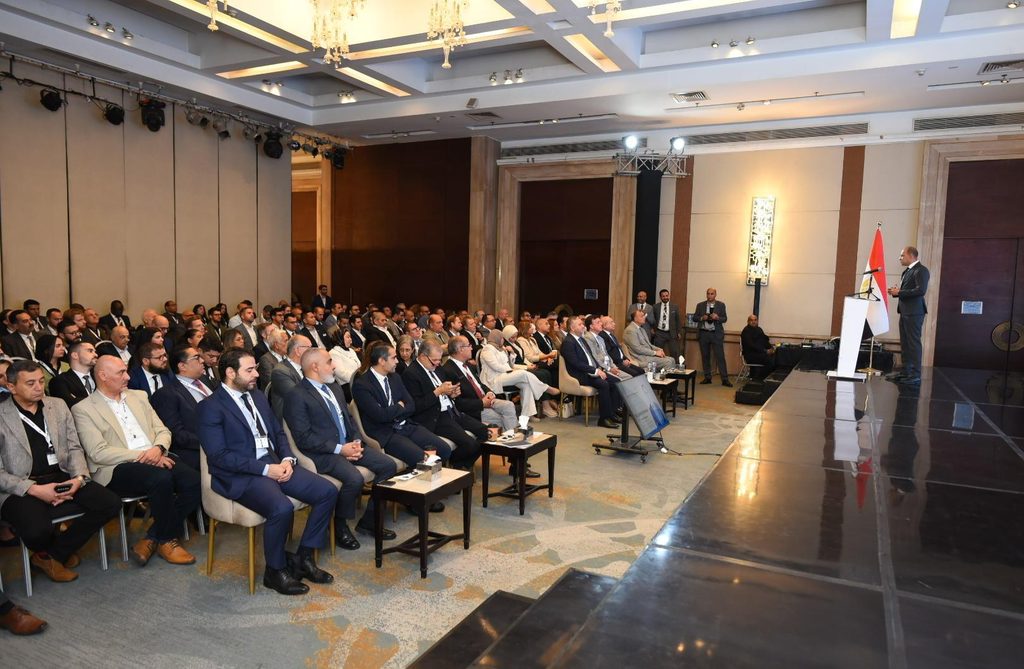
    Shipping Arabia, October 1, 2026 – Suez Canal Container Terminal (SCCT) is hosting Transport Middle East 2026 in Cairo, bringing together government officials, senior industry decision-makers, customers, suppliers and logistics professionals from the Middle East, Africa, Europe and other international markets to discuss the trends, opportunities and challenges shaping global trade.

    The three-day event opened on September 30 and is designed as a platform for knowledge sharing, industry discussion and collaboration across the global supply chain. Hosted by SCCT, Transport Middle East 2026 features an international program of expert speakers, networking opportunities, sector discussions and a technical site visit.

    Hundreds of delegates and industry representatives are attending the conference, with discussions spanning the maritime, transport and logistics sectors.

    Transport Middle East 2026 Focuses on Major Industry Priorities

    The conference agenda covers several of the most prominent issues facing global trade and logistics, including supply chain resilience, digital transformation, smart port technologies, sustainability, maritime decarbonization, infrastructure investment and the future of international trade.

    By bringing together government officials, industry executives and supply chain stakeholders, the event aims to support the exchange of perspectives across different parts of the logistics ecosystem.

    SCCT Chief Executive Officer Keld Mosgaard Christensen said Transport Middle East 2026 provides an important forum for exchanging views on the future of global trade and supply chains.

    He said the participation of government officials, industry leaders and supply chain stakeholders highlights the importance of collaboration in addressing shared challenges and opportunities.

    Christensen also emphasized Egypt’s position as a strategic gateway connecting three continents and its role in facilitating global commerce.

    He said collaboration and innovation can help build more resilient and sustainable trade networks while supporting SCCT’s ambition to become the Mediterranean’s most trusted trade hub, contribute to Egypt’s growth and create a sustainable legacy for future generations.

    Christensen also thanked delegates, speakers and partners for contributing to the discussions taking place during the conference.

    SCCT Highlights Collaboration Across the Logistics Ecosystem

    Waseem Mohamed, Head of Commercial at SCCT, said Transport Middle East 2026 creates opportunities for customers, supply chain partners and other industry stakeholders to connect, share insights and examine practical solutions to common challenges.

    He said collaboration across the logistics ecosystem is essential to improving efficiency, strengthening connectivity and creating value for customers.

    Mohamed added that discussions during the event can contribute to stronger partnerships and support the development of more resilient supply chains.

    As host of the conference, SCCT said the event reinforces its commitment to supporting international trade, facilitating connectivity and strengthening collaboration across the maritime and logistics community.

    The event also highlights Egypt’s strategic position as a trade gateway connecting markets across three continents.

    SCCT Connects Major East-West Trade Flows

    Suez Canal Container Terminal is operated by APM Terminals and is located at Port Said East at the northern entrance of the Suez Canal.

    SCCT is one of the leading transshipment hubs in the Eastern Mediterranean and sits on one of the world’s busiest maritime corridors. Its location enables connections across Asia, Europe, the Middle East and Africa.

    The terminal has handling capacity of up to 7 million TEUs and operates with modern infrastructure and advanced equipment. According to SCCT, these capabilities support reliable, high-performance operations serving major East-West trade flows.

    SCCT also offers zero-deviation access, allowing vessels to use the terminal without leaving their main shipping routes. The terminal said this helps reduce time, cost and emissions associated with deviations.

    Beyond its role in container shipping, SCCT said it contributes to Egypt’s economy through approximately 4,000 direct and indirect jobs. The terminal also continues to receive international recognition for its operational efficiency and service performance.

    APM Terminals Global Network

    APM Terminals develops and operates container terminals around the world and is an independent division of A.P. Moller-Maersk.

    The company has facilities in more than 60 key locations across 35 countries, with several additional facilities under development.

    APM Terminals employs approximately 22,000 people. In 2025, its hub and gateway terminals recorded 27,000 vessel calls and handled 25.8 million moves.

    Through SCCT, the company maintains a major presence at the northern entrance of the Suez Canal, connecting one of Egypt’s key container terminals with its wider global terminal network.

    Source: Suez Canal Container Terminal (SCCT)

  • Aqaba Container Terminal Strengthens Leadership Capabilities Through APM Terminals Business System

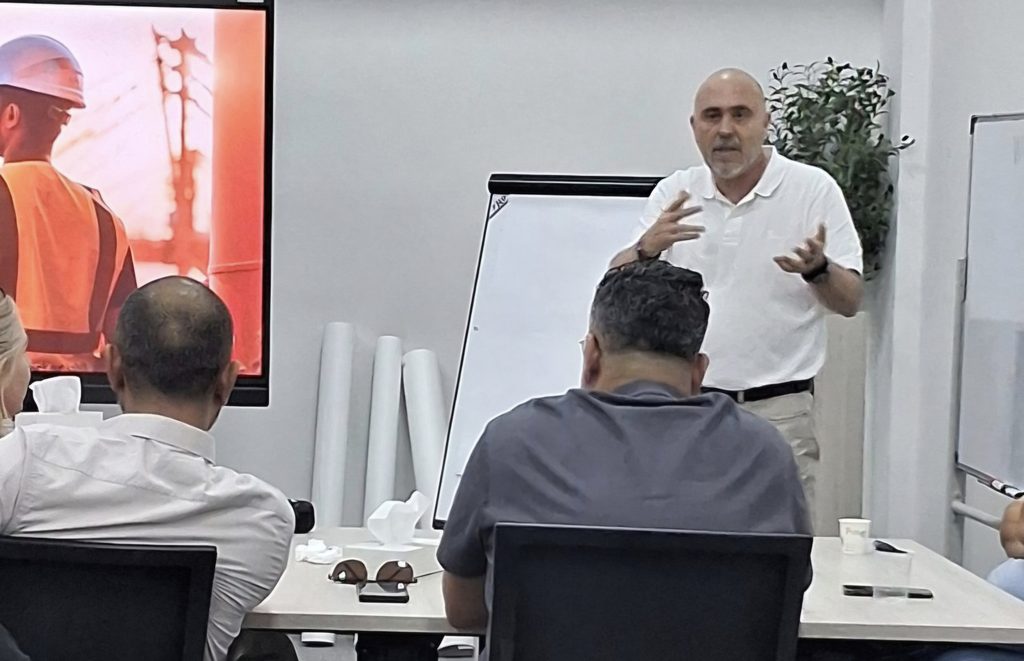
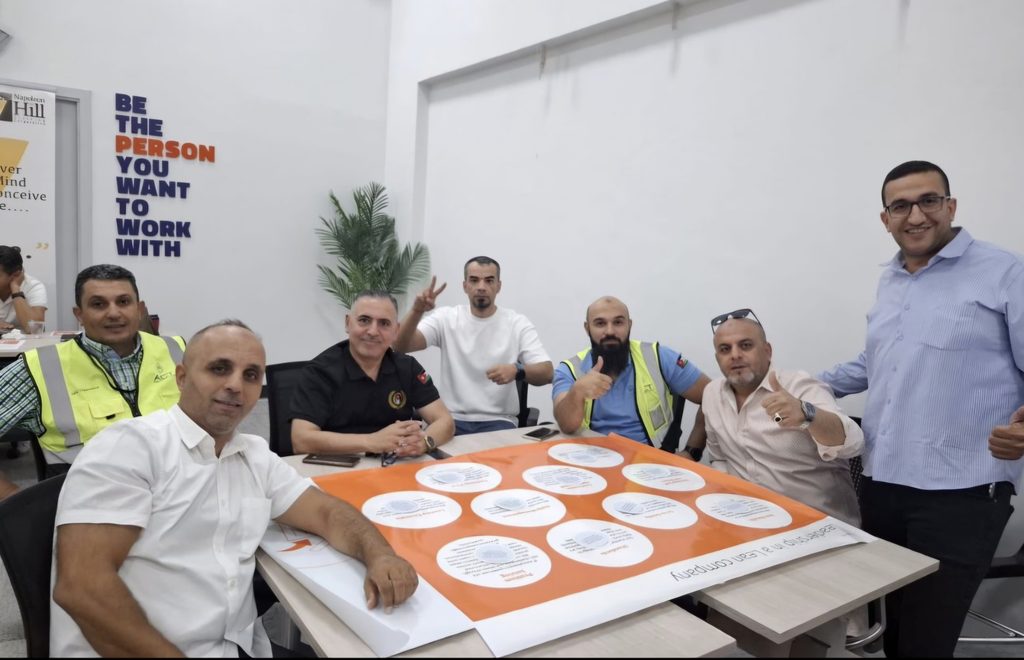
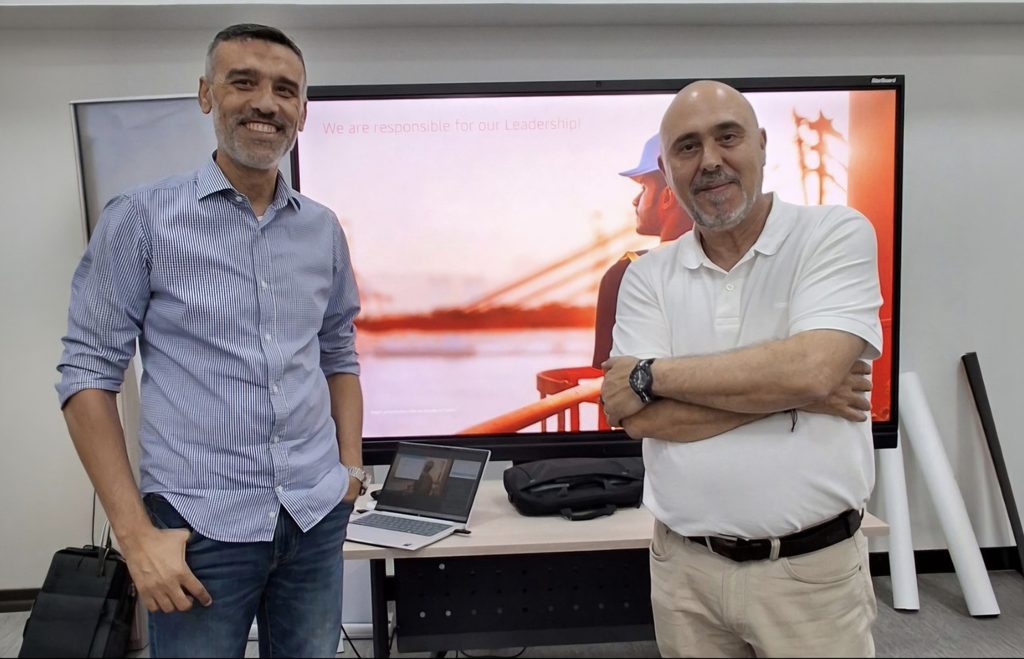
    Shipping Arabia, September 20, 2026 – Aqaba Container Terminal (ACT) has conducted a leadership development session for its management team as part of efforts to strengthen operational performance, continuous improvement and customer service at Jordan’s principal container gateway.

    The session builds on an earlier APM Terminals Business System (ABS) Leadership Expectations programme conducted with ACT’s senior leadership and forms part of the terminal’s alignment with APM Terminals’ wider global transformation programme.

    According to ACT, the workshop focused on leadership principles designed to develop high-performing teams, strengthen accountability, continuously improve operational processes and place customers at the centre of decision-making.

    Participants took part in interactive discussions and practical exercises examining how common leadership standards can improve collaboration, empower employees and contribute to long-term business performance.

    The programme also addressed the role of management in developing people, solving operational problems, promoting continuous improvement and creating value for customers and other stakeholders.

    ACT said strengthening leadership capabilities is intended to support sustainable growth and operational excellence while reinforcing a management culture focused on performance and customer service.

    As Jordan’s primary container terminal and maritime gateway for containerised trade, ACT plays a central role in the country’s import, export and transit supply chains through the Port of Aqaba.

    Source: Aqaba Container Terminal (ACT)

Back to top button