Arabian Sea Ports Corporation

  • Yemen Port Security Training Strengthens Maritime Preparedness Through EU-Funded IMO Workshop in Aden

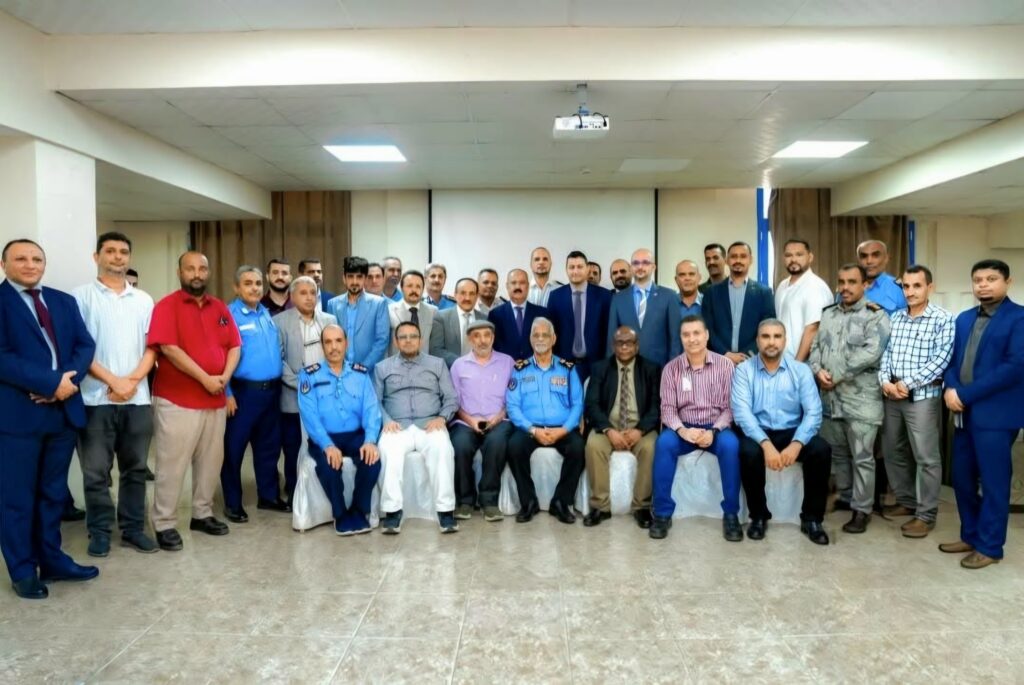
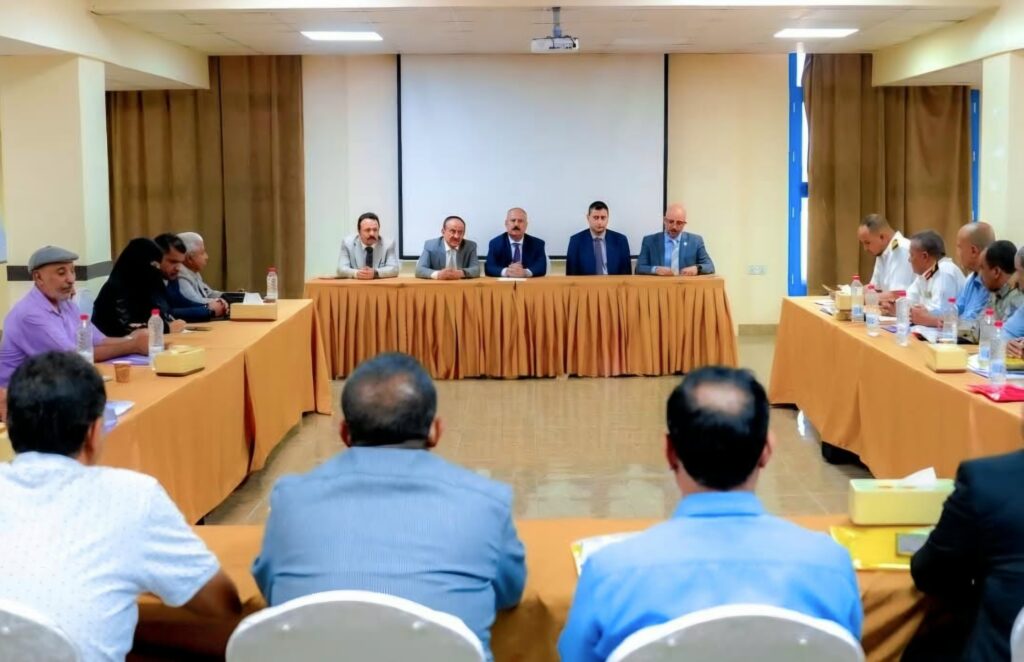
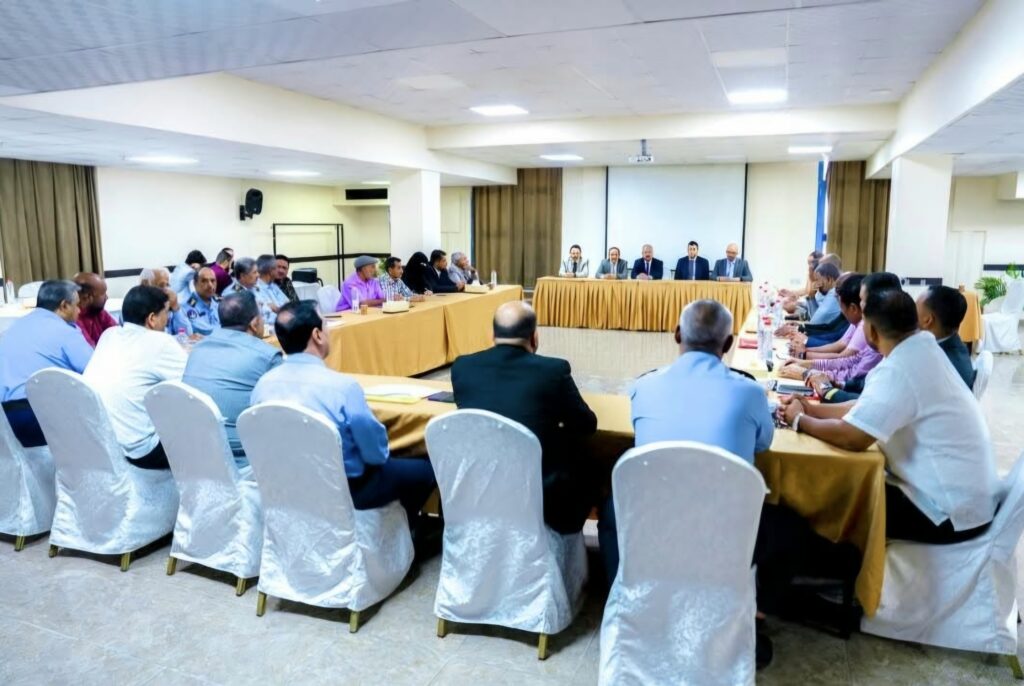
    Shipping Arabia, October 16, 2026 – Yemen port security training and emergency preparedness efforts received renewed attention as a five-day maritime security workshop, funded by the European Union and implemented by the International Maritime Organization (IMO), concluded in Aden. The program brought together 30 participants from maritime authorities, port corporations and security agencies to strengthen risk assessment capabilities, improve port facility security and support safe navigation across Yemen’s strategic maritime waterways.

    The workshop was organized under the Regional Programme for Maritime Security in the Red Sea Area. It brought together port facility security officers, designated authority representatives and port security committee members to improve coordination and strengthen the implementation of maritime security measures.

    Speaking at the closing ceremony, Yemen’s Minister of Transport, Mohsen Haidara Al-Omari, emphasized the importance of preparing port facilities to identify and assess security risks, establish priorities and implement appropriate preventive measures. He stressed that effective emergency response must go hand in hand with maintaining the continuity of commercial shipping and maritime operations.

    Yemen Port Security Training Focuses on Risk Assessment and Emergency Preparedness

    Al-Omari described the workshop as an important opportunity to strengthen national maritime security capabilities and improve awareness of the requirements for protecting ships and port facilities.

    He noted that current regional conditions and security challenges affecting maritime routes have increased the responsibility of national authorities to safeguard Yemen’s ports, vessels and waterways. Maintaining maritime trade and preventing the use of port facilities for unlawful activities remain essential priorities.

    The minister urged participants to translate the knowledge acquired during the workshop into practical security measures at their respective ports and facilities. He emphasized that effective port security requires continuous training, professional development and regular exercises to test preparedness.

    Al-Omari also called for periodic reviews of port security and emergency response plans, alongside checks to ensure that security equipment and systems remain operational and ready for use.

    He highlighted the need to activate port security committees and strengthen cooperation among relevant government agencies. According to the minister, these committees play an important role in coordinating security efforts, defining institutional responsibilities and improving cooperation between stakeholders.

    Thirty Participants Receive Specialized Maritime Security Training

    The five-day workshop involved 30 representatives from Yemen’s Maritime Affairs Authority and the Gulf of Aden, Red Sea and Arabian Sea port corporations.

    Participants also represented state security agencies, the Coast Guard, immigration authorities, Customs, naval forces, refineries and free zone security departments.

    The training covered fundamental maritime security concepts and the threats facing vessels and port facilities. Participants examined different security levels, ship and port facility security assessments, security inspections and the preparation and implementation of port facility security plans.

    Other sessions addressed security equipment and systems, emergency planning, security organization and the responsibilities of port security officers and port facility security officers.

    The workshop also examined the role and responsibilities of port security committees, including their operating procedures, organizational structures and the allocation of duties among participating authorities.

    Additional attention was given to port-level risk management, identifying security priorities and establishing effective coordination mechanisms between agencies responsible for maritime and port security.

    The training aimed to equip participants with practical knowledge to improve security planning, strengthen institutional coordination and support the implementation of appropriate preventive measures within Yemen’s ports.

    IMO and European Union Reaffirm Maritime Security Cooperation

    Mustafa Abdulqader, the IMO representative for the Red Sea project, explained that the workshop focused on the fundamental requirements of port facility security.

    He said the program aimed to strengthen participants’ understanding of their duties and responsibilities within the port security framework.

    Abdulqader reaffirmed the IMO’s commitment to providing technical assistance and capacity-building support to Yemeni maritime personnel. These efforts aim to strengthen the country’s maritime security arrangements and improve operational preparedness across its ports.

    For his part, Al-Omari reiterated the Ministry of Transport’s support for the Maritime Affairs Authority, port organizations and other relevant national institutions in developing Yemen’s maritime security system.

    He emphasized the importance of drawing on international expertise and expanding cooperation with the IMO, the European Union and other international partners.

    The minister also called for the workshop’s outcomes to serve as a foundation for further improvements tailored to the operational requirements and security conditions of Yemeni ports.

    Strengthening Maritime Security in the Red Sea, Gulf of Aden and Bab el-Mandeb

    Al-Omari highlighted the importance of strengthening maritime security cooperation in light of the challenges affecting the region’s shipping routes.

    He emphasized that improved port security, stronger institutional coordination and better-trained personnel contribute to protecting ports, vessels and seafarers while supporting safe navigation.

    The minister specifically highlighted the importance of maritime security across the Red Sea, Gulf of Aden and Bab el-Mandeb, where maintaining the safety and continuity of shipping operations remains a central concern.

    He thanked the IMO, the European Union, participating experts, consultants and national maritime authorities for their contributions to the workshop.

    The closing ceremony was attended by Deputy Minister of Transport for Maritime Affairs and Ports Capt. Ali Al-Subhi, Maritime Affairs Authority Chief Executive Fahim Saif and representatives of the Regional Programme for Maritime Security in the Red Sea Area.

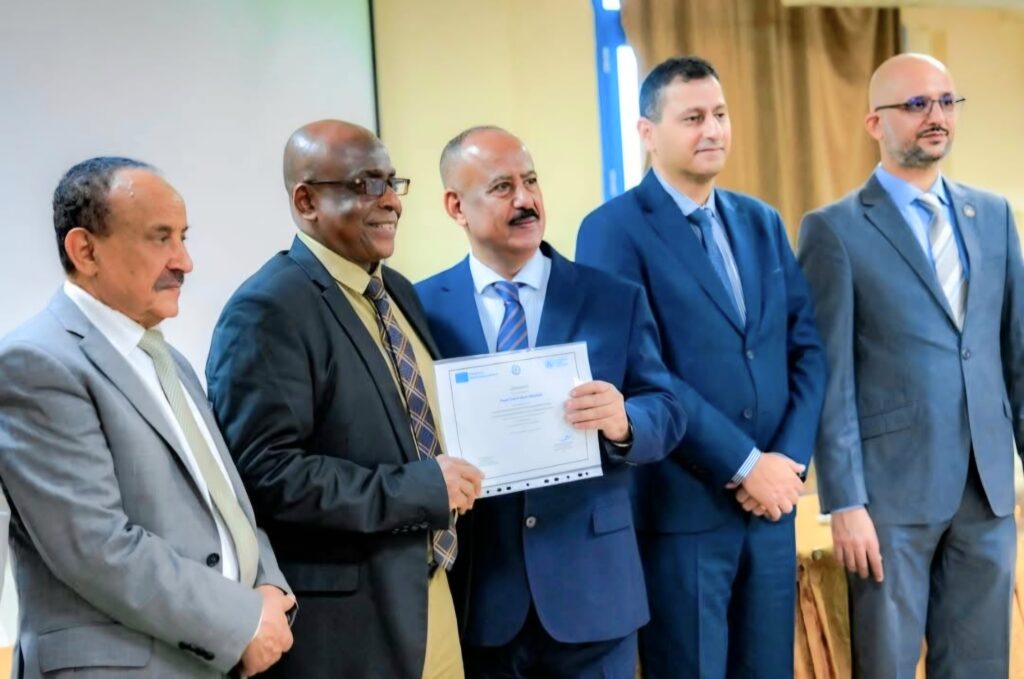
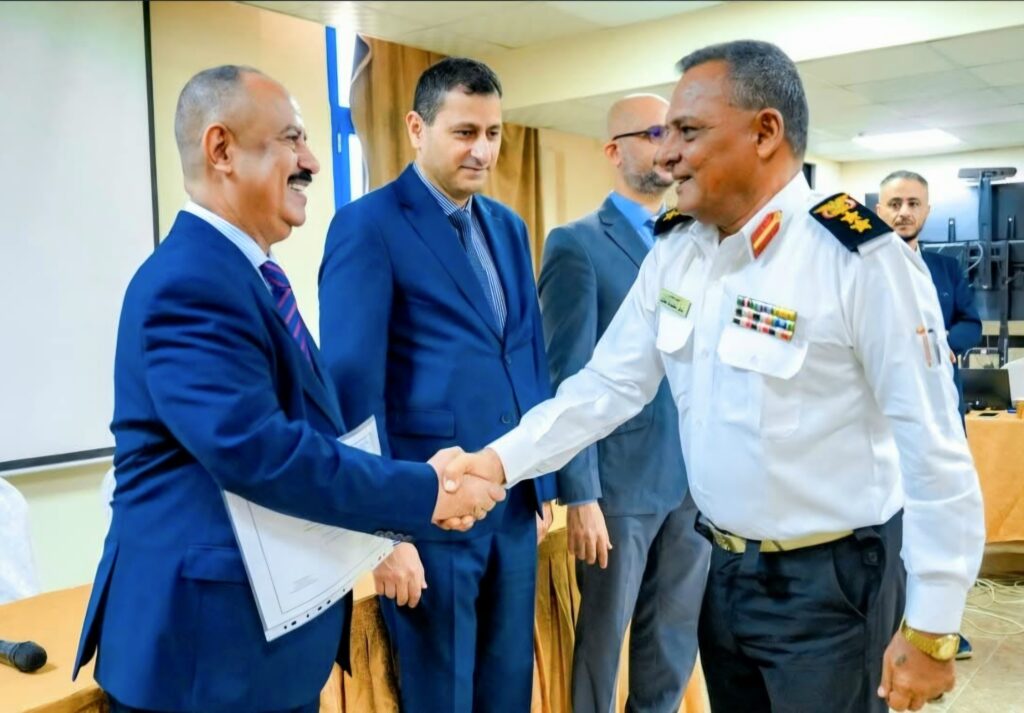
    The event concluded with the recognition of participants and the distribution of certificates.

    Source: Yemen Arabian Sea Ports Corporation
  • Yemen Advances Qarma and Barum Port Projects Toward Tendering and Construction

    Shipping Arabia, October 15, 2026 – Yemen is accelerating preparations for the Qarma and Barum port projects in the Socotra Archipelago and Hadramout governorates, with government officials working to finalize technical, financial and administrative requirements ahead of tendering and construction.

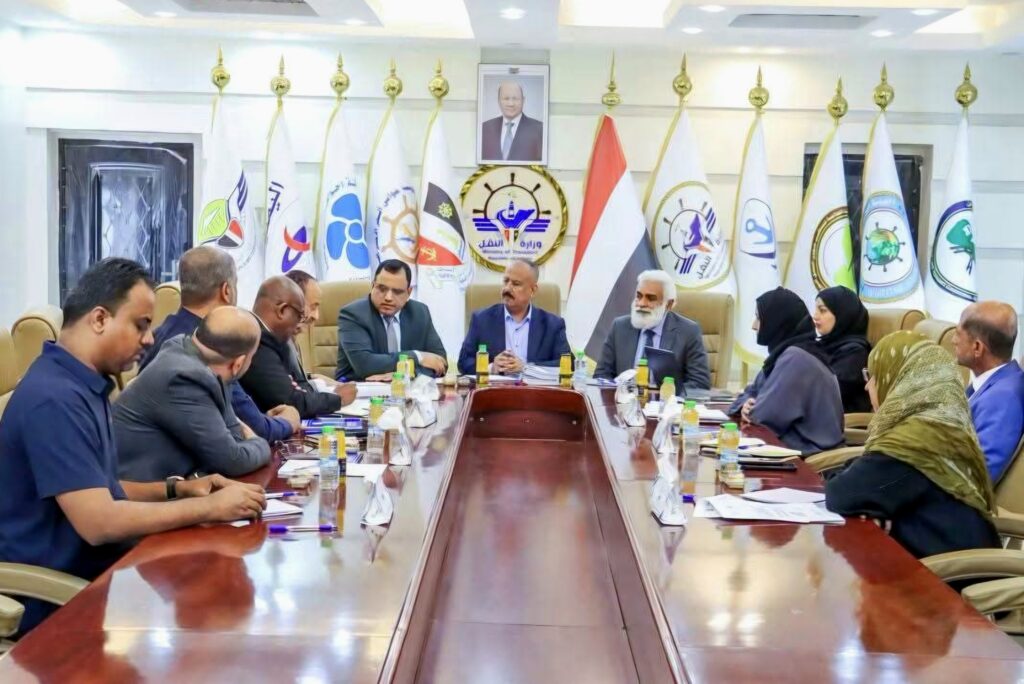
    The developments were discussed during a joint ministerial meeting at the Ministry of Transport headquarters in Aden. The meeting brought together Minister of Transport Mohsen Haidara Al-Amri, Minister of Planning and International Cooperation Mohammed Al-Faqmi, and Minister of Agriculture, Irrigation and Fisheries Salem Al-Soqotri.

    The discussions focused on accelerating the remaining procedures needed to begin constructing Qarma Port in Socotra and Barum Port in Hadramout. Both projects are intended to strengthen maritime transport, support commercial activities and improve economic infrastructure in their respective governorates.

    Qarma and Barum Port Projects Move Toward Implementation

    During the meeting, officials reviewed updated procedures agreed upon in previous discussions concerning the two port developments.

    These included updating essential project data and components, completing technical and engineering consultancy requirements, and reviewing existing studies and designs.

    The ministries also discussed revisions to the estimated project costs and proposed implementation schedules. These updates form part of the outstanding preparations needed before the projects can advance to procurement and construction.

    Minister of Transport Al-Amri emphasized the strategic importance of the two ports for maritime transport and commercial activities in Socotra and Hadramout.

    He called for accelerating the remaining implementation procedures to enable construction to begin as soon as possible. He also stressed the importance of completing previously revised requirements to facilitate the transition to implementation and ensure that funding allocated to the projects can be utilized.

    The minister highlighted the need for coordinated action among the relevant government bodies to prevent further delays in completing the necessary preparations.

    Yemen to Seek Donor Support for Port Development

    Financing formed another major component of the discussions, with the Ministry of Planning and International Cooperation outlining plans to seek additional international support for the projects.

    Minister Mohammed Al-Faqmi emphasized the importance of Qarma and Barum ports in strengthening Yemen’s transport sector, improving services and developing economic infrastructure in Socotra and Hadramout.

    He confirmed that the ministry intends to present both developments as priority projects during bilateral meetings with international donors on the sidelines of the World Bank’s Annual Meetings, scheduled to take place in Bangkok, Thailand.

    The planned discussions will focus on mobilizing the financing required to advance the projects and complete the remaining activities and procedures associated with their implementation.

    The government’s approach combines efforts to finalize technical preparations with parallel discussions aimed at securing the financial resources needed for construction.

    New Ports Expected to Support Fisheries and Coastal Communities

    The Qarma and Barum port projects are also expected to contribute to fisheries development and economic activity in their respective coastal regions.

    Minister of Agriculture, Irrigation and Fisheries Salem Al-Soqotri highlighted the role of both developments in improving services for fishermen and supporting coastal communities in Socotra and Hadramout.

    He explained that the proposed ports would help strengthen fisheries-related activities while encouraging investment and supporting the development of local economic resources.

    The minister also stressed the importance of coordination and integration among the government entities responsible for the projects.

    He called for completing outstanding technical and implementation requirements to accelerate construction in accordance with approved specifications and standards.

    The fisheries and economic development objectives form an important part of the government’s plans for both ports, alongside their expected contribution to maritime transport and commercial connectivity.

    Technical Committee to Finalize Documents Before Tendering

    At the conclusion of the meeting, the participating ministers agreed to intensify the work of the joint technical committee responsible for coordinating the Qarma and Barum port projects.

    The committee, which includes representatives of the relevant government entities, will focus on completing outstanding studies, technical documentation and financial requirements.

    Officials also agreed on the importance of following the established procedures and implementation schedules to accelerate preparations for tendering.

    Once the remaining requirements have been completed, the project files will be referred to the relevant tender committee to proceed with the procurement process in accordance with applicable laws and regulations.

    The meeting also included senior officials from the Ministry of Transport, the Ministry of Planning and International Cooperation, the Arabian Sea Ports Corporation and the General Maritime Affairs Authority.

    Among the participants were Captain Ali Al-Subhi, Undersecretary of the Ministry of Transport for Maritime Affairs and Ports; Fouad Al-Rabaki, Deputy Chairman of the Arabian Sea Ports Corporation; and Nabil bin Aifan, Director General of the General Maritime Affairs Authority’s Mukalla branch.

    Other participants included representatives responsible for project management, maritime transport policy, engineering and administrative follow-up.

    The agreement to accelerate technical preparations and move toward tendering represents the latest step in advancing the two planned ports. However, the government has not announced specific construction commencement dates or confirmed final investment values.

    The projects remain a priority for the participating ministries, which aim to improve maritime infrastructure, strengthen commercial and fisheries activities, and support economic development in Socotra and Hadramout.

    Source: Yemeni Ministry of Transport

Back to top button