Asyad Group

  • Asyad Group Concludes Muscat Maritime Resilience Forum 2026, Emphasizing Global Trade Preparedness

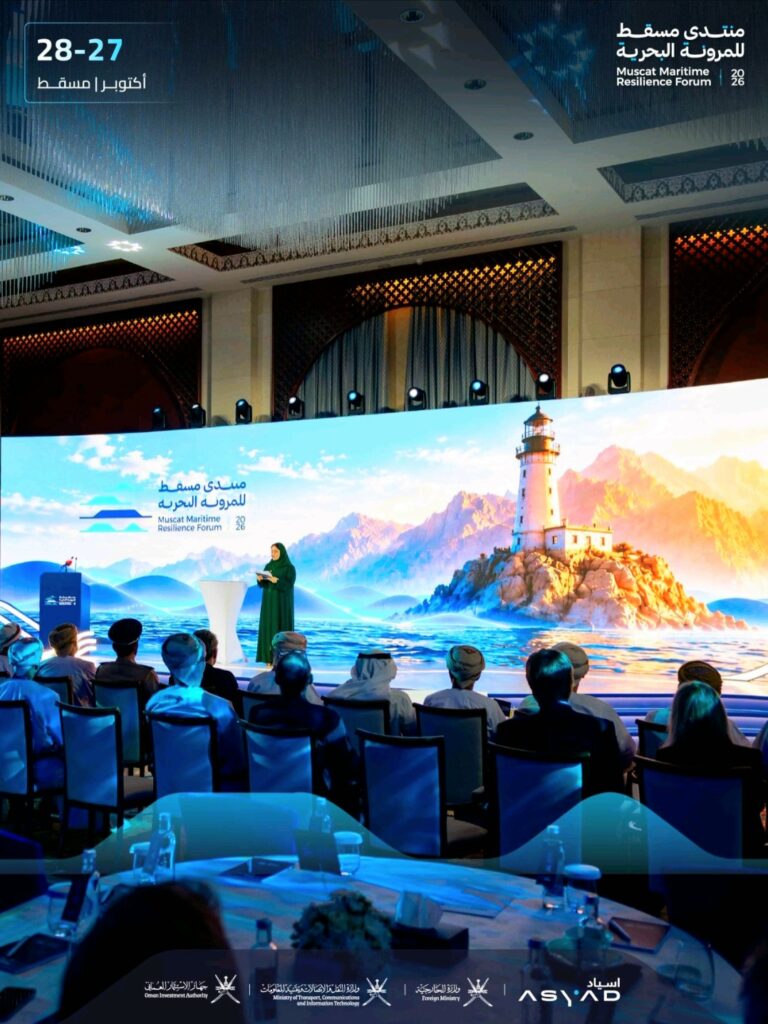
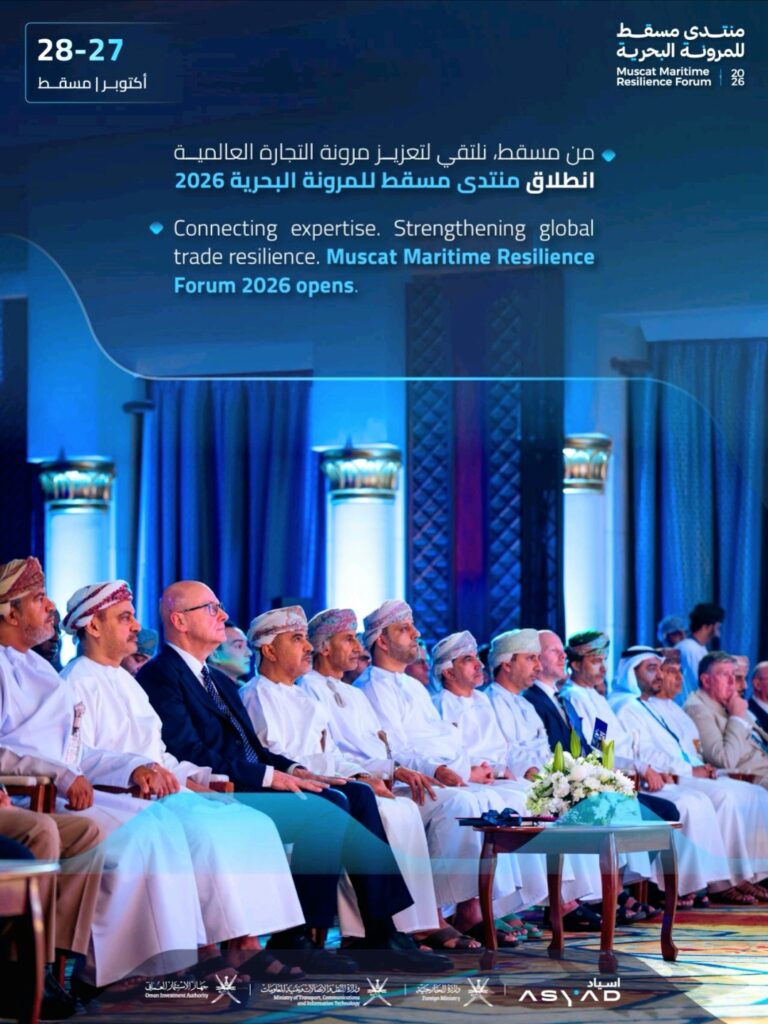
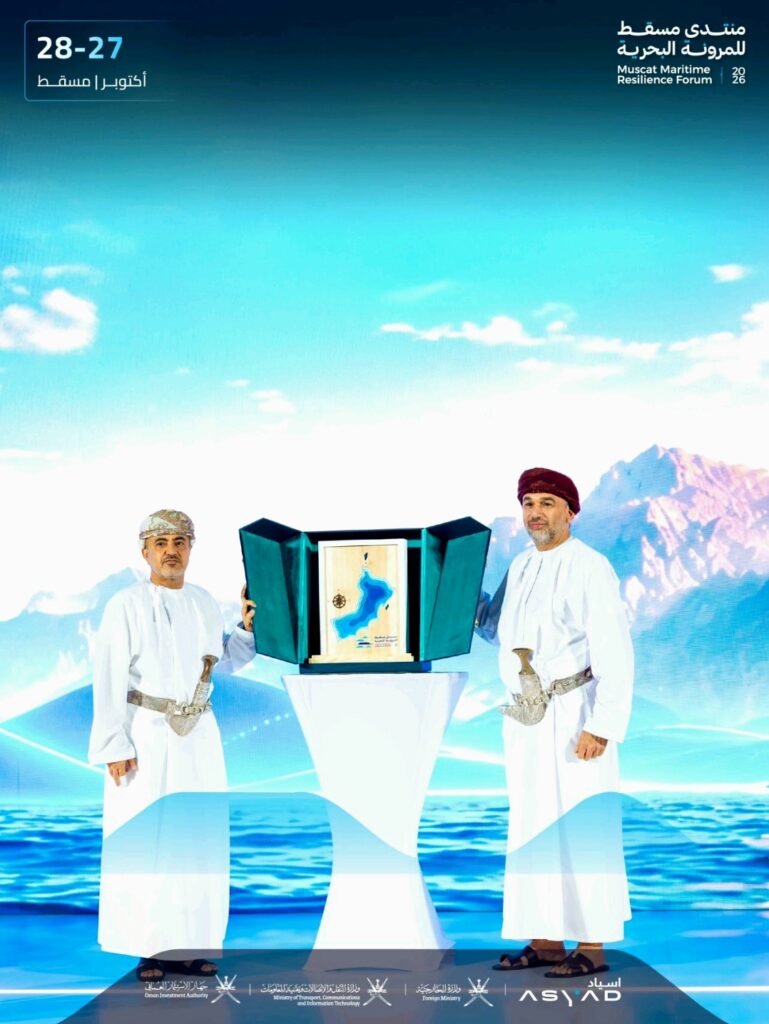
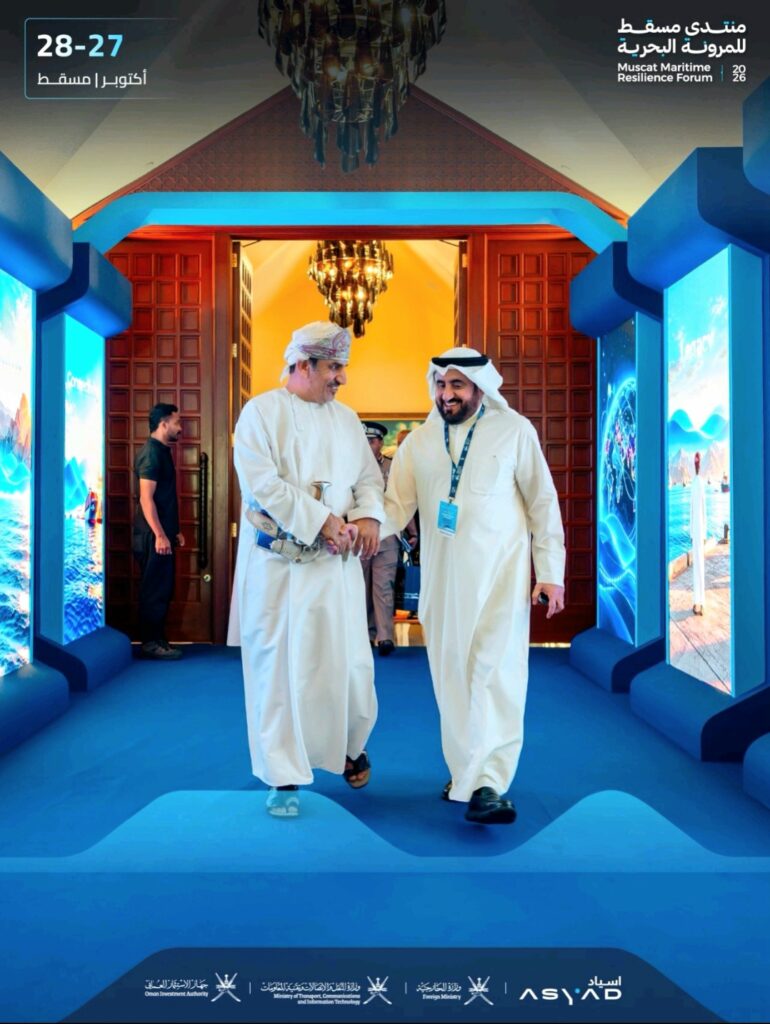
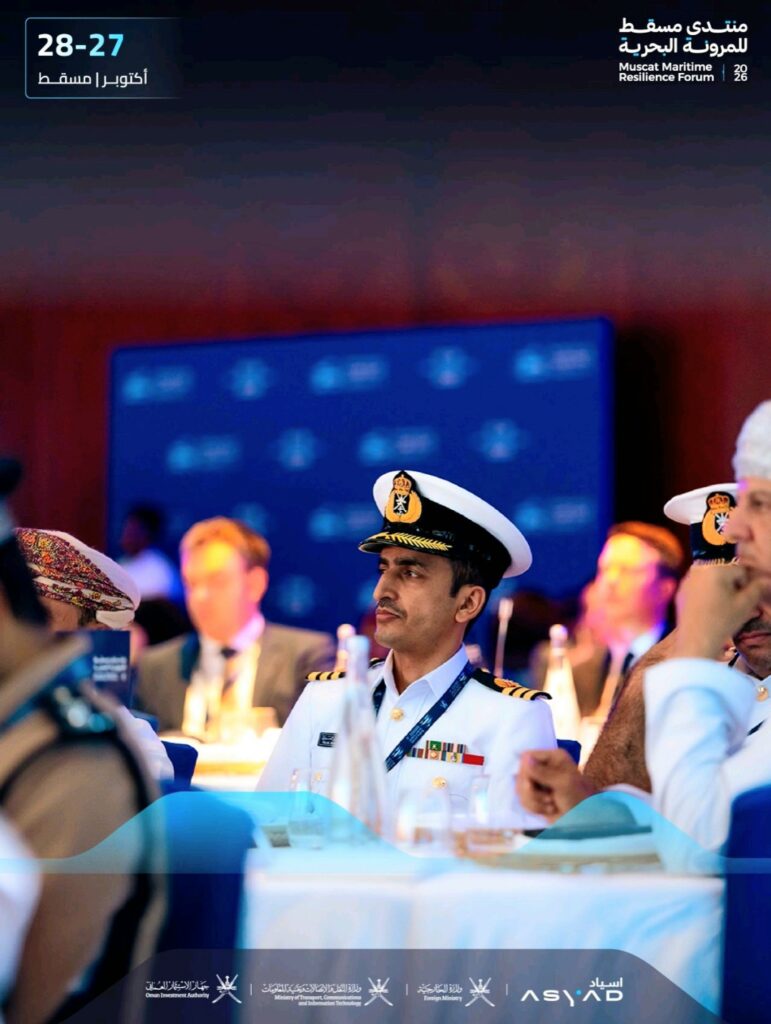
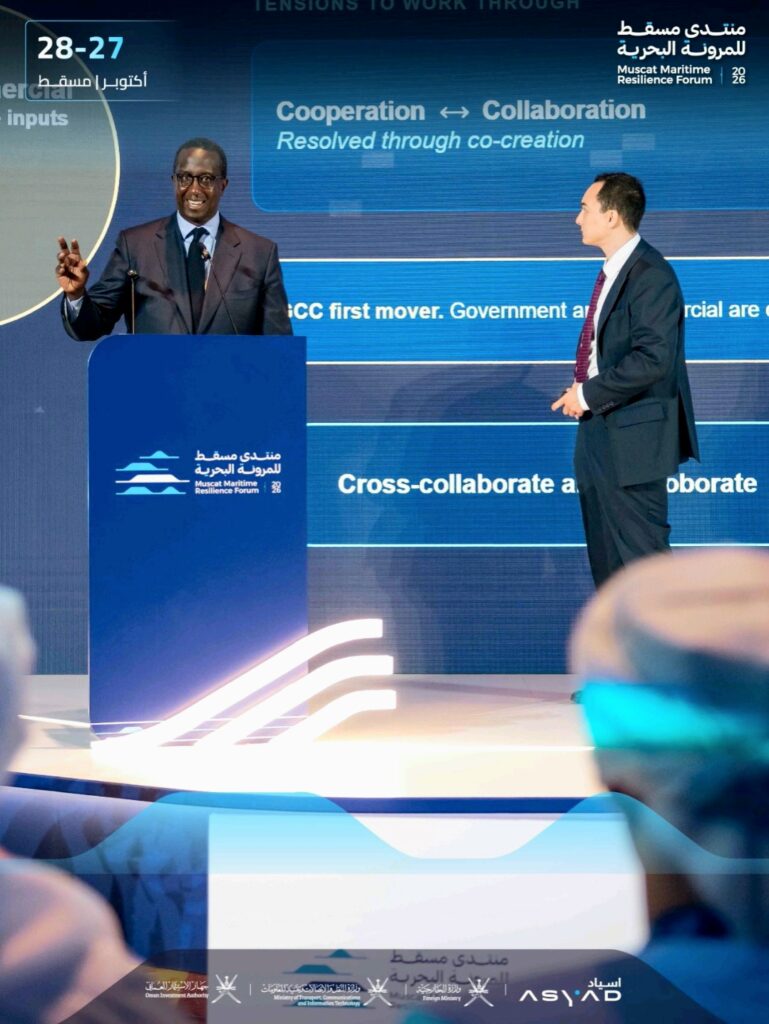
    Shipping Arabia, October 30, 2026 – Asyad Group has concluded the Muscat Maritime Resilience Forum 2026, held October 27–28 in Oman, with discussions emphasizing infrastructure investment, operational preparedness and international cooperation as essential elements of maritime resilience and global trade continuity.

    The two-day forum focused on connecting international expertise, strengthening maritime readiness and promoting cooperation to support resilient global supply chains. Asyad Group described the event as a step toward translating international dialogue into strategic action and advancing a sustainable, future-ready maritime sector.

    The forum was organized by Asyad Group in partnership with Oman’s Ministry of Foreign Affairs, Ministry of Transport, Communications and Information Technology, and Oman Investment Authority.

    Infrastructure Investment and Operational Readiness at the Center of Maritime Resilience

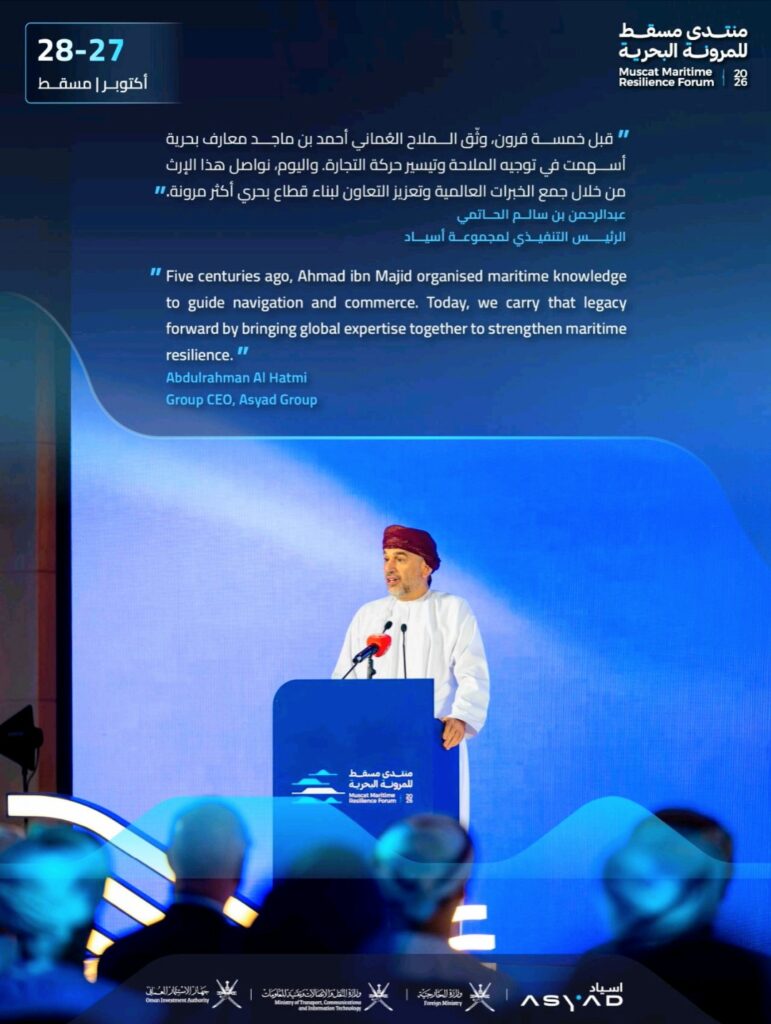
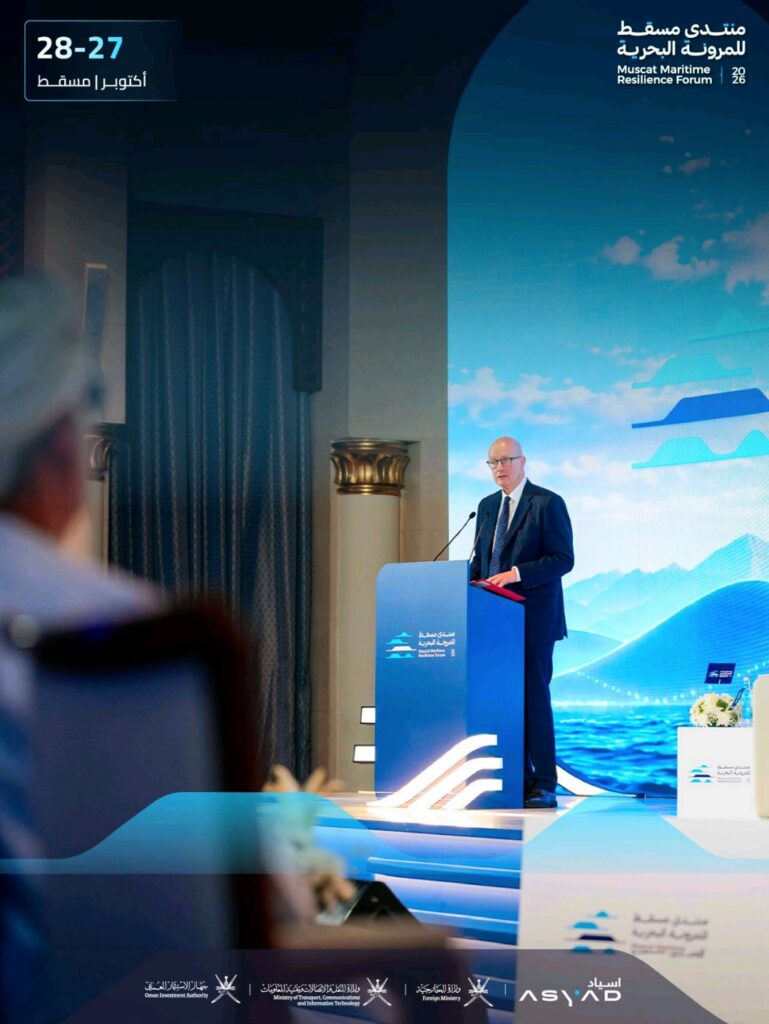
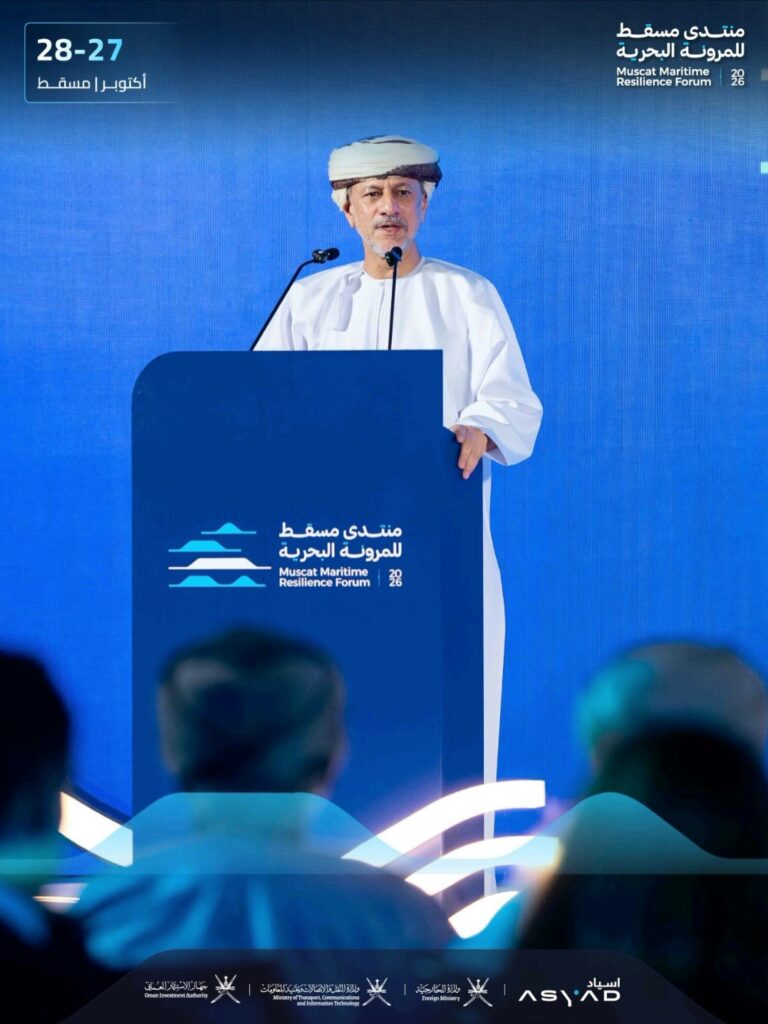
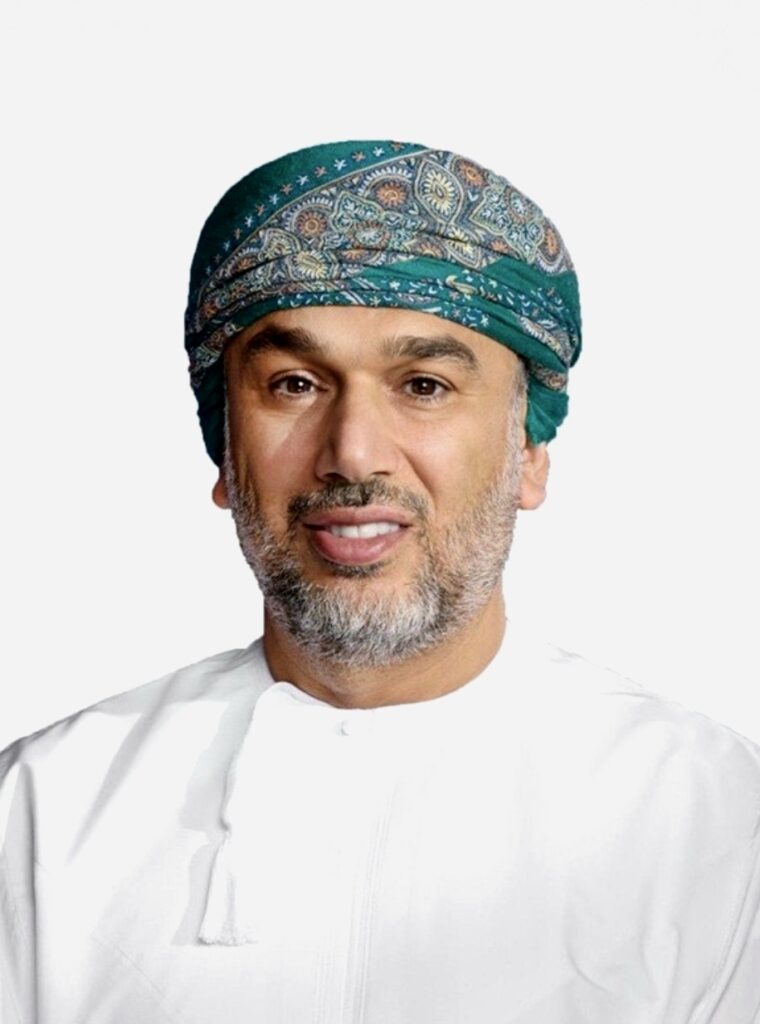
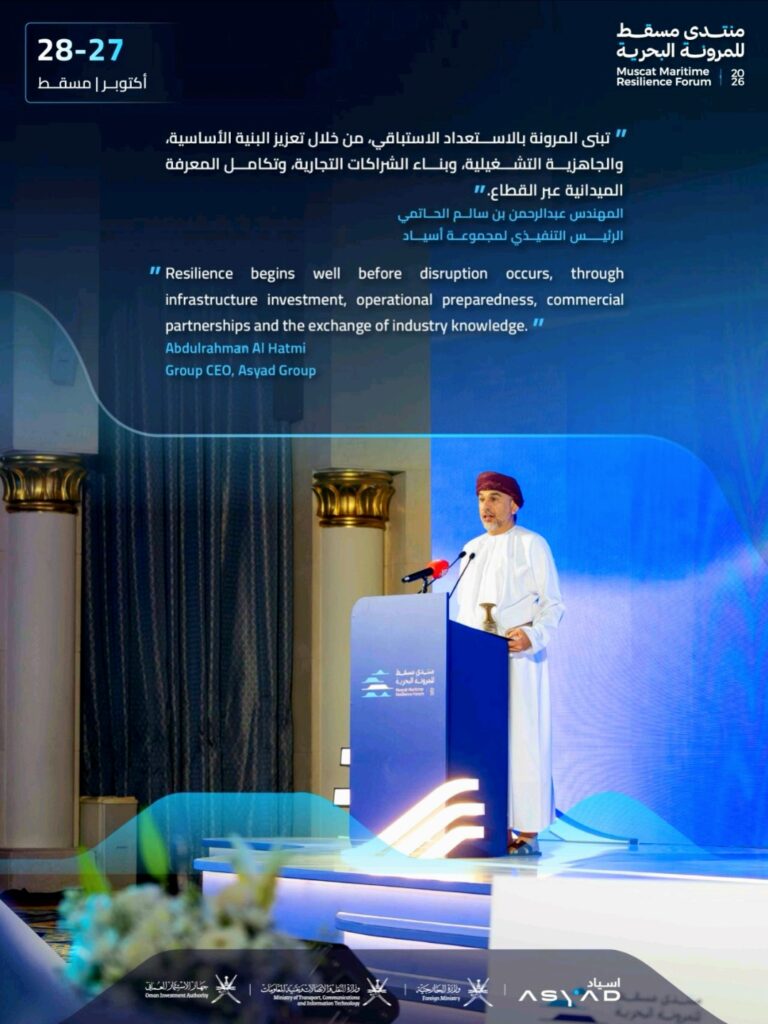
    The Muscat Maritime Resilience Forum 2026 opened under the auspices of Eng. Said bin Hamoud Al Maawali, Oman’s Minister of Transport, Communications and Information Technology. The opening ceremony featured welcoming remarks by Asyad Group CEO Eng. Abdulrahman Al Hatmi.

    In his address, Al Hatmi identified infrastructure investment, operational preparedness, commercial partnerships and the exchange of industry knowledge as the foundations of a resilient maritime sector.

    He emphasized that effective maritime resilience requires proactive planning and cooperation rather than relying solely on responses to disruptions.

    “Resilience begins well before disruption occurs, through infrastructure investment, operational preparedness, commercial partnerships and the exchange of industry knowledge,” Al Hatmi stated.

    His remarks highlighted the importance of combining infrastructure development with practical operational readiness and stronger commercial relationships. He also emphasized knowledge-sharing across the maritime industry as a means of supporting an adaptable and future-ready sector.

    International Cooperation and Global Trade Continuity

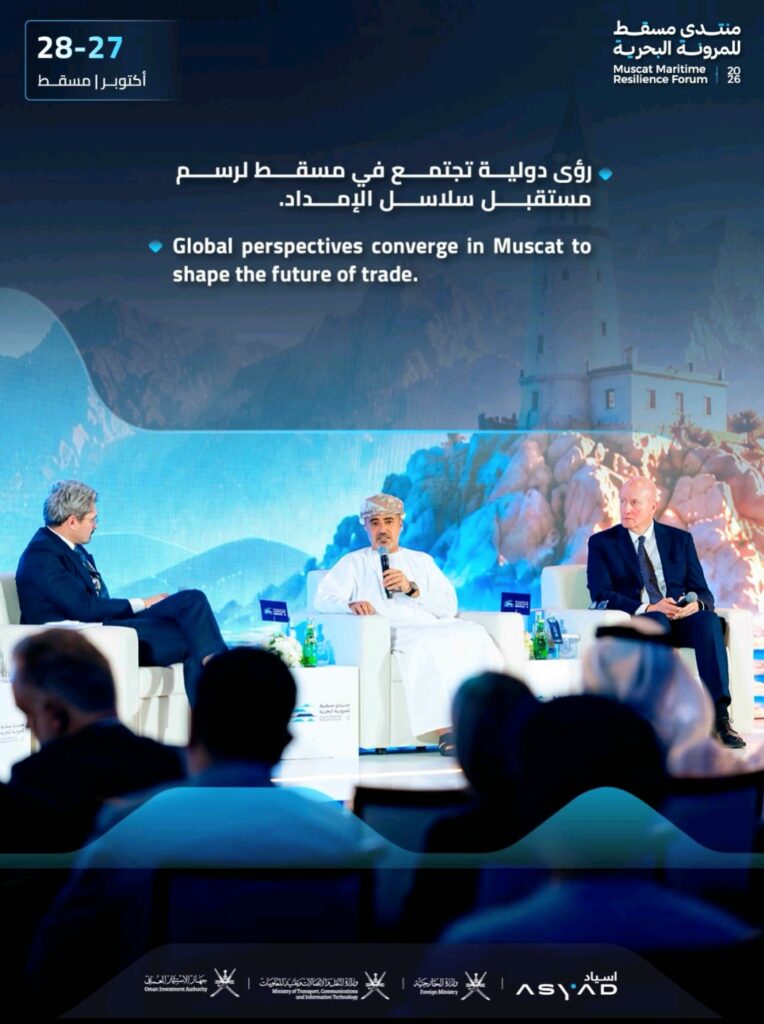
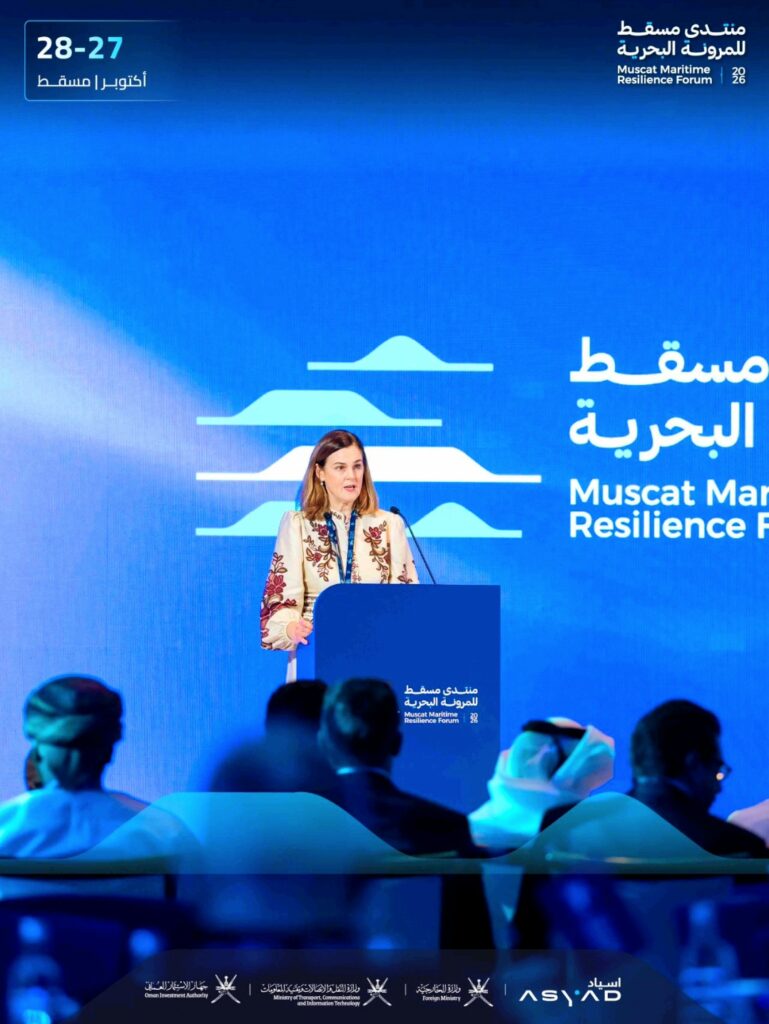
    The forum’s opening panel brought together Eng. Said bin Hamoud Al Maawali and Lord Christopher Geidt, a member of the UK House of Lords.

    Dr. Andreas Krieg of King’s College London moderated the discussion, which formed part of Asyad Group’s efforts to connect international expertise and strengthen cooperation on maritime preparedness and global trade continuity.

    The forum emphasized the role of collaboration in building maritime networks capable of supporting international commerce amid changing operating conditions.

    Through the event, Asyad Group sought to reinforce the importance of cooperation among maritime stakeholders, combining operational expertise, infrastructure investment and commercial partnerships to strengthen trade resilience.

    The discussions also reflected the forum’s broader objective of connecting global perspectives on the future of maritime transport and logistics.

    Oman’s Maritime Heritage and Its Role in International Trade

    During his opening remarks, Al Hatmi also highlighted Oman’s longstanding maritime heritage, referring to the contributions of the renowned navigator Ahmad bin Majid.

    He noted that more than five centuries ago, Ahmad bin Majid documented and organized maritime knowledge that helped guide navigation and commercial activities.

    Al Hatmi drew a connection between this historical legacy and the importance of bringing international expertise together to strengthen maritime resilience today.

    He emphasized Oman’s historic role in connecting people, markets and cultures through international trading routes, presenting the exchange of maritime knowledge as a continuing element of the country’s maritime identity.

    Asyad Group Emphasizes Strategic Action and Sustainable Maritime Networks

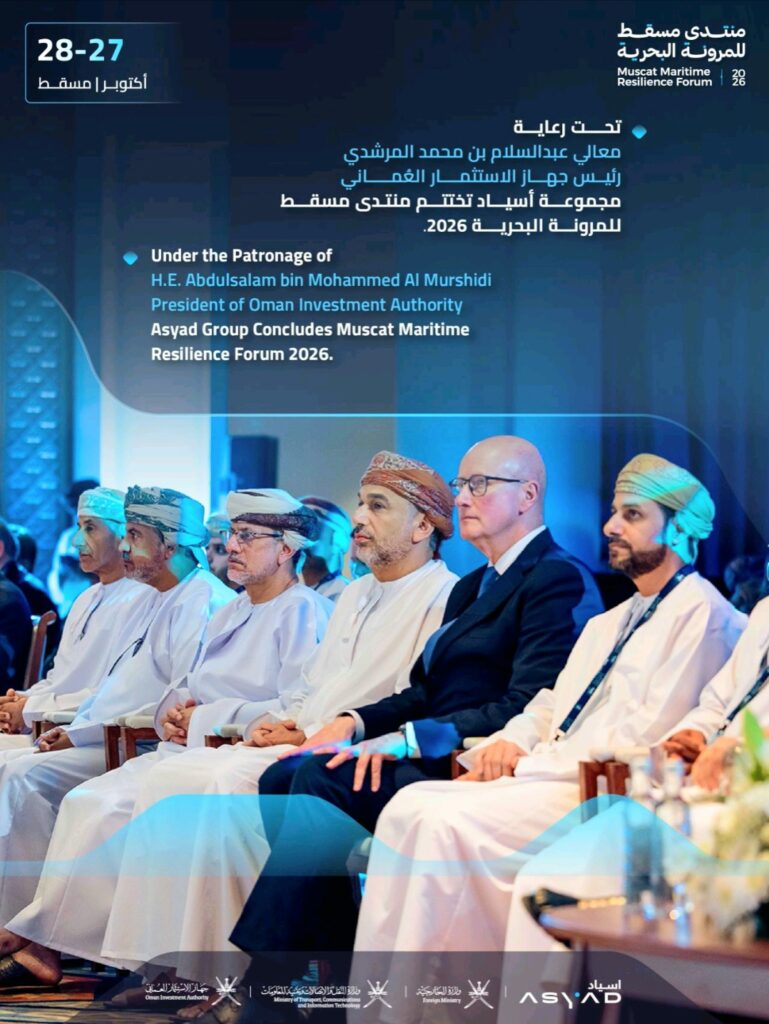
    The Muscat Maritime Resilience Forum 2026 concluded under the patronage of Abdulsalam bin Mohammed Al Murshidi, President of Oman Investment Authority.

    Following the event, Asyad Group characterized the forum as marking a transition from international dialogue toward strategic action in support of maritime resilience.

    The group reaffirmed its commitment to leveraging its logistics capabilities and strengthening international cooperation to improve trade connectivity and support resilient maritime networks.

    It also emphasized the importance of developing approaches that combine operational readiness, commercial partnerships and the exchange of expertise to address the evolving requirements of global maritime transport.

    Asyad Group stated that its continued focus will be on strengthening international partnerships and advancing pathways that support trade resilience, connectivity and the development of a sustainable, future-ready maritime network.

    Source: Asyad Group
  • Oman to Host Muscat Maritime Resilience Forum 2026 to Strengthen Global Shipping and Supply Chains

    Shipping Arabia, October 26, 2026 – Oman will host the Muscat Maritime Resilience Forum 2026 on October 27, bringing together international maritime executives, industry experts and academics to explore practical solutions for strengthening global shipping networks, supply chain resilience and the continuity of international trade.

    The forum is organized by Asyad Group in partnership with Oman’s Ministry of Foreign Affairs, the Ministry of Transport, Communications and Information Technology, and the Oman Investment Authority. The initiative reflects coordinated national efforts to strengthen Oman’s participation in international discussions on the future of maritime trade and global shipping routes.

    The event will provide a specialized platform for professional dialogue, knowledge exchange and cooperation among maritime industry stakeholders. It will focus on common challenges affecting global maritime networks and explore practical approaches to maintaining connectivity between markets and supporting international trade flows.

    Maritime Resilience and Global Supply Chain Challenges

    The Muscat Maritime Resilience Forum 2026 will examine the role of interconnected maritime networks in supporting global supply chains, businesses, markets and economies.

    Discussions will address the operational and commercial challenges facing international shipping, with particular attention to the need for practical experience, operational expertise and cooperation across different segments of the maritime industry.

    The forum will bring together stakeholders representing shipping, ports, logistics, technology, insurance and other sectors connected to international trade. Participants will exchange industry experiences and examine approaches to improving maritime network resilience and connectivity.

    A central feature of the event will be its private-sector-led discussions, which will focus on real-world operational conditions and commercial challenges. The objective is to identify practical solutions that maritime industry participants can apply to strengthen their ability to respond to changing circumstances.

    The forum will also provide an opportunity for executives and specialists from major international companies, institutions and research centers to share expertise and discuss challenges affecting the wider maritime ecosystem.

    Asyad Group Highlights Industry Cooperation

    Abdulrahman bin Salim Al Hatmi, Group CEO of Asyad Group, emphasized that global trade resilience depends on the ability of maritime networks to maintain connections between markets while adapting to changes affecting cargo movements and supply chains.

    He explained that bringing maritime leaders and experts together in Muscat would provide an opportunity to exchange operational experiences, discuss shared challenges and explore solutions that improve the readiness of the maritime sector.

    Al Hatmi said Asyad Group, as the forum’s host, would contribute its commercial and operational expertise to the discussions. He emphasized that strengthening maritime resilience is a shared responsibility requiring continuous cooperation among the different participants in the industry.

    The forum’s approach reflects the importance of collaboration between shipping companies, port operators, logistics service providers and other maritime stakeholders in addressing challenges that extend across international supply chains.

    By focusing on operational experience and industry-led dialogue, the event aims to encourage discussions that move beyond identifying challenges toward exploring practical responses.

    Oman’s Maritime Position and Economic Diplomacy

    Al Hatmi also highlighted Oman’s approach to economic diplomacy, emphasizing the country’s use of international relationships built on trust, dialogue and cooperation to bring decision-makers and experts together around issues affecting the global economy.

    He said hosting the forum would strengthen Muscat’s position as an international meeting point for maritime industry leaders from different markets. The event will provide a platform for discussing challenges that extend beyond individual countries and require coordinated efforts, knowledge exchange and stronger partnerships.

    Oman’s geographic position along international maritime trade routes also forms an important part of this approach. Its ports, maritime infrastructure, shipping services and logistics capabilities support connections between regional and international markets while providing additional options for trade movements.

    The forum therefore brings together Oman’s maritime capabilities and its efforts to facilitate international commercial dialogue, with a focus on cooperation across the global shipping and logistics sectors.

    Muscat Maritime Resilience Framework

    The Muscat Maritime Resilience Forum 2026 is also expected to contribute to the preparation of the Muscat Maritime Resilience Framework through the insights and recommendations developed during its discussions.

    According to Al Hatmi, the forum represents a step toward establishing Muscat as an international destination for professional and commercial dialogue within the maritime industry.

    He emphasized that continued engagement between maritime and logistics leaders from different markets could support stronger partnerships and collective efforts to enhance maritime network resilience.

    The planned framework will draw on the discussions and recommendations emerging from the forum, reflecting its focus on practical industry cooperation and the continued movement of international trade.

    Through the event, Oman aims to facilitate closer coordination among maritime stakeholders while supporting wider efforts to strengthen the resilience, connectivity and operational readiness of global shipping networks.

    Source: Al Shabiba

  • Port of Salalah Concession Transition Raises Questions Over $200 Million in Equipment

    Shipping Arabia, October 23, 2026 – Oman’s decision not to renew the operating concessions of Salalah Port Services Company beyond November 1, 2028, has raised questions over approximately $200 million in leased port equipment and long-term commercial agreements. The Port of Salalah concession transition will bring a new operator to one of the country’s major maritime gateways, although the government has yet to announce its successor.

    The Ministry of Transport, Communications and Information Technology confirmed that a new operator will take over following the expiration of the existing concessions. However, the ministry has not disclosed details of the selection process or arrangements for transferring operations.

    Salalah Port Services confirmed receiving formal notification of the decision through a disclosure to the Muscat Stock Exchange. The company described the decision as final and unconditional, adding that its board would assess the implications and potential financial impact on its business.

    The company has not yet provided an estimate of the financial consequences. Meanwhile, the ministry confirmed that port operations and development activities would continue throughout the remaining concession period.

    Port of Salalah Concession Transition Raises $200 Million Equipment Question

    One of the principal commercial issues surrounding the Port of Salalah concession transition concerns approximately $200 million worth of equipment leased during the port’s expansion program.

    During discussions of the company’s 2025 financial results, reported in March 2026, Salalah Port Services executives explained that the equipment had been leased rather than purchased because of uncertainty surrounding the extension of the existing concession agreements.

    Management indicated that clarity over a potential concession extension would help determine whether the company should purchase the equipment outright or extend the existing lease arrangements. Such clarity would also support decisions regarding further investment in port infrastructure and handling capacity.

    However, the government’s decision not to extend the concessions introduces uncertainty over how these leased assets will be handled when the current agreements expire in November 2028.

    Salalah Port Services has not disclosed whether the equipment could be purchased, transferred or otherwise incorporated into arrangements involving the incoming operator.

    The outstanding equipment arrangements are particularly significant because they relate to a recently completed container terminal modernization program.

    $300 Million Container Terminal Expansion Increased Capacity to 6.5 Million TEUs

    The leased equipment forms part of the investment arrangements associated with a $300 million container terminal upgrade completed during the first quarter of 2025.

    The project included improvements to six existing container berths, the installation of additional container-handling cranes and the expansion of container storage yards.

    It also involved upgrades to electricity infrastructure and port access facilities, strengthening the terminal’s capacity to accommodate container traffic.

    Following completion of the project, the Port of Salalah’s annual container-handling capacity increased from approximately 4.5 million TEUs to 6.5 million TEUs.

    The expansion represents a substantial investment in the port’s container infrastructure ahead of the scheduled expiration of the existing operating concessions.

    The future treatment of the leased equipment therefore remains an outstanding issue in the transition process. The company has not announced any agreement governing the assets after November 2028.

    Long-Term LPG and Port Land Agreements Extend Beyond 2028

    The Port of Salalah concession transition also raises questions about commercial agreements whose contractual terms extend well beyond the current operating concessions.

    According to the 2025 audited financial statements of OQ Base Industries, the company entered into agreements with Salalah Port Services in May 2017 covering liquefied petroleum gas (LPG) storage and associated port facilities.

    One agreement provides for the lease of 76,844 square meters of land within the port for an initial period of 30 years, extending to approximately 2047.

    The agreement also includes provisions for a further 10-year extension.

    Additional agreements cover access to port facilities and pipeline rights of way, with similarly long contractual periods.

    These commitments extend considerably beyond November 2028, when Salalah Port Services’ existing operating concessions are scheduled to expire.

    However, the published financial disclosures do not explain how these agreements would be treated following the appointment of a successor operator.

    Importantly, the existence of agreements extending beyond the current concession period does not establish that they will be terminated or negatively affected by the change in operator.

    The arrangements remain among the commercial matters for which the future treatment has not been publicly specified.

    Existing Concession Structure and APM Terminals’ Role

    Salalah Port Services operates the Port of Salalah’s container terminal and general cargo terminal under separate concession agreements.

    According to the company’s financial statements, the concession arrangements require fixed annual payments that increase by 3% each year, alongside variable royalties.

    Separate management agreements with APM Terminals govern the port’s day-to-day operations.

    Under these agreements, management fees are linked to container terminal revenue and general cargo handling volumes.

    APM Terminals, part of the A.P. Moller-Maersk group, holds approximately 30% of Salalah Port Services. Meanwhile, Oman’s government-owned Asyad Group holds a stake of approximately 20%.

    The existing ownership and management arrangements form part of the operating structure that will be affected by the scheduled concession transition.

    However, no details have been announced regarding the structure or identity of the incoming operator.

    Salalah Port Handled 4.3 Million TEUs in 2025

    The concession decision comes after a period of substantial cargo growth at the Port of Salalah.

    The port handled approximately 4.3 million TEUs during 2025, representing a 31% increase compared with the previous year.

    General cargo throughput also increased by 17%, reaching 26.4 million tons.

    Located on Oman’s Arabian Sea coast, the Port of Salalah serves as a major container transshipment hub connecting maritime trade routes between Asia, Europe, the Middle East and East Africa.

    Its recently expanded container terminal has an annual handling capacity of approximately 6.5 million TEUs, following completion of the $300 million modernization program.

    These developments place the planned operating transition alongside substantial recent infrastructure investment and growing cargo volumes.

    The Ministry of Transport, Communications and Information Technology has confirmed that port operations and development will continue until the existing concessions expire.

    Nevertheless, several important details remain unresolved, including the selection of the successor operator, treatment of leased equipment, continuity of long-term commercial arrangements and operational handover procedures.

    The government has not yet announced when it will identify the incoming operator or disclose further details of the transition process.

    Source: Oman Observer

  • Asyad Shipping Launches New Website to Strengthen Digital Presence and Stakeholder Engagement

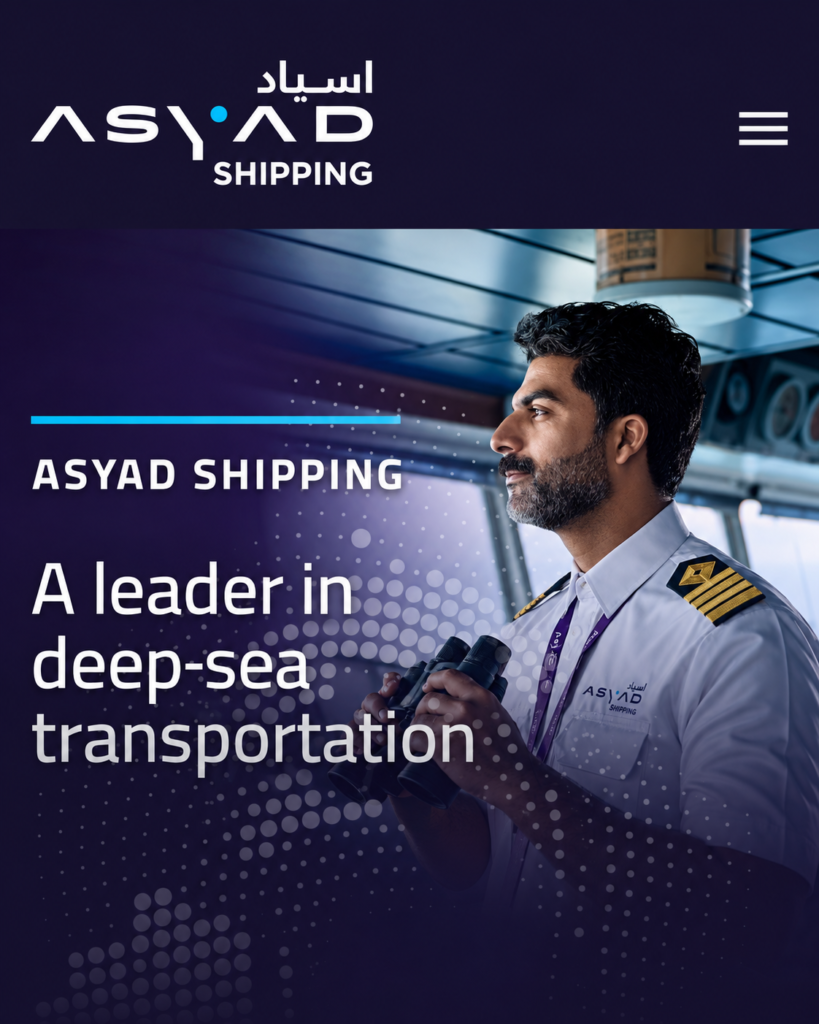
    Shipping Arabia, October 20, 2026 – Oman’s Asyad Shipping has launched a new corporate website as part of its ongoing transformation, aiming to strengthen its digital presence, improve access to company information and enhance engagement with stakeholders. The redesigned platform reflects the company’s growth ambitions and its commitment to transparency as it continues expanding its fleet and supporting Oman’s role in global maritime trade.

    Asyad Shipping CEO Ibrahim Al Nadhairi announced the launch on October 14, describing the new platform as more than a conventional website redesign. He emphasized that the company’s digital presence must reflect its identity, strategic direction and evolving position in the maritime industry.

    Improving Digital Access and Stakeholder Engagement

    The Asyad Shipping new website provides clearer access to company information and a more intuitive user experience. It is designed to serve as an important point of contact for investors, customers, business partners and prospective employees.

    Al Nadhairi highlighted the website’s role in presenting a clearer picture of the company, its activities and its future direction. He noted that the digital platform is often the first place where stakeholders encounter Asyad Shipping, making its accessibility and presentation particularly important.

    As the company continues growing its fleet and strengthening Oman’s participation in international maritime trade, its digital presence must evolve alongside its business ambitions.

    Supporting Asyad Shipping’s Corporate Transformation

    The website launch also reflects Asyad Shipping’s emphasis on transparency and stakeholder relationships as part of its broader corporate transformation.

    According to Al Nadhairi, transparency and connection remain central to how the company builds trust with its stakeholders. He described the redesigned website as another step in that transformation, aligning the company’s online presence more closely with its identity and development objectives.

    The CEO also acknowledged the team responsible for delivering the new website and invited stakeholders to explore the platform and provide feedback.

    The launch represents a further step in Asyad Shipping’s efforts to ensure its digital presence reflects its evolving operations, fleet growth and ambitions within the global maritime shipping industry.

    Source: Ibrahim Al Nadhairi, CEO of Asyad Shipping

  • Asyad Drydock Completes 130 Projects and Attracts 56 New International Clients in 2026

    Shipping Arabia, October 12, 2026 – Oman’s Asyad Drydock completed 130 projects and attracted 56 new international clients during the first eight months of 2026, bringing its total commercial client base to approximately 900 worldwide. The results highlight Duqm’s growing role as a maritime services and industrial hub, supported by specialized ship repair facilities and integration with the Special Economic Zone at Duqm.

    The Asyad Group subsidiary completed 119 vessel repair and maintenance projects and 11 industrial projects during the reporting period. According to Asyad Drydock CEO Ahmed bin Ali Al Balushi, approximately 40% of the new clients came from markets in the Middle East and Far East.

    The company’s expanding international customer base reflects the development of Duqm’s maritime services sector, which connects ship repair facilities with port services and industrial activities.

    Asyad Drydock Sets New Operational Records

    Asyad Drydock achieved several operational milestones during 2026, including a new record for concurrent vessel berthing during maintenance operations. The company completed 10 double-berthing maintenance operations for the first time, positioning two vessels side by side at the quay and servicing them simultaneously.

    According to Al Balushi, this approach improved quay utilization and enabled the facility to handle more maintenance projects in parallel. It also allowed the company to make more efficient use of its existing infrastructure.

    In another operational milestone, Asyad Drydock conducted maintenance and repair work on 27 vessels simultaneously. This achievement demonstrated the facility’s capacity to manage multiple projects while coordinating its technical workforce and repair operations.

    Floating Dock Activity Expands as Shipbuilding Projects Advance

    The company’s floating dock also recorded a substantial increase in activity during the reporting period. By the end of August 2026, the facility had serviced 13 vessels, compared with just two during the corresponding period in 2025.

    The increased utilization of the floating dock has strengthened Asyad Drydock’s vessel maintenance capabilities and expanded its ability to accommodate repair projects.

    Meanwhile, the company continues to develop its shipbuilding activities alongside its established repair and maintenance operations.

    Asyad Drydock is currently undertaking two new shipbuilding projects for different applications. These projects follow the successful completion and delivery of three shipbuilding projects to customers in Oman and other Gulf markets in recent years.

    The combination of vessel maintenance, industrial projects and shipbuilding activities forms part of the broader maritime services ecosystem developing in Duqm.

    OMR 19 Million in Contracts Supports Omani Businesses

    The expansion of Asyad Drydock’s operations is also generating business opportunities for local companies and small and medium-sized enterprises (SMEs).

    During the first eight months of 2026, the company awarded contracts and purchase orders worth OMR 6.5 million to SMEs. Local companies received a further OMR 12.5 million in contracts and purchase orders.

    Together, these awards totaled OMR 19 million, with local procurement accounting for 81% of the overall value of contracts awarded during the reporting period.

    Al Balushi said the company’s expanding activities were strengthening domestic supply chains and creating additional opportunities for Omani businesses involved in ship repair, maintenance, shipbuilding and related industries.

    The contract awards also reflect the growing participation of Omani companies in the maritime services and industrial activities associated with the Duqm facility.

    Duqm Strengthens Its Position as an Integrated Maritime Hub

    Asyad Drydock’s performance forms part of the continuing development of maritime services and industries within the Special Economic Zone at Duqm.

    The area’s maritime ecosystem combines port services, ship repair and maintenance facilities, shipbuilding operations and related industrial activities. This integration supports the delivery of specialized maritime services to international vessels and fleets.

    Al Balushi said the continued development of these services was helping Duqm attract maritime business from international markets.

    The company’s project activity, operational achievements and investment in local supply chains underline the role of ship repair and shipbuilding in Duqm’s expanding maritime economy.

    Source: Oman Observer

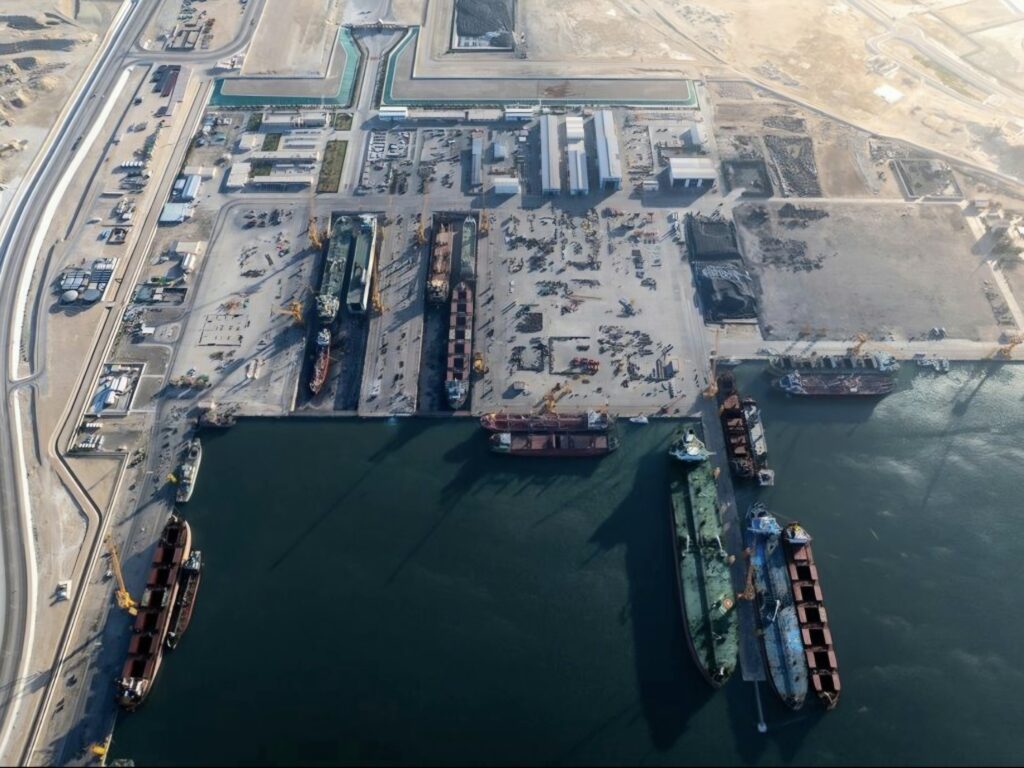
    Asyad Drydock ship repair and maintenance facility in Duqm, Oman.
  • Asyad Completes Integrated Project Cargo Move from Türkiye to Oman for Mining Project

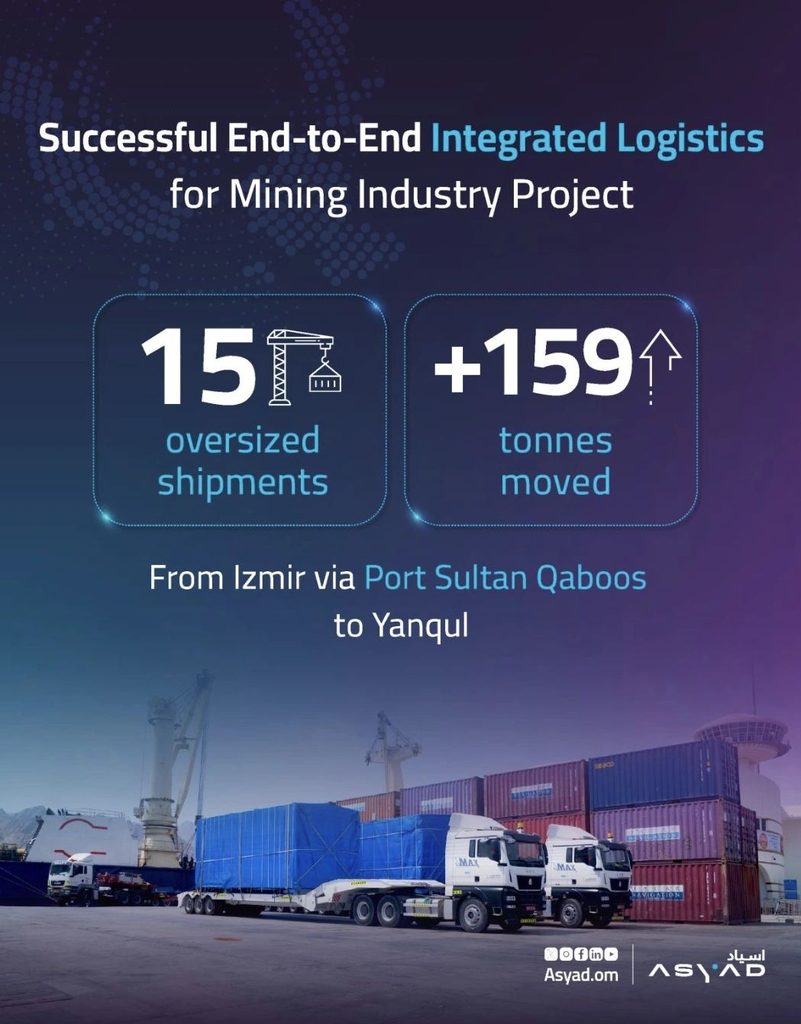
    Shipping Arabia, September 19, 2026 – Asyad Group has completed an end-to-end logistics operation involving 15 oversized shipments weighing more than 159 tonnes from Izmir, Türkiye, to a mining project in Yanqul, Oman.

    Asyad Logistics managed the shipment as the single point of coordination from the purchase order stage through final delivery, with the cargo transported from Izmir via Port Sultan Qaboos before continuing by road to the project site in Yanqul.

    The operation covered multiple stages of the logistics chain, including vessel discharge, port handling, customs clearance and specialised heavy transport from the port to the final destination.

    According to Asyad, specialised equipment and handling techniques were deployed for the movement of the heavy and oversized cargo, with coordination maintained across the different stages of the operation to ensure safe and timely delivery.

    The project highlights the integration of Asyad’s logistics and port capabilities in supporting complex industrial cargo movements and major mining projects in Oman.

    Asyad said the operation also demonstrated cooperation between two Omani companies, combining local expertise and capabilities to provide a tailored logistics solution while strengthening local content within supply chains serving the Sultanate’s industrial and mining sectors.

    The movement comes as Oman continues to develop integrated logistics capabilities connecting its ports with industrial and project locations across the country, with specialised project cargo services forming an important part of the supply chains supporting mining and other heavy industries.

    Source: Asyad Group

Back to top button