Automotive Logistics

  • COSCO Shipping Launches New China–Europe RoRo Service via Suez Canal

    Shipping Arabia, November 7, 2026 – COSCO Shipping has launched a new direct roll-on/roll-off (RoRo) vehicle shipping service connecting Xiaomo Port in southern China with Astakos Port in Greece via the Red Sea and Suez Canal. The service introduces an additional maritime route for Chinese vehicle exports to European markets.

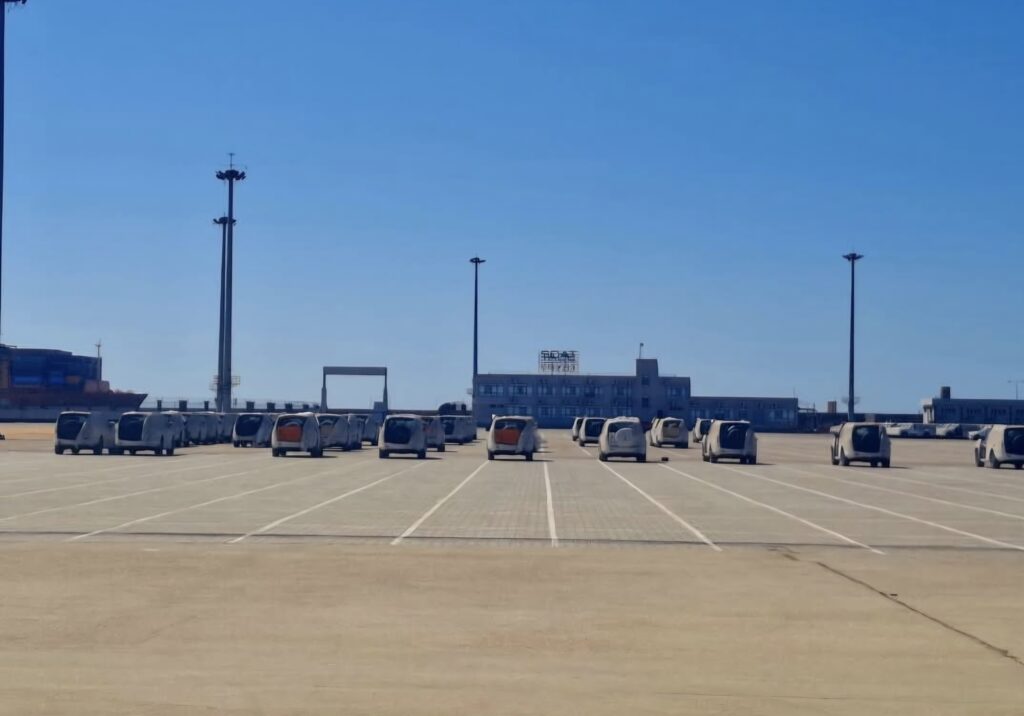
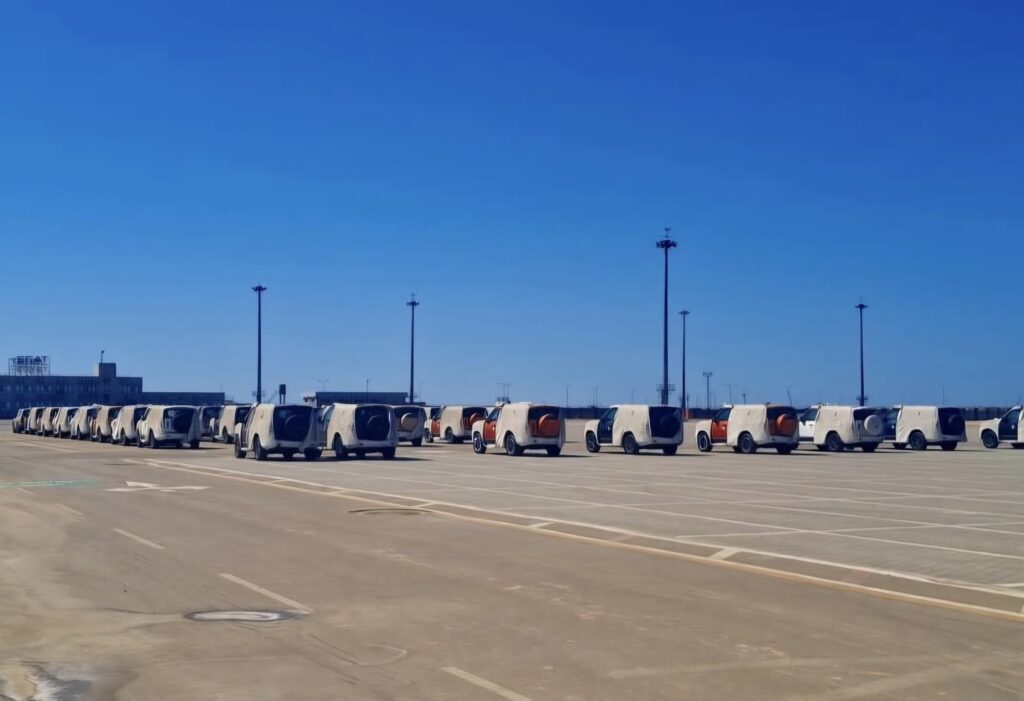
    The inaugural voyage departed China on November 3 aboard the RoRo vessel Yuan He Kou, carrying 4,898 new energy vehicles manufactured in China. The vessel is expected to reach Astakos in approximately 20 days, establishing a direct connection between southern China’s automotive manufacturing sector and European distribution networks.

    According to COSCO Shipping, the new route is the first direct international RoRo service connecting Xiaomo Port with Greece. The company stated that the service offers a transit time approximately one-third shorter than conventional shipping services.

    The launch also comes amid the return of several Asia–Europe shipping services through the Red Sea and Suez Canal, a major maritime corridor serving trade between the two regions.

    New RoRo Service Reduces China–Greece Transit Time

    The COSCO Shipping RoRo service introduces a direct maritime connection between Xiaomo and Astakos, with the Greek port serving as the initial European discharge point for vehicles transported from China.

    The approximately 20-day voyage covers the maritime leg between the two ports. However, this transit time does not include the subsequent distribution of vehicles to other European destinations.

    Following discharge at Astakos, the vehicles will be transported through feeder services to several European ports. Planned destinations include Zeebrugge in Belgium, Koper in Slovenia, and Valencia in Spain.

    This arrangement extends the service’s geographical reach beyond Greece, connecting the initial long-haul voyage with regional maritime distribution networks serving Mediterranean and Northern European markets.

    The operating model combines consolidated vehicle shipments from China with onward feeder transportation to multiple destinations. It provides vehicle manufacturers and importers with another option for organizing shipments to Europe through a common arrival and distribution hub.

    Astakos Expands COSCO Shipping’s Greek Automotive Logistics Network

    The new route forms part of COSCO Shipping’s broader efforts to develop automotive logistics services through Greek ports.

    In April 2025, the Piraeus Port Authority announced the arrival of the vehicle carrier COSCO Sheng Shi, marking the introduction of a regular monthly vehicle shipping service through Piraeus Port.

    That development established an additional connection between COSCO Shipping’s international vehicle transportation operations and Greece’s role as a regional automotive distribution hub.

    The latest service builds on this network by introducing Astakos as another Greek gateway for Chinese vehicle imports and subsequent distribution across European markets.

    Under the new arrangement, Astakos will function as the primary discharge port for the long-haul shipment from Xiaomo. Feeder connections will then complete the next stage of the vehicles’ maritime transportation.

    The structure allows COSCO Shipping to combine its ocean transportation capabilities with regional distribution services, supporting vehicle movements between Chinese export terminals and European destinations.

    Xiaomo Port Strengthens Vehicle Export Connections

    Xiaomo Port, part of Shenzhen’s port network, serves as an important vehicle export gateway for southern China.

    The new RoRo connection provides automotive manufacturers in the region with an additional route to European markets. COSCO Shipping is supporting the service through its wider shipping, port, and logistics resources.

    According to the company, its automotive logistics approach integrates Chinese export gateways, long-distance maritime transportation, overseas distribution centers, and regional feeder networks.

    This structure aims to coordinate the different stages of vehicle transportation, from delivery to the Chinese loading terminal through ocean shipment and onward distribution to the destination market.

    Preparations for the inaugural voyage included berth allocation, vehicle staging, delivery scheduling, and coordination of cargo inspections and loading operations.

    Vehicles began arriving for shipment on November 2, with securing activities taking place alongside the loading process ahead of the vessel’s November 3 departure.

    The launch adds another connection to COSCO Shipping’s international automotive transportation network, linking southern China’s vehicle export operations with European distribution services through Greece.

    By routing the service through the Red Sea and Suez Canal, the company has also introduced another vehicle shipping connection along the Asia–Europe maritime corridor.

    Source: Al Mal News
  • MOL Receives Top Ro-Ro Carrier 2025 Award from Abu Dhabi Ports

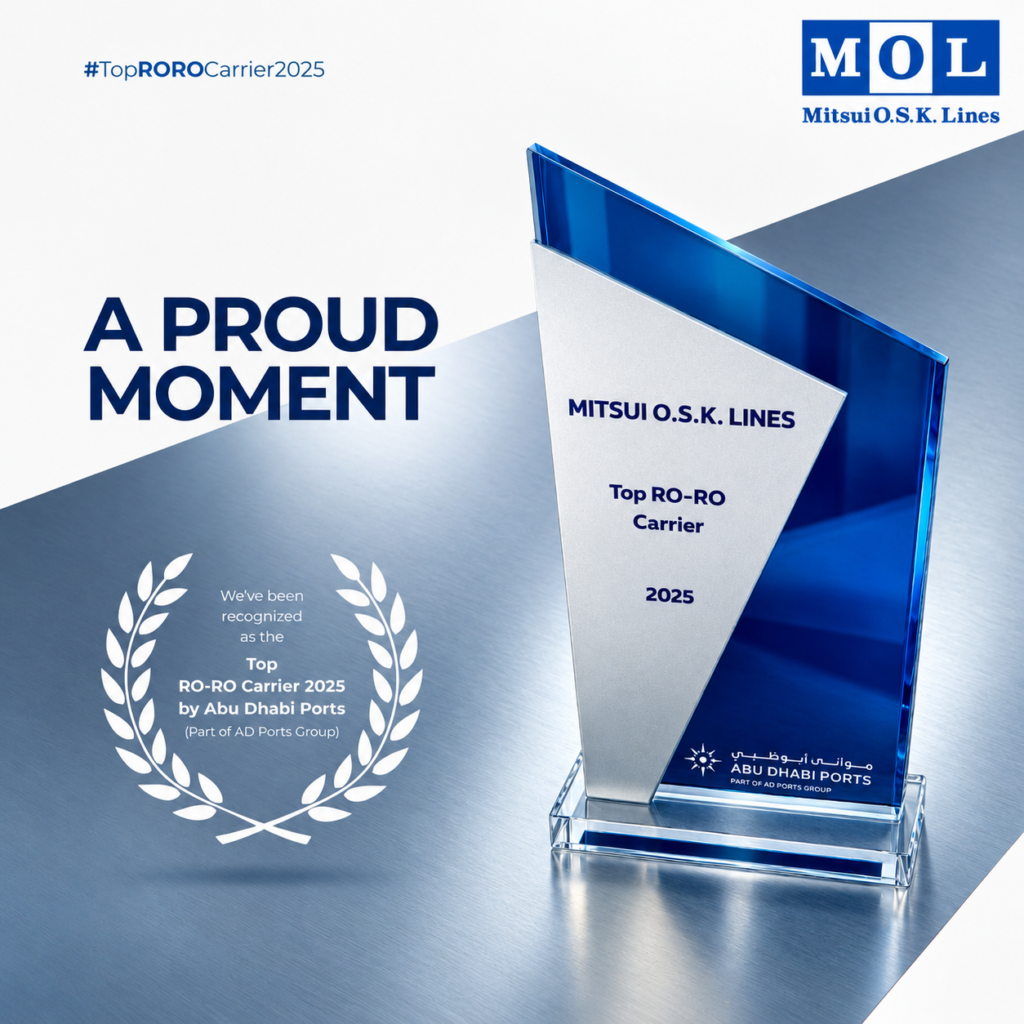
    Shipping Arabia, October 21, 2026 – Mitsui O.S.K. Lines (MOL) has received the Top Ro-Ro Carrier 2025 award from Abu Dhabi Ports, part of AD Ports Group. The recognition highlights MOL’s contribution to automotive and project cargo transportation across the region, emphasizing the importance of reliability, port connectivity, and operational efficiency in maritime logistics.

    The award recognizes MOL’s role in supporting the movement of vehicles and project cargo through its Roll-on/Roll-off (Ro-Ro) shipping services. These operations require dependable maritime transportation and coordination with ports to maintain efficient cargo flows and support customer supply chains.

    MOL Recognized for Ro-Ro Shipping and Automotive Logistics

    The MOL Ro-Ro carrier award reflects the company’s established presence in vehicle logistics and its contribution to regional maritime transportation.

    MOL operates a global Ro-Ro shipping network backed by decades of experience in automotive logistics. Through this network, the company provides transportation solutions that support customers moving vehicles and other cargo across international markets.

    In announcing the recognition, MOL highlighted the importance of reliable shipping services, strong port connectivity, and operational efficiency for customers involved in automotive and project cargo transportation.

    The company also emphasized its continued commitment to dependable maritime transportation solutions that help maintain supply chain continuity.

    Strengthening Cooperation with Abu Dhabi Ports

    Following the award announcement, MOL expressed appreciation to Abu Dhabi Ports for recognizing its contribution to regional Ro-Ro shipping operations.

    The company also reaffirmed its intention to strengthen its partnership with Abu Dhabi Ports in the coming years.

    The recognition underscores the role of cooperation between Ro-Ro shipping carriers and port operators in supporting automotive and project cargo movements. Such partnerships are particularly important for maintaining reliable transportation services and efficient cargo handling across regional maritime networks.

    For MOL, the Top Ro-Ro Carrier 2025 award acknowledges its contribution to the region’s automotive and project cargo logistics sector while reinforcing its commitment to reliable maritime transportation and continued cooperation with Abu Dhabi Ports.

    Source: Mitsui O.S.K. Lines, Ltd. (MOL)

  • DP World and MOL Plan New Automotive Logistics Facility at Jebel Ali Port

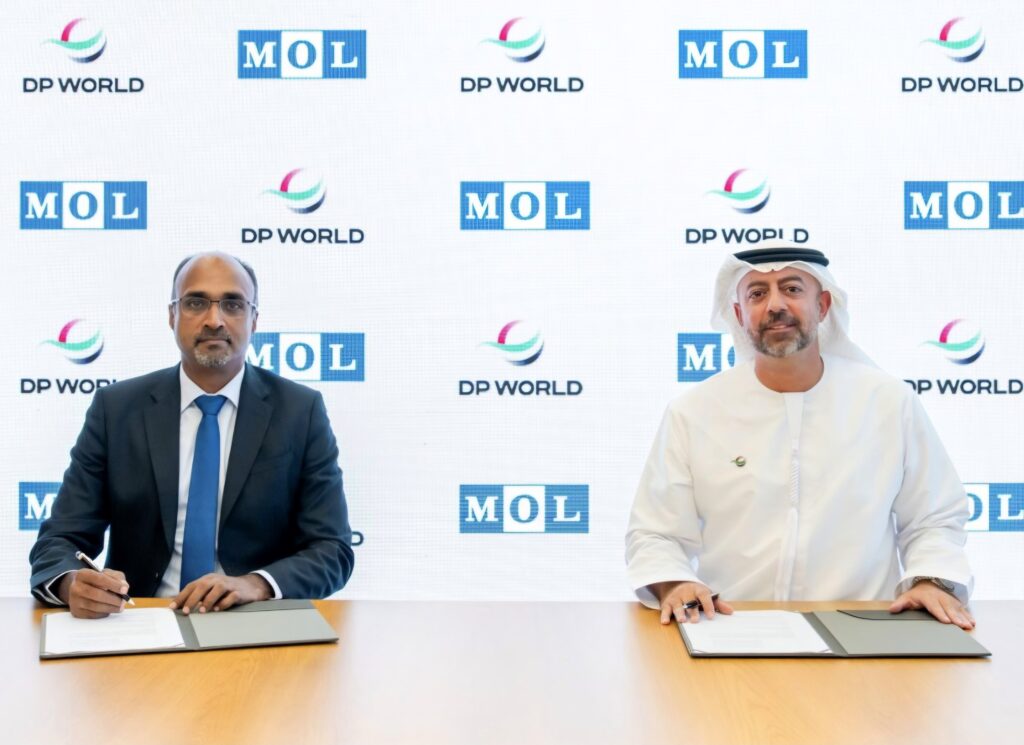
    Shipping Arabia, October 11, 2026 – DP World and Mitsui O.S.K. Lines (MOL) have signed a term sheet outlining the framework for a proposed automotive logistics and processing facility at Jebel Ali Port in Dubai, United Arab Emirates. The planned development would consolidate vehicle storage, pre-delivery inspection and other value-added services at a single port-side location, supporting automotive trade between Asia, the Middle East and Africa.

    The agreement marks the next step in the longstanding collaboration between the two companies. The proposed Jebel Ali automotive logistics facility aims to expand vehicle storage capacity and strengthen the port’s role in regional automotive supply chains.

    Proposed Automotive Logistics Facility to Integrate Vehicle Services

    Under the proposed development, DP World and MOL would bring several automotive logistics and processing activities together within a dedicated facility at Jebel Ali Port.

    The facility would combine vehicle storage, pre-delivery inspection and other value-added automotive services in one location. This integrated approach is intended to expand storage capacity while supporting more efficient vehicle logistics operations through the port.

    The development would also strengthen automotive trade flows connecting major vehicle manufacturing centers in Asia with growing markets across the Middle East and Africa.

    By bringing these services together at a port-side location, the companies aim to support the long-term development of automotive trade through Jebel Ali.

    Jebel Ali Port Handled Nearly 1.1 Million Vehicles in 2025

    The proposed Jebel Ali automotive logistics facility follows a year of substantial vehicle handling activity at the port.

    According to DP World and MOL, Jebel Ali Port handled nearly 1.1 million vehicles in 2025, highlighting its role as a major automotive trade gateway serving regional and international markets.

    The planned facility is intended to support the continued growth of automotive trade through the port, particularly vehicle movements between Asian manufacturing centers and markets in the Middle East and Africa.

    Expanding storage capacity and consolidating vehicle processing services form central elements of the proposed development.

    DP World and MOL Continue Partnership Discussions

    The signing of the term sheet establishes a framework for the proposed facility and represents a further step in the existing relationship between DP World and MOL.

    Both companies have indicated their intention to continue discussions on the development, building on their longstanding cooperation in the maritime and logistics sectors.

    The project remains at the proposal stage, with the companies outlining the intended scope of the facility and its role in supporting automotive logistics at Jebel Ali Port.

    The proposed development would bring additional vehicle storage and processing capabilities to a port that already handles significant automotive volumes, supporting the companies’ shared objective of strengthening vehicle trade connections between Asia, the Middle East and Africa.

    Source: DP World and Mitsui O.S.K. Lines (MOL)

  • Asyad Ports Promotes RoRo Green Corridor in Oman Linking Port Sultan Qaboos and Khazaen Dry Port

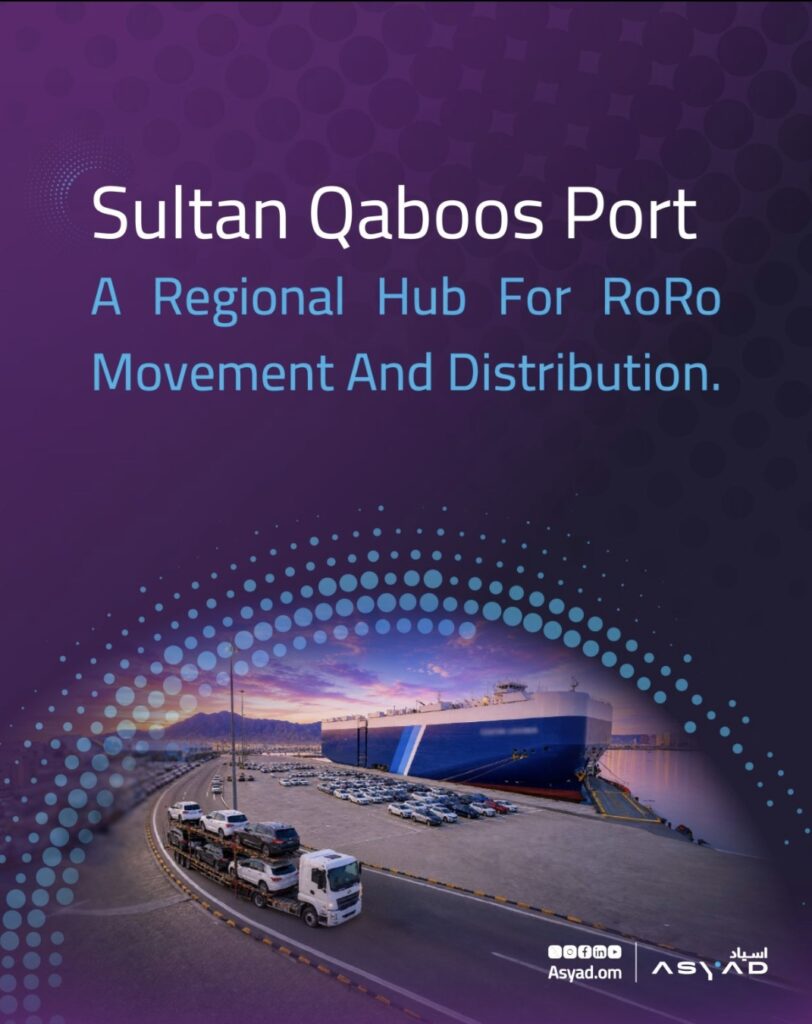
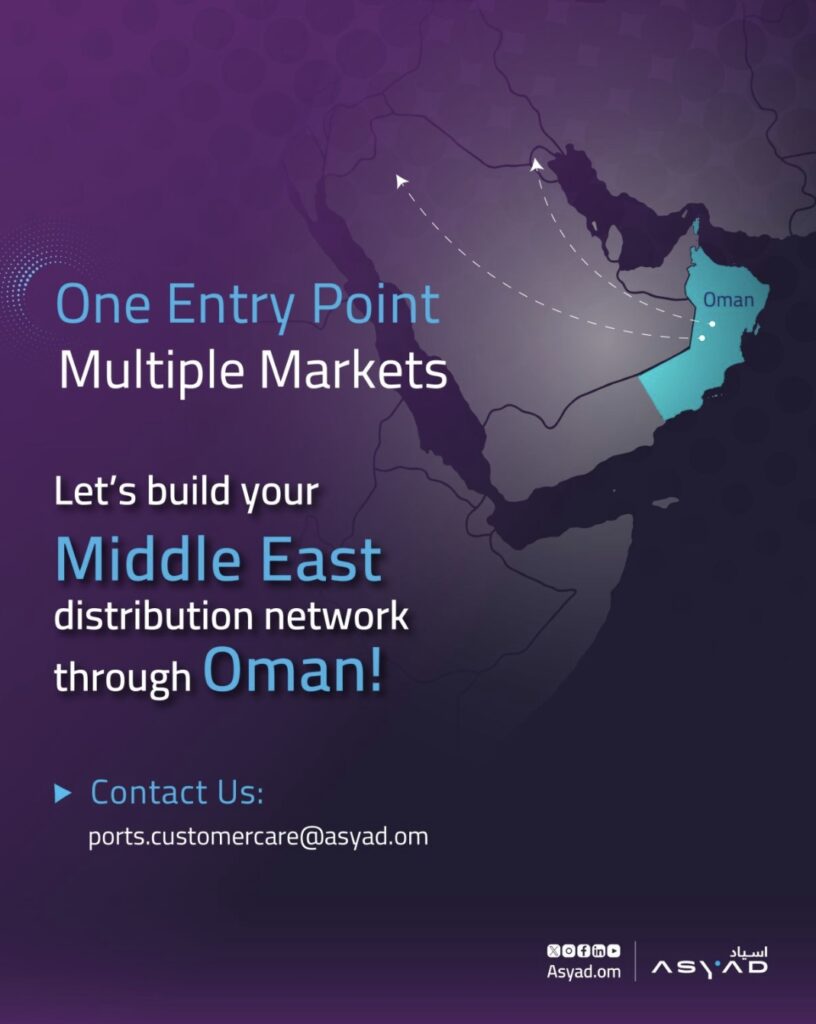
    Shipping Arabia, October 10, 2026 – Asyad Ports is promoting an integrated RoRo Green Corridor in Oman that connects Port Sultan Qaboos with Khazaen Dry Port, creating an end-to-end vehicle logistics solution for importers and automotive manufacturers. The initiative aims to streamline vehicle movements from vessel discharge through inland storage, preparation and onward distribution to markets across Oman and the wider region.

    The bonded logistics corridor combines maritime vehicle handling with inland logistics and distribution services. Through this model, Asyad Ports is positioning Port Sultan Qaboos as a regional gateway for roll-on/roll-off (RoRo) cargo, supported by Khazaen Dry Port’s storage and distribution capabilities.

    The company highlighted the corridor’s potential to reduce waiting times, simplify customs procedures and facilitate vehicle transfers between the two facilities. It also emphasized Oman’s strategic position as a regional RoRo hub serving multiple Middle Eastern markets.

    Integrated Vehicle Logistics from Port Sultan Qaboos to Khazaen Dry Port

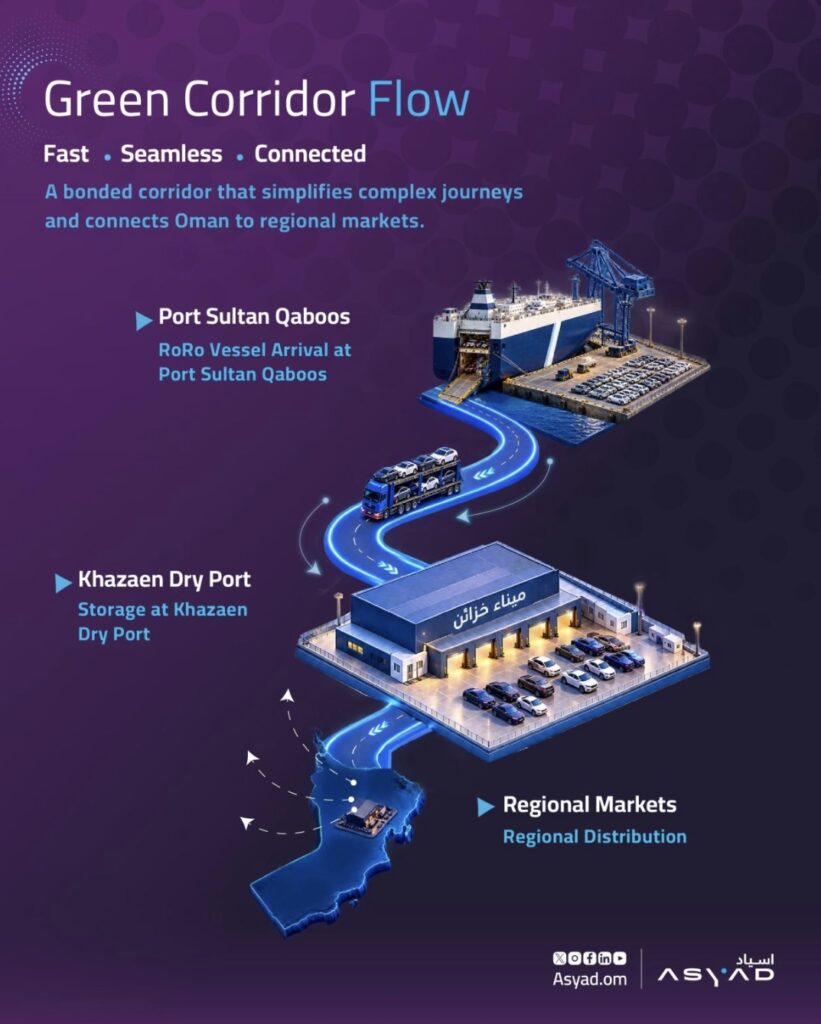
    The RoRo Green Corridor in Oman establishes a connected logistics process linking vessel arrivals at Port Sultan Qaboos with inland vehicle handling at Khazaen Dry Port.

    Under the model presented by Asyad Ports, vehicles arriving aboard RoRo vessels are discharged at Port Sultan Qaboos. They are then transferred through the bonded corridor to Khazaen Dry Port, where they can undergo storage and preparation before onward distribution.

    This arrangement provides importers and manufacturers with an integrated logistics solution covering the movement of vehicles from the maritime gateway to inland distribution facilities.

    Khazaen Dry Port serves as the inland component of the corridor, providing storage capabilities and supporting vehicle distribution to customers across Oman and regional markets.

    By connecting these facilities, Asyad Ports aims to simplify the vehicle logistics process and facilitate movements between maritime and inland operations.

    The model also supports the company’s efforts to establish Port Sultan Qaboos as a regional center for RoRo cargo movement and distribution.

    Bonded Corridor Designed to Simplify Customs and Vehicle Transfers

    A central feature of the Green Corridor is its bonded logistics framework, which is designed to simplify vehicle movements between Port Sultan Qaboos and Khazaen Dry Port.

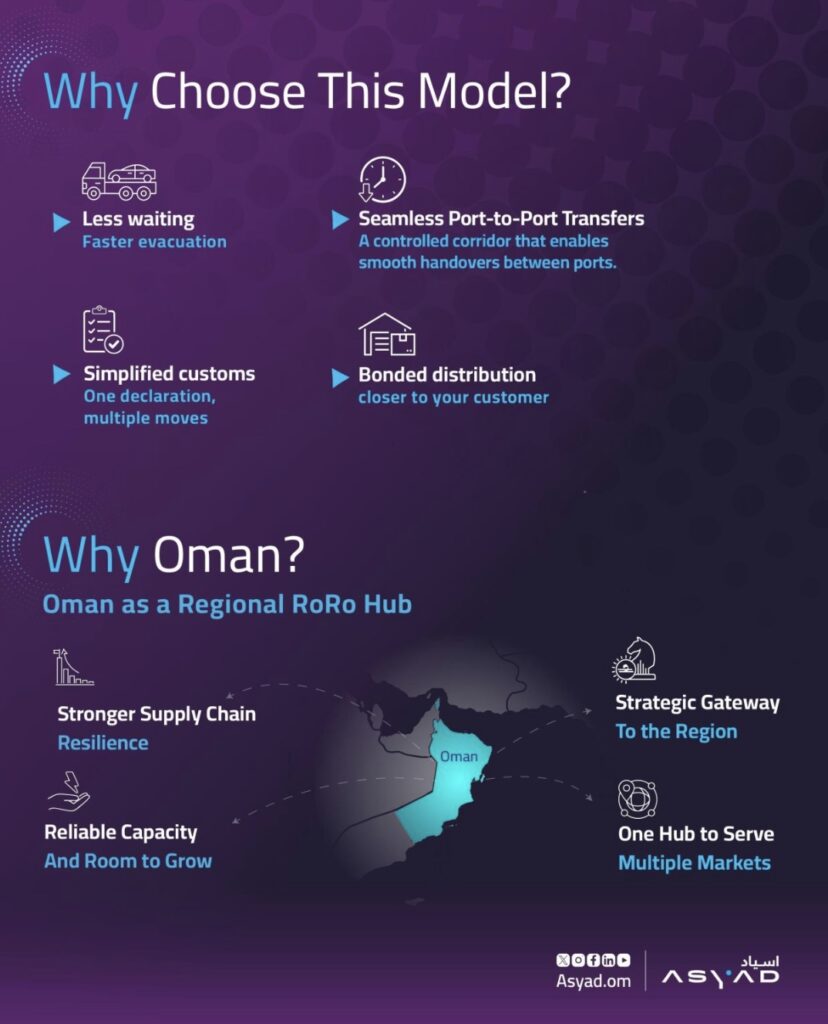
    According to Asyad Ports, the model offers several operational advantages, including faster vehicle evacuation from the seaport and reduced waiting times.

    The controlled corridor is also designed to facilitate smoother handovers between the two ports. This approach supports more coordinated vehicle movements across the maritime and inland logistics network.

    Customs simplification represents another important element of the system. Asyad Ports highlighted a process that allows one customs declaration to cover multiple movements, reducing the complexity associated with transferring vehicles through the logistics corridor.

    In addition, bonded distribution enables vehicles to be stored closer to their intended customers and markets before final delivery.

    Together, these features are intended to create a more seamless logistics process, connecting vessel discharge, inland handling and regional distribution through a single integrated model.

    Positioning Oman as a Regional RoRo and Automotive Distribution Hub

    Beyond facilitating domestic vehicle movements, Asyad Ports is promoting the RoRo Green Corridor in Oman as a gateway for automotive distribution across the wider Middle East.

    The company highlighted Oman’s strategic location and its potential to serve multiple regional markets through a single logistics hub.

    This approach allows importers and automotive manufacturers to use Port Sultan Qaboos as a maritime entry point while relying on Khazaen Dry Port for inland storage and subsequent distribution.

    Asyad Ports also identified supply chain resilience as a key advantage of the proposed logistics model. By linking maritime and inland facilities, the corridor is intended to support more reliable vehicle handling and distribution activities.

    The company emphasized the availability of handling capacity and opportunities for future growth, presenting Oman as a location capable of supporting expanding regional vehicle logistics requirements.

    The Green Corridor therefore forms part of Asyad Ports’ efforts to promote integrated logistics services that connect Oman’s maritime infrastructure with regional distribution networks.

    Through the combination of Port Sultan Qaboos and Khazaen Dry Port, the company is seeking to strengthen Oman’s position as a strategic gateway for RoRo cargo and automotive logistics.

    One Entry Point Serving Multiple Regional Markets

    Asyad Ports is presenting the corridor as a solution for companies seeking to develop or strengthen their Middle Eastern vehicle distribution networks.

    The model brings together port operations, bonded inland transfers, vehicle storage and onward distribution under a connected logistics framework.

    For automotive importers and manufacturers, this creates an opportunity to organize vehicle movements through a single maritime entry point while serving different domestic and regional markets.

    Asyad Ports is encouraging industry stakeholders to consider Oman as a regional distribution base, supported by the integrated capabilities of Port Sultan Qaboos and Khazaen Dry Port.

    The initiative reflects the company’s focus on providing connected RoRo logistics services, simplifying vehicle supply chains and supporting Oman’s development as a regional automotive distribution hub.

    Source: Asyad Ports

  • Suez Canal Automotive Terminal Completes Third Bus Export Shipment With No Reported Incidents

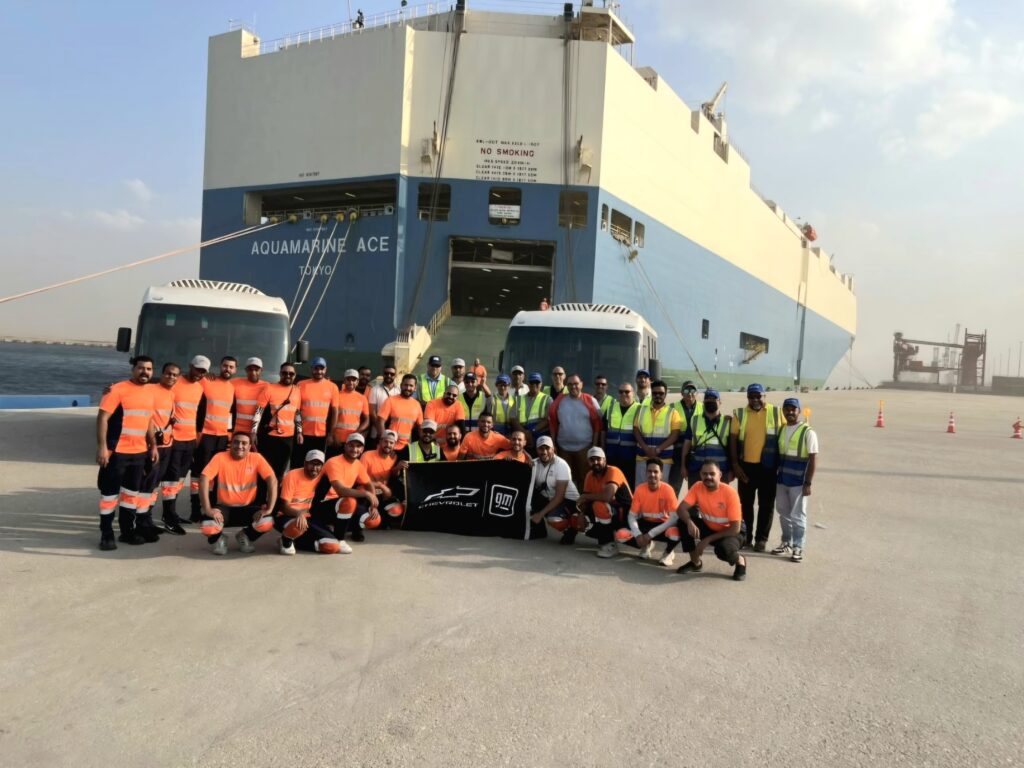
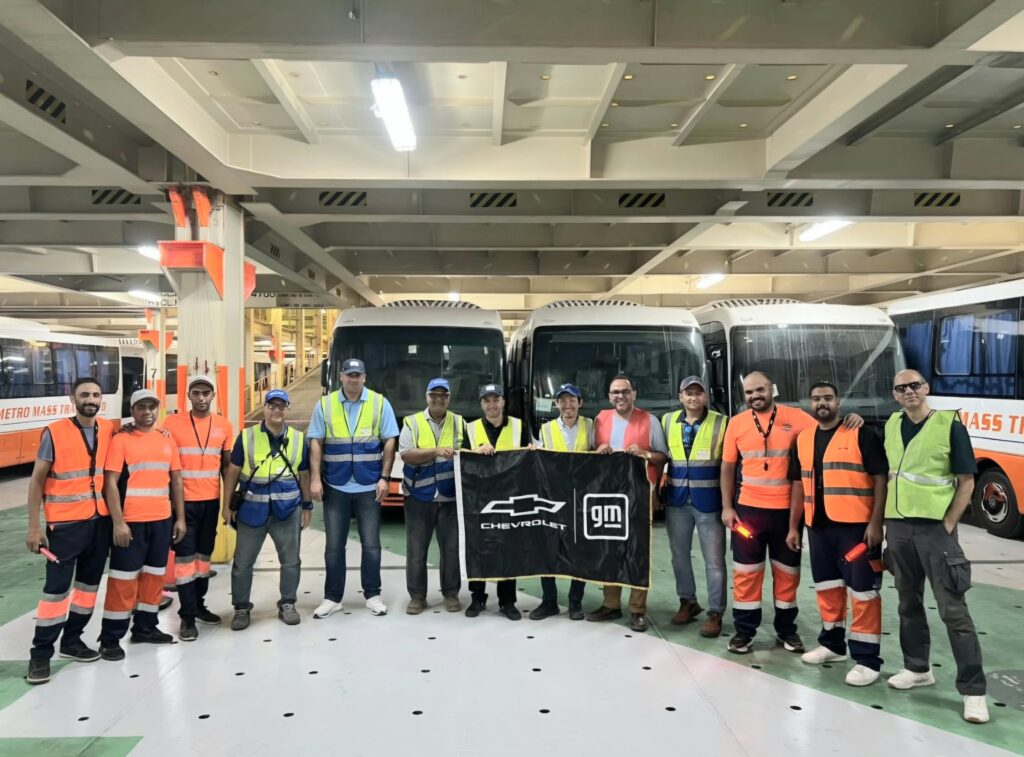
    Shipping Arabia, October 9, 2026 – Suez Canal Automotive Terminal (SCAT) has successfully completed its third bus export shipment from Egypt, reporting incident-free loading and lashing operations. The latest shipment marks another achievement in the terminal’s vehicle-handling activities, supported by coordination with General Motors Egypt, Itochu Egypt and MOL.

    SCAT announced that its operational team completed the shipment without reported handling issues. The terminal credited the outcome to the preparation, precision and coordination of its stevedoring personnel.

    The company also highlighted positive feedback from one of its partners, which recognized the terminal’s quality-control performance across all three bus export shipments. The partner reported that productivity exceeded expectations and attributed the results to repeated practical training and operational preparation.

    SCAT Bus Export Shipment Completed Without Incidents

    The latest SCAT bus export shipment involved the loading, securing and export handling of buses through the terminal. According to the company, the operation proceeded smoothly, with loading and lashing activities completed without incidents.

    Proper lashing and cargo securing are particularly important when handling large vehicles such as buses. These procedures help ensure that vehicles remain securely positioned during maritime transportation and reduce the risk of movement or damage.

    SCAT emphasized the role of its on-site stevedoring team in completing the operation. The company attributed the successful handling to the team’s operational discipline, attention to detail and practical experience.

    The third shipment also continues a record of incident-free bus handling across the three export operations, according to feedback shared by one of SCAT’s commercial partners.

    Stevedoring Training Supports Operational Performance

    A key element highlighted in SCAT’s announcement was the importance of repeated stevedoring training in preparing terminal personnel for bus-handling operations.

    The terminal shared feedback from a partner that praised its quality-control standards and operational productivity across all three shipments.

    The partner specifically recognized that SCAT had conducted repeated on-site stevedoring training over several months using rental buses. These practical exercises helped prepare personnel for handling buses during actual export operations.

    According to the feedback, the terminal achieved productivity levels beyond expectations while maintaining incident-free handling across the three shipments.

    The recognition highlights the operational value of practical training in specialized automotive logistics. Bus handling requires personnel to manage vehicle movements, loading procedures and cargo securing with particular attention to safety and coordination.

    The successful completion of the third shipment provides a practical example of how operational preparation and workforce training can support reliable vehicle-handling services.

    General Motors Egypt, Itochu Egypt and MOL Support Export Operations

    SCAT acknowledged the cooperation of General Motors Egypt, Itochu Egypt and MOL in completing the latest bus export operation.

    The terminal described collaboration with these partners as an important contributor to the successful shipment. Their involvement reflects the coordination required among parties participating in automotive export logistics.

    Vehicle export operations depend on the integration of terminal handling, cargo preparation and maritime transportation arrangements. Effective communication between participating companies and operational teams is therefore important to maintaining cargo-handling standards.

    In its announcement, SCAT placed particular emphasis on the performance of its on-ground personnel and the contribution of its commercial partners.

    Strengthening Specialized Automotive Export Handling

    The successful completion of three bus export shipments represents a further operational achievement for Suez Canal Automotive Terminal in handling specialized vehicle cargo.

    Unlike conventional containerized shipments, vehicle-handling operations require specific loading arrangements, cargo-securing procedures and operational coordination. Larger vehicles such as buses create additional handling requirements because of their dimensions and securing needs.

    SCAT’s reported performance across the three shipments demonstrates its ability to execute these operations while maintaining the quality-control standards recognized by its partner.

    The latest achievement also illustrates the importance of workforce preparation, terminal operating procedures and cooperation among automotive and maritime logistics stakeholders.

    With three bus export shipments completed without reported incidents, SCAT has demonstrated progress in its specialized vehicle-handling operations and its capability to support automotive exports through Egypt’s maritime infrastructure.

    Source: Suez Canal Automotive Terminal (SCAT)

  • Damietta Expands Imported Vehicle Handling and Storage Services

    Shipping Arabia, September 26, 2026 – Damietta Container & Cargo Handling Company is expanding its imported vehicle handling and storage services as part of a wider strategy to diversify cargo activities and develop higher-value logistics services.

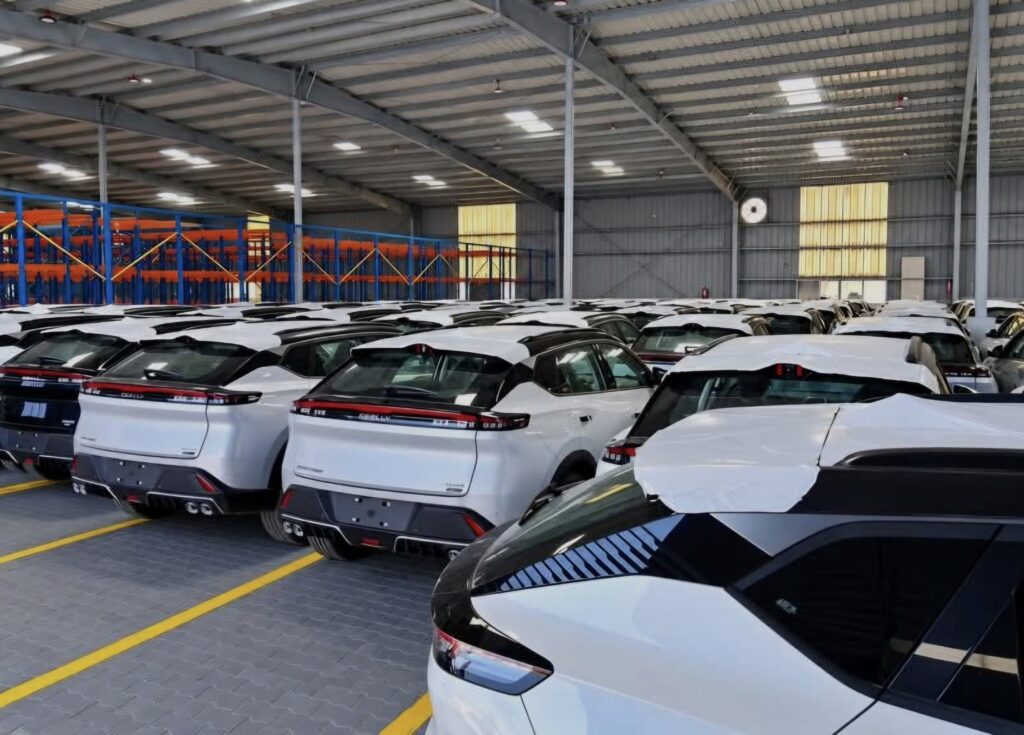
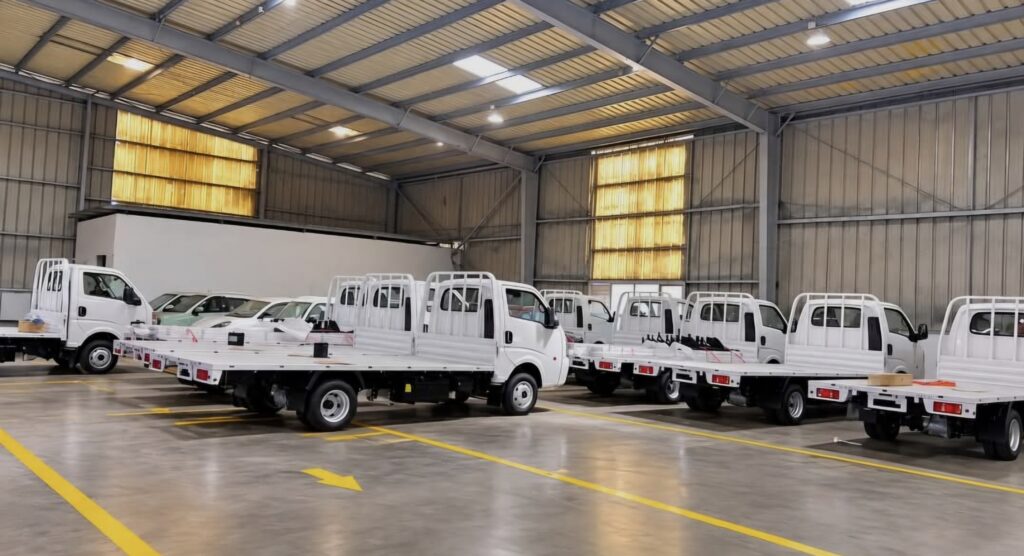
    The company said recent shipments have included gasoline-powered and electric passenger cars, minibuses and light commercial vehicles, demonstrating its ability to handle a wider range of imported automotive cargo.

    Several of the shipments arrived on vessels associated with Yang Ming Egypt S.A.E. and were discharged at the company’s terminal in Damietta as part of regular vessel operations.

    Vehicle Handling Activity Broadens

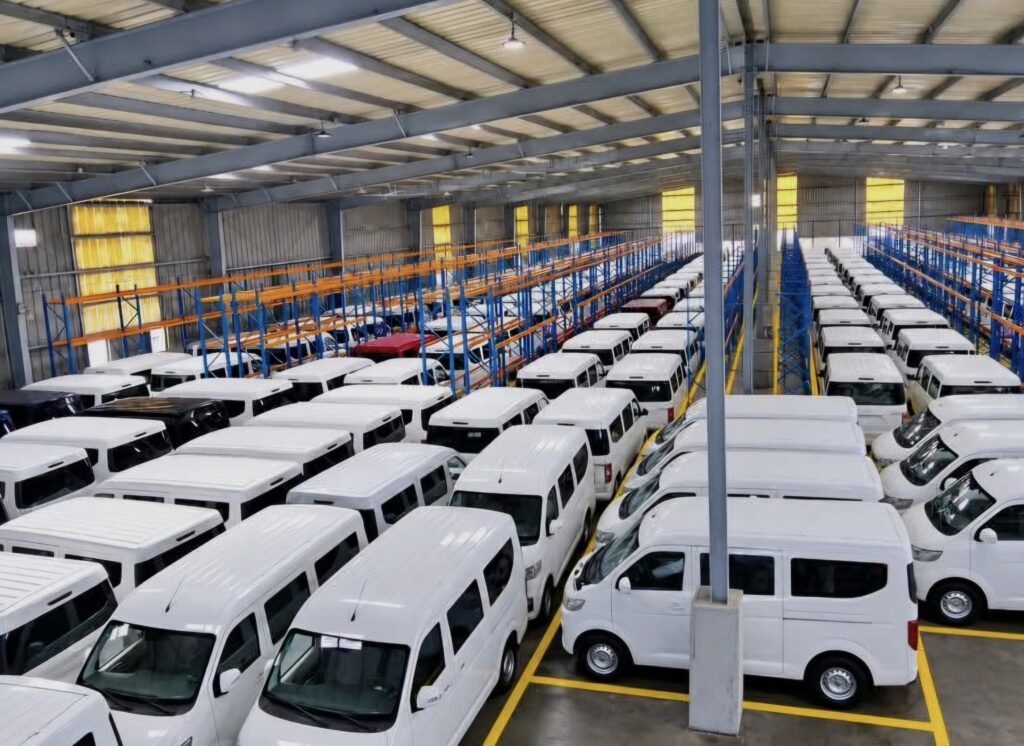
    Following discharge, the vehicles were transferred to a dedicated storage facility used for imported automobile handling and storage.

    The company said the operation reflects the terminal’s technical and operational readiness to manage different vehicle types while providing the logistics services required for safe storage and onward handling.

    The broader mix of vehicles also reflects the company’s efforts to expand beyond traditional cargo activities and make greater use of its infrastructure and available operating capacity.

    Damietta Targets Specialized Logistics Growth

    Executive Managing Director Rear Adm. Rafik Galal said the company is continuing to implement a strategy focused on diversifying cargo-handling activities and maximizing the use of its infrastructure and operational capabilities.

    The expansion of imported vehicle handling is part of that approach, with the company seeking to offer more specialized logistics services to shipping lines, customs brokers and cargo owners.

    Galal said growing activity in this segment reflects customer confidence in the company’s ability to handle automotive cargo efficiently and flexibly.

    The company also plans to continue developing its service portfolio and strengthening strategic partnerships to attract additional business.

    Supporting Egypt’s Logistics Ambitions

    The development forms part of wider efforts across Egypt’s transport and maritime sectors to strengthen the country’s position in transit trade, logistics and marine transportation.

    By expanding imported vehicle handling and storage, Damietta Container & Cargo Handling Company is seeking to create additional value from its existing facilities while broadening the range of services available at the terminal.

    The company said it will continue focusing on operational efficiency, service development and customer requirements as it expands activity in specialized cargo segments.

    Source: Damietta Container & Cargo Handling Company

  • Jordan Shipping Association Reviews Aqaba Port Capacity as Vehicle and Cargo Volumes Rise

    Shipping Arabia, September 22, 2026 – The Jordan Shipping Association has reviewed operational and logistics pressures at Aqaba following a sharp increase in vehicle and cargo volumes moving through Jordan’s principal maritime gateway.

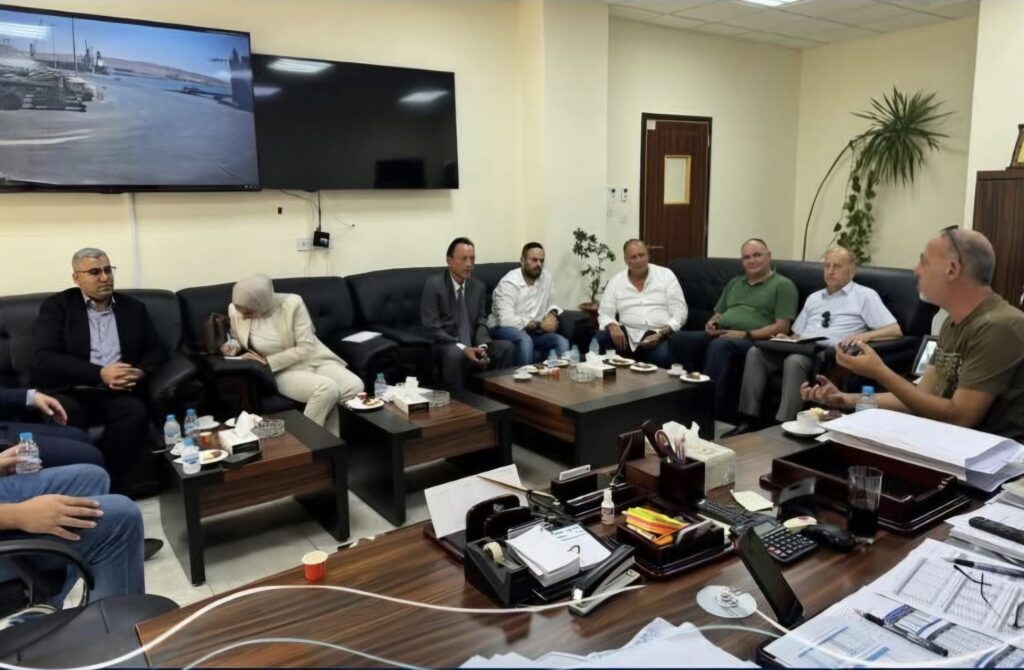
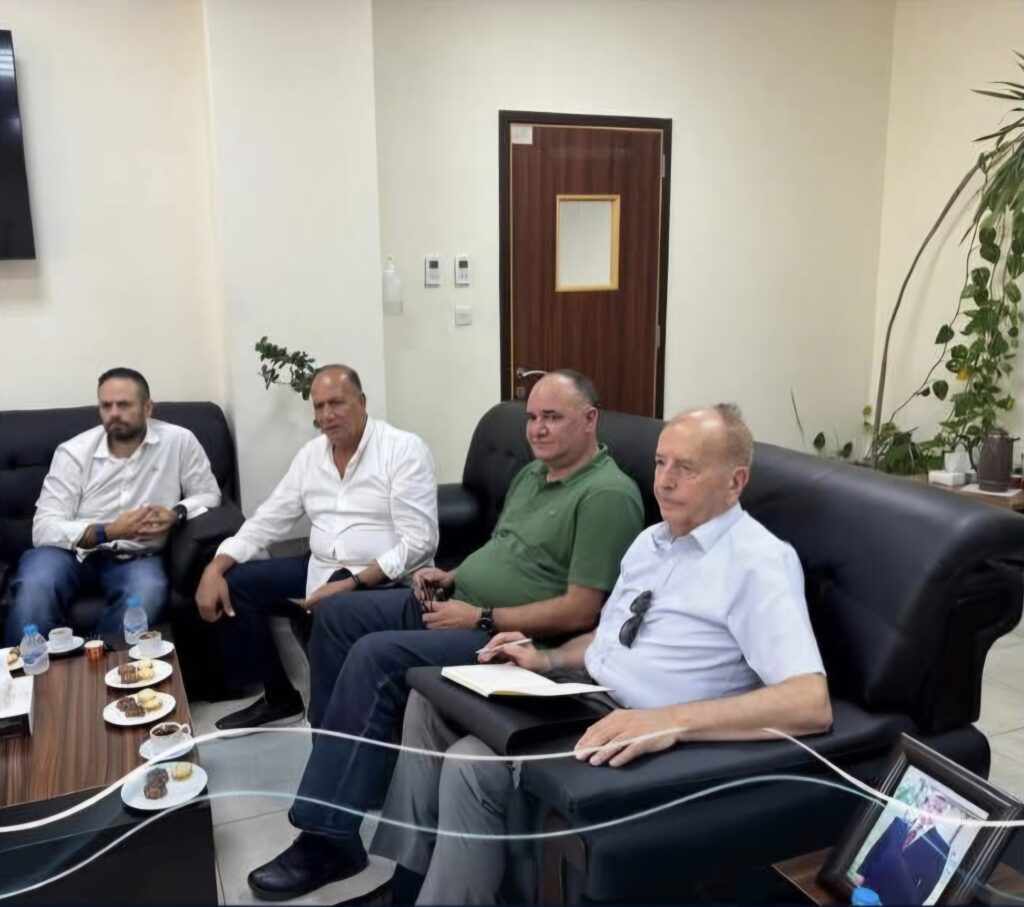
    A delegation headed by JSA Chairman Zaid Al-Kalaldeh conducted a field visit to Aqaba on September 15, meeting port and development officials and inspecting vehicle storage areas and measures being taken to accommodate higher cargo volumes.

    The delegation included Secretary-General Capt. Mohammad Al-Dalabieh and Board Members Mashhoor Al-Jazi, AbdulRahman Ali and Mohammad Abdelhadi.

    At the Aqaba Cruise Terminal, the delegation met Rashad Al Maslat, AD Ports Country Operations Manager, and Amer Al Hammouri, Operations and Planning Lead at Aqaba Cruise Terminal, reviewing measures to address growing operational pressure, including preparation of additional yard capacity and reinforcement of personnel to maintain vehicle flows and operational efficiency.

    The delegation also met Dr. Mahmoud Khleifat, Director General of Aqaba Company for Ports Operation and Management, and Operations Manager Capt. Mohammad Al-Halawi. Discussions focused on current operations and efforts to expand storage yards and increase capacity despite constraints involving available equipment and resources.

    During a separate meeting with Hussein Al-Safadi, CEO of Aqaba Development Corporation, and Abdessalam Obeidat, Chief Transport and Logistics Officer, the two sides discussed closer coordination with the maritime sector and proposals aimed at improving port efficiency and maintaining smoother cargo flows.

    JSA said direct engagement with port stakeholders is increasingly important as Aqaba handles growing trade volumes and associated pressure on yards, equipment and inland cargo movements.

    The association said it will continue coordinating with government and operational stakeholders, including Jordan Customs, to facilitate vehicle and cargo movements, address emerging operational constraints and strengthen Aqaba’s role as Jordan’s maritime gateway.

    Source: Jordan Shipping Association

  • East Port Said Handles 235 Vehicles for Aqaba as SCAT Ro-Ro Activity Grows

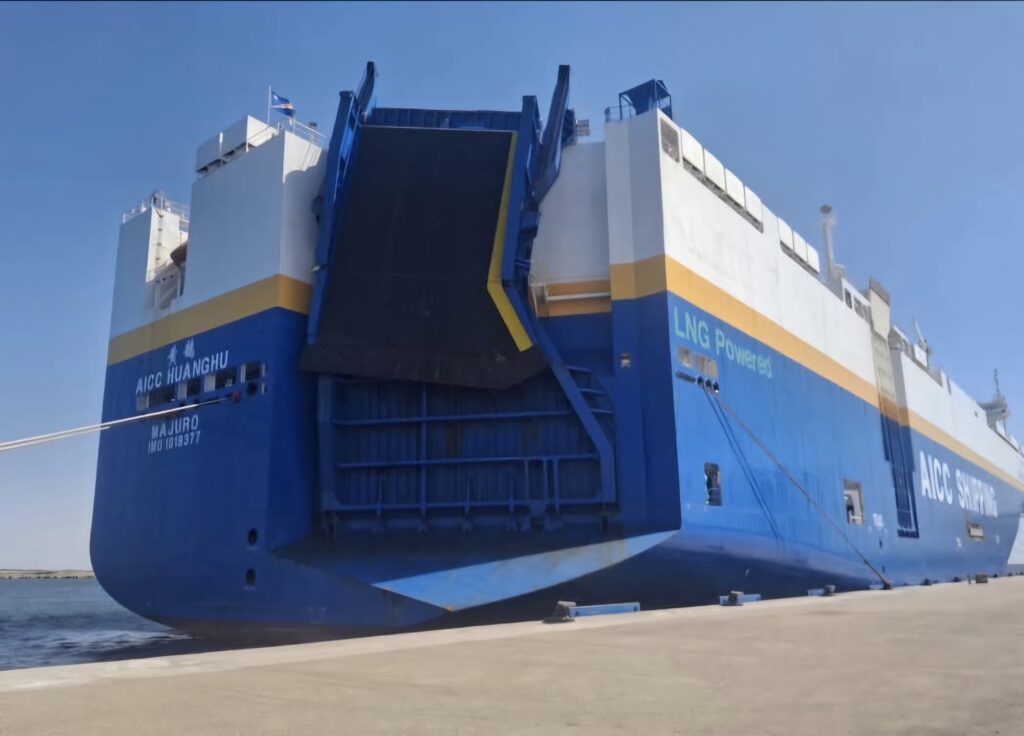
    Shipping Arabia, September 22, 2026 – East Port Said Port has received the vehicle carrier AICC HUANGHU at the Suez Canal Automotive Terminal (SCAT), where the vessel is loading 235 vehicles for onward shipment to Aqaba.

    The Ro-Ro vessel arrived from Alexandria and will depart for Aqaba following completion of loading operations, highlighting the developing vehicle shipping connection between Egypt’s Mediterranean ports and Jordan’s principal maritime gateway on the Red Sea.

    AICC HUANGHU is a specialized vehicle carrier measuring 200 meters in length and 38 meters in beam, with a draught of 9 meters.

    The Suez Canal Economic Zone said the call forms part of continued vehicle-handling activity across its ports and the growing use of SCAT for automotive and transit cargo.

    Since beginning official operations in November 2025, SCAT has handled seven specialized vehicle carriers carrying a combined 4,735 vehicles. AICC HUANGHU was among the first vessels handled by the terminal and has now returned for another call.

    The latest operation demonstrates SCAT’s developing role in Ro-Ro and automotive logistics, while the onward movement to Aqaba reflects the integration of regional maritime routes linking Mediterranean and Red Sea gateways.

    SCAT forms part of the wider development of East Port Said’s logistics and cargo-handling capabilities, with vehicle transit operations adding another segment to the port’s growing maritime activity.

    Source: Suez Canal Economic Zone

Back to top button