Container Handling

  • Red Sea Container Terminals Achieves 136.3 Moves per Hour During CMA CGM G. WASHINGTON Call

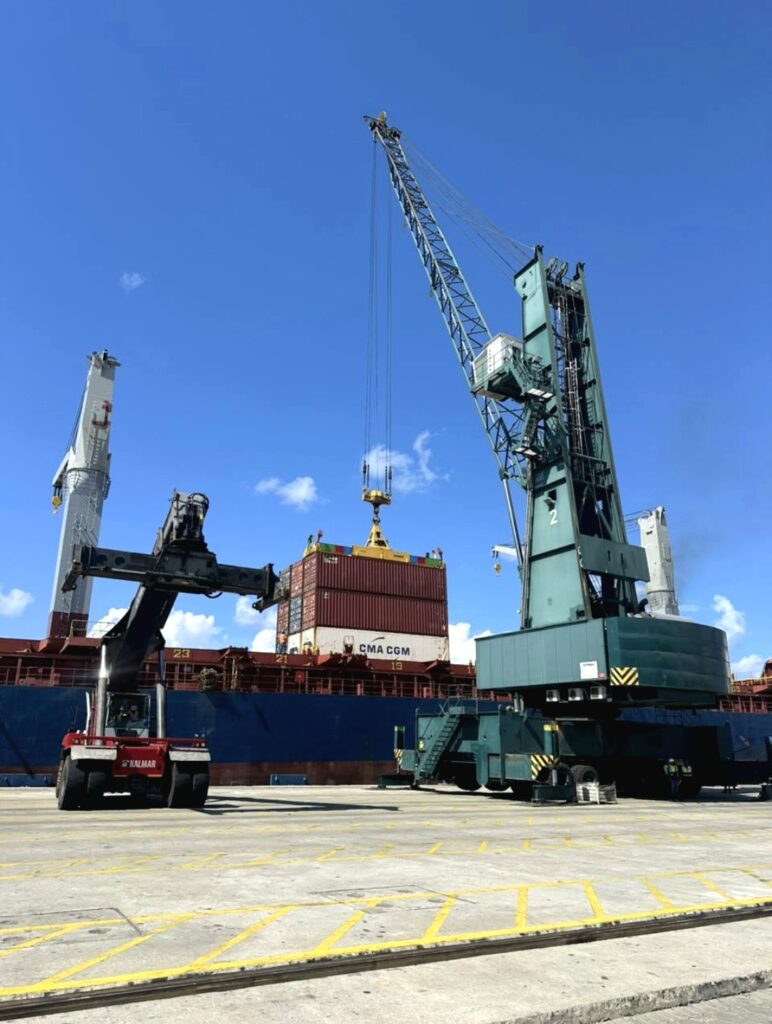
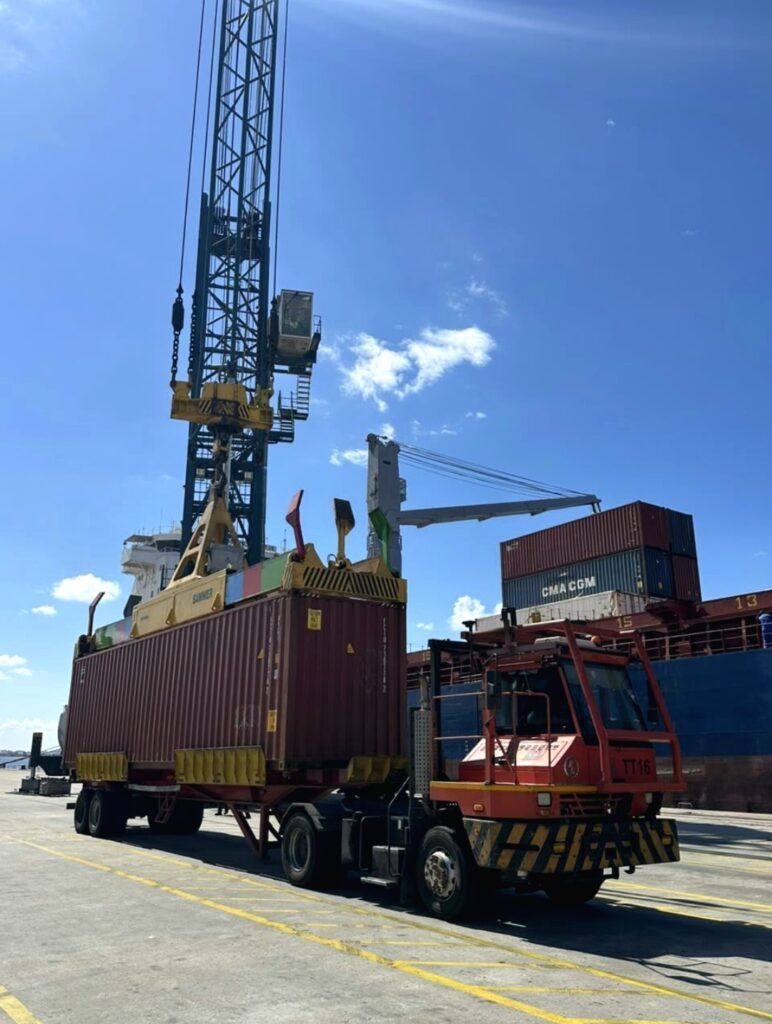
    Shipping Arabia, November 15, 2026 – Red Sea Container Terminals (RSCT) has achieved a vessel operating rate (VOR) of 136.3 container moves per hour during the call of CMA CGM G. WASHINGTON, a 14,414-TEU ultra-large container vessel operated by CMA CGM. The terminal deployed five quay cranes during the operation, marking a significant operational milestone in handling large-capacity container ships.

    The vessel called at RSCT as part of CMA CGM’s REX2 service. The terminal highlighted the achievement as a demonstration of its ability to deliver efficient container handling operations for ultra-large container vessels.

    RSCT Vessel Operating Rate Reaches 136.3 Moves per Hour

    During the CMA CGM G. WASHINGTON call, Red Sea Container Terminals deployed five quay cranes and recorded a vessel operating rate of 136.3 moves per hour.

    The performance reflects the terminal’s container handling capabilities and its ability to coordinate multiple quay cranes during operations involving ultra-large container vessels.

    With a nominal capacity of 14,414 TEUs, CMA CGM G. WASHINGTON represents the category of large container ships that require coordinated terminal operations to maintain efficient cargo handling.

    RSCT identified the vessel call as an important operational achievement, highlighting the terminal’s capacity to deliver high-performance services to large container vessels.

    Operational Coordination Supports Terminal Performance

    Red Sea Container Terminals attributed the achievement to the efforts of its operations teams and effective coordination throughout the vessel’s handling activities.

    The terminal emphasized that teamwork and operational coordination contributed to the recorded vessel operating rate, reflecting its continued focus on efficiency and operational performance.

    RSCT also highlighted the milestone as part of its commitment to maintaining reliable container handling services and high operational standards.

    The successful handling of CMA CGM G. WASHINGTON on the REX2 service demonstrates the terminal’s stated capabilities in serving ultra-large container vessels while maintaining a focus on operational efficiency and service reliability.

    Source: Red Sea Container Terminals (RSCT)

  • Aqaba Ports Cargo Throughput Surges 46% as Container Volumes Rise 8% in 2026

    Shipping Arabia, November 12, 2026 – Aqaba ports cargo throughput increased by 46% during the first 10 months of 2026, reaching 12.386 million tonnes compared with 8.494 million tonnes during the same period in 2025. Meanwhile, Aqaba Container Terminal (ACT) recorded an 8% increase in container volumes, highlighting growth in Jordan’s maritime cargo operations.

    The figures were released by Jordan’s customs clearance and freight transport companies’ syndicate, based on official statistics covering port operations, customs declarations and freight movements between January and October 2026.

    The data also showed increased vessel arrivals at Aqaba’s main ports, alongside substantial customs and transit activity across Jordan’s border crossings. Syndicate President Dhaifallah Abu Aqoula highlighted Aqaba’s growing role as a logistics gateway serving Jordan and neighboring regional markets.

    Aqaba Ports Cargo Throughput Reaches 12.386 Million Tonnes

    Total cargo throughput across Aqaba’s main ports reached 12.386 million tonnes during the reporting period, compared with 8.494 million tonnes a year earlier. The 46% increase covered cargo handled through the main port, oil and gas port, and passenger port.

    Vessel traffic also increased during the first 10 months of 2026. A total of 1,430 vessels arrived at Aqaba’s main ports and completed their discharge operations, compared with 1,333 vessels during the corresponding period of 2025.

    The increase of 97 vessels was distributed across the three port facilities.

    Aqaba’s main port received 350 vessels, compared with 334 during the previous year, representing an increase of 16 vessels. Meanwhile, the oil and gas port handled 142 vessels, up from 104, an increase of 38 vessels.

    The passenger port recorded 938 vessel arrivals, compared with 895 during the same period in 2025, representing an increase of 43 vessels.

    These figures reflect higher vessel activity across Aqaba’s port facilities, alongside the significant increase in overall cargo volumes.

    Aqaba Container Terminal Handles 896,290 TEUs

    Aqaba Container Terminal also reported growth in container handling volumes during the January–October 2026 period.

    According to the syndicate’s figures, the terminal handled 896,290 TEUs, compared with 827,140 TEUs during the corresponding period in 2025. This represented an increase of approximately 8%.

    Loaded import containers reached 466,875 TEUs, up from 416,211 TEUs a year earlier, representing growth of 12%.

    However, loaded export containers declined to 87,535 TEUs, compared with 94,600 TEUs during the first 10 months of 2025.

    Despite the increase in total container throughput, vessel arrivals at the container terminal remained largely unchanged. ACT received 497 container vessels during the reporting period, compared with 496 vessels a year earlier.

    The figures show that container handling volumes increased while the number of container vessel calls remained relatively stable.

    Jordan Records More Than 919,000 Customs Declarations

    Beyond port operations, the syndicate reported significant customs clearance activity across Jordan’s customs centers and border crossings.

    Companies operating in the customs clearance and freight transport sector processed 919,470 customs declarations during the first 10 months of 2026.

    The reported declarations included 319,027 import declarations for the domestic market, 159,960 export declarations and 18,356 re-export declarations. The figures also included 29,650 temporary admission declarations and 318,128 transit declarations covering cargo movements through Jordanian territory.

    Aqaba Customs Directorate recorded the highest number of declarations among the listed customs locations, processing 208,778 declarations. This total covered Aqaba Customs, passenger vessel customs operations, Durra and Wadi Araba.

    Omari Customs, which connects Jordan with Saudi Arabia, followed with 197,262 declarations.

    The airport clearance customs center at Zizya and the Mashta Airport Free Zone recorded 143,000 declarations, while the Amman, Sahab and Raqeem customs facilities processed 119,558 declarations.

    Jaber Customs, serving the border crossing with Syria, handled 80,239 declarations. The Zarqa Free Zone recorded 56,384 declarations, followed by the e-commerce customs center with 39,531 declarations.

    Karameh Customs processed 18,304 declarations, while Mudawara Customs handled 12,429 declarations. The remaining declarations were distributed among other customs and border facilities across Jordan.

    Aqaba Leads Reported Freight Movements

    The syndicate’s statistics also highlighted substantial freight movements through Jordan’s border crossings and customs facilities.

    The Aqaba corridor recorded 790,400 freight movements, the highest total among the corridors identified in the report.

    Omari Customs followed with 508,381 movements, while Jaber Customs recorded 417,724 movements. Karameh Customs accounted for another 379,296 movements.

    Separately, the Zarqa Free Zone handled 68,333 vehicles during the reporting period.

    Of these, 27,185 vehicles entered the domestic market, comprising 6,737 gasoline-powered vehicles, 4,622 diesel vehicles, 6,724 hybrid vehicles and 9,102 electric vehicles.

    Another 41,148 vehicles were exported outside Jordan through the free zone.

    These figures illustrate the scale of freight clearance, transit movements and vehicle trade handled through Jordan’s customs and logistics network.

    Aqaba’s Role as a Regional Logistics Gateway

    Commenting on the figures, syndicate President Dhaifallah Abu Aqoula emphasized Aqaba’s importance as a logistics gateway for Jordan and regional markets.

    He said the port increasingly serves not only Jordan’s domestic import requirements but also cargo destined for Gulf Cooperation Council countries, Iraq, Syria and Lebanon.

    Abu Aqoula described this role as supporting Jordan’s development into a regional distribution center, with Aqaba serving as a key entry point for goods moving into neighboring markets.

    He also welcomed government decisions to reduce fees and facilitate cargo movements through customs centers and border crossings.

    According to Abu Aqoula, measures affecting port operations, freight transport and customs procedures have helped reduce costs for traders and importers while improving the competitiveness of Jordan’s logistics corridor against alternative regional routes.

    He attributed the sector’s performance to cooperation among customs authorities, port operators, logistics companies and other public and private stakeholders.

    Customs Modernization and Port Infrastructure Improvements

    Abu Aqoula praised the Jordan Customs Department for its role in facilitating cargo clearance and managing the movement of goods through the country’s customs facilities.

    He highlighted efforts to simplify administrative procedures, automate customs transactions, reduce clearance times and develop unified single-window processes.

    The syndicate president also emphasized the importance of completing customs procedures accurately and efficiently while maintaining coordination among the relevant authorities.

    In addition, he acknowledged the role of security agencies operating at ports and border crossings. He said their cooperation with customs clearance and transport companies had helped facilitate inspection procedures and improve cargo movements while maintaining security and safety requirements.

    Abu Aqoula also recognized the contributions of the Aqaba Special Economic Zone Authority (ASEZA), Aqaba Development Corporation (ADC), and the management of Aqaba’s main port and container terminal.

    He highlighted infrastructure development, modernization of cargo handling systems, berth efficiency improvements and simplified port entry and exit procedures among the measures supporting Aqaba’s logistics operations.

    According to Abu Aqoula, these initiatives have contributed to reducing operating costs and improving the overall efficiency of Aqaba’s port system.

    Logistics Sector Supports Jordan’s Economic Modernization

    The syndicate president emphasized that customs clearance, freight transport and logistics companies play an important role in handling goods arriving through Jordan’s ports and border crossings.

    Their activities cover cargo entering the domestic market as well as shipments moving under transit arrangements to neighboring countries.

    He linked the sector’s contribution to the objectives of Jordan’s Economic Modernization Vision, particularly its focus on facilitating trade and strengthening the movement of goods between Jordan and regional markets.

    Abu Aqoula also stressed the need for continued public-private coordination to address challenges affecting customs procedures, border operations and port activities.

    The customs clearance and freight transport companies’ syndicate, established in 1982 and registered with Jordan’s Ministry of Labour, represents businesses operating across the country’s customs clearance sector.

    According to the syndicate, Jordan has 467 licensed customs clearance companies operating approximately 2,000 branches across customs centers and border crossings. Together, these businesses provide around 10,000 employment opportunities for Jordanians.

    The latest statistics place Aqaba’s maritime performance within a broader picture of cargo handling, customs activity and regional freight movements.

    With Aqaba ports cargo throughput rising by 46% and container volumes increasing by 8%, the figures highlight the scale of activity passing through Jordan’s maritime gateway during the first 10 months of 2026.

    Source: Al Mamlaka

  • Jeddah Islamic Port Container Throughput Hits Record 582,907 TEUs in October 2026

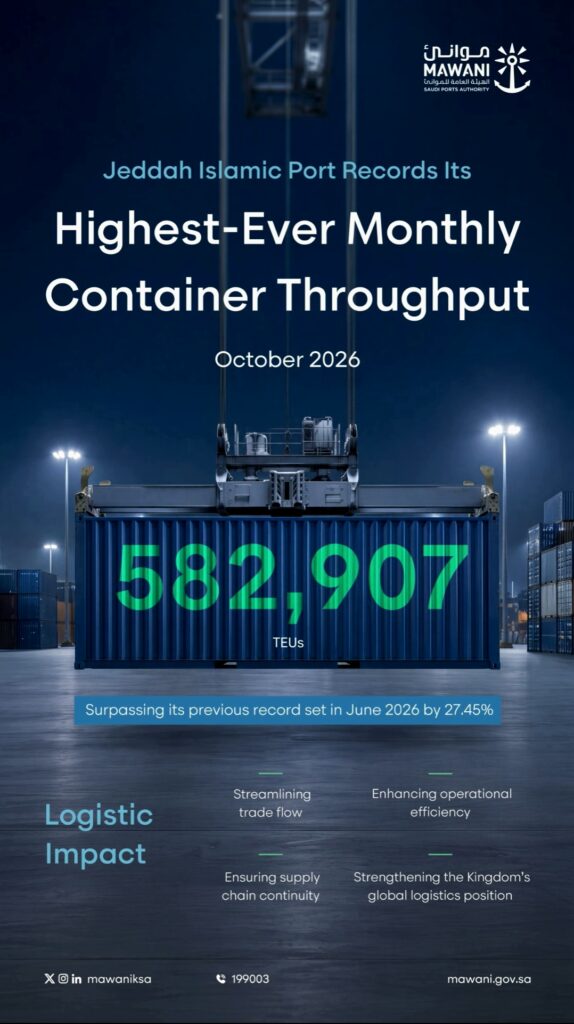
    Shipping Arabia, November 12, 2026 – Jeddah Islamic Port container throughput reached an all-time monthly high of 582,907 TEUs in October 2026, according to the Saudi Ports Authority (Mawani). The figure exceeded the port’s previous monthly record, set in June 2026, by 27.45%, establishing a new benchmark for container handling at the Red Sea gateway.

    The achievement marks the highest monthly container volume recorded in the port’s history. Mawani attributed the performance to operational efficiency and highlighted its significance for facilitating maritime trade and strengthening Saudi Arabia’s logistics capabilities.

    Jeddah Islamic Port Surpasses Previous Container Record

    The October performance represents a significant improvement over the previous record established just four months earlier.

    According to Mawani, the 582,907 TEUs handled during October exceeded the June 2026 record by 27.45%. The result establishes a new monthly throughput milestone for one of Saudi Arabia’s key maritime gateways.

    The authority emphasized that the record reflects the port’s operational efficiency and its role in facilitating the movement of goods through the Red Sea.

    Supporting Trade Flows and Supply Chain Continuity

    Beyond the container throughput milestone, Mawani highlighted several logistics benefits associated with the port’s performance.

    These include streamlining trade flows, enhancing operational efficiency and supporting supply chain continuity. The authority also identified the achievement as contributing to Saudi Arabia’s position in the global logistics sector.

    Located on the Red Sea coast, Jeddah Islamic Port serves as an important logistics gateway for the Kingdom. Its latest monthly container record further reinforces the port’s standing within Saudi Arabia’s maritime trade and logistics network.

    The October 2026 performance establishes a new benchmark for Jeddah Islamic Port container throughput, highlighting the port’s operational capabilities and its importance to the Kingdom’s logistics sector.

    Source: Saudi Ports Authority (Mawani)

  • Port of Beirut Sets All-Time Reefer Record With 2,072 TEUs in One Day

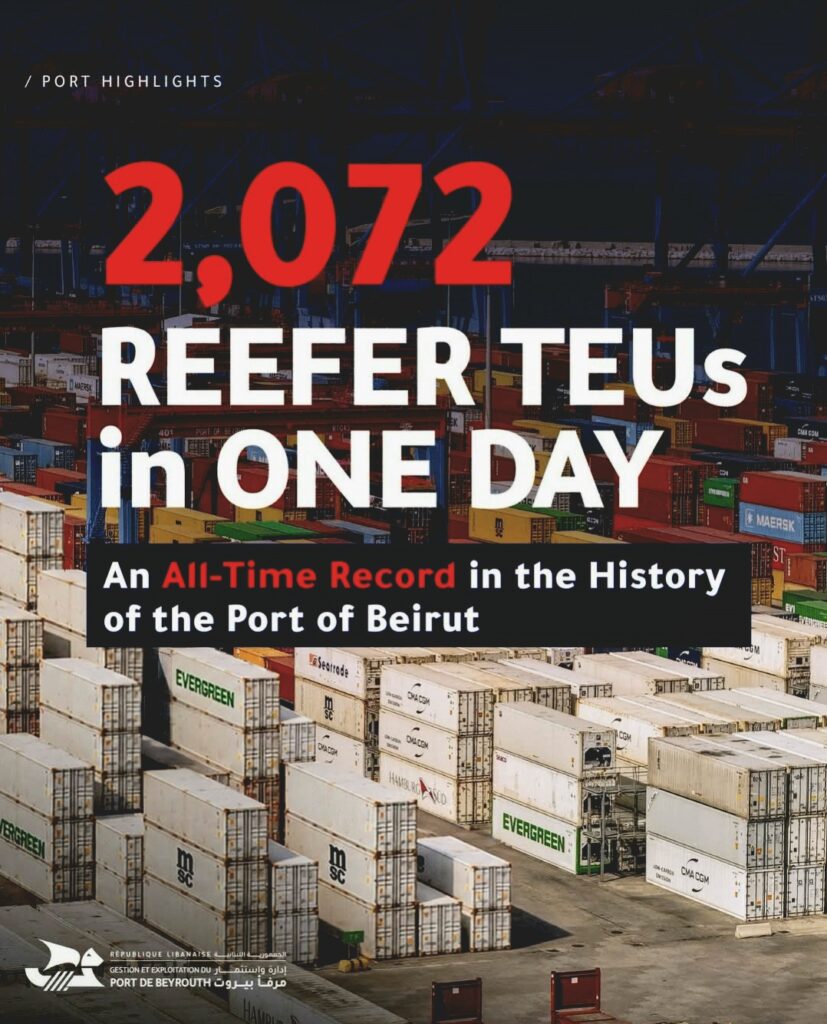
    Shipping Arabia, November 7, 2026 – Lebanon’s Port of Beirut has established a new operational record after handling 2,072 refrigerated container TEUs (reefer TEUs) in a single day. The achievement represents the highest daily reefer volume ever recorded at the port’s container terminal.

    The Port of Beirut reefer record marks a milestone in its container-handling operations, particularly for refrigerated cargo requiring specialized technical conditions. According to the port, the figure reflects the volume of operations its facilities can accommodate while meeting the operational demands of temperature-sensitive shipments.

    Record Reefer Handling at Port of Beirut

    The daily throughput of 2,072 reefer TEUs represents an all-time high for refrigerated container handling at the Port of Beirut. The port confirmed that it had never previously recorded this volume of reefer traffic in a single day.

    Refrigerated container operations require particular technical conditions and efficient cargo-handling procedures. The port highlighted its ability to manage these requirements while maintaining the operational responsiveness needed to accommodate substantial reefer volumes.

    The record also reflects the scale of specialized container activity handled at the port’s facilities. In particular, it demonstrates the port’s capacity to manage refrigerated cargo operations that require dedicated technical attention.

    Supporting Traders and Exporters

    According to the Port of Beirut, the achievement reflects the readiness of its operations and its ability to respond efficiently to the requirements of traders and exporters.

    The port emphasized that handling refrigerated containers requires high operational efficiency, given the specialized technical conditions associated with this category of cargo. Its record daily performance demonstrates the level of operational activity it can accommodate while serving customers with specific cargo-handling requirements.

    The Port of Beirut reefer record therefore represents a significant milestone in the port’s operational history, highlighting its ability to handle substantial volumes of refrigerated containers in a single day.

    Source: Port of Beirut

  • Damietta Container & Cargo Handling Plans $22 Million Investment in Three New Yard Cranes

    Shipping Arabia, November 5, 2026 – Egypt’s Damietta Container & Cargo Handling Company is planning a $22 million investment to acquire three new yard cranes at Damietta Port. The procurement aims to modernize container handling equipment, increase terminal capacity and improve operational efficiency as part of the company’s investment plan for the current fiscal year.

    The company, a subsidiary of the Holding Company for Maritime and Land Transport, has launched a tender for the equipment, according to government sources cited by Al Borsa. The investment is expected to improve cargo handling productivity, reduce congestion and strengthen the competitiveness of the company’s two terminals.

    Damietta Launches $22 Million Yard Crane Tender

    Damietta Container & Cargo Handling Company has initiated the procurement process for three large yard cranes to upgrade its existing handling equipment and expand operational capacity.

    According to the sources, the tender includes an initial bid security requirement of approximately $750,000 for specialized companies interested in supplying the equipment.

    Technical bids are scheduled to open in early January 2027. Following the opening, the company will evaluate the submitted technical proposals and determine which bidders meet the specified requirements.

    Qualified companies will then proceed to the financial evaluation stage, during which their financial offers will be reviewed before selecting the winning bid. The company will subsequently complete the award and contracting procedures.

    The procurement forms part of the company’s broader investment program to modernize handling equipment and improve its ability to manage container operations, including containers carrying heavy loads.

    New Equipment Aims to Improve Container Handling Efficiency

    The planned yard cranes are expected to increase container handling rates and accelerate cargo movements between vessel berths and terminal storage yards.

    According to the sources, the additional equipment will help streamline internal terminal operations, reduce truck waiting times and limit congestion within Damietta Port.

    Improved cargo handling productivity is also expected to shorten the time vessels spend alongside the berths. This would support more efficient loading and unloading operations while improving the utilization of terminal infrastructure.

    The investment also targets improvements in supply chain efficiency and logistics services. Faster container movements and reduced waiting times could help lower direct and indirect operating costs for customers using the terminal.

    By improving equipment availability and cargo handling performance, the company aims to enhance the reliability and efficiency of its services for shipping lines, transport operators and other port users.

    Equipment Modernization to Support Operational Reliability

    The planned investment forms part of a wider equipment replacement and renewal program at Damietta Container & Cargo Handling Company.

    The program focuses on replacing aging machinery and upgrading operational assets to reduce unexpected equipment failures and improve readiness across terminal operations.

    According to the sources, these improvements are intended to maintain operational continuity and support compliance with internationally recognized port operating standards.

    Modernizing handling equipment is also expected to help the company manage growing operational requirements more efficiently and strengthen service reliability across its facilities.

    The investment therefore combines capacity improvements with equipment renewal, addressing both cargo handling productivity and the operational reliability of existing terminal assets.

    Damietta Port Targets Stronger Mediterranean Competitiveness

    The company expects the equipment upgrades to improve the competitiveness of its two terminals and strengthen their ability to attract additional international shipping lines.

    According to the sources, the modernization program will support opportunities in both container transshipment and direct shipping services.

    Higher handling efficiency, reduced vessel berth times and improved terminal reliability are among the operational improvements expected to support these objectives.

    The company also considers the investment important for strengthening Damietta Port’s position within the Mediterranean maritime trade network.

    By upgrading its container handling capabilities and improving operational performance, Damietta Container & Cargo Handling Company aims to provide more efficient services while supporting the port’s ability to compete for international container traffic.

    Source: Al Borsa

  • Aqaba Container Terminal Sets All-Time Monthly Record with 109,341 TEUs in October 2026

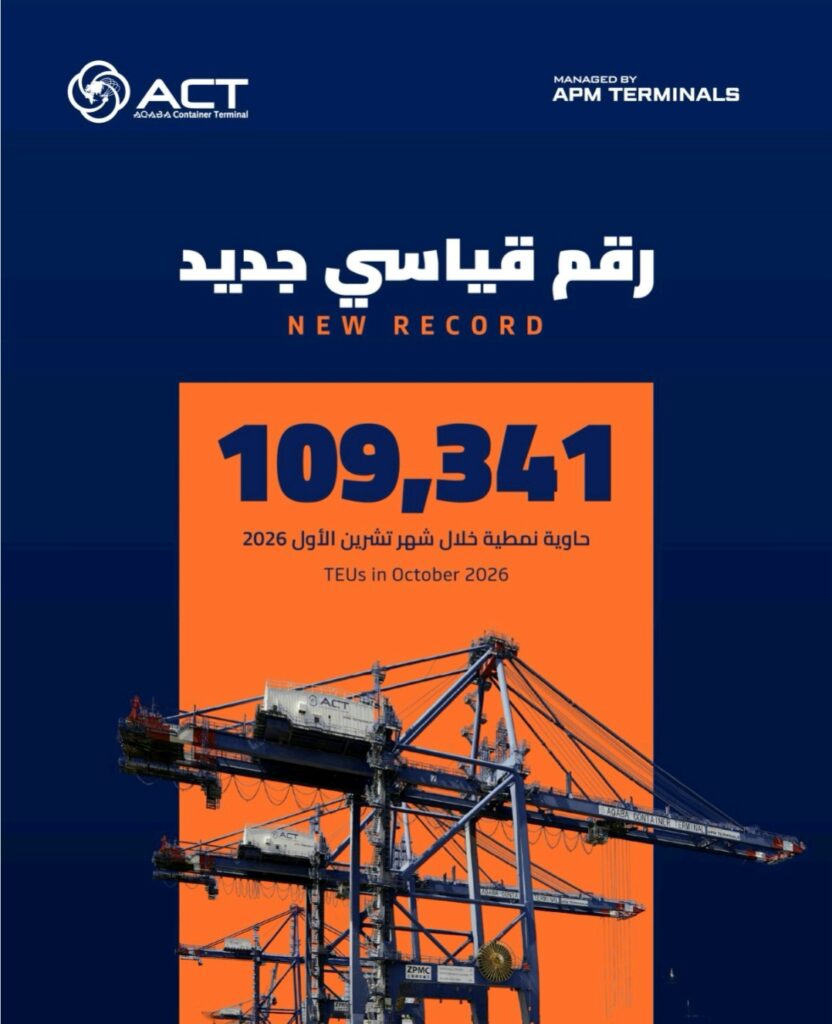
    Shipping Arabia, November 4, 2026 – Aqaba Container Terminal (ACT) handled a record 109,341 TEUs in October 2026, achieving the highest monthly container throughput in its history. The milestone also marked the fourth consecutive month in which the terminal exceeded 100,000 TEUs, extending a period of record-breaking operational performance at Jordan’s main container gateway.

    The latest results follow successive monthly records since July, reflecting sustained growth in container handling activity. Over the past five months, ACT has processed more than 500,000 TEUs, highlighting continued demand for its services from local and regional customers.

    Four Consecutive Months of Record Container Throughput

    Aqaba Container Terminal began its latest sequence of monthly records in July 2026, handling 101,900 TEUs. Throughput then increased to more than 104,000 TEUs in August before reaching 107,803 TEUs in September.

    October’s performance of 109,341 TEUs surpassed the previous month’s record, establishing a new all-time high for the terminal.

    The four consecutive months above 100,000 TEUs represent a significant operational milestone for ACT. The sustained volumes also reflect what the terminal described as growing confidence among local and regional customers.

    Across the five-month period ending in October, container throughput exceeded half a million TEUs. This performance underscores the terminal’s role in handling containerized trade serving Jordan, the Levant and other regional markets.

    Vessel Operations and Transit Cargo Activity

    Alongside its record container throughput, Aqaba Container Terminal reported significant vessel and transit cargo activity during October.

    The terminal served 59 vessels during the month while handling 15,268 TEUs of transit cargo. These volumes highlighted Aqaba’s role in supporting regional cargo flows beyond Jordan’s domestic import and export markets.

    Transit cargo remains an important component of the terminal’s operations, connecting regional markets through Aqaba’s maritime and landside logistics network.

    The October results demonstrate the scale of activity managed across ACT’s marine operations, including container handling for vessels and cargo moving through the terminal.

    Landside Operations Exceed 47,000 Truck Transactions

    Aqaba Container Terminal also recorded substantial activity across its landside operations during October, processing 47,814 truck transactions.

    This represented an average of more than 1,500 truck transactions per day, supporting the movement of goods to importers and exporters throughout Jordan.

    The landside figures complement the terminal’s record maritime throughput, reflecting the volume of cargo movements managed between vessel operations and inland transport.

    ACT highlighted the importance of efficient truck processing in maintaining cargo flows and providing dependable services to its customers, shipping lines and transport partners.

    ACT CEO Highlights Operational Excellence and Customer Confidence

    José Rueda, Chief Executive Officer of Aqaba Container Terminal, attributed the sustained operational milestones to the terminal’s focus on service quality, workforce performance and customer relationships.

    “Achieving this milestone month after month reflects a culture of operational excellence and a constant focus on our customers,” Rueda said.

    He emphasized the importance of maintaining dependable services for the different stakeholders relying on Aqaba’s container handling and logistics operations.

    “Every day, our teams work to make sure that cargo owners, shipping lines and transport partners can rely on Aqaba,” Rueda added.

    The CEO also highlighted the confidence that customers and partners continue to place in the terminal. He reaffirmed ACT’s commitment to raising operational standards, investing in future development and maintaining its position as a dependable gateway for Jordan and the surrounding region.

    Aqaba Container Terminal expressed appreciation to its customers, shipping lines, government partners and the wider trade community for their continued support.

    The terminal also reaffirmed its commitment to operational excellence, safety and sustainable growth as it builds on its recent performance.

    With four consecutive months of throughput exceeding 100,000 TEUs, October’s record of 109,341 TEUs represents the latest milestone in ACT’s sustained operational growth. The results further highlight the terminal’s importance in supporting Jordanian trade and regional logistics activity through the Port of Aqaba.

    Source: Aqaba Container Terminal

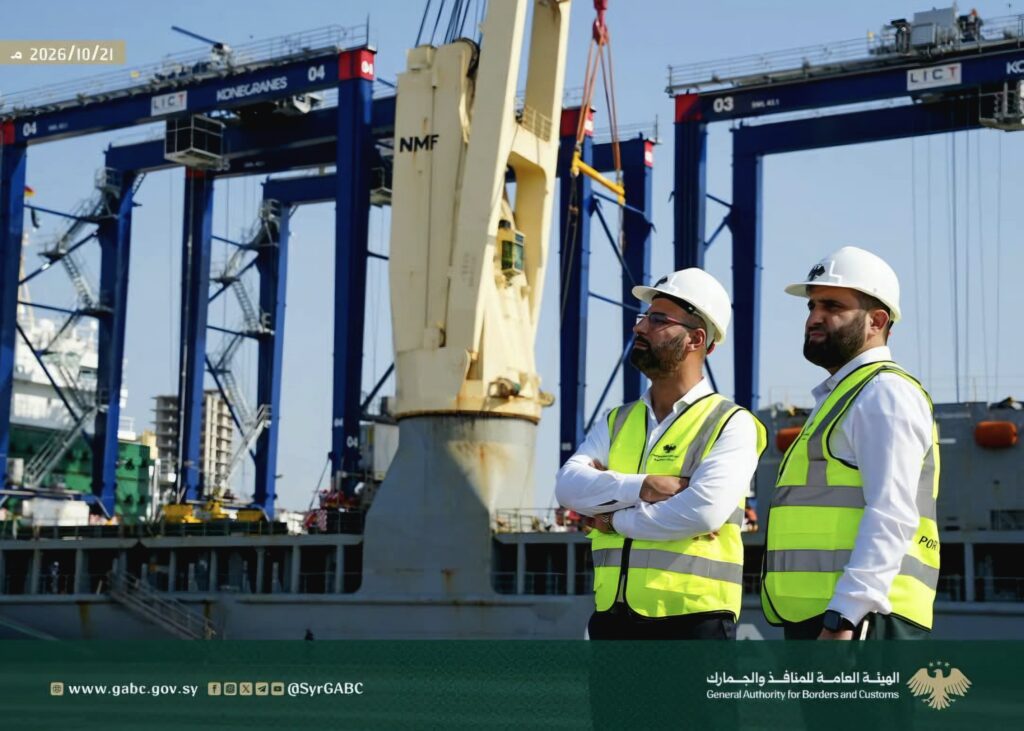
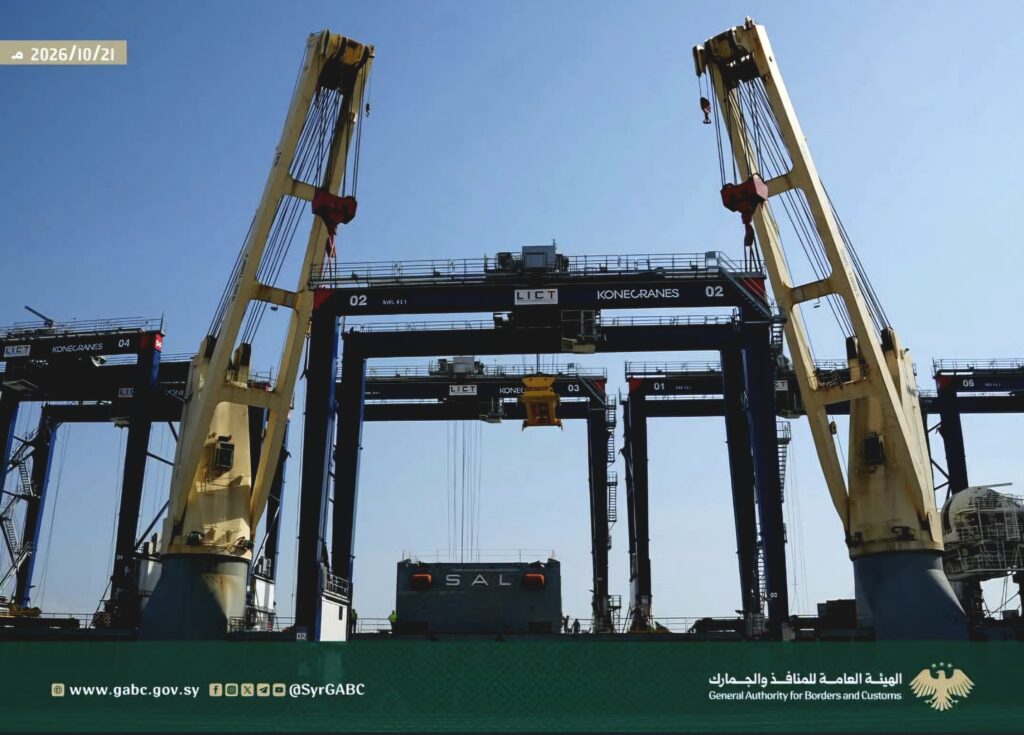
  • Latakia Container Terminal Modernization Advances With Arrival of Six New RTG Cranes

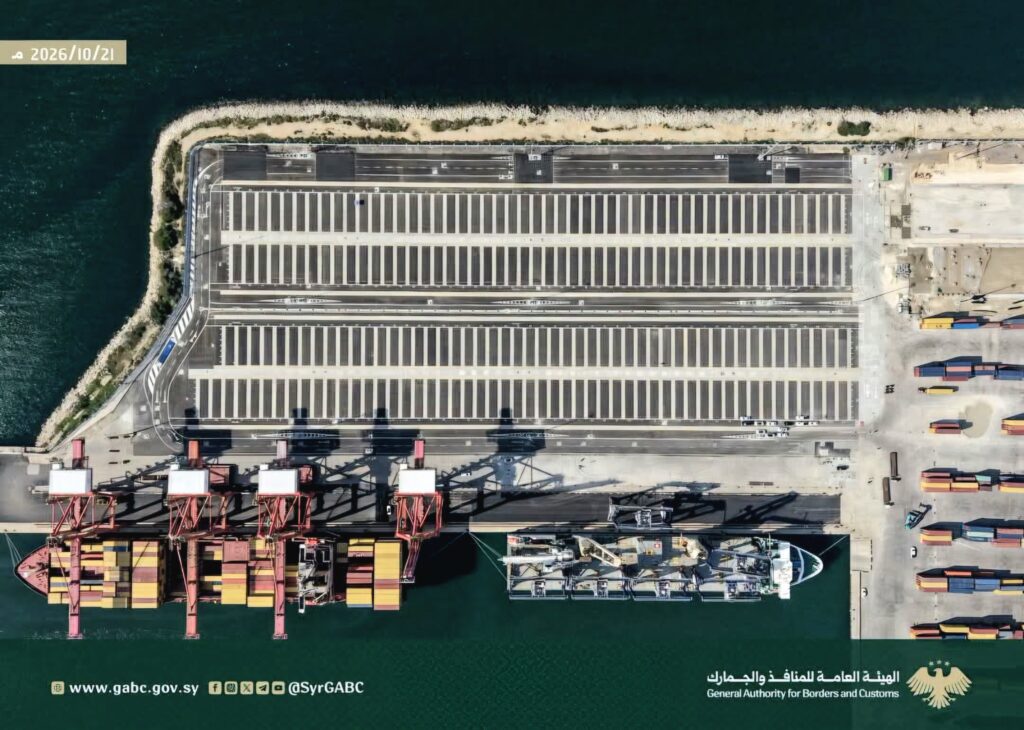
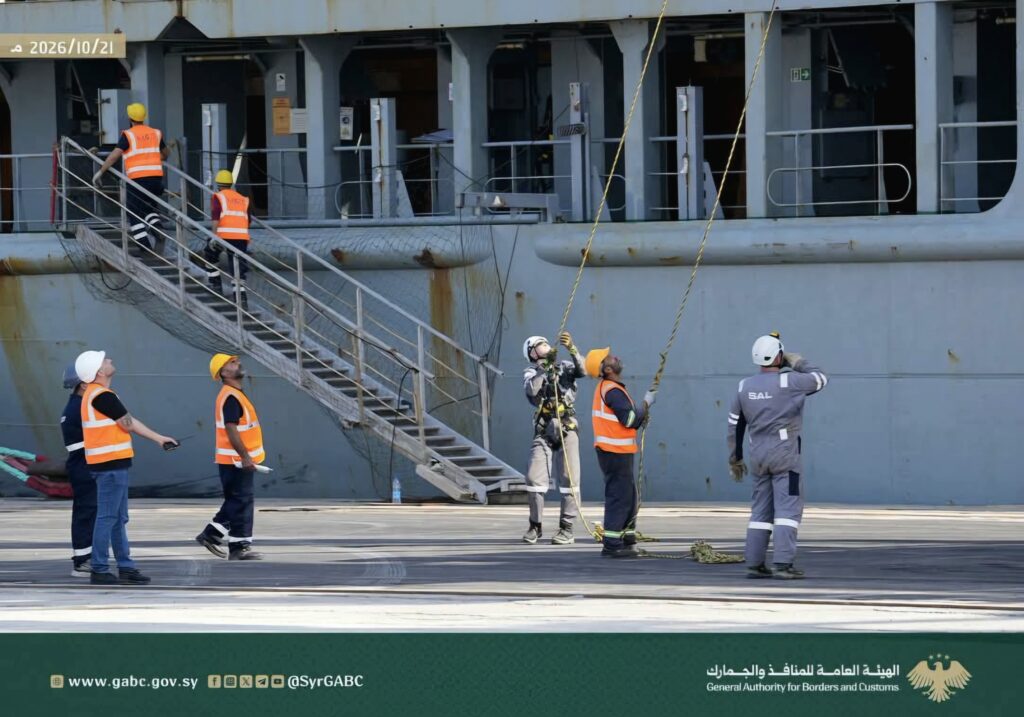
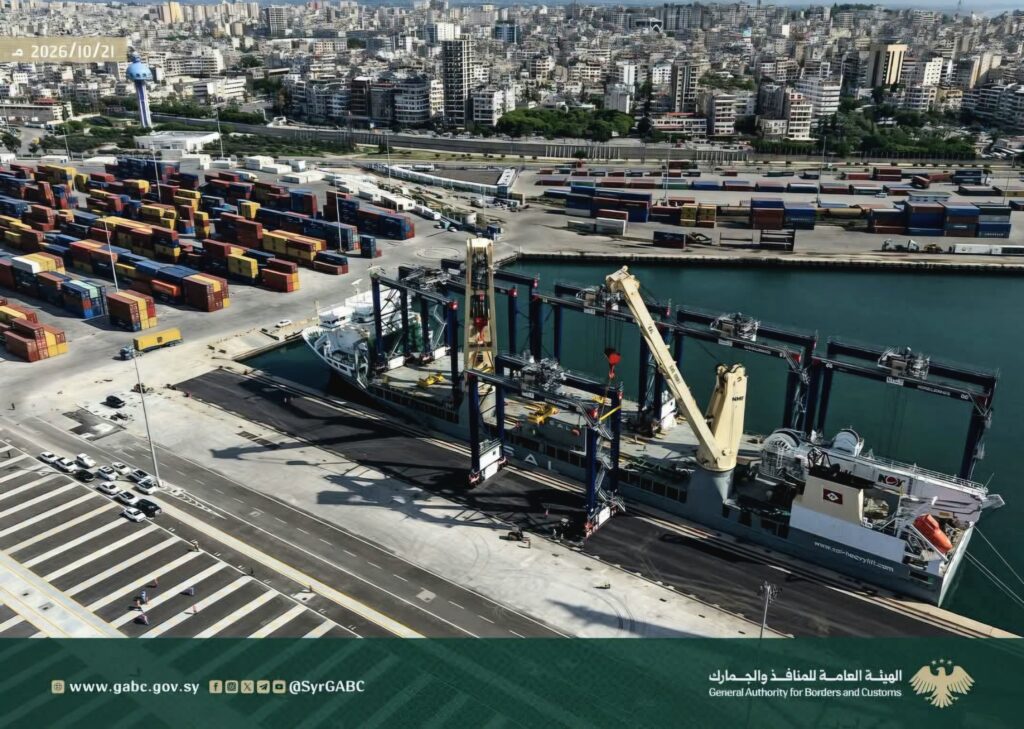
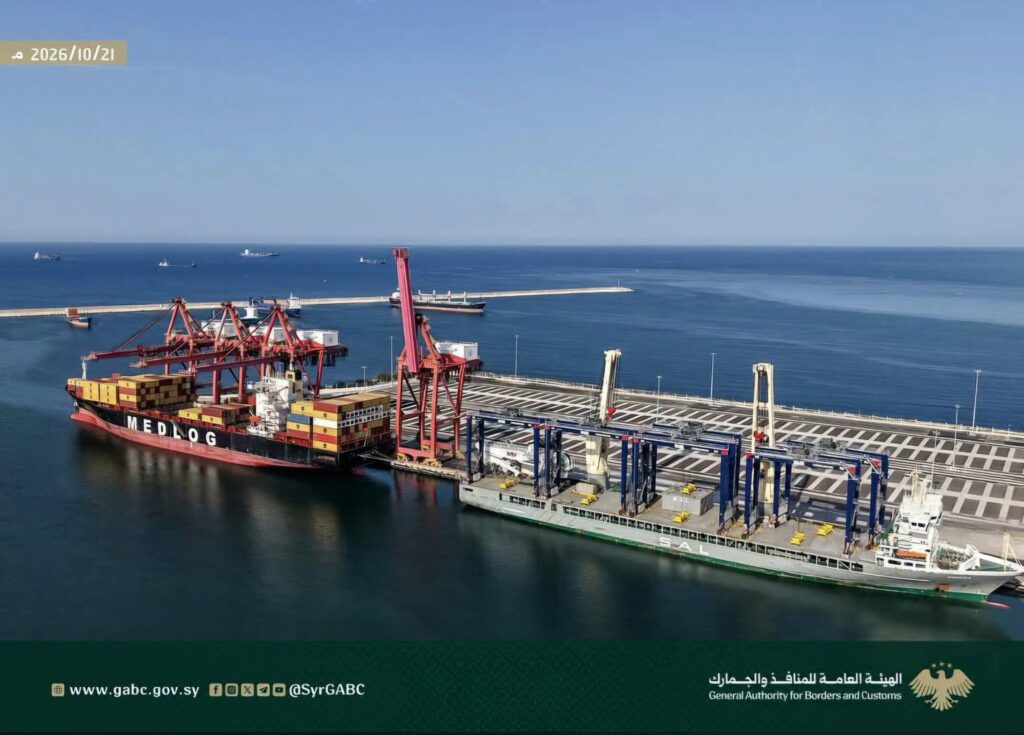
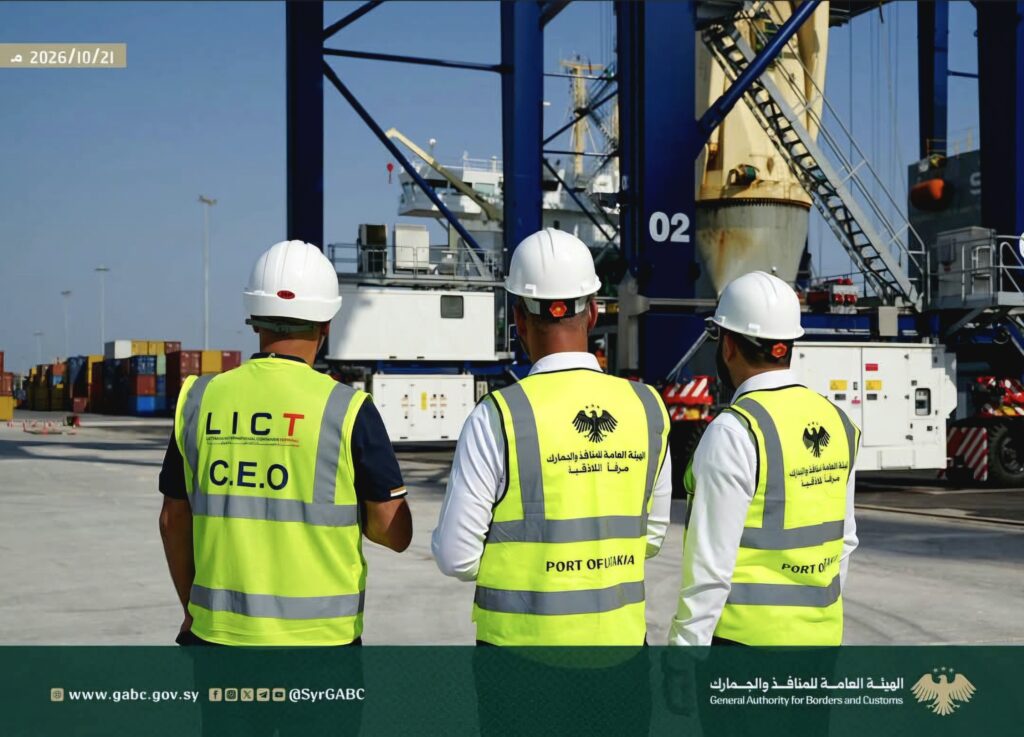
    Shipping Arabia, October 25, 2026 – Latakia International Container Terminal (LICT) at Syria’s Port of Latakia has received six fifth-generation rubber-tired gantry (RTG) cranes as part of an extensive modernization program undertaken in partnership with CMA CGM Group. The new equipment is intended to expand container-handling capacity, improve operational efficiency and support growing maritime shipping and trade activity.

    The delivery represents another step in the Latakia container terminal modernization program, which includes upgrades to operational infrastructure, container berths, storage yards and cargo-handling equipment.

    The improvements form part of broader efforts led by Syria’s General Authority for Borders and Customs to modernize national ports, strengthen their competitiveness and enhance their role in regional and international maritime trade.

    Six New RTG Cranes to Improve Container Handling and Yard Capacity

    The six newly delivered RTG cranes feature fifth-generation technology designed to improve container-handling operations and increase productivity within the terminal.

    The equipment is expected to enhance container stacking and storage efficiency while allowing the terminal to make better use of its available yard space. These improvements will support higher container storage capacity and more organized cargo movements across the facility.

    The additional cranes are also intended to accelerate container-handling processes, support faster loading and unloading operations and reduce truck waiting times.

    By improving the movement and organization of containers within the terminal, the equipment will contribute to more efficient logistics operations and better utilization of the terminal’s operational resources.

    The delivery comes as LICT experiences increasing demand for container-handling and logistics services, reinforcing the need for continued investment in modern equipment and additional operational capacity.

    Latakia Container Terminal Modernization Covers Berths, Yards and Equipment

    The arrival of the RTG cranes forms part of a wider infrastructure and equipment modernization program at Latakia International Container Terminal.

    The program includes rehabilitating operational infrastructure, developing container-handling berths and upgrading storage yards. It also covers the modernization of gantry cranes, heavy cargo-handling machinery and other technical and service equipment.

    These improvements aim to strengthen the terminal’s ability to handle increasing container volumes while optimizing the use of available space, machinery and operational resources.

    Another priority is improving berth readiness to accommodate vessel calls and enhancing the performance of equipment used for cargo loading and unloading.

    Alongside infrastructure improvements, the modernization program addresses internal container transport and traffic management procedures. The objective is to organize cargo movements more efficiently and reduce operational delays within the terminal.

    The development plan also emphasizes stronger coordination between technical and administrative departments to improve terminal operating procedures.

    Together, these measures are intended to accelerate container turnaround, improve cargo flow and enhance service quality for shipping lines, freight operators, importers and exporters.

    CMA CGM Partnership Supports Terminal Capacity Expansion

    The Latakia container terminal modernization program is being implemented within the framework of cooperation with CMA CGM Group.

    The partnership supports efforts to modernize cargo-handling equipment and operational infrastructure in response to increasing maritime transport and trade activity.

    The ongoing development work reflects the need to expand terminal capacity and improve operational readiness as container-handling requirements continue to grow.

    A key objective is to ensure the terminal can manage vessel and container movements efficiently while preparing for anticipated increases in commercial activity.

    The modernization efforts therefore combine investment in new equipment with improvements to existing infrastructure, operational procedures and terminal organization.

    These measures aim to create a more efficient container-handling environment and strengthen the services available to the terminal’s maritime and logistics customers.

    Syria Seeks to Strengthen Port Competitiveness and Maritime Trade

    The ongoing improvements at Latakia International Container Terminal align with the General Authority for Borders and Customs’ strategic direction for developing Syria’s ports and modernizing their infrastructure in accordance with international operational standards.

    The Authority’s approach emphasizes cooperation with international companies specializing in container terminal management and operations.

    Through such partnerships, Syria aims to improve the competitiveness of its ports and strengthen their ability to support maritime trade and logistics activities.

    The development of Latakia’s container facilities is also intended to reinforce the port’s position as a major gateway for the country’s maritime imports and exports.

    In addition, the modernization program seeks to improve the efficiency of supply chains and support Syria’s integration into regional and international transport and trade networks.

    The delivery of the six new RTG cranes represents a further component of these efforts, supporting the continued expansion of Latakia International Container Terminal’s operational capabilities and its readiness to accommodate future growth in maritime trade.

    Source: General Authority for Borders and Customs – Syria

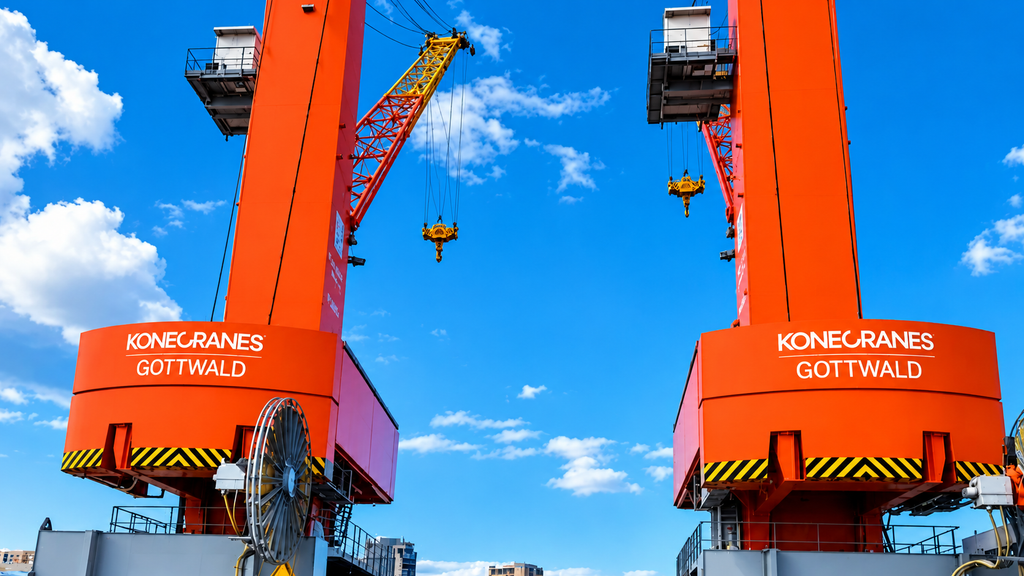
  • Port of Radès to Receive Three New Konecranes Gottwald Harbour Cranes by December 2026

    Shipping Arabia, October 15, 2026 – Tunisia’s Port of Radès is preparing to receive three new Konecranes Gottwald harbour cranes between late November and early December 2026, as part of an equipment modernization program aimed at improving cargo-handling efficiency and reducing vessel turnaround times.

    The cranes have completed preparations at the Port of Antwerp in Belgium and are awaiting delivery to Tunisia. They will join the equipment fleet of Société Tunisienne d’Acconage et de Manutention (STAM), the Tunisian Stevedoring and Handling Company, which operates the container terminal at Radès.

    According to the company, the investment aims to strengthen cargo-handling capabilities at Tunisian ports, improve container loading and unloading operations, and support the competitiveness of Tunisia’s foreign trade.

    New Harbour Cranes to Improve Port of Radès Operations

    The three Konecranes Gottwald harbour cranes are expected to improve cargo-handling productivity at the Port of Radès, one of Tunisia’s principal gateways for containerized trade.

    STAM plans to use the additional equipment to improve the efficiency of container loading and unloading operations. The company also expects the cranes to help reduce vessel waiting times and the duration of port calls.

    Furthermore, the equipment upgrade aims to lower logistics costs and improve the competitiveness of Tunisia’s international trade by making port operations more efficient.

    The delivery forms part of STAM’s broader efforts to modernize port-handling equipment and develop operational capabilities across the Tunisian maritime sector.

    STAM Handles Approximately 69% of Tunisia’s Port Cargo

    STAM provides stevedoring and cargo-handling services at several commercial seaports across Tunisia. The company also manages and operates the container terminal at the Port of Radès.

    According to information published through Tunisia’s transport sector open-data platform, STAM handles approximately 69% of the total cargo volumes moving through the country’s commercial seaports.

    Its extensive role in national port operations highlights the importance of equipment modernization in supporting cargo flows through Tunisia’s maritime gateways.

    The addition of three harbour cranes at Radès is intended to strengthen the company’s cargo-handling capabilities and improve operational performance at the container terminal.

    Tunisian Port Traffic Grows 7.28% in First Half of 2026

    The planned crane delivery comes amid increasing cargo volumes across Tunisia’s commercial ports.

    According to figures published by Tunisia’s Office of Merchant Marine and Ports (OMMP), the country’s commercial seaports handled approximately 14.8 million tons of cargo during the first half of 2026, representing growth of 7.28% compared with the corresponding period in 2025.

    Container traffic also recorded growth, reaching 280,691 containers, an increase of 9.87% year over year.

    Meanwhile, general cargo volumes rose by 13.95%, while rolling cargo traffic increased by 7.55% during the same six-month period.

    These figures indicate growth across several segments of Tunisia’s maritime cargo-handling activities, including containerized, general and rolling cargo.

    Against this backdrop, the arrival of the three Konecranes Gottwald cranes is expected to support further improvements in cargo-handling productivity at Radès.

    By strengthening container-handling capabilities and targeting shorter vessel waiting and port stays, STAM aims to enhance the port’s operational performance and support Tunisia’s foreign trade activities.

    Source: Mosaique FM

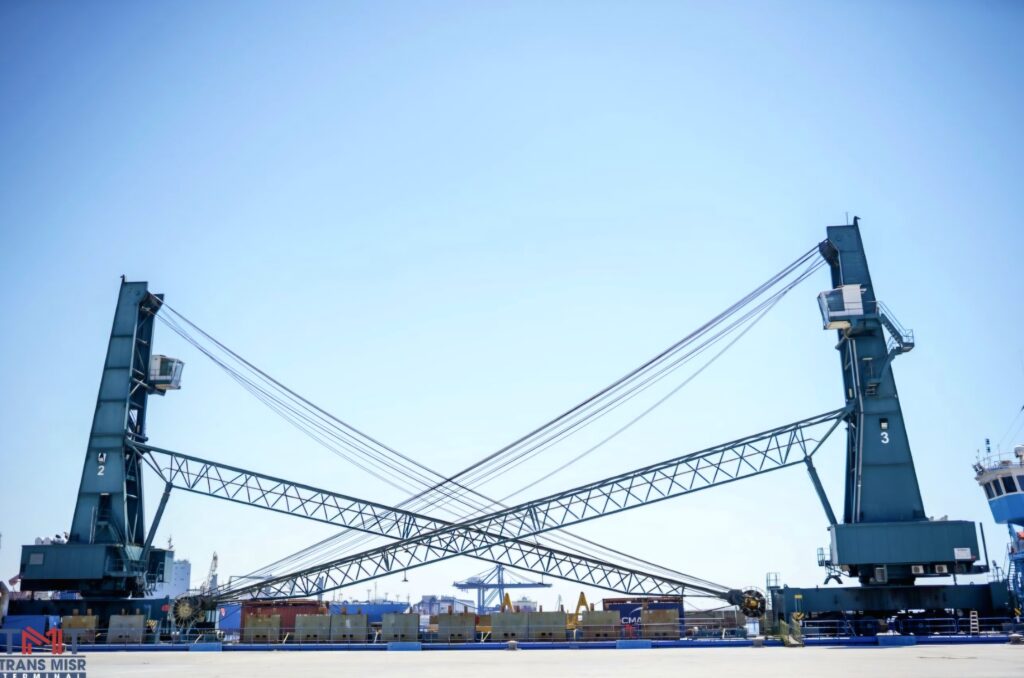
  • Trans Misr Terminal Begins Trial Operations of Two New Mobile Harbour Cranes at Alexandria Port

    Shipping Arabia, October 15, 2026 – Trans Misr Terminal (TMT) has commenced trial operations of two new mobile harbour cranes at Alexandria Port, Egypt. The additions bring the terminal’s quayside equipment fleet to four ship-to-shore (STS) cranes and two mobile harbour cranes (MHCs).

    The new equipment marks another milestone in TMT’s ongoing capacity expansion. It aims to strengthen cargo-handling capabilities, improve operational flexibility and support growing container volumes at the terminal.

    According to TMT, container traffic has increased rapidly since the terminal began commercial operations. This growth reflects rising customer demand and the terminal’s expanding role in the Egyptian and regional container shipping markets.

    New Cranes to Improve Vessel Turnaround and Handling Capacity

    The two mobile harbour cranes at Alexandria Port have been introduced to support TMT’s growing container operations. They form part of the terminal’s ongoing investment and development strategy, which focuses on expanding capacity and improving operational performance.

    TMT expects the additional cranes to improve vessel turnaround times for ships calling at the terminal. The equipment will also provide greater operational flexibility and strengthen the terminal’s overall cargo-handling capabilities.

    With four STS cranes and two MHCs now forming its quayside crane fleet, TMT is expanding the equipment available to support its operations. The newly added mobile harbour cranes have entered the trial phase as the terminal continues developing its operational capacity.

    The investment also supports TMT’s plans to strengthen its position as both a gateway and transshipment terminal serving Egypt and the Mediterranean region.

    Strengthening Alexandria Port’s Gateway and Transshipment Role

    Located at Alexandria Port, Egypt’s main gateway port, Trans Misr Terminal serves an important role in the country’s container shipping sector.

    The terminal handles container traffic associated with Egyptian trade while also serving as a transshipment hub in the Eastern Mediterranean. Its gateway and transshipment functions support its growing position in the Egyptian and regional container markets.

    According to the company, increasing container volumes and customer demand have driven the need for additional handling equipment. The two new mobile harbour cranes represent part of its response to that growth.

    Beyond the latest crane additions, TMT continues to invest in equipment, infrastructure and operational capabilities. These investments aim to accommodate increasing customer demand and support regional trade through Alexandria Port.

    The commencement of trial operations represents another step in the terminal’s capacity development program, with the new equipment expected to contribute to faster vessel handling, greater operational flexibility and continued growth in gateway and transshipment activities.

    Source: Trans Misr Terminal (TMT)

  • Latakia Port Cargo Throughput Reaches 3.8 Million Tons Through September 2026

    Shipping Arabia, October 11, 2026 – Latakia Port cargo throughput reached approximately 3.8 million tons during the first nine months of 2026, covering general and containerized cargo. The Syrian port also received 532 vessels between January and September, according to figures released by the General Authority for Borders and Customs.

    The port continues to maintain round-the-clock maritime and cargo handling operations, with vessels arriving and loading and unloading activities taking place across its berths and storage yards.

    Latakia Port Cargo Throughput and Container Volumes

    General cargo accounted for approximately 2 million tons of the total volume handled during the reporting period. Meanwhile, container traffic reached around 219,000 containers, carrying nearly 1.8 million tons of cargo.

    Together, these figures brought Latakia Port cargo throughput to approximately 3.8 million tons through the end of September 2026.

    Containerized cargo and general cargo operations continued throughout the reporting period, supported by ongoing loading and unloading activities at the port’s operational facilities.

    Vessel Calls Reach 532 Across Different Maritime Activities

    Latakia Port received 532 vessels during the first nine months of 2026, reflecting activity across several maritime service categories.

    General cargo vessels accounted for 250 calls, while container ships represented another 247 calls. The remaining traffic included 22 vessels arriving for repair work and 13 passenger ships.

    The breakdown highlights the variety of maritime activities taking place at the port, including commercial cargo handling, vessel repair services and passenger vessel operations.

    Continuous Operations and Port Efficiency

    Alongside its cargo handling and vessel reception activities, Latakia Port continues to focus on maintaining operational efficiency and improving service readiness.

    Technical and operational teams are working to ensure the smooth movement of cargo and accelerate handling procedures across the port’s berths and storage areas.

    These efforts include maintaining continuous operations, strengthening the port’s operational readiness and improving the efficiency of services provided to vessels and cargo operators.

    The ongoing activities aim to support Latakia Port’s role in maritime transportation and commercial trade, while ensuring the continued movement of goods through one of Syria’s maritime gateways.

    Source: General Authority for Borders and Customs

Back to top button