
Shipping Arabia, November 27, 2026 – The Alexandria Chamber of Shipping and the Agricultural Export Council have outlined 12 recommendations to enhance the readiness of Egypt’s maritime transport and logistics sector for the 2026/2027 agricultural export season.
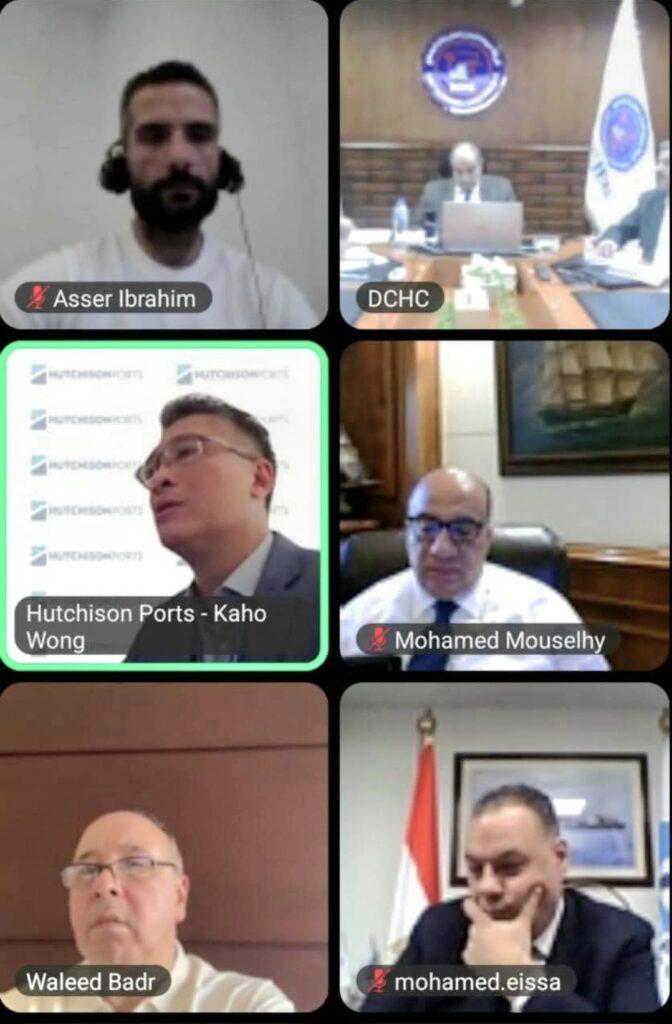
The recommendations emerged from a virtual workshop held on November 19 under the theme “Egypt’s Agricultural Exports: Are We Ready?” The event brought together shipping lines, container terminal operators, agricultural exporters and freight forwarders to assess operational preparations and address challenges facing the export sector.
Mohamed Mouselhy, Chairman of the Alexandria Chamber of Shipping and the Arab Federation of Chambers of Shipping, chaired the workshop. Mouselhy also serves as Deputy Chairman of the Transport Committee in Egypt’s House of Representatives.
Discussions examined the readiness of shipping services transporting refrigerated containers to European, Mediterranean and Black Sea markets, particularly Russia. Participants reviewed reefer container availability, vessel space, sailing schedule reliability, container terminal readiness and alternative shipping routes amid ongoing geopolitical developments.
In his opening remarks, Mouselhy emphasized the importance of aligning maritime transport services with the requirements of agricultural exporters to strengthen the competitiveness of Egyptian exports. He highlighted the need for efficient cargo handling, reliable shipping schedules, effective refrigeration and storage services, given the perishable nature of agricultural products.
Shipping Lines and Container Terminals Present Seasonal Preparations
Seven shipping service providers presented their services and preparations for the agricultural export season. These included CMA CGM, Maersk, Hapag-Lloyd, Arkas Line, Lider Line, Yang Ming and Pan Marine (DFDS RoRo).
Three container terminal operators also presented their operational readiness: Damietta Container & Cargo Handling Company, Hutchison Ports Egypt and DP World Sokhna.
Walid Badr, Secretary-General of the Alexandria Chamber of Shipping, moderated the sessions. Senior representatives of both the chamber and the Agricultural Export Council participated, including Council Chairman Abdel Hamid El-Demerdash and Deputy Chairman Khaled El-Banna.
Recommendations to Strengthen Export Logistics
The workshop produced 12 recommendations across four key areas: institutional coordination, seasonal readiness, cold chain operations, and logistics costs and markets.
Under institutional coordination, participants recommended establishing a joint coordination committee between shipping line members of the chamber and the Agricultural Export Council. They also proposed dedicated communication channels to resolve exporters’ challenges promptly and facilitate the exchange of data and operational indicators.
To improve seasonal readiness, the workshop called for developing an agricultural export calendar identifying peak demand periods. Participants recommended early coordination to ensure reefer container availability, improvements to booking procedures and closer monitoring of time-sensitive shipments.
The cold chain recommendations focused on reviewing cargo transfer points from packing through vessel loading. Participants also proposed implementing a joint training program for exporters and preparing a simplified guide to maritime shipping procedures for agricultural products.
Regarding logistics costs and markets, the workshop recommended examining opportunities to reduce costs without compromising service quality. Participants also called for diversifying shipping services and destinations to accommodate agricultural production seasons and the requirements of international markets.
Continued Coordination Between Shipping Lines and Exporters
Mouselhy directed the Alexandria Chamber of Shipping to contact its members and compile the principal challenges and proposals identified by shipping lines. The chamber will subsequently submit these findings to the relevant committees of the Agricultural Export Council to identify appropriate solutions.
Both sides intend to continue their meetings to improve coordination between agricultural exporters and maritime transport service providers, enhance operational efficiency and strengthen the ability of Egyptian exports to meet international market requirements.
Source: Transport News – Trans News