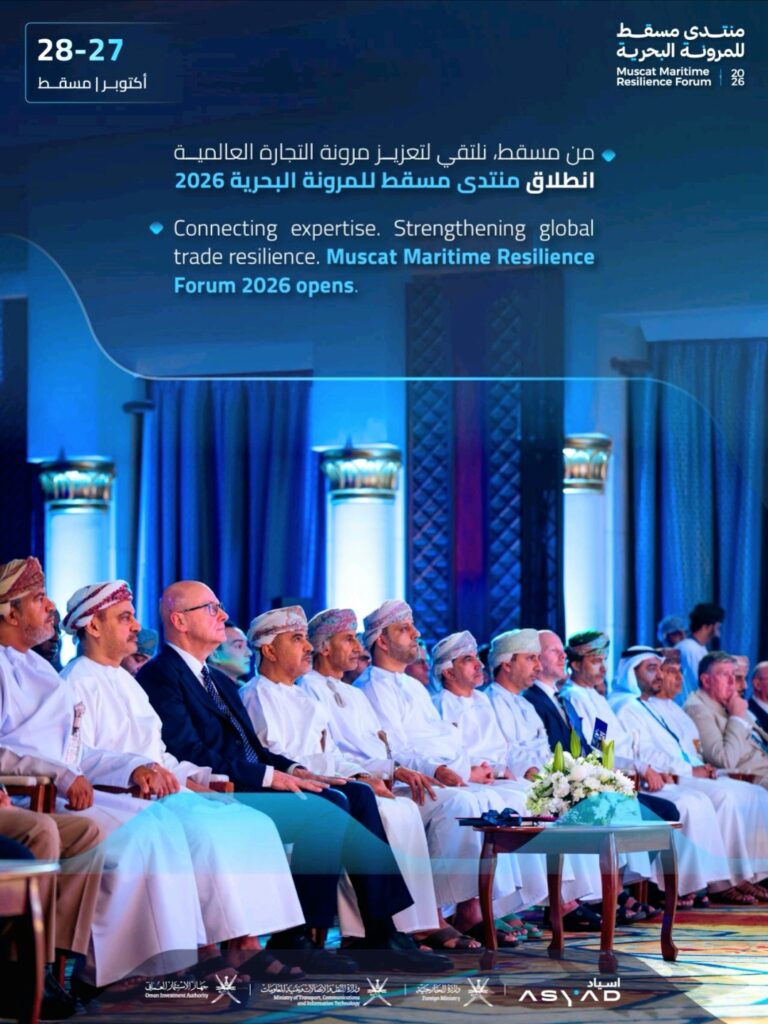
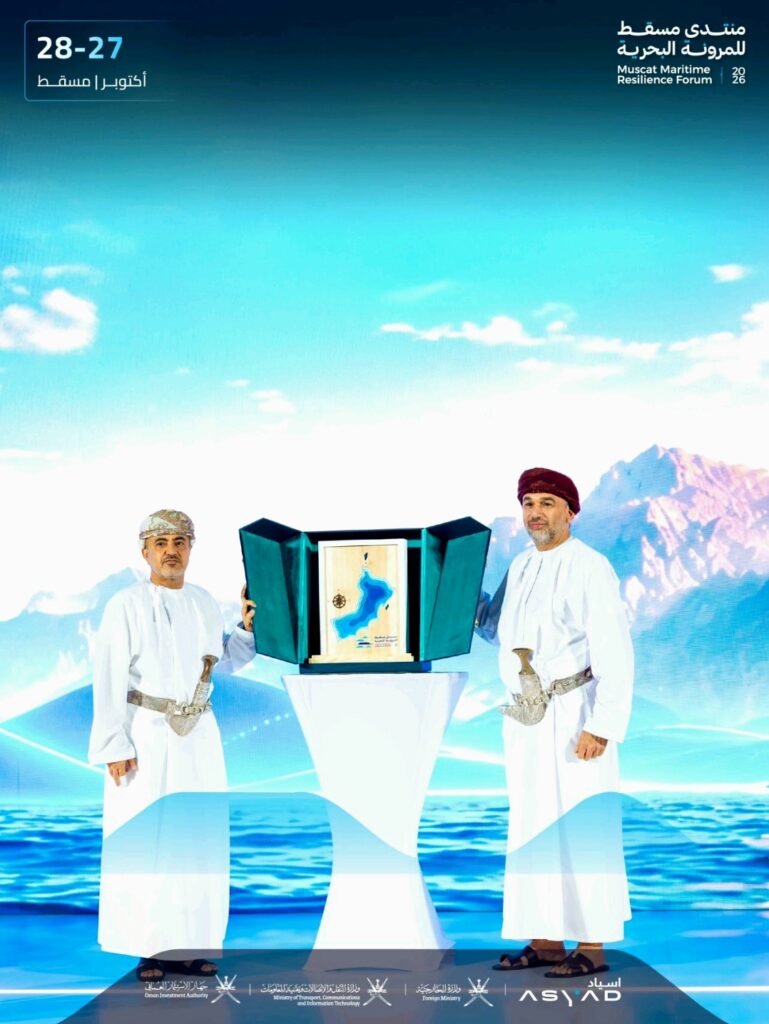
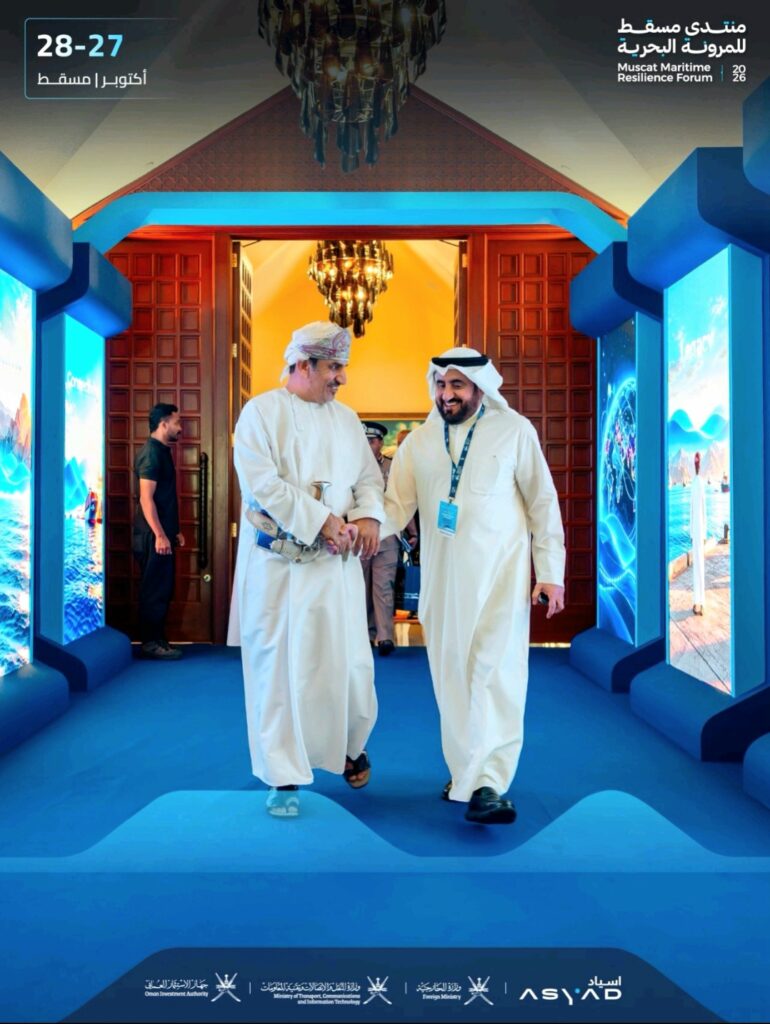
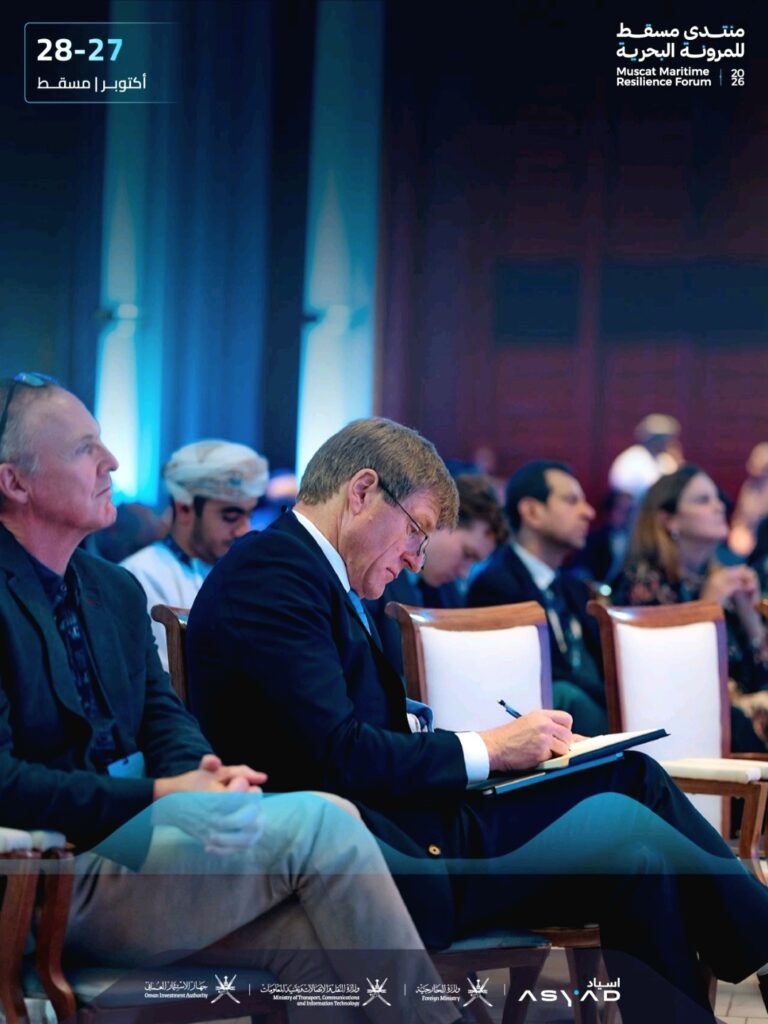
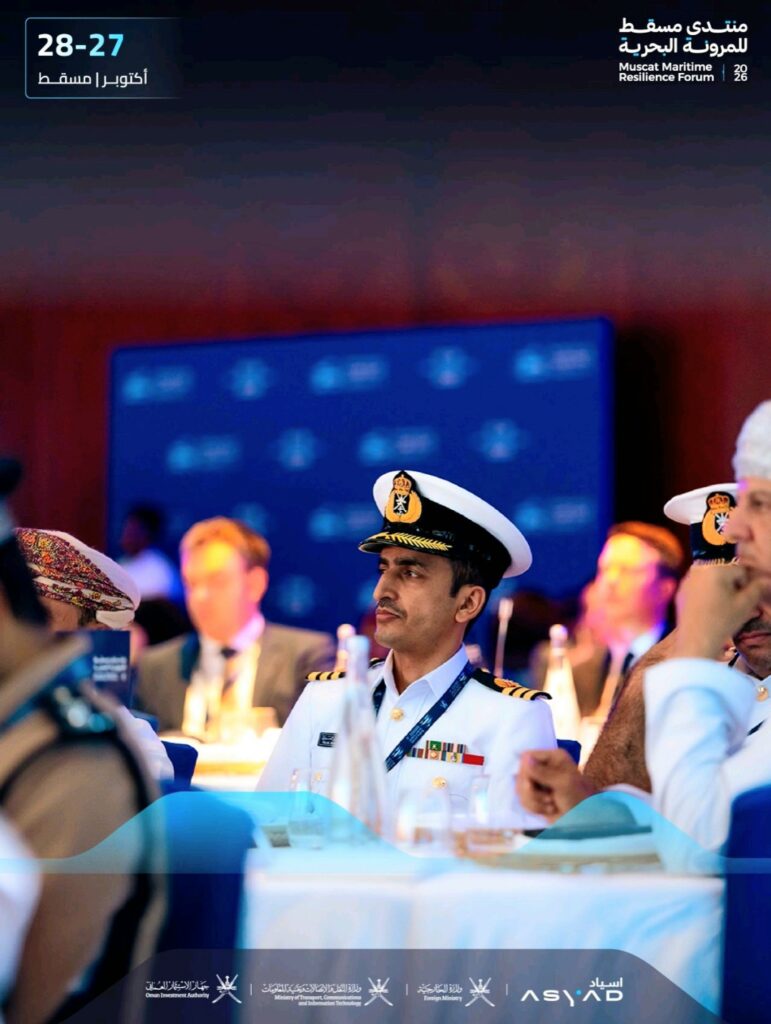
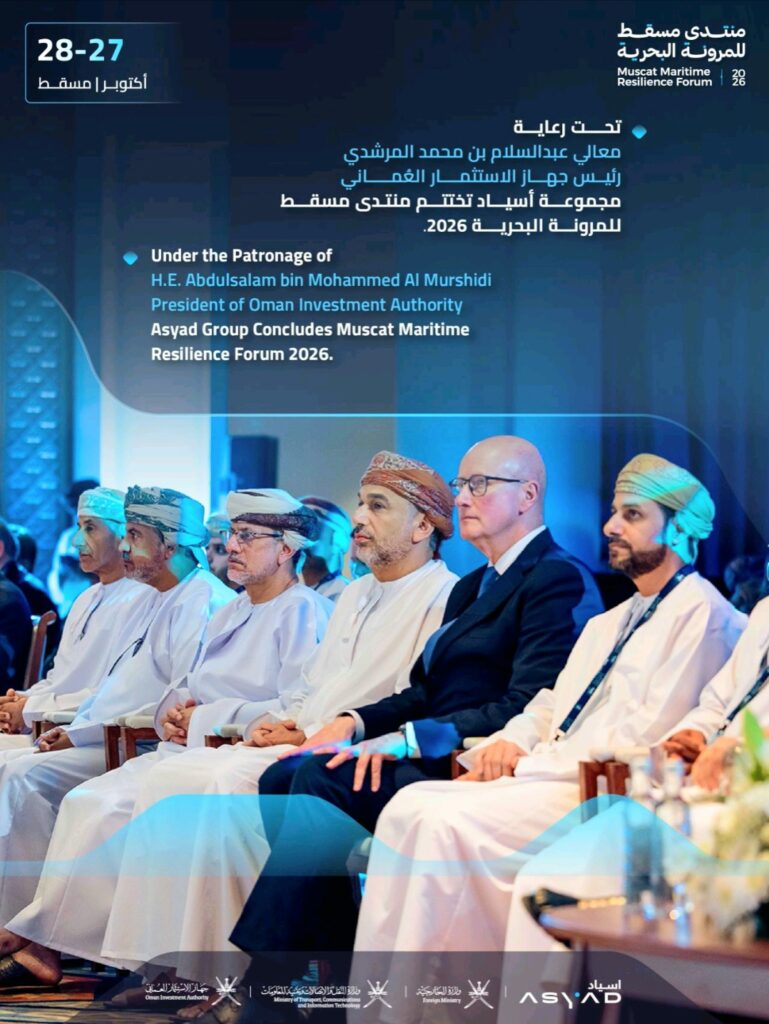
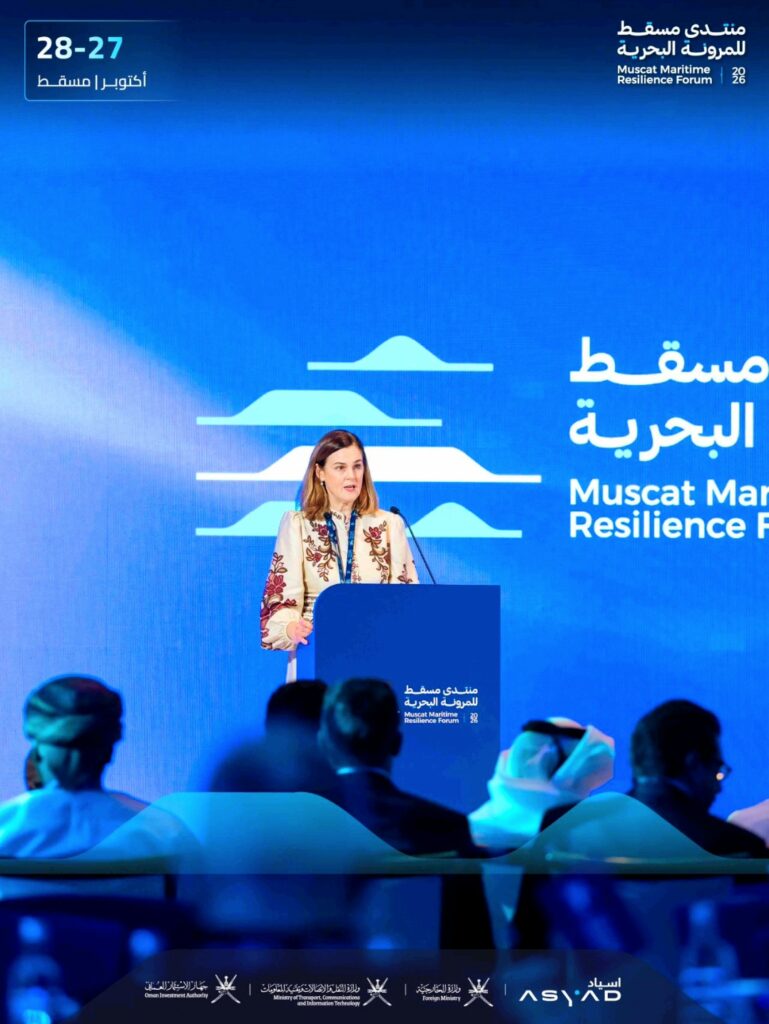
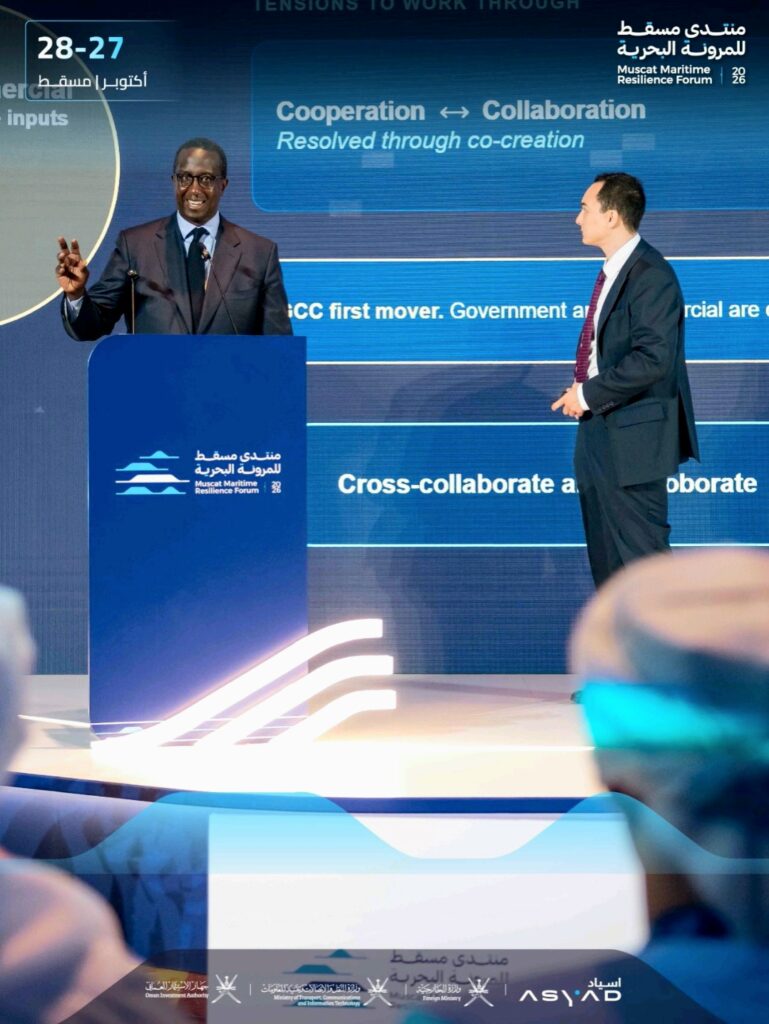
Shipping Arabia, October 30, 2026 – Asyad Group has concluded the Muscat Maritime Resilience Forum 2026, held October 27–28 in Oman, with discussions emphasizing infrastructure investment, operational preparedness and international cooperation as essential elements of maritime resilience and global trade continuity.
The two-day forum focused on connecting international expertise, strengthening maritime readiness and promoting cooperation to support resilient global supply chains. Asyad Group described the event as a step toward translating international dialogue into strategic action and advancing a sustainable, future-ready maritime sector.
The forum was organized by Asyad Group in partnership with Oman’s Ministry of Foreign Affairs, Ministry of Transport, Communications and Information Technology, and Oman Investment Authority.
Infrastructure Investment and Operational Readiness at the Center of Maritime Resilience
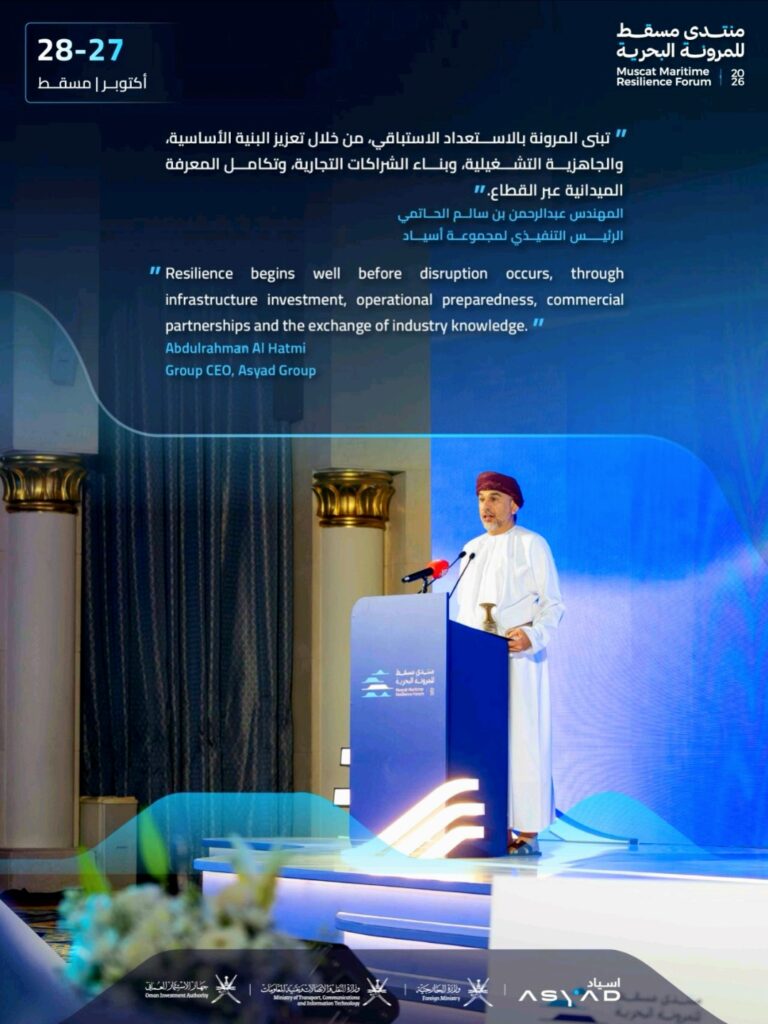
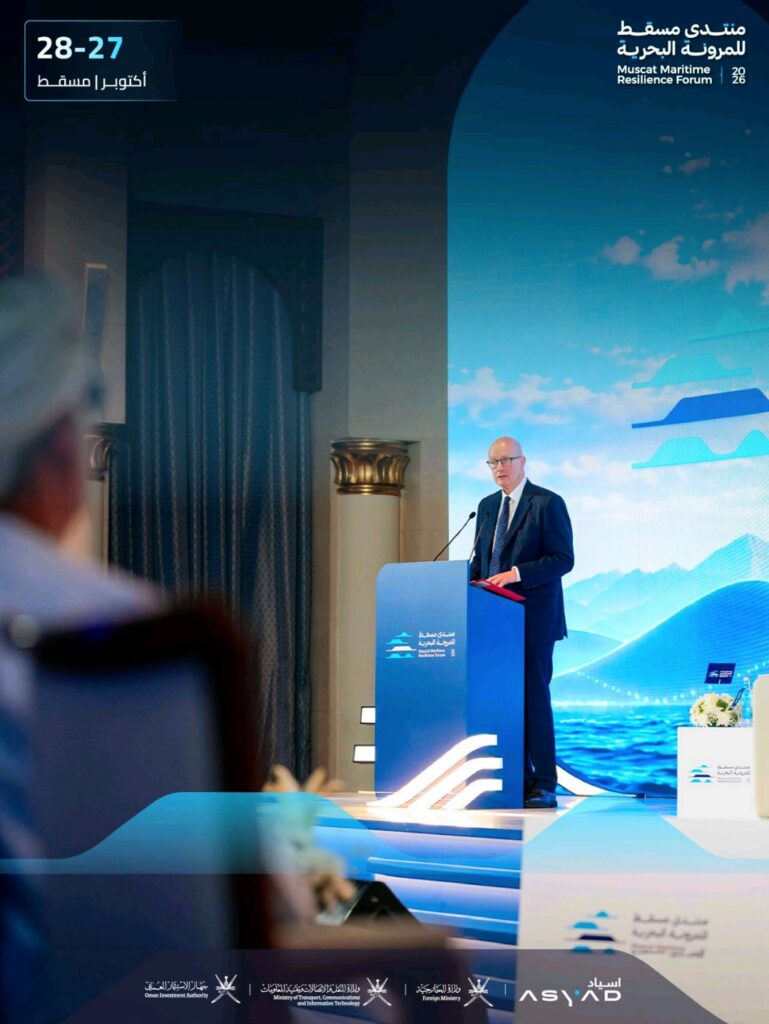
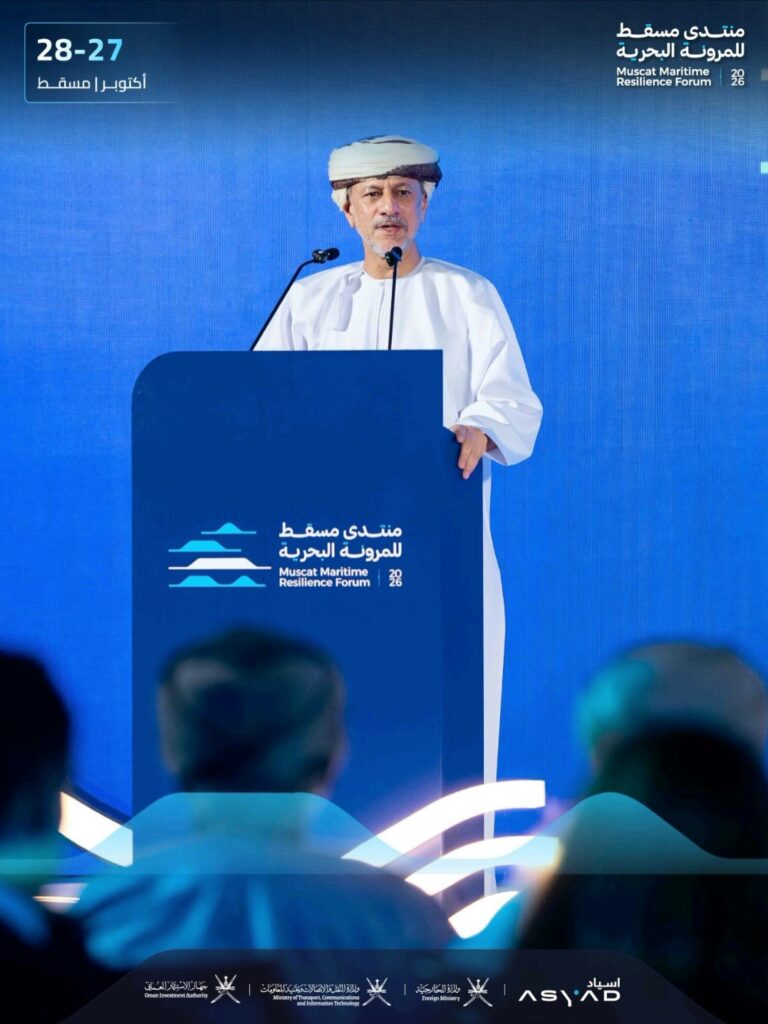
The Muscat Maritime Resilience Forum 2026 opened under the auspices of Eng. Said bin Hamoud Al Maawali, Oman’s Minister of Transport, Communications and Information Technology. The opening ceremony featured welcoming remarks by Asyad Group CEO Eng. Abdulrahman Al Hatmi.
In his address, Al Hatmi identified infrastructure investment, operational preparedness, commercial partnerships and the exchange of industry knowledge as the foundations of a resilient maritime sector.
He emphasized that effective maritime resilience requires proactive planning and cooperation rather than relying solely on responses to disruptions.
“Resilience begins well before disruption occurs, through infrastructure investment, operational preparedness, commercial partnerships and the exchange of industry knowledge,” Al Hatmi stated.
His remarks highlighted the importance of combining infrastructure development with practical operational readiness and stronger commercial relationships. He also emphasized knowledge-sharing across the maritime industry as a means of supporting an adaptable and future-ready sector.
International Cooperation and Global Trade Continuity
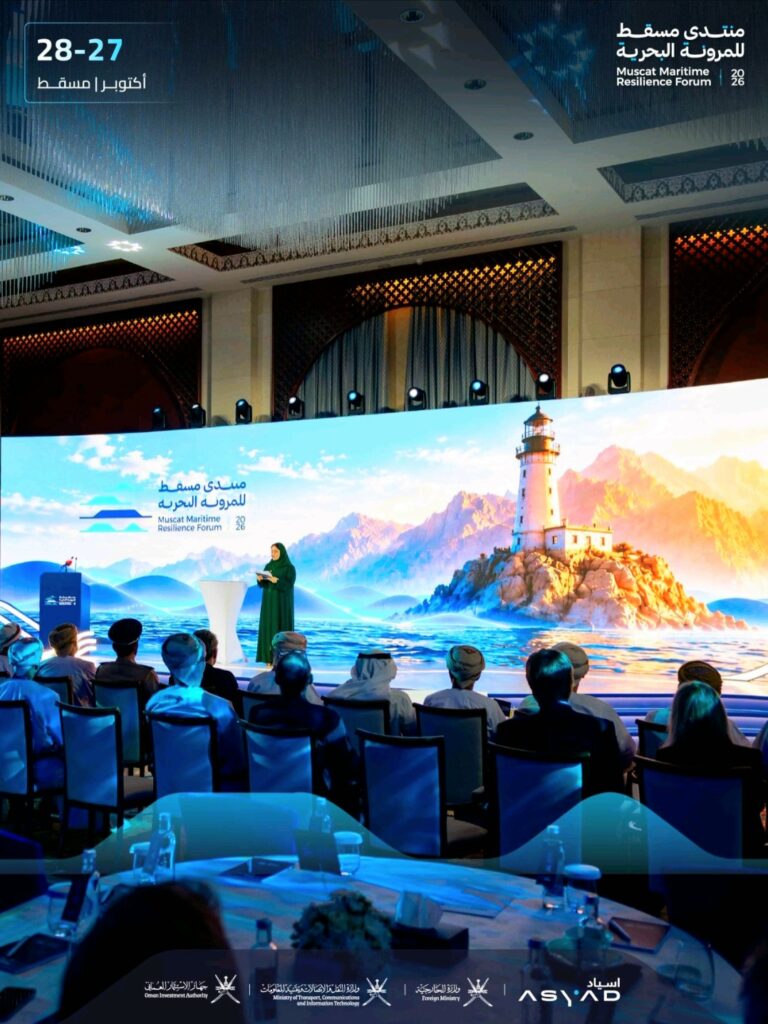
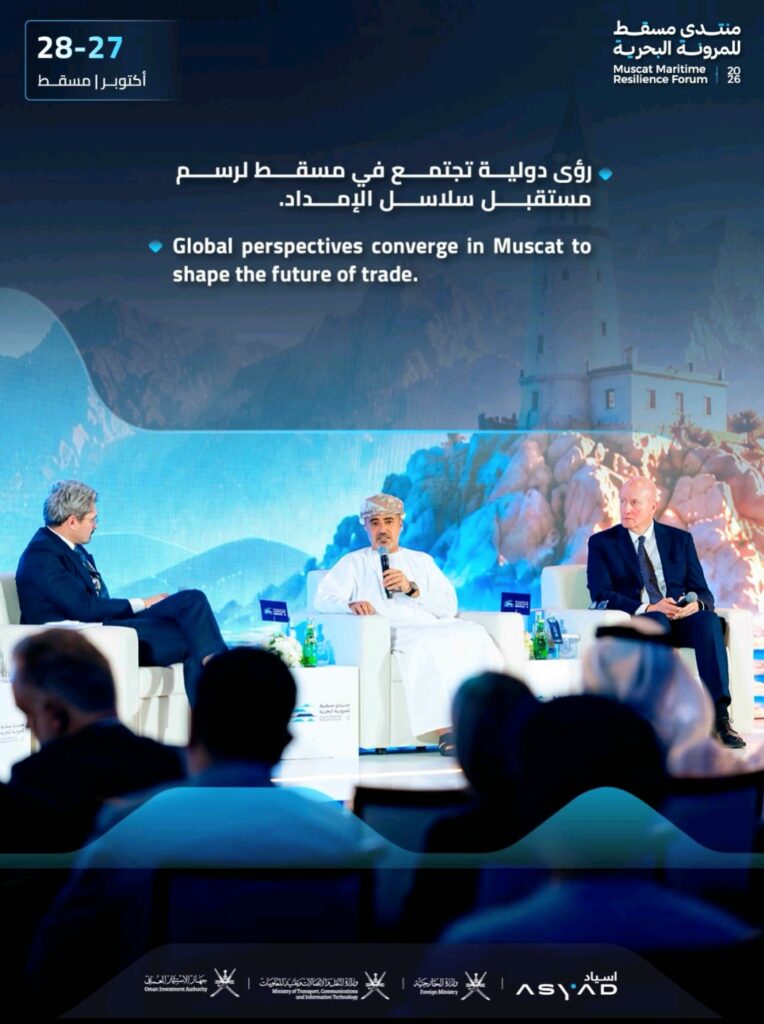
The forum’s opening panel brought together Eng. Said bin Hamoud Al Maawali and Lord Christopher Geidt, a member of the UK House of Lords.
Dr. Andreas Krieg of King’s College London moderated the discussion, which formed part of Asyad Group’s efforts to connect international expertise and strengthen cooperation on maritime preparedness and global trade continuity.
The forum emphasized the role of collaboration in building maritime networks capable of supporting international commerce amid changing operating conditions.
Through the event, Asyad Group sought to reinforce the importance of cooperation among maritime stakeholders, combining operational expertise, infrastructure investment and commercial partnerships to strengthen trade resilience.
The discussions also reflected the forum’s broader objective of connecting global perspectives on the future of maritime transport and logistics.
Oman’s Maritime Heritage and Its Role in International Trade
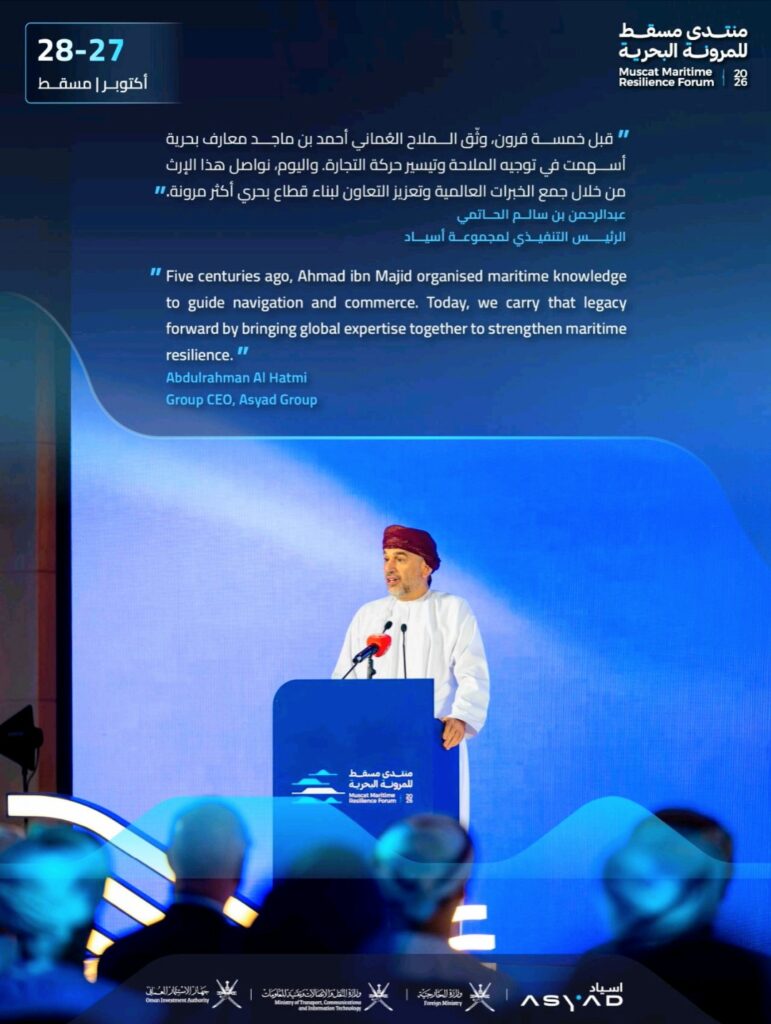
During his opening remarks, Al Hatmi also highlighted Oman’s longstanding maritime heritage, referring to the contributions of the renowned navigator Ahmad bin Majid.
He noted that more than five centuries ago, Ahmad bin Majid documented and organized maritime knowledge that helped guide navigation and commercial activities.
Al Hatmi drew a connection between this historical legacy and the importance of bringing international expertise together to strengthen maritime resilience today.
He emphasized Oman’s historic role in connecting people, markets and cultures through international trading routes, presenting the exchange of maritime knowledge as a continuing element of the country’s maritime identity.
Asyad Group Emphasizes Strategic Action and Sustainable Maritime Networks
The Muscat Maritime Resilience Forum 2026 concluded under the patronage of Abdulsalam bin Mohammed Al Murshidi, President of Oman Investment Authority.
Following the event, Asyad Group characterized the forum as marking a transition from international dialogue toward strategic action in support of maritime resilience.
The group reaffirmed its commitment to leveraging its logistics capabilities and strengthening international cooperation to improve trade connectivity and support resilient maritime networks.
It also emphasized the importance of developing approaches that combine operational readiness, commercial partnerships and the exchange of expertise to address the evolving requirements of global maritime transport.
Asyad Group stated that its continued focus will be on strengthening international partnerships and advancing pathways that support trade resilience, connectivity and the development of a sustainable, future-ready maritime network.
Source: Asyad Group