IMO

  • Libya and IMO Discuss Maritime Cooperation, Safety Standards and Sector Development

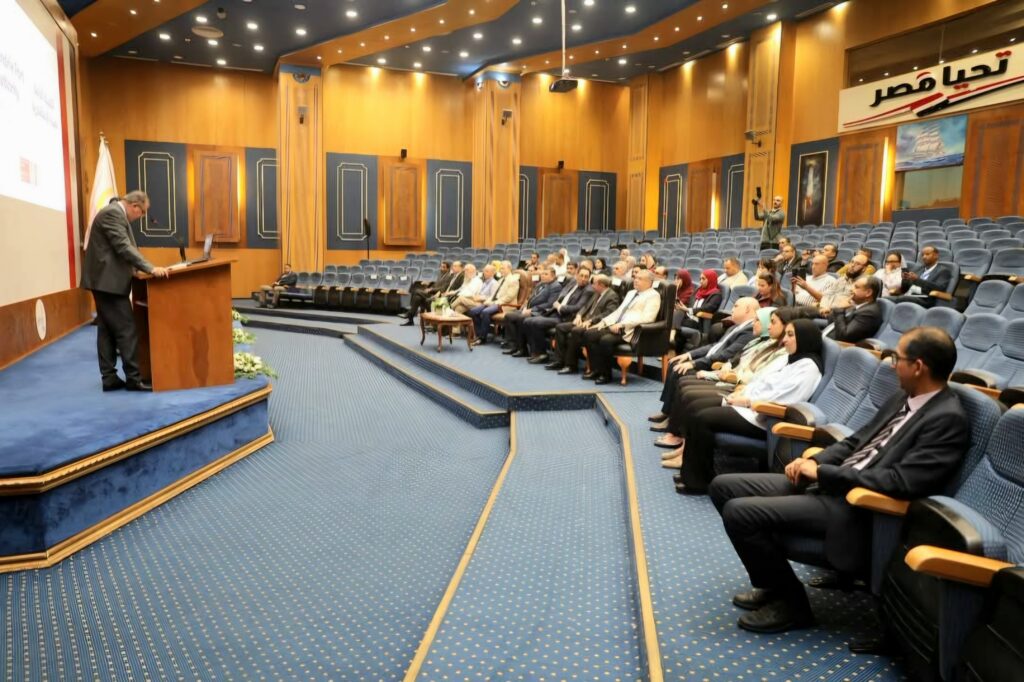
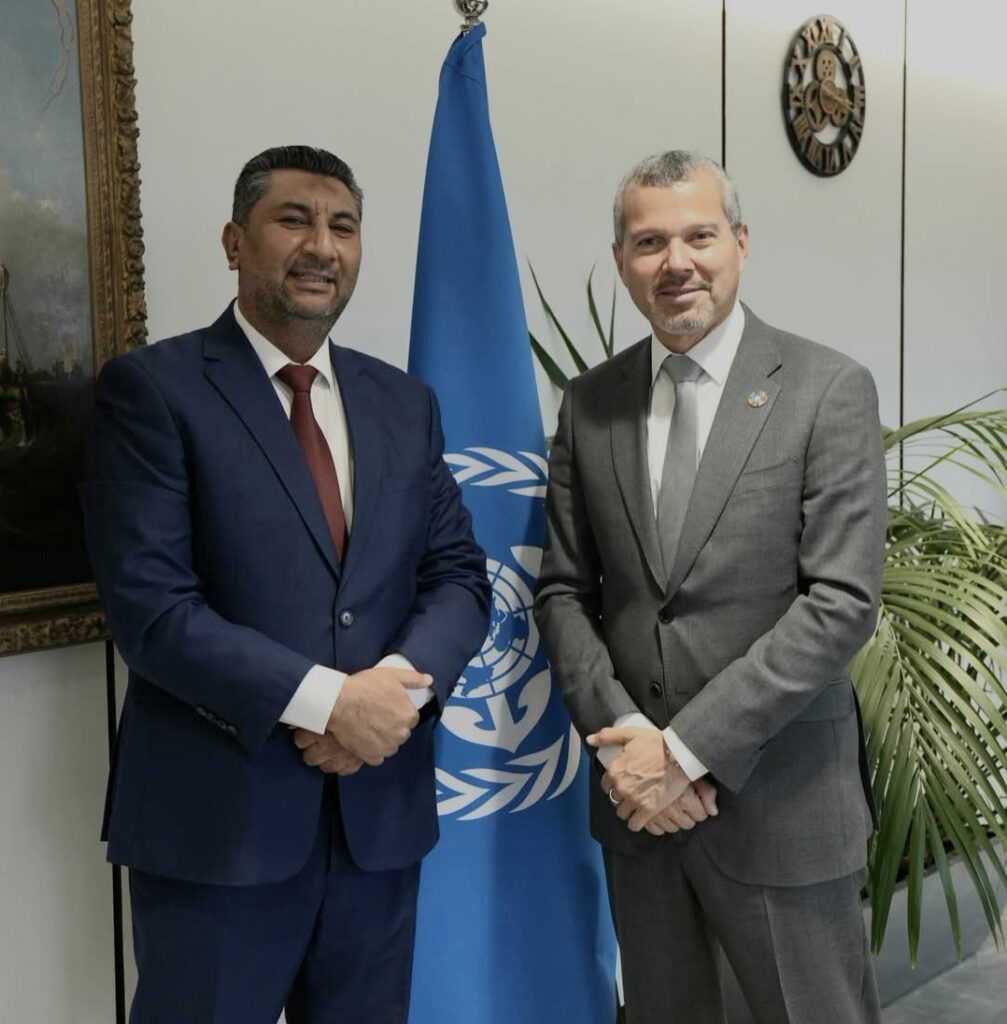
    Shipping Arabia, November 10, 2026 – Libya is seeking closer cooperation with the International Maritime Organization (IMO) to strengthen its maritime transport sector, improve regulatory alignment and enhance maritime safety and environmental protection. The initiative was discussed during a meeting between senior Libyan maritime officials and IMO Secretary-General Arsenio Dominguez in London.

    Mohamed Salem Al-Siwi, Chairman of the Libyan Ports and Maritime Transport Authority, met Dominguez on November 5 on the sidelines of the 138th session of the IMO Council. The meeting focused on strengthening institutional cooperation and exploring opportunities to support the development of Libya’s maritime sector.

    The discussions also addressed Libya’s efforts to increase its engagement with international maritime institutions and benefit from the IMO’s technical expertise and programs.

    Libya Outlines Maritime Sector Development Priorities

    During the meeting, Al-Siwi reviewed the initiatives undertaken by Libya’s Ministry of Transportation through the Ports and Maritime Transport Authority to modernize the national maritime transport sector.

    These efforts focus on strengthening institutional and technical capabilities, developing maritime human resources and improving the regulatory framework governing maritime activities.

    A central priority is maritime workforce training and capacity building. Libyan authorities are working to improve the qualifications and technical capabilities of personnel involved in the sector, alongside broader efforts to develop the country’s maritime institutions.

    Al-Siwi also highlighted ongoing work to align Libya’s national maritime legislation and regulations with relevant international conventions and standards.

    In addition, the development program places emphasis on maritime security, navigational safety and marine environmental protection. The authority is pursuing these objectives in coordination with other relevant national institutions.

    The initiatives form part of Libya’s efforts to strengthen its maritime capabilities and ensure that the national sector keeps pace with evolving international requirements.

    Official Invitation Extended to IMO Secretary-General

    At the beginning of the meeting, Al-Siwi conveyed greetings from Wissam Al-Idrissi, Undersecretary of the Ministry of Transportation for Administrative and Maritime Transport Affairs and head of the Libyan delegation participating in the IMO Council session.

    He also delivered greetings from the Minister of Transportation of Libya’s Government of National Unity.

    As part of the discussions, Al-Siwi presented Dominguez with an official invitation from Al-Idrissi to visit Libya.

    The IMO Secretary-General welcomed the invitation and indicated that the necessary procedures would be undertaken to review the proposal and coordinate a potential visit through official and diplomatic channels.

    The invitation represents an additional effort by Libya to strengthen direct engagement with the IMO. However, the meeting announcement did not specify a date for the proposed visit.

    Strengthening Libya’s Engagement With the IMO

    The meeting took place within the framework of Libya’s efforts to expand its participation in international maritime forums and develop closer institutional relations with the IMO.

    The Ministry of Transportation and the Ports and Maritime Transport Authority are seeking to benefit from the organization’s technical programs and expertise to support the development of Libya’s maritime transport system.

    These efforts include improving national maritime capabilities, strengthening technical and regulatory standards and enhancing compliance with international requirements related to maritime safety, security and environmental protection.

    Through continued engagement with the IMO, Libyan maritime authorities aim to advance the institutional and technical development of the national sector while strengthening the country’s participation in international maritime cooperation.

    Source: Libyan Ports and Maritime Transport Authority
  • Alexandria Port IMDG Code Training Brings Delegation From 15 Countries

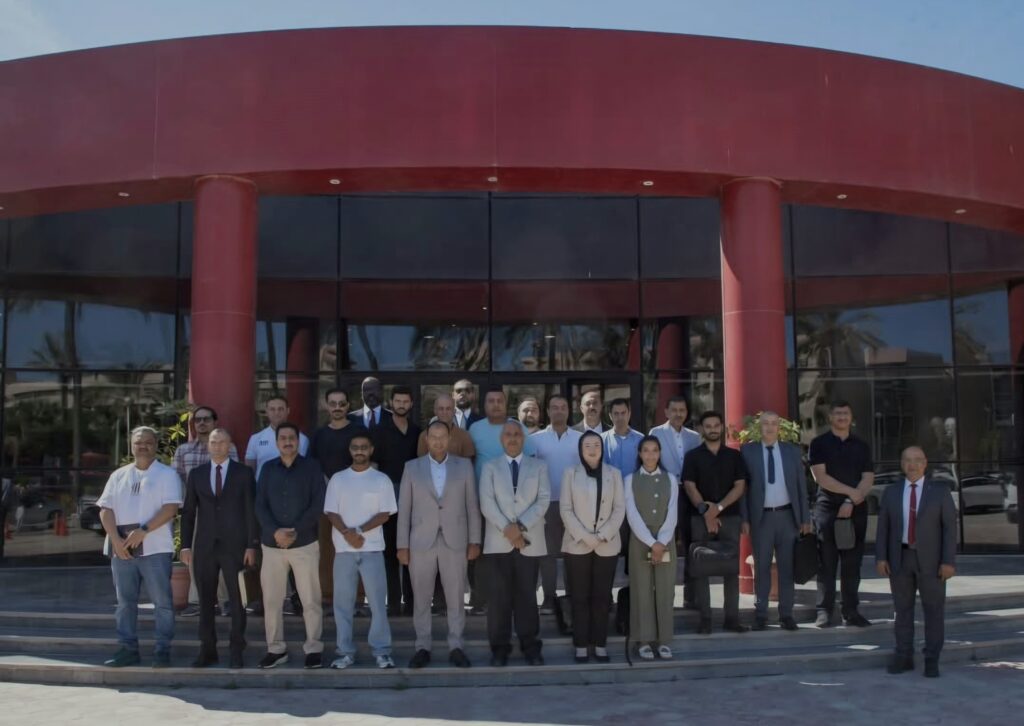
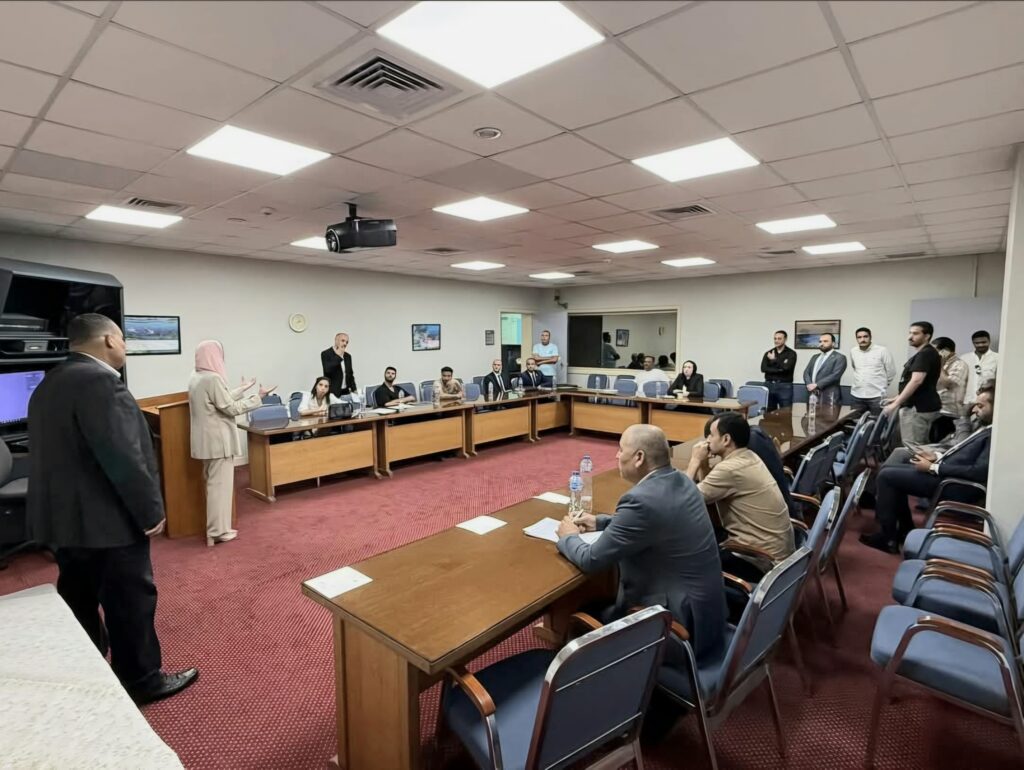
    Shipping Arabia, November 8, 2026 – Egypt’s Alexandria Port Authority has hosted an international delegation of trainees from 15 Arab and European countries as part of a regional train-the-trainer program focused on the effective implementation of the International Maritime Dangerous Goods (IMDG) Code. The program, coordinated with the International Maritime Organization (IMO), aims to strengthen maritime personnel capabilities and improve compliance with international requirements for transporting and handling dangerous goods.

    The delegation included representatives of Egypt’s Maritime Transport and Logistics Sector, the IMO Regional Office at Alexandria Port, and the Arab Academy for Science, Technology and Maritime Transport (AASTMT). The visit provided participants with practical exposure to dangerous goods handling procedures, storage systems, and maritime safety measures within an operational port environment.

    The initiative forms part of Egypt’s efforts to strengthen international maritime cooperation and technical knowledge exchange, in line with directives from Minister of Transport Kamel El-Wazir.

    Alexandria Port Strengthens International Maritime Safety Cooperation

    The delegation was received by Alexandria Port Authority’s Vice Chairman for Operations on behalf of the authority’s Chairman.

    During the reception, the Vice Chairman emphasized the importance of regional training programs in strengthening maritime safety and facilitating the exchange of practical experience among participating countries. He also highlighted the value of familiarizing maritime professionals with operational procedures used by ports to implement international safety requirements.

    Alexandria Port Authority reaffirmed its commitment to developing its dangerous goods management systems and improving personnel competencies in accordance with international standards.

    The authority also expressed its continued willingness to cooperate with the IMO and maritime institutions from partner countries. Such cooperation aims to share the port’s accumulated operational experience, strengthen international partnerships, and support maritime capacity-building initiatives.

    The regional training program focuses on preparing qualified trainers who can transfer knowledge of IMDG Code requirements to maritime institutions and port personnel in their respective countries.

    Alexandria Port IMDG Code Training Covers Operational Procedures

    The technical visit began with a presentation introducing Alexandria Port, its operational capabilities, and ongoing development projects.

    Port representatives then provided an overview of the procedures governing dangerous goods handling, storage, and security within the port.

    The presentation examined Alexandria Port’s dangerous goods management framework and the measures used to ensure that hazardous cargo operations comply with relevant international requirements.

    These discussions formed part of the practical learning component of the regional training course, allowing participants to connect the provisions of the IMDG Code with their implementation in daily port operations.

    The program emphasized the importance of applying standardized procedures to dangerous goods activities while maintaining appropriate safeguards for personnel, cargo, infrastructure, and the surrounding marine environment.

    Delegation Inspects Tahya Misr Terminal and Dangerous Goods Facilities

    Following the presentations, the delegation conducted a field tour of the Tahya Misr Terminal and designated dangerous goods handling areas at Alexandria Port.

    During the inspection, participants examined the procedures used for storing, handling, and securing dangerous cargo. The visit also provided an opportunity to review operational safety arrangements and observe how the port implements relevant international requirements.

    The delegation subsequently visited a dangerous goods warehouse operated by LAT, where participants reviewed the facility’s technical equipment and storage systems.

    The inspection covered security arrangements and procedures for managing different categories of dangerous goods, giving trainees further insight into the practical application of safety requirements within specialized storage facilities.

    By observing these operations firsthand, participants gained experience in how the IMDG Code is implemented in an active port environment. The field visit also supported the program’s objective of transferring technical knowledge and operational experience to maritime authorities and ports in participating countries.

    Supporting Maritime Capacity Building and Environmental Protection

    Alexandria Port Authority emphasized that the visit reflects its broader commitment to strengthening maritime training, international cooperation, and the exchange of specialized expertise.

    The authority highlighted the importance of continued engagement with the IMO and relevant maritime organizations to improve operational practices and develop the capabilities of personnel responsible for dangerous goods management.

    These initiatives aim to reinforce maritime safety standards, protect lives and property, safeguard the marine environment, and improve port operational efficiency.

    Through its participation in the regional training program, Alexandria Port demonstrated practical approaches to dangerous goods management while supporting the development of maritime safety expertise across the participating countries.

    Source: Alexandria Port Authority

  • IMO Strengthens Somalia Port Security Coordination Through Bosaso Workshop

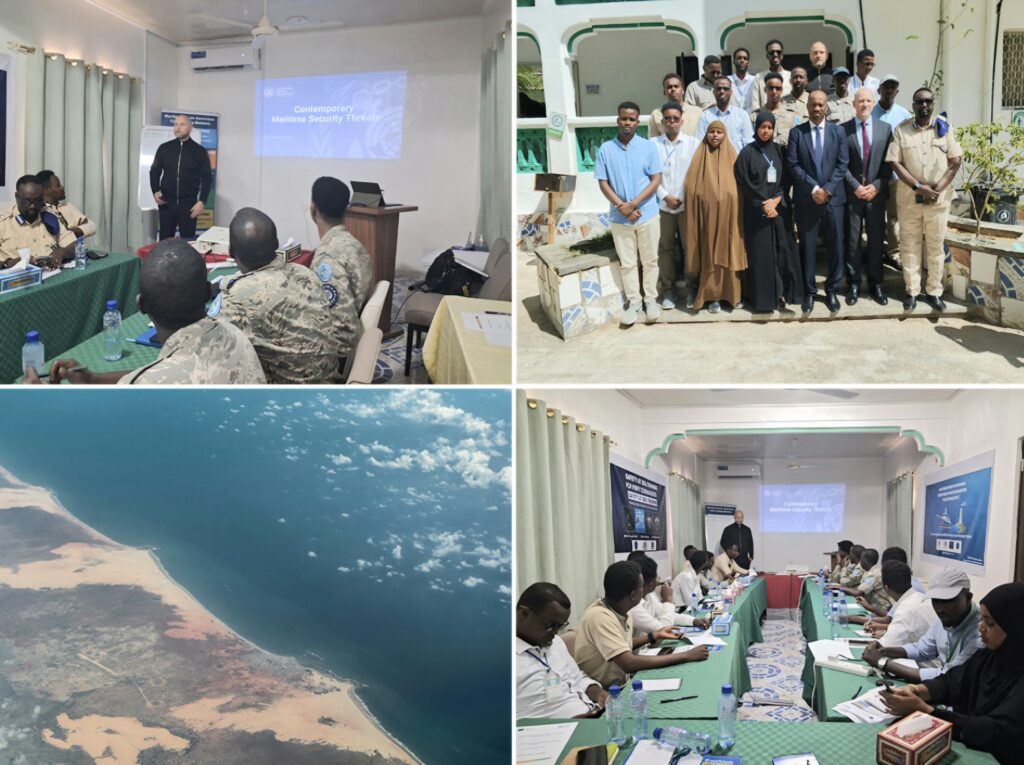
    Shipping Arabia, October 5, 2026 – The International Maritime Organization (IMO) has supported stronger Somalia port security coordination through a four-day workshop in Bosaso, Puntland State of Somalia, bringing together port, security and government authorities to improve cooperation, information sharing and incident response.

    The Port Security and Inter-Agency Coordination Workshop was held from September 14 to 17, 2026, under the EU-funded Regional Programme for Maritime Security in the Red Sea Area. The activity focused on strengthening port security arrangements while improving coordination among the agencies responsible for maritime and port security.

    Participants examined how authorities, port operators and security agencies can work together more effectively when addressing shared security challenges. The program also focused on improving communication between stakeholders and identifying practical measures to reinforce existing security arrangements.

    Roadmap for Multi-Agency Port Security Committee

    One of the main outcomes of the workshop was the development of draft Terms of Reference and a roadmap for establishing a multi-agency Port Security Advisory Committee.

    The proposed structure is intended to provide a mechanism for coordination among agencies involved in port security. During the workshop, participants also strengthened their understanding of their individual roles and responsibilities in supporting port security and responding to security incidents.

    The discussions emphasized coordination and information sharing as key elements of effective security management. Participants considered how different authorities and agencies could cooperate more closely when dealing with incidents and other security-related challenges affecting ports.

    ISPS Code and SOLAS Requirements in Focus

    The workshop also explored practical approaches to implementing the International Ship and Port Facility Security (ISPS) Code and relevant requirements of the International Convention for the Safety of Life at Sea (SOLAS).

    Sessions focused particularly on security planning and cooperation among the agencies involved in port security. Participants reviewed practical ways to support international maritime security standards while improving arrangements at the operational and institutional levels.

    The workshop examined how port authorities, port operators and security agencies could strengthen communication and coordination. Participants also identified measures that could improve cooperation and support the implementation of internationally recognized maritime security requirements.

    IMO Technical Assistance in the Red Sea Region

    The workshop was opened and closed by H.E. Shakir Mohamed Guled, Puntland’s Minister of Maritime Transport, Ports and Marine Crime Prevention.

    The activity forms part of IMO’s continuing technical assistance in the Red Sea region. This assistance supports efforts to strengthen maritime security, improve the resilience of port infrastructure and promote international maritime security standards.

    The Regional Programme for Maritime Security in the Red Sea Area, funded by the European Union, supports beneficiary countries in strengthening maritime security, port security and the safety of navigation.

    The program provides technical assistance, training and institutional support to help participating countries improve their maritime security capabilities. The Bosaso workshop contributed to those objectives by focusing on Somalia port security coordination, inter-agency cooperation and practical application of international security requirements.

    Source: International Maritime Organization

    Somalia port security coordination workshop led by IMO in Bosaso
  • AASTMT Concludes Arab Maritime Disaster Risk Training Program in Alexandria

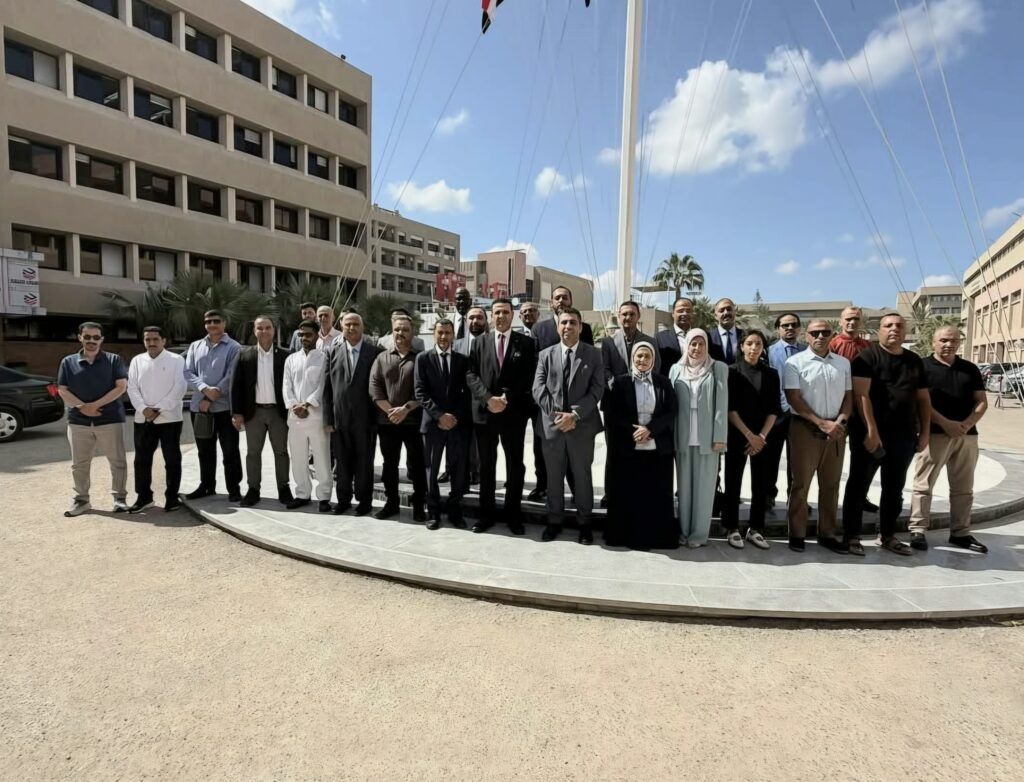
    Shipping Arabia, October 5, 2026 – The Arab Academy for Science, Technology and Maritime Transport (AASTMT) has concluded an integrated Arab maritime disaster risk training program in Alexandria, bringing together 23 officials and specialists from six Arab countries to strengthen national capabilities in maritime disaster risk assessment, management and response.

    The program was held from September 21 to 24, 2026, at AASTMT’s Abu Qir campus under the patronage of H.E. Prof. Dr. Ismail Abdel Ghaffar Ismail Farag, President of AASTMT. It was organized in coordination with the General Secretariat of the League of Arab States as part of the Arab Program for Disaster Risk Reduction in the maritime sector.

    AASTMT implemented the four-day program through its Maritime Postgraduate Studies Institute under the supervision of Prof. Dr. Karim Tonbol, Dean of the Institute. The program was also conducted in cooperation with the League of Arab States’ departments responsible for housing, water resources and disaster risk reduction, as well as transport and tourism.

    Arab Participation in Maritime Disaster Risk Training

    The maritime disaster risk training program attracted 23 officials and specialists representing six Arab countries. Participants came from organizations responsible for maritime transport and ports, risk and emergency management, civil defense and protection, maritime security, environmental affairs and maritime affairs.

    The program also included participation from officials involved in regional Arab coordination on disaster risk reduction and maritime transport. Mohammed Kenna, Coordinator of the Arab Coordination Mechanism for Disaster Risk Reduction, and Abdel Karim Fares, Coordinator of the Technical Secretariat of the Council of Arab Transport Ministers, attended the program.

    Mostafa Saadi Abbas, an official with the Technical Secretariat of the Arab Coordination Mechanism for Disaster Risk Reduction, also participated during the opening day and presented a working paper as part of the training activities.

    The involvement of several maritime, emergency and civil protection disciplines gave the program a multi-agency structure. This approach supported its focus on coordination among organizations that may be required to work together during complex maritime emergencies.

    IMO, UNDRR and AASTMT Experts Deliver Training

    Lectures and training sessions were delivered by specialists and experts from the General Secretariat of the League of Arab States, the United Nations Office for Disaster Risk Reduction (UNDRR) and the International Maritime Organization (IMO).

    AASTMT experts also contributed through several of the Academy’s specialized institutions and centers. These included the Arab Center for Consultations and Maritime Environmental Accident Investigations, the Deanship of Scientific Research and Innovation, the Maritime Qualifying Studies Institute, the Integrated Simulators Complex, and the Environment Protection and Crisis Management Center.

    Across the four days, the maritime disaster risk training covered a range of interconnected operational and risk-management subjects. These included maritime emergency plans, incident command and management, maritime and environmental risk assessment and management, modeling and decision support, oil pollution incident response, dangerous goods risk management, and analysis of lessons learned from maritime accidents.

    The program therefore combined risk assessment with practical emergency management and decision-making. It also addressed environmental and hazardous cargo risks alongside wider maritime incident response requirements.

    Complex Maritime Incident Tested Through Simulation

    The program concluded with a practical exercise at the Environment Protection and Crisis Management Center within AASTMT’s Integrated Simulators Complex.

    Participants took part in a simulation of a complex maritime incident designed to allow them to apply concepts covered during the training. The exercise focused on assessing the situation, identifying priorities, managing available resources, coordinating among multiple agencies and making decisions within an integrated simulation environment.

    The practical component provided participants with an opportunity to move from classroom-based instruction to the management of a simulated maritime emergency. It also brought together several of the core subjects covered during the program, including incident management, risk evaluation, coordination and resource allocation.

    Building National Maritime Disaster Response Capacity

    AASTMT said the program forms part of its efforts to support joint Arab action and build national capabilities in maritime transport, safety and risk management.

    The initiative also reflects the Academy’s role as an Arab center of expertise in these fields, with the broader aim of raising levels of preparedness and response to maritime disasters across Arab countries.

    Through cooperation with the League of Arab States, IMO and UNDRR specialists, the program combined regional coordination with technical maritime expertise and practical simulation. Its conclusion marked the completion of four days of training focused on strengthening the ability of participating authorities to assess risks, coordinate responses and manage complex maritime incidents.

    Source: Arab Academy for Science, Technology and Maritime Transport

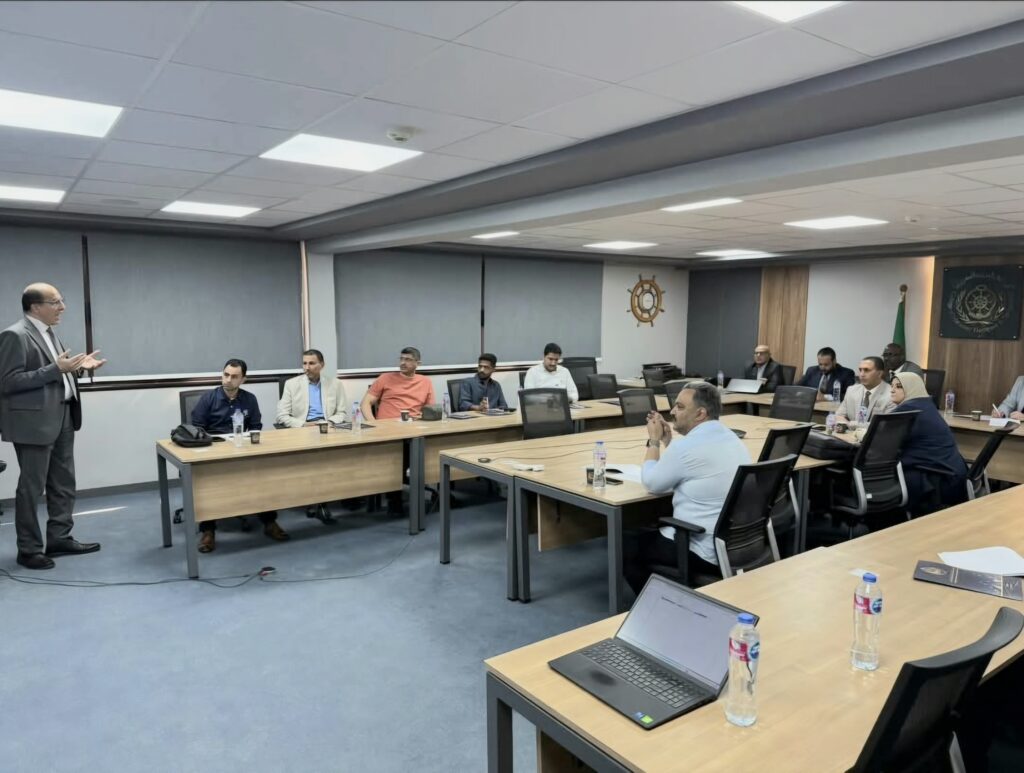
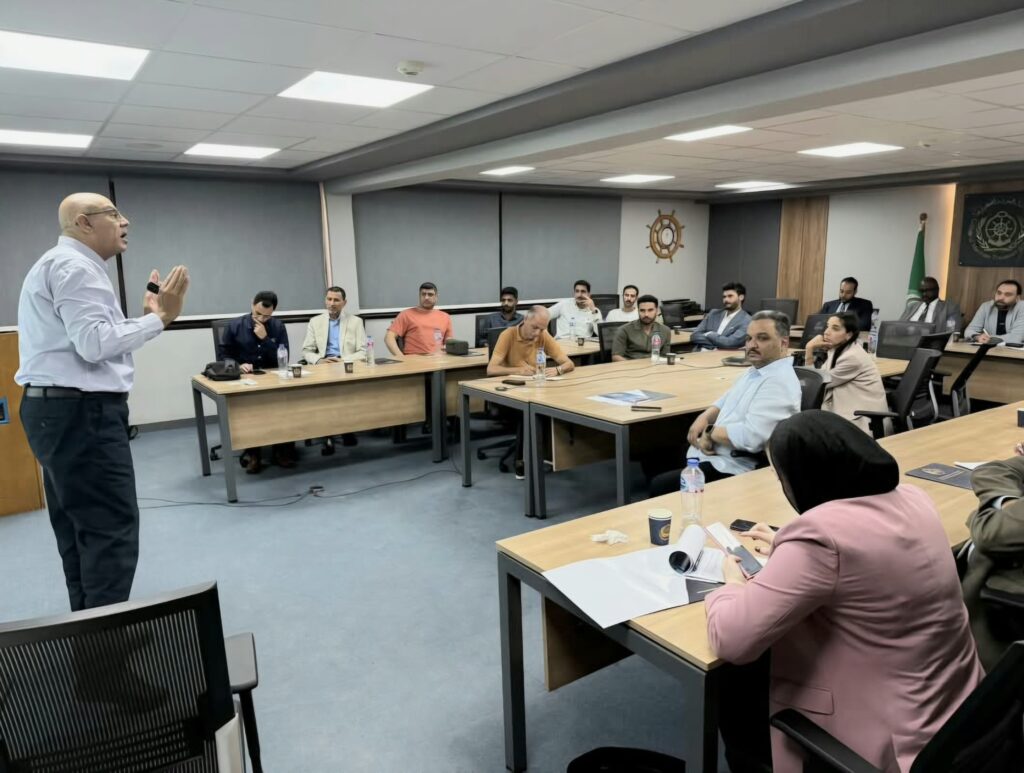
    Maritime disaster risk training participants at AASTMT in Alexandria
  • Iraqi Maritime Pilot Accepted as IMO IMSAS Auditor

    Shipping Arabia, September 28, 2026 – The General Company for Ports of Iraq (GCPI) has announced that maritime pilot Capt. Saif Ghalib Radi has been accepted as an accredited IMO IMSAS auditor under the International Maritime Organization’s Member State Audit Scheme, marking a new international achievement for Iraq’s maritime sector.

    GCPI said the development reflects the growing presence of qualified Iraqi maritime professionals at the international level. The company described Radi’s acceptance into the audit scheme as an important addition to Iraq’s national maritime expertise.

    The IMO Member State Audit Scheme, known as IMSAS, provides the framework under which IMO member states are audited in relation to their implementation of applicable maritime requirements. GCPI said the acceptance of one of its personnel into the scheme also reflects efforts to strengthen cooperation and communication with international maritime organizations.

    Support for Iraqi Maritime Expertise

    According to GCPI, the achievement was supported by Iraqi Minister of Transport Wahab Al-Hassani and followed by the senior management of the General Company for Ports of Iraq as part of efforts to enable national maritime professionals and develop their specialized capabilities.

    The company also highlighted the role of Capt. Mazen Dawood Salman Al-Kaabi, maritime attaché at the Embassy of the Republic of Iraq in the United Kingdom. GCPI said his efforts helped strengthen coordination and communication with international maritime organizations and supported greater participation by Iraqi professionals in international maritime forums.

    The company said the acceptance of an Iraqi IMO IMSAS auditor demonstrates the value of developing specialized national expertise while expanding engagement with international maritime institutions.

    GCPI Links Achievement to Maritime Standards

    GCPI said the development supports its efforts to strengthen compliance with recognized maritime standards and conventions. It also reflects the company’s focus on building technical and professional capabilities among its personnel.

    The company added that investment in qualified human resources remains part of the wider efforts of the Ministry of Transport and GCPI to develop Iraq’s maritime sector.

    According to the company, strengthening the skills and international exposure of Iraqi maritime professionals can also reinforce Iraq’s presence within international maritime institutions.

    The acceptance of Capt. Saif Ghalib Radi as an IMO IMSAS auditor therefore represents both an individual professional achievement and an addition to the specialized maritime expertise available within Iraq’s port sector.

    Source: General Company for Ports of Iraq

Back to top button