International Maritime Organization

  • IMO Council Maritime Security Discussions Highlight Threats to Arab Shipping Routes

    Shipping Arabia, November 13, 2026 – The International Maritime Organization (IMO) has placed maritime security, freedom of navigation and seafarer protection at the center of discussions during the 138th session of its Council. The meeting addressed escalating threats across strategic shipping corridors, including the Strait of Hormuz, the Red Sea and Bab el-Mandeb, alongside wider challenges affecting international trade and maritime governance.

    The IMO Council maritime security discussions took place in London from November 2–6, 2026, under the chairmanship of Victor Jiménez of Spain. Amani Fathallah of Morocco participated as Vice-Chair, alongside IMO Secretary-General Arsenio Dominguez, representatives of member states and observers.

    Egypt’s Maritime Transport Sector also participated in the meeting, represented by a delegation headed by Hussein El-Gezery.

    Maritime economist Dr. Mostafa Rashid of the Arab Academy for Science, Technology and Maritime Transport outlined the meeting’s principal outcomes and their implications for Arab ports, shipping companies and maritime administrations.

    According to Rashid, the session addressed five interconnected challenges: geopolitical tensions, threats to commercial vessels and seafarers, supply chain resilience, maritime digitalization and international maritime governance.

    The Council also examined institutional reforms, technical cooperation, digital infrastructure and maritime training. These discussions reflected the IMO’s efforts to address immediate security risks while strengthening its capacity to respond to future industry challenges.

    Maritime Security Threats Across Strategic Shipping Corridors

    The protection of international shipping routes emerged as a central issue during the Council’s deliberations. Discussions covered the Strait of Hormuz and Arabian Gulf, Red Sea and Bab el-Mandeb, Black Sea and Sea of Azov, Western Indian Ocean, Gulf of Aden and Eastern Mediterranean.

    These maritime corridors play essential roles in international energy transportation, commodity trade and global supply chains.

    Strait of Hormuz and Arabian Gulf

    IMO Secretary-General Arsenio Dominguez briefed the Council on security threats affecting commercial shipping in the Arabian Gulf and Strait of Hormuz.

    According to the briefing, the IMO had verified at least 130 attacks against merchant vessels since the beginning of the Middle East conflict.

    Confirmed seafarer fatalities linked to the conflict reached 25 following the death of a Filipino seafarer on November 5, 2026, after an attack involving the tanker M/T VELOS SAPPHIRE.

    The briefing also highlighted the situation of thousands of seafarers facing security risks, including crew members aboard vessels unable to leave the Arabian Gulf.

    The Council urged member states to avoid unlawful measures that endanger international navigation and seafarer safety. It also emphasized the need to protect seafarers regardless of nationality.

    Furthermore, members called for continued engagement with relevant authorities and international organizations, closer monitoring of security developments and consideration of additional measures to reduce human casualties.

    The Secretary-General was requested to provide a follow-up report at the Council’s next session.

    Importantly, the Council did not announce a new military mechanism to protect the Strait of Hormuz. Instead, its conclusions emphasized international coordination, monitoring and measures within the IMO’s mandate.

    Red Sea and Bab el-Mandeb

    The Council strongly condemned Houthi attacks against commercial vessels and their crews in the Red Sea and Bab el-Mandeb, calling for an end to these incidents.

    Rashid emphasized that the security situation carries significant implications for maritime trade between Asia and Europe through the Suez Canal.

    He identified several potential consequences of continued instability, including higher marine insurance premiums, increased shipping risks, vessel diversions, longer voyage durations and greater fuel consumption.

    Such disruptions can also affect vessel schedules, supply chain reliability and the competitiveness of ports and logistics services.

    For Egypt, the implications are particularly significant because of the relationship between Red Sea security and Suez Canal traffic.

    Rashid warned that further security deterioration in the southern Red Sea could encourage additional vessel diversions around the Cape of Good Hope. This would increase transportation costs and voyage durations while affecting canal transits, revenues and related maritime services.

    Black Sea and Sea of Azov

    The Council also condemned attacks affecting commercial vessels, seafarers, port infrastructure, search and rescue assets and maritime safety services associated with Ukraine’s special maritime corridor.

    Members reaffirmed their commitment to maritime security and freedom of navigation in the Black Sea.

    According to Rashid, these developments have implications beyond the immediate conflict area. Several Arab economies depend on Black Sea markets for agricultural commodities, grain, fertilizers and energy supplies.

    Consequently, disruptions in this region can affect shipping costs, marine insurance, cargo availability and the reliability of food supply chains across Arab markets.

    Western Indian Ocean and Gulf of Aden

    Piracy and armed robbery were another priority, with the Council reporting 17 attempted or actual incidents in the Western Indian Ocean and Gulf of Aden since the beginning of 2026.

    The discussions highlighted the importance of regional cooperation under the Djibouti Code of Conduct and its Jeddah Amendment.

    These frameworks support information sharing, maritime capacity building and coordination between participating states.

    The Council requested that the Secretary-General continue monitoring maritime security developments and keep member states informed.

    For Arab countries bordering the Red Sea, Gulf of Aden and Indian Ocean, Rashid stressed the importance of strengthening cooperation among maritime administrations, coast guards and security authorities.

    IMO Approves £2 Million for Digital Systems and Maritime Training

    Beyond maritime security, the Council approved an initial allocation of £2 million from technical cooperation fund reserves to support two digital development initiatives.

    The funding will contribute to the second phase of improvements to the Global Integrated Shipping Information System (GISIS) and the development of an IMO e-learning platform.

    GISIS provides maritime information to member states and supports the management and exchange of data relevant to international shipping.

    According to Rashid, further development could improve access to maritime information, strengthen data sharing and support monitoring of compliance with international conventions.

    It could also help national maritime administrations improve the quality of information used in regulatory and operational decision-making.

    The proposed e-learning platform aims to expand access to maritime education, technical cooperation and professional development.

    Potential benefits include broader training opportunities, continuing education, improved instructor preparation and reduced dependence on traditional classroom-based training.

    However, Rashid clarified that the initial financial approval does not mean the projects are operational or that their implementation arrangements have been finalized.

    The Council requested additional information on project costs, implementation schedules and recurring operating expenses for consideration at a future session.

    For Arab maritime administrations, these initiatives could provide opportunities to strengthen digital capabilities and maritime training.

    Rashid also recommended developing Arabic-language educational content aligned with international maritime standards, particularly to support countries with varying levels of technical and institutional capacity.

    Council Recommends Extension of IMO Secretary-General’s Term

    The Council also considered the future leadership of the organization during a closed session.

    Members agreed to recommend extending IMO Secretary-General Arsenio Dominguez’s term for another four years, beginning January 1, 2028, and ending December 31, 2031.

    The recommendation will be submitted to the IMO Assembly at its 35th regular session for consideration under Article 22 of the IMO Convention.

    The Council’s decision represents a recommendation rather than final approval, as the Assembly retains responsibility for confirming the appointment.

    Rashid emphasized that leadership continuity could support ongoing work on maritime security, digital transformation, technical cooperation and institutional reform.

    He also identified opportunities for Arab countries to strengthen engagement with the IMO Secretariat and expand participation in technical programs and capacity-building initiatives.

    IMO Convention Amendments Could Expand Council to 52 Members

    The Council reaffirmed its commitment to implementing amendments to the IMO Convention adopted by the Assembly in December 2021 under Resolution A.1152(32).

    The amendments introduce three significant institutional changes.

    First, they would increase Council membership from 40 to 52 states, expanding opportunities for geographic representation.

    Second, they would extend Council members’ terms to cover two consecutive regular sessions of the IMO Assembly, generally equivalent to four years.

    Third, the amendments would recognize Arabic, Chinese and Russian as authentic languages of the IMO Convention alongside English, French and Spanish.

    During the November 2026 session, the Council encouraged member states that had not yet accepted the amendments to complete their national procedures.

    The objective is to bring the amendments into force during 2027, subject to the required acceptance process.

    Rashid described these changes as particularly important for Arab countries, especially the recognition of Arabic as an authentic treaty language.

    He noted that this recognition would strengthen the language’s legal and institutional standing within the organization.

    Meanwhile, expanding Council membership could provide additional opportunities for participation, although elections and representation would remain governed by the Convention’s established procedures.

    Rashid called for stronger coordination among Arab states to support acceptance of the amendments and improve their participation in IMO decision-making.

    IMO Recognizes Contributions to Gender Equality in Maritime

    The Council also considered the IMO Gender Equality Award for 2027, which recognizes contributions to advancing women’s participation in the maritime industry.

    Members decided to award the 2027 honor to Yu Jiajia, nominated by China.

    The Council also endorsed a recommendation to present a letter of commendation to Gemma Griffin, nominated by Denmark.

    The award ceremony is scheduled for May 18, 2027, at IMO headquarters in London, coinciding with the International Day for Women in Maritime.

    Rashid highlighted the relevance of this initiative for Arab maritime sectors, particularly in encouraging greater participation by women in navigation, marine engineering, port management, maritime education and research.

    Strategic Implications for Arab Ports and Shipping Industries

    Rashid identified several priorities for Arab maritime administrations arising from the Council’s discussions.

    For Egypt and other Red Sea countries, these include stronger maritime security monitoring, improved early-warning systems and closer coordination among ports, shipping companies and relevant authorities.

    He also emphasized the need to strengthen crisis management arrangements and maintain the continuity of logistics services during disruptions.

    For Arabian Gulf countries, Rashid highlighted seafarer protection, maritime risk management, insurance considerations and the diversification of logistics alternatives.

    He further recommended improving the ability of regional ports to manage changes in vessel movements and strengthening international cooperation on maritime security.

    The Black Sea developments also underscore the importance of protecting agricultural and energy supply chains that serve Arab markets.

    In addition, Rashid encouraged Arab maritime administrations to modernize port management systems, improve maritime data exchange and expand digital services for ships.

    Other priorities include strengthening compliance monitoring, developing maritime training programs and building technical expertise in risk management, logistics, digital systems and artificial intelligence.

    On institutional representation, Rashid called for greater Arab coordination within the IMO, including participation in technical committees and the development of joint proposals.

    He also emphasized the importance of strengthening professional opportunities for Arab women across maritime operations, training and management.

    The maritime economist concluded that the IMO Council’s 138th session demonstrated the growing connection between maritime security, economic stability and international maritime governance.

    For Arab countries, he stressed that protecting ships, ports and shipping corridors must be accompanied by investment in technical expertise, digital infrastructure and institutional capabilities.

    According to Rashid, greater participation in international maritime decision-making will be essential for Arab states seeking to protect their maritime interests and contribute to shaping the future of global shipping.

    Source: Al Mal News
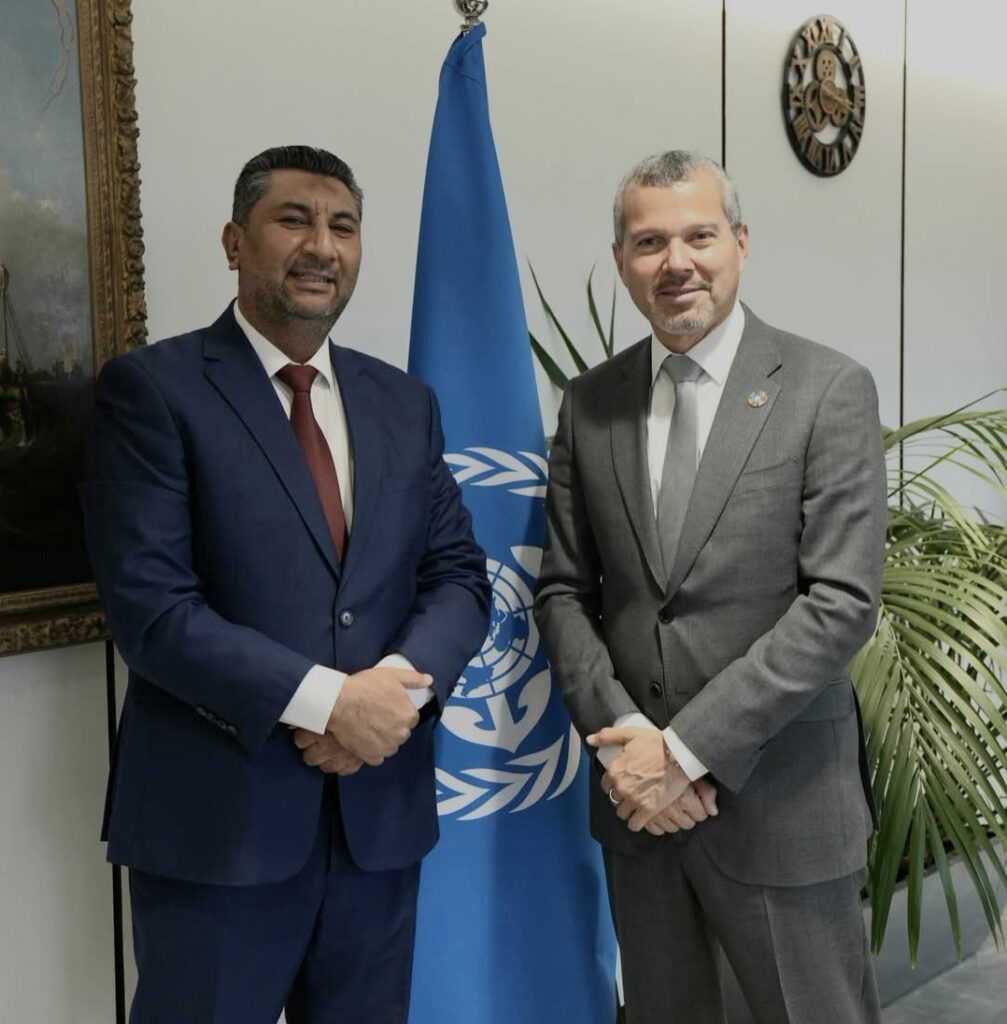
  • Libya and IMO Discuss Maritime Cooperation, Safety Standards and Sector Development

    Shipping Arabia, November 10, 2026 – Libya is seeking closer cooperation with the International Maritime Organization (IMO) to strengthen its maritime transport sector, improve regulatory alignment and enhance maritime safety and environmental protection. The initiative was discussed during a meeting between senior Libyan maritime officials and IMO Secretary-General Arsenio Dominguez in London.

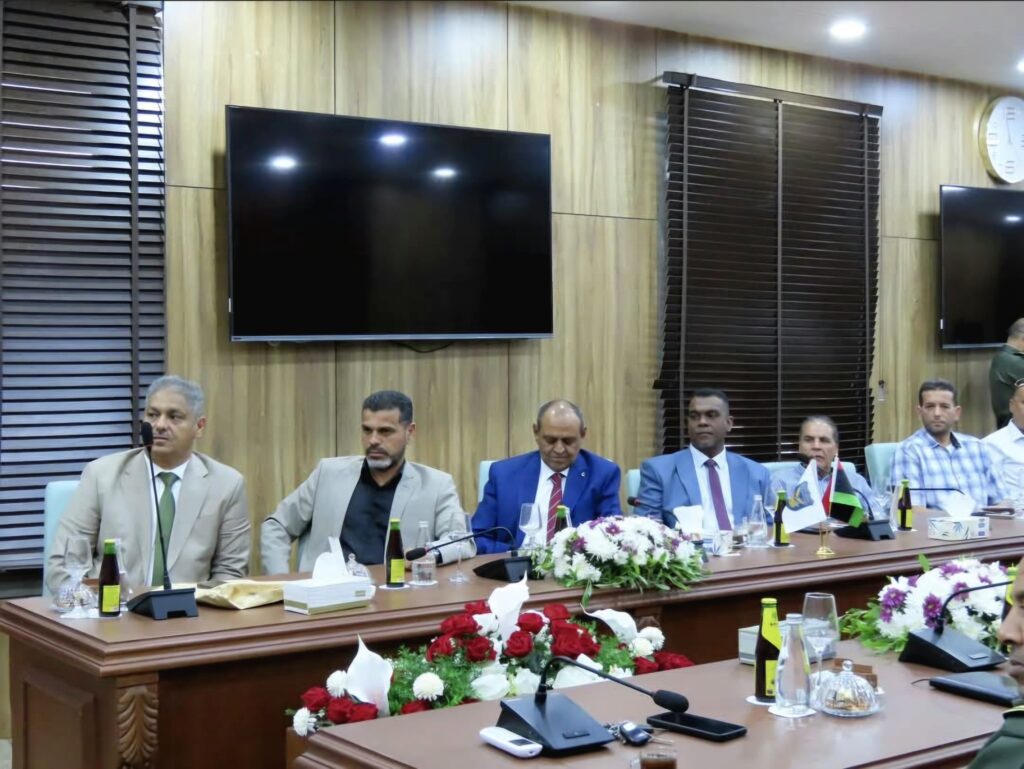
    Mohamed Salem Al-Siwi, Chairman of the Libyan Ports and Maritime Transport Authority, met Dominguez on November 5 on the sidelines of the 138th session of the IMO Council. The meeting focused on strengthening institutional cooperation and exploring opportunities to support the development of Libya’s maritime sector.

    The discussions also addressed Libya’s efforts to increase its engagement with international maritime institutions and benefit from the IMO’s technical expertise and programs.

    Libya Outlines Maritime Sector Development Priorities

    During the meeting, Al-Siwi reviewed the initiatives undertaken by Libya’s Ministry of Transportation through the Ports and Maritime Transport Authority to modernize the national maritime transport sector.

    These efforts focus on strengthening institutional and technical capabilities, developing maritime human resources and improving the regulatory framework governing maritime activities.

    A central priority is maritime workforce training and capacity building. Libyan authorities are working to improve the qualifications and technical capabilities of personnel involved in the sector, alongside broader efforts to develop the country’s maritime institutions.

    Al-Siwi also highlighted ongoing work to align Libya’s national maritime legislation and regulations with relevant international conventions and standards.

    In addition, the development program places emphasis on maritime security, navigational safety and marine environmental protection. The authority is pursuing these objectives in coordination with other relevant national institutions.

    The initiatives form part of Libya’s efforts to strengthen its maritime capabilities and ensure that the national sector keeps pace with evolving international requirements.

    Official Invitation Extended to IMO Secretary-General

    At the beginning of the meeting, Al-Siwi conveyed greetings from Wissam Al-Idrissi, Undersecretary of the Ministry of Transportation for Administrative and Maritime Transport Affairs and head of the Libyan delegation participating in the IMO Council session.

    He also delivered greetings from the Minister of Transportation of Libya’s Government of National Unity.

    As part of the discussions, Al-Siwi presented Dominguez with an official invitation from Al-Idrissi to visit Libya.

    The IMO Secretary-General welcomed the invitation and indicated that the necessary procedures would be undertaken to review the proposal and coordinate a potential visit through official and diplomatic channels.

    The invitation represents an additional effort by Libya to strengthen direct engagement with the IMO. However, the meeting announcement did not specify a date for the proposed visit.

    Strengthening Libya’s Engagement With the IMO

    The meeting took place within the framework of Libya’s efforts to expand its participation in international maritime forums and develop closer institutional relations with the IMO.

    The Ministry of Transportation and the Ports and Maritime Transport Authority are seeking to benefit from the organization’s technical programs and expertise to support the development of Libya’s maritime transport system.

    These efforts include improving national maritime capabilities, strengthening technical and regulatory standards and enhancing compliance with international requirements related to maritime safety, security and environmental protection.

    Through continued engagement with the IMO, Libyan maritime authorities aim to advance the institutional and technical development of the national sector while strengthening the country’s participation in international maritime cooperation.

    Source: Libyan Ports and Maritime Transport Authority

  • Alexandria Port IMDG Code Training Brings Delegation From 15 Countries

    Shipping Arabia, November 8, 2026 – Egypt’s Alexandria Port Authority has hosted an international delegation of trainees from 15 Arab and European countries as part of a regional train-the-trainer program focused on the effective implementation of the International Maritime Dangerous Goods (IMDG) Code. The program, coordinated with the International Maritime Organization (IMO), aims to strengthen maritime personnel capabilities and improve compliance with international requirements for transporting and handling dangerous goods.

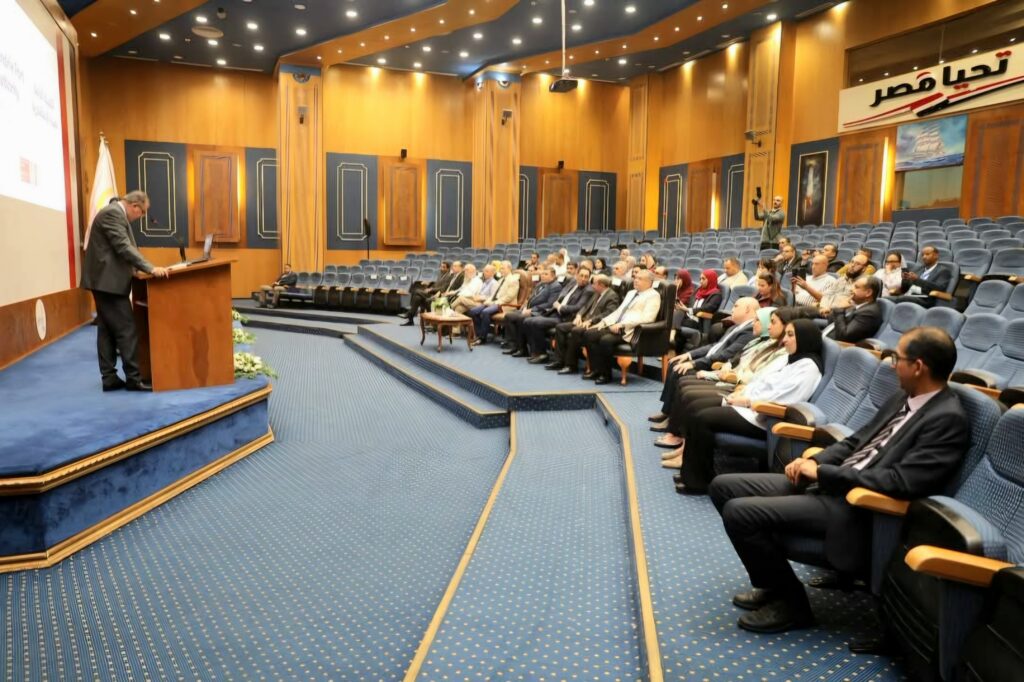
    The delegation included representatives of Egypt’s Maritime Transport and Logistics Sector, the IMO Regional Office at Alexandria Port, and the Arab Academy for Science, Technology and Maritime Transport (AASTMT). The visit provided participants with practical exposure to dangerous goods handling procedures, storage systems, and maritime safety measures within an operational port environment.

    The initiative forms part of Egypt’s efforts to strengthen international maritime cooperation and technical knowledge exchange, in line with directives from Minister of Transport Kamel El-Wazir.

    Alexandria Port Strengthens International Maritime Safety Cooperation

    The delegation was received by Alexandria Port Authority’s Vice Chairman for Operations on behalf of the authority’s Chairman.

    During the reception, the Vice Chairman emphasized the importance of regional training programs in strengthening maritime safety and facilitating the exchange of practical experience among participating countries. He also highlighted the value of familiarizing maritime professionals with operational procedures used by ports to implement international safety requirements.

    Alexandria Port Authority reaffirmed its commitment to developing its dangerous goods management systems and improving personnel competencies in accordance with international standards.

    The authority also expressed its continued willingness to cooperate with the IMO and maritime institutions from partner countries. Such cooperation aims to share the port’s accumulated operational experience, strengthen international partnerships, and support maritime capacity-building initiatives.

    The regional training program focuses on preparing qualified trainers who can transfer knowledge of IMDG Code requirements to maritime institutions and port personnel in their respective countries.

    Alexandria Port IMDG Code Training Covers Operational Procedures

    The technical visit began with a presentation introducing Alexandria Port, its operational capabilities, and ongoing development projects.

    Port representatives then provided an overview of the procedures governing dangerous goods handling, storage, and security within the port.

    The presentation examined Alexandria Port’s dangerous goods management framework and the measures used to ensure that hazardous cargo operations comply with relevant international requirements.

    These discussions formed part of the practical learning component of the regional training course, allowing participants to connect the provisions of the IMDG Code with their implementation in daily port operations.

    The program emphasized the importance of applying standardized procedures to dangerous goods activities while maintaining appropriate safeguards for personnel, cargo, infrastructure, and the surrounding marine environment.

    Delegation Inspects Tahya Misr Terminal and Dangerous Goods Facilities

    Following the presentations, the delegation conducted a field tour of the Tahya Misr Terminal and designated dangerous goods handling areas at Alexandria Port.

    During the inspection, participants examined the procedures used for storing, handling, and securing dangerous cargo. The visit also provided an opportunity to review operational safety arrangements and observe how the port implements relevant international requirements.

    The delegation subsequently visited a dangerous goods warehouse operated by LAT, where participants reviewed the facility’s technical equipment and storage systems.

    The inspection covered security arrangements and procedures for managing different categories of dangerous goods, giving trainees further insight into the practical application of safety requirements within specialized storage facilities.

    By observing these operations firsthand, participants gained experience in how the IMDG Code is implemented in an active port environment. The field visit also supported the program’s objective of transferring technical knowledge and operational experience to maritime authorities and ports in participating countries.

    Supporting Maritime Capacity Building and Environmental Protection

    Alexandria Port Authority emphasized that the visit reflects its broader commitment to strengthening maritime training, international cooperation, and the exchange of specialized expertise.

    The authority highlighted the importance of continued engagement with the IMO and relevant maritime organizations to improve operational practices and develop the capabilities of personnel responsible for dangerous goods management.

    These initiatives aim to reinforce maritime safety standards, protect lives and property, safeguard the marine environment, and improve port operational efficiency.

    Through its participation in the regional training program, Alexandria Port demonstrated practical approaches to dangerous goods management while supporting the development of maritime safety expertise across the participating countries.

    Source: Alexandria Port Authority

  • Saudi Ports Authority Highlights Supply Chain Resilience and Red Sea–Gulf Logistics Corridors in London

    Shipping Arabia, November 8, 2026 – Saudi Ports Authority (Mawani) has highlighted Saudi ports’ supply chain resilience and logistics capabilities during the World Ports Conference 2026 in London. The authority outlined Saudi Arabia’s investments in maritime infrastructure, regional logistics corridors, and operational flexibility, including the redirection of approximately 60% of fertilizer shipments destined for India through Yanbu Industrial Port in less than a month.

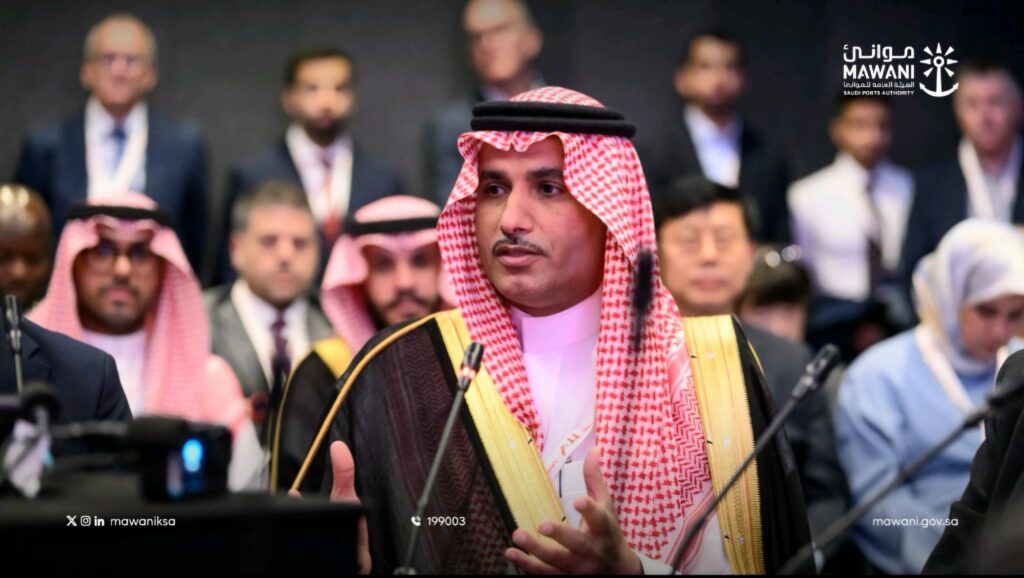
    Mawani President Eng. Sulaiman bin Khalid Al-Mazroua participated in a roundtable discussion focused on strategies for port authorities to strengthen competitiveness and sustain growth amid global challenges. He emphasized the importance of developing port strategies, improving operational efficiency, and strengthening the maritime sector’s ability to respond to international disruptions.

    The discussions also addressed supply chain resilience, continuity of global trade, and the role of Saudi Arabia’s transport and logistics infrastructure in responding to challenges affecting international maritime operations.

    Saudi Ports Supply Chain Resilience and Regional Logistics Connectivity

    During his remarks, Al-Mazroua highlighted Saudi Arabia’s efforts to strengthen regional connectivity through the activation of logistics corridors linking the Red Sea and the Arabian Gulf.

    He explained that decades of investment in ports and industrial cities have established an integrated national infrastructure. These investments, reinforced by Saudi Vision 2030, have strengthened operational flexibility and improved the Kingdom’s capacity to respond rapidly to changing circumstances.

    The development of logistics corridors was presented as an important component of Saudi Arabia’s strategy to maintain trade connectivity and strengthen its maritime transport capabilities.

    Al-Mazroua also emphasized the importance of adapting port strategies to global developments. He highlighted the need for port authorities to improve operational efficiency and strengthen their ability to respond to market changes and international challenges.

    These priorities formed part of the roundtable discussion on maintaining competitiveness and supporting growth across the global maritime sector.

    Yanbu Industrial Port Supports Fertilizer Shipments to India

    One of the examples highlighted during the conference concerned Saudi Arabia’s contribution to global food security through its maritime logistics infrastructure.

    According to Al-Mazroua, approximately 60% of fertilizer shipments destined for India were redirected through Yanbu Industrial Port within less than one month.

    The example illustrated the Kingdom’s ability to use its port infrastructure and logistics capabilities to respond to changing trade requirements while supporting the continuity of international cargo movements.

    Al-Mazroua also highlighted the humanitarian role of Saudi ports in supporting vessels and their crews during challenging circumstances.

    Saudi ports provided essential services, medical supplies, and crew change assistance, supporting more than 2,000 seafarers. These efforts were presented as part of the Kingdom’s contribution to maintaining maritime operations and addressing the needs of seafarers.

    In his remarks, Al-Mazroua stressed that supply chain resilience represents an investment in protecting economic value and creating opportunities. He also emphasized that ensuring the safety of maritime corridors remains a shared international responsibility.

    Saudi Arabia Participates in 138th IMO Council Session

    Alongside the World Ports Conference, Saudi Arabia participated in the 138th session of the International Maritime Organization (IMO) Council in London, with its delegation led by Mawani President Sulaiman Al-Mazroua.

    The participation reaffirmed the Kingdom’s commitment to strengthening maritime navigation safety and facilitating the movement of global trade.

    On the sidelines of the IMO Council meetings, Al-Mazroua met IMO Secretary-General Arsenio Dominguez to discuss recent developments in the maritime sector and challenges facing international shipping.

    The meeting provided an opportunity to exchange views on issues affecting the global maritime industry and the continued importance of international cooperation.

    Saudi Arabia Emphasizes Maritime Infrastructure and Trade Continuity

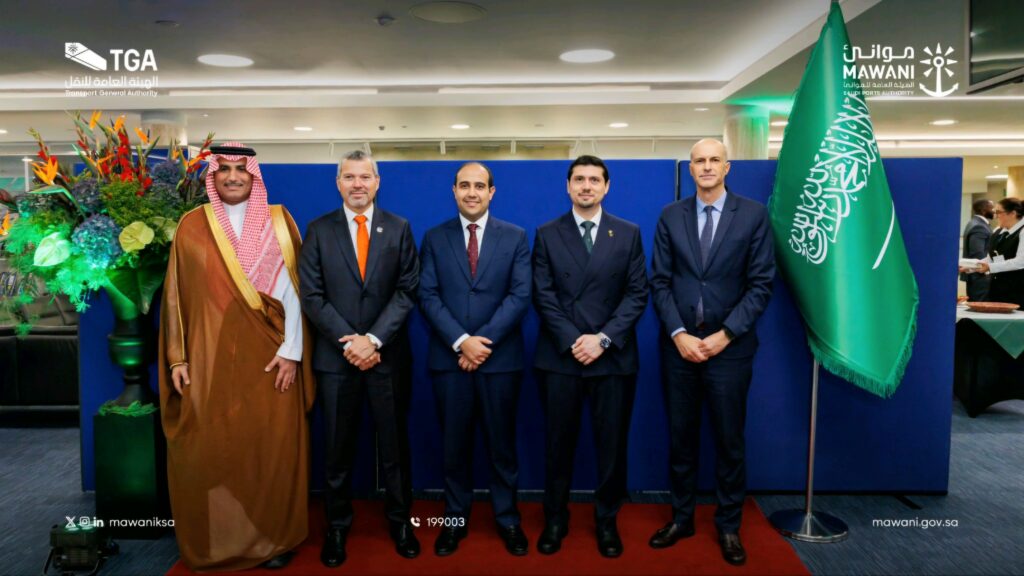
    During the IMO Council meetings, Al-Mazroua also addressed a reception hosted by Saudi Arabia for participating delegations.

    The reception was attended by the IMO Secretary-General and Mohammed bin Shafi, Deputy Head of the Saudi Mission to the United Kingdom.

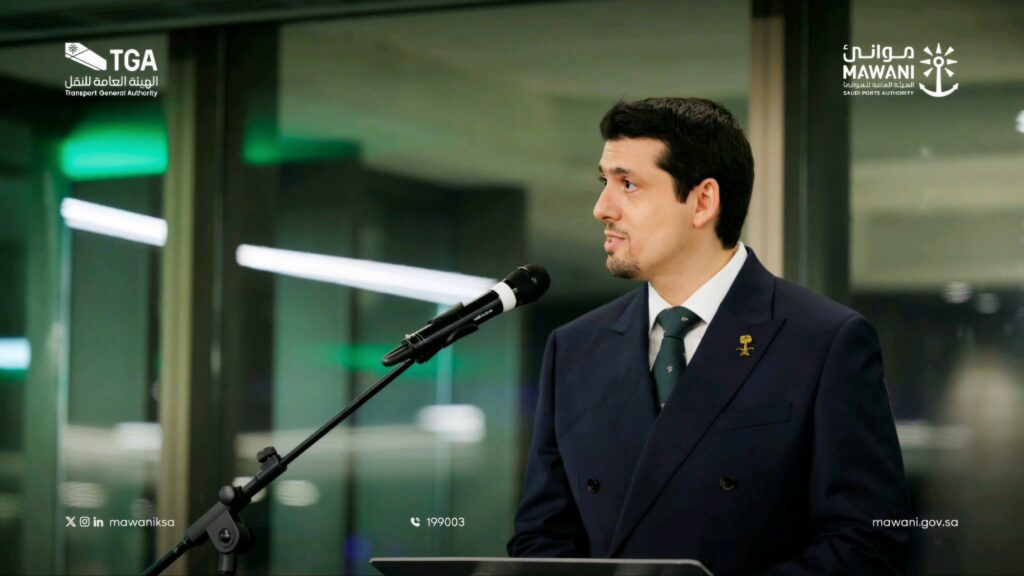
    In his remarks, Al-Mazroua emphasized the resilience of Saudi Arabia’s transport system and port infrastructure, highlighting the Kingdom’s efforts to manage crises and their consequences.

    He also underlined the importance of maintaining the smooth movement of international trade and ensuring continuity across global supply chains.

    Saudi Arabia’s participation in the World Ports Conference and IMO Council meetings brought attention to several interconnected priorities, including infrastructure investment, regional logistics connectivity, maritime safety, and international cooperation.

    Through its presentation of port development strategies, logistics corridor initiatives, and operational responses to disruptions, Mawani outlined Saudi Arabia’s approach to strengthening the resilience and competitiveness of its maritime sector.

    Source: Saudi Ports Authority (Mawani)

  • Jordan Maritime Commission and General Company for Maritime Transport Discuss Ship Safety Compliance

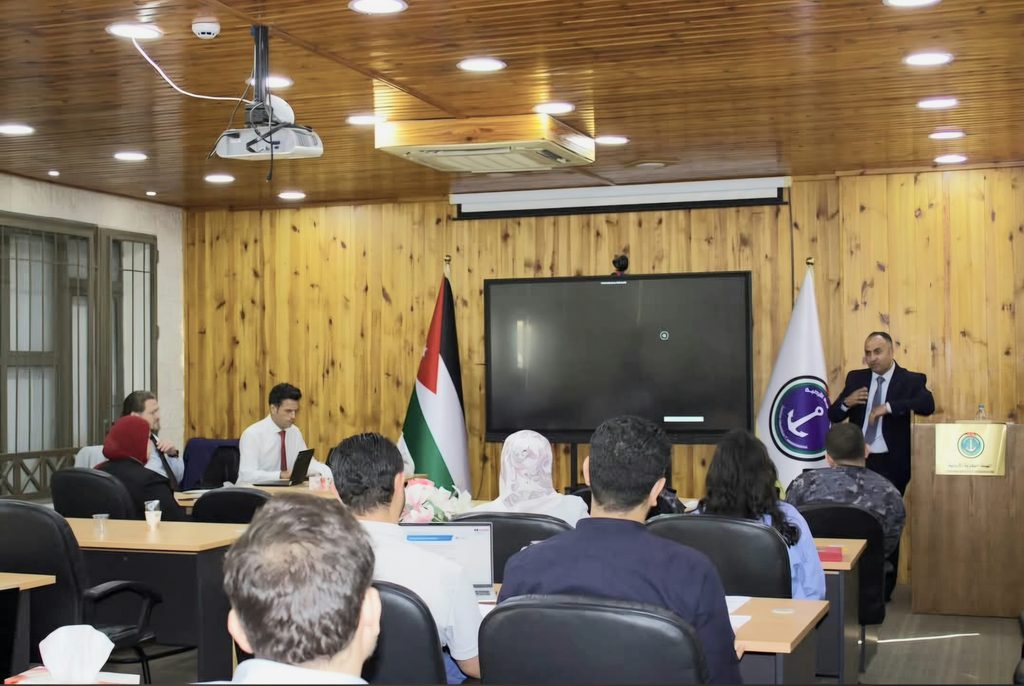
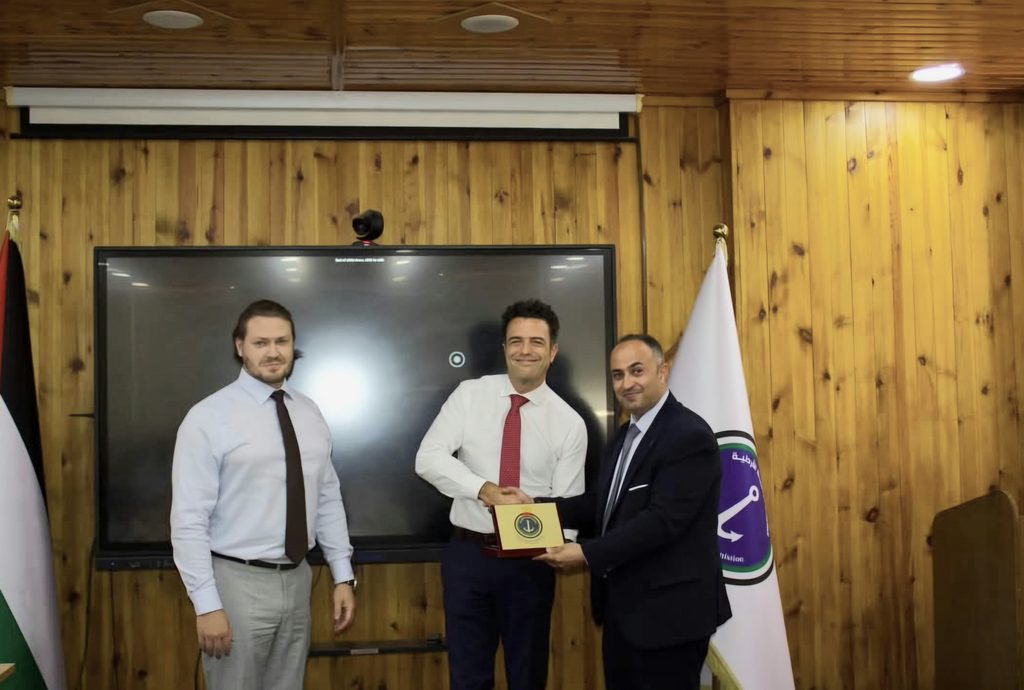
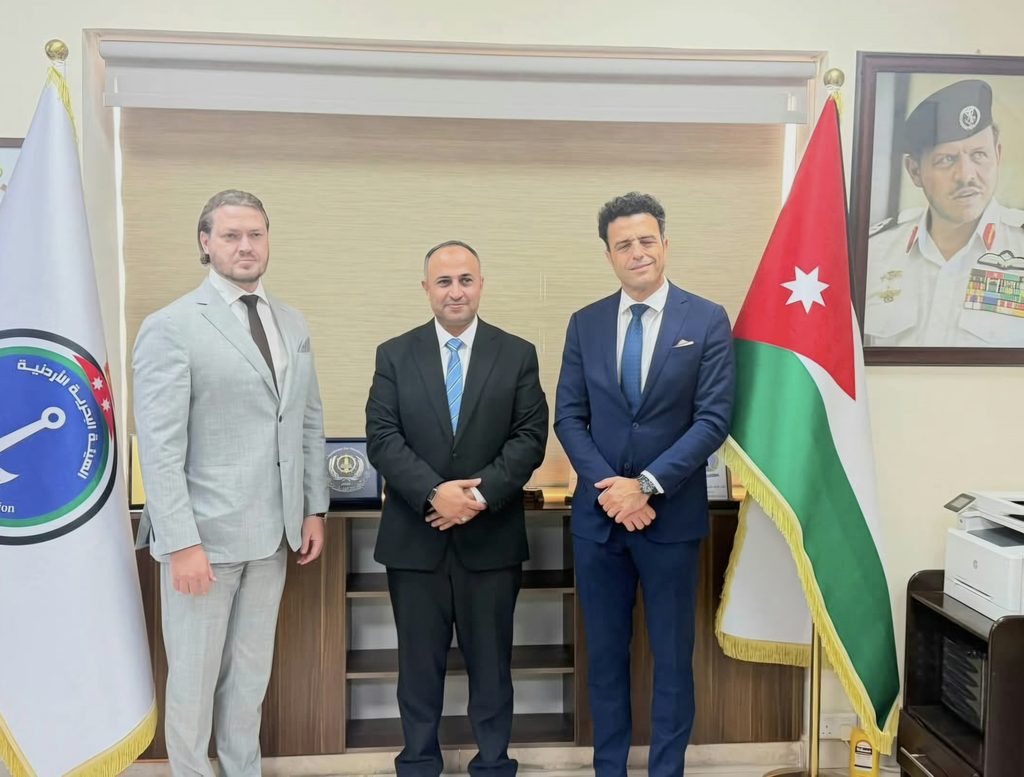
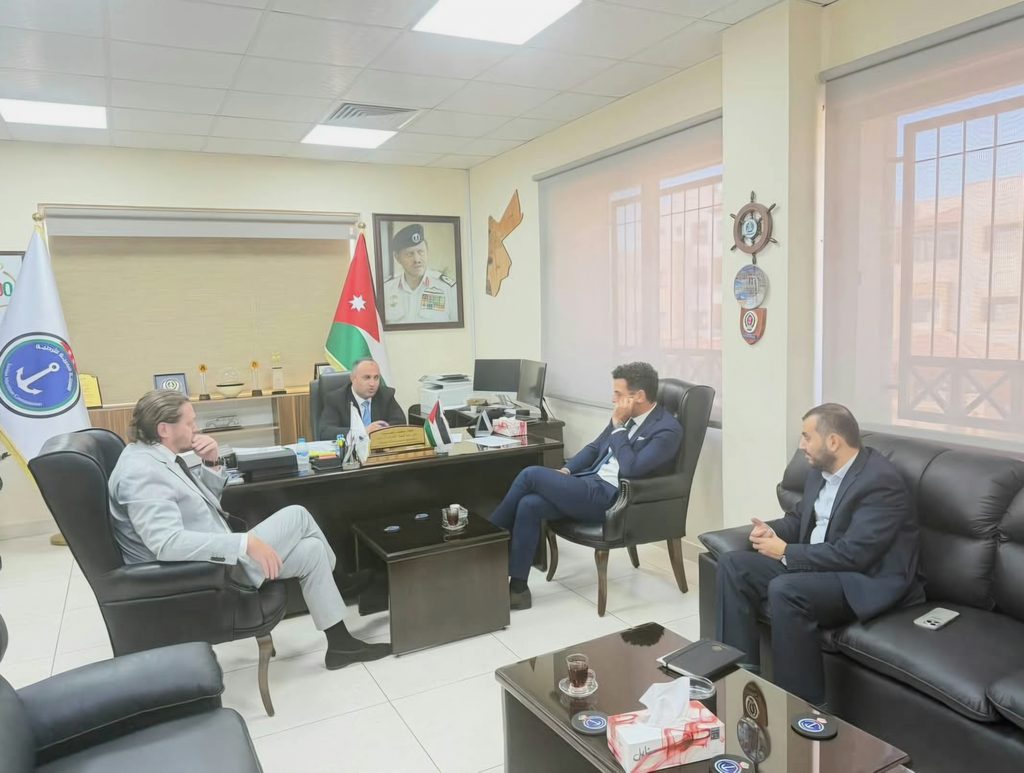
    Shipping Arabia, October 18, 2026 – The Jordan Maritime Commission (JMC) and the General Company for Maritime Transport have discussed strengthening cooperation on ship inspections, maritime safety compliance and crew competency standards for vessels flying the Jordanian flag. The discussions focused on ensuring compliance with international maritime conventions and improving coordination between the two organizations.

    JMC Director General Ahmad Al-Assasleh received Captain Mazen Talib Saddam, Director of the Marine Safety (ISM) Department at the General Company for Maritime Transport, at the Commission’s headquarters. The meeting addressed inspection procedures, regulatory compliance and opportunities for continued cooperation on maritime safety matters.

    Inspections and Safety Compliance of Jordanian-Flagged Vessels

    A central focus of the meeting was the inspection and survey procedures conducted by the Jordan Maritime Commission on the company’s Jordanian-flagged vessels.

    These procedures aim to verify that vessels meet applicable maritime safety requirements and comply with relevant international maritime conventions and regulations. They also cover the competency of seafarers serving on board, ensuring that crews satisfy the required professional and safety standards.

    The discussions highlighted the importance of maintaining effective oversight of Jordanian-flagged vessels through established inspection procedures and compliance with internationally recognized maritime requirements.

    Strengthening Coordination on IMO Regulations

    The two sides also examined ways to improve communication and maintain continuous coordination on maritime safety matters. Particular attention was given to monitoring the latest instructions, regulatory developments and requirements issued by the International Maritime Organization (IMO).

    The discussions emphasized the role of regulatory coordination in improving maritime safety standards, strengthening operational efficiency and ensuring continued compliance with internationally adopted requirements.

    Both parties reaffirmed the importance of ongoing cooperation and exchanging technical expertise to support these objectives.

    The meeting concluded with a shared emphasis on maintaining maritime safety compliance and preserving the standing of the Jordanian flag in maritime navigation and shipping.

    Source: Jordan Maritime Commission

  • Yemen Port Security Training Strengthens Maritime Preparedness Through EU-Funded IMO Workshop in Aden

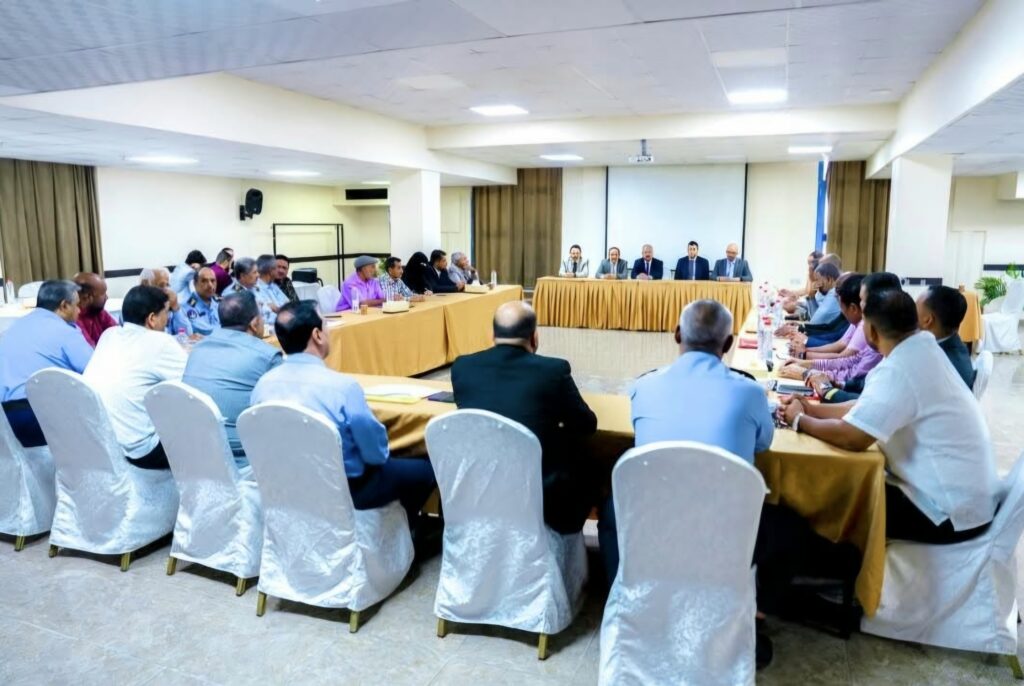
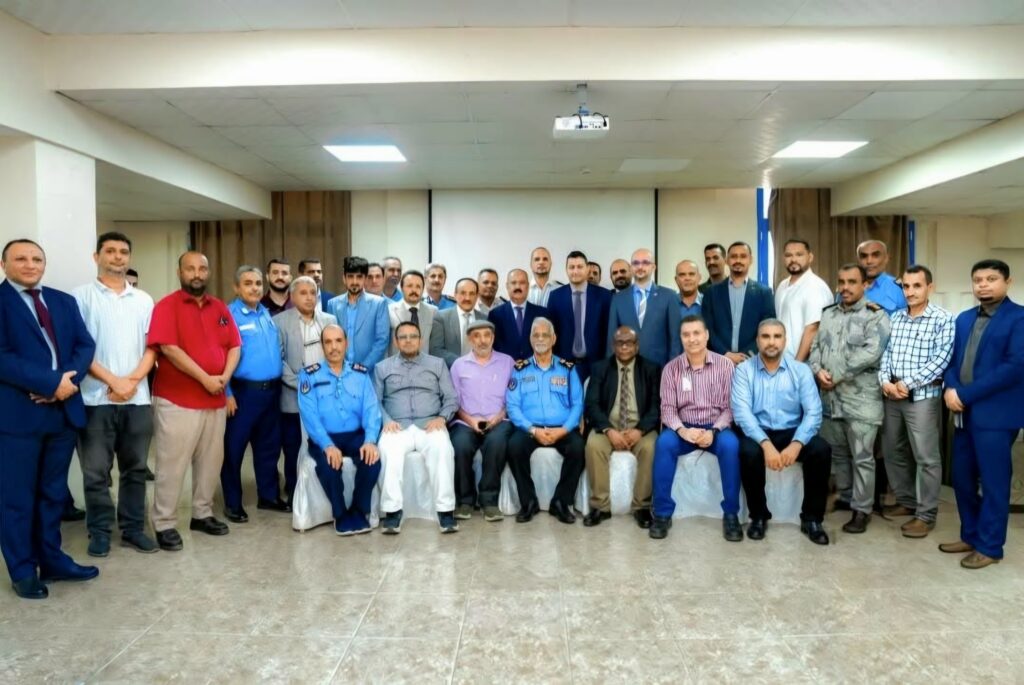
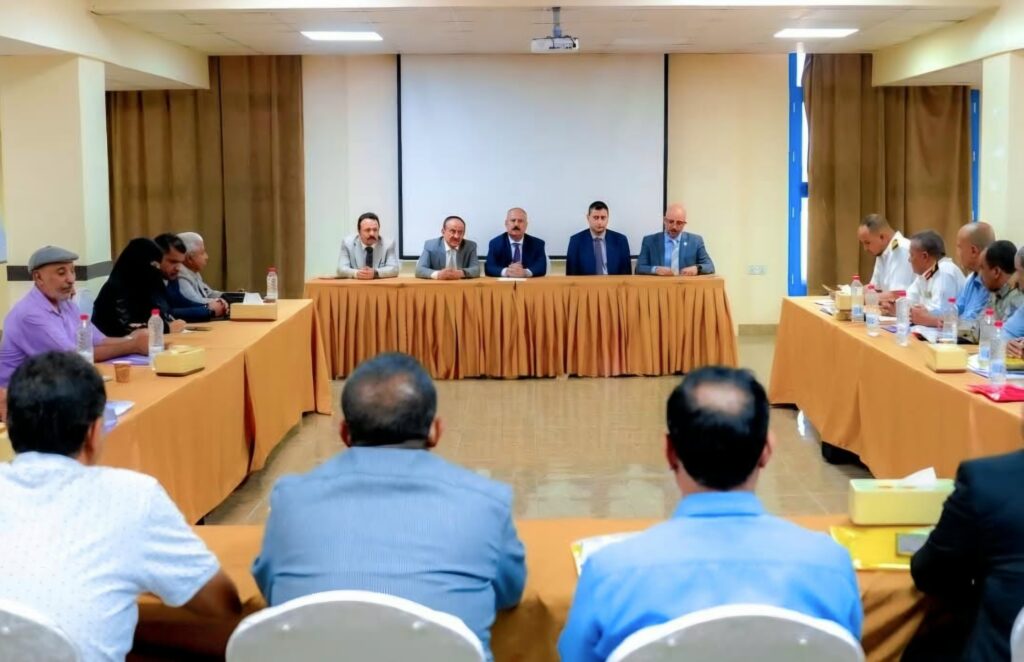
    Shipping Arabia, October 16, 2026 – Yemen port security training and emergency preparedness efforts received renewed attention as a five-day maritime security workshop, funded by the European Union and implemented by the International Maritime Organization (IMO), concluded in Aden. The program brought together 30 participants from maritime authorities, port corporations and security agencies to strengthen risk assessment capabilities, improve port facility security and support safe navigation across Yemen’s strategic maritime waterways.

    The workshop was organized under the Regional Programme for Maritime Security in the Red Sea Area. It brought together port facility security officers, designated authority representatives and port security committee members to improve coordination and strengthen the implementation of maritime security measures.

    Speaking at the closing ceremony, Yemen’s Minister of Transport, Mohsen Haidara Al-Omari, emphasized the importance of preparing port facilities to identify and assess security risks, establish priorities and implement appropriate preventive measures. He stressed that effective emergency response must go hand in hand with maintaining the continuity of commercial shipping and maritime operations.

    Yemen Port Security Training Focuses on Risk Assessment and Emergency Preparedness

    Al-Omari described the workshop as an important opportunity to strengthen national maritime security capabilities and improve awareness of the requirements for protecting ships and port facilities.

    He noted that current regional conditions and security challenges affecting maritime routes have increased the responsibility of national authorities to safeguard Yemen’s ports, vessels and waterways. Maintaining maritime trade and preventing the use of port facilities for unlawful activities remain essential priorities.

    The minister urged participants to translate the knowledge acquired during the workshop into practical security measures at their respective ports and facilities. He emphasized that effective port security requires continuous training, professional development and regular exercises to test preparedness.

    Al-Omari also called for periodic reviews of port security and emergency response plans, alongside checks to ensure that security equipment and systems remain operational and ready for use.

    He highlighted the need to activate port security committees and strengthen cooperation among relevant government agencies. According to the minister, these committees play an important role in coordinating security efforts, defining institutional responsibilities and improving cooperation between stakeholders.

    Thirty Participants Receive Specialized Maritime Security Training

    The five-day workshop involved 30 representatives from Yemen’s Maritime Affairs Authority and the Gulf of Aden, Red Sea and Arabian Sea port corporations.

    Participants also represented state security agencies, the Coast Guard, immigration authorities, Customs, naval forces, refineries and free zone security departments.

    The training covered fundamental maritime security concepts and the threats facing vessels and port facilities. Participants examined different security levels, ship and port facility security assessments, security inspections and the preparation and implementation of port facility security plans.

    Other sessions addressed security equipment and systems, emergency planning, security organization and the responsibilities of port security officers and port facility security officers.

    The workshop also examined the role and responsibilities of port security committees, including their operating procedures, organizational structures and the allocation of duties among participating authorities.

    Additional attention was given to port-level risk management, identifying security priorities and establishing effective coordination mechanisms between agencies responsible for maritime and port security.

    The training aimed to equip participants with practical knowledge to improve security planning, strengthen institutional coordination and support the implementation of appropriate preventive measures within Yemen’s ports.

    IMO and European Union Reaffirm Maritime Security Cooperation

    Mustafa Abdulqader, the IMO representative for the Red Sea project, explained that the workshop focused on the fundamental requirements of port facility security.

    He said the program aimed to strengthen participants’ understanding of their duties and responsibilities within the port security framework.

    Abdulqader reaffirmed the IMO’s commitment to providing technical assistance and capacity-building support to Yemeni maritime personnel. These efforts aim to strengthen the country’s maritime security arrangements and improve operational preparedness across its ports.

    For his part, Al-Omari reiterated the Ministry of Transport’s support for the Maritime Affairs Authority, port organizations and other relevant national institutions in developing Yemen’s maritime security system.

    He emphasized the importance of drawing on international expertise and expanding cooperation with the IMO, the European Union and other international partners.

    The minister also called for the workshop’s outcomes to serve as a foundation for further improvements tailored to the operational requirements and security conditions of Yemeni ports.

    Strengthening Maritime Security in the Red Sea, Gulf of Aden and Bab el-Mandeb

    Al-Omari highlighted the importance of strengthening maritime security cooperation in light of the challenges affecting the region’s shipping routes.

    He emphasized that improved port security, stronger institutional coordination and better-trained personnel contribute to protecting ports, vessels and seafarers while supporting safe navigation.

    The minister specifically highlighted the importance of maritime security across the Red Sea, Gulf of Aden and Bab el-Mandeb, where maintaining the safety and continuity of shipping operations remains a central concern.

    He thanked the IMO, the European Union, participating experts, consultants and national maritime authorities for their contributions to the workshop.

    The closing ceremony was attended by Deputy Minister of Transport for Maritime Affairs and Ports Capt. Ali Al-Subhi, Maritime Affairs Authority Chief Executive Fahim Saif and representatives of the Regional Programme for Maritime Security in the Red Sea Area.

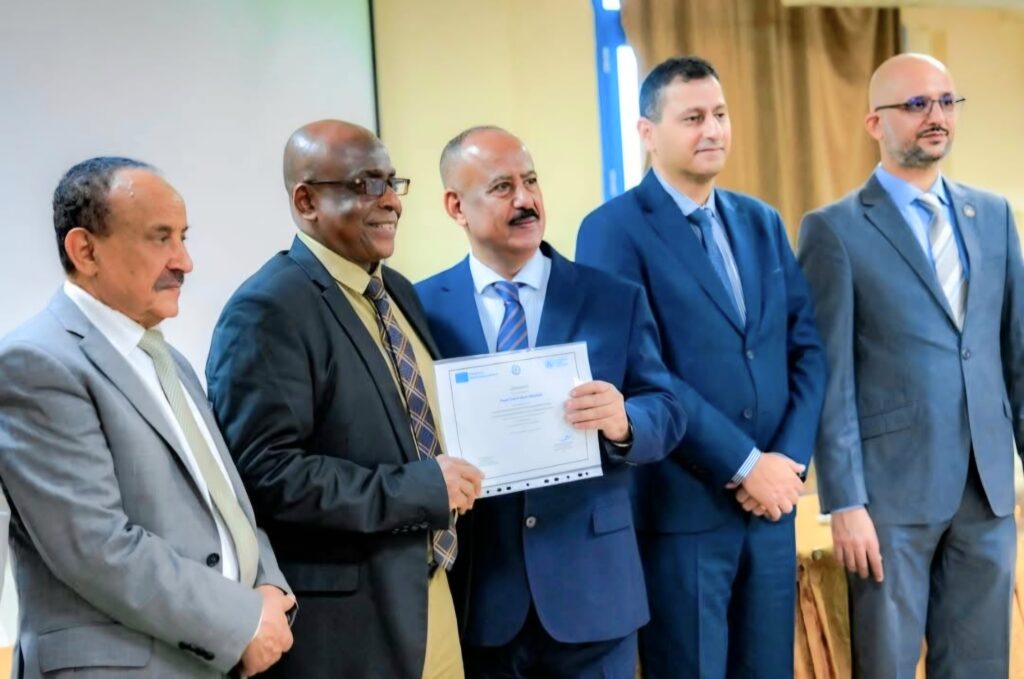
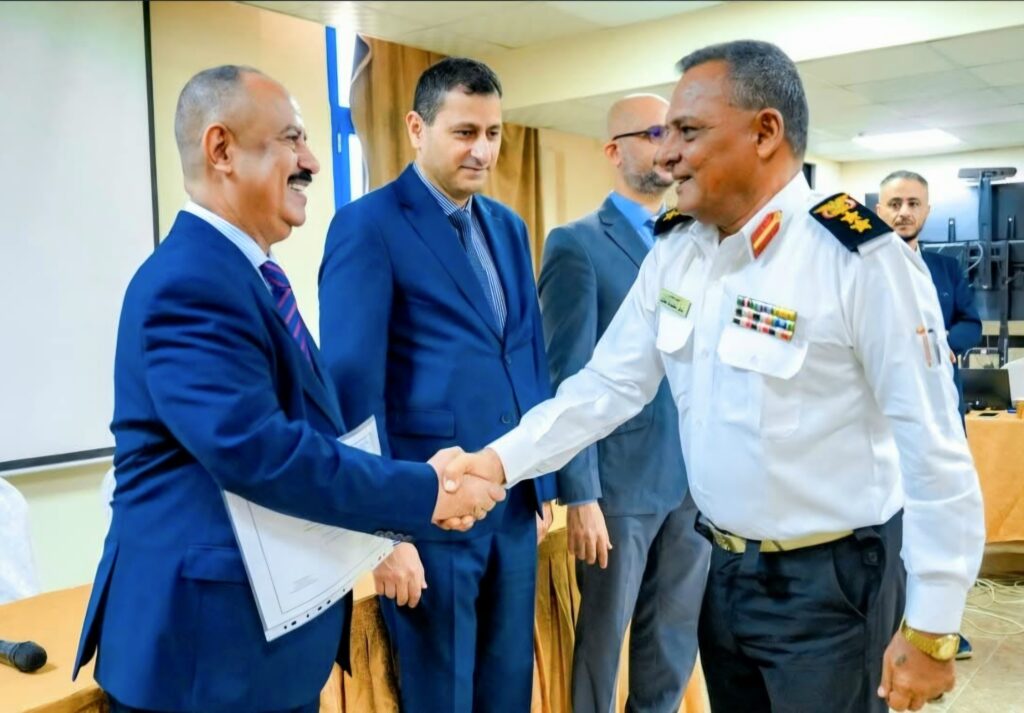
    The event concluded with the recognition of participants and the distribution of certificates.

    Source: Yemen Arabian Sea Ports Corporation

  • ISPS Code Compliance in Libya Advances as Julyana Free Zone Port Secures Certification

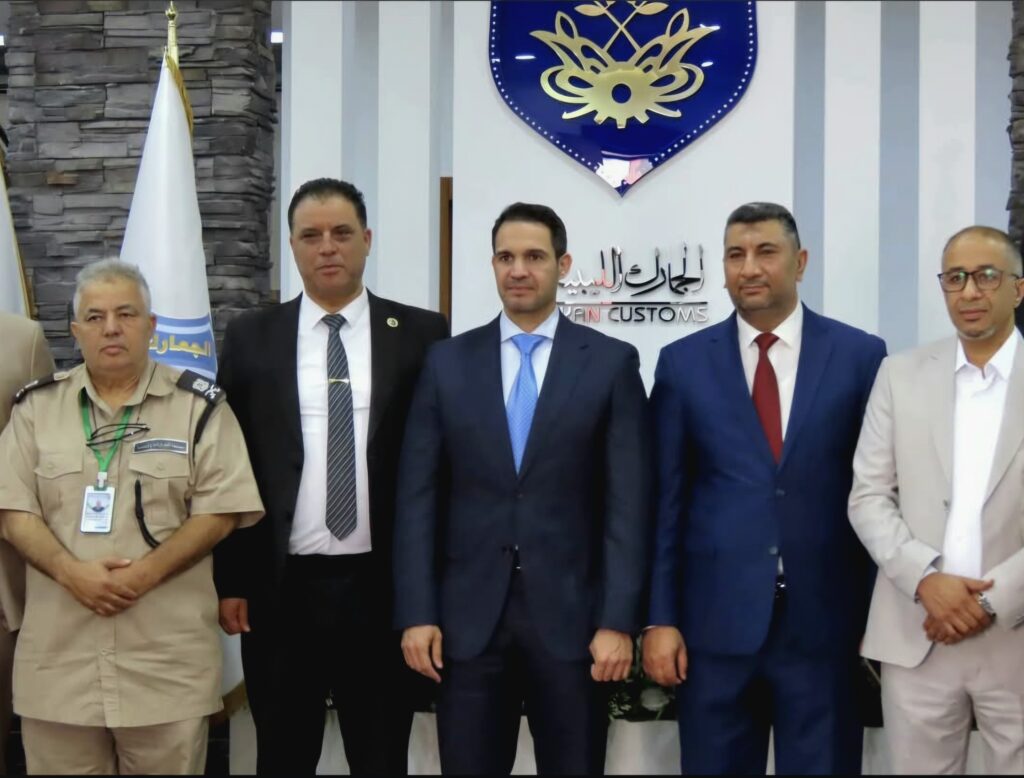
    Shipping Arabia, October 16, 2026 – ISPS Code compliance in Libya has advanced with the award of a compliance document to Julyana Free Zone Port, making it the second Libyan commercial port to receive the certification from the Ports and Maritime Transport Authority. The development follows the earlier certification of Misrata Free Zone Port and forms part of ongoing efforts to strengthen maritime security across Libya’s port sector.

    The authority formally handed over the compliance document on October 7, following the completion and verification of the port’s security plans and procedures. The assessment confirmed that the implemented measures met the applicable requirements of the International Ship and Port Facility Security (ISPS) Code.

    The certification followed intensive training programs and capacity-building initiatives for personnel working at Julyana Free Zone Port. These efforts focused on strengthening their ability to implement approved security procedures and address requirements related to port security, vessel protection and port facility safety.

    Julyana Port Strengthens Maritime Security and Operational Readiness

    During the handover ceremony, Mohammed Salem Al-Siouy, Chairman of Libya’s Ports and Maritime Transport Authority, emphasized the importance of meeting internationally recognized maritime security standards.

    He described the port’s compliance with the ISPS Code as an important step toward improving operational efficiency and strengthening security and safety arrangements in accordance with standards established by the International Maritime Organization (IMO).

    According to Al-Siouy, stronger compliance with international maritime security requirements can help reduce risks associated with maritime transport. He also highlighted its importance in building confidence in Libyan ports and reducing costs linked to maritime risks and insurance.

    The chairman praised the management and personnel of Julyana Free Zone for their cooperation and commitment throughout the compliance process. He acknowledged their efforts in implementing the required security plans, completing training programs and meeting the necessary international standards.

    Al-Siouy also stressed the importance of continuing to develop maritime security and safety systems across Libyan ports. He called for sustained efforts to improve compliance with international requirements and strengthen the readiness of port facilities.

    ISPS Code Compliance in Libya Extends to Tripoli and Khoms

    The certification of Julyana Free Zone Port forms part of a broader program led by the Ports and Maritime Transport Authority to improve security standards across Libya’s commercial ports.

    The authority is coordinating with the Libyan Ports Company, which operates the ports of Tripoli and Khoms, to complete the necessary security requirements and obtain compliance documents in accordance with internationally recognized standards.

    These efforts focus on bringing additional commercial port facilities into compliance with the ISPS Code through the implementation of the required security measures and procedures.

    Julyana Free Zone Port is the second commercial port to receive an ISPS Code compliance document from the authority. Misrata Free Zone Port previously became the first Libyan commercial port to obtain the certification.

    Libya Targets ISPS Code Compliance at Oil Ports

    Alongside its work with commercial ports, the Ports and Maritime Transport Authority is coordinating with Libya’s National Oil Corporation (NOC) and its affiliated oil companies to improve security compliance at the country’s oil ports.

    The initiative involves preparing oil port facilities to meet the relevant international security standards and completing the security arrangements and procedures necessary to obtain ISPS Code compliance documents.

    The coordination aims to strengthen security readiness across oil port facilities and ensure their ability to meet internationally recognized requirements for ship and port facility security.

    Through these initiatives, the authority continues its efforts to improve the readiness, security and operational capabilities of Libya’s maritime gateways. Its broader objective is to strengthen confidence in Libyan ports and support the provision of safe and efficient maritime services in accordance with international standards.

    Source: Ports and Maritime Transport Authority – Libya

  • Jordan Maritime Commission Concludes IMSAS Audit Training Program

    Shipping Arabia, October 2, 2026 – The Jordan Maritime Commission has concluded an IMSAS audit training program designed to strengthen participants’ technical knowledge of International Maritime Organization audit requirements and enhance Jordan’s institutional and technical readiness for obligations under the IMO Member State Audit Scheme.

    The four-day course, titled “Preparatory Program for the IMO Member State Audit Scheme (IMSAS) and Study of Audit Principles,” ran from September 21 to 24, 2026. It focused on building participants’ capabilities and improving their understanding of maritime audit requirements and procedures in accordance with IMO standards.

    IMSAS Framework and III Code Requirements

    The training covered the framework of the IMO Member State Audit Scheme and the IMO Instruments Implementation Code, known as the III Code.

    Participants examined the IMSAS audit framework under IMO Resolution A.1211(34), as well as the implementation of the III Code under Resolution A.1070(28). The course also addressed common areas of responsibility and the obligations associated with flag State and coastal State functions.

    In addition, the program reviewed port State requirements as part of the broader responsibilities covered by the IMO audit system.

    Audit Planning, Implementation and Corrective Actions

    The IMSAS audit training program included practical preparation for the different stages of the audit process. Participants studied planning and preparation procedures, as well as the mechanisms used to conduct an IMSAS audit.

    The course also covered interview techniques, report preparation and the development of corrective action plans. Participants reviewed the principles and management systems used to organize and manage audit processes.

    These subjects were intended to strengthen technical understanding of how IMO Member State audits are prepared, conducted and followed up.

    Strengthening Jordan’s Maritime Readiness

    The Jordan Maritime Commission said the training forms part of its efforts to develop national capabilities and raise institutional and technical preparedness.

    The commission also aims to strengthen compliance with international requirements and standards related to maritime safety and security, as well as protection of the marine environment.

    By developing knowledge of IMSAS procedures and the III Code, the program supports Jordan’s preparations for requirements associated with the IMO Member State Audit Scheme.

    Source: Jordan Maritime Commission

  • Iraqi Maritime Pilot Accepted as IMO IMSAS Auditor

    Shipping Arabia, September 28, 2026 – The General Company for Ports of Iraq (GCPI) has announced that maritime pilot Capt. Saif Ghalib Radi has been accepted as an accredited IMO IMSAS auditor under the International Maritime Organization’s Member State Audit Scheme, marking a new international achievement for Iraq’s maritime sector.

    GCPI said the development reflects the growing presence of qualified Iraqi maritime professionals at the international level. The company described Radi’s acceptance into the audit scheme as an important addition to Iraq’s national maritime expertise.

    The IMO Member State Audit Scheme, known as IMSAS, provides the framework under which IMO member states are audited in relation to their implementation of applicable maritime requirements. GCPI said the acceptance of one of its personnel into the scheme also reflects efforts to strengthen cooperation and communication with international maritime organizations.

    Support for Iraqi Maritime Expertise

    According to GCPI, the achievement was supported by Iraqi Minister of Transport Wahab Al-Hassani and followed by the senior management of the General Company for Ports of Iraq as part of efforts to enable national maritime professionals and develop their specialized capabilities.

    The company also highlighted the role of Capt. Mazen Dawood Salman Al-Kaabi, maritime attaché at the Embassy of the Republic of Iraq in the United Kingdom. GCPI said his efforts helped strengthen coordination and communication with international maritime organizations and supported greater participation by Iraqi professionals in international maritime forums.

    The company said the acceptance of an Iraqi IMO IMSAS auditor demonstrates the value of developing specialized national expertise while expanding engagement with international maritime institutions.

    GCPI Links Achievement to Maritime Standards

    GCPI said the development supports its efforts to strengthen compliance with recognized maritime standards and conventions. It also reflects the company’s focus on building technical and professional capabilities among its personnel.

    The company added that investment in qualified human resources remains part of the wider efforts of the Ministry of Transport and GCPI to develop Iraq’s maritime sector.

    According to the company, strengthening the skills and international exposure of Iraqi maritime professionals can also reinforce Iraq’s presence within international maritime institutions.

    The acceptance of Capt. Saif Ghalib Radi as an IMO IMSAS auditor therefore represents both an individual professional achievement and an addition to the specialized maritime expertise available within Iraq’s port sector.

    Source: General Company for Ports of Iraq

Back to top button