Iraqi Supreme Maritime Authority

  • Iraqi Supreme Maritime Authority Reviews Maritime Sector Development and Regulatory Proposals

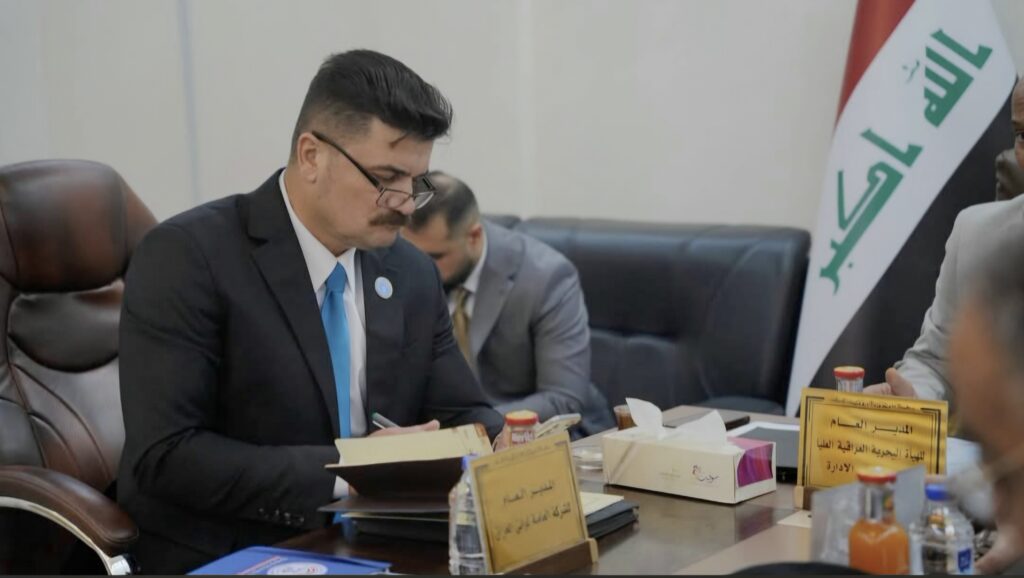
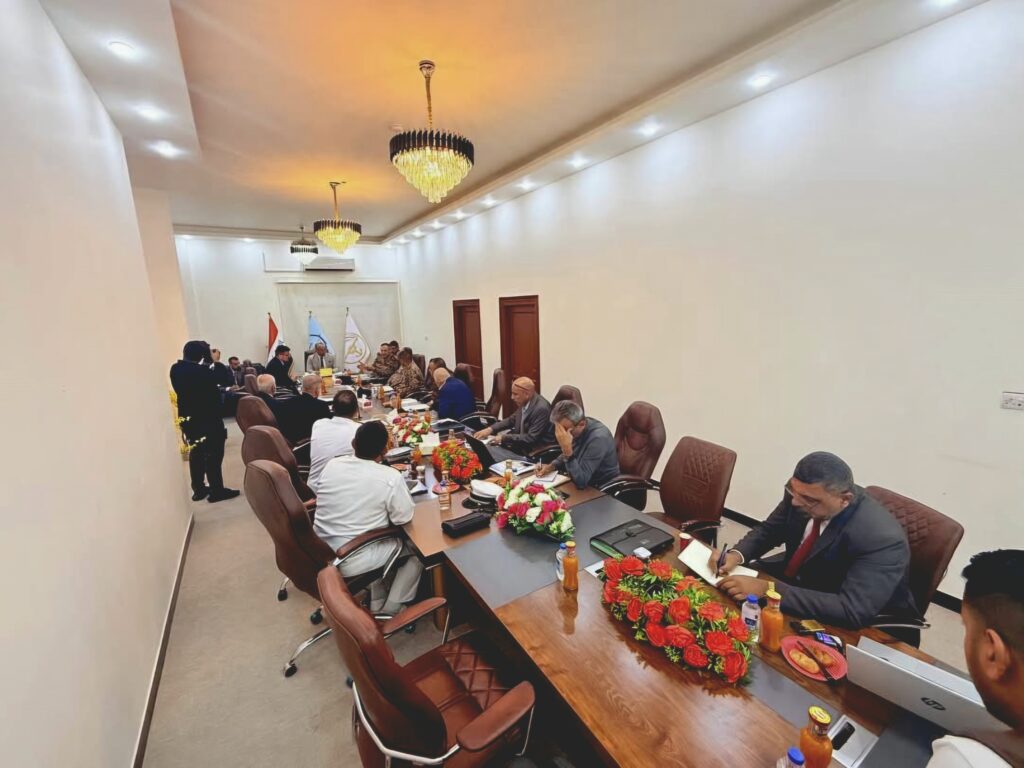
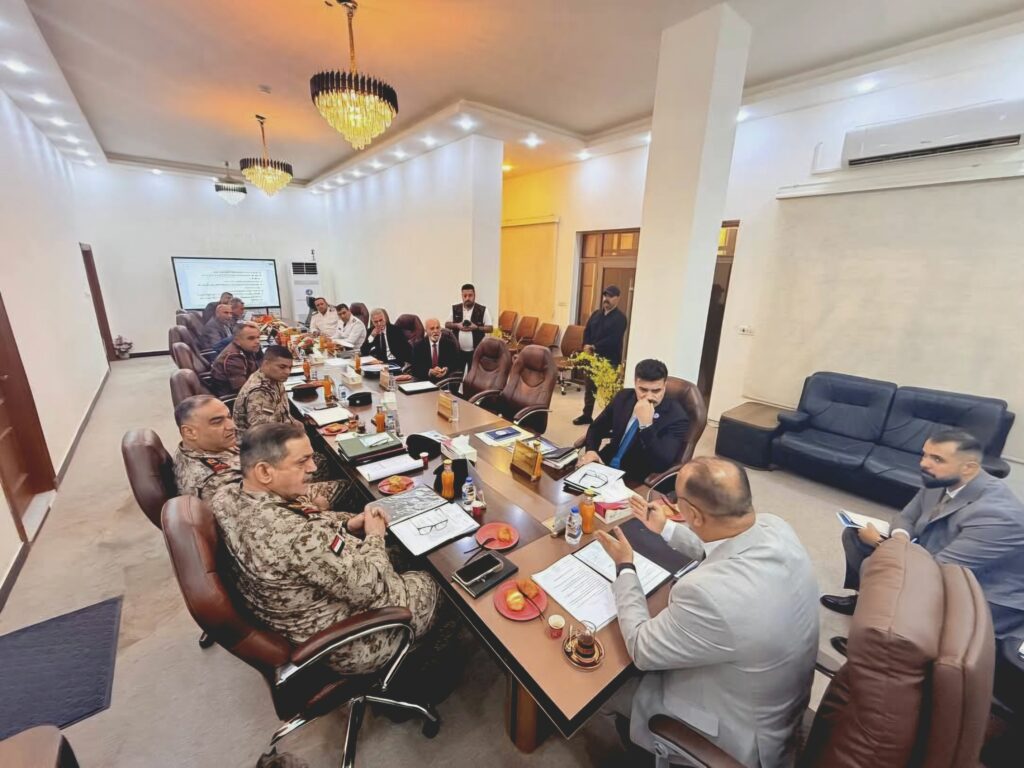
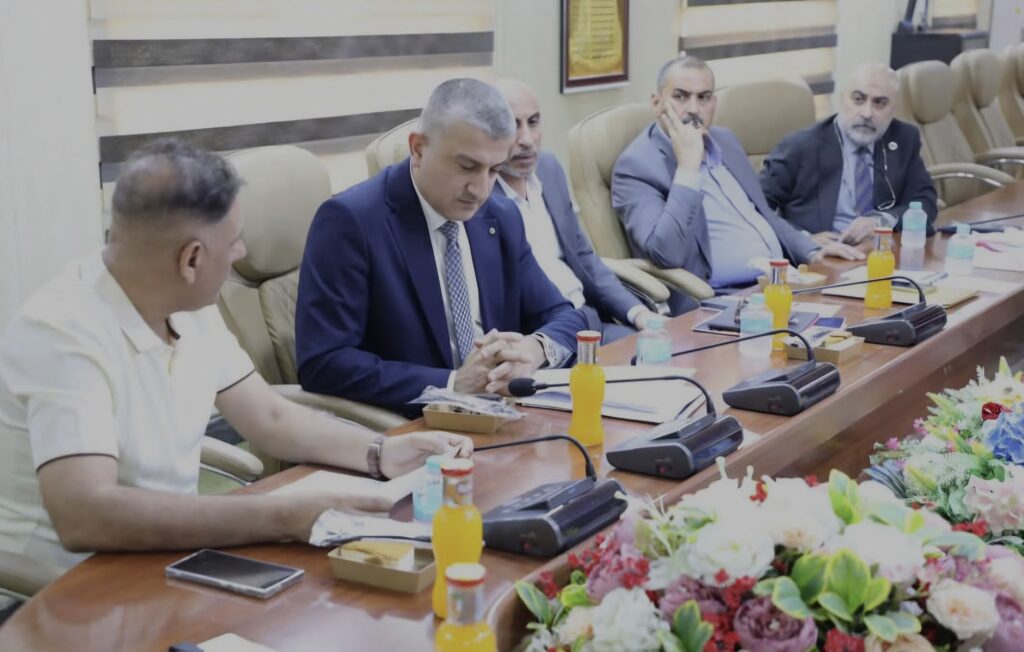
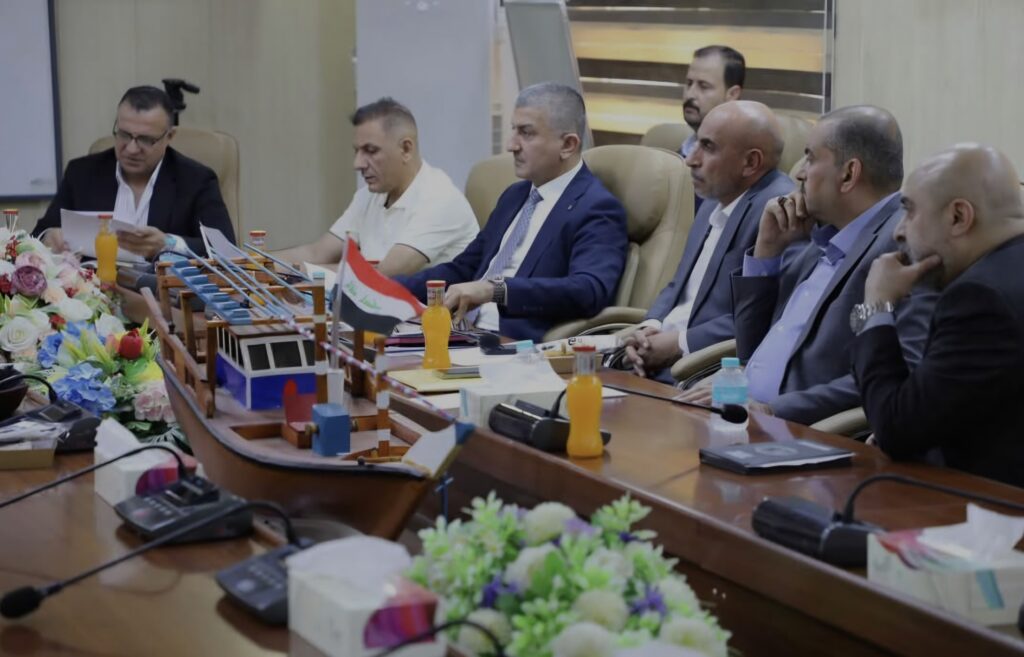
    Shipping Arabia, October 30, 2026 – The Iraqi Supreme Maritime Authority (ISMA) has reviewed regulatory proposals and measures supporting Iraqi maritime sector development during the second session of its Board of Directors. Discussions focused on strengthening institutional performance, improving coordination among maritime authorities and enhancing the efficiency of the country’s maritime administration.

    The meeting was chaired by ISMA Director General and Chief Marine Engineer Ali Abdul Latif Al-Tamimi. Board members examined laws, proposals and other agenda items related to maritime sector regulation and the development of institutional working procedures.

    The session brought together senior representatives of Iraq’s maritime and security institutions, reflecting efforts to strengthen cooperation among government entities responsible for maritime activities.

    Regulatory Proposals and Iraqi Maritime Sector Development

    The Board of Directors reviewed several regulatory matters and proposals aimed at improving the authority’s operations and supporting the development of Iraq’s maritime sector.

    Discussions covered existing working procedures, institutional performance and approaches to enhancing administrative efficiency. Members also exchanged views on proposals intended to improve the authority’s ability to carry out its responsibilities.

    Particular attention was given to developing working mechanisms that meet the current requirements of maritime activities. The discussions also addressed ways to strengthen the authority’s institutional capabilities and support its role in regulating and developing Iraq’s maritime sector.

    The meeting emphasized the importance of adopting approaches that improve operational efficiency and contribute to achieving the authority’s established objectives.

    Maritime and Security Authorities Strengthen Coordination

    The session included representatives from several key organizations involved in Iraq’s maritime sector.

    Among the participants was Sinan Abdullah Ati Abdullah, Director General of the General Company for Ports of Iraq (GCPI). The meeting was also attended by the Commander of the Iraqi Navy, the President of the Arabian Gulf Academy for Maritime Studies and representatives of the Border Guard Command.

    Their participation provided an opportunity to exchange views on regulatory and institutional matters affecting the maritime sector. Board members also discussed ways to improve coordination between the relevant authorities and strengthen cooperation across their respective areas of responsibility.

    The discussions highlighted the importance of integrating institutional efforts to support maritime sector development. Participants emphasized that continued coordination among maritime and security organizations would contribute to improving working procedures and overall institutional performance.

    The Board also underscored the need to maintain cooperation among relevant government entities to support the implementation of the authority’s objectives.

    Through these discussions, the Iraqi Supreme Maritime Authority reaffirmed its focus on improving institutional effectiveness, strengthening administrative coordination and supporting the continued organization and development of Iraq’s maritime sector.

    Source: Iraqi Supreme Maritime Authority and General Company for Ports of Iraq
  • Iraq Launches Vessel Traffic Services System to Strengthen Maritime Safety and Security

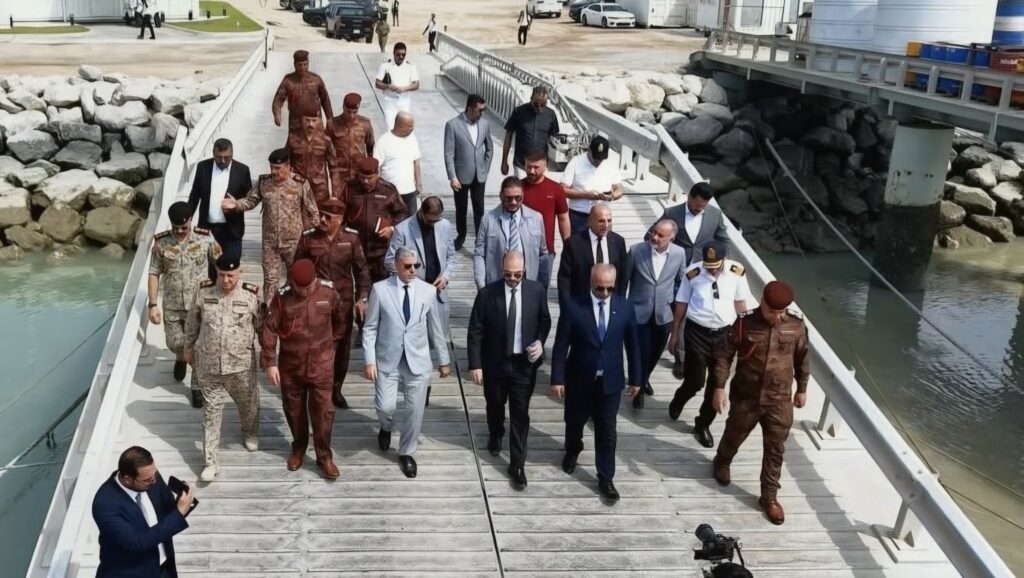
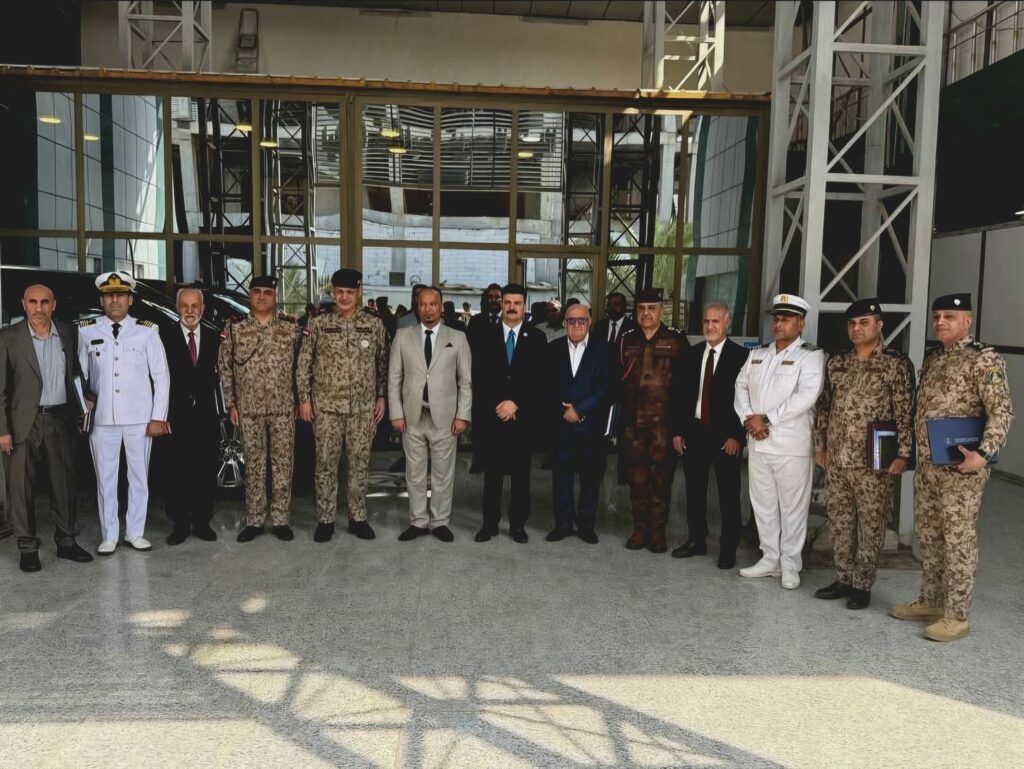
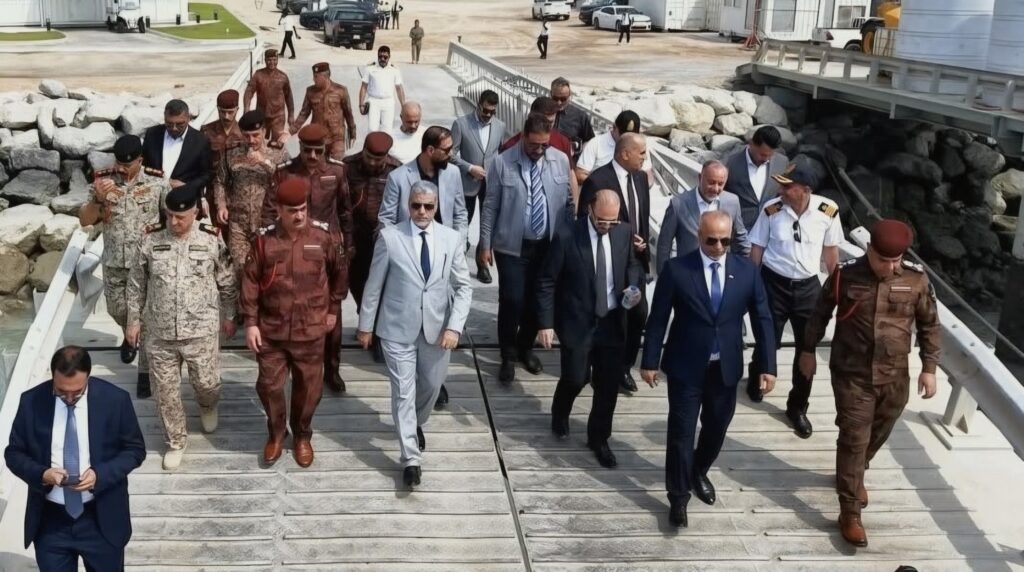
    Shipping Arabia, October 24, 2026 – The Iraqi Supreme Maritime Authority has inaugurated a new Vessel Traffic Services (VTS) system to monitor and regulate vessel movements within Iraq’s territorial waters. The project aims to strengthen maritime safety and security, improve navigational efficiency, and enhance the management of vessel arrivals and departures.

    The inauguration marks a development in Iraq’s efforts to modernize its maritime surveillance capabilities and strengthen operational oversight of shipping activities. The system will support vessel traffic management while improving coordination and information exchange across the country’s maritime sector.

    The ceremony was attended by the Deputy Director General of the General Company for Ports of Iraq (GCPI), alongside representatives of the Arabian Gulf Academy for Maritime Studies, the Iraqi Navy and the Border Guard Command.
    Iraq’s Vessel Traffic Services System to Improve Maritime Operations

    Ali Abdul Latif Al-Tamimi, Director General of the Iraqi Supreme Maritime Authority, said the project aligns with the Ministry of Transport’s directives to develop the country’s technical and operational capabilities.

    According to Al-Tamimi, the new VTS system will improve vessel monitoring and verification of ship movements, contributing to stronger maritime security and supporting commercial shipping activities.

    The system is designed to improve the organization of vessel traffic in Iraqi territorial waters while enhancing navigational safety and reducing operational risks. It will also strengthen maritime security measures aimed at preventing illegal activities and protecting critical maritime infrastructure.

    Furthermore, the project supports efforts to safeguard the marine environment by improving oversight of shipping activities and strengthening the management of vessel movements.

    The Authority expects these improvements to contribute to more efficient maritime operations and facilitate the movement of commercial vessels through Iraqi waters.

    Strategic Importance of Iraq’s Maritime Location

    Al-Tamimi emphasized Iraq’s geographical position along the Shatt al-Arab waterway and the Arabian Gulf, highlighting the strategic role of the country’s ports in connecting the national economy with international markets.

    He explained that developing maritime surveillance systems is essential to improving the management of shipping movements and maintaining appropriate safety and security standards.

    The new VTS system will also support regulatory procedures and improve information exchange among relevant maritime stakeholders. These capabilities are expected to facilitate smoother navigational and commercial traffic while strengthening the efficiency of maritime operations.

    According to the Authority, improvements in vessel traffic management and maritime oversight will also help support investment opportunities in Iraq’s maritime sector.

    Alignment With International Maritime Standards

    The Iraqi Supreme Maritime Authority highlighted the importance of adopting modern technologies and benefiting from international experience in managing vessel traffic.

    Al-Tamimi said the project forms part of efforts to keep pace with technological developments in the maritime industry while strengthening the country’s technical and operational capabilities.

    The Authority also emphasized the importance of implementing maritime monitoring and traffic management measures in accordance with applicable international laws, agreements and standards.

    These include the International Convention for the Safety of Life at Sea (SOLAS) and the 1982 United Nations Convention on the Law of the Sea (UNCLOS), each within its respective scope of application.

    Through the introduction of the VTS system, Iraq aims to improve maritime oversight, strengthen navigational safety and security, and support the efficient movement of vessels serving its ports and territorial waters.

    Source: Iraqi Ministry of Transport

  • Iraq Prepares to Launch Electronic Seafarers’ Identity System

    Shipping Arabia, October 15, 2026 – The Iraqi Supreme Maritime Authority (ISMA) is preparing to launch an electronic seafarers’ identity system (SID), introducing digital procedures for issuing, renewing and verifying identity cards for maritime personnel.

    The initiative, directed and overseen by Iraq’s Minister of Transport, Wahab Salman Al-Hasani, involves installing electronic gates for the SID system in coordination with the Directorate of Residency and Passports.

    The development aims to simplify administrative procedures for seafarers and improve the efficiency of identity documentation services in line with maritime operational requirements.

    Electronic Seafarers’ Identity System to Streamline Procedures

    The planned electronic seafarers’ identity system will enable authorities to issue and renew seafarers’ identity cards while verifying their information electronically. The initiative forms part of efforts to facilitate administrative services for maritime personnel operating in Iraq.

    ISMA Director General Ali Abdul Latif Al-Tamimi emphasized the importance of the new system in making seafarer documentation procedures more efficient and streamlined.

    According to Al-Tamimi, the electronic SID system will help simplify the processing of seafarers’ applications while supporting the requirements of maritime operations.

    Coordination with the Directorate of Residency and Passports will form part of the system’s introduction, particularly regarding the electronic verification of seafarers’ identity information.

    Iraq and India Discuss Maritime Cooperation

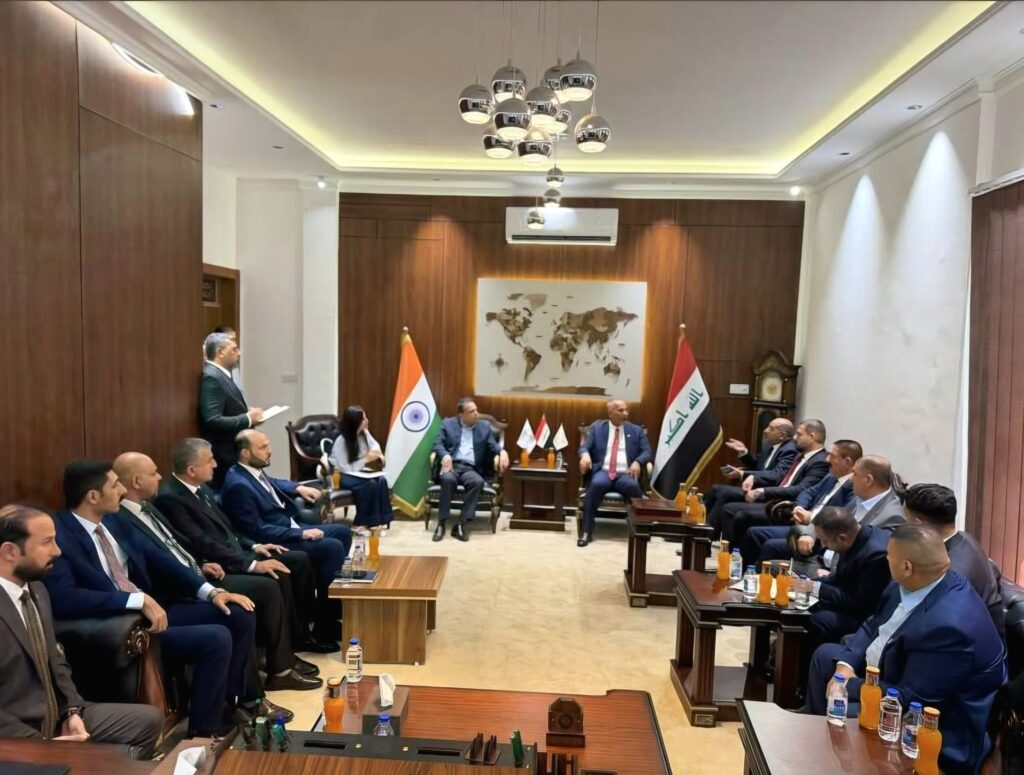
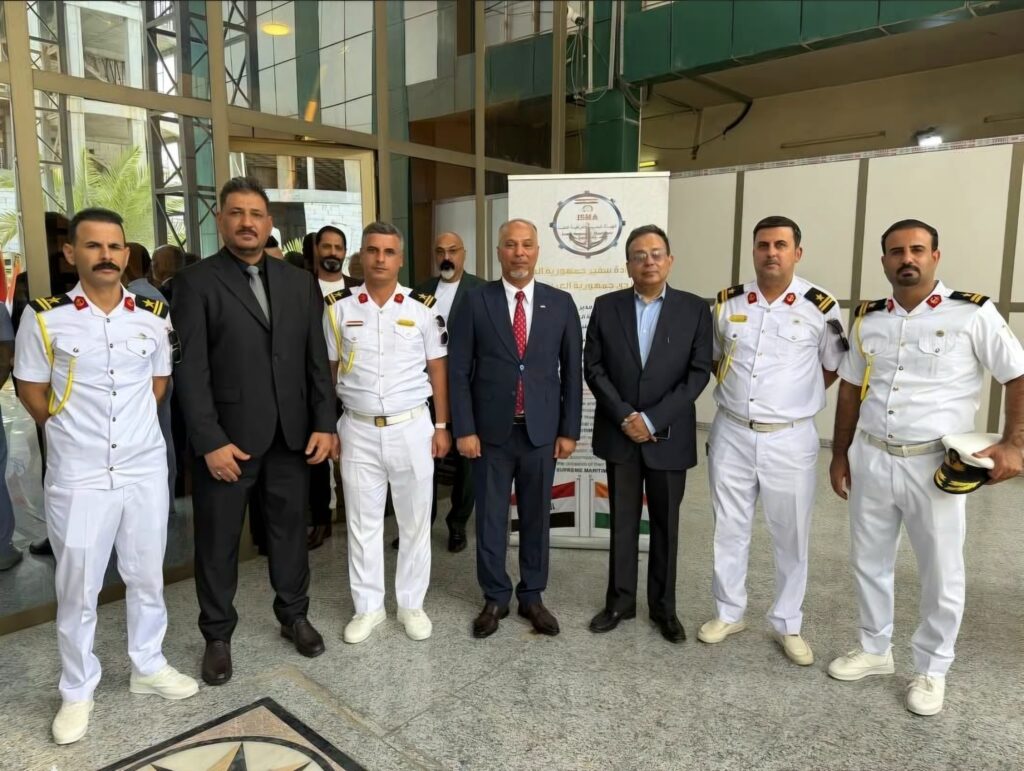
    The announcement came during a meeting between Al-Tamimi and India’s Ambassador to Iraq, Soumen Bagchi, who visited the authority accompanied by an official delegation.

    Representatives of Iraq’s State Oil Marketing Organization (SOMO) also attended the discussions, which focused on strengthening maritime cooperation between Iraq and India.

    The meeting addressed several areas of mutual interest, particularly the development and training of maritime personnel. Both sides also discussed facilitating administrative procedures for foreign seafarers arriving in Iraq, with particular attention to Indian crew members.

    These discussions accompanied Iraq’s preparations to modernize its seafarer identification procedures through the electronic SID system.

    Indian Ambassador Praises Assistance to Seafarers

    During the meeting, Ambassador Bagchi expressed his appreciation for the Iraqi Supreme Maritime Authority’s support for an Indian crew whose vessel had been involved in an incident.

    The ambassador praised the authority’s efforts to rescue the crew members and manage the incident, acknowledging the assistance provided to the affected Indian seafarers.

    The discussions highlighted maritime personnel development, administrative facilitation and cooperation in assisting seafarers as key areas of engagement between the two countries.

    Meanwhile, the planned electronic seafarers’ identity system is expected to improve the handling of seafarer documentation and support more efficient administrative services for maritime personnel in Iraq.

    Source: Iraqi Ministry of Transport

  • Iraq Maritime Authorities Review Complaints Involving Shipowners and Agents

    Shipping Arabia, September 28, 2026 – Iraq’s State Company for Maritime Transport participated in a joint meeting with maritime, port and border authorities to review complaints concerning procedures taken against shipowners and their agents.

    The meeting brought together the State Company for Maritime Transport, the Iraqi Supreme Maritime Authority, the Fourth Region Border Command/Coastal Border Force and the General Company for Ports of Iraq.

    The discussions were held under the direction of Minister of Transport Wahab Salman Al-Hassani and the supervision of State Company for Maritime Transport Director General Ahmed Jassim Al-Asadi. Assistant Director General for Technical Affairs Amir Fadhil Abdullah also attended the meeting.

    Authorities Discuss Procedures Related to Complaints

    Participants reviewed the measures taken in connection with the complaints submitted concerning shipowners and their agents.

    The discussions focused on addressing the issues raised, organizing procedures and strengthening coordination between the authorities involved. The meeting brought together maritime, port and security bodies concerned with the matters under review.

    Maritime and Security Coordination

    Participants emphasized the importance of maintaining cooperation and coordination between Iraq’s maritime and security institutions.

    They said continued coordination would help facilitate procedures and protect the interests of the parties concerned, while ensuring that actions remain in accordance with applicable laws and regulations.

    Source: State Company for Maritime Transport

Back to top button