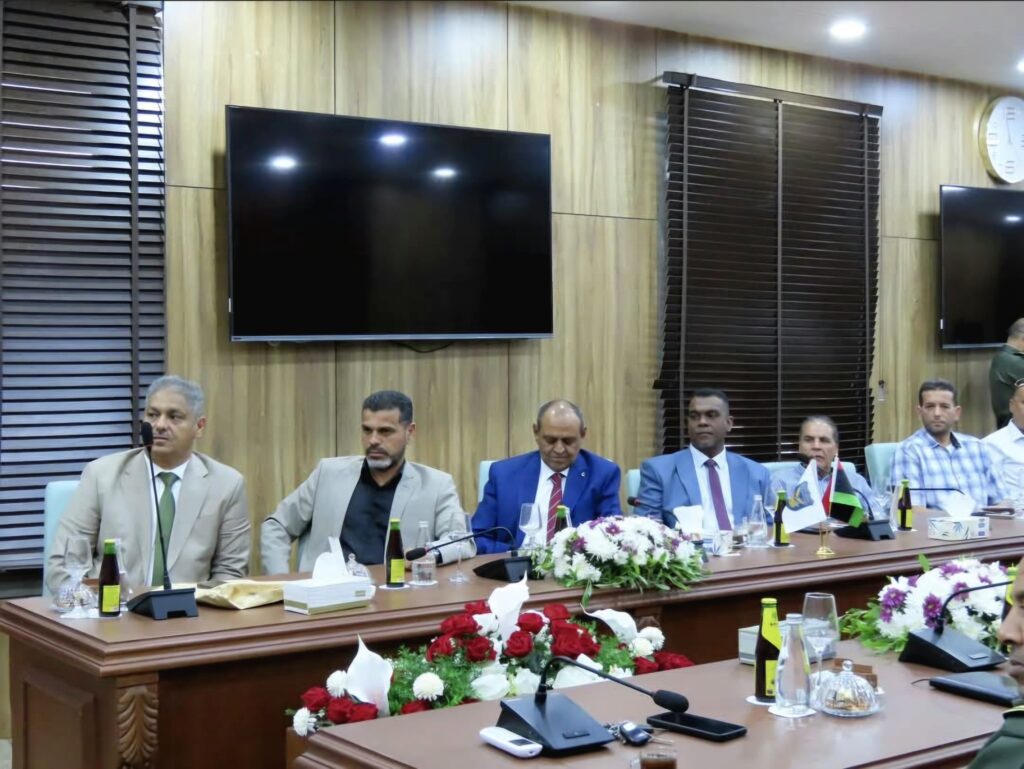
Shipping Arabia, October 16, 2026 – ISPS Code compliance in Libya has advanced with the award of a compliance document to Julyana Free Zone Port, making it the second Libyan commercial port to receive the certification from the Ports and Maritime Transport Authority. The development follows the earlier certification of Misrata Free Zone Port and forms part of ongoing efforts to strengthen maritime security across Libya’s port sector.
The authority formally handed over the compliance document on October 7, following the completion and verification of the port’s security plans and procedures. The assessment confirmed that the implemented measures met the applicable requirements of the International Ship and Port Facility Security (ISPS) Code.
The certification followed intensive training programs and capacity-building initiatives for personnel working at Julyana Free Zone Port. These efforts focused on strengthening their ability to implement approved security procedures and address requirements related to port security, vessel protection and port facility safety.
Julyana Port Strengthens Maritime Security and Operational Readiness
During the handover ceremony, Mohammed Salem Al-Siouy, Chairman of Libya’s Ports and Maritime Transport Authority, emphasized the importance of meeting internationally recognized maritime security standards.
He described the port’s compliance with the ISPS Code as an important step toward improving operational efficiency and strengthening security and safety arrangements in accordance with standards established by the International Maritime Organization (IMO).
According to Al-Siouy, stronger compliance with international maritime security requirements can help reduce risks associated with maritime transport. He also highlighted its importance in building confidence in Libyan ports and reducing costs linked to maritime risks and insurance.
The chairman praised the management and personnel of Julyana Free Zone for their cooperation and commitment throughout the compliance process. He acknowledged their efforts in implementing the required security plans, completing training programs and meeting the necessary international standards.
Al-Siouy also stressed the importance of continuing to develop maritime security and safety systems across Libyan ports. He called for sustained efforts to improve compliance with international requirements and strengthen the readiness of port facilities.
ISPS Code Compliance in Libya Extends to Tripoli and Khoms
The certification of Julyana Free Zone Port forms part of a broader program led by the Ports and Maritime Transport Authority to improve security standards across Libya’s commercial ports.
The authority is coordinating with the Libyan Ports Company, which operates the ports of Tripoli and Khoms, to complete the necessary security requirements and obtain compliance documents in accordance with internationally recognized standards.
These efforts focus on bringing additional commercial port facilities into compliance with the ISPS Code through the implementation of the required security measures and procedures.
Julyana Free Zone Port is the second commercial port to receive an ISPS Code compliance document from the authority. Misrata Free Zone Port previously became the first Libyan commercial port to obtain the certification.
Libya Targets ISPS Code Compliance at Oil Ports
Alongside its work with commercial ports, the Ports and Maritime Transport Authority is coordinating with Libya’s National Oil Corporation (NOC) and its affiliated oil companies to improve security compliance at the country’s oil ports.
The initiative involves preparing oil port facilities to meet the relevant international security standards and completing the security arrangements and procedures necessary to obtain ISPS Code compliance documents.
The coordination aims to strengthen security readiness across oil port facilities and ensure their ability to meet internationally recognized requirements for ship and port facility security.
Through these initiatives, the authority continues its efforts to improve the readiness, security and operational capabilities of Libya’s maritime gateways. Its broader objective is to strengthen confidence in Libyan ports and support the provision of safe and efficient maritime services in accordance with international standards.
Source: Ports and Maritime Transport Authority – Libya