Logistics Corridors

  • Saudi Ports Container Throughput Rises 14% as Gulf Cargo Shifts to Red Sea Routes

    Shipping Arabia, November 13, 2026 – Saudi ports container throughput increased 14% year over year in October 2026, reaching approximately 866,000 TEUs as shipping companies increasingly use the Kingdom’s Red Sea ports to serve Gulf markets. The growth comes amid disruptions to navigation through the Strait of Hormuz, prompting major container carriers to adopt alternative shipping and logistics routes across the region.

    According to data published by the Saudi Ports Authority (Mawani), inbound container volumes increased by 8.53%, while outbound container volumes rose by 4.83%. Meanwhile, transshipment activity reached approximately 186,000 TEUs during October.

    The figures highlight growing activity across Saudi Arabia’s port network as international shipping companies adjust their transportation arrangements in response to regional maritime disruptions.

    Shipping Lines Redirect Gulf Cargo Through Saudi Arabia

    Restrictions affecting navigation through the Strait of Hormuz have prompted international shipping companies to explore alternative routes for transporting cargo to Gulf markets.

    MSC, the world’s largest container shipping company, introduced a new logistics route in May 2026 connecting Europe with Gulf destinations through Saudi Arabia’s Red Sea ports.

    Under the arrangement, cargo arrives at Jeddah Islamic Port and King Abdullah Port before continuing overland by truck to Dammam on the Kingdom’s eastern coast. From there, shipments are transported by sea to destinations in the United Arab Emirates, Bahrain, Kuwait and Iraq.

    The route provides an alternative transportation arrangement for cargo moving between Europe and Gulf markets while avoiding direct maritime passage through the Strait of Hormuz.

    Other major carriers have also adjusted their logistics arrangements. Maersk and Hapag-Lloyd have adopted alternative transportation solutions through Saudi Arabia and Oman to maintain access to regional markets.

    These developments reflect the growing role of Saudi Arabia’s Red Sea ports in supporting cargo movements traditionally associated with Gulf shipping routes.

    Saudi Arabia Expands Red Sea Port Capacity and Maritime Connectivity

    Saudi Arabia has introduced its Logistics Corridors Program to accommodate cargo redirected from eastern and Gulf ports to facilities along the Red Sea.

    The Kingdom’s Red Sea ports have a combined annual container handling capacity exceeding 18 million TEUs, providing infrastructure to support alternative regional trade routes.

    Alongside the logistics corridor initiative, Saudi Arabia has expanded maritime connectivity along its western coast.

    Mawani has introduced more than 27 additional shipping services, providing extra monthly container handling capacity exceeding 200,000 TEUs.

    The expanded network aims to facilitate the movement of cargo through Saudi ports and maintain trade flows to regional markets amid disruptions affecting established maritime routes.

    By combining maritime connections through Red Sea ports with overland transportation to eastern Saudi Arabia, the Kingdom is developing alternative logistics arrangements for cargo destined for Gulf countries.

    Jeddah Islamic Port Receives SAR 641 Million Infrastructure Investment

    Mawani has also invested approximately SAR 641 million in upgrading Jeddah Islamic Port over a three-month period.

    The investments include expanding container terminals and introducing additional cargo-handling equipment to strengthen the port’s operational capacity.

    These improvements form part of wider efforts to accommodate growing demand for port services and support the movement of redirected cargo.

    In parallel, Saudi Arabia has established a truck staging facility in Jeddah capable of accommodating 40,000 trucks daily.

    The facility supports the management of road transport movements associated with cargo entering and leaving the port area.

    Furthermore, agreements have been signed to develop logistics centers with investments exceeding SAR 1 billion.

    These projects aim to strengthen the Kingdom’s logistics infrastructure and increase its capacity to handle transportation, storage and distribution requirements.

    The combined investments in container terminals, cargo-handling equipment, truck facilities and logistics centers reflect Saudi Arabia’s efforts to improve its infrastructure in response to changes in regional shipping patterns.

    Saudi Arabia and UAE Expected to Increase Transport Infrastructure Investment in 2027

    Regional geopolitical risks are also influencing longer-term investment priorities across the Gulf.

    Ihsan Khoman, an economist at the BlackRock Investment Institute, expects Saudi Arabia and the United Arab Emirates to increase their focus on port and transportation infrastructure projects during 2027.

    In earlier comments to Asharq Bloomberg, Khoman indicated that developing alternative transportation routes would become an increasingly important priority as regional countries seek to strengthen supply chain resilience.

    Such investments are intended to provide additional logistics options and reduce the vulnerability of trade flows to disruptions affecting strategic maritime passages.

    For Saudi Arabia, the development of Red Sea port infrastructure and logistics corridors forms part of its response to changing regional cargo movements.

    The 14% increase in Saudi ports container throughput during October 2026 comes as international carriers continue adjusting their services and transportation arrangements.

    Meanwhile, additional maritime services, investments in Jeddah Islamic Port and expanded logistics infrastructure are strengthening the Kingdom’s capacity to accommodate redirected cargo and support trade flows to Gulf markets.

    Source: Asharq Bloomberg

  • Saudi Ports Authority Highlights Supply Chain Resilience and Red Sea–Gulf Logistics Corridors in London

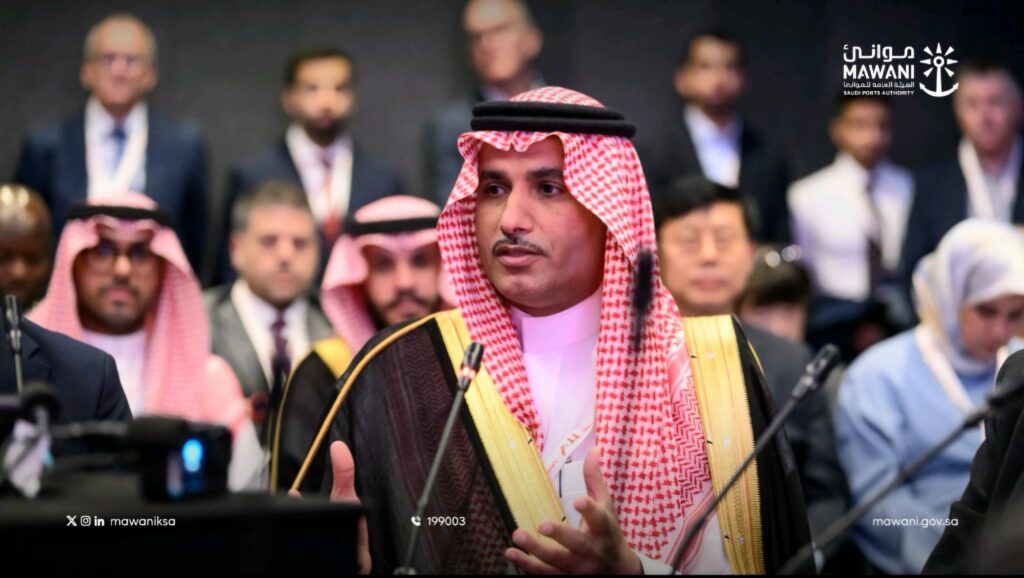
    Shipping Arabia, November 8, 2026 – Saudi Ports Authority (Mawani) has highlighted Saudi ports’ supply chain resilience and logistics capabilities during the World Ports Conference 2026 in London. The authority outlined Saudi Arabia’s investments in maritime infrastructure, regional logistics corridors, and operational flexibility, including the redirection of approximately 60% of fertilizer shipments destined for India through Yanbu Industrial Port in less than a month.

    Mawani President Eng. Sulaiman bin Khalid Al-Mazroua participated in a roundtable discussion focused on strategies for port authorities to strengthen competitiveness and sustain growth amid global challenges. He emphasized the importance of developing port strategies, improving operational efficiency, and strengthening the maritime sector’s ability to respond to international disruptions.

    The discussions also addressed supply chain resilience, continuity of global trade, and the role of Saudi Arabia’s transport and logistics infrastructure in responding to challenges affecting international maritime operations.

    Saudi Ports Supply Chain Resilience and Regional Logistics Connectivity

    During his remarks, Al-Mazroua highlighted Saudi Arabia’s efforts to strengthen regional connectivity through the activation of logistics corridors linking the Red Sea and the Arabian Gulf.

    He explained that decades of investment in ports and industrial cities have established an integrated national infrastructure. These investments, reinforced by Saudi Vision 2030, have strengthened operational flexibility and improved the Kingdom’s capacity to respond rapidly to changing circumstances.

    The development of logistics corridors was presented as an important component of Saudi Arabia’s strategy to maintain trade connectivity and strengthen its maritime transport capabilities.

    Al-Mazroua also emphasized the importance of adapting port strategies to global developments. He highlighted the need for port authorities to improve operational efficiency and strengthen their ability to respond to market changes and international challenges.

    These priorities formed part of the roundtable discussion on maintaining competitiveness and supporting growth across the global maritime sector.

    Yanbu Industrial Port Supports Fertilizer Shipments to India

    One of the examples highlighted during the conference concerned Saudi Arabia’s contribution to global food security through its maritime logistics infrastructure.

    According to Al-Mazroua, approximately 60% of fertilizer shipments destined for India were redirected through Yanbu Industrial Port within less than one month.

    The example illustrated the Kingdom’s ability to use its port infrastructure and logistics capabilities to respond to changing trade requirements while supporting the continuity of international cargo movements.

    Al-Mazroua also highlighted the humanitarian role of Saudi ports in supporting vessels and their crews during challenging circumstances.

    Saudi ports provided essential services, medical supplies, and crew change assistance, supporting more than 2,000 seafarers. These efforts were presented as part of the Kingdom’s contribution to maintaining maritime operations and addressing the needs of seafarers.

    In his remarks, Al-Mazroua stressed that supply chain resilience represents an investment in protecting economic value and creating opportunities. He also emphasized that ensuring the safety of maritime corridors remains a shared international responsibility.

    Saudi Arabia Participates in 138th IMO Council Session

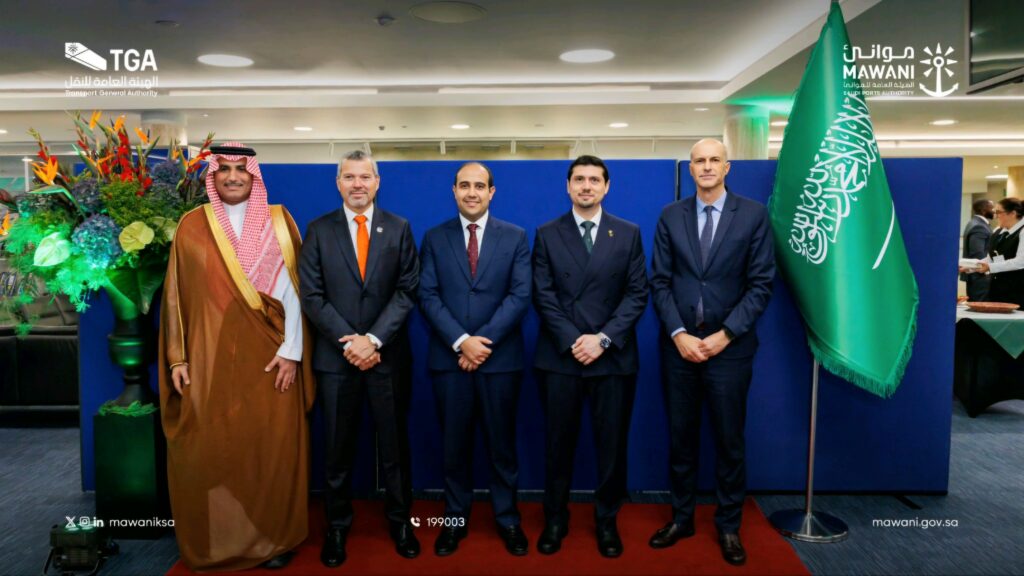
    Alongside the World Ports Conference, Saudi Arabia participated in the 138th session of the International Maritime Organization (IMO) Council in London, with its delegation led by Mawani President Sulaiman Al-Mazroua.

    The participation reaffirmed the Kingdom’s commitment to strengthening maritime navigation safety and facilitating the movement of global trade.

    On the sidelines of the IMO Council meetings, Al-Mazroua met IMO Secretary-General Arsenio Dominguez to discuss recent developments in the maritime sector and challenges facing international shipping.

    The meeting provided an opportunity to exchange views on issues affecting the global maritime industry and the continued importance of international cooperation.

    Saudi Arabia Emphasizes Maritime Infrastructure and Trade Continuity

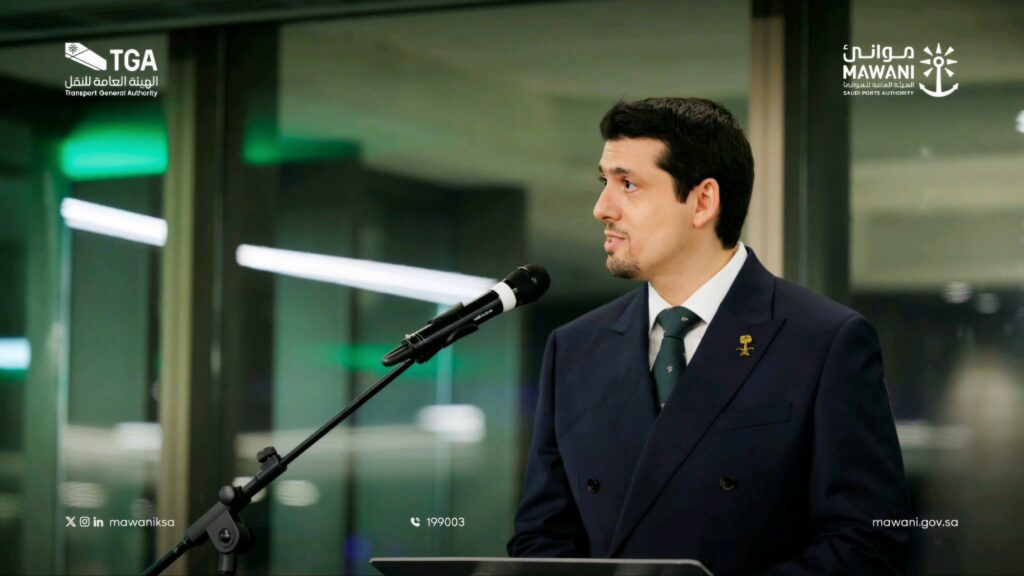
    During the IMO Council meetings, Al-Mazroua also addressed a reception hosted by Saudi Arabia for participating delegations.

    The reception was attended by the IMO Secretary-General and Mohammed bin Shafi, Deputy Head of the Saudi Mission to the United Kingdom.

    In his remarks, Al-Mazroua emphasized the resilience of Saudi Arabia’s transport system and port infrastructure, highlighting the Kingdom’s efforts to manage crises and their consequences.

    He also underlined the importance of maintaining the smooth movement of international trade and ensuring continuity across global supply chains.

    Saudi Arabia’s participation in the World Ports Conference and IMO Council meetings brought attention to several interconnected priorities, including infrastructure investment, regional logistics connectivity, maritime safety, and international cooperation.

    Through its presentation of port development strategies, logistics corridor initiatives, and operational responses to disruptions, Mawani outlined Saudi Arabia’s approach to strengthening the resilience and competitiveness of its maritime sector.

    Source: Saudi Ports Authority (Mawani)

  • Egypt Port Development Plan Targets Five New Seaports and 40 Million TEU Capacity

    Shipping Arabia, October 24, 2026 – Egypt has unveiled an extensive port development plan to establish five new seaports, increase the number of commercial ports to 19, and expand annual container handling capacity to 40 million TEU. The program also targets significant improvements to maritime infrastructure, cargo handling facilities and logistics connectivity across the country’s Mediterranean and Red Sea ports.

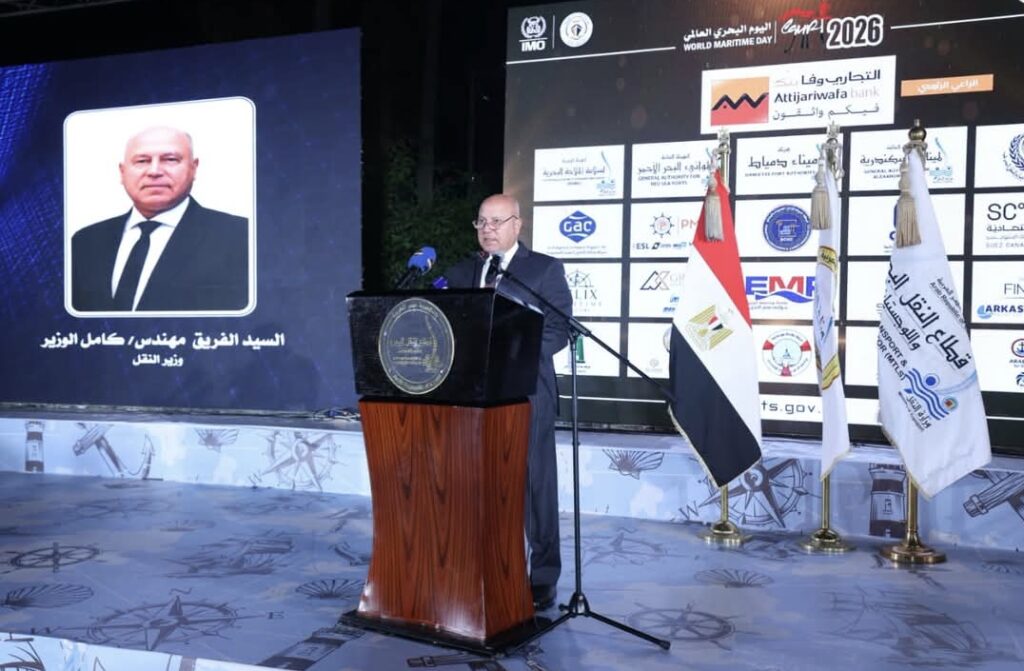
    Transport Minister Kamel El-Wazir announced the targets during the Egypt 2026 Forum, where he outlined the government’s plans to modernize maritime transport infrastructure and strengthen connections between seaports, inland logistics facilities and major production centers.

    The announcement came during a session on urban development attended by Minister of Local Development and Environment Manal Awad, Minister of Housing, Utilities and Urban Communities Randa El-Menshawy, members of parliament, industry experts, academics and students.

    The Egypt port development plan forms part of a wider transport strategy that includes upgrading existing maritime facilities, expanding the national merchant fleet and developing integrated international logistics corridors.

    Egypt Port Development Plan Targets 19 Commercial Seaports

    According to El-Wazir, Egypt intends to establish five new seaports while continuing to modernize existing facilities along the Mediterranean and Red Sea coastlines. The expansion will bring the country’s total number of commercial seaports to 19.

    The government also plans to increase the combined area of Egyptian ports to 100 million square meters, providing additional space for maritime operations and supporting infrastructure.

    A central component of the program involves constructing 70 kilometers of new quays, with water depths ranging from 18 to 25 meters. Once completed, these additions will increase the combined quay length across Egyptian ports to more than 100 kilometers.

    The development program also includes constructing 35 kilometers of breakwaters, bringing their total length to 50 kilometers. In parallel, Egypt plans to deepen navigation channels and expand its maritime tugboat fleet to 80 vessels.

    Together, these projects aim to strengthen port infrastructure, improve operational efficiency and increase the capacity of Egyptian ports to handle international shipping traffic.

    The government has set a target of 40 million TEU in annual container handling capacity, alongside 400 million tons of other cargo annually.

    These figures represent the planned handling capacity of Egypt’s port system following the implementation of the development program.

    Al Max, Gargoub, Al Arish and Taba Among Priority Port Projects

    El-Wazir confirmed that the next phase will focus on completing ongoing port construction and development projects across the country.

    He identified Al Max, Gargoub, Al Arish and Taba among the ports covered by the government’s upcoming development priorities. Other port projects will also proceed under the national maritime infrastructure program.

    The planned investments will take place alongside improvements to transportation networks serving Egyptian ports, with the objective of facilitating cargo movements between maritime gateways and inland production, storage and distribution centers.

    The minister emphasized that improving port infrastructure and its connections to domestic transportation networks is an important part of strengthening Egypt’s maritime transport capabilities.

    Egyptian Merchant Fleet Expansion Targets 40 Vessels by 2030

    Beyond the development of seaports, Egypt plans to expand its national merchant fleet to 40 vessels by 2030.

    According to El-Wazir, all 40 vessels will be wholly owned by companies affiliated with the Ministry of Transport.

    The expanded fleet is expected to provide annual cargo transportation capacity of 25 million tons, supporting the country’s requirements for strategic commodities.

    The fleet expansion forms another component of Egypt’s maritime development strategy, complementing investments in port facilities and cargo handling infrastructure.

    By strengthening both its port system and national merchant fleet, the government aims to improve maritime transportation capabilities and support the movement of essential commodities.

    Egypt Develops 33 Dry Ports and Logistics Zones

    The maritime development program is accompanied by investments in inland transportation infrastructure, dry ports and logistics facilities.

    El-Wazir reported that two land ports have been completed, bringing Egypt’s total number of land ports to nine.

    Meanwhile, the government continues implementing a plan to establish 33 dry ports and logistics zones across the country.

    The next phase will focus on completing the remaining projects within this program, strengthening integration between maritime terminals and inland transportation infrastructure.

    The development of dry ports and logistics facilities is intended to improve cargo handling and distribution while supporting more efficient movement of goods through the national transport network.

    These projects will complement the planned expansion of maritime handling capacity and support connections between Egypt’s ports and inland commercial and industrial centers.

    Eight International Logistics Corridors to Connect Ports and Production Centers

    Egypt has also planned and is implementing eight integrated international development logistics corridors designed to strengthen connections between maritime gateways and domestic economic activities.

    The corridors will link ports on the Mediterranean and Red Sea with dry ports, logistics zones, industrial areas, agricultural production centers and mining regions.

    According to El-Wazir, the network will integrate highways, conventional railways and Egypt’s high-speed electric railway system to provide more efficient freight transportation routes.

    These connections are intended to facilitate cargo movements between ports and production centers while improving access to domestic distribution networks and international markets.

    The minister also highlighted the role of the planned logistics corridors in strengthening trade connectivity with Arabian Gulf countries, the Levant, and North, East and Central Africa.

    In addition, the program aims to improve connections with European and Asian markets through the northern and southern Arab trade corridors.

    The eight logistics corridors form part of the government’s wider strategy to integrate maritime transportation with road and railway infrastructure, allowing cargo to move more efficiently between Egyptian ports and inland economic centers.

    With five additional commercial seaports planned, extensive quay construction and a target of 40 million TEU in annual container handling capacity, Egypt’s maritime development program combines port expansion with investments in merchant shipping and inland logistics.

    The next phase will focus on completing the identified port projects, expanding dry port infrastructure and advancing the international logistics corridors that connect Egypt’s maritime gateways with regional and global markets.

    Source: Al Mal

  • Iraq Reviews Port Projects as Development Road Maritime Work Advances

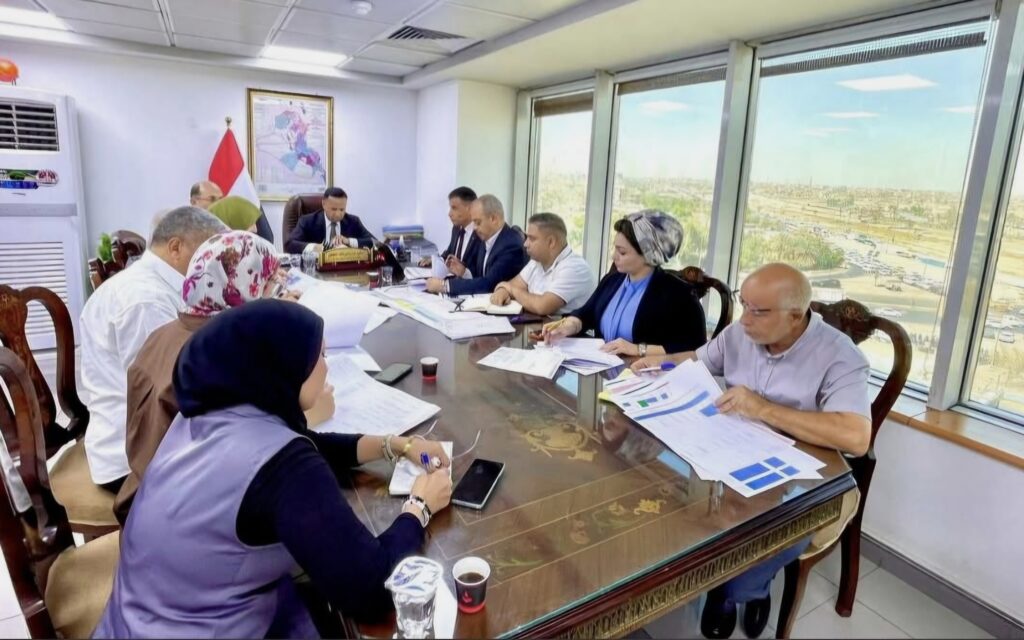
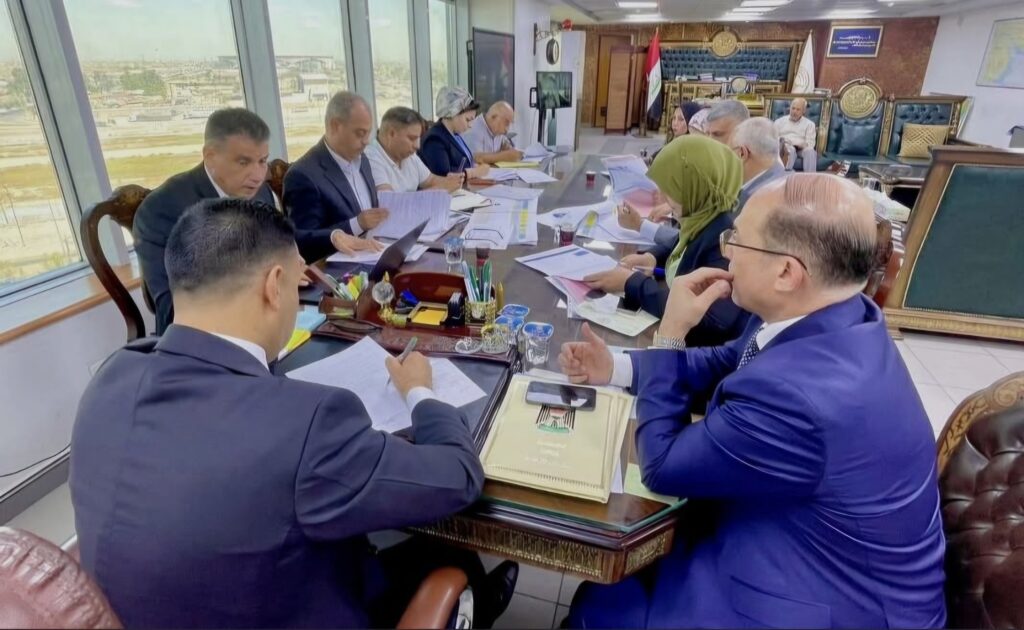
    Shipping Arabia, September 25, 2026 – Iraq’s Ministry of Transport is reviewing progress across its port development programme and measures to accelerate delayed projects as the country works to integrate its maritime infrastructure with the Development Road and strengthen its position as a regional transport and trade corridor.

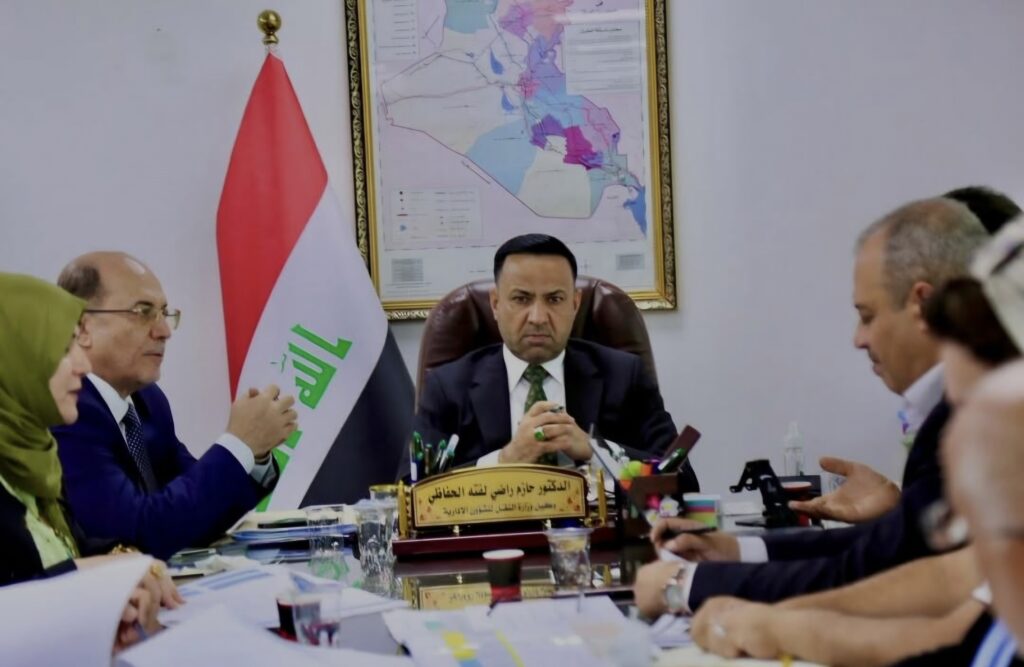
    The review was led by Dr. Hazem Radi Al-Hafadhi, Administrative Undersecretary at the Ministry of Transport, with Dr. Abbas Imran Musa, Director General of the Planning and Follow-up Department, and officials from the General Company for Ports of Iraq.

    Officials examined implementation stages and completion rates across projects included in the government programme, together with obstacles affecting individual developments and the approvals and coordination required to move construction forward.

    The meeting placed particular emphasis on projects aimed at developing Iraq’s port system and increasing its contribution to cargo movement, trade and regional transport.

    Maritime components connected with the Development Road were also reviewed, with officials discussing coordination between the ports company and other government entities to align technical and implementation requirements.

    The Development Road is intended to integrate Iraq’s maritime gateway at Grand Faw Port with new road and railway infrastructure extending north toward Türkiye and onward to European markets. Iraq and Türkiye recently completed a draft framework covering transport infrastructure development and implementation stages for the project.

    Iraq has simultaneously been expanding its international transit network, opening seven new routes during the first eight months of 2026 as part of efforts to connect its ports and land transport infrastructure within a broader multimodal logistics system.

    The ministry said closer coordination with relevant authorities will be required to resolve outstanding requirements and accelerate port projects considered central to Iraq’s future transport network.

    Source: Iraq Ports Media

  • Egyptian Ports Handle 233 Million Tonnes as Maritime Connectivity Ranking Rises to 19th Globally

    Shipping Arabia, September 24, 2026 – Egyptian ports handled 233 million tonnes of cargo and 11.1 million TEUs in 2025, as the country advances a major port and logistics expansion programme aimed at strengthening its position in regional transport, transshipment and global shipping networks.

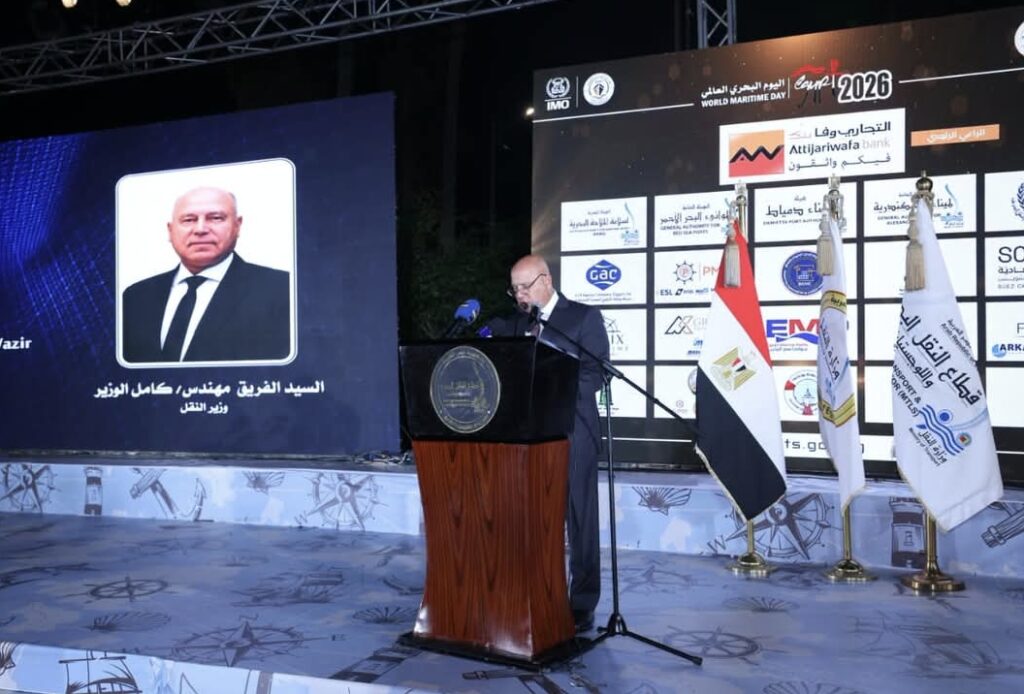
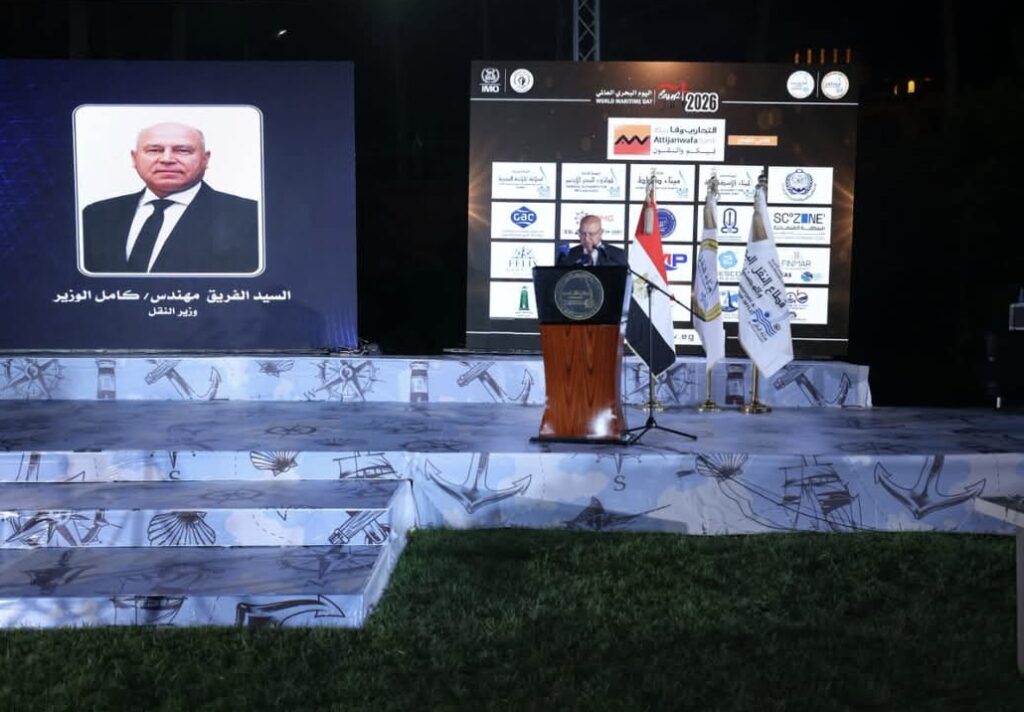
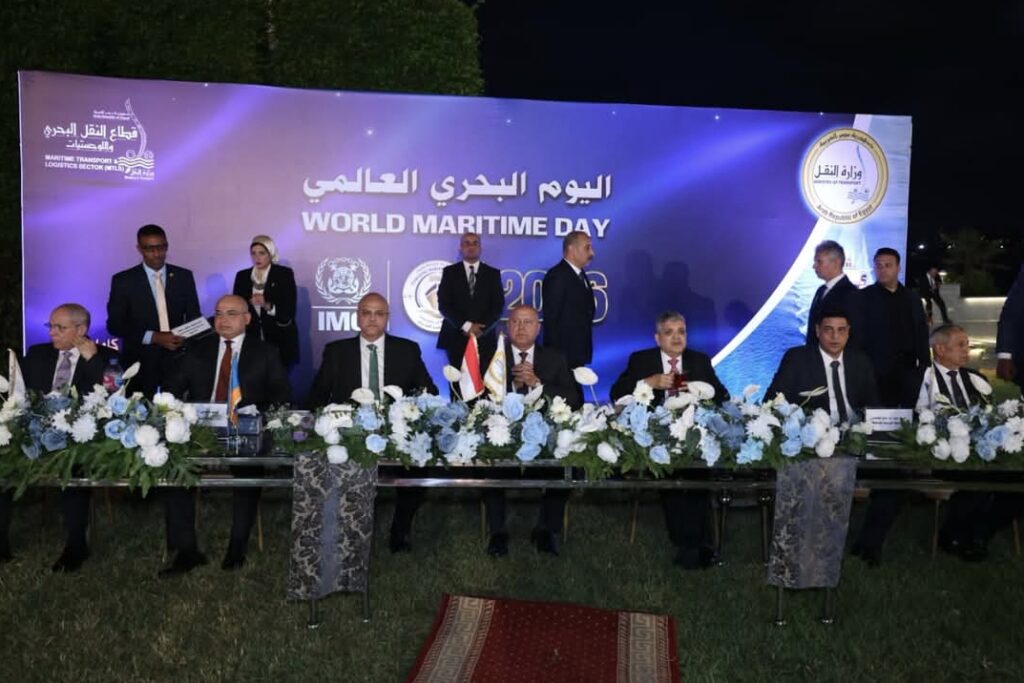
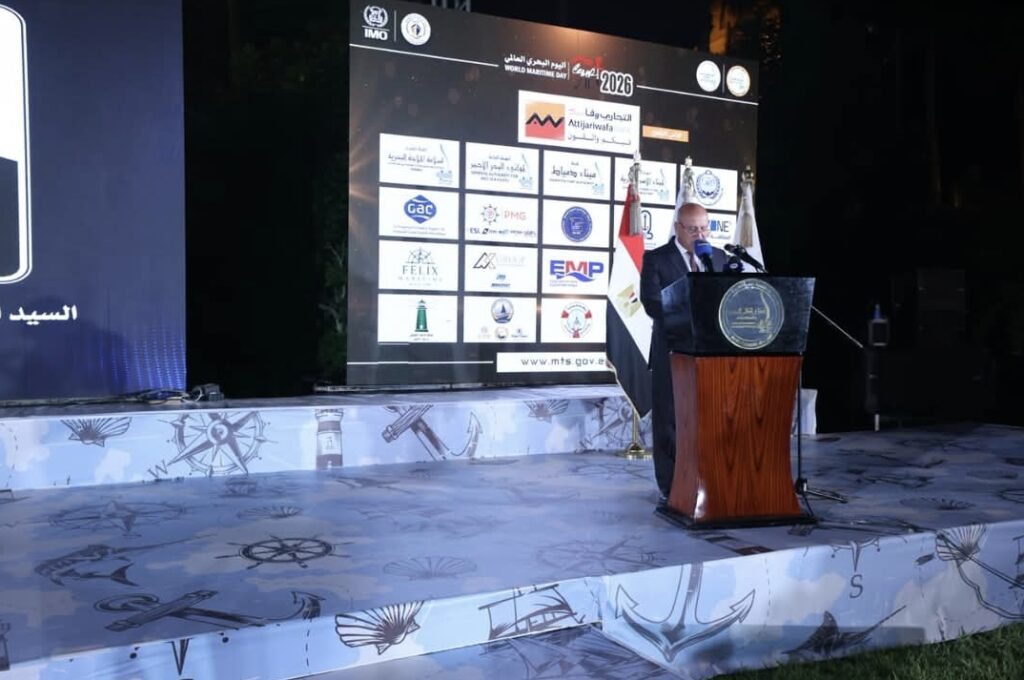
    The figures were announced by Transport Minister Kamel El-Wazir during Egypt’s World Maritime Day 2026 event in Alexandria, held under the theme “From Policy to Practice: Powering Maritime Excellence.”

    Cargo throughput increased 12% year-on-year, while container volumes rose 25%. Egypt also advanced to 19th globally in the Liner Shipping Connectivity Index (LSCI), from 23rd in 2024, ranking first in Africa and second among Arab countries. The government is targeting a position among the global top 15 by 2030.

    Egypt is developing eight integrated international logistics corridors connecting Mediterranean and Red Sea ports and the Suez Canal corridor with dry ports, industrial, agricultural and mining areas through railways, express roads and the high-speed electric rail network.

    Its maritime development programme includes expanding the commercial port network to 19 ports, increasing port areas to 100 million square meters and adding 70 kilometers of new berths with depths of 18 to 25 meters, taking total quay length beyond 100 kilometers. Plans also include expanding breakwaters and increasing the marine tug fleet to 80 units.

    New container and multipurpose terminals are being developed with international operators and shipping lines including Maersk, MSC and CMA CGM, supporting additional capacity and stronger integration into global liner networks.

    Egypt is also targeting a commercial fleet of around 40 vessels by 2030, capable of carrying 30 million tonnes annually through its state-affiliated shipping companies.

    Alongside capacity expansion, the maritime strategy includes digitalization, green ports, shore power, lower-emission marine fuels and green hydrogen projects as Egypt seeks to combine infrastructure growth with environmental and operational efficiency.

    The World Maritime Day event brought together senior maritime and port officials, including Suez Canal Authority Chairman and Managing Director Adm. Ossama Rabiee, port executives and representatives of Egypt’s maritime community.

    Source: Ministry of Transport – Egypt

Back to top button