Logistics

  • Alexandria Port and Port of Barcelona Explore Maritime Cooperation and Joint Investment Opportunities

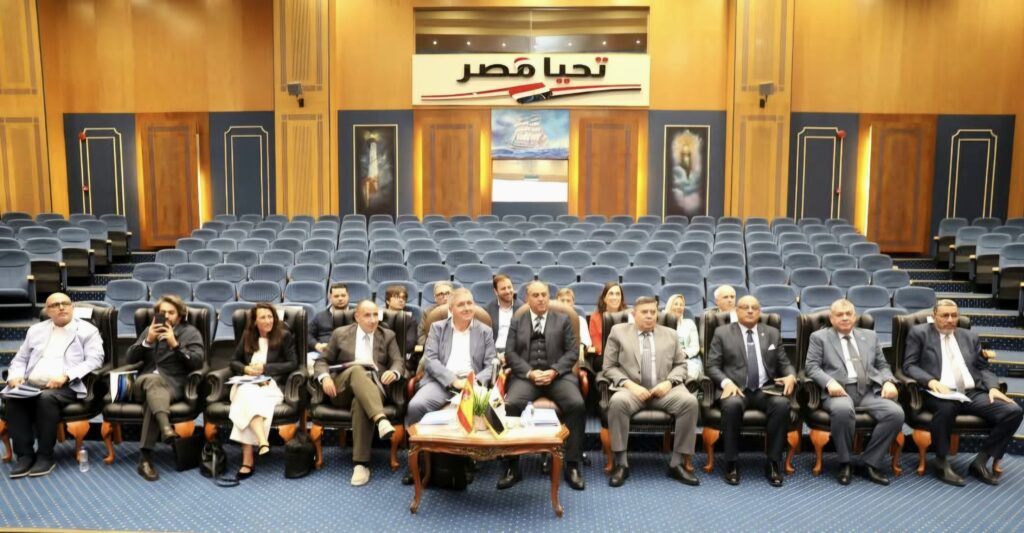
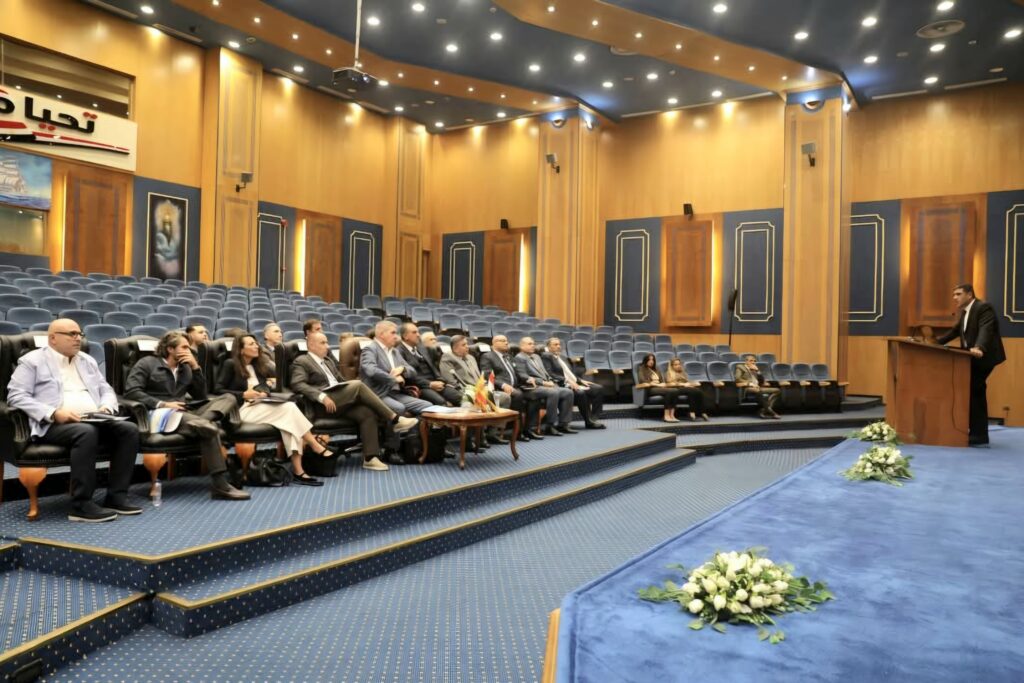
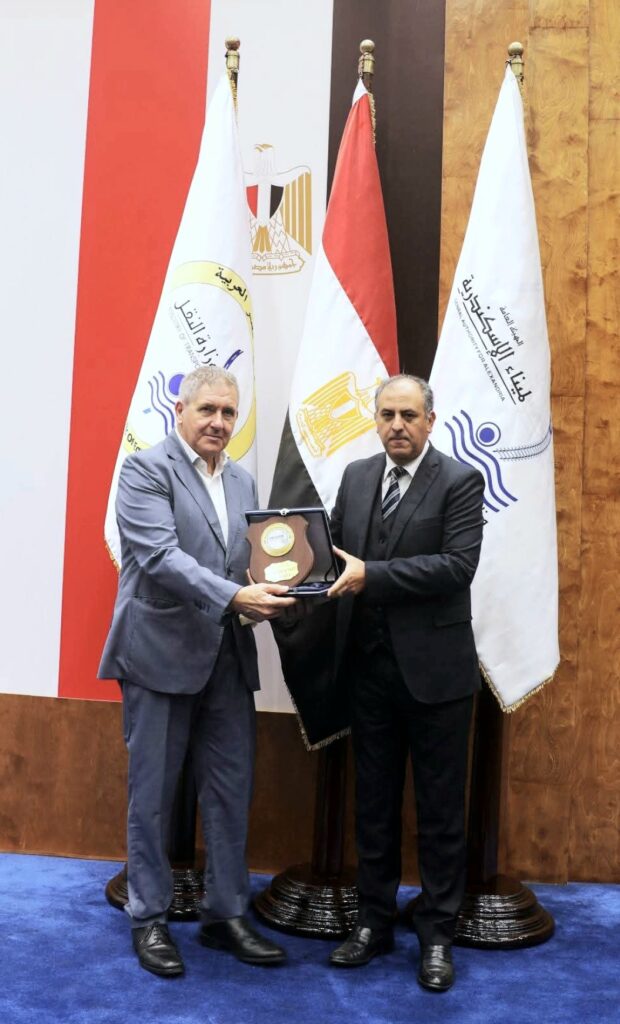
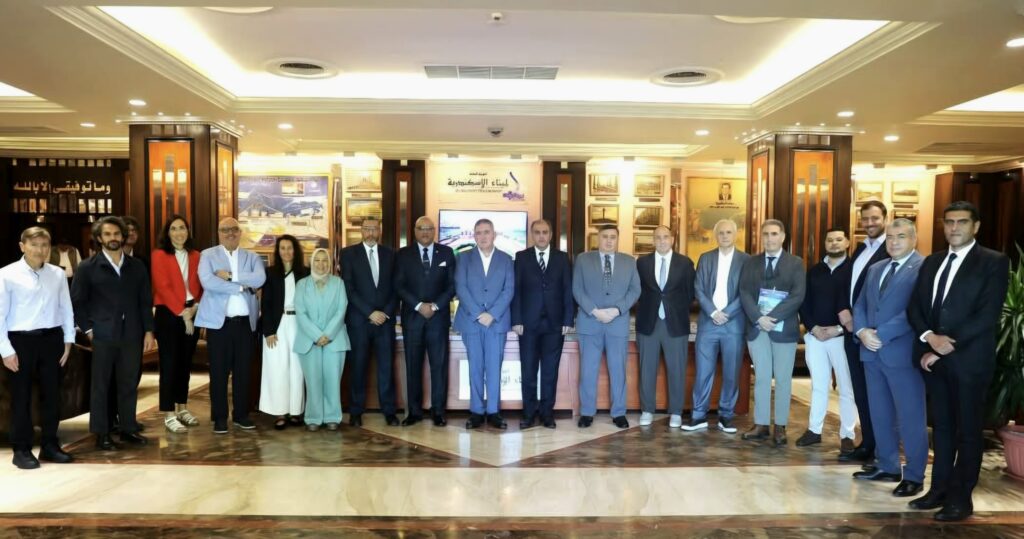
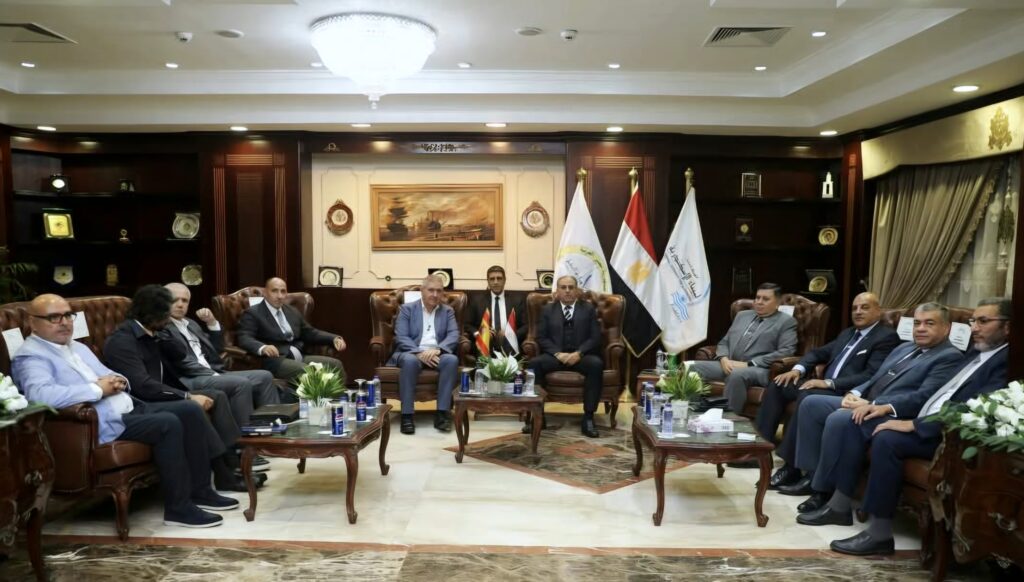
    Shipping Arabia, October 26, 2026 – Alexandria Port Authority has held discussions with a Spanish delegation representing the Port of Barcelona, Barcelona Chamber of Commerce and Mercabarna to explore closer cooperation in maritime transport, trade, investment and logistics between Egypt and Spain. The talks included a proposal to establish a memorandum of understanding between Alexandria Port and the Port of Barcelona.

    The meeting took place under the directives of Egypt’s Minister of Transport, Kamel El-Wazir, as part of efforts to strengthen Egyptian-Spanish relations and expand cooperation in maritime and logistics activities. Representatives of the Alexandria Chamber of Commerce and senior officials from Alexandria Port Authority also participated.

    The authority’s Deputy Chairman for Operations welcomed the delegation on behalf of its Chairman, alongside the Deputy Chairman for Investment and other senior officials. During the meeting, the Egyptian side emphasized the longstanding relationship between Egypt and Spain and the importance of strengthening cooperation between ports and business institutions across the Mediterranean.

    Alexandria Port and Port of Barcelona Discuss Potential Cooperation Agreement

    A central topic of the discussions was the possibility of concluding a memorandum of understanding between Alexandria Port Authority and the Port of Barcelona. The proposed agreement would identify specific areas of cooperation, establish implementation mechanisms and support knowledge exchange between the two ports.

    Egyptian officials emphasized the importance of building on existing cooperation with the Port of Barcelona and developing a more structured partnership. Such an arrangement would provide a framework for exploring joint initiatives and strengthening institutional ties between the Egyptian and Spanish maritime sectors.

    The discussions also addressed opportunities to expand bilateral trade, exchange operational and logistics expertise, and identify potential joint projects. Both sides examined how closer coordination between port authorities and business organizations could support economic interests and strengthen logistics integration across the Mediterranean.

    Spanish Business Institutions Explore Trade and Logistics Opportunities

    The participation of the Barcelona Chamber of Commerce and Mercabarna extended the discussions beyond port-to-port cooperation to include wider commercial and logistics activities.

    Participants explored ways to strengthen communication between maritime institutions and business organizations in both countries. They also discussed opportunities to leverage the operational and logistics capabilities of Egyptian and Spanish ports to facilitate trade flows, encourage investment and develop services supporting maritime transport and supply chains.

    The talks highlighted the importance of connecting port operations with commercial activities and identifying opportunities for joint initiatives involving maritime and business stakeholders.

    The involvement of representatives from the Alexandria Chamber of Commerce provided an additional platform for discussing trade and investment opportunities between Egyptian and Spanish business communities.

    Alexandria Port Presents Development Projects and Future Plans

    During the meeting, Alexandria Port Authority presented an overview of the port’s operational and logistics capabilities, ongoing development projects and future plans.

    The presentation outlined the port’s development vision and examined opportunities for cooperation with Spanish partners. Discussions focused on strengthening Alexandria Port’s contribution to Egypt’s foreign trade and improving connections with regional and international markets.

    Both sides also considered how the capabilities of Egyptian and Spanish ports could support closer commercial ties and create opportunities for cooperation in maritime transport, logistics and supply chain services.

    Following the discussions, the Spanish delegation participated in a field tour of Alexandria Port, providing an opportunity to observe the port’s facilities and operations.

    At the conclusion of the visit, both sides reaffirmed their commitment to maintaining coordination and developing the opportunities identified during the meeting. They also expressed their intention to translate the discussions into practical initiatives and joint projects that support trade, investment and stronger Egyptian-Spanish partnerships in maritime transport and logistics.

    Source: Alexandria Port Authority
  • Gulftainer Hosts India’s Consul General at Khorfakkan Commercial Terminal

    Shipping Arabia, October 3, 2026 – Gulftainer welcomed H.E. Dr. Emmadi Vishnu Vardhan Reddy, Consul General of India in Dubai, to Khorfakkan Commercial Terminal, where discussions focused on strengthening UAE-India cooperation across ports, logistics and integrated supply chains.

    During the visit, Dr. Reddy received a briefing on operations at Khorfakkan Port and its role as the UAE’s east coast gateway for regional and global trade.

    UAE-India Cooperation in Ports and Logistics

    The discussions explored new avenues for cooperation between the UAE and India in port activities, logistics and integrated supply chains.

    Gulftainer said the engagement reflected a shared commitment to enabling more resilient and efficient trade corridors between the two countries.

    The company also highlighted India’s position as one of the UAE’s largest trading partners, linking the visit to wider efforts to strengthen trade connectivity and supply chain cooperation.

    Khorfakkan Port’s Trade Gateway Role

    The visit also provided an opportunity to highlight Khorfakkan Port’s operational role and its position on the UAE’s east coast.

    Gulftainer presented the port as an important gateway supporting regional and global trade, while the discussions examined how stronger cooperation in ports and logistics could support more efficient trade corridors.

    The company said it continues to focus on connecting economies and supporting global trade through its port and logistics activities.

    Source: Gulftainer

  • Port of Beirut Calls for Regional Port Integration to Strengthen Trade Corridors

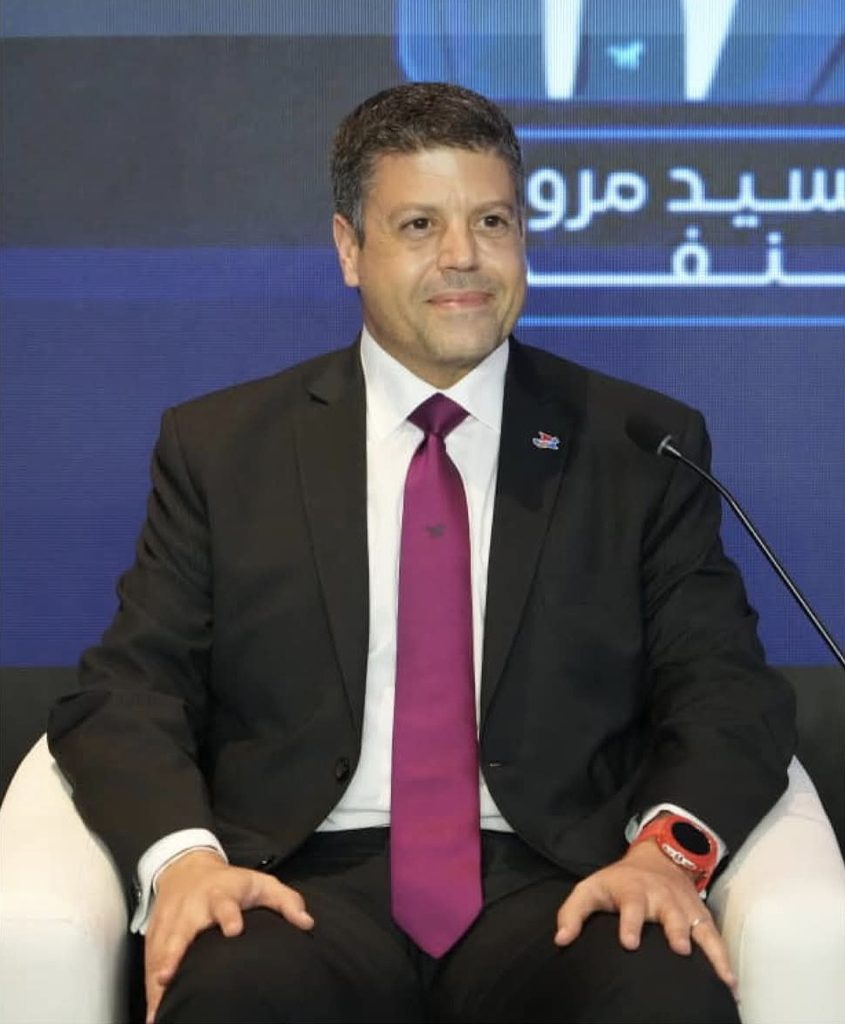
    Shipping Arabia, September 29, 2026 – Port of Beirut Chairman and General Manager Marwan M. Naffi has called for stronger Port of Beirut regional integration with neighboring ports and inland trade corridors, saying greater connectivity could expand transit and logistics opportunities across Lebanon, Syria, Iraq, Jordan and the wider region.

    Naffi made the remarks during the Lebanese-Syrian Investment Forum 2026, where he participated in a session focused on developing the transport sector, strengthening land, maritime and air connectivity, and improving logistics services.

    He said closer integration between ports represents both a necessity and an opportunity as regional transport networks and trade corridors continue to evolve.

    Cooperation Between Beirut, Tripoli, Tartous and Latakia

    Naffi highlighted the importance of cooperation and complementary roles between the ports of Beirut and Tripoli in Lebanon and Tartous and Latakia in Syria.

    He also emphasized the need to connect these ports with inland transport corridors and markets in Syria, Iraq, Jordan and the wider region.

    According to Naffi, changes affecting the transport sector and the reshaping of trade corridors create an important opportunity for Lebanon and Syria to strengthen their position within regional trade routes.

    He stressed that the strength of a port depends not only on its physical size or the cost of its services. Its ability to integrate into a broader network of ports, transport corridors and markets is also a central factor in its competitiveness and role within regional trade.

    Port of Beirut Sees Complementary Regional Role

    Naffi said the Port of Beirut views its role as complementary to that of other regional ports rather than isolated from them.

    Greater integration of port services and stronger connectivity between ports, corridors and markets could provide more options for cargo flows and regional trade movements.

    He said this approach could also improve the region’s capacity to attract transit traffic and logistics activity by creating a more connected transport and port network.

    The concept of Port of Beirut regional integration therefore extends beyond maritime links alone, with inland corridors playing a central role in connecting ports with regional markets.

    Container Terminal Expansion to Support Larger Volumes

    Naffi also discussed the Port of Beirut container terminal expansion project and its role in strengthening the port’s future capacity.

    He said the project will improve the port’s ability to handle larger container volumes while supporting its position within a wider regional port network.

    The expansion is also intended to reinforce the Port of Beirut’s role in serving trade flows involving Lebanon, Syria and the broader region.

    By combining additional container handling capacity with stronger port and inland connectivity, the Port of Beirut is positioning its development within a wider vision based on regional integration, transit activity and logistics services.

    Source: Port of Beirut

  • Saudi Port Investments Top $1.46 Billion as Jeddah Handles Surge in Regional Cargo

    Shipping Arabia, September 19, 2026 – Saudi Arabia has invested more than SAR 5.5 billion ($1.46 billion) in its ports during the regional disruption, as Jeddah Islamic Port and the Kingdom’s western coast absorb sharply higher vessel, truck and cargo volumes and take on a wider role in regional supply chains.

    Saudi Ports Authority (Mawani) President Suliman bin Khalid Al-Mazroua said Jeddah and the western coast had developed into a major logistics platform serving Saudi Arabia and Gulf markets during the disruption.

    Truck traffic at Jeddah Islamic Port has risen from around 2,000–2,500 vehicles per day to more than 10,000, alongside increased vessel activity. More than 34 shipping services operated by major global carriers, including Maersk and MSC, now call at the port.

    Mawani has implemented 16 operational initiatives with government and customs authorities to increase the port’s readiness, while more than SAR 640 million has been invested in Jeddah over the past three months to strengthen its capacity to receive and handle containers moving by both sea and land.

    Al-Mazroua said the western coast is increasingly operating as an integrated port network. Yanbu supports food-security cargo flows, King Abdullah Port contributes additional container and logistics capacity, while NEOM Port supports traffic arriving from Egypt, expanding the ability of Saudi ports to respond to changing regional trade patterns.

    Transshipment activity has also increased, with volumes exceeding 370,000 containers over five months, while general and bulk cargo surpassed one million units. Mawani expects volumes to rise further by the end of the year as demand for port and logistics services continues to grow.

    The next phase will include further port investment alongside the development of special economic zones and logistics zones across Saudi Arabia’s eastern and western ports, strengthening the Kingdom’s maritime and logistics infrastructure and its role in regional supply chains.

    Source: Argaam

  • UAE’s Gulftainer Expands into Thailand with Investment in Suksawat Terminal

    Shipping Arabia, September 19, 2026 – UAE-based port and logistics operator Gulftainer has expanded into Thailand through a strategic investment in Suksawat Terminal, marking the group’s entry into the Southeast Asian market.

    Located on the Chao Phraya River south of Bangkok, Suksawat Terminal handles import and export cargo serving the Greater Bangkok area and provides connectivity with Laem Chabang, Thailand’s principal deep-sea port.

    Gulftainer said the investment will support improvements in the terminal’s capacity, productivity and service offering, with the aim of strengthening logistics links between Thailand’s industrial centres and international markets.

    The expansion represents a further step in the Sharjah-headquartered group’s international growth strategy and extends its operations into one of Southeast Asia’s major manufacturing and trading economies.

    Gulftainer plans to leverage capabilities across its GT Ports, GT Logistics, GT Parks and GT Lines businesses as it develops an integrated trade and logistics platform in Thailand, connecting port operations with logistics, industrial infrastructure and maritime services.

    The company said the investment is intended to improve supply chain efficiency and create additional opportunities for customers in Thailand and across the wider ASEAN region.

    The move adds Southeast Asia to Gulftainer’s international footprint as the UAE-headquartered company continues to expand beyond its home market through investments in port, terminal and logistics infrastructure.

    Source: Gulftainer

Back to top button