Marine Engineering

  • Suez Canal Authority and DEME Explore Dredger Maintenance and Construction Cooperation

    Shipping Arabia, November 2, 2026 – The Suez Canal Authority (SCA) and Belgium’s DEME Group are exploring new cooperation opportunities in dredger maintenance, marine unit repairs and dredger hull construction. The discussions build on a partnership spanning more than 70 years in dredging and marine engineering.

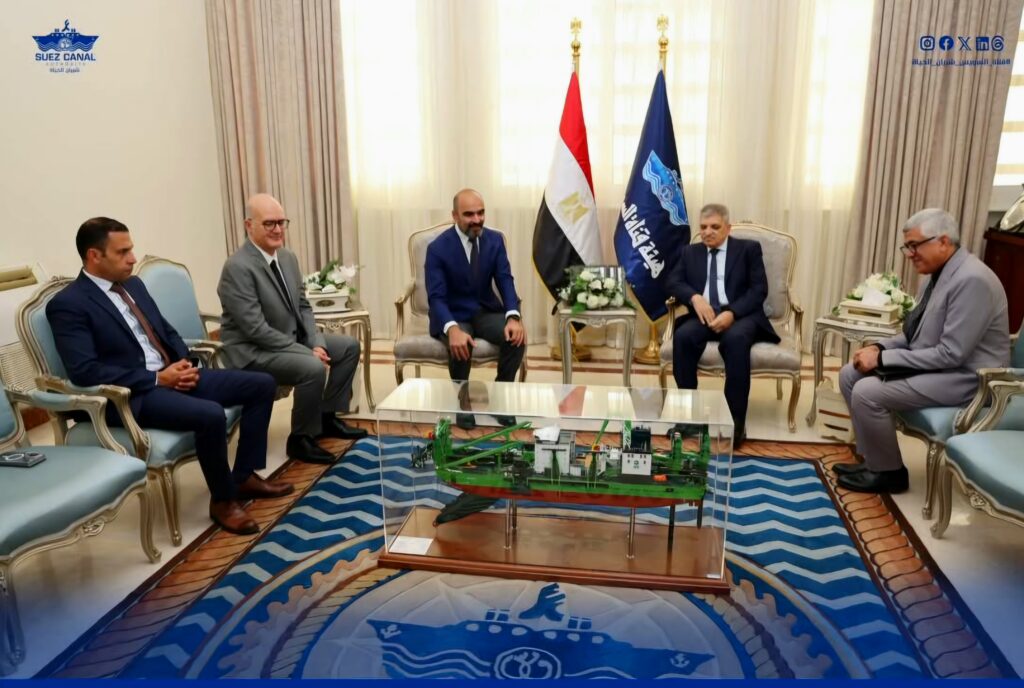
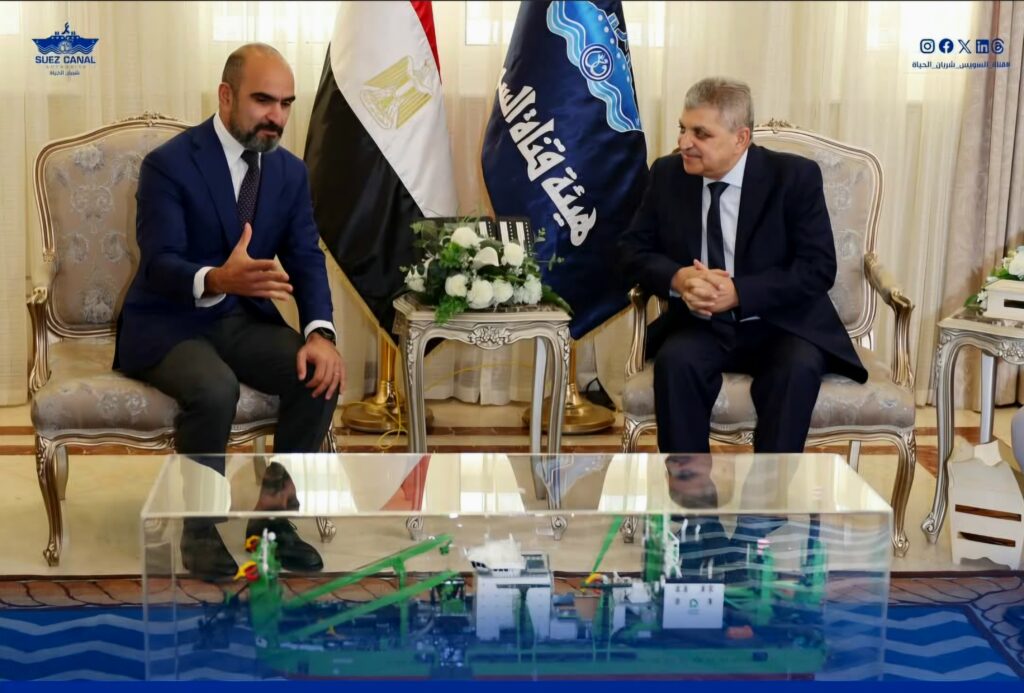
    SCA Chairman and Managing Director Adm. Ossama Rabiee met with DEME Group Area Director Eng. Amedeo Peyron at the Authority’s headquarters, the Al-Irshad building, in Ismailia. The meeting also included DEME Area Manager Eng. Wael El Alfy and SCA Dredging Department Director Eng. Tarek Gharib.

    Suez Canal Authority and DEME Discuss Shipyard Cooperation

    During the meeting, Rabiee expressed appreciation for the longstanding strategic partnership between the two organizations. He emphasized the SCA’s commitment to maintaining close coordination with DEME while keeping pace with the latest international developments in dredging technology.

    The discussions addressed potential cooperation in maintaining and repairing dredgers and other marine units at SCA shipyards. Both sides also explored opportunities for cooperation and partnerships in dredger hull construction.

    These areas represent potential opportunities to extend their existing relationship beyond dredging operations into vessel maintenance, repair and construction activities.

    SCA Expands Dredging Fleet Capabilities and Operations

    Rabiee highlighted the SCA’s fleet modernization program, particularly the addition of the dredgers MOHAB MAMISH and HUSSEIN TANTAWY. He described the two vessels as the latest and largest dredgers in the Middle East.

    Both dredgers have participated in the Suez Canal’s southern sector development project, demonstrating their role in the Authority’s ongoing waterway development activities.

    The SCA has also expanded the operational scope of its dredging fleet beyond the Canal itself. Its dredgers now participate in major national infrastructure projects, including the development of Egyptian ports and lake clearing operations.

    This broader deployment reflects the Authority’s growing involvement in dredging and marine infrastructure projects across Egypt.

    DEME Highlights Longstanding Partnership and New Suez Canal Project

    Peyron reaffirmed DEME Group’s interest in pursuing further cooperation with the SCA, highlighting the opportunities created by their longstanding relationship. He expressed confidence in the Suez Canal and its development projects while identifying joint projects and technical expertise exchange as potential areas for future collaboration.

    He also recalled DEME’s involvement in several Suez Canal development initiatives, particularly the New Suez Canal project.

    According to Peyron, DEME deployed a fleet of 10 dredgers during the project and completed dredging works totaling 41 million cubic meters. The operation remains a significant example of cooperation between the Belgian marine engineering group and the Egyptian authority.

    Peyron emphasized that the partnership provides a foundation for further joint activities and knowledge exchange in dredging and marine engineering.

    At the conclusion of the meeting, Peyron presented a scale model of SPARTACUS, DEME Group’s latest dredger, to the Suez Canal Museum in Ismailia. The presentation marked the longstanding relationship between the two organizations.

    Source: Suez Canal Authority
  • Aqaba Maritime Training Center Reports Nearly 90% Graduate Employment Rate

    Shipping Arabia, October 3, 2026 – Aqaba maritime training programs at Al-Balqa Applied University are recording graduate employment rates approaching 90%, according to Dr. Hassan Rafea Shaheen, director of the Aqaba Maritime Education and Training Center. The center combines academic study with practical maritime training and serves students as well as working seafarers seeking professional qualifications and certificate renewals.

    Maritime Programs Linked to Industry Demand

    The center currently has 112 students in Maritime Transport Technology and 114 in Marine Engineering. Since the programs were introduced, 336 students have graduated in Maritime Transport Technology and 155 in Marine Engineering. Marine Engineering runs for three years and comprises 105 credit hours, while graduates must also complete practical cadet training aboard ships before obtaining the required maritime certification.

    Simulators and Safety Training

    Training facilities include a 3D ship-engine simulator and a high-voltage systems simulator, each capable of accommodating about 12 students. Construction of a semi-Olympic swimming pool for rescue and lifeboat training has reached about 90%, while the center also operates shipboard firefighting training facilities.

    The center has trained participants from 35 nationalities and maintains agreements with maritime companies and academies. Aqaba University College is also preparing a bachelor’s program in Logistics and Supply Chain Management.

    Source: Hala News / Petra

  • Latakia Port Converts Vessel Into 8,000-Head Livestock Carrier

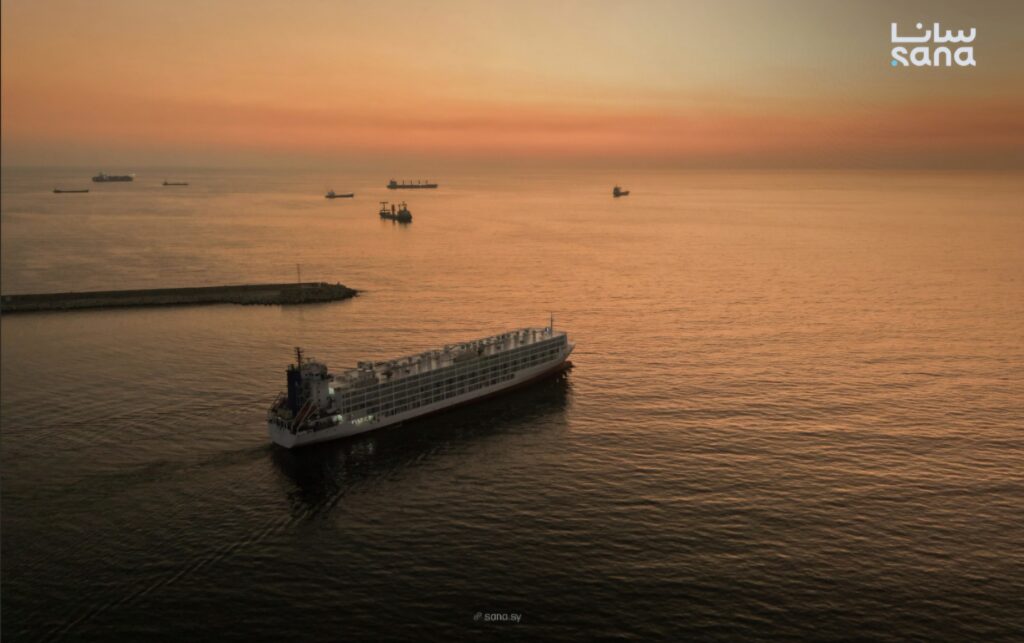
    Shipping Arabia, September 25, 2026 – Technical teams at Syria’s Port of Latakia have completed the conversion of Transporter into a specialized livestock carrier capable of carrying around 8,000 animals, highlighting growing ship conversion and marine engineering capabilities at the port.

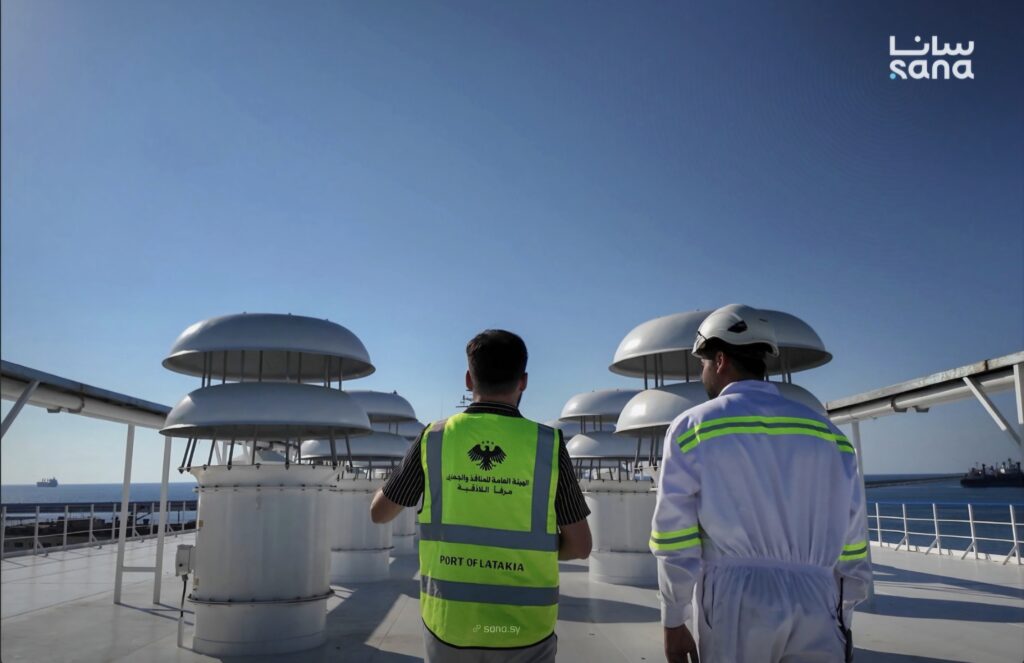
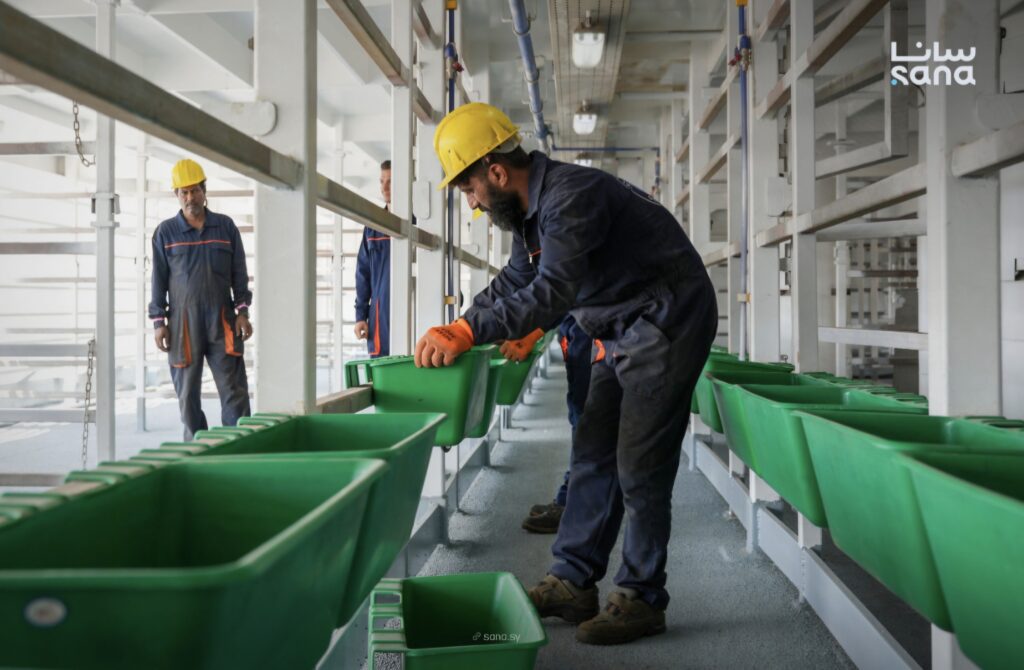
    The project involved several technical departments and workshops at Latakia, with the vessel fitted with integrated systems required for livestock transportation. Capt. Mohammad Shweihna said the conversion was carried out using Syrian technical expertise and labor.

    Following the conversion, Transporter provides approximately 11,000 square meters of livestock space across nine decks.

    The General Authority for Borders and Customs facilitated the transit of imported materials required for the conversion, allowing equipment and components to enter the port and be installed within the project schedule.

    Latakia Port also allocated a berth to the vessel for a full year while maintaining normal maritime and commercial traffic. Port support included pilotage and towage services, approximately 4,000 square meters of storage space, and heavy and light equipment required for the conversion work.

    Around 200 workers entered the port daily during the project to support the technical workshops and installation activities.

    The conversion expands the scope of specialized maritime work undertaken at Latakia and demonstrates the potential for Syrian port workshops and technical teams to support further vessel conversion and marine engineering projects.

    Source: Syrian Arab News Agency – SANA

Back to top button