Maritime Connectivity

  • Oman Targets Faster Port of Duqm Operations and New Shipping Services

    Shipping Arabia, November 11, 2026 – Oman’s Public Authority for Special Economic Zones and Free Zones (OPAZ) has launched a workshop to improve Port of Duqm operations and attract new shipping services. The initiative also aims to increase cargo volumes, reduce operational delays and strengthen the port’s links with industrial and commercial investment.

    OPAZ organized the workshop in cooperation with the Industrial Innovation Academy. Taking place in Muscat until November 15, it brings together more than 100 participants from 21 government and private-sector organizations.

    The program covers nine development tracks under three main areas: service projects, investment projects and general enablers. Participants will examine operational, investment and regulatory challenges before developing implementation plans with defined responsibilities, deadlines and performance indicators.

    Improving Port of Duqm Operations and Shipping Connectivity

    The service projects component focuses on improving the efficiency of Port of Duqm operations. Participants will examine how to simplify port procedures, resolve overlapping institutional responsibilities and strengthen cooperation between logistics service providers.

    Key objectives include increasing cargo handling productivity and reducing both vessel turnaround times and cargo dwell times. The discussions will also address improvements to logistics operations.

    In addition, the workshop will explore opportunities to attract new shipping lines and establish direct maritime services. These efforts form part of a wider initiative to increase trade through Duqm and improve coordination between the port and the surrounding economy.

    Linking Port Growth with Industrial and Commercial Investment

    The investment discussions cover targeted investment projects, projects located within the Special Economic Zone at Duqm (SEZAD) and projects involving leased sites.

    Participants will identify priority investment sectors and review the zone’s master plan. They will also assess projects according to their development stages and examine obstacles affecting implementation and operations.

    Through this process, OPAZ aims to accelerate investment and increase the contribution of industrial and commercial projects to port activity. The initiative seeks to strengthen the relationship between economic development within the zone and cargo volumes moving through the port.

    Infrastructure, Investment Incentives and Governance

    Infrastructure, incentives, governance and marketing account for the workshop’s four remaining development tracks.

    The infrastructure discussions will assess development requirements and existing operational capacity. Meanwhile, participants will examine potential incentives to attract investors and increase maritime traffic.

    The governance component will focus on clarifying institutional responsibilities and improving decision-making processes. Participants will also review monitoring arrangements and explore ways to strengthen Duqm’s competitive position in regional and international markets.

    From Operational Assessment to Implementation

    During the opening session, Dr. Ayman bin Abdullah al Fadhili, Chief Executive Officer of the Industrial Innovation Academy, presented an assessment of existing conditions, challenges and opportunities.

    His presentation identified potential solutions and preliminary initiatives for participants to evaluate and develop throughout the workshop.

    Qais bin Mohammed al Yousef, Chairman of OPAZ, attended the launch alongside members of the authority’s board and chief executives of special economic zones and free zones.

    The workshop is expected to conclude with a portfolio of development projects and initiatives. Implementation schedules, key performance indicators and monitoring mechanisms will support the resulting plans to improve port operations, accelerate investment and strengthen Duqm’s maritime connectivity.

    Source: Oman Observer
  • Geopolitical Shifts Boost Egypt–Saudi Arabia Trade Through Regional Transport Corridors

    Shipping Arabia, November 10, 2026 – Regional geopolitical developments are driving increased cargo and passenger traffic through transport corridors connecting Egypt with Saudi Arabia and Jordan, according to Egypt’s Minister of Transport, Kamel El-Wazir. The growing reliance on these routes is strengthening maritime and land transport connections between Egypt, Gulf markets and Europe.

    Speaking on the sidelines of the 39th Arab Transport Ministers Council meeting in Alexandria, El-Wazir said regional developments have increased the importance of these corridors as alternative routes for international trade. He highlighted their role in facilitating cargo movements between Egypt and Saudi Arabia while providing additional connections to European markets.

    The minister said the increased use of these transport links has contributed to higher cargo throughput at Egyptian Red Sea ports. Trade volumes have also grown along transport routes connecting Egypt with Saudi Arabia and Jordan.

    Egypt–Saudi Arabia Trade Corridors Strengthen Regional Connectivity

    Egypt’s multimodal transport network allows cargo originating in Europe to enter the country through the Port of Alexandria before moving overland to Egyptian Red Sea ports. From there, shipments continue by sea to Saudi Arabia, providing an alternative route between European and Gulf markets.

    El-Wazir explained that this arrangement supports cargo movements through an integrated network of maritime and land transport services. The system also strengthens connections between Egypt’s Mediterranean and Red Sea ports, enabling cargo to move between the two maritime regions.

    The minister emphasized that regional geopolitical developments have increased demand for these alternative transport corridors. As a result, Egyptian Red Sea ports are handling growing cargo volumes, while transport connections with Saudi Arabia and Jordan are experiencing higher trade activity.

    Egypt’s Ministry of Transport aims to expand maritime connectivity with other Arab countries as part of its broader strategy to strengthen regional trade integration. The ministry also plans to develop additional routes for cargo and passenger transport while improving the efficiency of logistics services.

    Port Development Targets 400 Million Tonnes of Annual Capacity

    Egypt is pursuing an extensive port development program designed to increase maritime handling capacity and strengthen the country’s position in regional and international trade.

    According to the Ministry of Transport, the government’s development strategy targets approximately 400 million tonnes of annual cargo handling capacity across Egyptian ports. It also aims to increase container handling capacity to 40 million twenty-foot equivalent units (TEU).

    The targets include the capacity to accommodate approximately 10 million TEU of transit cargo annually and handle around 30,000 large vessels each year.

    Private-sector participation forms a central part of the government’s approach. New maritime terminals and berths are being assigned to partnerships involving international shipping companies and Egyptian businesses under concession agreements extending up to 30 years.

    The ministry is also continuing investment in maritime infrastructure. According to information previously obtained by Al Mal, Egypt plans to invest approximately EGP 13.2 billion during the current fiscal year to complete ongoing port development projects.

    The investment program prioritizes projects at Alexandria, Damietta and Egyptian Red Sea ports. These developments form part of the government’s broader efforts to expand port capacity and improve maritime transport infrastructure.

    Alongside infrastructure development, the Ministry of Transport plans to introduce additional shipping services connecting Egyptian ports with markets in East and West Africa.

    The ministry is also targeting an Egyptian merchant fleet of 36 vessels by 2030. According to earlier statements by El-Wazir, the planned fleet would have the capacity to transport approximately 25 million tonnes of essential commodities for the domestic market.

    EGP 50 Million Shipping Company Planned for East African Trade

    As part of its maritime connectivity strategy, Egypt is advancing plans to establish a company with capital of approximately EGP 50 million to manage and operate specialized commercial vessels.

    The proposed company will support a new shipping service connecting Egyptian ports with East African markets. Its activities will focus particularly on transporting live animals and Egyptian goods.

    According to information previously reported by Al Mal, the proposed ownership structure allocates 15% of the company to the Holding Company for Maritime and Land Transport and 35% to its subsidiary, Canal Shipping Agencies Company.

    The remaining 50% will be held by private-sector partner Trust for Trade and Transport.

    Sources told Al Mal that the shareholders have already provided the planned capital. A consulting firm has also been appointed to begin incorporation procedures while detailed studies of potential partnerships proceed.

    The studies will identify the markets and ports to be served by the proposed shipping line. They will also determine the appropriate vessel types for the company’s operations, particularly those involving livestock and Egyptian cargo.

    The company is expected to commence operations during the first half of 2027, subject to completion of incorporation procedures and the necessary technical and operational studies.

    Safaga Port to Serve as Initial Gateway for New Shipping Service

    Safaga Port is expected to serve as the initial receiving port for vessels operating under the planned East African shipping service.

    The Ministry of Transport intends to expand the arrangements subsequently to other Egyptian Red Sea ports, extending the geographic reach of the new operation.

    The proposed company will undertake a broader range of maritime and logistics activities beyond vessel operations.

    According to previous statements by El-Wazir, its responsibilities will include managing specialized commercial vessels and providing related shipping services, particularly ship agency operations and customs clearance for imported and exported cargo.

    The company will also provide domestic logistics services, including transportation and storage. In addition, it will coordinate with ports, customs authorities, veterinary services and other regulatory bodies involved in the movement of vessels and cargo.

    These responsibilities are intended to establish an integrated service framework covering vessel handling, cargo movement and associated logistics requirements.

    Through the planned company, the Ministry of Transport aims to strengthen maritime trade between Egypt and East African countries. The initiative is also intended to create additional shipping routes for Egyptian exports while supporting the development of logistics services associated with the new trade connections.

    Together with the expansion of Egypt–Saudi Arabia transport corridors and continuing port infrastructure development, these initiatives form part of Egypt’s strategy to strengthen maritime connectivity with Arab and African markets.

    Source: Al Mal

  • DP World Launches Weekly China–Africa Shipping Service Amid $665 Million in African Port Investments

    Shipping Arabia, November 6, 2026 – DP World has announced the launch of a new weekly China–Africa shipping service, scheduled to begin operations in late November 2026. The service will strengthen maritime connectivity between major Chinese export hubs and growing markets in East and Southern Africa, while providing customers with more shipping options and greater supply chain flexibility.

    The new service will be operated by DP World’s Shipping Solutions business across Asia, the Middle East, and Africa. It forms part of the group’s strategy to improve market access and develop integrated trade networks connecting maritime services, ports, and inland transportation.

    The launch also coincides with DP World’s investments exceeding $665 million in port infrastructure development projects in Mozambique and Tanzania.

    DP World China–Africa Shipping Service Connects Seven Ports

    The new China–Africa shipping service will operate on a weekly basis, linking major Chinese export centers with ports serving East and Southern African markets.

    The service will follow this port rotation:

    Shanghai → Ningbo → Nansha → Port Klang (West Port) → Dar es Salaam → Maputo → Singapore → Shanghai.

    The route connects three major Chinese ports with Port Klang in Malaysia, Dar es Salaam in Tanzania, and Maputo in Mozambique. It also includes Singapore on the return voyage to Shanghai.

    According to DP World, the service will provide additional maritime connections between China’s principal export hubs and African markets. It aims to support cargo movements across established and emerging trade routes while improving shipping options for businesses.

    The service is expected to accommodate a diverse range of commodities. Shipments from China will include machinery, electronics, construction materials, and automotive components.

    Meanwhile, African exports are expected to include agricultural products, minerals, and other commodities. These cargo flows will contribute to expanding trade connections between the participating markets.

    By introducing additional shipping routes, DP World aims to improve market accessibility, strengthen regional and international trade flows, and support growing South–South trade.

    Integrating Maritime Services, Ports and Inland Transport

    The new service represents a practical application of DP World’s integrated trade corridor strategy, which combines maritime transportation, port infrastructure, and inland logistics to create more connected and resilient supply chains.

    Rather than focusing solely on shipping capacity, the approach seeks to provide customers with reliable transport connections, greater routing flexibility, and integrated logistics solutions.

    Ganesh Raj, Global Chief Operating Officer of Marine Services at DP World, highlighted the rapid changes taking place in international trade and the need for shipping solutions that can adapt to evolving market requirements.

    He explained that customers increasingly require more than additional shipping capacity. Reliable connections, a broader range of transport options, and operational flexibility are becoming essential as global trade patterns evolve.

    Raj indicated that the new China–Africa service would strengthen maritime connectivity and create additional opportunities for businesses. By developing more efficient and resilient shipping networks, DP World aims to support the continued movement of goods between international markets.

    The service also reflects the group’s wider efforts to connect maritime transportation with its port and logistics infrastructure, helping customers access regional and international markets through integrated trade networks.

    DP World Invests Over $665 Million in African Port Development

    The launch of the China–Africa shipping service comes alongside significant investments by DP World in African port infrastructure.

    In Mozambique, the group is investing $165 million to expand the container terminal at the Port of Maputo. The project aims to more than double the terminal’s existing handling capacity, strengthening its ability to accommodate containerized trade.

    In Tanzania, DP World has committed more than $500 million to modernize the Port of Dar es Salaam and develop its operational capabilities.

    Together, the two investment commitments exceed $665 million and support the group’s broader approach to developing maritime and trade infrastructure across Africa.

    Both Maputo and Dar es Salaam are included in the new China–Africa shipping service rotation. Their inclusion connects DP World’s maritime network expansion with its ongoing port infrastructure development activities in the region.

    The combination of port capacity improvements and additional shipping services is intended to provide customers with greater transport options and support trade connectivity between China and African markets.

    Supporting China–Africa and South–South Trade

    DP World’s latest shipping service reflects its strategy of combining port infrastructure development with maritime network expansion to strengthen regional and international trade corridors.

    The weekly service will provide additional transport options for Chinese exports destined for African markets while supporting the movement of agricultural products, minerals, and other commodities from Africa.

    At the same time, the group’s investments in Maputo and Dar es Salaam aim to increase port capacity and enhance operational capabilities at two destinations included in the new service.

    Through these combined initiatives, DP World seeks to improve supply chain resilience, expand market access, and support the continued growth of trade between countries of the Global South.

    Source: CNN Business Arabic

  • Pan Marine and DFDS Expand Damietta–Trieste Ro-Ro Service to Two Weekly Sailings

    Shipping Arabia, October 21, 2026 – Pan Marine Group, the Egyptian agent for DFDS, has announced the expansion of the Damietta–Trieste Ro-Ro service with the addition of the vessel Ark Futura. The deployment increases the service frequency from one to two weekly sailings, strengthening maritime connectivity between Egypt and Italy.

    The expansion responds to growing demand for the route, which began operations in November 2024. Since its launch, the service has developed into a maritime corridor connecting Egypt with European markets. It also facilitates transit cargo movements through Egyptian territory to Gulf Cooperation Council (GCC) countries.

    Ark Futura Adds a Second Weekly Ro-Ro Sailing

    Under the revised operating schedule, Ark Futura will arrive at and depart from Damietta Port every Monday. The additional sailing complements the existing weekly service, which arrives at Damietta on Thursdays and departs on Fridays.

    The expanded Damietta–Trieste Ro-Ro service provides importers, exporters, and logistics operators with more options for scheduling shipments between Egypt and Europe. By increasing sailing frequency, Pan Marine and DFDS aim to accelerate cargo flows and improve logistics efficiency.

    The additional vessel also gives customers greater flexibility in coordinating cargo movements across different markets. This is particularly relevant for businesses using the route for imports, exports, and transit shipments destined for Gulf markets.

    Strengthening Trade Connectivity Between Europe, Egypt, and the Gulf

    The expanded service supports Egypt’s position as a logistics hub and a strategic link for trade between Europe and the Middle East. It provides a maritime connection for European goods entering the Egyptian market, while also facilitating their onward movement through Egypt to GCC countries.

    At the same time, Egyptian exporters benefit from a direct maritime gateway to European markets through the integrated DFDS transport network. The connection provides access to a wider range of regional and international markets for producers, exporters, and importers.

    By strengthening the link between Damietta and Trieste, the service supports cargo movements in both directions. It also reinforces the role of Egypt as a transit corridor connecting European trade flows with destinations across the Gulf region.

    Pan Marine and DFDS Expand Maritime and Logistics Services

    The expansion forms part of Pan Marine Group and DFDS’s strategy to strengthen maritime connections between Egypt and Europe. Both companies aim to provide a reliable logistics corridor linking businesses with regional and international markets.

    Pan Marine Group stated that the addition of Ark Futura represents an important milestone in the development of its maritime and logistics services. The company emphasized its commitment to providing reliable and flexible transport solutions that improve supply chain efficiency.

    The increased sailing frequency is also intended to support smoother cargo movements between markets. Through the expanded Damietta–Trieste Ro-Ro service, Pan Marine and DFDS seek to improve transport flexibility while facilitating trade between Egypt, Europe, and the Middle East.

    Source: Al Mal

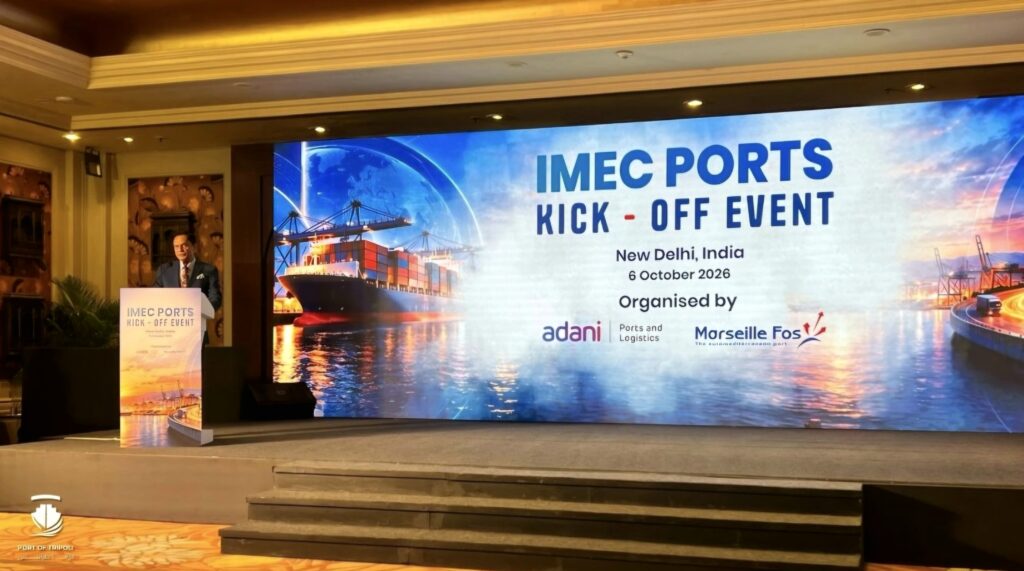
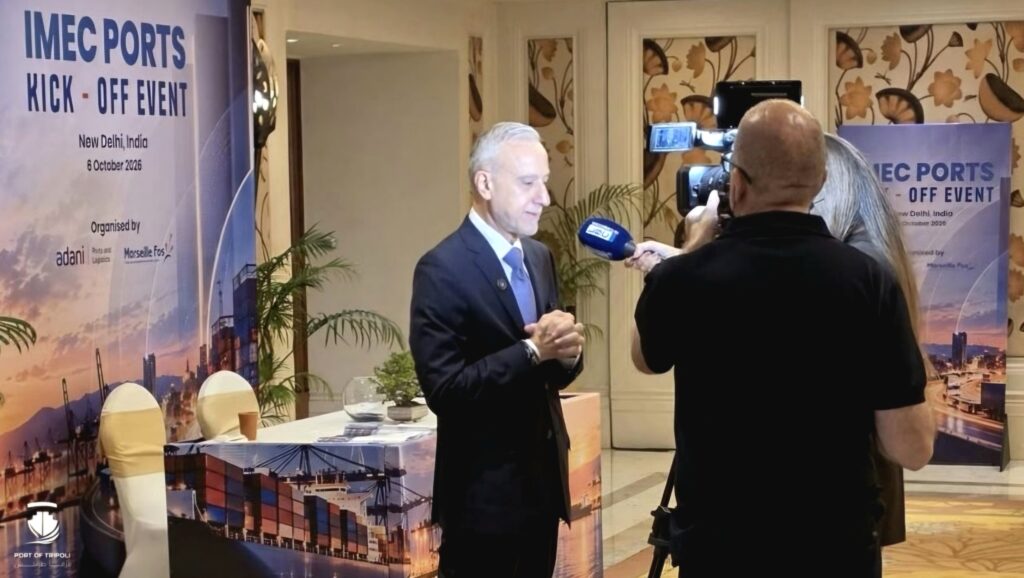
  • Port of Tripoli Joins IMEC Ports Club at New Delhi Launch

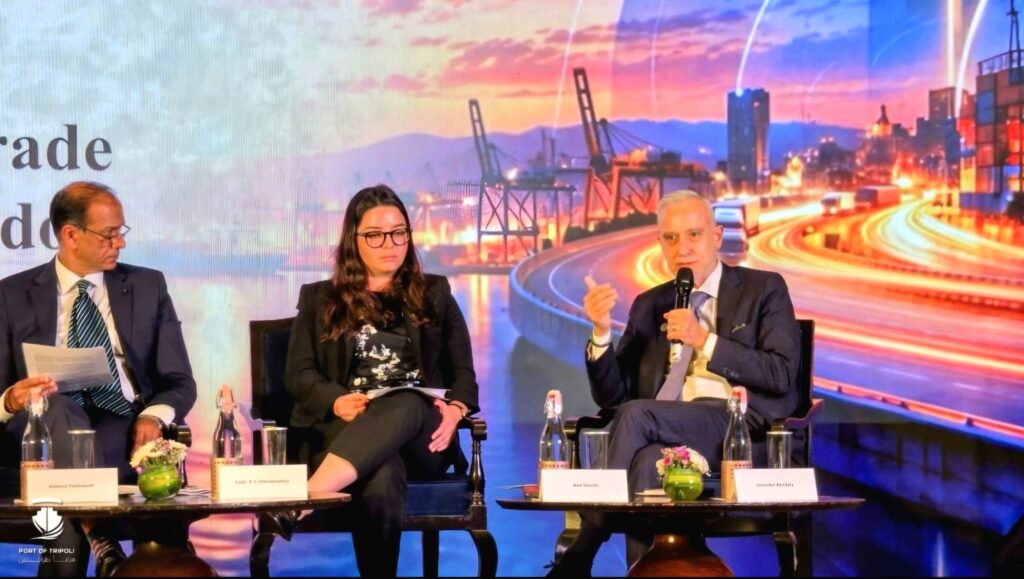
    Shipping Arabia, October 17, 2026 – Lebanon’s Port of Tripoli participated in the launch of the IMEC Ports Club in New Delhi, India, on October 6, 2026. The initiative brings together ports and maritime organizations from several countries to strengthen international cooperation, trade connectivity and coordination across transport networks.

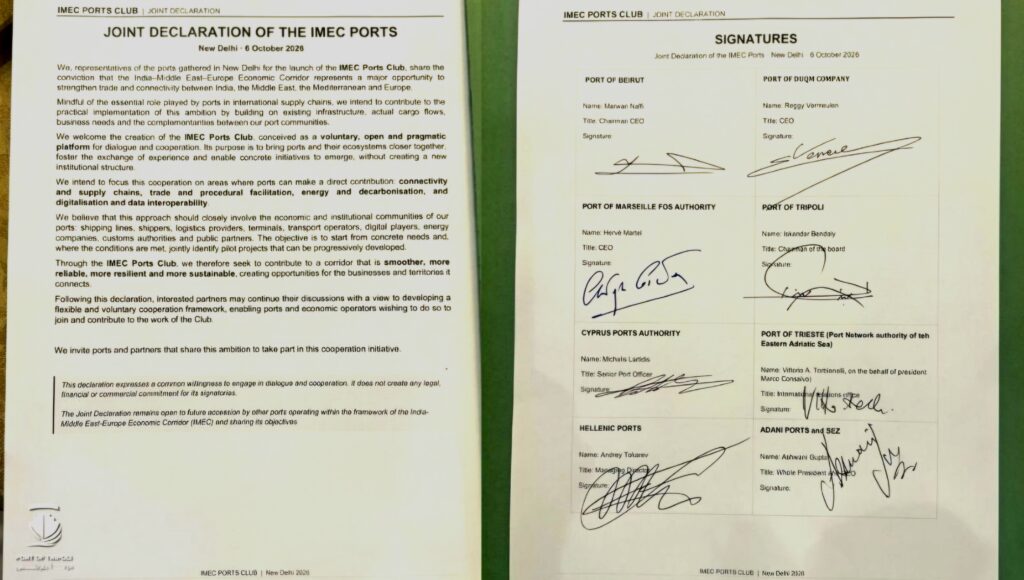
    The Port of Tripoli was represented by its Chairman of the Board, Eng. Iskandar Bandali. During the meeting, participating organizations signed a joint declaration establishing a voluntary and open framework for cooperation and coordination among the ports involved.

    Port of Tripoli Joins International Ports in Signing IMEC Declaration

    Alongside the Port of Tripoli, the declaration was signed by several major ports and maritime organizations representing countries across the Middle East, Europe and Asia.

    The participating organizations included the Port of Beirut in Lebanon, Port of Duqm in Oman, Port of Marseille Fos in France, Cyprus Ports Authority, the Eastern Adriatic Sea Ports Network Authority representing Italy’s Port of Trieste, Hellenic Ports in Greece, and Adani Ports and Special Economic Zone (APSEZ) in India.

    The declaration establishes a collaborative framework through which participating ports can strengthen dialogue, exchange expertise and explore opportunities for joint initiatives. Its voluntary and open structure provides a basis for cooperation across several areas of port operations, international transport and trade.

    IMEC Ports Club to Focus on Connectivity and Supply Chain Cooperation

    The IMEC Ports Club aims to strengthen cooperation among participating ports in areas including maritime connectivity, supply chains, trade facilitation and trade procedures.

    The initiative also identifies energy, emissions reduction, digital transformation and data exchange as areas for potential joint activities. Through cooperation in these fields, participating organizations aim to improve the efficiency, resilience and sustainability of international transport and trade.

    The framework encourages the exchange of operational knowledge and experience among ports while providing opportunities to explore collaborative initiatives related to logistics connectivity and the modernization of transport and trade processes.

    Port of Tripoli Seeks Stronger Regional and International Position

    According to the Port of Tripoli, its participation in the IMEC Ports Club reflects its commitment to strengthening its position within regional and international transport and trade networks.

    The port also aims to expand its relationships with international ports and explore cooperation opportunities that could support its development and strengthen its connections with the wider maritime industry.

    Furthermore, the Port of Tripoli views its involvement in the initiative as an opportunity to pursue cooperation that could benefit the port itself, contribute to the Lebanese economy and serve the country’s broader national interests.

    Through its participation in the IMEC Ports Club, the Port of Tripoli will be part of a framework for dialogue and coordination with other participating ports on connectivity, supply chains, trade facilitation and sustainable transport.

    Source: Port of Tripoli

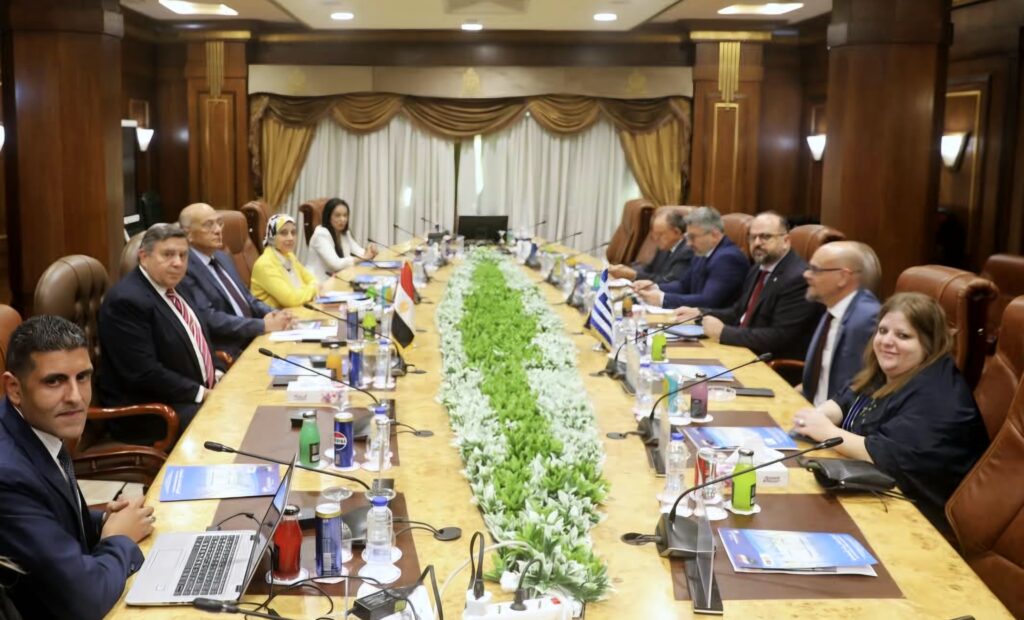
  • Egypt and Greece Advance Talks on Alexandria–Greece Shipping Links and Cruise Cooperation

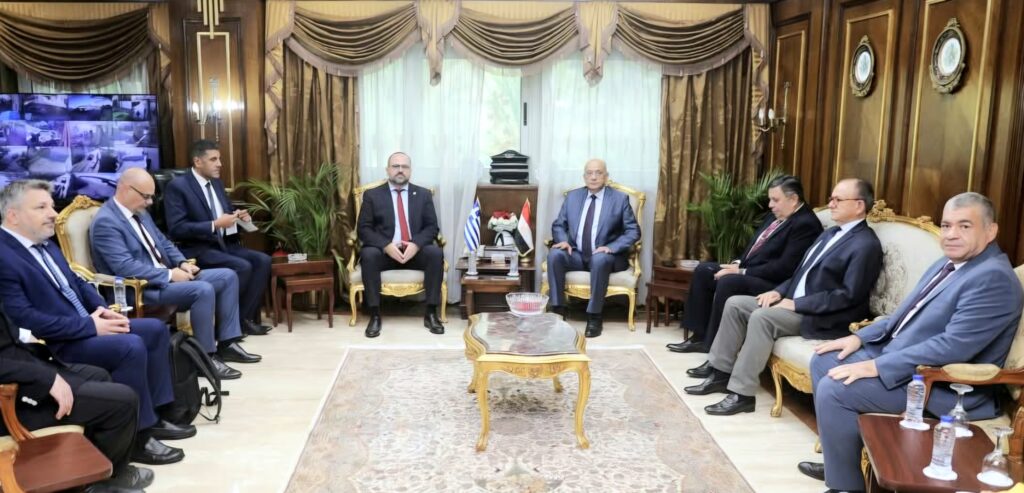
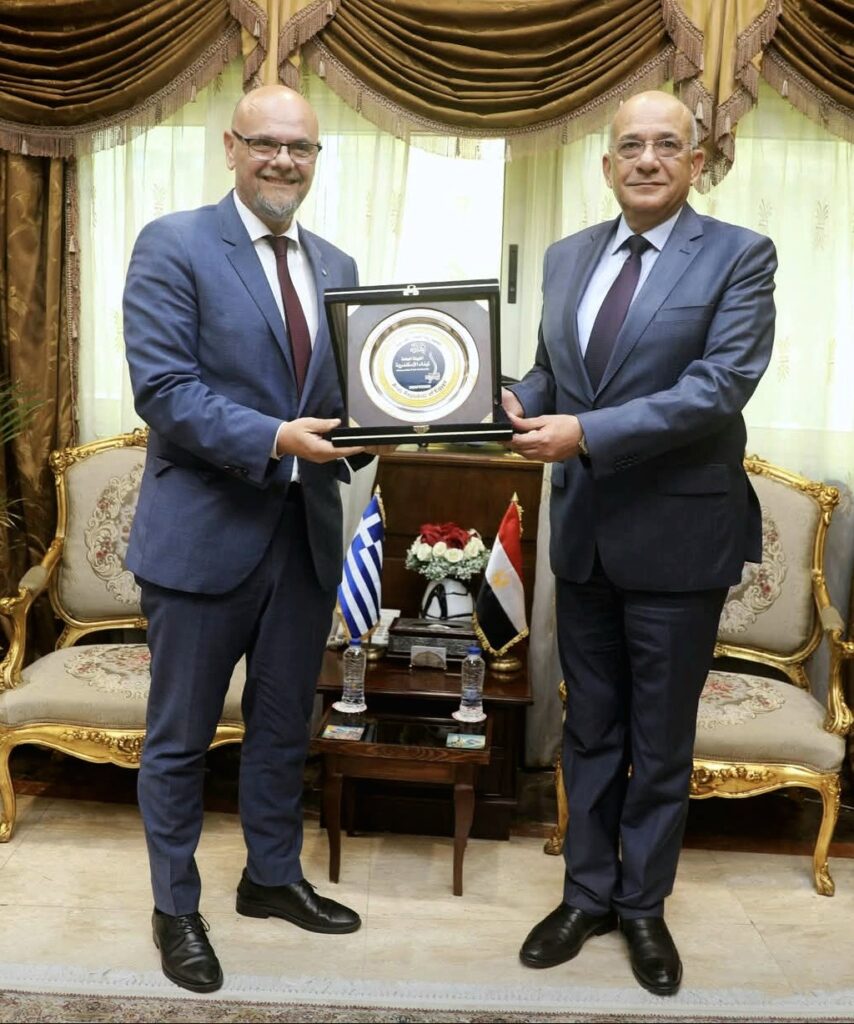
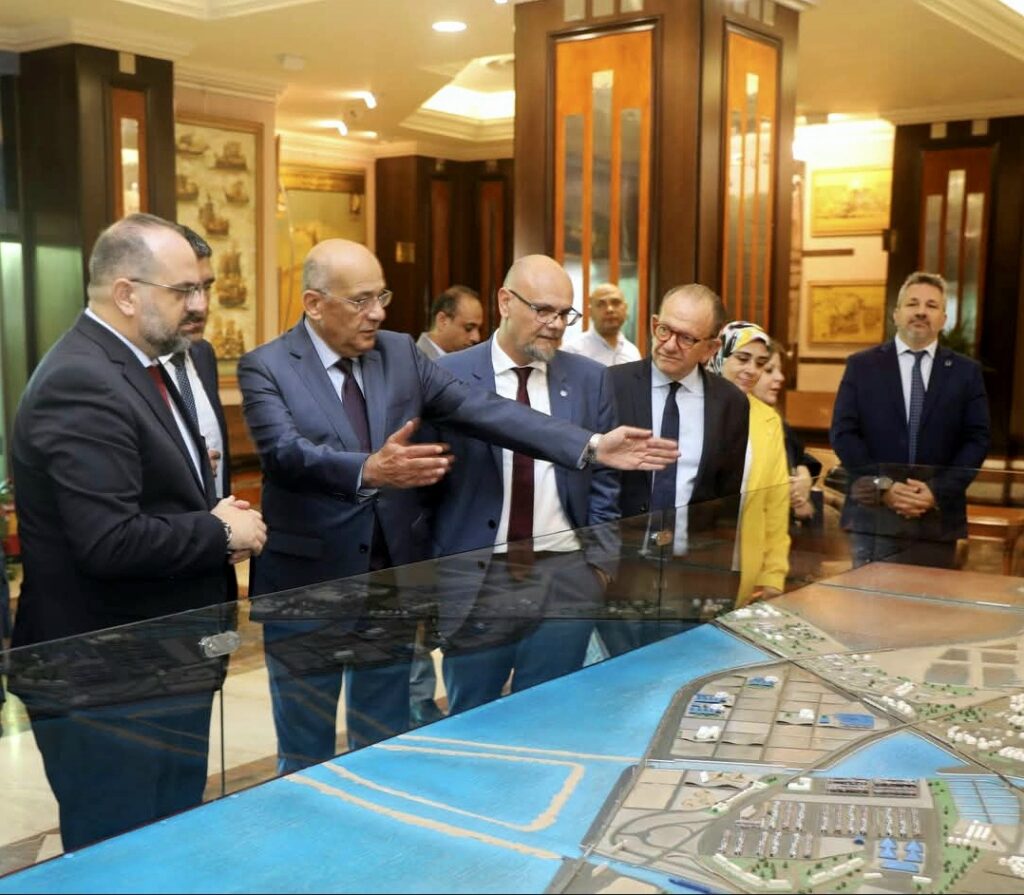
    Shipping Arabia, October 15, 2026 – Egypt and Greece are advancing discussions on proposed Alexandria–Greece shipping links, including Ro-Pax passenger and truck services between Alexandria and Patras and Ro-Ro cargo services between Alexandria and Volos. The two countries are also exploring expanded dry bulk trade and cruise tourism cooperation in the Eastern Mediterranean.

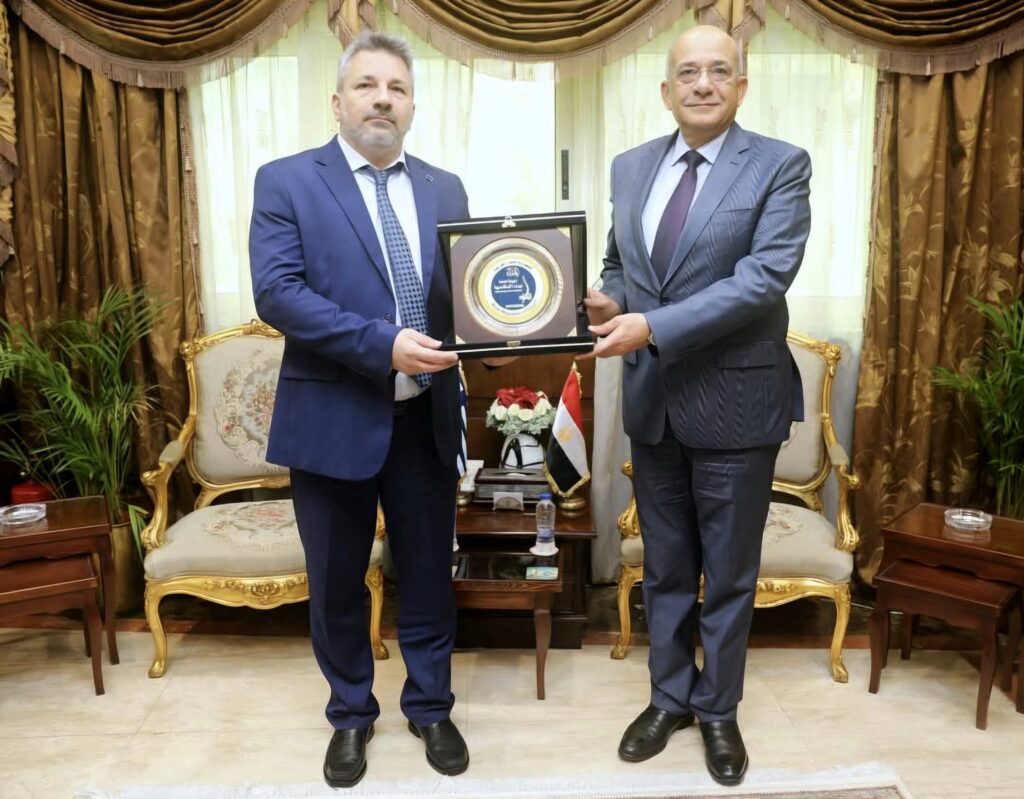
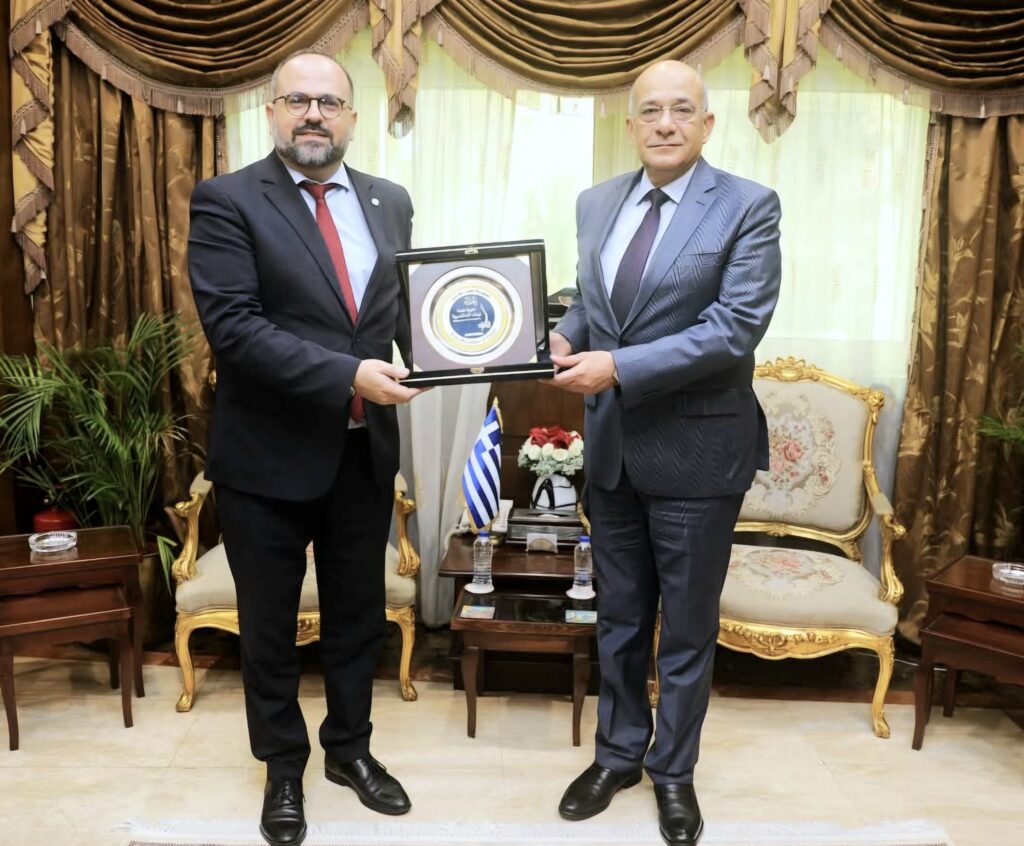
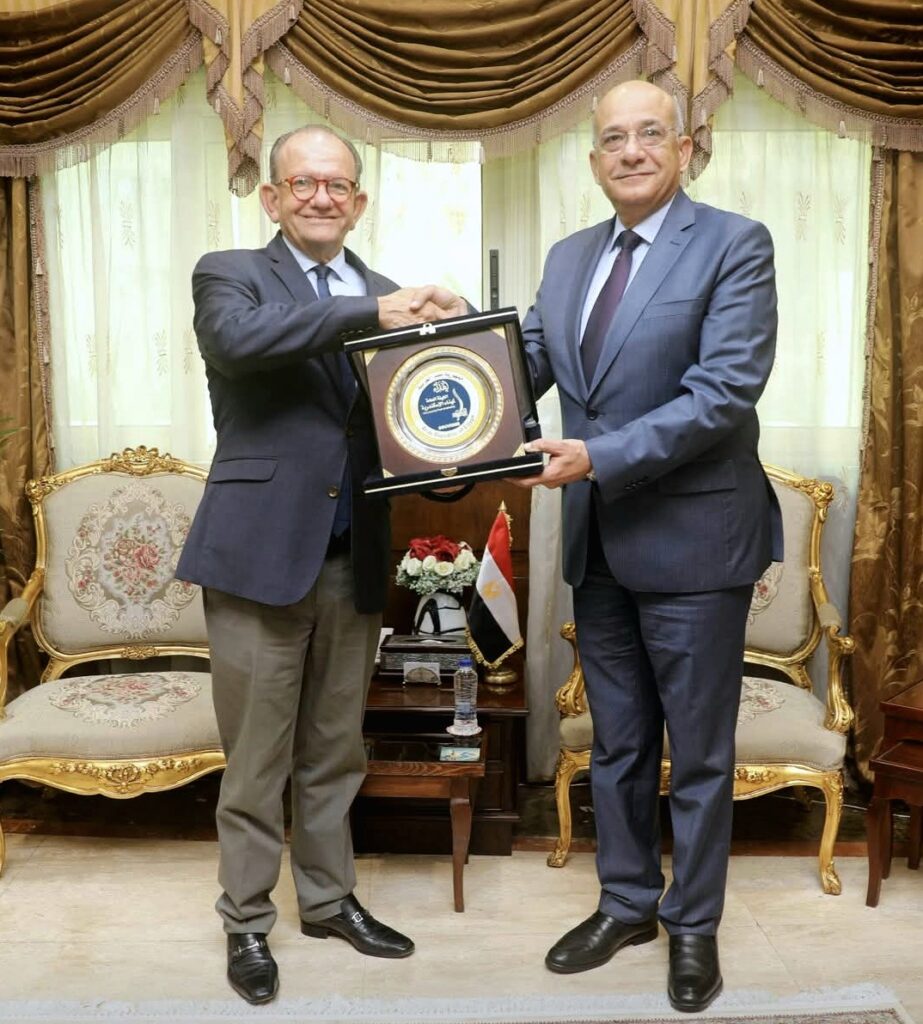
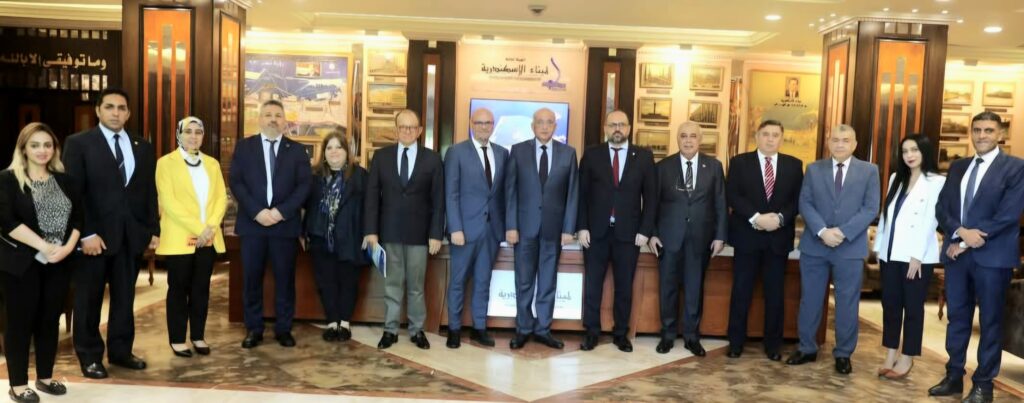
    The discussions took place during a visit by a senior Greek delegation to Alexandria Port Authority, following the third session of the Egyptian-Greek Joint Maritime Committee held on October 5, 2026. The meeting produced agreements on practical measures to advance maritime cooperation between the two countries.

    The visit was held under the directives of Egypt’s Minister of Transport, Kamel El-Wazir. Alexandria Port Authority Chairman Rear Admiral Ehab Salah received the delegation, which was led by Manolis Koutoulakis, Secretary General for Maritime Affairs and Ports at Greece’s Ministry of Maritime Affairs and Insular Policy.

    Rear Admiral Hussein El-Geziry, Head of Egypt’s Maritime Transport and Logistics Sector, also attended the visit. He had chaired the Egyptian delegation during the joint maritime committee meetings.

    The Greek delegation included the heads of the Patras and Volos port authorities, the Director General of Customs and the scientific adviser to the Secretary General for Maritime Affairs and Ports. Senior Alexandria Port Authority officials also participated in the discussions.

    Alexandria–Greece Shipping Links Focus on Ro-Pax and Ro-Ro Services

    A central focus of the discussions was the development of maritime connections between Egyptian and Greek ports. Both sides examined opportunities to strengthen shipping, logistics and trade cooperation through proposed services linking Alexandria with Patras and Volos.

    The proposed Alexandria–Patras route would operate as a Ro-Pax service, accommodating passengers and trucks. Meanwhile, the proposed Alexandria–Volos connection would focus on Ro-Ro cargo transport.

    The two routes form part of efforts to improve maritime connectivity and facilitate the movement of passengers, vehicles and cargo between Egypt and Greece.

    In addition, the Greek delegation expressed interest in expanding cargo exchanges with Alexandria Port to include dry bulk commodities. This would broaden the scope of maritime cooperation beyond the proposed Ro-Pax and Ro-Ro connections.

    The discussions also considered the development of an integrated logistics corridor connecting Egypt and Greece with their respective trading partners. Such cooperation would bring together maritime transport, logistics services and trade activities within a coordinated framework.

    Although the routes remain under discussion, both sides agreed to advance the necessary technical and commercial assessments to support their potential implementation.

    Egypt and Greece Explore Eastern Mediterranean Cruise Homeport Cooperation

    Cruise tourism formed another major component of the bilateral maritime discussions.

    Egyptian and Greek officials examined opportunities to strengthen cooperation between Alexandria Port and Greek ports, particularly by coordinating their roles as cruise homeports in the Eastern Mediterranean.

    The proposed cooperation focuses on developing greater integration between ports capable of serving as starting and ending points for cruise itineraries. Both sides discussed how coordinated port activities could support the development of maritime tourism between Egypt and Greece.

    They also explored opportunities to establish joint cruise tourism programs aimed at increasing passenger traffic and strengthening maritime tourism connections between the two countries.

    The discussions reflect the two sides’ interest in expanding cooperation beyond commercial shipping to include passenger transport and cruise operations.

    Greek Delegation Inspects Alexandria Port Facilities

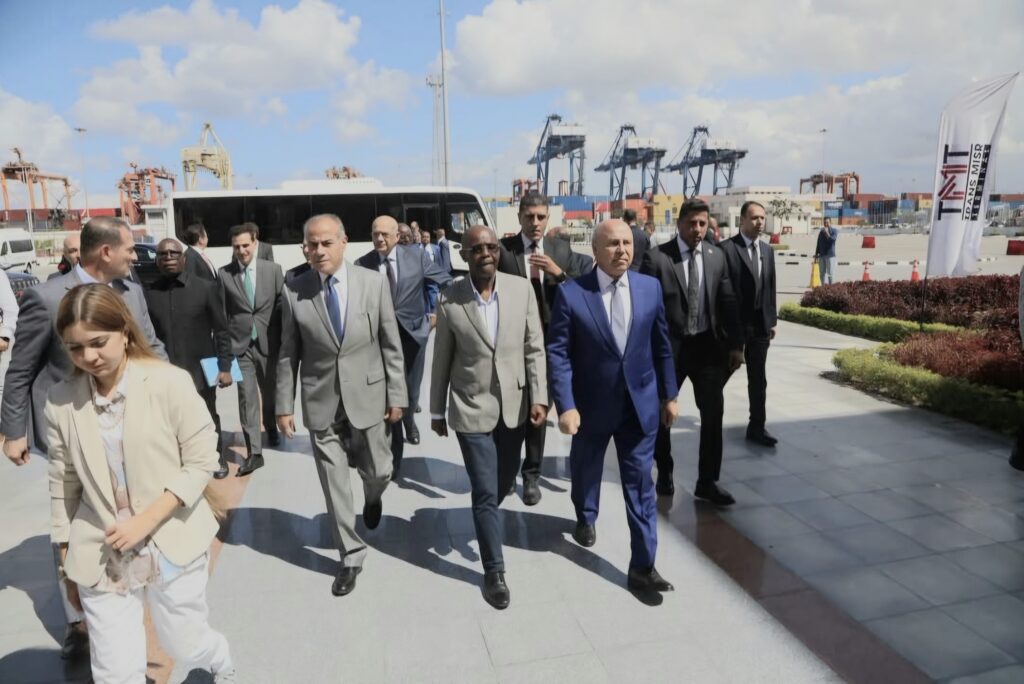
    As part of the visit, the Greek delegation conducted an inspection tour of several operational areas and facilities at Alexandria Port.

    The tour included the passenger terminal and port berths, with particular attention to the Ro-Ro berths expected to support the proposed maritime connections.

    Delegation members also visited the Tahya Misr Multipurpose Terminal to examine the port’s infrastructure, equipment and operational capabilities.

    The inspection provided Greek officials with an opportunity to assess Alexandria Port’s available facilities and logistics capabilities directly. It also supported discussions about the technical and operational requirements of the proposed shipping services.

    The port visit formed part of the broader effort to translate the outcomes of the Egyptian-Greek Joint Maritime Committee into practical cooperation initiatives.

    Technical Meetings to Advance Proposed Maritime Routes

    At the conclusion of the visit, both sides agreed to hold additional technical meetings involving specialists from Egypt and Greece.

    These meetings will follow up on the joint maritime committee’s outcomes and examine the requirements for implementing the proposed Alexandria–Greece shipping links.

    The assessments will cover technical, operational, commercial and logistical considerations associated with the proposed Ro-Pax and Ro-Ro services.

    The objective is to move toward implementation through coordinated and carefully assessed steps, while addressing the practical requirements of establishing the maritime connections.

    Alexandria Port Authority reaffirmed its commitment to strengthening cooperation with Greek ports and maritime organizations. The authority emphasized the importance of expanding trade and maritime connectivity between Egypt and Greece.

    The cooperation also supports Alexandria Port’s development as a regional logistics hub linking markets in Europe, Africa, the Middle East and Asia.

    Source: Alexandria Port Authority

  • Egypt and Tanzania Advance Plans for Dar es Salaam Port Terminal and New Red Sea Shipping Link

    Shipping Arabia, October 12, 2026 – Egypt and Tanzania are advancing plans to develop a multipurpose terminal at Dar es Salaam Port and establish a direct shipping service connecting Tanzania with Egypt’s Red Sea ports of Sokhna and Safaga. The proposed projects form part of a broader multimodal logistics corridor linking the two countries and improving trade connectivity between Egypt, East Africa and landlocked Central African markets.

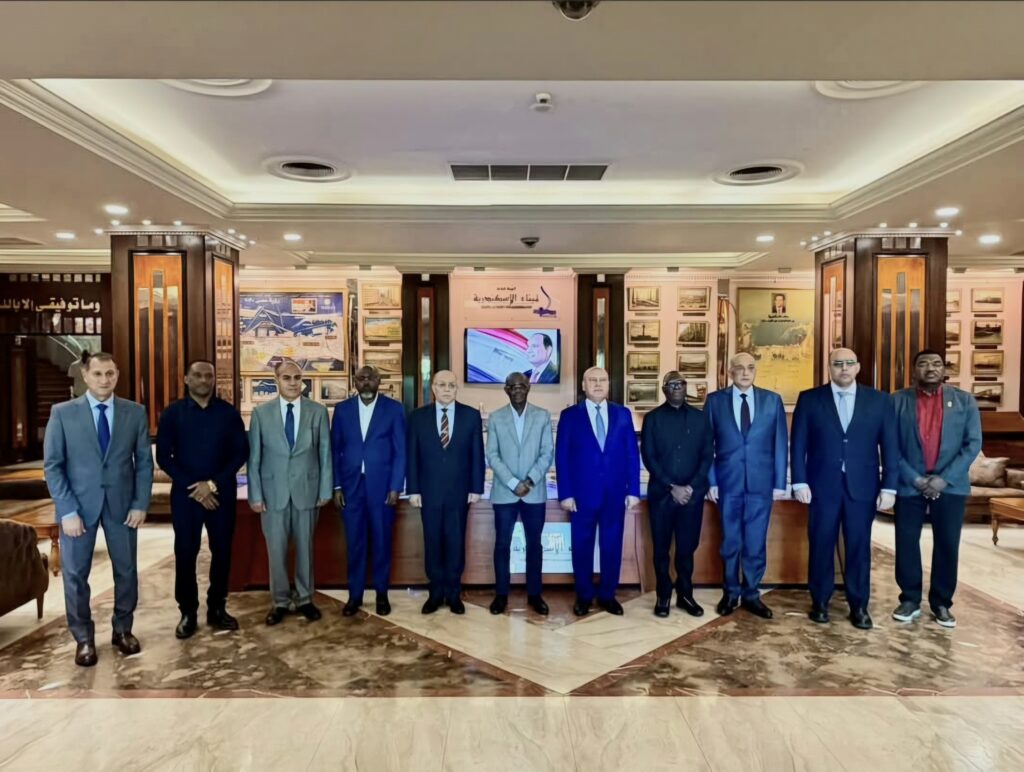
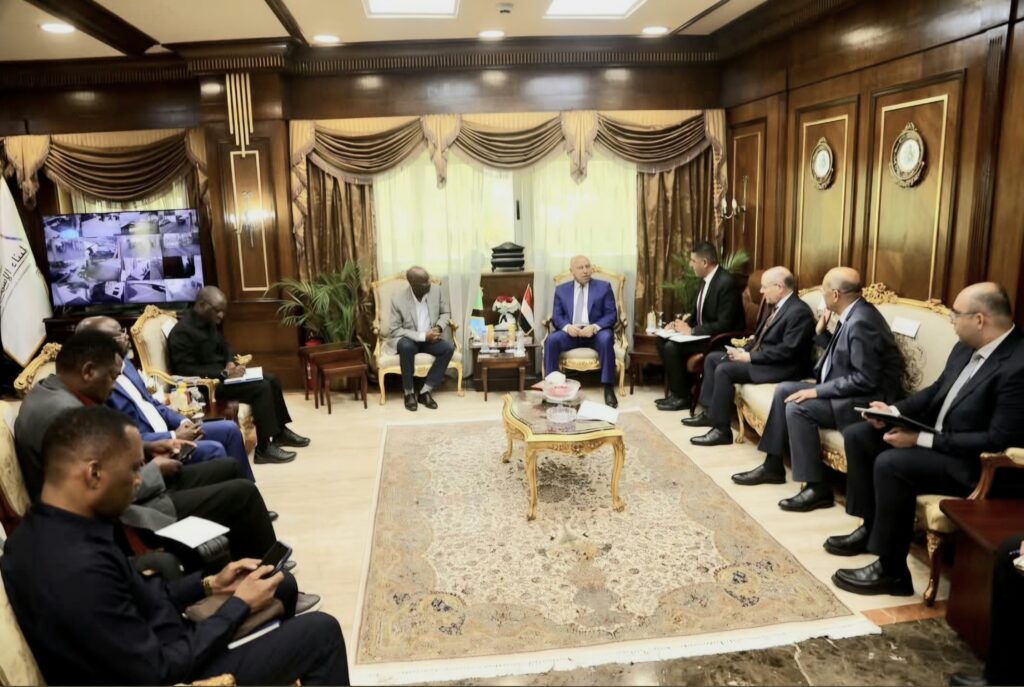
    The plans were discussed during a meeting between Egyptian Minister of Transport Kamel El-Wazir and Tanzanian Minister of Transport Makame Mbarawa at Alexandria Port. The visit included extensive bilateral discussions and an inspection of the port’s maritime and logistics facilities.

    El-Wazir emphasized Egypt’s commitment to expanding transport cooperation with Tanzania, increasing Egyptian exports to African markets and developing logistics zones to support regional trade.

    Dar es Salaam Port Development and New Shipping Service

    The proposed memorandum of understanding, which the two countries plan to sign in the coming period, outlines several major transport and logistics projects.

    A central component involves developing a multipurpose terminal at Dar es Salaam Port through an Egyptian-Tanzanian-international consortium. The port serves approximately 90% of Tanzania’s domestic market and provides maritime access to six landlocked countries: Malawi, Zambia, the Democratic Republic of the Congo, Burundi, Rwanda and Uganda.

    The agreement also envisages a direct maritime service connecting Egypt’s Red Sea ports of Sokhna and Safaga with Dar es Salaam. The proposed shipping link would support trade flows between Egypt and East Africa while providing connections to inland African markets.

    In addition, the two countries plan to establish reciprocal logistics zones, including an Egyptian logistics zone in Tanzania and a Tanzanian logistics zone in Egypt.

    The proposed cooperation extends to Tanzania Railways Corporation, with plans to connect the new facilities to the national railway network. This would support the integration of maritime, road and rail transport within the planned logistics corridor.

    Cairo–Dar es Salaam Multimodal Logistics Corridor

    The projects form part of the proposed Cairo–Dar es Salaam multimodal logistics corridor, which seeks to connect Egypt’s Red Sea ports and domestic logistics network with Tanzania and neighboring landlocked countries.

    Under the proposed arrangement, maritime services would connect Egyptian ports with Dar es Salaam. Cargo would then move through Tanzania’s electric railway network toward inland destinations in Central Africa.

    The corridor builds on an earlier memorandum of understanding on infrastructure cooperation between the Egyptian and Tanzanian transport ministries, signed during Egyptian President Abdel Fattah El-Sisi’s visit to Tanzania.

    El-Wazir said Egypt has infrastructure companies with extensive experience and the capacity to participate in Tanzanian projects. He emphasized their readiness to deliver infrastructure works according to high-quality standards, competitive costs and accelerated implementation schedules.

    Mbarawa welcomed the proposed cooperation and praised Egyptian expertise in transport and infrastructure development. He described the discussions as an important step toward launching joint projects between the two countries.

    Technical committees from both sides are expected to hold further meetings to advance the projects included in the planned agreement.

    The discussions also addressed maritime education and technical training. Mbarawa requested scholarships for Tanzanian students at the Arab Academy for Science, Technology and Maritime Transport (AASTMT).

    In response, El-Wazir confirmed Egypt’s willingness to provide specialized training opportunities for the entire Tanzanian team expected to operate the proposed Dar es Salaam terminal. The programs would focus on developing technical capabilities and preparing personnel to operate the facility using modern terminal management systems.

    Alexandria Port Showcases Maritime and Logistics Infrastructure

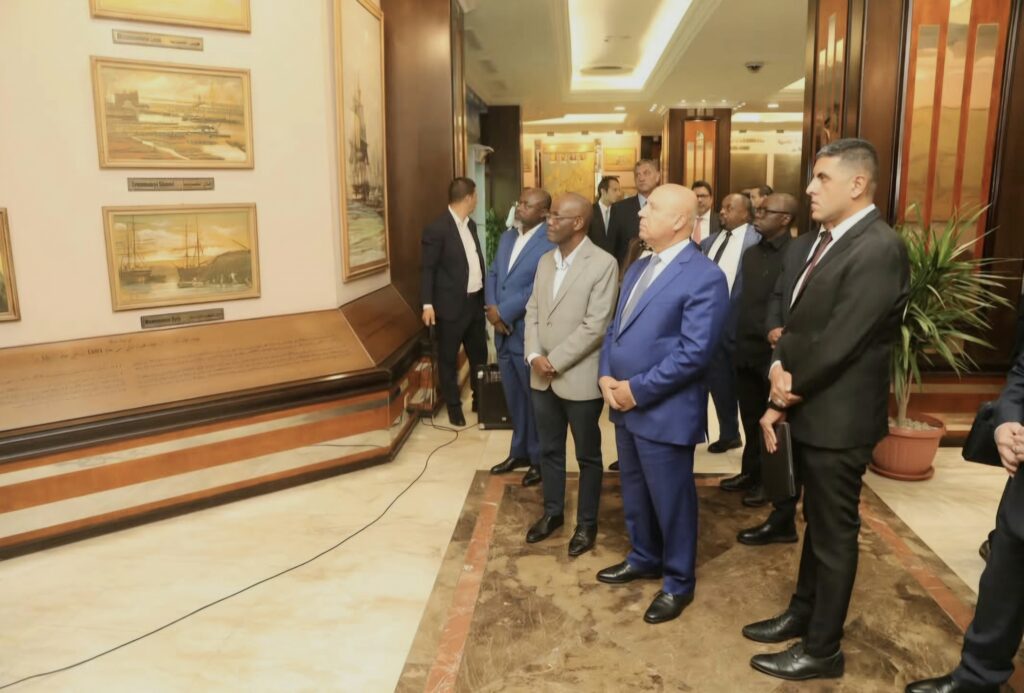
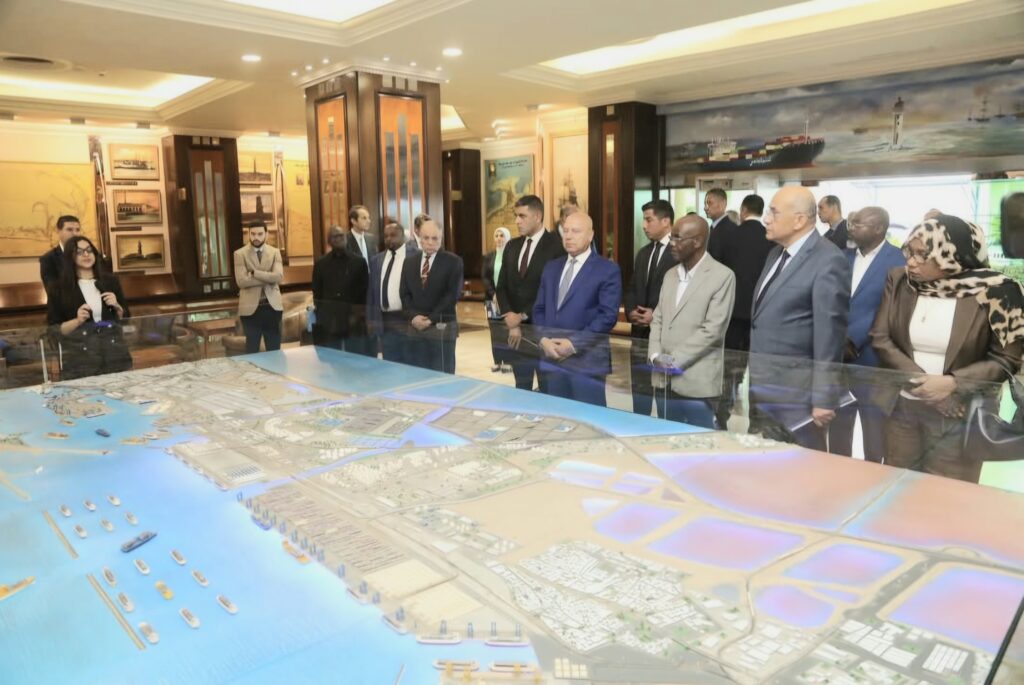
    Following the discussions, the two ministers toured several facilities at Alexandria Port, including the historic port museum, passenger terminal, cargo berths and Tahya Misr Multipurpose Terminal.

    The passenger terminal features a tourism complex covering more than 34,000 square meters, with capacity for up to 7,000 tourists. Its 820 meters of berths can accommodate four large cruise ships simultaneously, while the terminal building consists of three floors.

    The delegation also inspected general cargo berths 10, 11 and 13, alongside berth 12, which serves roll-on/roll-off (RoRo) vessels.

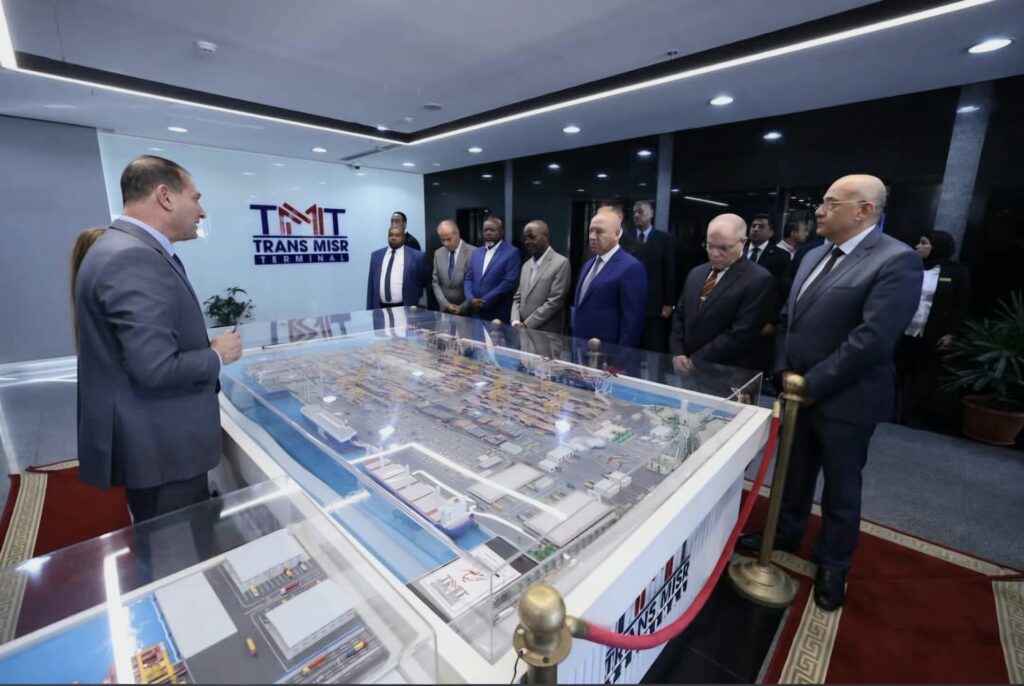
    The visit continued at Tahya Misr Multipurpose Terminal, which occupies approximately 500,000 square meters and features 2,500 meters of berths with depths reaching 17.5 meters.

    The terminal can accommodate vessels up to 400 meters long with capacities reaching 24,000 TEUs. Its annual handling capacity stands at 1.5 million TEUs and 15 million tons of general cargo.

    During the tour, terminal chairman Mahmoud Khodeir outlined the facility’s operational achievements. The terminal has handled approximately 2.6 million TEUs and received around 1,400 vessels, with transit cargo representing 38% of container volumes.

    Rail operations have also supported cargo movements between the port and inland logistics facilities. The terminal has received approximately 403 trains, handling 39,000 TEUs through its rail connections.

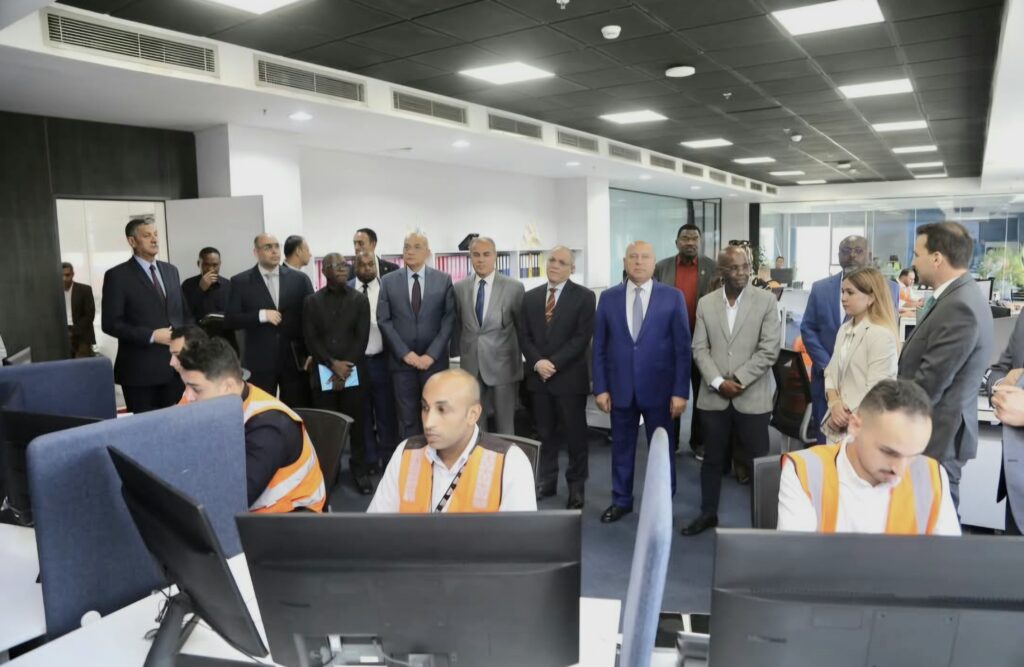
    The ministers reviewed the terminal’s digital operating systems and control room. They also inspected the rail container loading facility serving trains bound for October Dry Port.

    According to the presentation, Tahya Misr Multipurpose Terminal has generated approximately 1,000 direct jobs and 2,500 indirect employment opportunities.

    Alexandria Port Handles Over 82 Million Tons in 2025/2026

    During the visit, Egyptian officials presented the wider development of Alexandria Port and its contribution to the country’s maritime transport network.

    Alexandria Port Authority handled more than 82 million tons of cargo during the 2025/2026 fiscal year and received 7,026 vessels.

    The port forms an important part of the Sokhna–Alexandria logistics corridor, one of eight integrated international logistics corridors being developed by Egypt to connect maritime gateways with inland transport networks and international trade routes.

    El-Wazir also outlined Egypt’s broader maritime development strategy, which aims to position the country as a regional hub for transport, logistics and transit trade.

    The strategy includes constructing five new commercial ports, bringing the national total to 19. It also targets expanding port areas to 100 million square meters.

    Planned infrastructure improvements include adding 70 kilometers of berths with depths ranging from 18 to 25 meters, bringing total berth lengths to more than 100 kilometers.

    Egypt also plans to construct 35 kilometers of breakwaters, increasing the national total to 50 kilometers, while expanding its merchant fleet to 40 vessels by 2030.

    The proposed cooperation with Tanzania forms part of these wider efforts to strengthen Egypt’s maritime connectivity and expand trade and logistics links with African markets.

    Source: Egyptian Ministry of Transport

  • Egypt and Saudi Arabia Discuss Maritime Connectivity and Southern Arab Trade Corridor

    Shipping Arabia, October 3, 2026 – Egypt and Saudi Arabia discussed strengthening maritime connectivity, transport and logistics cooperation, with particular focus on linking their ports and integrating the two countries more closely into international trade corridors serving Europe and the Gulf.

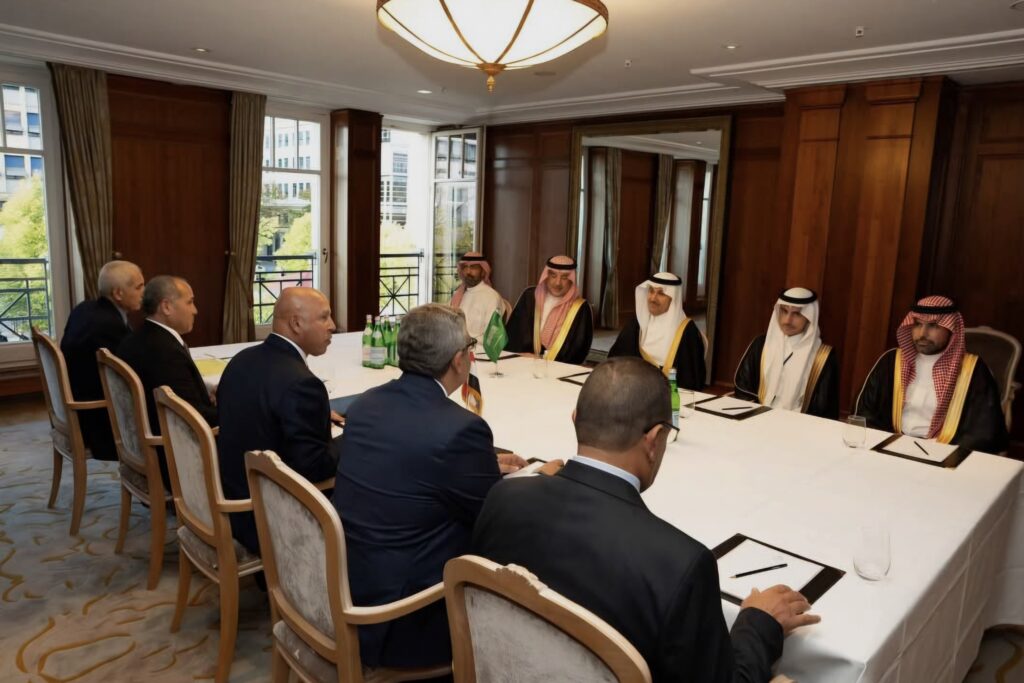
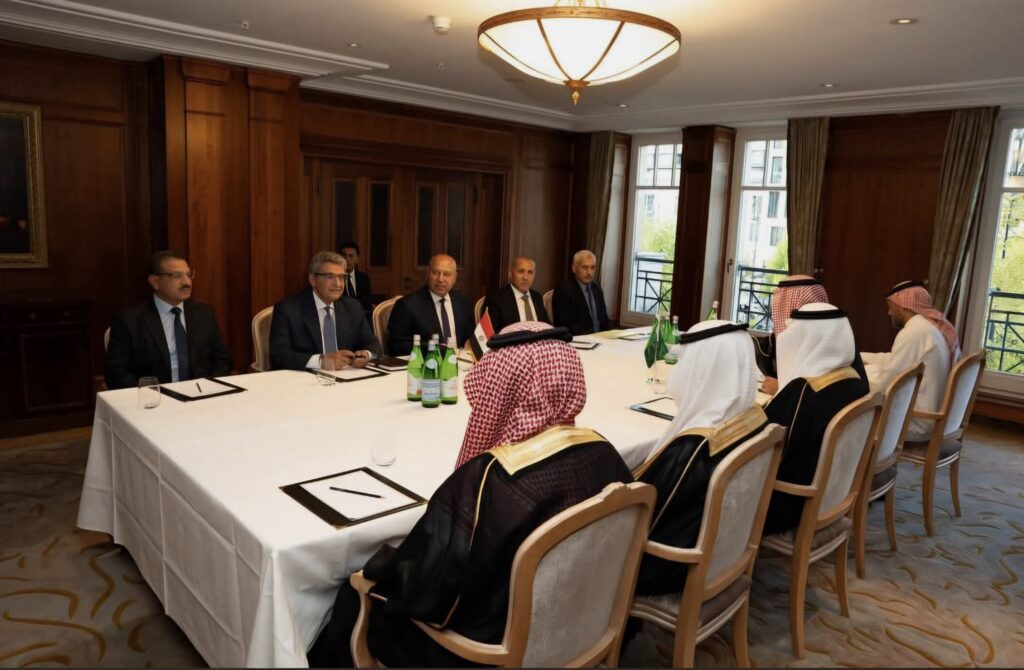
    Egyptian Minister of Transport Kamel El-Wazir held talks with Saudi Minister of Transport and Logistic Services Saleh Al-Jasser during El-Wazir’s visit to Germany from September 22 to 25 to participate in the InnoTrans exhibition and conference in Berlin.

    The meeting covered opportunities to expand cooperation in transport, logistics and maritime connectivity. Both sides said stronger links could support bilateral trade, increase the use of the two countries’ geographic positions and strengthen their integration into international transport corridors.

    Stronger Links Between Egyptian and Saudi Ports

    The ministers discussed closer integration between Egyptian and Saudi ports as part of efforts to facilitate trade between the two countries and onward connections to other Gulf states.

    Al-Jasser highlighted the depth of Saudi-Egyptian relations and the importance of expanding cooperation across transport sectors, particularly as both countries continue to develop their transport infrastructure.

    El-Wazir also pointed to the potential for greater strategic integration between Egypt’s development plans and Saudi Arabia’s Vision 2030. He said transport and logistics could form an important part of wider economic cooperation between the two countries.

    The talks also addressed cooperation on international corridors. Both ministers emphasized the importance of coordinating their transport networks and maritime gateways to improve cargo flows between Egypt, Saudi Arabia and wider regional markets.

    Southern Arab Trade Corridor Links Europe With the Gulf

    A central focus of the meeting was the Southern Arab Trade Corridor, which is intended to connect Europe with Gulf countries through Egypt.

    The corridor would use the Egypt-Italy RoRo service between Damietta Port and the Port of Trieste. Cargo would then move through Egypt using integrated international logistics corridors to Safaga Port on the Red Sea.

    From Safaga, maritime services operated by Egyptian national companies would connect with NEOM Port, formerly Duba Port, in Saudi Arabia. Cargo could then continue to other Gulf countries.

    The ministers highlighted the corridor as a means of improving connectivity between European and Gulf markets while making greater use of Egyptian and Saudi transport infrastructure.

    The concept combines maritime services with inland logistics networks and port connections, creating a multimodal route extending from the Mediterranean to the Red Sea and onward to Saudi Arabia and other Gulf markets.

    Egypt Plans Eight Integrated Logistics Corridors

    El-Wazir also outlined Egypt’s plans to establish eight integrated logistics corridors. The corridors are intended to link industrial, agricultural and mining production areas with seaports and connect Red Sea ports with Mediterranean ports.

    The planned system would use railway networks, including diesel rail and high-speed electric rail, as well as major road networks. The routes would also pass through dry ports and logistics zones located along the corridors.

    According to El-Wazir, the strategy is designed to support Egypt’s objective of becoming a regional hub for transport, logistics and transit trade.

    The supplied statement refers to the eight planned corridors but does not include the detailed list of individual routes.

    Egypt and Saudi Arabia Seek Wider Transport Cooperation

    The meeting also included broader discussions on economic, investment and trade cooperation between Egypt and Saudi Arabia. Both sides said the next phase should build on existing cooperation while opening wider opportunities for joint projects.

    They also highlighted the role of the Egyptian-Saudi Supreme Coordination Council as an institutional framework for coordinating efforts and advancing bilateral cooperation.

    The ministers said continued cooperation should focus on making greater use of the capabilities available in both countries, expanding joint economic and investment activity and strengthening mutual interests.

    The discussions in Berlin reflected the two countries’ focus on transport and logistics as areas where stronger maritime connectivity and international corridor integration could support future trade growth.

    Source: Egyptian Ministry of Transport

  • Egyptian Ports Handle 233 Million Tonnes as Maritime Connectivity Ranking Rises to 19th Globally

    Shipping Arabia, September 24, 2026 – Egyptian ports handled 233 million tonnes of cargo and 11.1 million TEUs in 2025, as the country advances a major port and logistics expansion programme aimed at strengthening its position in regional transport, transshipment and global shipping networks.

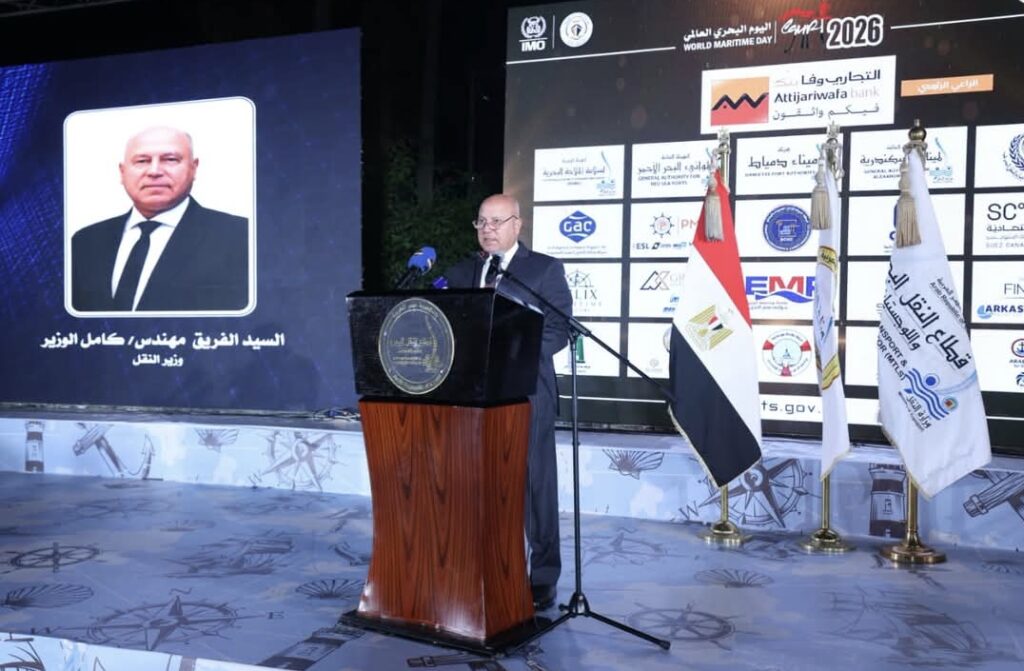
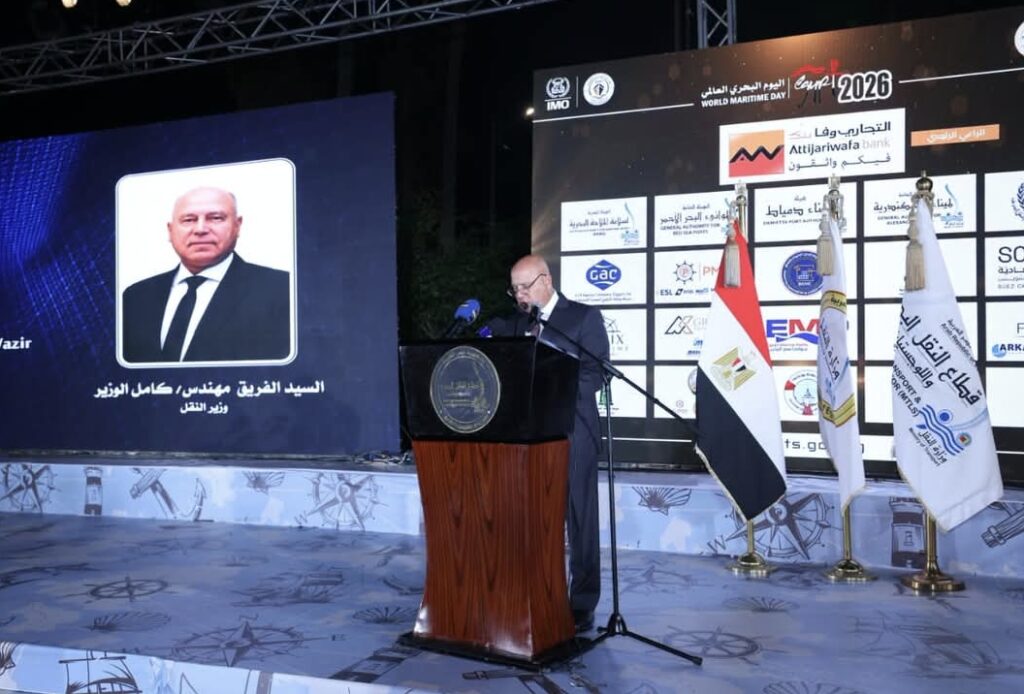
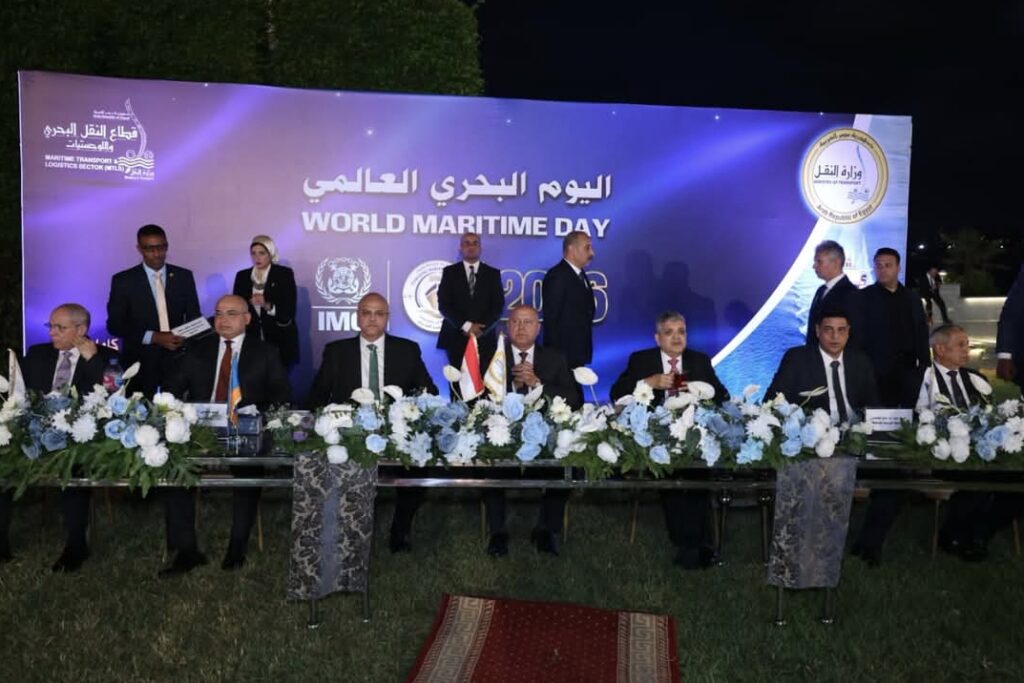
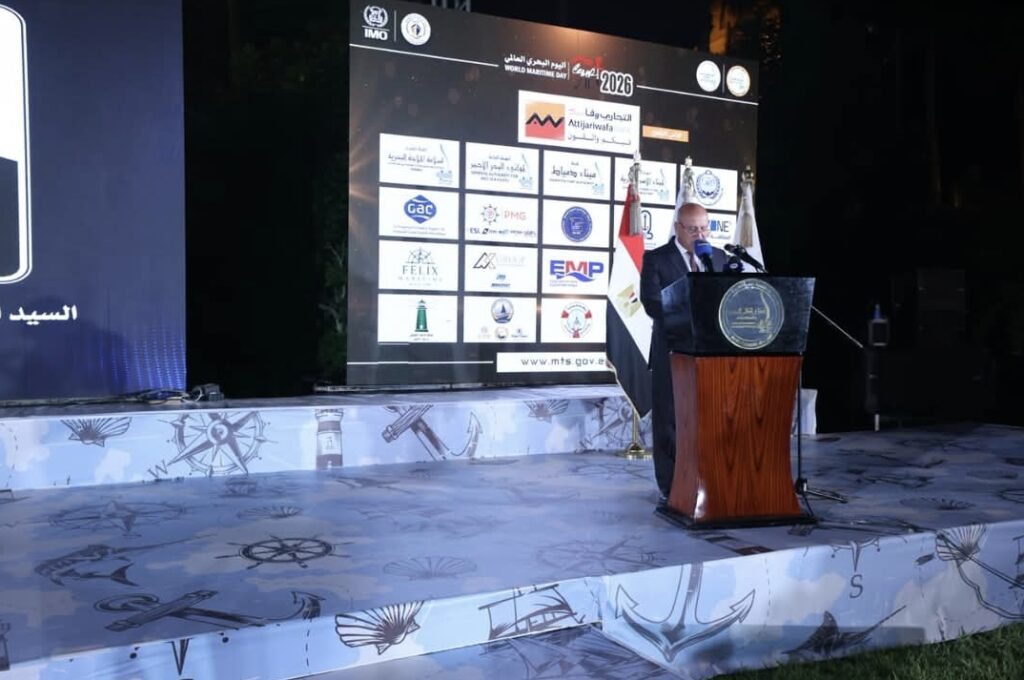
    The figures were announced by Transport Minister Kamel El-Wazir during Egypt’s World Maritime Day 2026 event in Alexandria, held under the theme “From Policy to Practice: Powering Maritime Excellence.”

    Cargo throughput increased 12% year-on-year, while container volumes rose 25%. Egypt also advanced to 19th globally in the Liner Shipping Connectivity Index (LSCI), from 23rd in 2024, ranking first in Africa and second among Arab countries. The government is targeting a position among the global top 15 by 2030.

    Egypt is developing eight integrated international logistics corridors connecting Mediterranean and Red Sea ports and the Suez Canal corridor with dry ports, industrial, agricultural and mining areas through railways, express roads and the high-speed electric rail network.

    Its maritime development programme includes expanding the commercial port network to 19 ports, increasing port areas to 100 million square meters and adding 70 kilometers of new berths with depths of 18 to 25 meters, taking total quay length beyond 100 kilometers. Plans also include expanding breakwaters and increasing the marine tug fleet to 80 units.

    New container and multipurpose terminals are being developed with international operators and shipping lines including Maersk, MSC and CMA CGM, supporting additional capacity and stronger integration into global liner networks.

    Egypt is also targeting a commercial fleet of around 40 vessels by 2030, capable of carrying 30 million tonnes annually through its state-affiliated shipping companies.

    Alongside capacity expansion, the maritime strategy includes digitalization, green ports, shore power, lower-emission marine fuels and green hydrogen projects as Egypt seeks to combine infrastructure growth with environmental and operational efficiency.

    The World Maritime Day event brought together senior maritime and port officials, including Suez Canal Authority Chairman and Managing Director Adm. Ossama Rabiee, port executives and representatives of Egypt’s maritime community.

    Source: Ministry of Transport – Egypt

Back to top button