Maritime Cooperation

  • Mauritania Explores Maritime Training Cooperation with AASTMT in Alexandria

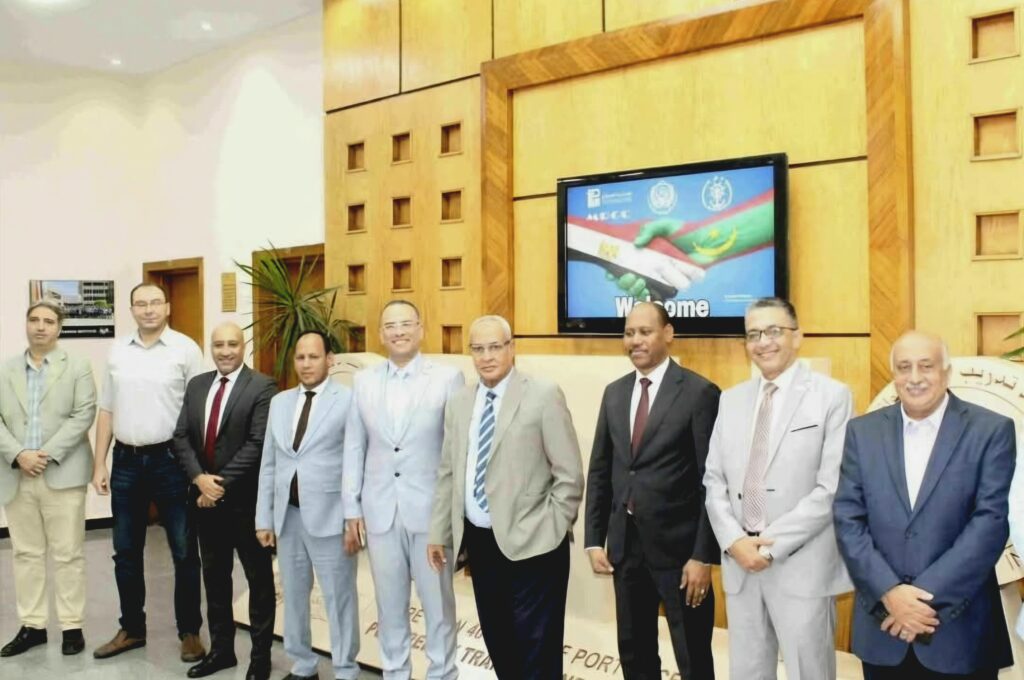
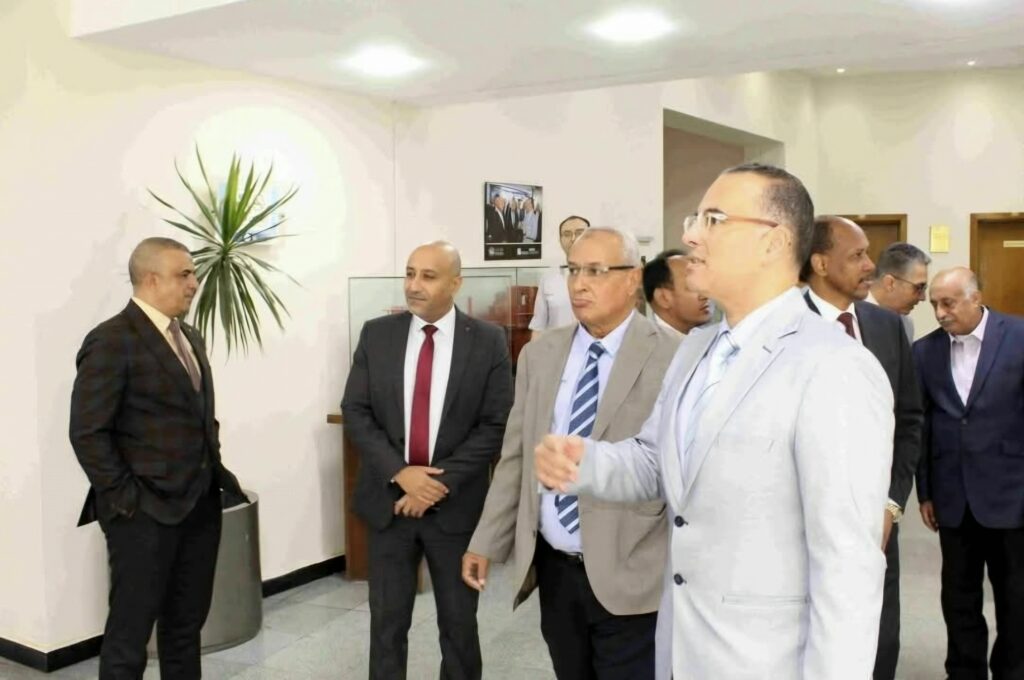
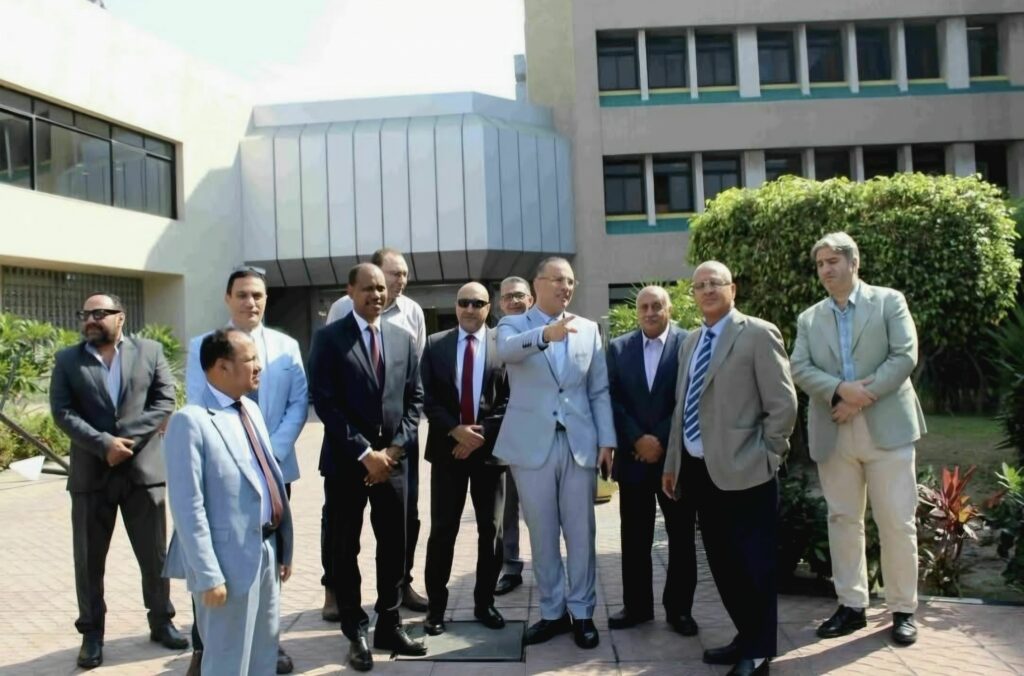
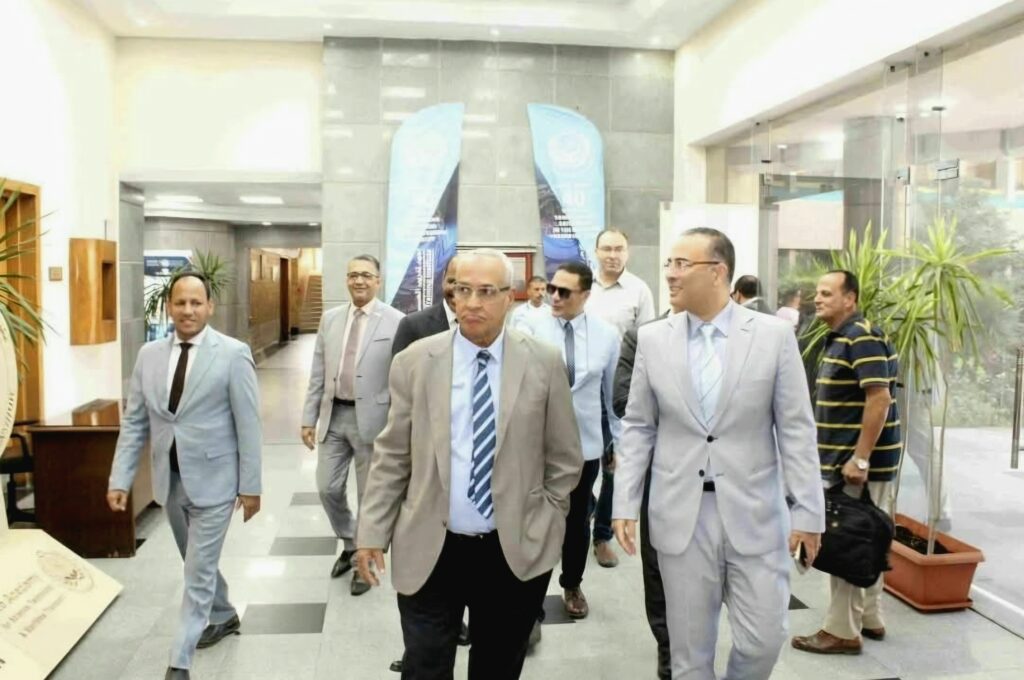
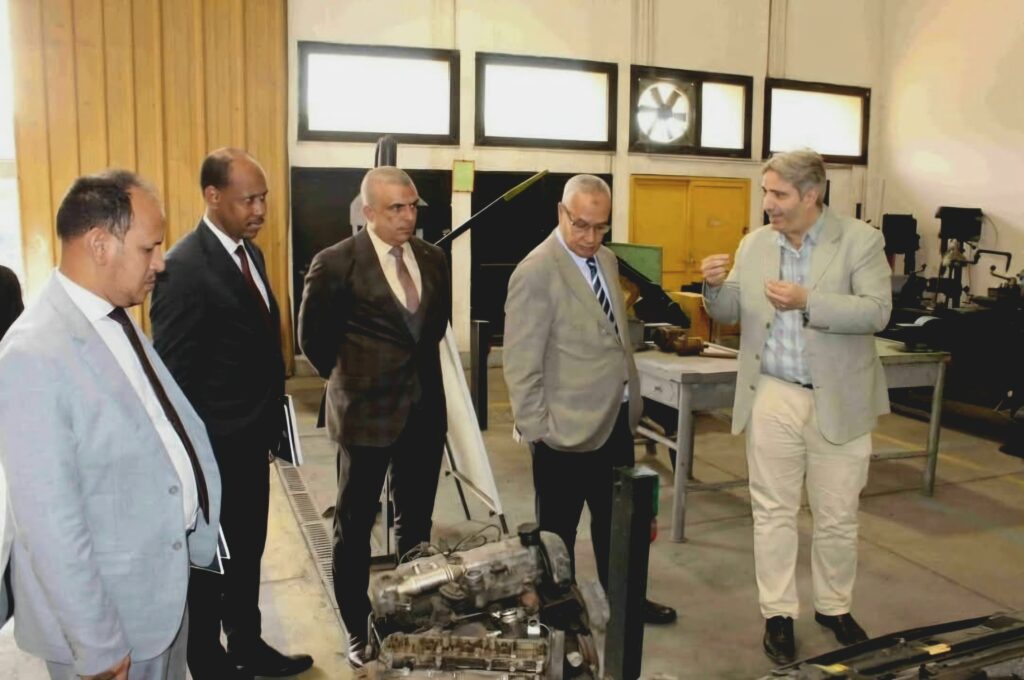
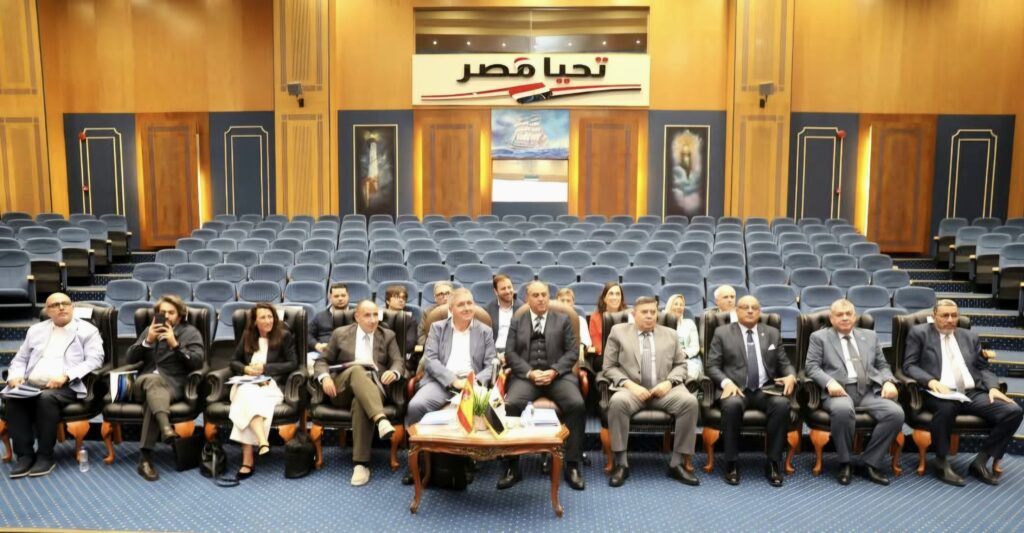
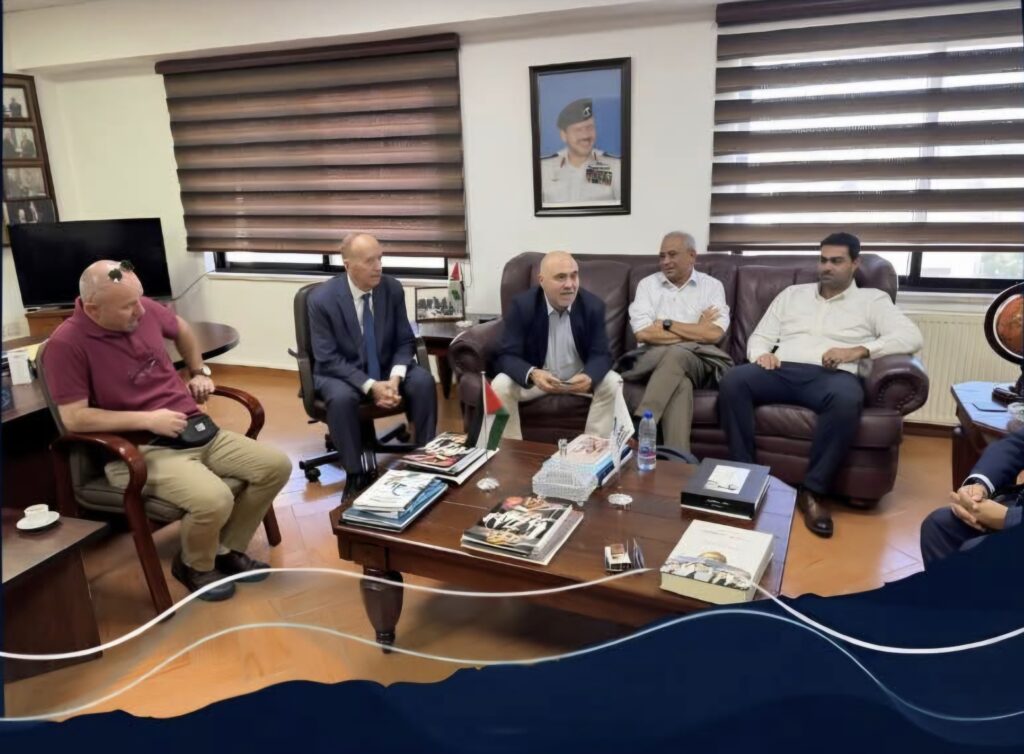
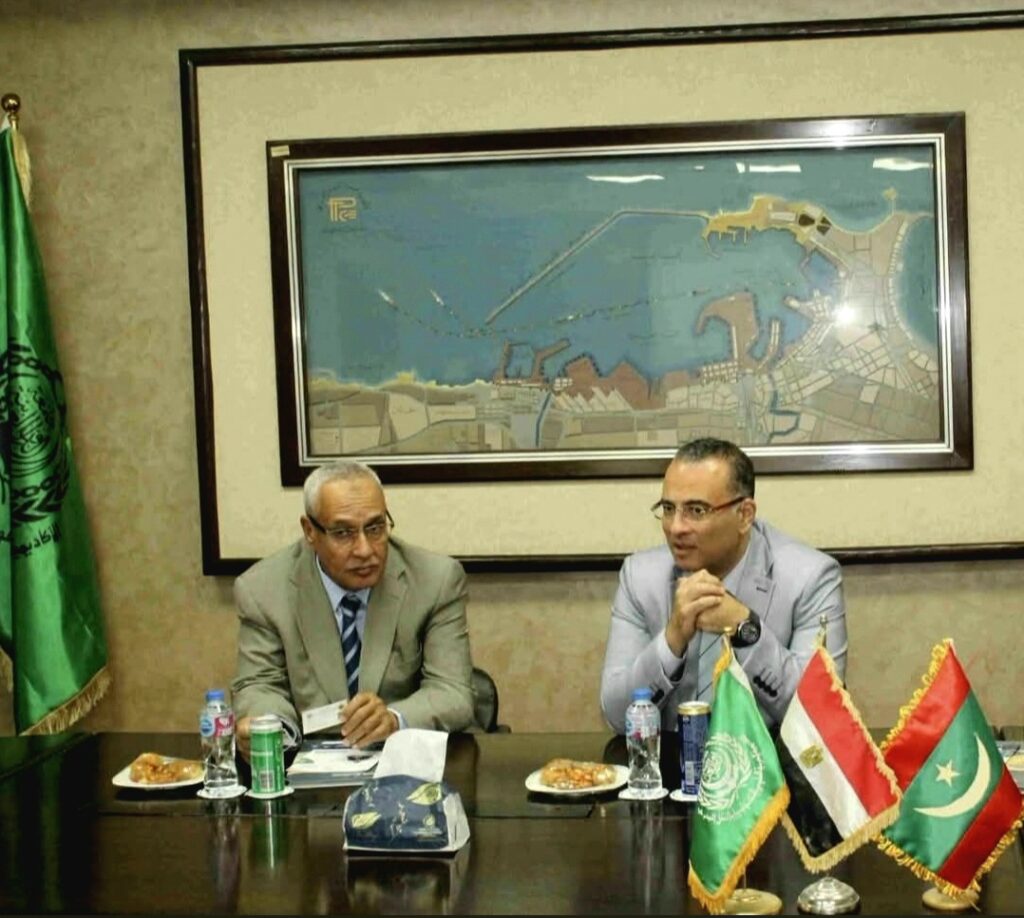
    Shipping Arabia, November 1, 2026 – A delegation from Mauritania’s Ministry of Fisheries and Marine and Port Infrastructure visited the Port Training Institute (PTI) at the Arab Academy for Science, Technology and Maritime Transport (AASTMT) in Alexandria, Egypt, to explore maritime training cooperation, port workforce development and technical consultancy.

    The visit focused on strengthening cooperation between the two sides and exchanging expertise in maritime and port training. Discussions also addressed opportunities to develop specialized professional capabilities and support the modernization of Mauritania’s maritime transport sector and port infrastructure.

    Mauritanian Delegation Reviews Port Training Capabilities

    The Mauritanian delegation was led by Sidi Ali Sidi Boubacar, Secretary-General of the Ministry of Fisheries and Marine and Port Infrastructure. He was accompanied by Mohamed Mahmoud Cheikh Ahmed, Technical Adviser for Communications at the Minister’s Office.

    Prof. Alaa Mahmoud Morsy, Dean of the Port Training Institute and the Maritime Transport Research and Consultation Center at AASTMT, received the delegation alongside senior institute officials. Mohamed Babah Ahmed Babou, Adviser to the AASTMT President, also attended the meeting.

    During the visit, the delegation reviewed the Port Training Institute’s advanced training facilities and technological capabilities. Institute representatives outlined their role in preparing and developing specialized maritime and port personnel in accordance with international standards and industry practices.

    The delegation also received an overview of the institute’s professional training programs and technical consultancy services. These services support workforce development and operational capabilities across the maritime transport and port sectors.

    Maritime Training Cooperation to Support Mauritania’s Port Development

    Discussions explored opportunities for future maritime training cooperation, particularly in specialized professional development, technical knowledge exchange and institutional capacity building.

    Both sides examined how Mauritania could benefit from AASTMT’s expertise, training facilities and consultancy capabilities to support the development and modernization of its ports and maritime infrastructure.

    The discussions also highlighted the importance of strengthening human capital and improving professional competencies within the maritime transport sector. Developing qualified personnel remains a central objective of the proposed cooperation, alongside exchanging practical experience and technical knowledge.

    Prof. Morsy welcomed the Mauritanian delegation and reaffirmed the Port Training Institute’s commitment to expanding cooperation with Arab maritime and port institutions.

    He emphasized the institute’s willingness to share its training and consultancy expertise to strengthen workforce capabilities and help maritime professionals respond to developments across the shipping and port industries.

    The visit took place within the framework of directives issued by AASTMT President Prof. Ismail Abdel Ghaffar Ismail Farag to strengthen cooperation among Arab institutions and encourage the exchange of expertise in maritime education, training and professional development.

    Strengthening Arab Maritime Institutional Cooperation

    The engagement reflects AASTMT’s continued efforts to promote cooperation among Arab maritime institutions through specialized training, technical consultancy and professional knowledge exchange.

    Through the Port Training Institute and its associated research and consultancy capabilities, the academy provides training and professional development services designed to support the maritime transport and port sectors.

    The Mauritanian delegation’s visit provided an opportunity to examine potential areas of collaboration and identify how the academy’s technical and institutional expertise could contribute to Mauritania’s maritime and port development objectives.

    The discussions also reinforced the importance of building sustainable professional partnerships among Arab maritime institutions, particularly in workforce qualification, specialized training and the exchange of operational expertise.

    Source: Port Training Institute (AASTMT)
  • Port of Tripoli Seeks German Investment and Maritime Cooperation Opportunities

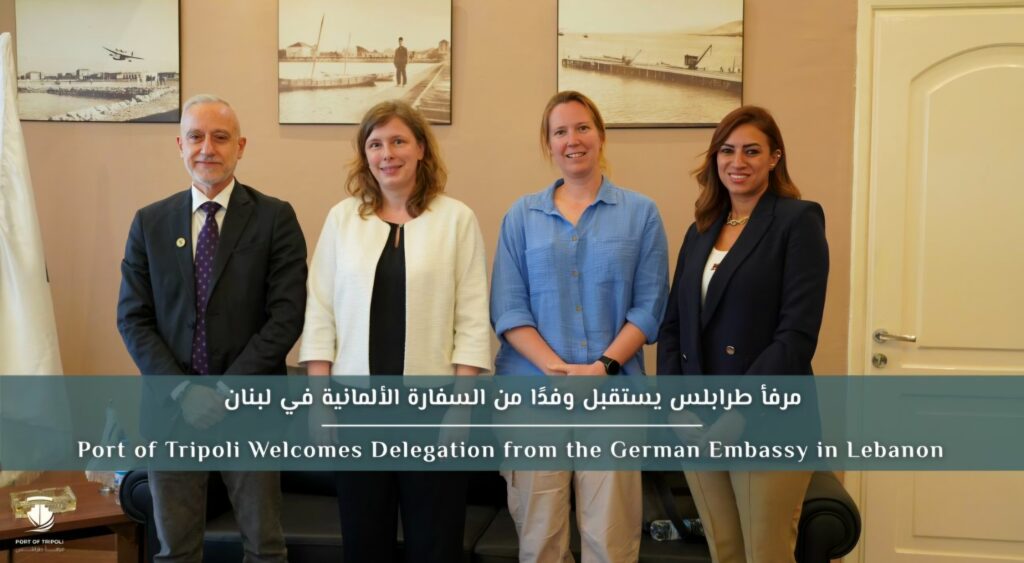
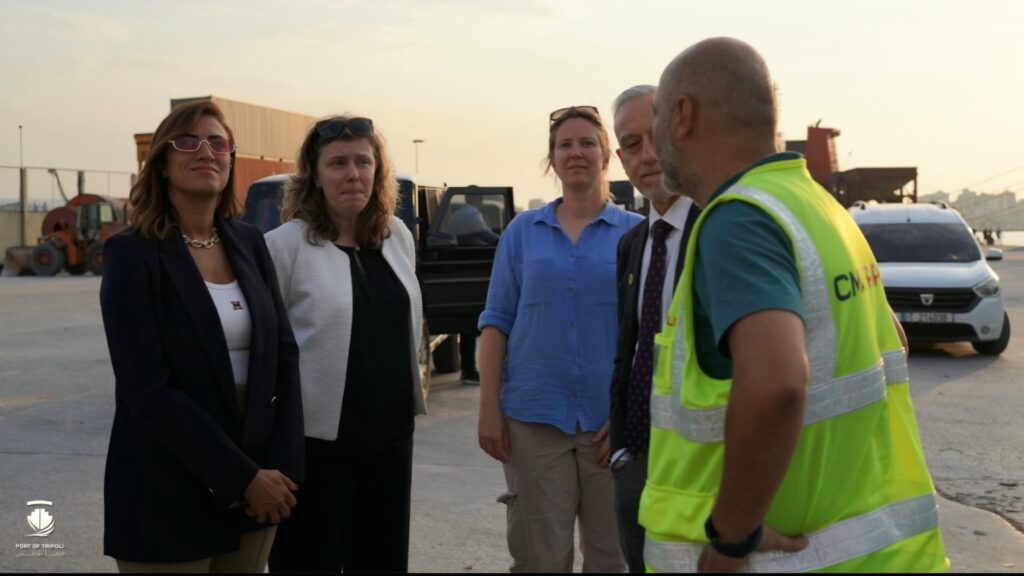
    Shipping Arabia, October 27, 2026 – Lebanon’s Port of Tripoli is exploring opportunities to attract German investment and strengthen maritime and logistics cooperation with Germany. The initiative follows a visit by senior representatives of the German Embassy in Lebanon to discuss potential partnerships, infrastructure development and private sector engagement.

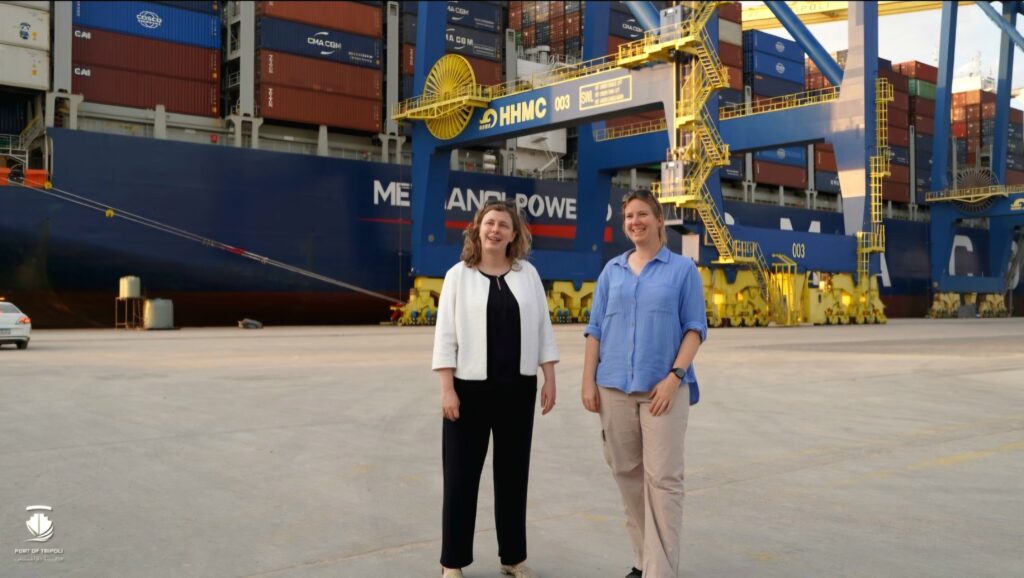
    The port welcomed Yasmin Raya, Deputy Head of Mission at the German Embassy, and Caroline Tiurat, Director of the Cultural and Economic Section. Their visit focused on identifying areas of mutual cooperation and strengthening engagement with German businesses and institutions.

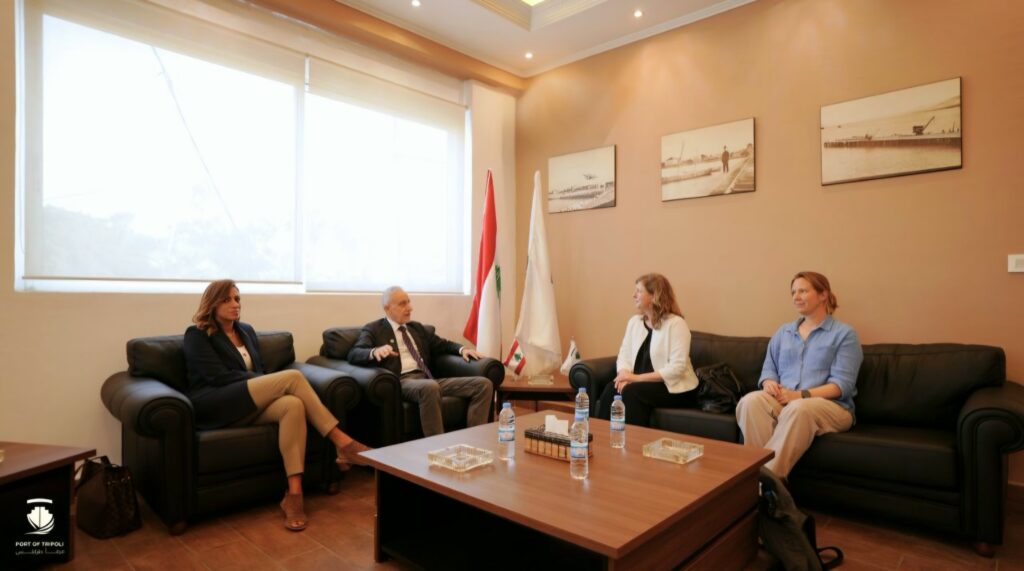
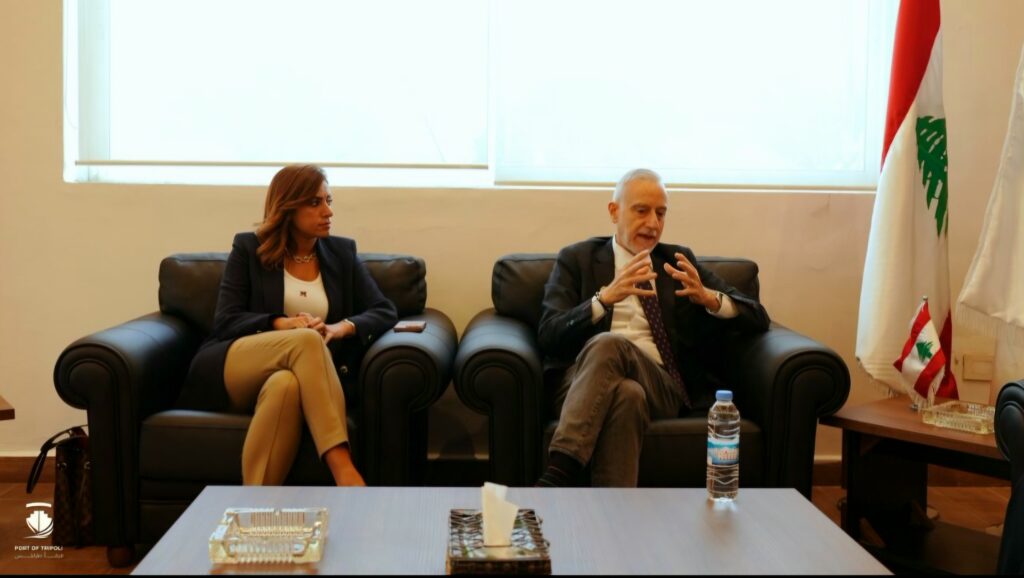
    During the meeting, port officials presented their strategic vision, development priorities and key initiatives planned over the short, medium and long term. They also highlighted the port’s potential to serve as a strategic maritime and logistics gateway, supporting economic development in Tripoli and Lebanon.

    German Investment and Technical Cooperation Opportunities

    Discussions explored several avenues for cooperation between the Port of Tripoli and the German private sector. These included technical assistance, knowledge exchange, capacity building, investment and potential operational partnerships.

    Particular attention was given to opportunities for German companies to participate in the port’s development activities. The discussions also addressed ways to strengthen private sector engagement and encourage interest in future maritime and logistics projects.

    A key priority was establishing direct communication channels with German companies and relevant institutions. These connections would help raise awareness of the port’s ongoing developments, upcoming projects, investment opportunities and future tenders.

    By improving communication with potential German partners, the port aims to increase the visibility of its development plans and create opportunities for cooperation across maritime operations, logistics and infrastructure.

    German Delegation Tours Port of Tripoli Terminals

    Following the discussions, the German delegation conducted a field visit to three major facilities at the Port of Tripoli: the Passenger Terminal, General Cargo Terminal and Container Terminal.

    The tour provided an opportunity to examine the port’s existing infrastructure and gain a better understanding of its operational capabilities. It also allowed the delegation to assess the facilities and explore their potential for future development and cooperation.

    The terminal visits complemented the strategic discussions by providing firsthand exposure to the port’s maritime operations and infrastructure.

    Strengthening Lebanese-German Maritime Partnerships

    The visit forms part of the Port of Tripoli’s efforts to develop relationships with international partners and promote its maritime and logistics potential.

    Port officials expressed interest in building on the discussions and exploring further cooperation with German businesses and institutions. Potential areas of engagement include maritime services, logistics activities, infrastructure development and operational opportunities.

    The Port of Tripoli aims to use this engagement to support its development priorities while strengthening its potential contribution to economic activity in Tripoli and Lebanon.

    Source: Port of Tripoli

  • Alexandria Port and Port of Barcelona Explore Maritime Cooperation and Joint Investment Opportunities

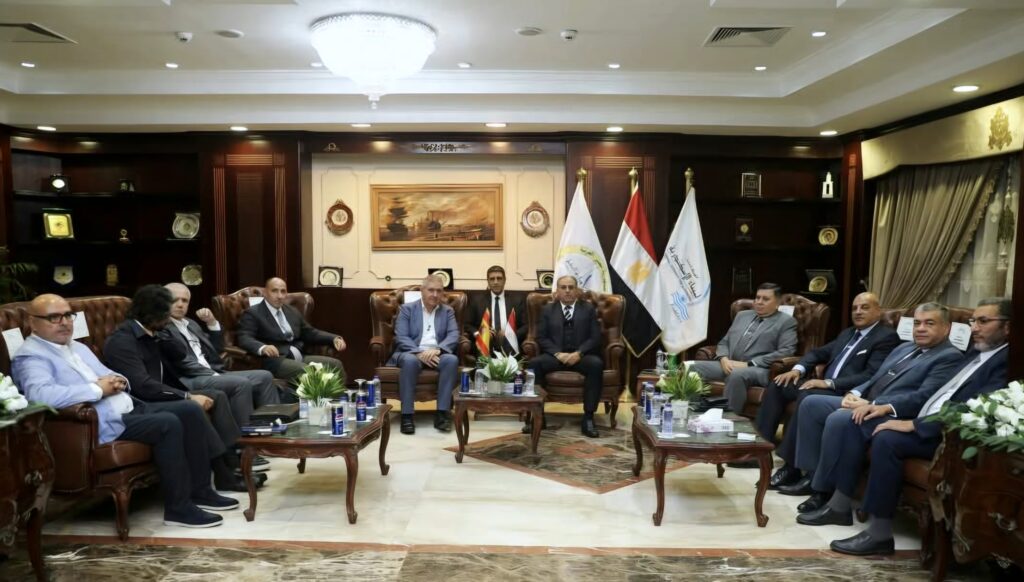
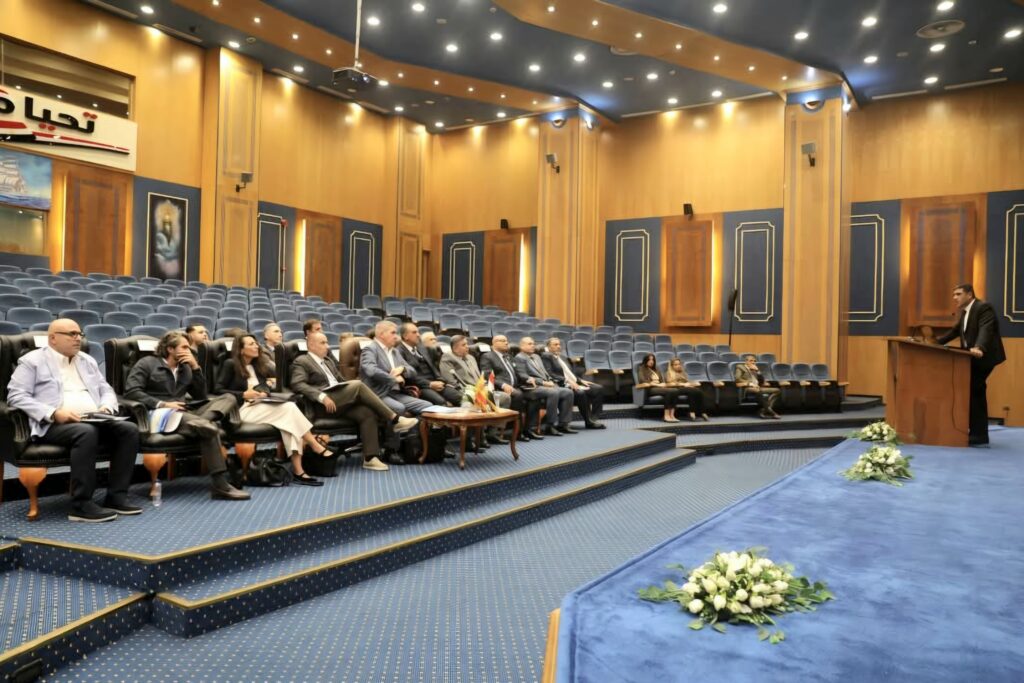
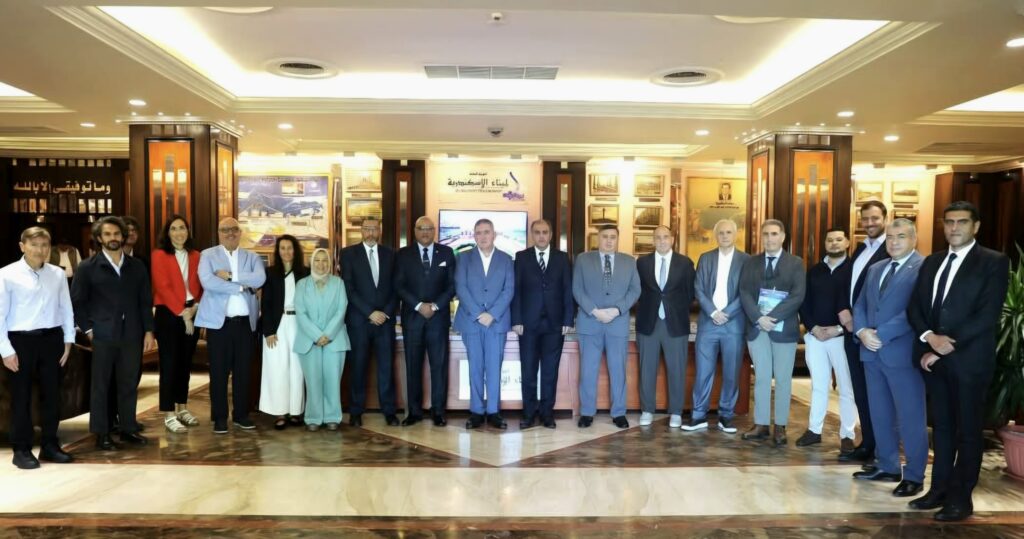
    Shipping Arabia, October 26, 2026 – Alexandria Port Authority has held discussions with a Spanish delegation representing the Port of Barcelona, Barcelona Chamber of Commerce and Mercabarna to explore closer cooperation in maritime transport, trade, investment and logistics between Egypt and Spain. The talks included a proposal to establish a memorandum of understanding between Alexandria Port and the Port of Barcelona.

    The meeting took place under the directives of Egypt’s Minister of Transport, Kamel El-Wazir, as part of efforts to strengthen Egyptian-Spanish relations and expand cooperation in maritime and logistics activities. Representatives of the Alexandria Chamber of Commerce and senior officials from Alexandria Port Authority also participated.

    The authority’s Deputy Chairman for Operations welcomed the delegation on behalf of its Chairman, alongside the Deputy Chairman for Investment and other senior officials. During the meeting, the Egyptian side emphasized the longstanding relationship between Egypt and Spain and the importance of strengthening cooperation between ports and business institutions across the Mediterranean.

    Alexandria Port and Port of Barcelona Discuss Potential Cooperation Agreement

    A central topic of the discussions was the possibility of concluding a memorandum of understanding between Alexandria Port Authority and the Port of Barcelona. The proposed agreement would identify specific areas of cooperation, establish implementation mechanisms and support knowledge exchange between the two ports.

    Egyptian officials emphasized the importance of building on existing cooperation with the Port of Barcelona and developing a more structured partnership. Such an arrangement would provide a framework for exploring joint initiatives and strengthening institutional ties between the Egyptian and Spanish maritime sectors.

    The discussions also addressed opportunities to expand bilateral trade, exchange operational and logistics expertise, and identify potential joint projects. Both sides examined how closer coordination between port authorities and business organizations could support economic interests and strengthen logistics integration across the Mediterranean.

    Spanish Business Institutions Explore Trade and Logistics Opportunities

    The participation of the Barcelona Chamber of Commerce and Mercabarna extended the discussions beyond port-to-port cooperation to include wider commercial and logistics activities.

    Participants explored ways to strengthen communication between maritime institutions and business organizations in both countries. They also discussed opportunities to leverage the operational and logistics capabilities of Egyptian and Spanish ports to facilitate trade flows, encourage investment and develop services supporting maritime transport and supply chains.

    The talks highlighted the importance of connecting port operations with commercial activities and identifying opportunities for joint initiatives involving maritime and business stakeholders.

    The involvement of representatives from the Alexandria Chamber of Commerce provided an additional platform for discussing trade and investment opportunities between Egyptian and Spanish business communities.

    Alexandria Port Presents Development Projects and Future Plans

    During the meeting, Alexandria Port Authority presented an overview of the port’s operational and logistics capabilities, ongoing development projects and future plans.

    The presentation outlined the port’s development vision and examined opportunities for cooperation with Spanish partners. Discussions focused on strengthening Alexandria Port’s contribution to Egypt’s foreign trade and improving connections with regional and international markets.

    Both sides also considered how the capabilities of Egyptian and Spanish ports could support closer commercial ties and create opportunities for cooperation in maritime transport, logistics and supply chain services.

    Following the discussions, the Spanish delegation participated in a field tour of Alexandria Port, providing an opportunity to observe the port’s facilities and operations.

    At the conclusion of the visit, both sides reaffirmed their commitment to maintaining coordination and developing the opportunities identified during the meeting. They also expressed their intention to translate the discussions into practical initiatives and joint projects that support trade, investment and stronger Egyptian-Spanish partnerships in maritime transport and logistics.

    Source: Alexandria Port Authority

  • Aqaba Port’s Mahmoud Khalifat Elected President of Arab Sea Ports Federation

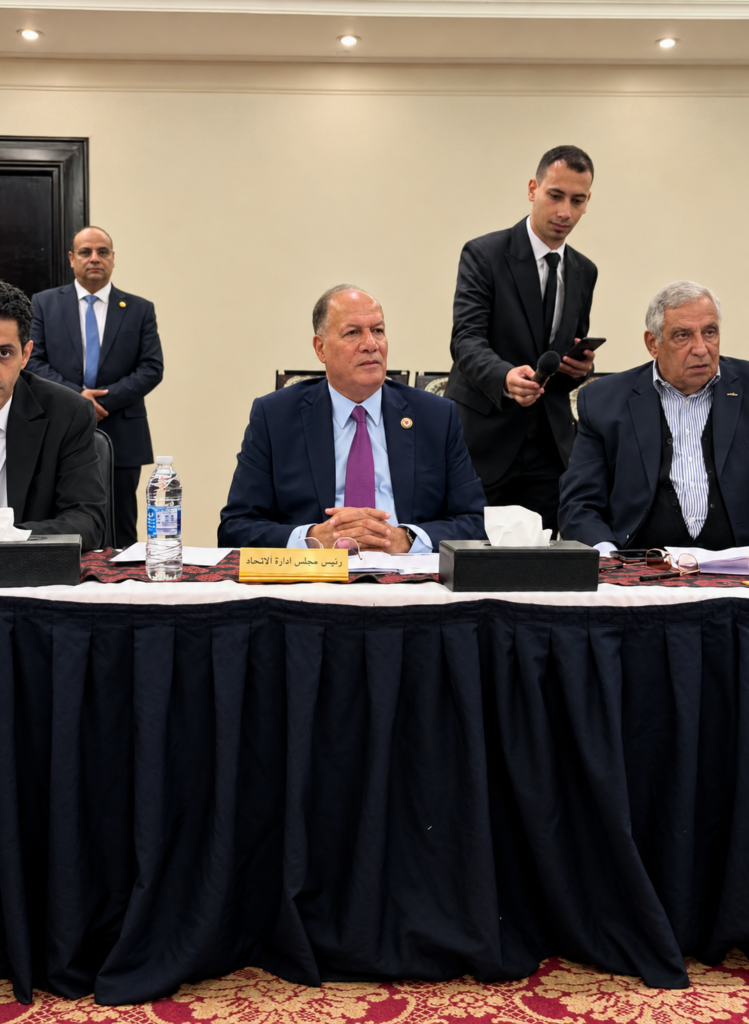
    Shipping Arabia, October 21, 2026 – Dr. Mahmoud Khalifat, General Manager of Aqaba Company for Ports Operation and Management (ACPOM), has been elected President of the Arab Sea Ports Federation (ASPF). The election took place during the federation’s 65th Board of Directors meeting in Alexandria, Egypt. Khalifat succeeds the UAE’s Mohamed Al Shamsi, placing Jordan and the Port of Aqaba at the helm of the regional maritime organization.

    Following his election, Khalifat expressed appreciation for the confidence placed in Jordan by Arab port administrations. He described the appointment as recognition of the reputation, leadership, and operational achievements of Jordanian ports, particularly the Port of Aqaba.

    Khalifat emphasized that the confidence demonstrated by federation members reflects the progress achieved across Jordan’s port sector. He also highlighted the responsibility that comes with leading an organization representing maritime ports and institutions throughout the Arab region.

    Strengthening Cooperation and Competitiveness Across Arab Ports

    Khalifat outlined a series of priorities aimed at advancing cooperation among Arab ports and strengthening their operational performance. He emphasized the importance of greater coordination and integration between member ports to address regional and international logistics challenges.

    A central priority will be improving the efficiency and competitiveness of Arab ports through the development of maritime services. Khalifat also called for measures to facilitate intra-Arab trade and maritime transport, accelerate cargo handling operations, and improve supply chain flows.

    He stressed that these objectives require closer collaboration among federation members. Such cooperation would help Arab ports strengthen their collective capabilities while addressing the operational and logistics challenges facing the maritime transport sector.

    Khalifat further emphasized the need to translate the confidence placed in the federation’s leadership into continued work and tangible achievements. He highlighted the importance of advancing port development at both national and regional levels while strengthening joint Arab maritime cooperation.

    Digital Transformation and Smart Port Development

    Digital transformation and smart port technologies will also feature prominently among the priorities identified by Khalifat.

    He called for supporting plans to develop port infrastructure across the Arab region, modernize equipment, and introduce advanced technologies to improve operational efficiency.

    According to Khalifat, adopting modern systems and technological solutions is essential for improving the competitiveness of Arab ports. He also emphasized the importance of innovation and knowledge-based development in keeping port operations aligned with advances in the global maritime industry.

    These priorities include modernizing port operating systems, strengthening technological capabilities, and encouraging innovation across port activities.

    Khalifat stressed that Arab ports must continue adapting to developments in international port management and maritime operations. He called for a sustained commitment to modernization and innovation to strengthen their position within the evolving global maritime sector.

    Arab Sea Ports Federation: Role, Objectives, and Membership

    The Arab Sea Ports Federation was established in Alexandria, Egypt, in 1976. It operates under the umbrella of the League of Arab States through the Council of Arab Economic Unity.

    The federation is a specialized Arab organization with its own legal personality and financial and administrative independence. Its primary objectives include supporting the development of Arab maritime ports, improving operational efficiency, and contributing to economic integration among Arab countries through maritime transport.

    The organization also works to strengthen relationships among member ports and promote the exchange of expertise, information, and economic studies. In addition, it seeks to help Arab ports respond to global developments in the maritime industry and benefit from modern technological and digital applications.

    Its membership includes numerous Arab maritime authorities, port organizations, and institutions.

    Among the members are Aqaba Company for Ports Operation and Management, representing the Port of Aqaba in Jordan, alongside the Alexandria Port Authority and the ports of Dekheila and Damietta in Egypt. The federation also includes Abu Dhabi Ports and Sharjah Ports in the United Arab Emirates.

    Through these members, the federation provides a framework for cooperation in port development, maritime transport, operational efficiency, and the exchange of knowledge across the Arab region.

    Khalifat’s election places the leadership of Aqaba Port at the head of an organization focused on strengthening Arab maritime cooperation. His stated priorities emphasize closer coordination, improved port competitiveness, digital transformation, and the modernization of maritime infrastructure and operations.

    Source: Aqaba Company for Ports Operation and Management (ACPOM)

  • Suez Canal Authority Explores Maritime Cooperation With Sri Lanka in Shipbuilding and Logistics

    Shipping Arabia, October 16, 2026 – The Suez Canal Authority (SCA) and Sri Lanka have discussed opportunities to strengthen maritime cooperation with Sri Lanka across shipbuilding, port operations, marine construction, logistics and specialized training. The discussions also covered potential partnerships between SCA-affiliated companies and Sri Lankan maritime businesses, alongside investment opportunities in the Suez Canal region.

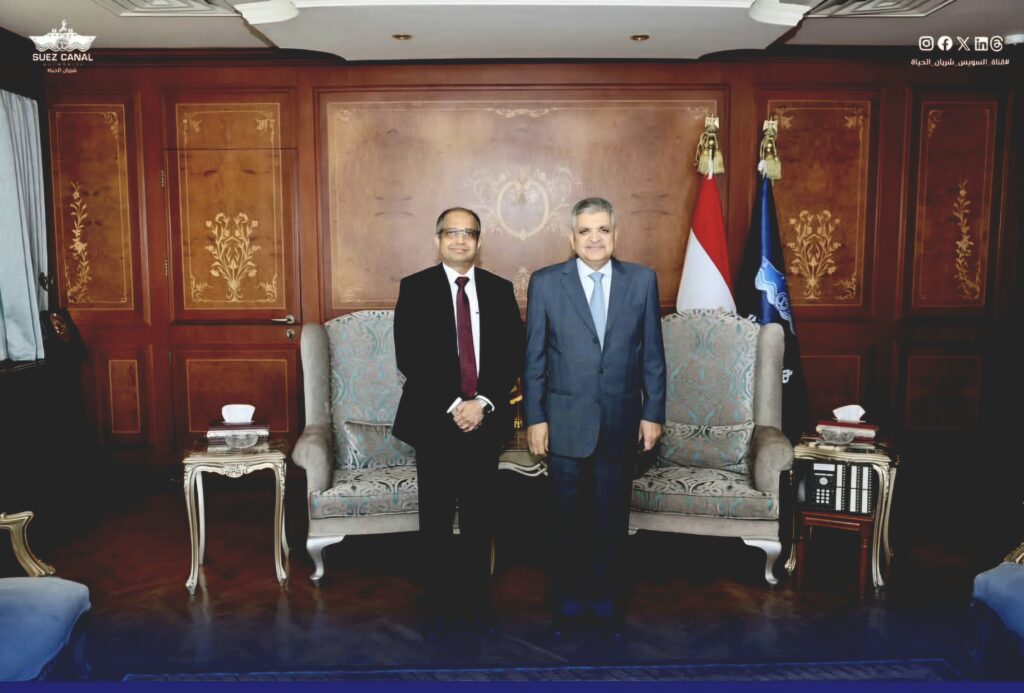
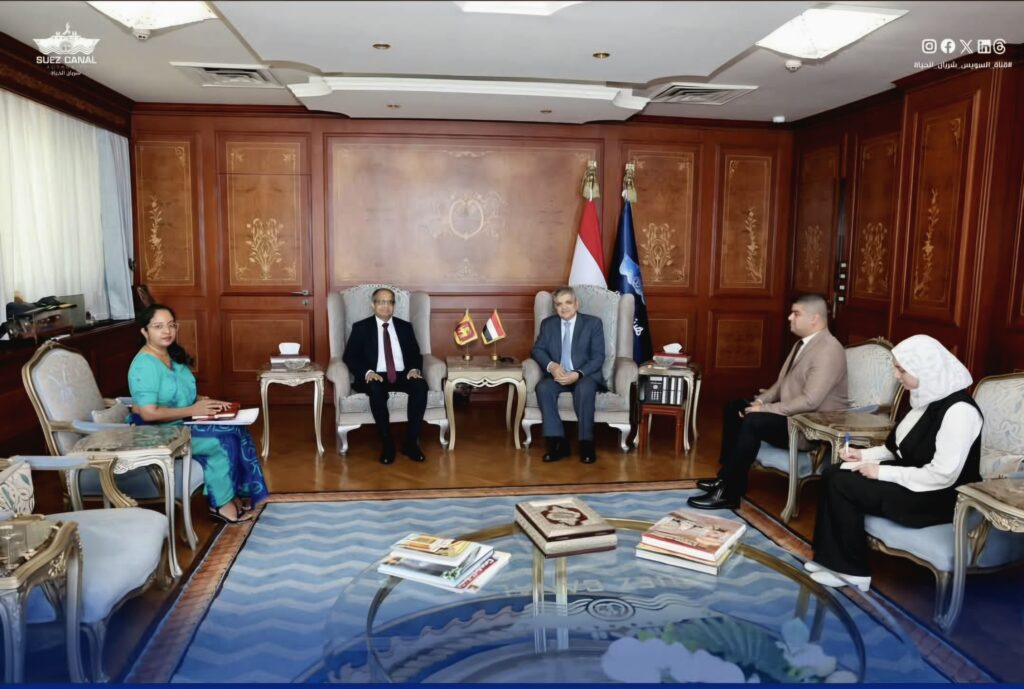
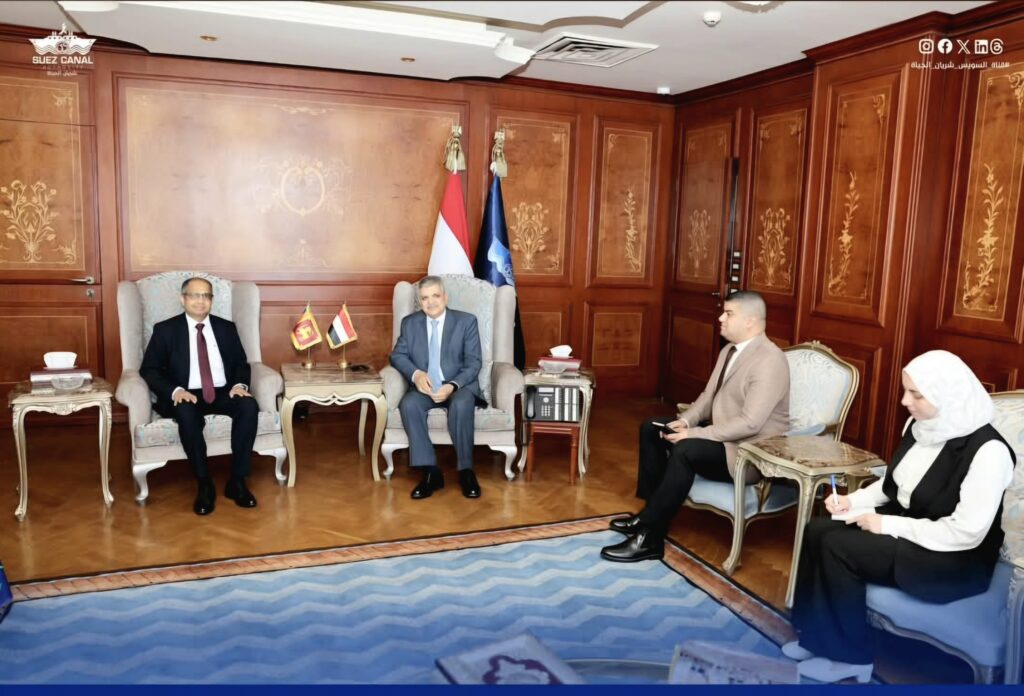
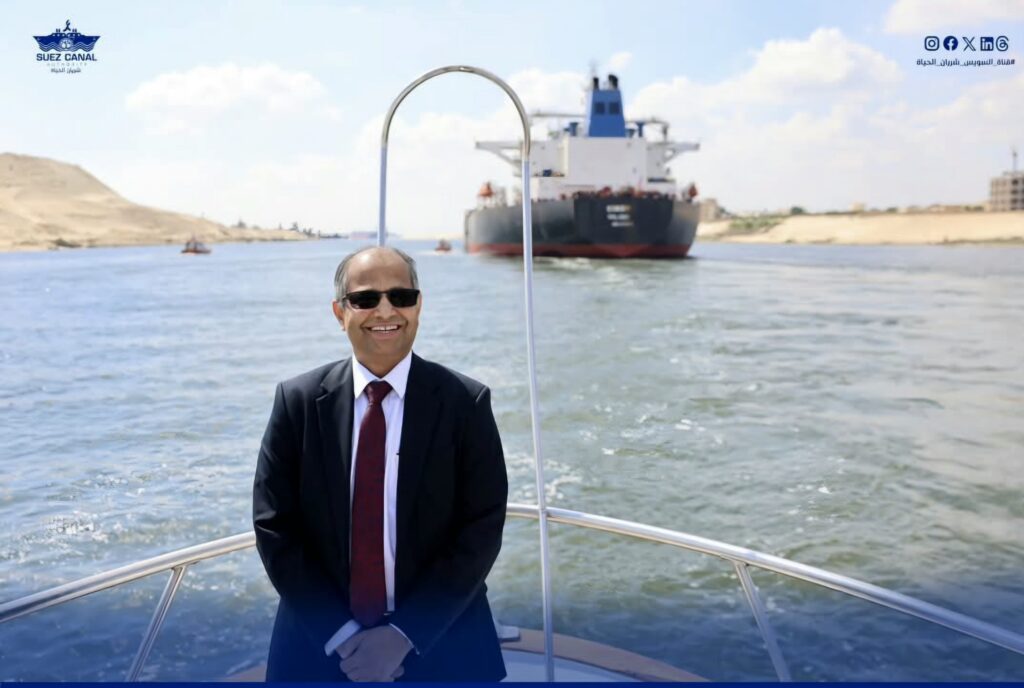
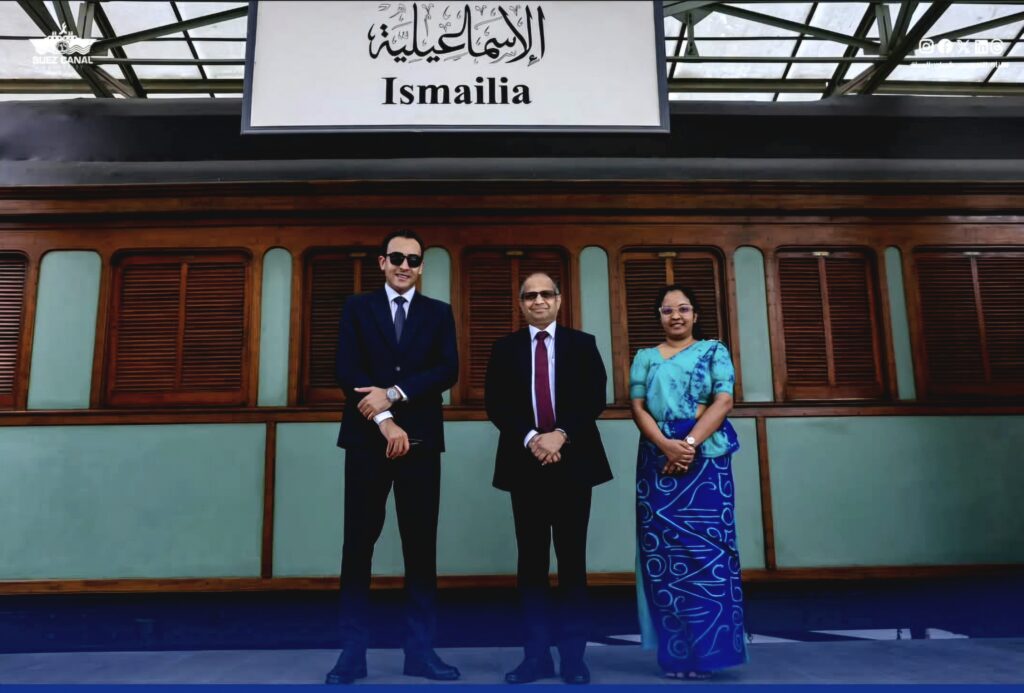
    SCA Chairman Adm. Ossama Rabiee met with Sri Lanka’s Ambassador to Egypt, Sisira Senavirathne, on October 7 at the authority’s Pilotage Building in Ismailia. The meeting focused on expanding bilateral cooperation and exchanging expertise in areas of mutual interest.

    Rabiee welcomed the growing ties between Egypt and Sri Lanka, noting that both countries share a strong interest in maritime affairs. He said this common focus creates opportunities for collaboration in maritime industries, logistics, training and other related activities.

    Expanding Maritime Cooperation With Sri Lanka

    During the meeting, Rabiee confirmed that the SCA’s affiliated companies and shipyards are ready to explore cooperation with Sri Lankan maritime companies and institutions. Potential areas include marine construction, port works, the construction of different types of marine vessels and units, fishing activities and logistics services.

    The SCA chairman also highlighted the capabilities of the authority’s Maritime Training and Simulation Academy. He identified maritime training and specialized consultancy services as additional areas where Egyptian and Sri Lankan organizations could exchange expertise and develop cooperation.

    These opportunities form part of wider discussions aimed at strengthening institutional and commercial links between the two countries’ maritime sectors. The talks addressed both industrial activities and services supporting maritime operations.

    Suez Canal Strategy Focuses on Maritime Industries and Logistics

    Rabiee outlined the SCA’s strategy to diversify revenue sources and improve the canal’s competitiveness. He said the authority has significantly expanded its activities and services as part of an integrated approach to developing its maritime business.

    The strategy focuses on localizing maritime industries while developing and modernizing marine and logistics services. According to Rabiee, these initiatives aim to broaden the authority’s activities and strengthen the range of services available within the Suez Canal sector.

    He also addressed the geopolitical challenges affecting maritime trade in the region. The SCA continues to engage with stakeholders across the shipping industry to coordinate efforts and reduce the impact of regional tensions on trade passing through the canal.

    Rabiee emphasized that these efforts also support the continuity of global supply chains. Maintaining communication and cooperation with the maritime community remains part of the authority’s approach to addressing current challenges.

    Sri Lanka Eyes Investment Opportunities and Maritime Partnerships

    Ambassador Senavirathne expressed appreciation for Egypt’s efforts to manage the Suez Canal efficiently despite the challenges affecting the region. He also acknowledged the canal’s important role in facilitating international maritime trade.

    The ambassador emphasized Sri Lanka’s interest in opening new channels for maritime cooperation and exchanging expertise with Egyptian institutions and businesses. He also highlighted his country’s interest in exploring investment opportunities associated with development projects in the Suez Canal region.

    Senavirathne pointed to Egypt’s strategic geographical location and developing infrastructure as factors supporting its investment attractiveness. He noted that these advantages contribute to the country’s important position in global trade.

    As part of efforts to strengthen business connections, the ambassador invited the SCA and its affiliated companies and shipyards to participate in Sri Lanka Expo 2027, scheduled for mid-January 2027.

    The exhibition, focused on exports, international trade and industry, was presented as an opportunity for Egyptian and Sri Lankan companies to establish partnerships and exchange technical and commercial expertise.

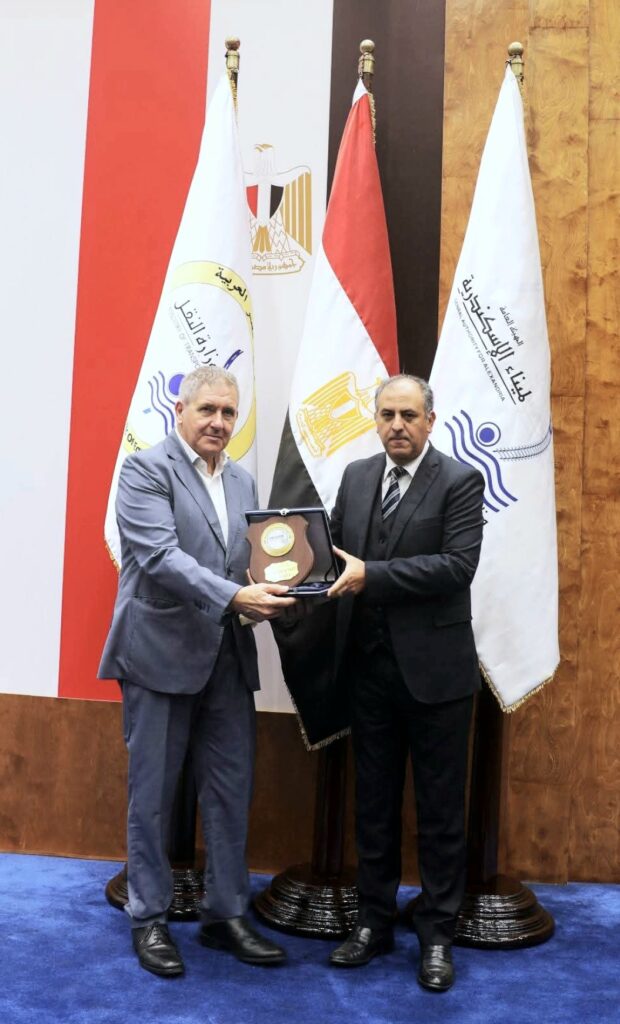
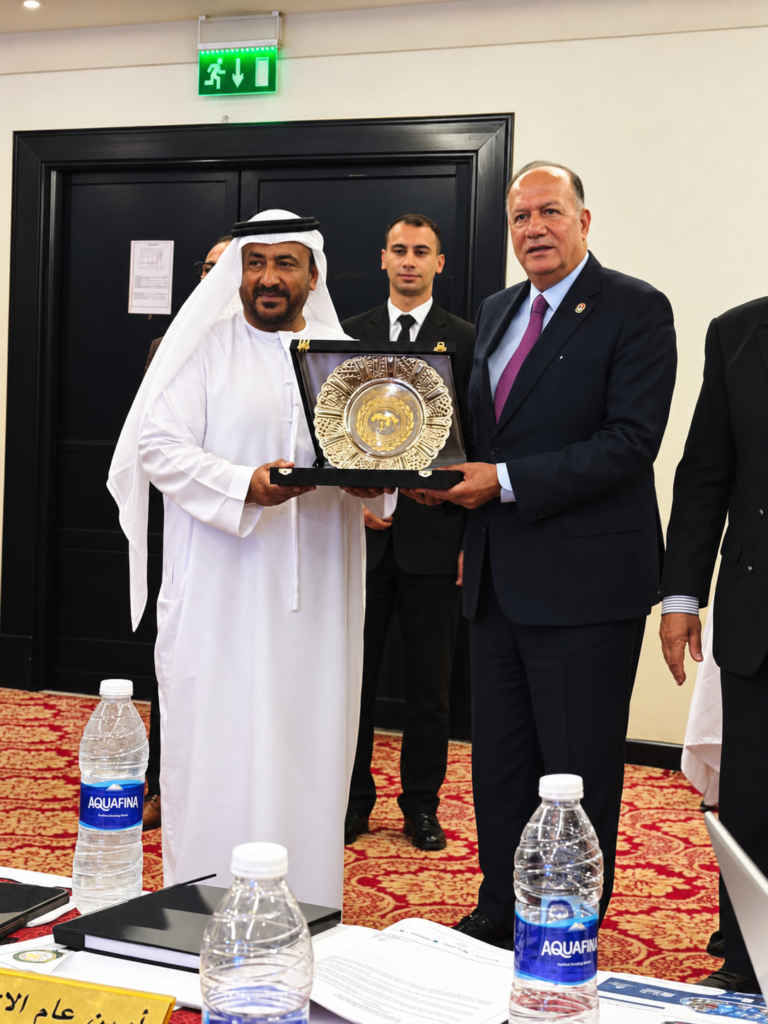
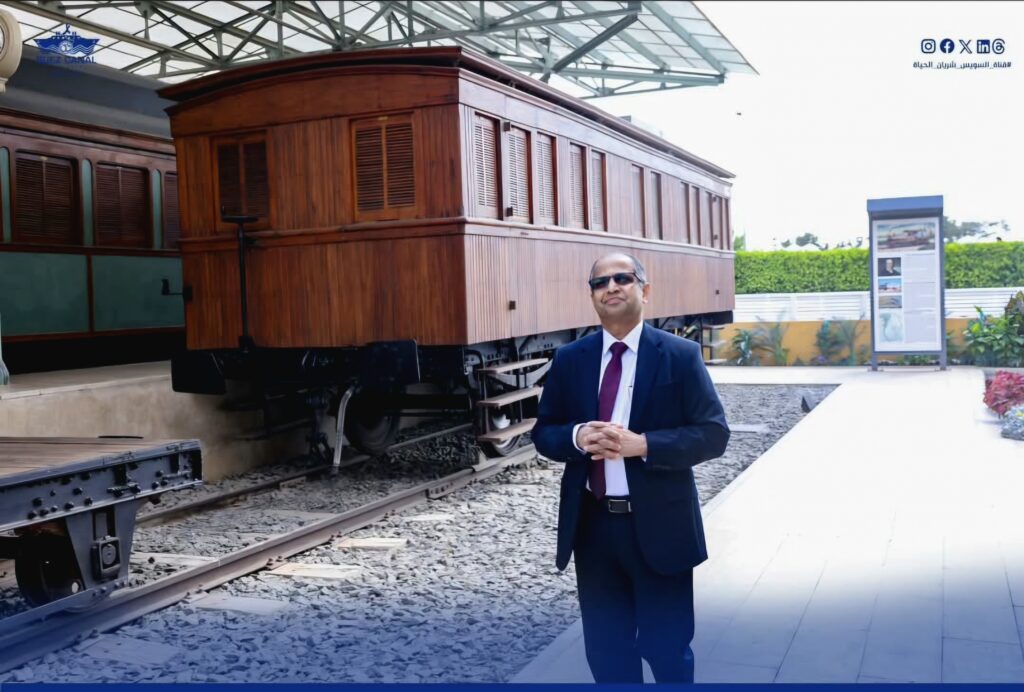
    At the conclusion of the meeting, Rabiee presented the Suez Canal Shield to the Sri Lankan ambassador. He also invited Senavirathne to take a maritime tour of the New Suez Canal and visit the Suez Canal Museum to learn more about the canal’s development achievements.

    Source: Suez Canal Authority

  • Suez and Panama Canals Explore Closer Cooperation on Marketing, Training and Information Exchange

    Shipping Arabia, October 13, 2026 – The Suez Canal Authority (SCA) and Panama are exploring closer cooperation in maritime marketing, training and information exchange as geopolitical and environmental challenges continue to affect global shipping and supply chains. The discussions aim to strengthen coordination between the Suez and Panama canals and support the continuity of international maritime trade.

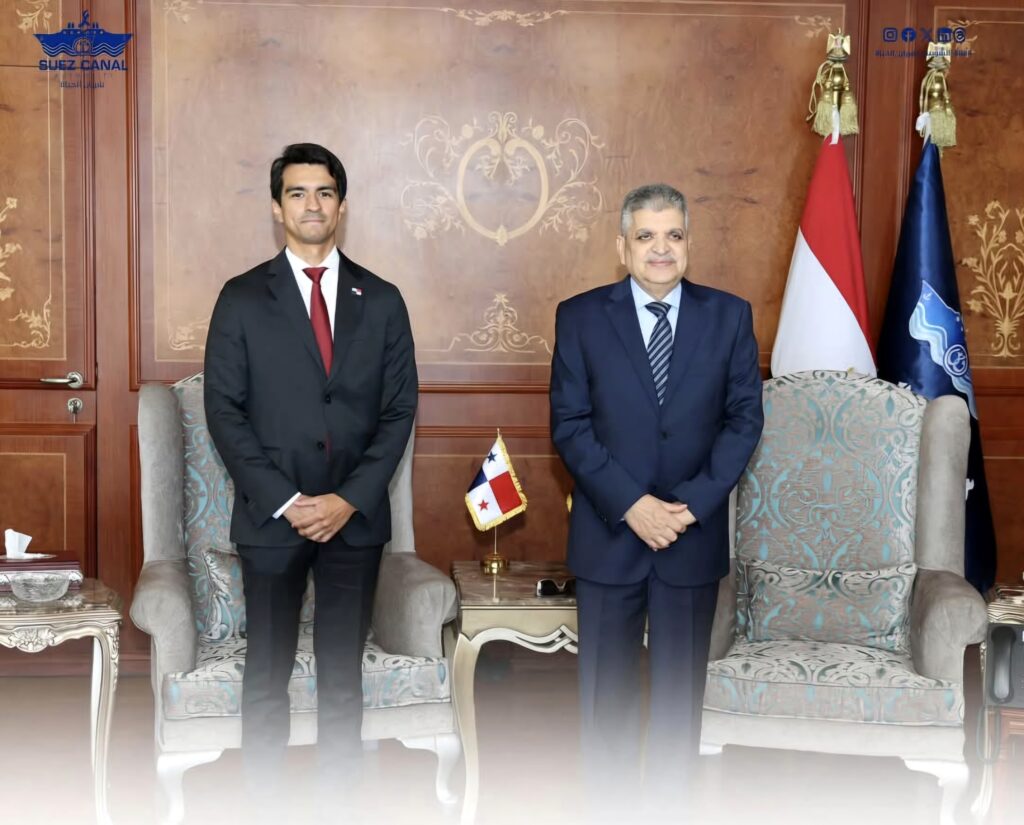
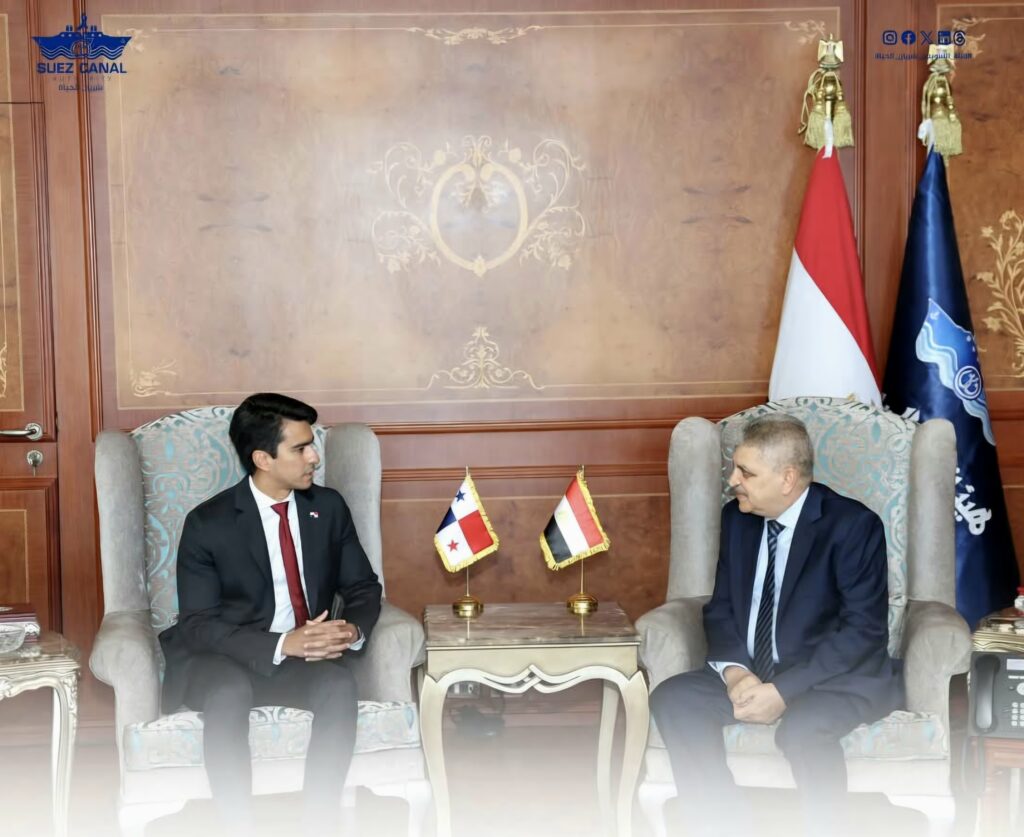
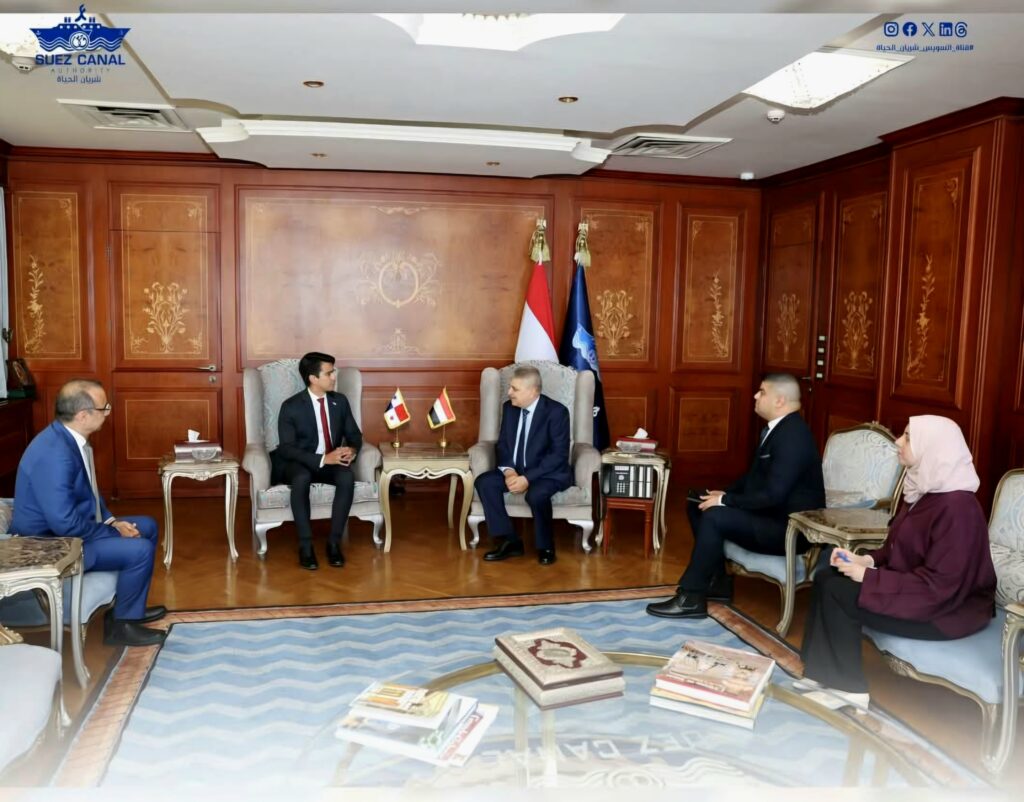
    SCA Chairman Admiral Osama Rabie met with Panama’s Ambassador to Egypt, Ricardo Isaza, on October 5 at the authority’s Pilotage Building in Ismailia. The meeting focused on opportunities to expand cooperation between the two waterways and address challenges affecting the sustainability of global supply chains.

    Suez and Panama Canal Cooperation Targets Maritime Challenges

    During the meeting, Rabie emphasized the importance of collective action among stakeholders in the maritime industry to ensure the regular movement of vessels through international waterways. He stressed that closer coordination is essential to maintaining reliable navigation and supporting sustainable global supply chains.

    The SCA chairman expressed his readiness to strengthen the authority’s partnership with the Panama Canal. He highlighted the shared characteristics and interests of the two waterways as a foundation for closer institutional cooperation, knowledge exchange and collaboration in new areas.

    Rabie also addressed the growing importance of crisis management in the SCA’s institutional strategy. He explained that successive regional and international challenges have made crisis management an integral part of the authority’s operations, particularly given their direct impact on international trade passing through the Suez Canal.

    The discussions also considered the effects of current geopolitical and environmental challenges on global supply chains. Both sides recognized the importance of cooperation between major international shipping corridors in responding to developments affecting maritime transport.

    Suez Canal Diversifies Revenue Through Shipbuilding and Maritime Services

    Rabie highlighted the Suez Canal Authority’s efforts to diversify its revenue sources beyond traditional canal operations. He explained that the authority has achieved progress by localizing the construction of various types of marine vessels and units at SCA shipyards and affiliated companies.

    The authority has also introduced a new range of maritime and logistics services as part of its strategy to strengthen the Suez Canal’s competitive position.

    According to Rabie, these initiatives reflect the authority’s efforts to adapt to changing conditions in the global maritime industry. They form part of a broader approach to addressing operational challenges while developing additional activities and services within the SCA’s existing capabilities.

    The chairman reiterated his interest in expanding cooperation with the Panama Canal through the exchange of practical expertise and the exploration of new areas of collaboration. He emphasized that the common interests of the two waterways provide opportunities for greater coordination and integration.

    Panama Seeks Stronger Partnerships in Marketing, Training and Information Exchange

    For his part, Ambassador Isaza expressed appreciation for the longstanding cooperation between Panama and the Suez Canal. He reaffirmed his country’s commitment to expanding bilateral engagement, particularly in maritime marketing, professional training, information exchange and the sharing of institutional expertise.

    The ambassador also welcomed Egyptian diplomatic and governmental efforts to strengthen cooperation between the Suez and Panama canals. He expressed confidence that the coming period would bring further constructive collaboration, reflecting the interest of both countries in deepening their relationship.

    Isaza emphasized the Suez Canal’s importance to global supply chain sustainability, describing it as a major component of international maritime transport that continues to attract considerable attention from the shipping community.

    He also highlighted the need for greater integration and cooperation between the two canals as the maritime transport industry faces a range of challenges. According to the ambassador, the alignment of fundamental principles underpinning the strategies of both waterways provides a strong basis for developing their relationship.

    The discussions underscored the mutual interest of Egypt and Panama in expanding maritime cooperation through institutional partnerships, shared expertise and closer coordination between their respective canal authorities.

    Source: Suez Canal Authority

  • Egypt, Senegal Explore Alexandria-Dakar Shipping Service to Expand West Africa Trade

    Shipping Arabia, September 23, 2026 – Egypt and Senegal are studying the launch of a commercial shipping service between Alexandria and Dakar, aimed at strengthening maritime trade between Egypt and West Africa and creating more efficient routes for cargo moving between the two markets.

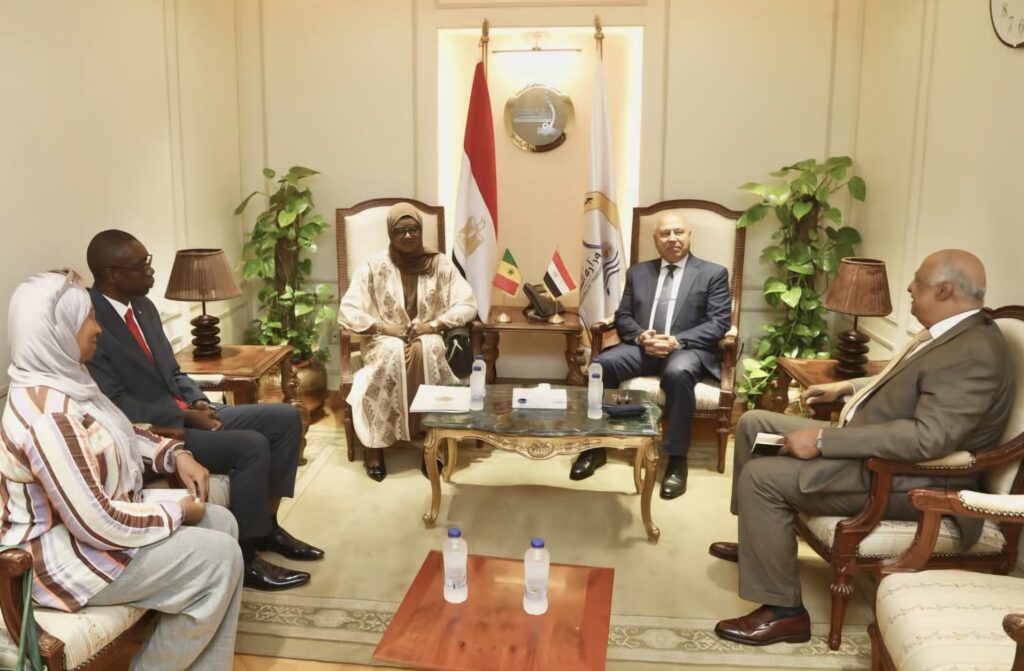
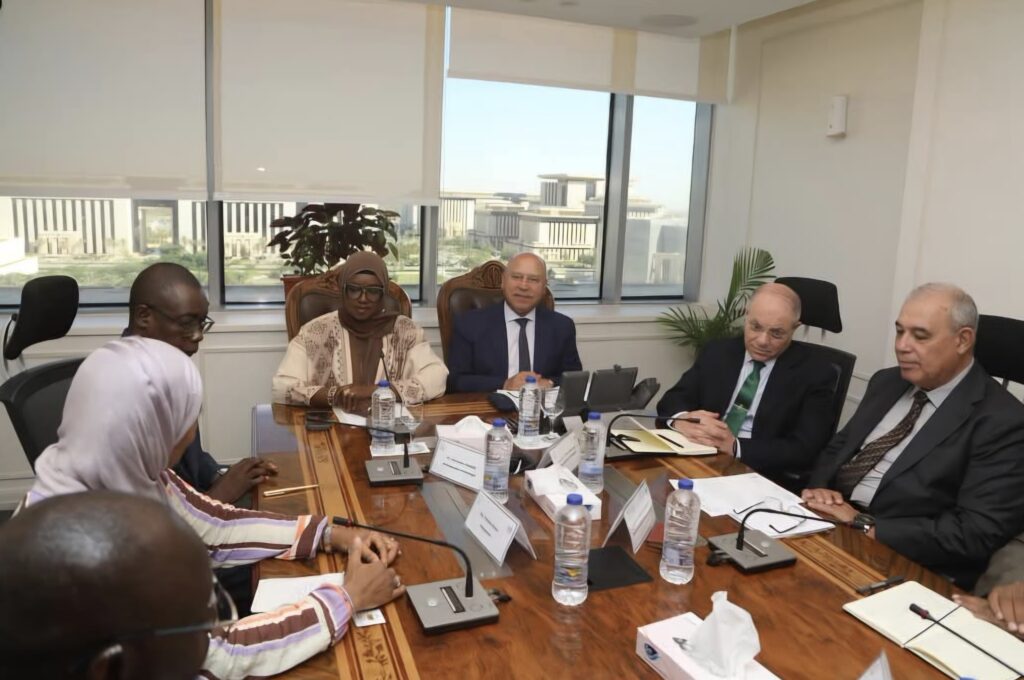
    The proposal was discussed during a meeting between Egyptian Transport Minister Kamel El-Wazir and Senegalese Minister of Fisheries, Maritime Transport, Infrastructure and Ports Amy Mara Deye, alongside officials from both countries.

    The proposed Alexandria-Dakar maritime link is intended to increase bilateral trade while providing Egyptian exporters with improved access to West African markets and supporting the movement of Senegalese products toward Middle Eastern and Arab markets.

    Discussions also covered cooperation in the construction of fishing vessels and boats, drawing on the shipbuilding and repair capabilities of Egyptian shipyards.

    Maritime training and workforce development formed another part of the talks, with the two countries considering programmes through specialized institutions including the Arab Academy for Science, Technology and Maritime Transport (AASTMT) to train Senegalese personnel in maritime transport, port infrastructure and related activities.
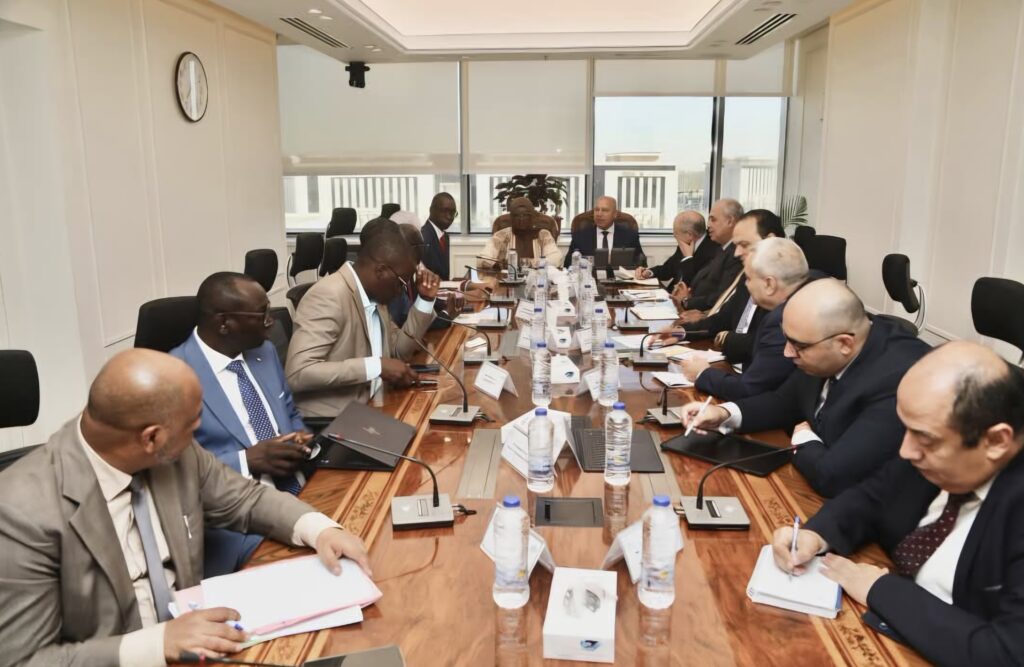
    El-Wazir said Egypt is seeking to translate its maritime relationship with Senegal into commercial projects, with the proposed Alexandria-Dakar service potentially serving as a starting point for broader cooperation in shipping, trade and investment between Egypt and West Africa.

    Deye expressed Senegal’s interest in expanding transport cooperation with Egypt and drawing on Egyptian experience in maritime infrastructure, shipbuilding and training.

    The two sides agreed to establish a joint working committee involving officials from both transport ministries to develop the final framework for a maritime cooperation agreement, which is expected to be prepared for signature at a later stage.

    If implemented, the Alexandria-Dakar service would add a new direct maritime connection between the Eastern Mediterranean and West Africa, supporting efforts to expand intra-African shipping connectivity and diversify regional trade corridors.

    Source: Ministry of Transport – Egypt

  • Jordan Shipping Association, Aqaba Container Terminal Move Toward Regular Carrier Coordination Meetings

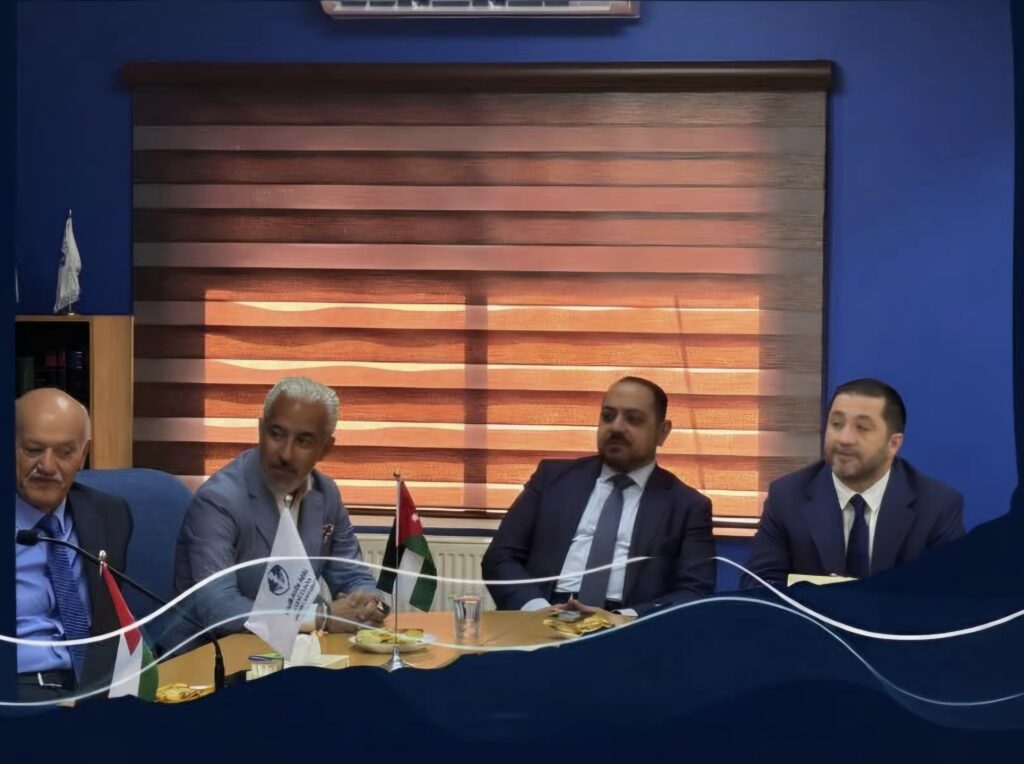
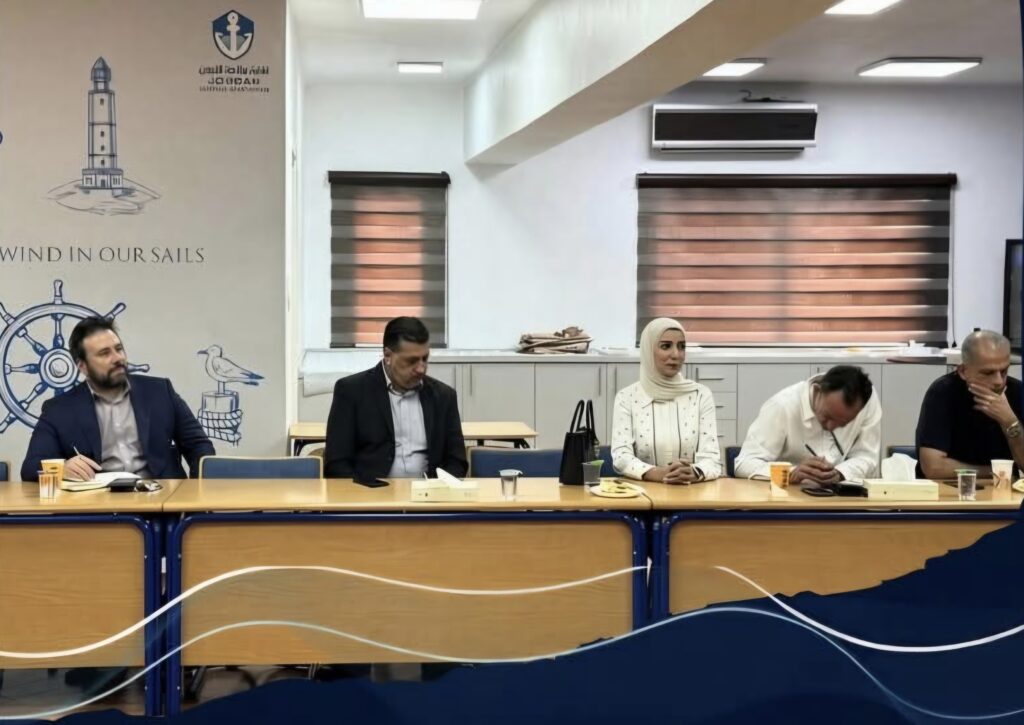
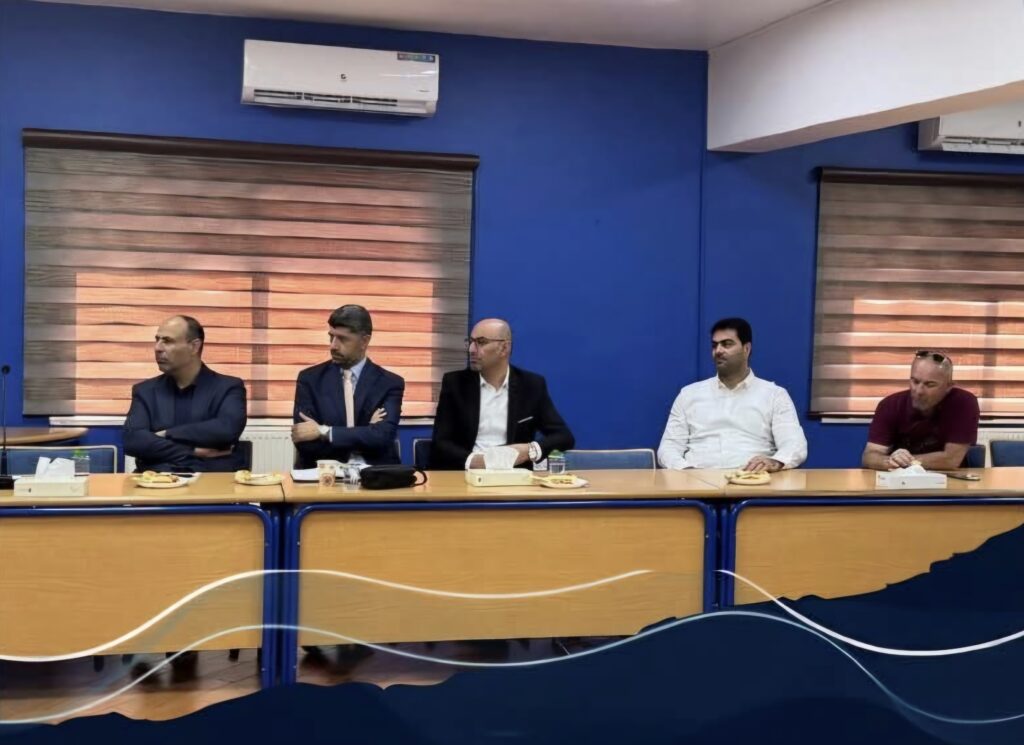
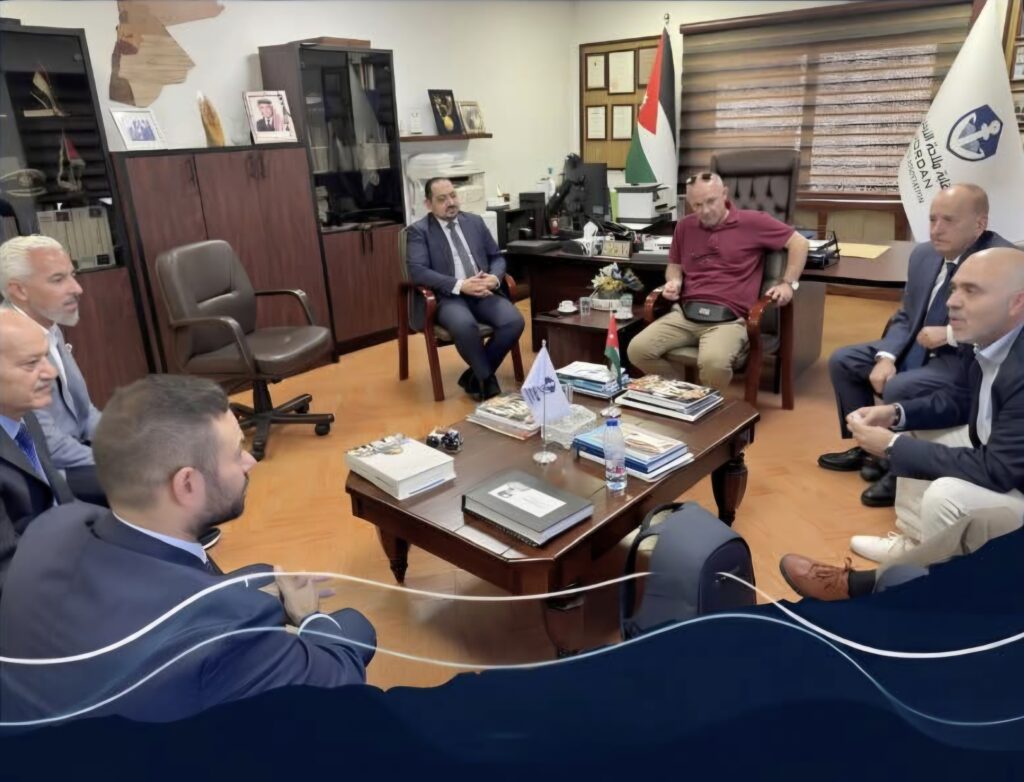
    Shipping Arabia, September 23, 2026 – The Jordan Shipping Association and Aqaba Container Terminal are moving toward regular coordination meetings with shipping lines as both sides seek to address operational and commercial challenges and improve container flows through Jordan’s principal maritime gateway.

    ACT CEO José Rueda, Chief Commercial Officer Angshuman Mustafi and members of the terminal’s management team met JSA Board members and the association’s Container Committee, including representatives of shipping lines operating through Aqaba.

    JSA Vice Chairman Mashhoor Al-Jazi said direct engagement between the association and terminal management is important for addressing operational and commercial issues affecting carriers and improving the overall maritime business environment.

    Discussions covered container handling and movement, challenges facing shipping lines, port procedures and measures that could improve cargo flows and service levels for terminal users.

    Rueda called for regular meetings between ACT management, JSA and shipping line representatives, allowing operational issues and carrier feedback to be reviewed continuously while providing a platform to jointly address emerging challenges and opportunities.

    ACT expressed its readiness to maintain the dialogue and work with the association and its members on practical solutions aimed at improving operational efficiency and container flows.

    JSA said continued direct coordination among stakeholders across Aqaba’s maritime sector is essential to resolving operational challenges, improving services to shipping lines and strengthening the competitiveness of Aqaba Container Terminal.

    The discussions come as Aqaba handles growing regional cargo activity, increasing the importance of close coordination between the terminal, shipping lines and other stakeholders in maintaining efficient container flows and reinforcing Aqaba’s role as Jordan’s maritime gateway and a regional logistics hub.

    Source: Jordan Shipping Association

  • Suez and Red Sea Chamber of Shipping Calls for Closer Industry Coordination Amid Sector Challenges

    Shipping Arabia, September 21, 2026 – Egypt’s Suez and Red Sea Chamber of Shipping has called for stronger coordination across the maritime community as shipping companies and service providers navigate operational challenges and changing conditions affecting the sector.

    The chamber reviewed its activities during its ordinary general assembly, chaired by Rear Adm. Abdel Qader Gaballah, with the participation of members including Capt. Mohamed Naguib, Chairman of Flex Shipping Agencies and Yacht Tourism.

    The meeting reviewed the chamber’s board report, financial statements and final accounts for the financial years ending June 30, 2025 and June 30, 2026, alongside its proposed budget for 2026/2027. Members also considered amendments to parts of the chamber’s financial regulations and membership-related matters.

    Following the formal agenda, shipping industry representatives discussed problems and operational challenges facing chamber members and the wider maritime community, with the meeting providing a platform for companies to raise concerns and propose practical solutions.

    Gaballah said closer coordination between the chamber and its members would be increasingly important in addressing challenges facing the sector, emphasizing continued dialogue and collective discussion of issues affecting maritime businesses.

    Naguib similarly stressed the importance of cooperation between shipping companies, the chamber and relevant authorities to create a more efficient operating environment capable of responding to changes affecting maritime transport.

    He said greater coordination would support the competitiveness of Egyptian ports and Egypt’s position as a regional and international hub for trade, maritime transport and marine services.

    The discussions come as Egypt continues expanding port and logistics infrastructure while seeking to strengthen the competitiveness of its maritime sector and the role of its ports across Mediterranean, Red Sea and Suez Canal trade routes.

    Source: Almal News

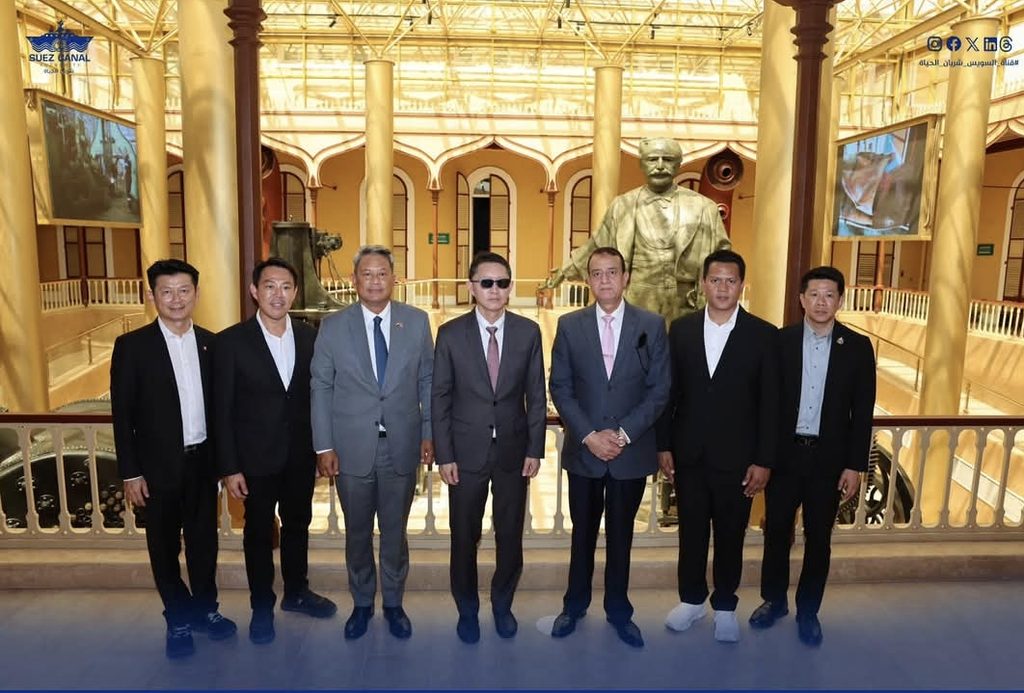
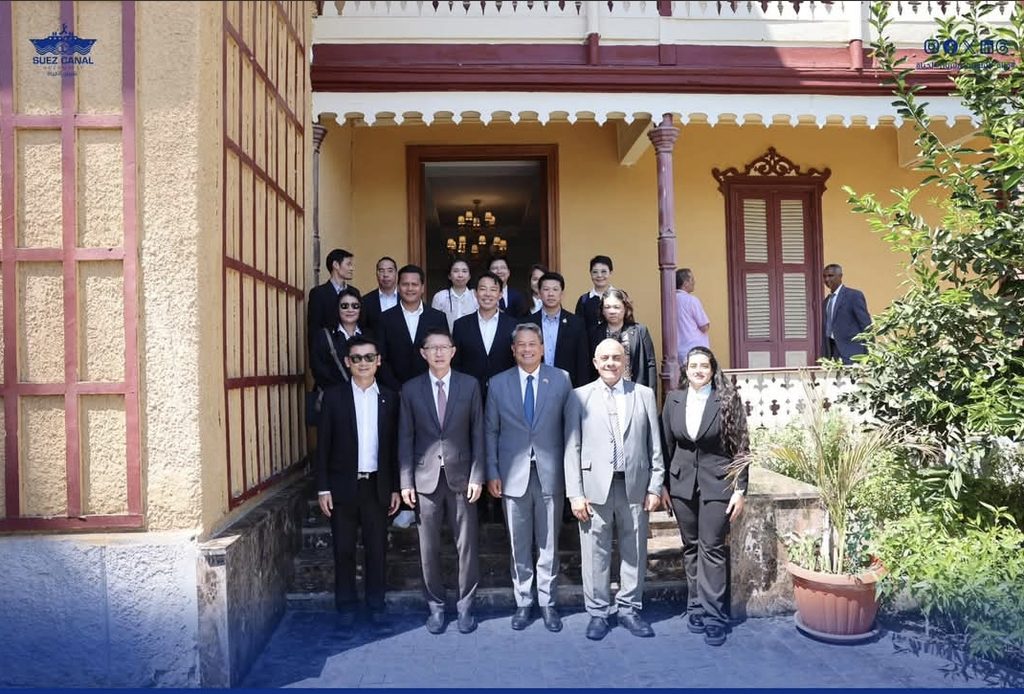
  • Suez Canal Authority, Thailand Explore Dredging and Maritime Training Cooperation

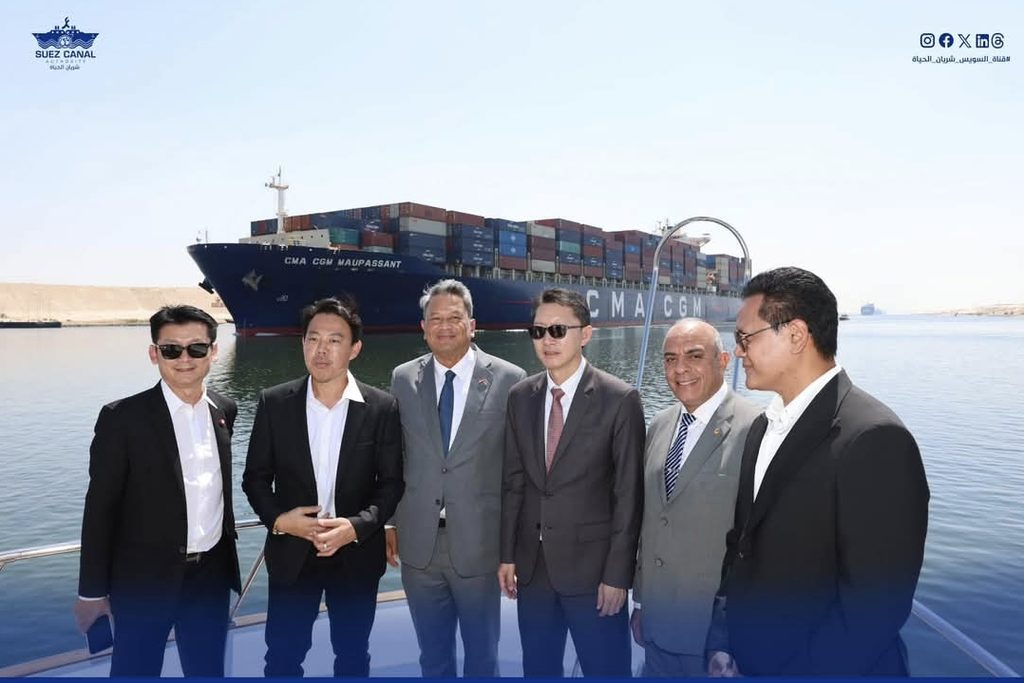
    Shipping Arabia, September 19, 2026 – The Suez Canal Authority and Thailand are exploring cooperation in dredging, maritime training and other marine services, as the authority seeks to expand the international reach of expertise developed through operating one of the world’s busiest maritime waterways.

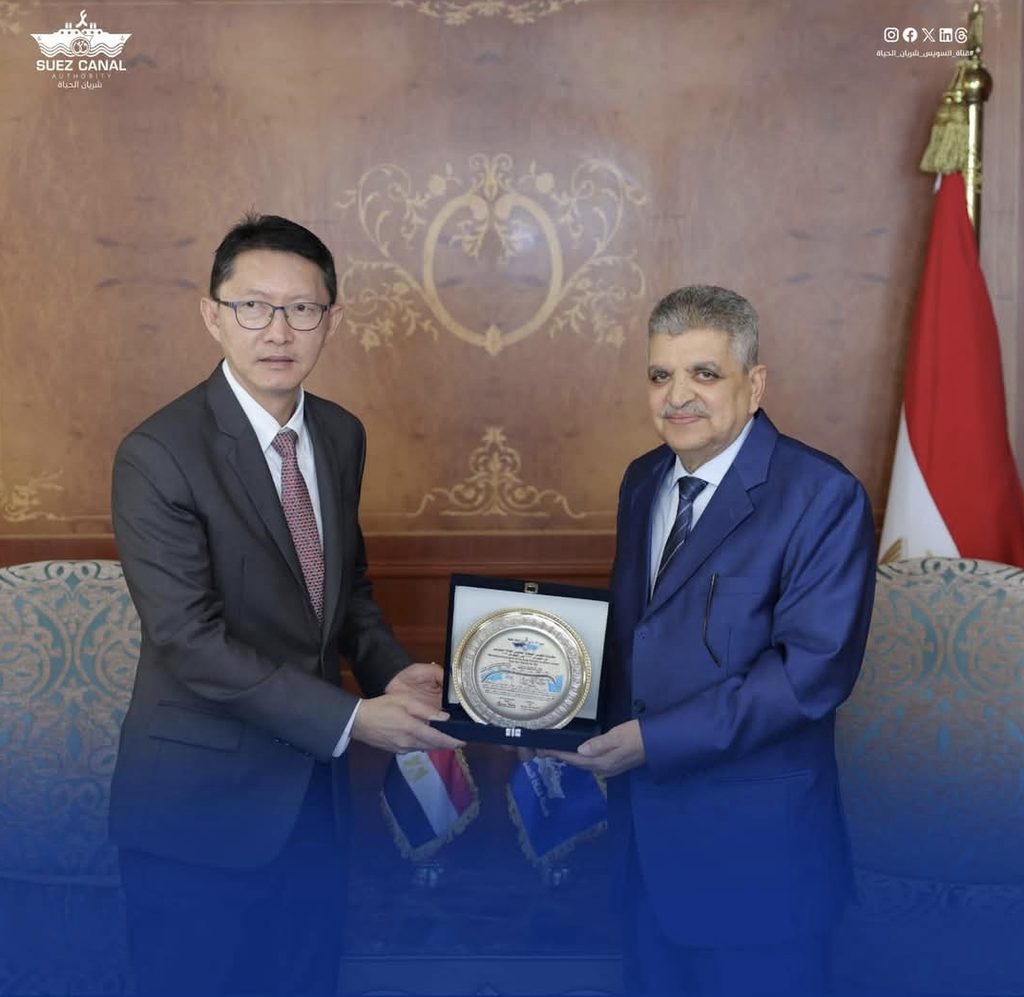
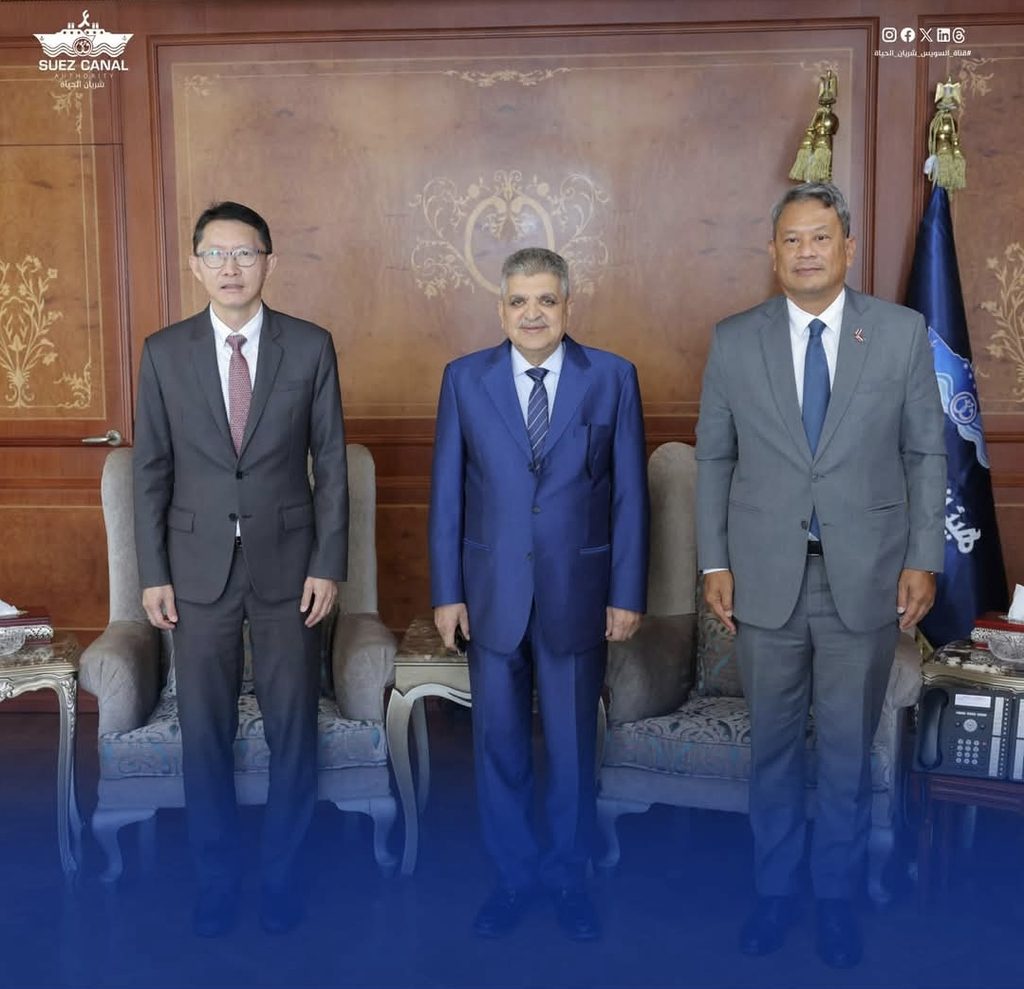
    SCA Chairman and Managing Director Adm. Ossama Rabiee discussed the potential cooperation with Lertsak Pattanachaikul, Second Deputy Speaker of Thailand’s House of Representatives, during a meeting at the authority’s Al-Irshad headquarters in Ismailia on September 14.

    The Thai delegation also included Thanawat Sirikul, Thailand’s Ambassador to Egypt, representatives of the House of Representatives and embassy officials.

    Pattanachaikul said Thailand was interested in strengthening cooperation with the SCA and drawing on its long-standing experience in dredging and training, while Rabiee confirmed the authority’s readiness to begin practical cooperation through the Suez Canal Academy for Maritime Training and Simulation.

    The meeting also covered the SCA’s expanding maritime activities beyond vessel transit. Rabiee highlighted efforts to localize the construction of marine units for operations in the canal and Egyptian ports, while developing opportunities to export locally built units to overseas markets.

    The authority has also expanded its portfolio of maritime services, including ship repair and maintenance, marine salvage, water ambulance services, pollution control and waste collection, as part of efforts to diversify revenue and provide additional support to vessels using the canal.

    Rabiee said the Suez Canal continues to perform its role as a critical maritime link between Asia and Europe despite challenges affecting regional shipping, emphasizing its importance to the continuity of global supply chains.

    Sirikul said potential cooperation could extend beyond technical maritime activities to include maritime and cultural tourism, broadening the scope of engagement between Thailand and the canal authority.

    The discussions come as the SCA increasingly looks to leverage its experience in dredging, shipbuilding, training and specialized marine services alongside its core role managing the Suez Canal.

    Source: Suez Canal Authority

Back to top button