maritime education

  • Egypt’s Port Training Institute and CILT International Discuss Logistics and Supply Chain Training Cooperation

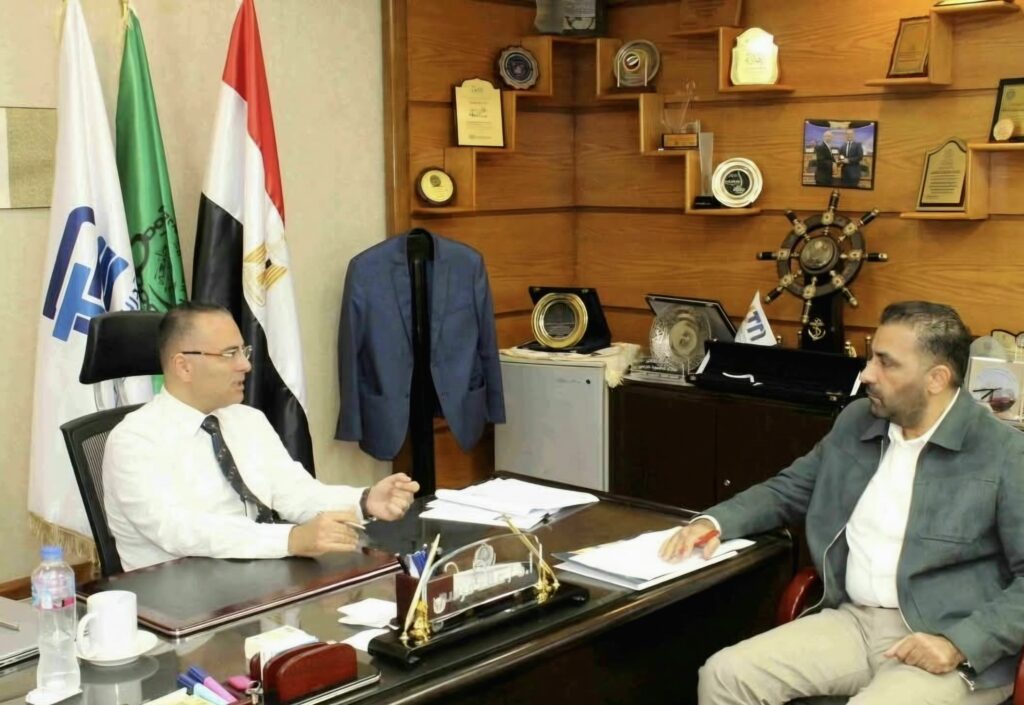
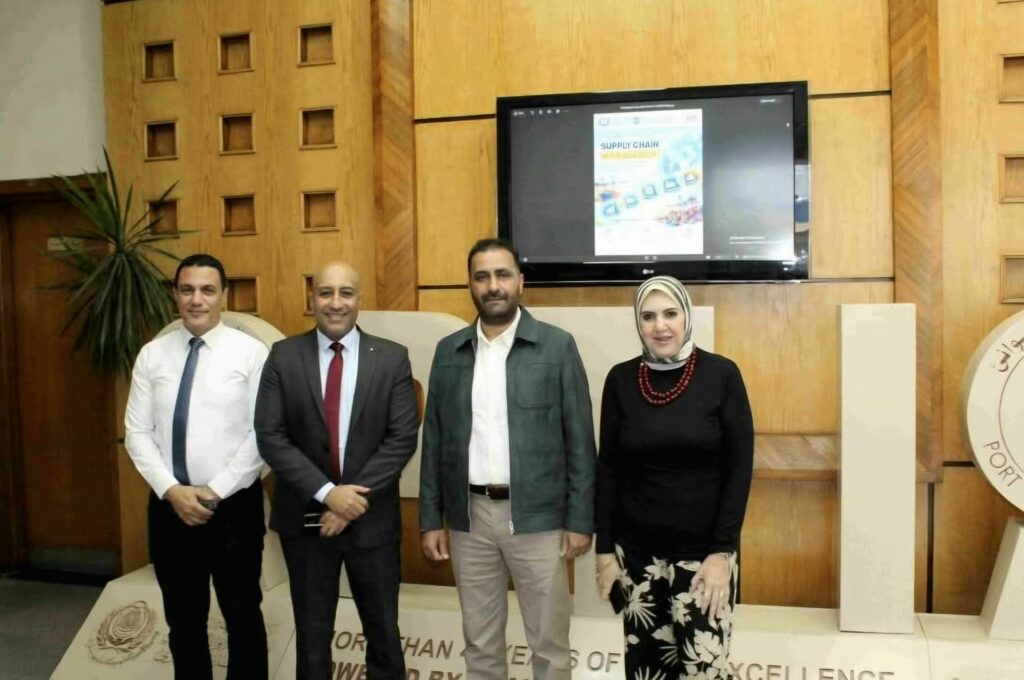
    Shipping Arabia, October 16, 2026 – Egypt’s Port Training Institute (PTI) and the Chartered Institute of Logistics and Transport (CILT International) have discussed expanding cooperation in logistics and supply chain training, professional education and knowledge exchange. The discussions come ahead of the October 25 launch of a jointly certified Supply Chain Management Program offered through the two institutions.

    Prof. Alaa Mahmoud Morsy, Dean of the Port Training Institute and the Research and Consultation Center for the Maritime Transport Sector at the Arab Academy for Science, Technology and Maritime Transport (AASTMT), welcomed Mohammad Kashmoula, Curriculum Design and Quality Assurance Manager at CILT International.

    The meeting formed part of PTI’s efforts to strengthen its international relationships and expand cooperation with specialized organizations in transport, logistics and supply chain management.

    Also attending were Dr. Essam Moustafa, Business Development Manager; Ahmed Shary, Head of Public Relations; and Nagwa El-Saeed from the International Cooperation Department.

    Expanding Logistics and Supply Chain Training Cooperation

    The discussions focused on opportunities to strengthen cooperation in specialized education and professional training. Both institutions explored ways to exchange expertise and knowledge while supporting the development of training programs offered by PTI.

    A key objective is to improve the qualifications and professional capabilities of personnel working across the transport and logistics sectors. The cooperation also seeks to ensure that training content reflects international standards and established industry practices.

    Through closer engagement with CILT International, PTI aims to enhance the professional value of its educational programs and strengthen the skills of specialists working in logistics and supply chain management.

    CILT International is a professional organization specializing in transport, logistics and supply chain management. It supports the professional and academic development of industry personnel through education, training and internationally recognized professional qualifications.

    The institute also promotes industry best practices, professional efficiency and innovation across the transport and logistics sectors.

    Joint Supply Chain Management Program Begins October 25

    The meeting highlighted the existing partnership between PTI and CILT International through their jointly delivered Supply Chain Management Program.

    The program provides participants with a jointly issued international certificate, adding professional value to the qualification and supporting the development of specialists working in supply chain management and logistics.

    The next program is scheduled to begin on October 25, 2026, as part of PTI’s continuing efforts to provide specialized training aligned with international standards and labor market requirements.

    The collaboration reflects PTI’s focus on connecting professional education with the needs of the transport and logistics industries. It also provides an avenue for exchanging international expertise and strengthening the institute’s specialized training offerings.

    By maintaining cooperation with professional organizations such as CILT International, PTI seeks to advance its training programs and support the qualification of personnel across the transport, logistics and supply chain sectors.

    Source: Port Training Institute (AASTMT)
  • Egypt and Greece Advance Maritime Cooperation on Seafarer Certification and Training

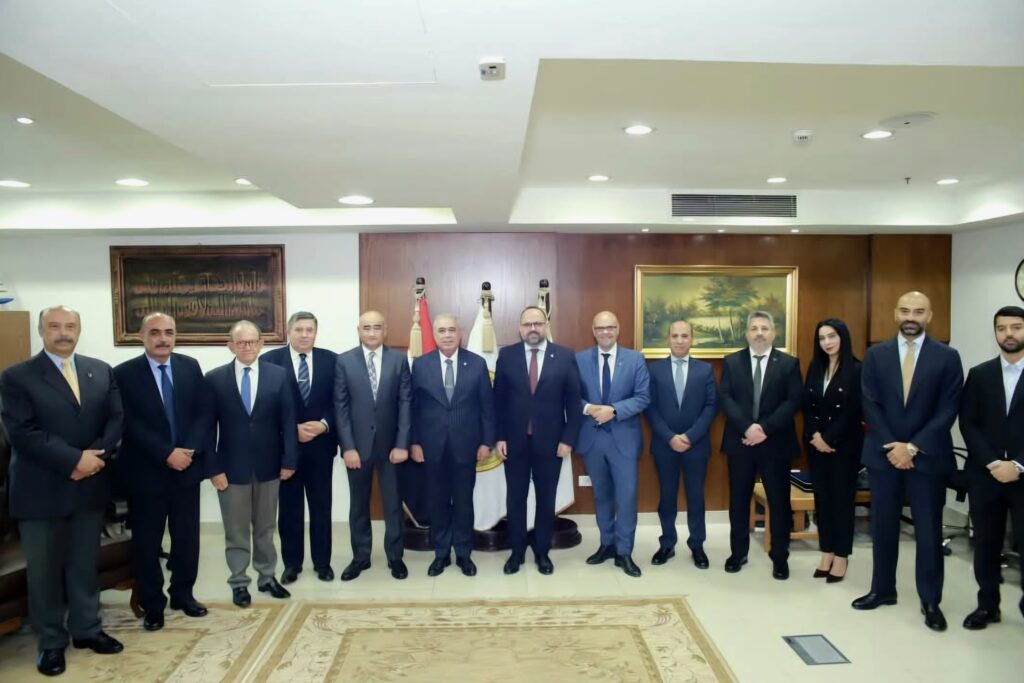
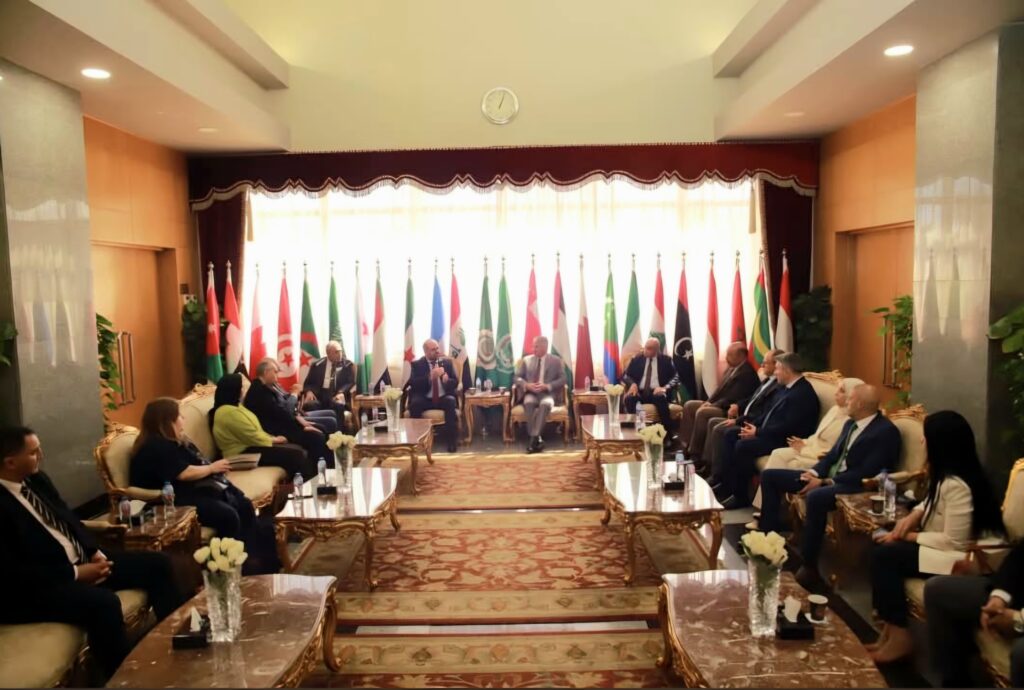
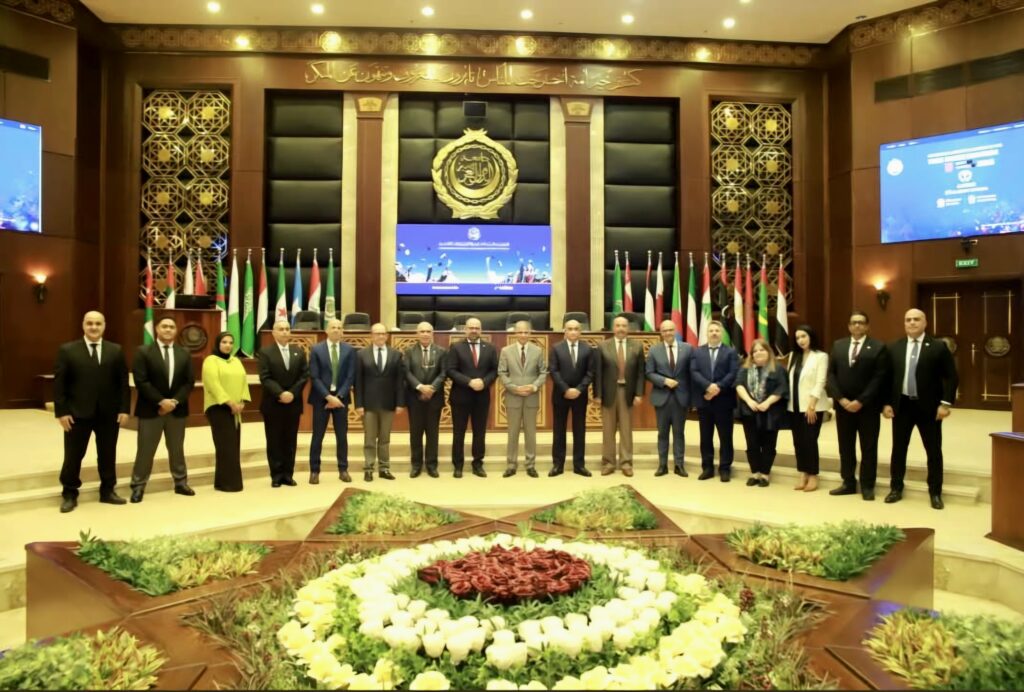
    Shipping Arabia, October 13, 2026 – Egypt and Greece advanced discussions on seafarer certification and training, mutual recognition of professional qualifications and maritime education during the third meeting of the Egyptian-Greek Joint Maritime Committee (JMC). The meeting, hosted in Alexandria from October 5 to 7, 2026, brought together senior maritime officials from both countries to strengthen bilateral cooperation and develop their maritime workforce.

    The discussions focused on a proposed bilateral Memorandum of Understanding (MoU) covering the mutual recognition of seafarers’ certificates of competency under the International Convention on Standards of Training, Certification and Watchkeeping for Seafarers (STCW). The agenda also included cooperation between maritime training institutions and initiatives to improve employment opportunities for Egyptian seafarers aboard international merchant vessels.

    Egypt and Greece Discuss Mutual Recognition of Seafarer Certificates

    The Egyptian-Greek Joint Maritime Committee convened in Alexandria as part of efforts to strengthen the strategic maritime partnership between the two countries. Egypt hosted the three-day meeting, which brought together representatives of maritime transport authorities and relevant institutions from both sides.

    The Egyptian delegation included Rear Admiral Hussein El-Geziry, Head of the Maritime Transport and Logistics Sector, and Rear Admiral Dr. Ashraf El-Assal, Chairman of the Egyptian Authority for Maritime Safety (EAMS). Greece was represented by Manolis Koutoulakis, Secretary General for Maritime Affairs and Ports, alongside other maritime officials.

    During the opening day’s discussions on October 5, El-Assal participated in a session dedicated to cooperation in seafarer training and the mutual recognition of professional certificates under the STCW Convention.

    A central topic was the progress of the proposed bilateral MoU concerning the recognition of seafarers’ certificates of competency. The discussions addressed the requirements of Regulation I/10 of the STCW Convention, which governs the recognition of certificates issued by other maritime administrations.

    The proposed arrangement forms part of wider efforts to establish a framework for recognizing maritime qualifications between Egypt and Greece. Such cooperation is intended to support the professional mobility of qualified seafarers and facilitate employment opportunities for Egyptian maritime personnel aboard merchant vessels.

    Officials also examined opportunities to strengthen coordination between maritime academies and training institutions in both countries. The discussions focused on improving professional competencies, developing maritime human resources and supporting the training standards required by the international shipping industry.

    Joint Maritime Committee Visits Arab Academy in Alexandria

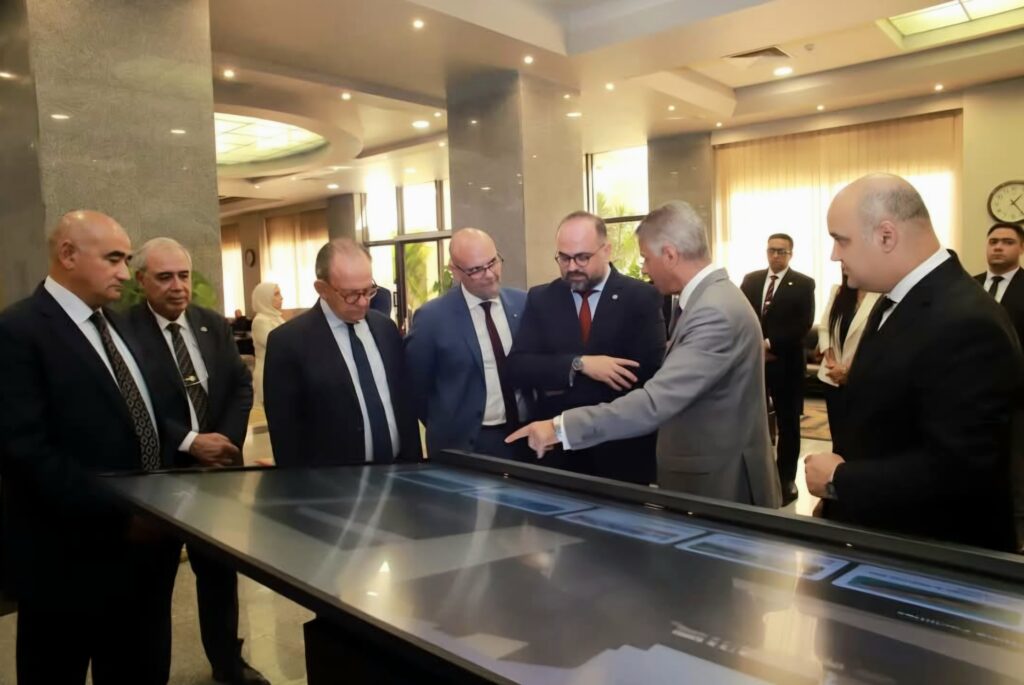
    On October 6, the second day of the committee’s activities, Egyptian and Greek delegates conducted an official visit to the Arab Academy for Science, Technology and Maritime Transport (AASTMT) in Alexandria.

    The delegation was led by the committee’s Egyptian and Greek co-chairs, Hussein El-Geziry and Manolis Koutoulakis, together with EAMS Chairman Ashraf El-Assal and other participating officials.

    Professor El-Senoussi Balbaa, Vice President of AASTMT, received the delegation. During the visit, representatives discussed opportunities to expand academic cooperation, develop maritime education and training programs, and strengthen the qualifications of maritime professionals in both countries.

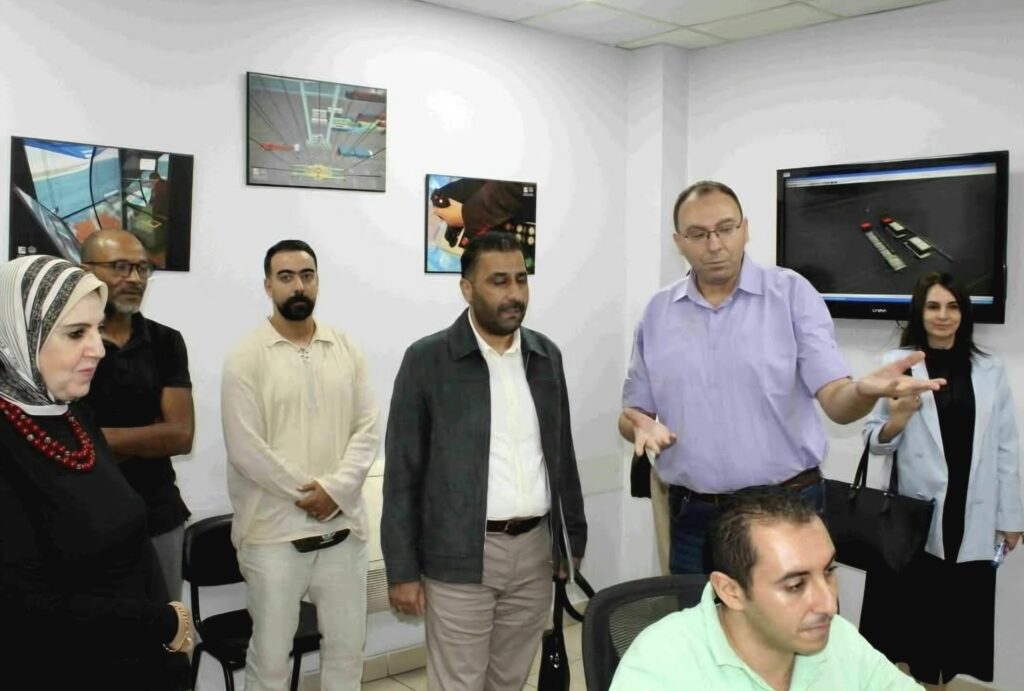
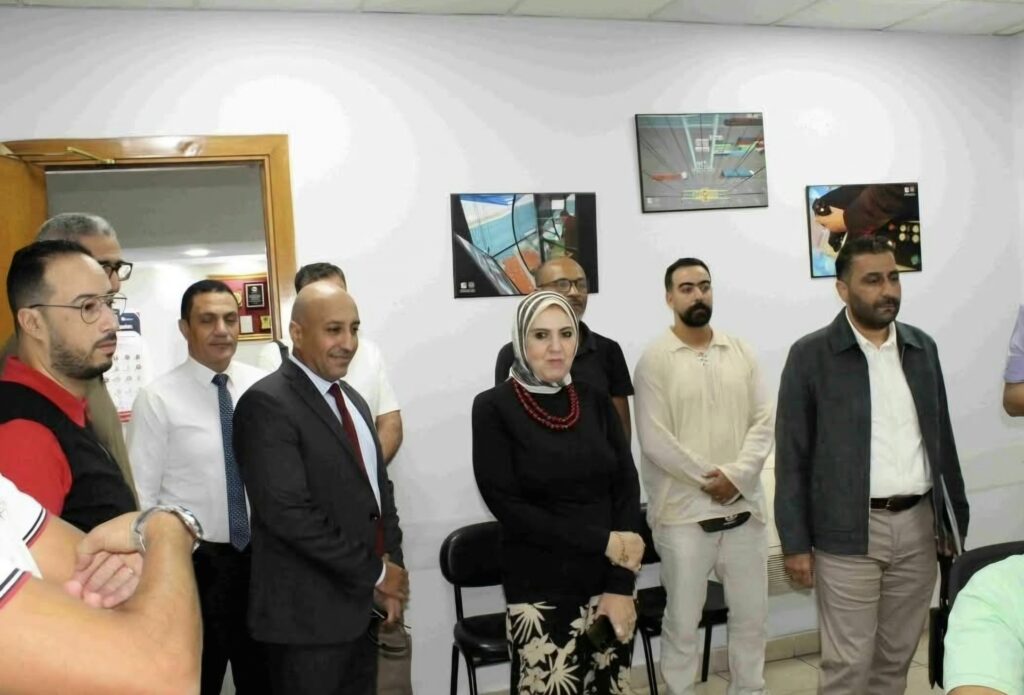
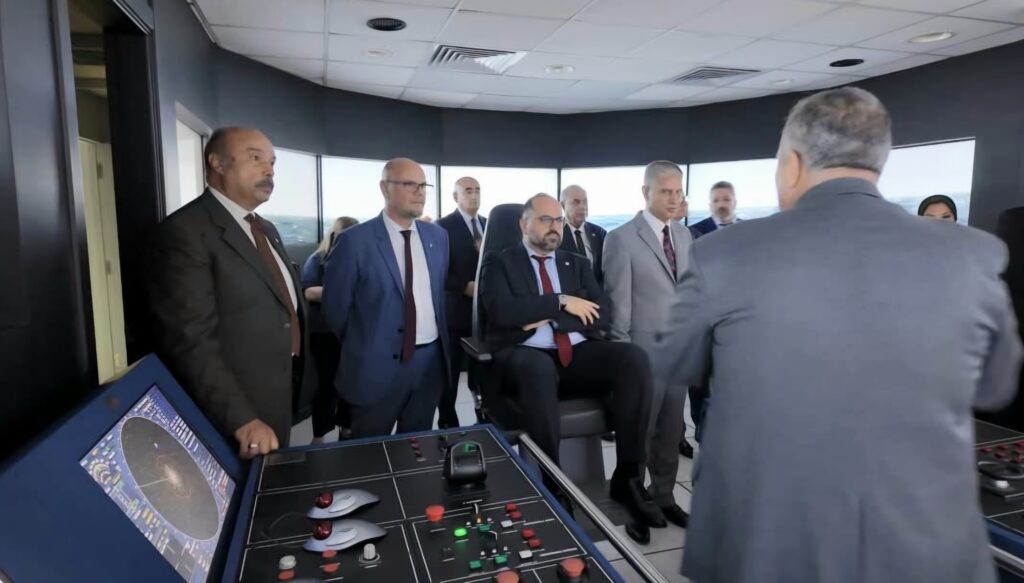
    The visit included an extensive tour of the academy’s specialized educational departments and advanced training facilities. Delegates inspected the maritime simulator complex and training centers dedicated to navigation and logistics operations.

    The tour provided Greek representatives with an opportunity to examine AASTMT’s technical capabilities, educational infrastructure and maritime training resources.

    The academy’s role as a regional educational and research institution was also highlighted. Its maritime education and training activities extend beyond Egypt, serving students and maritime professionals from Arab and African countries.

    The discussions explored opportunities for closer institutional cooperation between Egyptian and Greek maritime education providers, particularly in developing qualified personnel for the international merchant fleet.

    STCW Cooperation Aims to Support Egyptian Seafarers

    During the academy visit, El-Assal reaffirmed the Egyptian Authority for Maritime Safety’s commitment to strengthening maritime human resources and improving professional qualifications.

    He noted that AASTMT graduates receive official accreditation from EAMS in accordance with international standards. This recognition forms part of the regulatory framework governing maritime qualifications and professional certification in Egypt.

    El-Assal also emphasized the importance of maintaining appropriate legal and regulatory mechanisms to support the recognition of Egyptian seafarers’ qualifications internationally.

    In particular, he highlighted the role of bilateral memoranda of understanding established under the STCW Convention in facilitating the recognition of professional certificates and supporting access to employment opportunities aboard international merchant vessels.

    The authority’s participation in both the committee discussions and the academy visit reflected its focus on maritime education, regulatory cooperation and internationally recognized certification standards.

    Strengthening Egyptian-Greek Maritime Cooperation

    The third Egyptian-Greek Joint Maritime Committee meeting provided a platform for advancing discussions on maritime training, professional certification and cooperation between the two countries’ maritime institutions.

    The proposed mutual recognition agreement remained a principal area of discussion, alongside opportunities to coordinate maritime education programs and improve the qualifications of seafarers.

    The committee’s visit to AASTMT also highlighted the role of specialized training institutions in supporting cooperation between Egypt and Greece. By examining the academy’s simulation facilities and education programs, the Greek delegation gained further insight into Egypt’s maritime training capabilities.

    Together, the discussions and institutional visit reflected the two countries’ shared interest in developing maritime human resources, strengthening certification cooperation and supporting the participation of qualified seafarers in international shipping.

    Source: Egyptian Authority for Maritime Safety

  • JAMS Signs Maritime Cooperation Agreement with Phoenicia Training Center in Syria

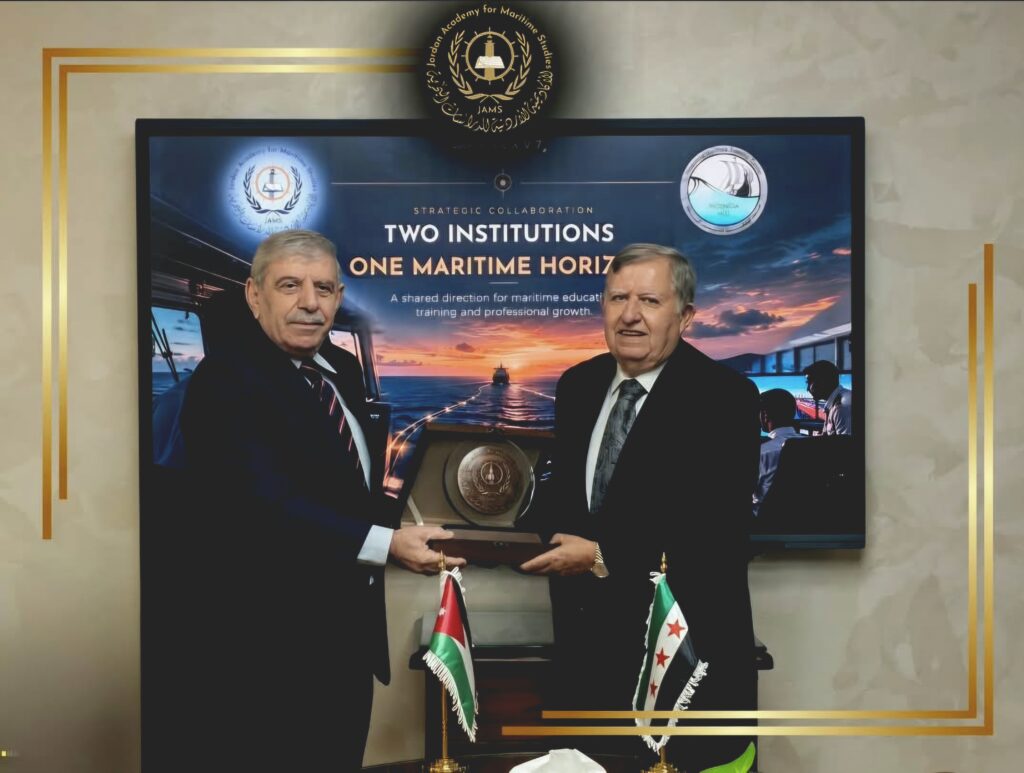
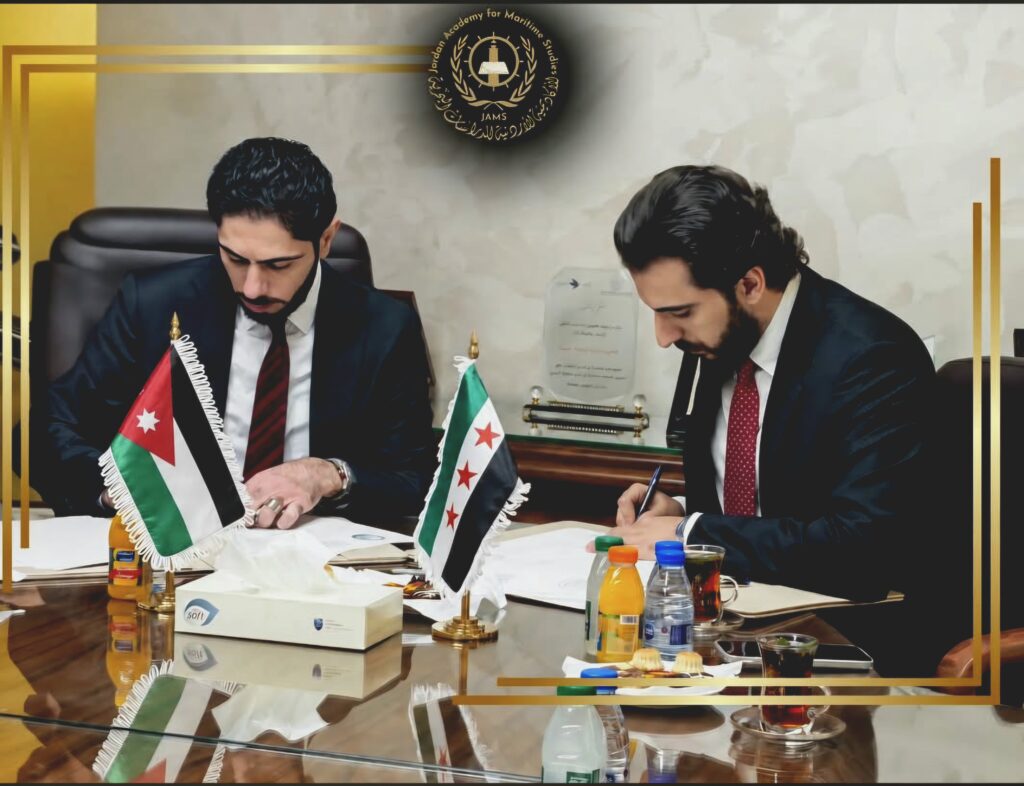
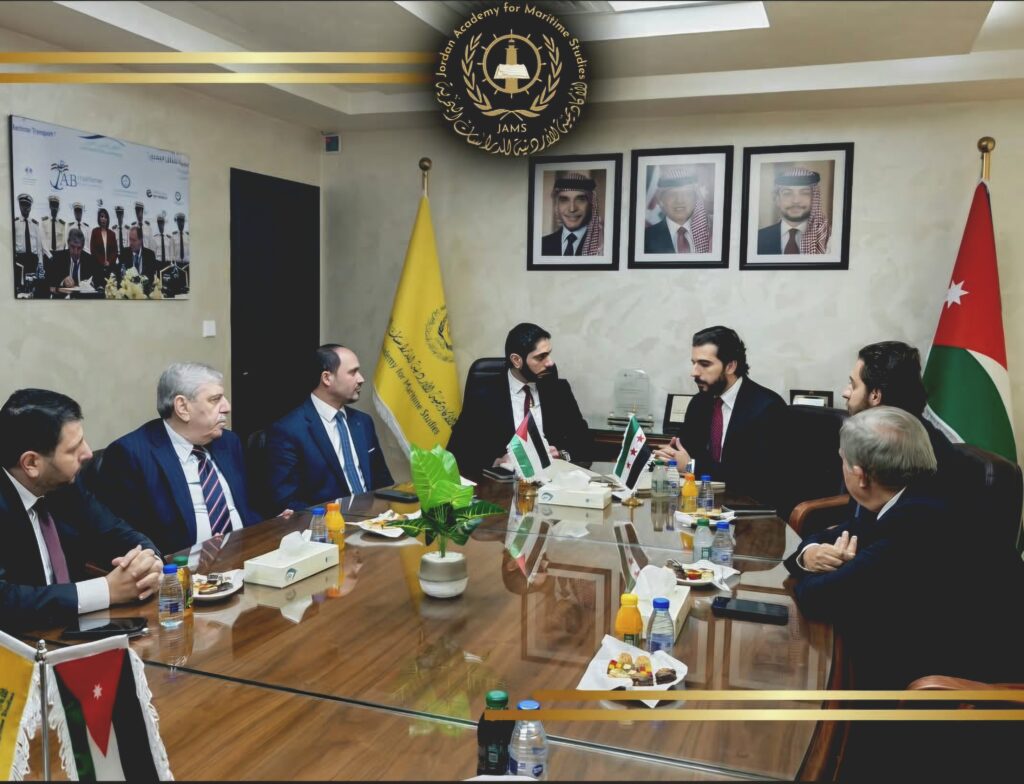
    Shipping Arabia, October 8, 2026 – The Jordan Academy for Maritime Studies (JAMS) has signed a cooperation agreement with Phoenicia Maritime Training Center in Tartous, Syria, creating a framework for future collaboration in maritime education, training and related maritime services.

    The agreement aims to develop new opportunities for Syrian maritime trainees, professionals and institutions. It also enables both organizations to benefit from their respective expertise and capabilities as they explore areas for future cooperation.

    JAMS Syria maritime cooperation covers training and services

    Potential areas of cooperation include maritime education and training, guided sea training, maritime English, training and consultancy services, research and development, and the exchange of expertise.

    The agreement therefore provides a broad platform for both organizations to develop programs and services that could support maritime professionals and institutions in Syria.

    JAMS said the cooperation could create future opportunities that serve trainees as well as the wider Syrian maritime sector. At the same time, the two organizations will be able to combine their experience and resources when developing potential initiatives.

    Programs subject to individual requirements and approvals

    The agreement establishes a framework for future cooperation rather than committing the two organizations to the immediate implementation of specific programs.

    Each training program or service will be organized according to its own requirements. Implementation will also be subject to obtaining the necessary approvals from the relevant authorities in Jordan and Syria.

    This approach allows JAMS and Phoenicia Maritime Training Center to develop individual initiatives within the wider cooperation framework while addressing the regulatory and operational requirements applicable to each activity.

    Focus on future maritime training opportunities

    The partnership opens the door to broader cooperation across several areas of maritime education and professional development.

    In addition to conventional maritime training, the agreement identifies opportunities in maritime English, consultancy, research and development, and knowledge exchange. It also includes the potential development of guided sea training activities.

    Through the agreement, the two organizations aim to turn future training and cooperation opportunities into practical value for trainees, maritime professionals and institutions.

    Source: Jordan Academy for Maritime Studies

  • Aqaba Maritime Training Center Reports Nearly 90% Graduate Employment Rate

    Shipping Arabia, October 3, 2026 – Aqaba maritime training programs at Al-Balqa Applied University are recording graduate employment rates approaching 90%, according to Dr. Hassan Rafea Shaheen, director of the Aqaba Maritime Education and Training Center. The center combines academic study with practical maritime training and serves students as well as working seafarers seeking professional qualifications and certificate renewals.

    Maritime Programs Linked to Industry Demand

    The center currently has 112 students in Maritime Transport Technology and 114 in Marine Engineering. Since the programs were introduced, 336 students have graduated in Maritime Transport Technology and 155 in Marine Engineering. Marine Engineering runs for three years and comprises 105 credit hours, while graduates must also complete practical cadet training aboard ships before obtaining the required maritime certification.

    Simulators and Safety Training

    Training facilities include a 3D ship-engine simulator and a high-voltage systems simulator, each capable of accommodating about 12 students. Construction of a semi-Olympic swimming pool for rescue and lifeboat training has reached about 90%, while the center also operates shipboard firefighting training facilities.

    The center has trained participants from 35 nationalities and maintains agreements with maritime companies and academies. Aqaba University College is also preparing a bachelor’s program in Logistics and Supply Chain Management.

    Source: Hala News / Petra

Back to top button