Shipping Arabia, October 18, 2026 – The Jordan Maritime Commission (JMC) and the General Company for Maritime Transport have discussed strengthening cooperation on ship inspections, maritime safety compliance and crew competency standards for vessels flying the Jordanian flag. The discussions focused on ensuring compliance with international maritime conventions and improving coordination between the two organizations.
JMC Director General Ahmad Al-Assasleh received Captain Mazen Talib Saddam, Director of the Marine Safety (ISM) Department at the General Company for Maritime Transport, at the Commission’s headquarters. The meeting addressed inspection procedures, regulatory compliance and opportunities for continued cooperation on maritime safety matters.
Inspections and Safety Compliance of Jordanian-Flagged Vessels
A central focus of the meeting was the inspection and survey procedures conducted by the Jordan Maritime Commission on the company’s Jordanian-flagged vessels.
These procedures aim to verify that vessels meet applicable maritime safety requirements and comply with relevant international maritime conventions and regulations. They also cover the competency of seafarers serving on board, ensuring that crews satisfy the required professional and safety standards.
The discussions highlighted the importance of maintaining effective oversight of Jordanian-flagged vessels through established inspection procedures and compliance with internationally recognized maritime requirements.
Strengthening Coordination on IMO Regulations
The two sides also examined ways to improve communication and maintain continuous coordination on maritime safety matters. Particular attention was given to monitoring the latest instructions, regulatory developments and requirements issued by the International Maritime Organization (IMO).
The discussions emphasized the role of regulatory coordination in improving maritime safety standards, strengthening operational efficiency and ensuring continued compliance with internationally adopted requirements.
Both parties reaffirmed the importance of ongoing cooperation and exchanging technical expertise to support these objectives.
The meeting concluded with a shared emphasis on maintaining maritime safety compliance and preserving the standing of the Jordanian flag in maritime navigation and shipping.
Shipping Arabia, October 17, 2026 – The Jordan Maritime Commission (JMC) held a meeting on October 11 to review a draft maritime emergency response plan and procedures for managing marine disasters and incidents in Jordanian territorial waters and the Gulf of Aqaba. The discussions focused on strengthening national preparedness, improving coordination among responsible authorities and establishing clear procedures for responding to maritime emergencies.
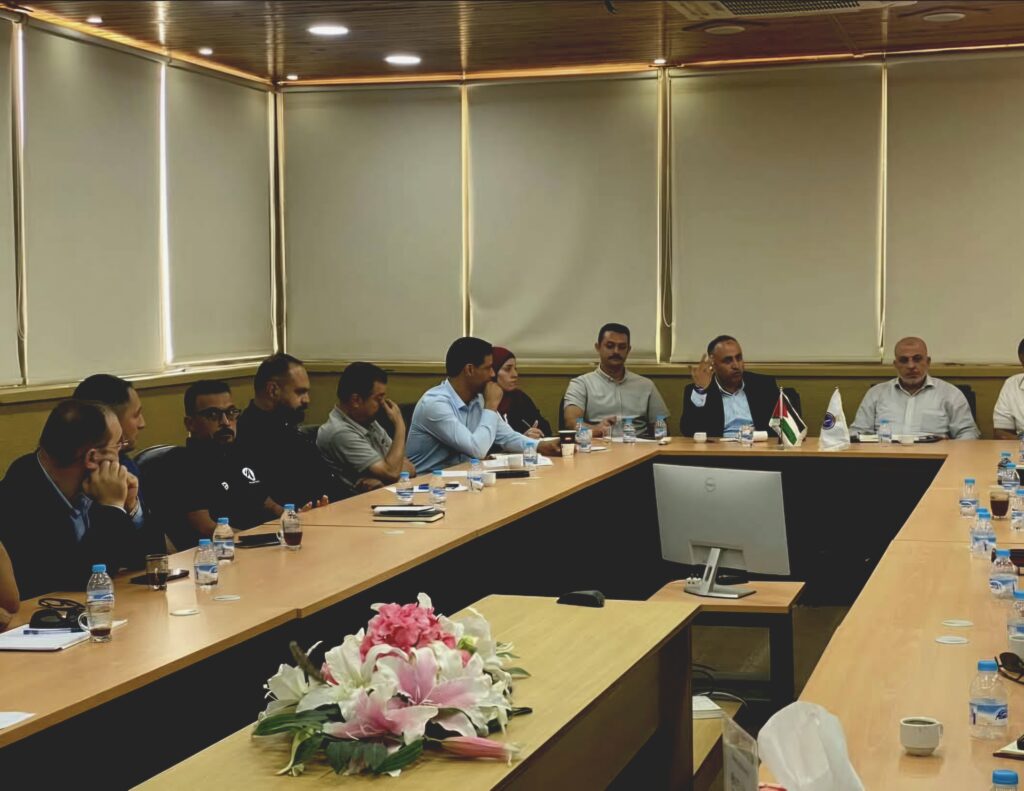
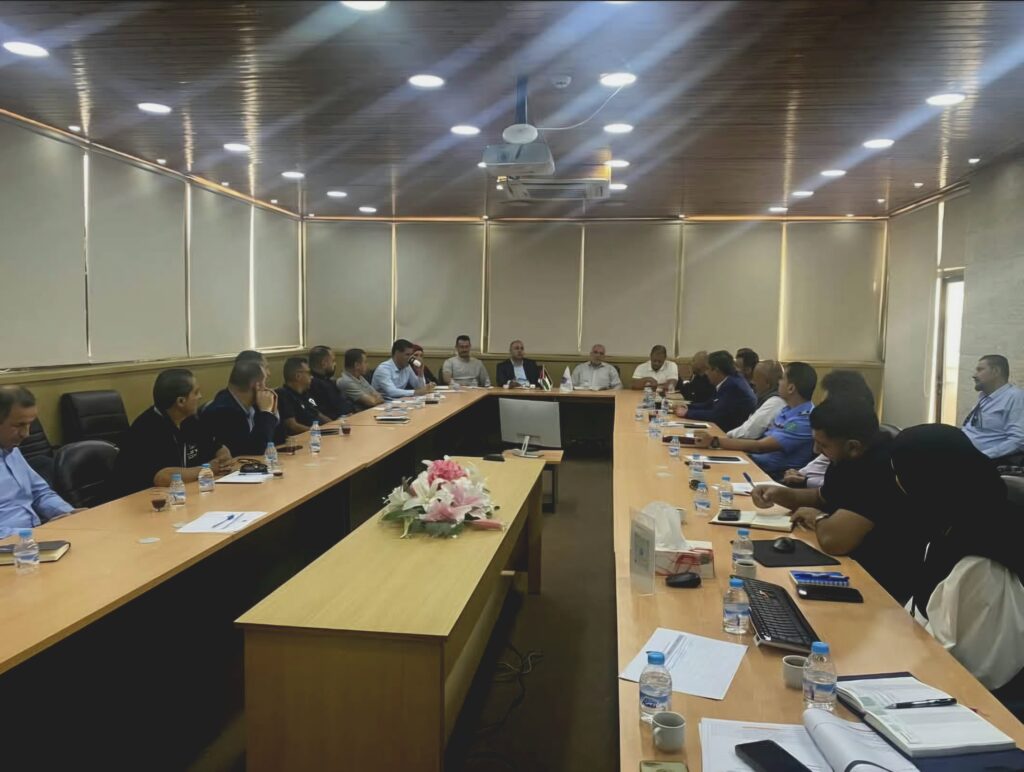
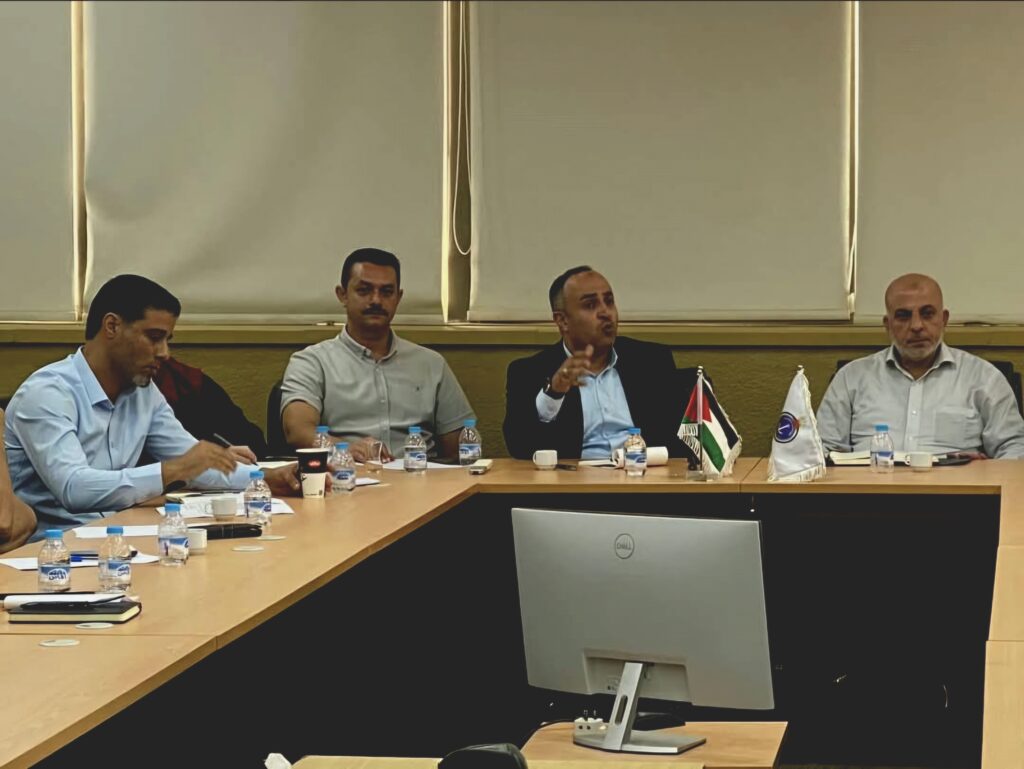
The meeting took place at the commission’s headquarters under the chairmanship of JMC Director General, Dr, Ahmed Al-Assasleh. Representatives of relevant authorities and maritime specialists attended to discuss the proposed framework and the responsibilities of institutions involved in maritime emergency response.
Jordan Maritime Commission Focuses on Emergency Preparedness
During the meeting, Al-Assasleh emphasized the importance of developing a comprehensive and clearly defined maritime emergency response plan capable of addressing different types of maritime incidents and disasters.
He stressed that effective emergency management requires rapid response capabilities, strong coordination among responsible authorities and clearly allocated roles and responsibilities. These elements are essential to ensuring that participating organizations can act efficiently when maritime emergencies occur.
Al-Assasleh also highlighted the importance of strengthening preparedness to protect human lives, property and the marine environment. He emphasized that the proposed framework should contribute to maintaining navigational safety throughout Jordanian territorial waters and the Gulf of Aqaba.
The draft plan aims to establish clear and effective procedures that support coordinated action among relevant institutions, allowing authorities to respond appropriately according to the circumstances and nature of each maritime incident.
Strengthening Coordination Among Maritime Authorities
A central theme of the discussions was the need to strengthen cooperation and institutional coordination among organizations responsible for maritime safety and emergency management.
Al-Assasleh called for unified efforts and closer integration between the relevant authorities. He also emphasized the importance of utilizing their collective expertise, resources and operational capabilities to improve national readiness for maritime emergencies.
According to the JMC Director General, effective cooperation between institutions is necessary to ensure that response procedures are implemented efficiently and that responsibilities remain clearly defined throughout emergency operations.
Participating organizations similarly emphasized the importance of maintaining continuous coordination and ensuring that institutional roles complement one another. They agreed that stronger cooperation would improve the efficiency of maritime incident response and support the timely implementation of measures appropriate to each emergency.
Protecting Maritime Safety and the Gulf of Aqaba Environment
The participating authorities welcomed the Jordan Maritime Commission’s efforts to prepare and review the draft emergency response plan.
They also praised the commission’s collaborative approach, which brings together relevant institutions and specialists to clarify responsibilities, coordinate resources and strengthen national capabilities for managing maritime disasters and incidents.
The participants highlighted the importance of this cooperation in achieving high standards of maritime safety and security while protecting the marine environment in the Gulf of Aqaba.
Through the proposed maritime emergency response plan, the Jordan Maritime Commission aims to establish a coordinated national approach that improves institutional preparedness and supports effective action during maritime emergencies.
The meeting represented a step in reviewing the draft procedures and aligning the responsibilities of participating authorities to strengthen maritime safety, emergency response capabilities and environmental protection in Jordanian waters.
Shipping Arabia, October 13, 2026 – Yemen’s Minister of Transport, Mohsen Haidara Al-Omari, reviewed Mukalla Port development projects, operational readiness and maritime safety measures during a meeting with senior officials from the Yemen Arabian Sea Ports Corporation (YASPC) and the Maritime Affairs Authority. The meeting, held at the Ministry of Transport headquarters in Aden, also included the signing of tender documents for several development and rehabilitation projects at the Port of Mukalla.
The discussions focused on the operational performance of both organizations, progress in development programs and the requirements for improving port infrastructure and maritime services. Officials also reviewed measures to strengthen operational preparedness and maintain safe navigation amid ongoing regional security challenges.
Mukalla Port Development Projects and Infrastructure Improvements
The meeting examined the progress of Mukalla Port development projects and rehabilitation activities undertaken by the Yemen Arabian Sea Ports Corporation. Discussions addressed the corporation’s operational performance, current development programs and infrastructure requirements across its affiliated ports.
Al-Omari emphasized the importance of improving institutional performance and accelerating the completion of procedures related to port development and rehabilitation projects. He called for greater efforts to improve service quality, strengthen infrastructure efficiency and raise operational readiness.
The minister also highlighted the need to ensure that development activities support the continuity and efficiency of port operations.
Fouad Al-Rabaki, Vice Chairman of YASPC, briefed the minister on the corporation’s activities and the operational status of its affiliated ports. His presentation covered measures implemented at Mukalla Port, progress on ongoing projects and the principal requirements for sustaining and improving maritime and port operations.
The discussions also addressed the practical needs of the corporation and its ports, particularly those related to improving operational capabilities and maintaining service efficiency.
Maritime Safety and Emergency Preparedness
Maritime safety and emergency preparedness formed another major part of the meeting. Al-Omari directed the leadership of YASPC and the Maritime Affairs Authority to strengthen precautionary measures across the ports under their responsibility.
The minister stressed the importance of maintaining heightened operational vigilance and activating emergency committees to address potential risks and developments.
He also called for stronger maritime safety procedures in response to security concerns arising from continued Houthi escalation. These measures aim to improve the preparedness of port and maritime authorities to respond to potential threats affecting their operations.
The meeting reviewed the activities of the Maritime Affairs Authority’s Mukalla branch, including its supervisory responsibilities and measures to strengthen maritime safety.
Dr. Nabil Bin Aifan, Director General of the authority’s Mukalla branch, presented an overview of its operational activities and responsibilities. He outlined the procedures implemented to enhance maritime oversight, improve safety measures and strengthen readiness within the branch’s jurisdiction.
Coordination Between Port and Maritime Authorities
The meeting brought together senior officials responsible for Yemen’s maritime and port sectors, reflecting the Ministry of Transport’s focus on coordinating infrastructure development, operational performance and maritime safety.
Participants included Captain Ali Al-Subahi, Undersecretary of the Ministry of Transport for Maritime Affairs and Ports; Fouad Al-Rabaki, Vice Chairman of YASPC; and Dr. Nabil Bin Aifan, Director General of the Maritime Affairs Authority’s Mukalla branch.
Dr. Mohammed Jameel, Director General of the Minister’s Office, and Engineer Abbas Bafadel, Director of the Projects Department at YASPC, also attended.
The discussions addressed the need for continued coordination between the ministry, port management and maritime regulatory authorities to advance infrastructure improvements and strengthen preparedness.
The review of Mukalla Port development projects, alongside measures to improve maritime supervision and emergency response, reflects the ministry’s priorities for enhancing port services, maintaining operational continuity and strengthening maritime safety across Yemen’s Arabian Sea ports.
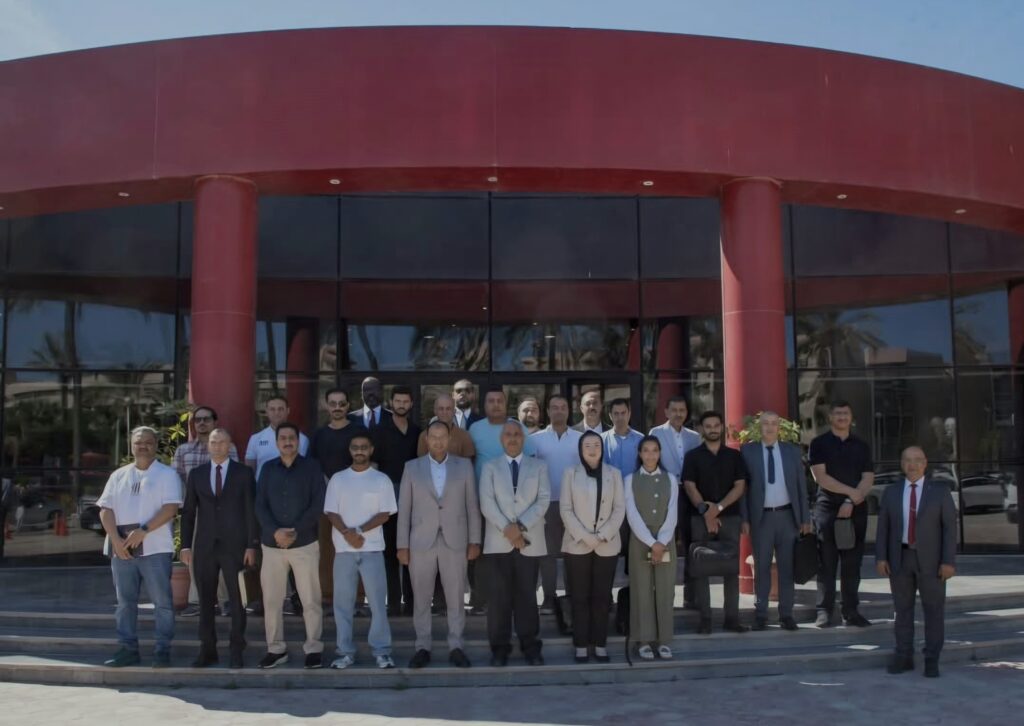
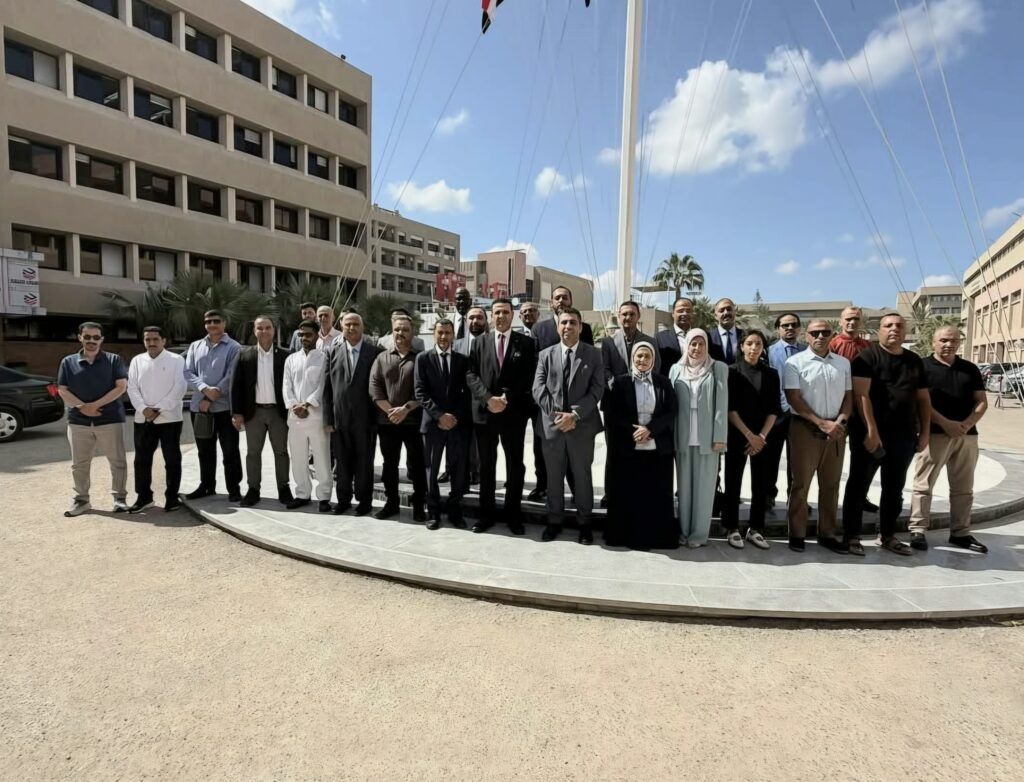
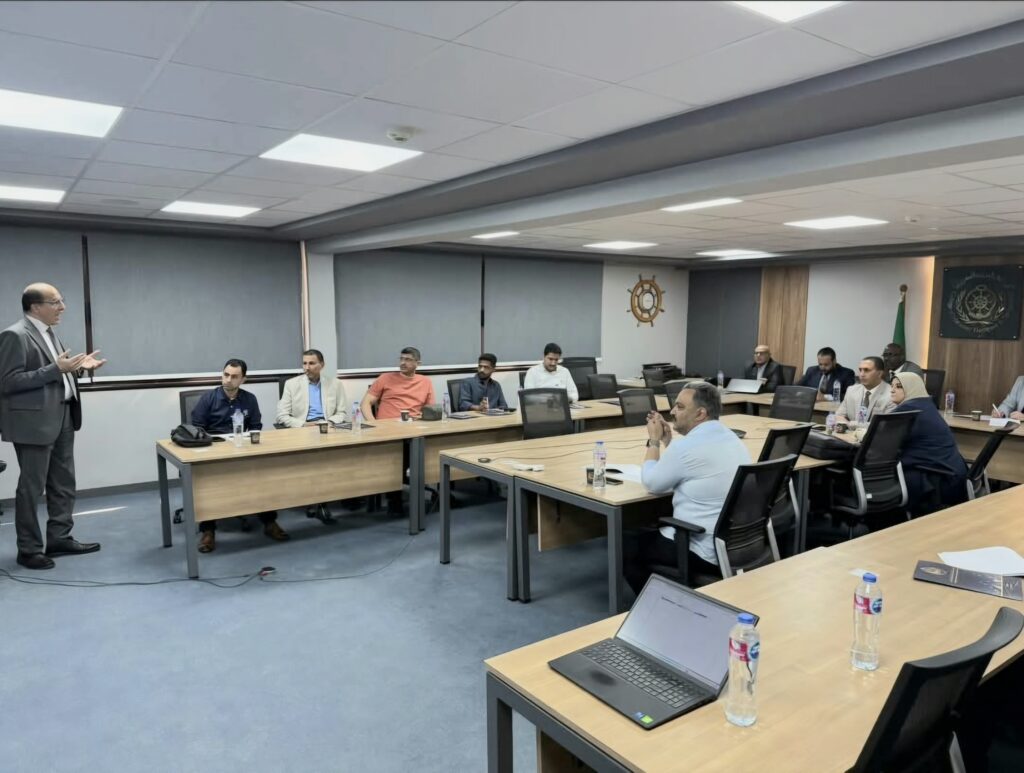
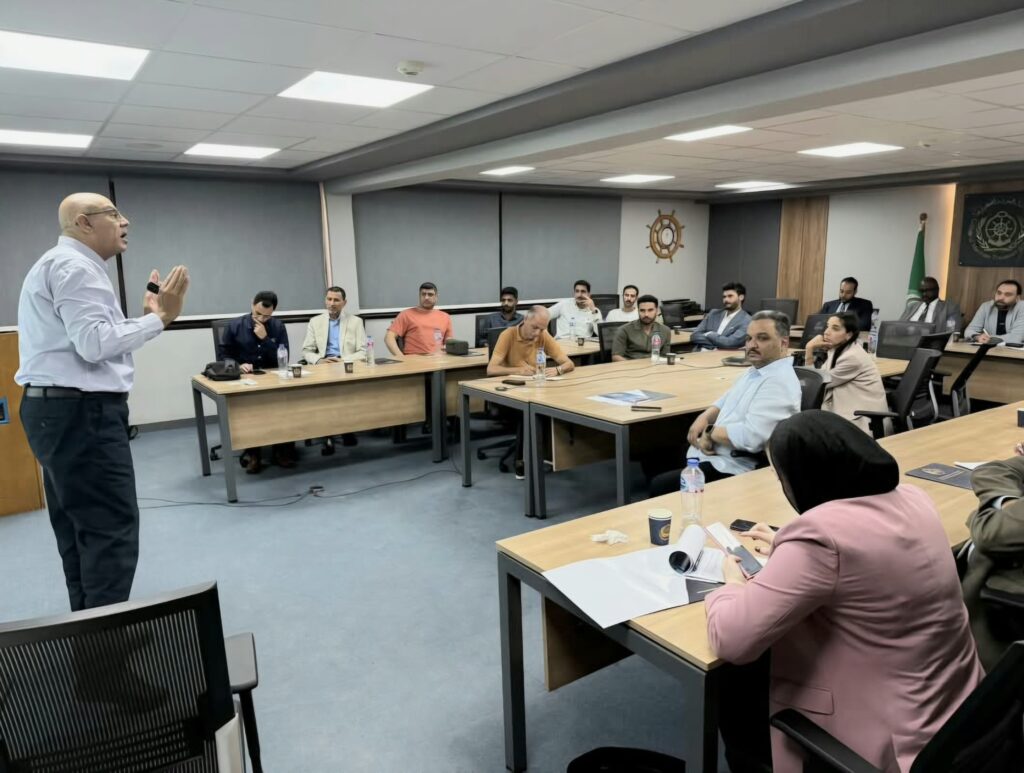
Shipping Arabia, October 5, 2026 – The Arab Academy for Science, Technology and Maritime Transport (AASTMT) has concluded an integrated Arab maritime disaster risk training program in Alexandria, bringing together 23 officials and specialists from six Arab countries to strengthen national capabilities in maritime disaster risk assessment, management and response.
The program was held from September 21 to 24, 2026, at AASTMT’s Abu Qir campus under the patronage of H.E. Prof. Dr. Ismail Abdel Ghaffar Ismail Farag, President of AASTMT. It was organized in coordination with the General Secretariat of the League of Arab States as part of the Arab Program for Disaster Risk Reduction in the maritime sector.
AASTMT implemented the four-day program through its Maritime Postgraduate Studies Institute under the supervision of Prof. Dr. Karim Tonbol, Dean of the Institute. The program was also conducted in cooperation with the League of Arab States’ departments responsible for housing, water resources and disaster risk reduction, as well as transport and tourism.
Arab Participation in Maritime Disaster Risk Training
The maritime disaster risk training program attracted 23 officials and specialists representing six Arab countries. Participants came from organizations responsible for maritime transport and ports, risk and emergency management, civil defense and protection, maritime security, environmental affairs and maritime affairs.
The program also included participation from officials involved in regional Arab coordination on disaster risk reduction and maritime transport. Mohammed Kenna, Coordinator of the Arab Coordination Mechanism for Disaster Risk Reduction, and Abdel Karim Fares, Coordinator of the Technical Secretariat of the Council of Arab Transport Ministers, attended the program.
Mostafa Saadi Abbas, an official with the Technical Secretariat of the Arab Coordination Mechanism for Disaster Risk Reduction, also participated during the opening day and presented a working paper as part of the training activities.
The involvement of several maritime, emergency and civil protection disciplines gave the program a multi-agency structure. This approach supported its focus on coordination among organizations that may be required to work together during complex maritime emergencies.
IMO, UNDRR and AASTMT Experts Deliver Training
Lectures and training sessions were delivered by specialists and experts from the General Secretariat of the League of Arab States, the United Nations Office for Disaster Risk Reduction (UNDRR) and the International Maritime Organization (IMO).
AASTMT experts also contributed through several of the Academy’s specialized institutions and centers. These included the Arab Center for Consultations and Maritime Environmental Accident Investigations, the Deanship of Scientific Research and Innovation, the Maritime Qualifying Studies Institute, the Integrated Simulators Complex, and the Environment Protection and Crisis Management Center.
Across the four days, the maritime disaster risk training covered a range of interconnected operational and risk-management subjects. These included maritime emergency plans, incident command and management, maritime and environmental risk assessment and management, modeling and decision support, oil pollution incident response, dangerous goods risk management, and analysis of lessons learned from maritime accidents.
The program therefore combined risk assessment with practical emergency management and decision-making. It also addressed environmental and hazardous cargo risks alongside wider maritime incident response requirements.
Complex Maritime Incident Tested Through Simulation
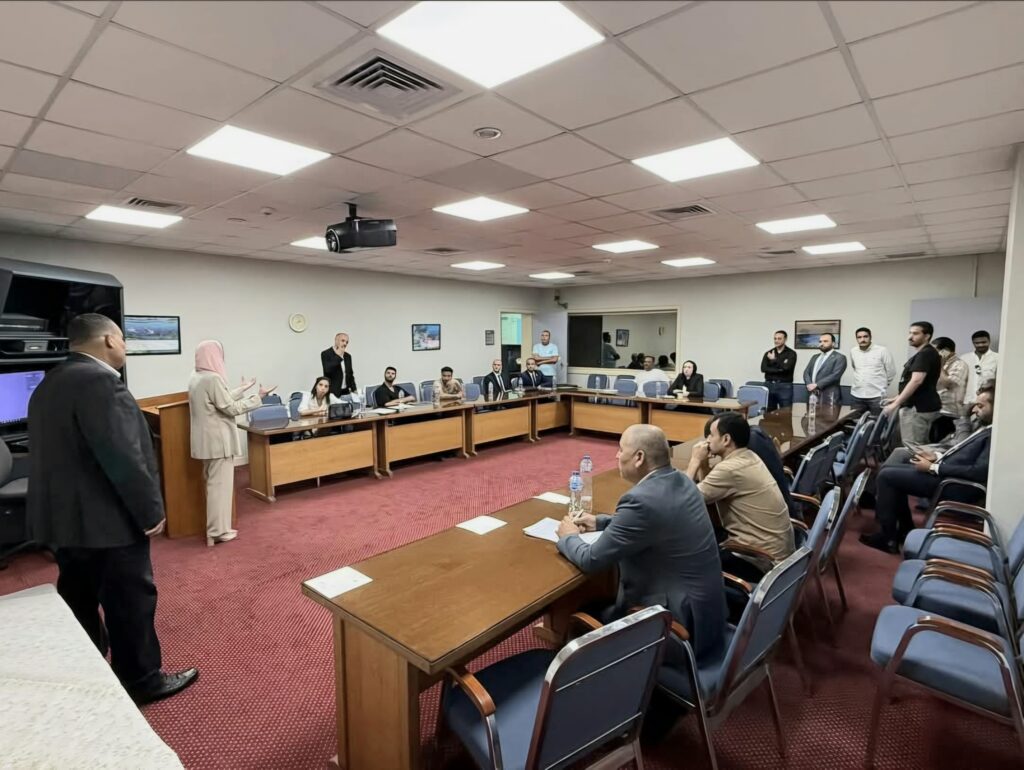
The program concluded with a practical exercise at the Environment Protection and Crisis Management Center within AASTMT’s Integrated Simulators Complex.
Participants took part in a simulation of a complex maritime incident designed to allow them to apply concepts covered during the training. The exercise focused on assessing the situation, identifying priorities, managing available resources, coordinating among multiple agencies and making decisions within an integrated simulation environment.
The practical component provided participants with an opportunity to move from classroom-based instruction to the management of a simulated maritime emergency. It also brought together several of the core subjects covered during the program, including incident management, risk evaluation, coordination and resource allocation.
Building National Maritime Disaster Response Capacity
AASTMT said the program forms part of its efforts to support joint Arab action and build national capabilities in maritime transport, safety and risk management.
The initiative also reflects the Academy’s role as an Arab center of expertise in these fields, with the broader aim of raising levels of preparedness and response to maritime disasters across Arab countries.
Through cooperation with the League of Arab States, IMO and UNDRR specialists, the program combined regional coordination with technical maritime expertise and practical simulation. Its conclusion marked the completion of four days of training focused on strengthening the ability of participating authorities to assess risks, coordinate responses and manage complex maritime incidents.
Source: Arab Academy for Science, Technology and Maritime Transport