Maritime Transport

  • Abdullah Ati Abdullah Takes Over as Director General of Iraq’s Ports Company

    Shipping Arabia, October 16, 2026 – Chief Engineer Abdullah Ati Abdullah has officially assumed his duties as Director General of the General Company for Ports of Iraq (GCPI), succeeding Capt. Alaa Al-Aqili. The leadership transition follows official orders issued by the relevant authorities.

    Abdullah takes over the leadership of the company following a professional career within GCPI, where he progressed through various positions and gained engineering, administrative and management experience.

    His appointment comes as the company continues its efforts to develop Iraq’s maritime transport sector and advance strategic port infrastructure projects, particularly the Al Faw Grand Port project.

    New Director General Brings Experience From Within GCPI

    Abdullah has built his professional career within the General Company for Ports of Iraq, gaining experience across engineering and administrative responsibilities.

    Throughout his career, he developed his technical and management capabilities while progressing through the company’s organizational structure.

    He also served as an elected member of GCPI’s Board of Directors, having secured the confidence of company employees through an internal election.

    His professional background and previous involvement in the company’s management provide experience relevant to his new responsibilities as Director General.

    Al Faw Grand Port Remains a Key Strategic Project

    The leadership transition comes amid expectations that the new Director General will contribute to the continued development of the General Company for Ports of Iraq and improvements in its performance.

    The company plays an important role in supporting Iraq’s maritime transport and shipping activities, with ongoing development efforts aimed at strengthening the country’s port sector.

    Among its major strategic initiatives, the Al Faw Grand Port project remains a central priority. The project was specifically highlighted in the announcement as one of the key developments expected to continue under the company’s new leadership.

    The appointment carries expectations of maintaining progress on strategic projects and further developing the company’s activities. These efforts are intended to strengthen Iraq’s economic and commercial position through continued investment in its maritime and port sectors.

    Source: Iraqi Ministry of Transport / General Company for Ports of Iraq
  • Egypt and Tanzania Explore Sokhna–Dar es Salaam Port Cooperation to Strengthen East African Trade

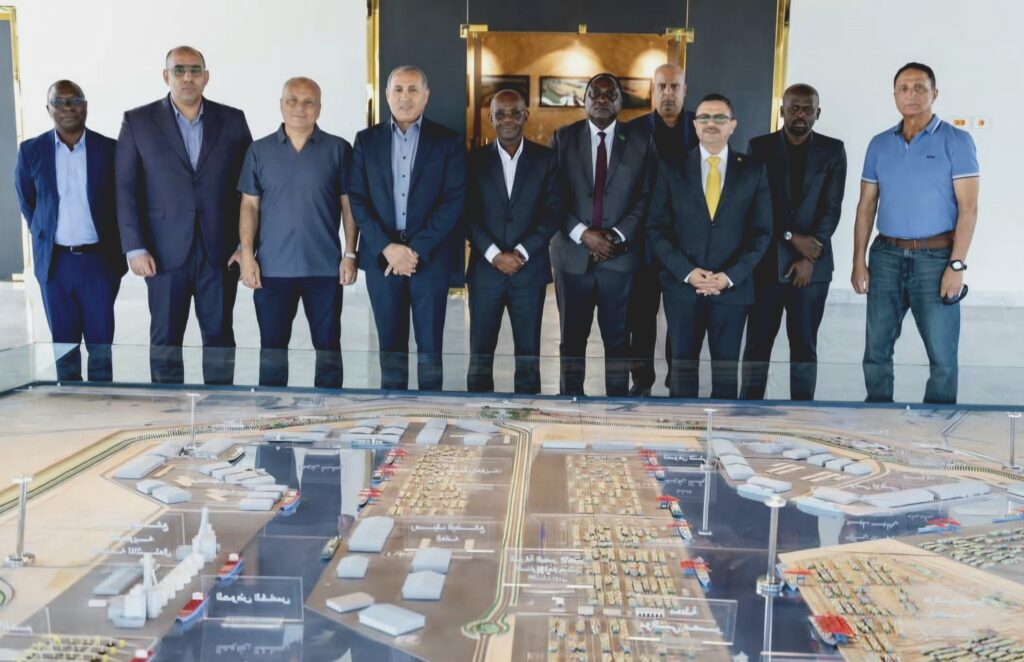
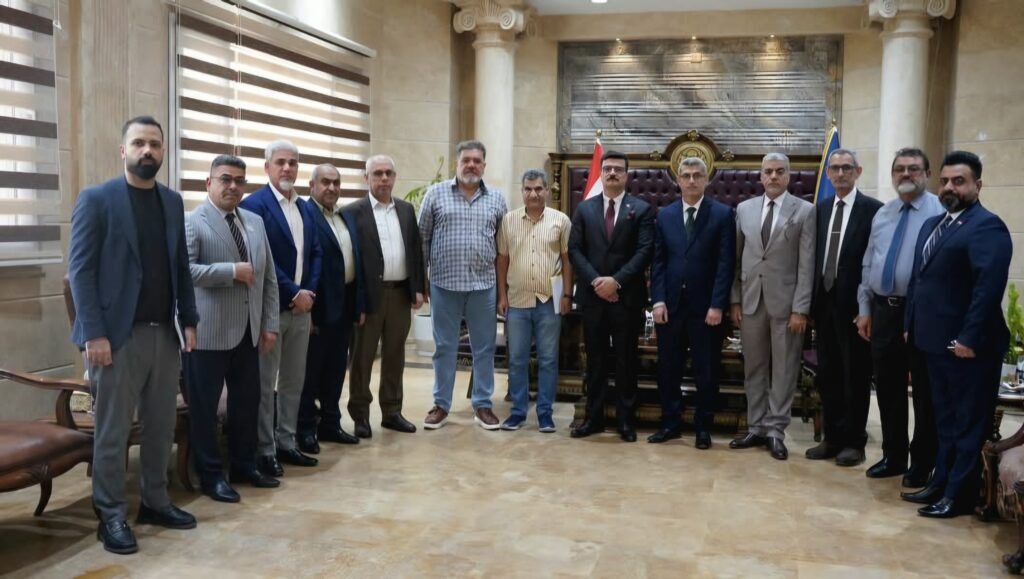
    Shipping Arabia, October 16, 2026 – Egypt and Tanzania have explored opportunities for Sokhna–Dar es Salaam port cooperation to strengthen maritime transport, logistics connectivity and trade links between the two countries. The discussions took place during an official Tanzanian delegation’s visit to Sokhna Port, where both sides examined opportunities to expand transit trade and improve access to East African markets.

    The delegation, led by Tanzania’s Minister of Transport, Prof. Makame Mbarawa, visited Sokhna Port, which operates under the Suez Canal Economic Zone (SCZONE). The visit focused on the port’s infrastructure development, operational capabilities and expanding role within Egypt’s multimodal transport network.

    The Tanzanian delegation was received by Egypt’s Deputy Minister of Transport for Railways, the head of Sokhna Port’s Central Administration and the executive director of the Sokhna Port Development Project. Officials briefed the visitors on the port’s activities, operating terminals and ongoing infrastructure improvements.

    Sokhna Port Expansion Strengthens Maritime and Logistics Capabilities

    During the visit, Egyptian officials presented the major development and modernization projects undertaken at Sokhna Port. These investments aim to strengthen the port’s competitiveness and expand its ability to accommodate different vessel types and sizes.

    The development program includes the addition of approximately 18 kilometers of quays, alongside cargo handling yards and logistics areas covering more than 9 million square meters. The project also involves extensive infrastructure improvements and the deepening of navigation channels, bringing water depths to 19 meters.

    These upgrades are designed to enhance the port’s operational capabilities and its ability to handle a wider range of maritime traffic. The expansion of cargo handling and logistics facilities also supports Sokhna Port’s development as an integrated logistics hub serving international trade and investment.

    Sokhna–Alexandria Logistics Corridor Supports Multimodal Connectivity

    The Tanzanian delegation also reviewed Sokhna Port’s connections with Egypt’s modern road network and high-speed electric railway project. The railway is designed to link Sokhna Port on the Red Sea with Alexandria Port on the Mediterranean, passing through industrial zones along the Sokhna–Alexandria Logistics Corridor.

    This transport corridor is a key element of the port’s integration with Egypt’s wider multimodal logistics network. It aims to facilitate cargo movements between maritime gateways, industrial areas and inland transport infrastructure.

    By combining maritime facilities with road and rail connectivity, the corridor is intended to strengthen Sokhna Port’s position as an integrated logistics center. It also supports the movement of goods, trade-related investment and the development of transit cargo operations.

    The delegation received an overview of how these transport connections contribute to the port’s logistics capabilities and its role in facilitating trade flows.

    Egypt and Tanzania Discuss Port Connectivity and East African Trade

    A central focus of the visit was the potential for closer maritime and logistics cooperation between Egypt and Tanzania, particularly through connections between Sokhna Port and Tanzania’s Dar es Salaam Port.

    The two sides discussed opportunities to establish stronger cooperation between the ports, with an emphasis on supporting bilateral trade and improving maritime transport and logistics links.

    The proposed cooperation also aims to facilitate wider market access for products moving between Egypt and Tanzania. In addition, the discussions addressed opportunities to strengthen transit trade with East African countries through improved port and logistics connectivity.

    The talks highlighted the potential role of Sokhna Port’s expanding infrastructure and multimodal transport connections in supporting future cooperation with Tanzania’s maritime sector.

    The visit formed part of discussions aimed at identifying opportunities for practical cooperation in maritime transport and logistics, with particular attention to trade connectivity between Egypt, Tanzania and wider East African markets.

    Source: Suez Canal Economic Zone (SCZONE)

  • Syria Reviews Port Development, Maritime Operations and Digital Transformation at Latakia Port

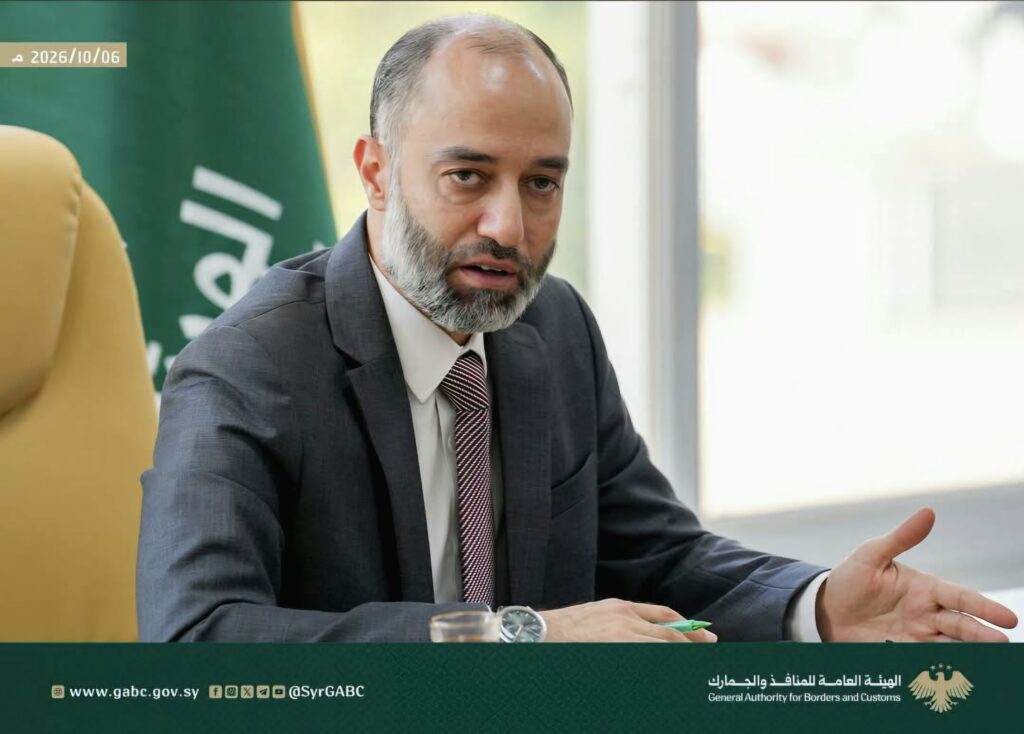
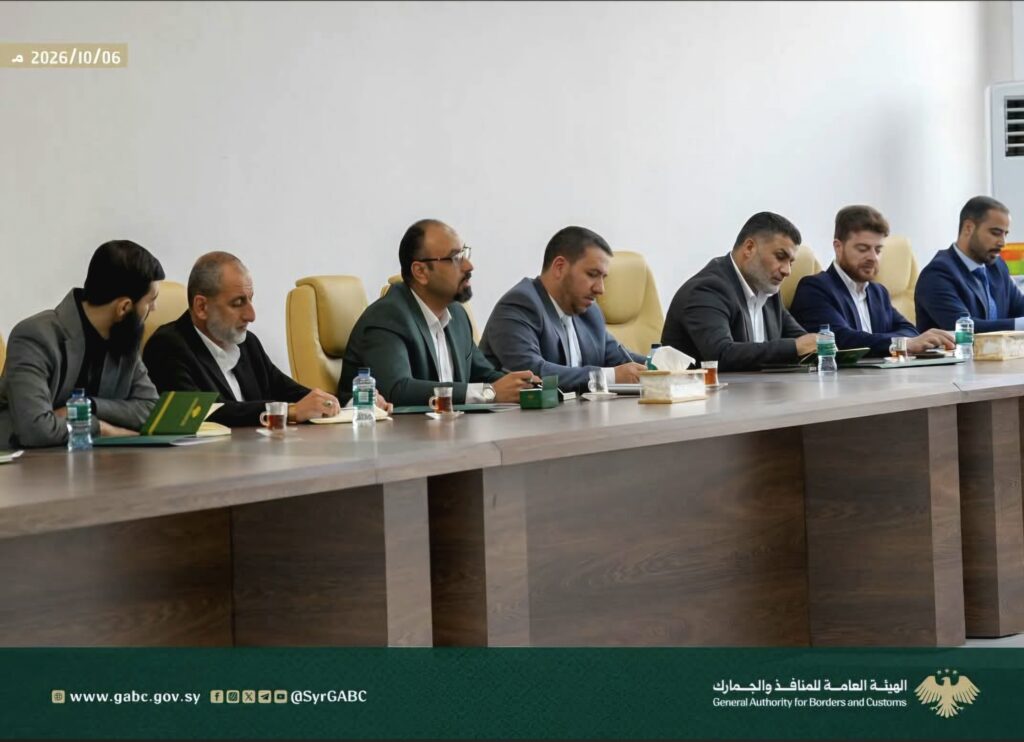
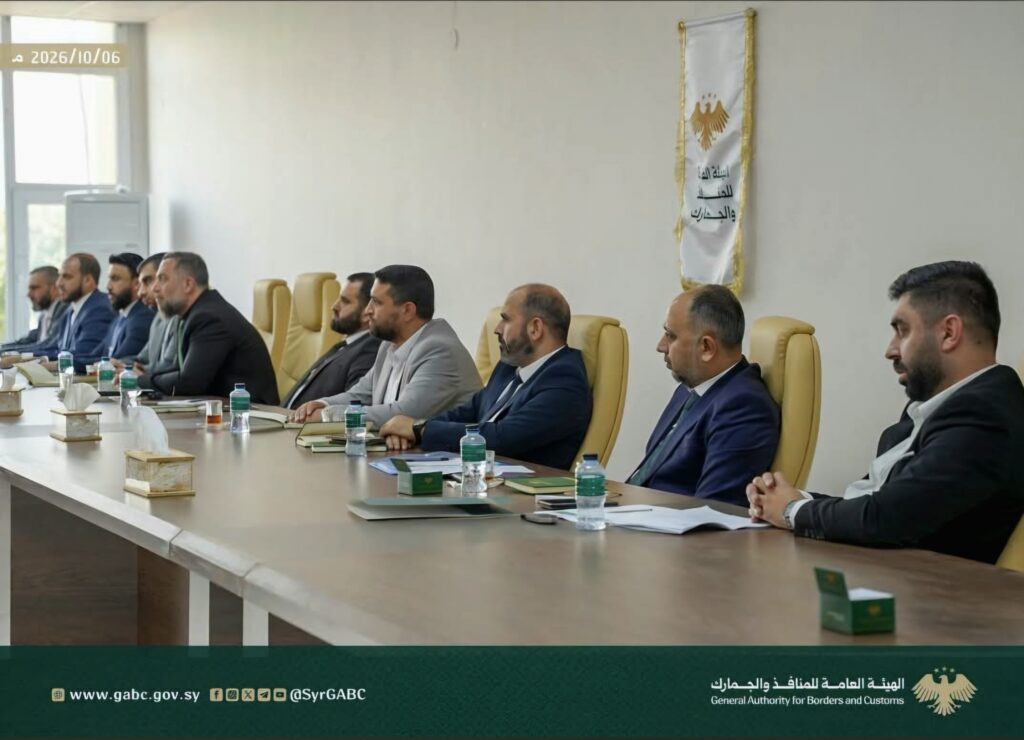
    Shipping Arabia, October 14, 2026 – Syria’s General Authority for Borders and Customs (GABC) has held an extensive meeting at Latakia Port to review maritime operations, development plans and key operational challenges. The discussions focused on improving port services, advancing digital transformation and strengthening coordination among the authority’s affiliated entities.

    The meeting was chaired by Qutaiba Badawi, Head of the General Authority for Borders and Customs, with the participation of directors from the authority’s central departments and directorates.

    Officials examined current operational conditions, identified challenges affecting various departments and discussed measures to improve institutional coordination and service efficiency across Syria’s maritime sector.

    Port Operations and Maritime Service Development

    A major focus of the meeting was the performance of Syrian ports and the development of services provided by the authority’s maritime entities.

    Discussions covered port operations, Coast Guard activities, maritime transport and the Syrian Shipping Agencies Company. Officials reviewed opportunities to improve service delivery, increase operational efficiency and address challenges affecting these activities.

    The meeting also examined the requirements of the Maritime Training and Qualification Establishment, particularly its role in preparing qualified personnel for the maritime sector.

    Participants emphasized the importance of developing the workforce needed to support improvements in maritime services and strengthen the capabilities of institutions operating under the authority.

    These discussions formed part of a broader review of how the authority’s various departments and affiliated organizations can coordinate their activities more effectively.

    Digital Transformation and Administrative Modernization

    Digital transformation was another central topic, with officials reviewing projects to modernize administrative and operational systems across the authority.

    The discussions addressed measures to accelerate official correspondence, simplify working procedures and improve the efficiency of administrative processes.

    Participants also examined the standardization of administrative forms and legal procedures to establish more consistent working practices across departments.

    In addition, the meeting addressed staffing requirements and improvements to the working environment, reflecting the authority’s focus on ensuring that its departments have the personnel and organizational resources needed to perform their responsibilities.

    Performance Monitoring and Service Quality

    During the meeting, Badawi emphasized the importance of adopting clear action plans supported by measurable key performance indicators (KPIs).

    He called for systematic monitoring of assigned tasks, closer follow-up on implementation and measures to overcome obstacles that could delay progress.

    Badawi also directed the authority’s departments to prioritize improvements in service quality while strengthening confidence among customers and investors.

    Furthermore, he stressed the importance of institutional working practices and closer integration among the authority’s different departments and affiliated entities.

    The meeting brought together the operational, administrative and training priorities of Syria’s maritime sector, with an emphasis on coordinated development, improved performance monitoring and more efficient service delivery.

    Source: General Authority for Borders and Customs

  • AWFA Conference in Amman Highlights Maritime and Logistics Integration

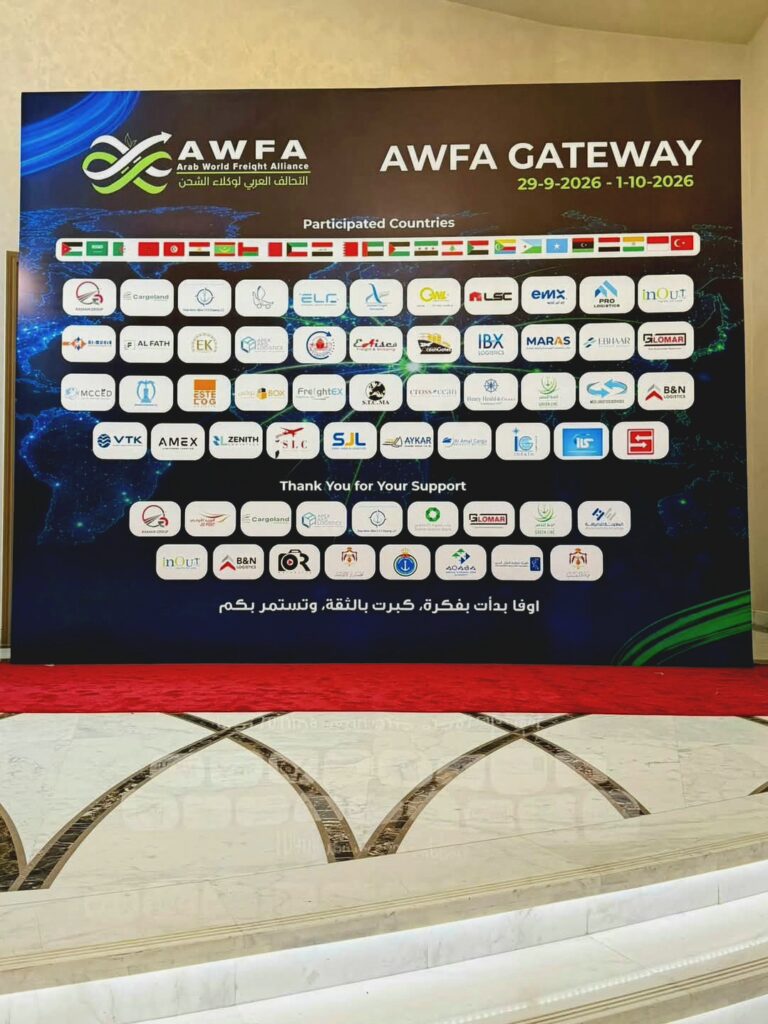
    Shipping Arabia, October 10, 2026 – The AWFA Conference in Amman highlighted the importance of integrating maritime transport, land transportation, and logistics services to strengthen regional trade, improve supply chain connectivity, and enhance the competitiveness of ports and transport corridors. The event brought together government officials, decision-makers, and industry leaders from across the Arab region and internationally.

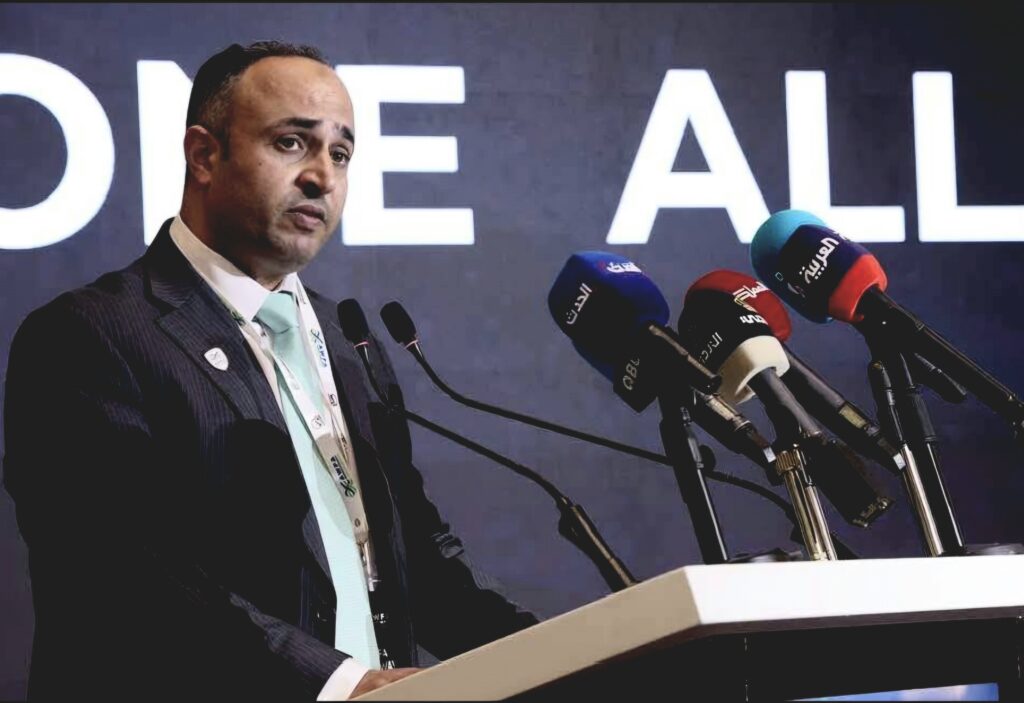
    Ahmad Al-Asasleh, Director General of the Jordan Maritime Commission (JMC), officially inaugurated the Arab World Freight Alliance (AWFA) Conference on behalf of Jordan’s Minister of Transport and Minister of Labor.

    Addressing participants, Al-Asasleh emphasized the importance of strengthening cooperation and integration among different segments of the transport and logistics industry. He also highlighted the need to exchange expertise, share industry experiences, and explore opportunities to develop the sector in response to rapidly evolving global conditions.

    Strengthening Maritime and Logistics Integration in Jordan

    Al-Asasleh stressed that closer integration between maritime transport, land transportation, and logistics services plays an important role in supporting international trade and strengthening supply chains.

    He highlighted the relationship between transport connectivity and the competitiveness of ports and transport corridors. Improving coordination across different transport and logistics activities, he noted, supports Jordan’s efforts to consolidate its position as a regional logistics hub.

    The discussions at the AWFA Conference in Amman reflected the importance of cooperation among freight forwarding companies, transport operators, logistics service providers, and other industry stakeholders.

    The conference provided a platform for participants to exchange knowledge and experiences while exploring approaches to developing the transport and logistics sector. These discussions also addressed the need for greater regional integration as the industry responds to changes affecting global trade and supply chains.

    Jordan Maritime Commission Supports Regional and International Partnerships

    During his remarks, Al-Asasleh reaffirmed the Jordan Maritime Commission’s commitment to strengthening partnerships with the private sector and relevant Arab and international organizations.

    He emphasized the importance of cooperation and coordination in developing Jordan’s maritime transport and logistics framework. These efforts also support the objectives of the country’s Economic Modernization Vision, which includes strengthening Jordan’s position as a regional logistics center.

    The Commission views cooperation between public institutions, private companies, and regional and international stakeholders as an important component of developing the maritime and logistics sectors.

    Through these partnerships, the JMC aims to support the continued development of Jordan’s maritime transport system while contributing to broader efforts to improve logistics capabilities and regional connectivity.

    AWFA Conference Promotes Cooperation Across the Arab Logistics Sector

    The AWFA Conference in Amman brought together representatives from across the freight forwarding, transportation, and logistics industries to discuss opportunities for stronger cooperation.

    The gathering offered participants an opportunity to share expertise, exchange experiences, and examine ways to improve integration among different components of the transport and logistics sector.

    The conference also highlighted the importance of cooperation at both Arab and international levels in addressing industry developments and supporting the future of freight forwarding and logistics services.

    For Jordan, the event reinforced the country’s focus on strengthening maritime and logistics partnerships, improving transport integration, and advancing its ambitions to serve as a regional logistics hub.

    Source: Jordan Maritime Commission

Back to top button