Shipping Arabia, September 23, 2026 – Damietta Port is nearing completion of a new 850-meter marine berth for dry bulk, fuel and grain cargoes, as the Egyptian port continues expanding its handling and storage capacity.
The project is being implemented by Canal Company for Ports and Large Projects at an estimated cost of EGP 6 billion (around $125 million) and forms part of Damietta Port Authority’s wider infrastructure development programme.
The new berth is intended to increase capacity for grain handling and storage, while also accommodating dry bulk and fuel cargoes. Electrical infrastructure for the project is now moving into its next stage, with installation and connection works expected to begin in the coming weeks.
Damietta Port Authority has tendered the supply and installation of a new electricity source for the grain terminal, with the electrical works expected to cost around EGP 25 million.
Alongside the berth development, the authority is progressing several infrastructure and operational projects across the port, including maintenance of its medium-voltage electricity network and plans for the port’s first solar power station.
Damietta is also moving to modernize cargo truck weighing operations within the customs area. A project covering a 750-square-meter facility will develop, manage and operate an electronic weighbridge system for loaded and empty cargo trucks, incorporating two platforms with a minimum capacity of 200 tonnes each under a Green & Smart operating model.
The projects form part of wider efforts to expand Damietta’s cargo-handling infrastructure and improve the port’s capacity and competitiveness across containerized, bulk and general cargo trades.
Source: Almal News
Port Development
-
Damietta Port Nears Completion of $125 Million Bulk and Grain Berth
-
Tripoli Port Advances Plans to Become Regional Logistics Hub
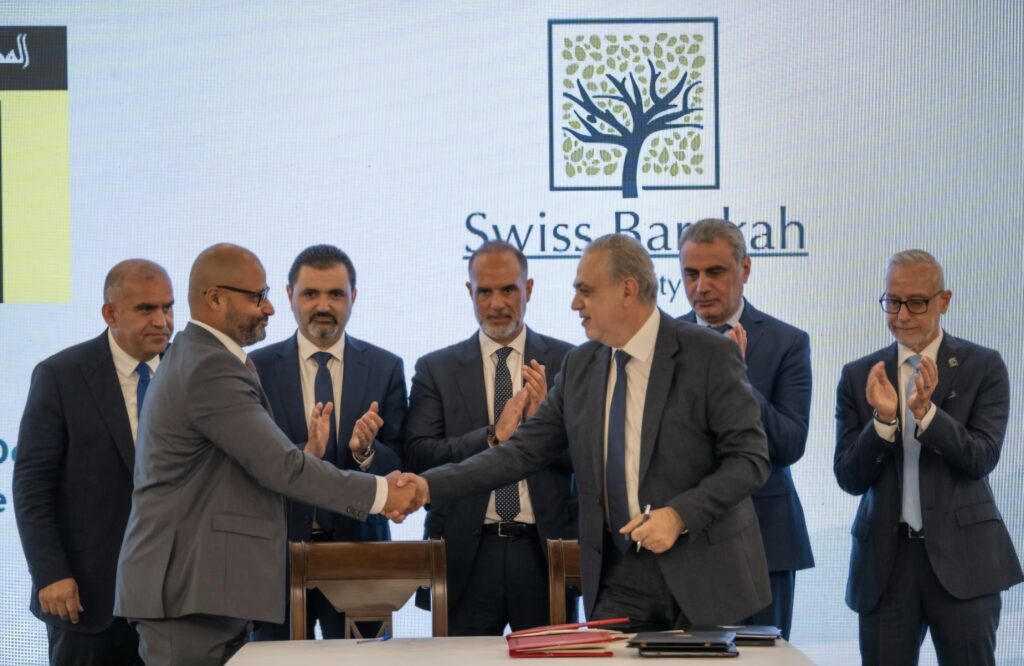
Shipping Arabia, September 21, 2026 – Lebanon is advancing plans to transform the Port of Tripoli from a local cargo gateway into a regional logistics hub, with around 20 development projects planned over the next three years and new agreements targeting rail connectivity and the Tripoli Special Economic Zone.
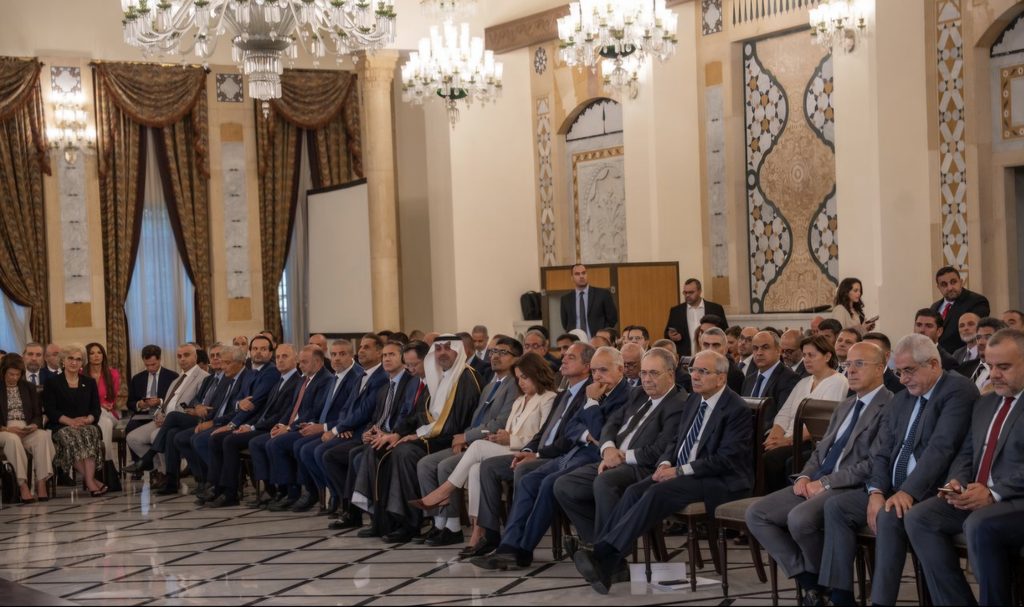
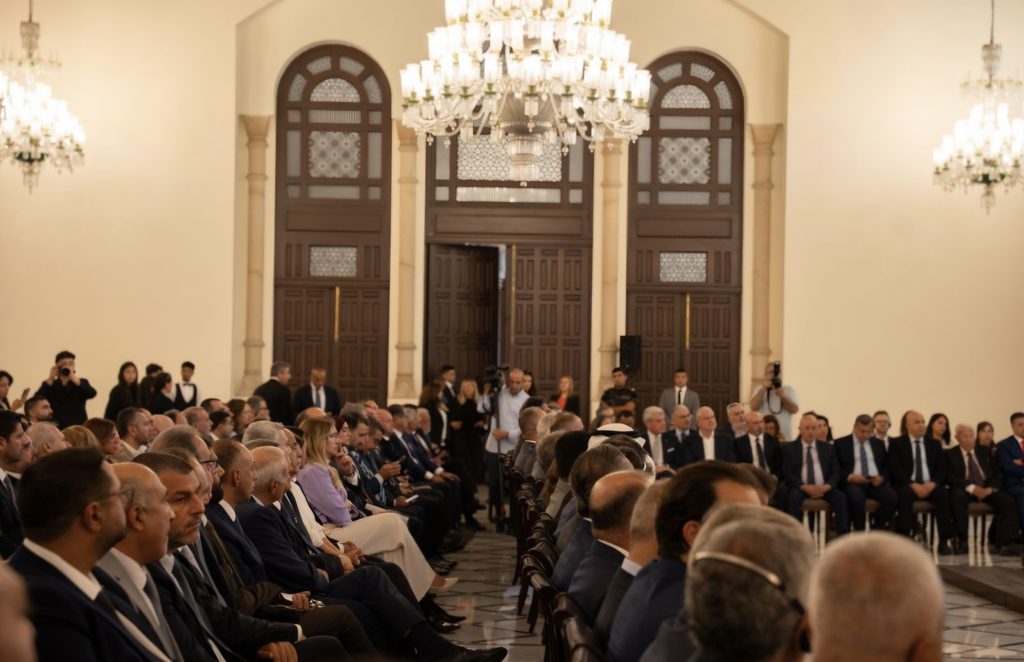
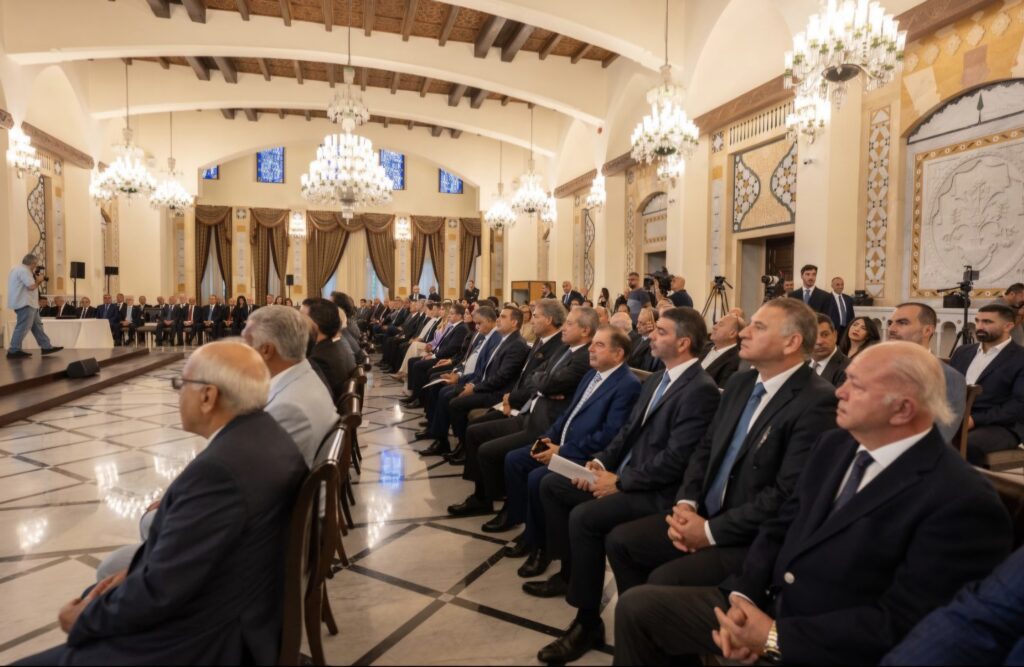
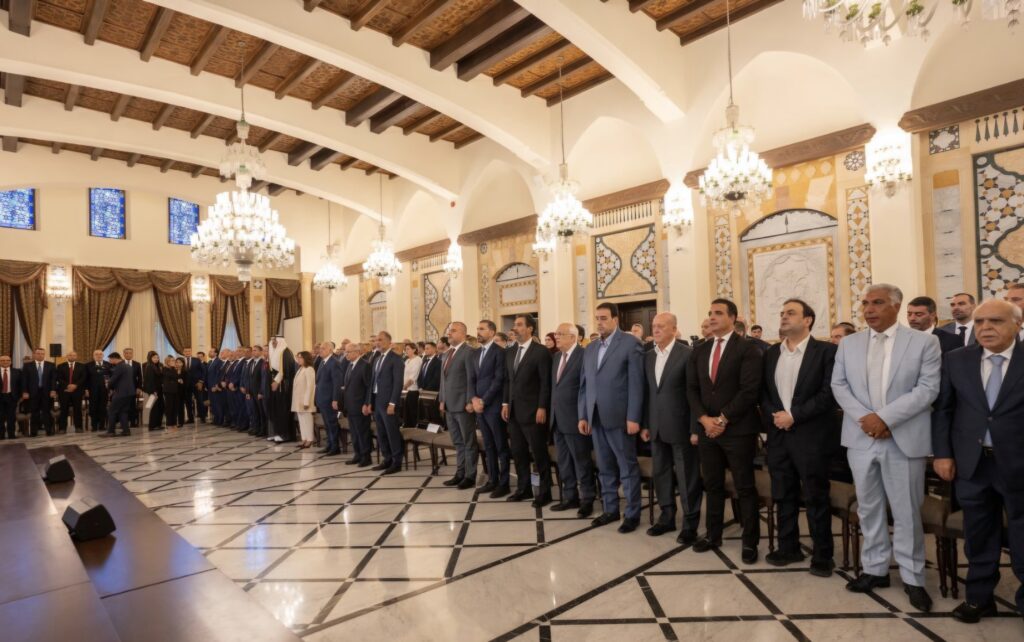
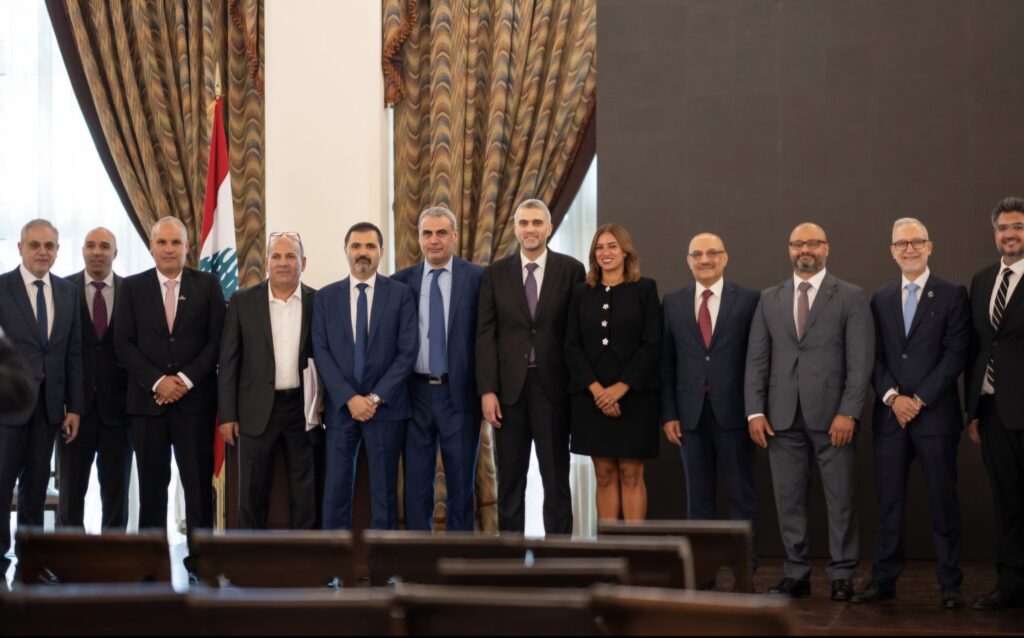
The plans were highlighted during the “Tripoli: Strategic Partnerships, an Investment and Sustainable Development Future” conference, hosted by the Port of Tripoli in partnership with the Special Economic Zone and the Tripoli–Homs railway rehabilitation project.
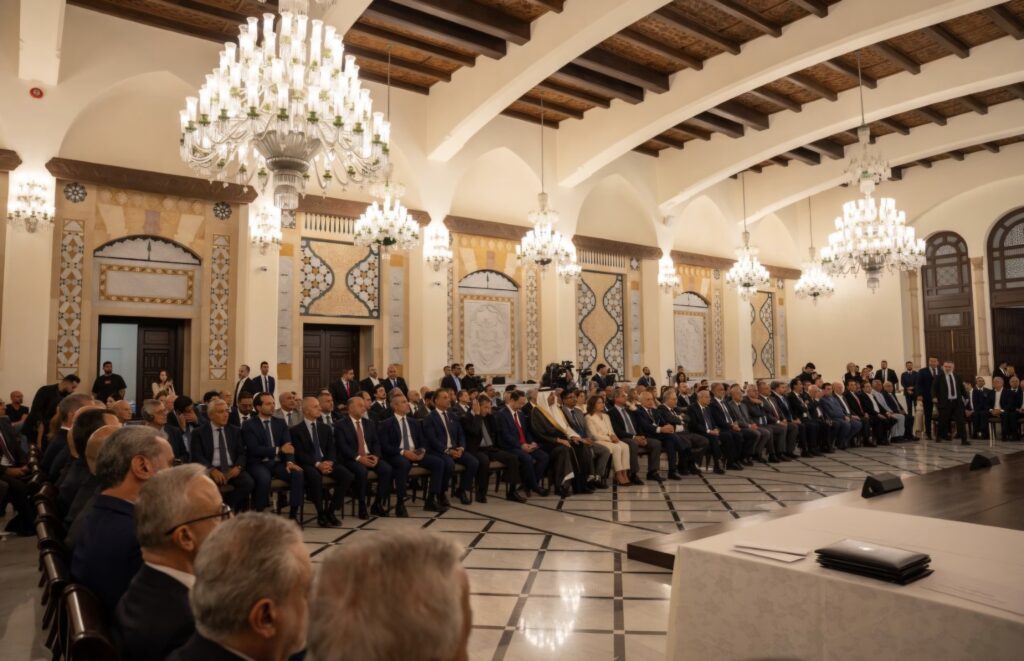
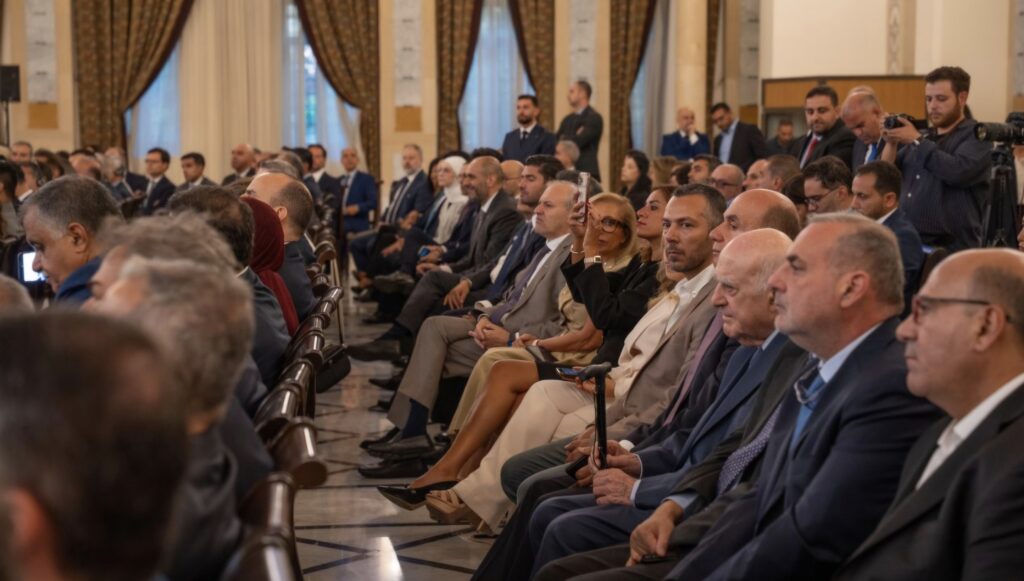
Held at the Grand Serail under the patronage and in the presence of Prime Minister Nawaf Salam, the event brought together ministers, ambassadors and economic stakeholders to discuss investment and the development of an integrated logistics system connecting maritime, land and air transport.
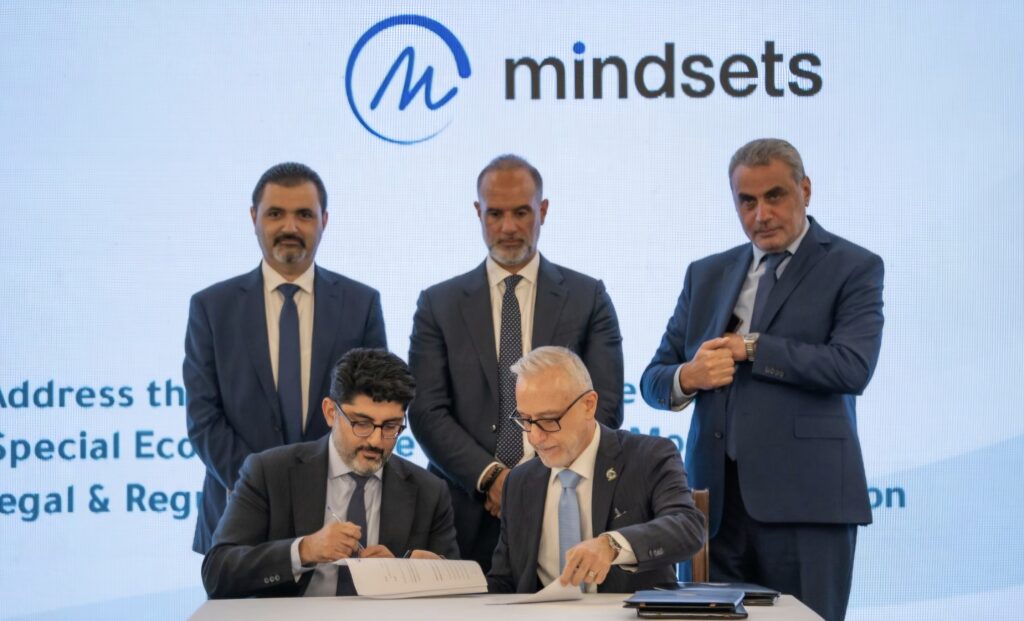
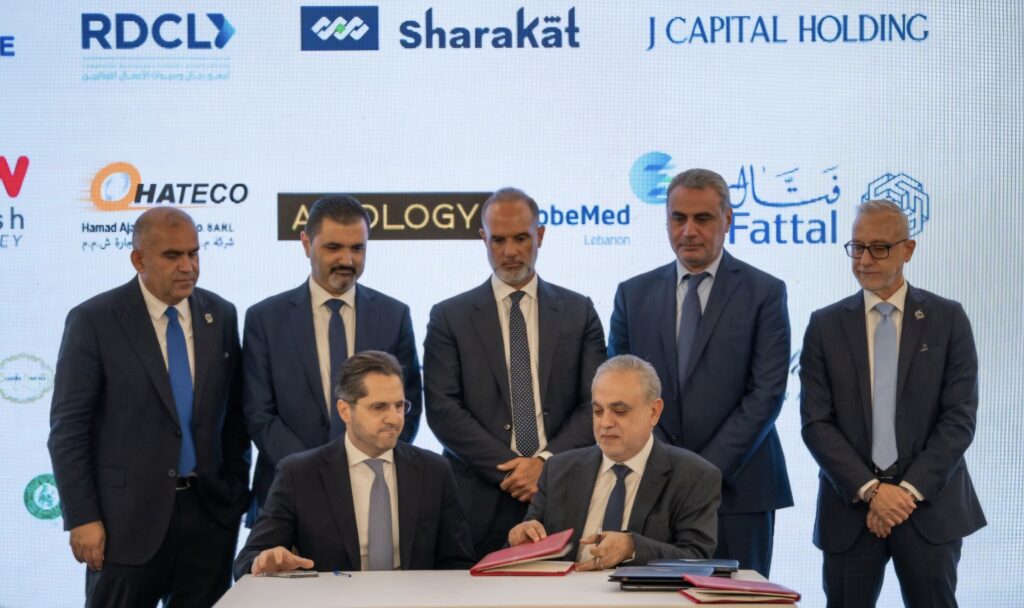
Following tendering and evaluation procedures, two contracts were signed. The first covers the review and updating of the Tripoli–Aboudieh railway line study, while the second will develop the licensing system and legal and regulatory framework for the Tripoli Special Economic Zone.
Several agreements and strategic partnership memoranda were also signed.
Minister of Public Works and Transport Fayez Rasamny said the objective is to transform Tripoli Port “from a local station for handling goods into a regional logistics hub on the Eastern Mediterranean.”
The wider roadmap includes around 20 projects over the next three years, covering infrastructure development, digitalisation, port capacity expansion and stronger domestic and regional connectivity.
Rail connectivity forms an important part of the strategy, with efforts to develop links associated with Tripoli intended to strengthen the port’s hinterland connections and support a broader multimodal logistics network.
Rasamny also called on investors to “put Tripoli on your radar,” stressing that the initiatives being presented represent tangible projects and investment opportunities.
Prime Minister Salam linked the development of Tripoli with Lebanon’s wider economic prospects, stating: “When Tripoli grows, Lebanon grows with it.”
The latest agreements represent a move from planning toward implementation as Lebanon seeks to strengthen Tripoli’s position in Eastern Mediterranean trade, logistics and investment.
Source: Port of Tripoli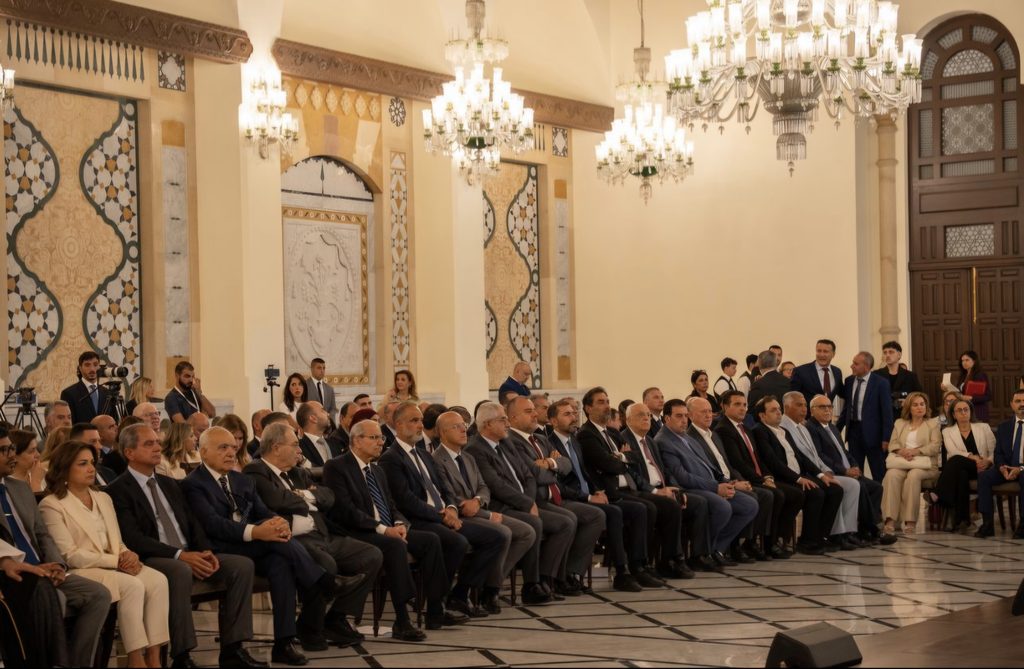
-
Sokhna Launches Trial Operations at New 10 Million-Tonne General Cargo and Bulk Terminal
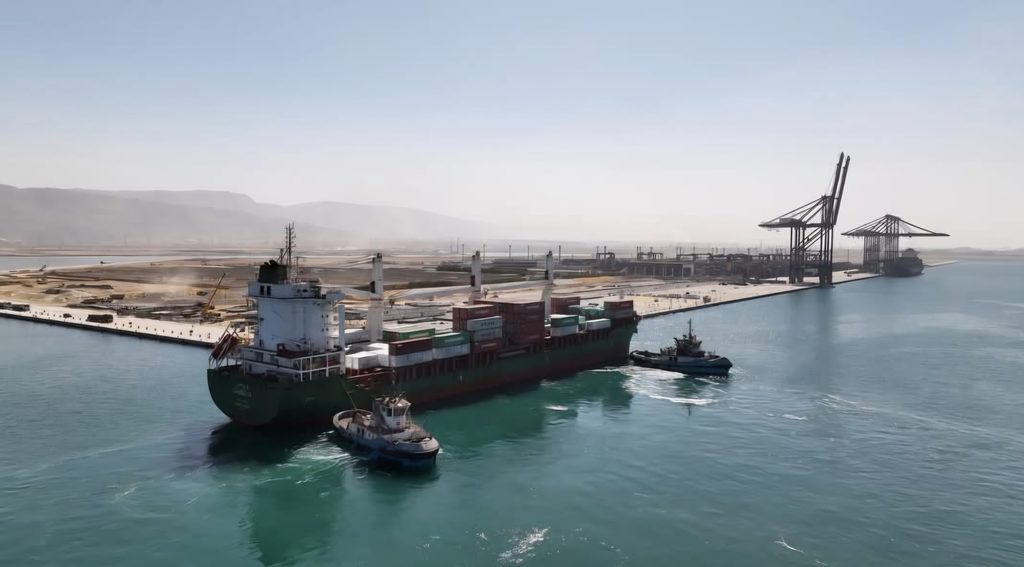
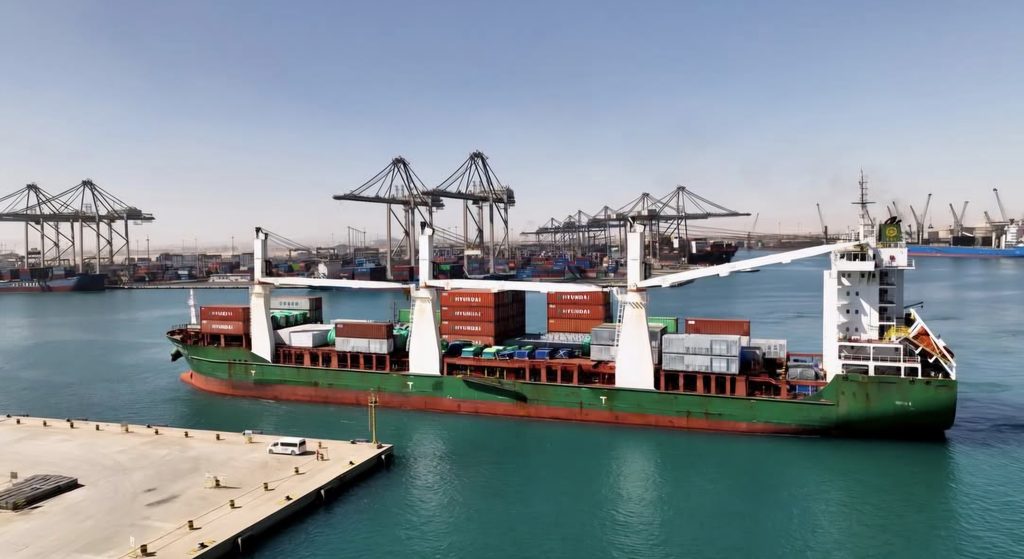
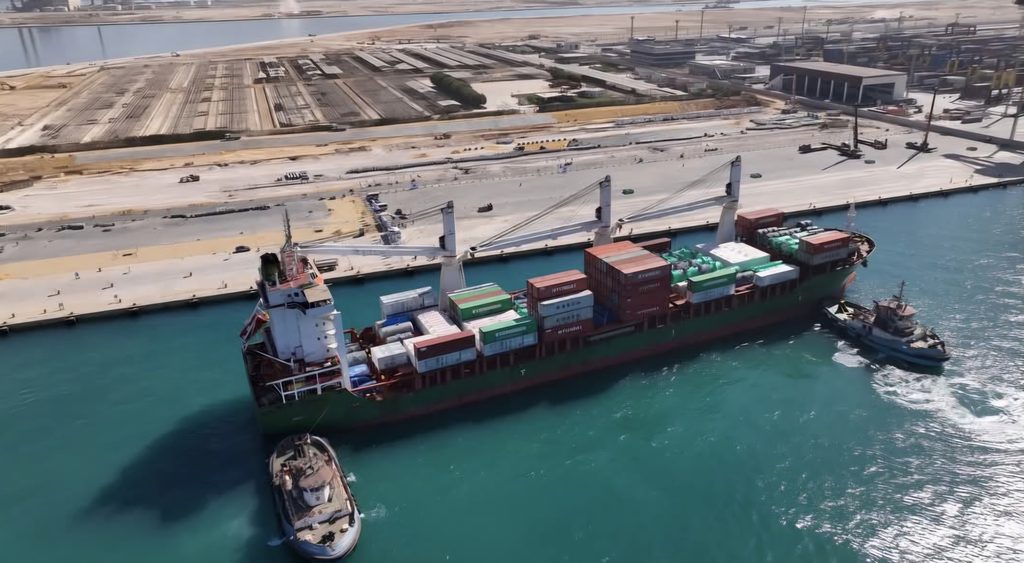
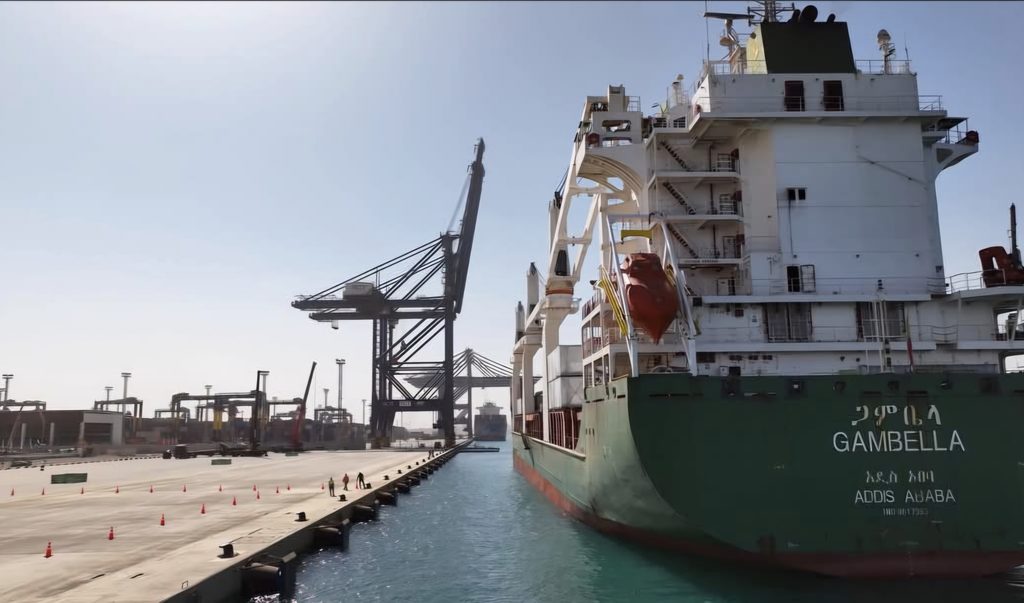
Shipping Arabia, September 21, 2026 – Egypt has launched trial operations at the first phase of a new general cargo and bulk terminal at Sokhna Port, with the facility designed to handle up to 10 million tonnes annually and accommodate large vessels at berths with depths of up to 18 meters.
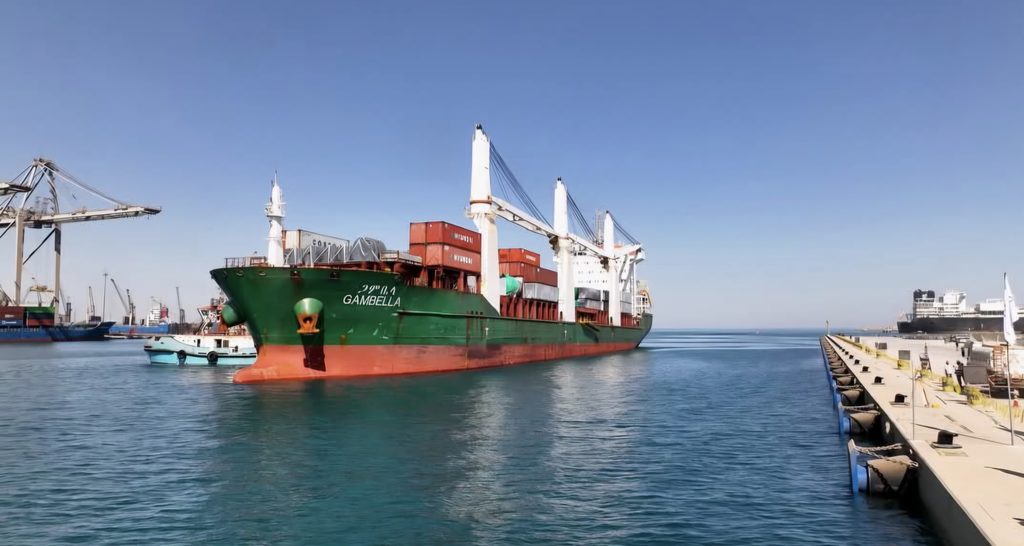
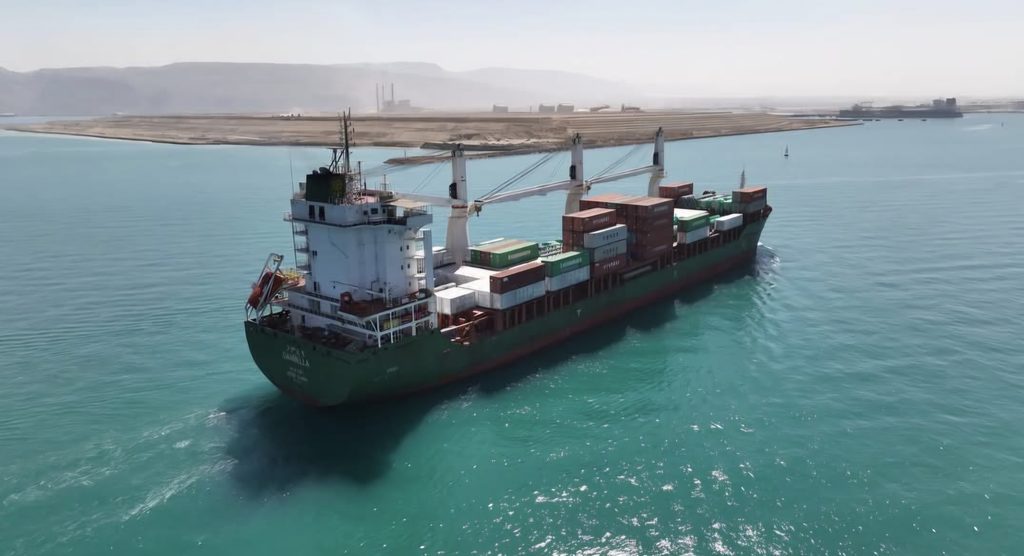
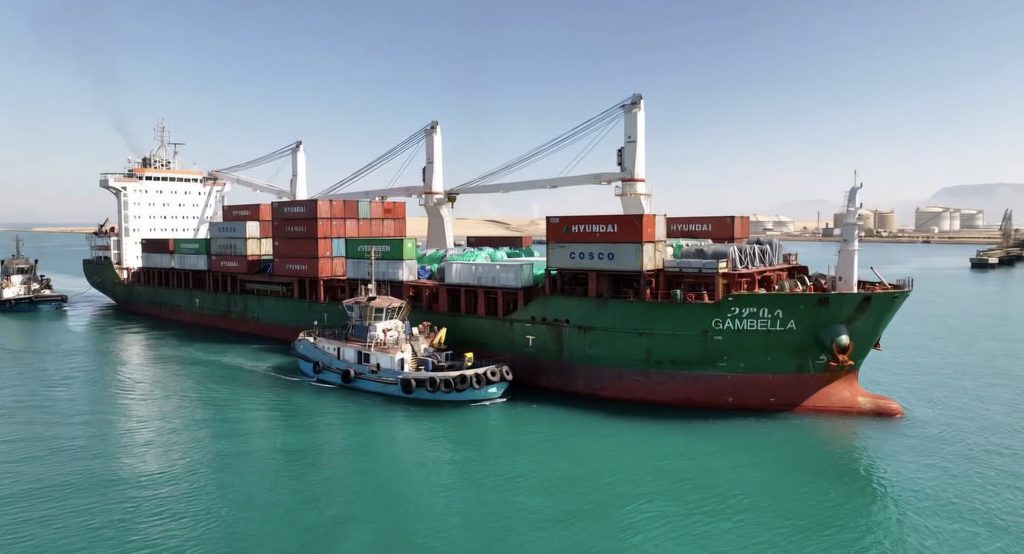
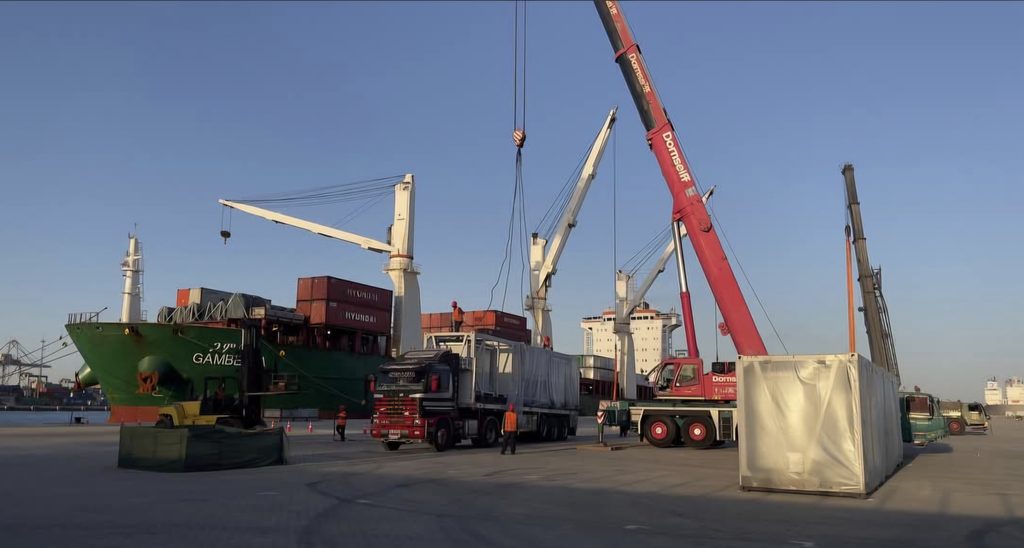
Trial operations began with the arrival of GAMBELLA, represented by Dominion Shipping Agency, carrying around 1,460 metric tonnes of battery units for an energy storage system. The vessel was berthed and its cargo discharged and handled as part of the terminal’s operational testing programme.
Cargo discharge was carried out by Suez Stevedoring Company, while the terminal is operated by Egypt Marine Ports Company.
Transport Minister Kamel El-Wazir said the trial phase will test the terminal’s complete operating system, including the readiness of its berths, yards, equipment, workforce and operational systems, as well as performance during vessel reception, discharge, cargo transfer and storage before progressing toward full operations.
The terminal occupies approximately 397,000 square meters and includes two marine berths with a combined length of 1,200 meters and depths of up to 18 meters, enabling it to receive large vessels and handle both general and bulk cargo.
Its targeted annual capacity of around 10 million tonnes will add substantial handling capability at Sokhna while supporting industrial and logistics activity across the Suez Canal region and surrounding economic zones.
Rear Adm. Abdel Qader Darwish, Chairman and Managing Director of Egypt Marine Ports Company, said the first vessel call represents an important step toward full operation of the facility as part of the wider development of Sokhna into a strategic Red Sea port.
Further phases will include the development of customs warehouses and value-added logistics services, with the company planning to progressively utilize the terminal’s full area and reach its targeted operating capacity.
Source: Ministry of Transport – Egypt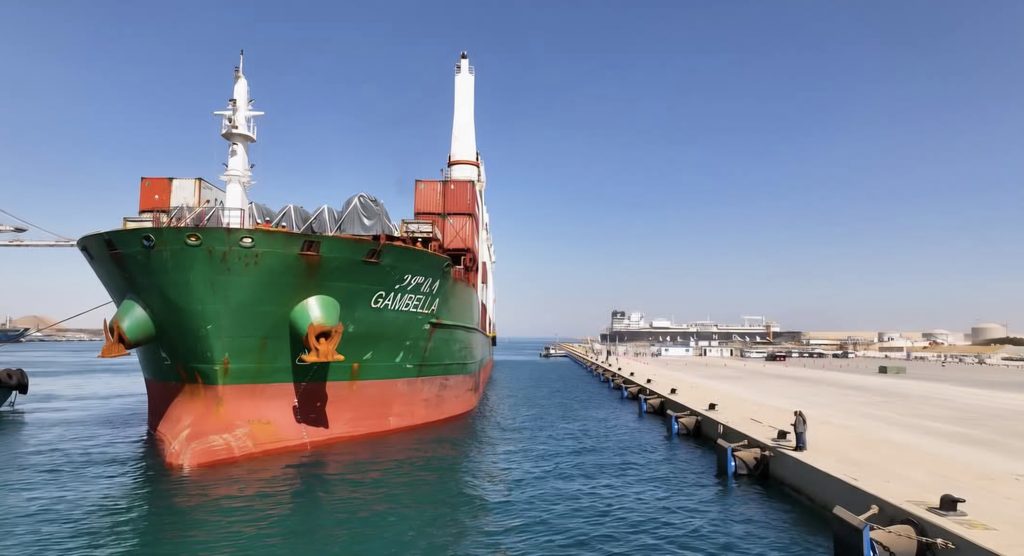
-
Egypt Expands Port Development Pipeline Across Damietta, Alexandria, Arish and Red Sea Corridors
Shipping Arabia, September 20, 2026 – Egypt is advancing a broad portfolio of port, terminal, ship repair and maritime infrastructure projects across the Mediterranean and Red Sea, as the country seeks to expand cargo-handling capacity and strengthen multimodal trade corridors linking its seaports with rail and inland logistics networks.
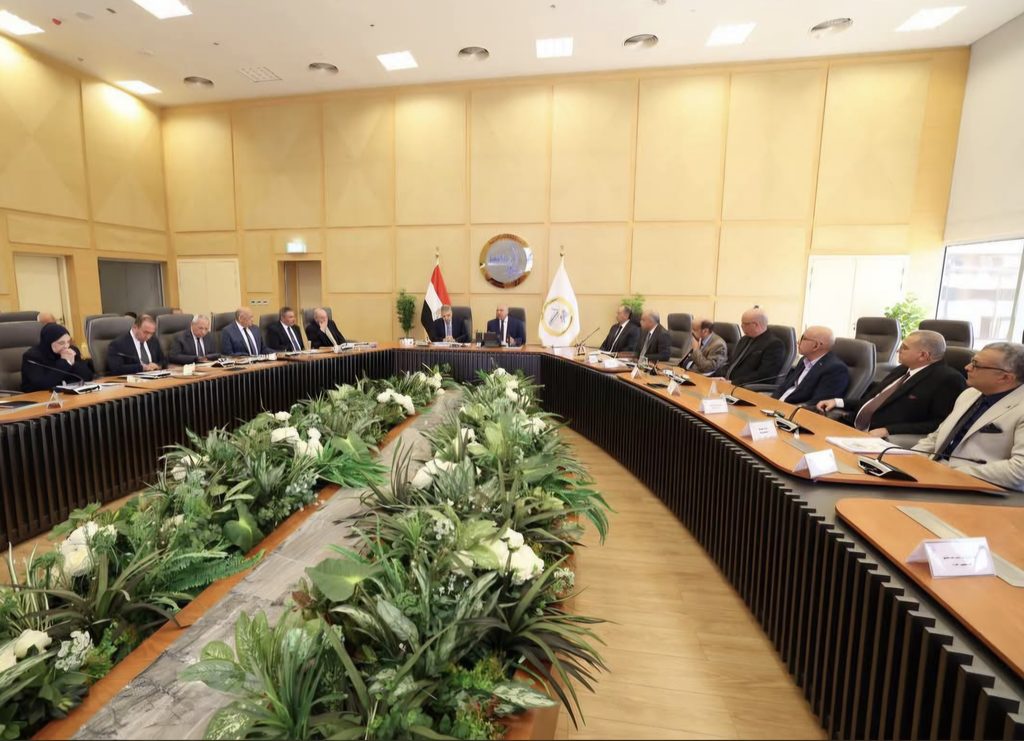
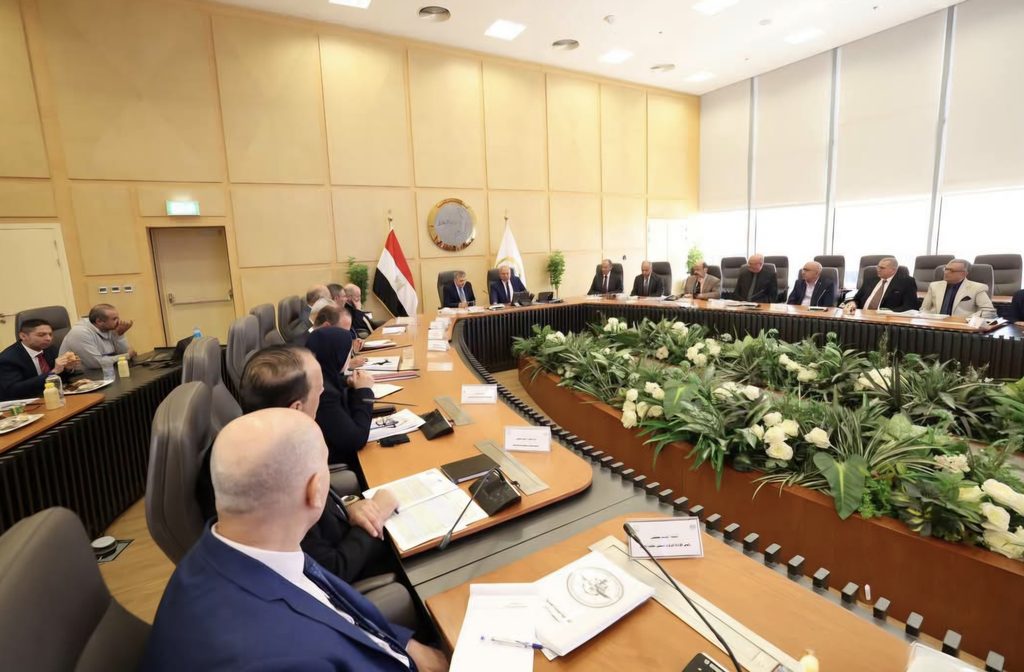
Transport Minister Kamel El-Wazir reviewed the programme during the ordinary and extraordinary general assemblies of the Suez Canal Company for Marine Ports Development, attended by Suez Canal Authority Chairman and Managing Director Adm. Ossama Rabiee.
Company Chairman and Managing Director Maj. Gen. Mohamed Farag presented progress on projects including dredging, reclamation and berth construction for a dry bulk terminal at El-Max Port, reclamation works at Damietta Port and development of a cement plant at Arish Port.
The company is also involved in the Ferdan-Taba railway, a logistics terminal for handling raw materials and pellets at Adabiya, construction of an 850-meter marine berth covering a total area of 270,000 square meters, and reclamation works supporting the Tahya Misr 2 terminal.
Other projects include Taba Port, which forms part of the Arish-Taba logistics corridor, alongside dredging and reclamation for a ship repair and recycling area at Damietta and construction of the port’s 6,920-meter western breakwater.
El-Wazir called for the projects to remain on schedule while directing the company to expand into additional maritime infrastructure and operational activities.
He said the company’s future role should extend beyond port construction to the management, operation and maintenance of cargo, container and multipurpose terminals and marine berths inside and outside Egypt.
The strategy also calls for greater integration between maritime, road and rail transport, positioning port infrastructure as part of wider logistics corridors rather than standalone facilities.
El-Wazir described the company as a key arm of Egypt’s port development programme, with a larger role expected in expanding maritime capacity and strengthening the country’s position in regional and international trade.
Source: Ministry of Transport – Egypt