Port Digitalization

  • SIPORTS 2027 International Ports Exhibition to Focus on Port Efficiency and Logistics in Morocco

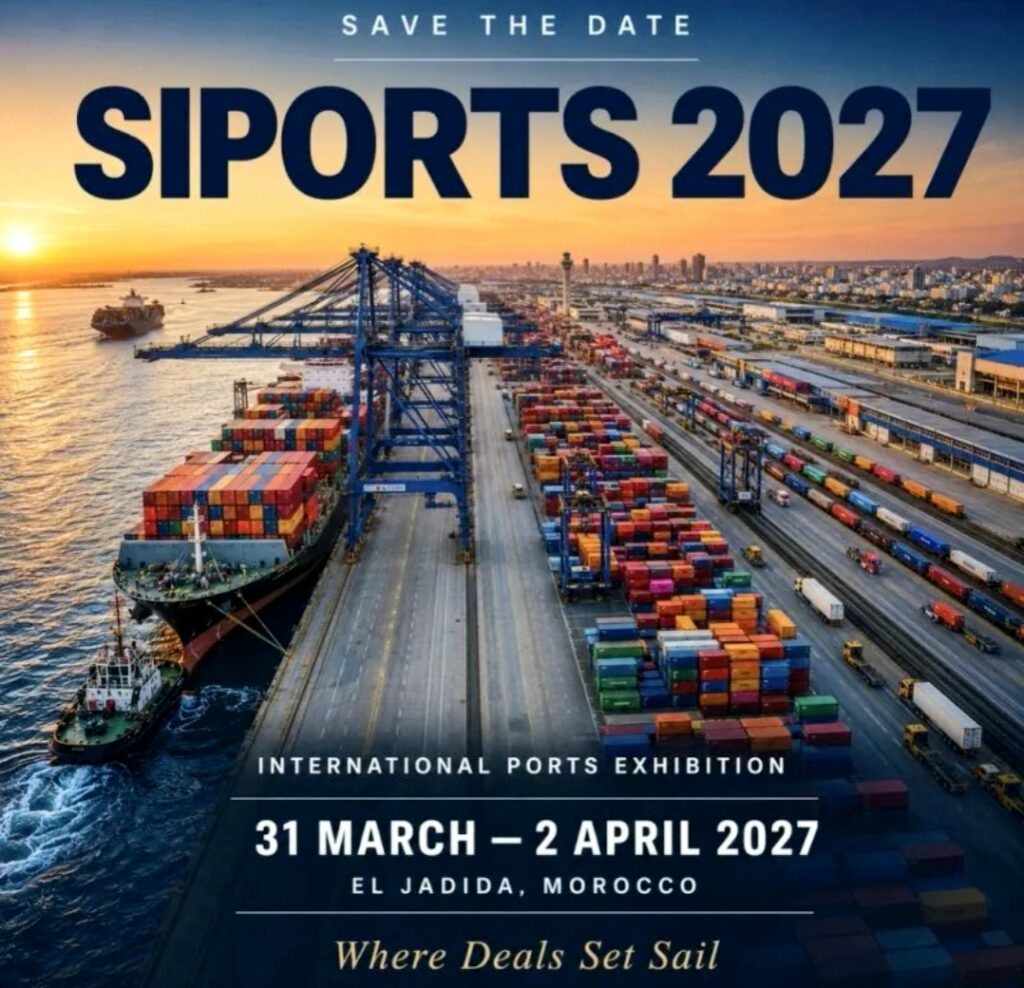
    Shipping Arabia, November 17, 2026 – Morocco’s city of El Jadida will host the SIPORTS 2027 International Ports Exhibition from March 31 to April 2, 2027, bringing together professionals from the port, maritime transport and logistics sectors. The event will focus on improving port efficiency, strengthening supply chain performance and addressing challenges affecting cargo delivery times and international trade competitiveness.

    The SIPORTS 2027 exhibition will provide a platform for industry stakeholders to exchange expertise and explore practical solutions to logistics challenges. Particular attention will be given to the reliability of cargo transportation schedules and their impact on Moroccan companies engaged in international trade.

    The exhibition will also examine the relationship between port operations and the wider logistics chain, highlighting the importance of coordination across cargo handling, customs-related procedures, inland transportation and final delivery.

    Improving Port Efficiency and Cargo Delivery Reliability

    A central theme of SIPORTS 2027 will be the importance of predictable cargo delivery times in supporting the competitiveness of Moroccan businesses.

    Port efficiency extends beyond the speed of container discharge. It also depends on subsequent processes, including cargo inspections, port clearance, container collection and transportation to warehouses or production facilities.

    Delays at any stage can affect overall cargo transit times and increase storage and transportation costs. Consequently, improving logistics performance requires attention to the entire cargo movement process rather than individual port operations alone.

    These challenges are particularly relevant to industrial companies and exporters. Reliable delivery schedules allow businesses to manage inventory more effectively, plan production activities and meet commercial commitments with greater accuracy.

    Achieving these improvements requires continuous coordination among shipping lines, terminal operators, freight forwarders and road transportation companies. Each stakeholder plays a role in ensuring that cargo moves efficiently through the port and onward to its final destination.

    Digital Solutions and Container Movement Management

    The SIPORTS 2027 exhibition is expected to feature discussions on technical solutions designed to improve cargo tracking, terminal access management and equipment maintenance.

    One area of focus will be the implementation of effective systems for scheduling container collection and exchanging information about container availability.

    Better coordination of container pickup appointments can help reduce truck waiting times and improve the movement of goods within port facilities and surrounding logistics networks.

    Similarly, accurate information on container readiness can support more efficient planning by road transport operators and other logistics service providers.

    Participants will also examine solutions for shipment tracking and terminal gate access management. These technologies and operational practices will form part of broader discussions on improving logistics coordination and cargo flow.

    Equipment maintenance will be another topic, reflecting its relevance to the continuity and efficiency of port operations.

    Business Meetings and Partnership Opportunities

    Beyond technical discussions, SIPORTS 2027 will feature professional meetings and business-to-business sessions involving port operators, equipment suppliers and logistics solution providers.

    These meetings will aim to identify local market requirements and explore potential commercial partnerships. Particular areas of interest will include equipment maintenance, port equipment and the modernization of cargo tracking systems.

    The exhibition will also create opportunities for industry participants to exchange operational experience and discuss cooperation across different segments of the logistics chain.

    By bringing together stakeholders involved in maritime transport, port operations and inland logistics, the event aims to encourage greater collaboration on shared operational challenges.

    Assessing the Economic Impact of SIPORTS 2027

    The economic outcomes of the SIPORTS 2027 exhibition are expected to be evaluated during the months following the event.

    Potential indicators will include pilot projects launched as a result of the exhibition, commercial agreements concluded between participants and partnerships developed through professional meetings.

    The assessment may also consider whether resulting initiatives contribute to shorter cargo delivery times and improved competitiveness among Moroccan businesses.

    These outcomes will depend on the implementation of projects and commercial cooperation developed during and after the exhibition.

    With its emphasis on operational efficiency, technology and logistics coordination, SIPORTS 2027 will provide a forum for discussing the practical challenges facing Morocco’s port and maritime logistics sectors.

    The exhibition will place particular importance on improving cargo movement reliability, strengthening cooperation among logistics stakeholders and exploring solutions that support more efficient international trade operations.

    Source: Express TV
  • Port of Duqm Highlights Green Port Investment and Decarbonization at UNCTAD Forum

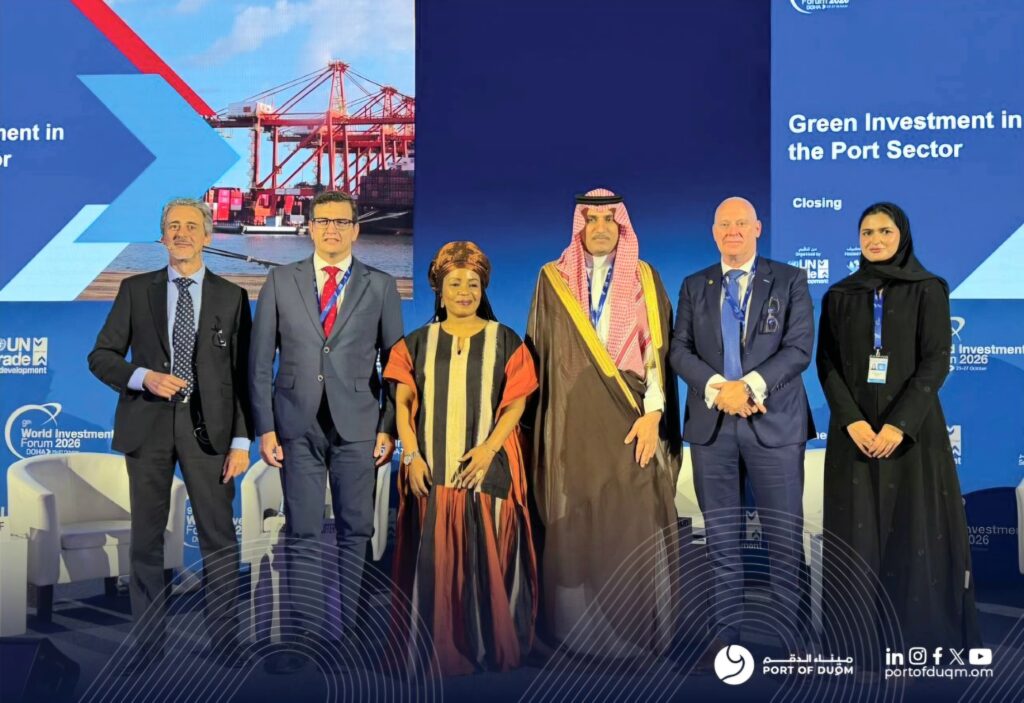
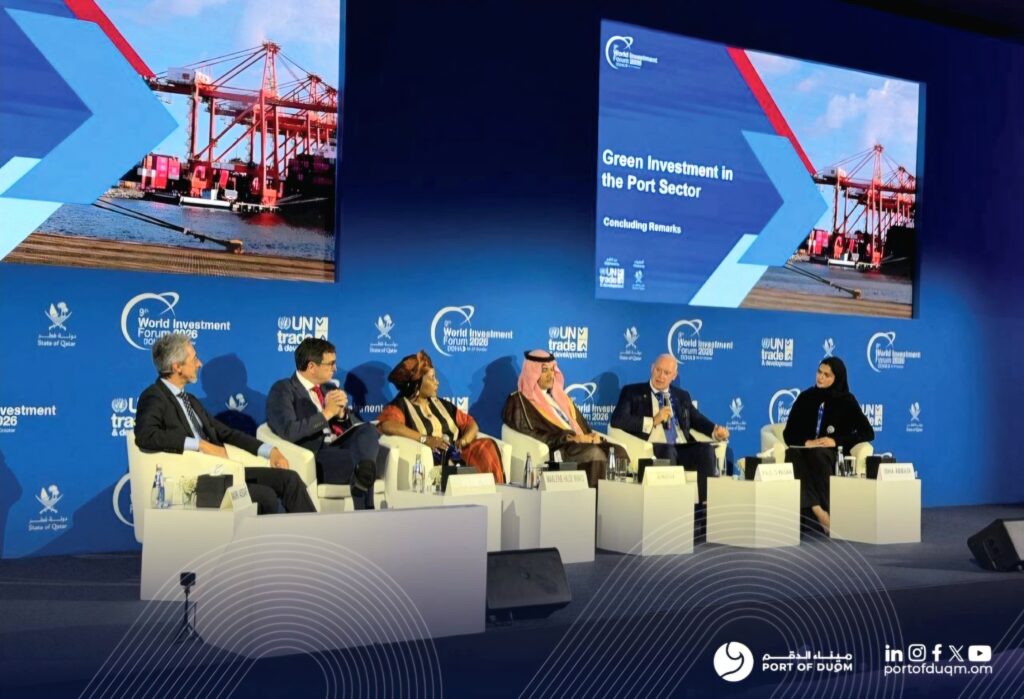
    Shipping Arabia, November 2, 2026 – Oman’s Port of Duqm has highlighted the importance of green port investment, decarbonization and digitalization during the 9th UNCTAD World Investment Forum in Doha, Qatar. The discussions focused on infrastructure development, investment challenges and policy reforms needed to support sustainable growth across the port sector.

    Paul O’Regan, Chief Operations Officer at Port of Duqm, participated in a panel discussion dedicated to green investment in ports. Other participants included Eng. Suliman Almazroua, José María Gómez Fuster and Marleine Hilde Minko.

    The session examined how infrastructure investment and supportive regulatory frameworks can accelerate the maritime sector’s transition toward more sustainable operations.

    Green Port Investment and Infrastructure Development

    The panel explored the critical infrastructure investments required to accelerate decarbonization and digital transformation across ports. These two priorities formed a central part of the discussion on the future development of sustainable port infrastructure.

    Participants also addressed the barriers facing investors seeking to finance green port projects. The discussion examined the policy reforms needed to unlock investment opportunities and support long-term sustainable growth across the port industry.

    The forum provided an opportunity to examine the relationship between infrastructure readiness, investment conditions and the development of more sustainable port operations.

    Port of Duqm Supports Green Hydrogen and Steel Development

    Port of Duqm emphasized its role in supporting Oman’s transition toward a green and sustainable economy. The port is strengthening its position as a strategic logistics and industrial hub while supporting the development of green hydrogen and green steel projects.

    Its approach includes providing advanced infrastructure designed to attract quality investments and enable the development of green industries.

    These activities reflect the port’s broader focus on combining industrial development with infrastructure capable of supporting emerging sustainable industries.

    The development of green hydrogen and green steel projects forms part of Port of Duqm’s contribution to Oman’s efforts to expand investment in environmentally sustainable economic activities.

    Alignment With Oman Vision 2040 and Net-Zero Targets

    Port of Duqm’s green investment priorities align with the objectives of Oman Vision 2040 and the Sultanate’s commitment to achieving net-zero emissions by 2050.

    By strengthening its logistics and industrial infrastructure, the port aims to support investment and industrial activities associated with the transition toward a more sustainable economy.

    Its participation in the UNCTAD World Investment Forum also highlighted the importance of addressing investment barriers and developing appropriate policies to advance decarbonization and digitalization across the global port sector.

    Source: Port of Duqm Company SAOC

  • Port of Beirut Expansion Targets 3 Million TEUs as Lebanon Advances Regional Logistics Plans

    Shipping Arabia, October 31, 2026 – The Port of Beirut is advancing an expansion project designed to increase its annual container capacity from approximately 1.2 million TEUs to 3 million TEUs. The development forms part of broader plans to modernize port operations, strengthen regional logistics connectivity and position Lebanon as a major trade gateway serving neighboring markets.

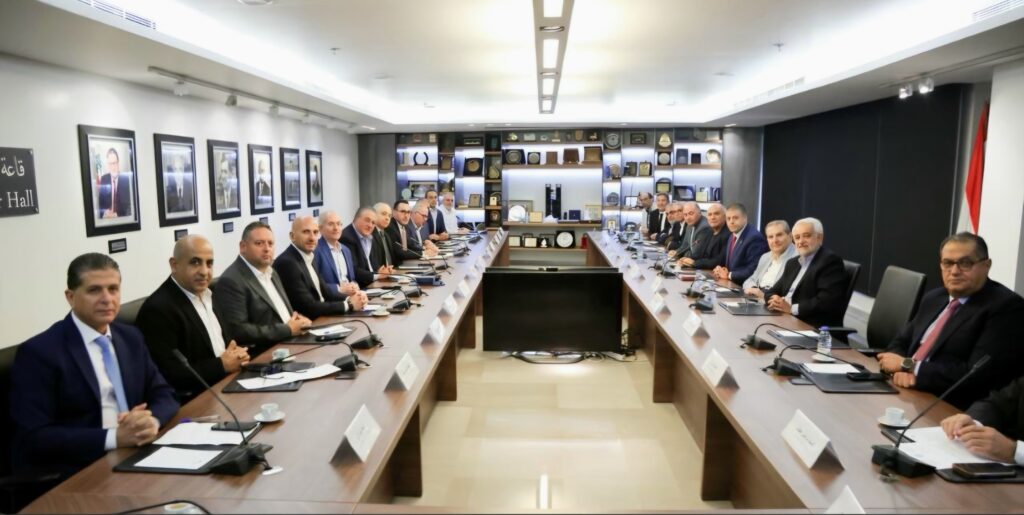
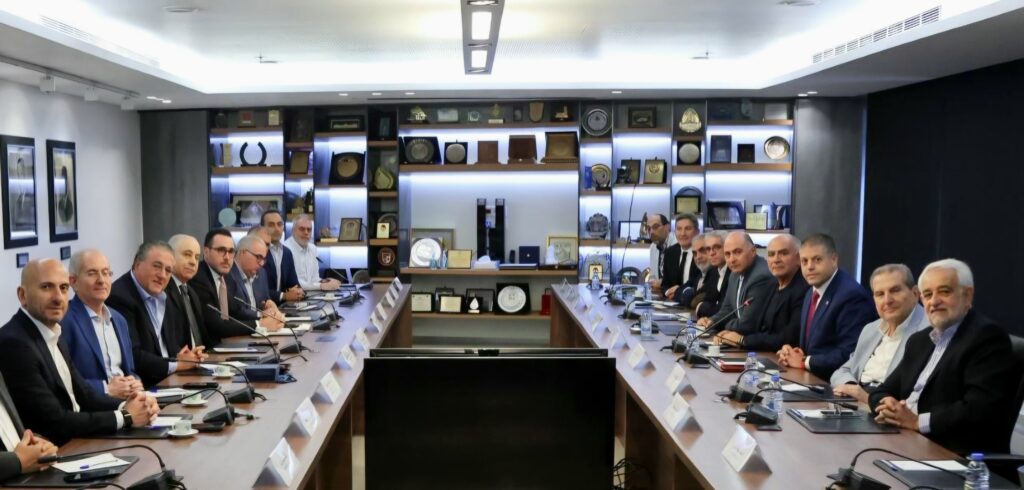
    Port of Beirut Chairman and Director General Marwan Naffi outlined the development strategy during a meeting with Lebanon’s Economic Bodies, chaired by former Minister Mohamed Choucair. The discussions addressed port infrastructure, operational improvements, import and export procedures, and future development priorities.

    The meeting took place at the Chamber of Commerce, Industry and Agriculture of Beirut and Mount Lebanon. Participants included representatives of commercial and industrial associations, importers, exporters and trade unions involved in port activities.

    Discussions focused on simplifying procedures for port users, reducing operational burdens and improving cooperation between the port administration and Lebanon’s business community. Participants also reviewed expansion, reconstruction and modernization projects intended to strengthen the port’s long-term competitiveness.

    Port of Beirut Expansion to Triple Container Capacity

    Naffi identified the Port of Beirut expansion as one of the administration’s most significant development projects. The initiative aims to raise annual container handling capacity from approximately 1.2 million TEUs to 3 million TEUs.

    According to Naffi, the planned expansion could place Beirut among the seven largest ports in the Mediterranean. It would also strengthen the port’s ability to support growing regional logistics requirements.

    The expansion project, signed with global shipping group CMA CGM, was among the principal topics raised during the meeting. Choucair requested an update on its progress and its importance to the port’s future development.

    Naffi emphasized that the port already plays a central role in Lebanon’s economy, accounting for approximately 80% of the country’s import and export traffic.

    However, he stressed that its strategic importance extends beyond the Lebanese market. He described Beirut as a maritime gateway serving Lebanon, Syria, Jordan and Iraq, which together represent a market of approximately 100 million people.

    The port administration is working with Lebanon’s Minister of Public Works and Transport, with government support, to prepare Beirut for a potential role in Syria’s reconstruction.

    Naffi presented this regional opportunity as a key consideration in the port’s development strategy. Expanding capacity and strengthening logistics connections would support the administration’s ambition to serve markets beyond Lebanon.

    Bekaa Dry Port and Rail Connection to Support Regional Trade

    Another major component of the development strategy involves establishing an inland logistics facility in Lebanon’s Bekaa region.

    Naffi described the proposed facility as a dry port that would function as an extension of the Port of Beirut. The inland terminal would support cargo storage and onward distribution to regional destinations.

    Under the proposal, the facility could connect to Beirut through a railway or receive containers transported by truck. Both arrangements would allow cargo to move between the seaport and the inland logistics center.

    Once operational, the proposed Bekaa facility would serve as a storage and distribution hub for goods destined for neighboring markets.

    Naffi explained that the arrangement could reduce the time required to transport cargo to Syria, Iraq and Jordan, as well as destinations in the Arabian Gulf.

    He emphasized the importance of establishing a clear and achievable strategy that takes advantage of Lebanon’s geographical position.

    The proposed inland logistics project reflects the port administration’s ambition to expand Lebanon’s role beyond its domestic import and export requirements.

    Naffi expressed confidence that developing Lebanon into a regional logistics center could contribute to economic recovery and support national economic activity.

    Lebanon Joins IMEC Ports Club Through International Cooperation

    Naffi also highlighted Lebanon’s participation as a founding member of the IMEC Ports Club, describing the development as an important step toward strengthening the country’s position in international trade.

    He attributed the initiative to coordinated efforts involving the Lebanese government, the Ministry of Public Works and Transport and the Port of Beirut administration, with support from France.

    According to Naffi, participation in the international ports initiative could reinforce Lebanon’s role within global trade networks and generate economic benefits.

    He connected this international cooperation with the wider strategy to position Lebanon as a logistics gateway capable of serving multiple regional markets.

    The port administration considers stronger international links and improved domestic infrastructure complementary priorities in developing Beirut’s future commercial role.

    Port Digitalization, Security Upgrades and Operational Improvements

    Alongside infrastructure expansion, the Port of Beirut is implementing operational and technological improvements intended to increase efficiency and improve services for port users.

    Naffi highlighted the transition to electronic payments as an important modernization measure. The initiative forms part of wider efforts to simplify administrative processes and improve interactions with businesses using the port.

    Security improvements were another major focus. Naffi referred to measures designed to meet demanding security requirements, including the installation of an advanced cargo scanner.

    He described the scanner as one of the most modern systems of its kind in the Mediterranean.

    The port administration has also worked to improve the performance of its CAMA system. In parallel, preparations are underway to launch a tender for a Port Community System (PCS).

    The proposed PCS would represent another step in the port’s digital modernization program. Naffi identified the system as one of the advanced technological solutions used at major international ports.

    Operational improvements also include opening the port at night to facilitate cargo release. The measure aims to improve services for businesses and provide greater flexibility in moving goods out of the port.

    Together, these initiatives reflect the administration’s emphasis on improving operational performance, strengthening security and building closer relationships with port users.

    Naffi also stressed the importance of improving the relationship between the port and the city of Beirut, as well as the wider community.

    Business Community Supports Port Development and Reconstruction

    During the meeting, Mohamed Choucair reaffirmed the support of Lebanon’s Economic Bodies for the Port of Beirut administration and its development priorities.

    He praised the progress achieved under Naffi’s leadership and emphasized the port’s importance to economic activity in Beirut and across Lebanon.

    Choucair expressed support for efforts to strengthen the port’s position among leading Mediterranean ports. He also stressed that successful modernization requires closer cooperation between port management and businesses.

    According to Choucair, stronger partnerships with industrial companies, traders, importers and exporters could simplify procedures, accelerate commercial activities and reduce costs and administrative burdens.

    He requested updates on several important development files, including the CMA CGM expansion project and efforts to clear the remaining consequences of the Beirut port explosion.

    Other subjects included the proposed rail connection between Beirut and the Bekaa region, Lebanon’s participation in the IMEC Ports Club and the port administration’s five-year development plan.

    Naffi welcomed the dialogue and emphasized that the Port of Beirut serves as a fundamental platform for Lebanon’s economy.

    He stated that the administration’s responsibility is to facilitate the activities of traders, industrial companies, importers and exporters by ensuring that port services respond to their needs.

    The discussions also covered issues affecting individual business sectors and organizations involved in port operations.

    Participants agreed to organize a field visit to the Port of Beirut to inspect completed projects and continue discussions on matters of common interest.

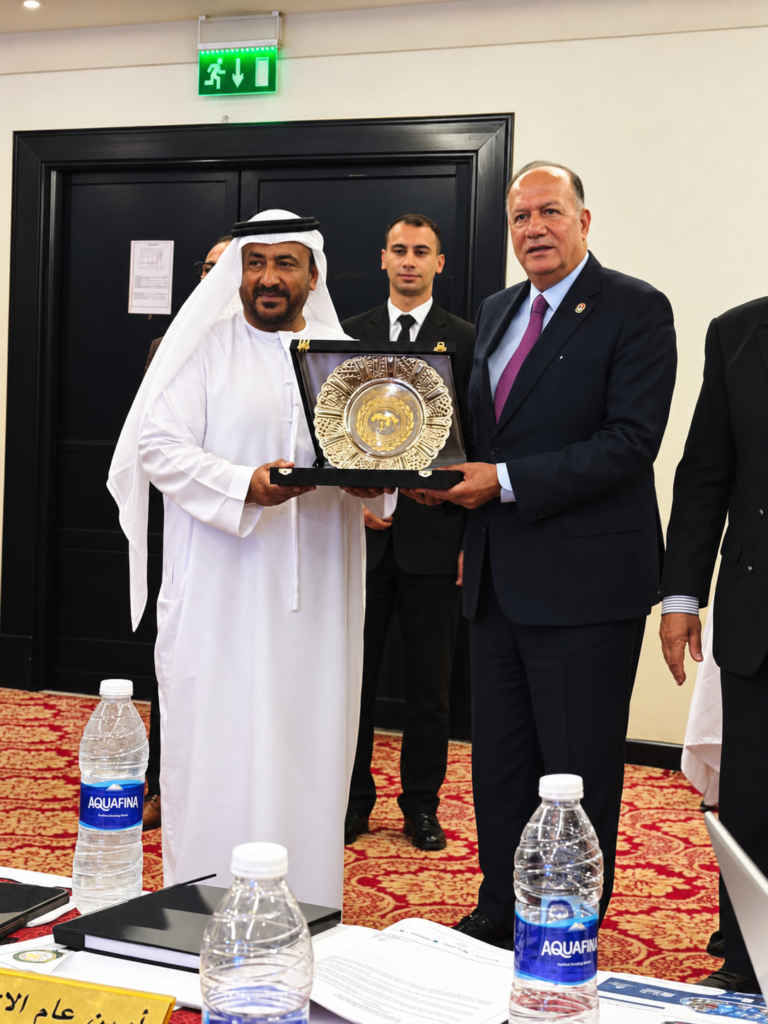
    At the conclusion of the meeting, Naffi presented Choucair with a commemorative plaque representing the foundation stone of the port expansion project. The gesture recognized Choucair’s contribution and the support provided by Lebanon’s Economic Bodies.

    Choucair, in turn, presented Naffi with a medal from the Economic Bodies in recognition of development projects undertaken at the port.

    The meeting underscored a shared focus on modernizing Beirut’s maritime infrastructure, improving services for importers and exporters, and developing the port’s capacity to support Lebanon’s position in regional logistics and international trade.

    Source: Leb Economy

  • Lebanese President Highlights Port of Tripoli Development and IMEC Integration

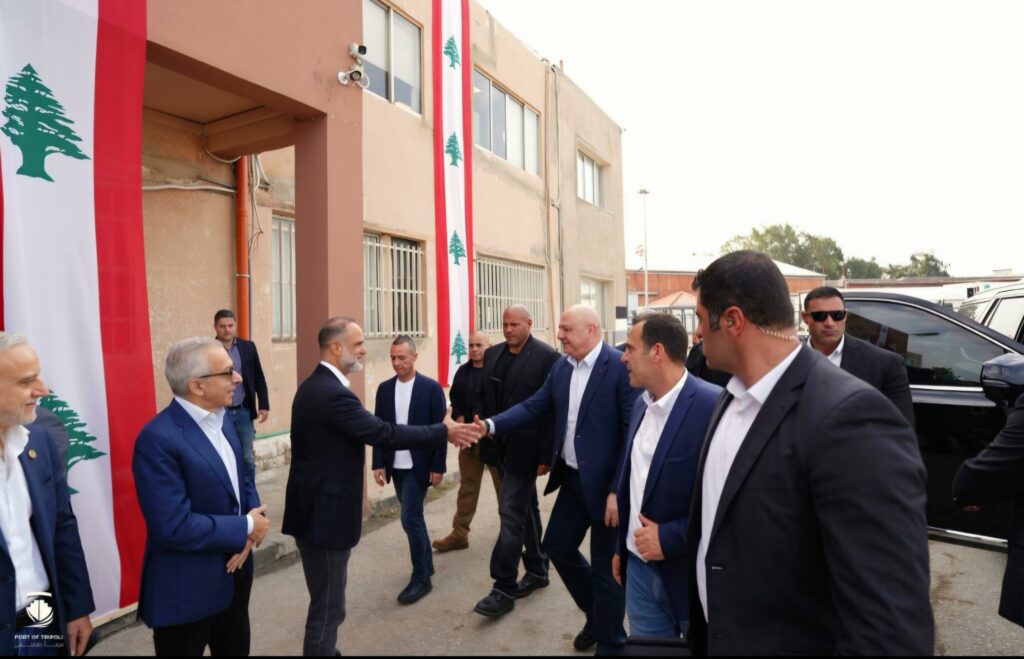
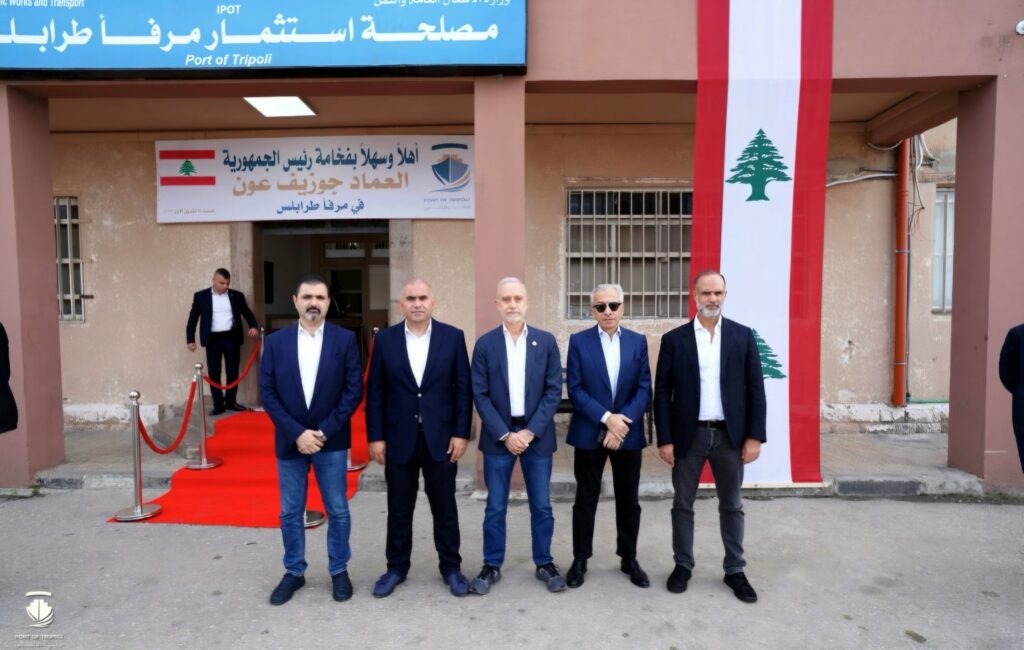
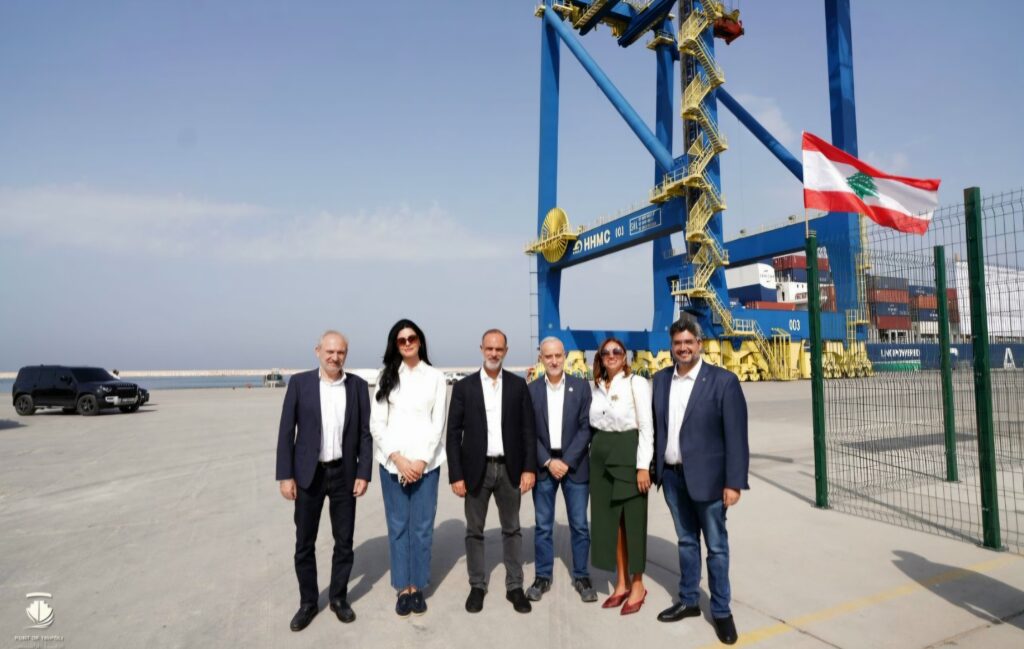
    Shipping Arabia, October 28, 2026 – Lebanese President Joseph Aoun has emphasized the importance of Port of Tripoli development, infrastructure modernization and digital transformation to strengthen Lebanon’s maritime competitiveness and support integration into the India–Middle East–Europe Economic Corridor (IMEC). His remarks came during an official visit to the port, where he reviewed operational capabilities, security systems and strategic development plans.

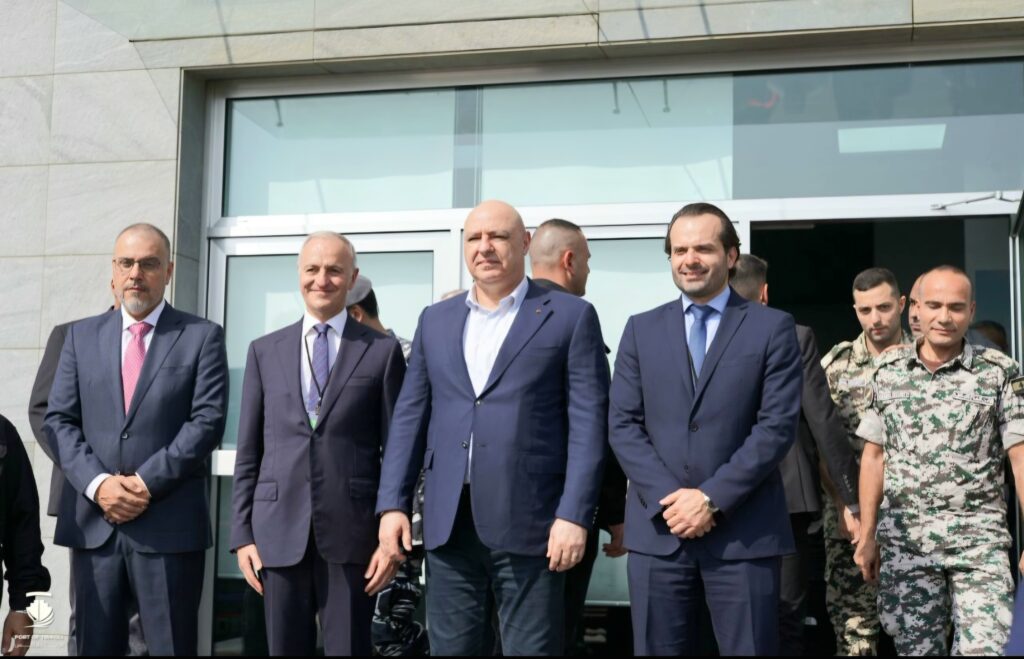
    President Aoun was accompanied by Minister of Public Works and Transport Fayez Rasamny, Minister of Interior and Municipalities Ahmad Al-Hajjar, Minister of Justice Adel Nassar, and Minister of Economy and Trade Amer Bisat. Senior government and security officials also participated in the visit.

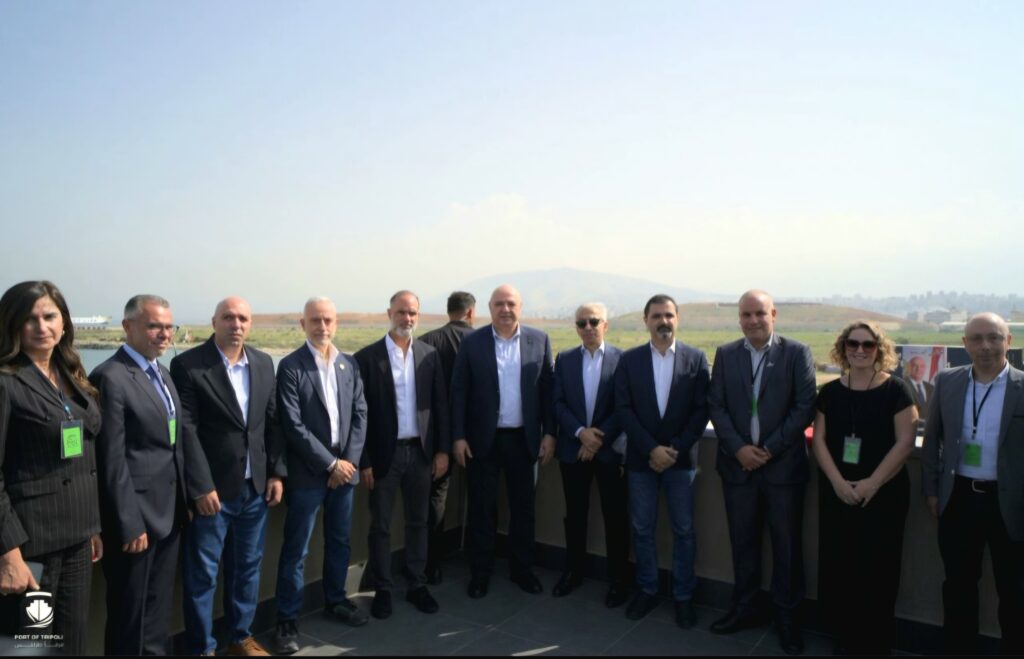
    The delegation was welcomed by Port of Tripoli Board Chairman Iskandar Bendali, Port Authority Director Dr. Ahmad Tamer and Tripoli Special Economic Zone Chairman Dr. Hassan Dannawi. Other participants included Vice Chairperson Sarah Al Charif, board members Nour Alameddine, Simon Abdel Massih and Maryam Eid, alongside representatives of Lebanese Customs.

    Port of Tripoli Development and IMEC Integration

    During the visit, President Aoun highlighted the need to strengthen port infrastructure, operational capacity, governance and digital capabilities. These priorities are intended to support Lebanon’s integration into the India–Middle East–Europe Economic Corridor and improve the country’s maritime connectivity.

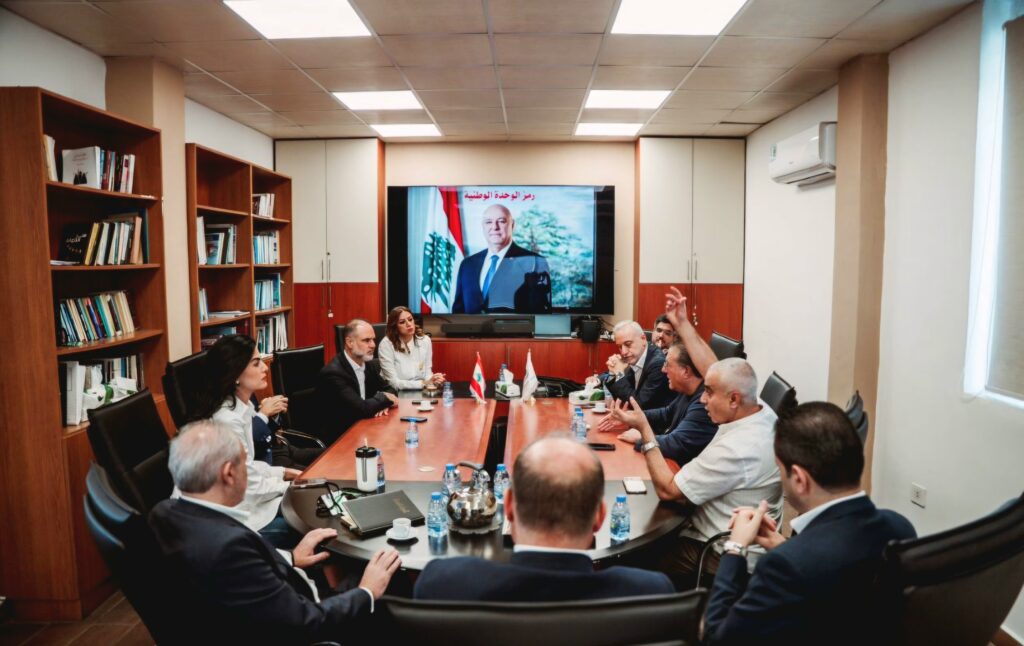
    Discussions also addressed the participation of the ports of Tripoli and Beirut in the IMEC Ports Club. Officials emphasized the importance of coordinating port development with digital and customs integration to facilitate international trade.

    The discussions positioned Port of Tripoli development within Lebanon’s broader efforts to improve maritime infrastructure and strengthen connections with regional and international markets.

    President Aoun also stressed the importance of modernizing port operations to enhance efficiency and support the country’s economic development objectives.

    National Single Window and Port Community System Integration

    Port of Tripoli Board Chairman Iskandar Bendali emphasized the importance of presidential support for several initiatives aimed at strengthening Lebanon’s port sector.

    Among the main priorities was establishing a National Single Window to improve the coordination of trade-related procedures. Bendali also highlighted the need to strengthen Lebanese Customs and connect digital systems with the Port Community System (PCS).

    These measures aim to facilitate trade, improve coordination among port stakeholders and enhance the competitiveness of Lebanese ports.

    Digital integration formed a central part of the discussions, particularly in relation to the operational and administrative improvements needed to support participation in international trade corridors.

    The focus on customs modernization and digital connectivity reflects the importance placed on improving the efficiency of port-related processes alongside physical infrastructure development.

    Container Terminal Operations and Port Security Systems

    President Aoun and the accompanying delegation toured several operational facilities at the Port of Tripoli to assess existing capabilities and security arrangements.

    The visit included the port’s control and monitoring room, where Brigadier Haroun provided an overview of the security systems used to monitor and protect port operations.

    The delegation also inspected the container terminal and scanning facilities. Joseph Dakkak, Chairman of CMA CGM Lebanon, delivered a technical briefing on the terminal facilities and their operations.

    The inspection provided the delegation with an opportunity to review the port’s operational infrastructure and the systems supporting cargo handling, monitoring and security.

    These operational assessments formed part of the wider discussions on improving port capacity, modernization and competitiveness.

    Tripoli Special Economic Zone Investment Opportunities

    Investment opportunities linked to the Tripoli Special Economic Zone were another focus of the presidential visit.

    Dr. Hassan Dannawi, Chairman of the Tripoli Special Economic Zone, presented potential areas for investment and cooperation aimed at stimulating economic activity and creating employment opportunities.

    The discussions highlighted the potential relationship between port development, investment promotion and economic activity in Tripoli and northern Lebanon.

    The Special Economic Zone’s investment opportunities were presented alongside the wider port development priorities, including infrastructure improvements and international trade connectivity.

    President Aoun Highlights Tripoli’s Strategic Maritime Role

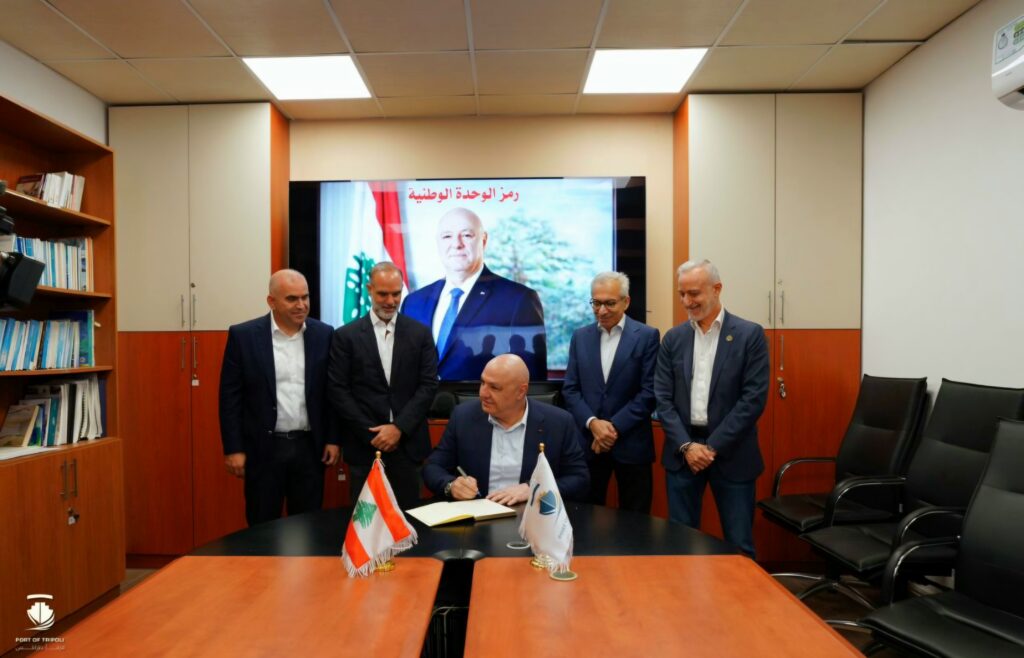
    At the conclusion of the visit, President Aoun recorded a message in the Port of Tripoli’s Golden Book, emphasizing the port’s strategic importance to Lebanon.

    He praised its role in connecting the country with regional and international markets, while highlighting its contribution to economic recovery, trade and investment.

    The president also acknowledged the importance of the port in supporting development across Tripoli, northern Lebanon and the wider Lebanese economy.

    The visit brought together discussions on infrastructure modernization, operational capacity, customs integration, digital transformation and investment opportunities. These priorities remain central to efforts to strengthen the Port of Tripoli’s competitiveness and its role in Lebanon’s maritime trade network.

    Source: Port of Tripoli

  • Aqaba Port’s Mahmoud Khalifat Elected President of Arab Sea Ports Federation

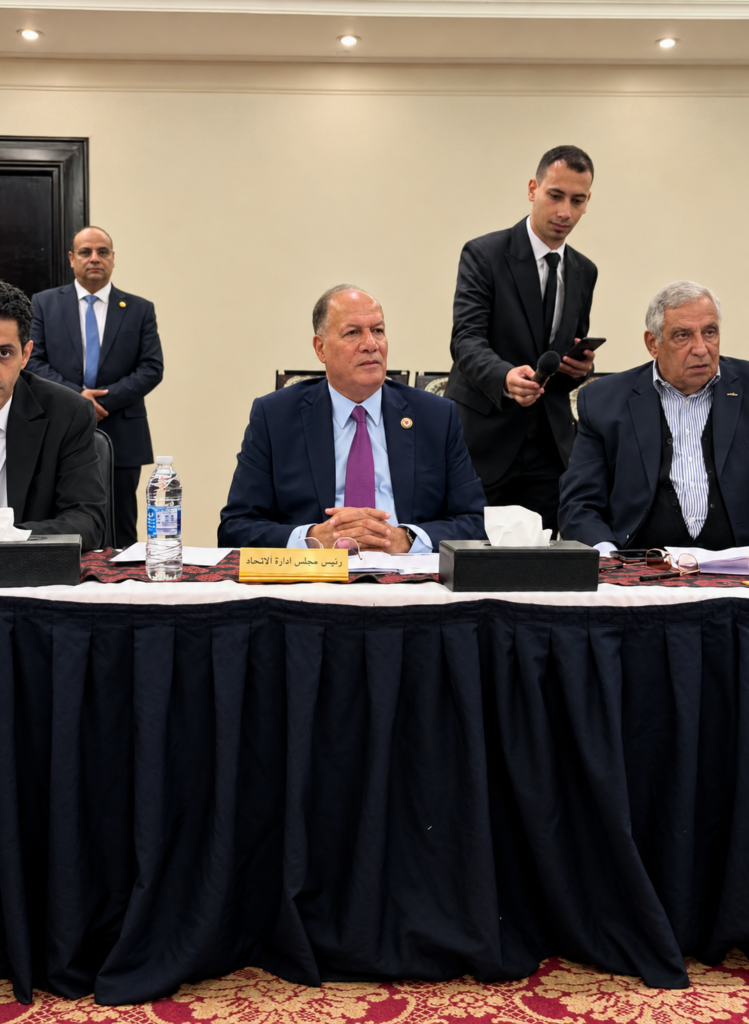
    Shipping Arabia, October 21, 2026 – Dr. Mahmoud Khalifat, General Manager of Aqaba Company for Ports Operation and Management (ACPOM), has been elected President of the Arab Sea Ports Federation (ASPF). The election took place during the federation’s 65th Board of Directors meeting in Alexandria, Egypt. Khalifat succeeds the UAE’s Mohamed Al Shamsi, placing Jordan and the Port of Aqaba at the helm of the regional maritime organization.

    Following his election, Khalifat expressed appreciation for the confidence placed in Jordan by Arab port administrations. He described the appointment as recognition of the reputation, leadership, and operational achievements of Jordanian ports, particularly the Port of Aqaba.

    Khalifat emphasized that the confidence demonstrated by federation members reflects the progress achieved across Jordan’s port sector. He also highlighted the responsibility that comes with leading an organization representing maritime ports and institutions throughout the Arab region.

    Strengthening Cooperation and Competitiveness Across Arab Ports

    Khalifat outlined a series of priorities aimed at advancing cooperation among Arab ports and strengthening their operational performance. He emphasized the importance of greater coordination and integration between member ports to address regional and international logistics challenges.

    A central priority will be improving the efficiency and competitiveness of Arab ports through the development of maritime services. Khalifat also called for measures to facilitate intra-Arab trade and maritime transport, accelerate cargo handling operations, and improve supply chain flows.

    He stressed that these objectives require closer collaboration among federation members. Such cooperation would help Arab ports strengthen their collective capabilities while addressing the operational and logistics challenges facing the maritime transport sector.

    Khalifat further emphasized the need to translate the confidence placed in the federation’s leadership into continued work and tangible achievements. He highlighted the importance of advancing port development at both national and regional levels while strengthening joint Arab maritime cooperation.

    Digital Transformation and Smart Port Development

    Digital transformation and smart port technologies will also feature prominently among the priorities identified by Khalifat.

    He called for supporting plans to develop port infrastructure across the Arab region, modernize equipment, and introduce advanced technologies to improve operational efficiency.

    According to Khalifat, adopting modern systems and technological solutions is essential for improving the competitiveness of Arab ports. He also emphasized the importance of innovation and knowledge-based development in keeping port operations aligned with advances in the global maritime industry.

    These priorities include modernizing port operating systems, strengthening technological capabilities, and encouraging innovation across port activities.

    Khalifat stressed that Arab ports must continue adapting to developments in international port management and maritime operations. He called for a sustained commitment to modernization and innovation to strengthen their position within the evolving global maritime sector.

    Arab Sea Ports Federation: Role, Objectives, and Membership

    The Arab Sea Ports Federation was established in Alexandria, Egypt, in 1976. It operates under the umbrella of the League of Arab States through the Council of Arab Economic Unity.

    The federation is a specialized Arab organization with its own legal personality and financial and administrative independence. Its primary objectives include supporting the development of Arab maritime ports, improving operational efficiency, and contributing to economic integration among Arab countries through maritime transport.

    The organization also works to strengthen relationships among member ports and promote the exchange of expertise, information, and economic studies. In addition, it seeks to help Arab ports respond to global developments in the maritime industry and benefit from modern technological and digital applications.

    Its membership includes numerous Arab maritime authorities, port organizations, and institutions.

    Among the members are Aqaba Company for Ports Operation and Management, representing the Port of Aqaba in Jordan, alongside the Alexandria Port Authority and the ports of Dekheila and Damietta in Egypt. The federation also includes Abu Dhabi Ports and Sharjah Ports in the United Arab Emirates.

    Through these members, the federation provides a framework for cooperation in port development, maritime transport, operational efficiency, and the exchange of knowledge across the Arab region.

    Khalifat’s election places the leadership of Aqaba Port at the head of an organization focused on strengthening Arab maritime cooperation. His stated priorities emphasize closer coordination, improved port competitiveness, digital transformation, and the modernization of maritime infrastructure and operations.

    Source: Aqaba Company for Ports Operation and Management (ACPOM)

  • Saudi Ports Authority Introduces Port Community System Enhancements to Streamline Cargo Operations

    Shipping Arabia, October 10, 2026 – The Saudi Ports Authority (Mawani) has introduced new Port Community System enhancements aimed at improving service efficiency, simplifying cargo clearance procedures, and increasing transparency in container storage charge calculations. The updates form part of the authority’s ongoing efforts to develop digital services and facilitate procedures for port users.

    Announced on October 4, the improvements cover three operational areas: inbound container storage charges, cargo exit permit validity, and electronic shipment readiness verification.

    Through these changes, Mawani aims to provide more accurate storage charge calculations, greater flexibility in cargo exit procedures, and easier access to shipment information through its digital platform.

    Improving Container Storage Charge Calculations

    One of the key Port Community System enhancements focuses on improving the calculation of storage charges for inbound containers.

    Mawani has updated the timestamp calculation mechanism used to determine container storage fees. The improvement aims to increase the accuracy and transparency of calculations, providing port users with clearer information about applicable charges.

    The enhancement addresses an important administrative component of container handling by improving how storage periods are calculated within the digital system.

    By refining this process, the authority seeks to make storage charge calculations more reliable and transparent for businesses and other stakeholders using Saudi Arabia’s ports.

    Extending Cargo Exit Permit Validity

    Mawani has also extended the validity period for cargo exit permits to 24 hours from the time a permit request is submitted.

    The change provides port users with greater flexibility to complete the procedures required for cargo to leave the port. It is intended to facilitate cargo release arrangements and simplify the administrative process.

    The extended validity period forms part of the authority’s efforts to improve the efficiency of port services and make cargo handling procedures more convenient for beneficiaries.

    Introducing Digital Shipment Readiness Verification

    Another improvement involves a digital service that allows users to verify shipment readiness through the Port Community System.

    The service enables beneficiaries to check shipment status electronically and confirm whether cargo is ready to leave the port.

    This functionality provides users with direct access to shipment readiness information, supporting clearer coordination of cargo exit procedures.

    Alongside the improvements to storage charge calculations and exit permit validity, the service strengthens the range of digital functions available to port stakeholders.

    Supporting Digital Transformation Across Saudi Ports

    The latest Port Community System enhancements reflect Mawani’s continued focus on improving its digital services and simplifying procedures for businesses operating through Saudi Arabia’s ports.

    By addressing storage fee calculations, cargo exit permits, and shipment readiness verification, the authority is targeting administrative processes that directly affect port users.

    The improvements aim to increase service efficiency, enhance transparency, and provide greater flexibility when completing cargo-related procedures.

    Through the continued development of its Port Community System, Mawani is working to strengthen the accessibility and efficiency of digital port services while facilitating day-to-day operations for stakeholders across the maritime and logistics sectors.

    Source: Saudi Ports Authority (Mawani)

  • Iraq Ports Develop In-House Digital Systems to Modernize Operations

    Shipping Arabia, September 20, 2026 – Iraq’s General Company for Ports of Iraq (GCPI) is developing a series of in-house digital systems for port management, asset monitoring and administrative processes, as the company expands automation across its operations.

    The systems are being designed and programmed by GCPI’s Information Technology Department using Iraqi technical expertise, with several applications already developed and others undergoing testing.

    Among the latest developments is an upgraded buoy management system, which introduces geolocation functionality and links individual buoys to an interactive map. The system is intended to improve monitoring accuracy and provide faster access to information on the location and status of navigational assets.

    GCPI’s IT team presented the system during a technical workshop alongside several internally developed platforms supporting administrative and workforce management.

    These include a planning accounts system, employee attendance and departure platform and an automated system for calculating overtime payments.

    The programme forms part of a broader effort to shift port-related data and internal procedures toward electronic platforms, reducing reliance on manual processes while improving the speed and accuracy of information available to management.

    The digitalization initiative is being implemented under directives from Iraqi Transport Minister Wahb Al-Hassani, with the ministry seeking wider use of automation and digital technologies across its companies and departments.

    GCPI said the systems are intended to improve institutional efficiency, data management, transparency and decision-making as Iraq continues modernizing the operational and administrative infrastructure supporting its port sector.

    Source: Iraq Ports Media

Back to top button