Port Logistics

  • Oman Ports Record 62.3% Cargo Growth and 20.5% Rise in Container Throughput

    Shipping Arabia, October 20, 2026 – Oman’s ports recorded strong operational growth during the first eight months of 2026, with cargo throughput rising 62.3% and container volumes increasing 20.5% compared with the same period in 2025. The latest figures from the Ministry of Transport, Communications and Information Technology also show significant increases in vessel arrivals and vehicle handling, reflecting expanding maritime and logistics activity across the Sultanate.

    Total cargo throughput at Omani ports reached approximately 146 million tons by the end of August 2026, compared with 90.5 million tons during the corresponding period of 2025. The increase highlights the growing volume of goods moving through the country’s maritime facilities and their expanding role in supporting supply chains and logistics services.

    Layla bint Ali Al Battashi, Director of the Ports and Marine Berths Department at the ministry, presented the figures in a statement to the Oman News Agency. She said the operational indicators reflect increasing trade activity and the continued development of Oman’s maritime transport sector.

    Container Throughput Exceeds 4 Million TEUs

    Container handling at Omani ports increased by 20.5% during the first eight months of 2026, exceeding 4 million twenty-foot equivalent units (TEUs). This compares with 3,368,465 TEUs handled during the same period in 2025.

    According to Al Battashi, the growth reflects expanding commercial activity and the efficiency of port operations. The increase also demonstrates the importance of container handling within Oman’s maritime transport and logistics system.

    Meanwhile, vessel arrivals at Omani ports and marine berths located outside port limits rose by 27.9%. More than 11,000 vessels were received by the end of August 2026, compared with 8,793 vessels during the corresponding period of the previous year.

    The simultaneous growth in vessel arrivals and container throughput reflects the broader increase in maritime activity recorded across the country’s port system.

    Cargo and Vehicle Handling Register Significant Increases

    Beyond container shipping, Oman recorded a substantial increase in total cargo volumes. Port cargo throughput reached approximately 146 million tons during the reporting period, representing a 62.3% increase from the 90.5 million tons handled a year earlier.

    Al Battashi highlighted the importance of this growth in strengthening the role of Omani ports in supporting supply chains and logistics activities. The figures demonstrate the increasing movement of goods through the country’s maritime infrastructure.

    Vehicle handling recorded the highest percentage growth among the four operational indicators reported by the ministry.

    The number of vehicles handled at Omani ports surged by 182.6% to 188,368 units during the first eight months of 2026. This compares with 66,661 vehicles during the same period in 2025.

    The sharp increase in vehicle volumes contributed to the overall expansion of port activity, alongside the growth recorded in cargo throughput, container handling and vessel arrivals.

    Omani Ports Strengthen Regional and International Trade Connectivity

    Al Battashi emphasized that the latest operational results demonstrate the continued growth of Oman’s port sector during 2026. She pointed to the increases across all four indicators as evidence of expanding maritime activity and the importance of ports to the country’s transport and logistics system.

    According to the ministry, this performance reinforces the role of Omani ports as essential infrastructure for facilitating trade and supporting logistics services.

    The growth also strengthens Oman’s connectivity with regional and international markets, supporting the country’s position within maritime transport and global trade networks.

    With higher vessel arrivals, container throughput, cargo volumes and vehicle handling recorded through August, Oman’s ports continue to play a central role in facilitating trade flows and supporting the Sultanate’s logistics sector.

    Source: Oman Daily
  • Tahya Misr Terminal Receives General Cargo Vessel With Record 13.5-Meter Draft

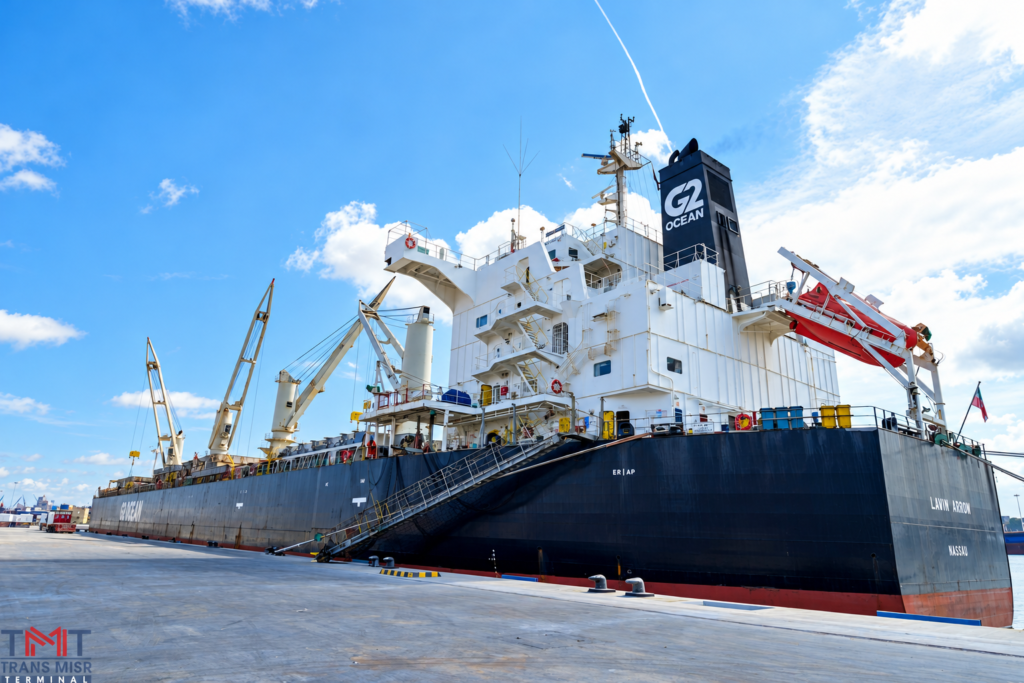
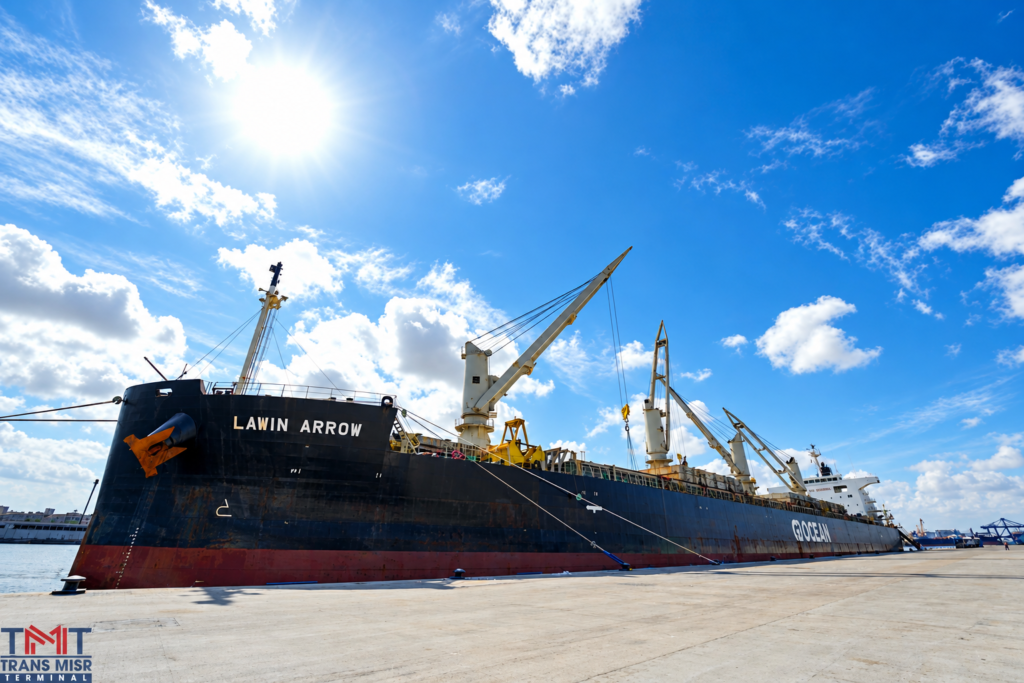
    Shipping Arabia, October 20, 2026 – Egypt’s Tahya Misr Multipurpose Terminal at Alexandria Port has received the general cargo vessel LAWIN ARROW, with a reported tonnage of approximately 63,000 tons and a draft of 13.5 meters. The vessel’s arrival marks a new operational milestone for the terminal, which began operations in 2023, as it continues expanding its cargo-handling capabilities and upgrading its equipment.

    According to sources at Alexandria Port cited by Al Mal, LAWIN ARROW berthed at the terminal’s southern quay. The vessel is among the most significant general cargo ships handled by the facility since its inauguration, becoming the first reported general cargo vessel to arrive with a draft of approximately 13.5 meters.

    The terminal is managed by Egypt Maritime Ports Company, which has continued developing its operations to accommodate growing cargo activity.

    Tahya Misr Terminal Expands Handling Capacity With New Cranes

    Alongside the vessel’s arrival, Tahya Misr Terminal has strengthened its cargo-handling capabilities with the addition of two mobile harbor cranes (MHCs), delivered during the week preceding the report.

    The new equipment brings the terminal’s reported crane fleet to four ship-to-shore (STS) cranes and two mobile harbor cranes, marking another step in its capacity expansion.

    Mobile harbor cranes provide flexible cargo-handling capabilities, allowing terminals to load and discharge vessels using equipment that can move between operating positions.

    The additional cranes are expected to support the terminal’s operational expansion and increase its ability to accommodate cargo-handling demand.

    In a company statement cited by Al Mal, Egypt Maritime Ports Company reported rapid growth in container volumes since the terminal began commercial operations. The company said this growth reflects increasing customer demand and the facility’s expanding role in Egypt’s container shipping market and the wider region.

    Located at Alexandria Port, Tahya Misr Terminal serves as a gateway for Egyptian trade and an important transport facility in the Eastern Mediterranean.

    Digital Truck Registration Improves Port Logistics Efficiency

    In a related development, Dr. Amr El Samadouni, Secretary-General of the International Transport and Logistics Division at the Cairo Chamber of Commerce, highlighted improvements in truck operations at Tahya Misr Terminal following the introduction of a digital truck pre-registration system.

    El Samadouni said the system has successfully reduced truck waiting times, representing an important step toward improving Egypt’s transport and logistics sector and increasing cargo-handling efficiency at ports.

    He explained that digital solutions for managing truck movements help reduce congestion and accelerate cargo entry and exit procedures. These improvements also contribute to lowering operating costs for importers and exporters, supporting the competitiveness of Egyptian trade in international markets.

    El Samadouni emphasized that digital transformation in ports is no longer simply a technological improvement. Instead, it has become an essential requirement for improving supply chain efficiency and logistics services, particularly as regional and international ports compete to attract trade volumes and investment.

    Calls for Wider Integration of Port Digital Systems

    Building on the improvements achieved at Tahya Misr Terminal, El Samadouni called for expanding successful digital initiatives across Egypt’s maritime and logistics sector.

    He specifically highlighted the importance of integrating truck pre-registration systems with terminal operating systems and customs clearance platforms.

    According to El Samadouni, stronger integration between these systems would facilitate cargo movements, improve service quality for importers and exporters, and further reduce logistical inefficiencies.

    Such measures would also support Egypt’s efforts to strengthen its position as a regional transport and logistics hub.

    El Samadouni stressed the need for continued investment in digital infrastructure and the development of logistics services to support national objectives. These include increasing exports, reducing trade costs and transforming Egyptian ports into integrated centers for logistics services and transit trade.

    The developments at Tahya Misr Terminal, including its ability to accommodate general cargo vessels with a 13.5-meter draft, additional handling equipment and improvements in digital truck management, reflect the facility’s ongoing operational development at Alexandria Port.

    Source: Al Mal

Back to top button