Port Security

  • Port of Beirut Maritime Security in Focus During EU Foreign Policy Chief Kaja Kallas Visit

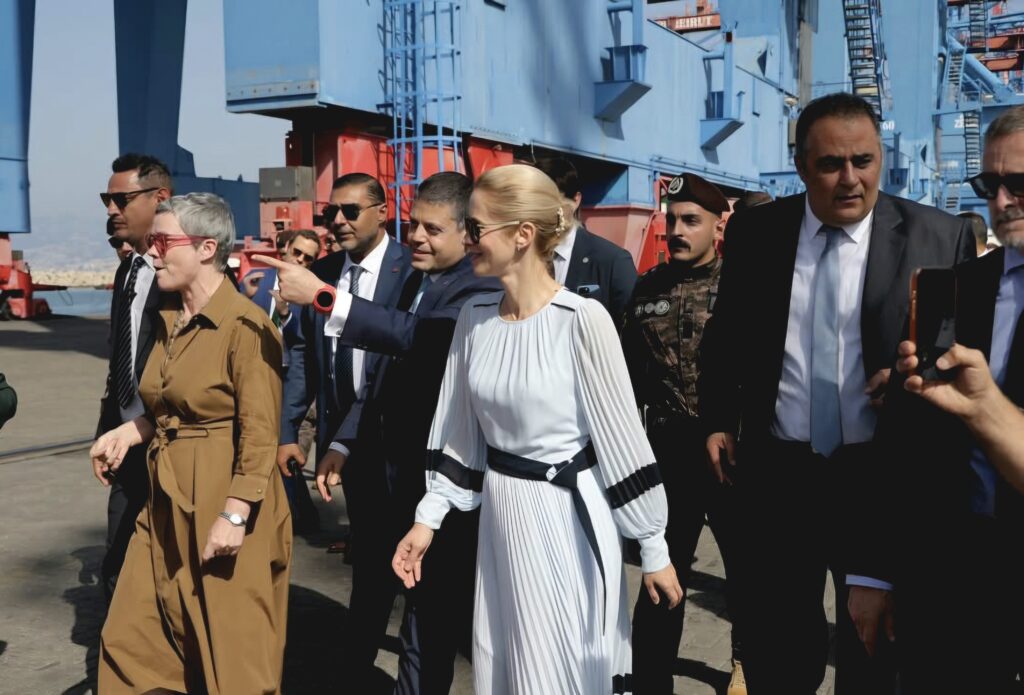
    Shipping Arabia, October 16, 2026 – Port of Beirut maritime security and the port’s strategic importance to Lebanon were highlighted during a visit by European Union High Representative for Foreign Affairs and Security Policy Kaja Kallas. The visit focused on the port’s role within Lebanon’s national maritime security strategy and the European Union’s continued support for security and safety standards.

    Kallas was accompanied by EU Ambassador to Lebanon Sandra De Waele and Chairman of the European Union Military Committee, Gen. Seán Clancy. During the visit, the delegation met with Port of Beirut Chairman and Director General Marwan El-Naffi to discuss the port’s importance and ongoing efforts to maintain maritime security and operational safety.

    El-Naffi accompanied Kallas on a tour of the port’s container terminal, where the delegation observed operational activities and reviewed the security and safety procedures currently in place.

    Port of Beirut Maritime Security and EU Support

    El-Naffi described the visit as recognition of the Port of Beirut’s strategic position and its importance to Lebanon and the wider region. He emphasized that the European Union has supported the port, particularly in areas related to maritime security and safety.

    According to El-Naffi, the presence of the EU’s High Representative reaffirmed the continuation of this support and highlighted the port’s significance within Lebanon’s national economy.

    He also pointed to the Port of Beirut’s regional importance, describing it as a gateway to the East. The visit, he said, reflected the port’s central position and the role it continues to play at the national and regional levels.

    The discussions and container terminal tour placed particular emphasis on the security and safety arrangements supporting port operations. These measures remain an important part of the port management’s efforts to maintain established operational standards.

    Port Management Reaffirms Commitment to Security and Safety Standards

    El-Naffi highlighted the progress achieved at the Port of Beirut through the implementation of security and safety measures. He attributed the improvements to the procedures and arrangements adopted by the port’s management.

    The chairman reaffirmed the port’s commitment to maintaining these standards while continuing to develop and strengthen its security and safety systems.

    He emphasized the importance of preserving the progress already achieved and ensuring that existing measures continue to support the port’s operational activities.

    The visit brought renewed attention to the European Union’s support for the Port of Beirut and the importance of maintaining maritime security and safety standards. It also highlighted the port’s role within Lebanon’s maritime security strategy and its significance to the national economy and the wider region.

    Source: Port of Beirut
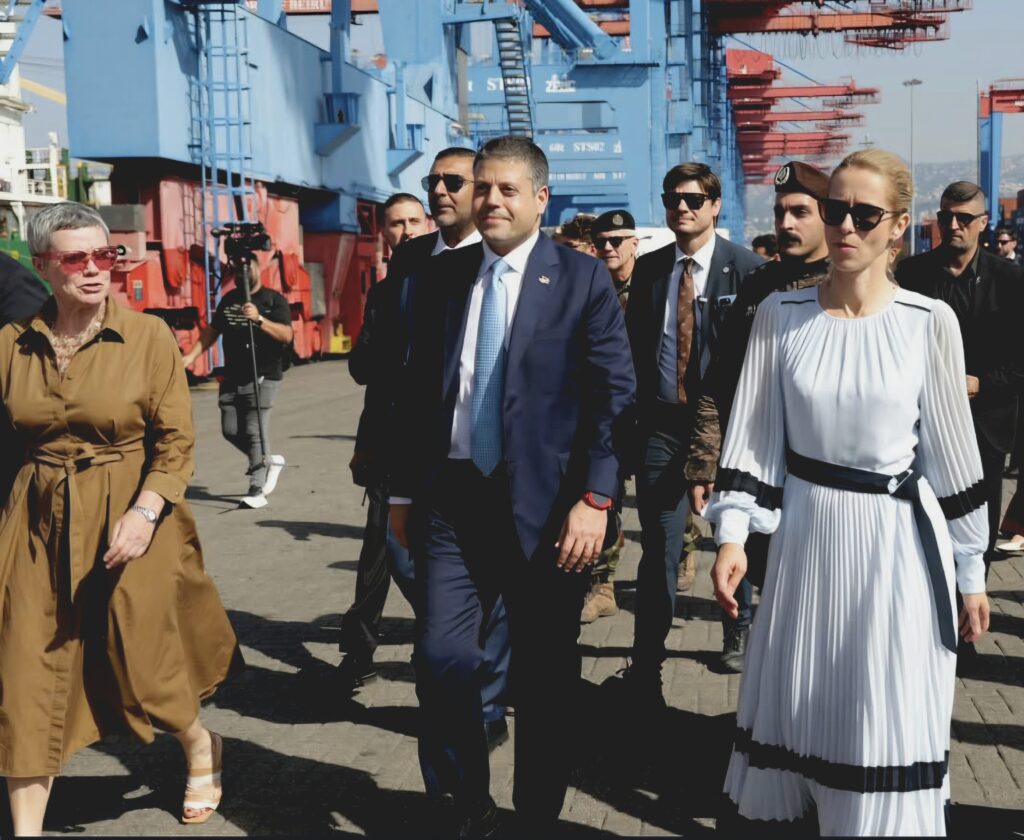
    EU foreign policy chief Kaja Kallas visits the Port of Beirut to review maritime security and safety measures with port chairman Marwan El-Naffi.
    EU foreign policy chief Kaja Kallas visits the Port of Beirut to review maritime security and safety measures with port chairman Marwan El-Naffi.
  • ISPS Code Compliance in Libya Advances as Julyana Free Zone Port Secures Certification

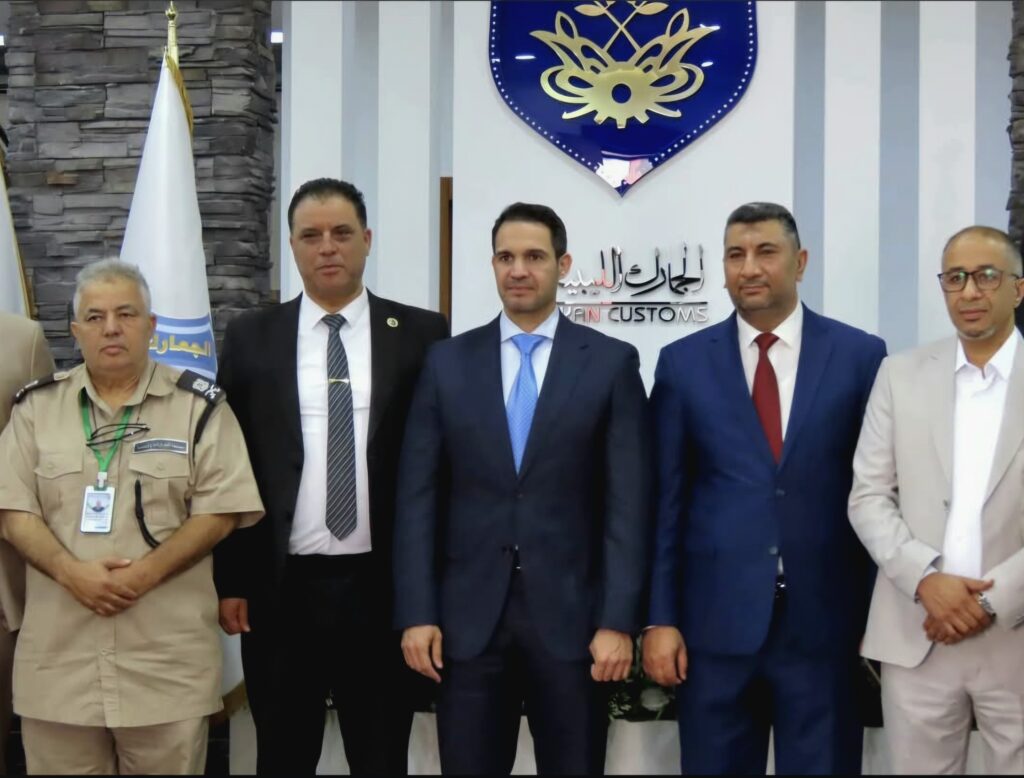
    Shipping Arabia, October 16, 2026 – ISPS Code compliance in Libya has advanced with the award of a compliance document to Julyana Free Zone Port, making it the second Libyan commercial port to receive the certification from the Ports and Maritime Transport Authority. The development follows the earlier certification of Misrata Free Zone Port and forms part of ongoing efforts to strengthen maritime security across Libya’s port sector.

    The authority formally handed over the compliance document on October 7, following the completion and verification of the port’s security plans and procedures. The assessment confirmed that the implemented measures met the applicable requirements of the International Ship and Port Facility Security (ISPS) Code.

    The certification followed intensive training programs and capacity-building initiatives for personnel working at Julyana Free Zone Port. These efforts focused on strengthening their ability to implement approved security procedures and address requirements related to port security, vessel protection and port facility safety.

    Julyana Port Strengthens Maritime Security and Operational Readiness

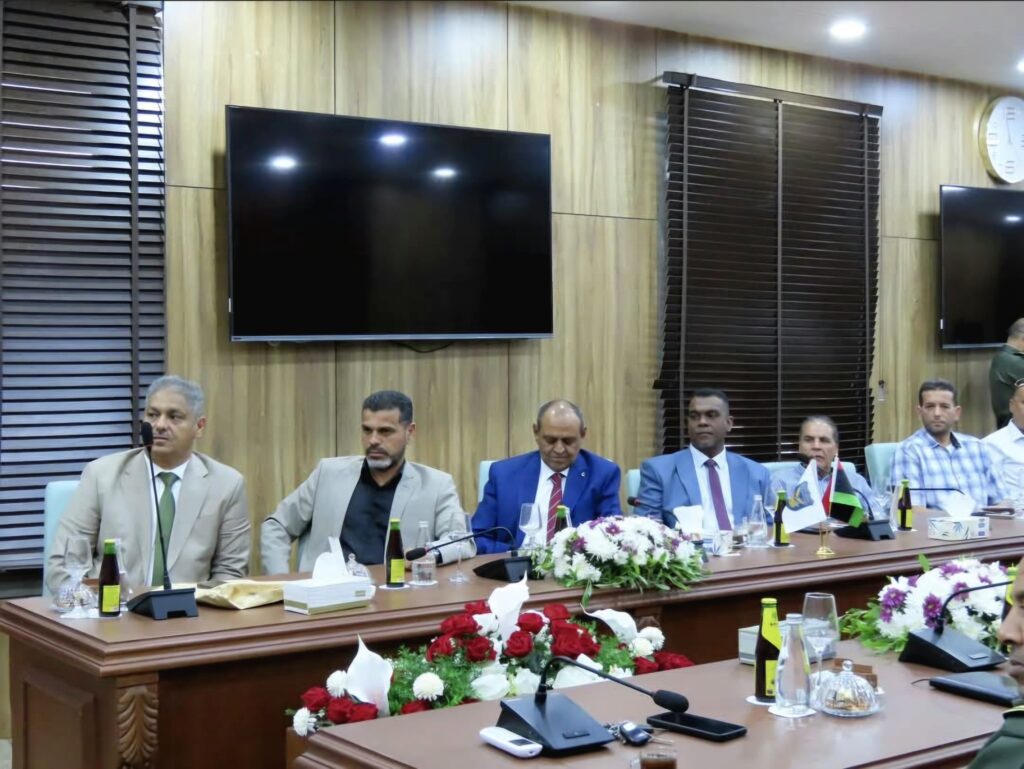
    During the handover ceremony, Mohammed Salem Al-Siouy, Chairman of Libya’s Ports and Maritime Transport Authority, emphasized the importance of meeting internationally recognized maritime security standards.

    He described the port’s compliance with the ISPS Code as an important step toward improving operational efficiency and strengthening security and safety arrangements in accordance with standards established by the International Maritime Organization (IMO).

    According to Al-Siouy, stronger compliance with international maritime security requirements can help reduce risks associated with maritime transport. He also highlighted its importance in building confidence in Libyan ports and reducing costs linked to maritime risks and insurance.

    The chairman praised the management and personnel of Julyana Free Zone for their cooperation and commitment throughout the compliance process. He acknowledged their efforts in implementing the required security plans, completing training programs and meeting the necessary international standards.

    Al-Siouy also stressed the importance of continuing to develop maritime security and safety systems across Libyan ports. He called for sustained efforts to improve compliance with international requirements and strengthen the readiness of port facilities.

    ISPS Code Compliance in Libya Extends to Tripoli and Khoms

    The certification of Julyana Free Zone Port forms part of a broader program led by the Ports and Maritime Transport Authority to improve security standards across Libya’s commercial ports.

    The authority is coordinating with the Libyan Ports Company, which operates the ports of Tripoli and Khoms, to complete the necessary security requirements and obtain compliance documents in accordance with internationally recognized standards.

    These efforts focus on bringing additional commercial port facilities into compliance with the ISPS Code through the implementation of the required security measures and procedures.

    Julyana Free Zone Port is the second commercial port to receive an ISPS Code compliance document from the authority. Misrata Free Zone Port previously became the first Libyan commercial port to obtain the certification.

    Libya Targets ISPS Code Compliance at Oil Ports

    Alongside its work with commercial ports, the Ports and Maritime Transport Authority is coordinating with Libya’s National Oil Corporation (NOC) and its affiliated oil companies to improve security compliance at the country’s oil ports.

    The initiative involves preparing oil port facilities to meet the relevant international security standards and completing the security arrangements and procedures necessary to obtain ISPS Code compliance documents.

    The coordination aims to strengthen security readiness across oil port facilities and ensure their ability to meet internationally recognized requirements for ship and port facility security.

    Through these initiatives, the authority continues its efforts to improve the readiness, security and operational capabilities of Libya’s maritime gateways. Its broader objective is to strengthen confidence in Libyan ports and support the provision of safe and efficient maritime services in accordance with international standards.

    Source: Ports and Maritime Transport Authority – Libya

  • IMO Strengthens Somalia Port Security Coordination Through Bosaso Workshop

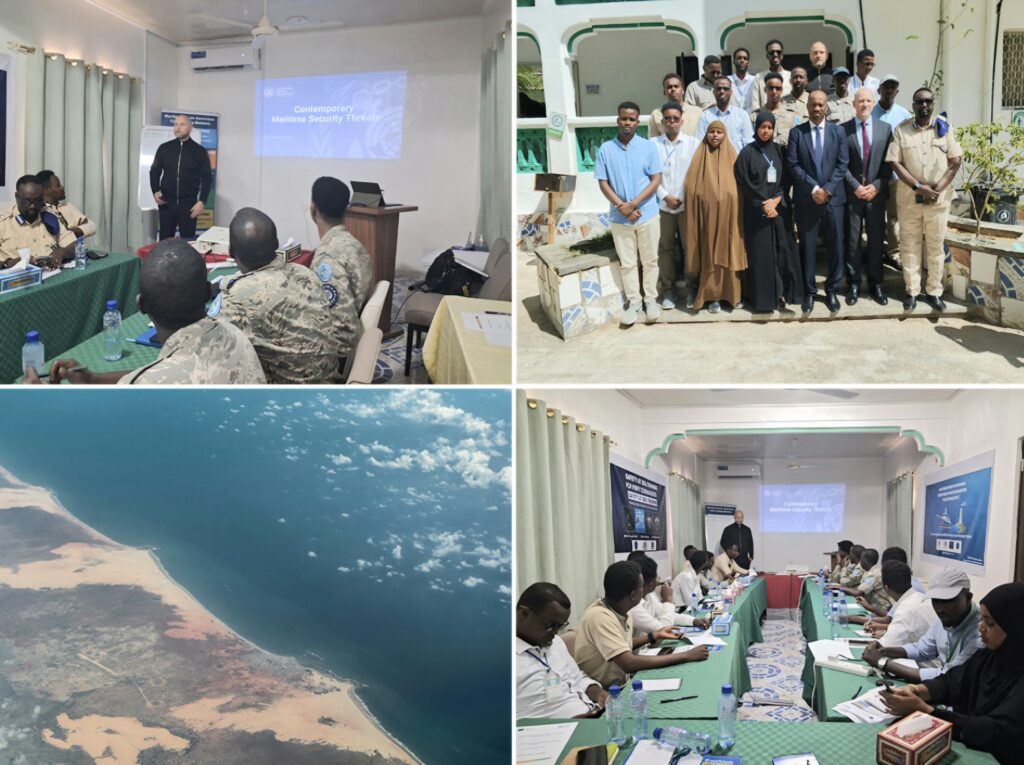
    Shipping Arabia, October 5, 2026 – The International Maritime Organization (IMO) has supported stronger Somalia port security coordination through a four-day workshop in Bosaso, Puntland State of Somalia, bringing together port, security and government authorities to improve cooperation, information sharing and incident response.

    The Port Security and Inter-Agency Coordination Workshop was held from September 14 to 17, 2026, under the EU-funded Regional Programme for Maritime Security in the Red Sea Area. The activity focused on strengthening port security arrangements while improving coordination among the agencies responsible for maritime and port security.

    Participants examined how authorities, port operators and security agencies can work together more effectively when addressing shared security challenges. The program also focused on improving communication between stakeholders and identifying practical measures to reinforce existing security arrangements.

    Roadmap for Multi-Agency Port Security Committee

    One of the main outcomes of the workshop was the development of draft Terms of Reference and a roadmap for establishing a multi-agency Port Security Advisory Committee.

    The proposed structure is intended to provide a mechanism for coordination among agencies involved in port security. During the workshop, participants also strengthened their understanding of their individual roles and responsibilities in supporting port security and responding to security incidents.

    The discussions emphasized coordination and information sharing as key elements of effective security management. Participants considered how different authorities and agencies could cooperate more closely when dealing with incidents and other security-related challenges affecting ports.

    ISPS Code and SOLAS Requirements in Focus

    The workshop also explored practical approaches to implementing the International Ship and Port Facility Security (ISPS) Code and relevant requirements of the International Convention for the Safety of Life at Sea (SOLAS).

    Sessions focused particularly on security planning and cooperation among the agencies involved in port security. Participants reviewed practical ways to support international maritime security standards while improving arrangements at the operational and institutional levels.

    The workshop examined how port authorities, port operators and security agencies could strengthen communication and coordination. Participants also identified measures that could improve cooperation and support the implementation of internationally recognized maritime security requirements.

    IMO Technical Assistance in the Red Sea Region

    The workshop was opened and closed by H.E. Shakir Mohamed Guled, Puntland’s Minister of Maritime Transport, Ports and Marine Crime Prevention.

    The activity forms part of IMO’s continuing technical assistance in the Red Sea region. This assistance supports efforts to strengthen maritime security, improve the resilience of port infrastructure and promote international maritime security standards.

    The Regional Programme for Maritime Security in the Red Sea Area, funded by the European Union, supports beneficiary countries in strengthening maritime security, port security and the safety of navigation.

    The program provides technical assistance, training and institutional support to help participating countries improve their maritime security capabilities. The Bosaso workshop contributed to those objectives by focusing on Somalia port security coordination, inter-agency cooperation and practical application of international security requirements.

    Source: International Maritime Organization

    Somalia port security coordination workshop led by IMO in Bosaso
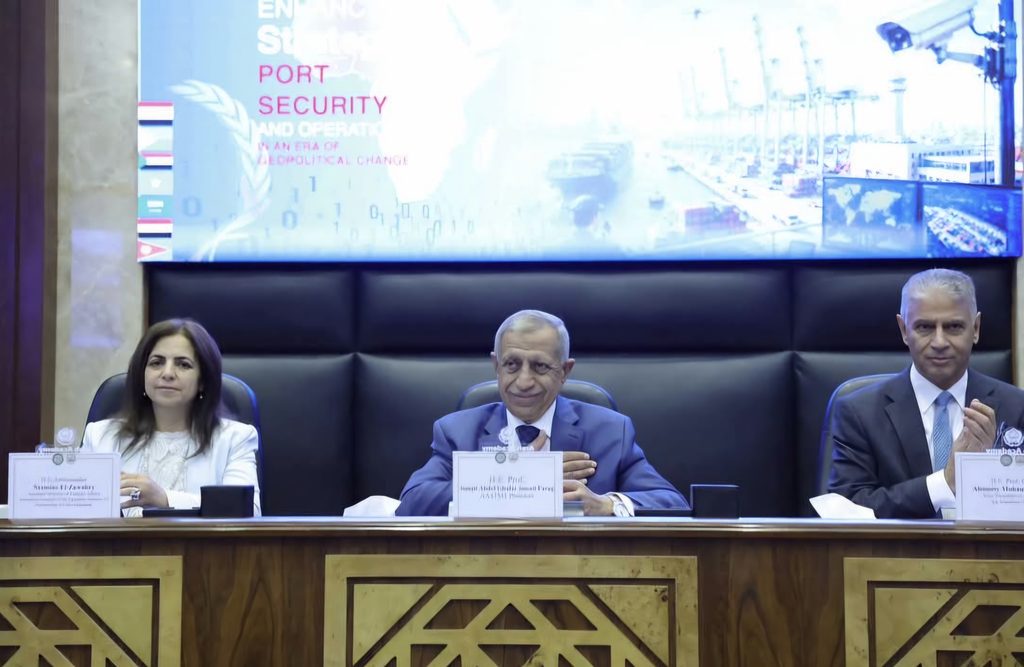
  • AASTMT Concludes Port Security and Operations Training for Four Countries

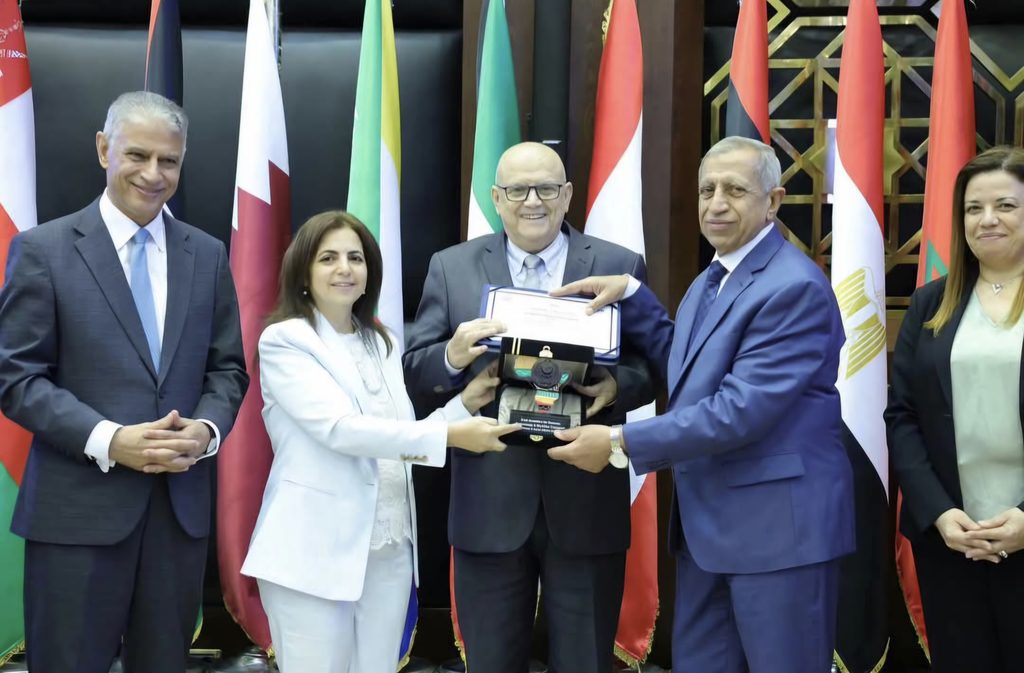
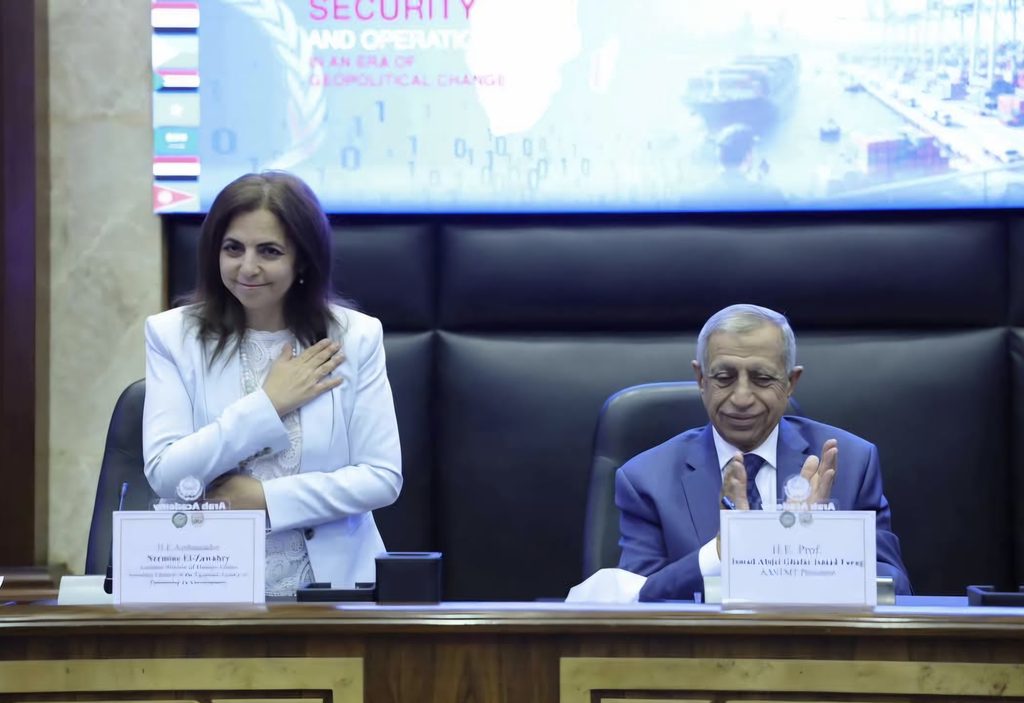
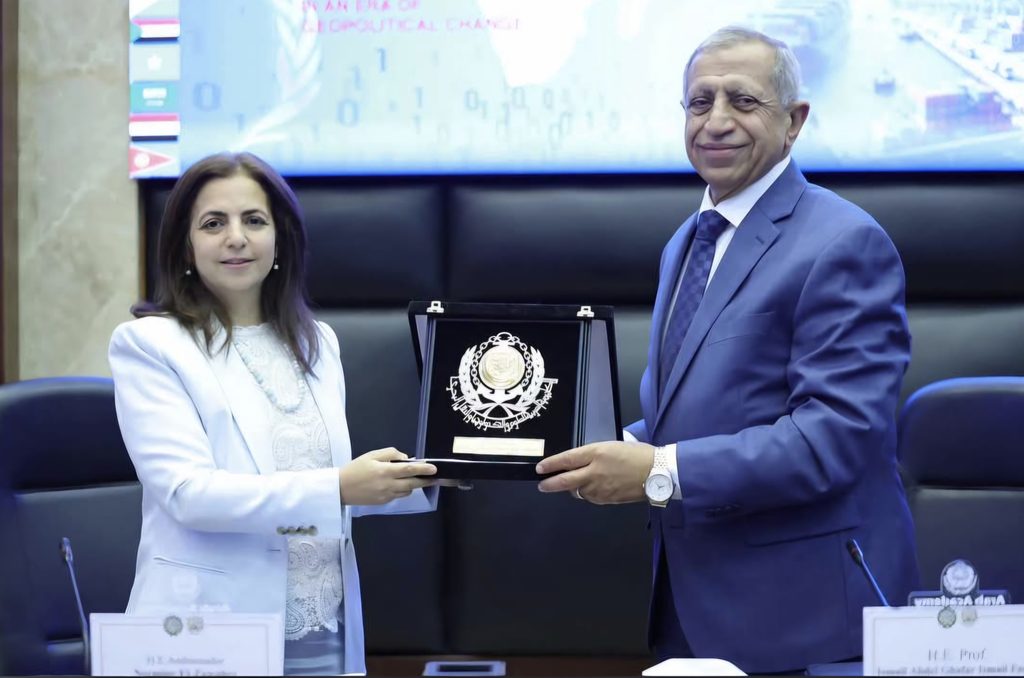
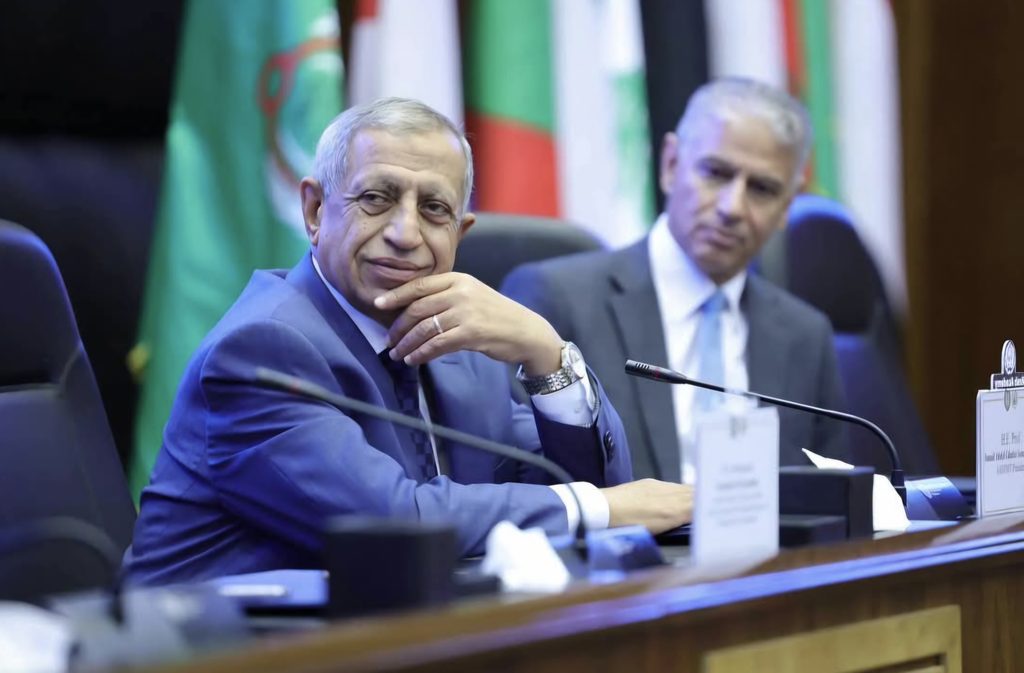
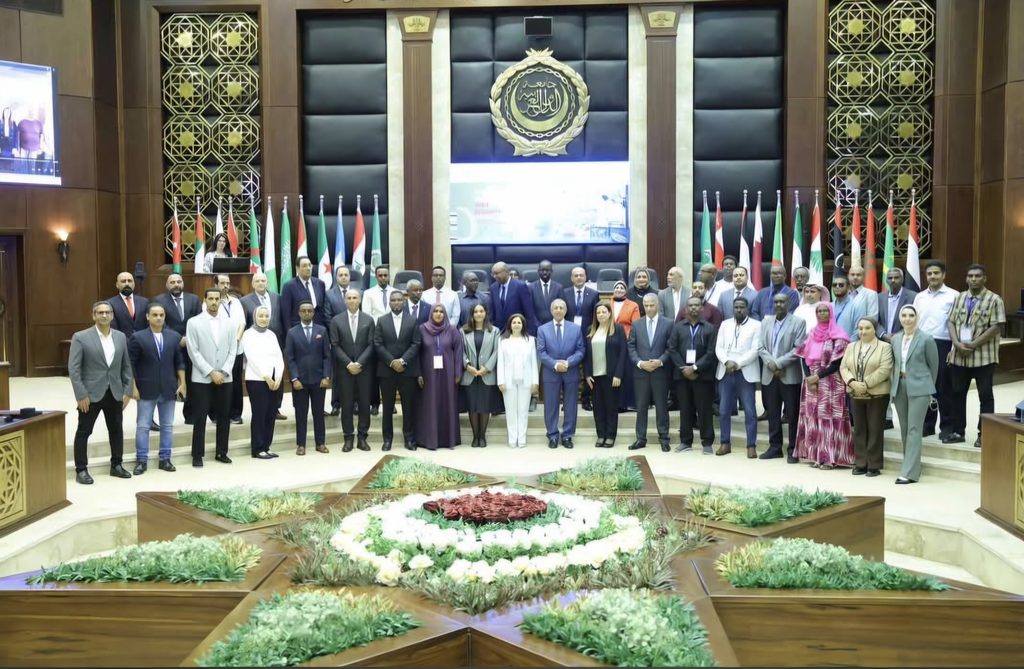
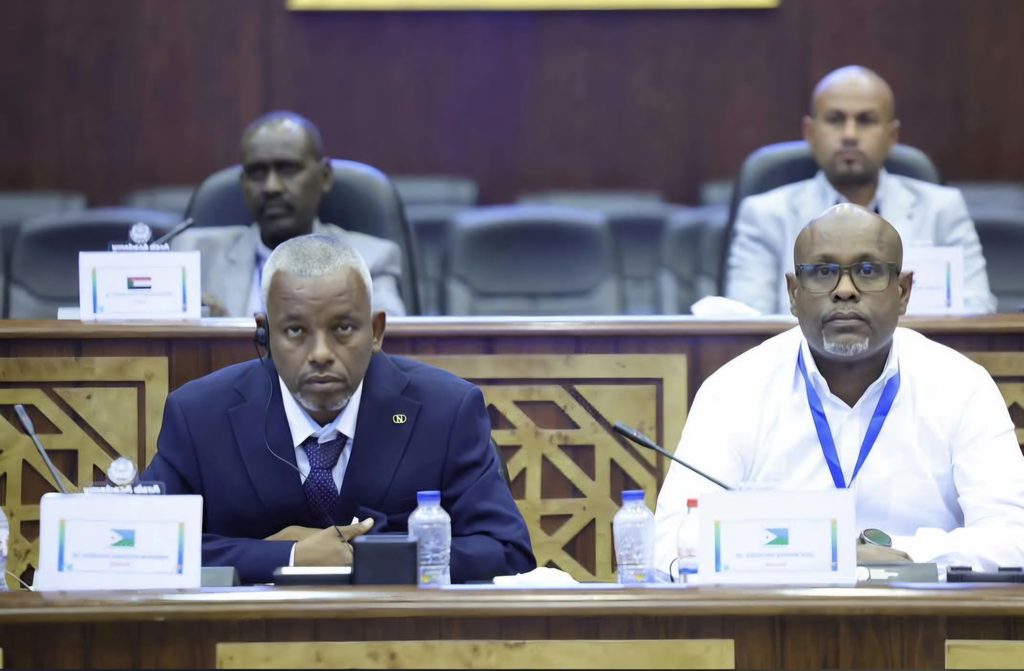
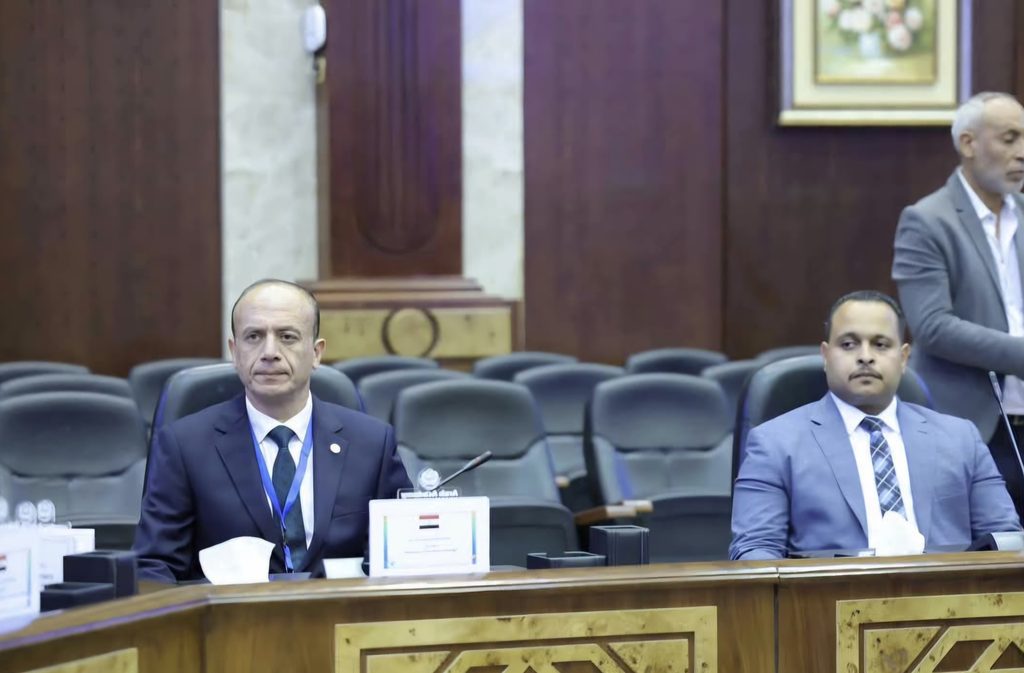
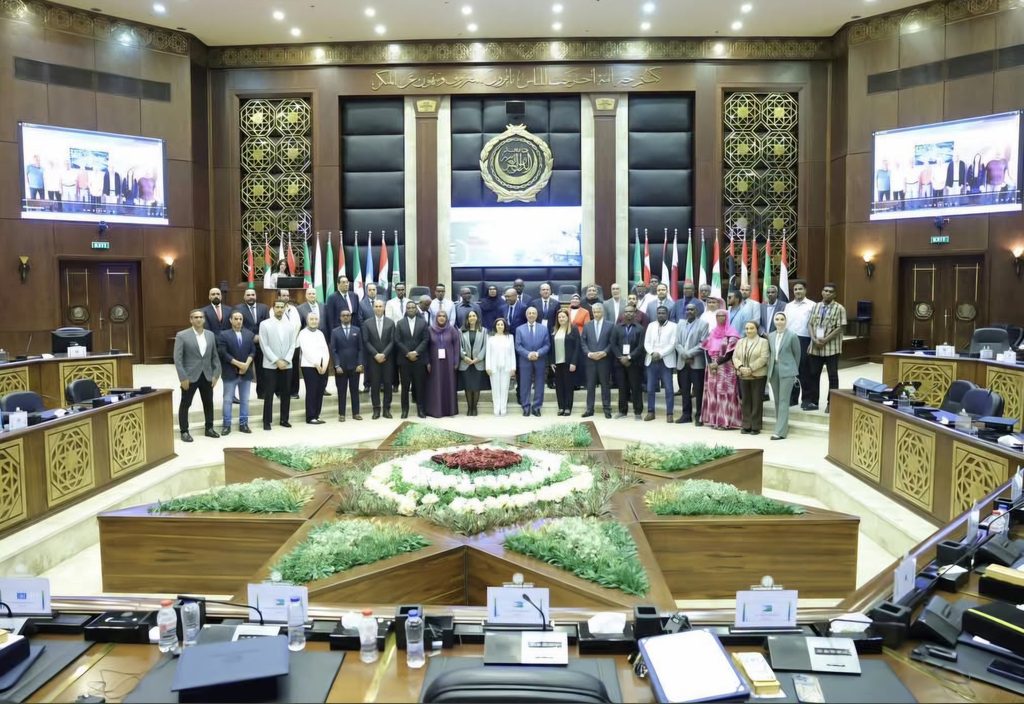
    Shipping Arabia, October 4, 2026 – The Arab Academy for Science, Technology and Maritime Transport (AASTMT) has concluded a specialized port security and operations training program focused on strengthening the strategic security and operation of seaports amid geopolitical changes, with 30 participants from Saudi Arabia, Sudan, Djibouti and Somalia.

    The program was organized in cooperation with the Egyptian Agency of Partnership for Development under the STREAM initiative launched by Egyptian President Abdel Fattah El-Sisi. It formed part of efforts to transfer expertise and build capacity across Arab and African countries, particularly those bordering the Red Sea.

    AASTMT delivered the course as an integrated program combining theoretical instruction with practical training. The curriculum addressed operational and security challenges facing ports while introducing participants to technologies that can strengthen efficiency and preparedness.

    Port security and operations training covers emerging risks

    The training addressed several areas directly linked to the security and resilience of maritime ports. Key topics included risk and crisis management, cybersecurity and business continuity.

    Participants also examined the use of automation and artificial intelligence in port operations. These technologies were presented in the context of improving operational efficiency and strengthening ports’ readiness to respond to emerging challenges.

    The course reflected AASTMT’s focus on maritime transport and logistics training and its efforts to support capacity building among Arab and African countries.

    Under the leadership of AASTMT President Prof. Ismail Abdel Ghafar Ismail Farag, the Academy structured the program to combine classroom-based learning with practical exposure to maritime training technologies and operational environments.

    Practical training at AASTMT simulator facilities

    As part of the practical component, participants visited AASTMT’s simulator and practical training complex. The visit allowed them to review advanced technologies used in the training and qualification of maritime personnel.

    The practical exposure complemented the program’s theoretical modules and provided participants with a closer view of the technical capabilities used to develop maritime skills.

    By combining instruction on risk, cybersecurity and operational continuity with exposure to simulation technology, the program sought to connect port security concepts with practical training tools.

    Suez Canal Authority visit highlights infrastructure integration

    The field program also included a visit to the Suez Canal Authority. Participants were introduced to stages in the Authority’s development as well as the logistics zone and its facilities and systems supporting trade flows and supply chains.

    The visit also provided practical insight into the integration between ports and supporting infrastructure. Participants examined how this integration relates to safety requirements and operational security.

    This element of the program broadened the port security and operations training beyond classroom instruction by exposing participants to infrastructure and logistics systems connected to maritime trade and supply chains.

    AASTMT said the program forms part of its continued commitment to regional partnership and cooperation. The Academy also emphasized its role in providing training and consultancy for Arab and African professionals, with the aim of strengthening the strategic security of ports and supporting sustainable development across the region.

    Source: Arab Academy for Science, Technology and Maritime Transport

Back to top button