Port Throughput

  • Aqaba Port Cargo Handling Jumps 49% to 9.48 Million Tonnes

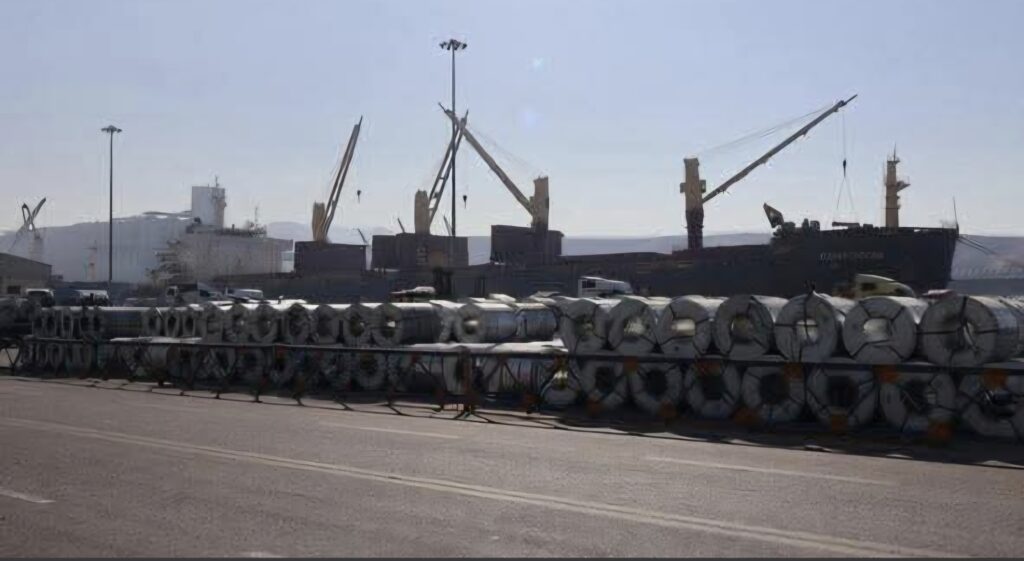
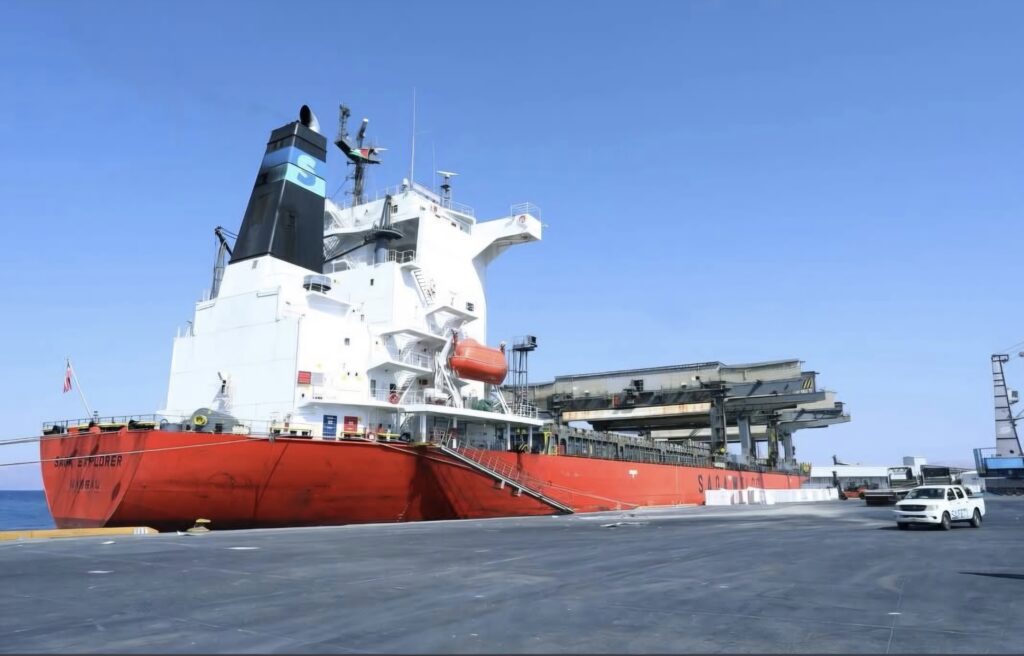
    Shipping Arabia, September 25, 2026 – Cargo handling at Aqaba’s main port surged 49% year-on-year to 9.48 million tonnes during the first eight months of 2026, accompanied by a sharp increase in truck traffic as Jordan’s only seaport handles growing domestic and regional trade flows.

    Dr. Mahmoud Khleifat, Director General of Aqaba Company for Ports Operation and Management, said throughput reached approximately 9.482 million tonnes through the end of August, compared with 6.382 million tonnes during the same period in 2025.

    Truck movements increased even faster, rising 51% to around 129,900 trucks, from 85,551 during the corresponding period last year.

    The increase reflects stronger activity at Aqaba as the port serves both Jordan’s domestic economy and growing cargo flows involving neighboring markets. Khleifat said coordination among stakeholders in the Aqaba Special Economic Zone and government agencies has helped streamline procedures and improve the movement of cargo to and from the port.

    The main port handles a broad range of cargoes and vessel types, providing an important component of Aqaba’s wider maritime and logistics infrastructure alongside the kingdom’s container, Ro-Ro and specialized terminal facilities.

    Khleifat said the port is continuing to develop its operations with a focus on safety, operational efficiency and sustainability while maintaining handling services capable of supporting changing trade and supply chain requirements.

    The growth further strengthens Aqaba’s role as Jordan’s maritime gateway and an increasingly important regional logistics and transit corridor, particularly as changing regional trade patterns generate additional cargo flows through the kingdom.

    Source: Addustour
  • Egyptian Ports Handle 233 Million Tonnes as Maritime Connectivity Ranking Rises to 19th Globally

    Shipping Arabia, September 24, 2026 – Egyptian ports handled 233 million tonnes of cargo and 11.1 million TEUs in 2025, as the country advances a major port and logistics expansion programme aimed at strengthening its position in regional transport, transshipment and global shipping networks.

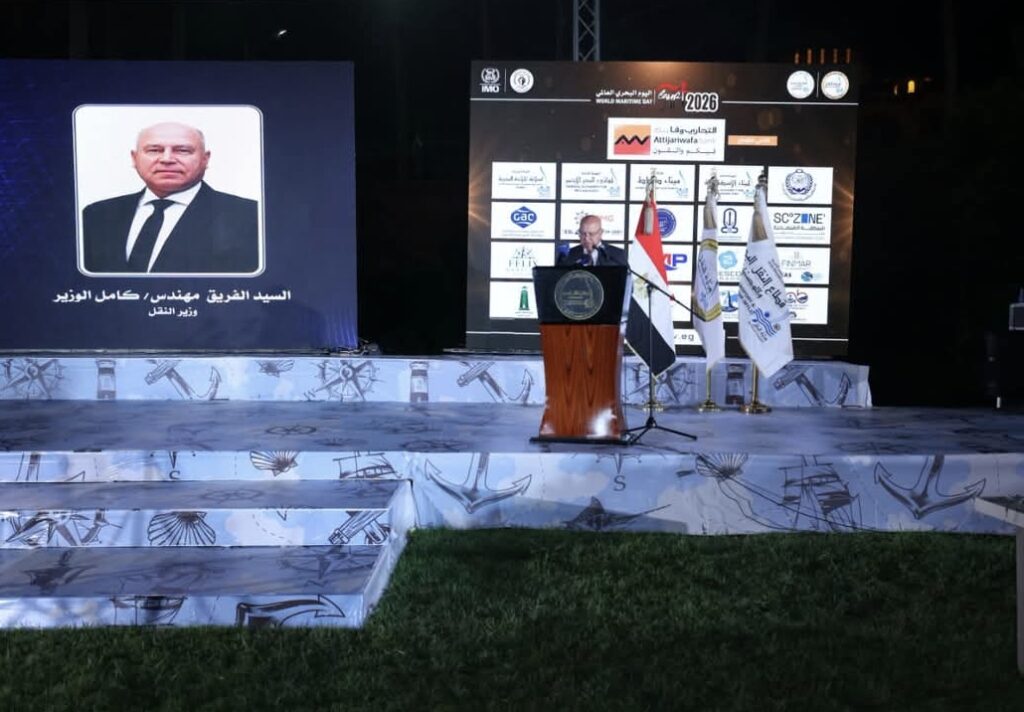
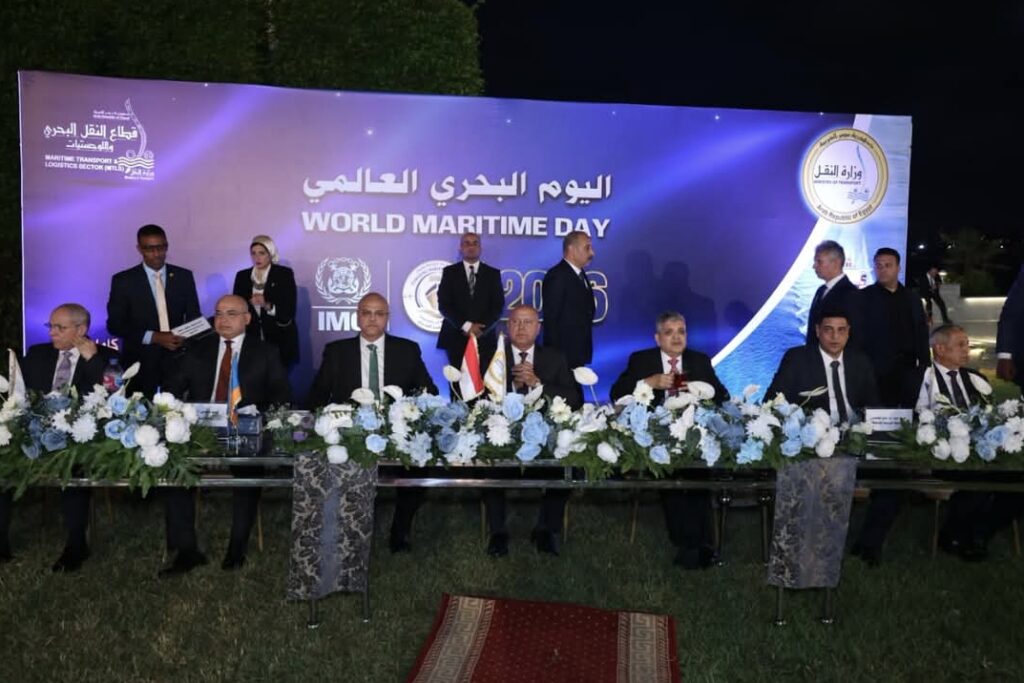
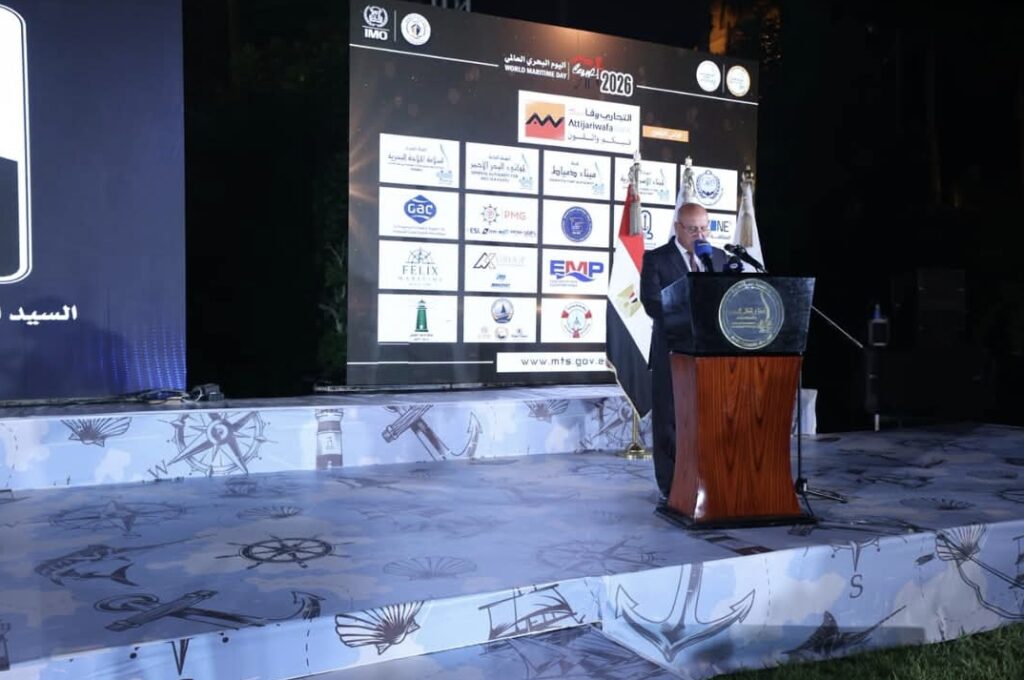
    The figures were announced by Transport Minister Kamel El-Wazir during Egypt’s World Maritime Day 2026 event in Alexandria, held under the theme “From Policy to Practice: Powering Maritime Excellence.”

    Cargo throughput increased 12% year-on-year, while container volumes rose 25%. Egypt also advanced to 19th globally in the Liner Shipping Connectivity Index (LSCI), from 23rd in 2024, ranking first in Africa and second among Arab countries. The government is targeting a position among the global top 15 by 2030.

    Egypt is developing eight integrated international logistics corridors connecting Mediterranean and Red Sea ports and the Suez Canal corridor with dry ports, industrial, agricultural and mining areas through railways, express roads and the high-speed electric rail network.

    Its maritime development programme includes expanding the commercial port network to 19 ports, increasing port areas to 100 million square meters and adding 70 kilometers of new berths with depths of 18 to 25 meters, taking total quay length beyond 100 kilometers. Plans also include expanding breakwaters and increasing the marine tug fleet to 80 units.

    New container and multipurpose terminals are being developed with international operators and shipping lines including Maersk, MSC and CMA CGM, supporting additional capacity and stronger integration into global liner networks.

    Egypt is also targeting a commercial fleet of around 40 vessels by 2030, capable of carrying 30 million tonnes annually through its state-affiliated shipping companies.

    Alongside capacity expansion, the maritime strategy includes digitalization, green ports, shore power, lower-emission marine fuels and green hydrogen projects as Egypt seeks to combine infrastructure growth with environmental and operational efficiency.

    The World Maritime Day event brought together senior maritime and port officials, including Suez Canal Authority Chairman and Managing Director Adm. Ossama Rabiee, port executives and representatives of Egypt’s maritime community.

    Source: Ministry of Transport – Egypt

  • MSC Becomes Largest Container Carrier at Damietta Port as Transshipment Drives Volumes

    Shipping Arabia, September 22, 2026 – Mediterranean Shipping Company (MSC) became the largest container carrier operating through Damietta Port in 2025, handling 29.3% of the port’s container traffic as transshipment remained a major component of carrier volumes.

    According to the latest Damietta Port Authority statistics, MSC handled approximately 375,800 TEUs, with transshipment accounting for 71.7% of its traffic through the port. The carrier had handled around 210,300 TEUs in 2024.

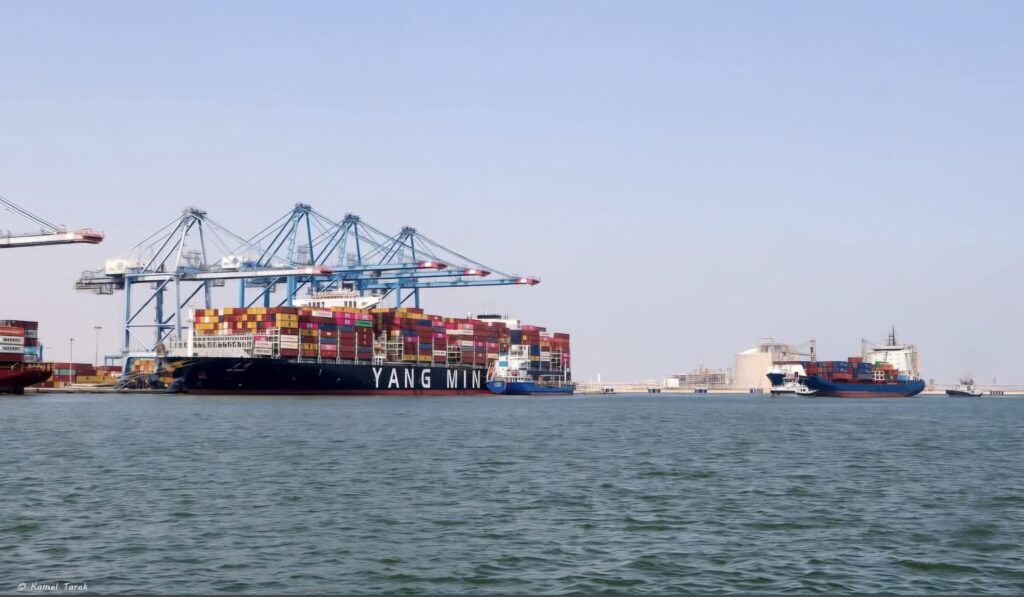
    Yang Ming ranked second, accounting for 18.5% of Damietta’s container activity with approximately 236,800 TEUs. Unlike several other major carriers, foreign trade imports and exports represented 51.3% of Yang Ming’s traffic through the port.

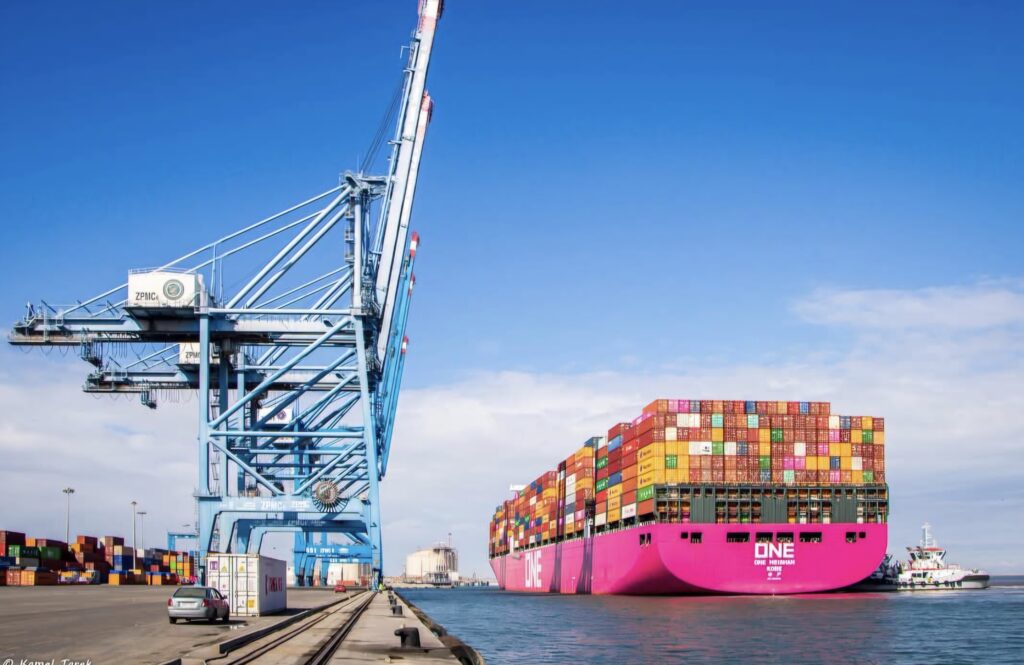
    Ocean Network Express (ONE) followed with a 9.4% share and approximately 120,000 TEUs, of which 61.9% was transshipment cargo. ONE had handled around 261,300 TEUs in 2024, when it accounted for 18.4% of the port’s container traffic.

    Hapag-Lloyd recorded a particularly sharp shift, handling approximately 65,900 TEUs, equivalent to 5.1% of Damietta’s container activity, with transshipment representing 71% of its volume. In 2024, the carrier had handled around 454,700 TEUs and accounted for 32.1% of the port’s container traffic.

    Other carriers serving Damietta included COSCO, CMA CGM, RCL and China Shipping.

    Overall, Damietta received 1,007 containership calls in 2025, compared with 1,020 in 2024. Containerized cargo declined 6% to around 13.4 million tonnes, while throughput fell 10% to approximately 1.42 million TEUs, from 1.58 million TEUs a year earlier.

    The figures highlight the importance of transshipment to Damietta’s container business, while also showing a significant redistribution of volumes among the major global carriers using the Egyptian Mediterranean gateway.

    Source: Almal News

Back to top button