Rail Connectivity

  • Egypt Advances Arish Port Expansion as Eastern Basin Reaches 33.6% Completion

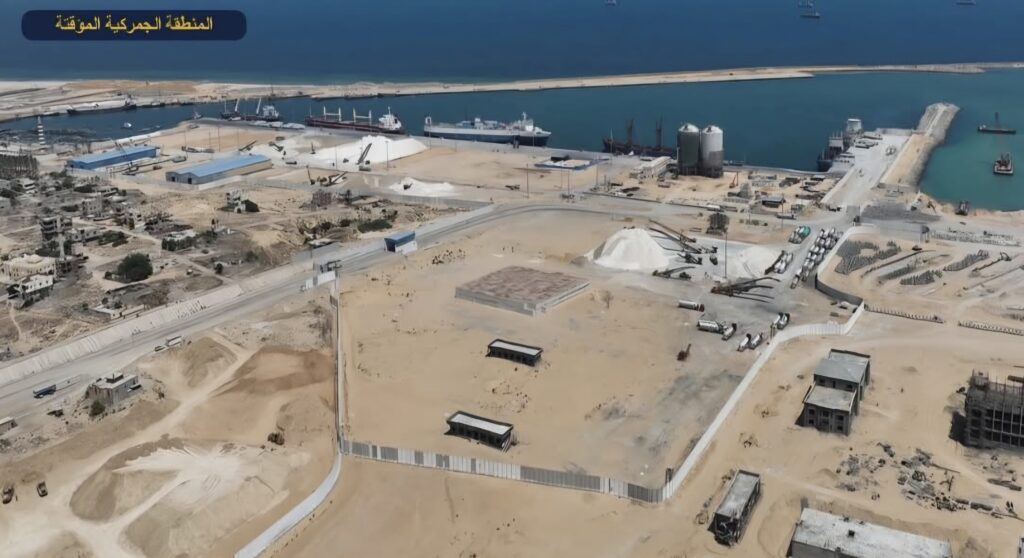
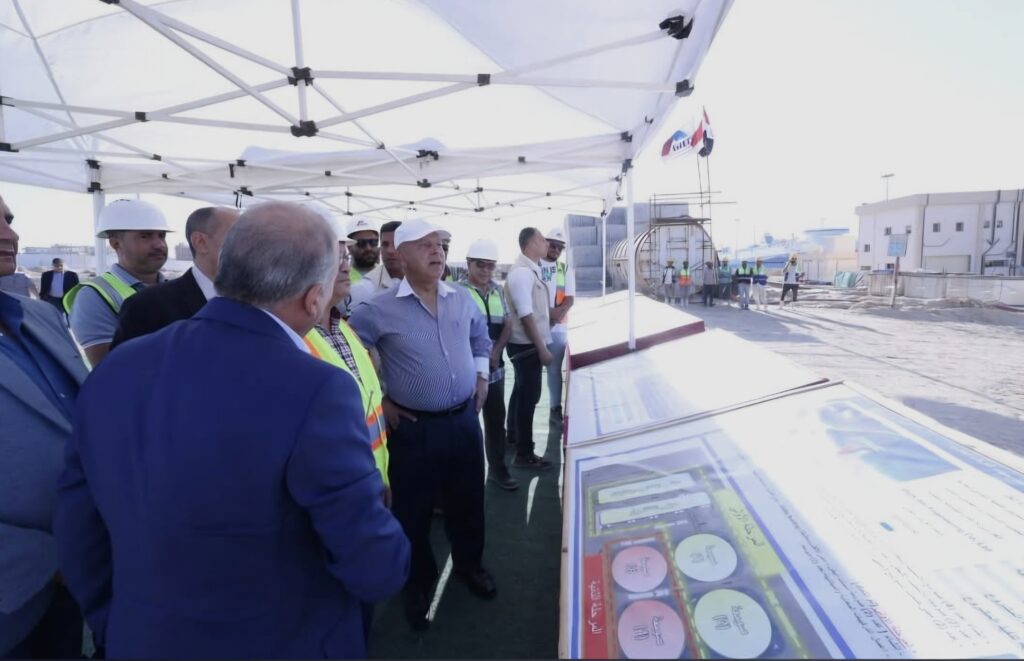
    Shipping Arabia, September 25, 2026 – Egypt is advancing a major expansion of Arish Port, with the port’s eastern basin reaching 33.6% completion as new berths, breakwaters, cement export facilities and rail connections are developed to strengthen North Sinai’s access to international maritime markets.

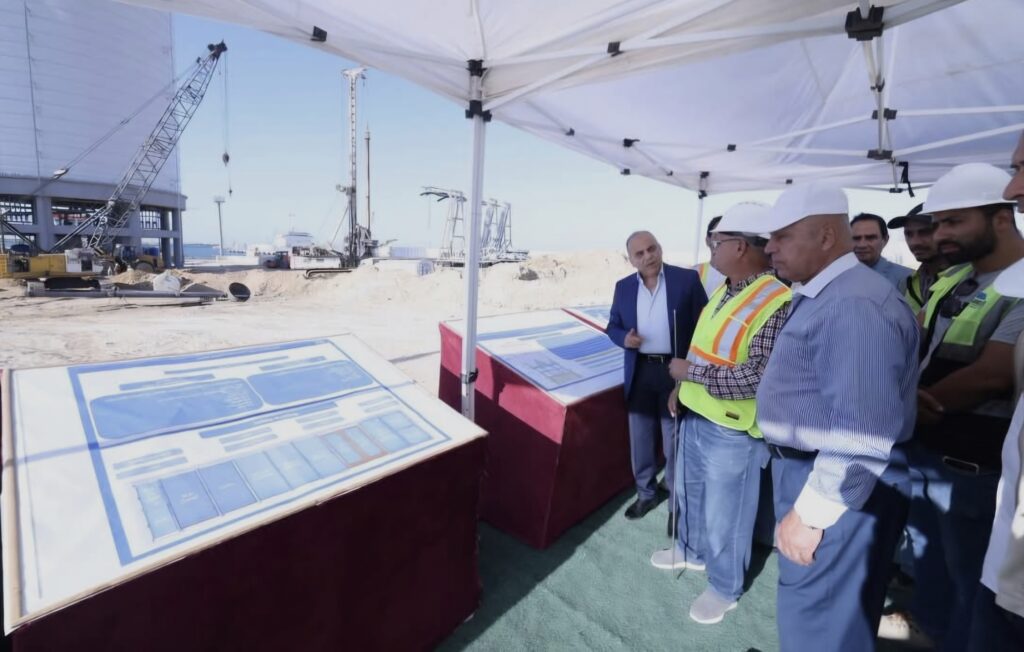
    Transport Minister Kamel El-Wazir inspected the project, which forms a central component of the planned Arish-Taba integrated logistics corridor, linking the Mediterranean coast with Taba on the Gulf of Aqaba and industrial areas across central Sinai.

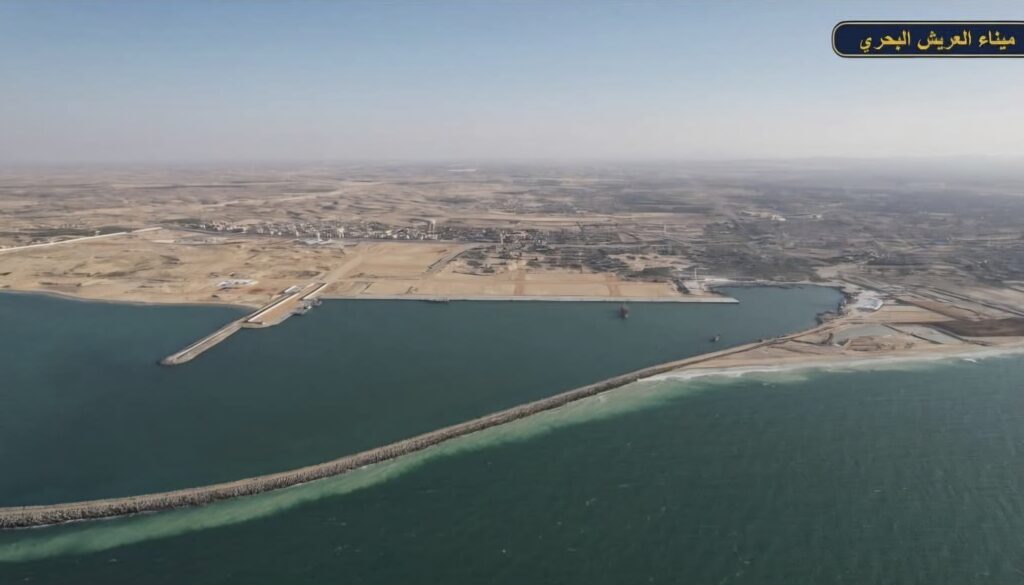
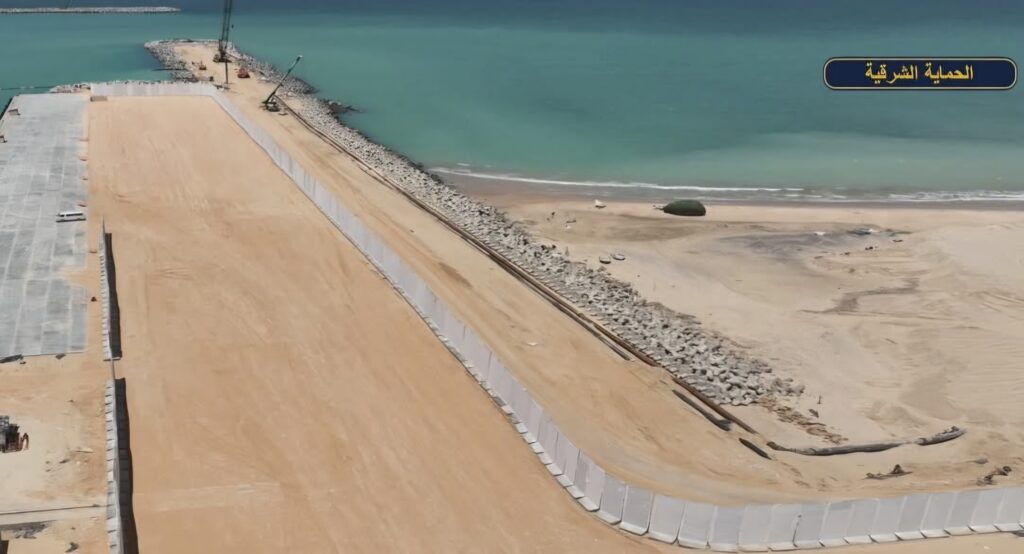
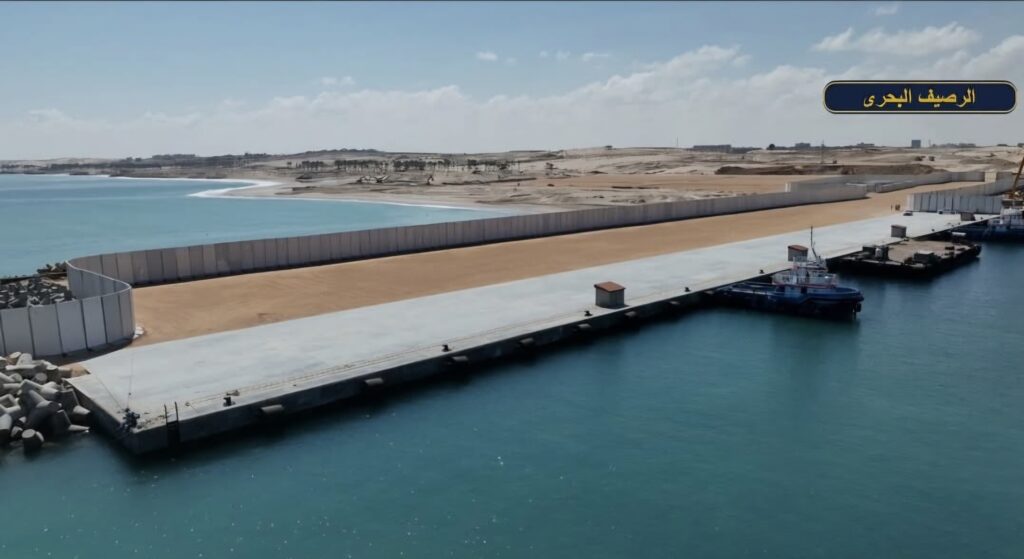
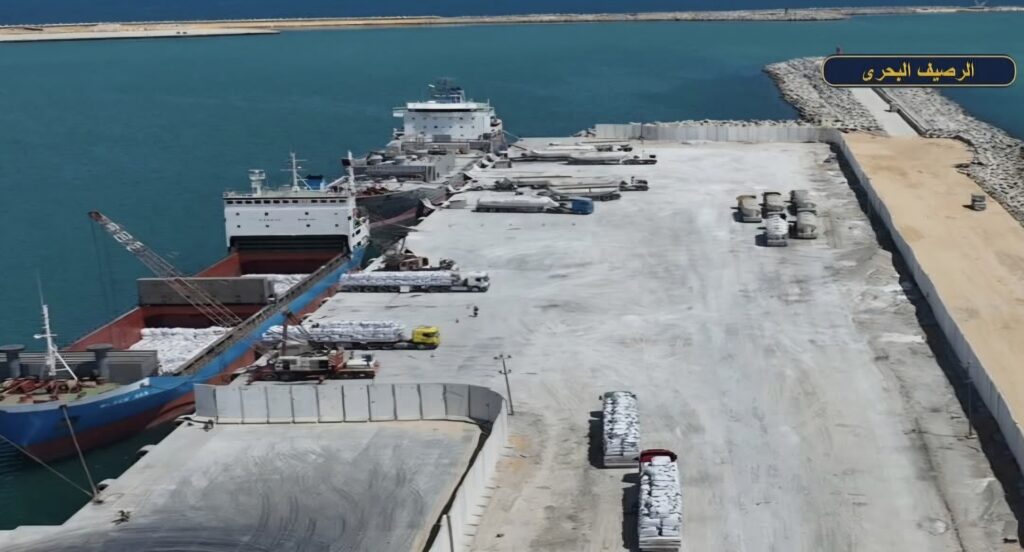
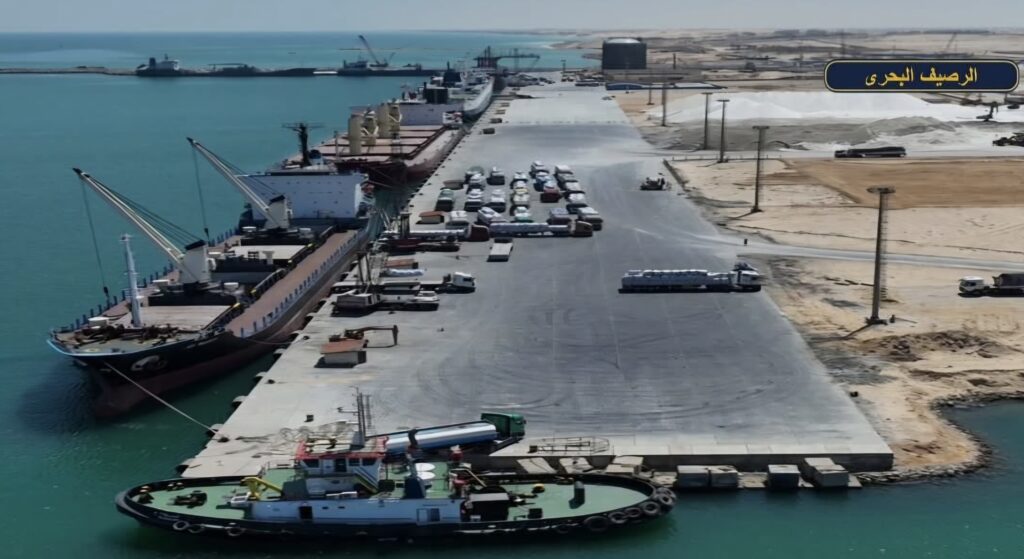
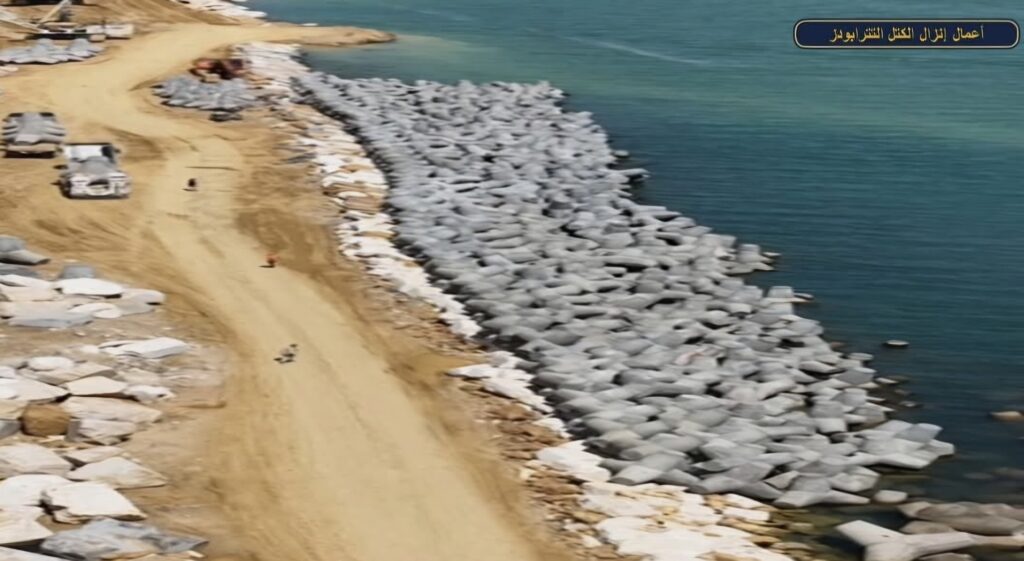
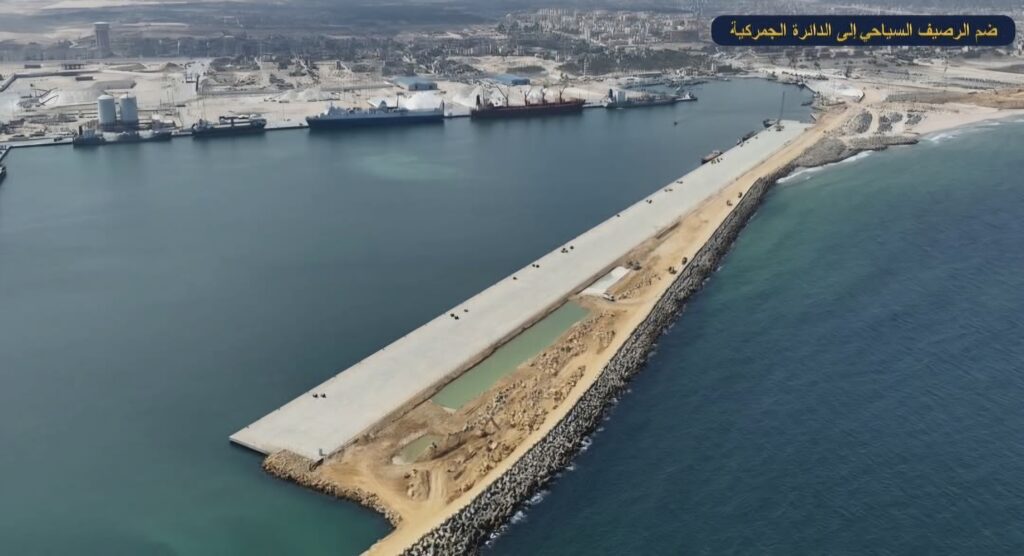
    Marine works under the first phase have been completed, including a 1,250-meter main breakwater, the 250-meter Sinai berth, 500 meters of eastern berth protection, a 250-meter secondary eastern breakwater and the 915-meter Tahya Misr berth. A separate 1,000-meter tourism berth has also been completed.

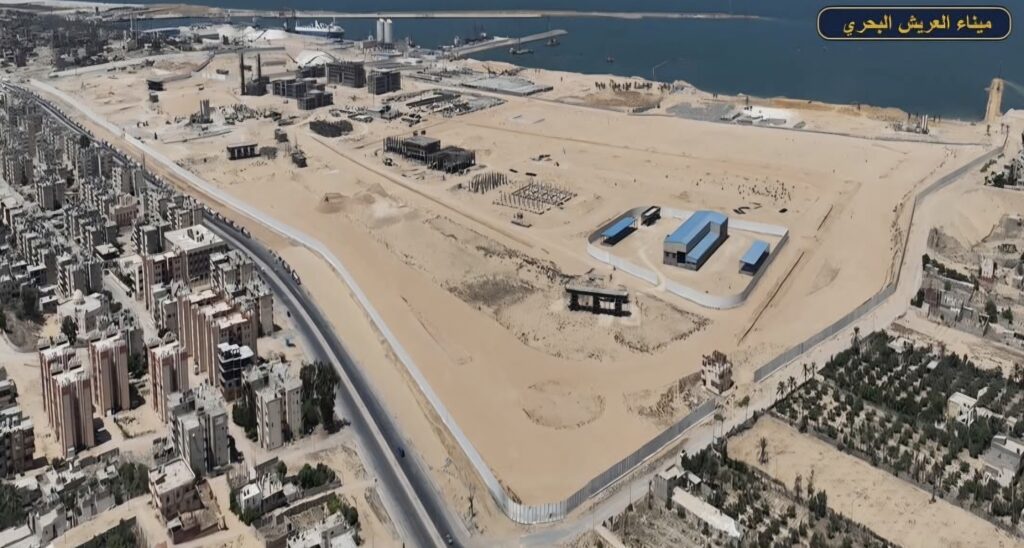
    Construction of administrative and operational facilities has reached 50%, covering customs, port authority, logistics, civil protection, maintenance and other facilities, together with five entry and exit gates.

    Work on the second-phase eastern basin is 33.6% complete and includes 1,908 meters of marine berths, a 930-meter eastern breakwater and a 1,290-meter extension of the existing western breakwater.

    The development also includes four cement silos with a combined capacity of 40,000 tonnes, divided between white and grey cement, to support exports to international markets. Arish is also expected to handle Sinai-origin commodities including sand, salt and marble.

    A 12-kilometer railway connection is planned between the port and the Bir El-Abd-Arish-Ras El-Naqab line, integrating maritime cargo with Egypt’s wider rail network and supporting import and export flows.

    Arish is the only Mediterranean seaport in North Sinai. Its expansion is intended to serve industrial, agricultural and mining activity across the peninsula while providing the maritime gateway for the Arish-Taba corridor, one of eight integrated international logistics corridors being developed across Egypt.

    Source: Ministry of Transport – Egypt
  • Tripoli Port Advances Plans to Become Regional Logistics Hub

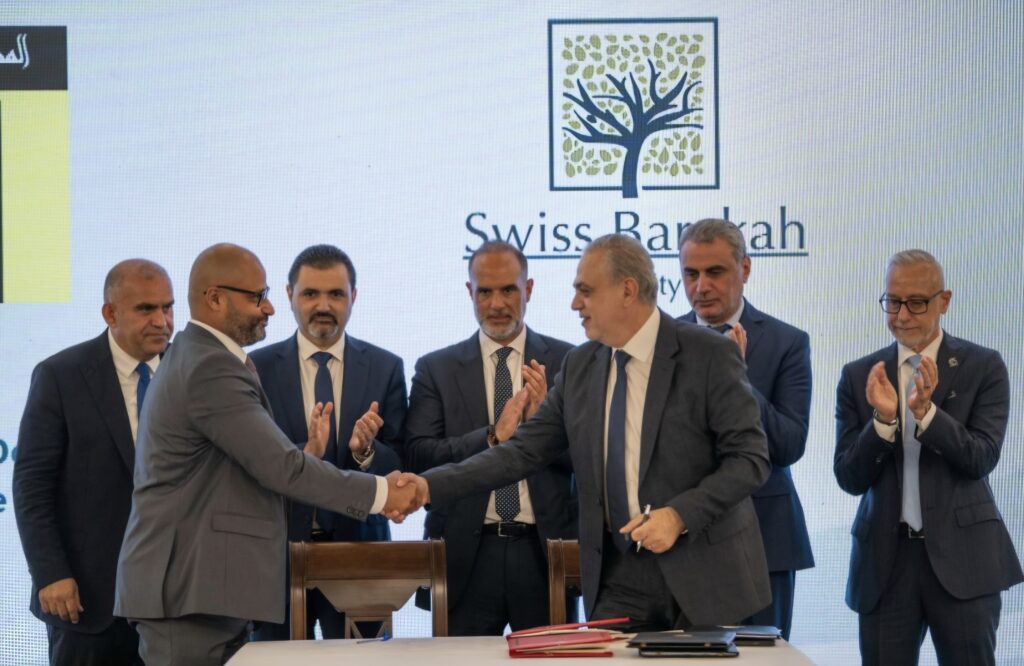
    Shipping Arabia, September 21, 2026 – Lebanon is advancing plans to transform the Port of Tripoli from a local cargo gateway into a regional logistics hub, with around 20 development projects planned over the next three years and new agreements targeting rail connectivity and the Tripoli Special Economic Zone.

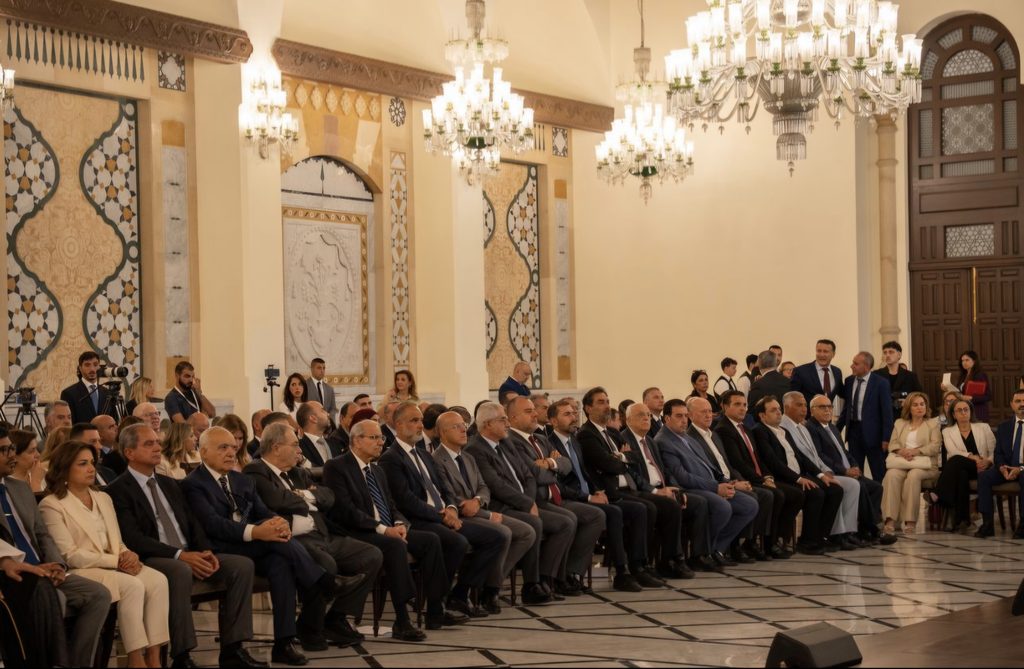
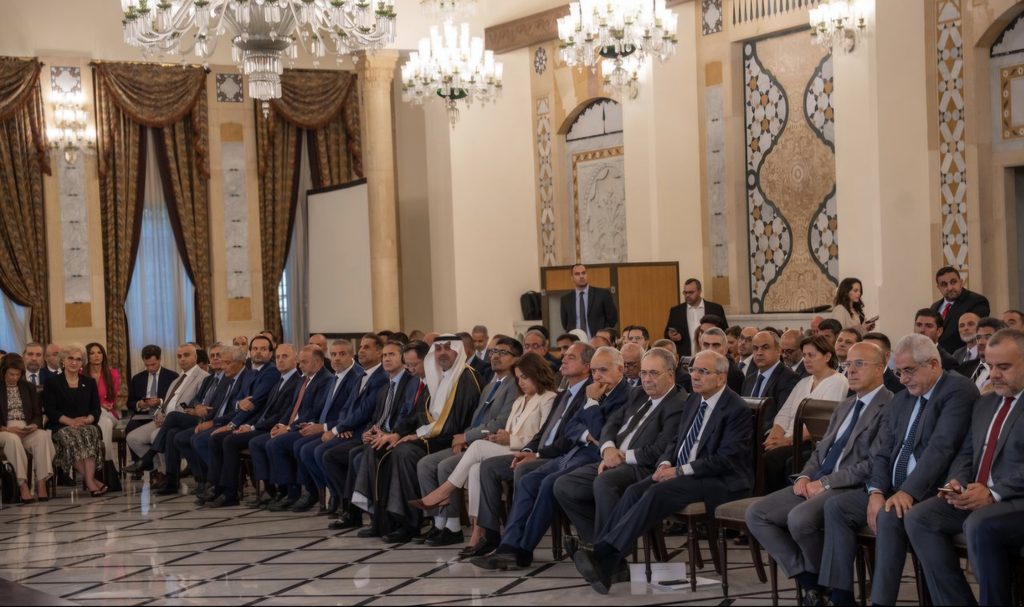
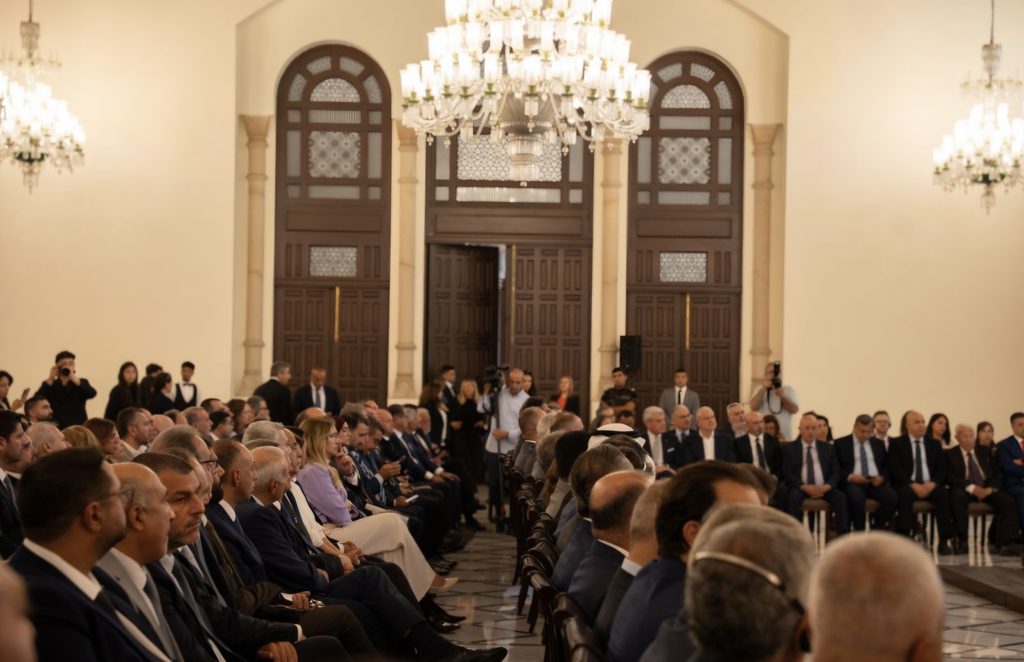
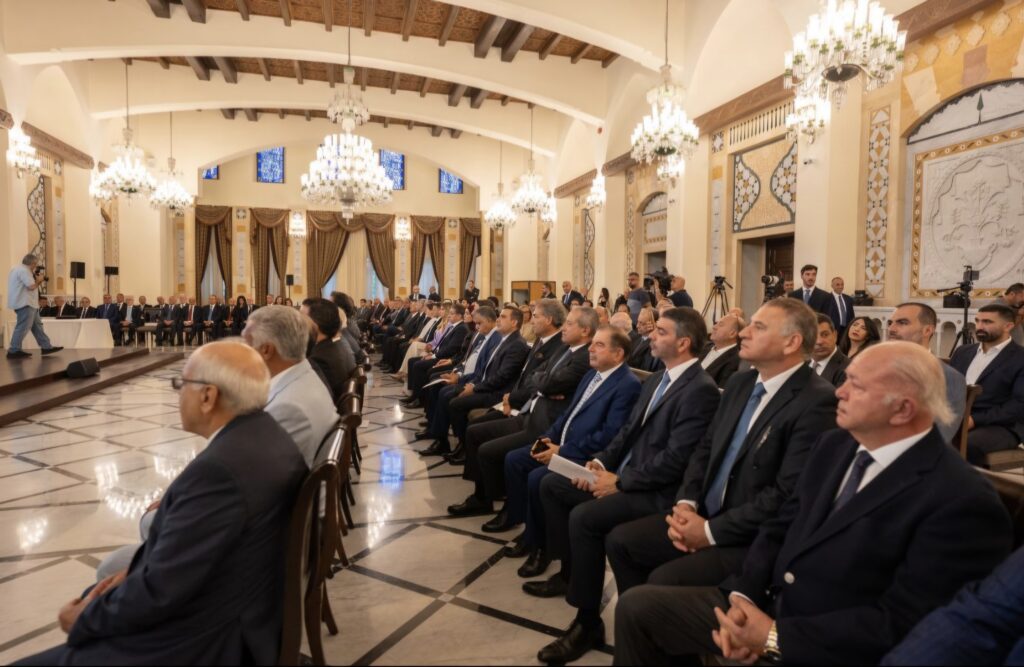
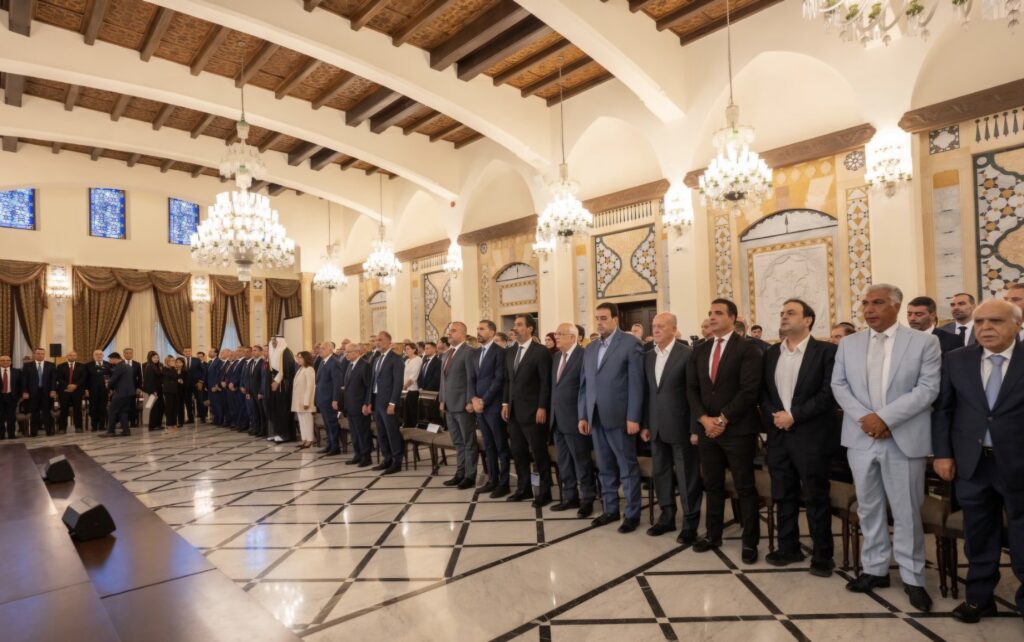
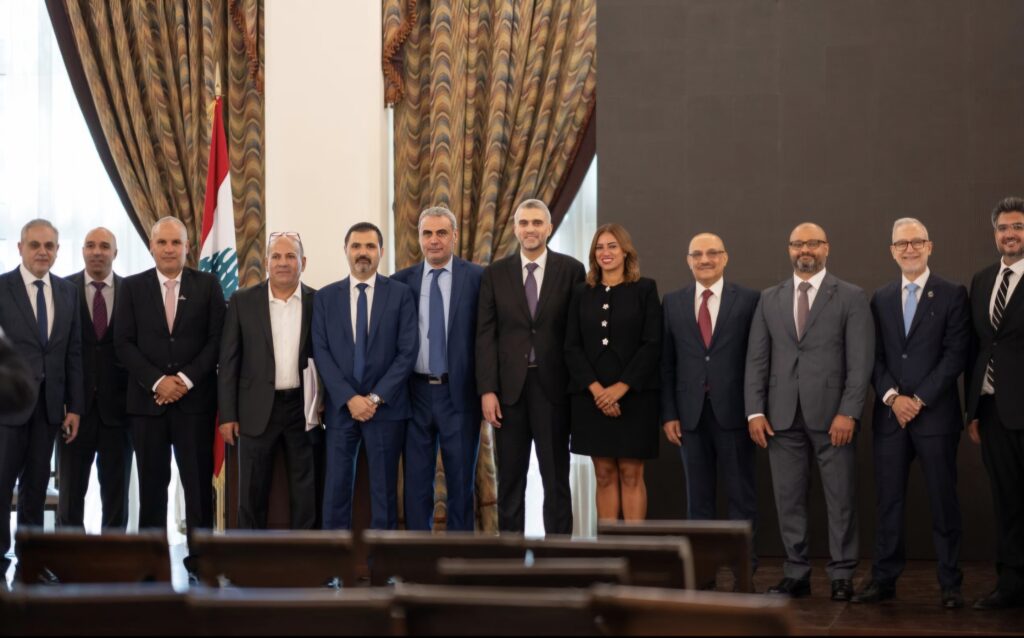
    The plans were highlighted during the “Tripoli: Strategic Partnerships, an Investment and Sustainable Development Future” conference, hosted by the Port of Tripoli in partnership with the Special Economic Zone and the Tripoli–Homs railway rehabilitation project.

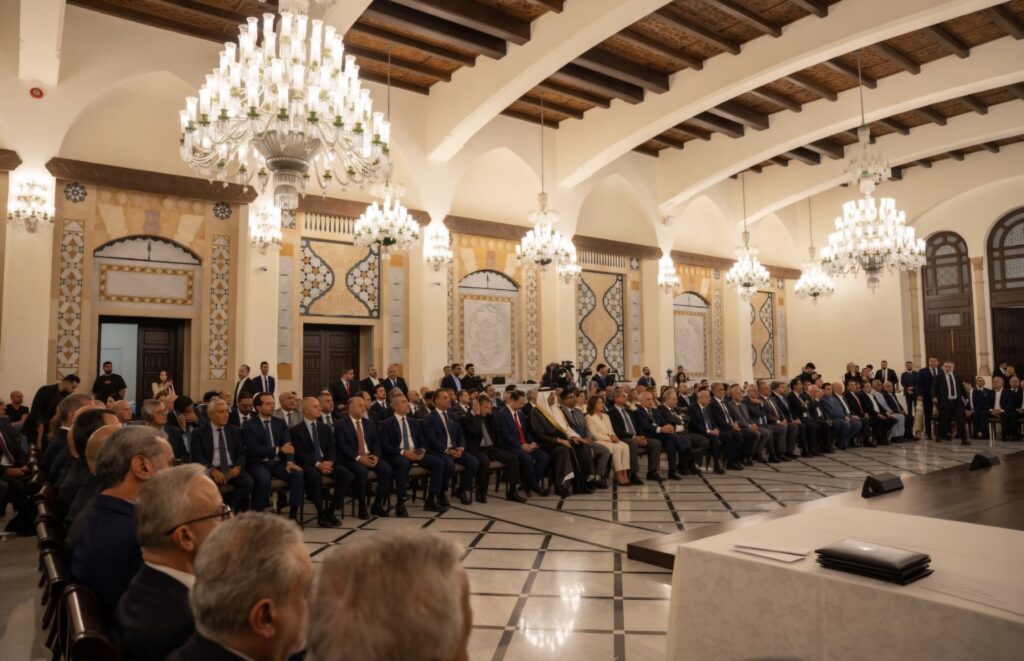
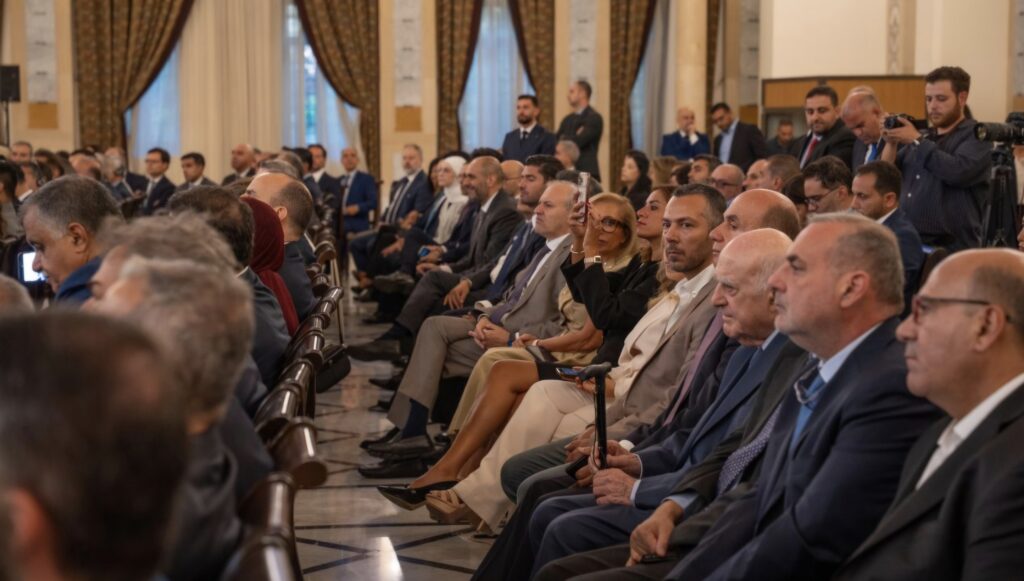
    Held at the Grand Serail under the patronage and in the presence of Prime Minister Nawaf Salam, the event brought together ministers, ambassadors and economic stakeholders to discuss investment and the development of an integrated logistics system connecting maritime, land and air transport.

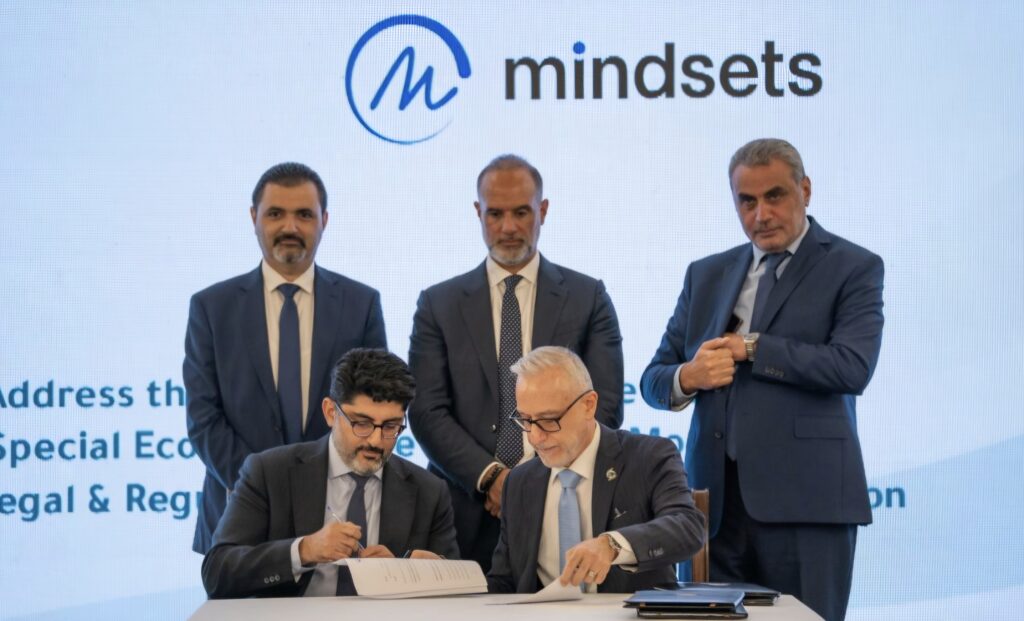
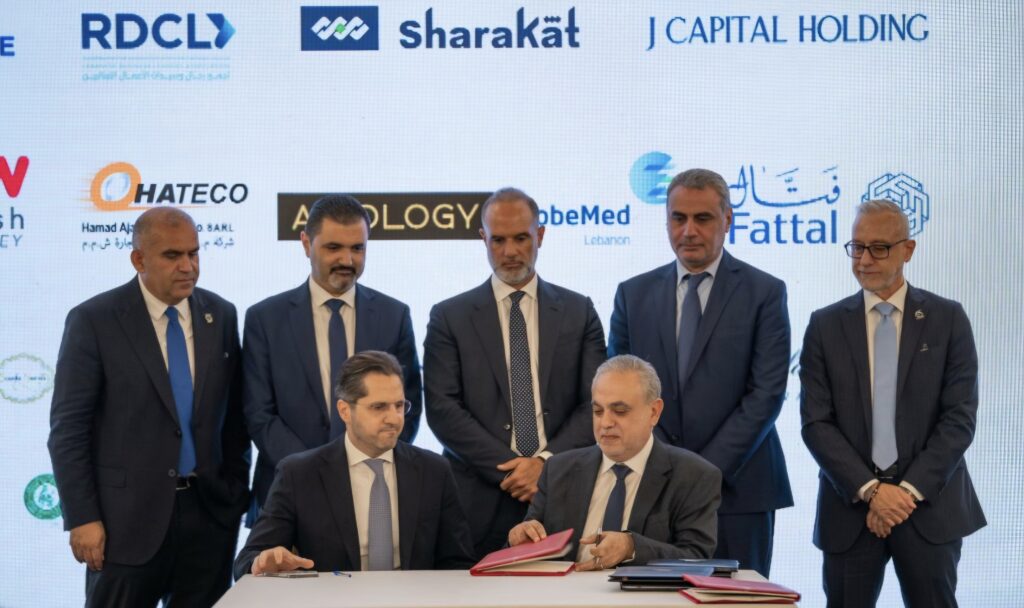
    Following tendering and evaluation procedures, two contracts were signed. The first covers the review and updating of the Tripoli–Aboudieh railway line study, while the second will develop the licensing system and legal and regulatory framework for the Tripoli Special Economic Zone.

    Several agreements and strategic partnership memoranda were also signed.

    Minister of Public Works and Transport Fayez Rasamny said the objective is to transform Tripoli Port “from a local station for handling goods into a regional logistics hub on the Eastern Mediterranean.”

    The wider roadmap includes around 20 projects over the next three years, covering infrastructure development, digitalisation, port capacity expansion and stronger domestic and regional connectivity.

    Rail connectivity forms an important part of the strategy, with efforts to develop links associated with Tripoli intended to strengthen the port’s hinterland connections and support a broader multimodal logistics network.

    Rasamny also called on investors to “put Tripoli on your radar,” stressing that the initiatives being presented represent tangible projects and investment opportunities.

    Prime Minister Salam linked the development of Tripoli with Lebanon’s wider economic prospects, stating: “When Tripoli grows, Lebanon grows with it.”

    The latest agreements represent a move from planning toward implementation as Lebanon seeks to strengthen Tripoli’s position in Eastern Mediterranean trade, logistics and investment.

    Source: Port of Tripoli

Back to top button