Shipping Lines

  • Saudi Ports Authority Tightens Empty Container Return Rules, Warns of SAR 50,000 Fines

    Shipping Arabia, October 30, 2026 – The Saudi Ports Authority (Mawani) has introduced stricter empty container return rules, requiring shipping agents and shipping lines to address disruptions in container returns and prevent unjustified detention charges imposed on importers. The authority also warned that violations could result in financial penalties of up to SAR 50,000 per case.

    The measures aim to protect customers’ rights, improve operational coordination and strengthen logistics efficiency across Saudi ports. They address situations in which importers cannot return empty containers because designated yards are full, have suspended acceptance or cannot provide suitable return appointments.

    According to a circular reported by Maaal, Mawani has received complaints and observations concerning these disruptions. In some cases, importers have incurred detention charges for periods when circumstances beyond their control prevented them from returning containers.

    The authority has therefore established regulatory requirements covering yard availability, documentation of unsuccessful return attempts, detention charge disputes and compliance monitoring.

    Shipping Agents Required to Ensure Empty Container Yard Availability

    Under the new empty container return rules, shipping agents and shipping lines must ensure that designated container return facilities remain operationally ready and have sufficient capacity to receive empty containers.

    They must also maintain coordination with relevant parties to arrange alternative return locations when designated facilities cannot accommodate containers. Customers must receive written notification of these alternative arrangements.

    Mawani reiterated the requirements of Circular No. 36 of 2026, which obliges shipping agents to clearly identify the designated empty container return location when issuing delivery orders.

    Importantly, shipping agents must verify that the designated facility has the operational capacity to accept containers. Simply specifying a return location without confirming its availability does not satisfy the requirements outlined by the authority.

    These obligations seek to address recurring problems involving unavailable yard capacity, suspended container acceptance and difficulties securing return appointments.

    Documenting Unsuccessful Returns and Reviewing Detention Charges

    Mawani has introduced a standardized documentation form to record incidents in which importers cannot return empty containers to their designated locations.

    The form records the relevant incident details and reasons preventing the return. It is intended to provide documented evidence when container yards cannot accept equipment.

    Where a yard operator refuses to issue the required documentation, the authority will allow alternative verifiable evidence. This may include appointment booking records, rejection notices and correspondence demonstrating that the attempted container return could not be completed.

    The documentation requirements are directly linked to the treatment of detention charges incurred during periods when container returns were impossible.

    Shipping agents must review detention charge claims associated with documented periods of unsuccessful returns. They are also required to settle or cancel the relevant charges in accordance with applicable regulatory frameworks.

    The measures are intended to prevent importers from bearing detention costs arising from operational circumstances outside their control, while establishing clearer procedures for documenting and resolving disputes.

    Mawani Introduces 15-Day Compliance Monitoring Period

    The Saudi Ports Authority has established an intensified monitoring period covering all shipping agents and shipping lines for 15 days from the circular’s issuance.

    During this period, the authority will monitor compliance with the requirements governing empty container returns and the handling of related detention charges.

    Each shipping agent must also submit a detailed compliance report within the same 15-day period. Reports must be delivered through the designated email address or by formal written correspondence.

    The reporting obligation forms part of Mawani’s regulatory oversight framework and seeks to ensure that shipping agents address the identified operational and administrative shortcomings.

    Fines of Up to SAR 50,000 for Regulatory Violations

    Mawani warned that it would not tolerate practices resulting in importers being charged unjustified detention fees.

    The authority stated that continued noncompliance could trigger additional regulatory measures, including further corrective requirements and intensified supervision.

    Other potential measures include extending the free-time allowances established under the regulations governing shipping agency activities. Mawani may also publicly disclose the names of entities that fail to comply with its requirements.

    Financial penalties could reach the maximum legally prescribed amount of SAR 50,000 for each violation.

    The authority further prohibited any retaliatory or arbitrary measures against parties submitting complaints, reinforcing protections for customers seeking to challenge improper charges or report difficulties returning containers.

    Through the new empty container return rules, Mawani aims to strengthen accountability among shipping agents and shipping lines, improve the management of container return facilities and protect importers from detention charges arising from documented operational disruptions.

    Source: Maaal
  • Major Shipping Lines Increase and Consider Return to Suez Canal Transits

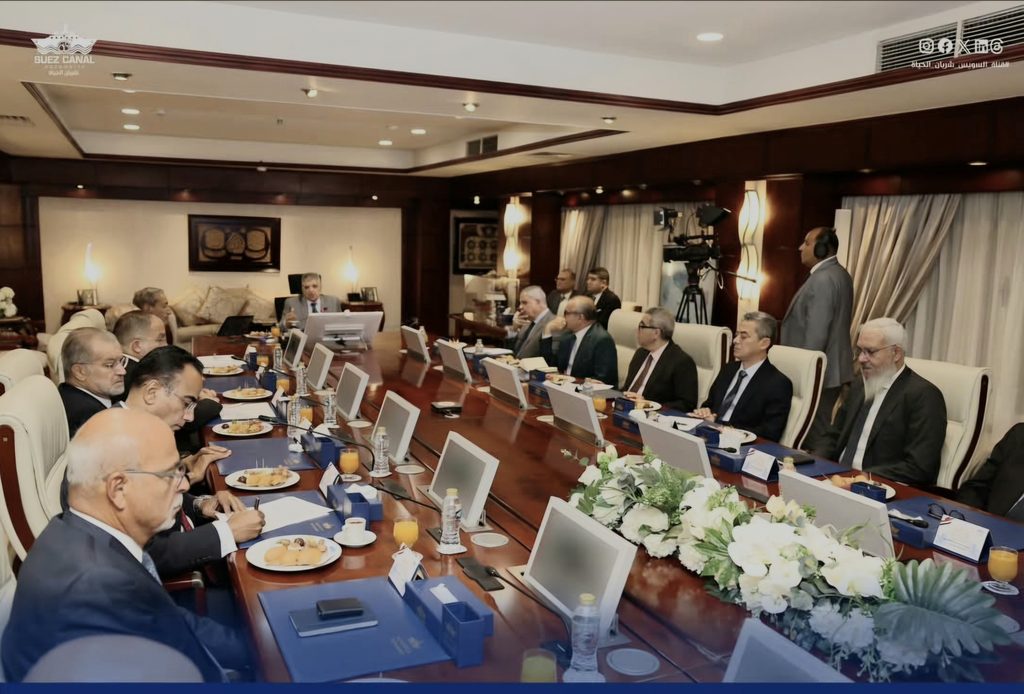
    Shipping Arabia, September 30, 2026 – Major shipping lines are increasing or considering a return to Suez Canal transits as more maritime services resume using the waterway, according to discussions between the Suez Canal Authority and representatives of 20 major shipping lines and shipping agencies.

    Admiral Ossama Rabiee, Chairman and Managing Director of the Suez Canal Authority, said flexible pricing policies and effective communication with customers have contributed to the return of a significant number of maritime services operated by major shipping lines. He also stressed that readiness and preparedness levels across the Canal’s operational system have been elevated, while navigation continues to proceed smoothly.

    The meeting was held at the SCA’s headquarters in the Irshad Building in Ismailia. It was attended by senior Authority officials, including SCA deputy chairmen Admiral Ashraf Atwa and Admiral Ahmed Khaled, along with board members and senior officials.

    Suez Canal Transits Increase Among Major Carriers

    The meeting formed part of the SCA’s regular engagement with stakeholders across the maritime sector. These include international organizations, major shipping lines, international chambers of shipping, shipping agencies and other relevant entities.

    Rabiee described shipping line and agency representatives as important partners and a key link in maintaining communication with major carriers. He said the SCA remains ready to discuss ways of supporting its customers and has continued modernizing its navigational and maritime services to meet vessel requirements under both normal and emergency conditions.

    He also encouraged customers to provide feedback on the Authority’s new maritime and logistics services through evaluation channels available on the SCA website. The objective, he said, is to maintain high standards of service quality and operational efficiency.

    CMA CGM Group in Egypt and Sudan CEO Tarek Zaghloul said the carrier has continued transiting the Suez Canal since Red Sea tensions began. He reported that 60 CMA CGM vessels passed through the Canal during September, reflecting the carrier’s continued use of the route.

    A.P. Moller-Maersk Group Representative in the Middle East and North Africa Hany El Nady also highlighted an increase in the company’s Suez Canal activity. He said Maersk transits rose from eight vessels in September 2025 to 67 in September 2026 and expected yearly transits to reach 278 in the future.

    Yang Ming, OOCL and COSCO Consider More Canal Traffic

    Several other carriers indicated that they are considering renewed or increased Suez Canal transits.

    Ashraf Sami, General Manager of Branches at Yang Ming, praised the SCA’s infrastructure development, modernization of its maritime fleet and efforts to improve workforce efficiency. He said Yang Ming is seriously considering returning to Suez Canal transits in the near future.

    Abd El-Aziz Nabil, General Manager of maritime agency INCHCAPE, said OOCL intends to return to the Canal. He expected the carrier to conduct an experimental transit during October.

    COSCO General Manager Hany El-Sallamy said the carrier is considering increasing its voyages through the Canal following a successful transit by one of its container ships a few days earlier. He added that three further COSCO vessels are scheduled to transit the Canal during the coming period.

    Mohamed El-Alfy, General Manager of Gulf Agency Company, said the current period is showing positive signs as a number of maritime services operated by major shipping lines return. He also expressed expectations for higher traffic levels through the Canal in the coming period.

    SCA Highlights Readiness and Crisis Monitoring

    Rabiee emphasized the Canal’s operational readiness and said SCA pilots continue to demonstrate high levels of performance and preparedness.

    He also addressed the impact of geopolitical challenges on the maritime industry. According to Rabiee, regional developments have affected the sustainability of global supply chains and contributed to higher fuel prices, freight rates and insurance premiums, increasing pressure on global maritime transport.

    The SCA’s Crisis Management Center is monitoring regional developments around the clock and assessing their potential impact on Canal navigation. The Authority’s Economic Research Unit within the Planning Department is also evaluating these developments.

    Participants discussed the regional situation and its effects on navigation schedules and operational plans. They also explored ways to strengthen future cooperation between the Authority, shipping lines and maritime agencies.

    Shipping Agencies Back SCA Services and Shipyard Capabilities

    Rear Admiral Ehab El Banan, Chairman of Clarkson Shipping Agency Company, praised the SCA’s approach of consulting shipping lines and maritime agencies and exchanging views with them. He said this cooperation supports the development of a shared vision and decisions that serve mutual interests.

    El Banan also expressed hope for greater regional stability, which he said would support recovery and growth in Canal navigation. He described the Suez Canal as the shortest and most cost-effective maritime route.

    Adel Ellameey, a member of parliament and Chairman of the Port Said Navigation Chamber, praised the Authority’s crisis management efforts and the quality of its services, particularly ship maintenance and repair. He proposed exploring an expansion of navigational services through cooperation between the SCA and private shipping agencies.

    Ellameey also proposed that the Authority organize a global maritime conference bringing together major stakeholders from across the maritime community. The proposed event would also provide an opportunity to promote the SCA’s range of services.

    Wassim Shukri, Director of the Canal region at maritime agency WILHELMSEN, praised the Authority’s efforts to upgrade services offered to transiting ships. He highlighted mooring, maintenance and repair services and referred to maintenance and repair work carried out on the vessel RED ZED at Suez Shipyard Co.

    Wider Maritime Industry Participation

    The meeting also included representatives of SPHINX, LETH, NOATUM MARITIME, ARKAS, FENMAR, MEDLEVANT, Damanhour Shipping Agency and Assiut Shipping Agency. Representatives from shipping lines ONE and EVERGREEN also participated.

    The broad attendance formed part of the SCA’s ongoing engagement with shipping companies and maritime service providers as it seeks to maintain direct communication with Canal users.

    At the conclusion of the meeting, Rabiee reiterated the Suez Canal’s readiness to deal with difficult situations and emergencies. He also stressed the Authority’s ability to meet customer expectations and operational requirements as shipping lines reassess their routing through the Canal.

    Source: Suez Canal Authority

  • Jordan Shipping Association, Aqaba Container Terminal Move Toward Regular Carrier Coordination Meetings

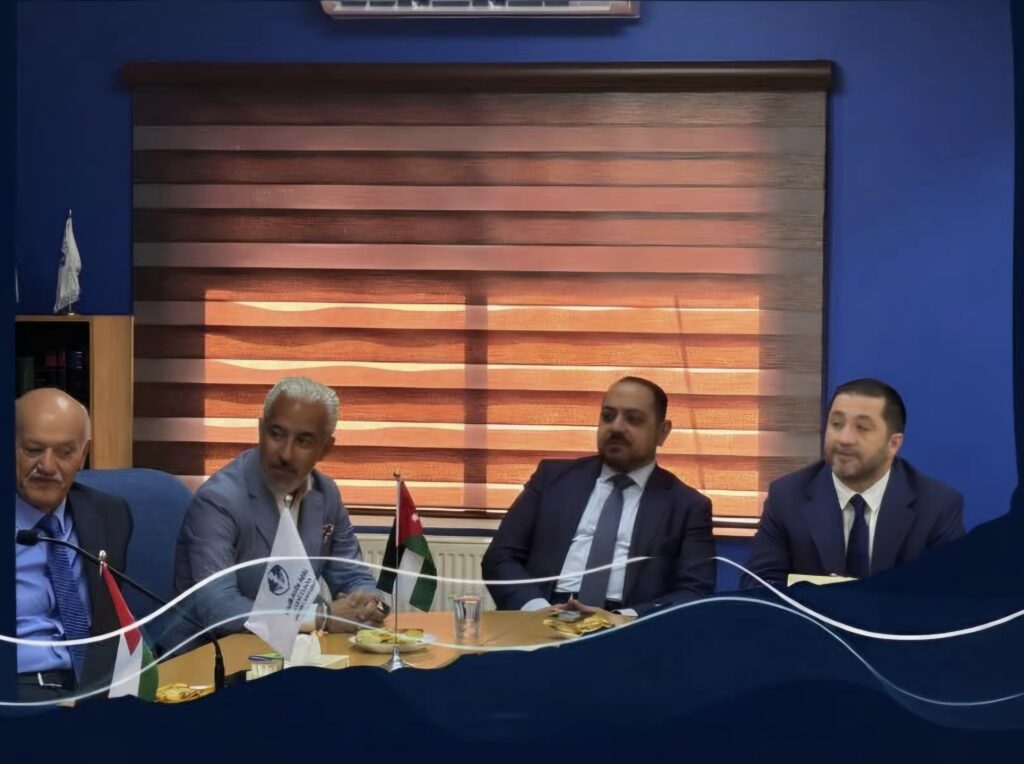
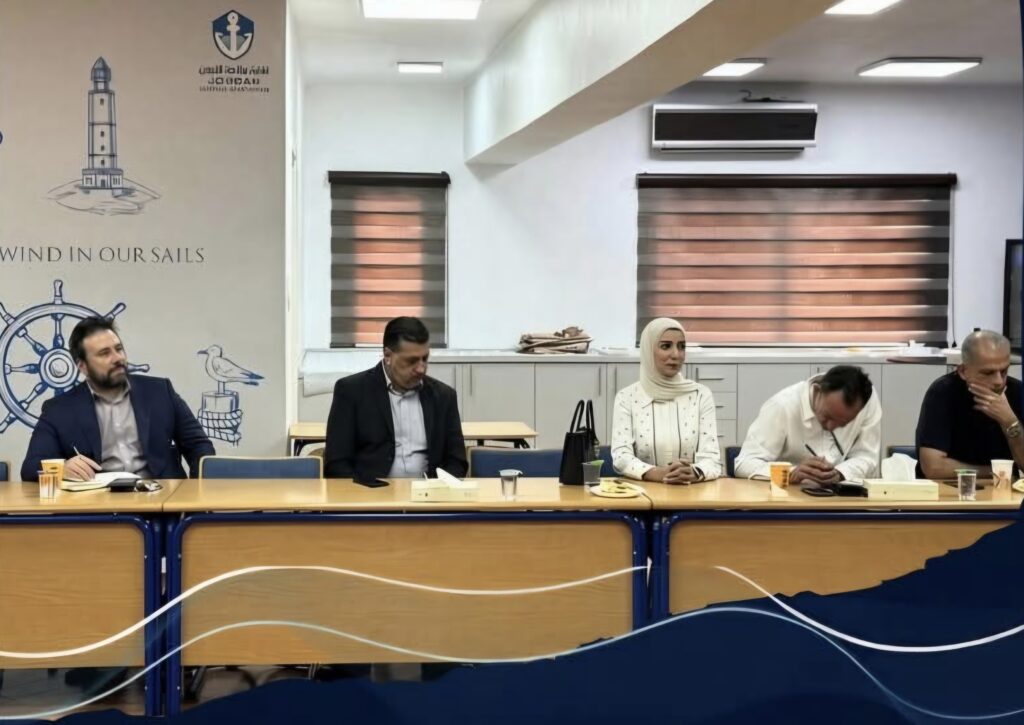
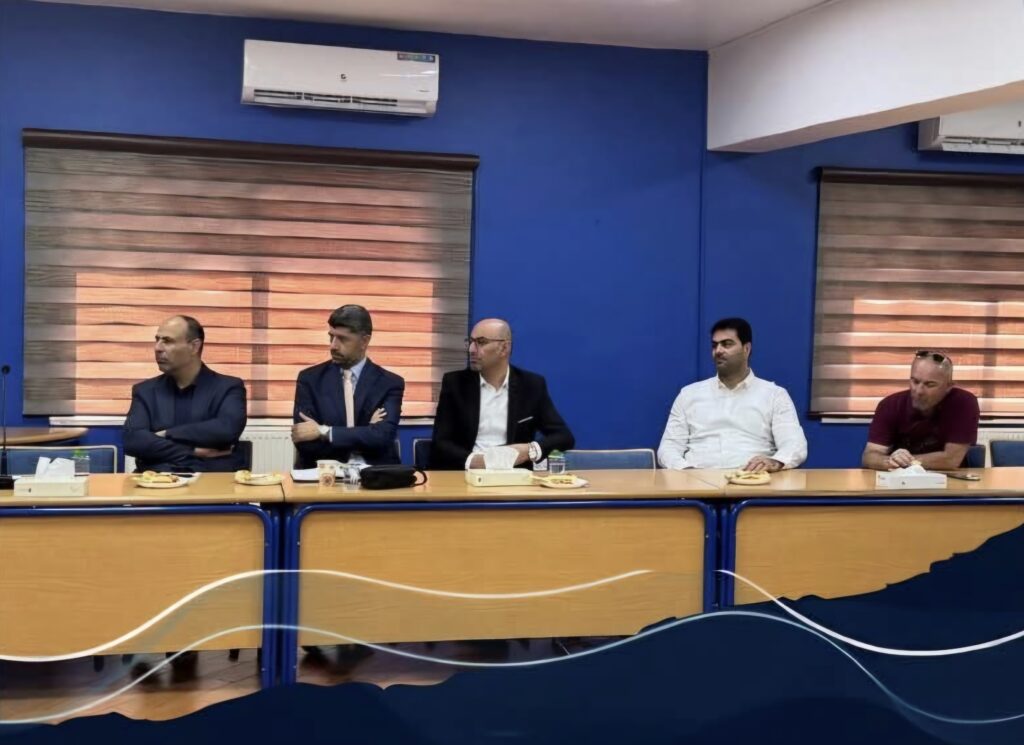
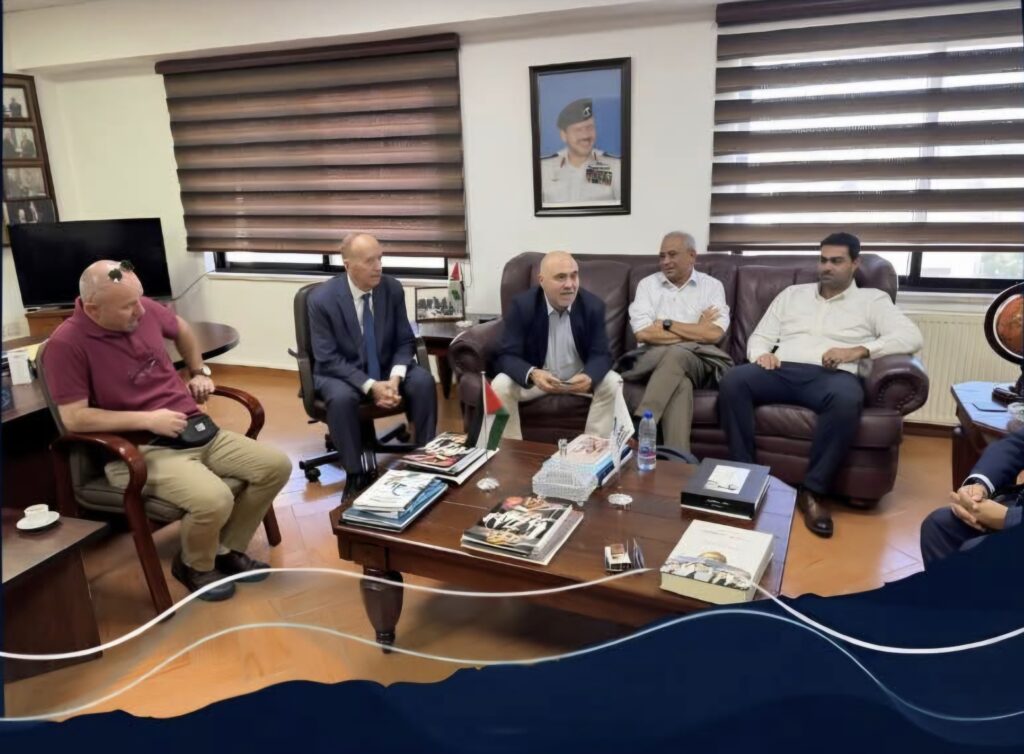
    Shipping Arabia, September 23, 2026 – The Jordan Shipping Association and Aqaba Container Terminal are moving toward regular coordination meetings with shipping lines as both sides seek to address operational and commercial challenges and improve container flows through Jordan’s principal maritime gateway.

    ACT CEO José Rueda, Chief Commercial Officer Angshuman Mustafi and members of the terminal’s management team met JSA Board members and the association’s Container Committee, including representatives of shipping lines operating through Aqaba.

    JSA Vice Chairman Mashhoor Al-Jazi said direct engagement between the association and terminal management is important for addressing operational and commercial issues affecting carriers and improving the overall maritime business environment.

    Discussions covered container handling and movement, challenges facing shipping lines, port procedures and measures that could improve cargo flows and service levels for terminal users.

    Rueda called for regular meetings between ACT management, JSA and shipping line representatives, allowing operational issues and carrier feedback to be reviewed continuously while providing a platform to jointly address emerging challenges and opportunities.

    ACT expressed its readiness to maintain the dialogue and work with the association and its members on practical solutions aimed at improving operational efficiency and container flows.

    JSA said continued direct coordination among stakeholders across Aqaba’s maritime sector is essential to resolving operational challenges, improving services to shipping lines and strengthening the competitiveness of Aqaba Container Terminal.

    The discussions come as Aqaba handles growing regional cargo activity, increasing the importance of close coordination between the terminal, shipping lines and other stakeholders in maintaining efficient container flows and reinforcing Aqaba’s role as Jordan’s maritime gateway and a regional logistics hub.

    Source: Jordan Shipping Association

Back to top button