Shipping Services

  • Oman Targets Faster Port of Duqm Operations and New Shipping Services

    Shipping Arabia, November 11, 2026 – Oman’s Public Authority for Special Economic Zones and Free Zones (OPAZ) has launched a workshop to improve Port of Duqm operations and attract new shipping services. The initiative also aims to increase cargo volumes, reduce operational delays and strengthen the port’s links with industrial and commercial investment.

    OPAZ organized the workshop in cooperation with the Industrial Innovation Academy. Taking place in Muscat until November 15, it brings together more than 100 participants from 21 government and private-sector organizations.

    The program covers nine development tracks under three main areas: service projects, investment projects and general enablers. Participants will examine operational, investment and regulatory challenges before developing implementation plans with defined responsibilities, deadlines and performance indicators.

    Improving Port of Duqm Operations and Shipping Connectivity

    The service projects component focuses on improving the efficiency of Port of Duqm operations. Participants will examine how to simplify port procedures, resolve overlapping institutional responsibilities and strengthen cooperation between logistics service providers.

    Key objectives include increasing cargo handling productivity and reducing both vessel turnaround times and cargo dwell times. The discussions will also address improvements to logistics operations.

    In addition, the workshop will explore opportunities to attract new shipping lines and establish direct maritime services. These efforts form part of a wider initiative to increase trade through Duqm and improve coordination between the port and the surrounding economy.

    Linking Port Growth with Industrial and Commercial Investment

    The investment discussions cover targeted investment projects, projects located within the Special Economic Zone at Duqm (SEZAD) and projects involving leased sites.

    Participants will identify priority investment sectors and review the zone’s master plan. They will also assess projects according to their development stages and examine obstacles affecting implementation and operations.

    Through this process, OPAZ aims to accelerate investment and increase the contribution of industrial and commercial projects to port activity. The initiative seeks to strengthen the relationship between economic development within the zone and cargo volumes moving through the port.

    Infrastructure, Investment Incentives and Governance

    Infrastructure, incentives, governance and marketing account for the workshop’s four remaining development tracks.

    The infrastructure discussions will assess development requirements and existing operational capacity. Meanwhile, participants will examine potential incentives to attract investors and increase maritime traffic.

    The governance component will focus on clarifying institutional responsibilities and improving decision-making processes. Participants will also review monitoring arrangements and explore ways to strengthen Duqm’s competitive position in regional and international markets.

    From Operational Assessment to Implementation

    During the opening session, Dr. Ayman bin Abdullah al Fadhili, Chief Executive Officer of the Industrial Innovation Academy, presented an assessment of existing conditions, challenges and opportunities.

    His presentation identified potential solutions and preliminary initiatives for participants to evaluate and develop throughout the workshop.

    Qais bin Mohammed al Yousef, Chairman of OPAZ, attended the launch alongside members of the authority’s board and chief executives of special economic zones and free zones.

    The workshop is expected to conclude with a portfolio of development projects and initiatives. Implementation schedules, key performance indicators and monitoring mechanisms will support the resulting plans to improve port operations, accelerate investment and strengthen Duqm’s maritime connectivity.

    Source: Oman Observer
  • Egypt and Tanzania Advance Plans for Dar es Salaam Port Terminal and New Red Sea Shipping Link

    Shipping Arabia, October 12, 2026 – Egypt and Tanzania are advancing plans to develop a multipurpose terminal at Dar es Salaam Port and establish a direct shipping service connecting Tanzania with Egypt’s Red Sea ports of Sokhna and Safaga. The proposed projects form part of a broader multimodal logistics corridor linking the two countries and improving trade connectivity between Egypt, East Africa and landlocked Central African markets.

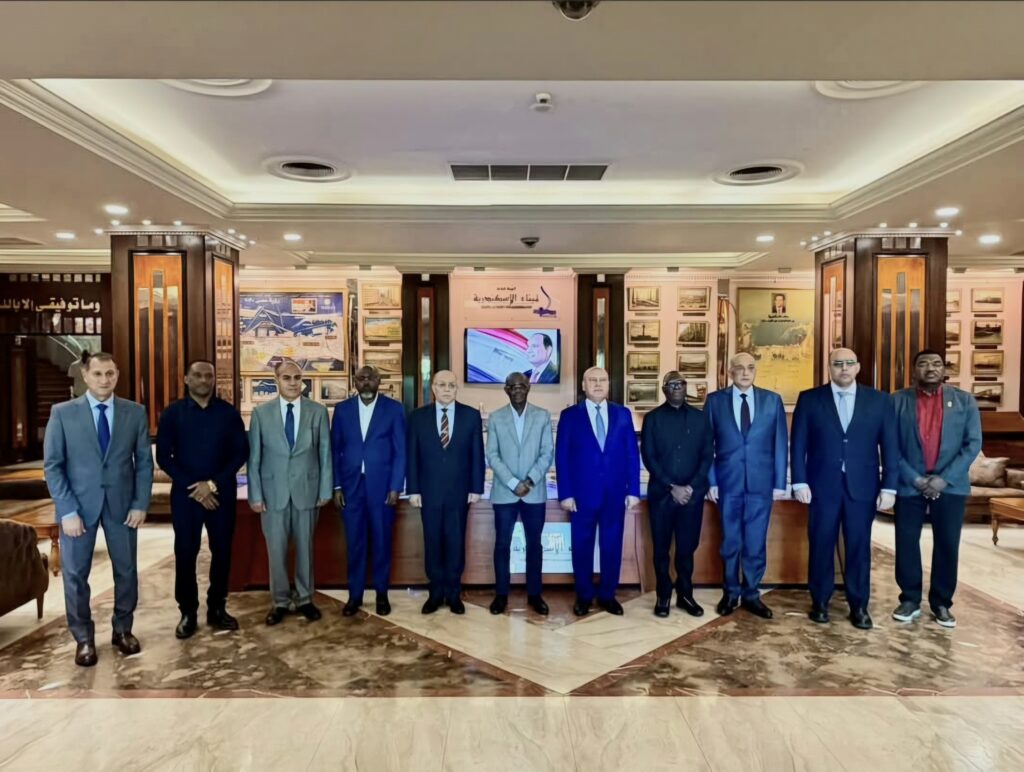
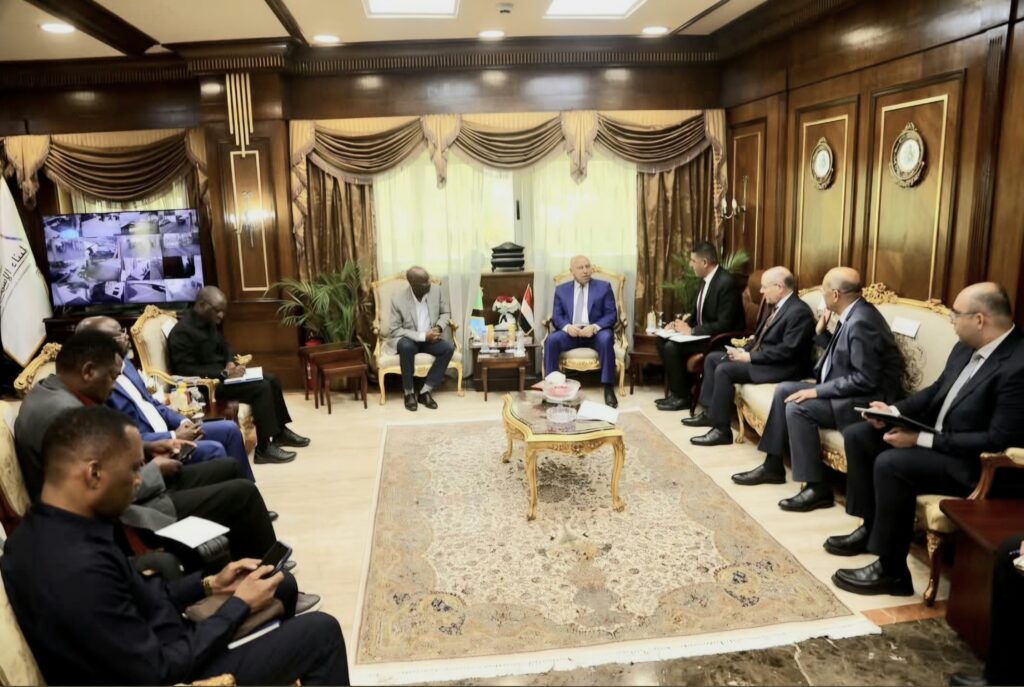
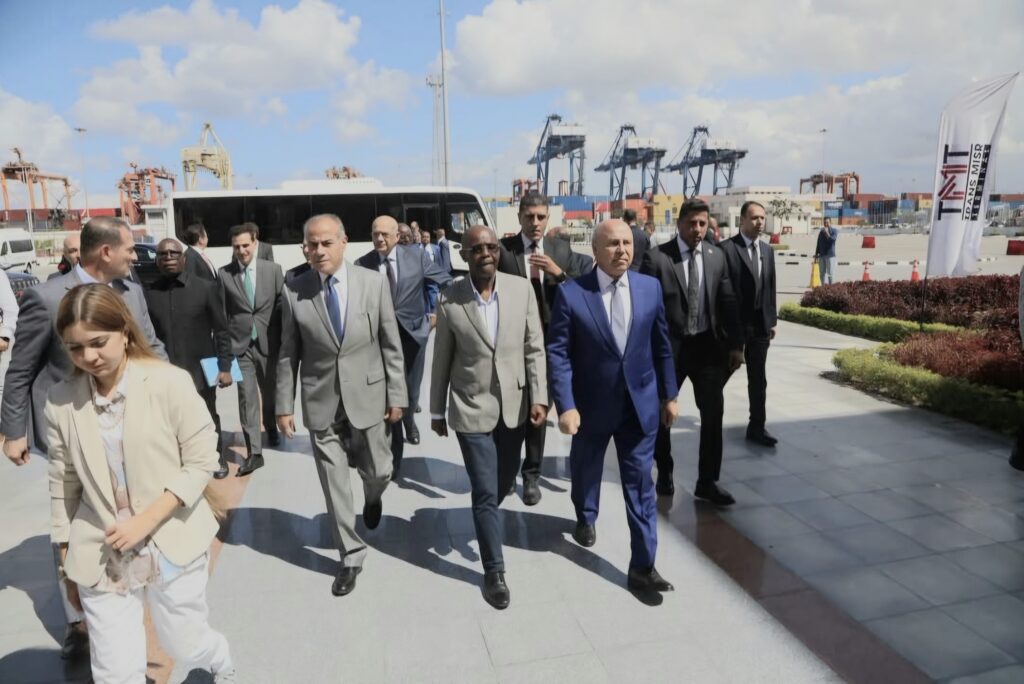
    The plans were discussed during a meeting between Egyptian Minister of Transport Kamel El-Wazir and Tanzanian Minister of Transport Makame Mbarawa at Alexandria Port. The visit included extensive bilateral discussions and an inspection of the port’s maritime and logistics facilities.

    El-Wazir emphasized Egypt’s commitment to expanding transport cooperation with Tanzania, increasing Egyptian exports to African markets and developing logistics zones to support regional trade.

    Dar es Salaam Port Development and New Shipping Service

    The proposed memorandum of understanding, which the two countries plan to sign in the coming period, outlines several major transport and logistics projects.

    A central component involves developing a multipurpose terminal at Dar es Salaam Port through an Egyptian-Tanzanian-international consortium. The port serves approximately 90% of Tanzania’s domestic market and provides maritime access to six landlocked countries: Malawi, Zambia, the Democratic Republic of the Congo, Burundi, Rwanda and Uganda.

    The agreement also envisages a direct maritime service connecting Egypt’s Red Sea ports of Sokhna and Safaga with Dar es Salaam. The proposed shipping link would support trade flows between Egypt and East Africa while providing connections to inland African markets.

    In addition, the two countries plan to establish reciprocal logistics zones, including an Egyptian logistics zone in Tanzania and a Tanzanian logistics zone in Egypt.

    The proposed cooperation extends to Tanzania Railways Corporation, with plans to connect the new facilities to the national railway network. This would support the integration of maritime, road and rail transport within the planned logistics corridor.

    Cairo–Dar es Salaam Multimodal Logistics Corridor

    The projects form part of the proposed Cairo–Dar es Salaam multimodal logistics corridor, which seeks to connect Egypt’s Red Sea ports and domestic logistics network with Tanzania and neighboring landlocked countries.

    Under the proposed arrangement, maritime services would connect Egyptian ports with Dar es Salaam. Cargo would then move through Tanzania’s electric railway network toward inland destinations in Central Africa.

    The corridor builds on an earlier memorandum of understanding on infrastructure cooperation between the Egyptian and Tanzanian transport ministries, signed during Egyptian President Abdel Fattah El-Sisi’s visit to Tanzania.

    El-Wazir said Egypt has infrastructure companies with extensive experience and the capacity to participate in Tanzanian projects. He emphasized their readiness to deliver infrastructure works according to high-quality standards, competitive costs and accelerated implementation schedules.

    Mbarawa welcomed the proposed cooperation and praised Egyptian expertise in transport and infrastructure development. He described the discussions as an important step toward launching joint projects between the two countries.

    Technical committees from both sides are expected to hold further meetings to advance the projects included in the planned agreement.

    The discussions also addressed maritime education and technical training. Mbarawa requested scholarships for Tanzanian students at the Arab Academy for Science, Technology and Maritime Transport (AASTMT).

    In response, El-Wazir confirmed Egypt’s willingness to provide specialized training opportunities for the entire Tanzanian team expected to operate the proposed Dar es Salaam terminal. The programs would focus on developing technical capabilities and preparing personnel to operate the facility using modern terminal management systems.

    Alexandria Port Showcases Maritime and Logistics Infrastructure

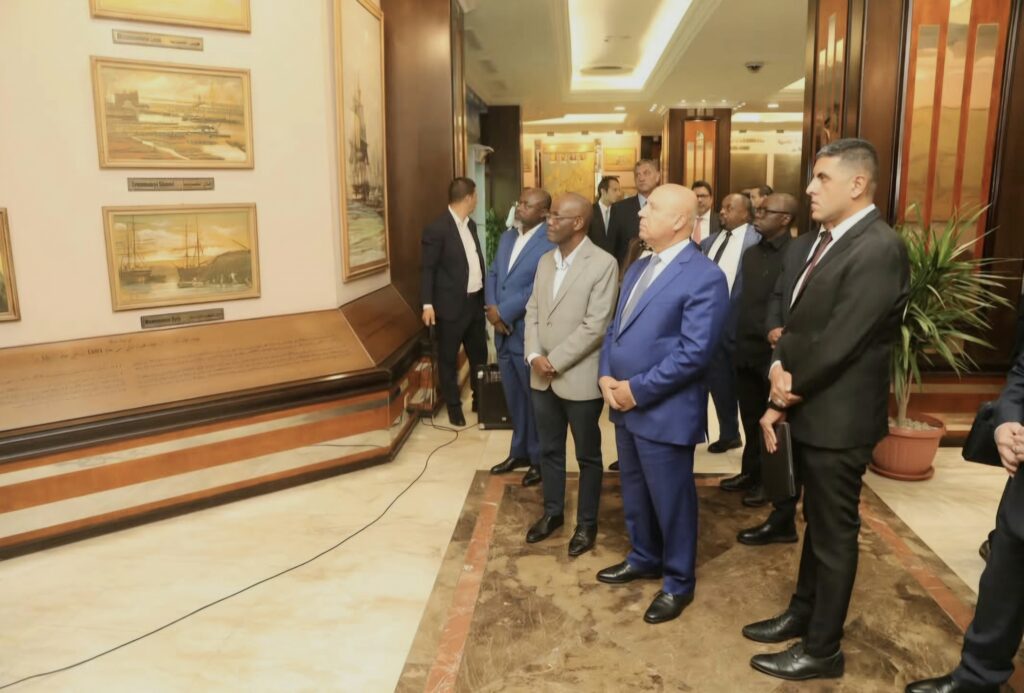
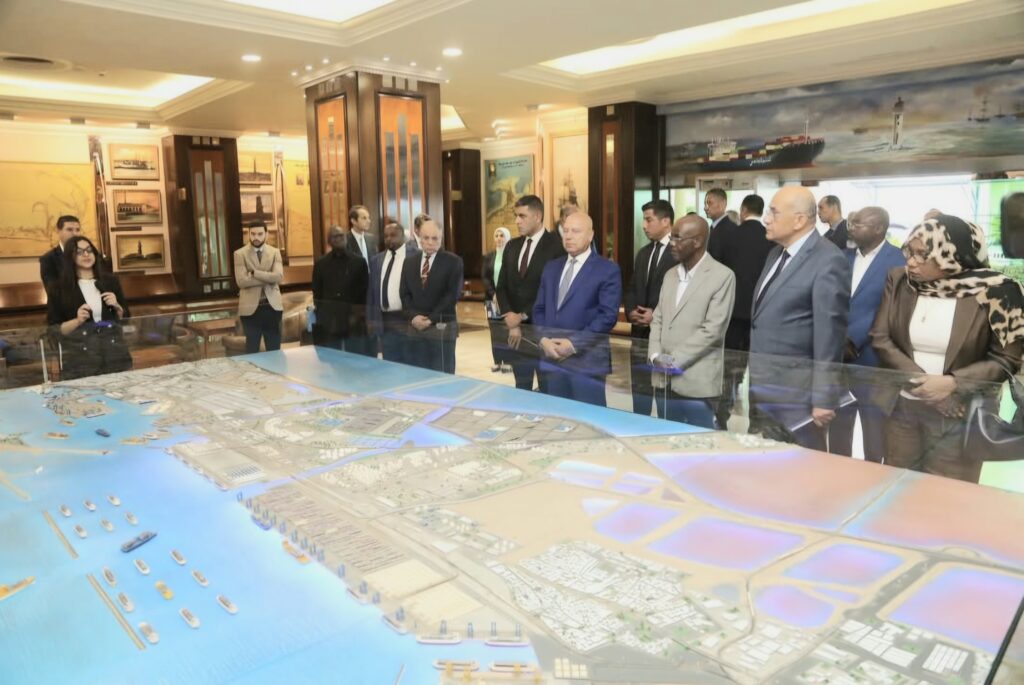
    Following the discussions, the two ministers toured several facilities at Alexandria Port, including the historic port museum, passenger terminal, cargo berths and Tahya Misr Multipurpose Terminal.

    The passenger terminal features a tourism complex covering more than 34,000 square meters, with capacity for up to 7,000 tourists. Its 820 meters of berths can accommodate four large cruise ships simultaneously, while the terminal building consists of three floors.

    The delegation also inspected general cargo berths 10, 11 and 13, alongside berth 12, which serves roll-on/roll-off (RoRo) vessels.

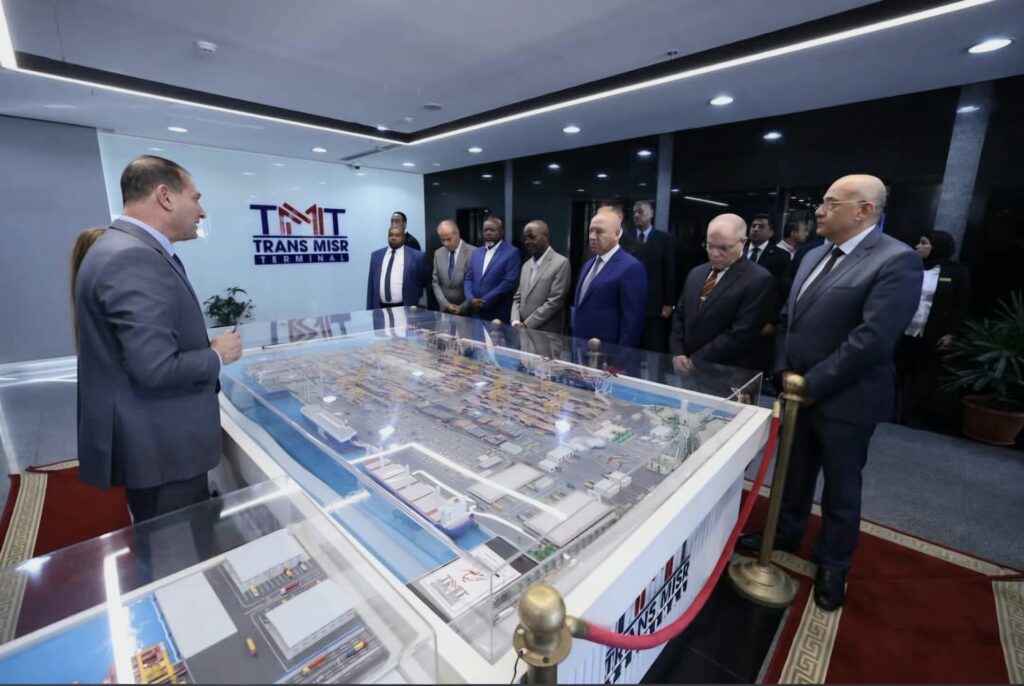
    The visit continued at Tahya Misr Multipurpose Terminal, which occupies approximately 500,000 square meters and features 2,500 meters of berths with depths reaching 17.5 meters.

    The terminal can accommodate vessels up to 400 meters long with capacities reaching 24,000 TEUs. Its annual handling capacity stands at 1.5 million TEUs and 15 million tons of general cargo.

    During the tour, terminal chairman Mahmoud Khodeir outlined the facility’s operational achievements. The terminal has handled approximately 2.6 million TEUs and received around 1,400 vessels, with transit cargo representing 38% of container volumes.

    Rail operations have also supported cargo movements between the port and inland logistics facilities. The terminal has received approximately 403 trains, handling 39,000 TEUs through its rail connections.

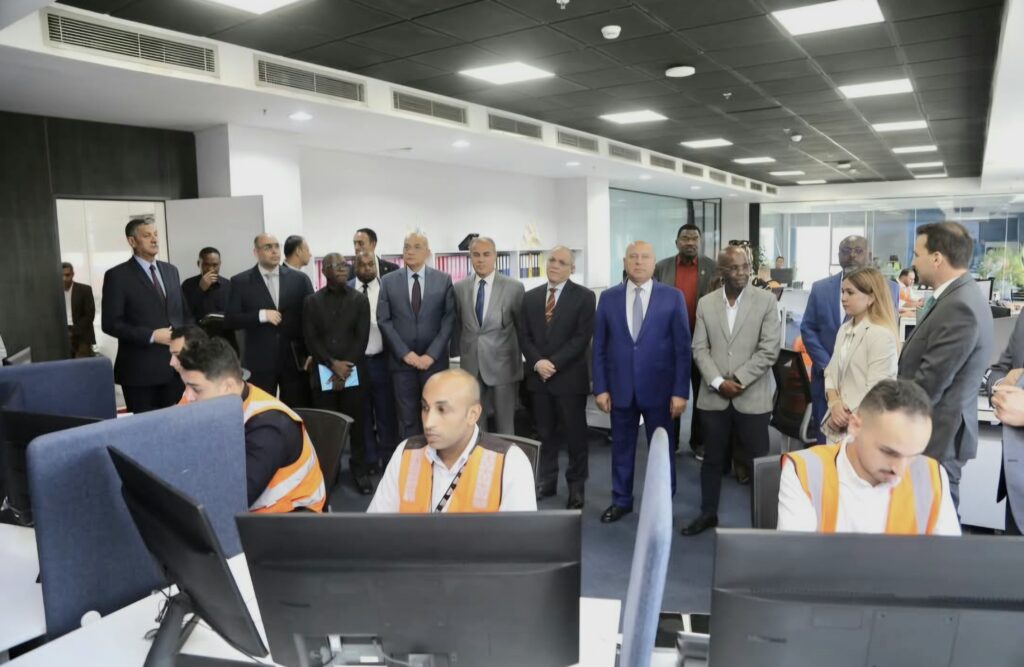
    The ministers reviewed the terminal’s digital operating systems and control room. They also inspected the rail container loading facility serving trains bound for October Dry Port.

    According to the presentation, Tahya Misr Multipurpose Terminal has generated approximately 1,000 direct jobs and 2,500 indirect employment opportunities.

    Alexandria Port Handles Over 82 Million Tons in 2025/2026

    During the visit, Egyptian officials presented the wider development of Alexandria Port and its contribution to the country’s maritime transport network.

    Alexandria Port Authority handled more than 82 million tons of cargo during the 2025/2026 fiscal year and received 7,026 vessels.

    The port forms an important part of the Sokhna–Alexandria logistics corridor, one of eight integrated international logistics corridors being developed by Egypt to connect maritime gateways with inland transport networks and international trade routes.

    El-Wazir also outlined Egypt’s broader maritime development strategy, which aims to position the country as a regional hub for transport, logistics and transit trade.

    The strategy includes constructing five new commercial ports, bringing the national total to 19. It also targets expanding port areas to 100 million square meters.

    Planned infrastructure improvements include adding 70 kilometers of berths with depths ranging from 18 to 25 meters, bringing total berth lengths to more than 100 kilometers.

    Egypt also plans to construct 35 kilometers of breakwaters, increasing the national total to 50 kilometers, while expanding its merchant fleet to 40 vessels by 2030.

    The proposed cooperation with Tanzania forms part of these wider efforts to strengthen Egypt’s maritime connectivity and expand trade and logistics links with African markets.

    Source: Egyptian Ministry of Transport

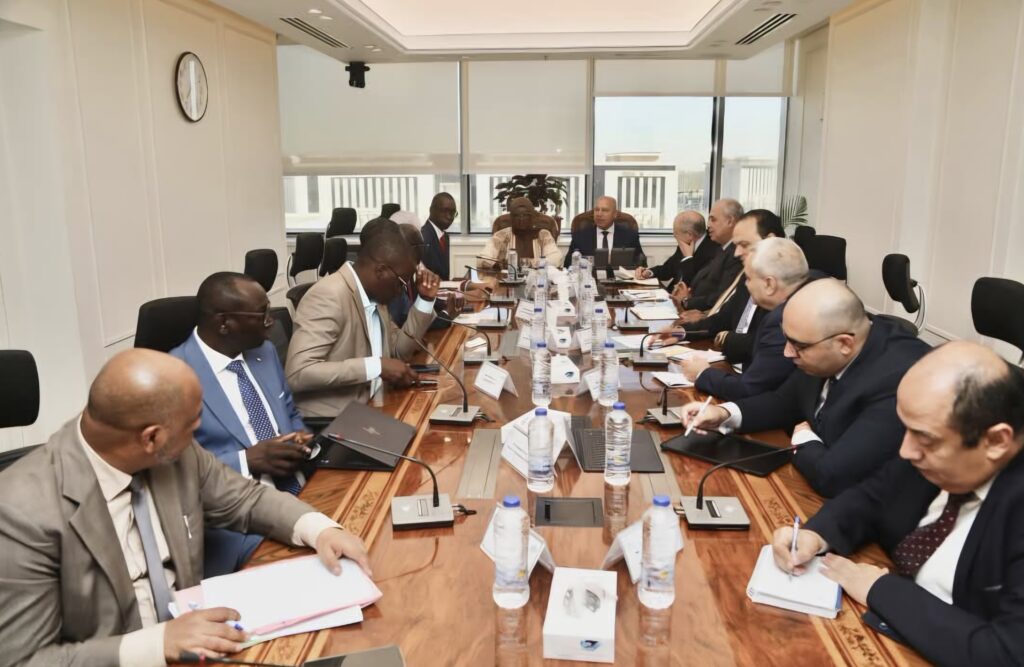
  • Egypt, Senegal Explore Alexandria-Dakar Shipping Service to Expand West Africa Trade

    Shipping Arabia, September 23, 2026 – Egypt and Senegal are studying the launch of a commercial shipping service between Alexandria and Dakar, aimed at strengthening maritime trade between Egypt and West Africa and creating more efficient routes for cargo moving between the two markets.

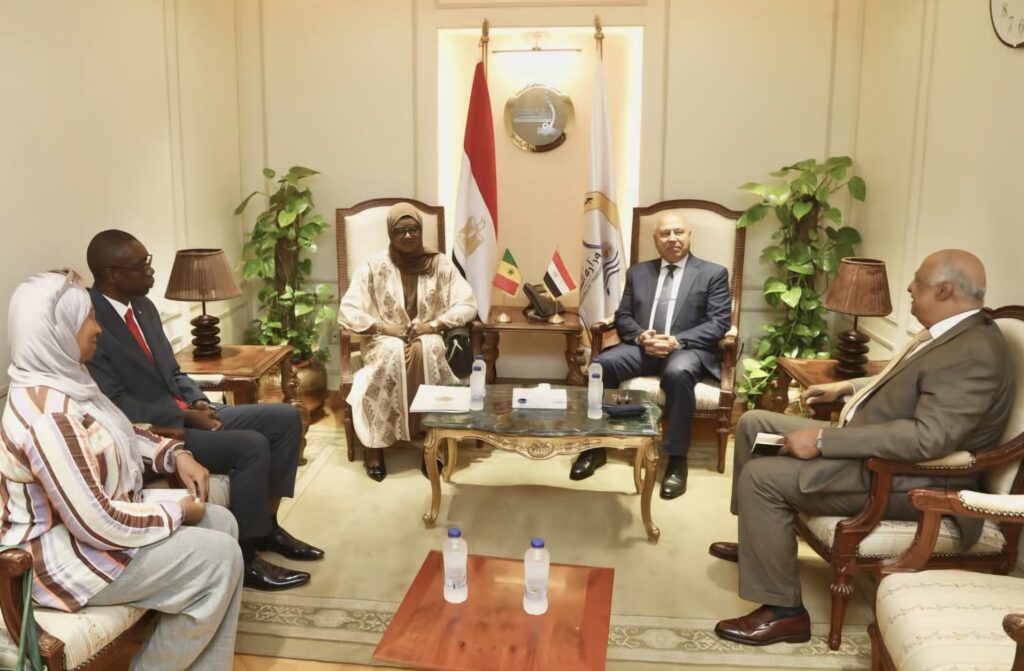
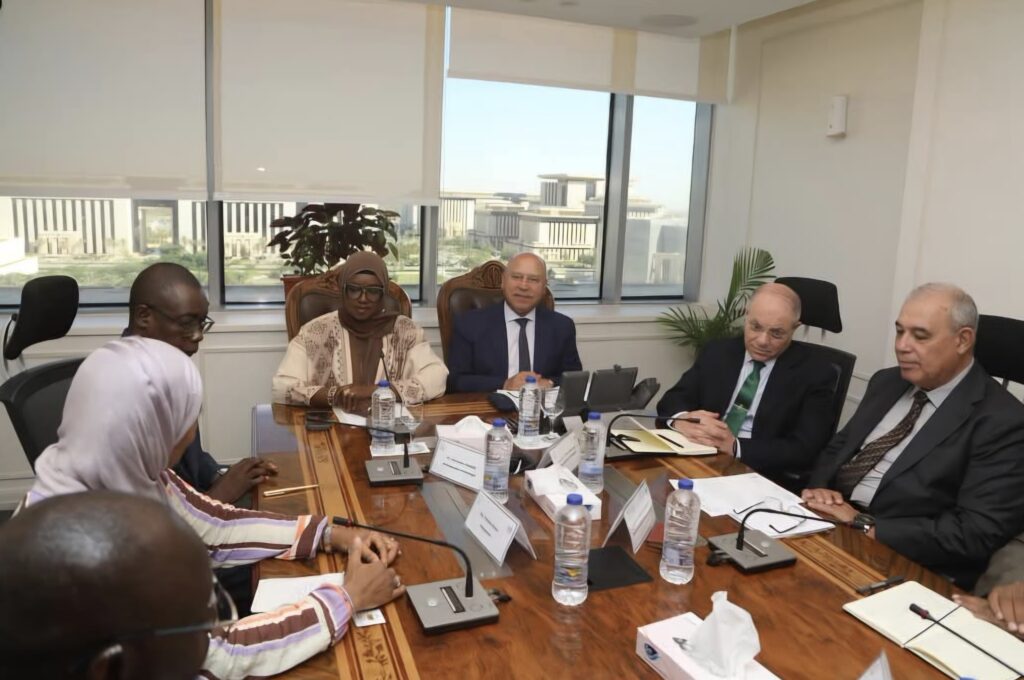
    The proposal was discussed during a meeting between Egyptian Transport Minister Kamel El-Wazir and Senegalese Minister of Fisheries, Maritime Transport, Infrastructure and Ports Amy Mara Deye, alongside officials from both countries.

    The proposed Alexandria-Dakar maritime link is intended to increase bilateral trade while providing Egyptian exporters with improved access to West African markets and supporting the movement of Senegalese products toward Middle Eastern and Arab markets.

    Discussions also covered cooperation in the construction of fishing vessels and boats, drawing on the shipbuilding and repair capabilities of Egyptian shipyards.

    Maritime training and workforce development formed another part of the talks, with the two countries considering programmes through specialized institutions including the Arab Academy for Science, Technology and Maritime Transport (AASTMT) to train Senegalese personnel in maritime transport, port infrastructure and related activities.

    El-Wazir said Egypt is seeking to translate its maritime relationship with Senegal into commercial projects, with the proposed Alexandria-Dakar service potentially serving as a starting point for broader cooperation in shipping, trade and investment between Egypt and West Africa.

    Deye expressed Senegal’s interest in expanding transport cooperation with Egypt and drawing on Egyptian experience in maritime infrastructure, shipbuilding and training.

    The two sides agreed to establish a joint working committee involving officials from both transport ministries to develop the final framework for a maritime cooperation agreement, which is expected to be prepared for signature at a later stage.

    If implemented, the Alexandria-Dakar service would add a new direct maritime connection between the Eastern Mediterranean and West Africa, supporting efforts to expand intra-African shipping connectivity and diversify regional trade corridors.

    Source: Ministry of Transport – Egypt

Back to top button