Smart Ports

  • Aqaba Port’s Mahmoud Khalifat Elected President of Arab Sea Ports Federation

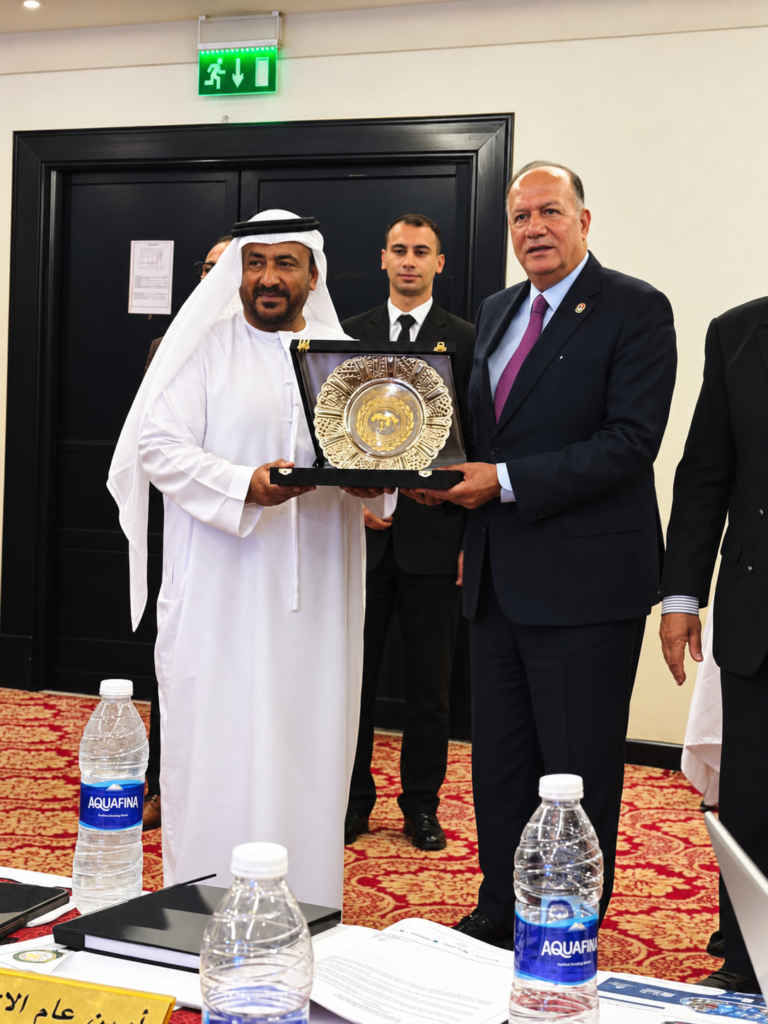
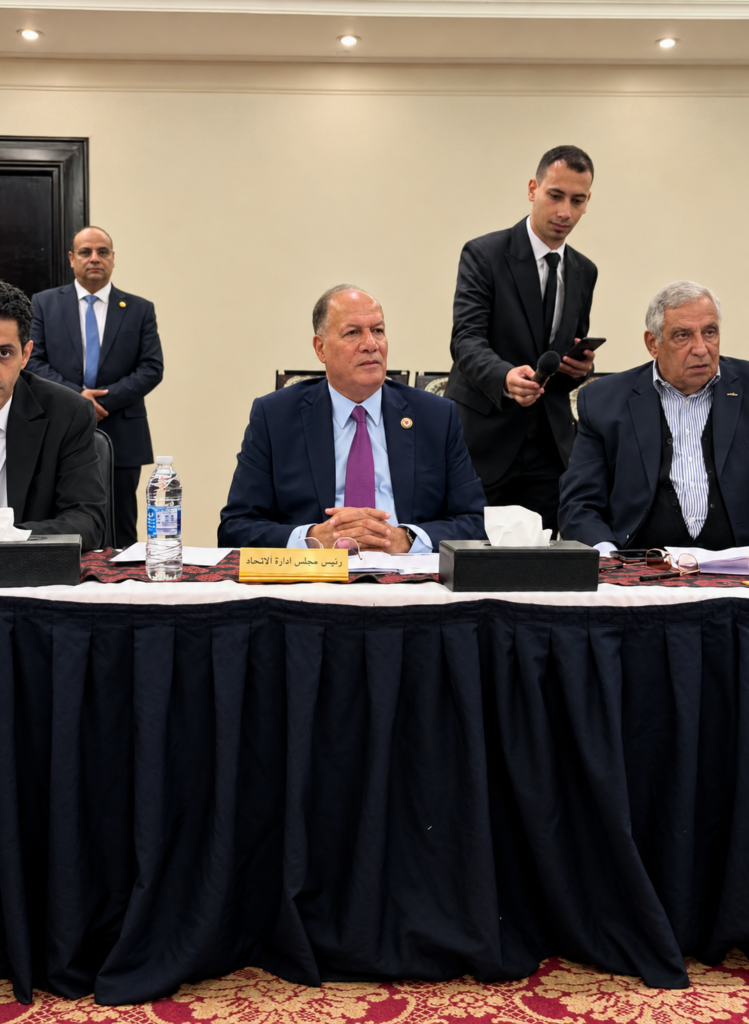
    Shipping Arabia, October 21, 2026 – Dr. Mahmoud Khalifat, General Manager of Aqaba Company for Ports Operation and Management (ACPOM), has been elected President of the Arab Sea Ports Federation (ASPF). The election took place during the federation’s 65th Board of Directors meeting in Alexandria, Egypt. Khalifat succeeds the UAE’s Mohamed Al Shamsi, placing Jordan and the Port of Aqaba at the helm of the regional maritime organization.

    Following his election, Khalifat expressed appreciation for the confidence placed in Jordan by Arab port administrations. He described the appointment as recognition of the reputation, leadership, and operational achievements of Jordanian ports, particularly the Port of Aqaba.

    Khalifat emphasized that the confidence demonstrated by federation members reflects the progress achieved across Jordan’s port sector. He also highlighted the responsibility that comes with leading an organization representing maritime ports and institutions throughout the Arab region.

    Strengthening Cooperation and Competitiveness Across Arab Ports

    Khalifat outlined a series of priorities aimed at advancing cooperation among Arab ports and strengthening their operational performance. He emphasized the importance of greater coordination and integration between member ports to address regional and international logistics challenges.

    A central priority will be improving the efficiency and competitiveness of Arab ports through the development of maritime services. Khalifat also called for measures to facilitate intra-Arab trade and maritime transport, accelerate cargo handling operations, and improve supply chain flows.

    He stressed that these objectives require closer collaboration among federation members. Such cooperation would help Arab ports strengthen their collective capabilities while addressing the operational and logistics challenges facing the maritime transport sector.

    Khalifat further emphasized the need to translate the confidence placed in the federation’s leadership into continued work and tangible achievements. He highlighted the importance of advancing port development at both national and regional levels while strengthening joint Arab maritime cooperation.

    Digital Transformation and Smart Port Development

    Digital transformation and smart port technologies will also feature prominently among the priorities identified by Khalifat.

    He called for supporting plans to develop port infrastructure across the Arab region, modernize equipment, and introduce advanced technologies to improve operational efficiency.

    According to Khalifat, adopting modern systems and technological solutions is essential for improving the competitiveness of Arab ports. He also emphasized the importance of innovation and knowledge-based development in keeping port operations aligned with advances in the global maritime industry.

    These priorities include modernizing port operating systems, strengthening technological capabilities, and encouraging innovation across port activities.

    Khalifat stressed that Arab ports must continue adapting to developments in international port management and maritime operations. He called for a sustained commitment to modernization and innovation to strengthen their position within the evolving global maritime sector.

    Arab Sea Ports Federation: Role, Objectives, and Membership

    The Arab Sea Ports Federation was established in Alexandria, Egypt, in 1976. It operates under the umbrella of the League of Arab States through the Council of Arab Economic Unity.

    The federation is a specialized Arab organization with its own legal personality and financial and administrative independence. Its primary objectives include supporting the development of Arab maritime ports, improving operational efficiency, and contributing to economic integration among Arab countries through maritime transport.

    The organization also works to strengthen relationships among member ports and promote the exchange of expertise, information, and economic studies. In addition, it seeks to help Arab ports respond to global developments in the maritime industry and benefit from modern technological and digital applications.

    Its membership includes numerous Arab maritime authorities, port organizations, and institutions.

    Among the members are Aqaba Company for Ports Operation and Management, representing the Port of Aqaba in Jordan, alongside the Alexandria Port Authority and the ports of Dekheila and Damietta in Egypt. The federation also includes Abu Dhabi Ports and Sharjah Ports in the United Arab Emirates.

    Through these members, the federation provides a framework for cooperation in port development, maritime transport, operational efficiency, and the exchange of knowledge across the Arab region.

    Khalifat’s election places the leadership of Aqaba Port at the head of an organization focused on strengthening Arab maritime cooperation. His stated priorities emphasize closer coordination, improved port competitiveness, digital transformation, and the modernization of maritime infrastructure and operations.

    Source: Aqaba Company for Ports Operation and Management (ACPOM)
  • SCCT Hosts Transport Middle East 2026 as Global Maritime and Logistics Leaders Gather in Cairo

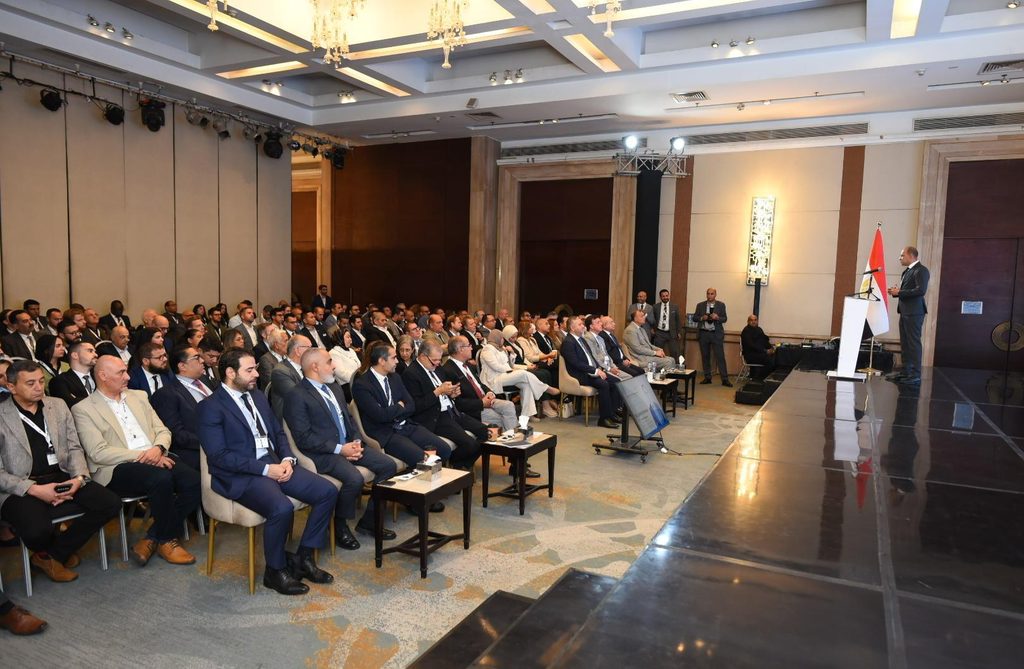
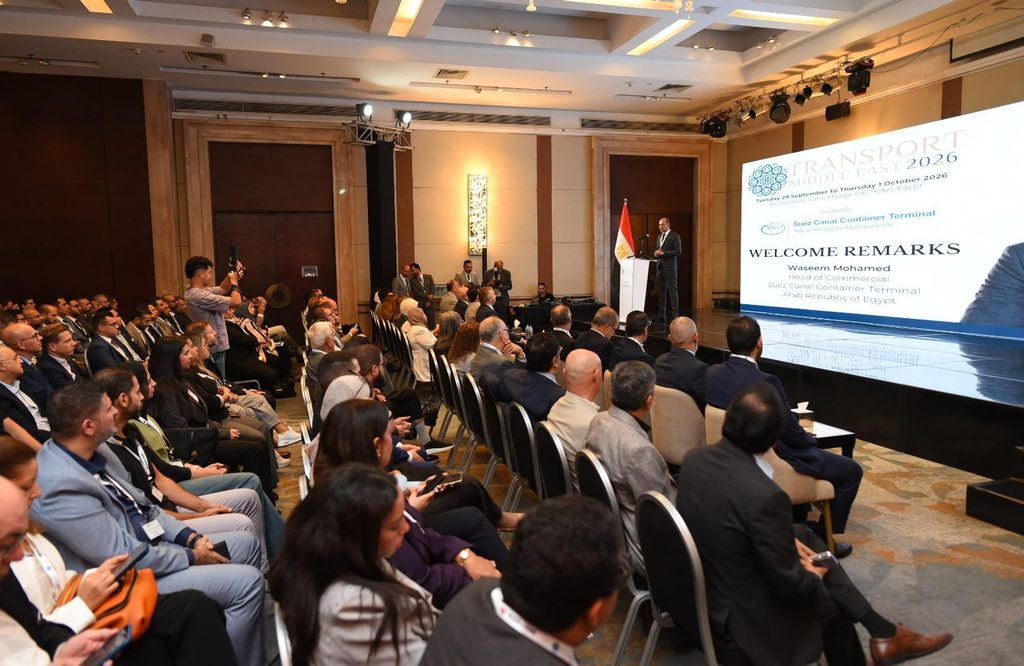
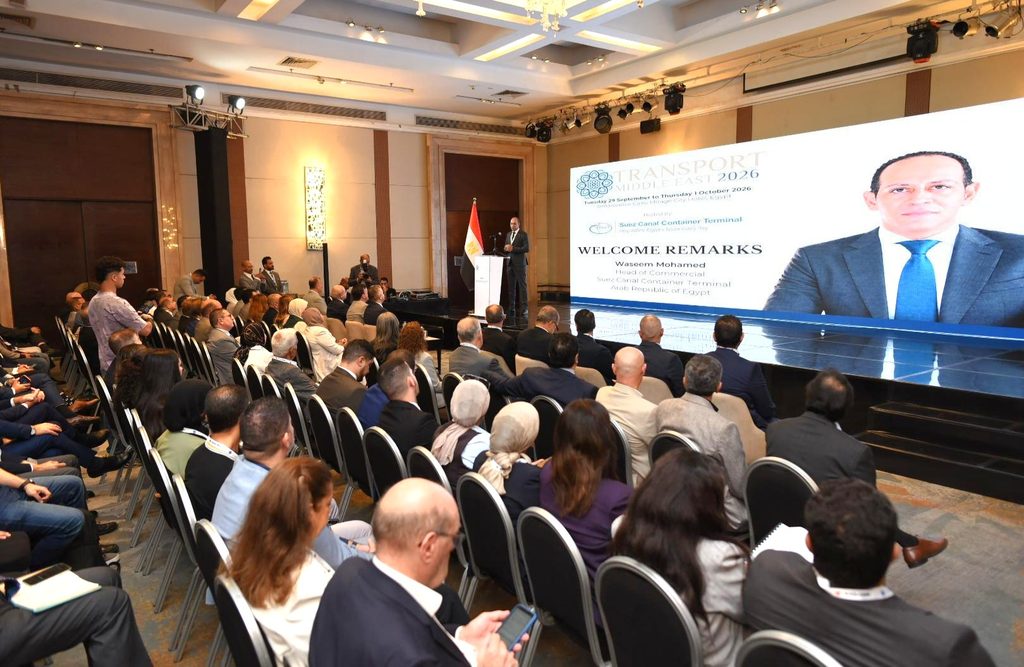
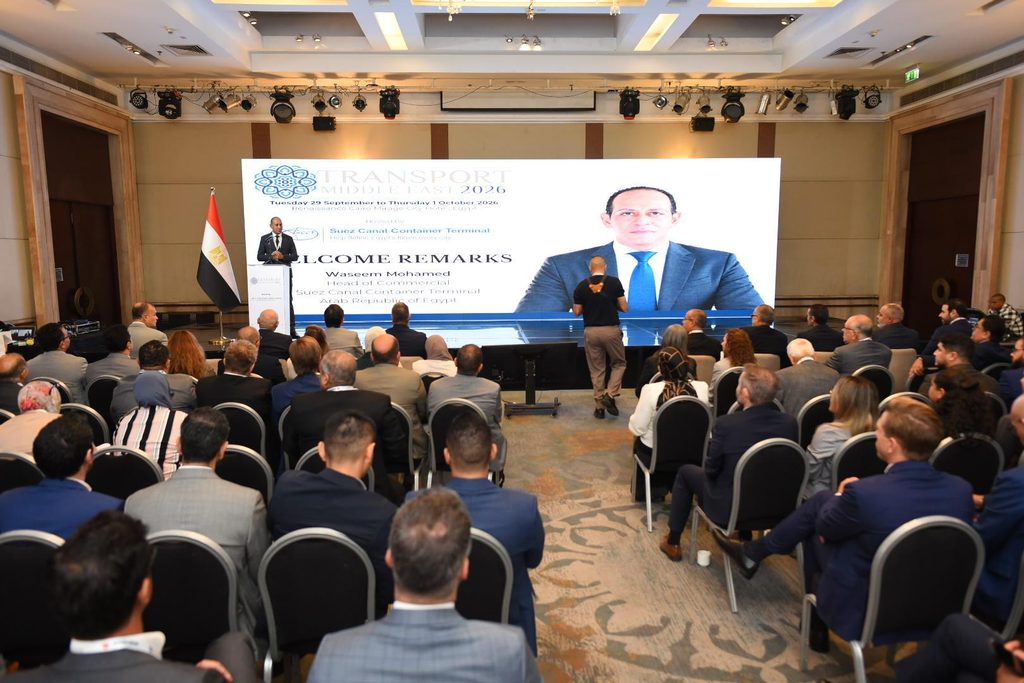
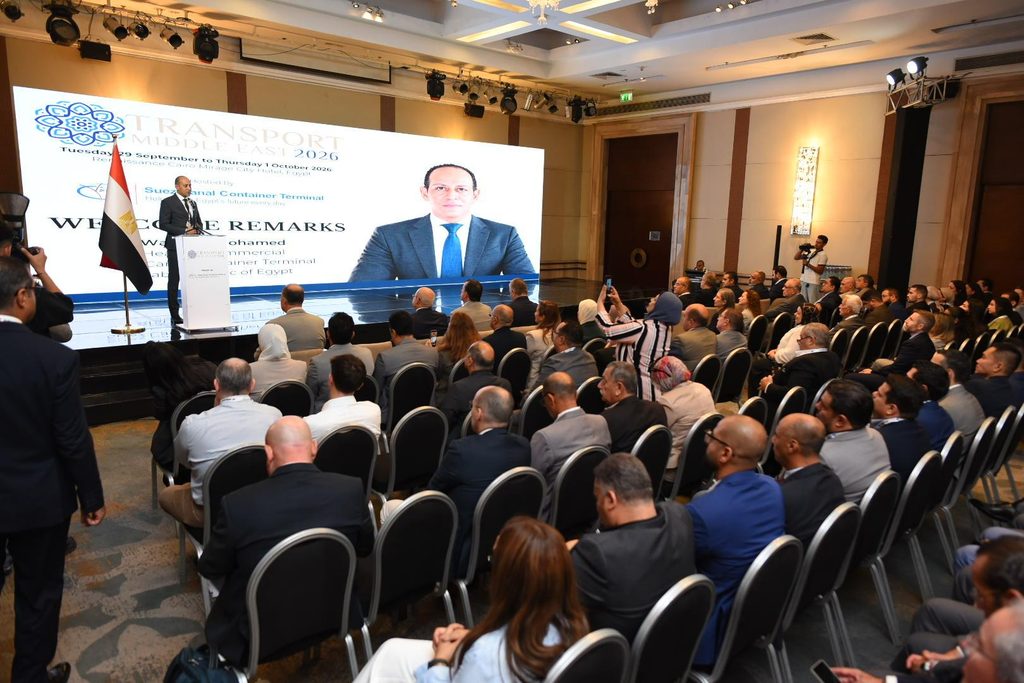
    Shipping Arabia, October 1, 2026 – Suez Canal Container Terminal (SCCT) is hosting Transport Middle East 2026 in Cairo, bringing together government officials, senior industry decision-makers, customers, suppliers and logistics professionals from the Middle East, Africa, Europe and other international markets to discuss the trends, opportunities and challenges shaping global trade.

    The three-day event opened on September 30 and is designed as a platform for knowledge sharing, industry discussion and collaboration across the global supply chain. Hosted by SCCT, Transport Middle East 2026 features an international program of expert speakers, networking opportunities, sector discussions and a technical site visit.

    Hundreds of delegates and industry representatives are attending the conference, with discussions spanning the maritime, transport and logistics sectors.

    Transport Middle East 2026 Focuses on Major Industry Priorities

    The conference agenda covers several of the most prominent issues facing global trade and logistics, including supply chain resilience, digital transformation, smart port technologies, sustainability, maritime decarbonization, infrastructure investment and the future of international trade.

    By bringing together government officials, industry executives and supply chain stakeholders, the event aims to support the exchange of perspectives across different parts of the logistics ecosystem.

    SCCT Chief Executive Officer Keld Mosgaard Christensen said Transport Middle East 2026 provides an important forum for exchanging views on the future of global trade and supply chains.

    He said the participation of government officials, industry leaders and supply chain stakeholders highlights the importance of collaboration in addressing shared challenges and opportunities.

    Christensen also emphasized Egypt’s position as a strategic gateway connecting three continents and its role in facilitating global commerce.

    He said collaboration and innovation can help build more resilient and sustainable trade networks while supporting SCCT’s ambition to become the Mediterranean’s most trusted trade hub, contribute to Egypt’s growth and create a sustainable legacy for future generations.

    Christensen also thanked delegates, speakers and partners for contributing to the discussions taking place during the conference.

    SCCT Highlights Collaboration Across the Logistics Ecosystem

    Waseem Mohamed, Head of Commercial at SCCT, said Transport Middle East 2026 creates opportunities for customers, supply chain partners and other industry stakeholders to connect, share insights and examine practical solutions to common challenges.

    He said collaboration across the logistics ecosystem is essential to improving efficiency, strengthening connectivity and creating value for customers.

    Mohamed added that discussions during the event can contribute to stronger partnerships and support the development of more resilient supply chains.

    As host of the conference, SCCT said the event reinforces its commitment to supporting international trade, facilitating connectivity and strengthening collaboration across the maritime and logistics community.

    The event also highlights Egypt’s strategic position as a trade gateway connecting markets across three continents.

    SCCT Connects Major East-West Trade Flows

    Suez Canal Container Terminal is operated by APM Terminals and is located at Port Said East at the northern entrance of the Suez Canal.

    SCCT is one of the leading transshipment hubs in the Eastern Mediterranean and sits on one of the world’s busiest maritime corridors. Its location enables connections across Asia, Europe, the Middle East and Africa.

    The terminal has handling capacity of up to 7 million TEUs and operates with modern infrastructure and advanced equipment. According to SCCT, these capabilities support reliable, high-performance operations serving major East-West trade flows.

    SCCT also offers zero-deviation access, allowing vessels to use the terminal without leaving their main shipping routes. The terminal said this helps reduce time, cost and emissions associated with deviations.

    Beyond its role in container shipping, SCCT said it contributes to Egypt’s economy through approximately 4,000 direct and indirect jobs. The terminal also continues to receive international recognition for its operational efficiency and service performance.

    APM Terminals Global Network

    APM Terminals develops and operates container terminals around the world and is an independent division of A.P. Moller-Maersk.

    The company has facilities in more than 60 key locations across 35 countries, with several additional facilities under development.

    APM Terminals employs approximately 22,000 people. In 2025, its hub and gateway terminals recorded 27,000 vessel calls and handled 25.8 million moves.

    Through SCCT, the company maintains a major presence at the northern entrance of the Suez Canal, connecting one of Egypt’s key container terminals with its wider global terminal network.

    Source: Suez Canal Container Terminal (SCCT)

  • Damietta Port Nears Completion of $125 Million Bulk and Grain Berth

    Shipping Arabia, September 23, 2026 – Damietta Port is nearing completion of a new 850-meter marine berth for dry bulk, fuel and grain cargoes, as the Egyptian port continues expanding its handling and storage capacity.

    The project is being implemented by Canal Company for Ports and Large Projects at an estimated cost of EGP 6 billion (around $125 million) and forms part of Damietta Port Authority’s wider infrastructure development programme.

    The new berth is intended to increase capacity for grain handling and storage, while also accommodating dry bulk and fuel cargoes. Electrical infrastructure for the project is now moving into its next stage, with installation and connection works expected to begin in the coming weeks.

    Damietta Port Authority has tendered the supply and installation of a new electricity source for the grain terminal, with the electrical works expected to cost around EGP 25 million.

    Alongside the berth development, the authority is progressing several infrastructure and operational projects across the port, including maintenance of its medium-voltage electricity network and plans for the port’s first solar power station.

    Damietta is also moving to modernize cargo truck weighing operations within the customs area. A project covering a 750-square-meter facility will develop, manage and operate an electronic weighbridge system for loaded and empty cargo trucks, incorporating two platforms with a minimum capacity of 200 tonnes each under a Green & Smart operating model.

    The projects form part of wider efforts to expand Damietta’s cargo-handling infrastructure and improve the port’s capacity and competitiveness across containerized, bulk and general cargo trades.

    Source: Almal News

  • Damietta Port Handles 300 Vessels and 4.75 Million Tons of Cargo in April

    Shipping Arabia, May 17, 2026 – Damietta Port recorded strong operational growth in April 2026, handling about 300 vessels compared with 296 vessels in the same month last year, a 1% increase.

    The vessel calls included 29 general cargo ships, down 50% from 58 ships in April 2025, while dry bulk vessels rose 11% to 102 ships compared with 92 a year earlier. Liquid bulk vessels increased sharply to 20 ships, up 122% from nine vessels, while container ship calls reached 104, compared with 91 in April 2025, a 14% rise. Ro-Ro vessels increased to five from four, while service and frequent-call vessels declined 5% to 40 ships.

    Total cargo throughput reached 4.75 million tons in April, compared with 3.2 million tons during the same month of 2025, marking a 46% increase.

    The cargo mix included 315,000 tons of conventional cargo, down 46% from 585,000 tons last year. Dry bulk cargo rose 73% to 2.5 million tons, compared with 1.4 million tons in April 2025, while liquid bulk volumes increased 179% to 300,000 tons from 107,000 tons. Ro-Ro cargo also recorded strong growth, reaching 23,900 tons compared with 6,200 tons, an increase of 285%.

    Containerized cargo volumes reached 1.6 million tons, compared with 1.11 million tons in April 2025, reflecting a 44% increase.

    In terms of container units, Damietta Port handled 155,800 containers during April, up 12% from 138,700 containers in the same month last year. Import containers rose 23% to 74,400 units, while export containers increased to 72,100 from 60,900 in April 2025. Additional container movements declined 47% to 9,200 units, compared with 17,500 a year earlier.

    The figures reflect continued momentum in Damietta Port’s dry bulk, liquid bulk, container and Ro-Ro operations, reinforcing its position as one of Egypt’s key maritime gateways for regional and international trade.

    Source: Almal News

Back to top button