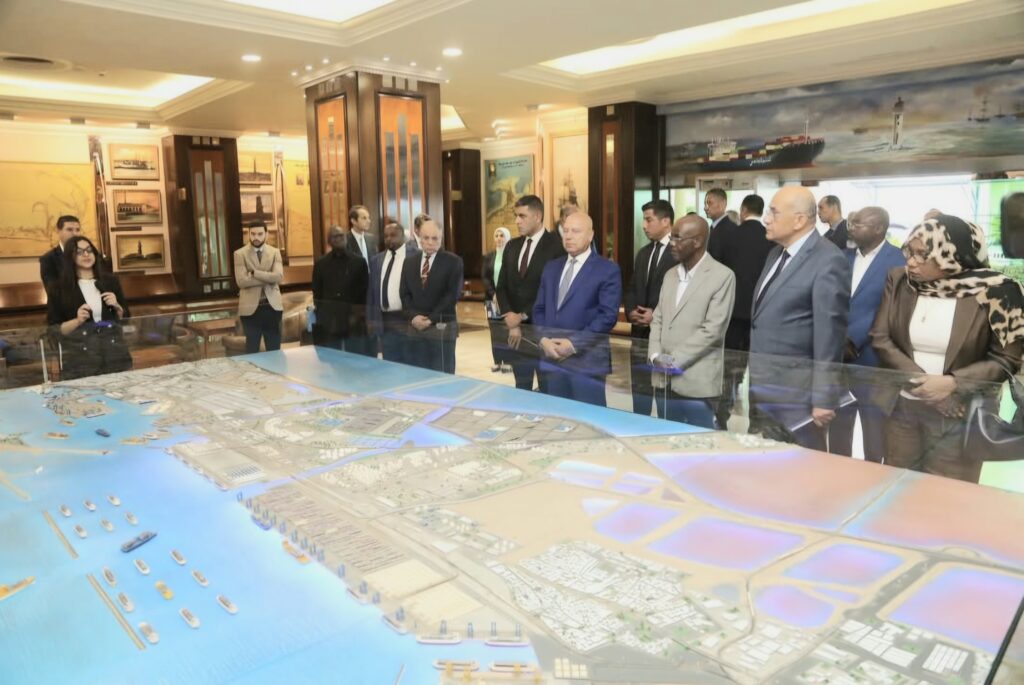
Tahya Misr Multipurpose Terminal

  • Egypt and Greece Advance Talks on Alexandria–Greece Shipping Links and Cruise Cooperation

    Shipping Arabia, October 15, 2026 – Egypt and Greece are advancing discussions on proposed Alexandria–Greece shipping links, including Ro-Pax passenger and truck services between Alexandria and Patras and Ro-Ro cargo services between Alexandria and Volos. The two countries are also exploring expanded dry bulk trade and cruise tourism cooperation in the Eastern Mediterranean.

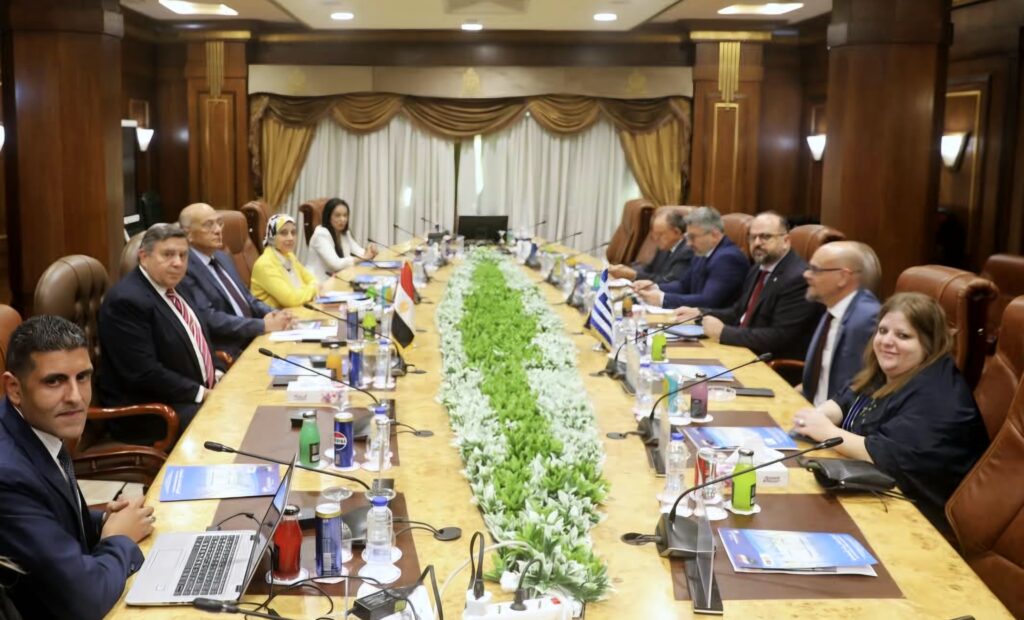
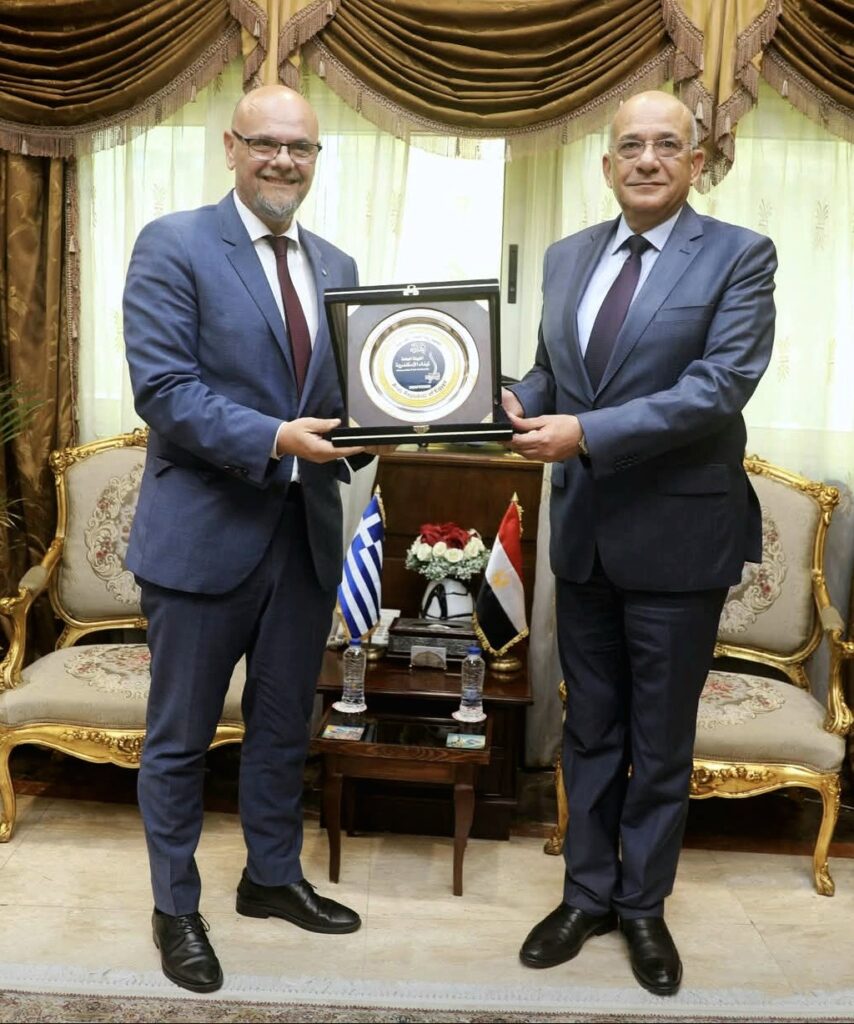
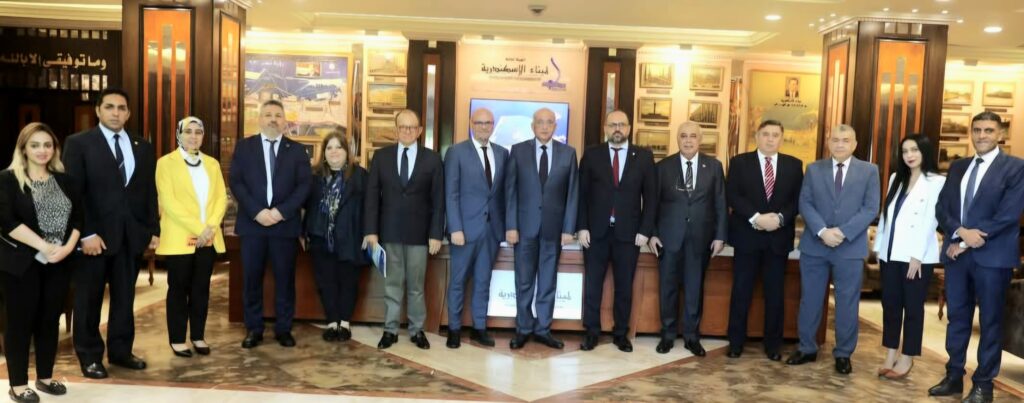
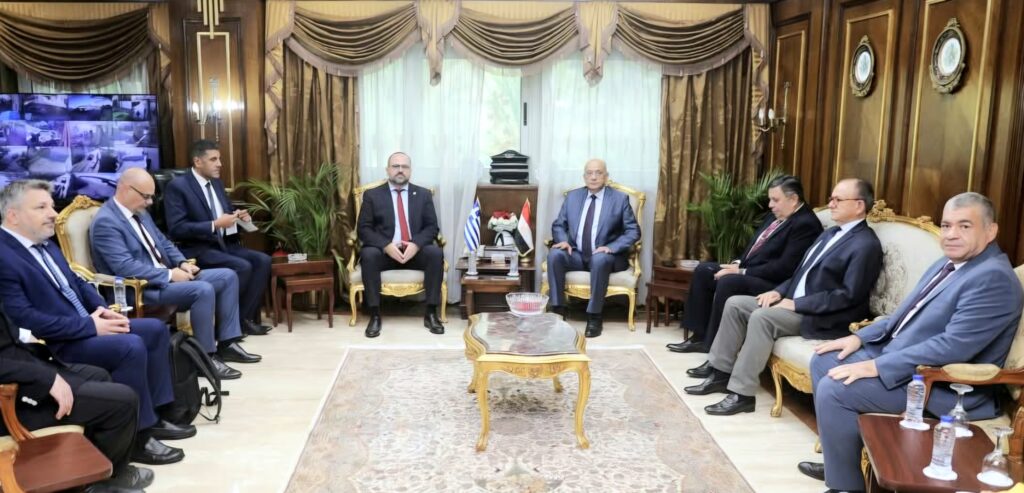
    The discussions took place during a visit by a senior Greek delegation to Alexandria Port Authority, following the third session of the Egyptian-Greek Joint Maritime Committee held on October 5, 2026. The meeting produced agreements on practical measures to advance maritime cooperation between the two countries.

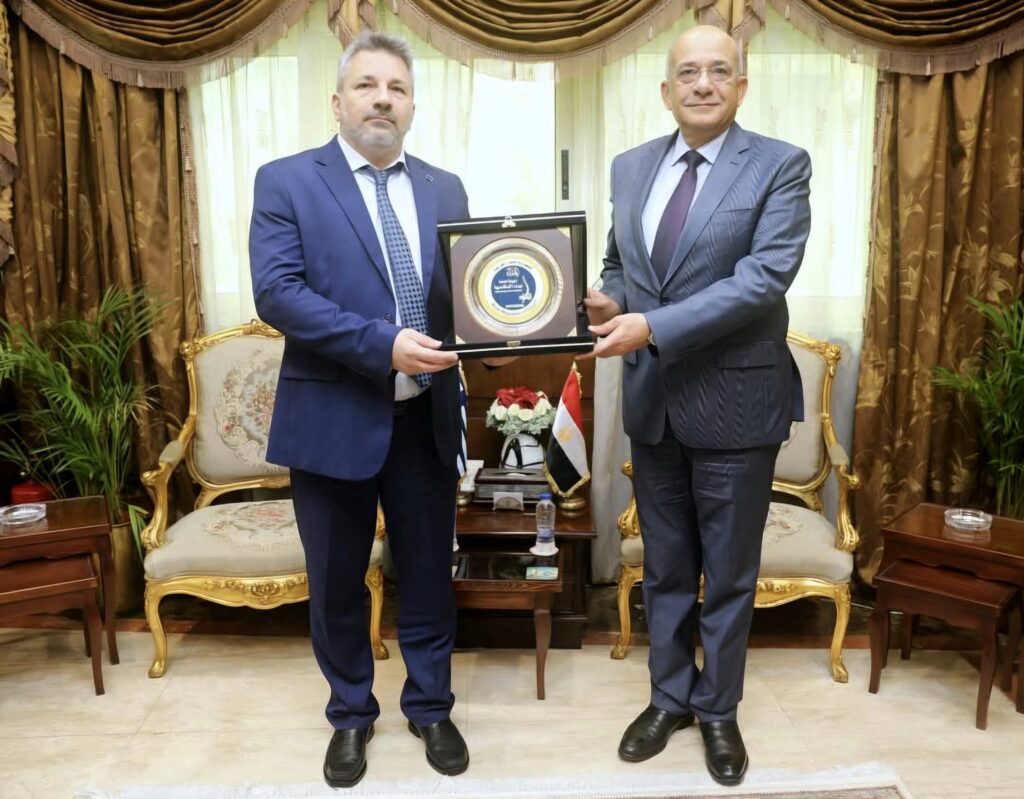
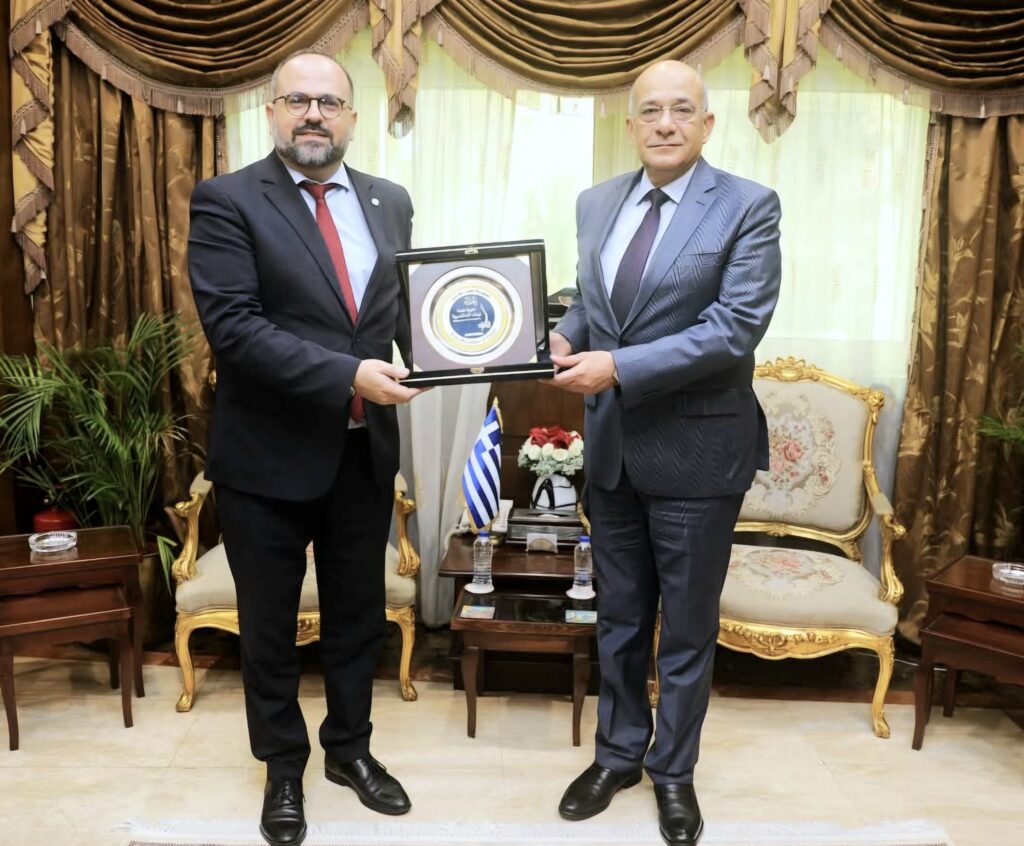
    The visit was held under the directives of Egypt’s Minister of Transport, Kamel El-Wazir. Alexandria Port Authority Chairman Rear Admiral Ehab Salah received the delegation, which was led by Manolis Koutoulakis, Secretary General for Maritime Affairs and Ports at Greece’s Ministry of Maritime Affairs and Insular Policy.

    Rear Admiral Hussein El-Geziry, Head of Egypt’s Maritime Transport and Logistics Sector, also attended the visit. He had chaired the Egyptian delegation during the joint maritime committee meetings.

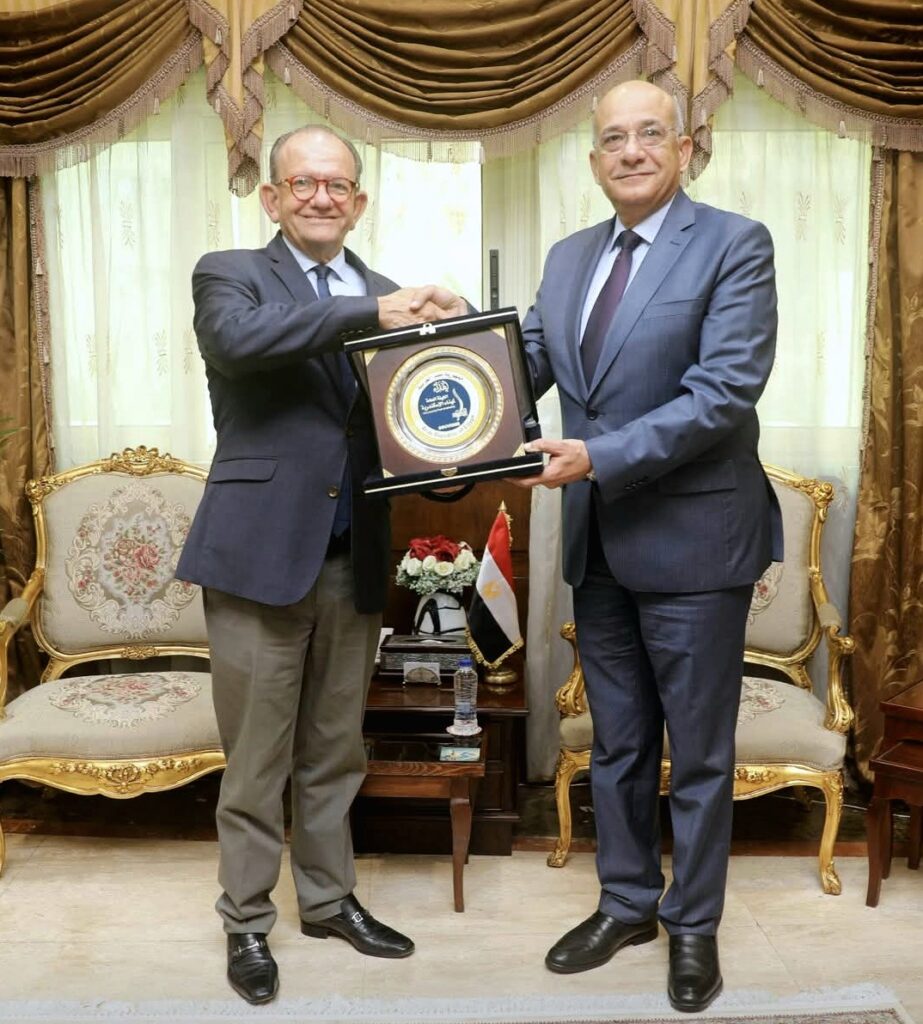
    The Greek delegation included the heads of the Patras and Volos port authorities, the Director General of Customs and the scientific adviser to the Secretary General for Maritime Affairs and Ports. Senior Alexandria Port Authority officials also participated in the discussions.

    Alexandria–Greece Shipping Links Focus on Ro-Pax and Ro-Ro Services

    A central focus of the discussions was the development of maritime connections between Egyptian and Greek ports. Both sides examined opportunities to strengthen shipping, logistics and trade cooperation through proposed services linking Alexandria with Patras and Volos.

    The proposed Alexandria–Patras route would operate as a Ro-Pax service, accommodating passengers and trucks. Meanwhile, the proposed Alexandria–Volos connection would focus on Ro-Ro cargo transport.

    The two routes form part of efforts to improve maritime connectivity and facilitate the movement of passengers, vehicles and cargo between Egypt and Greece.

    In addition, the Greek delegation expressed interest in expanding cargo exchanges with Alexandria Port to include dry bulk commodities. This would broaden the scope of maritime cooperation beyond the proposed Ro-Pax and Ro-Ro connections.

    The discussions also considered the development of an integrated logistics corridor connecting Egypt and Greece with their respective trading partners. Such cooperation would bring together maritime transport, logistics services and trade activities within a coordinated framework.

    Although the routes remain under discussion, both sides agreed to advance the necessary technical and commercial assessments to support their potential implementation.

    Egypt and Greece Explore Eastern Mediterranean Cruise Homeport Cooperation

    Cruise tourism formed another major component of the bilateral maritime discussions.

    Egyptian and Greek officials examined opportunities to strengthen cooperation between Alexandria Port and Greek ports, particularly by coordinating their roles as cruise homeports in the Eastern Mediterranean.

    The proposed cooperation focuses on developing greater integration between ports capable of serving as starting and ending points for cruise itineraries. Both sides discussed how coordinated port activities could support the development of maritime tourism between Egypt and Greece.

    They also explored opportunities to establish joint cruise tourism programs aimed at increasing passenger traffic and strengthening maritime tourism connections between the two countries.

    The discussions reflect the two sides’ interest in expanding cooperation beyond commercial shipping to include passenger transport and cruise operations.

    Greek Delegation Inspects Alexandria Port Facilities

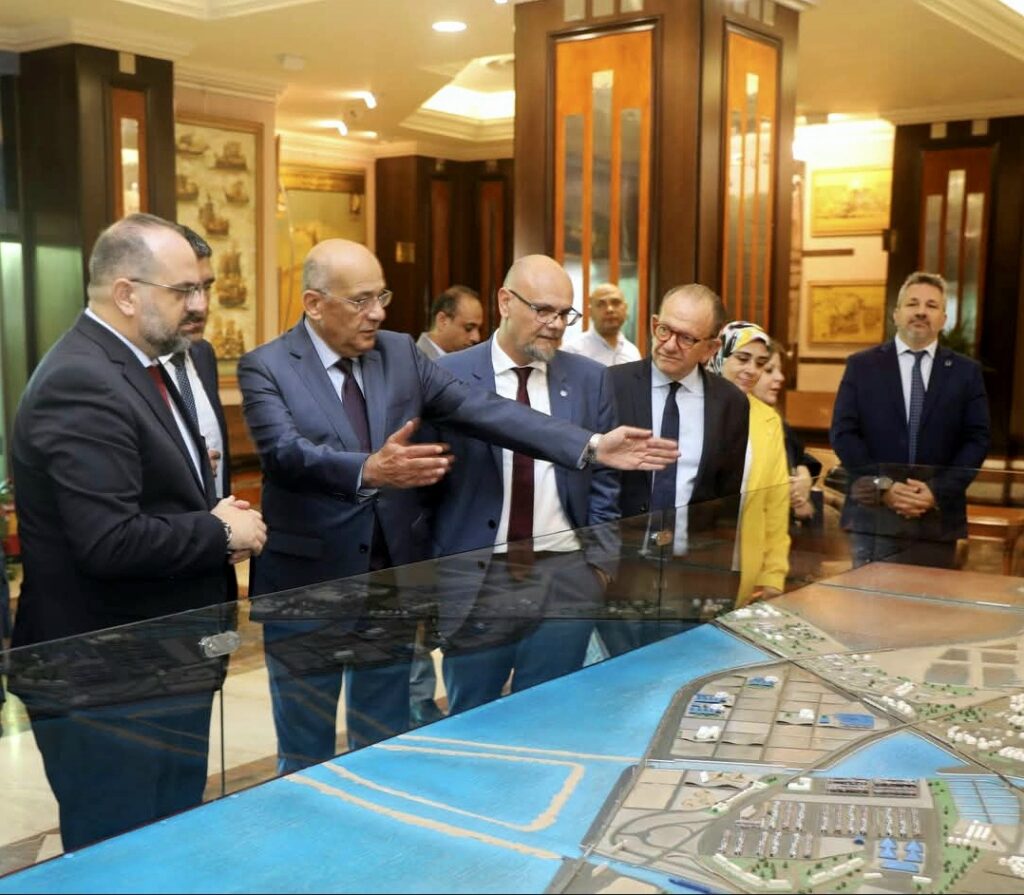
    As part of the visit, the Greek delegation conducted an inspection tour of several operational areas and facilities at Alexandria Port.

    The tour included the passenger terminal and port berths, with particular attention to the Ro-Ro berths expected to support the proposed maritime connections.

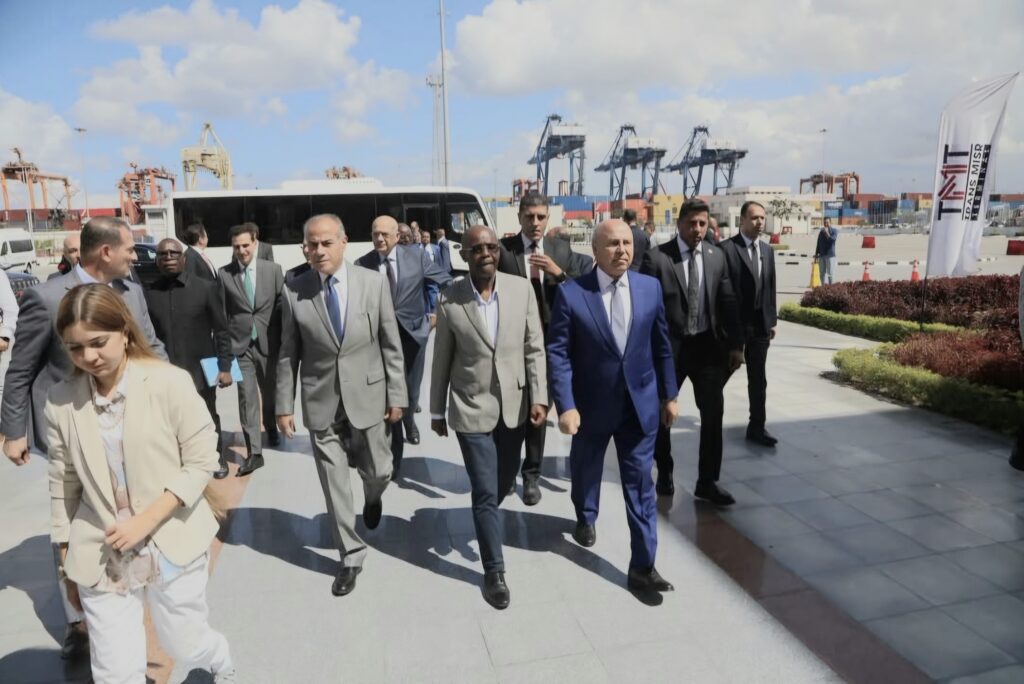
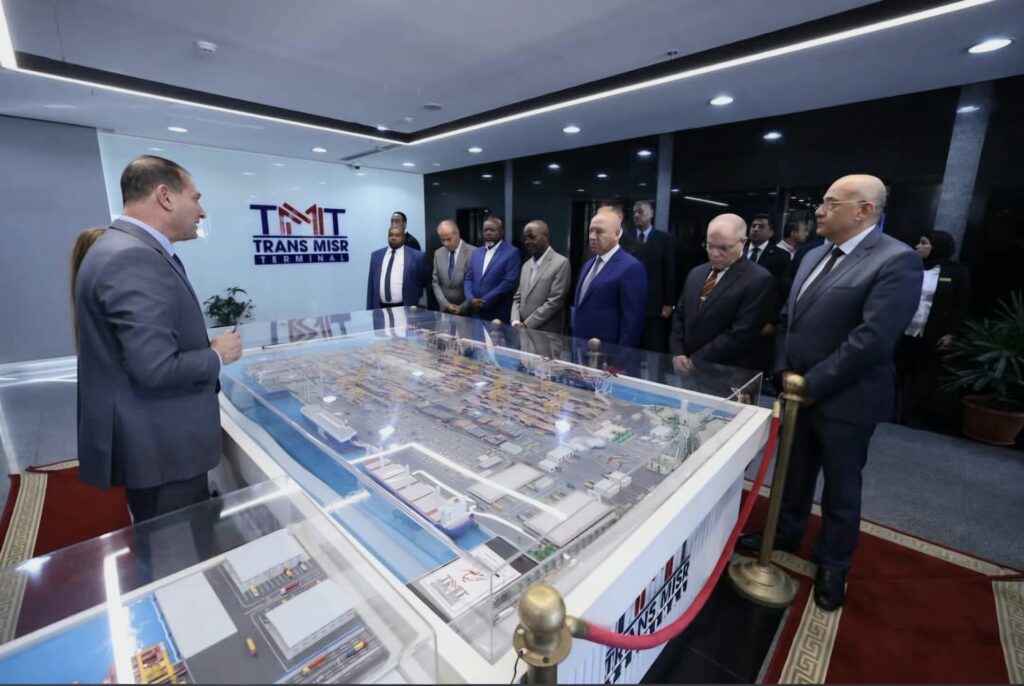
    Delegation members also visited the Tahya Misr Multipurpose Terminal to examine the port’s infrastructure, equipment and operational capabilities.

    The inspection provided Greek officials with an opportunity to assess Alexandria Port’s available facilities and logistics capabilities directly. It also supported discussions about the technical and operational requirements of the proposed shipping services.

    The port visit formed part of the broader effort to translate the outcomes of the Egyptian-Greek Joint Maritime Committee into practical cooperation initiatives.

    Technical Meetings to Advance Proposed Maritime Routes

    At the conclusion of the visit, both sides agreed to hold additional technical meetings involving specialists from Egypt and Greece.

    These meetings will follow up on the joint maritime committee’s outcomes and examine the requirements for implementing the proposed Alexandria–Greece shipping links.

    The assessments will cover technical, operational, commercial and logistical considerations associated with the proposed Ro-Pax and Ro-Ro services.

    The objective is to move toward implementation through coordinated and carefully assessed steps, while addressing the practical requirements of establishing the maritime connections.

    Alexandria Port Authority reaffirmed its commitment to strengthening cooperation with Greek ports and maritime organizations. The authority emphasized the importance of expanding trade and maritime connectivity between Egypt and Greece.

    The cooperation also supports Alexandria Port’s development as a regional logistics hub linking markets in Europe, Africa, the Middle East and Asia.

    Source: Alexandria Port Authority
  • Egypt and Tanzania Advance Plans for Dar es Salaam Port Terminal and New Red Sea Shipping Link

    Shipping Arabia, October 12, 2026 – Egypt and Tanzania are advancing plans to develop a multipurpose terminal at Dar es Salaam Port and establish a direct shipping service connecting Tanzania with Egypt’s Red Sea ports of Sokhna and Safaga. The proposed projects form part of a broader multimodal logistics corridor linking the two countries and improving trade connectivity between Egypt, East Africa and landlocked Central African markets.

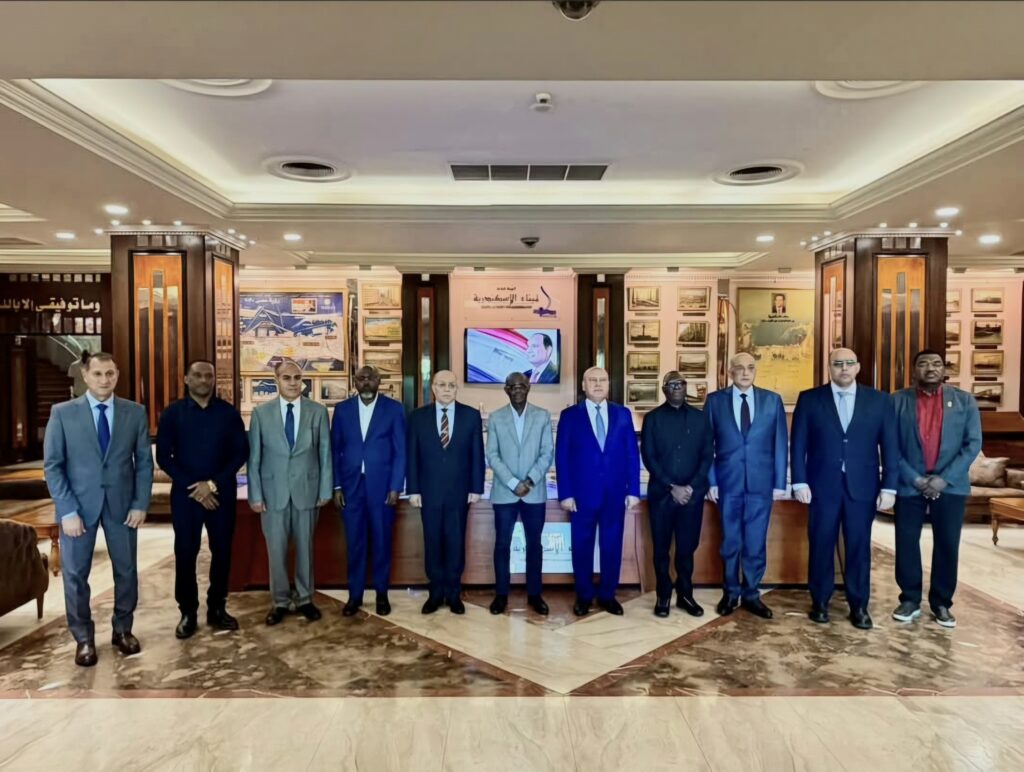
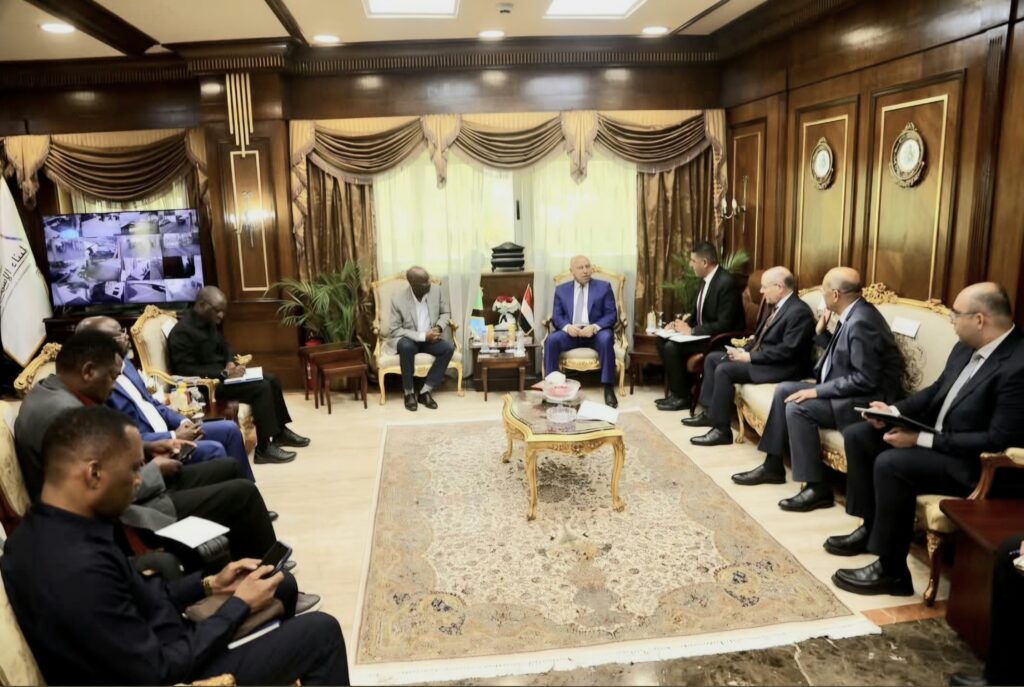
    The plans were discussed during a meeting between Egyptian Minister of Transport Kamel El-Wazir and Tanzanian Minister of Transport Makame Mbarawa at Alexandria Port. The visit included extensive bilateral discussions and an inspection of the port’s maritime and logistics facilities.

    El-Wazir emphasized Egypt’s commitment to expanding transport cooperation with Tanzania, increasing Egyptian exports to African markets and developing logistics zones to support regional trade.

    Dar es Salaam Port Development and New Shipping Service

    The proposed memorandum of understanding, which the two countries plan to sign in the coming period, outlines several major transport and logistics projects.

    A central component involves developing a multipurpose terminal at Dar es Salaam Port through an Egyptian-Tanzanian-international consortium. The port serves approximately 90% of Tanzania’s domestic market and provides maritime access to six landlocked countries: Malawi, Zambia, the Democratic Republic of the Congo, Burundi, Rwanda and Uganda.

    The agreement also envisages a direct maritime service connecting Egypt’s Red Sea ports of Sokhna and Safaga with Dar es Salaam. The proposed shipping link would support trade flows between Egypt and East Africa while providing connections to inland African markets.

    In addition, the two countries plan to establish reciprocal logistics zones, including an Egyptian logistics zone in Tanzania and a Tanzanian logistics zone in Egypt.

    The proposed cooperation extends to Tanzania Railways Corporation, with plans to connect the new facilities to the national railway network. This would support the integration of maritime, road and rail transport within the planned logistics corridor.

    Cairo–Dar es Salaam Multimodal Logistics Corridor

    The projects form part of the proposed Cairo–Dar es Salaam multimodal logistics corridor, which seeks to connect Egypt’s Red Sea ports and domestic logistics network with Tanzania and neighboring landlocked countries.

    Under the proposed arrangement, maritime services would connect Egyptian ports with Dar es Salaam. Cargo would then move through Tanzania’s electric railway network toward inland destinations in Central Africa.

    The corridor builds on an earlier memorandum of understanding on infrastructure cooperation between the Egyptian and Tanzanian transport ministries, signed during Egyptian President Abdel Fattah El-Sisi’s visit to Tanzania.

    El-Wazir said Egypt has infrastructure companies with extensive experience and the capacity to participate in Tanzanian projects. He emphasized their readiness to deliver infrastructure works according to high-quality standards, competitive costs and accelerated implementation schedules.

    Mbarawa welcomed the proposed cooperation and praised Egyptian expertise in transport and infrastructure development. He described the discussions as an important step toward launching joint projects between the two countries.

    Technical committees from both sides are expected to hold further meetings to advance the projects included in the planned agreement.

    The discussions also addressed maritime education and technical training. Mbarawa requested scholarships for Tanzanian students at the Arab Academy for Science, Technology and Maritime Transport (AASTMT).

    In response, El-Wazir confirmed Egypt’s willingness to provide specialized training opportunities for the entire Tanzanian team expected to operate the proposed Dar es Salaam terminal. The programs would focus on developing technical capabilities and preparing personnel to operate the facility using modern terminal management systems.

    Alexandria Port Showcases Maritime and Logistics Infrastructure

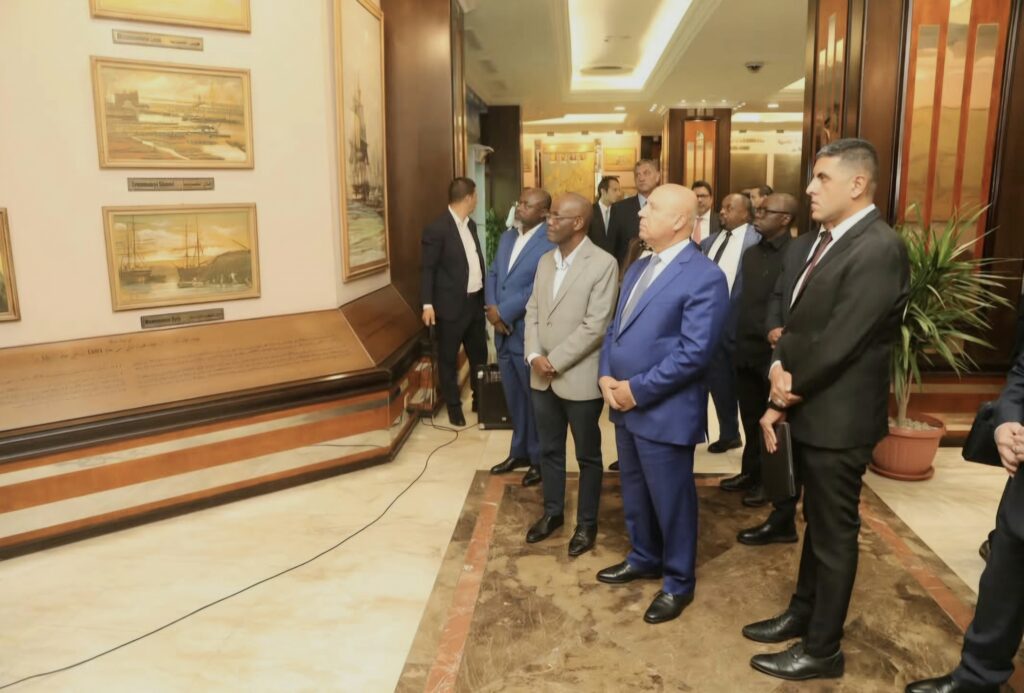
    Following the discussions, the two ministers toured several facilities at Alexandria Port, including the historic port museum, passenger terminal, cargo berths and Tahya Misr Multipurpose Terminal.

    The passenger terminal features a tourism complex covering more than 34,000 square meters, with capacity for up to 7,000 tourists. Its 820 meters of berths can accommodate four large cruise ships simultaneously, while the terminal building consists of three floors.

    The delegation also inspected general cargo berths 10, 11 and 13, alongside berth 12, which serves roll-on/roll-off (RoRo) vessels.

    The visit continued at Tahya Misr Multipurpose Terminal, which occupies approximately 500,000 square meters and features 2,500 meters of berths with depths reaching 17.5 meters.

    The terminal can accommodate vessels up to 400 meters long with capacities reaching 24,000 TEUs. Its annual handling capacity stands at 1.5 million TEUs and 15 million tons of general cargo.

    During the tour, terminal chairman Mahmoud Khodeir outlined the facility’s operational achievements. The terminal has handled approximately 2.6 million TEUs and received around 1,400 vessels, with transit cargo representing 38% of container volumes.

    Rail operations have also supported cargo movements between the port and inland logistics facilities. The terminal has received approximately 403 trains, handling 39,000 TEUs through its rail connections.

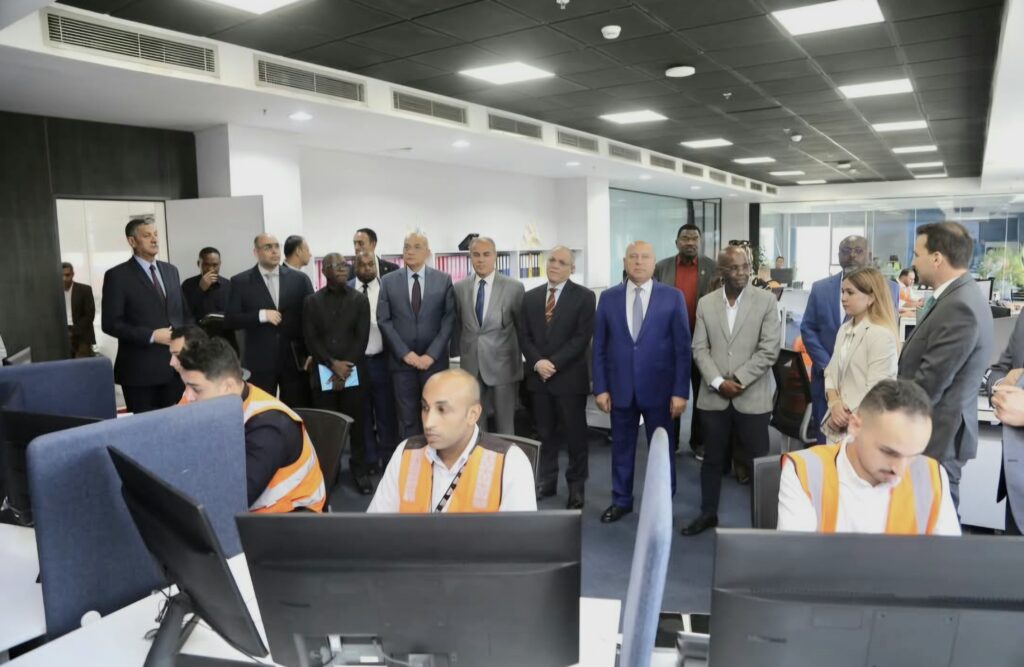
    The ministers reviewed the terminal’s digital operating systems and control room. They also inspected the rail container loading facility serving trains bound for October Dry Port.

    According to the presentation, Tahya Misr Multipurpose Terminal has generated approximately 1,000 direct jobs and 2,500 indirect employment opportunities.

    Alexandria Port Handles Over 82 Million Tons in 2025/2026

    During the visit, Egyptian officials presented the wider development of Alexandria Port and its contribution to the country’s maritime transport network.

    Alexandria Port Authority handled more than 82 million tons of cargo during the 2025/2026 fiscal year and received 7,026 vessels.
    The port forms an important part of the Sokhna–Alexandria logistics corridor, one of eight integrated international logistics corridors being developed by Egypt to connect maritime gateways with inland transport networks and international trade routes.

    El-Wazir also outlined Egypt’s broader maritime development strategy, which aims to position the country as a regional hub for transport, logistics and transit trade.

    The strategy includes constructing five new commercial ports, bringing the national total to 19. It also targets expanding port areas to 100 million square meters.

    Planned infrastructure improvements include adding 70 kilometers of berths with depths ranging from 18 to 25 meters, bringing total berth lengths to more than 100 kilometers.

    Egypt also plans to construct 35 kilometers of breakwaters, increasing the national total to 50 kilometers, while expanding its merchant fleet to 40 vessels by 2030.

    The proposed cooperation with Tanzania forms part of these wider efforts to strengthen Egypt’s maritime connectivity and expand trade and logistics links with African markets.

    Source: Egyptian Ministry of Transport

Back to top button