Trade Facilitation

  • Damietta Port Showcases Cargo Handling, Customs Procedures and Digital Systems to Egyptian Manufacturers

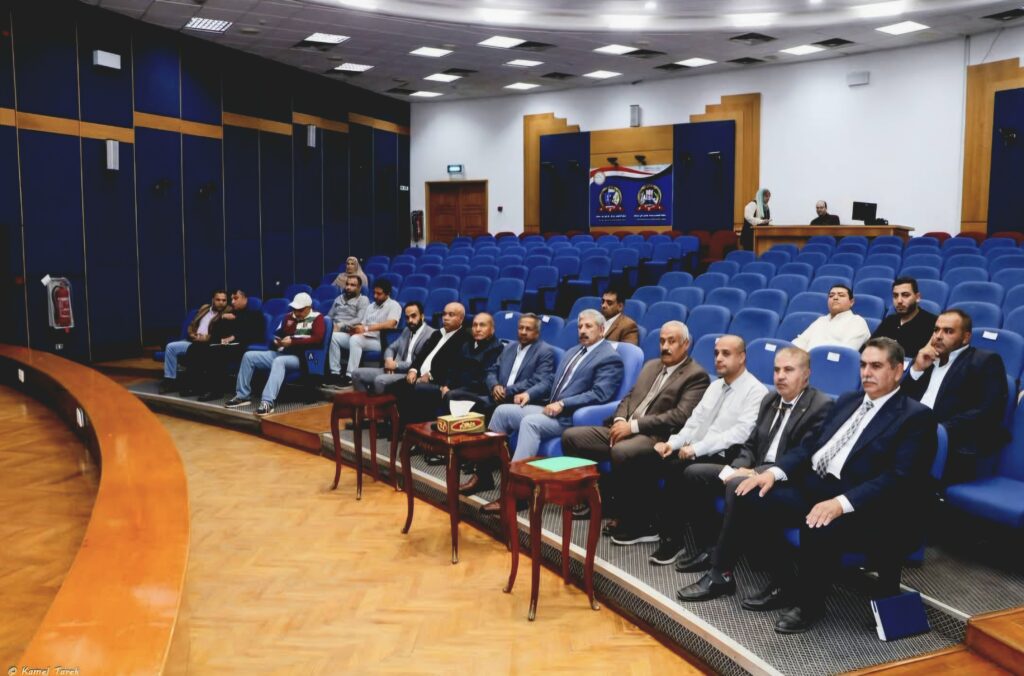
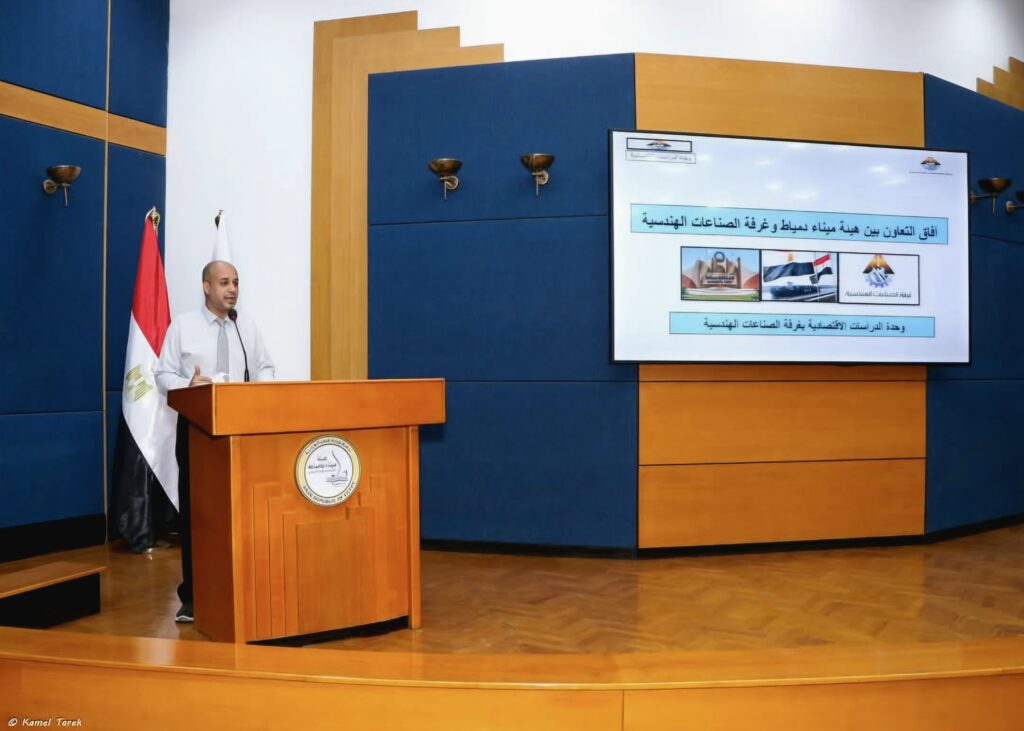
    Shipping Arabia, November 19, 2026 – Egypt’s Damietta Port Authority received a delegation from the Chamber of Engineering Industries, affiliated with the Federation of Egyptian Industries, to review the port’s operational capabilities, performance indicators, shipping procedures, customs clearance processes, and services available to manufacturers.

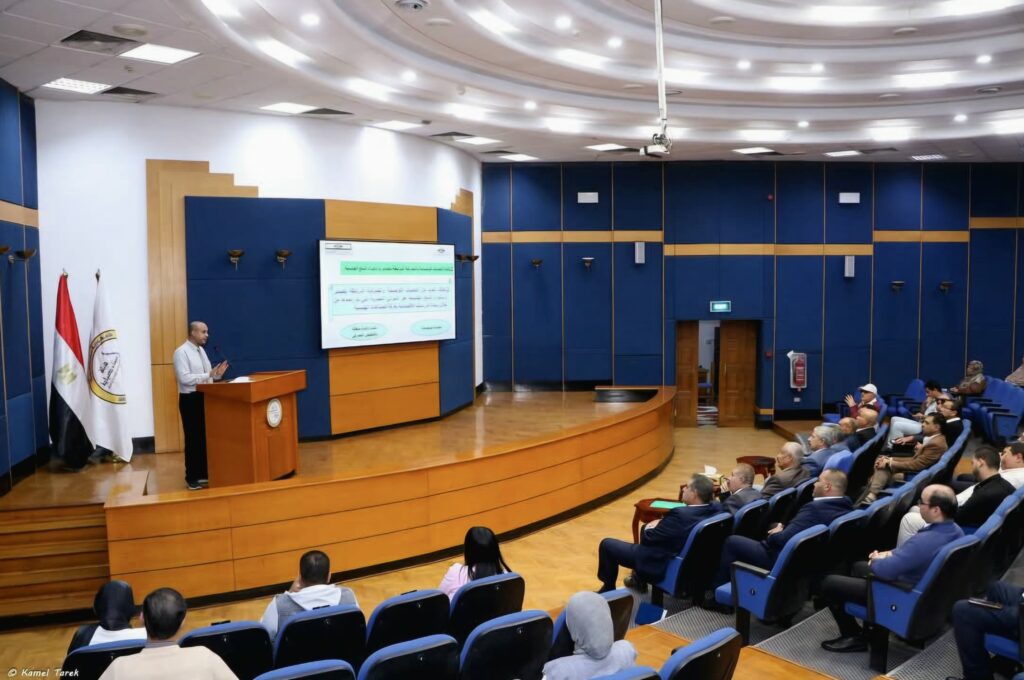
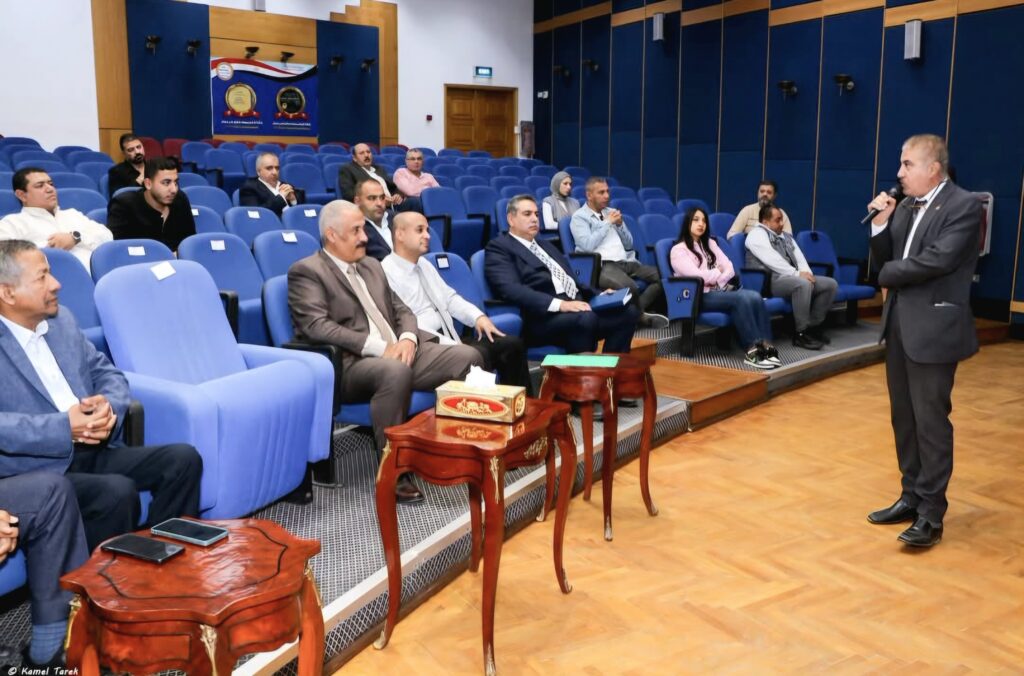
    The visit brought together representatives from Egypt’s industrial sector and several government agencies involved in cargo handling, regulatory inspections, and customs procedures. Discussions focused on improving coordination, facilitating cargo movements, and increasing manufacturers’ awareness of the services and facilities available at Damietta Port.

    Rear Admiral Refaat El-Mardini, Head of the Central Administration for Movement and Zones, welcomed the delegation on behalf of Damietta Port Authority Chairman Rear Admiral Tarek Adly Abdallah.

    The meeting was attended by El-Saeed Abu El-Saud, Head of the General Organization for Export and Import Control (GOEIC) at Damietta Port; Alaa Kahla, Head of the Central Administration for Information Systems and Digital Transformation; and Moanes Sorour, General Manager of Cargo Movement. Representatives from Damietta Customs and the Damietta Chamber of Commerce also participated.

    Damietta Port Highlights Operational Capabilities and Customs Procedures

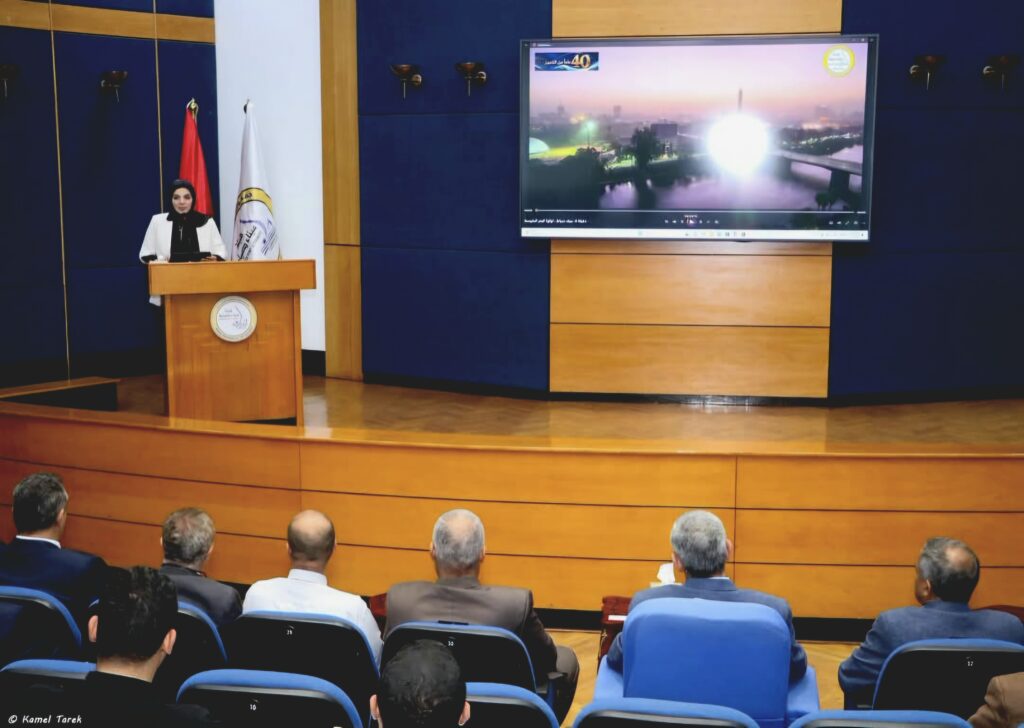
    The visit began with a documentary marking the 40th anniversary of Damietta Port’s inauguration. The presentation reviewed the port’s development, infrastructure modernization, and improvements in its operational capabilities over the past four decades.

    El-Saeed Abu El-Saud subsequently presented the role of GOEIC at Damietta Port, explaining its responsibilities and the services provided to businesses involved in international trade. A separate documentary highlighted the organization’s activities and the operations of its local branch.

    During the meeting, Mohamed Sayed Ahmed, Director General of Industrial Affairs Follow-up at Egypt’s Ministry of Industry, highlighted the port’s strong technical efficiency indicators. He noted that these indicators were consistent with the assessments of manufacturers and representatives of the Chamber of Engineering Industries regarding the port’s operational performance.

    He also indicated that the coming period would involve further coordination with agencies operating at the port. These efforts will focus on raising awareness of the facilities and services available to manufacturers and strengthening their ability to benefit from existing port capabilities.

    Abdel Sadeq Ahmed, Technical Adviser to the Chamber of Engineering Industries, emphasized the importance of the visit in helping industrial representatives understand the port’s operating systems and cargo movement procedures.

    He also highlighted the opportunity for manufacturers to engage directly with the authorities responsible for shipping operations, regulatory inspections, and customs clearance.

    Discussions addressed the procedures governing cargo handling and customs transactions, as well as inspection requirements and coordination mechanisms between the relevant agencies. Participants also examined ways to facilitate cargo movements and improve manufacturers’ access to available services.

    Digital Transformation Supports Faster Port Procedures

    Damietta Port Authority also presented its progress in automation and digital transformation, highlighting the role of electronic systems in improving operational efficiency and administrative procedures.

    Alaa Kahla, Head of the Central Administration for Information Systems and Digital Transformation, provided an overview of the authority’s efforts to develop automated systems and modernize its digital infrastructure.

    He explained that Damietta Port became the first Egyptian government port to implement automated systems in 2004. Since then, the authority has continued upgrading and developing these systems to support port operations and administrative processes.

    According to Kahla, these developments have strengthened governance while simplifying and accelerating procedures across the port’s operations.

    He also highlighted the contribution of digitalization to improving Damietta Port’s standing among regional ports, emphasizing the importance of continued technological development in supporting operational performance.

    The presentation gave the visiting manufacturers an overview of how the port’s digital systems support cargo-related procedures and coordination between the authorities operating within the port.

    Industrial Delegation Tours Port Terminals and Inspection Facilities

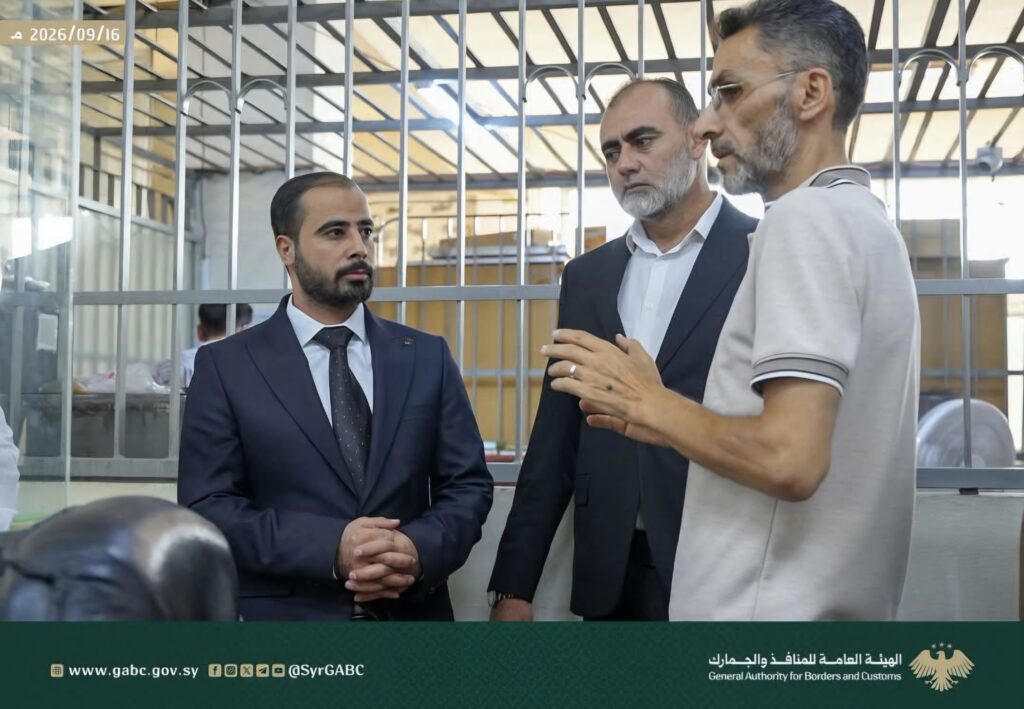
    Following the presentations and discussions, the delegation conducted a field tour of several terminals at Damietta Port to gain a closer understanding of the facilities and their operational capabilities.

    The delegation subsequently visited the headquarters of GOEIC’s Central Administration at the port, where members toured its laboratories and reviewed the inspection procedures and working mechanisms used by the organization.

    The laboratory visit provided industrial representatives with an opportunity to examine the regulatory inspection process and engage with the personnel responsible for carrying out cargo examinations.

    The visit concluded with an emphasis on maintaining direct communication between Damietta Port Authority, government agencies, and representatives of the industrial sector.

    Through these exchanges, the authority aims to increase awareness of the port’s capabilities and operating procedures while strengthening coordination among the organizations involved in shipping, cargo inspections, and customs clearance.

    The initiative reflects efforts to facilitate trade flows, support manufacturers in accessing available port services, and improve cooperation between Egypt’s maritime transport and industrial sectors.

    Source: Damietta Port Authority
  • JICA Provides X-Ray Equipment at Port of Aqaba to Improve Container Inspections and Customs Efficiency

    Shipping Arabia, November 9, 2026 – The Japan International Cooperation Agency (JICA) has provided new X-ray inspection equipment at the Port of Aqaba in Jordan to improve container inspections, strengthen customs capabilities and facilitate cargo movements through the country’s principal maritime gateway.

    The installation marks an important step in enhancing customs inspection efficiency as demand for container handling at the port continues to increase. The equipment is expected to accelerate inspections, support the digitalization of scanning data and streamline customs procedures.

    According to JICA Jordan Office, a completion ceremony for the installed equipment took place in Aqaba on October 28, 2026. The event marked the completion of the installation and highlighted ongoing cooperation aimed at strengthening Jordan’s customs inspection capabilities.

    New X-Ray Equipment to Improve Container Inspections at Aqaba

    The new X-ray equipment is expected to improve the speed and efficiency of container inspections at the Port of Aqaba, supporting the port’s role as a major gateway for Jordanian and regional trade.

    JICA highlighted the growing demand for container handling at the port as an important factor behind the initiative. The new inspection technology is intended to help customs authorities manage this demand more efficiently while supporting smoother cargo movements.

    A key component of the improvement is the digitalization of scanning data. By advancing digital inspection processes, the equipment is expected to make customs procedures more efficient and support the movement of goods through the port.

    These improvements aim to strengthen the operational efficiency of customs inspections while supporting the broader flow of containerized cargo through Aqaba.

    Supporting Jordan’s Trade Links With Regional Markets

    Beyond improving inspection procedures at the Port of Aqaba, the equipment is expected to facilitate cargo movements across Jordan and into neighboring markets.

    According to JICA, more efficient container inspections will support the movement of goods from Aqaba to Amman and other parts of the country. The improvements are also expected to benefit cargo flows destined for Saudi Arabia, Iraq, Syria and Türkiye.

    This regional dimension reflects Aqaba’s importance as a maritime gateway serving both Jordan’s domestic market and trade connections with surrounding countries.

    By improving customs inspection efficiency, the initiative aims to support more reliable cargo movements and strengthen regional logistics connectivity.

    JICA and Jordan Customs to Continue Cooperation

    JICA reaffirmed its commitment to working closely with the Jordan Customs Department to strengthen the country’s customs functions.

    The agency emphasized that continued cooperation would focus on improving customs capabilities and contributing to more efficient and reliable regional connectivity.

    The provision of X-ray inspection equipment forms part of these efforts, combining faster container inspections with improved digital scanning processes to support customs efficiency.

    With container handling demand at the Port of Aqaba continuing to increase, the new equipment is expected to contribute to smoother customs procedures and facilitate the movement of goods within Jordan and across regional trade routes.

    Source: JICA Jordan Office

  • Port of Tripoli Explores IMEC Connectivity and Logistics Development With Indian Official

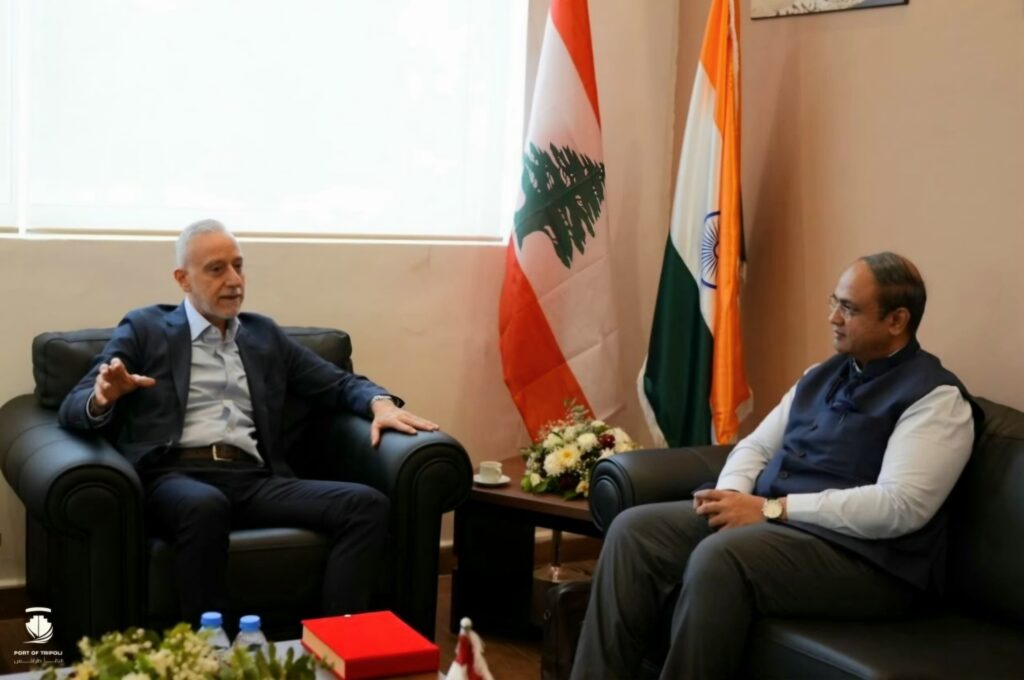
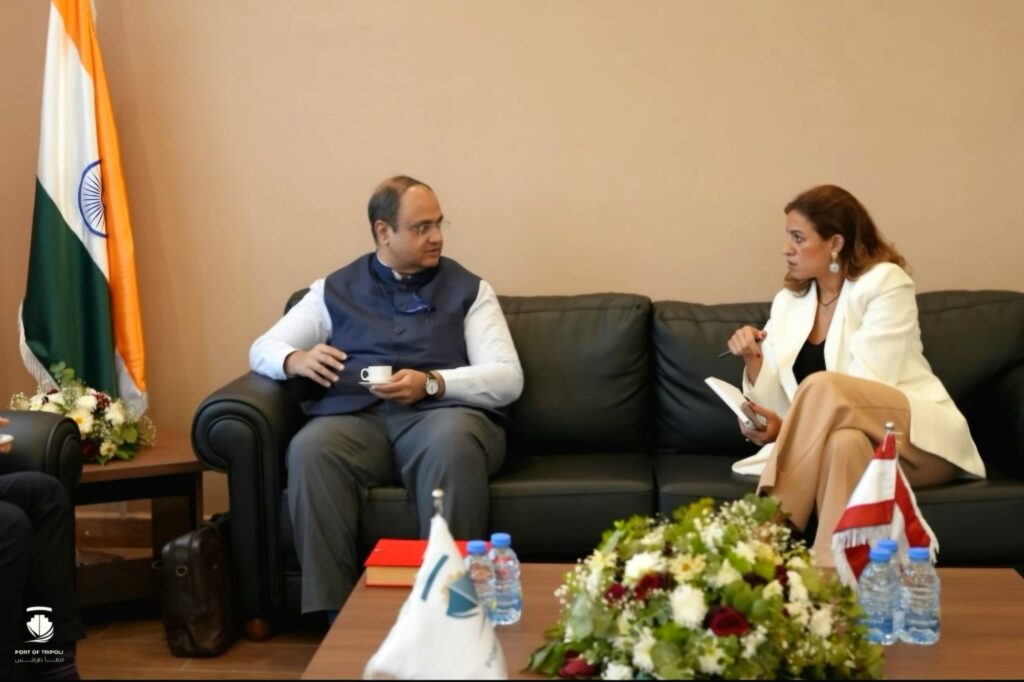
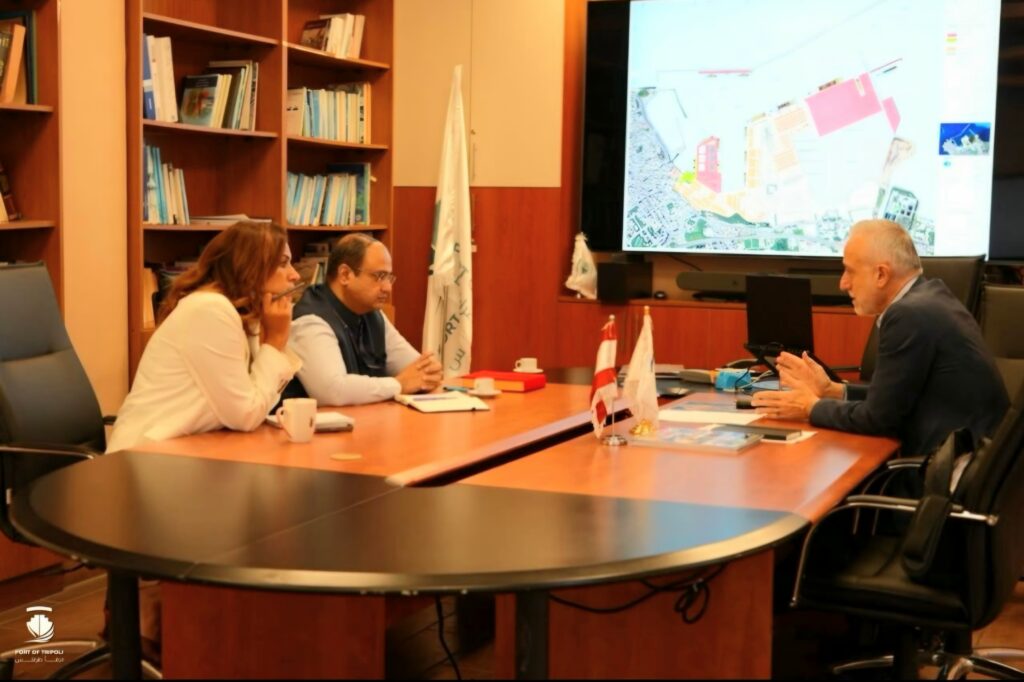
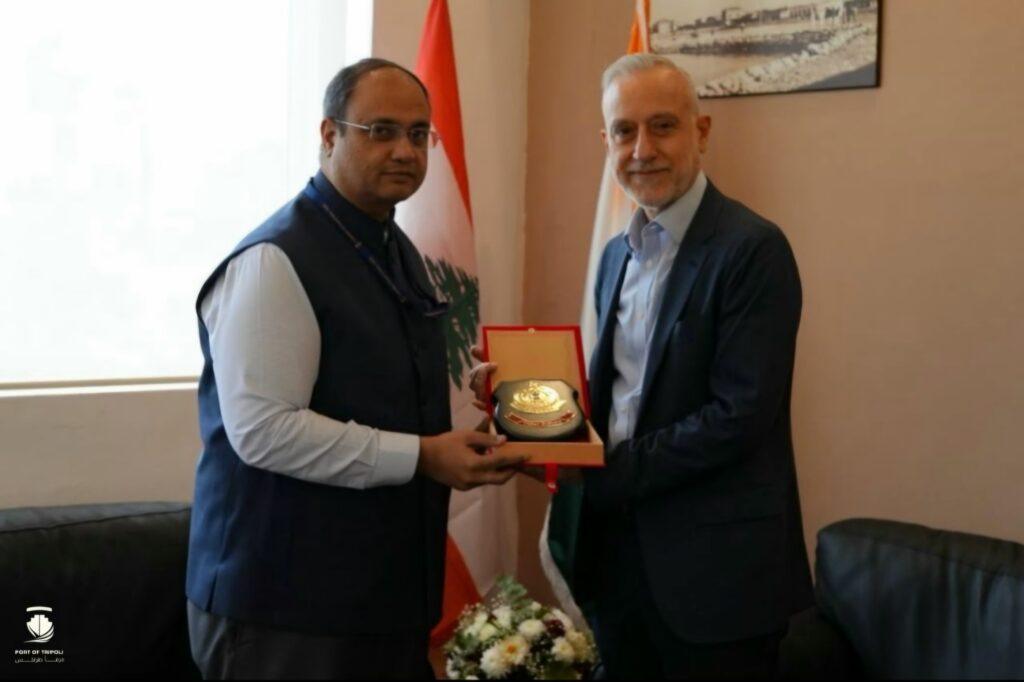
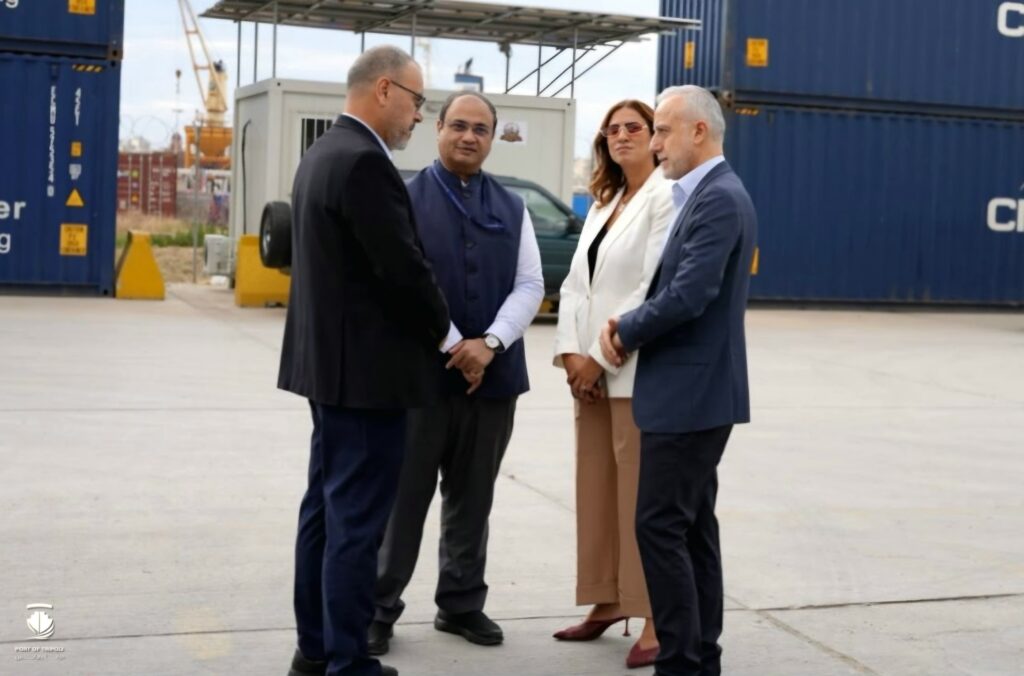
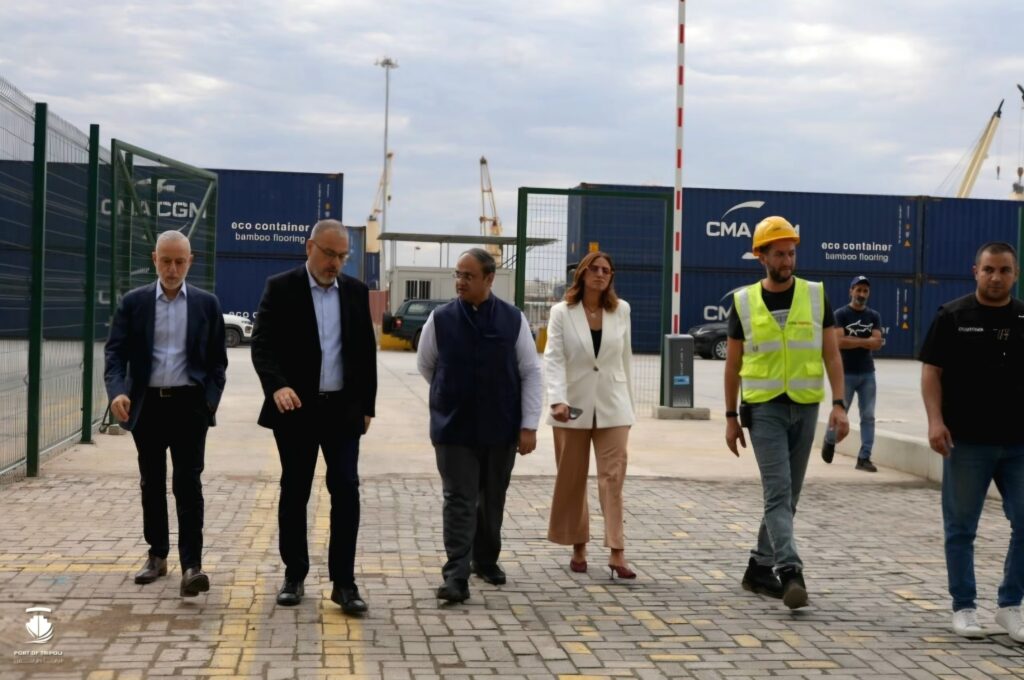
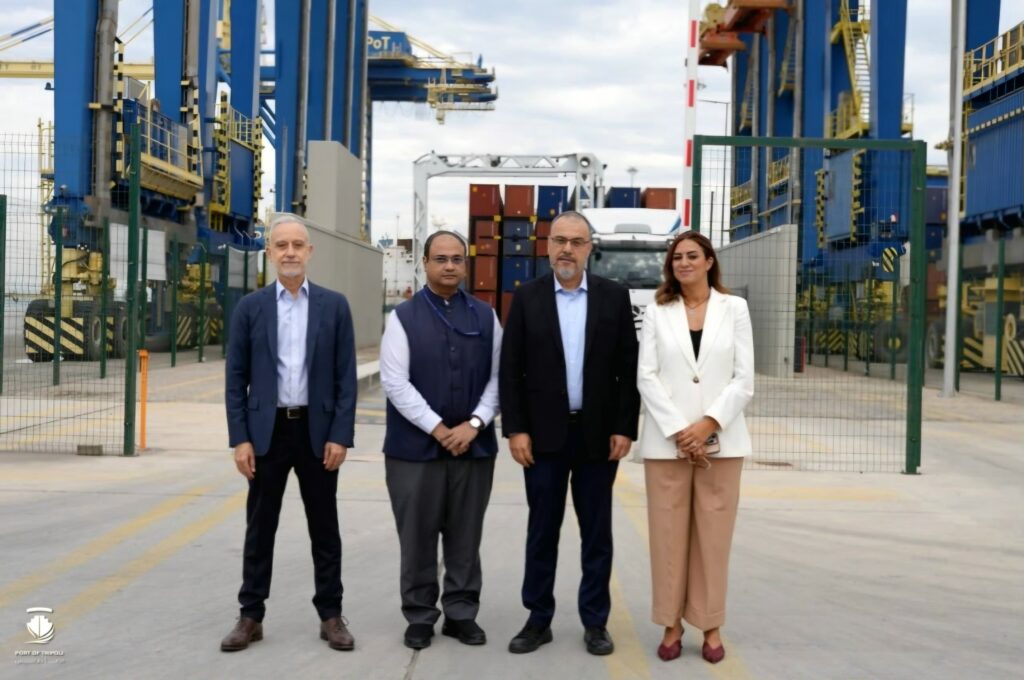
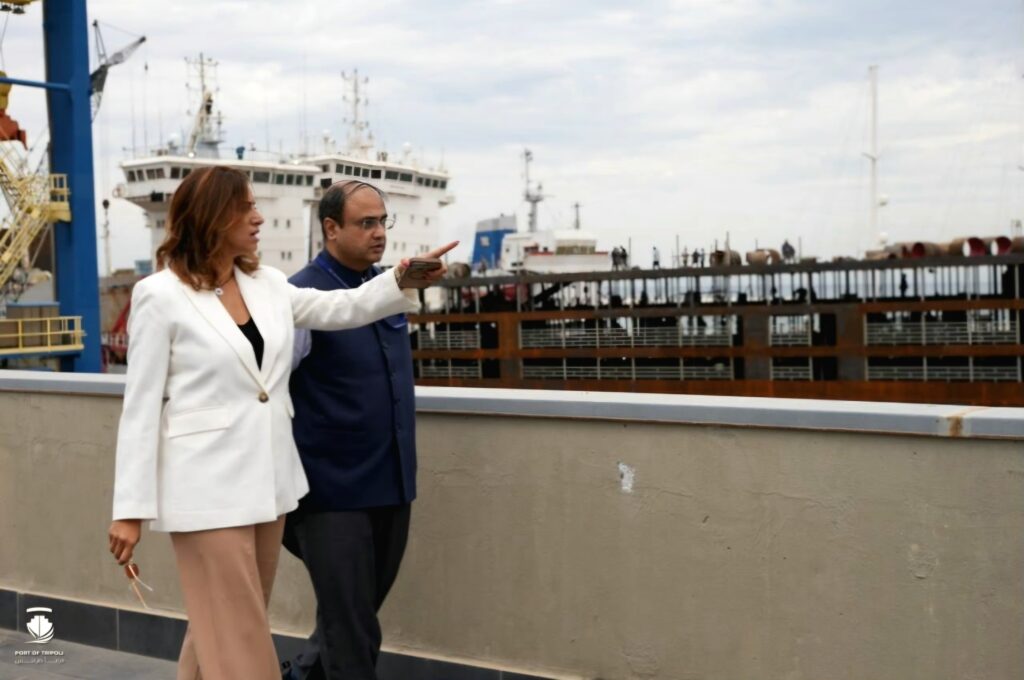
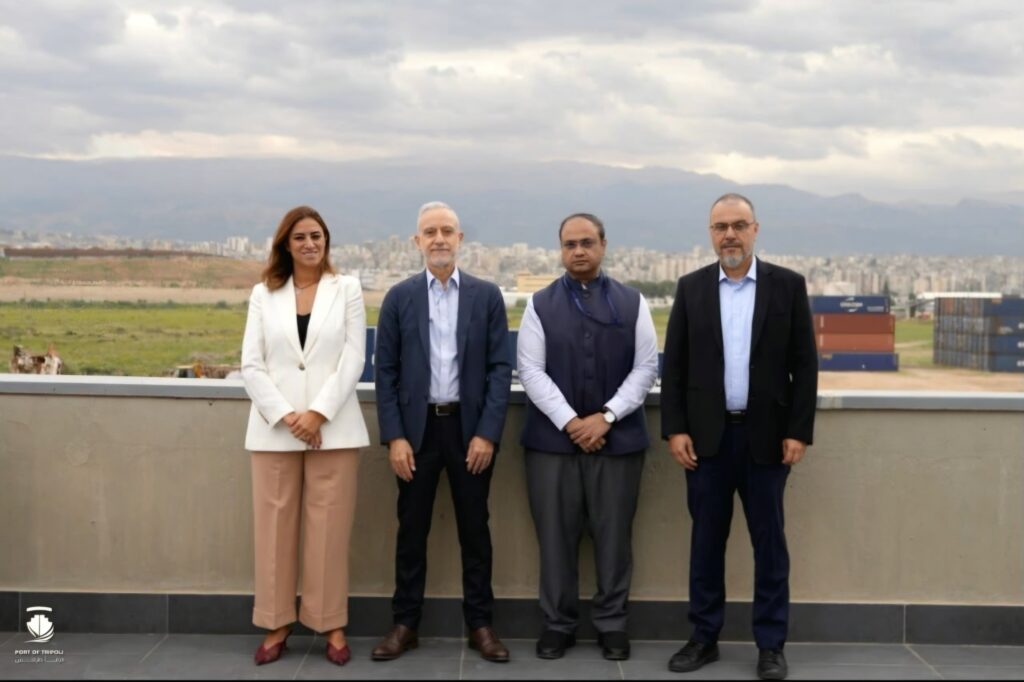
    Shipping Arabia, November 8, 2026 – Lebanon’s Port of Tripoli has held strategic discussions with an Indian diplomatic and customs official on regional connectivity, trade facilitation, and potential cooperation under the India–Middle East–Europe Economic Corridor (IMEC). The meeting also highlighted the port’s plans to become a regional logistics hub through infrastructure development, multimodal connectivity, and digital transformation.

    The discussions took place during a visit by Shri B.G. Krishnan, Consul for Economic, Trade, Commerce and Education at the Consulate General of India in Dubai, UAE. Krishnan also serves as the Nodal Officer for Indian Customs for the Middle East and Africa.

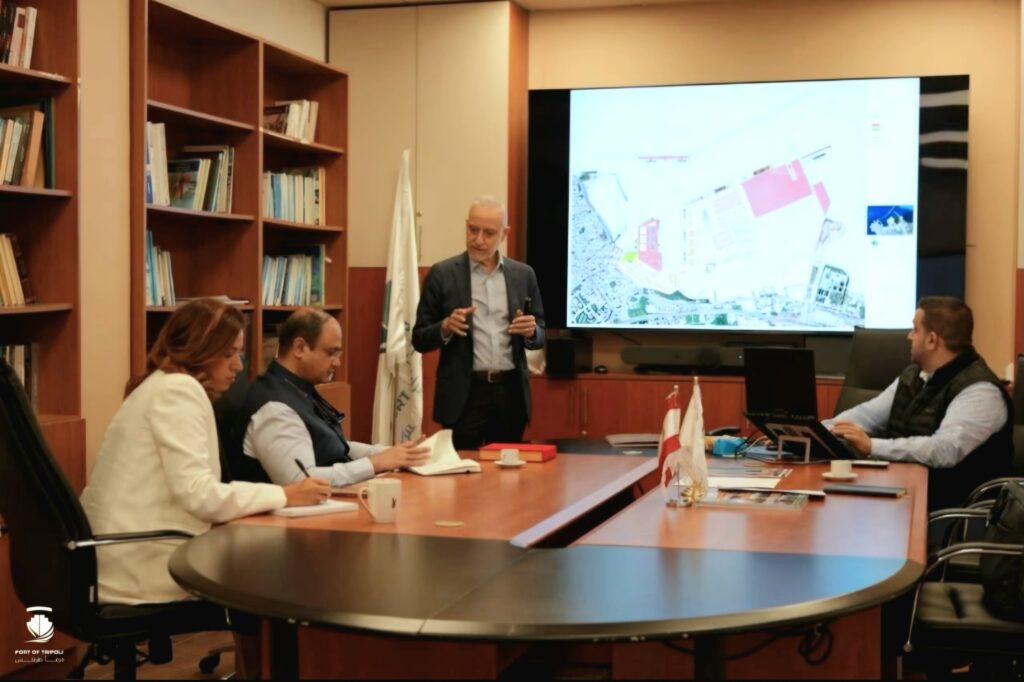
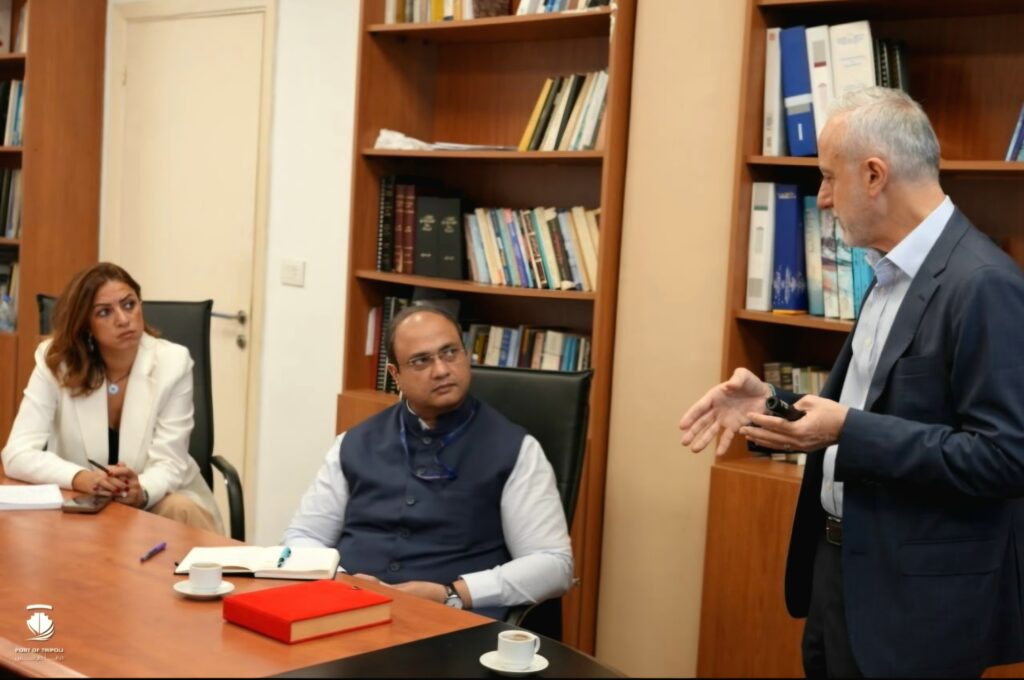
    During the meeting, Port of Tripoli Chairman Eng. Iskandar Bandali presented the port’s strategic vision. The plan aims to transform Tripoli from a conventional cargo-handling facility into a regional logistics hub capable of supporting broader trade connectivity.

    Port of Tripoli Outlines Four Strategic Development Priorities

    The Port of Tripoli’s development vision focuses on four strategic pillars: multimodal connectivity, integration with the Tripoli Special Economic Zone, governance and digital transformation, and infrastructure and capacity expansion.

    These priorities form the foundation of the port’s proposed transition toward a more integrated logistics model, combining physical infrastructure with improved trade facilitation and digital systems.

    Among the key projects highlighted was the proposed revival of the Tripoli–Syrian border railway, which forms part of the port’s multimodal connectivity ambitions.

    The presentation also outlined plans to expand container and general cargo terminals, alongside ongoing efforts to develop a Port Community System (PCS). The proposed digital platform forms part of the port’s broader strategy to modernize operations and strengthen coordination across the logistics chain.

    Integration with the Tripoli Special Economic Zone represents another central element of the development strategy, linking port activities with the wider economic and logistics framework.

    IMEC Connectivity and Digital Trade Facilitation

    Discussions placed particular emphasis on the India–Middle East–Europe Economic Corridor as both a physical transport corridor and a framework for digital trade integration.

    The meeting highlighted the importance of customs modernization and interoperable digital systems in facilitating cargo movements across borders. These capabilities were identified as important components of efforts to strengthen Lebanon’s participation in emerging regional and international trade corridors.

    Specific areas discussed included the development of a National Single Window, the exchange of advance cargo information, and coordinated risk assessment procedures.

    The discussions also addressed the need for digital interoperability between customs administrations and other trade-related institutions. Such coordination was presented as an important element of more efficient cross-border trade facilitation.

    The Port of Tripoli’s interest in IMEC reflects its broader development vision, which combines improvements to transport infrastructure with customs modernization and institutional coordination.

    India Shares Customs Digitalization Experience

    During the meeting, Krishnan shared insights from India’s experience in customs digitalization and its integration efforts with the United Arab Emirates.

    The discussion included India’s MAITRI initiative, which was presented as part of the exchange of experience relating to customs systems and international trade integration.

    Both sides also explored potential avenues for technical cooperation, knowledge exchange, and specialized training for Lebanese customs officials.

    These discussions focused on opportunities to strengthen technical capabilities and support modernization efforts through cooperation and the sharing of relevant expertise.

    Institutional Cooperation and Regional Trade Integration

    The meeting reaffirmed the importance of coordination between port authorities, customs administrations, and international partners in strengthening Lebanon’s connections with regional and global trade networks.

    Participants emphasized that positioning the Port of Tripoli within future trade corridors requires more than investment in physical infrastructure. Digital integration, transport connectivity, and coordinated institutional reform were also identified as essential elements.

    The discussions brought together the port’s infrastructure and capacity expansion ambitions with broader priorities involving customs modernization and international cooperation.

    Through its proposed railway revival, terminal expansion plans, Port Community System development, and engagement on IMEC connectivity, the Port of Tripoli outlined its vision for a larger role in regional logistics and cross-border trade.

    Source: Port of Tripoli

  • Port of Beirut Expansion Plans Target Higher Container Capacity and Improved Trade Efficiency

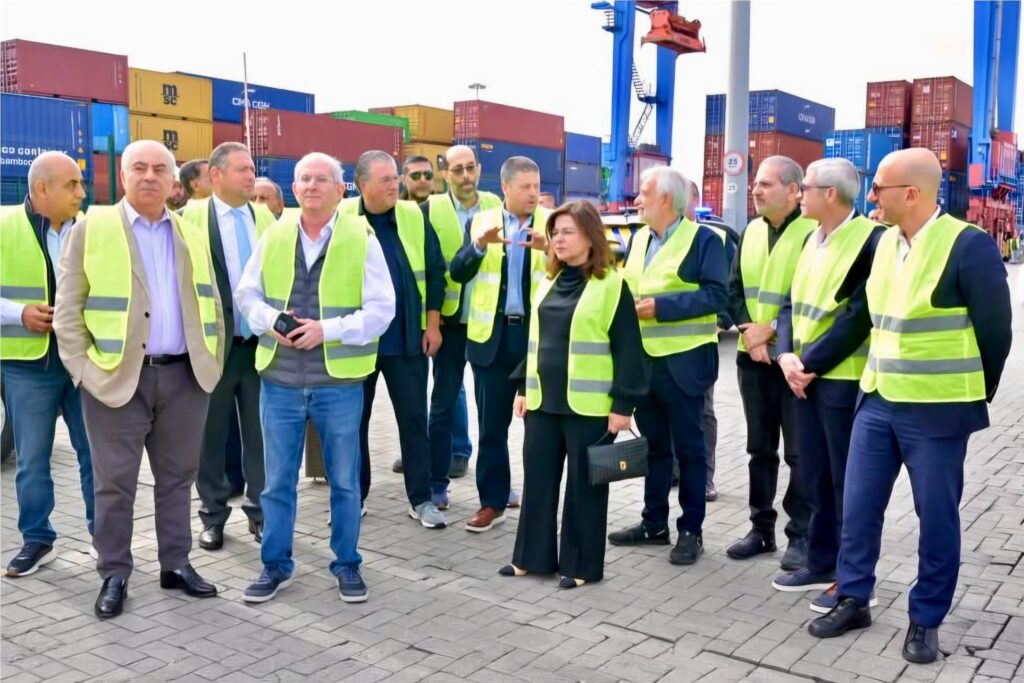
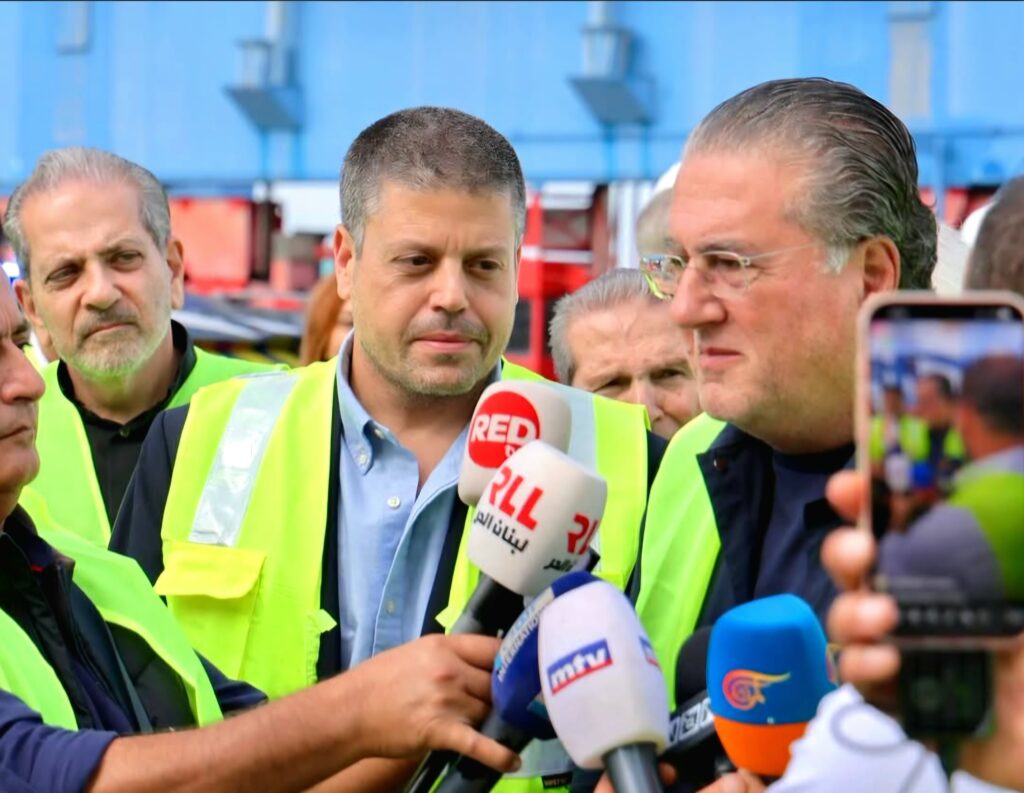
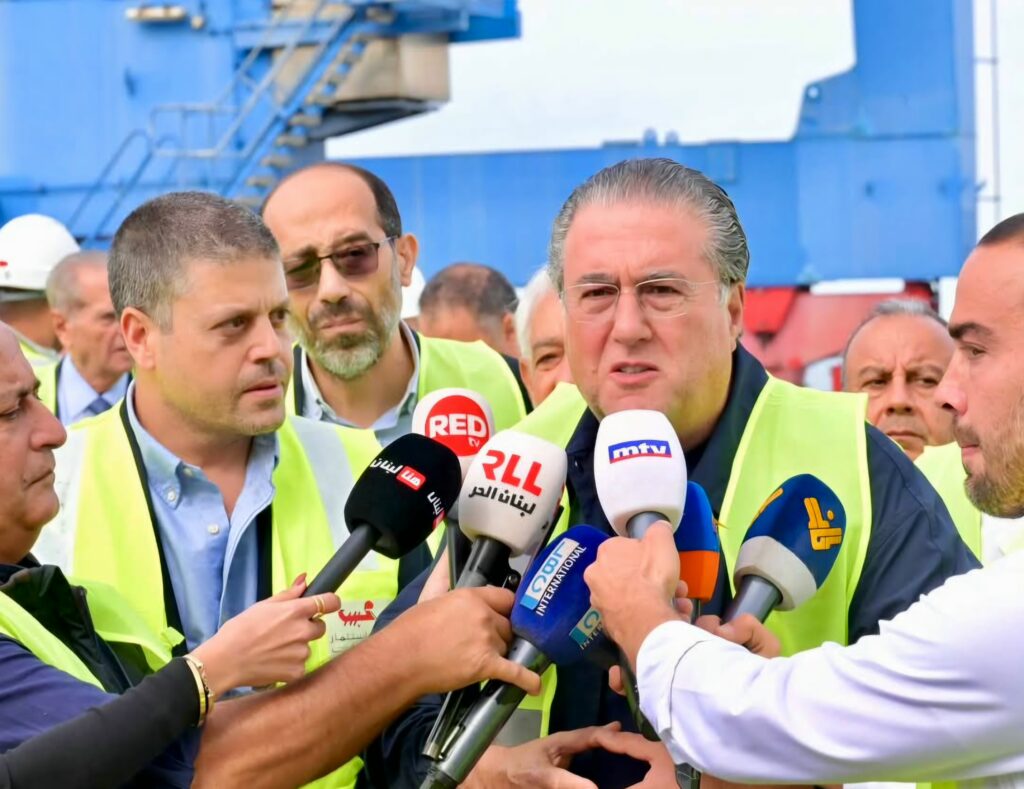
    Shipping Arabia, November 6, 2026 – The Port of Beirut has outlined its container terminal expansion plans and operational modernization initiatives during a visit by a delegation of Lebanon’s Economic Bodies. The discussions focused on facilitating trade, improving cargo handling efficiency, and addressing the requirements of importers and exporters.

    The delegation, led by former Minister Mohammad Choucair, toured the port alongside Chairman and Director General Marwan Naffi. Representatives reviewed ongoing development projects and plans to expand the port’s capacity, modernize infrastructure, and strengthen its role in supporting Lebanon’s commercial activities.

    Port of Beirut Expansion to Increase Container Terminal Capacity

    A central focus of the visit was the Port of Beirut expansion project, which aims to increase the container terminal’s handling capacity and prepare the port for future growth in trade volumes.

    The planned development is also intended to strengthen Beirut’s position as a Mediterranean maritime gateway. In addition, it seeks to improve the port’s connectivity with regional markets and international trade routes.

    During the tour, Naffi presented the port administration’s development strategy and outlined the infrastructure improvements underway. He also discussed future projects designed to enhance operational capacity and support the evolving needs of Lebanon’s trade sectors.

    Choucair welcomed the expansion and modernization initiatives, describing the developments as highly encouraging. He expressed confidence that the planned expansion would strengthen Beirut’s regional role and position the port among the region’s important trade gateways.

    Digital Modernization and Cargo Clearance Improvements

    Alongside the physical infrastructure developments, the port administration outlined initiatives to upgrade digital systems and strengthen security and monitoring procedures.

    These measures form part of broader efforts to improve cargo movements and simplify procedures governing the entry and exit of goods through the port.

    The administration aims to reduce processing times and associated costs for Lebanon’s commercial and industrial sectors. Such improvements are particularly relevant to importers and exporters seeking more efficient cargo clearance and port operations.

    Naffi emphasized that the administration is working to align port development priorities with the operational requirements of businesses that depend on Beirut’s maritime gateway.

    Cooperation With Lebanon’s Economic Sectors

    The visit continued ongoing discussions between the Port of Beirut administration and Lebanon’s Economic Bodies on trade facilitation and the needs of the country’s import and export sectors.

    Naffi described the port as a vital component of Lebanon’s economy and reaffirmed the administration’s commitment to supporting businesses and productive sectors.

    He stressed that the port remains available to serve Lebanon’s economic community and that its management intends to work closely with stakeholders to address their requirements.

    For his part, Choucair expressed satisfaction with the projects presented during the visit, particularly the expansion plans and other developments under implementation. He highlighted the importance of the port as one of Lebanon’s principal gateways and welcomed efforts to strengthen its future capabilities.

    The discussions underscored the shared focus of the port administration and Lebanon’s business community on improving trade facilitation, increasing container handling capacity, and advancing the modernization of the Port of Beirut.

    Source: Port of Beirut

  • Beirut and Tripoli Ports Sign IMEC Ports Club Declaration in New Delhi

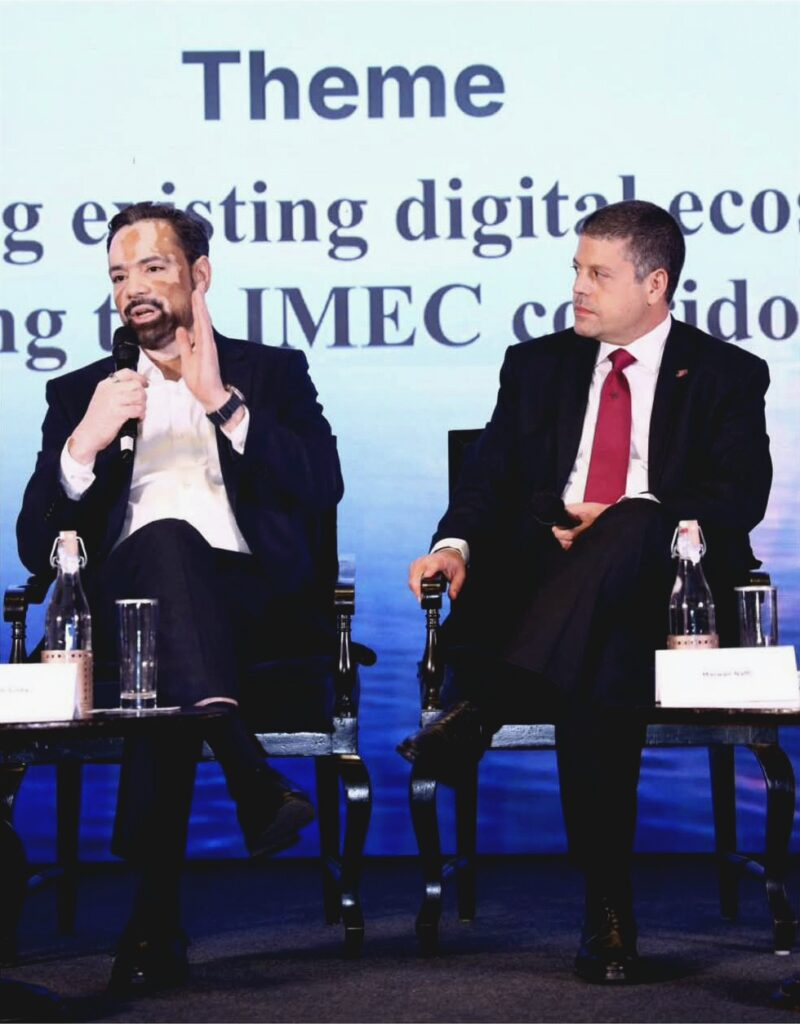
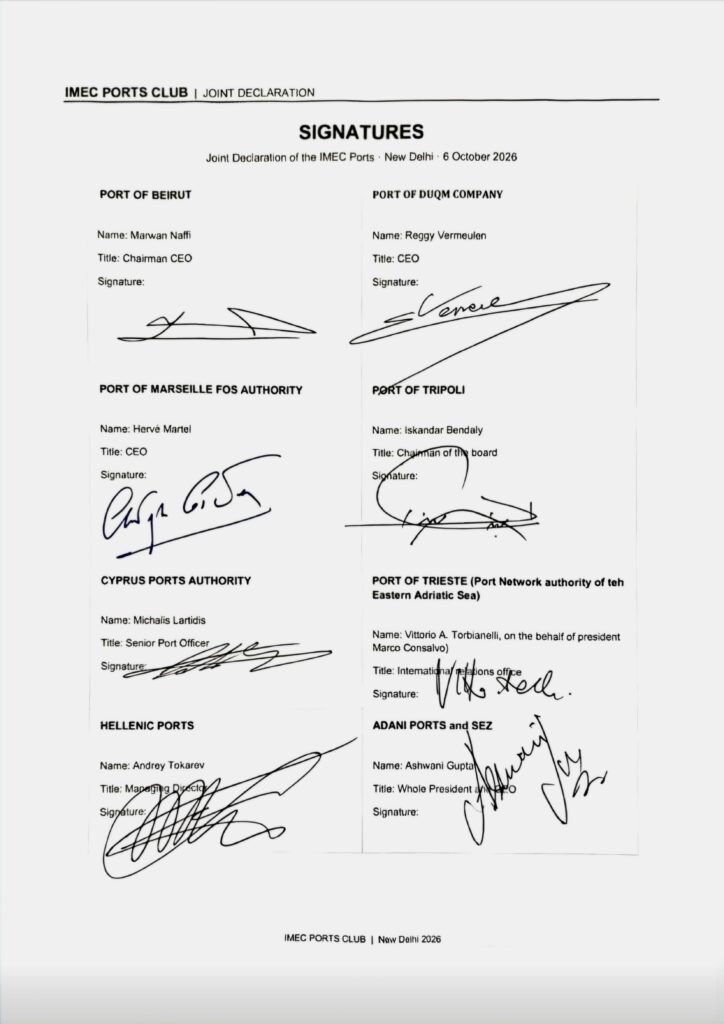
    Shipping Arabia, October 12, 2026 – Lebanon’s Port of Beirut and Port of Tripoli have signed the joint declaration launching the India-Middle East-Europe Economic Corridor (IMEC) Ports Club in New Delhi, India. The initiative aims to strengthen international port cooperation and support trade and logistics connectivity between India, the Middle East, the Mediterranean and Europe.

    The declaration was signed by Marwan Naffi, Chairman and Director General of the Port of Beirut, and Iskandar Bandali, Chairman of the Port of Tripoli. Their participation forms part of broader efforts to expand cooperation among ports associated with the economic corridor and encourage their involvement in developing trade and logistics connections.

    The IMEC Ports Club seeks to bring together ports and economic partners to explore opportunities for cooperation, improve connectivity and support the development of the corridor.

    IMEC Ports Club to Strengthen Port Cooperation

    The joint declaration establishes the IMEC Ports Club as an open platform for dialogue and collaboration among participating ports. Its central objective is to bring ports and their surrounding economic and logistics ecosystems closer together through practical cooperation and knowledge exchange.

    Rather than creating a new institutional structure, the initiative provides a framework for participating ports to share expertise, identify common priorities and develop collaborative projects.

    The declaration also encourages practical initiatives and pilot projects that can be expanded across participating ports and logistics networks. This approach aims to translate cooperation into activities that support the broader development of the economic corridor.

    Focus on Connectivity, Trade Facilitation and Digitalization

    The IMEC Ports Club identifies several priority areas for cooperation, reflecting the operational and logistical requirements of stronger trade connectivity.

    These include improving transport and supply chain connections, facilitating trade and related procedures, and advancing cooperation on energy and decarbonization.

    Digitalization and data interoperability are also central to the initiative. The declaration identifies these areas as opportunities for closer coordination between ports and their logistics ecosystems.

    Through cooperation in these fields, the IMEC Ports Club aims to contribute to a more seamless, reliable, resilient and sustainable trade corridor.

    The initiative also seeks to create additional opportunities for trade, investment and logistics services across India, the Middle East, the Mediterranean and Europe.

    For the ports of Beirut and Tripoli, signing the declaration establishes their participation in this collaborative platform, which focuses on strengthening relationships among ports and supporting the development of practical initiatives across the regions connected by IMEC.

    Source: Port of Beirut

  • Syria Reviews Single-Window Operations and Administrative Procedures at Tartous and Banias Ports

    Shipping Arabia, September 23, 2026 – Syria’s General Authority for Borders and Customs has reviewed administrative, financial and cargo-processing procedures at Tartous and Banias ports as part of efforts to improve operational efficiency and accelerate transactions at the country’s maritime gateways.
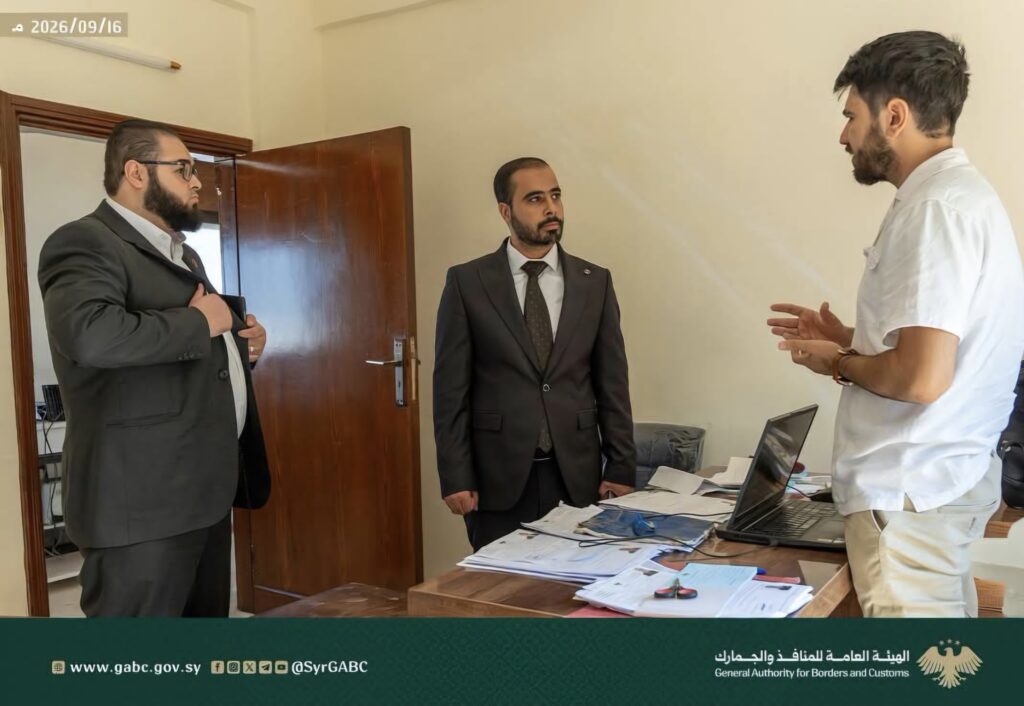
    Assistant Chairman for Financial and Administrative Affairs Waseem Al-Mansour inspected operations at both ports, focusing on administrative and financial procedures and the implementation of tasks across their departments.

    At Tartous Port, the review included the port’s single-window system, covering the processing of transactions and coordination between the authorities involved. Al-Mansour emphasized simplifying procedures and strengthening coordination to reduce processing times and improve service flows.

    The visit also covered the port’s financial affairs and supply departments, including procedures for financial documentation and the provision of materials and equipment required to maintain port operations.

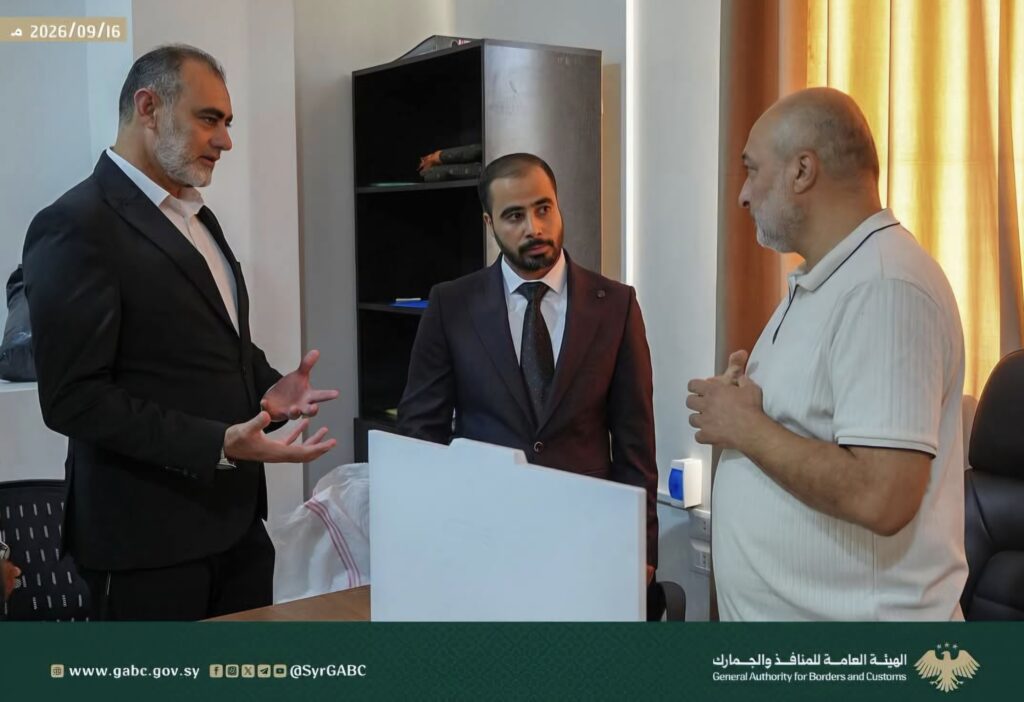
    At Banias Port, discussions focused on administrative and financial performance, coordination between departments and measures to address obstacles affecting day-to-day operations and service delivery.

    The General Authority for Borders and Customs said the inspections form part of wider field monitoring and administrative and financial oversight across its facilities, with a focus on improving performance and speeding up transaction processing.
    The review reflects ongoing efforts to streamline procedures at Syria’s maritime facilities, where efficient documentation, inter-agency coordination and digitalized processing are important to improving cargo and vessel-related services.

    Source: General Authority for Borders and Customs

Back to top button