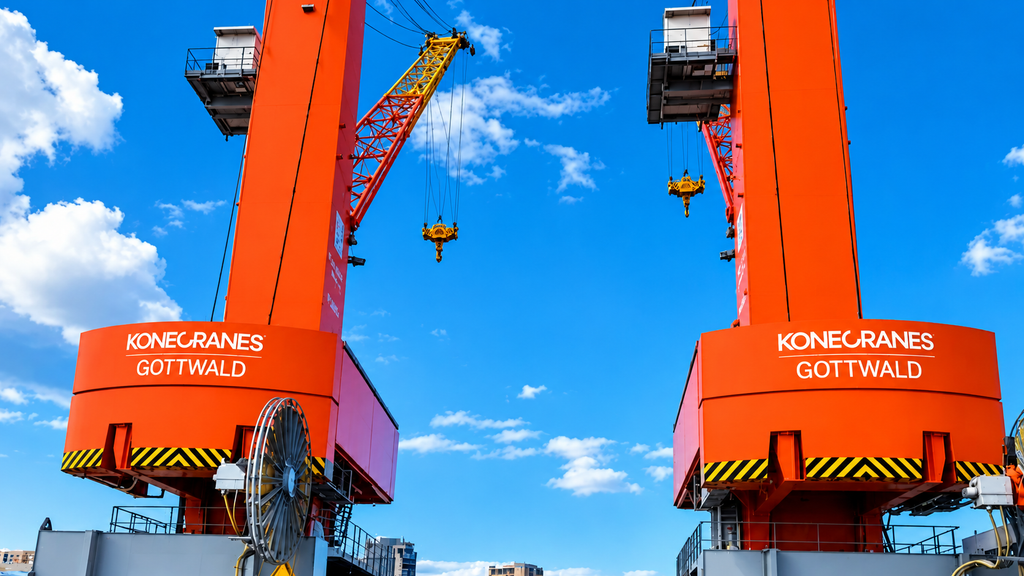
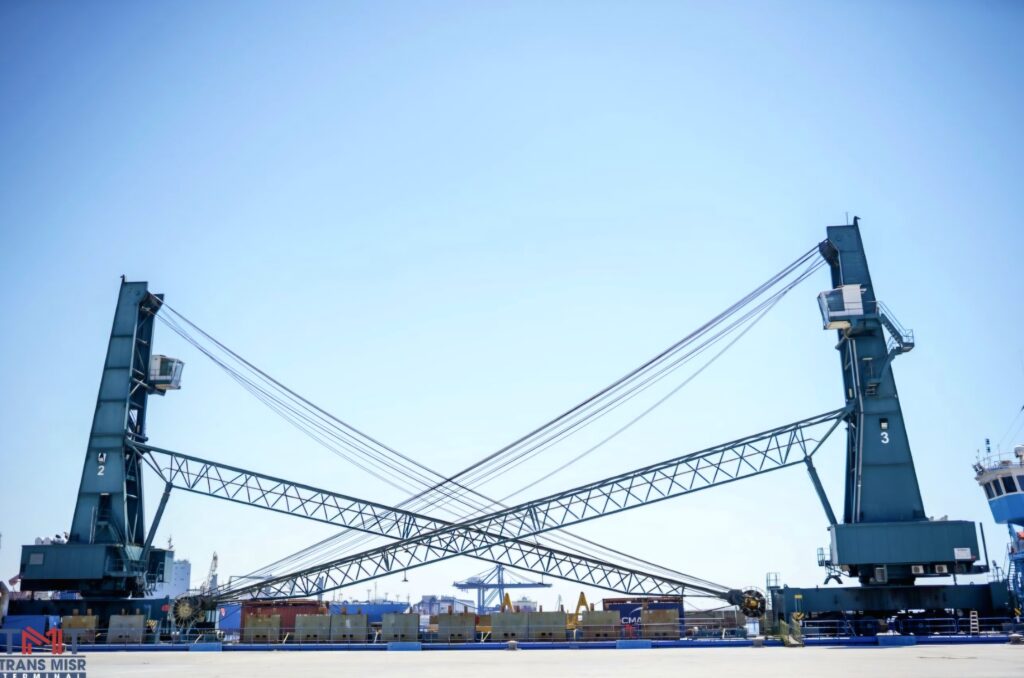
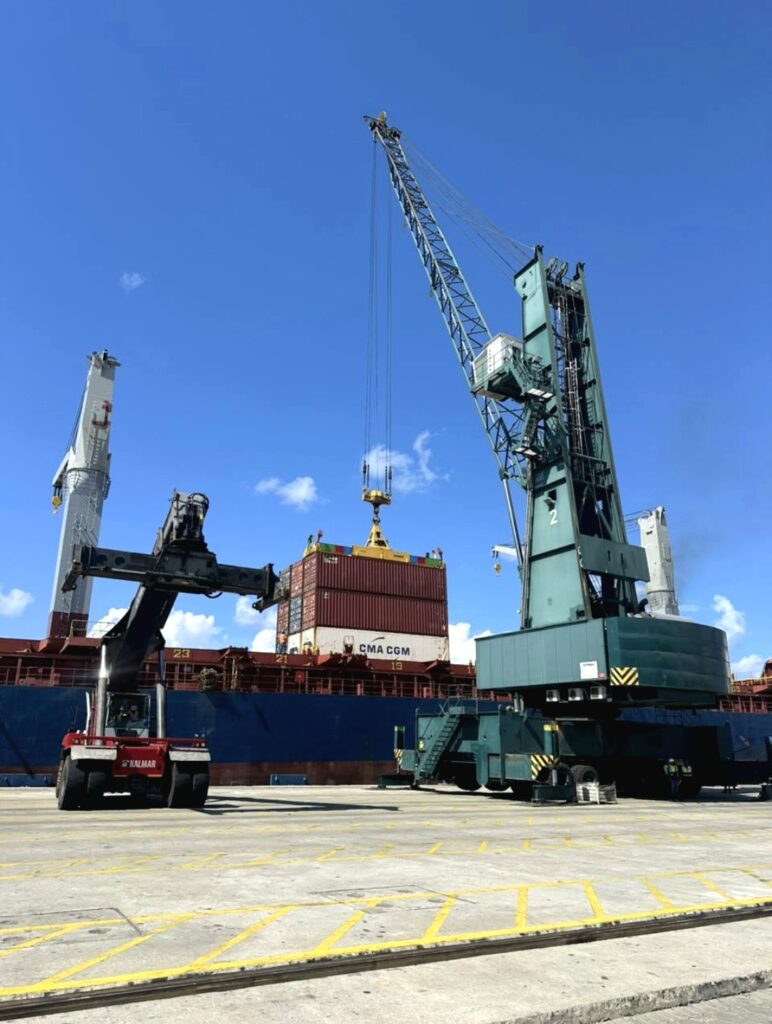
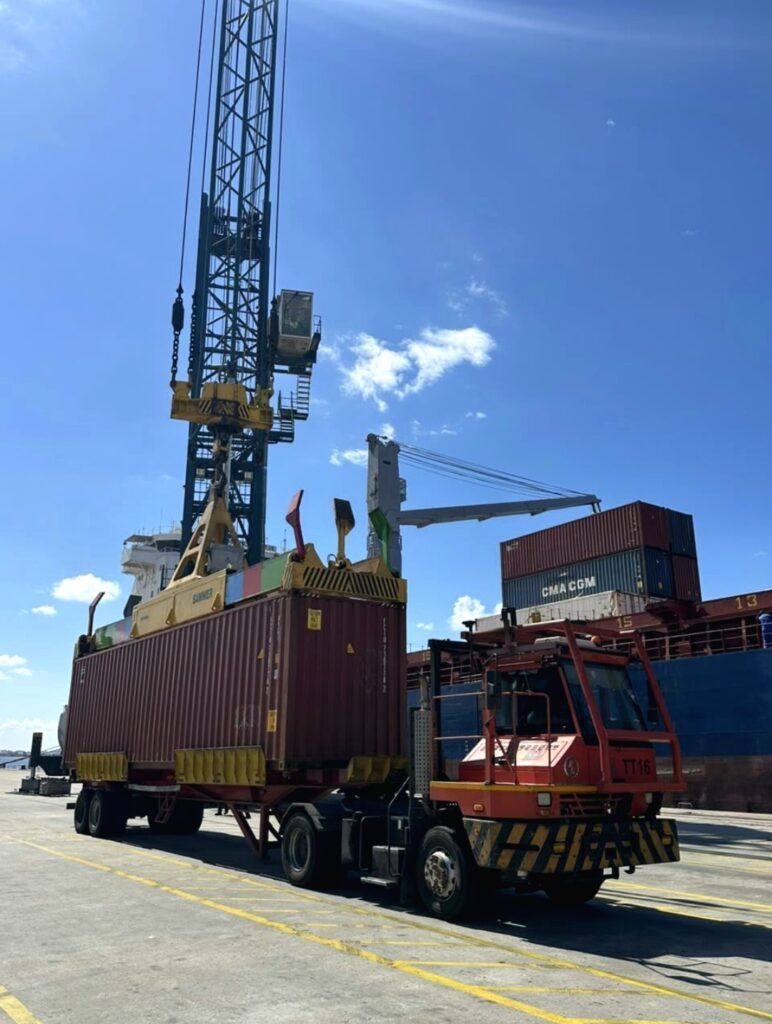
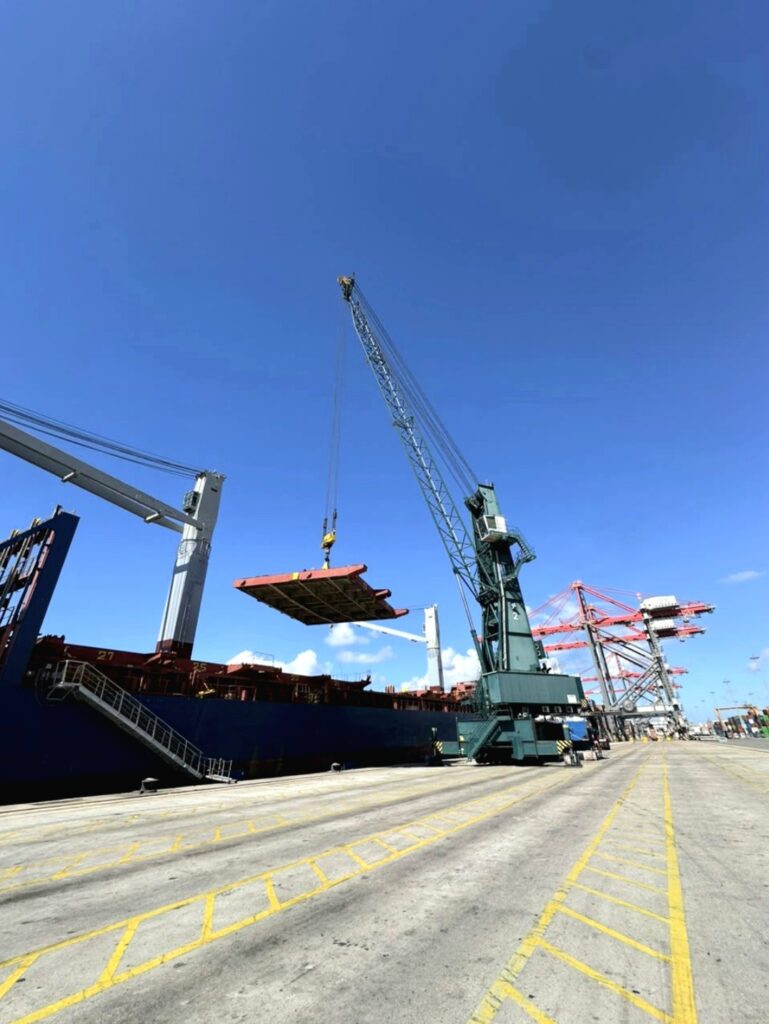
Shipping Arabia, October 15, 2026 – Tunisia’s Port of Radès is preparing to receive three new Konecranes Gottwald harbour cranes between late November and early December 2026, as part of an equipment modernization program aimed at improving cargo-handling efficiency and reducing vessel turnaround times.
The cranes have completed preparations at the Port of Antwerp in Belgium and are awaiting delivery to Tunisia. They will join the equipment fleet of Société Tunisienne d’Acconage et de Manutention (STAM), the Tunisian Stevedoring and Handling Company, which operates the container terminal at Radès.
According to the company, the investment aims to strengthen cargo-handling capabilities at Tunisian ports, improve container loading and unloading operations, and support the competitiveness of Tunisia’s foreign trade.
New Harbour Cranes to Improve Port of Radès Operations
The three Konecranes Gottwald harbour cranes are expected to improve cargo-handling productivity at the Port of Radès, one of Tunisia’s principal gateways for containerized trade.
STAM plans to use the additional equipment to improve the efficiency of container loading and unloading operations. The company also expects the cranes to help reduce vessel waiting times and the duration of port calls.
Furthermore, the equipment upgrade aims to lower logistics costs and improve the competitiveness of Tunisia’s international trade by making port operations more efficient.
The delivery forms part of STAM’s broader efforts to modernize port-handling equipment and develop operational capabilities across the Tunisian maritime sector.
STAM Handles Approximately 69% of Tunisia’s Port Cargo
STAM provides stevedoring and cargo-handling services at several commercial seaports across Tunisia. The company also manages and operates the container terminal at the Port of Radès.
According to information published through Tunisia’s transport sector open-data platform, STAM handles approximately 69% of the total cargo volumes moving through the country’s commercial seaports.
Its extensive role in national port operations highlights the importance of equipment modernization in supporting cargo flows through Tunisia’s maritime gateways.
The addition of three harbour cranes at Radès is intended to strengthen the company’s cargo-handling capabilities and improve operational performance at the container terminal.
Tunisian Port Traffic Grows 7.28% in First Half of 2026
The planned crane delivery comes amid increasing cargo volumes across Tunisia’s commercial ports.
According to figures published by Tunisia’s Office of Merchant Marine and Ports (OMMP), the country’s commercial seaports handled approximately 14.8 million tons of cargo during the first half of 2026, representing growth of 7.28% compared with the corresponding period in 2025.
Container traffic also recorded growth, reaching 280,691 containers, an increase of 9.87% year over year.
Meanwhile, general cargo volumes rose by 13.95%, while rolling cargo traffic increased by 7.55% during the same six-month period.
These figures indicate growth across several segments of Tunisia’s maritime cargo-handling activities, including containerized, general and rolling cargo.
Against this backdrop, the arrival of the three Konecranes Gottwald cranes is expected to support further improvements in cargo-handling productivity at Radès.
By strengthening container-handling capabilities and targeting shorter vessel waiting and port stays, STAM aims to enhance the port’s operational performance and support Tunisia’s foreign trade activities.
Source: Mosaique FM