World Maritime Day

  • Iraq’s Ports Mark World Maritime Day by Honoring Maritime Personnel

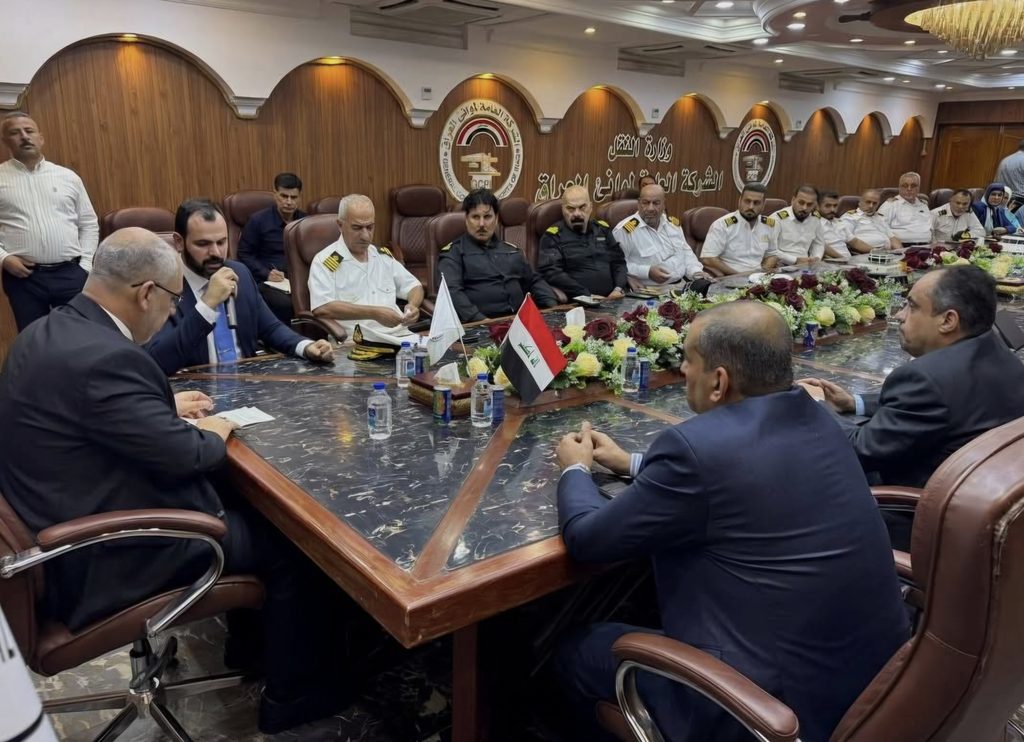
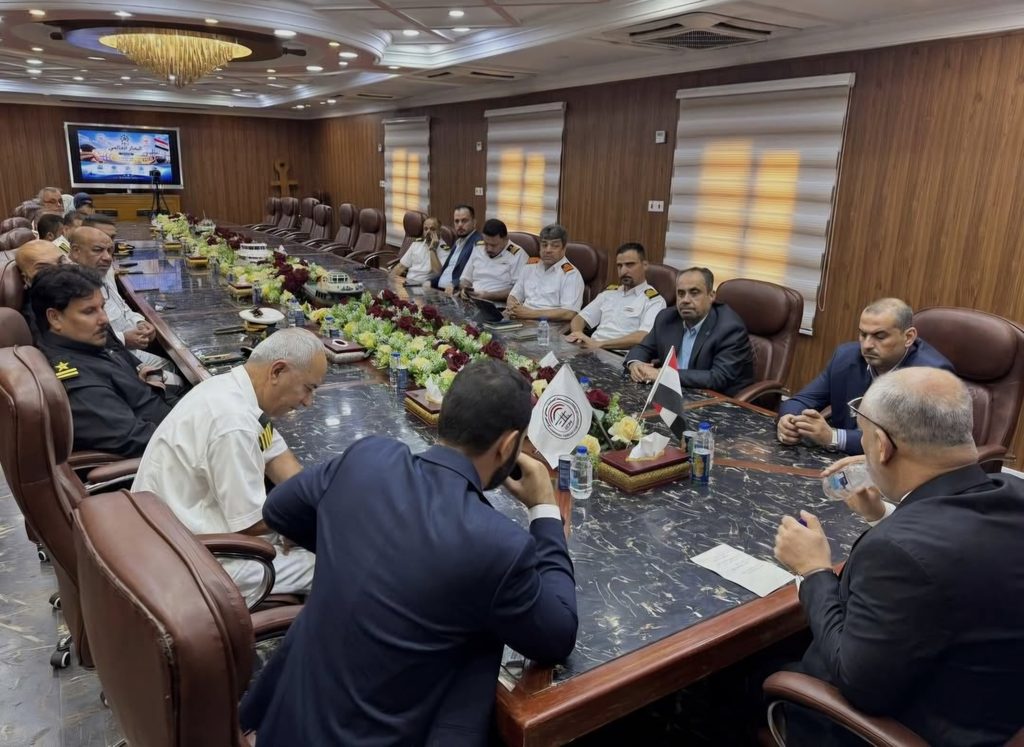
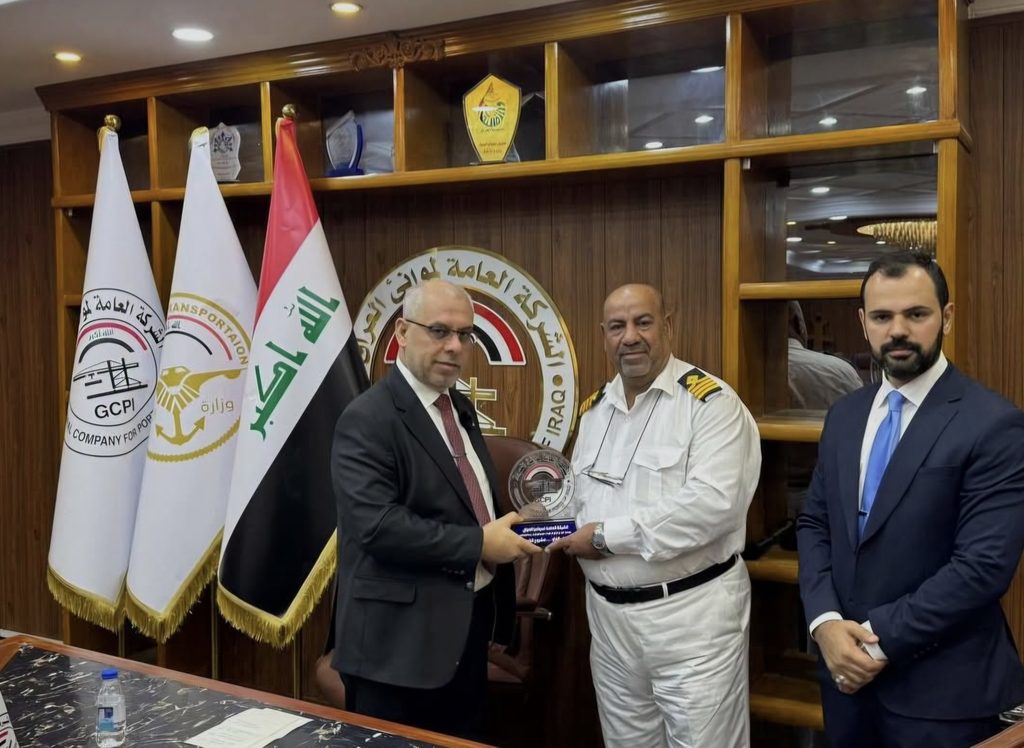
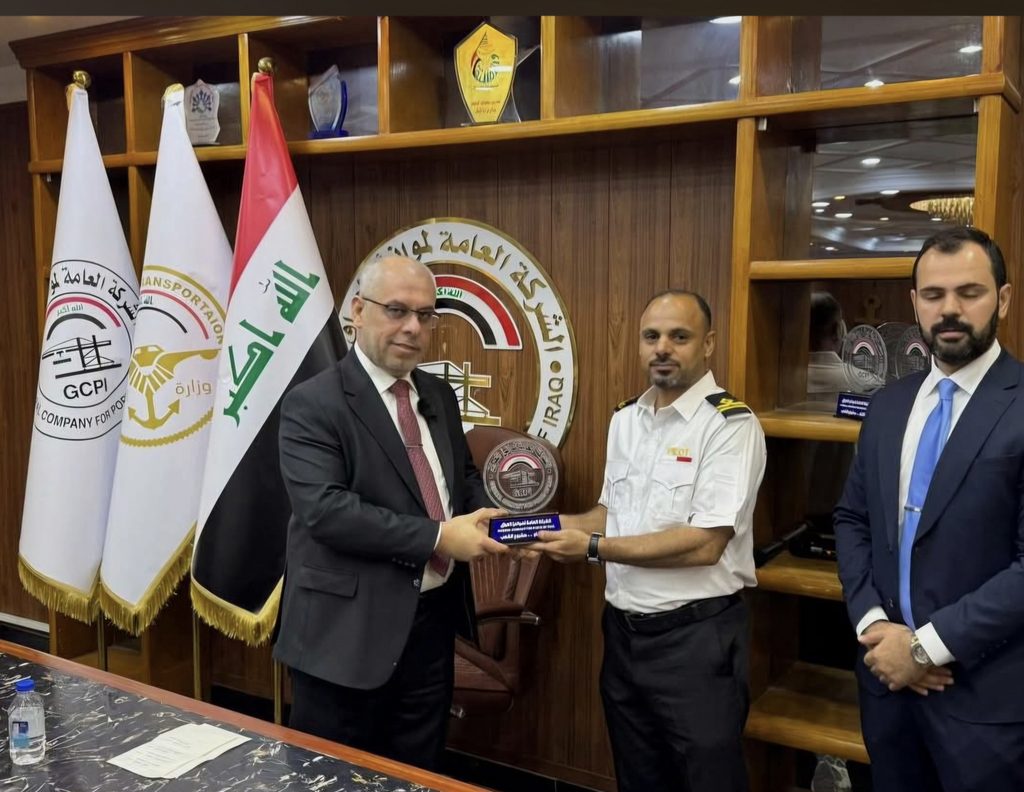
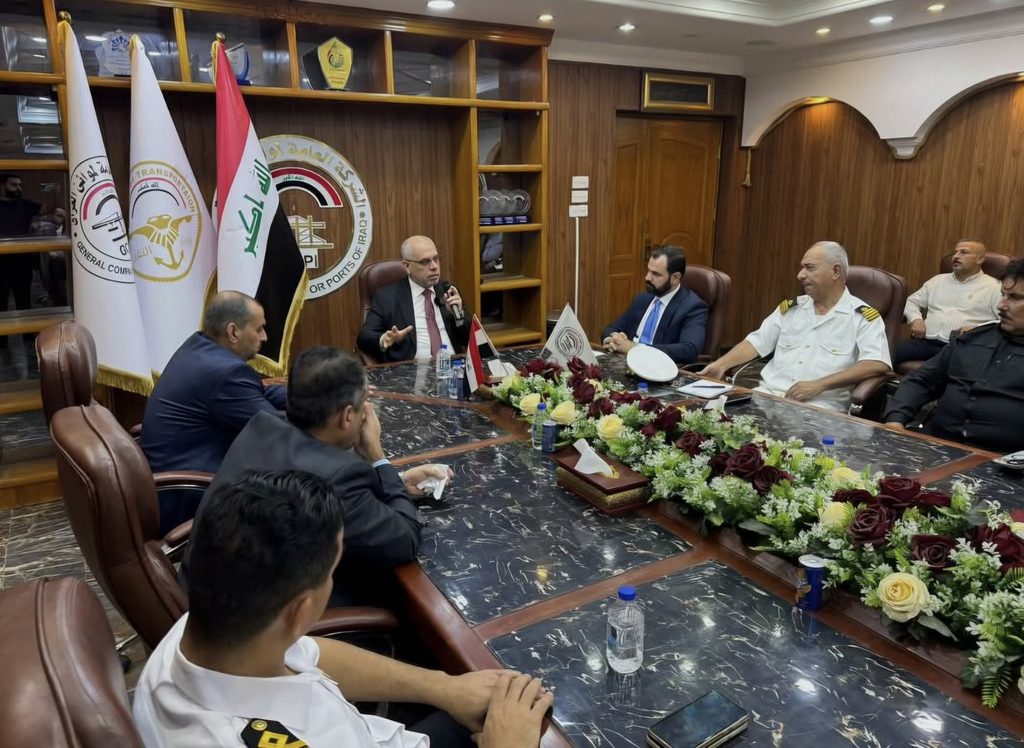
    Shipping Arabia, October 2, 2026 – The General Company for Ports of Iraq marked World Maritime Day with a ceremony honoring maritime personnel for their contributions to the company’s marine and navigation activities and their continued work in supporting the development of Iraq’s maritime sector.

    The event brought together Technical Deputy Director General Eng. Haitham Kazem, directors of maritime departments and company employees. During the ceremony, maritime personnel were recognized for their efforts, continued service and contributions to the company’s maritime and navigational operations.

    Maritime Personnel Recognized for Their Role

    Kazem said seafarers represent a fundamental pillar of the global maritime transport system and play a central role across the sectors connected to it. He added that the World Maritime Day event was held in line with directives from Transport Minister Wahab Al-Hassani and serves as an incentive to continue developing the company and raising performance standards across its maritime operations.

    He also praised the company’s maritime personnel for carrying out their responsibilities despite the risks and challenges associated with the nature of their work.

    Kazem called on employees in the maritime sector to maintain compliance with the standards and requirements adopted by international maritime organizations. He also stressed the importance of stronger cooperation and coordination with supervisors and officials to support accuracy and professionalism in maritime operations.

    Regional Developments Affect Maritime Navigation

    Zain Al-Abideen Adel, a port captain and the Ministry of Transport’s representative to the International Organization for Marine Aids to Navigation, congratulated maritime personnel on World Maritime Day and recognized their contribution to the sector.

    Adel said this year’s observance comes as the maritime industry faces exceptional challenges arising from political and security developments in the region. He noted that these developments have had consequences for maritime navigation.

    The ceremony highlighted the role of maritime personnel in maintaining marine and navigation activities while the sector continues to operate amid regional challenges.

    Source: General Company for Ports of Iraq

  • Aqaba Maritime Excellence Moves From Policy to Practice on World Maritime Day

    Shipping Arabia, September 30, 2026 – Aqaba maritime excellence is increasingly being measured through practical improvements in port infrastructure, cargo handling, maritime safety, digitalization and logistics integration as Jordan seeks to strengthen its only maritime gateway and expand its role in regional transit trade.

    World Maritime Day highlights how international maritime conventions, standards and policies translate into operational results at sea and across port terminals. This year’s theme, which for the first time extends across 2026 and 2027, is “From Policy to Practice: Powering Maritime Excellence.”

    For Aqaba, the theme carries particular significance because the city serves as Jordan’s sole maritime outlet on the Red Sea and a gateway for national trade, while also supporting transit flows to regional markets.

    Maritime excellence in Aqaba therefore depends not only on international compliance, but also on effective inspections, tested emergency plans, safe pilotage and towage, efficient vessel and cargo handling, smooth truck movements and stronger connections between ports, logistics zones and transport networks.

    Aqaba Maritime Excellence Built on Port and Logistics Capacity

    Shadi Ramzi Al-Majali, Chairman of the Aqaba Special Economic Zone Authority, said World Maritime Day provides an opportunity to reaffirm Aqaba’s strategic role as Jordan’s maritime gateway and an integrated logistics platform serving national trade and regional transit flows.

    He said the 2026-2027 theme reflects the Authority’s approach of converting plans and regulations into tangible outcomes for investors and port users through more efficient services, more flexible procedures and an investment environment capable of supporting sustainable employment.

    According to Al-Majali, Aqaba has developed an integrated network of specialized ports, logistics areas and supporting marine services. The port system comprises 12 specialized terminals and 32 operational berths covering a broad range of cargo and maritime activities.

    These facilities handle containers, oil and gas, liquefied natural gas, phosphates, fertilizers, sulfur, ammonia, grain, livestock and general cargo. Aqaba also has a dedicated passenger and tourism terminal, while the new port alone contains nine multipurpose berths.

    Al-Majali said this range of terminals and berths gives Aqaba advanced operational and logistics capabilities and strengthens its readiness to accommodate different ship types and cargoes. It also supports the requirements of trade, industry and energy while reinforcing Aqaba’s position as a safe and reliable corridor for regional commerce.

    He added that coordination among port stakeholders has helped Aqaba maintain the continuity of supply chains despite regional challenges.

    Transit Growth Creates New Logistics Opportunity

    The expansion of transit traffic represents a strategic opportunity for Aqaba to strengthen its position on the regional maritime and logistics map, Al-Majali said.

    However, he stressed that capturing this opportunity requires continued investment in infrastructure, faster procedures and better connections between ports, logistics zones and transport networks.

    These measures are intended to reduce time and cost while improving the competitiveness of services offered to investors, shipping lines and other port users.

    The wider maritime system also places increasing importance on faster transaction processing, lower waiting times for vessels and cargo, and more efficient data exchange between relevant entities. These factors are central to strengthening confidence among carriers, importers and exporters using Aqaba.

    Al-Majali also said environmental protection must remain a fundamental consideration in every development or expansion project in Aqaba. Maritime excellence, he noted, should be judged not only by cargo volumes or vessel numbers, but also by the ability to combine economic growth, operational efficiency, navigational safety and environmental sustainability.

    He emphasized the importance of protecting the distinctive marine environment of the Gulf of Aqaba while maintaining the city’s role as a maritime and logistics gateway for Jordan and the wider region.

    Port Operations Focus on Berths, Equipment and Cargo Flow

    Mahmoud Khalifat, General Manager of Aqaba Ports Management and Operation Company, said World Maritime Day also recognizes the employees working across berths, yards and operations rooms to maintain cargo flows around the clock.

    He said the 2026-2027 theme directly reflects the nature of port operations because standards and plans achieve their purpose only when they become daily procedures followed by employees, supervisors and management.

    According to Khalifat, the company has strengthened the readiness of berths, equipment and yards. It has also improved cargo-handling arrangements, truck movements, safety procedures and coordination with partner institutions.

    These measures have given port operations greater flexibility in managing higher workloads and changes affecting supply chains.

    Khalifat said the continued growth of transit traffic represents an important opportunity for Aqaba. He added that continuous training, occupational safety and the modernization of operating methods remain among the company’s leading priorities as Jordanian personnel prepare to manage the next phase of port activity.

    Jordan Maritime Commission Strengthens Safety and Regulation

    Ahmad Al-Assasleh, Director General of the Jordan Maritime Commission, said World Maritime Day reinforces Jordan’s commitment to international maritime conventions and standards, navigational safety, maritime security and protection of the marine environment.

    He said these responsibilities support the reliability of Aqaba’s ports and their role in serving national trade and regional transit movements.

    Al-Assasleh said the theme of moving from policy to practice reflects the Commission’s role in converting international commitments into operational measures. These include ship inspections, regulation of navigation, verification of safety requirements and preparedness for maritime emergencies.

    The Commission is also continuing to review and update maritime legislation and instructions while developing regulatory, technical and digital services in line with international best practices.

    According to Al-Assasleh, these measures aim to improve performance and accelerate transactions without compromising maritime safety and security, particularly as vessel, cargo and transit activity through Aqaba increases.

    The Commission’s responsibilities also extend to Jordanian seafarers working aboard vessels around the world. It verifies their qualifications, documentation and certificates, follows their professional conditions and contributes to protecting their rights.

    Al-Assasleh said investment in the training and qualification of Jordanian seafarers supports their presence in the international maritime labor market. The Commission is also continuing to strengthen emergency preparedness and reduce pollution risks to protect the Gulf of Aqaba.

    Aqaba Container Terminal Advances Operational and Digital Systems

    José Rueda, General Manager of Aqaba Container Terminal, said World Maritime Day highlights the terminal’s responsibility at the center of Jordan’s national supply chain and recognizes employees who maintain the flow of containers through the facility.

    He said the terminal translates development plans into practical improvements in equipment performance, yard management, vessel services and data exchange with partners.

    Development of operational and digital systems, together with improved management of equipment and resources, has strengthened the terminal’s operational flexibility and its ability to respond to changes in vessel schedules and demand volumes.

    Rueda said operating teams have also demonstrated their ability to maintain service continuity under exceptional conditions, reflecting the accumulated experience of Jordanian personnel.

    Marine Services Strengthen Pilotage, Towage and Emergency Response

    Frederik Rutgers, General Manager of Aqaba Port Marine Services Company, said maritime excellence also begins before a vessel reaches the berth.

    He highlighted the role of marine pilots, tug crews, engineers and operations-room personnel in applying safety standards from the moment a vessel approaches Jordanian waters until it berths and later departs safely.

    Rutgers said the company has strengthened its capabilities in pilotage, towage, mooring, maneuvering and emergency response since its establishment. It has also improved coordination with ports and specialized maritime authorities.

    Training and joint exercises have increased the ability of operational teams to respond to fires, pollution incidents and other potential emergencies, helping protect people, infrastructure and the marine environment.

    As vessel numbers grow and ship sizes become more diverse, Rutgers said the efficiency of tugs and pilots and the speed of operational response become increasingly important in reducing waiting times without compromising safety.

    He added that the company will continue investing in training Jordanian maritime personnel and in technologies that support accurate and efficient marine operations.

    Across Aqaba’s maritime sector, the move from policy to practice is being reflected in inspections, training, operational readiness, port equipment, digital systems and daily safety procedures. The continued development of infrastructure, technology and human capital remains central to strengthening Aqaba’s role as a safe, efficient and competitive maritime gateway.

    Source: Al Ghad

  • Red Sea Ports Authority Wins Maritime Tourism Excellence Award

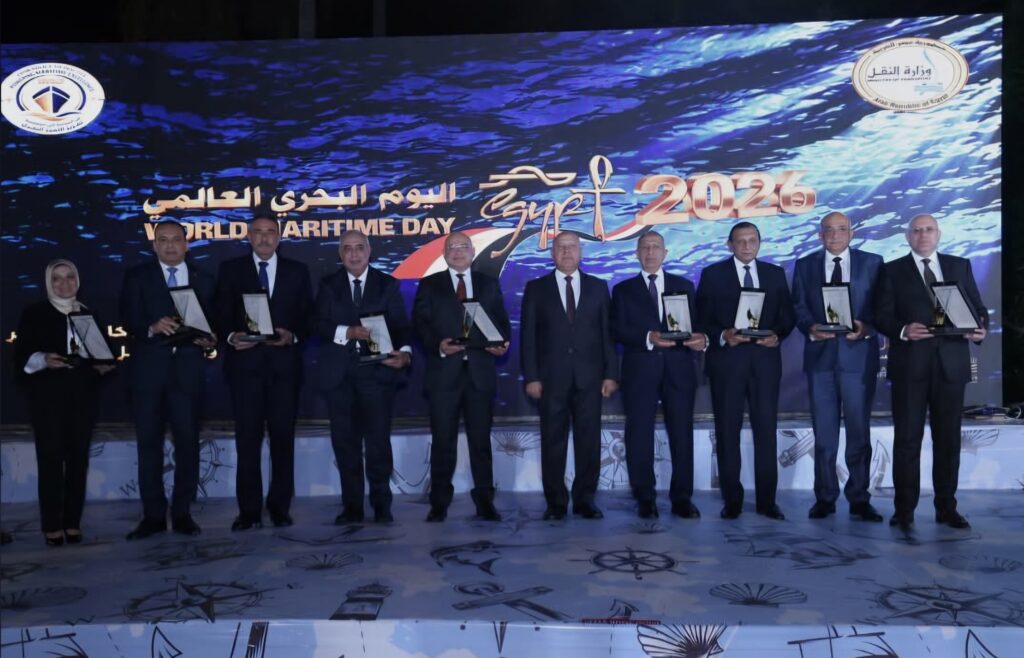
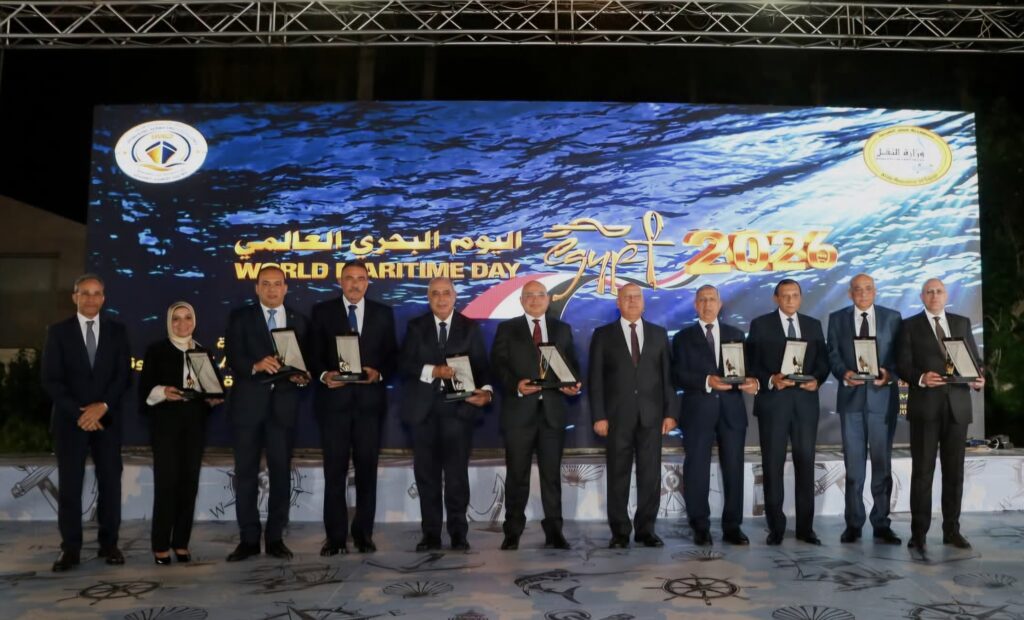
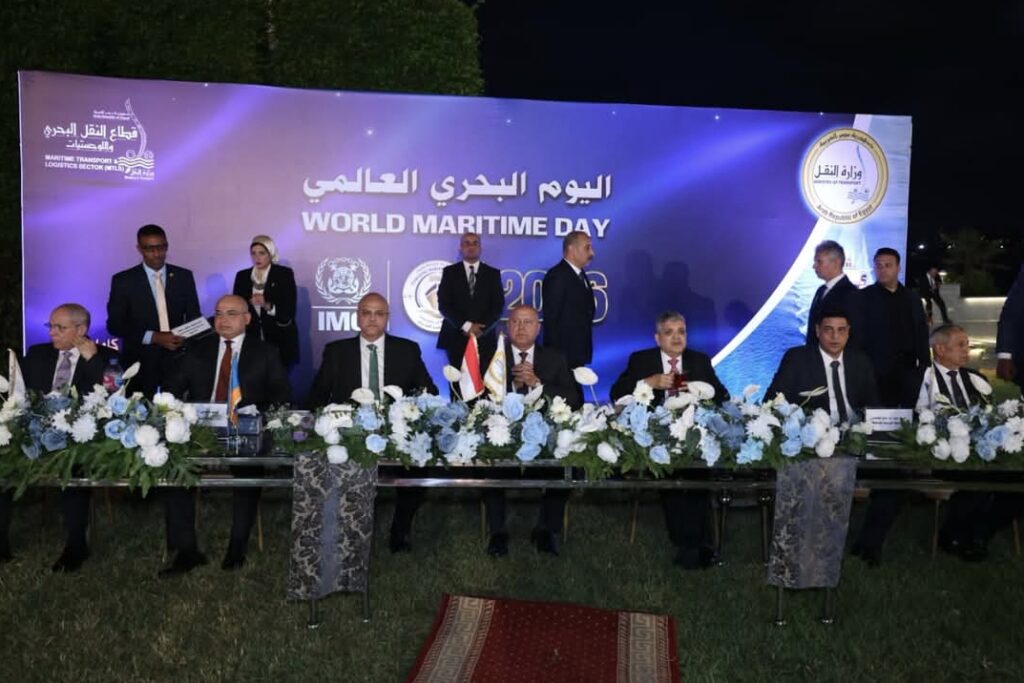
    Shipping Arabia, September 26, 2026 – Egypt’s Red Sea Ports Authority has received the Excellence Award for Advancing Maritime Tourism during the country’s World Maritime Day 2026 celebrations in Alexandria, recognizing its efforts to support maritime tourism and improve services across its ports.

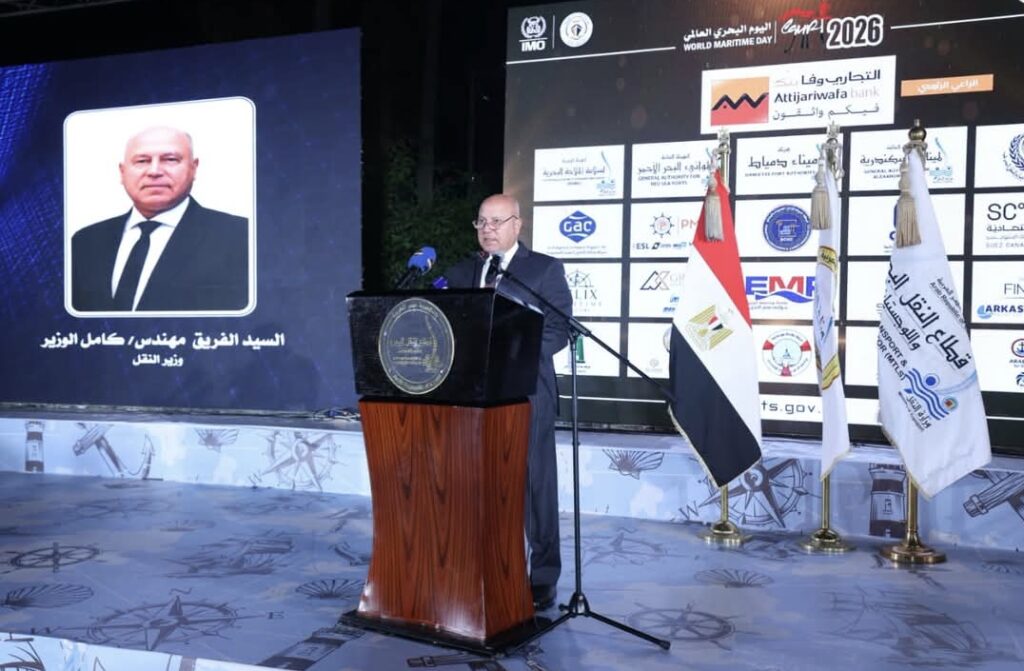
    Transport Minister Kamel El-Wazir presented the award to Red Sea Ports Authority Chairman Maj. Gen. Mohamed Abdel Rahim during the event, which brought together senior officials from the Ministry of Transport, the maritime transport sector, Egyptian port authorities and other organizations involved in the country’s maritime industry.

    The recognition reflects the authority’s work to strengthen maritime tourism and improve the level of services available at its ports. It also comes as Egypt continues to develop port infrastructure, raise operational efficiency and make greater use of the country’s maritime and tourism assets.

    Red Sea Ports Support Maritime Tourism Growth

    The Red Sea Ports Authority said the award highlights the role its ports play in supporting maritime tourism as a key component of Egypt’s wider maritime transport and tourism system. Their geographic location and connections to international shipping routes also strengthen their importance within this activity.

    The authority is continuing to improve port efficiency and develop services for vessels, passengers and tourists. It also aims to make better use of the maritime and tourism potential available across its ports.

    Abdel Rahim said the award represents recognition of the efforts made by employees across the authority to improve performance and develop port services. He also highlighted the continued support of the Ministry of Transport and its direction to strengthen port operations and maximize the use of available capabilities.

    Award Aligns With World Maritime Day Theme

    The recognition was presented during Egypt’s World Maritime Day 2026 celebrations, held under the theme “From Policy to Practice: Powering Maritime Excellence.”

    The International Maritime Organization introduced the theme for 2026 and 2027 to emphasize the importance of translating maritime policies and standards into practical measures that produce tangible results across ports and the wider maritime sector.

    The Red Sea Ports Authority said the award reflects that approach by recognizing practical efforts to develop maritime tourism and improve the services offered through its ports.

    Port Development Supports Wider Transport Strategy

    Abdel Rahim said maritime tourism represents an important area for increasing the value generated from the capabilities of Red Sea ports. The authority will therefore continue working to improve efficiency and develop services that meet the needs of vessels, passengers and tourists.

    These efforts also support Ministry of Transport plans to build a more advanced maritime transport system and strengthen the competitiveness of Egyptian ports.

    The authority said its work forms part of a broader approach to improve integration between trade, transport and maritime tourism while increasing the economic return from Egypt’s maritime location.

    Source: Red Sea Ports Authority

  • Damietta Port Honored for Emergency Response to Regasification Vessel Incident

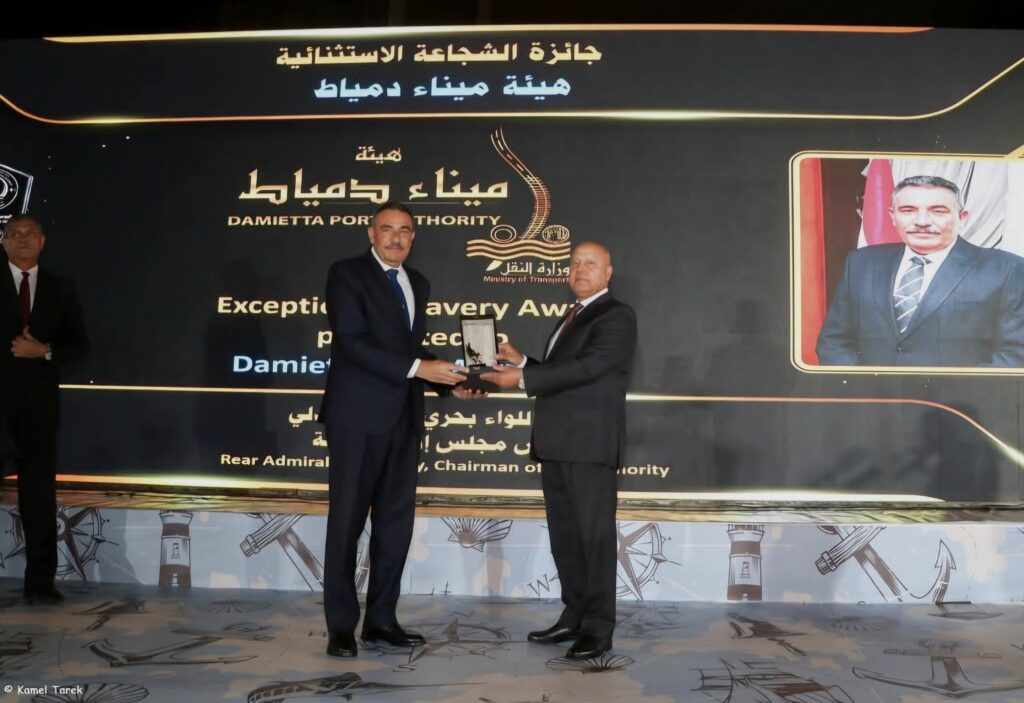
    Shipping Arabia, September 25, 2026 – Damietta Port Authority has received an Exceptional Courage Award for its emergency response to an incident involving two regasification and storage vessels at the Egyptian port, where teams contained the situation while maintaining the safety and continuity of port operations.

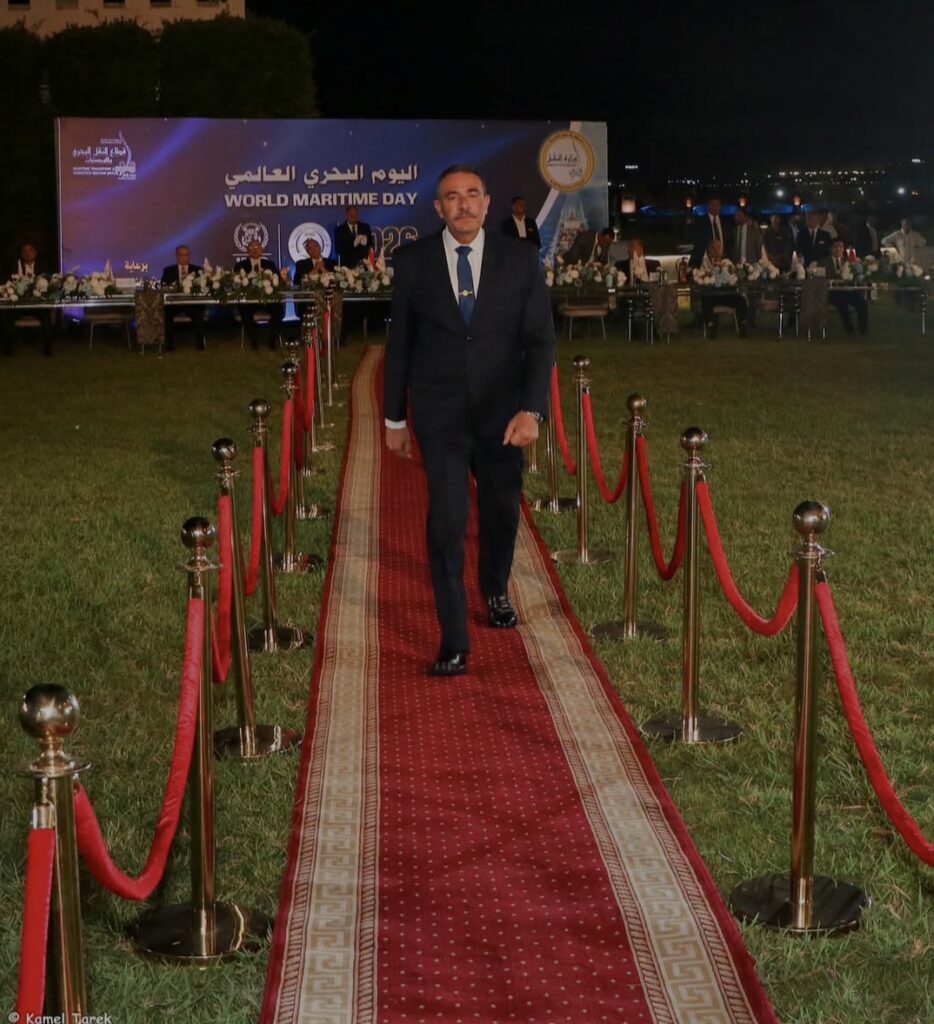
    The award was presented during Egypt’s World Maritime Day 2026 celebration in Alexandria, held under the theme “From Policy to Practice: Powering Maritime Excellence.”

    Transport Minister Kamel El-Wazir presented the award to Rear Adm. Tarek Adly Abdullah, Chairman of Damietta Port Authority, recognizing port personnel involved in responding to the incident.

    According to the authority, teams acted rapidly to contain the situation involving the two vessels, helping prevent potentially serious consequences while protecting port facilities and allowing operations to continue.

    The response involved coordination between different port departments and relevant authorities, with the award recognizing the personnel involved for their emergency preparedness, decision-making and response under exceptional operating conditions.

    Damietta Port said the incident demonstrated the importance of emergency readiness alongside infrastructure and capacity development, particularly the ability of ports to protect personnel, vessels and facilities while maintaining operational continuity.

    Abdullah said the recognition reflected the collective response of the port teams involved and would support further efforts to strengthen Damietta’s safety and emergency management capabilities.

    The award was presented as part of Egypt’s World Maritime Day activities, which brought together senior government, port and maritime officials to highlight operational performance, safety, sustainability and the continued development of the country’s maritime sector.

    Source: Damietta Port Authority

  • Egyptian Ports Handle 233 Million Tonnes as Maritime Connectivity Ranking Rises to 19th Globally

    Shipping Arabia, September 24, 2026 – Egyptian ports handled 233 million tonnes of cargo and 11.1 million TEUs in 2025, as the country advances a major port and logistics expansion programme aimed at strengthening its position in regional transport, transshipment and global shipping networks.

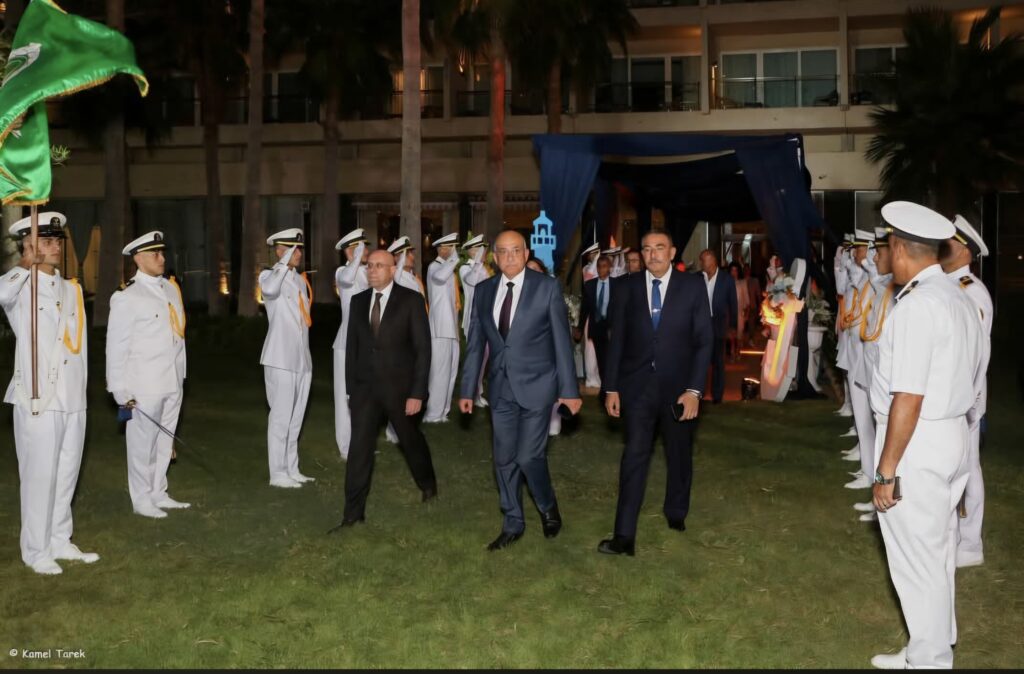
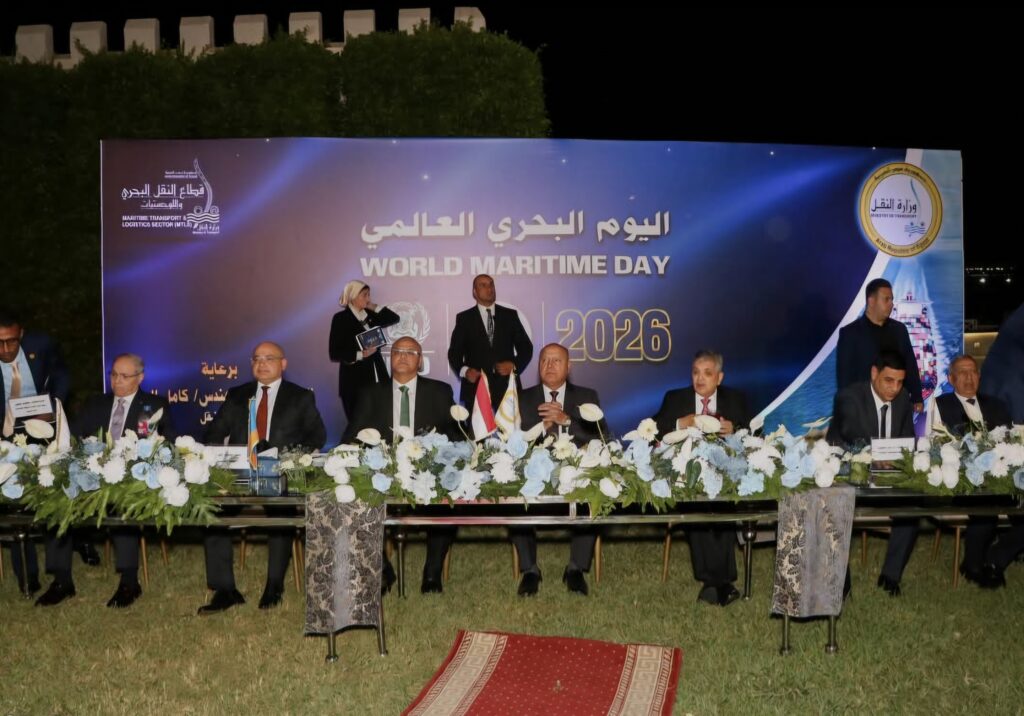
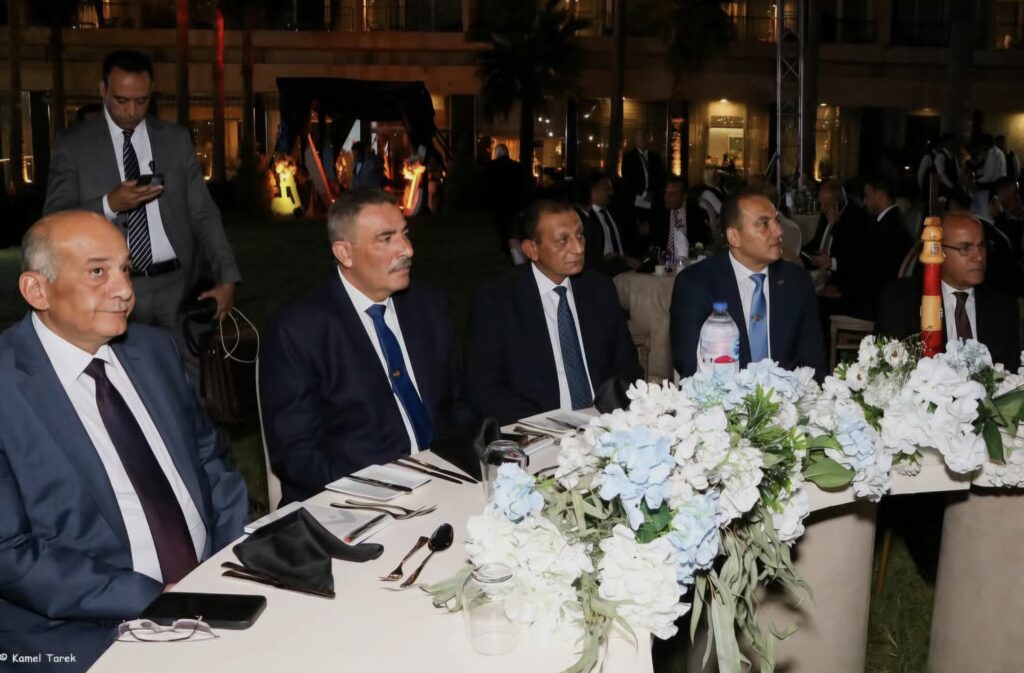
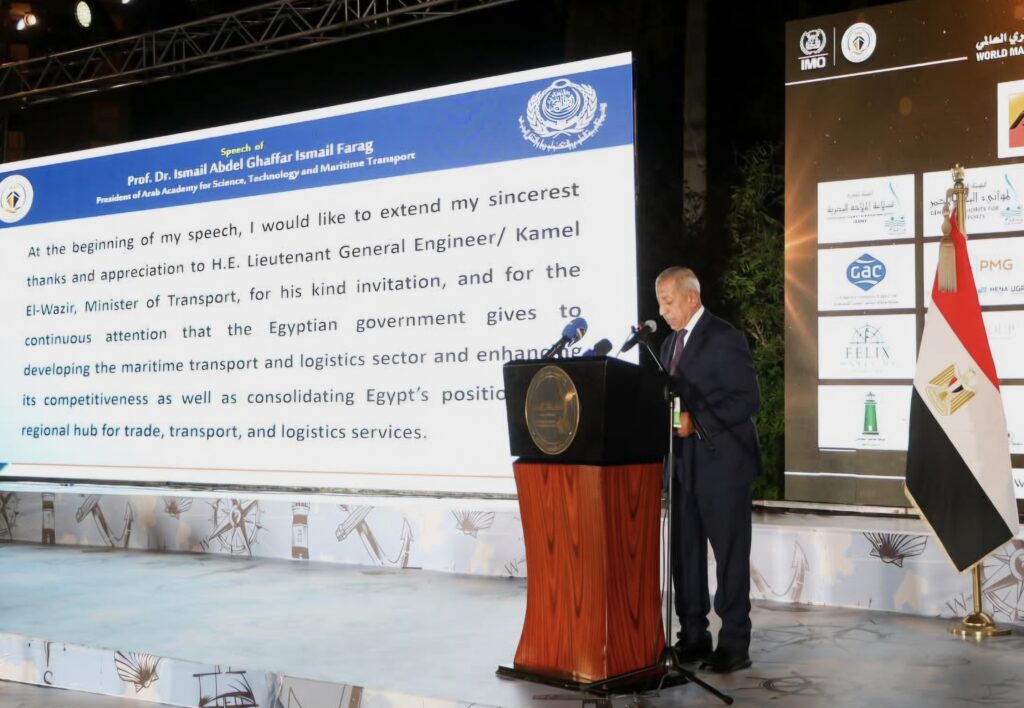
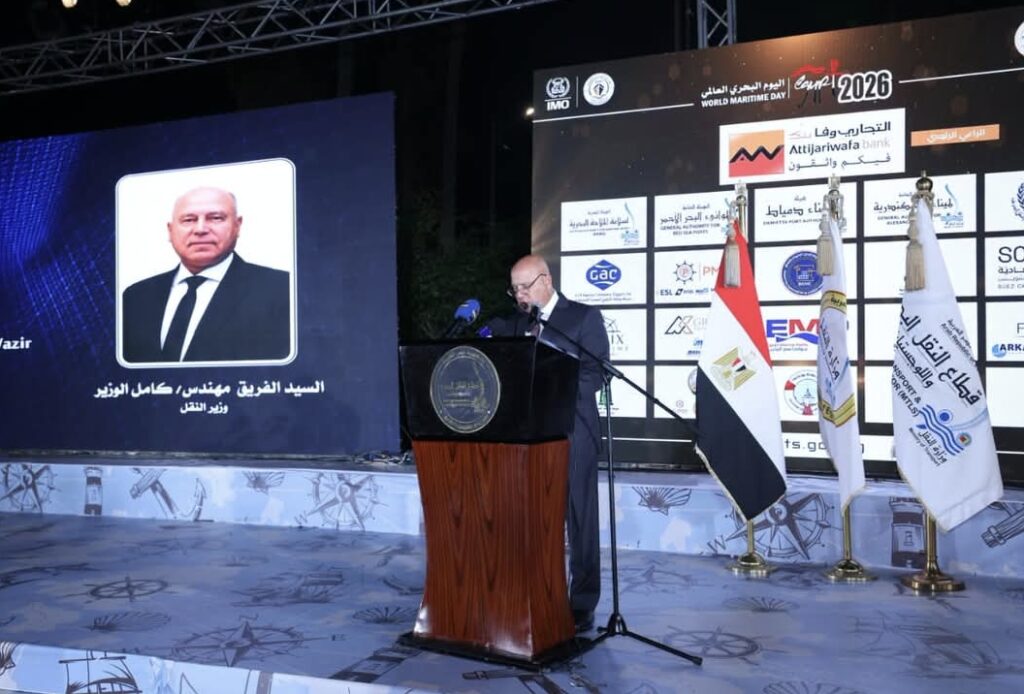
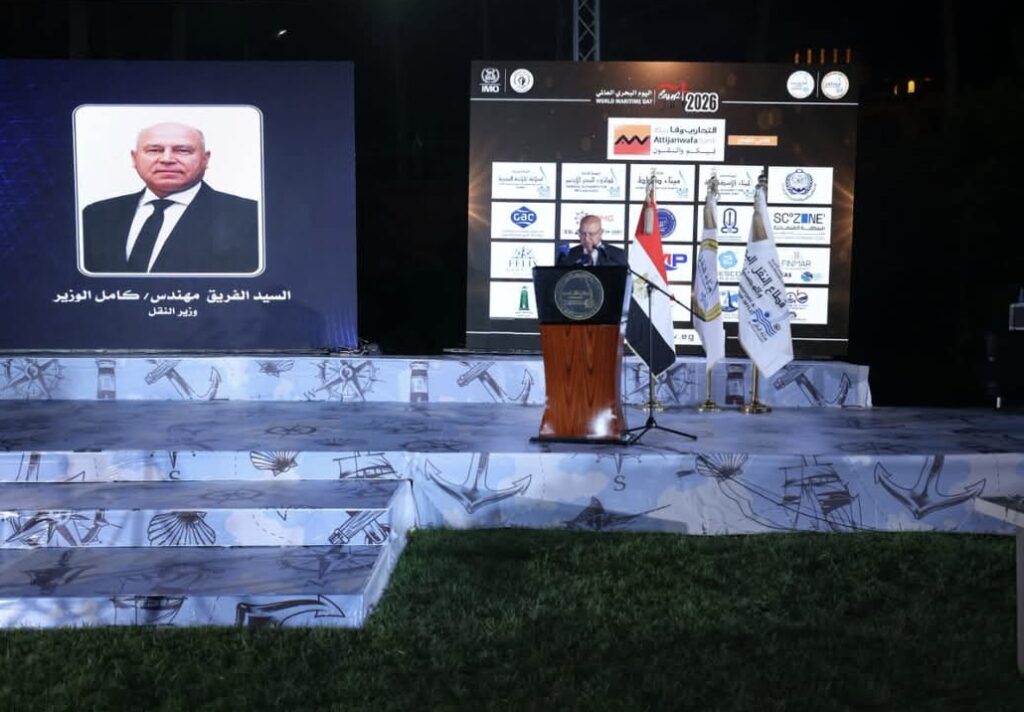
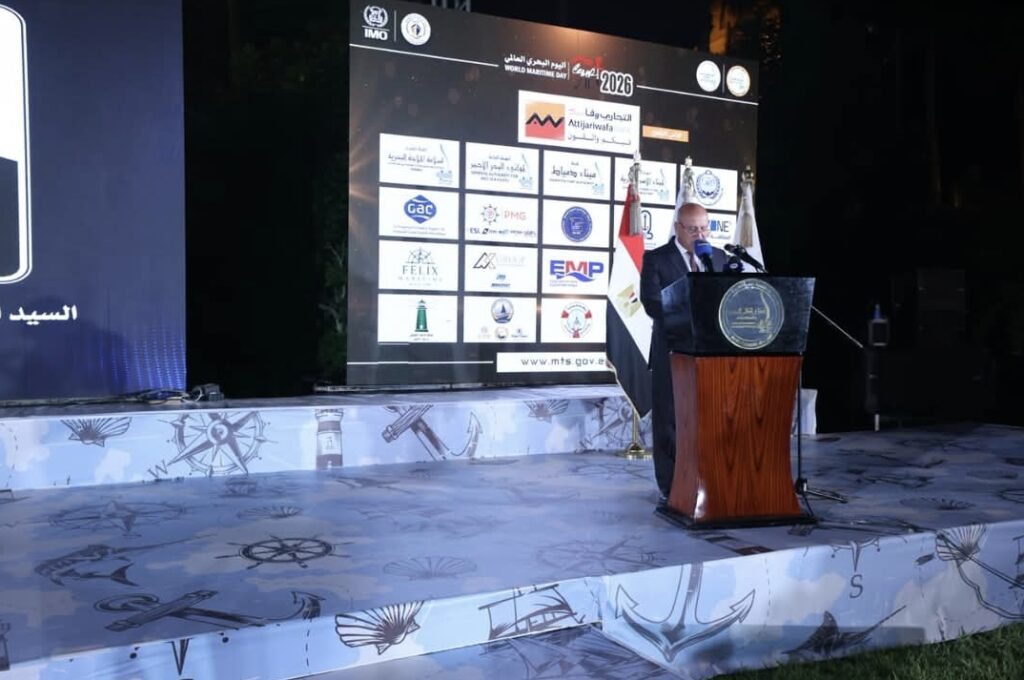
    The figures were announced by Transport Minister Kamel El-Wazir during Egypt’s World Maritime Day 2026 event in Alexandria, held under the theme “From Policy to Practice: Powering Maritime Excellence.”

    Cargo throughput increased 12% year-on-year, while container volumes rose 25%. Egypt also advanced to 19th globally in the Liner Shipping Connectivity Index (LSCI), from 23rd in 2024, ranking first in Africa and second among Arab countries. The government is targeting a position among the global top 15 by 2030.

    Egypt is developing eight integrated international logistics corridors connecting Mediterranean and Red Sea ports and the Suez Canal corridor with dry ports, industrial, agricultural and mining areas through railways, express roads and the high-speed electric rail network.

    Its maritime development programme includes expanding the commercial port network to 19 ports, increasing port areas to 100 million square meters and adding 70 kilometers of new berths with depths of 18 to 25 meters, taking total quay length beyond 100 kilometers. Plans also include expanding breakwaters and increasing the marine tug fleet to 80 units.

    New container and multipurpose terminals are being developed with international operators and shipping lines including Maersk, MSC and CMA CGM, supporting additional capacity and stronger integration into global liner networks.

    Egypt is also targeting a commercial fleet of around 40 vessels by 2030, capable of carrying 30 million tonnes annually through its state-affiliated shipping companies.

    Alongside capacity expansion, the maritime strategy includes digitalization, green ports, shore power, lower-emission marine fuels and green hydrogen projects as Egypt seeks to combine infrastructure growth with environmental and operational efficiency.

    The World Maritime Day event brought together senior maritime and port officials, including Suez Canal Authority Chairman and Managing Director Adm. Ossama Rabiee, port executives and representatives of Egypt’s maritime community.

    Source: Ministry of Transport – Egypt

Back to top button