
Iraqi Ports Advance Digital Transformation Through Planned Adoption of Electronic Signatures
Shipping Arabia, November 25, 2026 – The General Company for Ports of Iraq (GCPI) is advancing its digital transformation strategy through the planned adoption of electronic signatures. The initiative aims to integrate electronic authentication into internally developed digital systems and establish a fully interconnected electronic working environment.
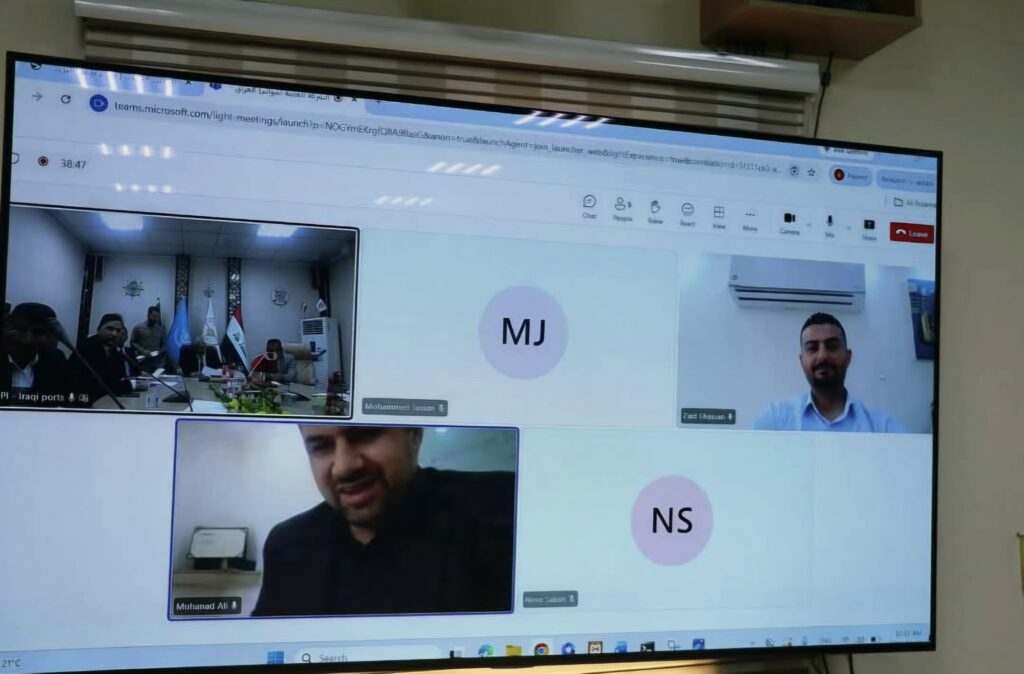
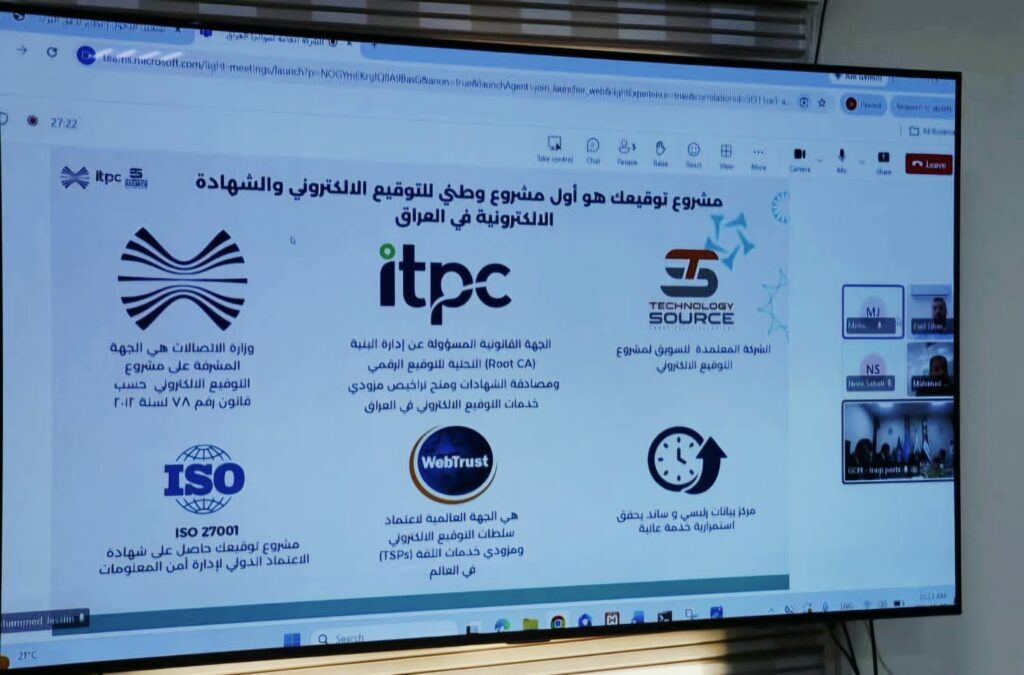
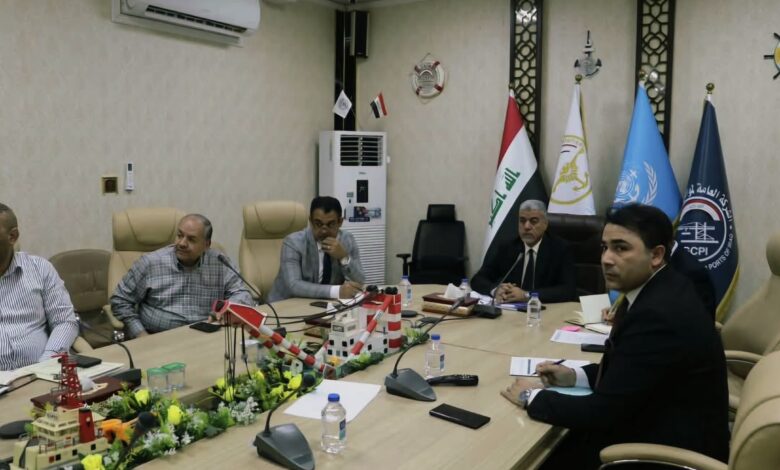
GCPI held a virtual meeting with the General Company for Communications and Informatics, which operates under Iraq’s Ministry of Communications. Discussions focused on the legal, technical and regulatory requirements for adopting electronic signatures and integrating them into existing digital platforms.
Mohammed Jassim Mohammed, GCPI’s Deputy Director General for Administrative and Financial Affairs, attended the meeting alongside relevant department directors and telecommunications and information technology specialists.
The meeting followed directives from Iraq’s Minister of Transport, Wahab Al-Hassani, to accelerate digital transformation, improve institutional performance and modernize administrative and financial systems.
Establishing the Framework for Electronic Signatures
The discussions addressed the legal validity of electronic signatures and the requirements for their adoption in official transactions and correspondence. Participants also examined mechanisms for issuing electronic certification certificates and verifying the identities of authorized signatories.
Furthermore, both sides reviewed information security and technical integration requirements. These measures aim to ensure the integrity and reliability of electronic documents in accordance with applicable legislation and regulations.
Iraqi Ports Develop Integrated Digital Systems
During the meeting, GCPI reviewed the progress achieved by its internal technical and specialist teams. The company has designed and developed several electronic systems using Iraqi expertise and internal resources.
These platforms include an electronic correspondence workflow and archiving system, a procurement and supply request management system, and a centralized portal for project management and monitoring. GCPI has also developed additional digital systems tailored to the operational requirements of its various departments.
The platforms aim to automate administrative, financial and technical procedures throughout the transaction lifecycle. This process begins with the electronic creation of transactions and procurement requests, followed by referral, review and approval procedures.
The systems also support final authorization and electronic archiving in accordance with established administrative hierarchies and delegated authorities. In addition, they facilitate project monitoring, including completion percentages and different stages of implementation.
Mohammed emphasized that GCPI continues to pursue comprehensive digital transformation through modern technological solutions. He also highlighted the company’s reliance on national expertise and internal capabilities to develop its electronic systems.
According to Mohammed, the next phase requires completing the electronic signature adoption requirements and integrating the various platforms. These measures will help accelerate transactions, simplify procedures and strengthen institutional transparency and oversight.
Integrating Electronic Signatures and Government Connectivity
Both parties explored the possibility of connecting GCPI’s digital platforms with electronic signature services through application programming interfaces (APIs). Discussions also addressed the requirements for enabling electronic signatures for authorized officials and entities.
The proposed integration would allow GCPI to complete entire transaction cycles electronically, including final approvals and authentication.
Moreover, the initiative aims to establish electronic connectivity between GCPI and Iraq’s Ministry of Transport. Once the necessary legal and technical requirements are fulfilled, this connectivity would enable the secure and officially authenticated exchange of documents and correspondence.
Building a Unified Digital Environment Across Iraqi Ports
The planned adoption of electronic signatures forms part of GCPI’s broader vision to establish a unified and interconnected institutional digital environment. This framework will facilitate system integration and data exchange across different electronic platforms.
GCPI aims to reduce reliance on paper-based transactions, accelerate administrative procedures and enhance transparency. The strategy also seeks to strengthen administrative and financial oversight.
Future development plans include expanding integration across financial and accounting systems, expenditure monitoring platforms and project management systems.
Through these initiatives, GCPI seeks to translate the Ministry of Transport’s digital transformation directives into practical measures while investing in the expertise of its employees.
The company’s broader objective is to strengthen its institutional capabilities and establish a modern electronic administration interconnected with the Ministry of Transport and its affiliated entities. These efforts aim to keep pace with technological developments and meet the evolving requirements of Iraq’s port sector.
Source: General Company for Ports of Iraq