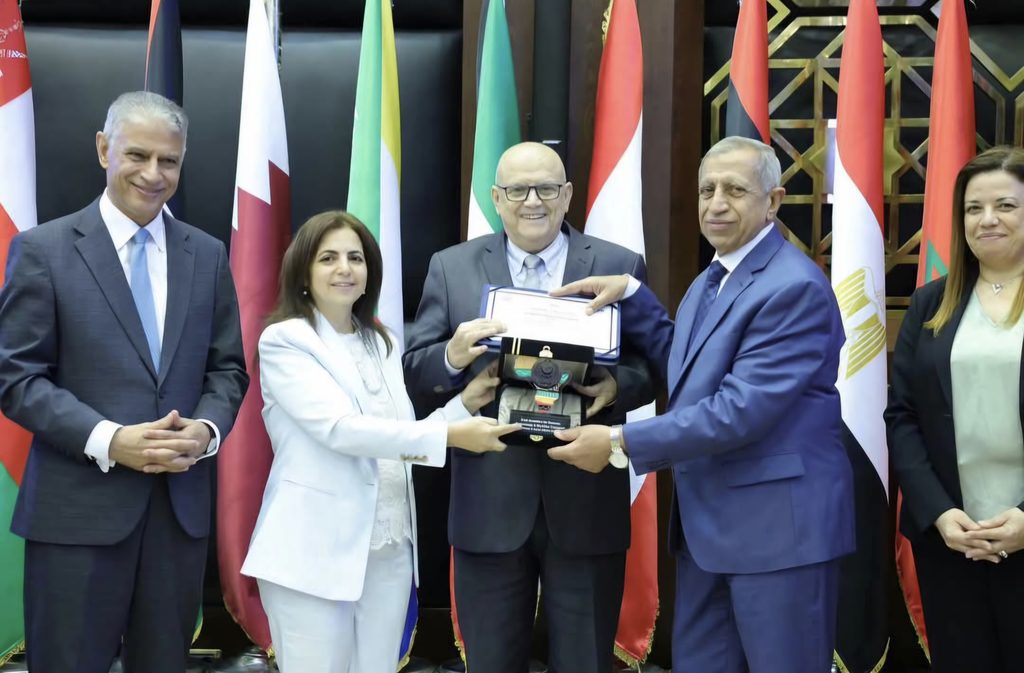
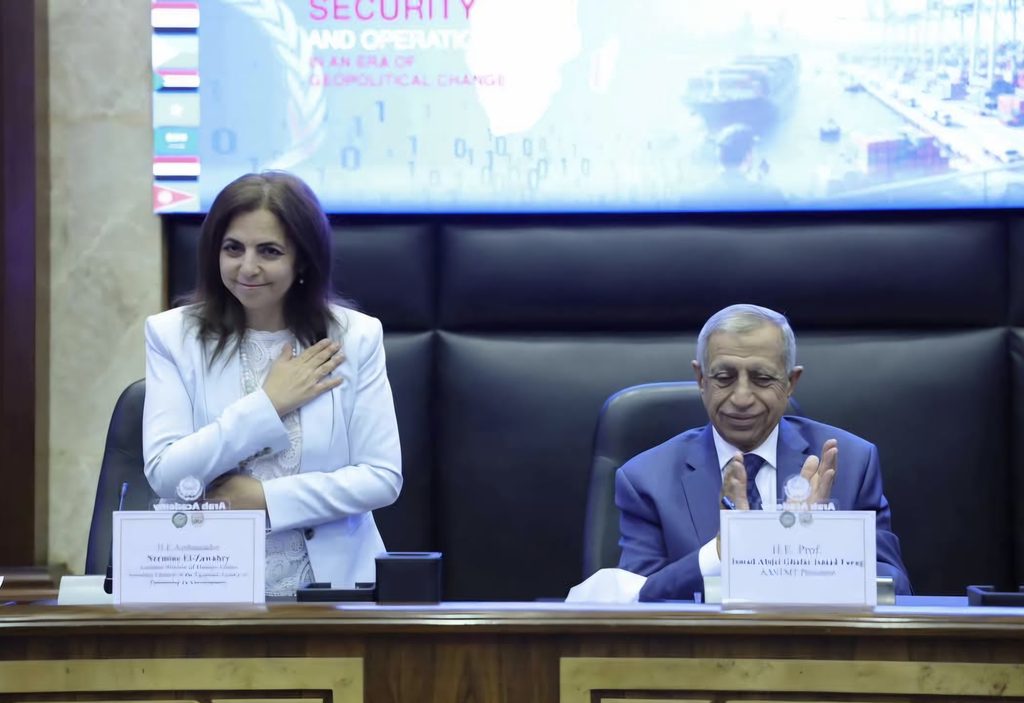
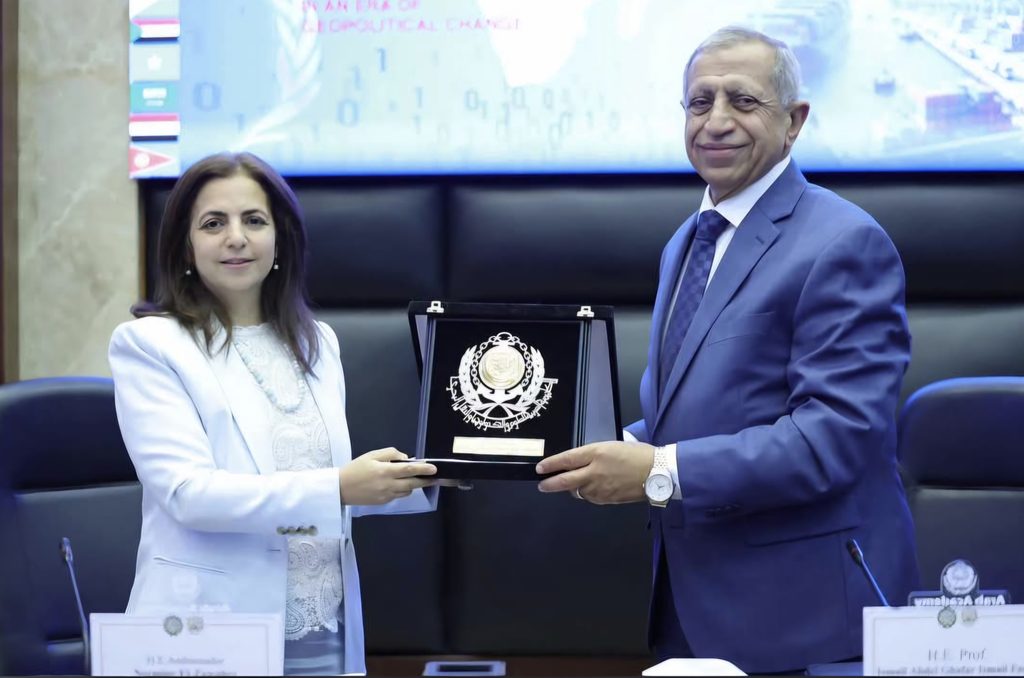
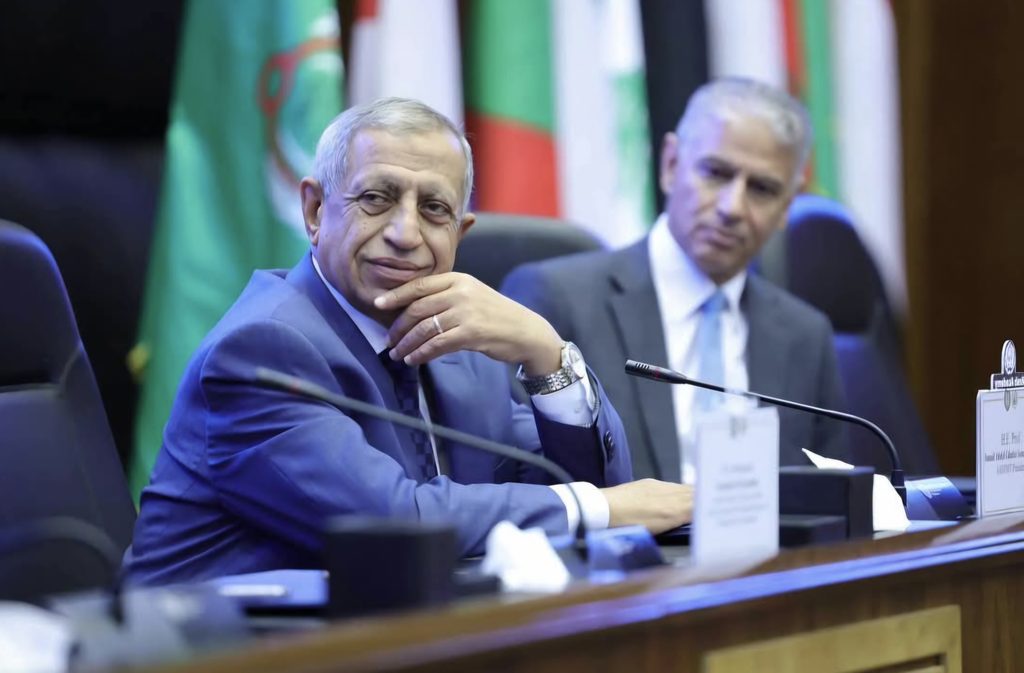
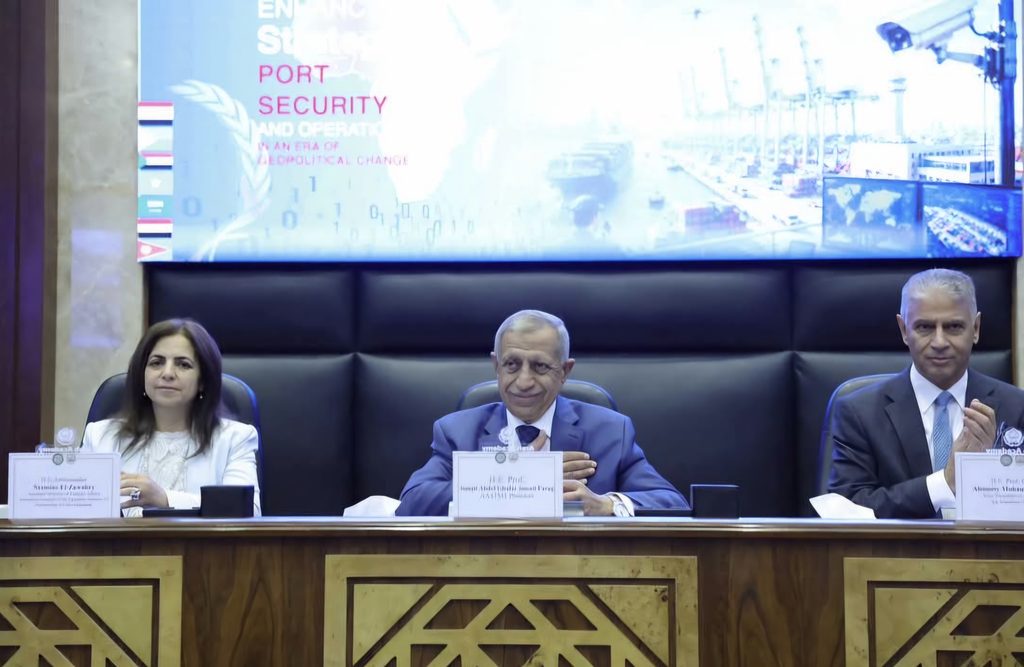
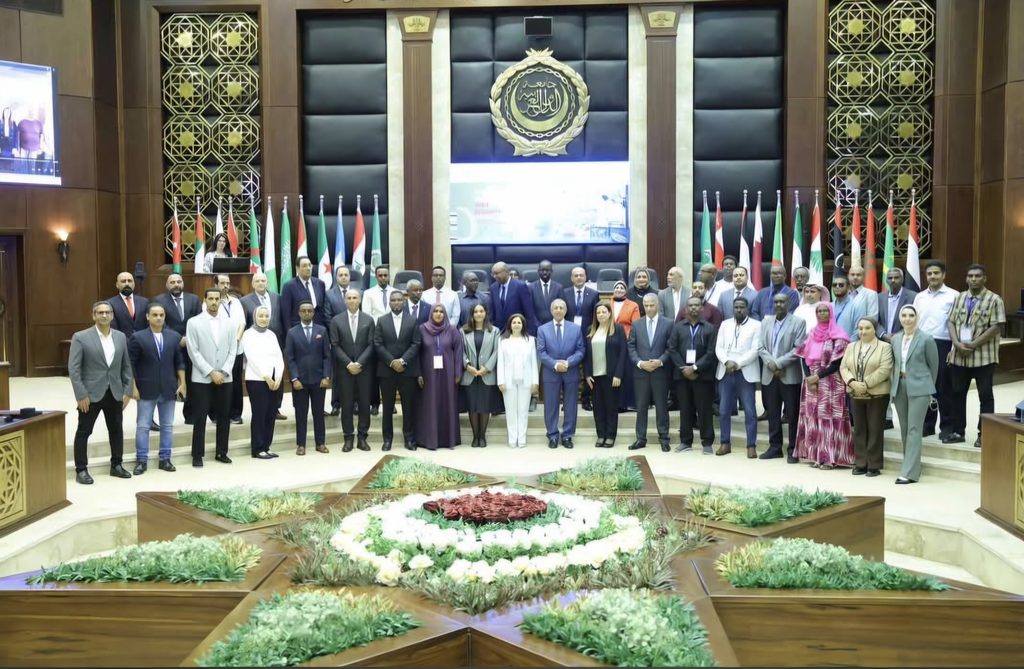
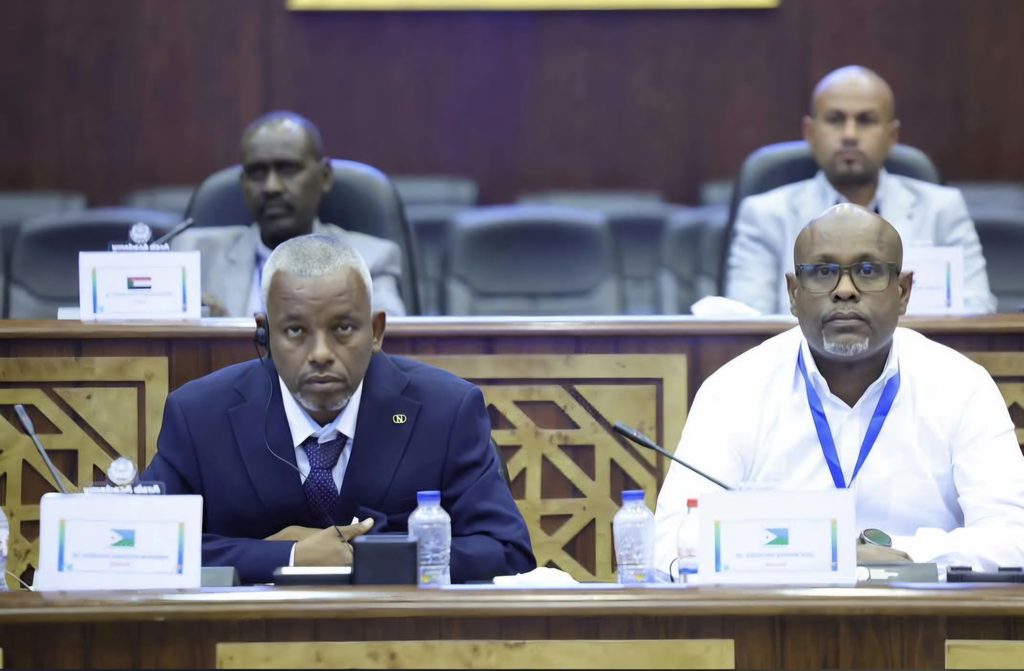
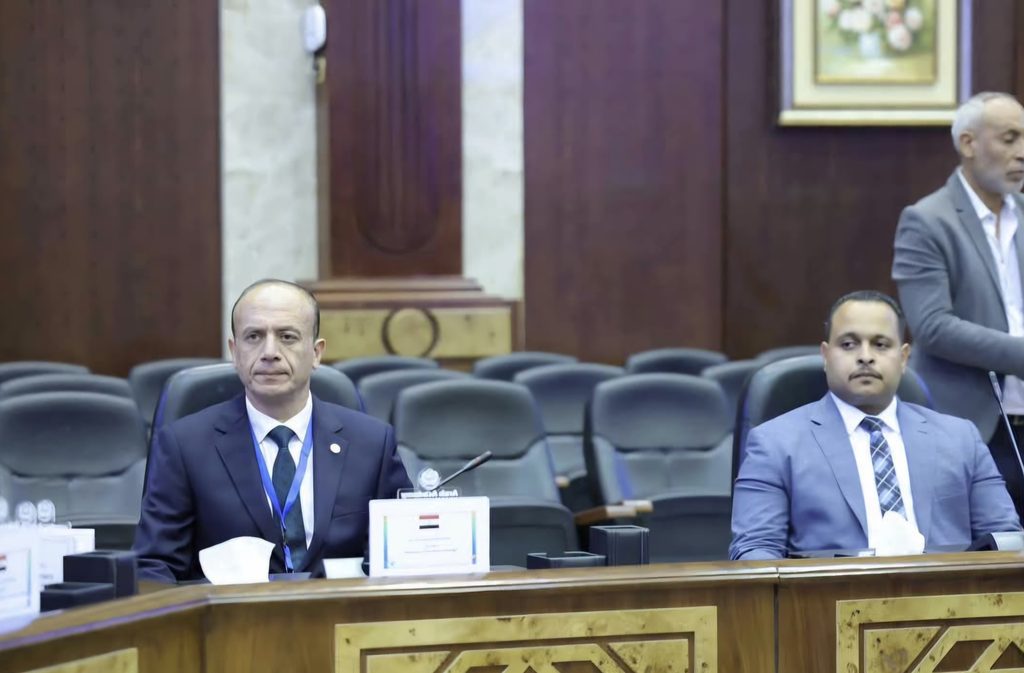
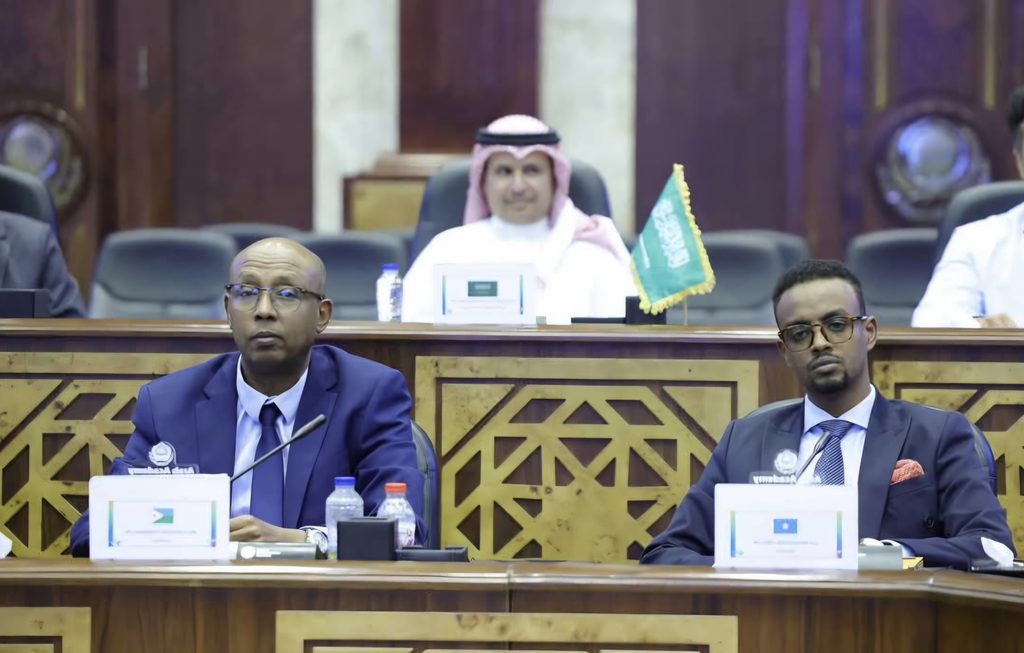
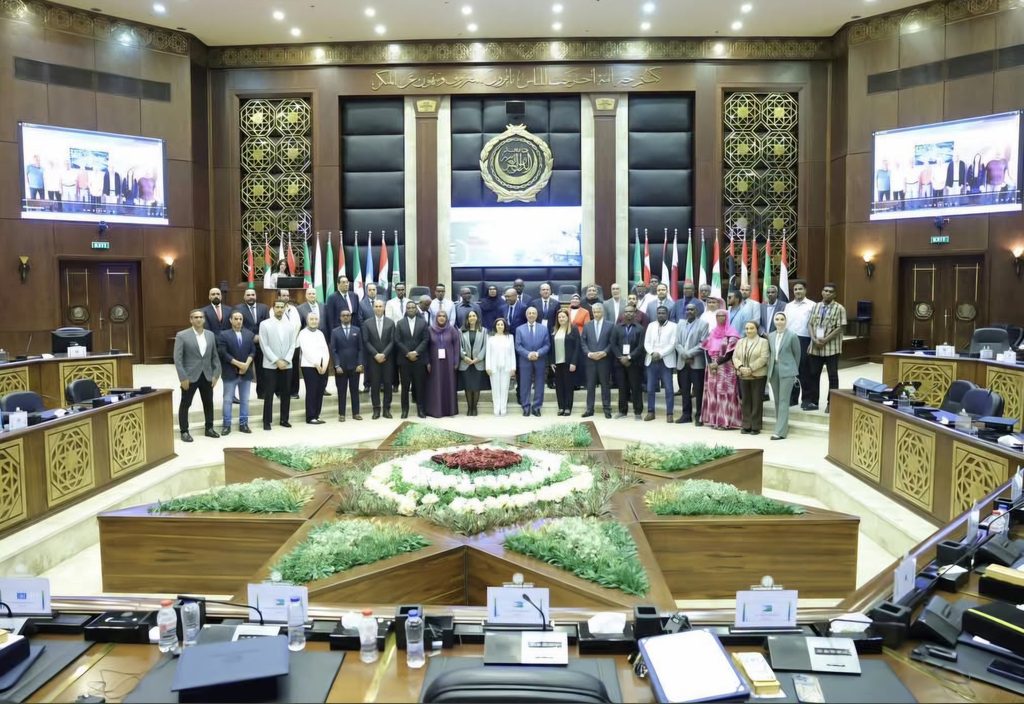
Shipping Arabia, October 4, 2026 – The Arab Academy for Science, Technology and Maritime Transport (AASTMT) has concluded a specialized port security and operations training program focused on strengthening the strategic security and operation of seaports amid geopolitical changes, with 30 participants from Saudi Arabia, Sudan, Djibouti and Somalia.
The program was organized in cooperation with the Egyptian Agency of Partnership for Development under the STREAM initiative launched by Egyptian President Abdel Fattah El-Sisi. It formed part of efforts to transfer expertise and build capacity across Arab and African countries, particularly those bordering the Red Sea.
AASTMT delivered the course as an integrated program combining theoretical instruction with practical training. The curriculum addressed operational and security challenges facing ports while introducing participants to technologies that can strengthen efficiency and preparedness.
Port security and operations training covers emerging risks
The training addressed several areas directly linked to the security and resilience of maritime ports. Key topics included risk and crisis management, cybersecurity and business continuity.
Participants also examined the use of automation and artificial intelligence in port operations. These technologies were presented in the context of improving operational efficiency and strengthening ports’ readiness to respond to emerging challenges.
The course reflected AASTMT’s focus on maritime transport and logistics training and its efforts to support capacity building among Arab and African countries.
Under the leadership of AASTMT President Prof. Ismail Abdel Ghafar Ismail Farag, the Academy structured the program to combine classroom-based learning with practical exposure to maritime training technologies and operational environments.
Practical training at AASTMT simulator facilities
As part of the practical component, participants visited AASTMT’s simulator and practical training complex. The visit allowed them to review advanced technologies used in the training and qualification of maritime personnel.
The practical exposure complemented the program’s theoretical modules and provided participants with a closer view of the technical capabilities used to develop maritime skills.
By combining instruction on risk, cybersecurity and operational continuity with exposure to simulation technology, the program sought to connect port security concepts with practical training tools.
Suez Canal Authority visit highlights infrastructure integration
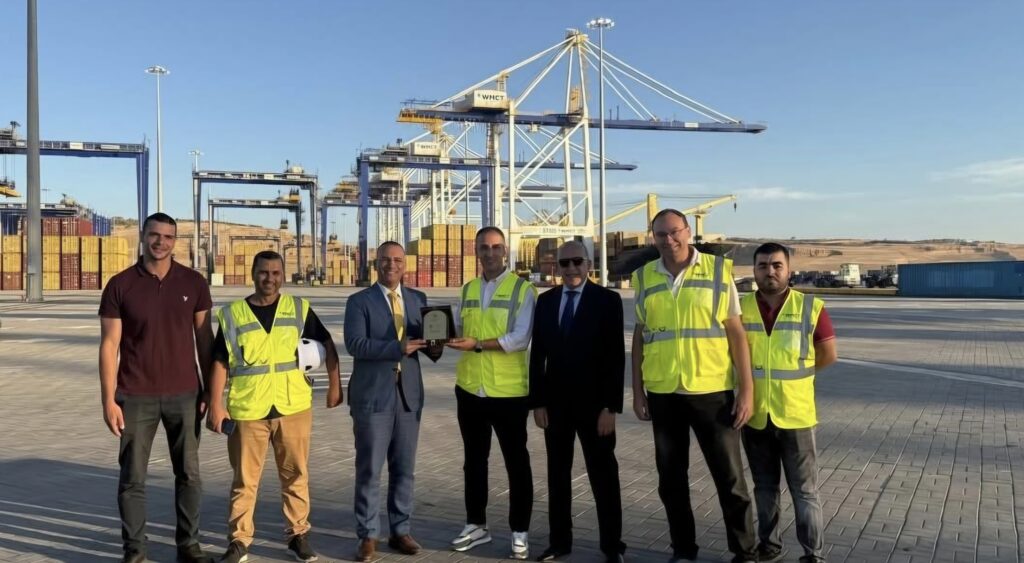
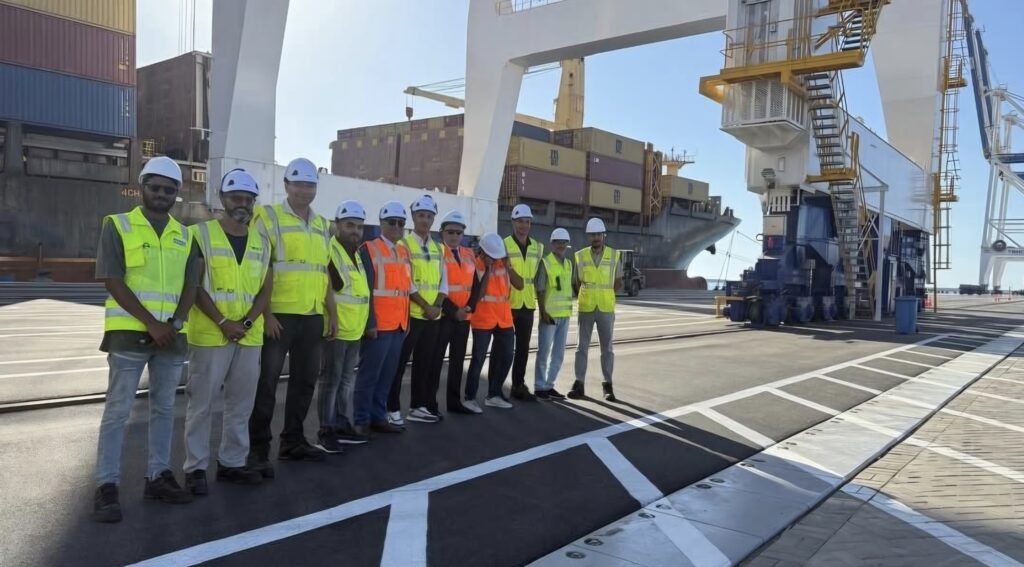
The field program also included a visit to the Suez Canal Authority. Participants were introduced to stages in the Authority’s development as well as the logistics zone and its facilities and systems supporting trade flows and supply chains.
The visit also provided practical insight into the integration between ports and supporting infrastructure. Participants examined how this integration relates to safety requirements and operational security.
This element of the program broadened the port security and operations training beyond classroom instruction by exposing participants to infrastructure and logistics systems connected to maritime trade and supply chains.
AASTMT said the program forms part of its continued commitment to regional partnership and cooperation. The Academy also emphasized its role in providing training and consultancy for Arab and African professionals, with the aim of strengthening the strategic security of ports and supporting sustainable development across the region.
Source: Arab Academy for Science, Technology and Maritime Transport