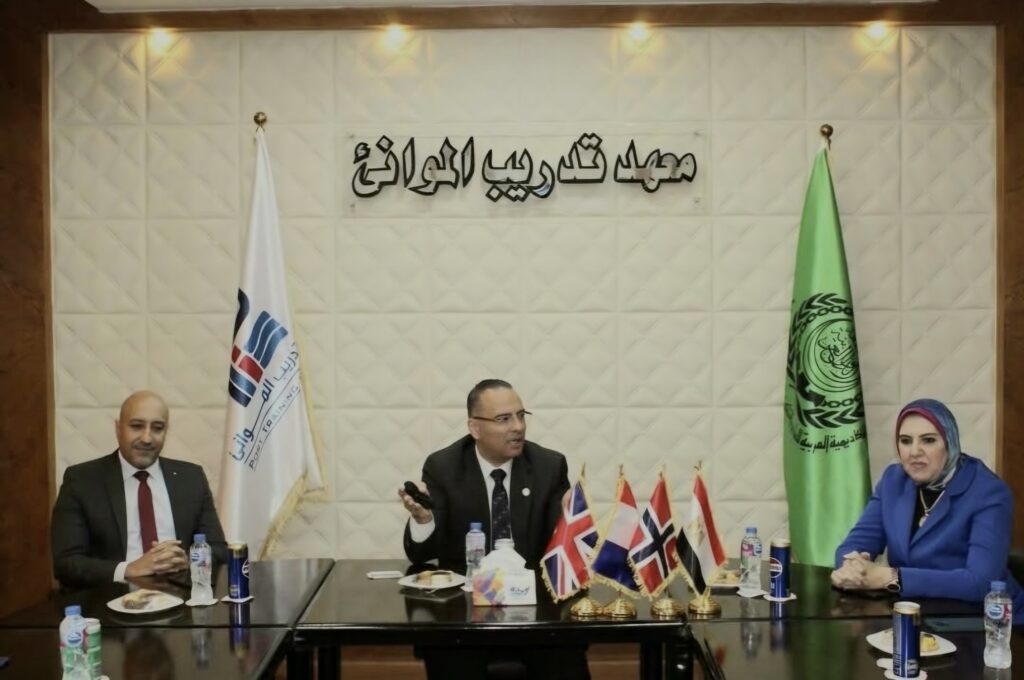
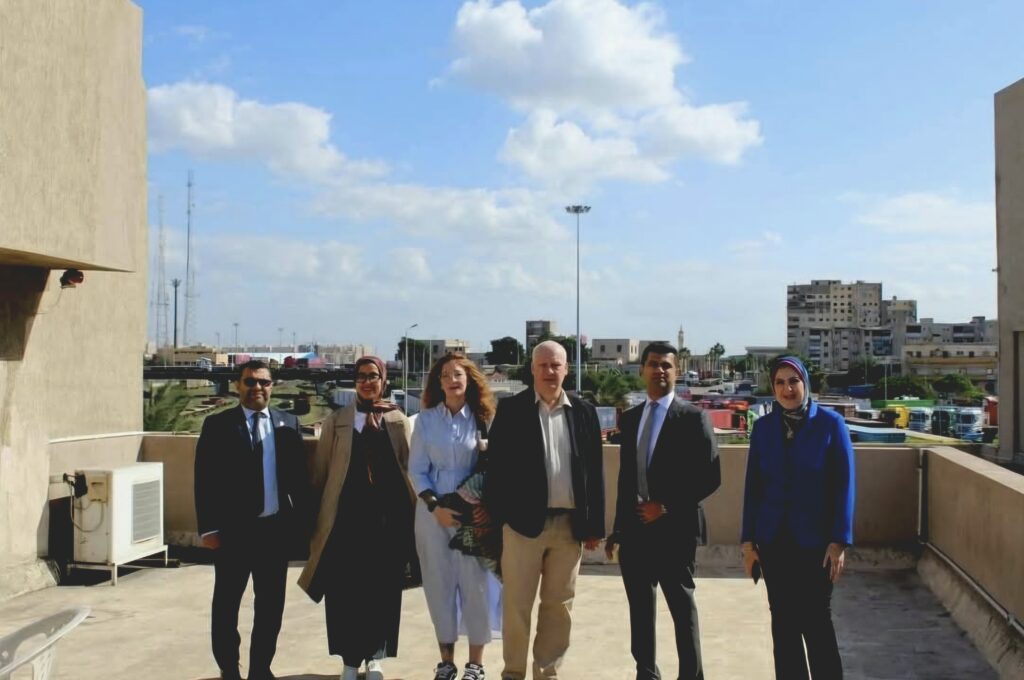
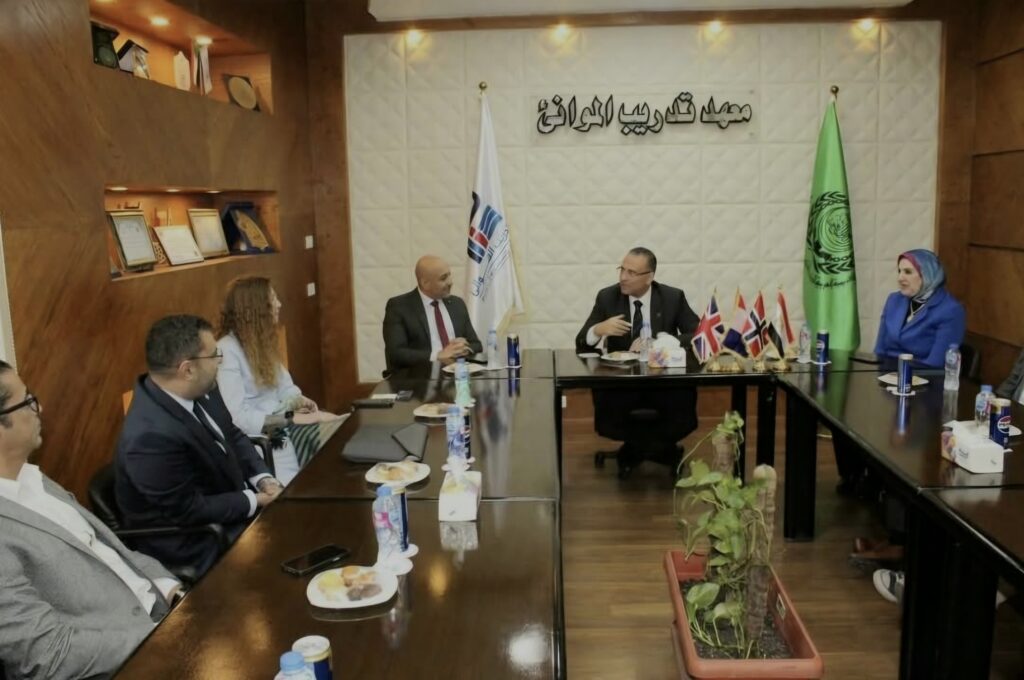
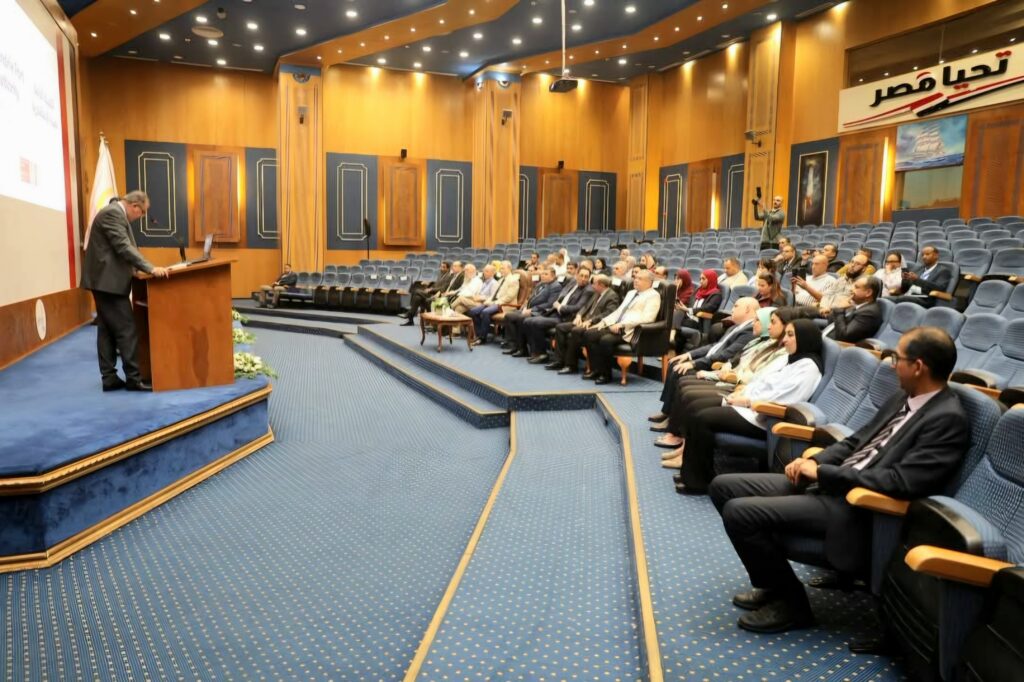
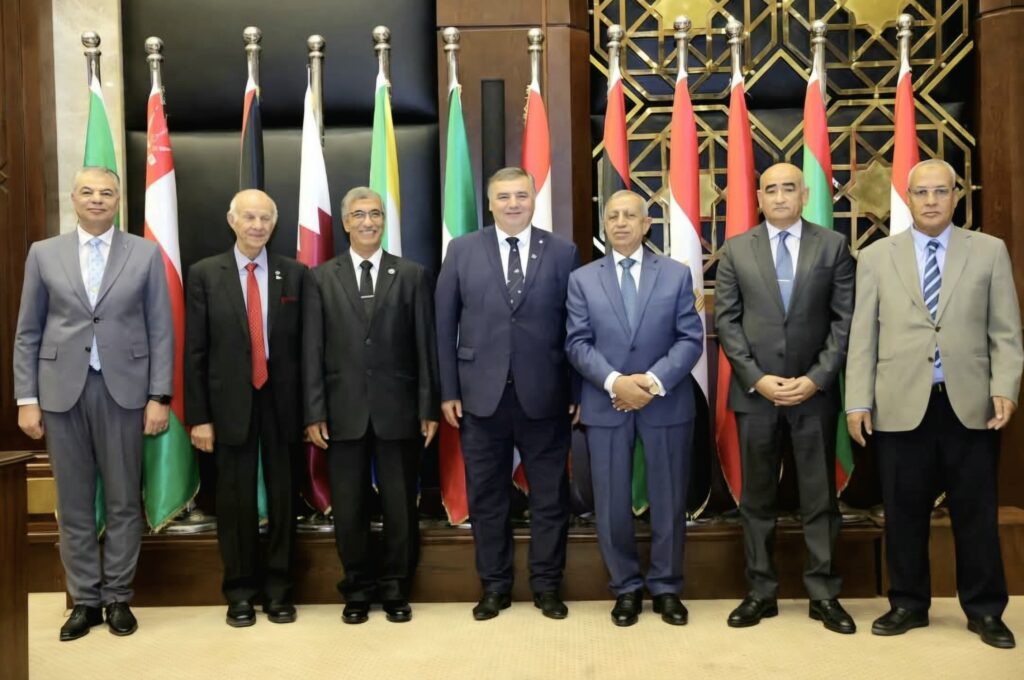
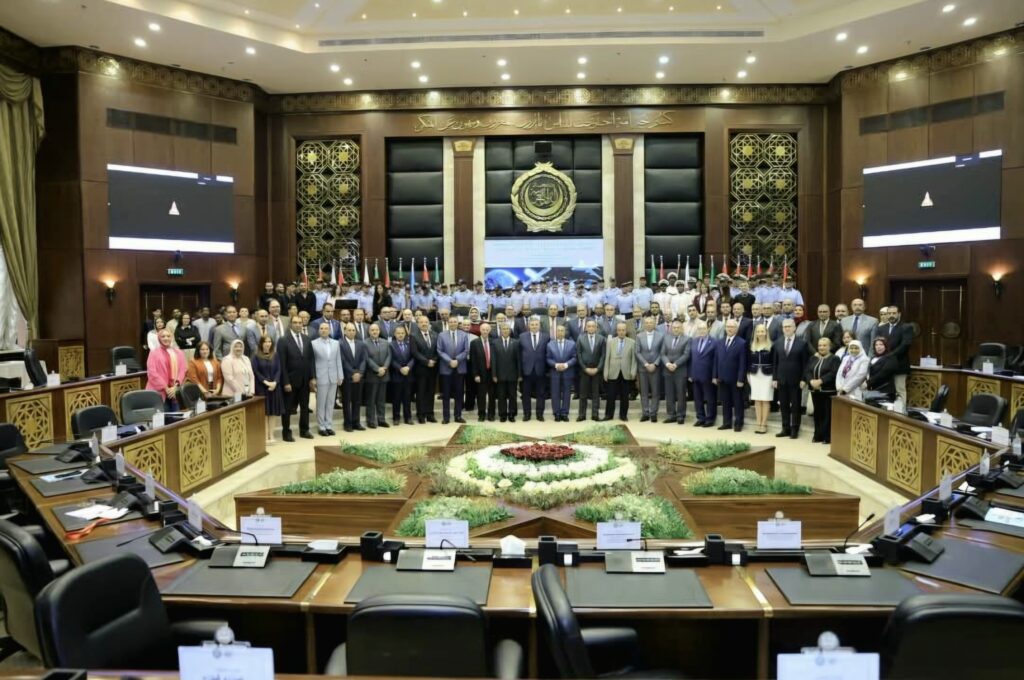
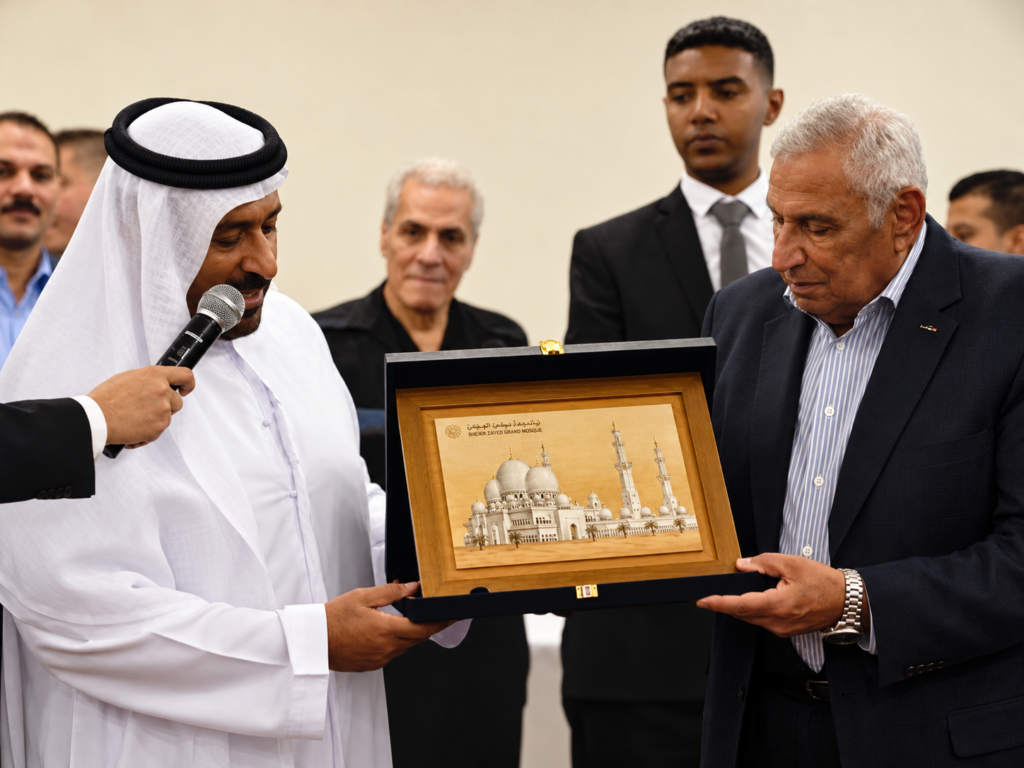
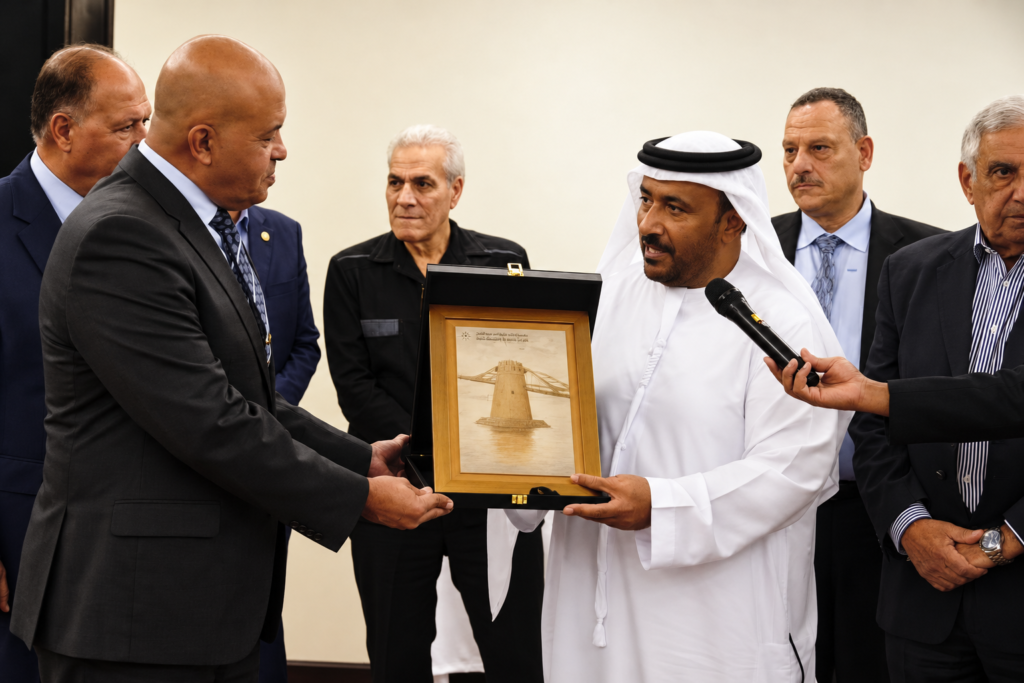
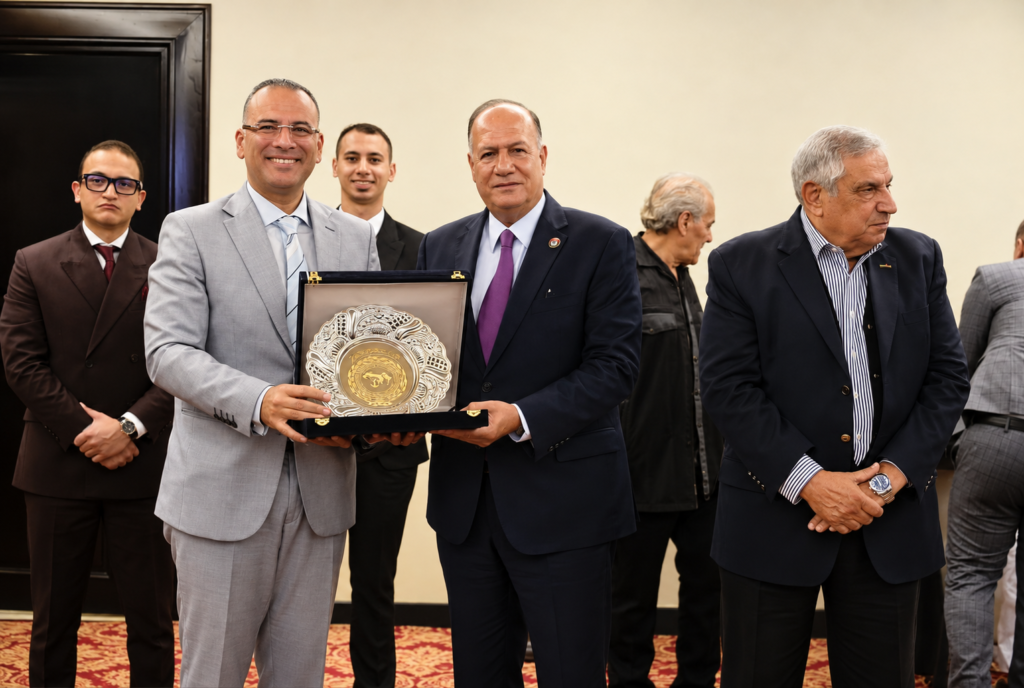
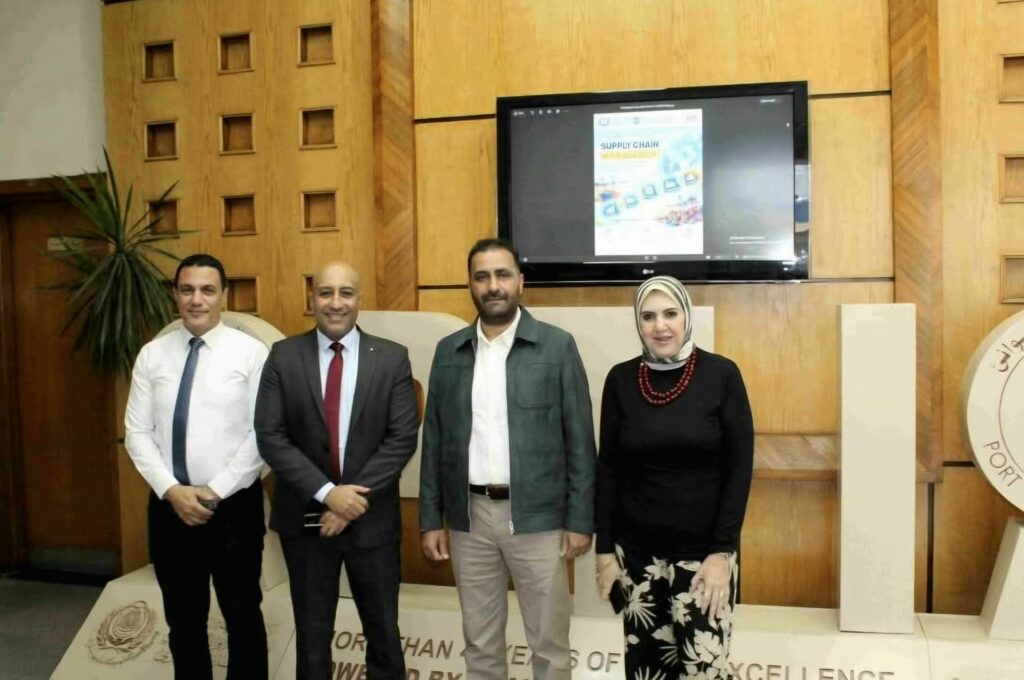
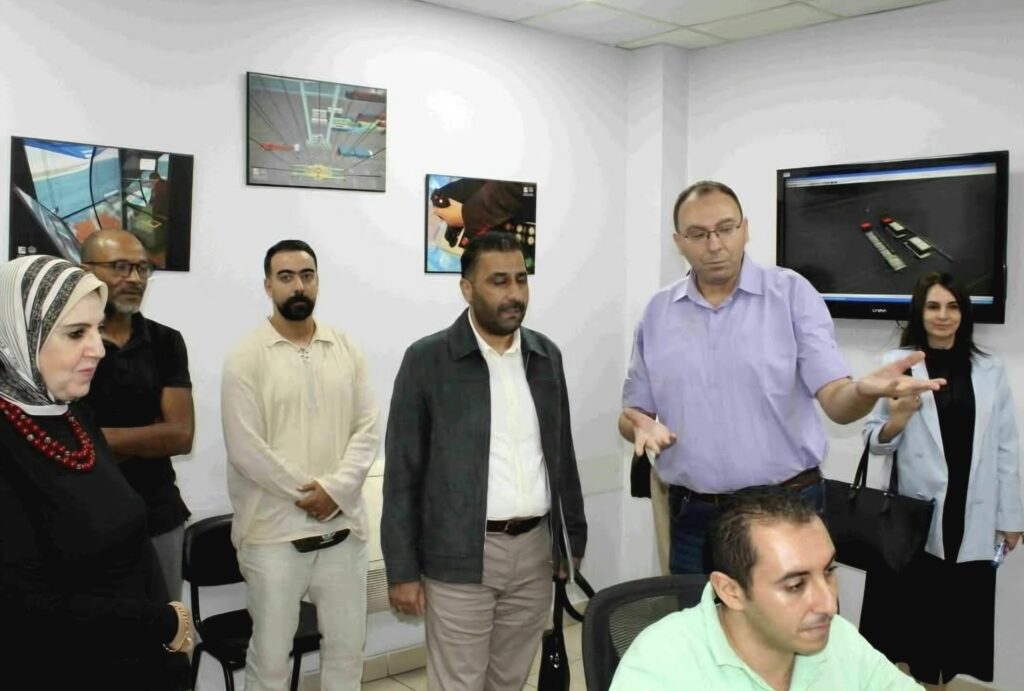
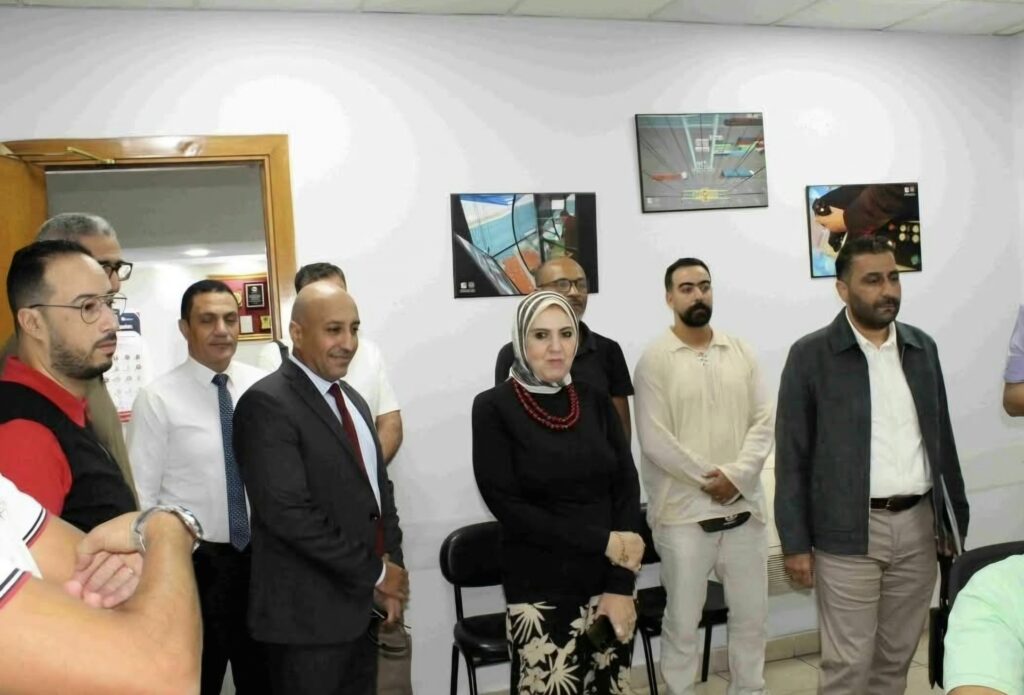
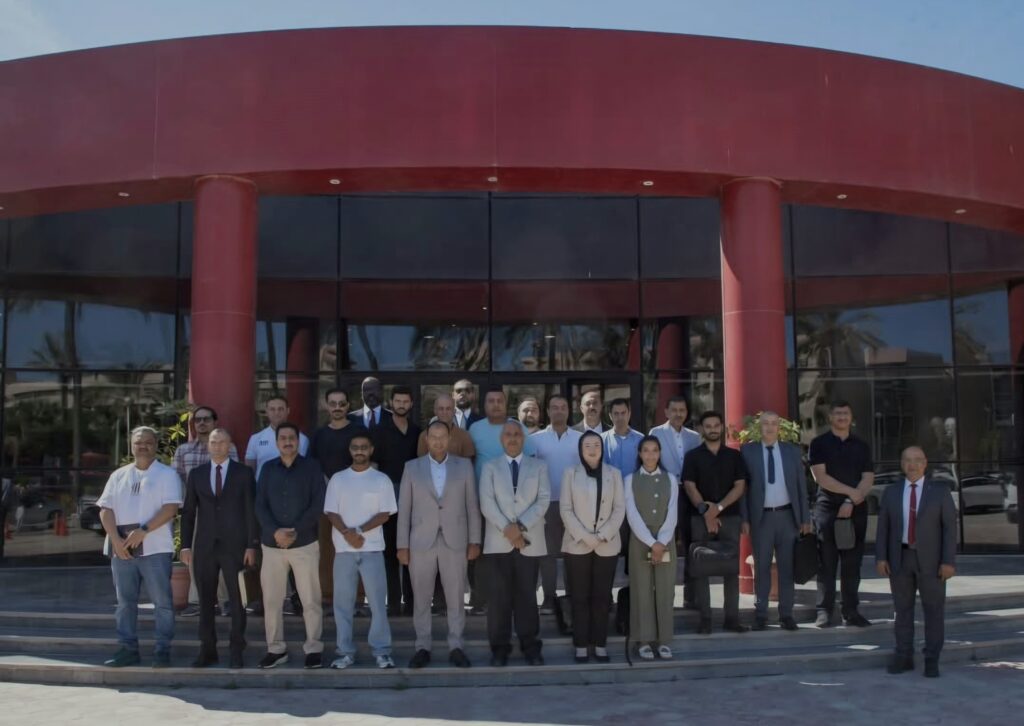
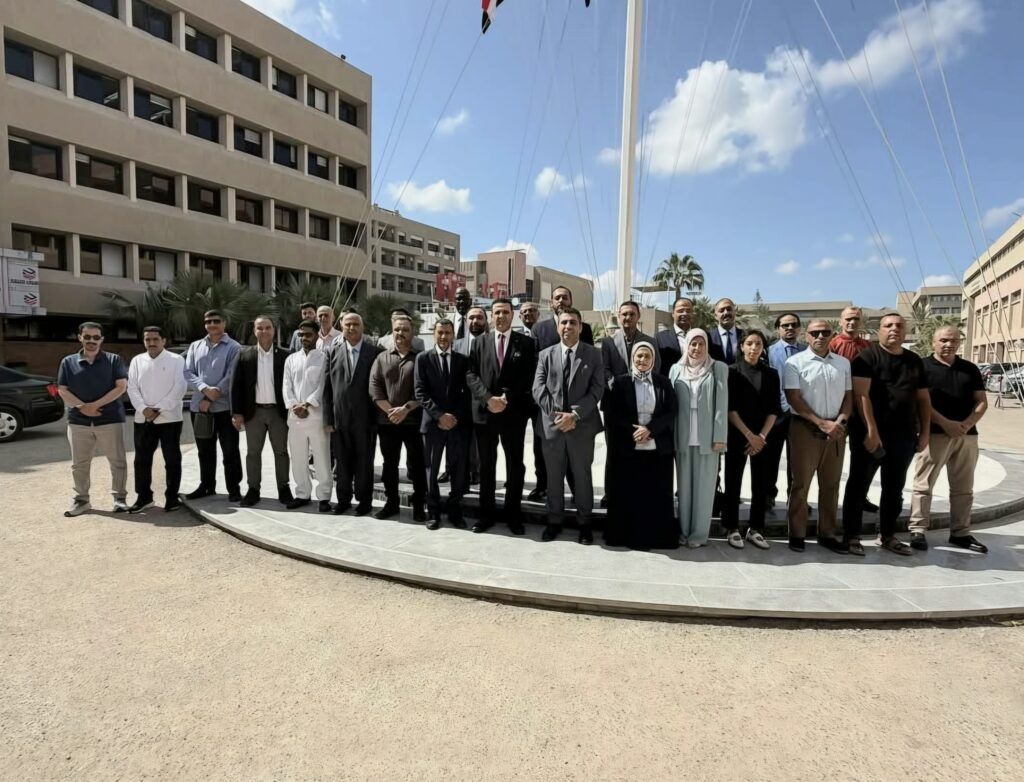
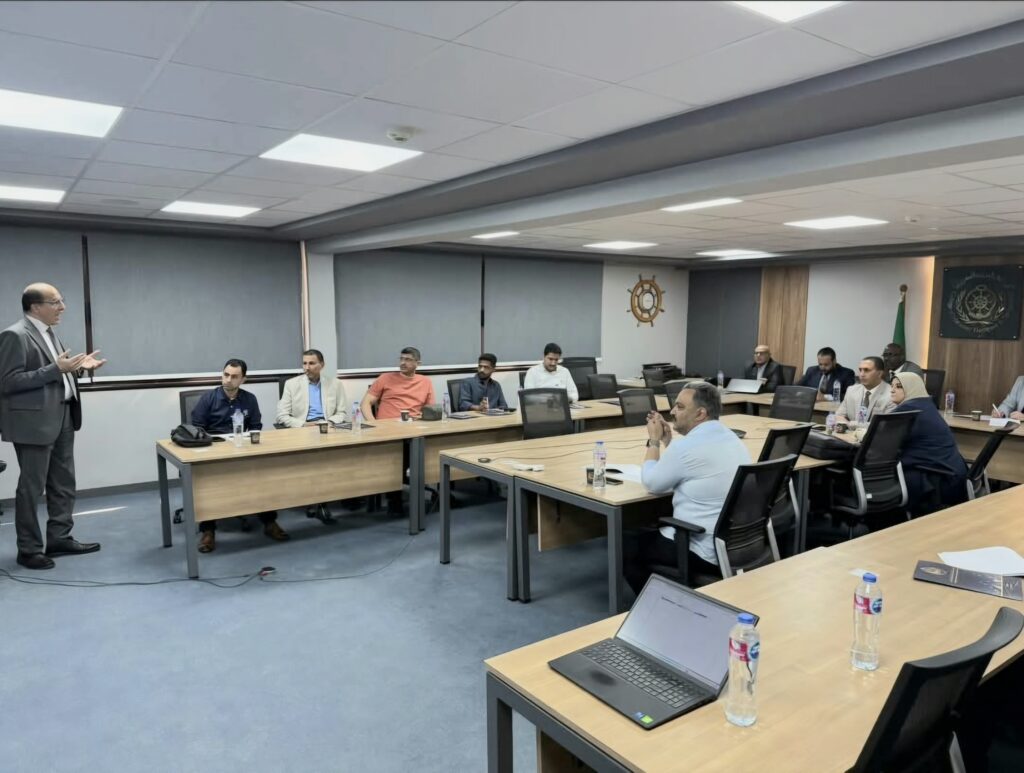
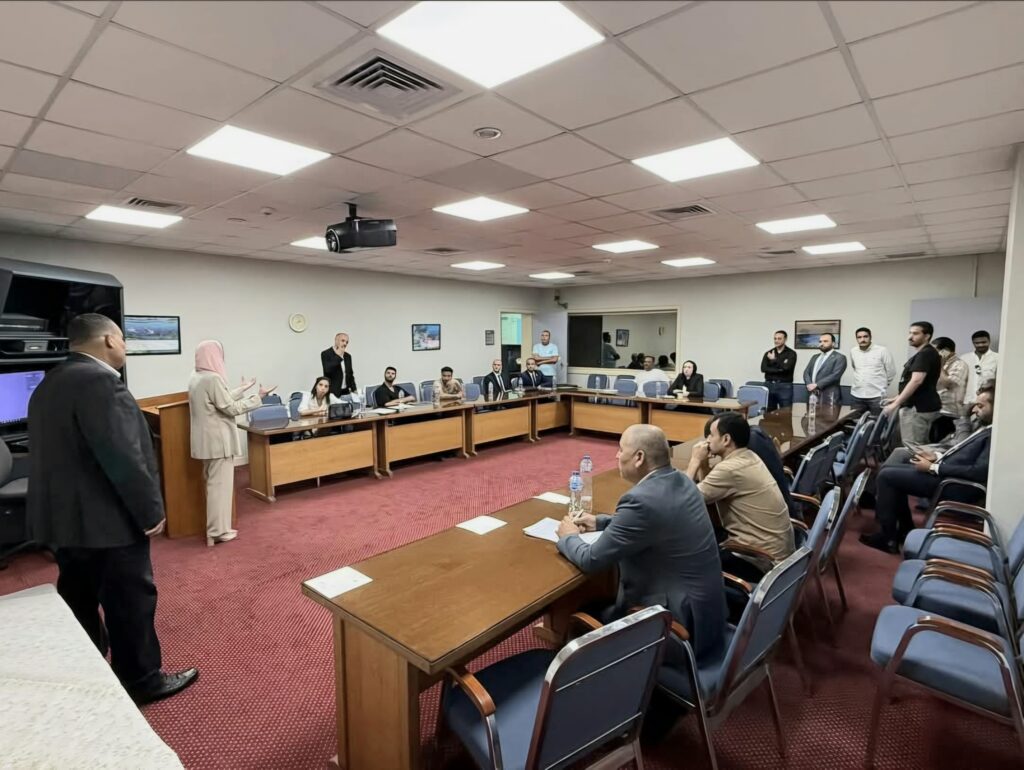
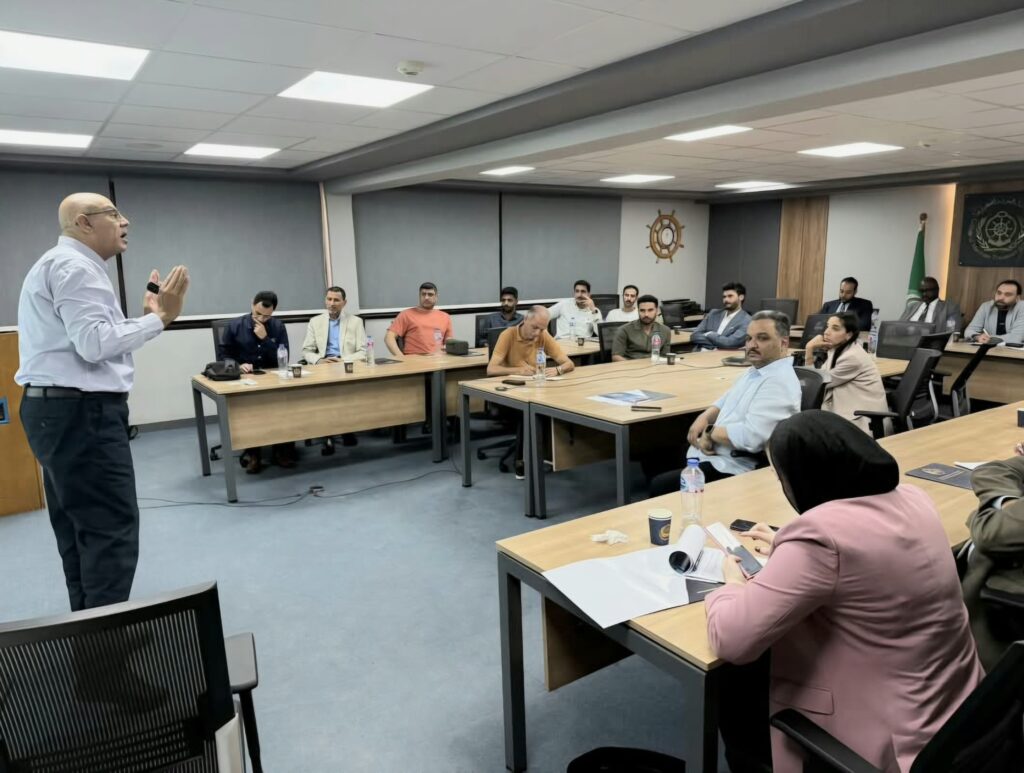
Shipping Arabia, November 19, 2026 – Egypt’s Port Training Institute (PTI), part of the Arab Academy for Science, Technology and Maritime Transport (AASTMT), welcomed a delegation of international maritime experts and conference speakers during the International Conference on Training and Organizational Development (TOD’26). The visit focused on strengthening international partnerships, exchanging expertise, and advancing maritime training and professional development.
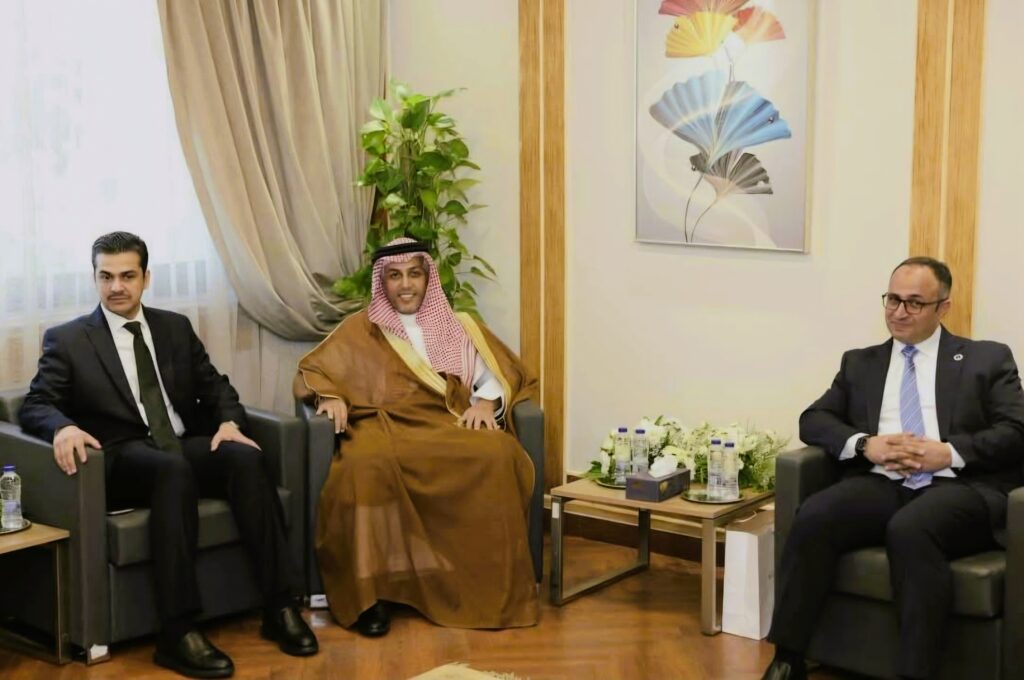
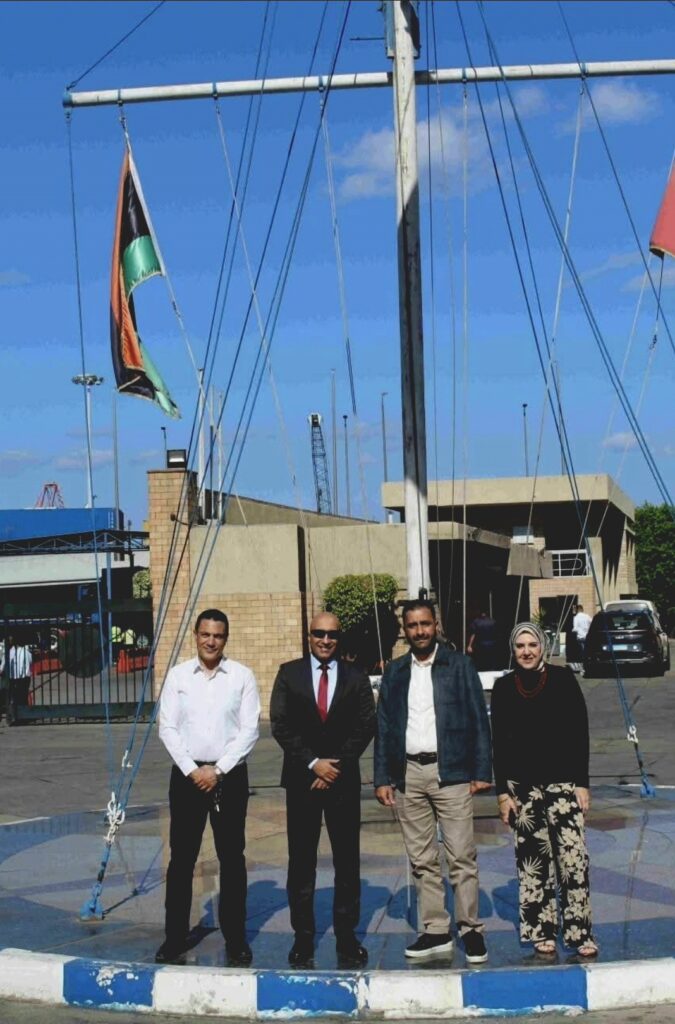
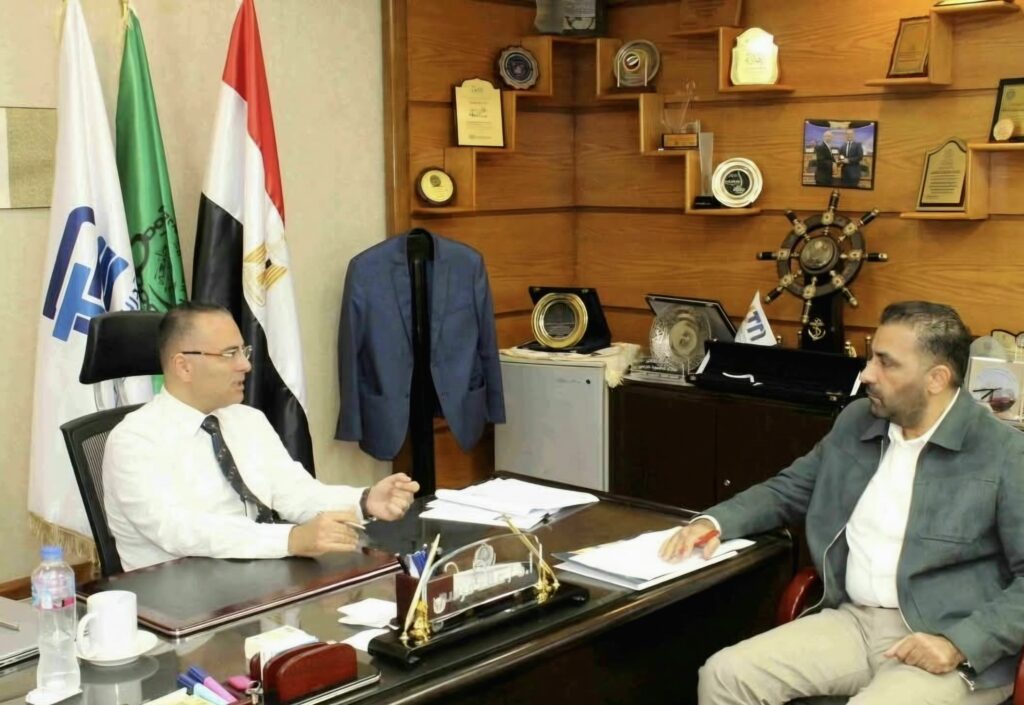
Professor Alaa Mahmoud Morsy, Dean of the Port Training Institute and Maritime Research and Consultation Center, received the delegation, which included representatives from leading maritime education and training institutions in the United Kingdom, Norway, and France.
The meeting formed part of the institute’s efforts to expand cooperation with international maritime organizations and specialists. It also reflected its commitment to developing maritime training and qualification programs in line with evolving international practices and standards.
International Maritime Experts Participate in TOD’26 Visit
The visiting delegation brought together specialists in maritime education, training, assessment, nautical operations, and professional development.
Participants included Dr. Somiyeh Djavanroodi, Director at The Nautical Institute in the United Kingdom, and Professor Salman Nazir, Professor of Maritime Training and Assessment at the University of South-Eastern Norway.
Professor Per Haavardtun, Professor of Nautical Operations at the University of South-Eastern Norway, also joined the delegation, alongside Ali El-Sayyad, Senior Technical Manager at The Nautical Institute in the United Kingdom.
The delegation additionally included Latifa Oumouzoune, Education and Training Manager at the IALA World-Wide Academy in France, representing an international institution specializing in training and capacity development related to marine aids to navigation.
The participation of experts from these institutions provided an opportunity for direct engagement between the Port Training Institute and international specialists working across different areas of maritime education and professional training.
Senior officials from the Port Training Institute also attended the meeting. They included Essam Mostafa, Director of Business Development, and Hisham Hamdy, Head of the Crane Simulators Department.
Other participants included Mostafa Saber, Acting Head of International Cooperation and Agreements; Najwa El-Saeed Bakr, from the International Cooperation and Agreements Department; and Taheya El-Sherbeny, responsible for Seafarers’ Professional Development.
Port Training Institute Seeks to Expand International Partnerships
The visit took place as part of the activities surrounding TOD’26, providing a platform for engagement between the Port Training Institute and experts involved in maritime training and institutional development.
Through these meetings, the institute aims to strengthen relationships with international maritime organizations and expand opportunities for cooperation and knowledge exchange.
A central objective is to support the continued development of maritime education, training, and professional qualification programs. The institute also seeks to ensure that its training activities keep pace with international practices and standards across the maritime transport and port sectors.
The engagement reflects the importance the Port Training Institute places on international collaboration as part of its approach to maritime human resource development and professional capacity building.
By maintaining communication with international specialists and training institutions, PTI aims to broaden cooperation opportunities and benefit from expertise in different maritime disciplines.
The institute reaffirmed its commitment to developing effective international partnerships and strengthening its position as a regional center for maritime training, professional development, and capacity building.
These efforts form part of its broader objective to support the development of qualified maritime personnel and advance training capabilities within the shipping and port sectors.
Shipping Arabia, November 8, 2026 – Egypt’s Alexandria Port Authority has hosted an international delegation of trainees from 15 Arab and European countries as part of a regional train-the-trainer program focused on the effective implementation of the International Maritime Dangerous Goods (IMDG) Code. The program, coordinated with the International Maritime Organization (IMO), aims to strengthen maritime personnel capabilities and improve compliance with international requirements for transporting and handling dangerous goods.
The delegation included representatives of Egypt’s Maritime Transport and Logistics Sector, the IMO Regional Office at Alexandria Port, and the Arab Academy for Science, Technology and Maritime Transport (AASTMT). The visit provided participants with practical exposure to dangerous goods handling procedures, storage systems, and maritime safety measures within an operational port environment.
The initiative forms part of Egypt’s efforts to strengthen international maritime cooperation and technical knowledge exchange, in line with directives from Minister of Transport Kamel El-Wazir.
Alexandria Port Strengthens International Maritime Safety Cooperation
The delegation was received by Alexandria Port Authority’s Vice Chairman for Operations on behalf of the authority’s Chairman.
During the reception, the Vice Chairman emphasized the importance of regional training programs in strengthening maritime safety and facilitating the exchange of practical experience among participating countries. He also highlighted the value of familiarizing maritime professionals with operational procedures used by ports to implement international safety requirements.
Alexandria Port Authority reaffirmed its commitment to developing its dangerous goods management systems and improving personnel competencies in accordance with international standards.
The authority also expressed its continued willingness to cooperate with the IMO and maritime institutions from partner countries. Such cooperation aims to share the port’s accumulated operational experience, strengthen international partnerships, and support maritime capacity-building initiatives.
The regional training program focuses on preparing qualified trainers who can transfer knowledge of IMDG Code requirements to maritime institutions and port personnel in their respective countries.
Alexandria Port IMDG Code Training Covers Operational Procedures
The technical visit began with a presentation introducing Alexandria Port, its operational capabilities, and ongoing development projects.
Port representatives then provided an overview of the procedures governing dangerous goods handling, storage, and security within the port.
The presentation examined Alexandria Port’s dangerous goods management framework and the measures used to ensure that hazardous cargo operations comply with relevant international requirements.
These discussions formed part of the practical learning component of the regional training course, allowing participants to connect the provisions of the IMDG Code with their implementation in daily port operations.
The program emphasized the importance of applying standardized procedures to dangerous goods activities while maintaining appropriate safeguards for personnel, cargo, infrastructure, and the surrounding marine environment.
Delegation Inspects Tahya Misr Terminal and Dangerous Goods Facilities
Following the presentations, the delegation conducted a field tour of the Tahya Misr Terminal and designated dangerous goods handling areas at Alexandria Port.
During the inspection, participants examined the procedures used for storing, handling, and securing dangerous cargo. The visit also provided an opportunity to review operational safety arrangements and observe how the port implements relevant international requirements.
The delegation subsequently visited a dangerous goods warehouse operated by LAT, where participants reviewed the facility’s technical equipment and storage systems.
The inspection covered security arrangements and procedures for managing different categories of dangerous goods, giving trainees further insight into the practical application of safety requirements within specialized storage facilities.
By observing these operations firsthand, participants gained experience in how the IMDG Code is implemented in an active port environment. The field visit also supported the program’s objective of transferring technical knowledge and operational experience to maritime authorities and ports in participating countries.
Supporting Maritime Capacity Building and Environmental Protection
Alexandria Port Authority emphasized that the visit reflects its broader commitment to strengthening maritime training, international cooperation, and the exchange of specialized expertise.
The authority highlighted the importance of continued engagement with the IMO and relevant maritime organizations to improve operational practices and develop the capabilities of personnel responsible for dangerous goods management.
These initiatives aim to reinforce maritime safety standards, protect lives and property, safeguard the marine environment, and improve port operational efficiency.
Through its participation in the regional training program, Alexandria Port demonstrated practical approaches to dangerous goods management while supporting the development of maritime safety expertise across the participating countries.
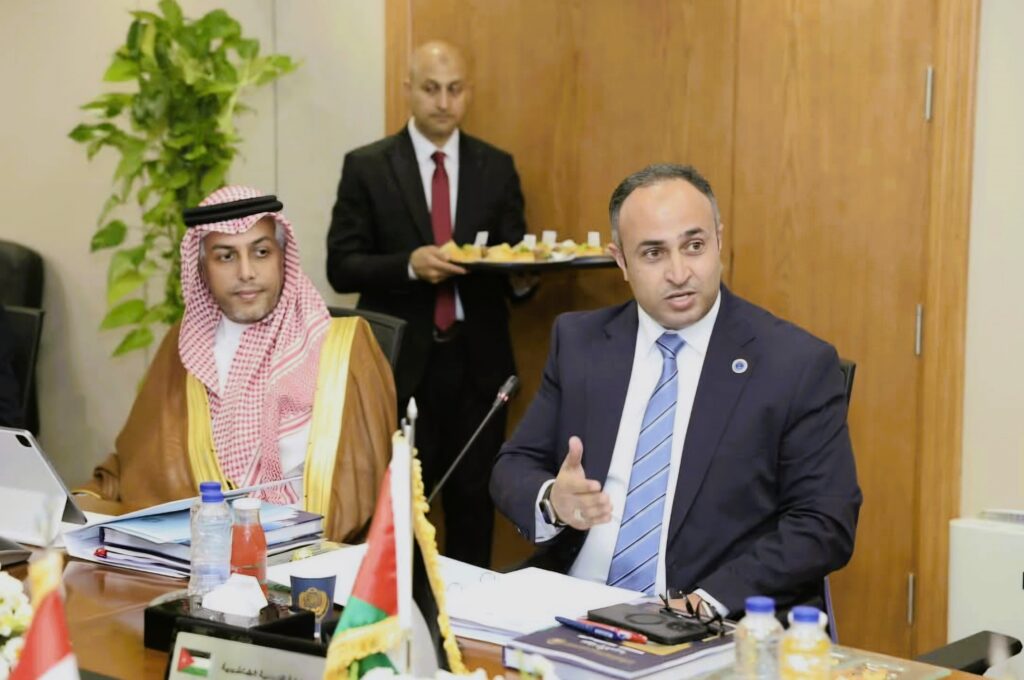
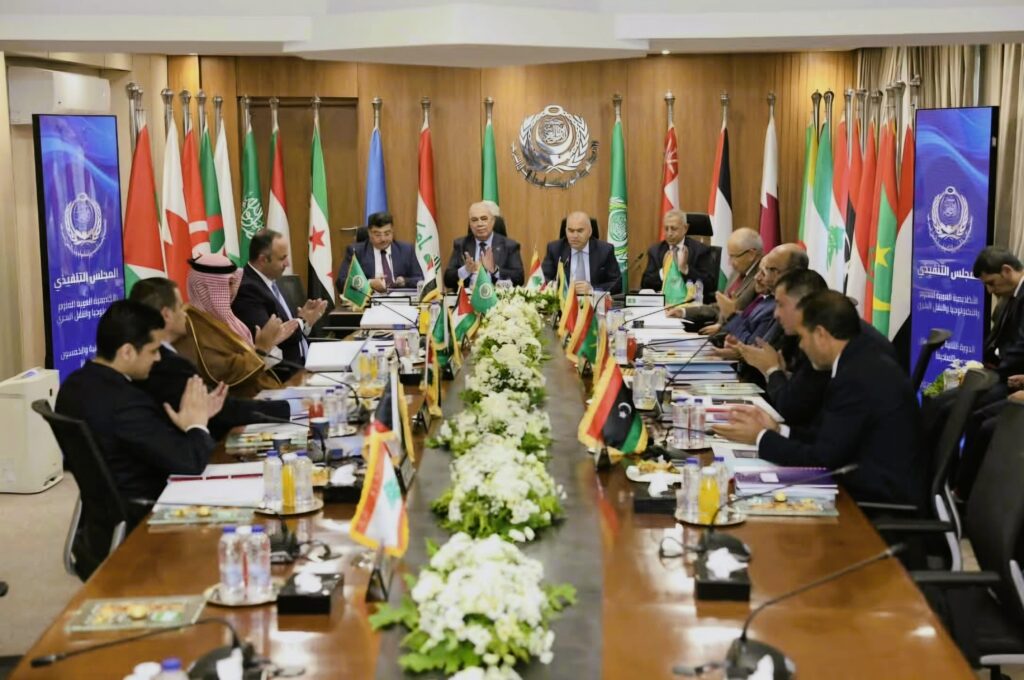
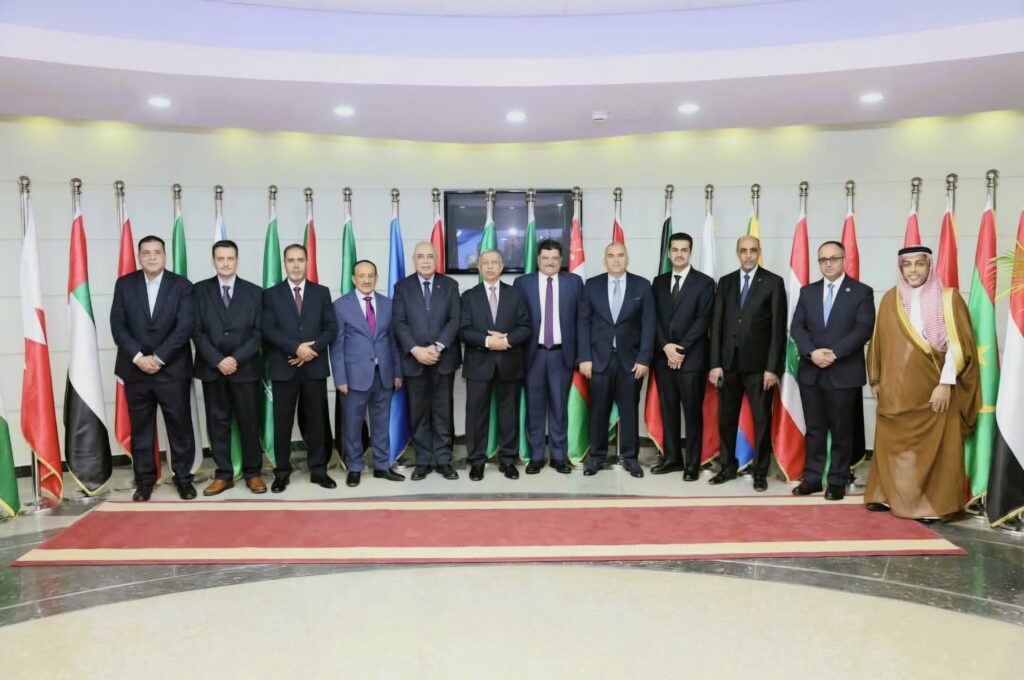
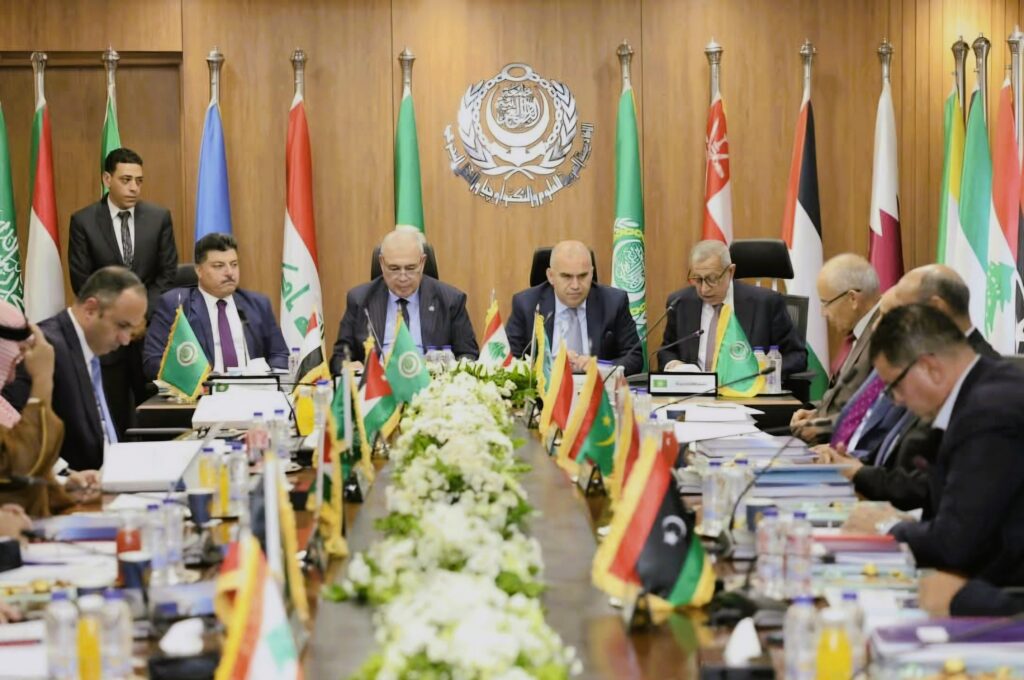
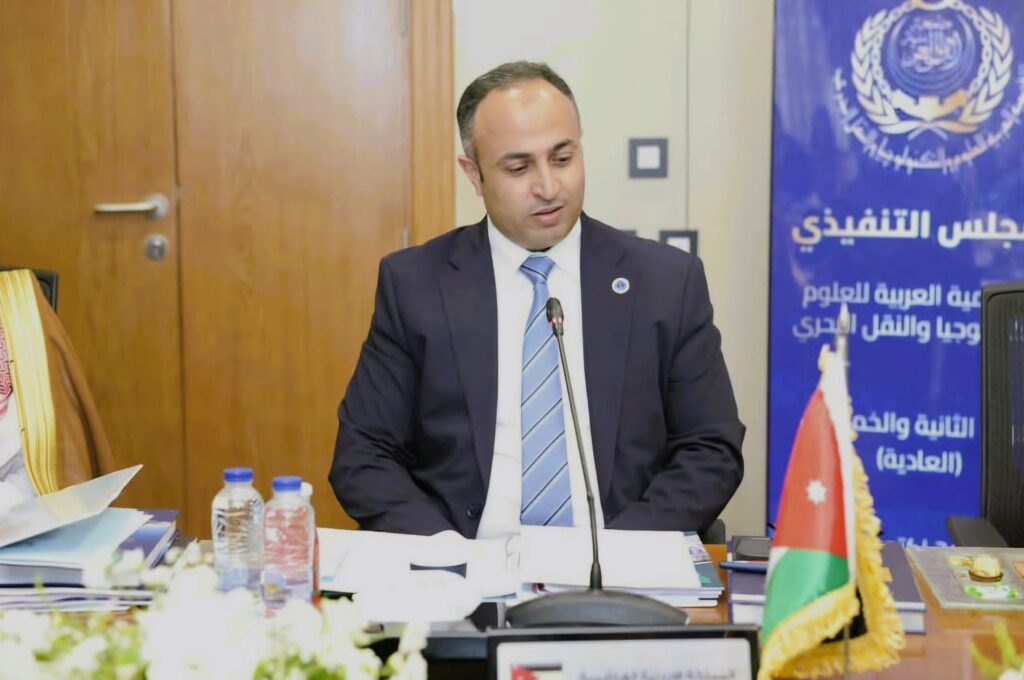
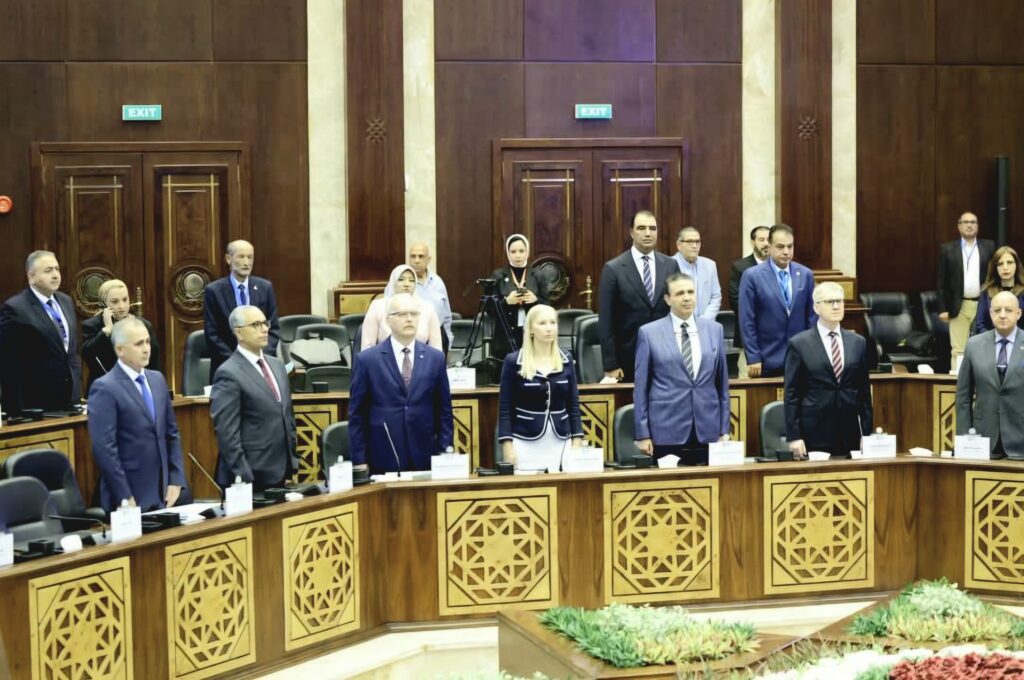
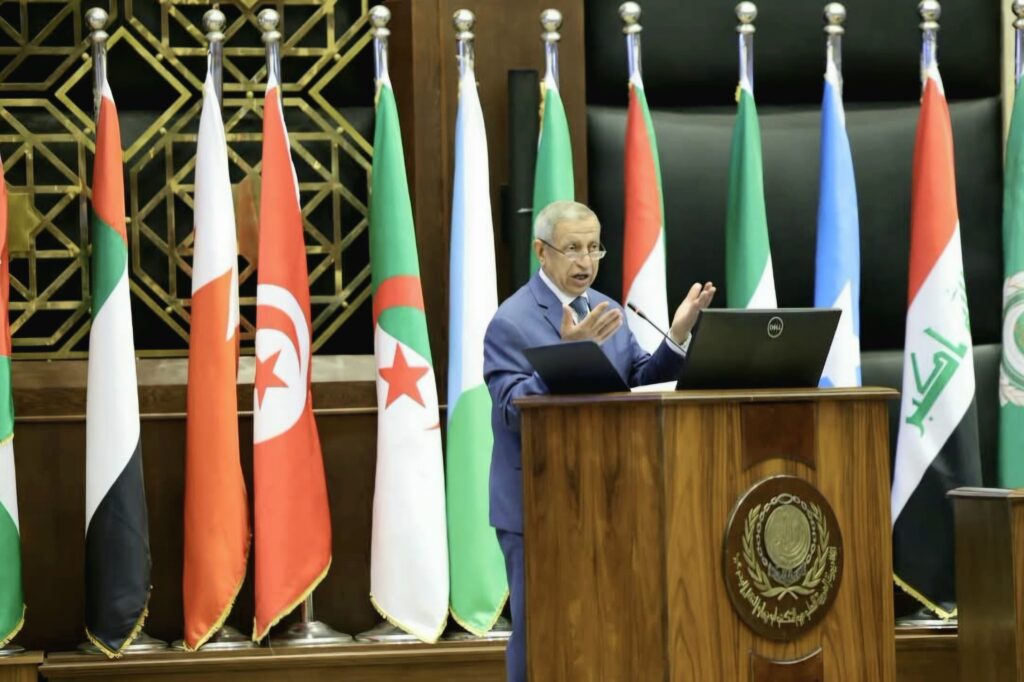
Shipping Arabia, November 3, 2026 – Ahmad Mohammad Al-Assasleh, Director General of the Jordan Maritime Commission (JMC), represented Jordan at the 52nd Ordinary Session of the Executive Council of the Arab Academy for Science, Technology and Maritime Transport (AASTMT), held in Cairo, Egypt, on October 31, 2026.
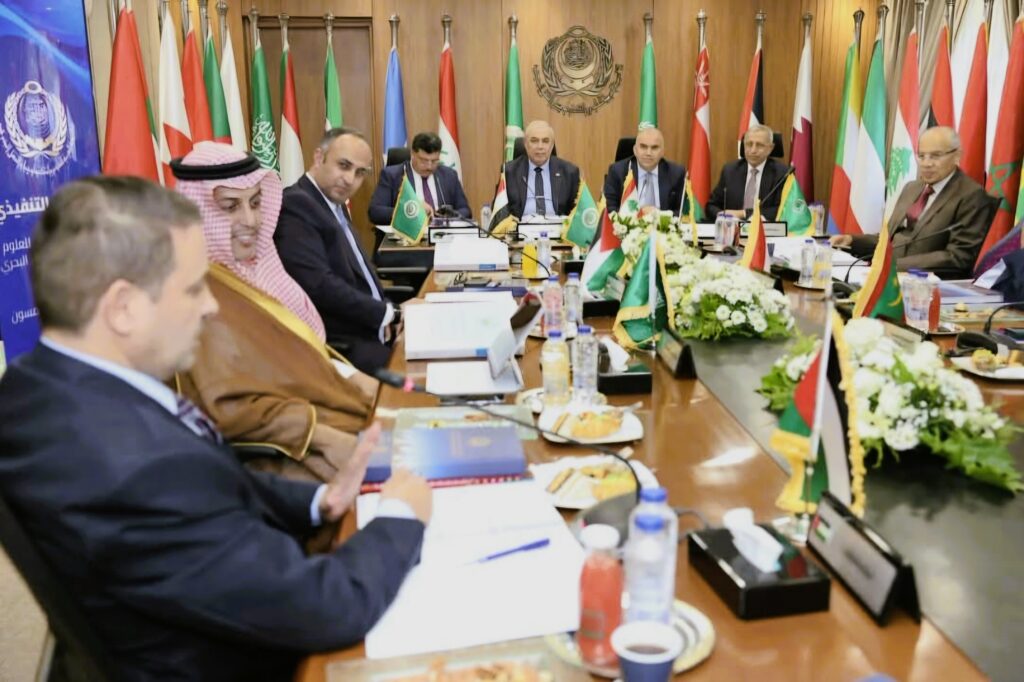
The meeting took place at the academy’s Heliopolis branch headquarters, bringing together representatives of Arab member states to discuss matters concerning the academy’s activities in education, training, scientific research, maritime transport and logistics.
Al-Assasleh’s participation formed part of Jordan’s continued engagement in joint Arab cooperation initiatives and its commitment to contributing to the development of the regional maritime sector.
Arab Member States Participate in AASTMT Executive Council Meeting
The 52nd Ordinary Session of the AASTMT Executive Council brought together senior officials and representatives from Arab countries participating in the council’s activities.
Attendees included the president and vice president of the Executive Council, the president of AASTMT, and a representative of the League of Arab States.
The participating countries included Jordan, Saudi Arabia, Palestine, Kuwait, Libya, Egypt, Yemen and Mauritania.
The meeting provided a forum for member states to address matters related to the academy’s activities and its role in maritime education, professional training, scientific research, maritime transport and logistics.
Representing the Hashemite Kingdom of Jordan, Al-Assasleh participated in the council’s proceedings as part of the country’s efforts to maintain an active presence in regional institutional cooperation.
His participation also reflected Jordan’s interest in following the academy’s activities and contributing to discussions concerning its educational, technical and maritime programs.
Jordan Maritime Commission Emphasizes Regional Cooperation
The Jordan Maritime Commission highlighted the importance of strengthening cooperation and coordination with Arab institutions and organizations involved in maritime transport.
The commission’s participation in the AASTMT Executive Council meeting reflected its commitment to supporting collaboration among Arab maritime authorities and exchanging professional expertise and institutional experience.
Such cooperation forms part of the commission’s stated efforts to contribute to the development of the Arab maritime sector and enhance its operational efficiency and professional capabilities.
The commission also emphasized the importance of closer coordination among Arab countries in maritime affairs, with particular attention to strengthening regional integration and cooperation.
Through its participation in the council’s 52nd session, the Jordan Maritime Commission reaffirmed its commitment to engaging with regional maritime institutions and supporting initiatives aimed at developing maritime education, training and sector capabilities across the Arab world.
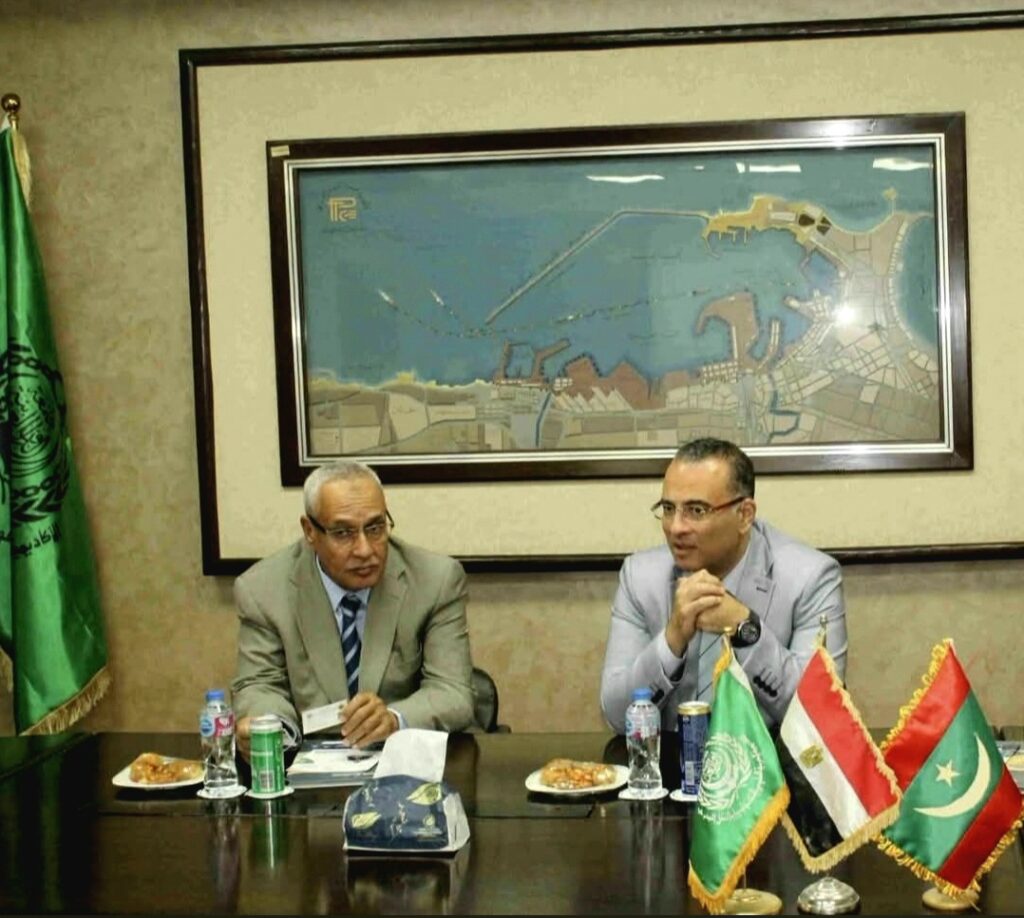
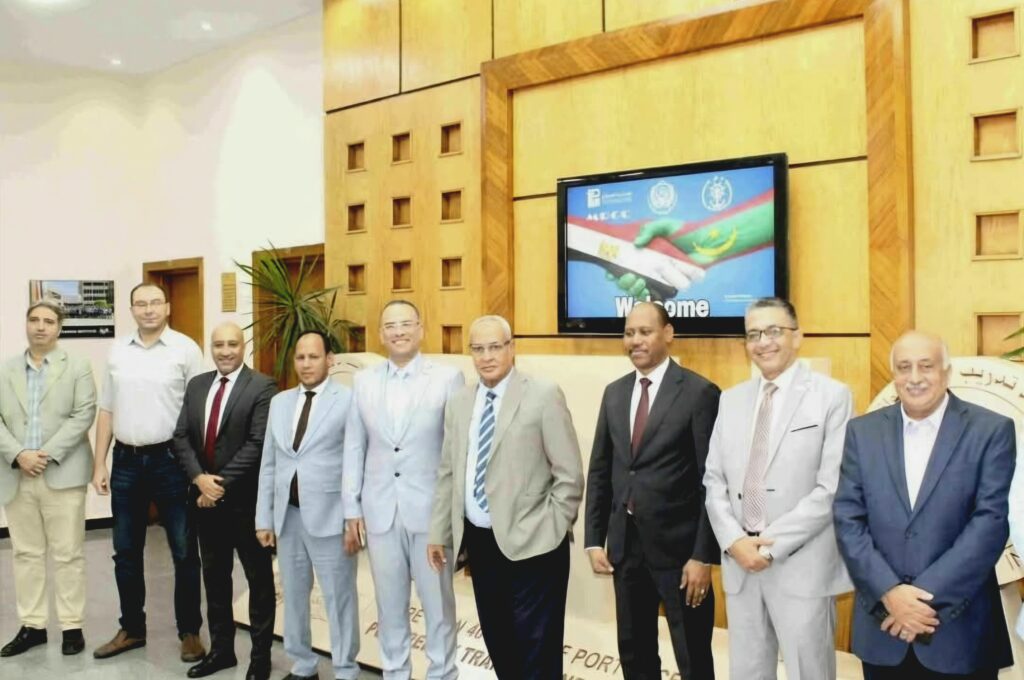
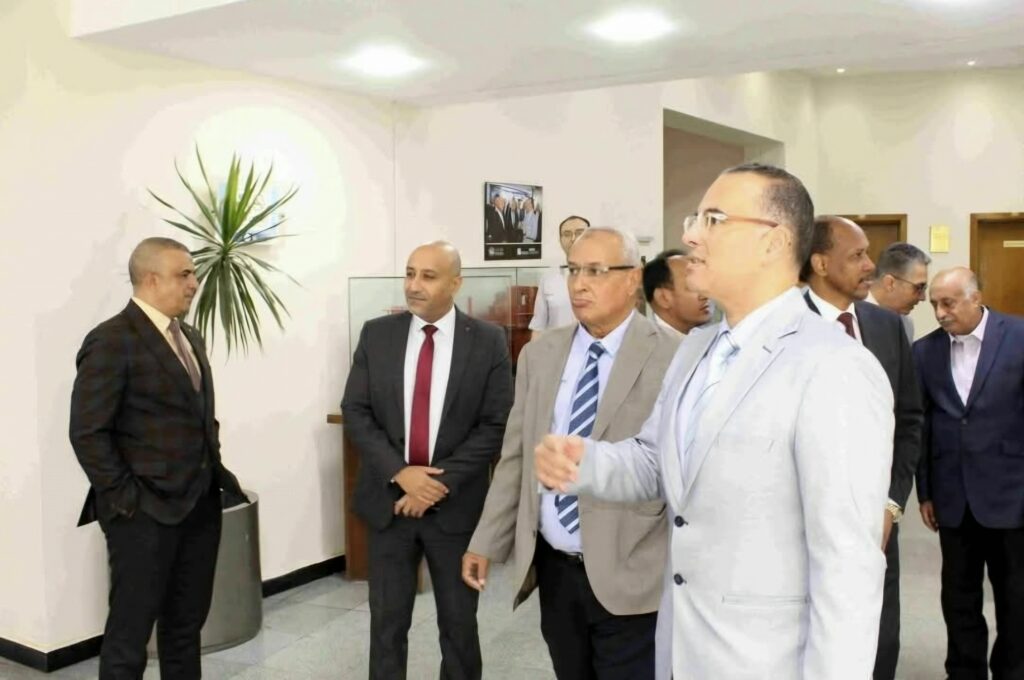
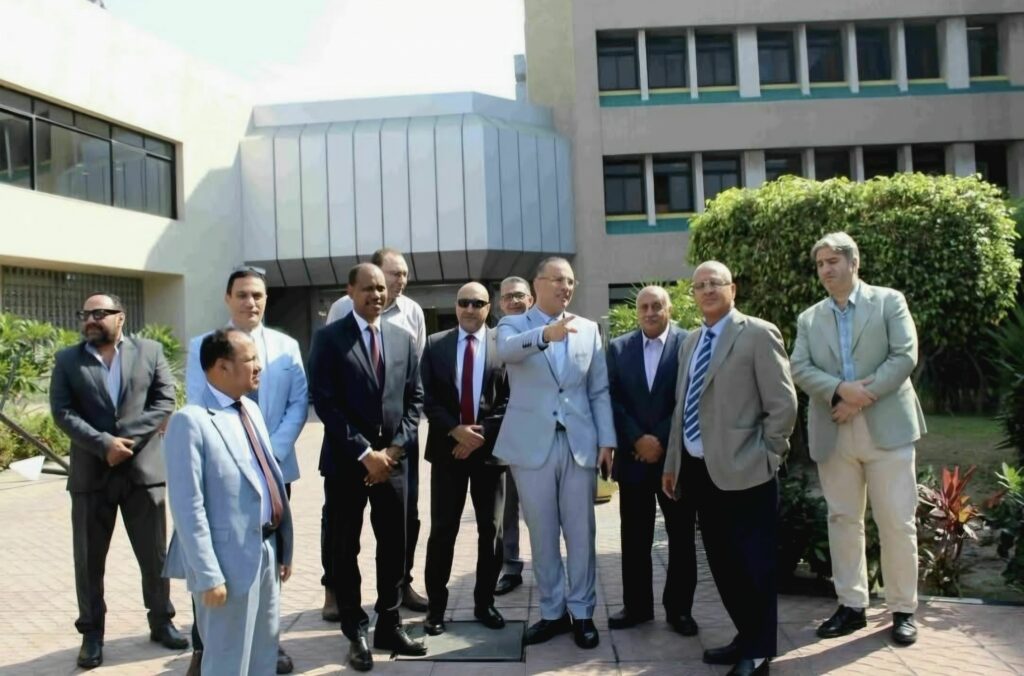
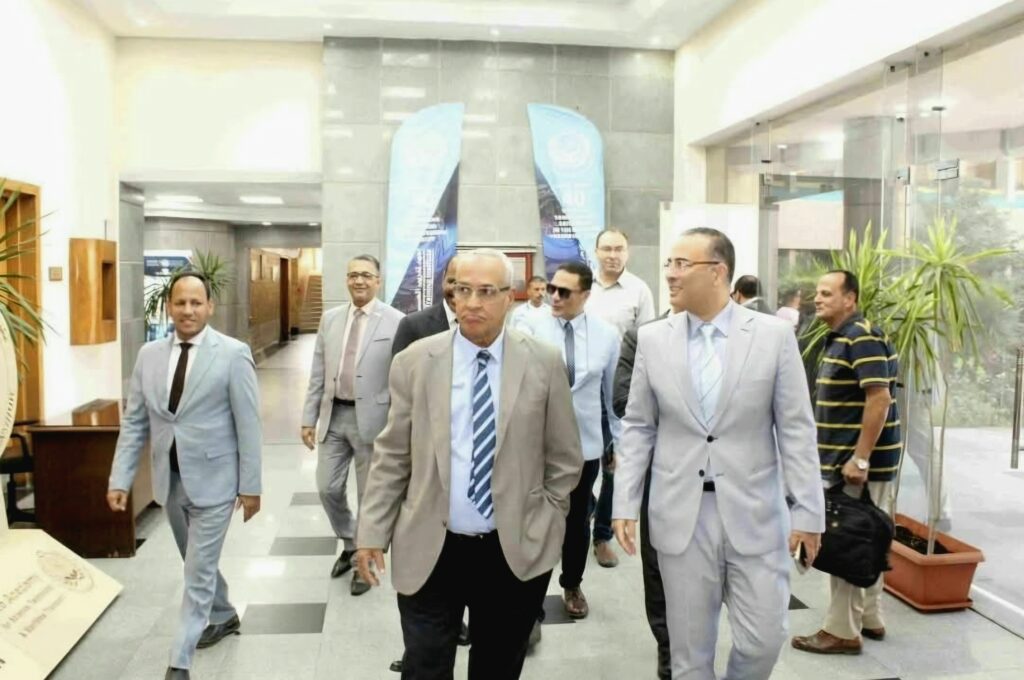
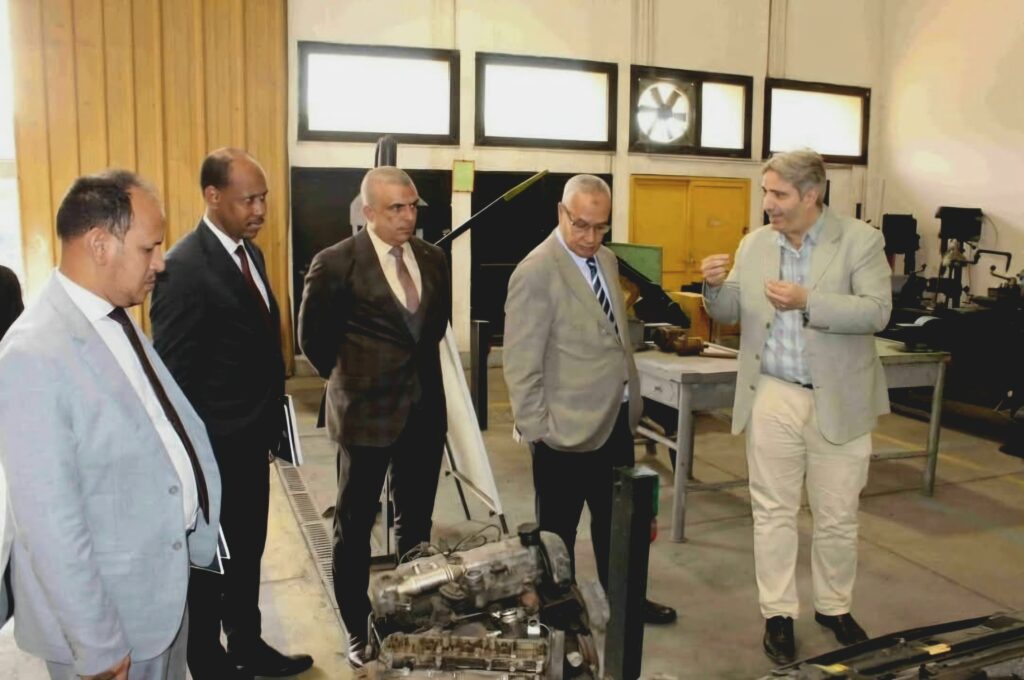
Shipping Arabia, November 1, 2026 – A delegation from Mauritania’s Ministry of Fisheries and Marine and Port Infrastructure visited the Port Training Institute (PTI) at the Arab Academy for Science, Technology and Maritime Transport (AASTMT) in Alexandria, Egypt, to explore maritime training cooperation, port workforce development and technical consultancy.
The visit focused on strengthening cooperation between the two sides and exchanging expertise in maritime and port training. Discussions also addressed opportunities to develop specialized professional capabilities and support the modernization of Mauritania’s maritime transport sector and port infrastructure.
Mauritanian Delegation Reviews Port Training Capabilities
The Mauritanian delegation was led by Sidi Ali Sidi Boubacar, Secretary-General of the Ministry of Fisheries and Marine and Port Infrastructure. He was accompanied by Mohamed Mahmoud Cheikh Ahmed, Technical Adviser for Communications at the Minister’s Office.
Prof. Alaa Mahmoud Morsy, Dean of the Port Training Institute and the Maritime Transport Research and Consultation Center at AASTMT, received the delegation alongside senior institute officials. Mohamed Babah Ahmed Babou, Adviser to the AASTMT President, also attended the meeting.
During the visit, the delegation reviewed the Port Training Institute’s advanced training facilities and technological capabilities. Institute representatives outlined their role in preparing and developing specialized maritime and port personnel in accordance with international standards and industry practices.
The delegation also received an overview of the institute’s professional training programs and technical consultancy services. These services support workforce development and operational capabilities across the maritime transport and port sectors.
Maritime Training Cooperation to Support Mauritania’s Port Development
Discussions explored opportunities for future maritime training cooperation, particularly in specialized professional development, technical knowledge exchange and institutional capacity building.
Both sides examined how Mauritania could benefit from AASTMT’s expertise, training facilities and consultancy capabilities to support the development and modernization of its ports and maritime infrastructure.
The discussions also highlighted the importance of strengthening human capital and improving professional competencies within the maritime transport sector. Developing qualified personnel remains a central objective of the proposed cooperation, alongside exchanging practical experience and technical knowledge.
Prof. Morsy welcomed the Mauritanian delegation and reaffirmed the Port Training Institute’s commitment to expanding cooperation with Arab maritime and port institutions.
He emphasized the institute’s willingness to share its training and consultancy expertise to strengthen workforce capabilities and help maritime professionals respond to developments across the shipping and port industries.
The visit took place within the framework of directives issued by AASTMT President Prof. Ismail Abdel Ghaffar Ismail Farag to strengthen cooperation among Arab institutions and encourage the exchange of expertise in maritime education, training and professional development.
Strengthening Arab Maritime Institutional Cooperation
The engagement reflects AASTMT’s continued efforts to promote cooperation among Arab maritime institutions through specialized training, technical consultancy and professional knowledge exchange.
Through the Port Training Institute and its associated research and consultancy capabilities, the academy provides training and professional development services designed to support the maritime transport and port sectors.
The Mauritanian delegation’s visit provided an opportunity to examine potential areas of collaboration and identify how the academy’s technical and institutional expertise could contribute to Mauritania’s maritime and port development objectives.
The discussions also reinforced the importance of building sustainable professional partnerships among Arab maritime institutions, particularly in workforce qualification, specialized training and the exchange of operational expertise.
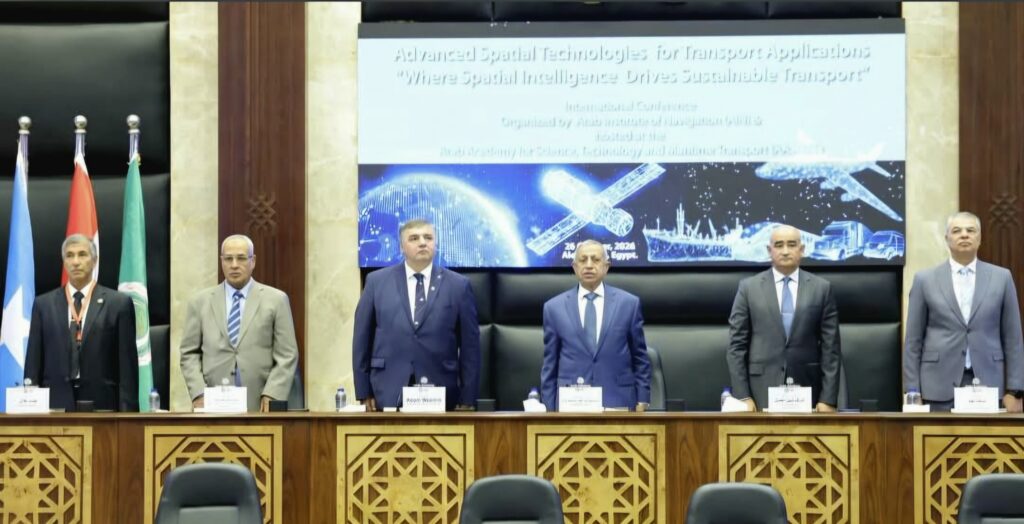
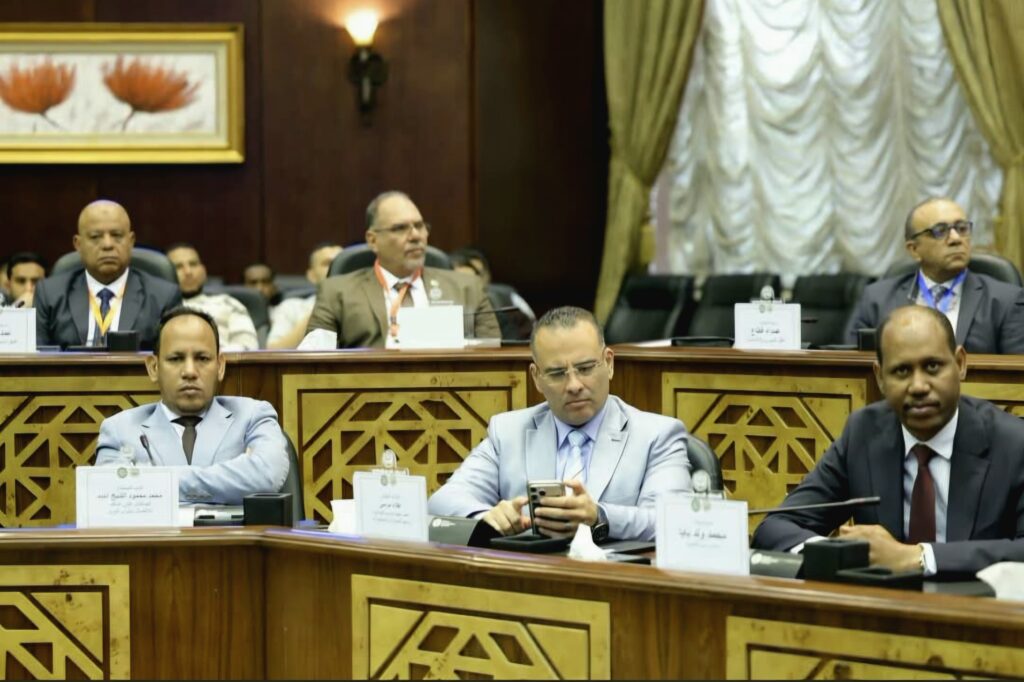
Shipping Arabia, October 31, 2026 – Maritime leaders, academics and industry experts gathered at the Arab Academy for Science, Technology and Maritime Transport (AASTMT) in Abu Qir, Alexandria, for the Melaha 2026 International Conference. The event focused on advanced navigation technologies, maritime safety, operational efficiency and sustainable transport development.
Organized by the Arab Institute of Navigation (AIN) in cooperation with AASTMT, the Melaha 2026 conference brought together Egyptian and international representatives, researchers and maritime professionals. Discussions addressed the future of navigation science, technological developments and stronger cooperation between academic institutions and the maritime industry.
The opening session included AASTMT President Prof. Ismail Abdel Ghaffar Ismail Farag and Arab Institute of Navigation President Prof. Hisham Helaly. Also attending were Rear Adm. Ashraf El Assal, Chairman of the Egyptian Authority for Maritime Safety, Rear Adm. Osama Negm, Deputy Head of the Transport Sector, and Sidi Ali Ould Sidi Boubacar, representing Mauritania’s fisheries ministry.
Prof. Adam Weintrit and other specialists in navigation science and maritime transport also participated in the conference.
Strengthening Maritime Education and International Research Partnerships
AASTMT President Prof. Ismail Abdel Ghaffar emphasized the importance of expanding academic and research partnerships to address the maritime industry’s evolving requirements. He called for joint educational programs that equip future maritime professionals with the knowledge and practical skills needed for careers in shipping and international business.
He explained that developing maritime education requires stronger cooperation between scientific institutions and greater exchange of expertise. Such collaboration would help universities improve academic programs, strengthen research capabilities and respond to changes across the maritime sector.
Abdel Ghaffar identified student and faculty exchanges, joint research projects and technology-focused education as essential priorities. He also stressed the importance of aligning academic programs with labor market requirements and technological developments.
Furthermore, he welcomed the maritime leaders and international experts attending the conference. He highlighted the need for continued collaboration between universities and professional organizations to expand training opportunities, strengthen maritime qualifications and develop human resources.
The academy president emphasized that cooperation should extend beyond academic exchanges to include practical training and research initiatives that support maritime sector development.
Translating Navigation Research into Practical Maritime Solutions
Prof. Hisham Helaly, President of the Arab Institute of Navigation, stressed the importance of strengthening communication among researchers, navigators, maritime specialists and decision-makers.
He explained that one of the institute’s principal objectives is to translate scientific research into practical applications that improve navigational safety and transport efficiency. Applied research, he noted, can help the maritime industry address emerging operational and technological challenges.
Helaly also called for broader professional and scientific partnerships to strengthen cooperation between academic institutions and maritime organizations.
He praised the institute’s cooperation with AASTMT and acknowledged the academy’s support for joint scientific and professional activities. According to Helaly, this partnership has created opportunities for knowledge exchange and the organization of specialized conferences.
Looking ahead, he emphasized the importance of building on existing cooperation, supporting young researchers and expanding the application of modern technologies in navigation, ports and transport networks.
These priorities formed part of the Melaha 2026 conference’s wider focus on connecting maritime research with operational requirements and technological development.
Maritime Training, Simulators and Long-Term Academic Cooperation
Prof. Adam Weintrit emphasized the value of international cooperation between universities and specialized maritime education institutions.
He advocated student and faculty exchanges, collaborative research projects and multiyear cooperation agreements. Such arrangements would provide an institutional framework for sustained cooperation in maritime education, professional training and scientific research.
Weintrit highlighted the practical training resources available across participating institutions, particularly maritime simulators and training vessels. He stressed that these facilities are important for developing the practical capabilities of students preparing for maritime careers.
He also expressed interest in establishing a structured framework for joint educational and research activities. This would support cooperation between universities and professional maritime organizations while expanding international academic networks.
Reflecting on his longstanding relationship with AASTMT and Alexandria, Weintrit recalled his first visit to the city in 2002. During that visit, he participated in a workshop organized by the World Maritime University. He subsequently attended a general assembly in 2003.
His remarks highlighted the role of sustained international academic relationships in developing maritime education and strengthening cooperation between institutions.
Egyptian Maritime Safety Authority Highlights Professional Development
Rear Adm. Ashraf El Assal, Chairman of the Egyptian Authority for Maritime Safety, praised AASTMT’s contribution to maritime education and professional training.
He highlighted the academic knowledge and practical expertise of the academy’s graduates, emphasizing their preparation for specialized careers within the maritime industry.
El Assal also stressed the importance of continued cooperation among maritime education institutions. He called for greater exchange of experience and expertise to support improvements in academic curricula and professional training programs.
Reflecting on his academic and professional career, he discussed his postgraduate education, including master’s studies and doctoral research undertaken through joint academic supervision involving Ryerson University in Canada. He completed his studies there in 2009.
He also referred to his professional experience with the Egyptian Authority for Maritime Safety, emphasizing the importance of combining academic qualifications with practical experience.
According to El Assal, this connection is essential for advancing maritime sciences and preparing qualified professionals for specialized responsibilities within the sector.
The conference also welcomed Rear Adm. Osama Negm, Deputy Head of the Transport Sector, as part of the official representation concerned with transport development and maritime safety.
Meanwhile, Sidi Ali Ould Sidi Boubacar participated as a representative of Mauritania’s fisheries ministry. His attendance reflected the conference’s broader Arab and international participation and the importance of knowledge exchange among organizations involved in navigation, transport and maritime activities.
Fifty Years of Navigation Research and Emerging Technologies
Prof. Refaat Rashad reviewed the Arab Institute of Navigation’s 50-year history and its contribution to navigation science and professional knowledge exchange.
He discussed the institutional, financial and organizational support that has helped sustain the institute’s activities. Rashad also highlighted cooperation with AASTMT as an important element in maintaining and expanding the institute’s work.
He addressed the institute’s connections with specialized international organizations and its role in promoting navigation knowledge and strengthening scientific and professional networks across the Arab region.
Rashad explained that navigation science extends beyond maritime transport. Its applications also cover aviation, land transportation and surveying, demonstrating the importance of technological development across different transport and positioning activities.
He emphasized the need to keep pace with technical advances and apply satellite-based navigation systems as navigation technologies continue to develop.
The Melaha 2026 conference brought these themes together through discussions on technological innovation, applied research, international academic partnerships and maritime professional development.
Participants emphasized the importance of strengthening cooperation between educational institutions, research organizations and maritime professionals to support safer navigation, more efficient transport operations and the development of qualified maritime personnel.
Source: Arab Academy for Science, Technology and Maritime Transport
Shipping Arabia, October 21, 2026 – The Port Training Institute (PTI) and Maritime Transport Research and Consultation Center of the Arab Academy for Science, Technology and Maritime Transport (AASTMT) participated in the 65th Board of Directors meeting of the Arab Sea Ports Federation. Held in Alexandria, Egypt, on October 14–15, 2026, the meeting brought together representatives of Arab maritime institutions to discuss cooperation, port development, and organizational matters.
The meeting took place at the Hilton Green Plaza Hotel in Alexandria. AASTMT’s participation reflected its commitment to supporting maritime transport development, strengthening cooperation with Arab ports, and advancing professional training across the regional port sector.
Under the direction of AASTMT President Prof. Ismail Abdel Ghafar Ismail Farag, Prof. Alaa Mahmoud Morsy, Dean of the Port Training Institute and Maritime Transport Research and Consultation Center, represented the academy at the meeting.
Morsy led the delegation in his capacity as Rapporteur of the federation’s Human Resources Development Committee. The delegation also included Dr. Essam Mostafa, Director of Business Development; Ahmed Shari, Head of Public Relations; and Mahmoud Farhat, Director of the Dean’s Office.
AASTMT Port Training Institute Highlights Maritime Training Capabilities
During the meeting, Morsy delivered a presentation outlining the activities of the Port Training Institute and its contribution to supporting Arab maritime ports.
The presentation highlighted the institute’s training and educational capabilities, along with its experience in preparing and qualifying maritime professionals. It also addressed the institute’s role in developing port personnel in accordance with modern professional standards and practices across the ports and maritime transport sectors.
Through its specialized training activities, the institute seeks to strengthen workforce capabilities and support improvements in port operations. Its programs focus on equipping maritime personnel with the professional knowledge and practical skills required by the industry.
The participation also provided an opportunity to emphasize closer cooperation between the institute and Arab ports and maritime organizations. Key areas of cooperation include exchanging professional expertise, developing specialized training programs, and strengthening human resources development initiatives.
These efforts aim to improve workforce efficiency and support the competitiveness of Arab ports. They also reflect AASTMT’s broader commitment to advancing maritime education, research, and professional development through cooperation with regional maritime institutions.
Arab Sea Ports Federation Announces Leadership Appointments
The federation’s 65th Board of Directors meeting also witnessed several important leadership developments, including the transfer of its presidency to the Hashemite Kingdom of Jordan, represented by the leadership of the Port of Aqaba.
The leadership transition formed part of the federation’s ongoing efforts to strengthen coordination and cooperation among member countries and their maritime institutions.
During the meeting, the Board of Directors appointed Tarek Abdallah as Secretary-General of the Arab Sea Ports Federation, succeeding Essam Badawi.
Badawi was appointed an adviser to the federation, allowing him to continue contributing to the organization’s activities in a new capacity.
The board also appointed Prof. Khawla Al Akhdar, head of Tunisia’s Merchant Marine and Ports Authority, as Vice President of the federation.
These appointments were among the organizational decisions taken during the meeting, alongside discussions and activities supporting closer cooperation across the Arab maritime sector.
AASTMT Leadership and Port Training Institute Receive Recognition
The meeting also included recognition of AASTMT’s contributions to maritime transport development and professional training.
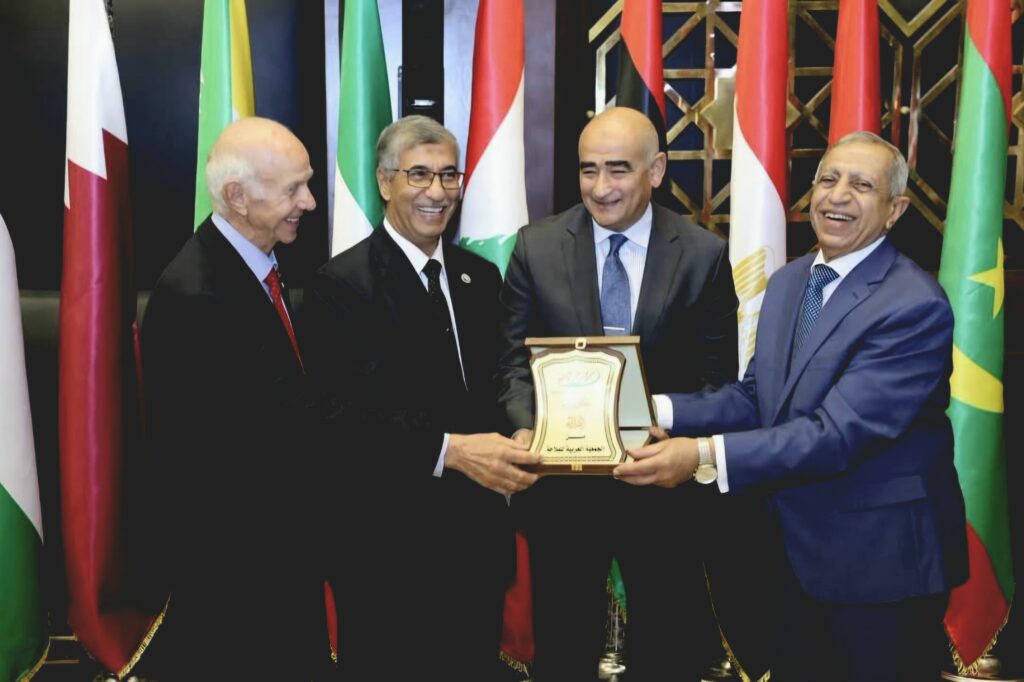
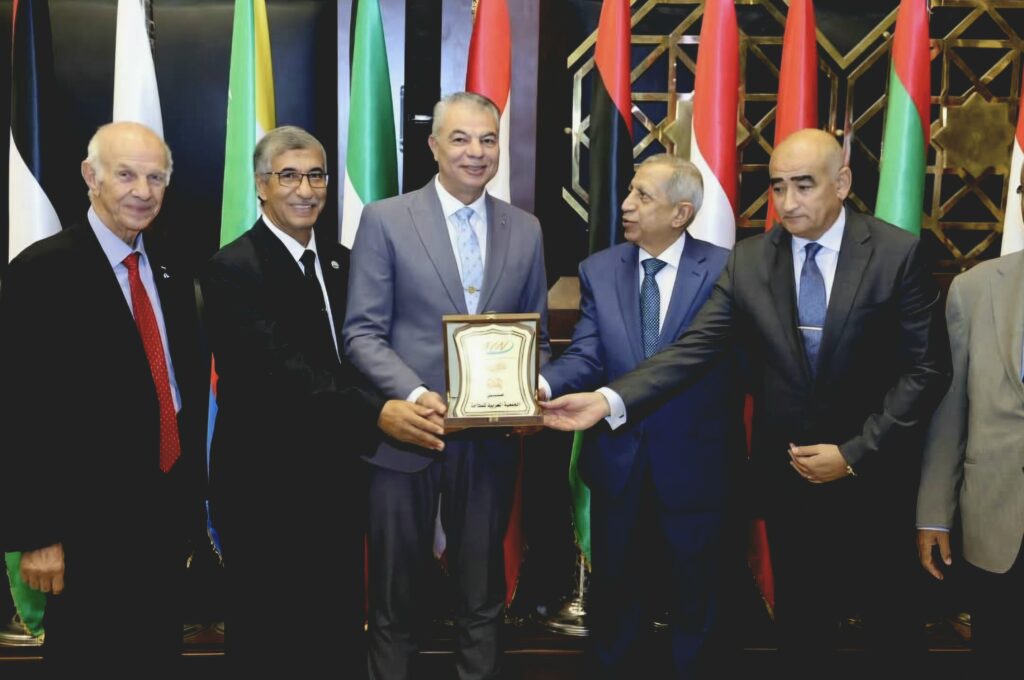
During the closing session, Essam Badawi honored AASTMT President Prof. Ismail Abdel Ghafar Ismail Farag in appreciation of the academy’s role and contributions to developing the maritime transport sector.
Prof. Alaa Mahmoud Morsy accepted the recognition on behalf of the academy’s president.
Morsy was also honored in recognition of the contributions made by the Port Training Institute and Maritime Transport Research and Consultation Center to professional training, workforce qualification, maritime research, and consultancy services.
The recognition highlighted the role of AASTMT and its specialized institutions in supporting the development of maritime professionals and strengthening technical expertise within the Arab maritime industry.
The institute’s participation in the Arab Sea Ports Federation meeting reaffirmed its commitment to promoting institutional cooperation, exchanging knowledge, and developing specialized training capabilities.
Through its educational, research, and consultancy activities, AASTMT continues to support Arab maritime integration and the development of human resources across the region’s ports and maritime transport sector.
Source: Arab Academy for Science, Technology and Maritime Transport (AASTMT)
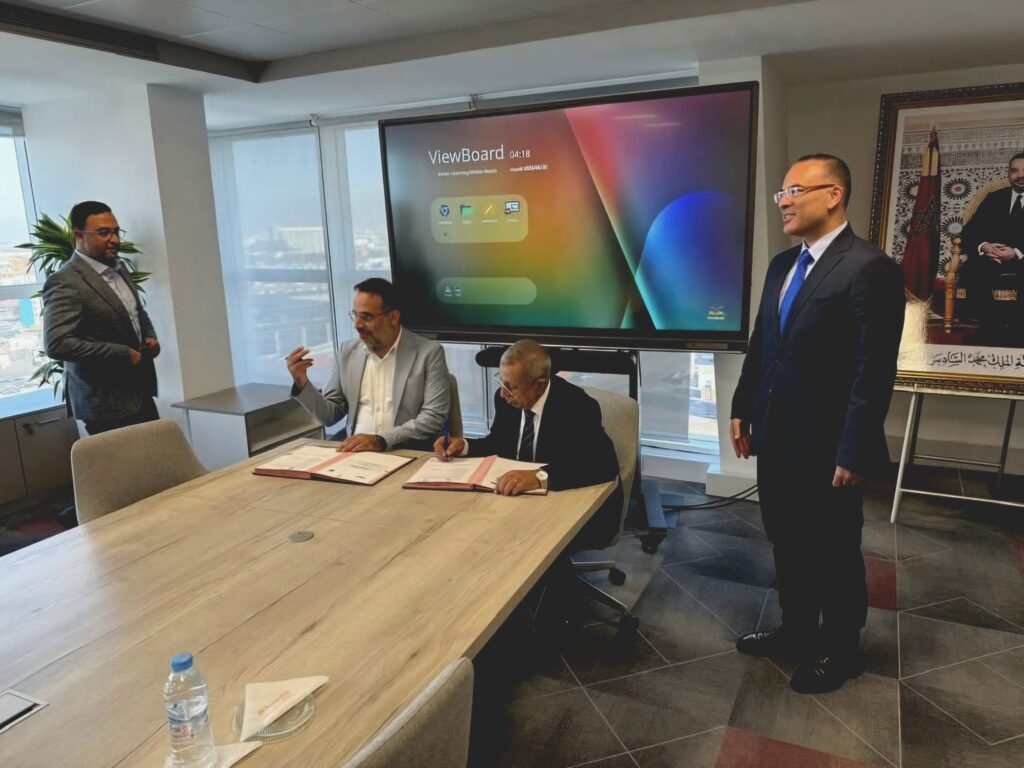
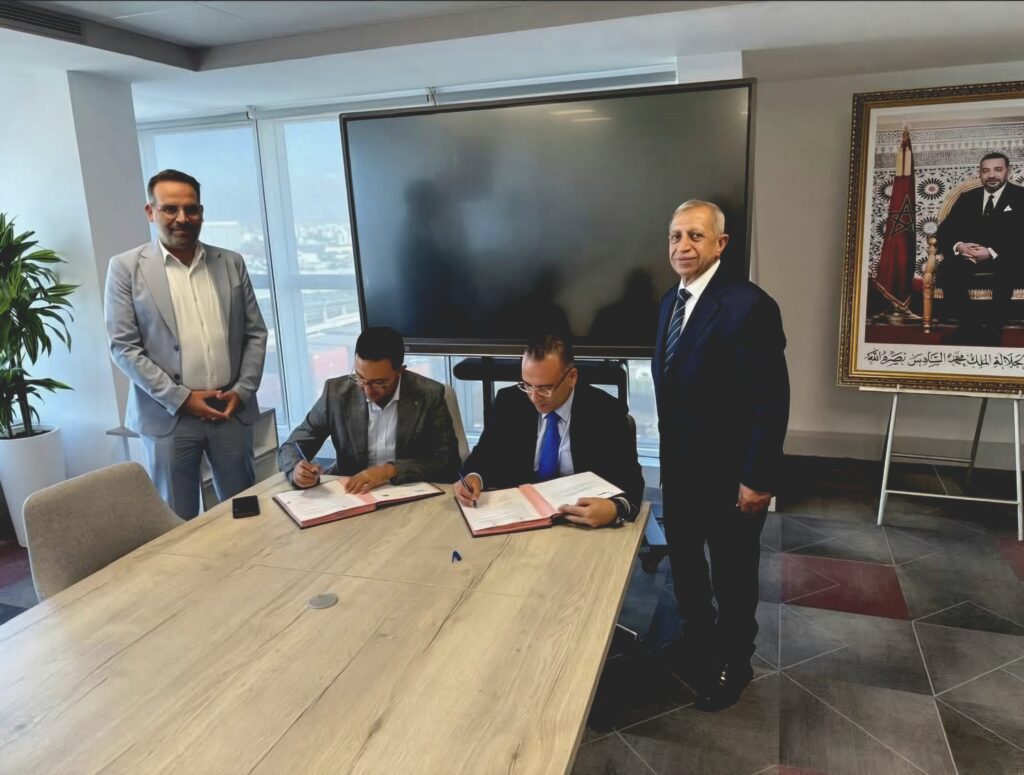
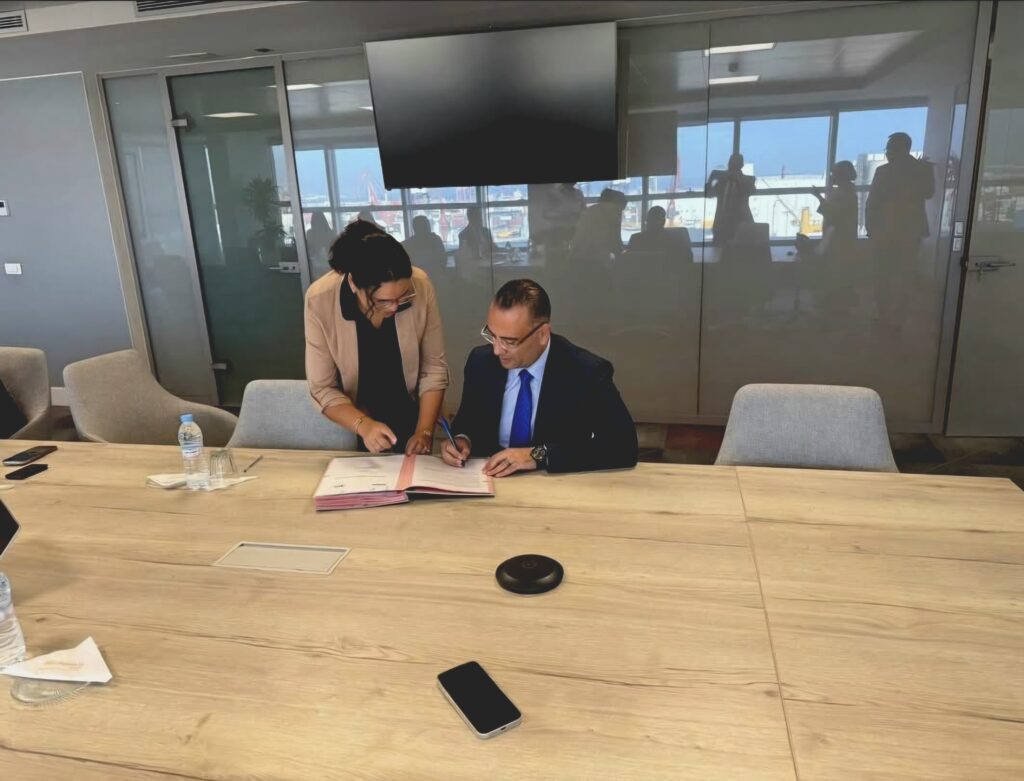
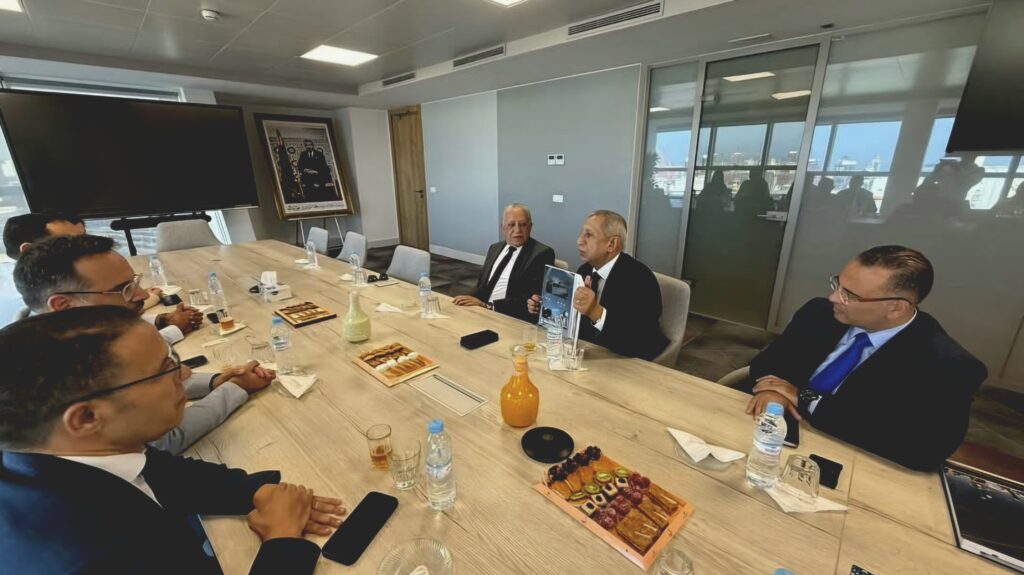
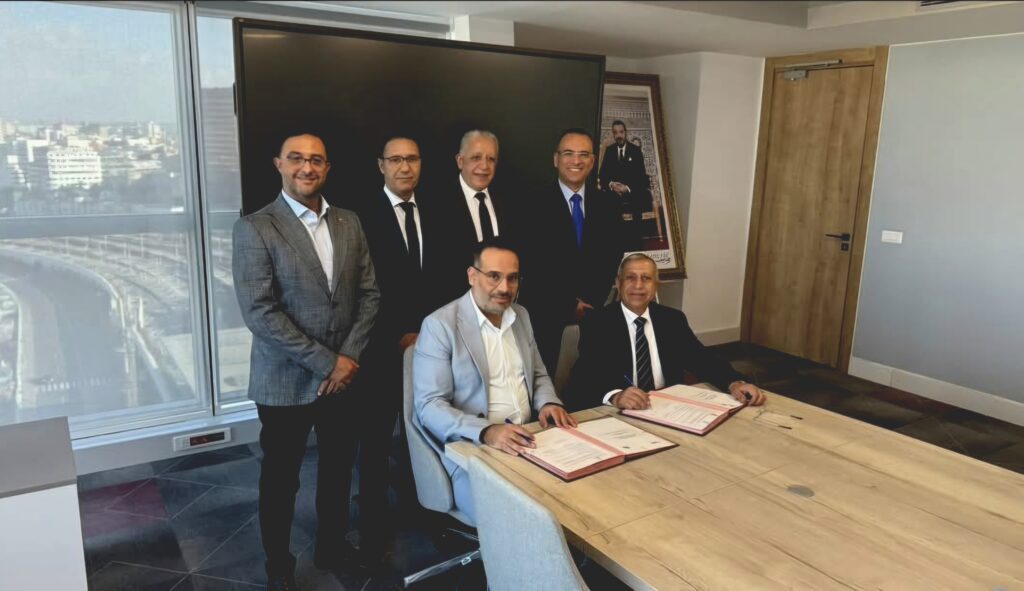
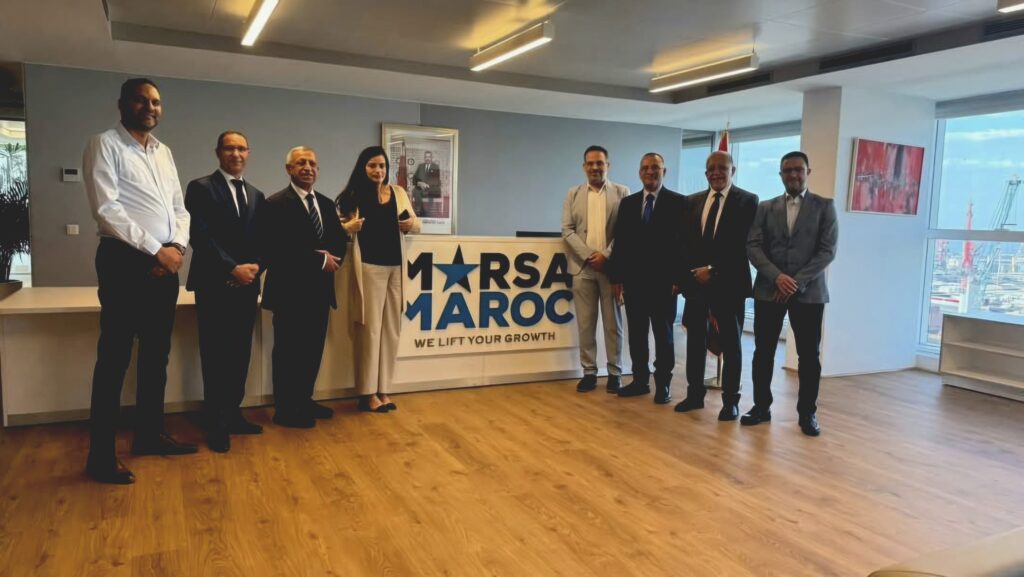
Shipping Arabia, October 17, 2026 – The Port Training Institute (PTI) at the Arab Academy for Science, Technology and Maritime Transport (AASTMT) has signed a contract to provide crane operator training for the Nador container terminal in Morocco, which involves a partnership between Marsa Maroc and CMA CGM. The agreement expands the institute’s international training activities and strengthens its cooperation with the Moroccan port sector.
The signing took place in Morocco in the presence of AASTMT President Prof. Ismail Abdel Ghafar Ismail Farag. The contract covers specialized training and qualification programs designed to equip crane operators with the technical and operational skills required for container terminal operations.
Comprehensive Crane Operator Training at Nador Container Terminal
Under the Nador container terminal training agreement, the Port Training Institute will implement an integrated program combining theoretical instruction, specialized simulator training and practical crane operation.
The training will progress through several stages, beginning with technical knowledge and simulation-based exercises before advancing to practical training on cranes. Participants will subsequently receive hands-on instruction using the company’s actual equipment.
This approach aims to prepare crane operators for the operational requirements of container terminals while developing their technical proficiency in accordance with professional industry standards.
The signing ceremony was also attended by Prof. Alaa Mahmoud Morsi, Dean of the Port Training Institute and Maritime Transport Research and Consultation Center, and Ehab Hamdy, Assistant Dean for Financial and Administrative Affairs.
Marsa Maroc and AASTMT Expand Training Cooperation
Beyond the Nador container terminal training contract, the Port Training Institute also signed a broader cooperation framework covering crane operator training and qualification across all ports affiliated with Marsa Maroc.
The framework extends the scope of collaboration beyond a single container terminal, creating opportunities to develop the technical and operational capabilities of personnel across the Moroccan port operator’s facilities.
According to AASTMT, the additional agreement reflects Marsa Maroc’s confidence in the institute’s specialized training programs and their ability to address the operational requirements of port facilities.
The cooperation also builds on the Port Training Institute’s previous experience in crane operator training, including recently implemented programs for operators at WMCT.
These earlier training activities have strengthened the institute’s track record in delivering specialized programs tailored to the practical needs of container terminal operations.
AASTMT Highlights International Confidence in Port Training Expertise
AASTMT President Prof. Ismail Abdel Ghafar Ismail Farag welcomed the partnership, emphasizing the importance of the Port Training Institute’s specialized capabilities and integrated training approach.
He noted that the selection of PTI to deliver crane operator training reflects confidence in its technical expertise and the effectiveness of its training system, which combines theoretical knowledge with practical application.
The academy views the agreement as further recognition of the institute’s role in developing skilled personnel for the maritime and port sectors.
In addition, the cooperation strengthens PTI’s relationships with international port operators and maritime organizations. It also supports AASTMT’s efforts to transfer technical expertise and provide specialized training services that respond to the needs of the regional and international maritime industry.
Through the Nador contract and the wider Marsa Maroc cooperation framework, the institute will extend its training activities in Morocco while supporting the development of qualified crane operators across the country’s port sector.
Source: Arab Academy for Science, Technology and Maritime Transport
Shipping Arabia, October 16, 2026 – Egypt’s Port Training Institute (PTI) and the Chartered Institute of Logistics and Transport (CILT International) have discussed expanding cooperation in logistics and supply chain training, professional education and knowledge exchange. The discussions come ahead of the October 25 launch of a jointly certified Supply Chain Management Program offered through the two institutions.
Prof. Alaa Mahmoud Morsy, Dean of the Port Training Institute and the Research and Consultation Center for the Maritime Transport Sector at the Arab Academy for Science, Technology and Maritime Transport (AASTMT), welcomed Mohammad Kashmoula, Curriculum Design and Quality Assurance Manager at CILT International.
The meeting formed part of PTI’s efforts to strengthen its international relationships and expand cooperation with specialized organizations in transport, logistics and supply chain management.
Also attending were Dr. Essam Moustafa, Business Development Manager; Ahmed Shary, Head of Public Relations; and Nagwa El-Saeed from the International Cooperation Department.
Expanding Logistics and Supply Chain Training Cooperation
The discussions focused on opportunities to strengthen cooperation in specialized education and professional training. Both institutions explored ways to exchange expertise and knowledge while supporting the development of training programs offered by PTI.
A key objective is to improve the qualifications and professional capabilities of personnel working across the transport and logistics sectors. The cooperation also seeks to ensure that training content reflects international standards and established industry practices.
Through closer engagement with CILT International, PTI aims to enhance the professional value of its educational programs and strengthen the skills of specialists working in logistics and supply chain management.
CILT International is a professional organization specializing in transport, logistics and supply chain management. It supports the professional and academic development of industry personnel through education, training and internationally recognized professional qualifications.
The institute also promotes industry best practices, professional efficiency and innovation across the transport and logistics sectors.
Joint Supply Chain Management Program Begins October 25
The meeting highlighted the existing partnership between PTI and CILT International through their jointly delivered Supply Chain Management Program.
The program provides participants with a jointly issued international certificate, adding professional value to the qualification and supporting the development of specialists working in supply chain management and logistics.
The next program is scheduled to begin on October 25, 2026, as part of PTI’s continuing efforts to provide specialized training aligned with international standards and labor market requirements.
The collaboration reflects PTI’s focus on connecting professional education with the needs of the transport and logistics industries. It also provides an avenue for exchanging international expertise and strengthening the institute’s specialized training offerings.
By maintaining cooperation with professional organizations such as CILT International, PTI seeks to advance its training programs and support the qualification of personnel across the transport, logistics and supply chain sectors.
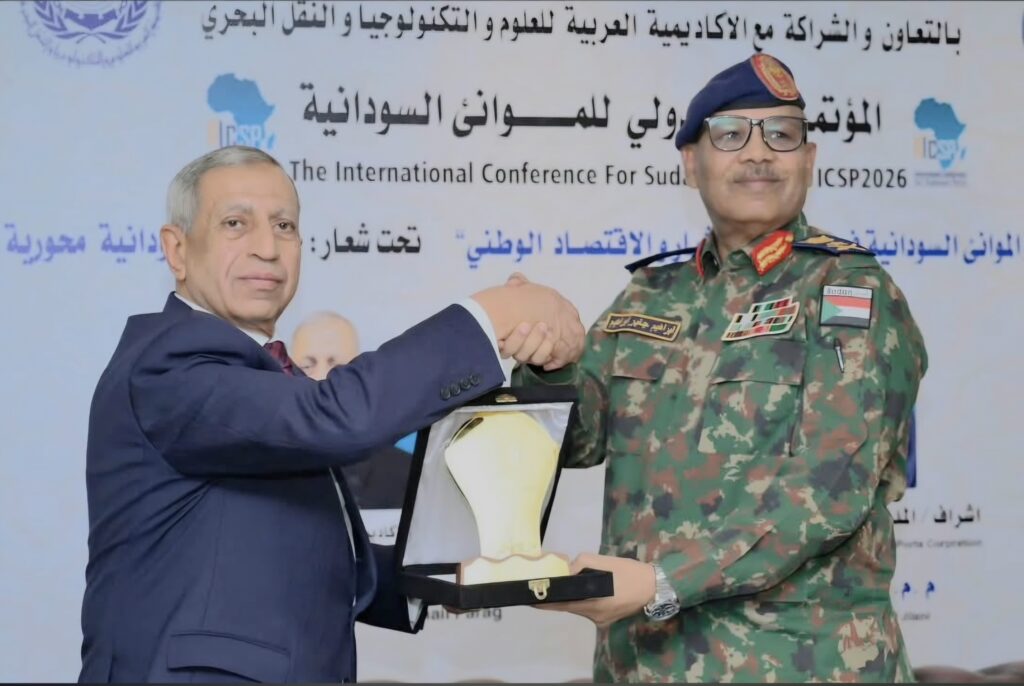
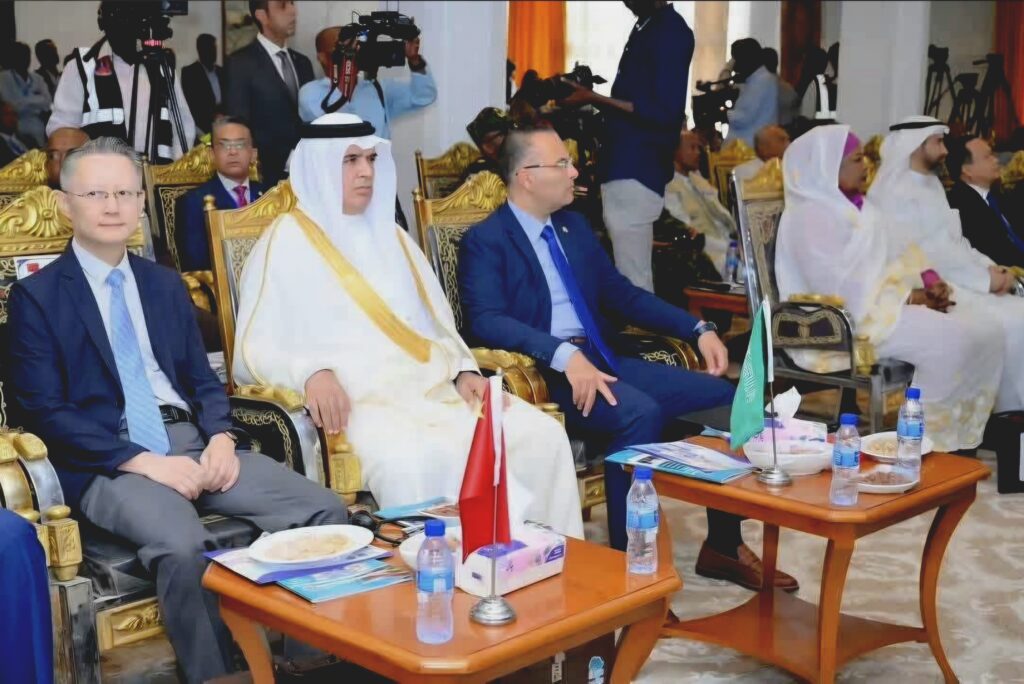
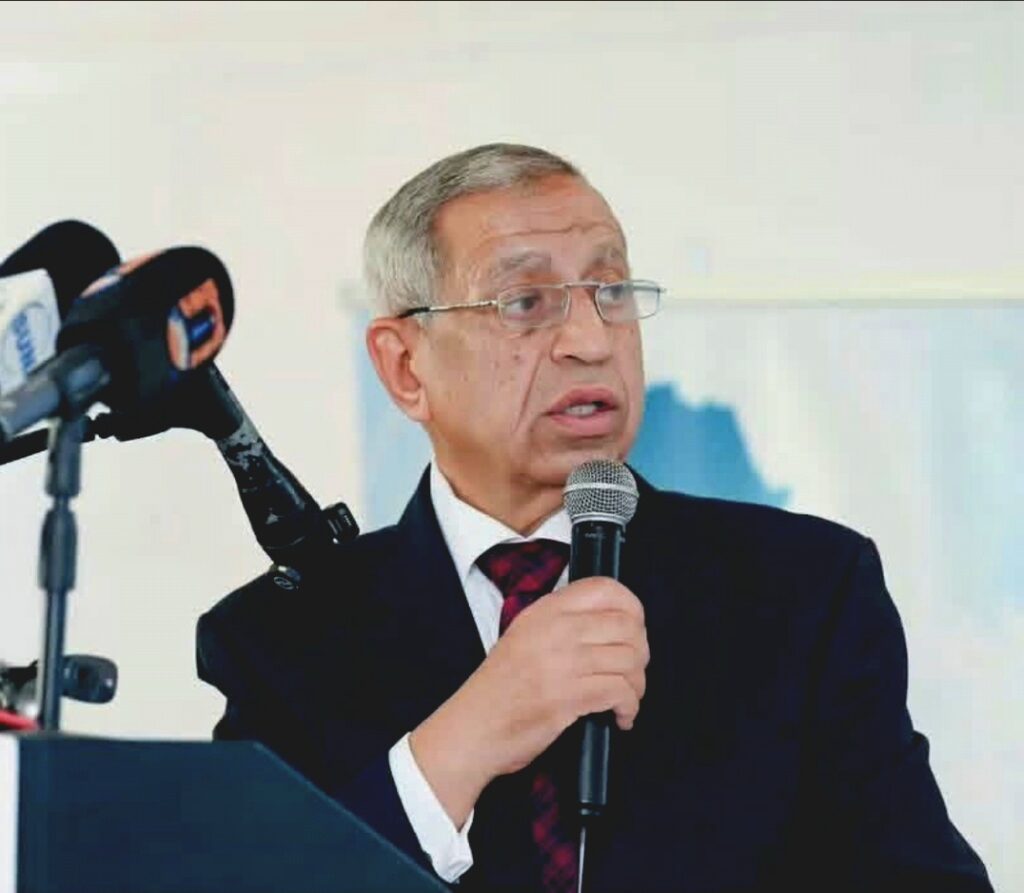
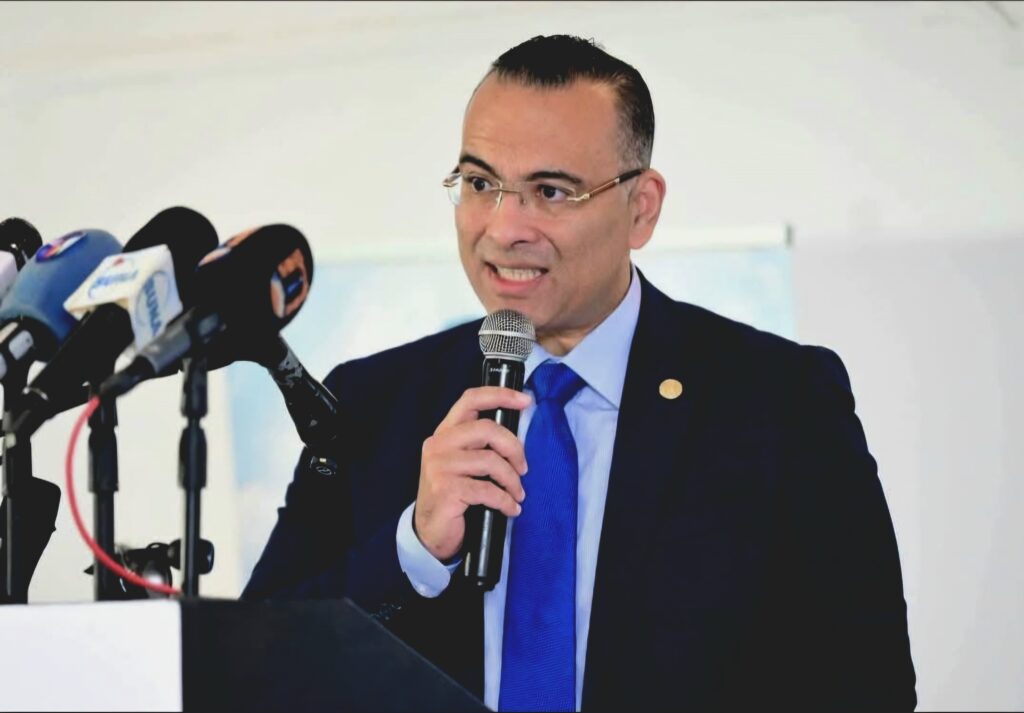
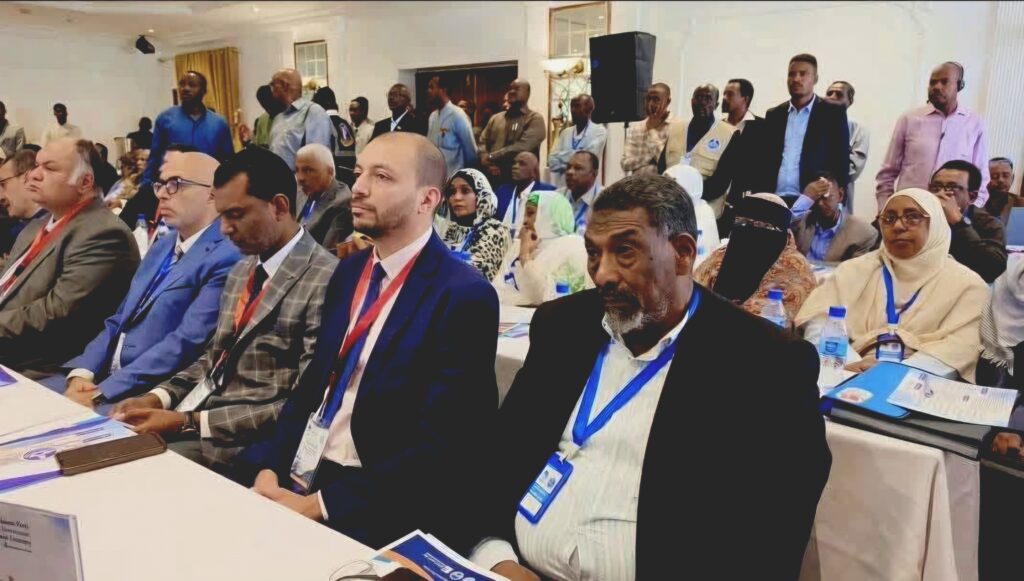
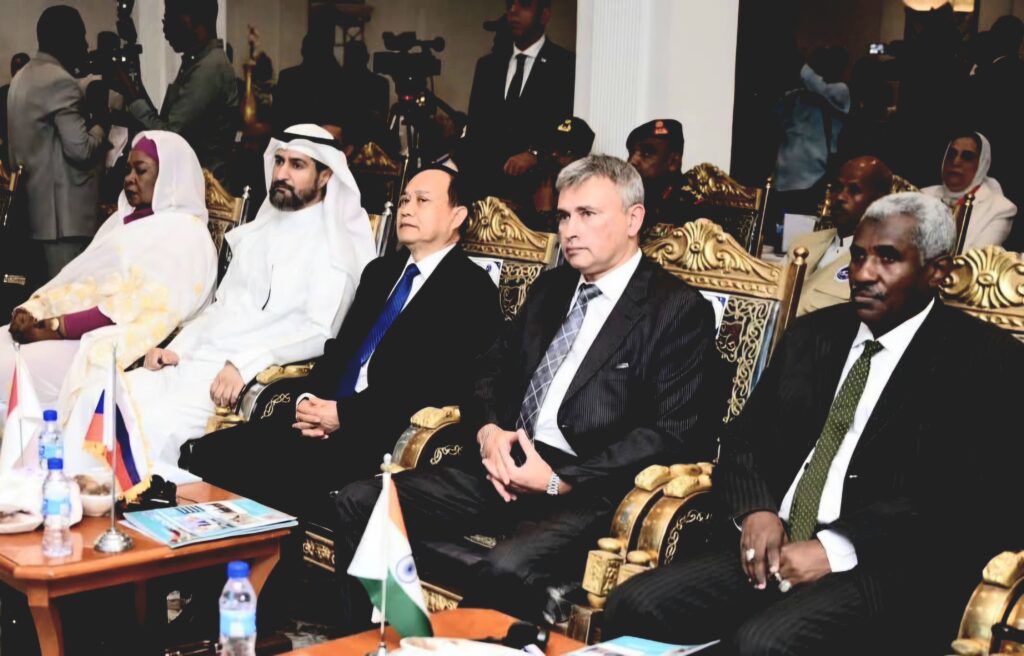
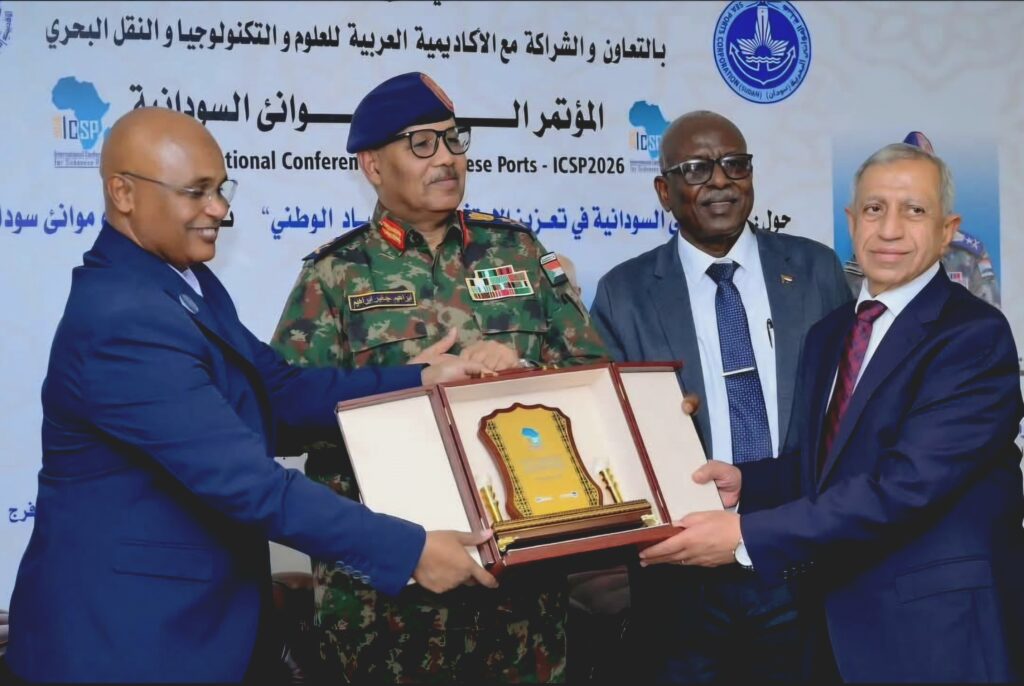
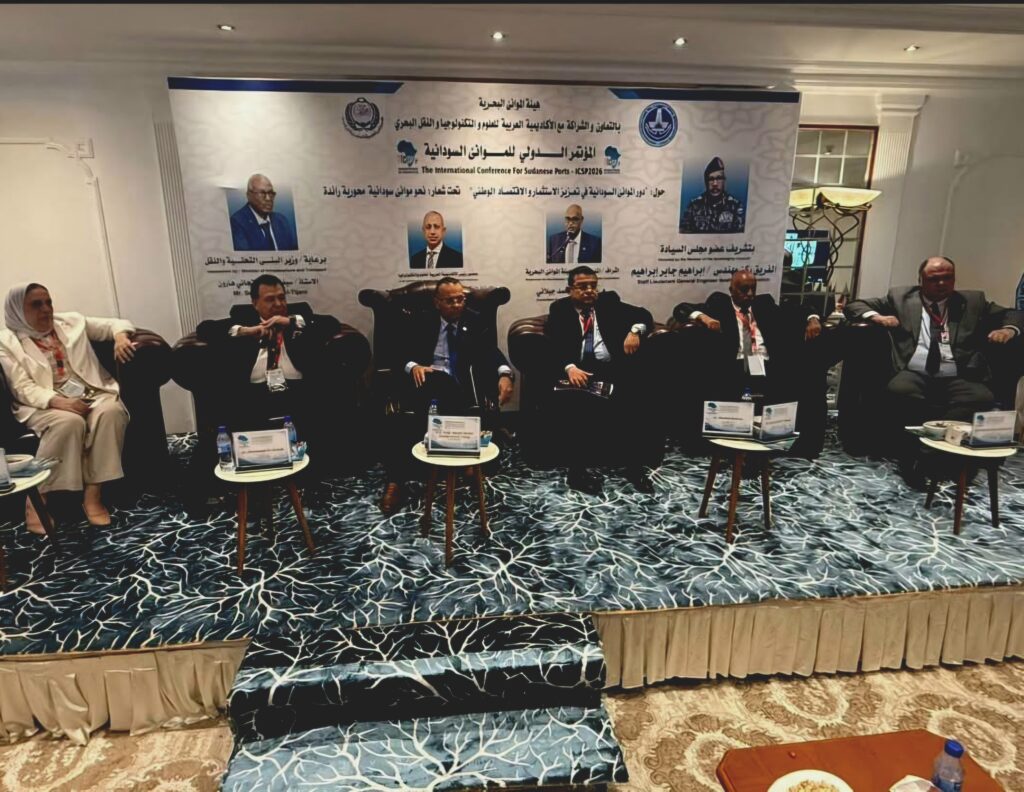
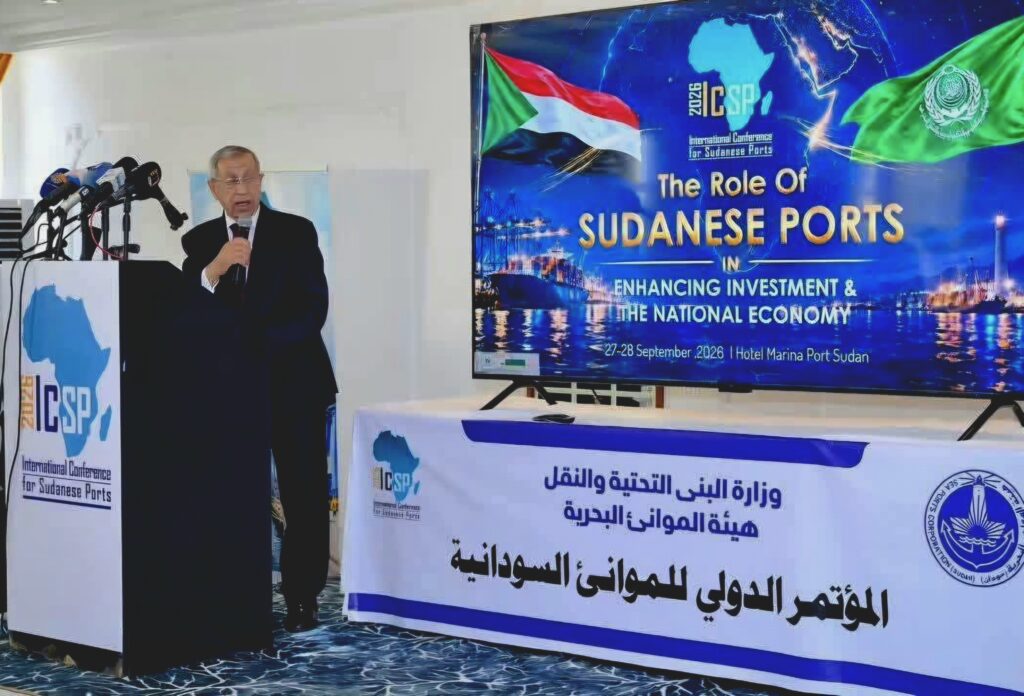
Shipping Arabia, October 6, 2026 – The first International Sudanese Ports Conference opened in Port Sudan on September 27, bringing together senior government officials, diplomats, academics and maritime and logistics specialists to examine the future development of Sudan’s ports and their role in supporting investment and the national economy.
The two-day event, held on September 27 and 28, was organized jointly by the Port Training Institute of the Arab Academy for Science, Technology and Maritime Transport (AASTMT) and Sudan’s Sea Ports Corporation.
Held under the theme “The Role of Sudanese Ports in Promoting Investment and the National Economy,” the conference focused on how Sudan can make greater use of the strategic location of its ports along the Red Sea while developing their operational capabilities in line with international standards.
International participation and 20 research papers
The Sudanese ports conference brought together experts and specialists from five countries: China, Spain, Norway, Egypt and Sudan.
Its technical program featured 20 specialized research papers divided across four main scientific sessions. The discussions addressed the future of Sudanese ports, development and modernization plans, and the role of the port sector in attracting investment.
One of the principal themes was how Sudanese ports can capitalize on their geographic position on the Red Sea. Participants also examined opportunities to introduce smart systems and adopt international standards to increase cargo-handling capacity and improve operational efficiency.
The conference further explored plans to develop Sudanese ports into regional logistics platforms capable of supporting the country’s economy and creating opportunities for international partnerships and investment.
Senior maritime and government participation
The opening was attended by Lt. Gen. Ibrahim Jaber, member of Sudan’s Sovereignty Council, and Saif Al-Nasr Al-Tijani, Sudan’s Minister of Transport and Infrastructure.
AASTMT President Prof. Ismail Abdel Ghafar Ismail Farag also participated, alongside Prof. Alaa Mahmoud Morsi, Dean of the Port Training Institute and the Maritime Transport Sector Research and Consultation Center.
The Sea Ports Corporation was represented by its Director, Gilani Mohamed Gilani. The event also attracted ambassadors, diplomats and a large number of specialists from the maritime transport and logistics sectors.
The participation of government, academic and maritime-sector representatives formed part of the conference’s effort to connect port development with wider investment and economic objectives.
Sudanese ports conference focuses on modernization
Discussions on port modernization centered on the introduction of smart systems and the adoption of international standards to strengthen the performance of Sudan’s maritime gateways.
The conference agenda also addressed ways to raise handling capacity and operational efficiency as Sudan considers the future development of its Red Sea ports.
In parallel, participants examined how the ports could support broader logistics activity and attract new investment. The conference positioned port development as a key element in efforts to strengthen Sudan’s transport system and expand opportunities for international cooperation.
AASTMT pledges scientific and technical support
In his address, AASTMT President Prof. Ismail Abdel Ghafar said holding the first edition of the conference in Port Sudan reflected Sudan’s determination to build a promising economic future through its Red Sea gateway.
He reaffirmed the academy’s commitment to providing scientific and technical support to Sudan’s maritime sector. He said AASTMT, its research centers and the Port Training Institute would make their scientific and applied expertise available to assist the development of Sudanese ports.
According to Abdel Ghafar, the objective is to work with Sudanese partners toward a competitive maritime transport system suited to the country’s strategic position while creating wider opportunities for investment and development.
The first International Sudanese Ports Conference therefore combined technical research, port modernization, investment and logistics development within a single agenda focused on the future role of Sudan’s ports on the Red Sea.
Source: Arab Academy for Science, Technology and Maritime Transport
Shipping Arabia, October 5, 2026 – The Arab Academy for Science, Technology and Maritime Transport (AASTMT) has concluded an integrated Arab maritime disaster risk training program in Alexandria, bringing together 23 officials and specialists from six Arab countries to strengthen national capabilities in maritime disaster risk assessment, management and response.
The program was held from September 21 to 24, 2026, at AASTMT’s Abu Qir campus under the patronage of H.E. Prof. Dr. Ismail Abdel Ghaffar Ismail Farag, President of AASTMT. It was organized in coordination with the General Secretariat of the League of Arab States as part of the Arab Program for Disaster Risk Reduction in the maritime sector.
AASTMT implemented the four-day program through its Maritime Postgraduate Studies Institute under the supervision of Prof. Dr. Karim Tonbol, Dean of the Institute. The program was also conducted in cooperation with the League of Arab States’ departments responsible for housing, water resources and disaster risk reduction, as well as transport and tourism.
Arab Participation in Maritime Disaster Risk Training
The maritime disaster risk training program attracted 23 officials and specialists representing six Arab countries. Participants came from organizations responsible for maritime transport and ports, risk and emergency management, civil defense and protection, maritime security, environmental affairs and maritime affairs.
The program also included participation from officials involved in regional Arab coordination on disaster risk reduction and maritime transport. Mohammed Kenna, Coordinator of the Arab Coordination Mechanism for Disaster Risk Reduction, and Abdel Karim Fares, Coordinator of the Technical Secretariat of the Council of Arab Transport Ministers, attended the program.
Mostafa Saadi Abbas, an official with the Technical Secretariat of the Arab Coordination Mechanism for Disaster Risk Reduction, also participated during the opening day and presented a working paper as part of the training activities.
The involvement of several maritime, emergency and civil protection disciplines gave the program a multi-agency structure. This approach supported its focus on coordination among organizations that may be required to work together during complex maritime emergencies.
IMO, UNDRR and AASTMT Experts Deliver Training
Lectures and training sessions were delivered by specialists and experts from the General Secretariat of the League of Arab States, the United Nations Office for Disaster Risk Reduction (UNDRR) and the International Maritime Organization (IMO).
AASTMT experts also contributed through several of the Academy’s specialized institutions and centers. These included the Arab Center for Consultations and Maritime Environmental Accident Investigations, the Deanship of Scientific Research and Innovation, the Maritime Qualifying Studies Institute, the Integrated Simulators Complex, and the Environment Protection and Crisis Management Center.
Across the four days, the maritime disaster risk training covered a range of interconnected operational and risk-management subjects. These included maritime emergency plans, incident command and management, maritime and environmental risk assessment and management, modeling and decision support, oil pollution incident response, dangerous goods risk management, and analysis of lessons learned from maritime accidents.
The program therefore combined risk assessment with practical emergency management and decision-making. It also addressed environmental and hazardous cargo risks alongside wider maritime incident response requirements.
Complex Maritime Incident Tested Through Simulation
The program concluded with a practical exercise at the Environment Protection and Crisis Management Center within AASTMT’s Integrated Simulators Complex.
Participants took part in a simulation of a complex maritime incident designed to allow them to apply concepts covered during the training. The exercise focused on assessing the situation, identifying priorities, managing available resources, coordinating among multiple agencies and making decisions within an integrated simulation environment.
The practical component provided participants with an opportunity to move from classroom-based instruction to the management of a simulated maritime emergency. It also brought together several of the core subjects covered during the program, including incident management, risk evaluation, coordination and resource allocation.
Building National Maritime Disaster Response Capacity
AASTMT said the program forms part of its efforts to support joint Arab action and build national capabilities in maritime transport, safety and risk management.
The initiative also reflects the Academy’s role as an Arab center of expertise in these fields, with the broader aim of raising levels of preparedness and response to maritime disasters across Arab countries.
Through cooperation with the League of Arab States, IMO and UNDRR specialists, the program combined regional coordination with technical maritime expertise and practical simulation. Its conclusion marked the completion of four days of training focused on strengthening the ability of participating authorities to assess risks, coordinate responses and manage complex maritime incidents.
Source: Arab Academy for Science, Technology and Maritime Transport