Alexandria Port

  • MSC Lirica Cruise Visit Brings 1,735 Tourists to West Port Said

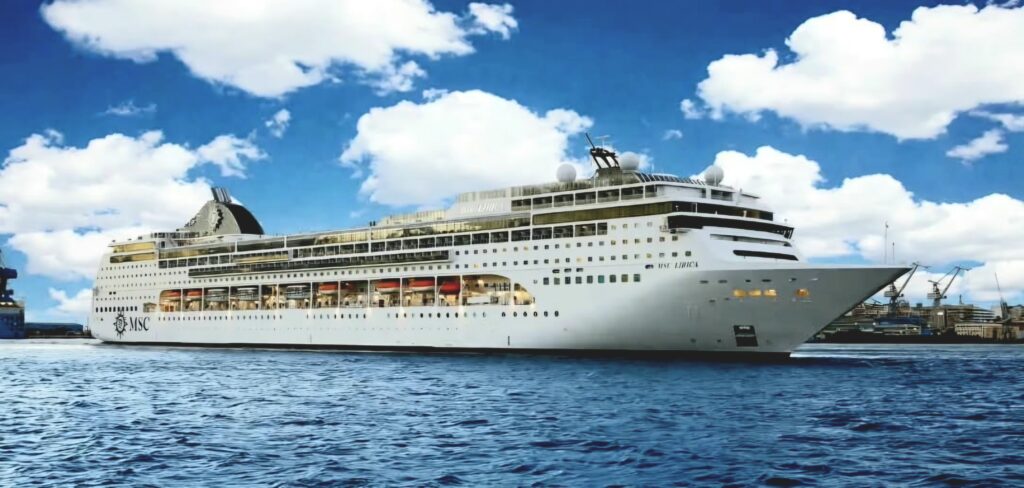
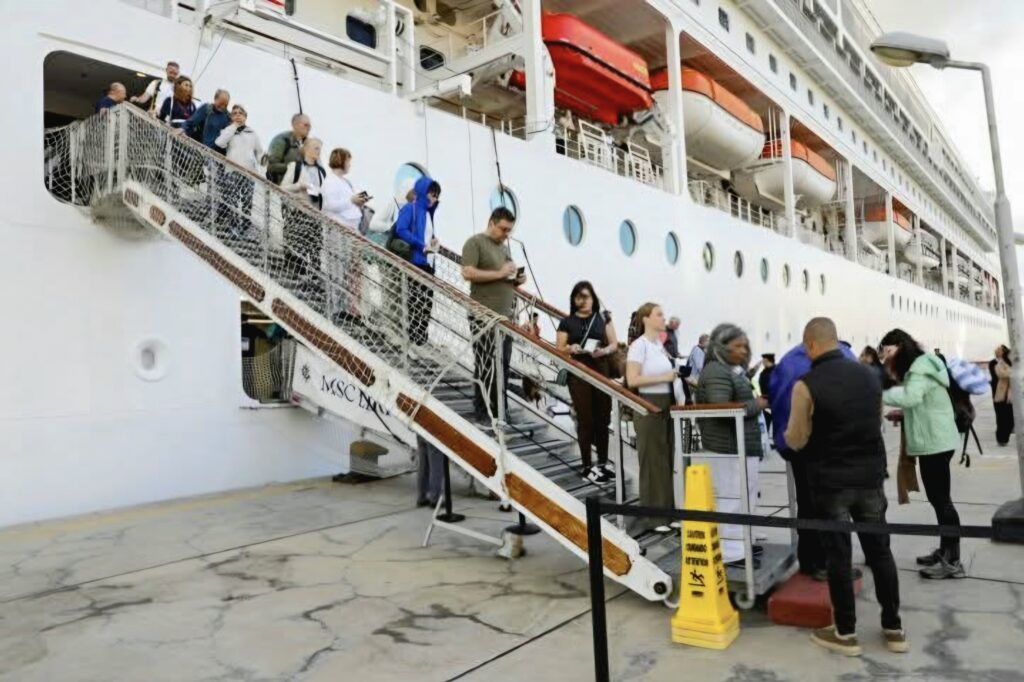
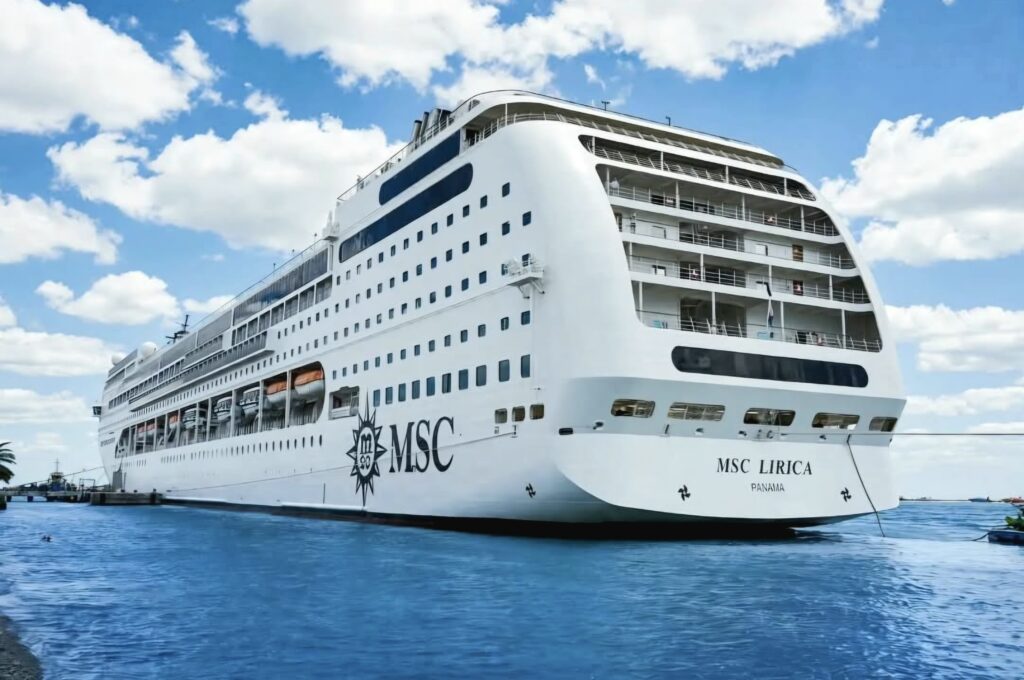
    Shipping Arabia, November 12, 2026 – The MSC Lirica cruise visit to Egypt’s West Port Said Port brought 1,735 tourists and 737 crew members of various nationalities, according to the Suez Canal Economic Zone (SCZONE). The cruise ship arrived from Limassol, Cyprus, carrying a total of 2,472 passengers and crew.

    The vessel berthed at the port’s cruise terminal, marking its second visit to West Port Said within a short period. The arrival forms part of ongoing cruise tourism activities at the port, which occupies a strategic location at the northern entrance to the Suez Canal.

    MSC Lirica Passengers to Visit Cairo and Port Said

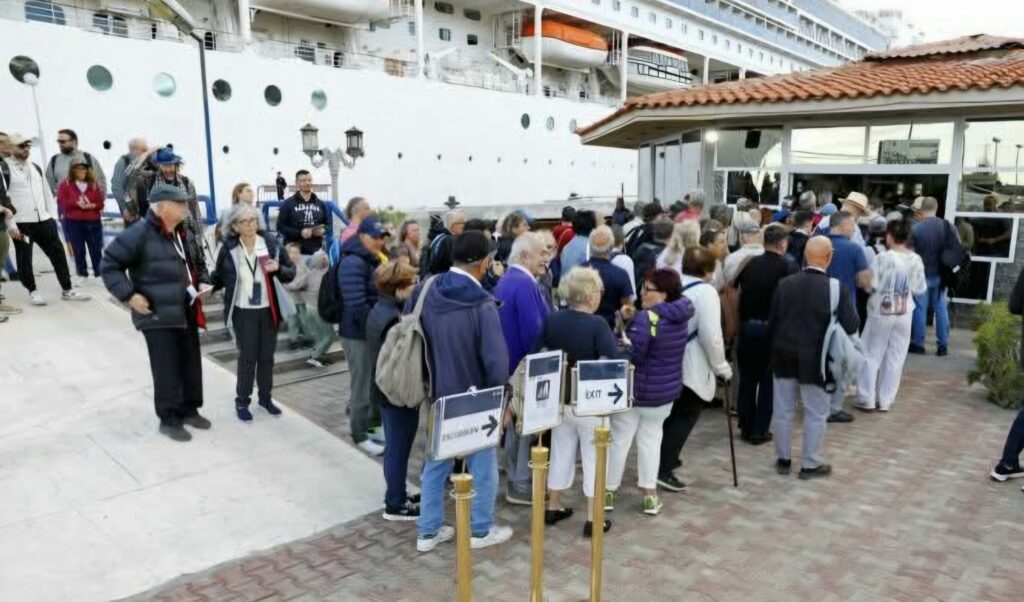
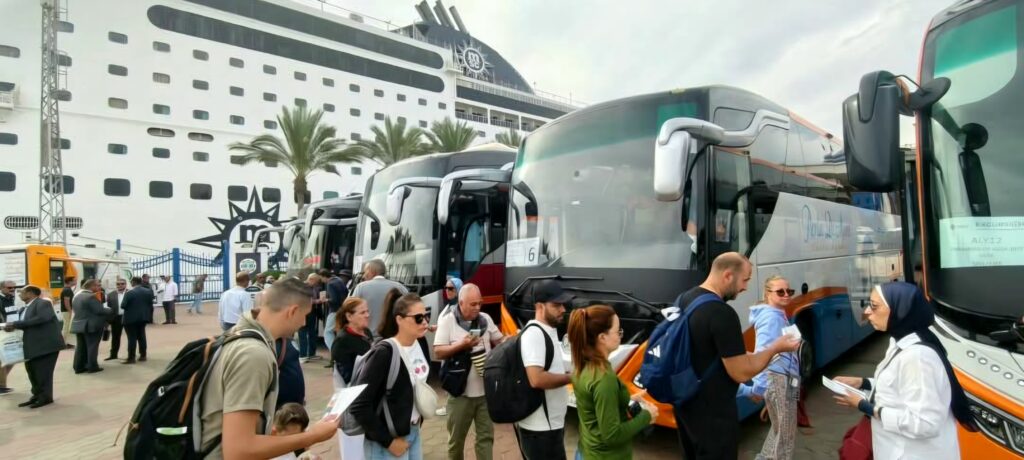
    During the port call, passengers are scheduled to participate in organized shore excursions to several tourist destinations in Egypt.

    The planned programs include visits to Cairo, where tourists will explore some of the city’s prominent archaeological landmarks. Additional excursions will take passengers around Port Said to discover its historical attractions.

    MSC Lirica is scheduled to depart West Port Said on the evening of November 12, continuing its cruise voyage to Alexandria.

    West Port Said Port’s location at the northern entrance to the Suez Canal, together with its proximity to tourist attractions in Port Said, supports its role in receiving cruise vessels and facilitating passenger excursions.

    The vessel’s second visit within a short period also forms part of the cruise tourism activity that SCZONE is working to develop at the port.

    SCZONE Advances Cruise Tourism Across Mediterranean and Red Sea Ports

    The Suez Canal Economic Zone continues its efforts to promote cruise tourism at its ports along Egypt’s Mediterranean and Red Sea coasts.

    According to SCZONE, these initiatives focus on strengthening port readiness to accommodate cruise vessels and ensuring the availability of the necessary logistical services.

    The authority is pursuing these objectives alongside ongoing infrastructure development and port efficiency improvements. These efforts aim to enhance the capabilities of its ports to receive cruise ships and support tourism-related maritime operations.

    At West Port Said, the port administration coordinated with the relevant authorities to complete the arrangements required for MSC Lirica’s arrival.

    These preparations included facilitating passenger clearance procedures and implementing the necessary operational measures to maintain regular port activities. The arrangements also aim to ensure the vessel can depart smoothly in accordance with established port procedures.

    The MSC Lirica cruise visit highlights SCZONE’s continuing efforts to develop cruise tourism through its maritime facilities, improve port infrastructure and support the services required for international cruise operations.

    Source: Suez Canal Economic Zone (SCZONE)

  • Egypt Introduces New Transit Customs Rules for Jordanian Cargo Through Egyptian Ports

    Shipping Arabia, November 11, 2026 – The Egyptian Customs Authority has issued new transit customs rules exempting eligible Jordanian cargo from Advance Cargo Information (ACI) requirements when moving through Egyptian ports and border crossings to and from Europe, the Americas and North Africa. The measures aim to facilitate transit trade while simplifying customs procedures for shipments moving between Jordan and international markets.

    The regulations were introduced under Customs Procedures Circular No. 17 of 2026, issued by the Egyptian Customs Authority under Chairman Ahmed Amoui following approval from Egypt’s Ministry of Finance.

    The circular establishes specific requirements for eligible shipments, including documentation, customs declarations and cargo movements handled through Arab Bridge Maritime.

    ACI Exemptions for Jordanian Transit Cargo

    Under the new transit customs rules, Jordanian cargo moving through Egypt’s Mediterranean ports of Alexandria, Port Said and Damietta to and from Europe and the Americas will be exempt from Advance Cargo Information requirements.

    The exemption also applies to Jordanian shipments moving between Jordan and North African countries through Egypt’s Sallum border crossing.

    In addition, the circular extends the exemption to exports originating in other Arab countries that transit through Jordan before reaching Egyptian seaports or land border crossings. Shipments moving in the opposite direction are also covered.

    To qualify, shipping manifests and bills of lading must clearly identify the final destination country. The regulations specify that the declared destination must be in Europe, the Americas or North Africa.

    These requirements establish the documentation framework for applying the exemption while maintaining customs oversight of cargo moving through Egyptian territory.

    Arab Bridge Maritime and Consolidated Transit Declarations

    The circular introduces specific procedures for transit shipments transported through Arab Bridge Maritime.

    Canal Shipping Agencies, acting as the Egyptian agent for Arab Bridge Maritime, will be responsible for submitting the required customs transit declaration through Egypt’s Nafeza digital customs platform.

    The declaration, identified as a transit certificate and dispatch request, must be submitted in accordance with the applicable customs procedures.

    The regulations also grant eligible shipments priority at the customs office of dispatch, allowing their customs formalities to be processed ahead of other cargo.

    In addition, the authority will permit a single consolidated transit declaration covering multiple bills of lading associated with shipments transported under Arab Bridge Maritime’s grouped convoy arrangements.

    The consolidated declaration must be registered under the name and responsibility of the company’s Egyptian agent.

    This arrangement allows multiple shipments moving within the same convoy to be covered by one transit declaration rather than requiring separate declarations for every bill of lading.

    However, the Egyptian Customs Authority emphasized that all other applicable customs transit regulations remain in force unless the new circular specifically provides an exception.

    Earlier ACI Exemption for Indirect Transit Shipments

    The latest measures follow an earlier customs decision introduced in March 2026 to facilitate indirect transit cargo movements through Egypt.

    At that time, the Egyptian Customs Authority granted a three-month exemption from ACI requirements for eligible indirect transit shipments with final destinations outside Egypt.

    The measure was introduced in response to regional developments in the Middle East and their effects on international trade and supply chains.

    According to the authority, the objective was to facilitate transit trade and maximize the use of Egyptian ports as logistics gateways serving international cargo movements.

    The earlier decision exempted eligible indirect transit shipments from obtaining an Advance Cargo Information Declaration (ACID) number.

    It covered cargo arriving at Egyptian ports for onward movement through Egyptian territory to the ports of Nuweiba, Ain Sokhna and Safaga before continuing to destinations in West Asia, including Gulf countries.

    The exemption also applied to cargo moving in the opposite direction from those markets toward international destinations.

    The March arrangements therefore addressed transit movements connecting Egyptian maritime facilities with regional trade routes, while the latest circular establishes specific procedures for Jordanian cargo and other qualifying shipments.

    Customs Monitoring and Transit Security Requirements

    The earlier exemption included several customs control and security requirements designed to maintain oversight of cargo throughout its movement across Egypt.

    Shipments were required to retain their declared foreign destination, with changes redirecting the cargo into the Egyptian domestic market prohibited.

    Customs movement authorities were also instructed to apply electronic seals and record their identification numbers on dispatch documents.

    In addition, the procedures required officials to determine the designated transport route leading directly to the destination customs office and establish the estimated time required for the journey.

    Relevant authorities were responsible for monitoring shipments during transit. Any failure to arrive within the specified period required notification of customs anti-smuggling or customs security officials.

    Those authorities would then investigate the reasons for the delay and take appropriate legal action where necessary.

    The earlier exemption also covered eligible shipments that had become stranded, as well as qualifying cargo dispatched following the outbreak of regional disruptions, within the specified three-month period.

    The latest circular maintains the requirement to comply with the applicable customs transit framework wherever no specific exemption has been introduced.

    By extending ACI exemptions to defined Jordanian transit movements and allowing consolidated customs declarations, Egypt’s new transit customs rules establish additional arrangements for cargo moving through its Mediterranean ports and land crossings.

    The measures also address administrative procedures for shipments handled through Arab Bridge Maritime, supporting the movement of transit cargo between Jordan, Egypt and international markets.

    Source: Al Mal

  • Sidra Line Returns to Red Sea Container Shipping With Two Regional Services

    Shipping Arabia, November 8, 2026 – Sidra Line is returning to Red Sea container shipping operations with two regional services connecting ports across the Eastern Mediterranean and Red Sea. According to shipping research firm DynaLiners, the carrier will operate the Red Sea Express (RSA) service alongside a separate intra-Red Sea service known as IRS.

    The two services will restore Sidra Line’s presence in the Red Sea container shipping market, connecting regional ports in Türkiye, Egypt, Jordan, Saudi Arabia, Djibouti, and Syria. The network will feature both monthly and weekly sailings, with different vessel capacities and port rotations.

    Red Sea Express Connects Eastern Mediterranean and Red Sea Ports

    The Red Sea Express (RSA) service will provide maritime connections between the Eastern Mediterranean and the Red Sea, deploying a single container vessel with a capacity of 270 twenty-foot equivalent units (TEUs).

    According to DynaLiners, the service will operate on a monthly frequency, linking ports in Türkiye, Egypt, Jordan, Djibouti, and Syria.

    The announced RSA port rotation is:

    Adana – Alexandria – Ain Sokhna – Aqaba – Djibouti – Aqaba – Damietta – Latakia – Adana.

    The rotation includes three Egyptian ports: Alexandria, Ain Sokhna, and Damietta. It also features two calls at Aqaba, connecting Jordan with the Eastern Mediterranean and Djibouti through the same service.

    The inclusion of Latakia and Adana extends the service’s coverage to Syria and Türkiye, establishing maritime connections between these markets and the Red Sea.

    Sidra Line Introduces Weekly Intra-Red Sea Service

    Alongside RSA, Sidra Line will operate a separate intra-Red Sea container service under the name IRS, providing weekly connections between Jordan, Egypt, and Saudi Arabia.

    According to DynaLiners, the IRS service is understood to be offered in cooperation with Samsun Shipping. It will deploy one container vessel with a capacity of 450 TEUs.

    The announced IRS port rotation is:

    Aqaba – Ain Sokhna – Jeddah – Aqaba.

    Unlike the monthly RSA service, IRS will offer weekly sailings along a shorter regional route. The service will connect Aqaba with Ain Sokhna on Egypt’s Red Sea coast and Jeddah in Saudi Arabia.

    Two Services Restore Sidra Line’s Red Sea Presence

    The introduction of RSA and IRS marks Sidra Line’s return to container shipping activity in the Red Sea through two distinct regional operating patterns.

    RSA will provide monthly connections between the Eastern Mediterranean and Red Sea markets, while IRS will focus on weekly sailings linking Aqaba, Ain Sokhna, and Jeddah.

    Both services include Aqaba and Ain Sokhna in their rotations, giving the two ports a presence in Sidra Line’s wider regional network.

    Together, the services will restore the carrier’s Red Sea operations while connecting regional markets with ports in Türkiye, Egypt, and Syria.

    Source: Al Mal News

  • Alexandria Port IMDG Code Training Brings Delegation From 15 Countries

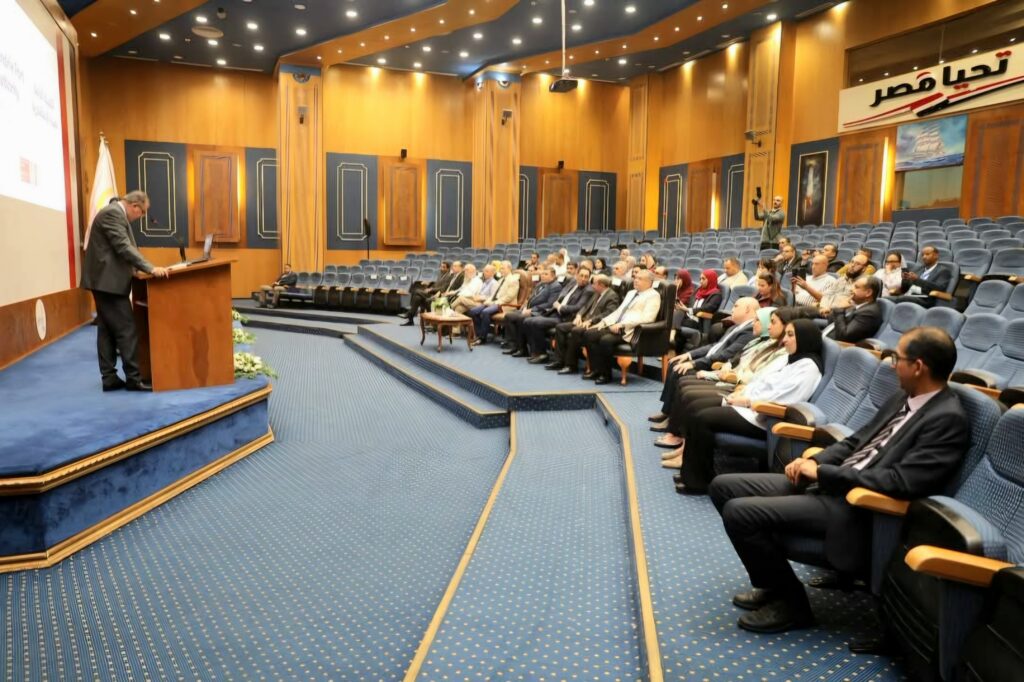
    Shipping Arabia, November 8, 2026 – Egypt’s Alexandria Port Authority has hosted an international delegation of trainees from 15 Arab and European countries as part of a regional train-the-trainer program focused on the effective implementation of the International Maritime Dangerous Goods (IMDG) Code. The program, coordinated with the International Maritime Organization (IMO), aims to strengthen maritime personnel capabilities and improve compliance with international requirements for transporting and handling dangerous goods.

    The delegation included representatives of Egypt’s Maritime Transport and Logistics Sector, the IMO Regional Office at Alexandria Port, and the Arab Academy for Science, Technology and Maritime Transport (AASTMT). The visit provided participants with practical exposure to dangerous goods handling procedures, storage systems, and maritime safety measures within an operational port environment.

    The initiative forms part of Egypt’s efforts to strengthen international maritime cooperation and technical knowledge exchange, in line with directives from Minister of Transport Kamel El-Wazir.

    Alexandria Port Strengthens International Maritime Safety Cooperation

    The delegation was received by Alexandria Port Authority’s Vice Chairman for Operations on behalf of the authority’s Chairman.

    During the reception, the Vice Chairman emphasized the importance of regional training programs in strengthening maritime safety and facilitating the exchange of practical experience among participating countries. He also highlighted the value of familiarizing maritime professionals with operational procedures used by ports to implement international safety requirements.

    Alexandria Port Authority reaffirmed its commitment to developing its dangerous goods management systems and improving personnel competencies in accordance with international standards.

    The authority also expressed its continued willingness to cooperate with the IMO and maritime institutions from partner countries. Such cooperation aims to share the port’s accumulated operational experience, strengthen international partnerships, and support maritime capacity-building initiatives.

    The regional training program focuses on preparing qualified trainers who can transfer knowledge of IMDG Code requirements to maritime institutions and port personnel in their respective countries.

    Alexandria Port IMDG Code Training Covers Operational Procedures

    The technical visit began with a presentation introducing Alexandria Port, its operational capabilities, and ongoing development projects.

    Port representatives then provided an overview of the procedures governing dangerous goods handling, storage, and security within the port.

    The presentation examined Alexandria Port’s dangerous goods management framework and the measures used to ensure that hazardous cargo operations comply with relevant international requirements.

    These discussions formed part of the practical learning component of the regional training course, allowing participants to connect the provisions of the IMDG Code with their implementation in daily port operations.

    The program emphasized the importance of applying standardized procedures to dangerous goods activities while maintaining appropriate safeguards for personnel, cargo, infrastructure, and the surrounding marine environment.

    Delegation Inspects Tahya Misr Terminal and Dangerous Goods Facilities

    Following the presentations, the delegation conducted a field tour of the Tahya Misr Terminal and designated dangerous goods handling areas at Alexandria Port.

    During the inspection, participants examined the procedures used for storing, handling, and securing dangerous cargo. The visit also provided an opportunity to review operational safety arrangements and observe how the port implements relevant international requirements.

    The delegation subsequently visited a dangerous goods warehouse operated by LAT, where participants reviewed the facility’s technical equipment and storage systems.

    The inspection covered security arrangements and procedures for managing different categories of dangerous goods, giving trainees further insight into the practical application of safety requirements within specialized storage facilities.

    By observing these operations firsthand, participants gained experience in how the IMDG Code is implemented in an active port environment. The field visit also supported the program’s objective of transferring technical knowledge and operational experience to maritime authorities and ports in participating countries.

    Supporting Maritime Capacity Building and Environmental Protection

    Alexandria Port Authority emphasized that the visit reflects its broader commitment to strengthening maritime training, international cooperation, and the exchange of specialized expertise.

    The authority highlighted the importance of continued engagement with the IMO and relevant maritime organizations to improve operational practices and develop the capabilities of personnel responsible for dangerous goods management.

    These initiatives aim to reinforce maritime safety standards, protect lives and property, safeguard the marine environment, and improve port operational efficiency.

    Through its participation in the regional training program, Alexandria Port demonstrated practical approaches to dangerous goods management while supporting the development of maritime safety expertise across the participating countries.

    Source: Alexandria Port Authority

  • MSC Lirica Calls at Alexandria Port With 1,677 Tourists and 733 Crew

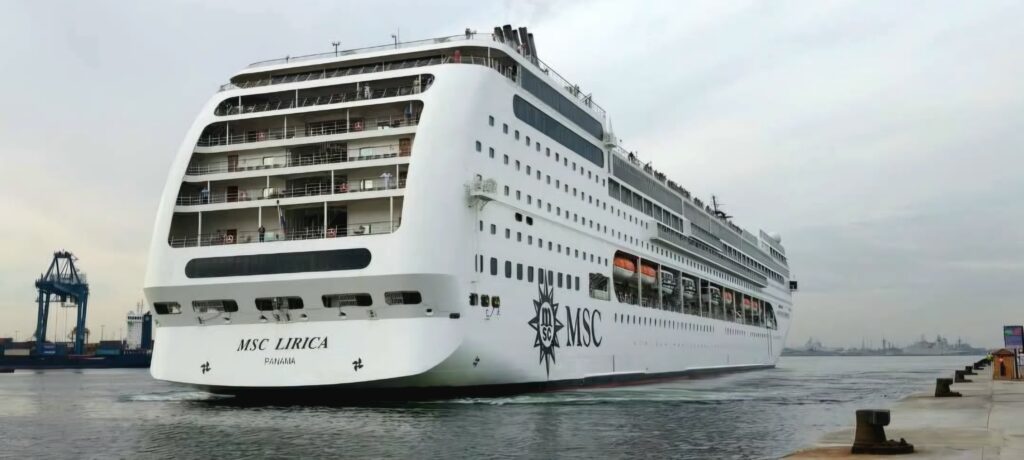
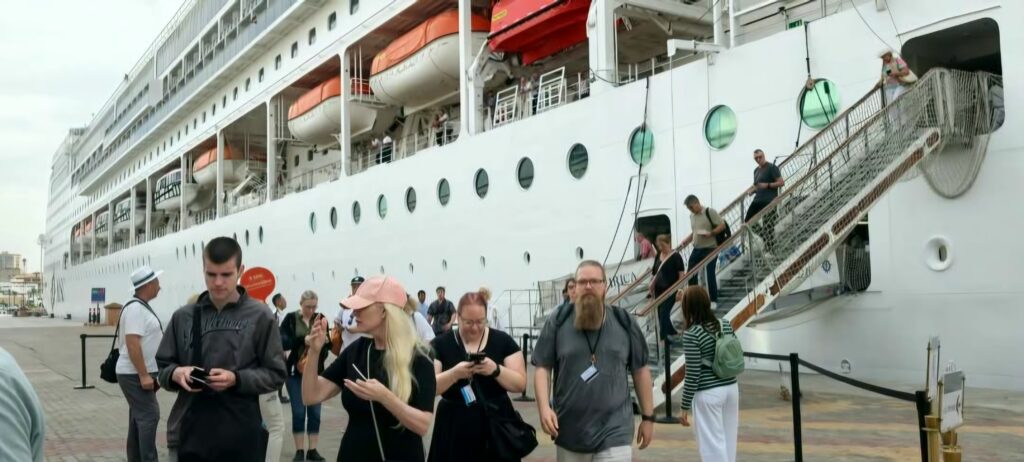
    Shipping Arabia, November 4, 2026 – The Panama-flagged cruise ship MSC Lirica arrived at Alexandria Port on October 31, 2026, carrying 1,677 tourists and 733 crew members of various nationalities. The vessel’s arrival brought a total of 2,410 people to the port, highlighting Alexandria’s continued role in Mediterranean cruise tourism.

    The cruise ship arrived from Port Said and berthed at Berth 8 of Alexandria’s Maritime Passenger Terminal. It was scheduled to depart later that evening for the Port of Split in Croatia, continuing its Mediterranean cruise itinerary.

    The Alexandria Port Authority received the vessel as part of Egypt’s ongoing efforts to promote cruise tourism and strengthen the country’s position as a destination for international cruise ships.

    MSC Lirica at Alexandria Port’s Passenger Terminal

    The arrival of MSC Lirica formed part of the Mediterranean cruise traffic serving Alexandria Port. The vessel carried tourists and crew members representing various nationalities.

    MSC handled the vessel’s shipping agency arrangements, while Rhapsody served as the tourism agent for the port call.

    Port officials coordinated the vessel’s arrival and passenger reception with several government authorities to facilitate procedures and maintain efficient operations at the Maritime Passenger Terminal.

    The General Department of Passenger Movement supervised passenger reception and the completion of the required formalities. Meanwhile, the port provided technical and operational support to the vessel to maintain orderly operations and ensure maritime navigational safety.

    The Alexandria Port Authority emphasized the importance of providing efficient passenger services and maintaining the port’s readiness to accommodate cruise vessels visiting the city.

    Government Agencies Coordinate Cruise Ship Reception

    Several Egyptian government entities participated in coordinating the MSC Lirica port call, reflecting the cooperation required to manage international cruise arrivals.

    The participating authorities included the Ministry of Transport, Ministry of Tourism and Antiquities, and Ministry of Interior. The Egyptian Tourism Promotion Authority also took part in the reception arrangements.

    Additionally, Alexandria Governorate participated through its Regional Tourism Promotion Authority, alongside the Alexandria Port Police Department and senior officials from the Alexandria Port Authority.

    The coordination focused on facilitating passenger procedures, supporting vessel operations and ensuring safe navigation throughout the port call.

    The arrangements formed part of efforts to support incoming cruise tourism and provide services for passengers arriving at Alexandria.

    Alexandria Port Strengthens Its Mediterranean Cruise Tourism Role

    The Alexandria Port Authority highlighted the importance of cruise ship arrivals in supporting tourism activity in the city and contributing to related economic and service sectors.

    The port continues to focus on developing its passenger services and improving operational readiness to receive cruise vessels of different types.

    These efforts align with the Egyptian government’s broader direction to support and stimulate tourism under the guidance of Minister of Transport Kamel El-Wazir.

    The authority considers the reception of vessels such as MSC Lirica an important part of strengthening Alexandria’s position on the Mediterranean cruise tourism map.

    By maintaining passenger handling services, coordinating with government agencies and providing operational support to visiting vessels, Alexandria Port aims to reinforce its role as a destination for international cruise traffic.

    The MSC Lirica call reflects the port’s ongoing efforts to support cruise tourism while contributing to Alexandria’s tourism-related economic activity and Egypt’s wider tourism sector.

    Source: Alexandria Port Authority

  • AROYA Cruise Ship Returns to Alexandria Port With 2,137 Passengers and Crew

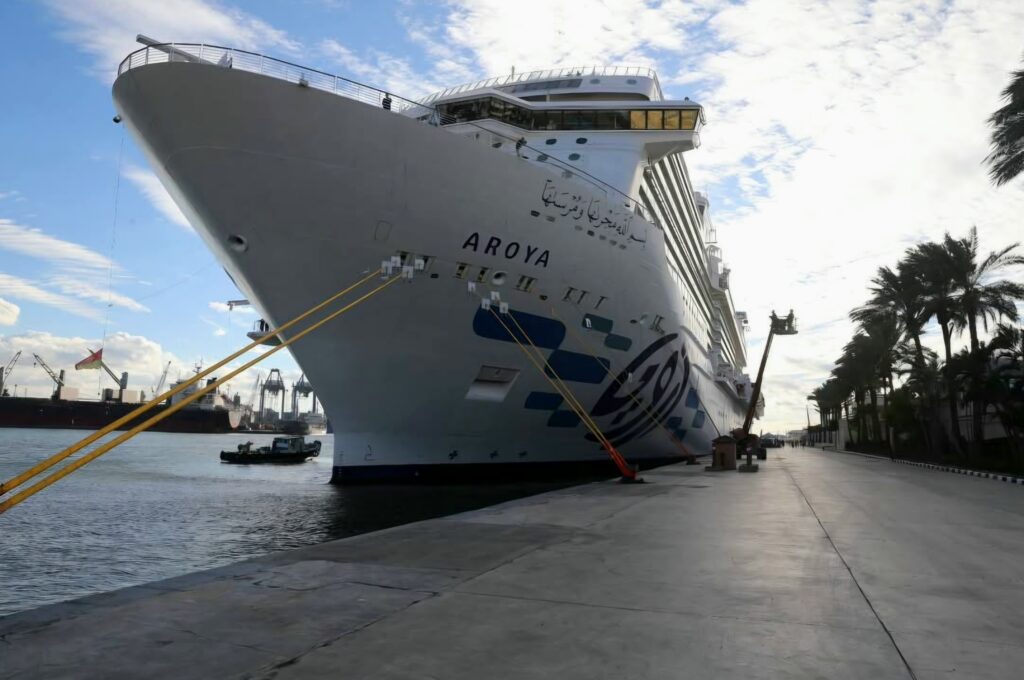
    Shipping Arabia, October 31, 2026 – Alexandria Port welcomed the Saudi cruise ship AROYA on October 26, carrying 1,102 tourists and 1,035 crew members, a total of 2,137 people. The visit marked another call during the vessel’s early voyages of the 2026 Mediterranean cruise season, reinforcing Alexandria’s growing role in regional cruise tourism.

    The arrival follows the official launch of AROYA’s 2026 Mediterranean cruise season at Alexandria Port on October 20. The event highlighted cooperation between Alexandria Port Authority, Cruise Saudi and other stakeholders involved in developing maritime tourism between Egypt and Saudi Arabia.

    According to Alexandria Port Authority, the latest visit forms part of Egypt’s wider efforts to promote tourism and attract international cruise vessels. These efforts also reflect directives from Transport Minister Kamel El Wazir to strengthen the country’s maritime tourism sector.

    The authority emphasized Alexandria’s importance as a destination for major cruise ships and a gateway for passenger movements. It also highlighted opportunities to expand the port’s role in Mediterranean cruise itineraries and support tourism-related economic activity.

    Alexandria Port Supports AROYA Cruise Operations

    Alexandria Port Authority coordinated the arrival of AROYA with relevant government and operational agencies to facilitate passenger movements and ensure navigational safety.

    The port provided technical and operational assistance throughout the vessel’s call. These services included tugboat support, pilot boats and continuous monitoring from the port’s radar control tower.

    The authority stated that these arrangements aimed to maintain efficient vessel handling, streamline passenger procedures and ensure compliance with maritime safety and operational standards.

    The latest call also demonstrated the continued coordination between Alexandria Port Authority and Cruise Saudi in supporting the vessel’s Mediterranean operations.

    Beyond the immediate operational requirements, the authority highlighted the importance of developing Alexandria as both a passenger arrival and departure port. This includes supporting the homeport model, which allows cruise passengers to begin and conclude their voyages at the same port.

    Expanding this model could increase the economic benefits associated with cruise operations, particularly through passenger movements and tourism-related services.

    AROYA Launches 2026 Mediterranean Cruise Season in Alexandria

    The latest arrival followed a formal ceremony held at Alexandria Port on October 20 to launch AROYA’s 2026 Mediterranean cruise season.

    The ceremony brought together senior officials from Egypt’s Ministry of Transport, Alexandria Governorate, the Maritime Transport and Logistics Sector and Alexandria Port Authority.

    Diplomatic representatives also attended, including the ambassadors of Saudi Arabia and Türkiye to Egypt and the Turkish consul general in Alexandria.

    Representatives of Cruise Saudi and organizations involved in the tourism sector participated in the event, reflecting the regional cooperation supporting the vessel’s operations.

    The launch highlighted AROYA’s position as a Saudi cruise tourism offering and its role in strengthening tourism connections between Mediterranean ports.

    Organizers also emphasized the coordination between Egyptian authorities, Cruise Saudi and Rhapsody Shipping Agency in facilitating the ship’s operations and supporting its cruise program.

    During the ceremony, Cruise Saudi representatives praised the assistance and operational services provided at Alexandria Port. They acknowledged the cooperation of the relevant Egyptian authorities in supporting the vessel’s Mediterranean deployment.

    The event also included a guided tour of AROYA, allowing participants to examine its hotel facilities, entertainment areas and passenger services.

    The tour highlighted the ship’s onboard hospitality and recreational offerings, which are designed to provide a comprehensive cruise experience for different categories of travelers.

    Cruise Saudi Outlines Further Fleet Expansion Plans

    During the October 20 launch ceremony, Cruise Saudi representatives also discussed plans to expand the company’s cruise offering.

    They indicated that preparations are being considered to introduce an additional vessel to the cruise fleet in the coming period.

    The proposed expansion forms part of the company’s ambitions to develop its cruise tourism activities and support further growth in the regional market.

    The announcement accompanied discussions about AROYA’s Mediterranean operations and the cooperation required to support cruise services across different ports.

    Alexandria Port Authority emphasized that continued visits by AROYA demonstrate the importance of cooperation between Egypt and Saudi Arabia in developing maritime tourism.

    The authority also highlighted the role of coordinated port services, efficient vessel handling and passenger facilities in supporting the continued growth of cruise operations.

    Alexandria Strengthens Its Mediterranean Cruise Tourism Role

    The authority views the continued deployment of AROYA to Alexandria as an opportunity to strengthen the port’s position within Mediterranean cruise networks.

    It emphasized that cruise tourism can contribute to wider economic activity by attracting visitors and supporting services connected to passenger travel.

    A key priority is developing Alexandria’s capabilities as a port for both cruise arrivals and departures, while encouraging greater adoption of the homeport model.

    Such operations can create additional economic opportunities associated with the start and completion of cruise itineraries, complementing the benefits generated by visiting cruise passengers.

    The authority also stressed the importance of maintaining efficient operational arrangements and cooperation with cruise operators to accommodate major passenger vessels.

    With AROYA continuing its Mediterranean cruise program, Alexandria Port Authority remains focused on providing the technical services, safety arrangements and passenger handling facilities needed to support cruise calls.

    The ongoing cooperation with Cruise Saudi forms part of broader efforts to strengthen Egyptian-Saudi maritime tourism links, improve connectivity between regional cruise destinations and support Egypt’s tourism economy.

    Source: Alexandria Port Authority

  • Alexandria Port and Port of Barcelona Explore Maritime Cooperation and Joint Investment Opportunities

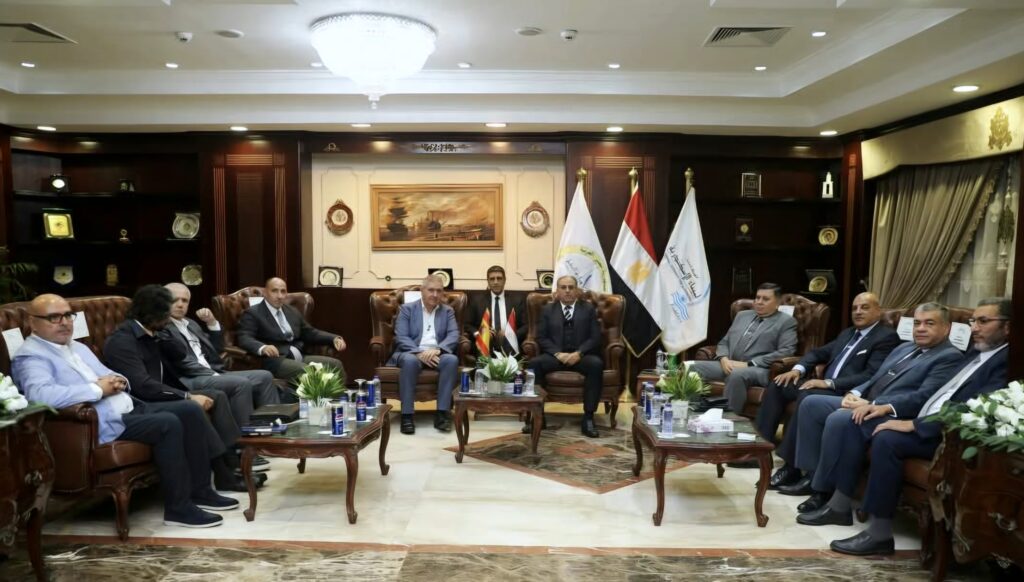
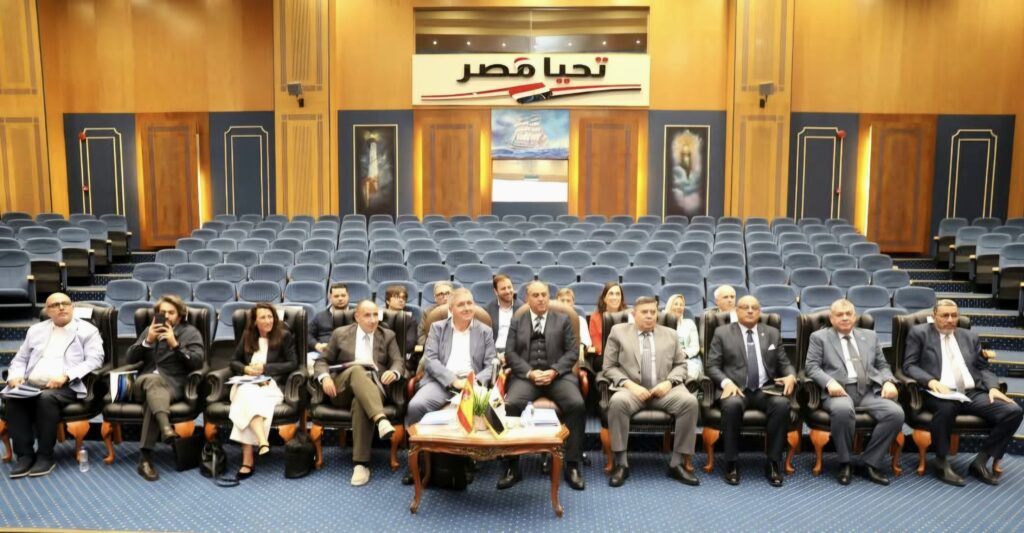
    Shipping Arabia, October 26, 2026 – Alexandria Port Authority has held discussions with a Spanish delegation representing the Port of Barcelona, Barcelona Chamber of Commerce and Mercabarna to explore closer cooperation in maritime transport, trade, investment and logistics between Egypt and Spain. The talks included a proposal to establish a memorandum of understanding between Alexandria Port and the Port of Barcelona.

    The meeting took place under the directives of Egypt’s Minister of Transport, Kamel El-Wazir, as part of efforts to strengthen Egyptian-Spanish relations and expand cooperation in maritime and logistics activities. Representatives of the Alexandria Chamber of Commerce and senior officials from Alexandria Port Authority also participated.

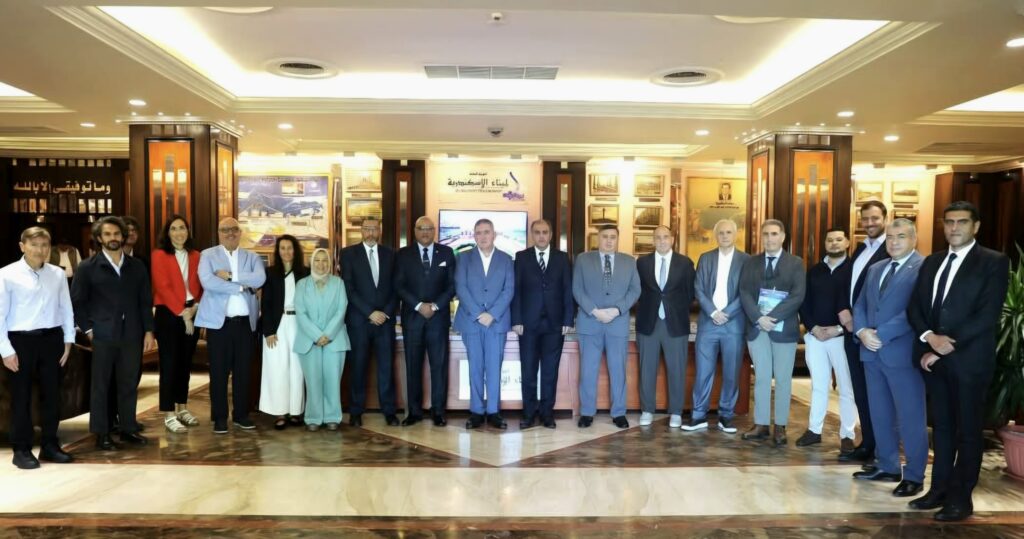
    The authority’s Deputy Chairman for Operations welcomed the delegation on behalf of its Chairman, alongside the Deputy Chairman for Investment and other senior officials. During the meeting, the Egyptian side emphasized the longstanding relationship between Egypt and Spain and the importance of strengthening cooperation between ports and business institutions across the Mediterranean.

    Alexandria Port and Port of Barcelona Discuss Potential Cooperation Agreement

    A central topic of the discussions was the possibility of concluding a memorandum of understanding between Alexandria Port Authority and the Port of Barcelona. The proposed agreement would identify specific areas of cooperation, establish implementation mechanisms and support knowledge exchange between the two ports.

    Egyptian officials emphasized the importance of building on existing cooperation with the Port of Barcelona and developing a more structured partnership. Such an arrangement would provide a framework for exploring joint initiatives and strengthening institutional ties between the Egyptian and Spanish maritime sectors.

    The discussions also addressed opportunities to expand bilateral trade, exchange operational and logistics expertise, and identify potential joint projects. Both sides examined how closer coordination between port authorities and business organizations could support economic interests and strengthen logistics integration across the Mediterranean.

    Spanish Business Institutions Explore Trade and Logistics Opportunities

    The participation of the Barcelona Chamber of Commerce and Mercabarna extended the discussions beyond port-to-port cooperation to include wider commercial and logistics activities.

    Participants explored ways to strengthen communication between maritime institutions and business organizations in both countries. They also discussed opportunities to leverage the operational and logistics capabilities of Egyptian and Spanish ports to facilitate trade flows, encourage investment and develop services supporting maritime transport and supply chains.

    The talks highlighted the importance of connecting port operations with commercial activities and identifying opportunities for joint initiatives involving maritime and business stakeholders.

    The involvement of representatives from the Alexandria Chamber of Commerce provided an additional platform for discussing trade and investment opportunities between Egyptian and Spanish business communities.

    Alexandria Port Presents Development Projects and Future Plans

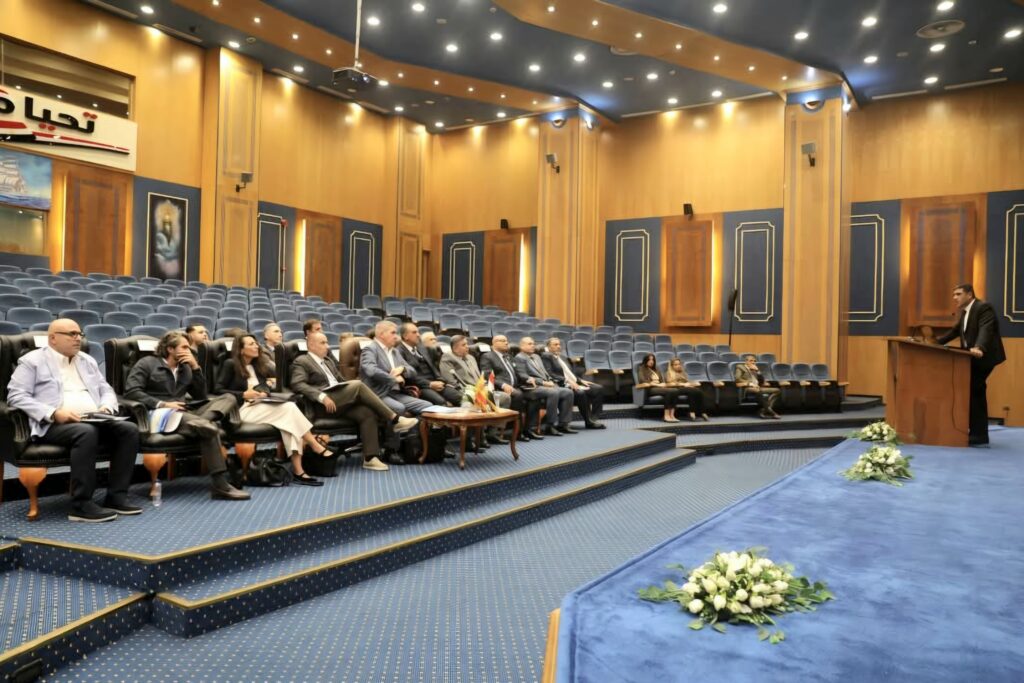
    During the meeting, Alexandria Port Authority presented an overview of the port’s operational and logistics capabilities, ongoing development projects and future plans.

    The presentation outlined the port’s development vision and examined opportunities for cooperation with Spanish partners. Discussions focused on strengthening Alexandria Port’s contribution to Egypt’s foreign trade and improving connections with regional and international markets.

    Both sides also considered how the capabilities of Egyptian and Spanish ports could support closer commercial ties and create opportunities for cooperation in maritime transport, logistics and supply chain services.

    Following the discussions, the Spanish delegation participated in a field tour of Alexandria Port, providing an opportunity to observe the port’s facilities and operations.

    At the conclusion of the visit, both sides reaffirmed their commitment to maintaining coordination and developing the opportunities identified during the meeting. They also expressed their intention to translate the discussions into practical initiatives and joint projects that support trade, investment and stronger Egyptian-Spanish partnerships in maritime transport and logistics.

    Source: Alexandria Port Authority

  • Tahya Misr Terminal Receives General Cargo Vessel With Record 13.5-Meter Draft

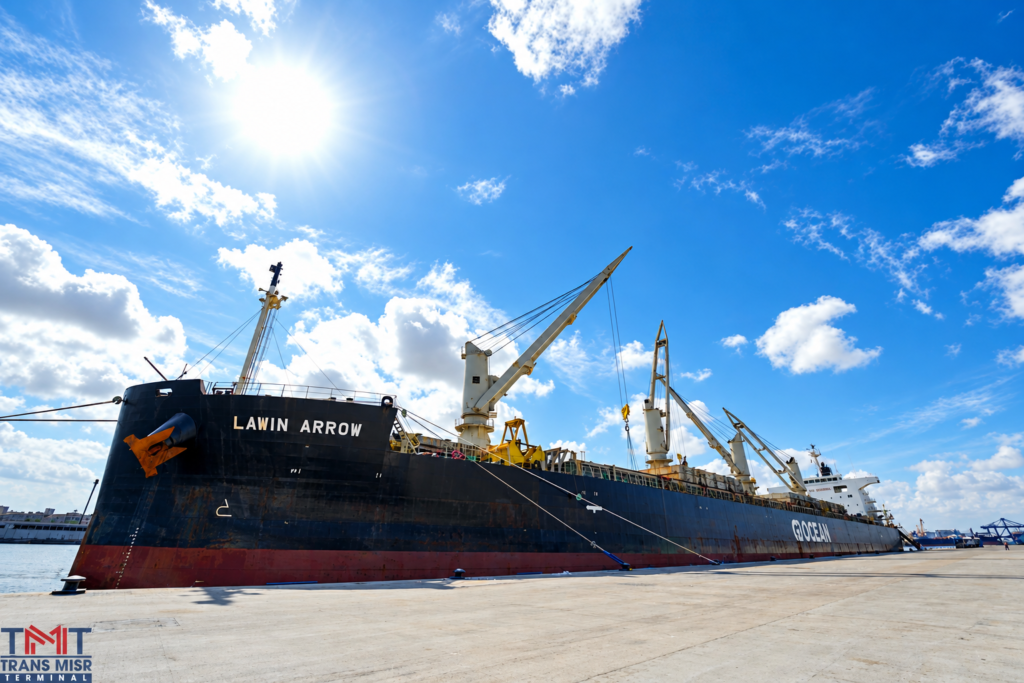
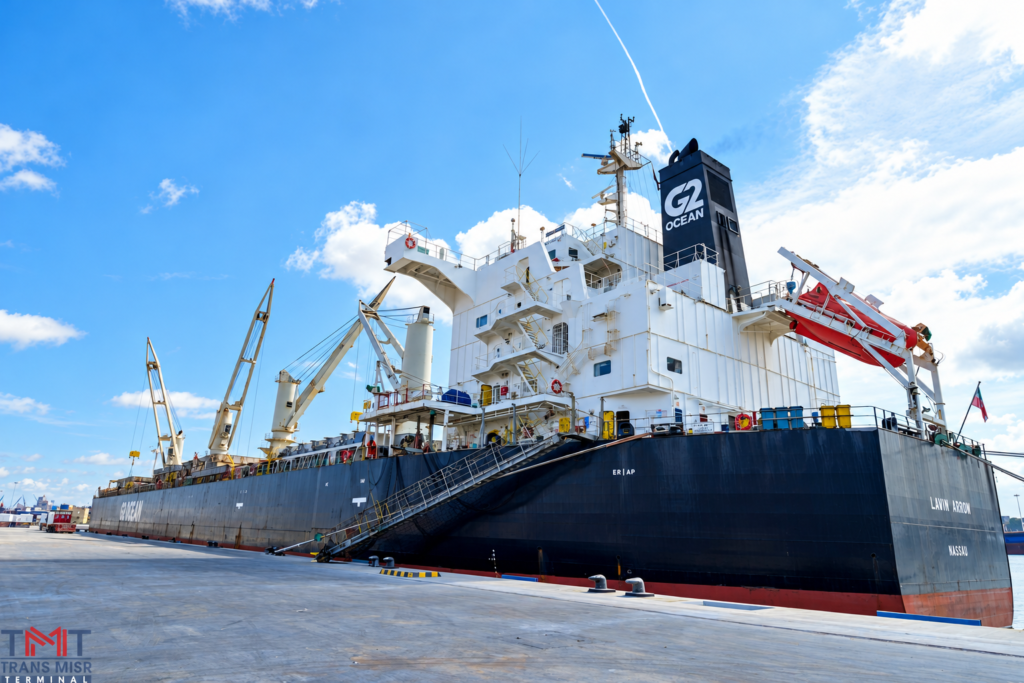
    Shipping Arabia, October 20, 2026 – Egypt’s Tahya Misr Multipurpose Terminal at Alexandria Port has received the general cargo vessel LAWIN ARROW, with a reported tonnage of approximately 63,000 tons and a draft of 13.5 meters. The vessel’s arrival marks a new operational milestone for the terminal, which began operations in 2023, as it continues expanding its cargo-handling capabilities and upgrading its equipment.

    According to sources at Alexandria Port cited by Al Mal, LAWIN ARROW berthed at the terminal’s southern quay. The vessel is among the most significant general cargo ships handled by the facility since its inauguration, becoming the first reported general cargo vessel to arrive with a draft of approximately 13.5 meters.

    The terminal is managed by Egypt Maritime Ports Company, which has continued developing its operations to accommodate growing cargo activity.

    Tahya Misr Terminal Expands Handling Capacity With New Cranes

    Alongside the vessel’s arrival, Tahya Misr Terminal has strengthened its cargo-handling capabilities with the addition of two mobile harbor cranes (MHCs), delivered during the week preceding the report.

    The new equipment brings the terminal’s reported crane fleet to four ship-to-shore (STS) cranes and two mobile harbor cranes, marking another step in its capacity expansion.

    Mobile harbor cranes provide flexible cargo-handling capabilities, allowing terminals to load and discharge vessels using equipment that can move between operating positions.

    The additional cranes are expected to support the terminal’s operational expansion and increase its ability to accommodate cargo-handling demand.

    In a company statement cited by Al Mal, Egypt Maritime Ports Company reported rapid growth in container volumes since the terminal began commercial operations. The company said this growth reflects increasing customer demand and the facility’s expanding role in Egypt’s container shipping market and the wider region.

    Located at Alexandria Port, Tahya Misr Terminal serves as a gateway for Egyptian trade and an important transport facility in the Eastern Mediterranean.

    Digital Truck Registration Improves Port Logistics Efficiency

    In a related development, Dr. Amr El Samadouni, Secretary-General of the International Transport and Logistics Division at the Cairo Chamber of Commerce, highlighted improvements in truck operations at Tahya Misr Terminal following the introduction of a digital truck pre-registration system.

    El Samadouni said the system has successfully reduced truck waiting times, representing an important step toward improving Egypt’s transport and logistics sector and increasing cargo-handling efficiency at ports.

    He explained that digital solutions for managing truck movements help reduce congestion and accelerate cargo entry and exit procedures. These improvements also contribute to lowering operating costs for importers and exporters, supporting the competitiveness of Egyptian trade in international markets.

    El Samadouni emphasized that digital transformation in ports is no longer simply a technological improvement. Instead, it has become an essential requirement for improving supply chain efficiency and logistics services, particularly as regional and international ports compete to attract trade volumes and investment.

    Calls for Wider Integration of Port Digital Systems

    Building on the improvements achieved at Tahya Misr Terminal, El Samadouni called for expanding successful digital initiatives across Egypt’s maritime and logistics sector.

    He specifically highlighted the importance of integrating truck pre-registration systems with terminal operating systems and customs clearance platforms.

    According to El Samadouni, stronger integration between these systems would facilitate cargo movements, improve service quality for importers and exporters, and further reduce logistical inefficiencies.

    Such measures would also support Egypt’s efforts to strengthen its position as a regional transport and logistics hub.

    El Samadouni stressed the need for continued investment in digital infrastructure and the development of logistics services to support national objectives. These include increasing exports, reducing trade costs and transforming Egyptian ports into integrated centers for logistics services and transit trade.

    The developments at Tahya Misr Terminal, including its ability to accommodate general cargo vessels with a 13.5-meter draft, additional handling equipment and improvements in digital truck management, reflect the facility’s ongoing operational development at Alexandria Port.

    Source: Al Mal

  • Maersk Revises Container Service Charges at Egyptian Ports

    Shipping Arabia, October 20, 2026 – Maersk has revised its container service charges for shipments moving to and from Egyptian ports, with the updated tariffs taking effect in October 2026 and remaining applicable until further notice. The revisions cover entry (FRI) and departure (FRO) service charges across several container categories, including dry, refrigerated, hazardous and special cargo.

    According to a Maersk circular reviewed by Egyptian newspaper Al Mal, the revised charges vary by port, container size, cargo classification and shipment direction. The affected ports include Alexandria, Dekheila, Damietta, East Port Said, West Port Said and Sokhna.

    Revised Charges for Containers Departing Egyptian Ports

    For outbound dry 20-foot containers, Maersk has set charges of $150 at Alexandria, Dekheila and Damietta. The corresponding fees reach $160 at East Port Said, $175 at Sokhna and $195 at West Port Said.

    Hazardous cargo moving in 20-foot containers faces higher charges. The applicable fee stands at $215 for shipments departing Sokhna, compared with $280 at Alexandria, Dekheila and Damietta. At East Port Said and West Port Said, the charge reaches $315 per container.

    For refrigerated 20-foot containers, Maersk has established a charge of $280 at Sokhna, Alexandria, East Port Said and West Port Said. Damietta carries a slightly lower fee of $269 per container.

    The revised schedule also covers larger dry containers. For outbound 40- and 45-foot units, the charges stand at $215 at Alexandria and Dekheila, $225 at East Port Said, $260 at Sokhna and $265 at West Port Said.

    Meanwhile, hazardous shipments in 40-foot containers face charges of $280 at Sokhna and $325 at Alexandria. The fees increase to $370 at East Port Said, $380 at Damietta and $395 at West Port Said.

    Refrigerated 40-foot containers are subject to charges of $325 at Alexandria, Dekheila and West Port Said. The corresponding fees reach $330 at Damietta and $335 at East Port Said.

    Updated Charges for Shipments Arriving in Egypt

    Maersk has also revised its service charges for containers arriving at Egyptian ports from international origins. The updated inbound tariffs cover general cargo, refrigerated shipments, hazardous cargo and special containers.

    For refrigerated cargo arriving at East Port Said in 20- and 40-foot containers, the reported charge stands at $325. Al Mal also cites a $250 tariff for refrigerated shipments arriving at West Port Said, describing that particular rate on a per-ton basis.

    For hazardous cargo arriving in 20-foot containers at East Port Said, the applicable charge reaches $280.

    The source also reports charges of $310 for refrigerated containers imported through Sokhna, Alexandria, Dekheila and West Port Said. The corresponding figure for Damietta stands at $280.

    For hazardous cargo arriving at Sokhna, Alexandria and West Port Said, the reported fee reaches $310 per container. At Damietta, the charge increases to $410. Meanwhile, general cargo imported in dry 20-foot containers through Alexandria and Dekheila faces a fee of $320 per container.

    The revised tariffs extend to special cargo. At East Port Said, the charge reaches $565 per container for special shipments carrying either general or hazardous cargo.

    For dry 40- and 45-foot containers arriving at East Port Said, the revised fee stands at $300. Hazardous cargo in containers of the same sizes faces a charge of $425 at East Port Said, $434 at Sokhna, $505 at West Port Said and $785 at Damietta.

    In a further breakdown of inbound refrigerated cargo charges, Al Mal lists $390 per container at West Port Said, $430 at Alexandria and Dekheila, and $435 at Sokhna. The source reports these figures separately from the other refrigerated cargo tariffs without consistently specifying container sizes across the different entries.

    Maersk Handled 2.7 Million TEUs at Egyptian Ports in 2025

    The tariff revisions come against the backdrop of Maersk’s substantial container shipping activity at Egyptian ports.

    According to figures from Egypt’s Maritime Transport Sector cited by Al Mal, Maersk handled approximately 2.7 million TEUs at Egyptian ports during 2025. This represented around 24% of the country’s total container throughput, placing the shipping line first among carriers operating through Egyptian ports by handled volume.

    Transshipment cargo accounted for approximately 89.2% of Maersk’s Egyptian port throughput during 2025. Import and export containers serving the Egyptian domestic market represented the remaining 10.8%.

    The figures also highlight a significant change from the previous year. In 2024, Maersk handled approximately 3.6 million TEUs at Egyptian ports, accounting for 40.2% of the country’s total container volumes.

    Transshipment containers represented approximately 87% of Maersk’s Egyptian port throughput in 2024. Import and export cargo serving the domestic market accounted for approximately 10.3%, according to the figures cited in the report.

    Consequently, Maersk’s reported Egyptian port throughput declined from 3.6 million TEUs in 2024 to 2.7 million TEUs in 2025, while its share of total national container throughput fell from 40.2% to approximately 24%.

    Maersk’s Global Container Shipping Position

    The Egyptian maritime transport data also identifies Maersk as the world’s second-largest container shipping company by fleet size and carrying capacity.

    According to the figures cited by Al Mal, the company operated a fleet of 736 vessels with a combined carrying capacity exceeding 4.7 million TEUs as of 2025.

    Maersk’s global market share stood at approximately 14.2%, while its regular shipping services connected around 374 ports across 116 countries.

    These figures illustrate the scale of Maersk’s international container shipping network and its position among the principal carriers serving Egyptian ports.

    Source: Al Mal

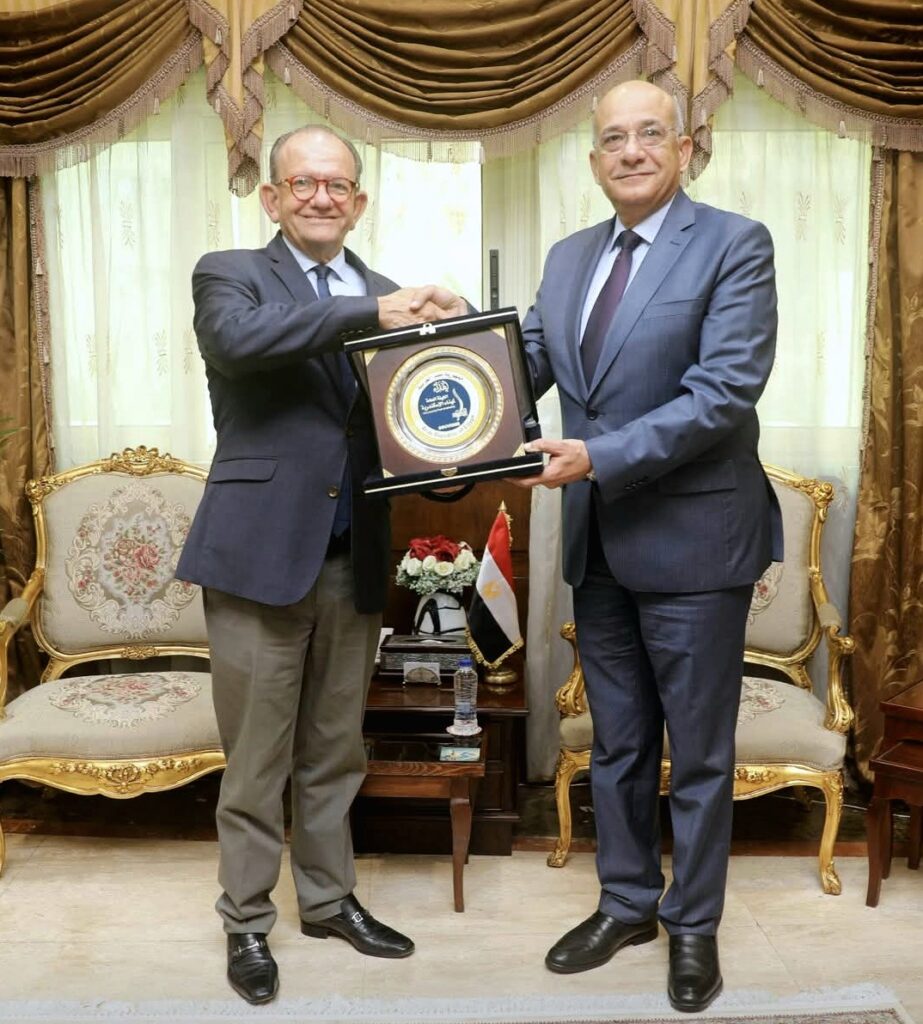
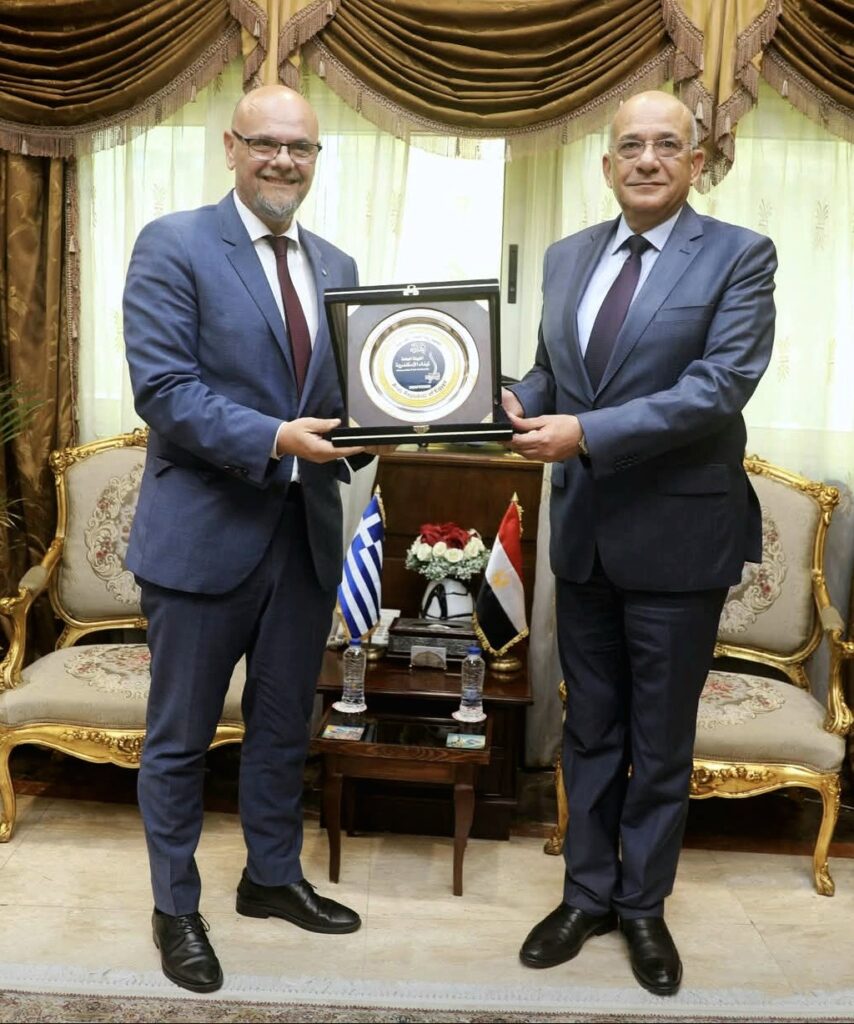
  • Egypt and Greece Advance Talks on Alexandria–Greece Shipping Links and Cruise Cooperation

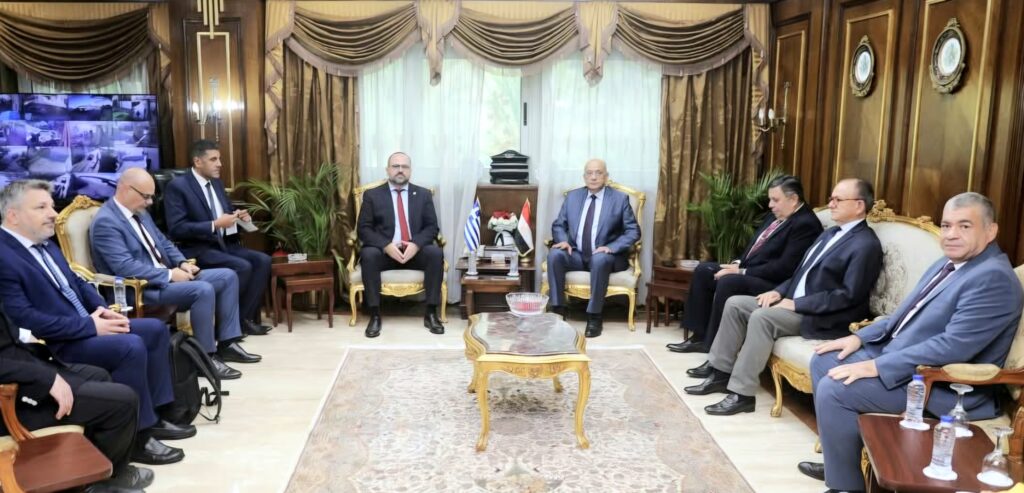
    Shipping Arabia, October 15, 2026 – Egypt and Greece are advancing discussions on proposed Alexandria–Greece shipping links, including Ro-Pax passenger and truck services between Alexandria and Patras and Ro-Ro cargo services between Alexandria and Volos. The two countries are also exploring expanded dry bulk trade and cruise tourism cooperation in the Eastern Mediterranean.

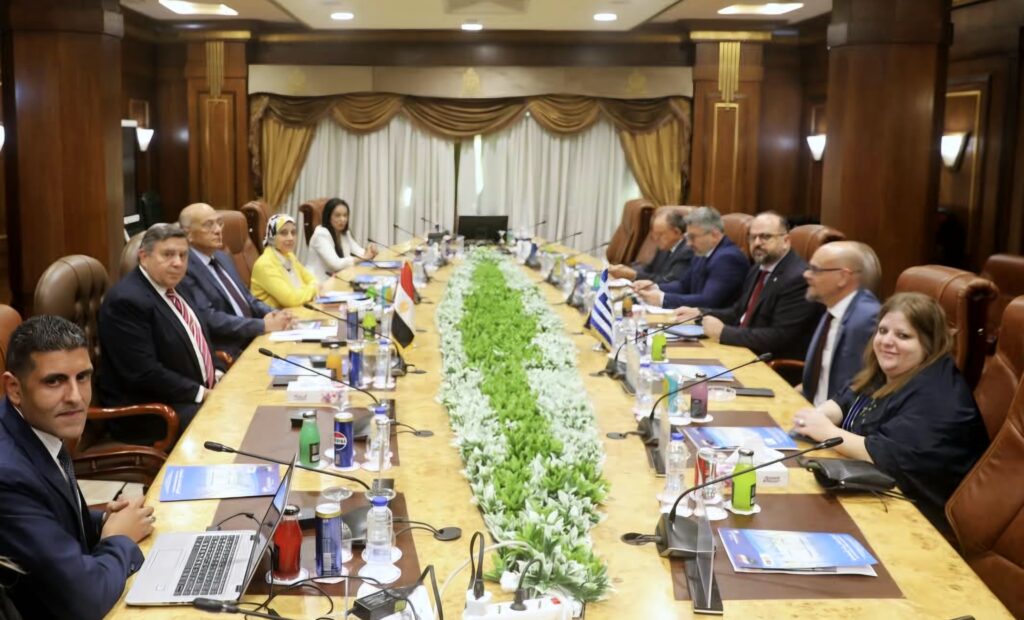
    The discussions took place during a visit by a senior Greek delegation to Alexandria Port Authority, following the third session of the Egyptian-Greek Joint Maritime Committee held on October 5, 2026. The meeting produced agreements on practical measures to advance maritime cooperation between the two countries.

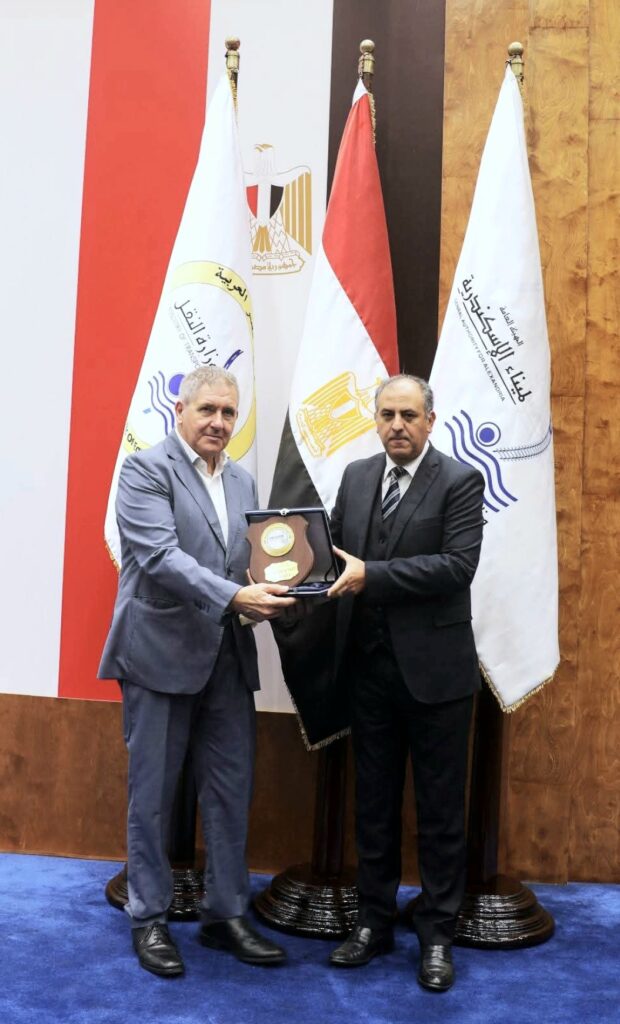
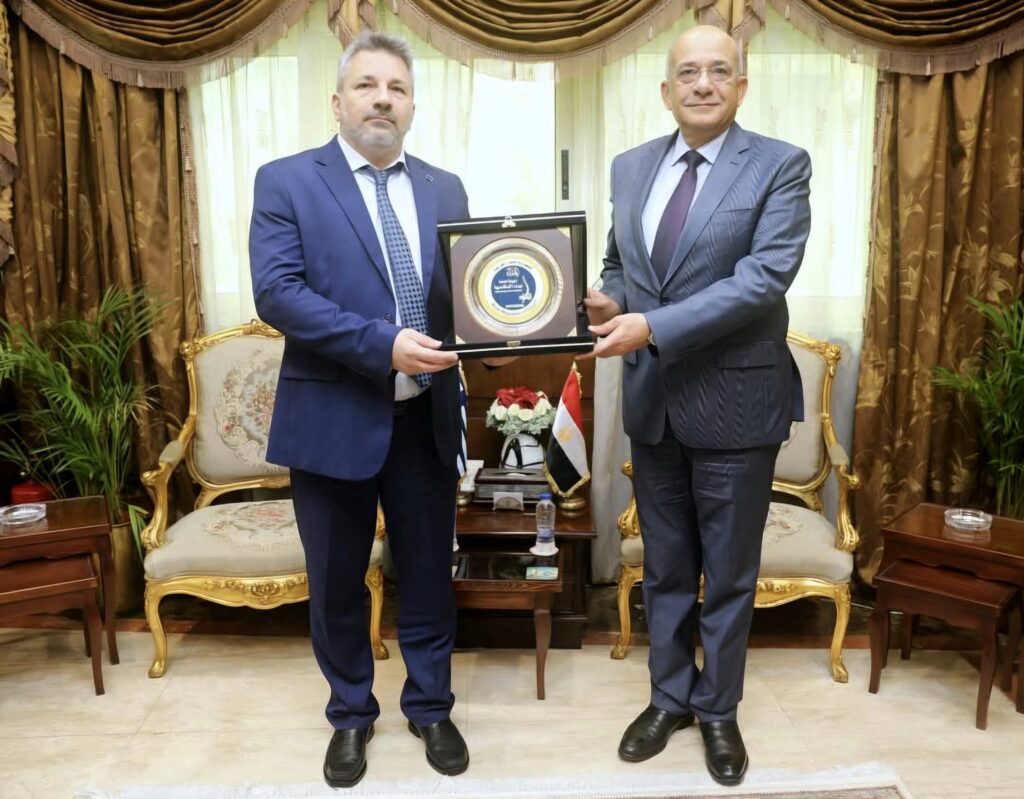
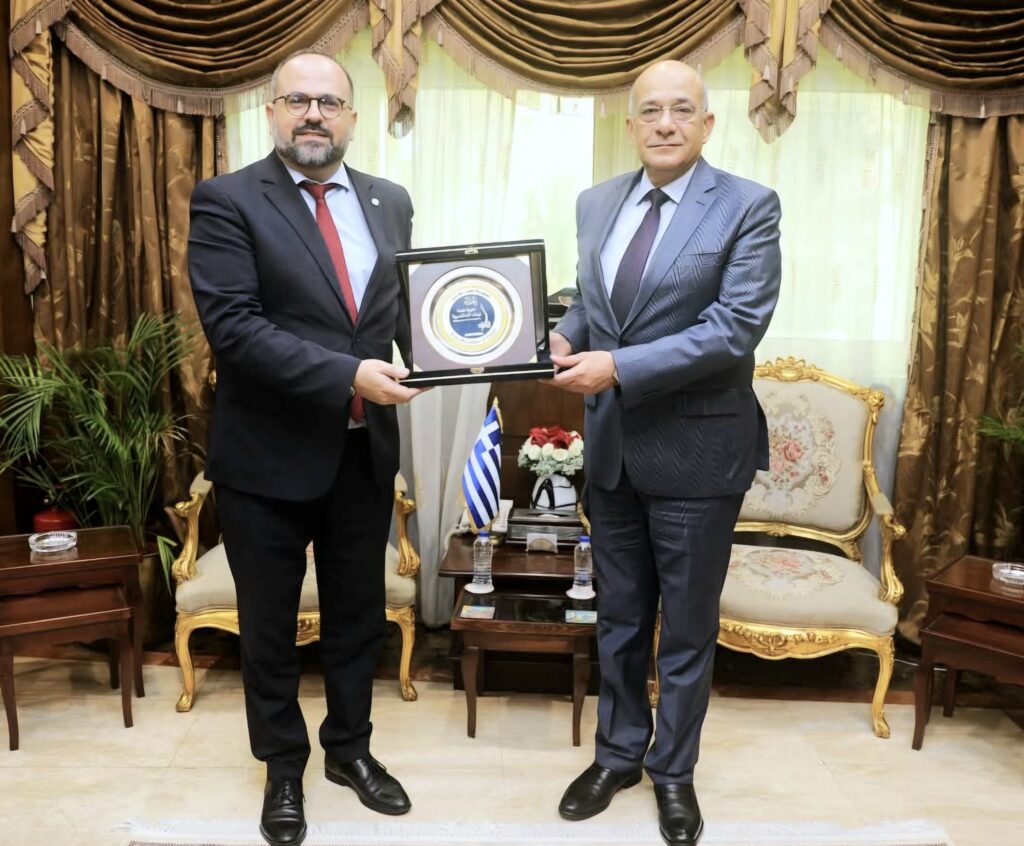
    The visit was held under the directives of Egypt’s Minister of Transport, Kamel El-Wazir. Alexandria Port Authority Chairman Rear Admiral Ehab Salah received the delegation, which was led by Manolis Koutoulakis, Secretary General for Maritime Affairs and Ports at Greece’s Ministry of Maritime Affairs and Insular Policy.

    Rear Admiral Hussein El-Geziry, Head of Egypt’s Maritime Transport and Logistics Sector, also attended the visit. He had chaired the Egyptian delegation during the joint maritime committee meetings.

    The Greek delegation included the heads of the Patras and Volos port authorities, the Director General of Customs and the scientific adviser to the Secretary General for Maritime Affairs and Ports. Senior Alexandria Port Authority officials also participated in the discussions.

    Alexandria–Greece Shipping Links Focus on Ro-Pax and Ro-Ro Services

    A central focus of the discussions was the development of maritime connections between Egyptian and Greek ports. Both sides examined opportunities to strengthen shipping, logistics and trade cooperation through proposed services linking Alexandria with Patras and Volos.

    The proposed Alexandria–Patras route would operate as a Ro-Pax service, accommodating passengers and trucks. Meanwhile, the proposed Alexandria–Volos connection would focus on Ro-Ro cargo transport.

    The two routes form part of efforts to improve maritime connectivity and facilitate the movement of passengers, vehicles and cargo between Egypt and Greece.

    In addition, the Greek delegation expressed interest in expanding cargo exchanges with Alexandria Port to include dry bulk commodities. This would broaden the scope of maritime cooperation beyond the proposed Ro-Pax and Ro-Ro connections.

    The discussions also considered the development of an integrated logistics corridor connecting Egypt and Greece with their respective trading partners. Such cooperation would bring together maritime transport, logistics services and trade activities within a coordinated framework.

    Although the routes remain under discussion, both sides agreed to advance the necessary technical and commercial assessments to support their potential implementation.

    Egypt and Greece Explore Eastern Mediterranean Cruise Homeport Cooperation

    Cruise tourism formed another major component of the bilateral maritime discussions.

    Egyptian and Greek officials examined opportunities to strengthen cooperation between Alexandria Port and Greek ports, particularly by coordinating their roles as cruise homeports in the Eastern Mediterranean.

    The proposed cooperation focuses on developing greater integration between ports capable of serving as starting and ending points for cruise itineraries. Both sides discussed how coordinated port activities could support the development of maritime tourism between Egypt and Greece.

    They also explored opportunities to establish joint cruise tourism programs aimed at increasing passenger traffic and strengthening maritime tourism connections between the two countries.

    The discussions reflect the two sides’ interest in expanding cooperation beyond commercial shipping to include passenger transport and cruise operations.

    Greek Delegation Inspects Alexandria Port Facilities

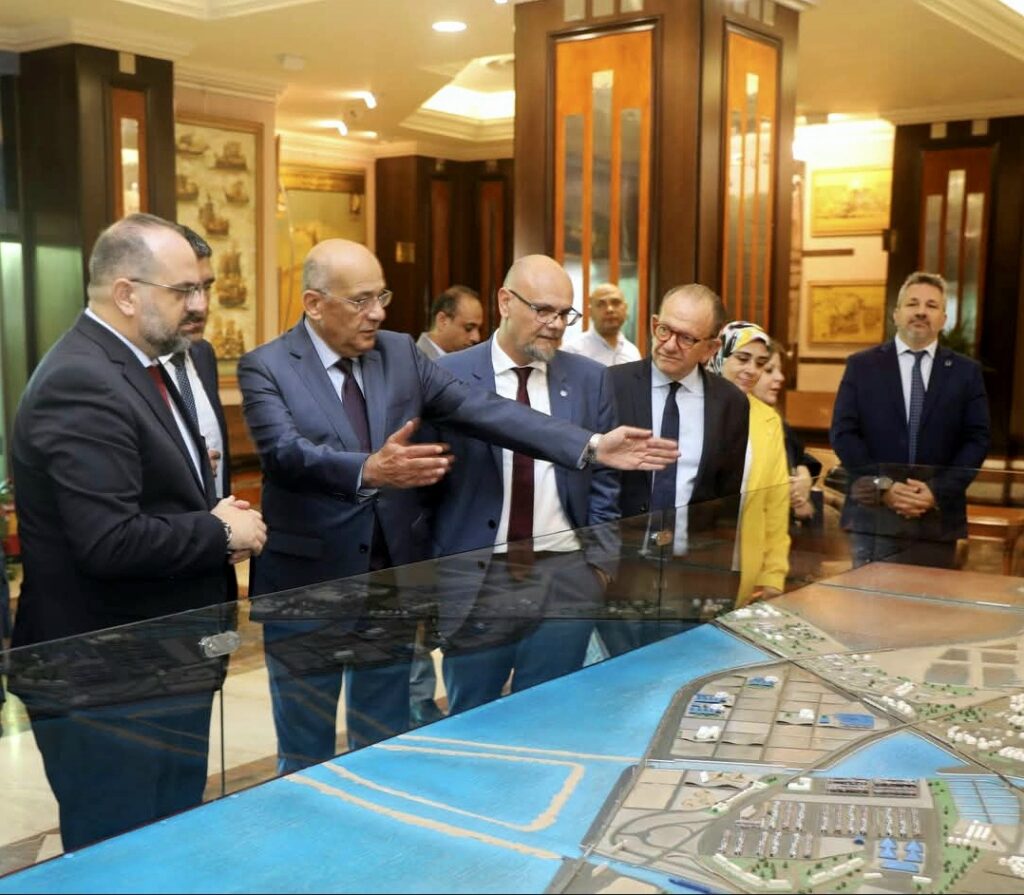
    As part of the visit, the Greek delegation conducted an inspection tour of several operational areas and facilities at Alexandria Port.

    The tour included the passenger terminal and port berths, with particular attention to the Ro-Ro berths expected to support the proposed maritime connections.

    Delegation members also visited the Tahya Misr Multipurpose Terminal to examine the port’s infrastructure, equipment and operational capabilities.

    The inspection provided Greek officials with an opportunity to assess Alexandria Port’s available facilities and logistics capabilities directly. It also supported discussions about the technical and operational requirements of the proposed shipping services.

    The port visit formed part of the broader effort to translate the outcomes of the Egyptian-Greek Joint Maritime Committee into practical cooperation initiatives.

    Technical Meetings to Advance Proposed Maritime Routes

    At the conclusion of the visit, both sides agreed to hold additional technical meetings involving specialists from Egypt and Greece.

    These meetings will follow up on the joint maritime committee’s outcomes and examine the requirements for implementing the proposed Alexandria–Greece shipping links.

    The assessments will cover technical, operational, commercial and logistical considerations associated with the proposed Ro-Pax and Ro-Ro services.

    The objective is to move toward implementation through coordinated and carefully assessed steps, while addressing the practical requirements of establishing the maritime connections.

    Alexandria Port Authority reaffirmed its commitment to strengthening cooperation with Greek ports and maritime organizations. The authority emphasized the importance of expanding trade and maritime connectivity between Egypt and Greece.

    The cooperation also supports Alexandria Port’s development as a regional logistics hub linking markets in Europe, Africa, the Middle East and Asia.

    Source: Alexandria Port Authority

Back to top button