Bab el-Mandeb

  • IMO Council Maritime Security Discussions Highlight Threats to Arab Shipping Routes

    Shipping Arabia, November 13, 2026 – The International Maritime Organization (IMO) has placed maritime security, freedom of navigation and seafarer protection at the center of discussions during the 138th session of its Council. The meeting addressed escalating threats across strategic shipping corridors, including the Strait of Hormuz, the Red Sea and Bab el-Mandeb, alongside wider challenges affecting international trade and maritime governance.

    The IMO Council maritime security discussions took place in London from November 2–6, 2026, under the chairmanship of Victor Jiménez of Spain. Amani Fathallah of Morocco participated as Vice-Chair, alongside IMO Secretary-General Arsenio Dominguez, representatives of member states and observers.

    Egypt’s Maritime Transport Sector also participated in the meeting, represented by a delegation headed by Hussein El-Gezery.

    Maritime economist Dr. Mostafa Rashid of the Arab Academy for Science, Technology and Maritime Transport outlined the meeting’s principal outcomes and their implications for Arab ports, shipping companies and maritime administrations.

    According to Rashid, the session addressed five interconnected challenges: geopolitical tensions, threats to commercial vessels and seafarers, supply chain resilience, maritime digitalization and international maritime governance.

    The Council also examined institutional reforms, technical cooperation, digital infrastructure and maritime training. These discussions reflected the IMO’s efforts to address immediate security risks while strengthening its capacity to respond to future industry challenges.

    Maritime Security Threats Across Strategic Shipping Corridors

    The protection of international shipping routes emerged as a central issue during the Council’s deliberations. Discussions covered the Strait of Hormuz and Arabian Gulf, Red Sea and Bab el-Mandeb, Black Sea and Sea of Azov, Western Indian Ocean, Gulf of Aden and Eastern Mediterranean.

    These maritime corridors play essential roles in international energy transportation, commodity trade and global supply chains.

    Strait of Hormuz and Arabian Gulf

    IMO Secretary-General Arsenio Dominguez briefed the Council on security threats affecting commercial shipping in the Arabian Gulf and Strait of Hormuz.

    According to the briefing, the IMO had verified at least 130 attacks against merchant vessels since the beginning of the Middle East conflict.

    Confirmed seafarer fatalities linked to the conflict reached 25 following the death of a Filipino seafarer on November 5, 2026, after an attack involving the tanker M/T VELOS SAPPHIRE.

    The briefing also highlighted the situation of thousands of seafarers facing security risks, including crew members aboard vessels unable to leave the Arabian Gulf.

    The Council urged member states to avoid unlawful measures that endanger international navigation and seafarer safety. It also emphasized the need to protect seafarers regardless of nationality.

    Furthermore, members called for continued engagement with relevant authorities and international organizations, closer monitoring of security developments and consideration of additional measures to reduce human casualties.

    The Secretary-General was requested to provide a follow-up report at the Council’s next session.

    Importantly, the Council did not announce a new military mechanism to protect the Strait of Hormuz. Instead, its conclusions emphasized international coordination, monitoring and measures within the IMO’s mandate.

    Red Sea and Bab el-Mandeb

    The Council strongly condemned Houthi attacks against commercial vessels and their crews in the Red Sea and Bab el-Mandeb, calling for an end to these incidents.

    Rashid emphasized that the security situation carries significant implications for maritime trade between Asia and Europe through the Suez Canal.

    He identified several potential consequences of continued instability, including higher marine insurance premiums, increased shipping risks, vessel diversions, longer voyage durations and greater fuel consumption.

    Such disruptions can also affect vessel schedules, supply chain reliability and the competitiveness of ports and logistics services.

    For Egypt, the implications are particularly significant because of the relationship between Red Sea security and Suez Canal traffic.

    Rashid warned that further security deterioration in the southern Red Sea could encourage additional vessel diversions around the Cape of Good Hope. This would increase transportation costs and voyage durations while affecting canal transits, revenues and related maritime services.

    Black Sea and Sea of Azov

    The Council also condemned attacks affecting commercial vessels, seafarers, port infrastructure, search and rescue assets and maritime safety services associated with Ukraine’s special maritime corridor.

    Members reaffirmed their commitment to maritime security and freedom of navigation in the Black Sea.

    According to Rashid, these developments have implications beyond the immediate conflict area. Several Arab economies depend on Black Sea markets for agricultural commodities, grain, fertilizers and energy supplies.

    Consequently, disruptions in this region can affect shipping costs, marine insurance, cargo availability and the reliability of food supply chains across Arab markets.

    Western Indian Ocean and Gulf of Aden

    Piracy and armed robbery were another priority, with the Council reporting 17 attempted or actual incidents in the Western Indian Ocean and Gulf of Aden since the beginning of 2026.

    The discussions highlighted the importance of regional cooperation under the Djibouti Code of Conduct and its Jeddah Amendment.

    These frameworks support information sharing, maritime capacity building and coordination between participating states.

    The Council requested that the Secretary-General continue monitoring maritime security developments and keep member states informed.

    For Arab countries bordering the Red Sea, Gulf of Aden and Indian Ocean, Rashid stressed the importance of strengthening cooperation among maritime administrations, coast guards and security authorities.

    IMO Approves £2 Million for Digital Systems and Maritime Training

    Beyond maritime security, the Council approved an initial allocation of £2 million from technical cooperation fund reserves to support two digital development initiatives.

    The funding will contribute to the second phase of improvements to the Global Integrated Shipping Information System (GISIS) and the development of an IMO e-learning platform.

    GISIS provides maritime information to member states and supports the management and exchange of data relevant to international shipping.

    According to Rashid, further development could improve access to maritime information, strengthen data sharing and support monitoring of compliance with international conventions.

    It could also help national maritime administrations improve the quality of information used in regulatory and operational decision-making.

    The proposed e-learning platform aims to expand access to maritime education, technical cooperation and professional development.

    Potential benefits include broader training opportunities, continuing education, improved instructor preparation and reduced dependence on traditional classroom-based training.

    However, Rashid clarified that the initial financial approval does not mean the projects are operational or that their implementation arrangements have been finalized.

    The Council requested additional information on project costs, implementation schedules and recurring operating expenses for consideration at a future session.

    For Arab maritime administrations, these initiatives could provide opportunities to strengthen digital capabilities and maritime training.

    Rashid also recommended developing Arabic-language educational content aligned with international maritime standards, particularly to support countries with varying levels of technical and institutional capacity.

    Council Recommends Extension of IMO Secretary-General’s Term

    The Council also considered the future leadership of the organization during a closed session.

    Members agreed to recommend extending IMO Secretary-General Arsenio Dominguez’s term for another four years, beginning January 1, 2028, and ending December 31, 2031.

    The recommendation will be submitted to the IMO Assembly at its 35th regular session for consideration under Article 22 of the IMO Convention.

    The Council’s decision represents a recommendation rather than final approval, as the Assembly retains responsibility for confirming the appointment.

    Rashid emphasized that leadership continuity could support ongoing work on maritime security, digital transformation, technical cooperation and institutional reform.

    He also identified opportunities for Arab countries to strengthen engagement with the IMO Secretariat and expand participation in technical programs and capacity-building initiatives.

    IMO Convention Amendments Could Expand Council to 52 Members

    The Council reaffirmed its commitment to implementing amendments to the IMO Convention adopted by the Assembly in December 2021 under Resolution A.1152(32).

    The amendments introduce three significant institutional changes.

    First, they would increase Council membership from 40 to 52 states, expanding opportunities for geographic representation.

    Second, they would extend Council members’ terms to cover two consecutive regular sessions of the IMO Assembly, generally equivalent to four years.

    Third, the amendments would recognize Arabic, Chinese and Russian as authentic languages of the IMO Convention alongside English, French and Spanish.

    During the November 2026 session, the Council encouraged member states that had not yet accepted the amendments to complete their national procedures.

    The objective is to bring the amendments into force during 2027, subject to the required acceptance process.

    Rashid described these changes as particularly important for Arab countries, especially the recognition of Arabic as an authentic treaty language.

    He noted that this recognition would strengthen the language’s legal and institutional standing within the organization.

    Meanwhile, expanding Council membership could provide additional opportunities for participation, although elections and representation would remain governed by the Convention’s established procedures.

    Rashid called for stronger coordination among Arab states to support acceptance of the amendments and improve their participation in IMO decision-making.

    IMO Recognizes Contributions to Gender Equality in Maritime

    The Council also considered the IMO Gender Equality Award for 2027, which recognizes contributions to advancing women’s participation in the maritime industry.

    Members decided to award the 2027 honor to Yu Jiajia, nominated by China.

    The Council also endorsed a recommendation to present a letter of commendation to Gemma Griffin, nominated by Denmark.

    The award ceremony is scheduled for May 18, 2027, at IMO headquarters in London, coinciding with the International Day for Women in Maritime.

    Rashid highlighted the relevance of this initiative for Arab maritime sectors, particularly in encouraging greater participation by women in navigation, marine engineering, port management, maritime education and research.

    Strategic Implications for Arab Ports and Shipping Industries

    Rashid identified several priorities for Arab maritime administrations arising from the Council’s discussions.

    For Egypt and other Red Sea countries, these include stronger maritime security monitoring, improved early-warning systems and closer coordination among ports, shipping companies and relevant authorities.

    He also emphasized the need to strengthen crisis management arrangements and maintain the continuity of logistics services during disruptions.

    For Arabian Gulf countries, Rashid highlighted seafarer protection, maritime risk management, insurance considerations and the diversification of logistics alternatives.

    He further recommended improving the ability of regional ports to manage changes in vessel movements and strengthening international cooperation on maritime security.

    The Black Sea developments also underscore the importance of protecting agricultural and energy supply chains that serve Arab markets.

    In addition, Rashid encouraged Arab maritime administrations to modernize port management systems, improve maritime data exchange and expand digital services for ships.

    Other priorities include strengthening compliance monitoring, developing maritime training programs and building technical expertise in risk management, logistics, digital systems and artificial intelligence.

    On institutional representation, Rashid called for greater Arab coordination within the IMO, including participation in technical committees and the development of joint proposals.

    He also emphasized the importance of strengthening professional opportunities for Arab women across maritime operations, training and management.

    The maritime economist concluded that the IMO Council’s 138th session demonstrated the growing connection between maritime security, economic stability and international maritime governance.

    For Arab countries, he stressed that protecting ships, ports and shipping corridors must be accompanied by investment in technical expertise, digital infrastructure and institutional capabilities.

    According to Rashid, greater participation in international maritime decision-making will be essential for Arab states seeking to protect their maritime interests and contribute to shaping the future of global shipping.

    Source: Al Mal News
  • Yemen Port Security Training Strengthens Maritime Preparedness Through EU-Funded IMO Workshop in Aden

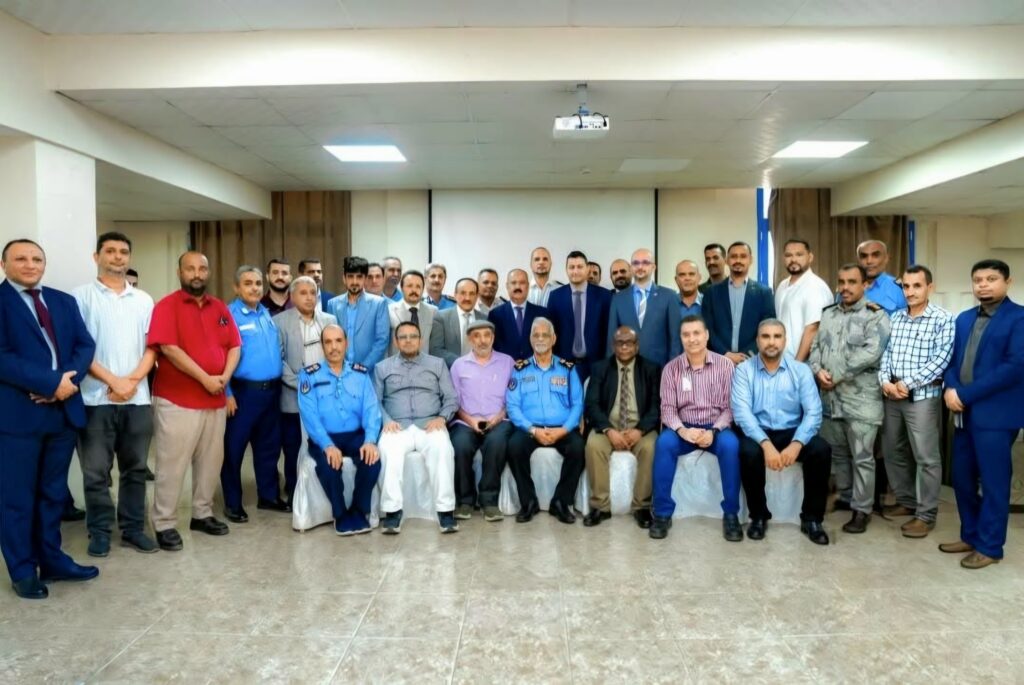
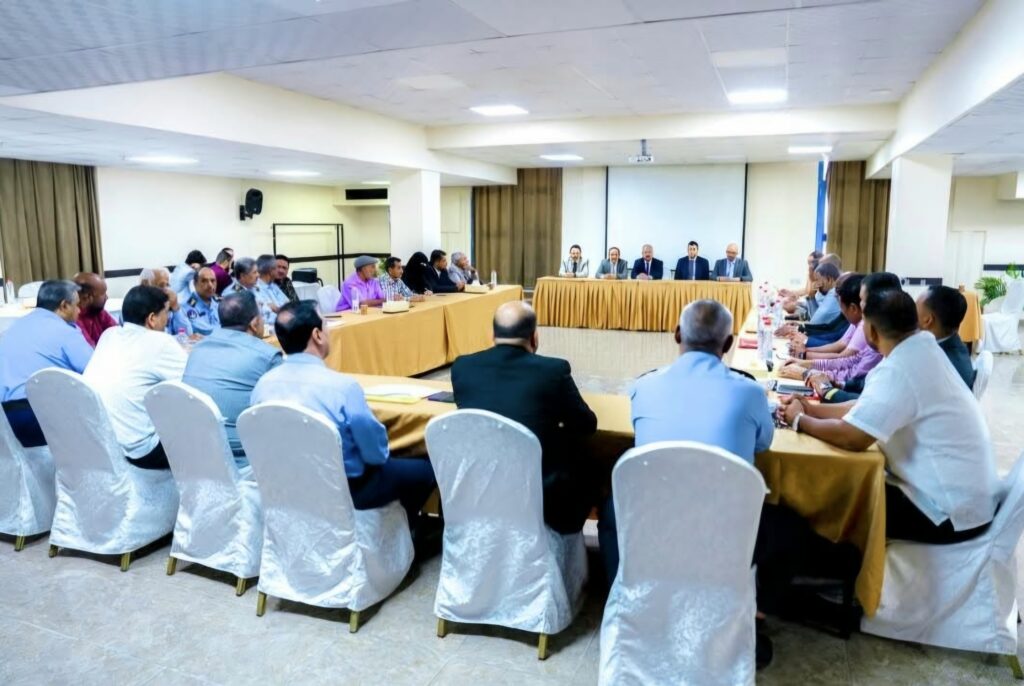
    Shipping Arabia, October 16, 2026 – Yemen port security training and emergency preparedness efforts received renewed attention as a five-day maritime security workshop, funded by the European Union and implemented by the International Maritime Organization (IMO), concluded in Aden. The program brought together 30 participants from maritime authorities, port corporations and security agencies to strengthen risk assessment capabilities, improve port facility security and support safe navigation across Yemen’s strategic maritime waterways.

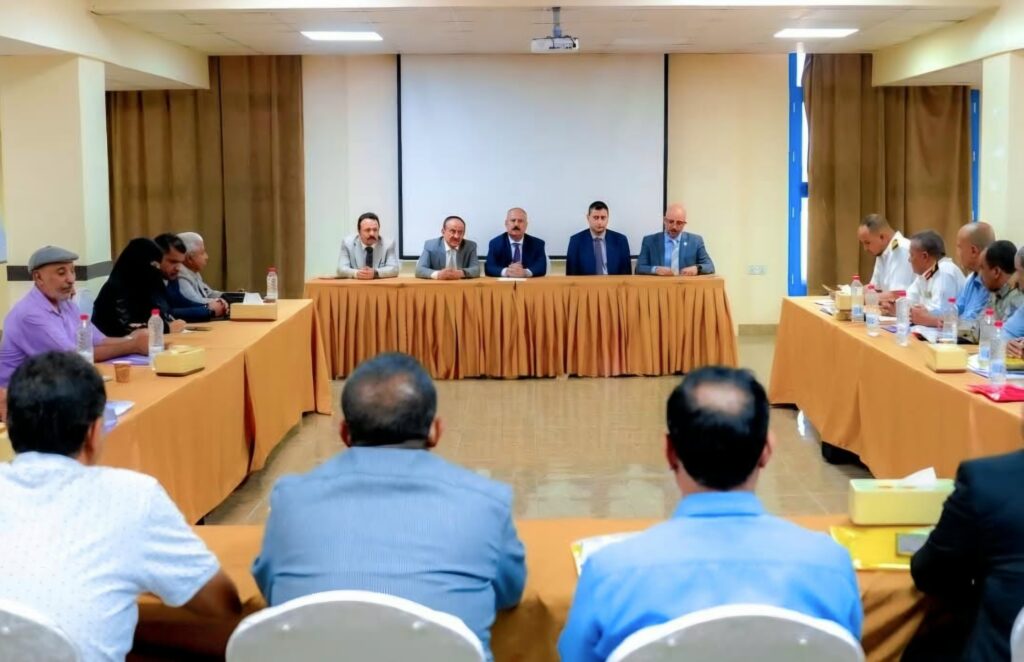
    The workshop was organized under the Regional Programme for Maritime Security in the Red Sea Area. It brought together port facility security officers, designated authority representatives and port security committee members to improve coordination and strengthen the implementation of maritime security measures.

    Speaking at the closing ceremony, Yemen’s Minister of Transport, Mohsen Haidara Al-Omari, emphasized the importance of preparing port facilities to identify and assess security risks, establish priorities and implement appropriate preventive measures. He stressed that effective emergency response must go hand in hand with maintaining the continuity of commercial shipping and maritime operations.

    Yemen Port Security Training Focuses on Risk Assessment and Emergency Preparedness

    Al-Omari described the workshop as an important opportunity to strengthen national maritime security capabilities and improve awareness of the requirements for protecting ships and port facilities.

    He noted that current regional conditions and security challenges affecting maritime routes have increased the responsibility of national authorities to safeguard Yemen’s ports, vessels and waterways. Maintaining maritime trade and preventing the use of port facilities for unlawful activities remain essential priorities.

    The minister urged participants to translate the knowledge acquired during the workshop into practical security measures at their respective ports and facilities. He emphasized that effective port security requires continuous training, professional development and regular exercises to test preparedness.

    Al-Omari also called for periodic reviews of port security and emergency response plans, alongside checks to ensure that security equipment and systems remain operational and ready for use.

    He highlighted the need to activate port security committees and strengthen cooperation among relevant government agencies. According to the minister, these committees play an important role in coordinating security efforts, defining institutional responsibilities and improving cooperation between stakeholders.

    Thirty Participants Receive Specialized Maritime Security Training

    The five-day workshop involved 30 representatives from Yemen’s Maritime Affairs Authority and the Gulf of Aden, Red Sea and Arabian Sea port corporations.

    Participants also represented state security agencies, the Coast Guard, immigration authorities, Customs, naval forces, refineries and free zone security departments.

    The training covered fundamental maritime security concepts and the threats facing vessels and port facilities. Participants examined different security levels, ship and port facility security assessments, security inspections and the preparation and implementation of port facility security plans.

    Other sessions addressed security equipment and systems, emergency planning, security organization and the responsibilities of port security officers and port facility security officers.

    The workshop also examined the role and responsibilities of port security committees, including their operating procedures, organizational structures and the allocation of duties among participating authorities.

    Additional attention was given to port-level risk management, identifying security priorities and establishing effective coordination mechanisms between agencies responsible for maritime and port security.

    The training aimed to equip participants with practical knowledge to improve security planning, strengthen institutional coordination and support the implementation of appropriate preventive measures within Yemen’s ports.

    IMO and European Union Reaffirm Maritime Security Cooperation

    Mustafa Abdulqader, the IMO representative for the Red Sea project, explained that the workshop focused on the fundamental requirements of port facility security.

    He said the program aimed to strengthen participants’ understanding of their duties and responsibilities within the port security framework.

    Abdulqader reaffirmed the IMO’s commitment to providing technical assistance and capacity-building support to Yemeni maritime personnel. These efforts aim to strengthen the country’s maritime security arrangements and improve operational preparedness across its ports.

    For his part, Al-Omari reiterated the Ministry of Transport’s support for the Maritime Affairs Authority, port organizations and other relevant national institutions in developing Yemen’s maritime security system.

    He emphasized the importance of drawing on international expertise and expanding cooperation with the IMO, the European Union and other international partners.

    The minister also called for the workshop’s outcomes to serve as a foundation for further improvements tailored to the operational requirements and security conditions of Yemeni ports.

    Strengthening Maritime Security in the Red Sea, Gulf of Aden and Bab el-Mandeb

    Al-Omari highlighted the importance of strengthening maritime security cooperation in light of the challenges affecting the region’s shipping routes.

    He emphasized that improved port security, stronger institutional coordination and better-trained personnel contribute to protecting ports, vessels and seafarers while supporting safe navigation.

    The minister specifically highlighted the importance of maritime security across the Red Sea, Gulf of Aden and Bab el-Mandeb, where maintaining the safety and continuity of shipping operations remains a central concern.

    He thanked the IMO, the European Union, participating experts, consultants and national maritime authorities for their contributions to the workshop.

    The closing ceremony was attended by Deputy Minister of Transport for Maritime Affairs and Ports Capt. Ali Al-Subhi, Maritime Affairs Authority Chief Executive Fahim Saif and representatives of the Regional Programme for Maritime Security in the Red Sea Area.

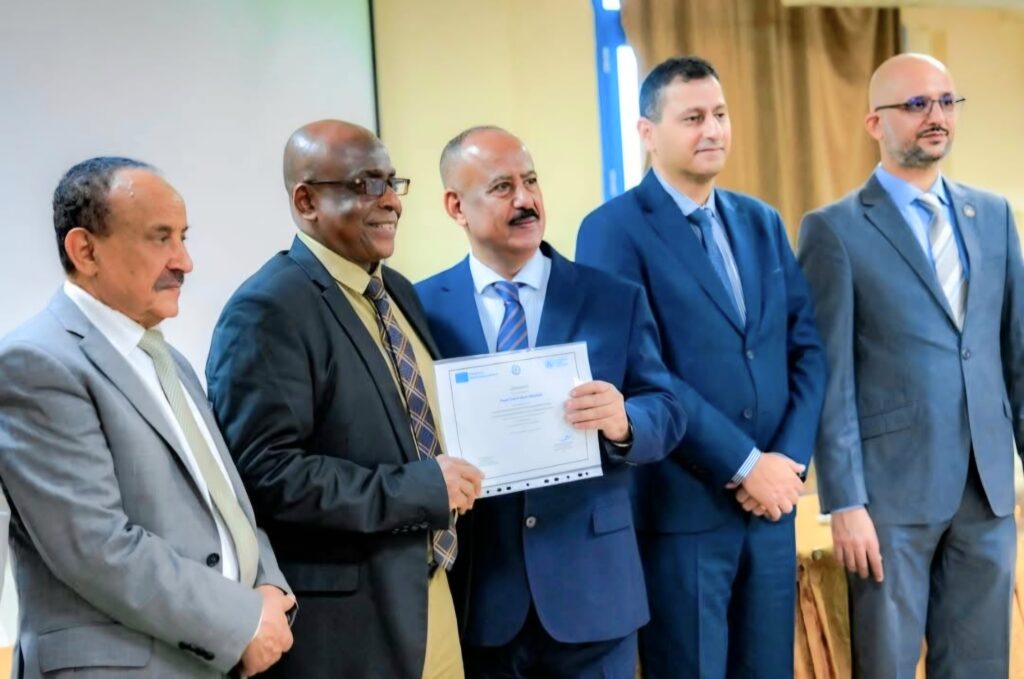
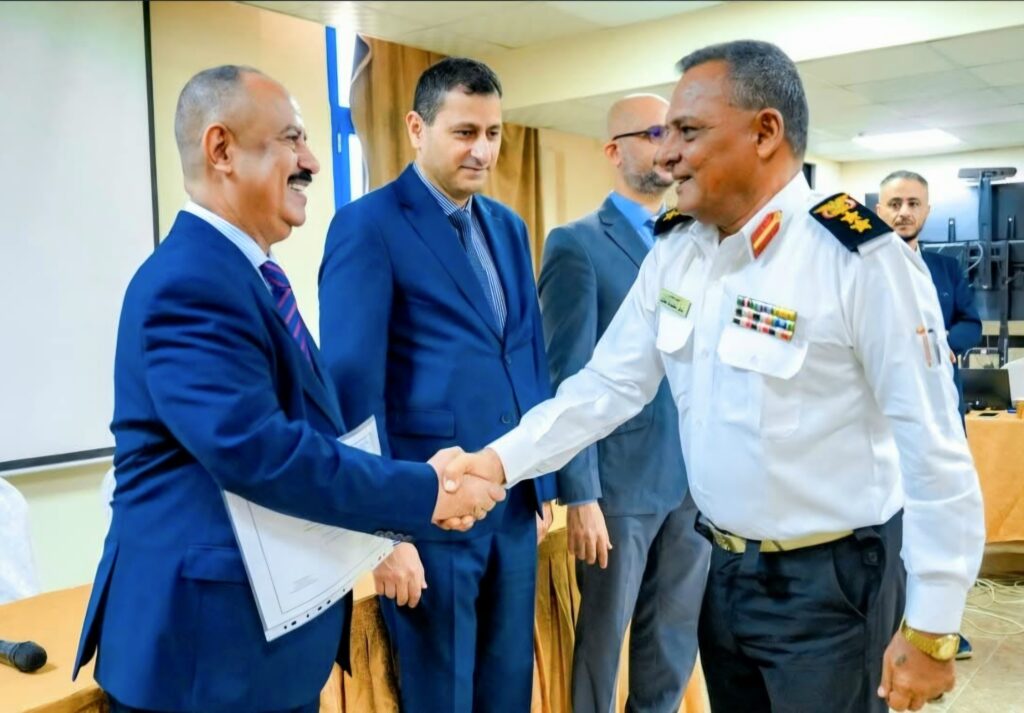
    The event concluded with the recognition of participants and the distribution of certificates.

    Source: Yemen Arabian Sea Ports Corporation

  • Egyptian Maritime Society Examines Geopolitical Risks to Maritime Corridors

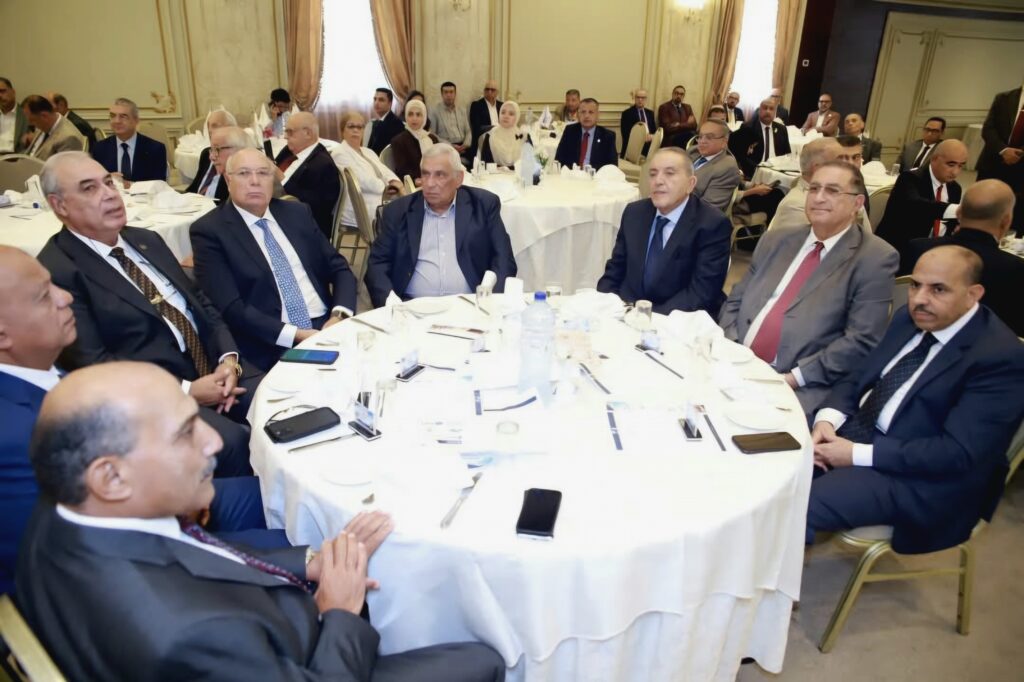
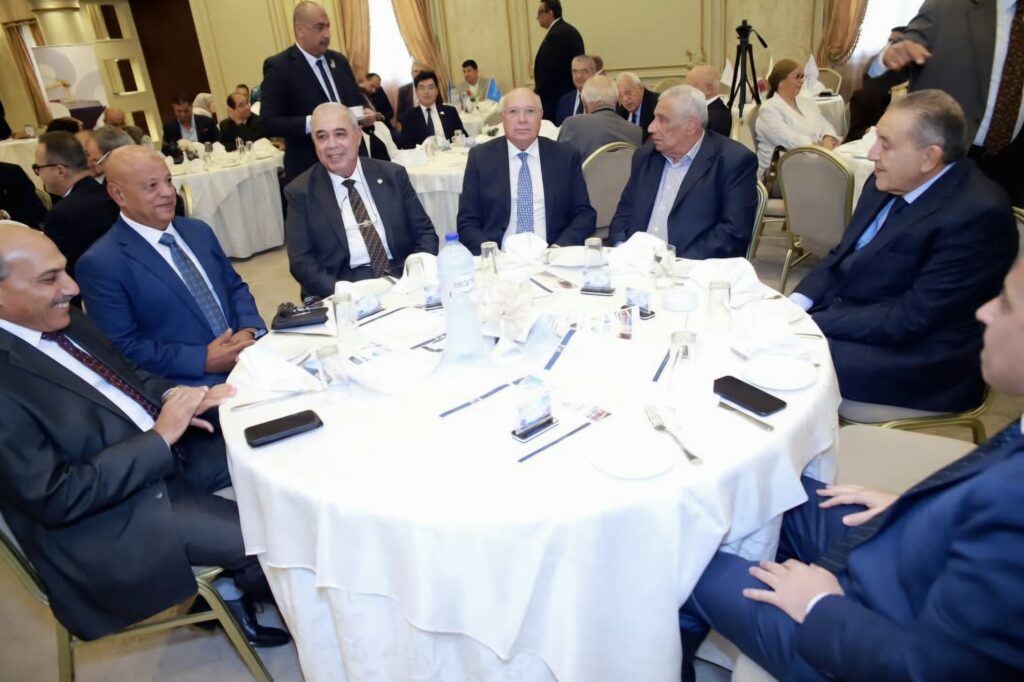
    Shipping Arabia, October 6, 2026 – The Egyptian Maritime Society held a seminar examining geopolitical risks to maritime corridors and their impact on global supply chains, with discussions focusing on the Suez Canal, Strait of Hormuz and Bab el-Mandeb amid heightened tensions affecting international shipping and trade flows.

    The seminar, titled “Global Maritime Corridors and Straits, Geopolitical Tensions and Their Impact on Supply Chain Flows,” was chaired by Rear Adm. Essam El-Din Badawy, President of the Egyptian Maritime Society.

    Senior maritime officials and specialists participated in the event, including Rear Adm. Hussein El Geziry, Head of Egypt’s Maritime Transport & Logistics Sector, and Rear Adm. Dr. Ashraf El Assal, Chairman of the Egyptian Authority for Maritime Safety.

    The seminar also brought together logistics and maritime experts, including Dr. Medhat El-Qadi, President of the Alexandria Businessmen Association, and logistics expert Dr. Ahmed El-Fawaz, alongside specialists in international law, navigation and maritime transport.

    Suez Canal, Hormuz and Bab el-Mandeb in Focus

    The discussions addressed some of the world’s most important maritime passages, particularly the Suez Canal, Strait of Hormuz and Bab el-Mandeb.

    Participants examined the geopolitical developments affecting these corridors and their direct implications for international trade and the movement of global supply chains.

    Rear Adm. Ahmed Reda Ismail, Vice President of the Egyptian Maritime Society, highlighted the importance of the seminar amid increasingly complex geopolitical conditions. He said these developments are contributing to changes in the maritime transport map and increasing the need to examine possible alternative routes for global trade.

    The discussions therefore focused not only on the immediate effects of geopolitical tensions but also on how maritime transport patterns could change when key corridors face disruption or heightened risk.

    Maritime Law and Freedom of Navigation

    The seminar included several specialized themes covering the legal and operational dimensions of maritime corridors and straits.

    One session addressed international maritime law governing straits and maritime passages. Rear Adm. Dr. Ashraf El Assal, Chairman of the Egyptian Authority for Maritime Safety, presented this theme.

    The program also examined freedom of navigation and the different forms of passage through international waterways. Prof. Abdel Moneim Mohamed Dawood, professor of international law, addressed this subject during the seminar.

    These discussions formed part of a broader examination of the legal frameworks governing navigation through strategically important waterways at a time when geopolitical tensions are placing increased pressure on maritime trade routes.

    Geopolitics and Supply Chain Flows

    Another key theme focused on the relationship between geography, geopolitical tensions and global supply chains.

    Dr. Hatem Abdel Gawad, from the Planning Department at the Suez Canal Authority, discussed how geography and geopolitical developments can influence the flow of supply chains.

    The seminar addressed what it described as the impact of “forced geography” and geopolitical tensions on supply chain movements, linking physical maritime chokepoints with the operational challenges facing shipping and international trade.

    The discussions also considered potential alternative routes available to global trade when disruptions affect major maritime corridors.

    Egyptian Maritime Society Highlights Need for Clear Response

    Rear Adm. Essam El-Din Badawy emphasized the need to address geopolitical crises affecting maritime corridors with clarity, particularly developments related to the Suez Canal.

    The seminar brought together expertise in maritime transport, logistics, navigation and international law to examine how geopolitical pressures on key waterways can affect shipping routes and supply chain continuity.

    By focusing on the Suez Canal, Strait of Hormuz and Bab el-Mandeb, the Egyptian Maritime Society placed three major strategic maritime passages at the center of its discussion on the changing global shipping environment.

    Source: Maritime Transport & Logistics Sector

  • Jordan Supply Chain Committee Reviews Bab el-Mandeb and Hormuz Impact as Pressure Builds on Aqaba

    Shipping Arabia, September 21, 2026 – Jordan’s Supply Chain, Provisioning and Food Security Follow-up Committee has reviewed the impact of shipping disruptions through the Bab el-Mandeb and Strait of Hormuz on cargo flows, freight and insurance costs, as rising regional demand continues to place pressure on Aqaba ports and border crossings.

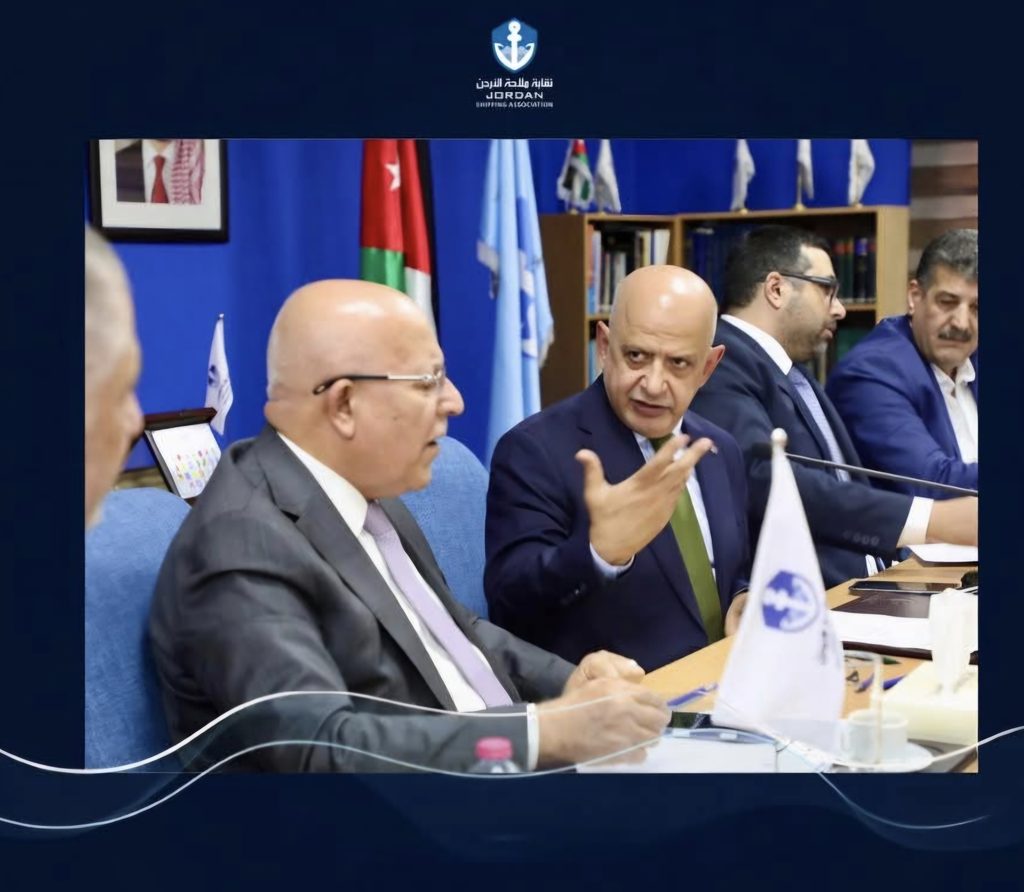
    The committee met at the Jordan Shipping Association with representatives from the country’s shipping, logistics, customs clearance and commercial sectors to assess changing sailing routes, longer transit times, higher transport and insurance costs and their impact on the movement of goods into Jordan.

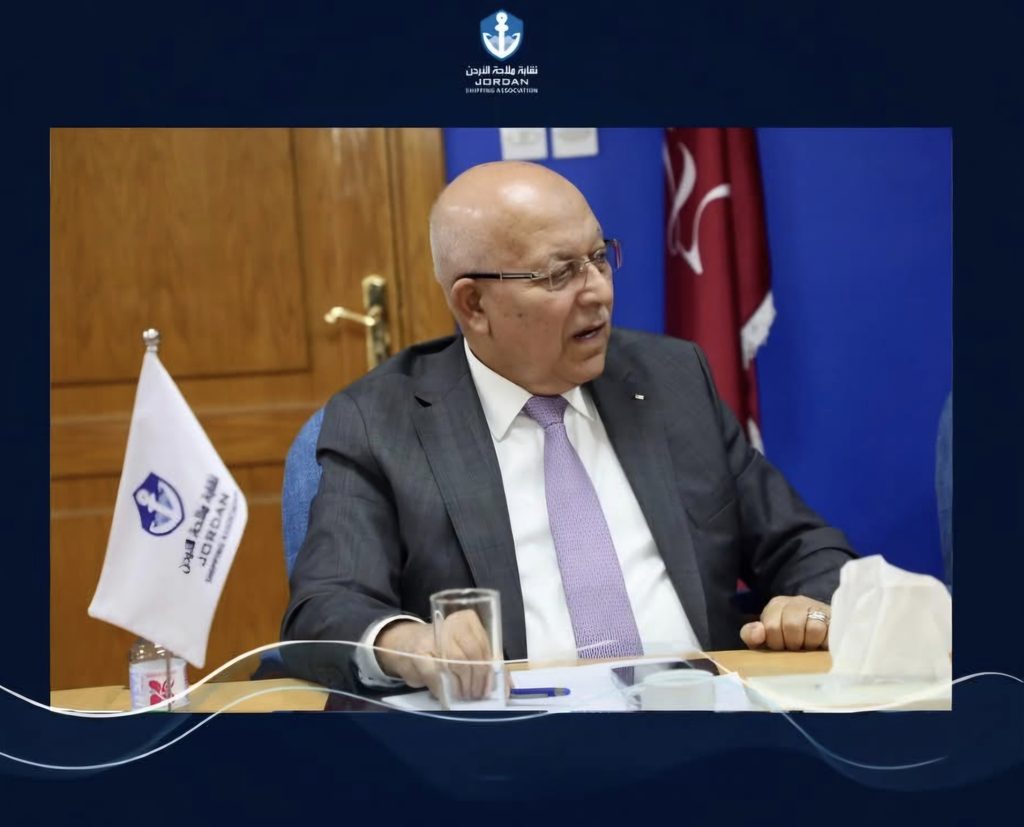
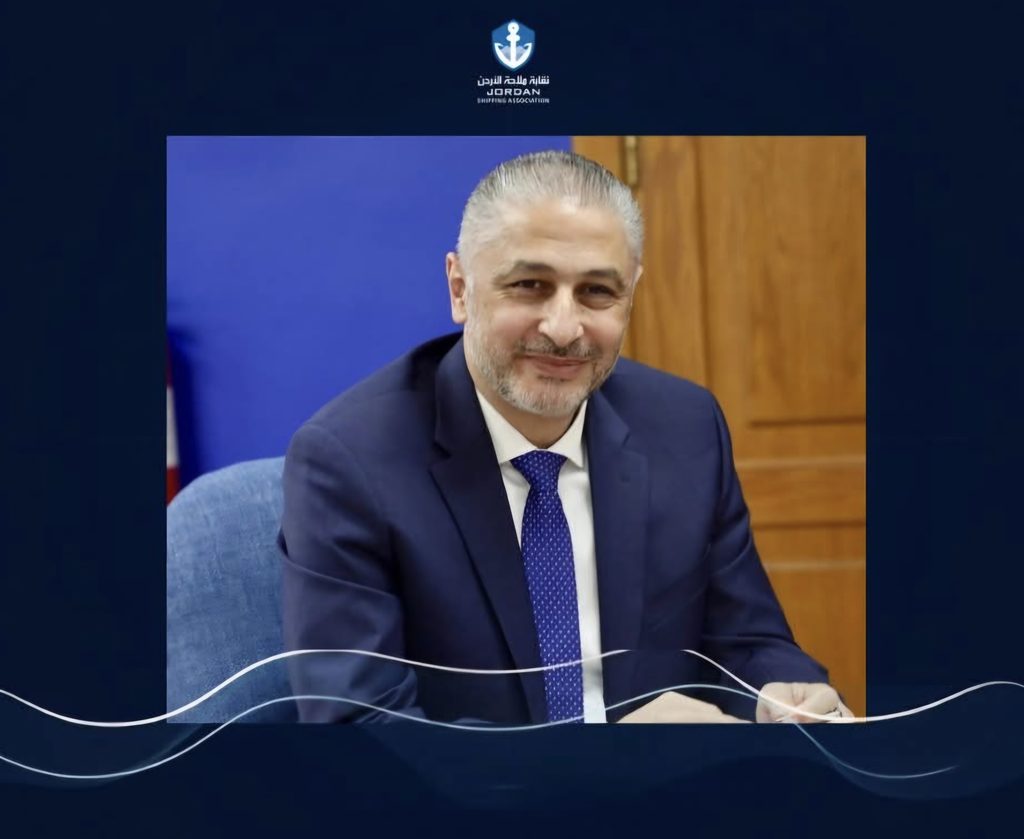
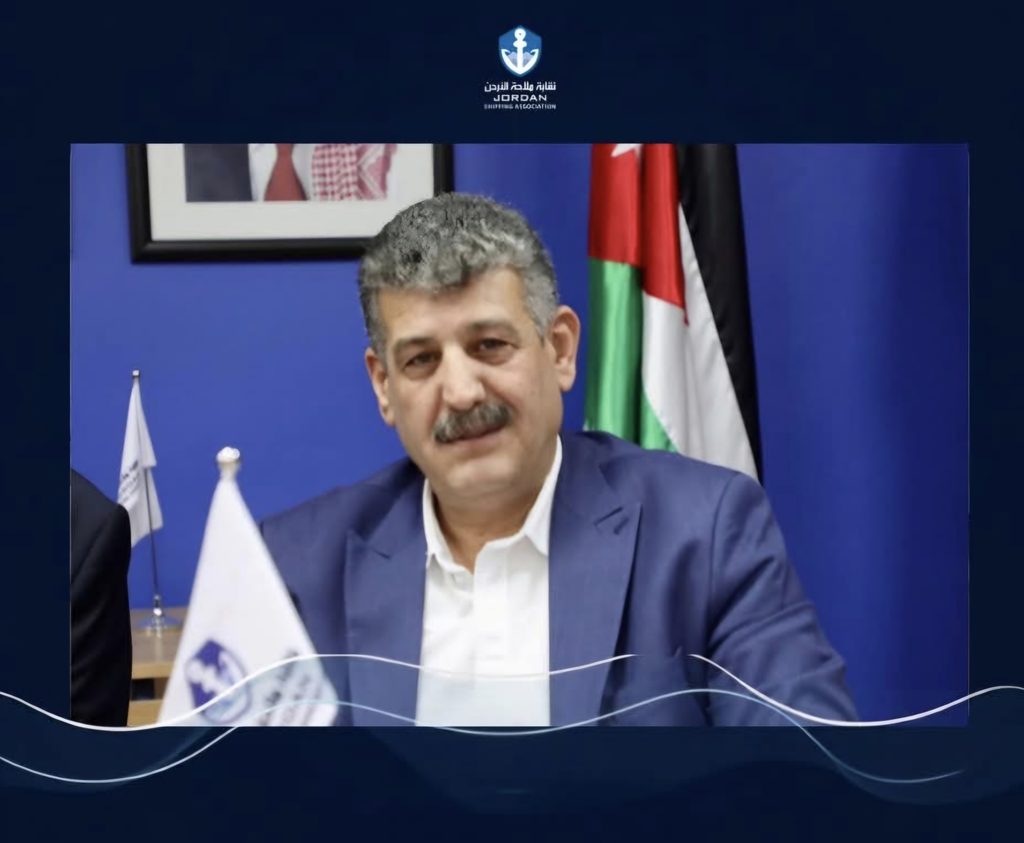
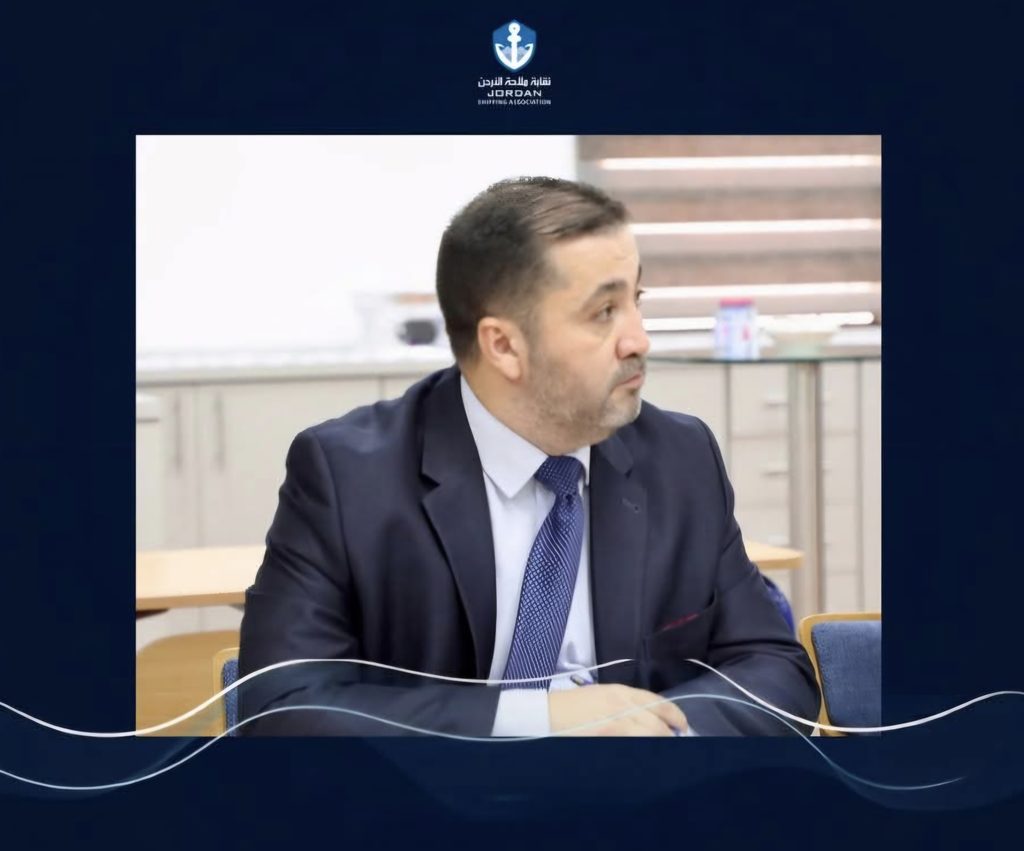
    The meeting was attended by Jordan Chamber of Commerce Chairman Khalil Al-Haj Tawfiq; Amman Chamber of Commerce First Vice Chairman Nabil Al-Khatib; Jordan Shipping Association Chairman Zaid Al-Kalaldeh; Clearance Companies and Cargo Transporters Syndicate President Dr. Deifallah Abu Aqoula; Jordan Logistics Association Chairman Nizar Saleh; JSA Secretary-General Capt. Mohammad Al-Dalabieh; and Assistant General Manager Raad Hakouz, alongside representatives of the shipping, logistics and clearance sectors.

    Discussions focused on growing operational pressure across Aqaba, border crossings and inland transport corridors, including challenges affecting truck and cargo movements as regional maritime disruption changes established trade routes.

    Participants also reviewed measures adopted following earlier committee meetings and their impact on cargo flows and operational procedures. Several implemented measures were reported to have improved conditions, but other recommendations remain under implementation.

    The committee said the significant increase in demand on Aqaba ports and Jordan’s border crossings makes faster completion of the remaining measures increasingly important to ease bottlenecks and improve supply chain efficiency.

    Members stressed the need for continuous exchange of operational information between the public and private sectors and stronger readiness to respond quickly to further changes in regional shipping and overland transport.

    The committee will continue monitoring implementation of its recommendations as Jordan works to maintain uninterrupted cargo flows and strengthen the ability of Aqaba and the country’s land corridors to serve both domestic supply chains and growing regional trade movements.

    Source: Jordan Shipping Association

Back to top button