Egyptian Maritime Society Examines Geopolitical Risks to Maritime Corridors
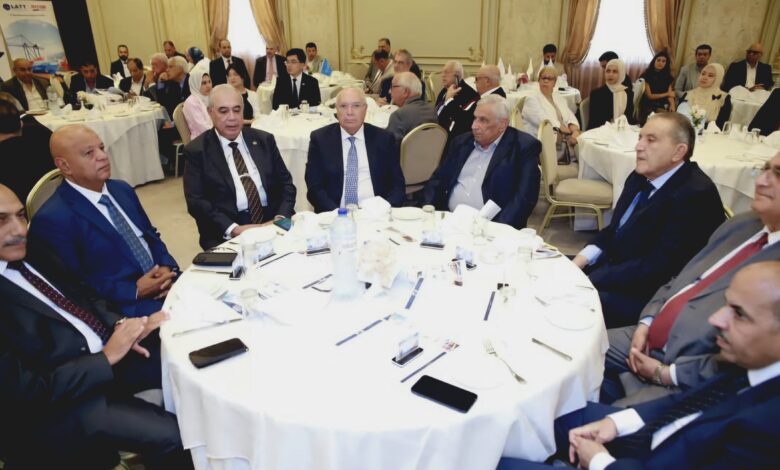
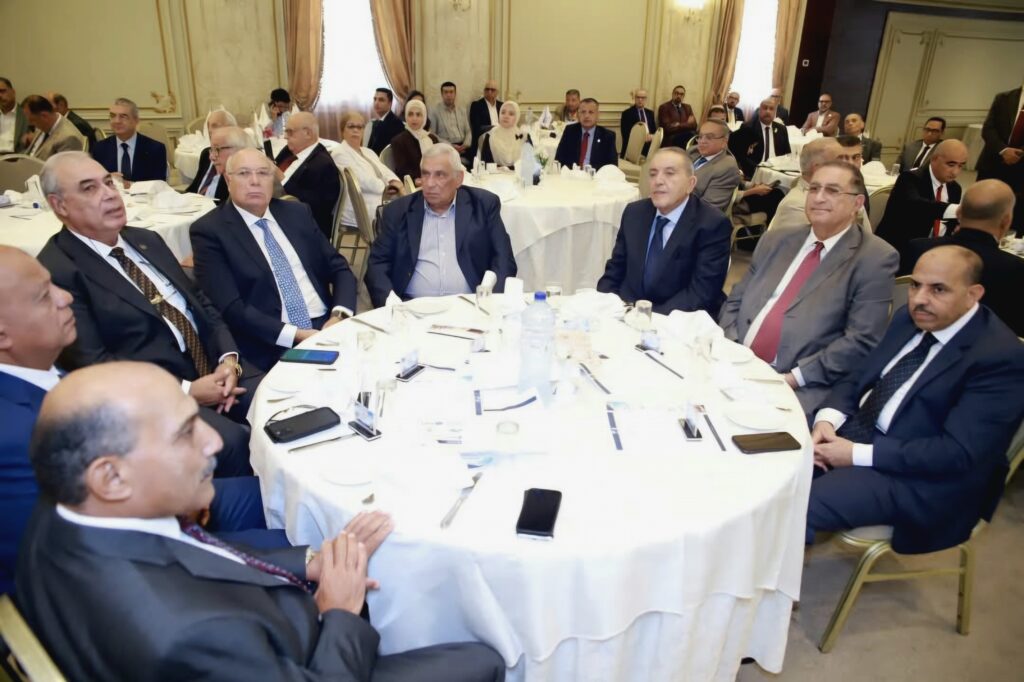
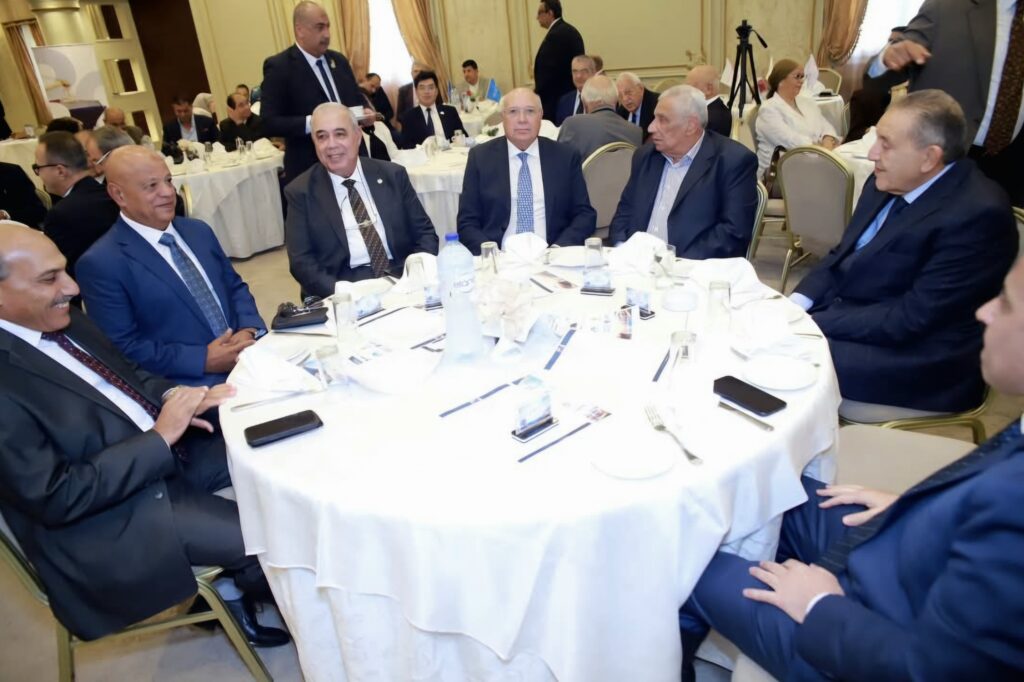
Shipping Arabia, October 6, 2026 – The Egyptian Maritime Society held a seminar examining geopolitical risks to maritime corridors and their impact on global supply chains, with discussions focusing on the Suez Canal, Strait of Hormuz and Bab el-Mandeb amid heightened tensions affecting international shipping and trade flows.
The seminar, titled “Global Maritime Corridors and Straits, Geopolitical Tensions and Their Impact on Supply Chain Flows,” was chaired by Rear Adm. Essam El-Din Badawy, President of the Egyptian Maritime Society.
Senior maritime officials and specialists participated in the event, including Rear Adm. Hussein El Geziry, Head of Egypt’s Maritime Transport & Logistics Sector, and Rear Adm. Dr. Ashraf El Assal, Chairman of the Egyptian Authority for Maritime Safety.
The seminar also brought together logistics and maritime experts, including Dr. Medhat El-Qadi, President of the Alexandria Businessmen Association, and logistics expert Dr. Ahmed El-Fawaz, alongside specialists in international law, navigation and maritime transport.
Suez Canal, Hormuz and Bab el-Mandeb in Focus
The discussions addressed some of the world’s most important maritime passages, particularly the Suez Canal, Strait of Hormuz and Bab el-Mandeb.
Participants examined the geopolitical developments affecting these corridors and their direct implications for international trade and the movement of global supply chains.
Rear Adm. Ahmed Reda Ismail, Vice President of the Egyptian Maritime Society, highlighted the importance of the seminar amid increasingly complex geopolitical conditions. He said these developments are contributing to changes in the maritime transport map and increasing the need to examine possible alternative routes for global trade.
The discussions therefore focused not only on the immediate effects of geopolitical tensions but also on how maritime transport patterns could change when key corridors face disruption or heightened risk.
Maritime Law and Freedom of Navigation
The seminar included several specialized themes covering the legal and operational dimensions of maritime corridors and straits.
One session addressed international maritime law governing straits and maritime passages. Rear Adm. Dr. Ashraf El Assal, Chairman of the Egyptian Authority for Maritime Safety, presented this theme.
The program also examined freedom of navigation and the different forms of passage through international waterways. Prof. Abdel Moneim Mohamed Dawood, professor of international law, addressed this subject during the seminar.
These discussions formed part of a broader examination of the legal frameworks governing navigation through strategically important waterways at a time when geopolitical tensions are placing increased pressure on maritime trade routes.
Geopolitics and Supply Chain Flows
Another key theme focused on the relationship between geography, geopolitical tensions and global supply chains.
Dr. Hatem Abdel Gawad, from the Planning Department at the Suez Canal Authority, discussed how geography and geopolitical developments can influence the flow of supply chains.
The seminar addressed what it described as the impact of “forced geography” and geopolitical tensions on supply chain movements, linking physical maritime chokepoints with the operational challenges facing shipping and international trade.
The discussions also considered potential alternative routes available to global trade when disruptions affect major maritime corridors.
Egyptian Maritime Society Highlights Need for Clear Response
Rear Adm. Essam El-Din Badawy emphasized the need to address geopolitical crises affecting maritime corridors with clarity, particularly developments related to the Suez Canal.
The seminar brought together expertise in maritime transport, logistics, navigation and international law to examine how geopolitical pressures on key waterways can affect shipping routes and supply chain continuity.
By focusing on the Suez Canal, Strait of Hormuz and Bab el-Mandeb, the Egyptian Maritime Society placed three major strategic maritime passages at the center of its discussion on the changing global shipping environment.
Source: Maritime Transport & Logistics Sector