Shipping Arabia, November 12, 2026 – CMA CGM has announced new peak season surcharges and freight rate adjustments across several international trade routes, including shipments from Northern Europe to Egypt and Turkey, Asia–Africa services, and cargo moving from Canada’s West Coast to the Arabian Gulf, Red Sea and Indian Subcontinent.
The French container shipping group will introduce a Peak Season Surcharge (PSS) of €50 per TEU, effective November 15, 2026, for shipments originating in Northern Europe and destined for Egyptian Mediterranean ports and the Turkish ports of Mersin and Iskenderun. The surcharge applies to all cargo types, takes effect according to the loading date and will remain in force until further notice.
The announcement forms part of a wider series of CMA CGM peak season surcharges and pricing adjustments covering selected international shipping routes. The changes include revised charges on Asia–Africa trades and a separate Rate Restoration Initiative for Canadian exports, with implementation dates ranging from November 10 to December 3, 2026.
For shipments from South China to Mozambique, CMA CGM introduced a PSS of $400 per TEU, effective November 10, 2026. The surcharge applies to all cargo types, based on the loading date, and will remain in place until further notice.
The carrier also revised its peak season surcharge for cargo moving from Southeast Asia to West Africa. Effective November 15, 2026, the revised charge will reach $500 per TEU and apply to dry and refrigerated cargo transported under short-term contracts.
Additional adjustments cover shipments originating in China and destined for Dar es Salaam in Tanzania and Mombasa in Kenya. CMA CGM will apply a PSS of $400 per TEU on these routes, with different implementation dates depending on the shipment’s origin.
For cargo departing South China, the surcharge became effective on November 10, 2026. Shipments originating in North and Central China will become subject to the same charge from November 15.
CMA CGM indicated that surcharges applicable to China-origin shipments may be subject to filing requirements with the Shanghai Shipping Exchange. Alternatively, the charges may be incorporated into the applicable ocean freight rates.
Separately, CMA CGM announced a new Rate Restoration Initiative, designated RRI03, covering shipments originating from Canada’s West Coast. The adjustment will take effect on December 3, 2026, and applies to cargo destined for the Indian Subcontinent, Arabian Gulf and Red Sea.
For shipments from Western Canada to the Arabian Gulf and Red Sea, the rate increases will amount to $1,000 per 20-foot container and $2,000 per 40-foot or 45-foot container.
Cargo destined for the Indian Subcontinent will face lower increases of $600 per 20-foot container and $1,200 per 40-foot or 45-foot container.
The Canadian rate restoration adjustments cover all cargo types except open-top and flat-rack containers. These increases are separate from the peak season surcharges announced for shipments originating in Northern Europe and Asia.
CMA CGM clarified that the announced pricing adjustments are separate from applicable base ocean freight rates. Additional charges may still apply, including bunker surcharges, terminal handling charges, local fees and emergency surcharges.
The latest measures follow earlier CMA CGM announcements concerning additional charges on trade routes connecting Asia and Africa. Together, the adjustments reflect further changes to the carrier’s freight pricing structure across selected international markets.
With implementation dates extending through early December, the revised surcharges will affect shipments across several trade corridors, including Northern Europe–Mediterranean services, Asia–Africa routes and Canadian exports to the Middle East and Indian Subcontinent.
Shipping Arabia, November 8, 2026 – CMA CGM has added a seasonal call at Iskenderun, Türkiye, to its MEDEX service connecting the Indian subcontinent with the Mediterranean. The additional port call is expected to remain in the service rotation until the end of December 2026, strengthening direct maritime connections for southern Türkiye.
The seasonal addition provides a direct link between southern Türkiye, the Mediterranean, the Middle East and the Indian subcontinent. It is also expected to support Turkish seasonal exports requiring refrigerated container transport, particularly citrus fruits and apples.
CMA CGM MEDEX Service Revised Port Rotation
The updated CMA CGM MEDEX service includes Iskenderun among its Mediterranean calls, alongside ports in Egypt, Malta, Italy, France, Spain, Greece and Lebanon.
According to CMA CGM, the revised port rotation is as follows:
Port Said – Malta – Genoa – Marseille – Valencia – Piraeus – Iskenderun – Beirut – Jeddah – Djibouti – Duqm – Mundra – Nhava Sheva – Colombo – Djibouti – Jeddah – Port Said.
The revised rotation maintains connections through the Red Sea and Arabian Sea, including calls at Jeddah, Djibouti and Duqm, before serving ports across the Indian subcontinent.
The seasonal Iskenderun call is expected to remain part of this rotation through December 2026, providing additional direct shipping options for cargo moving between southern Türkiye and the markets served by MEDEX.
CMA CGM Suspends Transatlantic Sailings on Panama Direct Service
Separately, CMA CGM has announced a temporary suspension of transatlantic sailings on its Panama Direct (PAD) service following the conclusion of the kiwi export season.
According to shipping industry information provider DynaLiners, the suspension will last approximately 18 weeks, beginning in mid-November 2026 and continuing until late March 2027.
During this period, the revised PAD service will maintain weekly connections between Australia, New Zealand and the U.S. East Coast. However, Northern European ports will be excluded from the temporary service rotation.
The adjustment will allow CMA CGM to withdraw four vessels from the service. As a result, the revised fleet will comprise 11 container ships, each with an approximate capacity of 2,500 twenty-foot equivalent units (TEUs).
Revised Panama Direct Port Rotation
Under the temporary operating arrangement, the PAD service will follow a revised port rotation connecting the U.S. East Coast with destinations across the Pacific, Australia and New Zealand.
The temporary port rotation will be:
New York – Savannah – Kingston – Papeete – Nouméa – Brisbane – Sydney – Melbourne – Tauranga – Cartagena – Savannah – Philadelphia – New York.
The revised schedule retains calls at several U.S. East Coast ports, including New York, Savannah and Philadelphia. It also maintains connections with Australia and New Zealand through Brisbane, Sydney, Melbourne and Tauranga.
CMA CGM’s temporary PAD adjustment and seasonal Iskenderun addition represent separate changes to its container shipping network. The MEDEX addition is scheduled through December 2026, while the revised Panama Direct arrangement is expected to continue until late March 2027.
Shipping Arabia, November 7, 2026 – Egypt’s Trans Misr Terminal (TMT) has completed its first-ever breakbulk transshipment operation, marking a milestone in the terminal’s expansion into specialized cargo handling and regional transshipment services.
The operation involved three breakbulk units, each measuring 22 meters in length. The cargo was discharged from MV CMA CGM TIGA, temporarily stored at TMT, and subsequently loaded onto the connecting vessel, MV CMA CGM HERMES.
According to TMT, the successful operation reflects its growing capability to manage specialized cargo, provide flexible storage solutions, and coordinate complex transshipment activities. The terminal described the achievement as an important step toward expanding its service portfolio and strengthening its position as an emerging regional transshipment hub.
First Breakbulk Transshipment at Trans Misr Terminal
The first breakbulk transshipment at Trans Misr Terminal required the coordinated handling of three large cargo units between two vessels, with an intermediate storage phase at the terminal.
The process began with the discharge of the units from MV CMA CGM TIGA. TMT then accommodated the cargo in temporary storage before transferring it onto MV CMA CGM HERMES for onward transportation.
TMT confirmed that its operational teams coordinated the different stages of the shipment to ensure safe execution. The operation demonstrated the terminal’s ability to manage specialized cargo movements involving vessel discharge, temporary storage, and subsequent reloading.
The achievement also highlighted the importance of coordination between terminal departments when handling cargo that requires dedicated operational planning and specialized handling arrangements.
Expanding Specialized Cargo-Handling Capabilities
TMT identified the milestone as evidence of its developing capabilities beyond conventional cargo-handling services. In particular, the operation demonstrated its ability to accommodate breakbulk shipments and support transshipment activities involving specialized cargo.
The terminal emphasized that flexible storage solutions formed an important part of the operation. By accommodating the three units between vessel calls, TMT demonstrated its capacity to support cargo transfers requiring intermediate storage.
According to the company, successfully completing the shipment represents another step in broadening its range of terminal services. It also reinforces TMT’s efforts to develop the operational capabilities needed to handle different cargo types and increasingly complex transshipment requirements.
The terminal credited the combined efforts of its operational teams for the successful execution of the shipment. It also acknowledged the contribution of its customers and partners to the achievement.
Beyond the operational milestone, TMT highlighted the importance of the shipment to its broader regional development objectives.
The company stated that expanding its cargo-handling portfolio supports its role in connecting major trade routes and facilitating cargo flows between key markets. It also identified maritime connectivity across the Eastern Mediterranean and beyond as a central part of its development strategy.
TMT considers the completion of its first breakbulk transshipment an important step toward its ambition of becoming a leading multipurpose terminal and regional logistics hub.
The operation adds a new capability to its service portfolio, demonstrating its ability to coordinate specialized cargo transfers between connecting vessels while supporting its broader transshipment objectives.
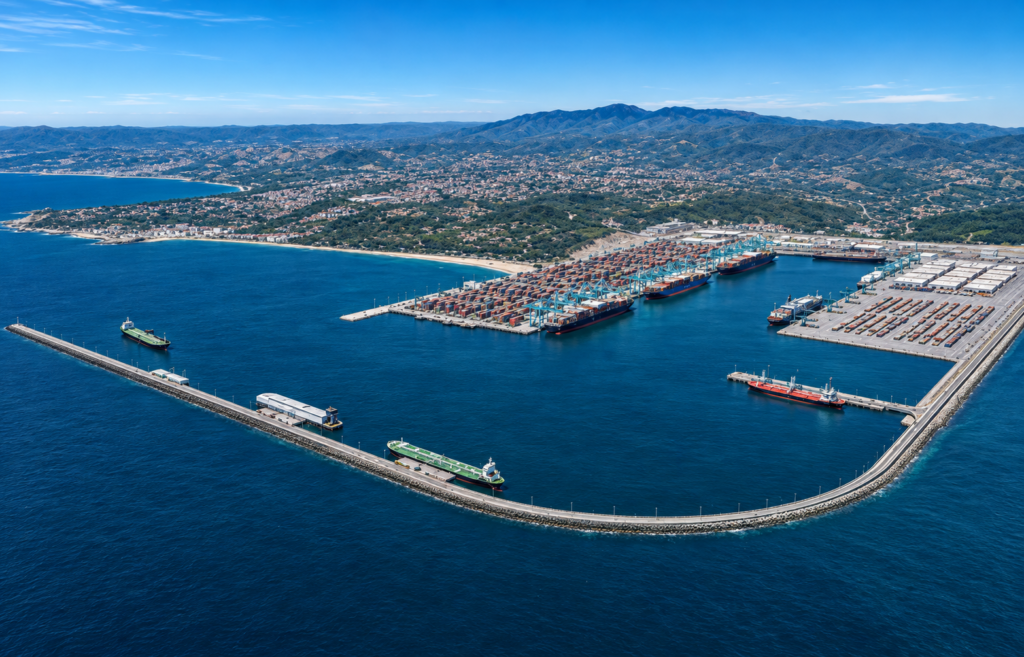
Shipping Arabia, November 5, 2026 – Morocco has officially launched operations at the East Container Terminal of Nador West Med Port, marking the first operational milestone in bringing the port complex into service. The terminal, operated by Marsa Maroc in partnership with Terminal Investment Limited (TIL), is expected to reach a handling capacity of 3.5 million containers by 2030.
Crown Prince Moulay El Hassan inaugurated the terminal’s operations under the instructions of King Mohammed VI. During the inauguration, the Crown Prince initiated the first unloading of a container from a commercial vessel, marking the beginning of operational activities at the facility.
The launch represents a significant step in the development of Nador West Med as a container transshipment hub, supported by investments and partnerships with major international shipping groups.
East Container Terminal Begins Operations With MAD 5 Billion Investment
The East Container Terminal features 1,520 linear meters of quay, an 18-meter draft and a land area covering 70 hectares. These facilities form part of the infrastructure developed to support container handling operations at Nador West Med.
The terminal represents an investment of approximately MAD 5 billion and is designed to reach a handling capacity of 3.5 million containers by 2030.
Marsa Maroc will operate the facility alongside Terminal Investment Limited, a subsidiary of Mediterranean Shipping Company (MSC).
The partnership brings together Morocco’s port operator and an international container terminal investment company associated with MSC, one of the world’s leading container shipping groups.
The start of operations at the East Container Terminal marks the initial phase of the broader Nador West Med port complex becoming operational.
Marsa Maroc Plans West Container Terminal Operations With CMA CGM in 2027
Beyond the East Container Terminal, Marsa Maroc confirmed that it will operate all terminals within the Nador West Med port complex, with an investment program valued at MAD 10 billion.
The company’s development plans include operating the West Container Terminal beginning in 2027 through a partnership with CMA CGM Group, another major international container shipping company.
The West Container Terminal will represent the next stage in the port’s operational development, following the launch of the eastern facility.
Marsa Maroc also plans to begin operating a general cargo terminal at Nador West Med in 2029, further expanding the types of cargo handling activities available within the port complex.
Together, these projects establish a phased operational program extending from the initial container terminal launch through the planned introduction of additional terminal facilities.
Nador West Med Development Targets Container Transshipment
The launch of the East Container Terminal represents an important step toward Marsa Maroc’s objective of developing Nador West Med into an efficient transshipment hub.
The company’s partnerships with Terminal Investment Limited and CMA CGM form part of this strategy, bringing major international container shipping groups into the port’s terminal operations.
Marsa Maroc stated that its teams remain engaged alongside their partners to support the development of Nador West Med and advance its future operational objectives.
With the East Container Terminal now entering service, attention will turn to the next stages of the port complex, including the planned West Container Terminal operations in 2027 and general cargo terminal operations in 2029.
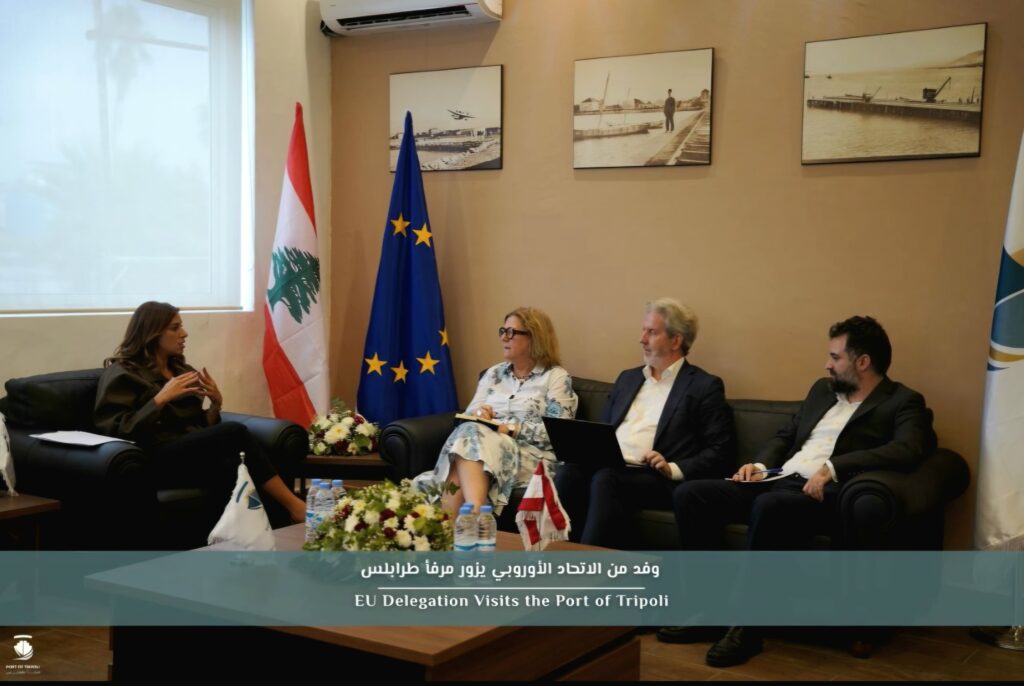
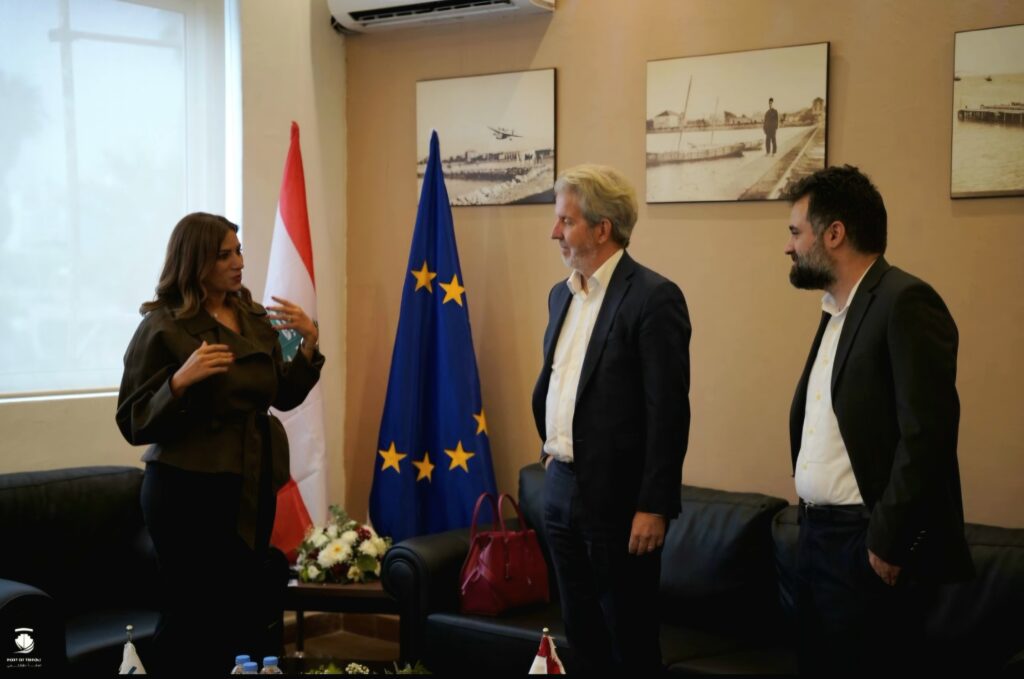
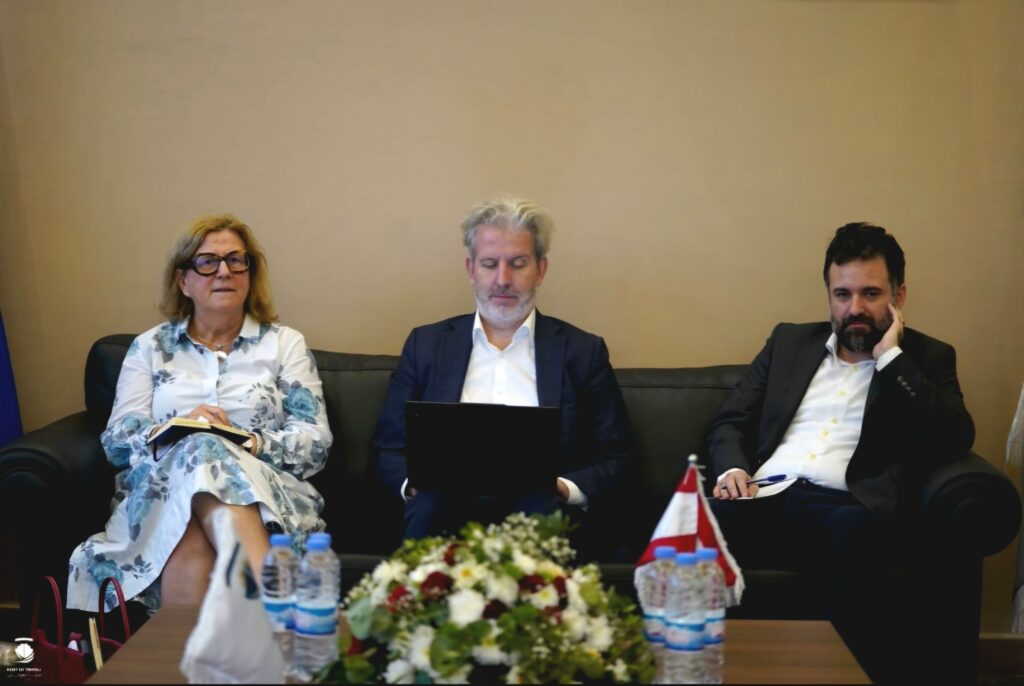
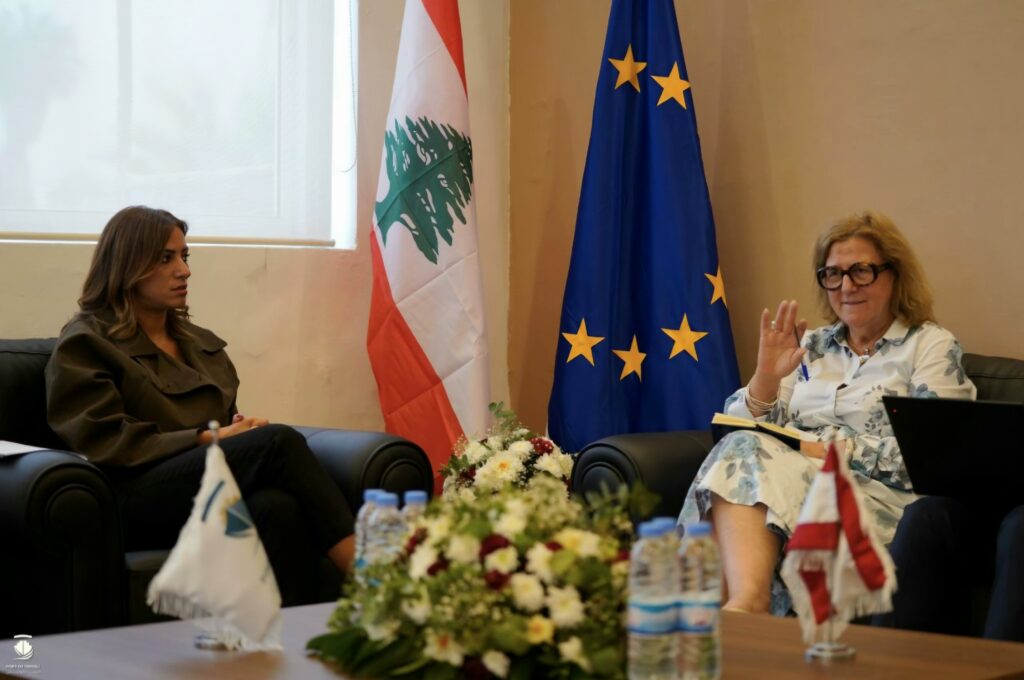
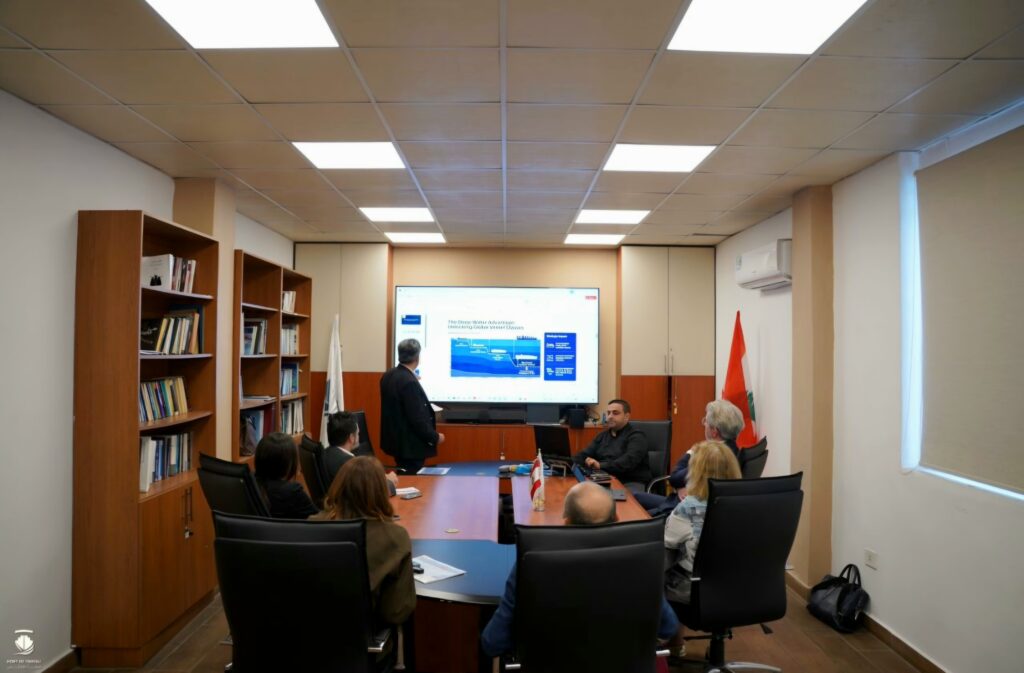
Shipping Arabia, November 4, 2026 – The Port of Tripoli in Lebanon has held discussions with a European Union delegation on potential funding, investment opportunities and technical cooperation to support its strategic development. The talks focused on advancing the Port of Tripoli development plans, strengthening partnerships with European institutions and attracting international participation in port operations and infrastructure.
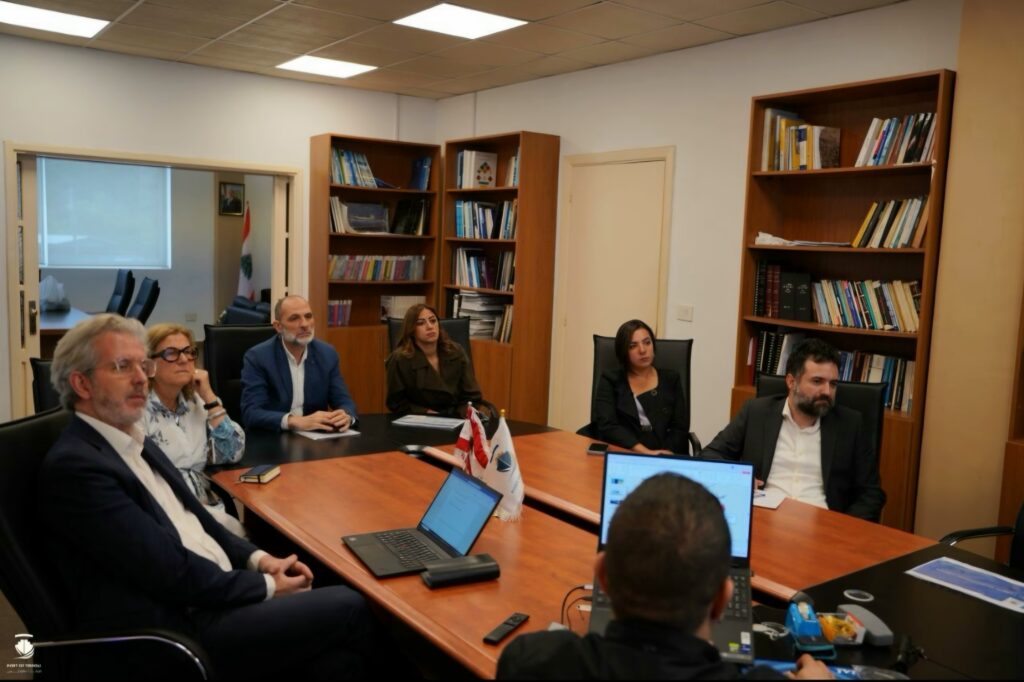
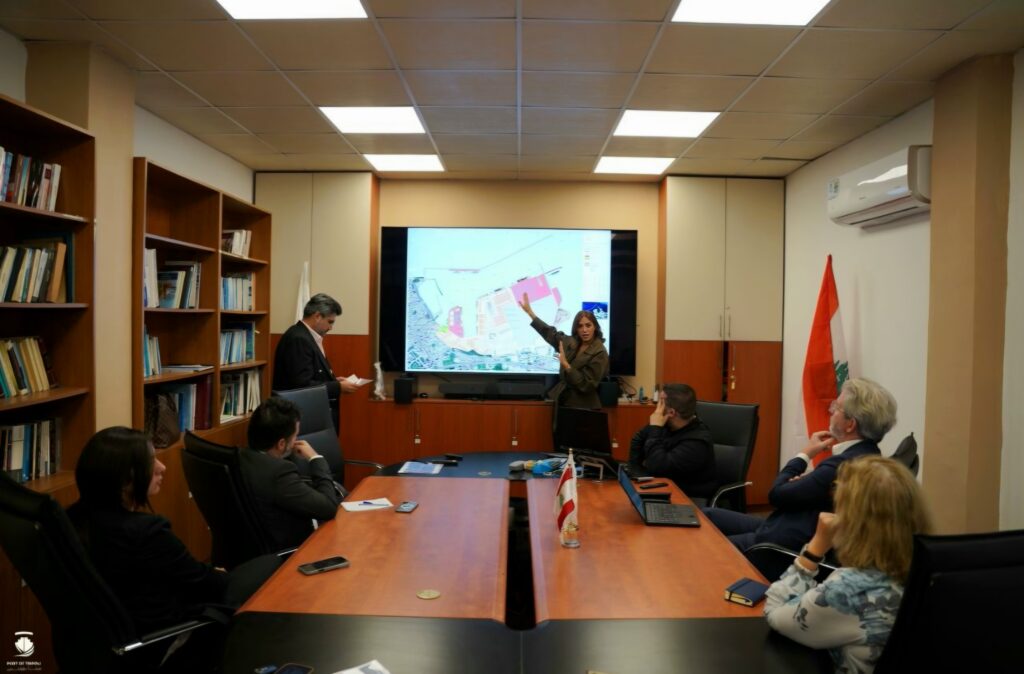
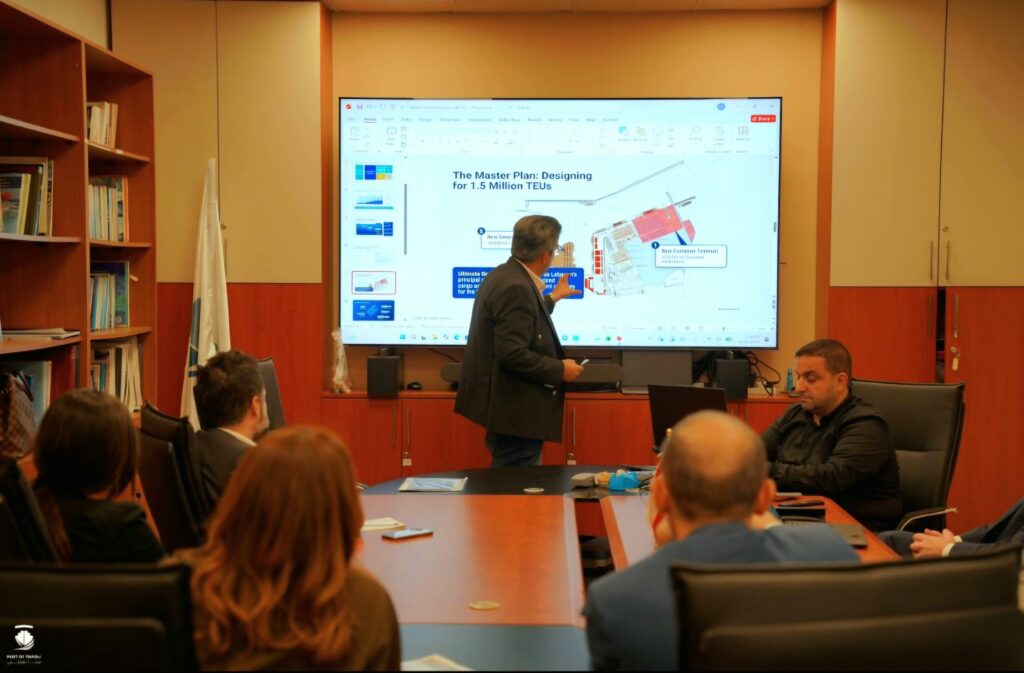
The EU Delegation to Lebanon visited the port for meetings with its Board of Directors. Discussions covered the port’s development vision, master plan, ongoing projects and opportunities for future technical and financial cooperation.
EU Funding and Investment Opportunities
A central focus of the discussions was the Port of Tripoli’s previously submitted proposals for EU funding. Both sides explored opportunities for future financial and technical cooperation to support the port’s development priorities.
The meetings also addressed ways to attract European companies to participate in the port’s development. Potential areas of engagement included investment, port operations, technical expertise and strategic partnerships.
Port officials presented the facility’s master plan and outlined its short-, medium- and long-term development priorities. The presentation provided the European delegation with an overview of ongoing projects and the port’s strategic objectives.
The discussions formed part of efforts to strengthen cooperation with European partners and explore opportunities that could support the port’s infrastructure development and operational capabilities.
EU Delegation Reviews Port Infrastructure and Operations
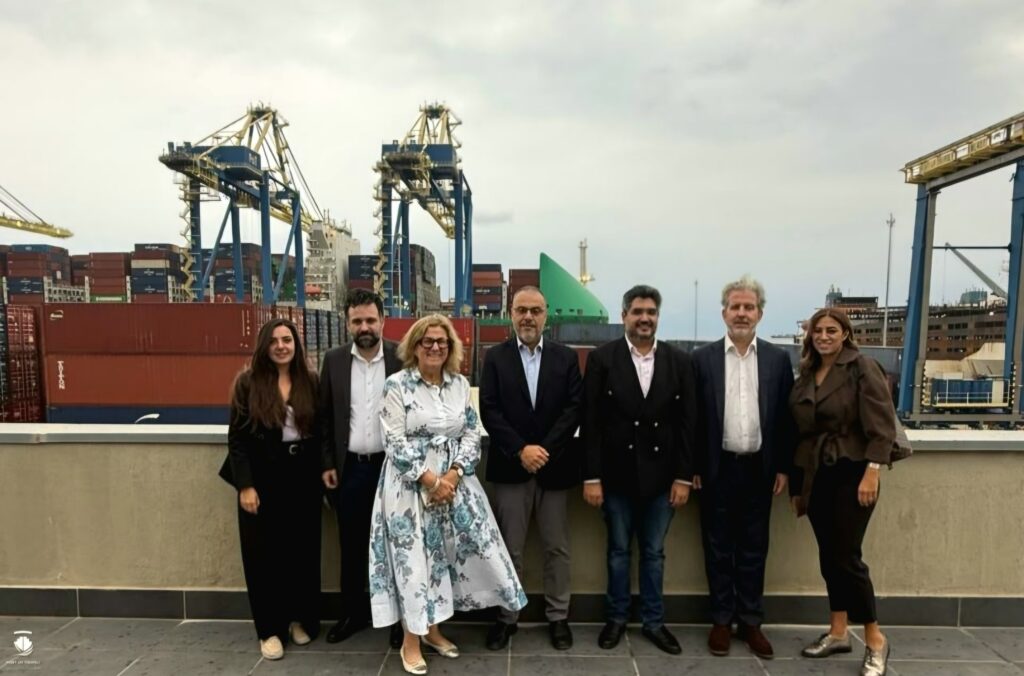
The visiting delegation included Alessandra Viezzer, Head of Cooperation at the EU Delegation to Lebanon, and Cyril Dewaleyne, Deputy Head of Cooperation and Team Leader for Economy, Green Deal and Local Development.
Other participants included economist Jimmy Alboussi and Vana Minassian.
Following the meetings, the delegation conducted a field tour of the Port of Tripoli’s operational facilities. The visit covered the general cargo and container terminals, providing an opportunity to examine the port’s existing infrastructure and cargo-handling capabilities.
The delegation also visited the cargo inspection scanner and reviewed CMA CGM’s container terminal operations.
The tour provided a closer look at the port’s operational environment, existing facilities and potential for future development. It also complemented discussions on opportunities for European companies to contribute through investment, operational participation and technical expertise.
Strengthening the Port of Tripoli’s Regional Logistics Role
The Port of Tripoli views stronger cooperation with the European Union as an important element of its long-term development strategy.
Its stated objective is to position the port as a competitive regional logistics and trade hub, strengthening Lebanon’s connections with European and international markets.
In this context, potential EU funding and technical cooperation represent areas of interest alongside opportunities to attract European companies into port-related investments and operations.
The port’s development priorities cover multiple planning horizons, from ongoing projects to medium- and long-term initiatives identified in its master plan.
The discussions highlighted opportunities to expand cooperation between the Port of Tripoli and European partners through financing, technical assistance and strategic partnerships. These areas remain central to the port’s efforts to advance its development plans and strengthen its role in regional and international trade.
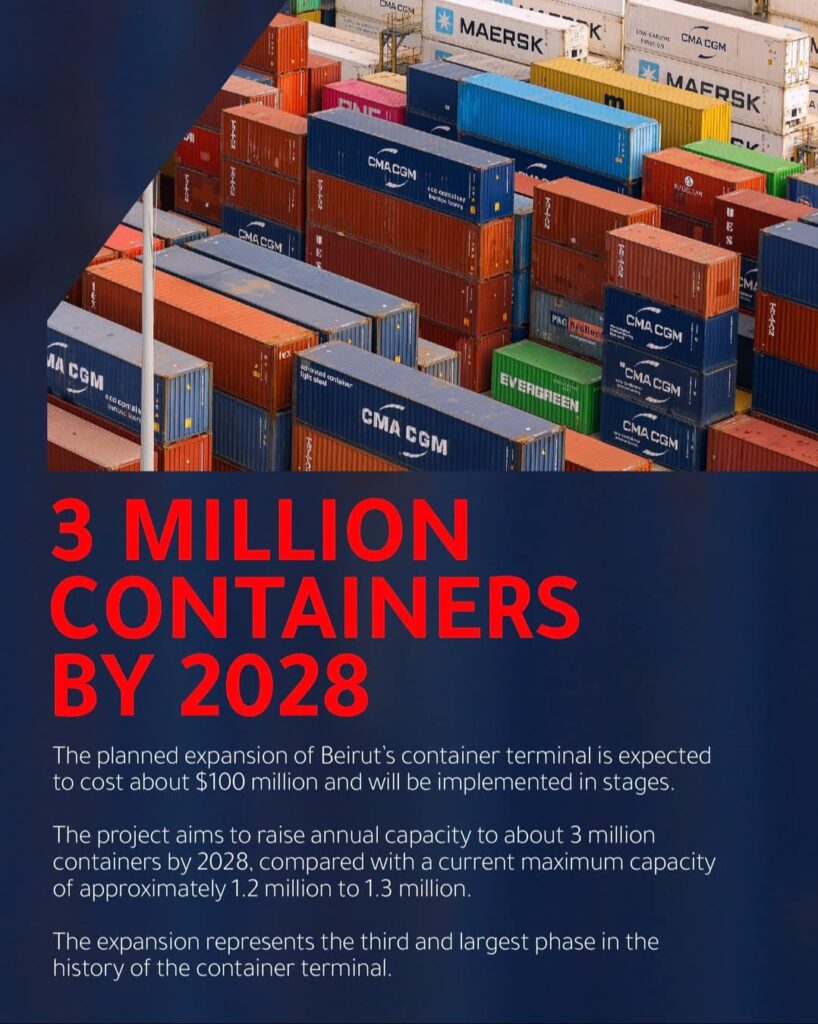
Shipping Arabia, November 2, 2026 – Lebanon is advancing expansion plans for the Beirut and Tripoli ports following their inclusion in the India-Middle East-Europe Economic Corridor (IMEC) Ports Club. The developments include a $100 million container terminal expansion at Beirut, aimed at raising annual handling capacity to approximately 3 million containers by 2028.
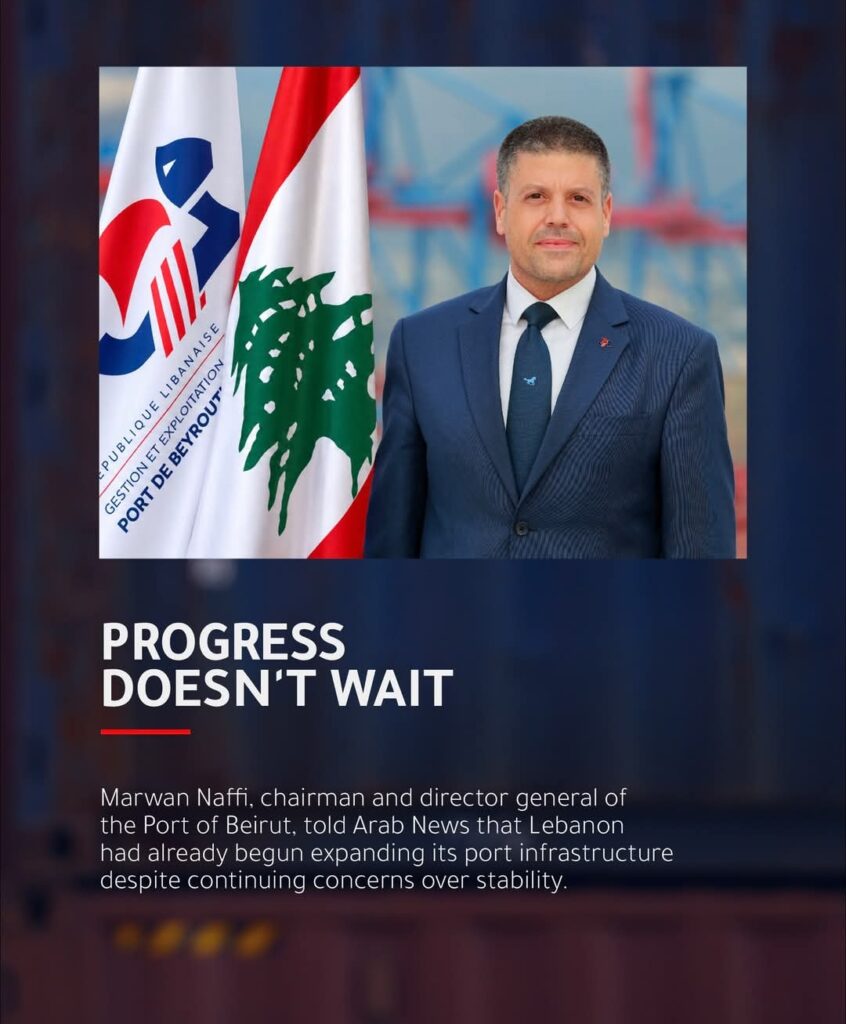
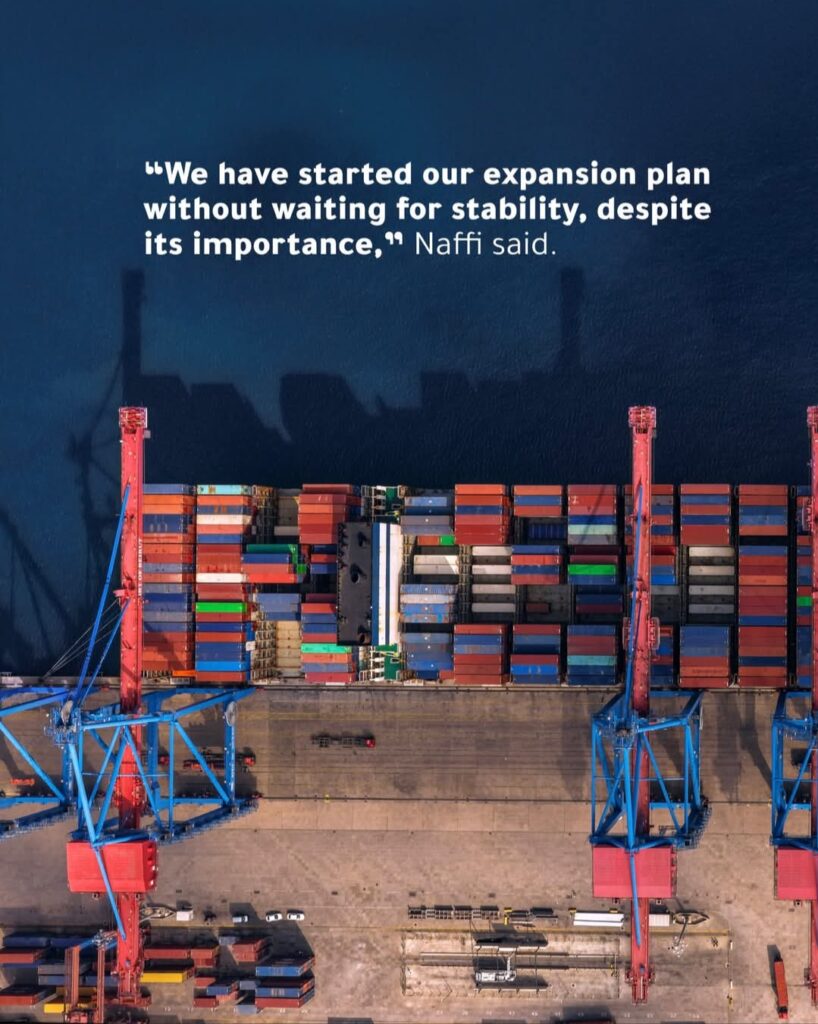
Marwan Naffi, chairman and director general of the Port of Beirut, confirmed that Lebanon has begun implementing its port development plans despite continuing security and economic uncertainties. He also revealed that the Port of Tripoli had started work on its own development plan.
The initiatives form part of Lebanon’s efforts to strengthen its position as a regional logistics hub and increase its participation in trade between Asia, the Middle East and Europe.
Beirut Port Launches $100 Million Container Terminal Expansion
The Port of Beirut is undertaking a major expansion of its container terminal, with an estimated investment of $100 million. The project aims to increase annual capacity from approximately 1.2 million to 1.3 million containers to around 3 million by 2028.
French shipping group CMA CGM announced the investment in September 2026. The project includes upgrades to terminal equipment and operational areas, with implementation expected to take approximately 18 months.
The development represents the third and largest expansion phase in the container terminal’s history. Originally established in 2000, the terminal had an annual capacity of between 500,000 and 700,000 containers. A subsequent expansion in 2013 increased capacity to its current level.
Beirut is Lebanon’s largest commercial port and a major maritime gateway in the eastern Mediterranean. It maintains connections with approximately 300 ports worldwide and handles an estimated 3,100 vessel calls annually.
Naffi said the expansion program would continue through 2028. He expects the additional infrastructure to support a significant increase in container traffic and strengthen the port’s competitiveness in regional maritime trade.
Tripoli Port Development Targets Future Logistics Growth
The Port of Tripoli, Lebanon’s second-largest port, has also begun implementing its development plan. According to Naffi, work on the initiative started approximately one month before his remarks.
Tripoli occupies an area of roughly 3 square kilometers and includes a maritime basin covering approximately 320,000 square meters.
An additional 420,000 square meters of land adjacent to the existing port has been reserved for the development of a container terminal and a future free-trade zone.
The planned improvements are intended to support Tripoli’s potential role in regional logistics and transit operations as Lebanon seeks greater participation in international trade corridors.
Lebanese President Joseph Aoun welcomed the inclusion of Beirut and Tripoli in the IMEC Ports Club during a visit to Tripoli. He highlighted the opportunity for Tripoli to develop into a major port and economic hub serving Lebanon and the wider region.
Beirut and Tripoli Ports Join IMEC Cooperation Network
The development plans follow Lebanon’s participation in the newly established IMEC Ports Club, which seeks to strengthen cooperation among ports associated with the emerging India-Middle East-Europe Economic Corridor.
Earlier in October, Naffi and Iskandar Bandali, chairman of the Port of Tripoli, signed the joint declaration establishing the Ports Club in New Delhi.
The declaration creates an open platform for dialogue and cooperation among participating ports. Its objectives include strengthening links between port-related economic and logistics activities, exchanging expertise and developing practical initiatives and pilot projects that could later be expanded.
Rather than establishing a new institutional structure, the Ports Club focuses on several areas of cooperation, including maritime connectivity, supply chains, trade facilitation, energy, decarbonization, digitalization and data interoperability.
The broader IMEC initiative was announced during the 2023 G20 Summit in New Delhi through a memorandum of understanding signed by India, Saudi Arabia, the United Arab Emirates, the United States, France, Germany, Italy and the European Union.
The proposed corridor seeks to integrate maritime and railway networks connecting India with Europe through the Gulf and Middle East. It also includes infrastructure related to energy, communications and supply chains.
Lebanon was not among the original participants in the corridor. However, its involvement in the Ports Club creates an opportunity for its two principal ports to cooperate with other ports associated with the initiative.
According to Naffi, the network also includes ports from Cyprus, Oman and Greece, alongside those associated with the original participating countries.
Diplomatic Cooperation Supports Lebanon’s Port Ambitions
Lebanon’s participation in the Ports Club followed diplomatic and commercial discussions aimed at integrating Beirut and Tripoli into the emerging trade network.
French President Emmanuel Macron previously dispatched his special envoy, Gerard Mestrallet, to Beirut. During the visit, Mestrallet discussed potential participation by the Lebanese ports with President Aoun and Prime Minister Nawaf Salam.
These discussions coincided with the renewal of a memorandum of understanding between the ports of Beirut and Marseille-Fos in July 2026.
The original agreement, signed in 2022 for a three-year period, established a framework for cooperation between the two ports. Its renewal helped support Lebanon’s subsequent participation in the IMEC Ports Club declaration.
Lebanese authorities are also considering the eventual reactivation of the country’s railway network as part of broader efforts to develop transport connectivity and facilitate transit and re-export trade.
Naffi expects participation in the initiative to generate additional cargo movements through Lebanese ports and potentially increase government revenues. He also identified opportunities for economic activity in transportation, storage and distribution.
Lebanon Seeks Stronger Position in Eastern Mediterranean Trade
Lebanon’s port modernization plans are being pursued amid growing competition among eastern Mediterranean ports for regional and international cargo flows.
Naffi highlighted Beirut’s existing handling capacity and harbor depth as competitive advantages. He acknowledged that competition with Israeli ports is natural, emphasizing the importance of infrastructure specifications and service quality in attracting maritime business.
Lebanon is also seeking to position its ports as complementary facilities within wider regional logistics networks rather than relying exclusively on competition with neighboring ports.
The expansion of Beirut’s container terminal, development of Tripoli’s infrastructure and participation in the IMEC Ports Club are central elements of that strategy.
However, Lebanon continues to face political, security and economic uncertainties as it pursues these initiatives.
For Lebanese officials, strengthening port infrastructure and international connectivity offers a potential route toward expanding the country’s role in transit, logistics and re-export activities linking Asia, the Middle East and Europe.
Shipping Arabia, October 31, 2026 – The Port of Beirut is advancing an expansion project designed to increase its annual container capacity from approximately 1.2 million TEUs to 3 million TEUs. The development forms part of broader plans to modernize port operations, strengthen regional logistics connectivity and position Lebanon as a major trade gateway serving neighboring markets.
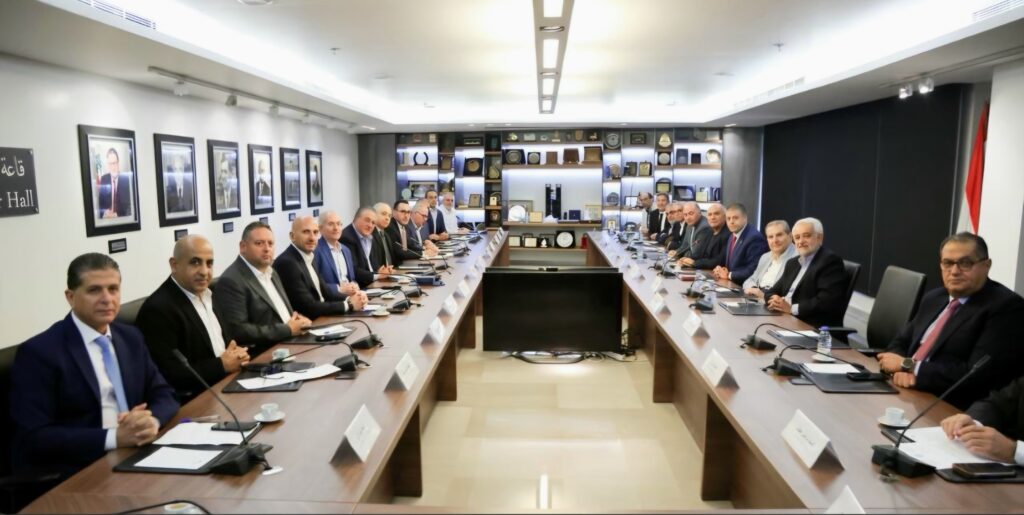
Port of Beirut Chairman and Director General Marwan Naffi outlined the development strategy during a meeting with Lebanon’s Economic Bodies, chaired by former Minister Mohamed Choucair. The discussions addressed port infrastructure, operational improvements, import and export procedures, and future development priorities.
The meeting took place at the Chamber of Commerce, Industry and Agriculture of Beirut and Mount Lebanon. Participants included representatives of commercial and industrial associations, importers, exporters and trade unions involved in port activities.
Discussions focused on simplifying procedures for port users, reducing operational burdens and improving cooperation between the port administration and Lebanon’s business community. Participants also reviewed expansion, reconstruction and modernization projects intended to strengthen the port’s long-term competitiveness.
Port of Beirut Expansion to Triple Container Capacity
Naffi identified the Port of Beirut expansion as one of the administration’s most significant development projects. The initiative aims to raise annual container handling capacity from approximately 1.2 million TEUs to 3 million TEUs.
According to Naffi, the planned expansion could place Beirut among the seven largest ports in the Mediterranean. It would also strengthen the port’s ability to support growing regional logistics requirements.
The expansion project, signed with global shipping group CMA CGM, was among the principal topics raised during the meeting. Choucair requested an update on its progress and its importance to the port’s future development.
Naffi emphasized that the port already plays a central role in Lebanon’s economy, accounting for approximately 80% of the country’s import and export traffic.
However, he stressed that its strategic importance extends beyond the Lebanese market. He described Beirut as a maritime gateway serving Lebanon, Syria, Jordan and Iraq, which together represent a market of approximately 100 million people.
The port administration is working with Lebanon’s Minister of Public Works and Transport, with government support, to prepare Beirut for a potential role in Syria’s reconstruction.
Naffi presented this regional opportunity as a key consideration in the port’s development strategy. Expanding capacity and strengthening logistics connections would support the administration’s ambition to serve markets beyond Lebanon.
Bekaa Dry Port and Rail Connection to Support Regional Trade
Another major component of the development strategy involves establishing an inland logistics facility in Lebanon’s Bekaa region.
Naffi described the proposed facility as a dry port that would function as an extension of the Port of Beirut. The inland terminal would support cargo storage and onward distribution to regional destinations.
Under the proposal, the facility could connect to Beirut through a railway or receive containers transported by truck. Both arrangements would allow cargo to move between the seaport and the inland logistics center.
Once operational, the proposed Bekaa facility would serve as a storage and distribution hub for goods destined for neighboring markets.
Naffi explained that the arrangement could reduce the time required to transport cargo to Syria, Iraq and Jordan, as well as destinations in the Arabian Gulf.
He emphasized the importance of establishing a clear and achievable strategy that takes advantage of Lebanon’s geographical position.
The proposed inland logistics project reflects the port administration’s ambition to expand Lebanon’s role beyond its domestic import and export requirements.
Naffi expressed confidence that developing Lebanon into a regional logistics center could contribute to economic recovery and support national economic activity.
Lebanon Joins IMEC Ports Club Through International Cooperation
Naffi also highlighted Lebanon’s participation as a founding member of the IMEC Ports Club, describing the development as an important step toward strengthening the country’s position in international trade.
He attributed the initiative to coordinated efforts involving the Lebanese government, the Ministry of Public Works and Transport and the Port of Beirut administration, with support from France.
According to Naffi, participation in the international ports initiative could reinforce Lebanon’s role within global trade networks and generate economic benefits.
He connected this international cooperation with the wider strategy to position Lebanon as a logistics gateway capable of serving multiple regional markets.
The port administration considers stronger international links and improved domestic infrastructure complementary priorities in developing Beirut’s future commercial role.
Port Digitalization, Security Upgrades and Operational Improvements
Alongside infrastructure expansion, the Port of Beirut is implementing operational and technological improvements intended to increase efficiency and improve services for port users.
Naffi highlighted the transition to electronic payments as an important modernization measure. The initiative forms part of wider efforts to simplify administrative processes and improve interactions with businesses using the port.
Security improvements were another major focus. Naffi referred to measures designed to meet demanding security requirements, including the installation of an advanced cargo scanner.
He described the scanner as one of the most modern systems of its kind in the Mediterranean.
The port administration has also worked to improve the performance of its CAMA system. In parallel, preparations are underway to launch a tender for a Port Community System (PCS).
The proposed PCS would represent another step in the port’s digital modernization program. Naffi identified the system as one of the advanced technological solutions used at major international ports.
Operational improvements also include opening the port at night to facilitate cargo release. The measure aims to improve services for businesses and provide greater flexibility in moving goods out of the port.
Together, these initiatives reflect the administration’s emphasis on improving operational performance, strengthening security and building closer relationships with port users.
Naffi also stressed the importance of improving the relationship between the port and the city of Beirut, as well as the wider community.
Business Community Supports Port Development and Reconstruction
During the meeting, Mohamed Choucair reaffirmed the support of Lebanon’s Economic Bodies for the Port of Beirut administration and its development priorities.
He praised the progress achieved under Naffi’s leadership and emphasized the port’s importance to economic activity in Beirut and across Lebanon.
Choucair expressed support for efforts to strengthen the port’s position among leading Mediterranean ports. He also stressed that successful modernization requires closer cooperation between port management and businesses.
According to Choucair, stronger partnerships with industrial companies, traders, importers and exporters could simplify procedures, accelerate commercial activities and reduce costs and administrative burdens.
He requested updates on several important development files, including the CMA CGM expansion project and efforts to clear the remaining consequences of the Beirut port explosion.
Other subjects included the proposed rail connection between Beirut and the Bekaa region, Lebanon’s participation in the IMEC Ports Club and the port administration’s five-year development plan.
Naffi welcomed the dialogue and emphasized that the Port of Beirut serves as a fundamental platform for Lebanon’s economy.
He stated that the administration’s responsibility is to facilitate the activities of traders, industrial companies, importers and exporters by ensuring that port services respond to their needs.
The discussions also covered issues affecting individual business sectors and organizations involved in port operations.
Participants agreed to organize a field visit to the Port of Beirut to inspect completed projects and continue discussions on matters of common interest.
At the conclusion of the meeting, Naffi presented Choucair with a commemorative plaque representing the foundation stone of the port expansion project. The gesture recognized Choucair’s contribution and the support provided by Lebanon’s Economic Bodies.
Choucair, in turn, presented Naffi with a medal from the Economic Bodies in recognition of development projects undertaken at the port.
The meeting underscored a shared focus on modernizing Beirut’s maritime infrastructure, improving services for importers and exporters, and developing the port’s capacity to support Lebanon’s position in regional logistics and international trade.
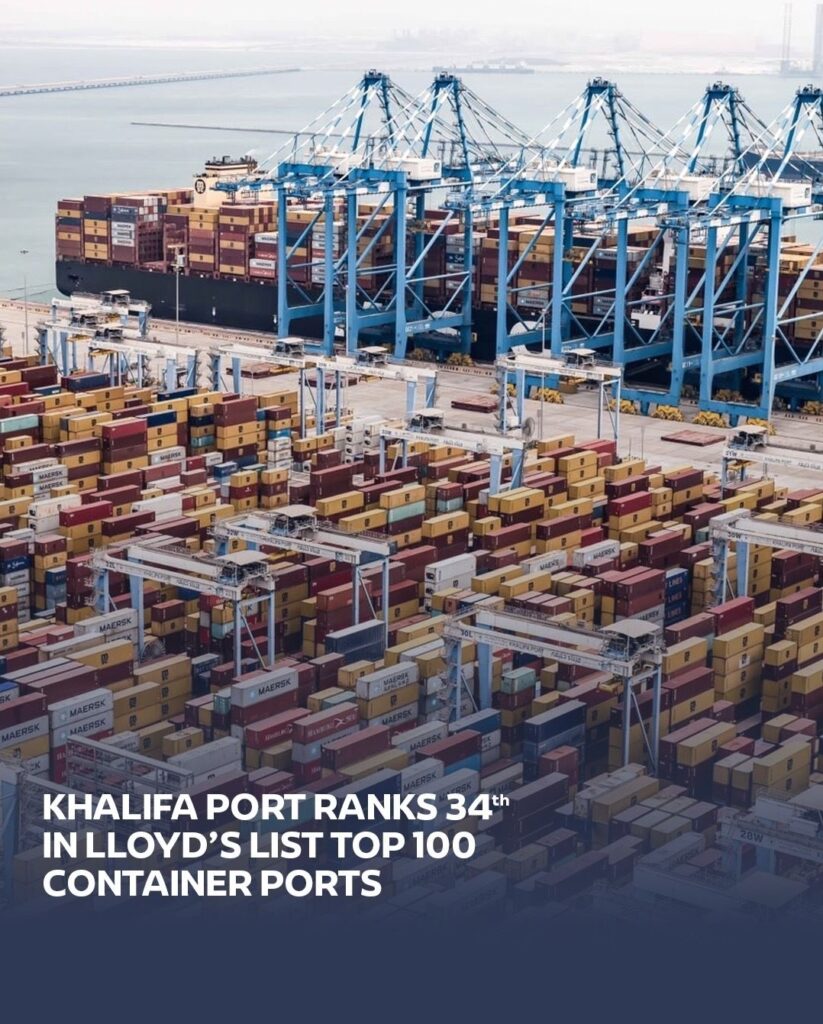
Shipping Arabia, October 29, 2026 – Khalifa Port in Abu Dhabi has climbed five positions to rank 34th globally in the Lloyd’s List Top 100 Container Ports 2026, following a 21.6% increase in container throughput during 2025. The port handled 6.6 million TEUs, recording the highest year-on-year percentage growth among the world’s top 40 container ports in the latest ranking.
According to AD Ports Group, Khalifa Port’s container throughput increased from 5.42 million TEUs in 2024 to 6.6 million TEUs in 2025. The latest results reflect the combined performance of three container terminals operated through partnerships with major international shipping lines CMA CGM, COSCO and MSC.
Khalifa Port Container Throughput Drives Global Ranking
Khalifa Port advanced from 39th position in the previous Lloyd’s List ranking to 34th in the 2026 edition. The ranking evaluates the world’s leading container ports based on their annual container throughput.
Since entering the global top 100 in 95th position in 2019, Khalifa Port has climbed 61 places. AD Ports Group attributed this progress to sustained investments in port infrastructure, additional handling capacity, advanced technology and operational efficiency.
The company also highlighted the importance of expanding international shipping connections and maintaining long-term partnerships with global terminal operators.
Strong market demand, increased terminal utilization and newly added capacity contributed to the port’s performance in 2025.
A major contributor was CMA Terminals Khalifa Port, developed through a partnership between AD Ports Group and CMA CGM. The terminal handled more than 1.3 million TEUs during its first full year of operations following its inauguration in January 2025.
Three Container Terminals Support Growing Capacity
Khalifa Port operates three advanced container terminals through partnerships with leading global shipping companies. These include Abu Dhabi Terminals with MSC, CSP Abu Dhabi Terminal with COSCO, and CMA Terminals Khalifa Port.
Together, the terminals provide shipping customers with connectivity to major international markets, scalable handling capacity and access to AD Ports Group’s integrated logistics network.
Further expansion is underway at CMA Terminals Khalifa Port. The development will increase the terminal’s annual container-handling capacity by almost 50%, bringing it to 2.7 million TEUs.
Once the expansion is completed, Khalifa Port’s total annual container-handling capacity will reach 10.5 million TEUs, further strengthening its ability to accommodate container traffic.
The additional capacity forms part of AD Ports Group’s continued investments in port infrastructure and international maritime connectivity.
AD Ports Group Emphasizes Infrastructure and Connectivity Investments
Saif Al Mazrouei, Chief Executive Officer of the Ports Cluster at AD Ports Group, described Khalifa Port’s rise in the Lloyd’s List ranking as a reflection of the group’s long-term development strategy and commitment to operational excellence.
He emphasized that the 21.6% increase in container throughput and five-position improvement in the global ranking demonstrate the results of investments in infrastructure, capacity, technology and connectivity.
Al Mazrouei also acknowledged the contribution of the group’s workforce, customer confidence and strategic partnerships to the port’s performance.
Looking ahead, he reaffirmed AD Ports Group’s commitment to further investments in handling capacity, maritime connectivity and innovative solutions. These investments aim to strengthen Khalifa Port’s role as an international trade gateway and support the UAE’s position within global supply chains.
Beyond its container terminals, Khalifa Port serves as an integrated logistics gateway connecting maritime transport with road and rail networks.
The port also connects with AD Ports Group’s inland logistics network, dry ports, cargo-handling facilities and industrial zones. This integrated infrastructure supports cargo movements within the UAE while providing businesses with greater flexibility across regional and international supply chains.
AD Ports Group considers these connections an important element of its strategy to improve logistics efficiency and strengthen the competitiveness of its port operations.
With container throughput reaching 6.6 million TEUs in 2025 and additional terminal capacity under development, Khalifa Port continues to expand its role in international container shipping.
The group reaffirmed its commitment to infrastructure investment, strategic partnerships and integrated trade and logistics solutions as part of its efforts to strengthen global competitiveness and support the UAE’s long-term economic diversification.
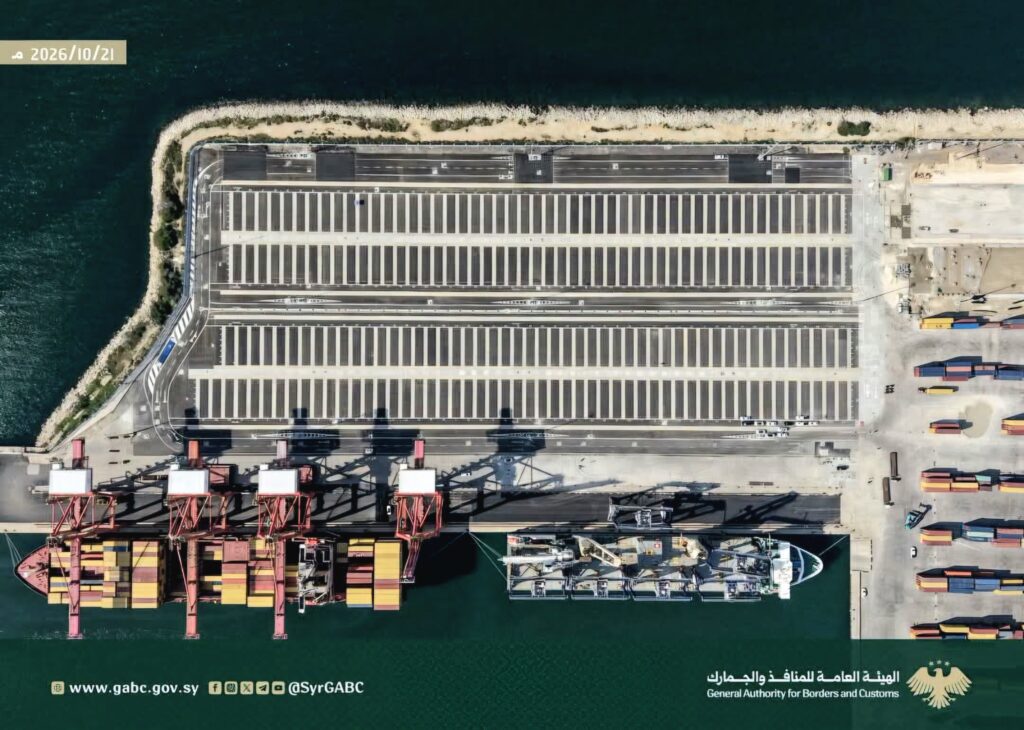
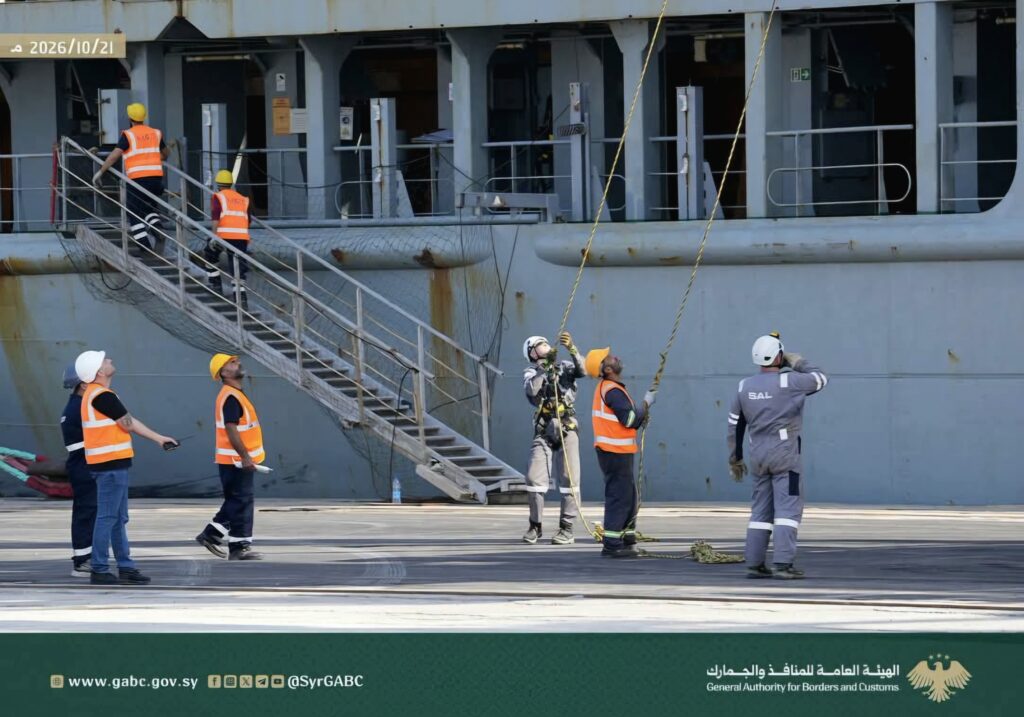
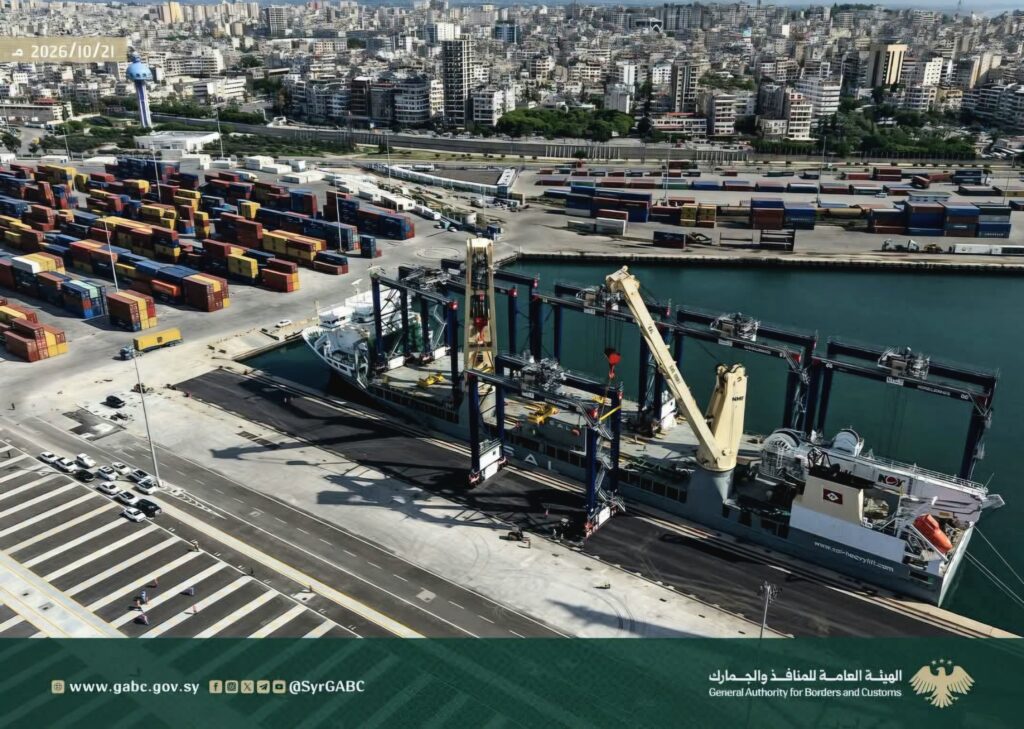
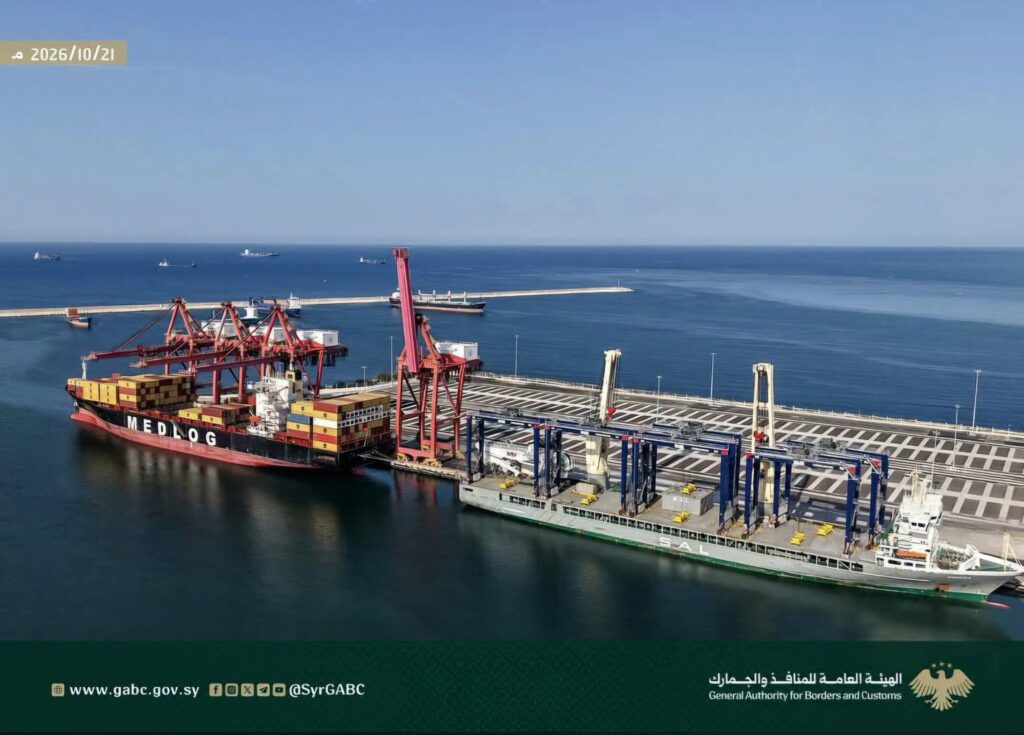
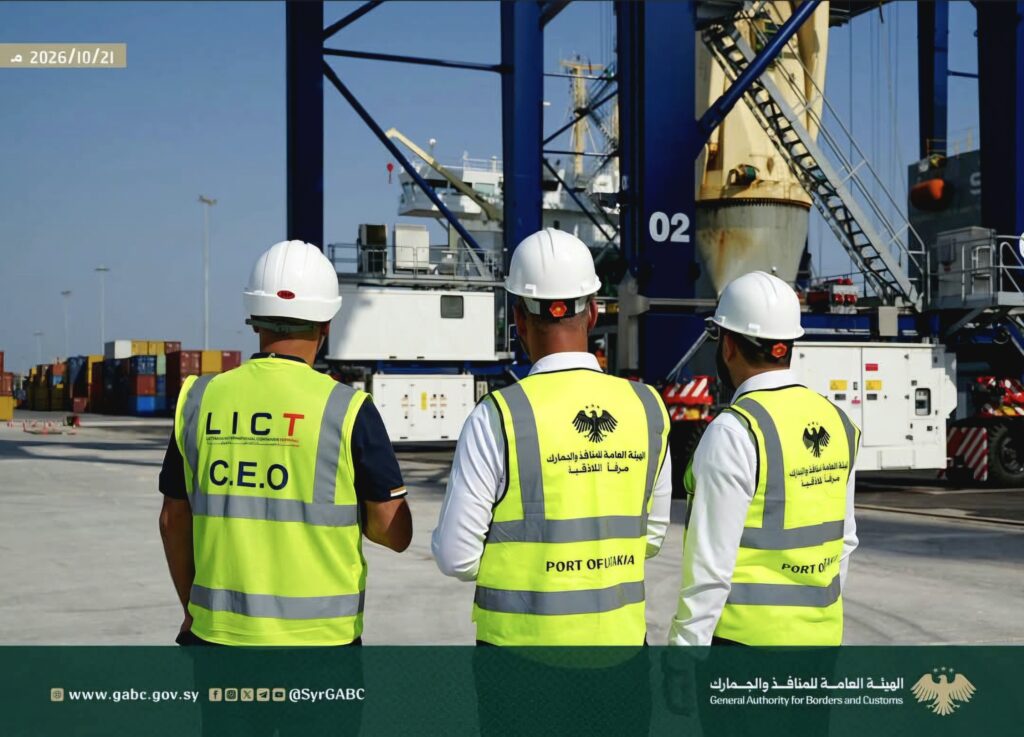
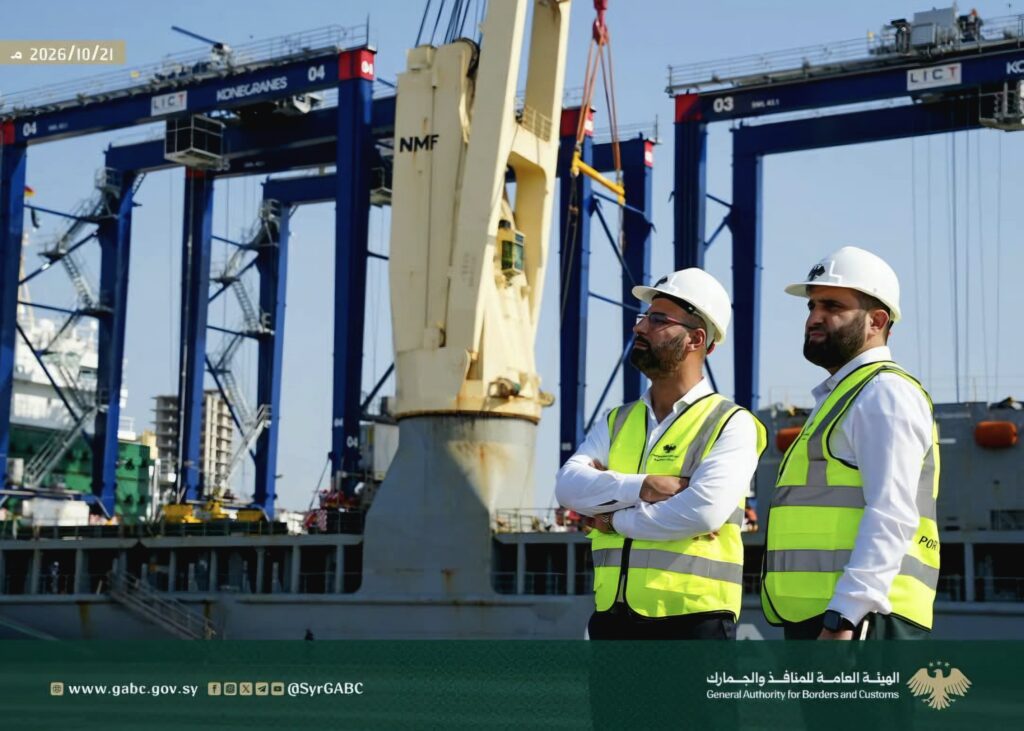
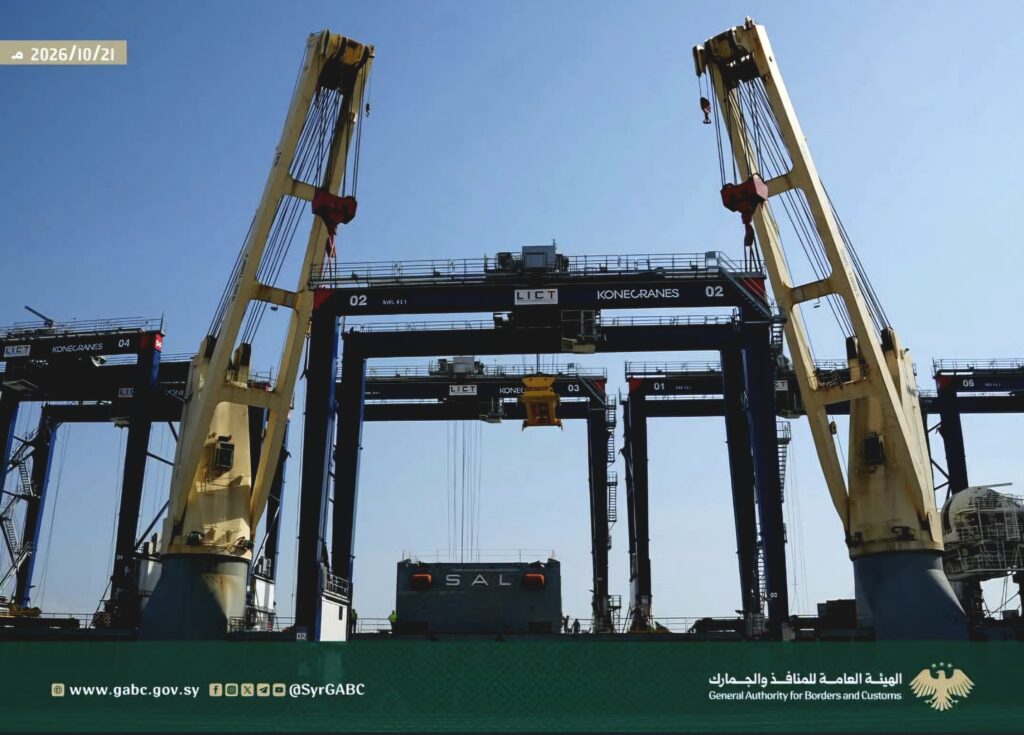
Shipping Arabia, October 25, 2026 – Latakia International Container Terminal (LICT) at Syria’s Port of Latakia has received six fifth-generation rubber-tired gantry (RTG) cranes as part of an extensive modernization program undertaken in partnership with CMA CGM Group. The new equipment is intended to expand container-handling capacity, improve operational efficiency and support growing maritime shipping and trade activity.
The delivery represents another step in the Latakia container terminal modernization program, which includes upgrades to operational infrastructure, container berths, storage yards and cargo-handling equipment.
The improvements form part of broader efforts led by Syria’s General Authority for Borders and Customs to modernize national ports, strengthen their competitiveness and enhance their role in regional and international maritime trade.
Six New RTG Cranes to Improve Container Handling and Yard Capacity
The six newly delivered RTG cranes feature fifth-generation technology designed to improve container-handling operations and increase productivity within the terminal.
The equipment is expected to enhance container stacking and storage efficiency while allowing the terminal to make better use of its available yard space. These improvements will support higher container storage capacity and more organized cargo movements across the facility.
The additional cranes are also intended to accelerate container-handling processes, support faster loading and unloading operations and reduce truck waiting times.
By improving the movement and organization of containers within the terminal, the equipment will contribute to more efficient logistics operations and better utilization of the terminal’s operational resources.
The delivery comes as LICT experiences increasing demand for container-handling and logistics services, reinforcing the need for continued investment in modern equipment and additional operational capacity.
Latakia Container Terminal Modernization Covers Berths, Yards and Equipment
The arrival of the RTG cranes forms part of a wider infrastructure and equipment modernization program at Latakia International Container Terminal.
The program includes rehabilitating operational infrastructure, developing container-handling berths and upgrading storage yards. It also covers the modernization of gantry cranes, heavy cargo-handling machinery and other technical and service equipment.
These improvements aim to strengthen the terminal’s ability to handle increasing container volumes while optimizing the use of available space, machinery and operational resources.
Another priority is improving berth readiness to accommodate vessel calls and enhancing the performance of equipment used for cargo loading and unloading.
Alongside infrastructure improvements, the modernization program addresses internal container transport and traffic management procedures. The objective is to organize cargo movements more efficiently and reduce operational delays within the terminal.
The development plan also emphasizes stronger coordination between technical and administrative departments to improve terminal operating procedures.
Together, these measures are intended to accelerate container turnaround, improve cargo flow and enhance service quality for shipping lines, freight operators, importers and exporters.
The Latakia container terminal modernization program is being implemented within the framework of cooperation with CMA CGM Group.
The partnership supports efforts to modernize cargo-handling equipment and operational infrastructure in response to increasing maritime transport and trade activity.
The ongoing development work reflects the need to expand terminal capacity and improve operational readiness as container-handling requirements continue to grow.
A key objective is to ensure the terminal can manage vessel and container movements efficiently while preparing for anticipated increases in commercial activity.
The modernization efforts therefore combine investment in new equipment with improvements to existing infrastructure, operational procedures and terminal organization.
These measures aim to create a more efficient container-handling environment and strengthen the services available to the terminal’s maritime and logistics customers.
Syria Seeks to Strengthen Port Competitiveness and Maritime Trade
The ongoing improvements at Latakia International Container Terminal align with the General Authority for Borders and Customs’ strategic direction for developing Syria’s ports and modernizing their infrastructure in accordance with international operational standards.
The Authority’s approach emphasizes cooperation with international companies specializing in container terminal management and operations.
Through such partnerships, Syria aims to improve the competitiveness of its ports and strengthen their ability to support maritime trade and logistics activities.
The development of Latakia’s container facilities is also intended to reinforce the port’s position as a major gateway for the country’s maritime imports and exports.
In addition, the modernization program seeks to improve the efficiency of supply chains and support Syria’s integration into regional and international transport and trade networks.
The delivery of the six new RTG cranes represents a further component of these efforts, supporting the continued expansion of Latakia International Container Terminal’s operational capabilities and its readiness to accommodate future growth in maritime trade.
Source: General Authority for Borders and Customs – Syria
Shipping Arabia, October 24, 2026 – CMA Terminals, a subsidiary of CMA CGM Group, has completed the acquisition of a 49% stake in Nador Container Terminal (NCT), the concessionaire responsible for the western container terminal at Morocco’s Nador West Med port. The transaction establishes a new ownership structure for the facility, which is scheduled to begin operations in 2027.
Moroccan port operator Marsa Maroc confirmed the completion of CMA Terminals’ entry into the share capital of Nador Container Terminal following approval from the relevant regulatory authorities.
The transaction finalizes a partnership agreement signed between Marsa Maroc and CMA Terminals in October 2025. Both companies will participate in the container terminal through their respective shareholdings.
Marsa Maroc Retains Majority Ownership of Nador Container Terminal
Under the finalized ownership structure, Marsa Maroc retains a 51% stake in Nador Container Terminal, including the associated voting rights. Meanwhile, CMA Terminals holds the remaining 49% of the company’s share capital.
The arrangement gives Marsa Maroc majority ownership of the concessionaire while establishing CMA Terminals as a significant shareholder in the project.
Nador Container Terminal holds the concession for the western container terminal at Nador West Med, making the ownership transaction directly relevant to the development and future operation of the facility.
The completion of the acquisition follows the partnership agreement reached in October 2025 and the subsequent regulatory approval process.
Nador West Med Terminal Targets 1.8 Million TEU Annual Capacity
The western container terminal at Nador West Med is designed to handle approximately 1.8 million twenty-foot equivalent units (TEU) annually.
According to the project specifications, the facility will feature a 900-meter quay with a water depth of up to 18 meters. Its container storage and handling yard will cover approximately 37.5 hectares.
These specifications define the planned infrastructure of the terminal ahead of its scheduled entry into service.
The facility is expected to begin operations in 2027, marking the next major milestone following the completion of the ownership transaction.
With the acquisition finalized, CMA Terminals now holds 49% of Nador Container Terminal alongside Marsa Maroc, which maintains its 51% majority stake and voting rights. The two companies enter the next phase of the project under the ownership structure established by their October 2025 partnership agreement.