
Aqaba Transit Traffic Surges as Regional Trade Routes Shift
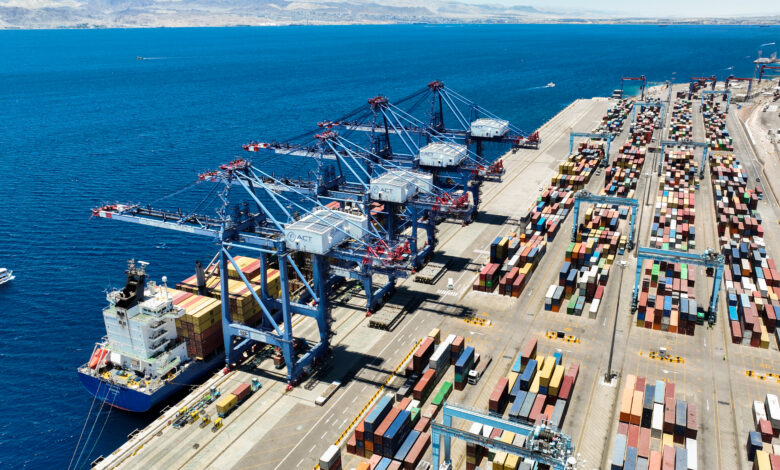
Shipping Arabia, September 27, 2026 – The Port of Aqaba is taking on a larger role in regional trade as disruptions to traditional shipping routes encourage companies and importers to seek alternative supply chains, with transit container traffic through Jordan recording particularly strong growth toward Iraq, Syria and Lebanon.
Aqaba is increasingly moving beyond its traditional role as Jordan’s maritime gateway for the domestic market. Its location on the Red Sea is allowing cargo arriving by sea to continue overland to other markets in the region, providing an alternative for some shipments that previously reached Iraq through Gulf ports.
Transit activity has been the main beneficiary of this shift. During the first half of 2026, transit traffic through Aqaba increased by 155% compared with the same period in 2025.
More than 60,000 TEUs of transit containers passed through Aqaba Container Terminal during the six-month period, compared with approximately 23,000 TEUs a year earlier.
Iraq-bound containers drive transit growth
The strongest change has emerged in cargo moving through Jordan toward Iraq.
Around 37,000 containers reached Iraq through Jordan in July 2026, compared with approximately 3,600 containers in July 2025. That represented an increase of nearly 900% year on year.
The shift comes as regional conflict and tensions affect established trade routes and encourage cargo owners and companies to consider alternatives that avoid areas facing greater maritime risk, particularly around the Strait of Hormuz.
Some cargo that previously entered Iraq through ports in the Gulf is now being redirected to Aqaba before continuing overland into the Iraqi market.
Aqaba also provides a route for cargo moving toward Syria and Lebanon, strengthening its position as a sea-to-land logistics gateway linking maritime services with markets across the Levant.
By the period from the beginning of 2026 through July, transit container traffic through Aqaba had recorded growth of around 180%, indicating that the changing regional trade environment is having a significant impact on cargo flows through the Jordanian port.
Growth extends beyond container traffic
The increase in activity is not limited to containers.
Cargo and dry bulk traffic, including grains as well as food and industrial inputs, rose by more than 40% in July, with volumes reaching approximately 666,000 tonnes.
Activity at Aqaba’s liquefied natural gas facilities also increased. Around 370,000 tonnes were received from the beginning of the year through July, representing growth of nearly 12%.
Meanwhile, volumes handled through oil and gas facilities exceeded 2 million tonnes during the first half of 2026, an increase of more than 40%.
The source attributed the increase to higher discharge volumes of crude oil and petroleum products, alongside stronger maritime movements involving fuel cargoes.
These figures show that changes in regional trade flows are affecting several parts of Aqaba’s port system rather than a single cargo segment.
Aqaba gains a wider regional logistics role
The changes are contributing to a partial redrawing of regional supply chains.
For Iraq in particular, the Aqaba route offers an alternative to cargo movements traditionally dependent on Gulf ports. Vessels can discharge cargo in southern Jordan before shipments continue by road toward the Iraqi market.
Aqaba’s role is therefore increasingly linked not only to its status as Jordan’s sole seaport but also to its ability to connect maritime cargo flows with inland markets across the region.
For shipping companies and importers, continued uncertainty around traditional maritime routes has increased the importance of route diversification and reduced reliance on corridors considered more exposed to disruption.
The rise in transit volumes through Aqaba illustrates how those decisions are translating into actual changes in cargo routing.
As risks and costs affect established trade corridors, ports capable of providing alternative connections between maritime and overland transport are gaining greater significance. In Aqaba’s case, the recent growth in transit and cargo activity is expanding the port’s role from a national maritime gateway toward a more prominent position within regional trade networks.
Source: Al Jazeera