General Authority for Borders and Customs

  • Specialized Training Strengthens Syrian Port Health Inspections and Free Pratique Procedures

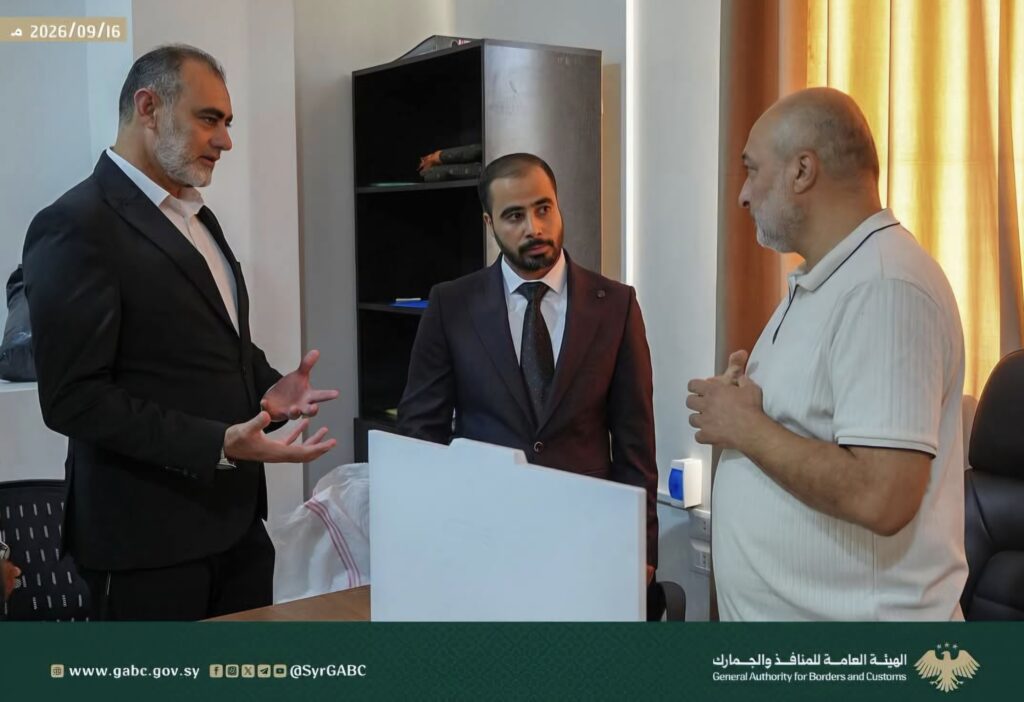
    Shipping Arabia, October 30, 2026 – Syria’s Maritime Training and Qualification Foundation has conducted a specialized training program to strengthen Syrian port health inspections and improve free pratique procedures for vessels arriving at the country’s seaports. The initiative focused on developing the technical and professional capabilities of healthcare personnel responsible for maritime health clearance.

    Organized in coordination with the Medical Services Directorate of the General Authority for Borders and Customs, the program targeted healthcare personnel serving on port committees responsible for free pratique procedures.

    The training aimed to improve the efficiency of vessel health inspections, strengthen compliance with established health regulations and ensure the proper verification of medical documents and certificates.

    Strengthening Syrian Port Health Inspections and Free Pratique Procedures

    The specialized program addressed the responsibilities of medical personnel involved in vessel arrival and health clearance procedures at Syrian ports.

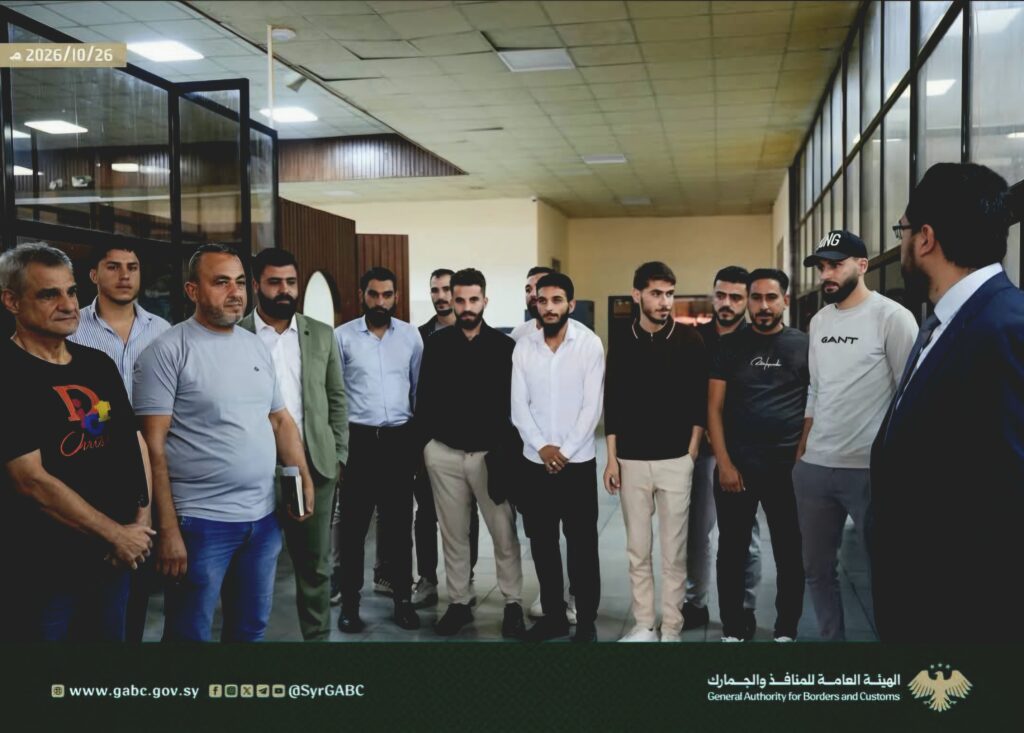
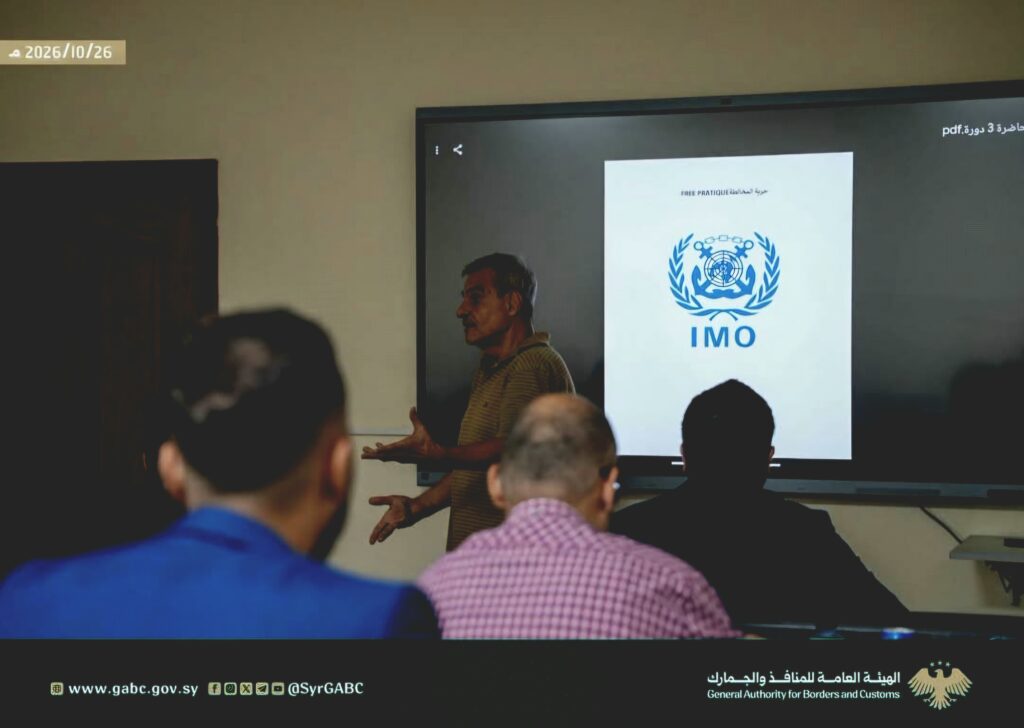
    Classroom sessions covered the duties of medical teams within free pratique committees, including the examination and verification of health documentation relating to ships and their crews.

    Participants also received instruction on the procedures required when receiving vessels at port, with particular attention to checking compliance with applicable health regulations and standards.

    The training sought to improve the consistency and effectiveness of Syrian port health inspections by developing the practical skills required to carry out these responsibilities.

    Practical Training Aboard a Vessel

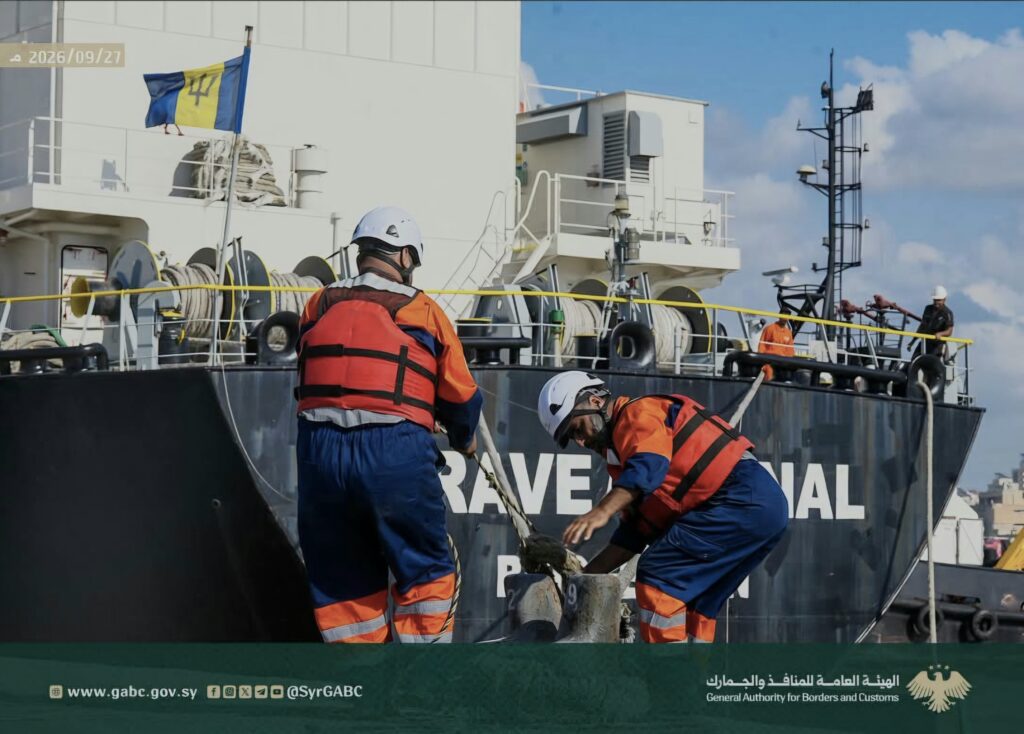
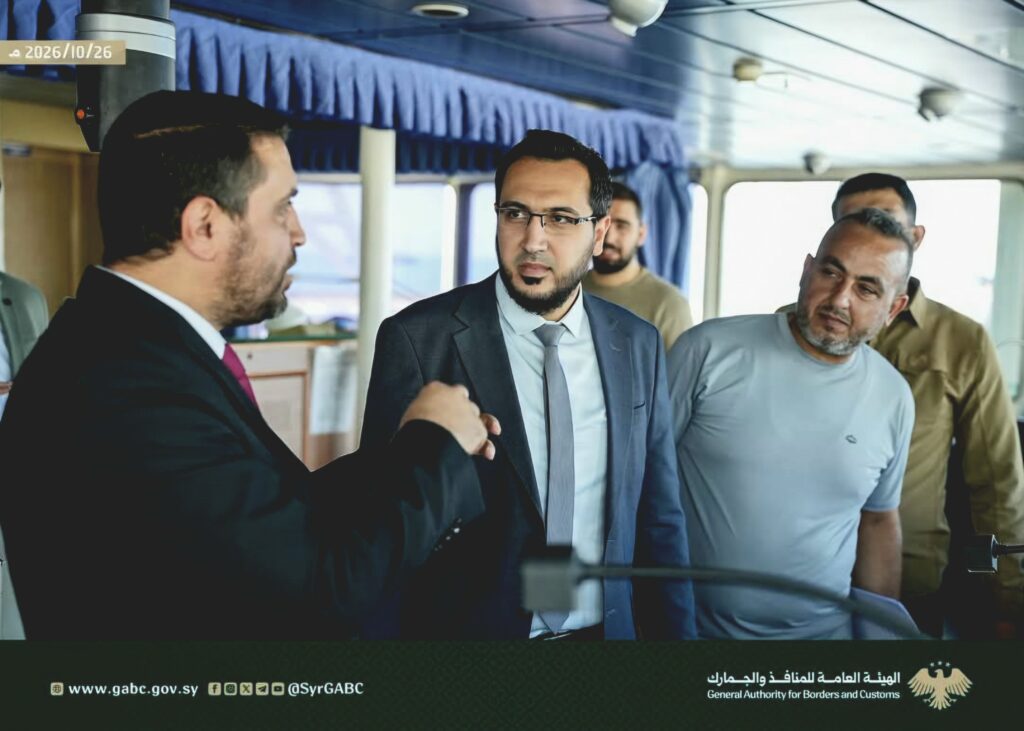
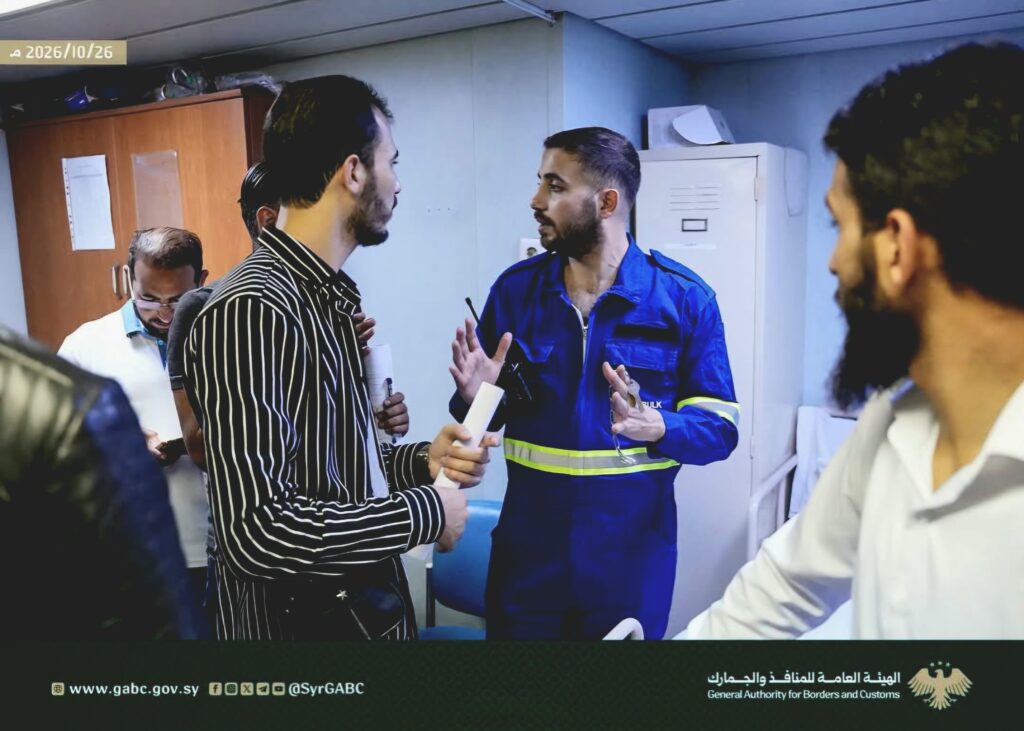
    In addition to theoretical instruction, the program included practical training aboard a vessel, providing participants with an opportunity to apply their newly acquired knowledge in a maritime environment.

    The onboard component allowed healthcare personnel to gain direct experience in implementing inspection procedures and reviewing the practical requirements of their responsibilities.

    Participants also examined potential challenges that could arise during vessel health inspections and explored appropriate ways to address them.

    By combining classroom instruction with practical exercises, the initiative aimed to strengthen the professional readiness of medical personnel involved in free pratique procedures and improve their ability to perform their duties effectively.

    Developing Medical Services at Syrian Ports and Border Crossings

    The training forms part of broader cooperation between institutions and directorates operating under the General Authority for Borders and Customs.

    These efforts focus on developing medical services, improving the readiness of specialized personnel and strengthening preventive health procedures at Syrian seaports and border crossings.

    The authority’s Medical Services Directorate plays a central role in this framework through its network of medical points at border crossings.

    These facilities provide medical services and healthcare to travelers and personnel working at border crossings. They also respond to medical emergencies, contributing to public safety and improving the quality of healthcare services.

    The authority continues to prioritize workforce development across its various departments and operational sectors. Its initiatives include expanding training programs and strengthening technical, administrative and professional competencies.

    Through these efforts, the authority aims to improve institutional performance, enhance service quality and promote greater culo7⁷⁷ime health training reflects this approach by supporting the development of a more integrated system of medical and preventive services across Syrian ports, border crossings and facilities operated by the authority.

    Source: General Authority for Borders and Customs
  • Latakia Container Terminal Modernization Advances With Arrival of Six New RTG Cranes

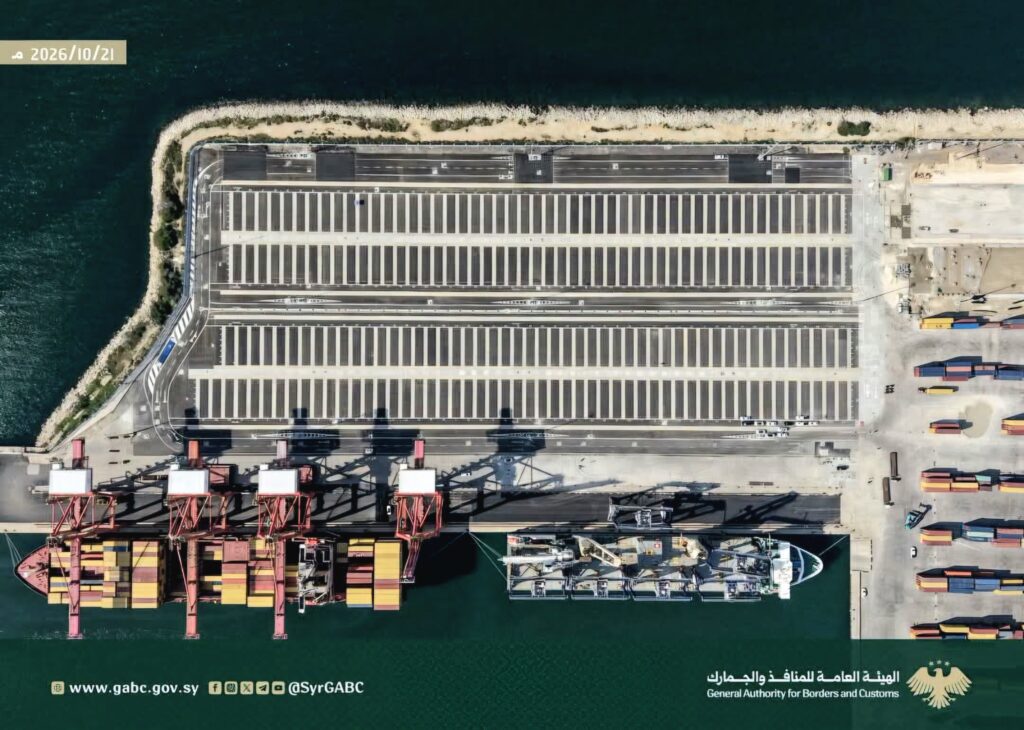
    Shipping Arabia, October 25, 2026 – Latakia International Container Terminal (LICT) at Syria’s Port of Latakia has received six fifth-generation rubber-tired gantry (RTG) cranes as part of an extensive modernization program undertaken in partnership with CMA CGM Group. The new equipment is intended to expand container-handling capacity, improve operational efficiency and support growing maritime shipping and trade activity.

    The delivery represents another step in the Latakia container terminal modernization program, which includes upgrades to operational infrastructure, container berths, storage yards and cargo-handling equipment.

    The improvements form part of broader efforts led by Syria’s General Authority for Borders and Customs to modernize national ports, strengthen their competitiveness and enhance their role in regional and international maritime trade.
    Six New RTG Cranes to Improve Container Handling and Yard Capacity

    The six newly delivered RTG cranes feature fifth-generation technology designed to improve container-handling operations and increase productivity within the terminal.

    The equipment is expected to enhance container stacking and storage efficiency while allowing the terminal to make better use of its available yard space. These improvements will support higher container storage capacity and more organized cargo movements across the facility.

    The additional cranes are also intended to accelerate container-handling processes, support faster loading and unloading operations and reduce truck waiting times.

    By improving the movement and organization of containers within the terminal, the equipment will contribute to more efficient logistics operations and better utilization of the terminal’s operational resources.

    The delivery comes as LICT experiences increasing demand for container-handling and logistics services, reinforcing the need for continued investment in modern equipment and additional operational capacity.

    Latakia Container Terminal Modernization Covers Berths, Yards and Equipment

    The arrival of the RTG cranes forms part of a wider infrastructure and equipment modernization program at Latakia International Container Terminal.

    The program includes rehabilitating operational infrastructure, developing container-handling berths and upgrading storage yards. It also covers the modernization of gantry cranes, heavy cargo-handling machinery and other technical and service equipment.

    These improvements aim to strengthen the terminal’s ability to handle increasing container volumes while optimizing the use of available space, machinery and operational resources.

    Another priority is improving berth readiness to accommodate vessel calls and enhancing the performance of equipment used for cargo loading and unloading.

    Alongside infrastructure improvements, the modernization program addresses internal container transport and traffic management procedures. The objective is to organize cargo movements more efficiently and reduce operational delays within the terminal.

    The development plan also emphasizes stronger coordination between technical and administrative departments to improve terminal operating procedures.

    Together, these measures are intended to accelerate container turnaround, improve cargo flow and enhance service quality for shipping lines, freight operators, importers and exporters.

    CMA CGM Partnership Supports Terminal Capacity Expansion

    The Latakia container terminal modernization program is being implemented within the framework of cooperation with CMA CGM Group.

    The partnership supports efforts to modernize cargo-handling equipment and operational infrastructure in response to increasing maritime transport and trade activity.

    The ongoing development work reflects the need to expand terminal capacity and improve operational readiness as container-handling requirements continue to grow.

    A key objective is to ensure the terminal can manage vessel and container movements efficiently while preparing for anticipated increases in commercial activity.

    The modernization efforts therefore combine investment in new equipment with improvements to existing infrastructure, operational procedures and terminal organization.

    These measures aim to create a more efficient container-handling environment and strengthen the services available to the terminal’s maritime and logistics customers.

    Syria Seeks to Strengthen Port Competitiveness and Maritime Trade

    The ongoing improvements at Latakia International Container Terminal align with the General Authority for Borders and Customs’ strategic direction for developing Syria’s ports and modernizing their infrastructure in accordance with international operational standards.

    The Authority’s approach emphasizes cooperation with international companies specializing in container terminal management and operations.

    Through such partnerships, Syria aims to improve the competitiveness of its ports and strengthen their ability to support maritime trade and logistics activities.

    The development of Latakia’s container facilities is also intended to reinforce the port’s position as a major gateway for the country’s maritime imports and exports.

    In addition, the modernization program seeks to improve the efficiency of supply chains and support Syria’s integration into regional and international transport and trade networks.

    The delivery of the six new RTG cranes represents a further component of these efforts, supporting the continued expansion of Latakia International Container Terminal’s operational capabilities and its readiness to accommodate future growth in maritime trade.

    Source: General Authority for Borders and Customs – Syria
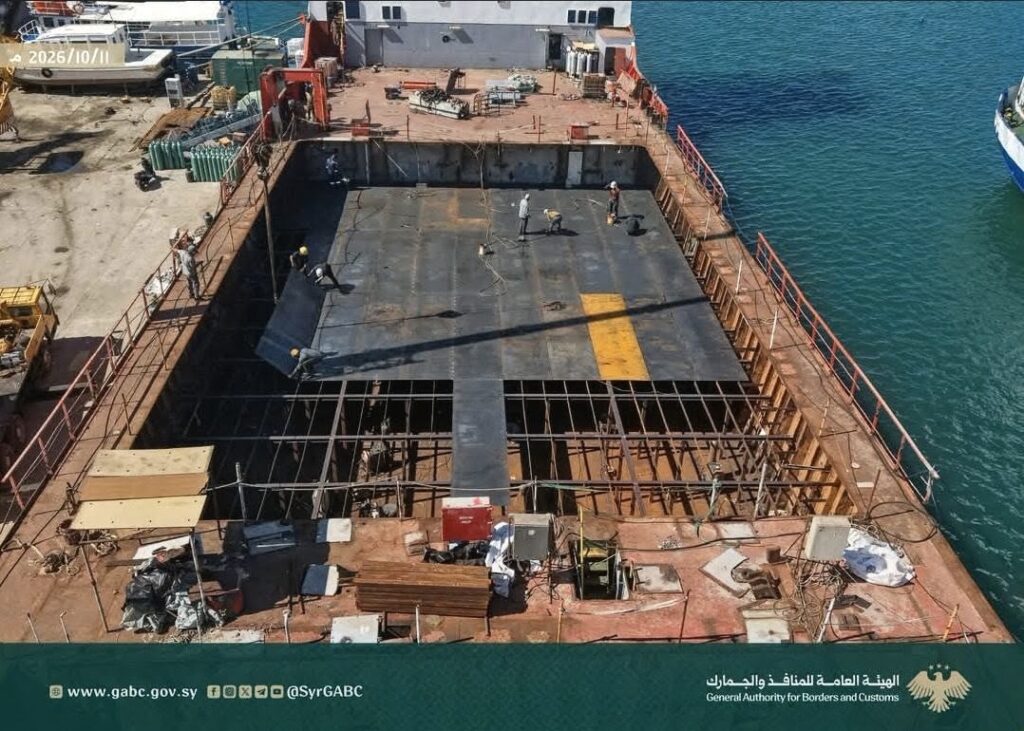
  • Baniyas Port Completes Maintenance and Repairs on 23 Vessels in 2026

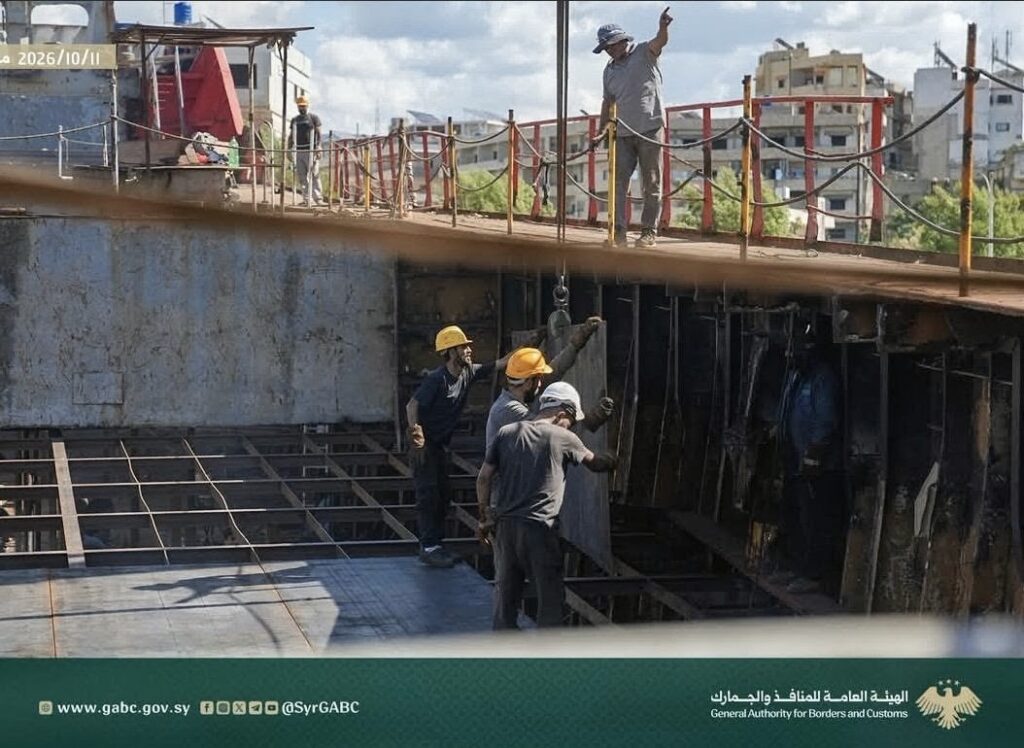
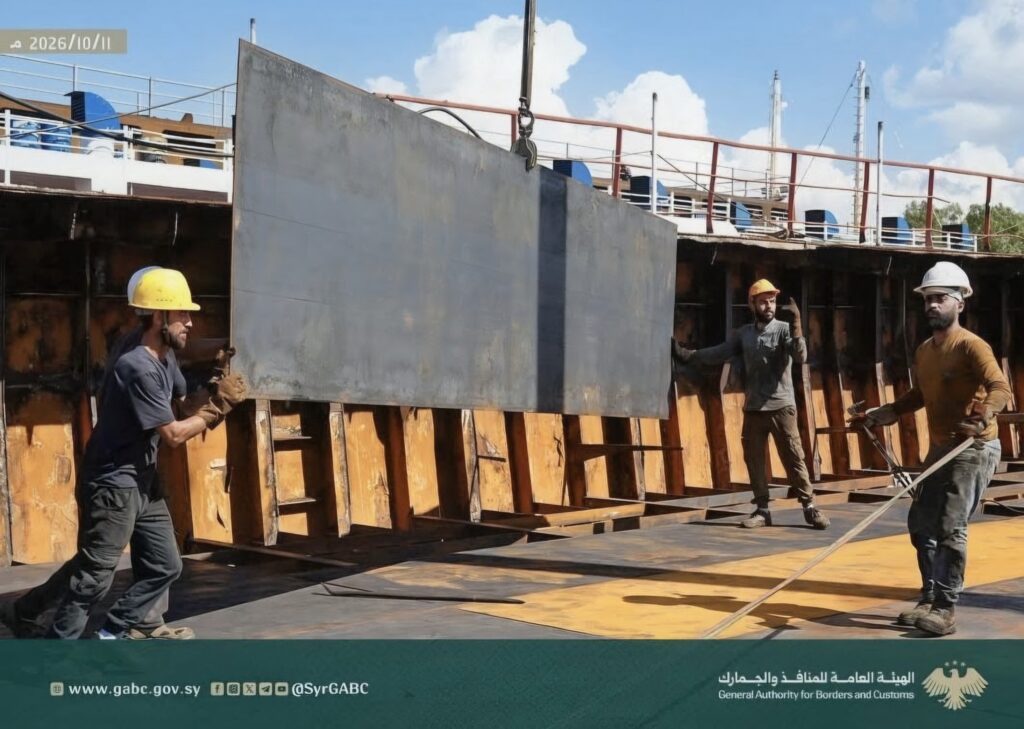
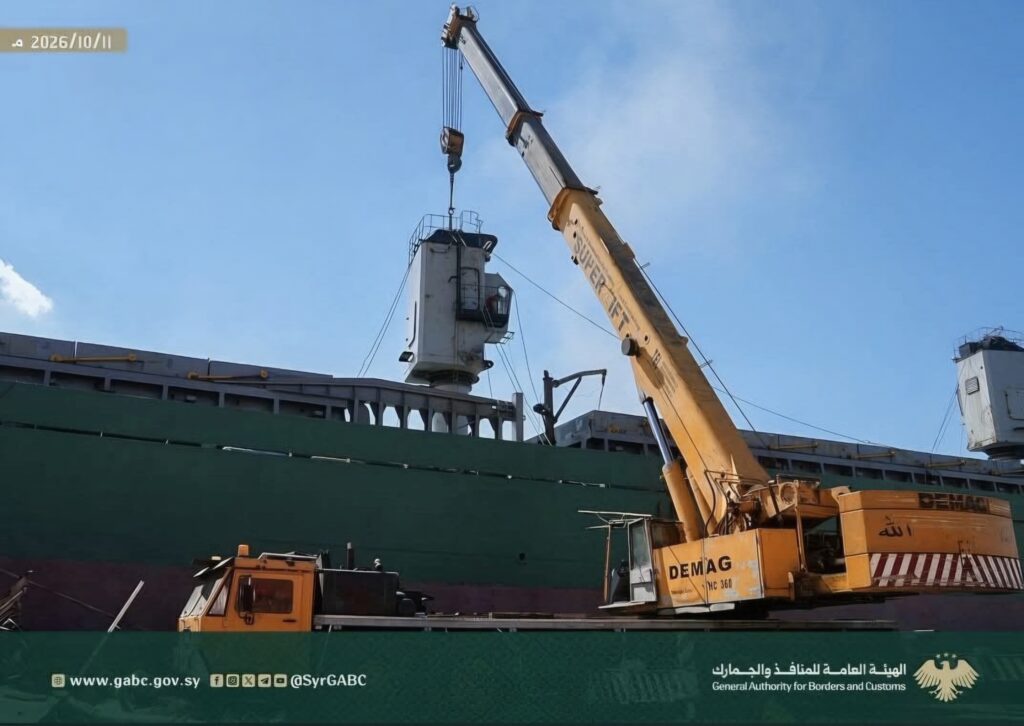
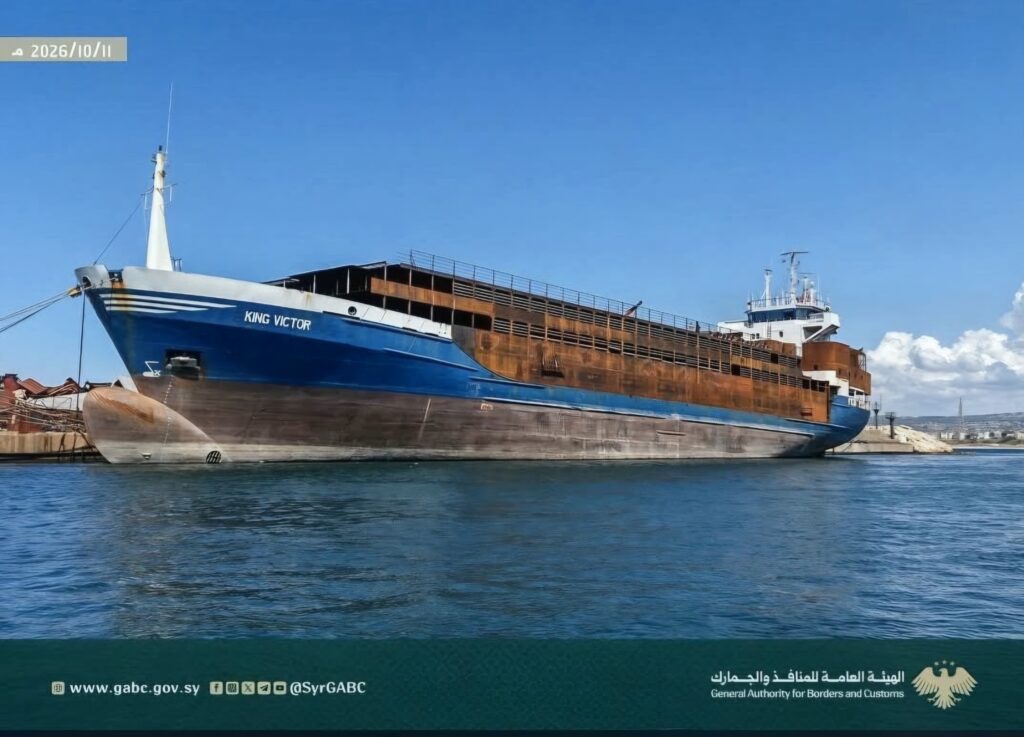
    Shipping Arabia, October 17, 2026 – Syria’s Baniyas Port has carried out maintenance and repair work on 23 vessels since the beginning of 2026, using local technical expertise and specialized workshops to provide ship repair, maintenance and conversion services. The activities form part of ongoing efforts to strengthen the port’s maritime services and operational capabilities.

    According to Syria’s General Authority for Borders and Customs, the port continues to expand its ship maintenance and repair activities through the expertise of Syrian technical personnel. These services aim to support vessel operations and provide the technical assistance required by ships calling at the port.

    Baniyas Port Ship Maintenance Covers Structural and Mechanical Repairs

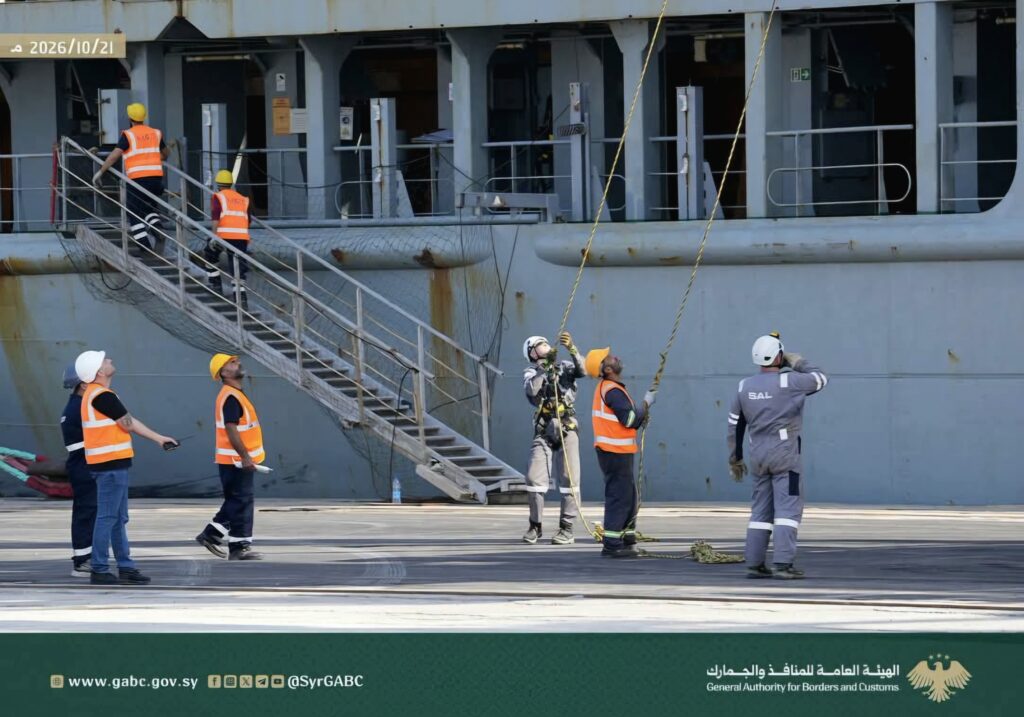
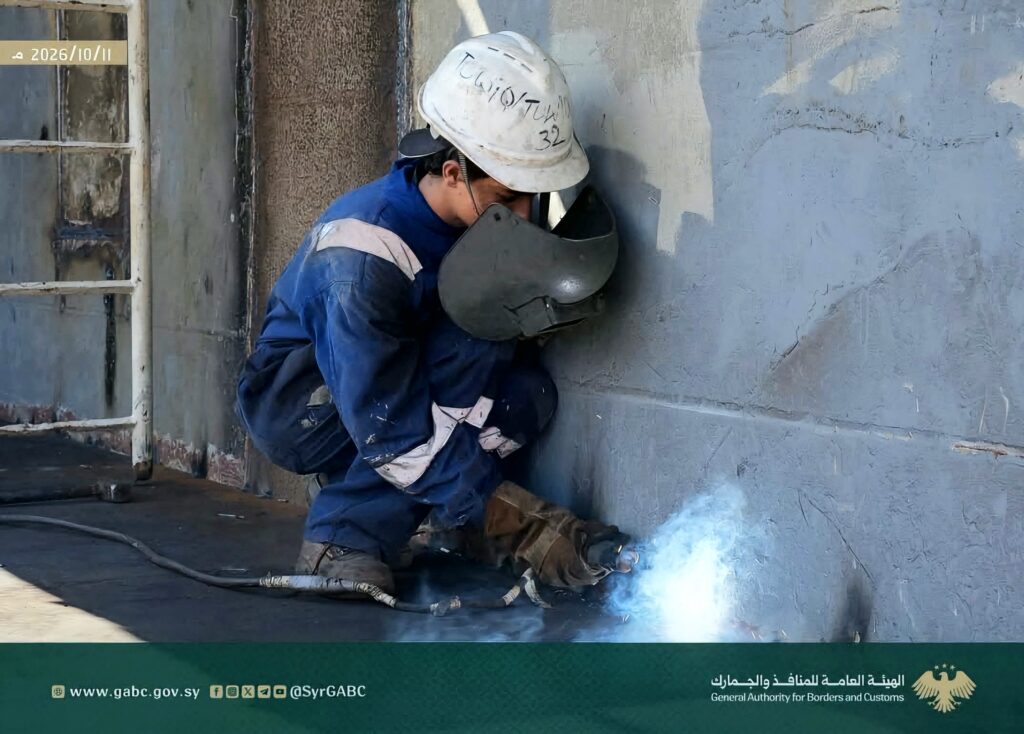
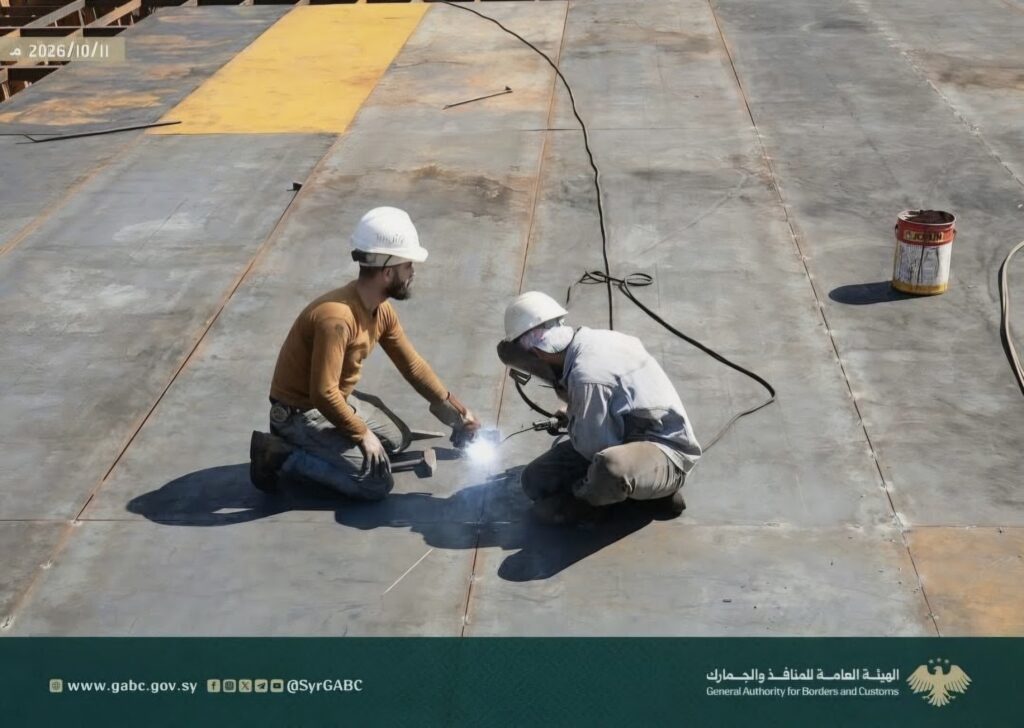
    The maintenance and repair work carried out on the 23 vessels included routine servicing, structural repairs and mechanical maintenance. Technical teams also performed engine maintenance and repairs involving onboard equipment and deck machinery.

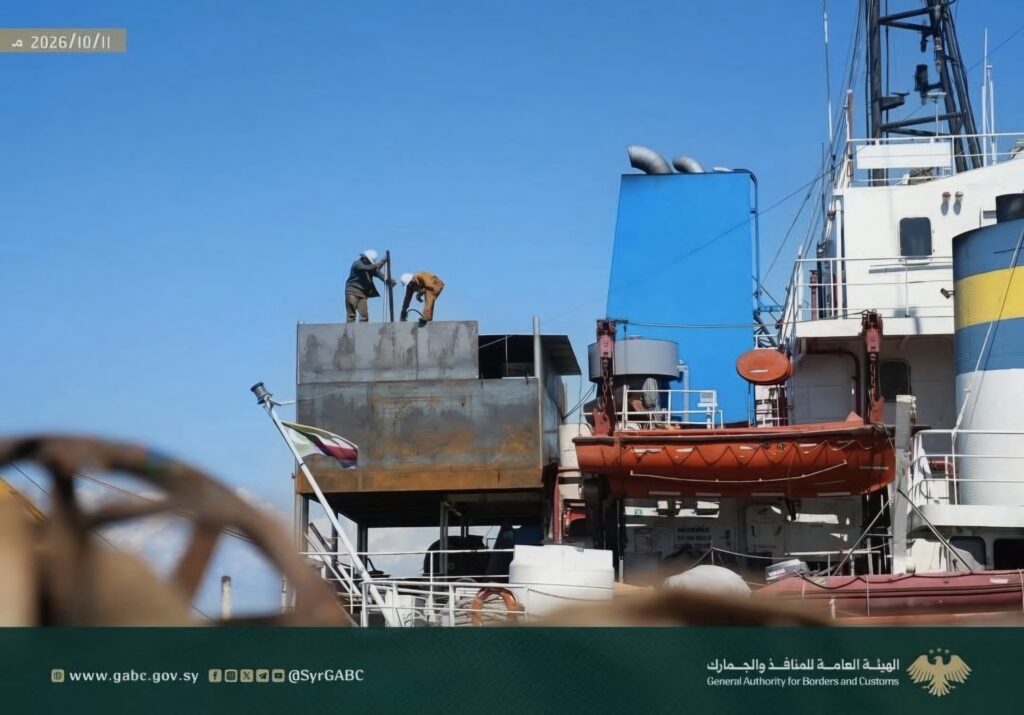
    In addition to conventional ship maintenance, the port’s specialized workshops completed technical conversions on several vessels. These included modifications to prepare ships for livestock transportation, an area in which the port’s workshops have developed considerable practical experience.

    The authority highlighted the technical capabilities of Syrian personnel in handling different vessel maintenance and conversion requirements. Their work focuses on ensuring that vessels meet applicable technical standards and remain ready for navigation.

    These capabilities also contribute to strengthening shipowners’ confidence in the maintenance, repair and conversion services provided at Baniyas Port.

    Specialized Ship Conversion Services Support Port Activities

    Ship conversion represents another area of expertise within Baniyas Port’s technical workshops, particularly the adaptation of vessels for livestock transportation.

    The authority noted that the port’s accumulated experience in this field allows its technical teams to undertake specialized conversion assignments alongside routine maintenance and mechanical repairs.

    By combining these services, the port continues to support different vessel maintenance requirements through locally available technical skills and specialized workshops.

    The authority emphasized that the work reflects the experience of national personnel and their ability to address technical requirements while preparing vessels for continued maritime operations.

    General Authority for Borders and Customs Advances Baniyas Port Development
    Meanwhile, Syria’s General Authority for Borders and Customs continues its efforts to develop Baniyas Port and enhance its operational readiness.

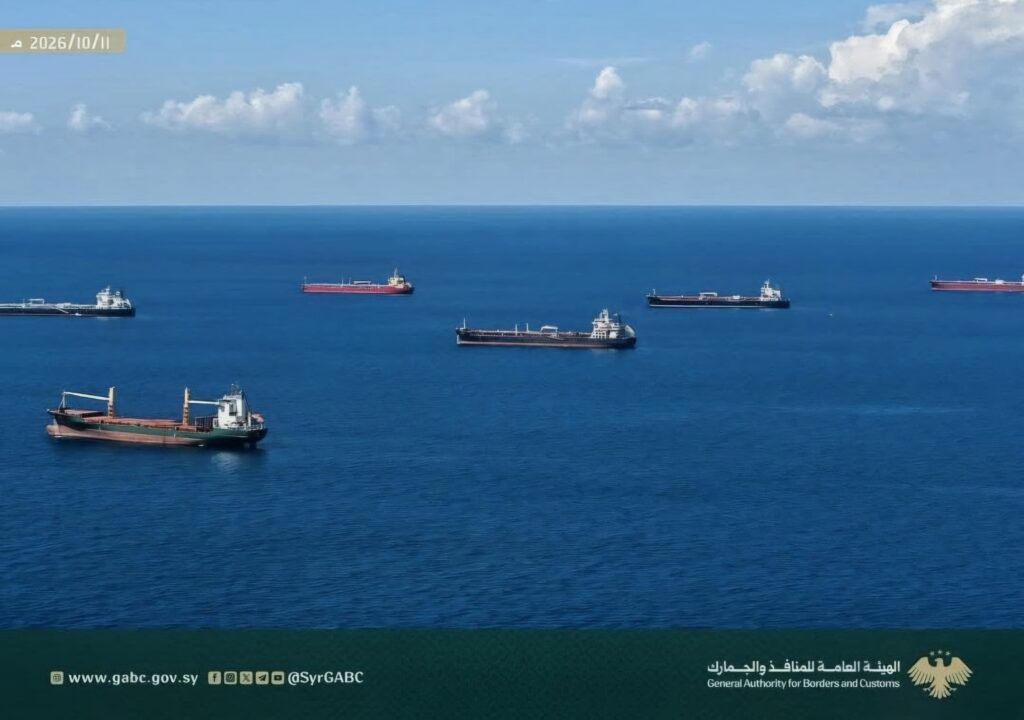
    The authority is focusing on improving the efficiency of port services and providing the necessary facilities to support vessel movements and oil tanker operations.

    These efforts are intended to strengthen the port’s ability to meet maritime operational requirements while improving the services available to ships and shipping companies.

    The continued development of Baniyas Port, together with its ship maintenance and repair activities, forms part of the authority’s broader efforts to support maritime transportation and reinforce the port’s contribution to Syria’s national economy.

    Source: General Authority for Borders and Customs
  • Syria Reviews Port Development, Maritime Operations and Digital Transformation at Latakia Port

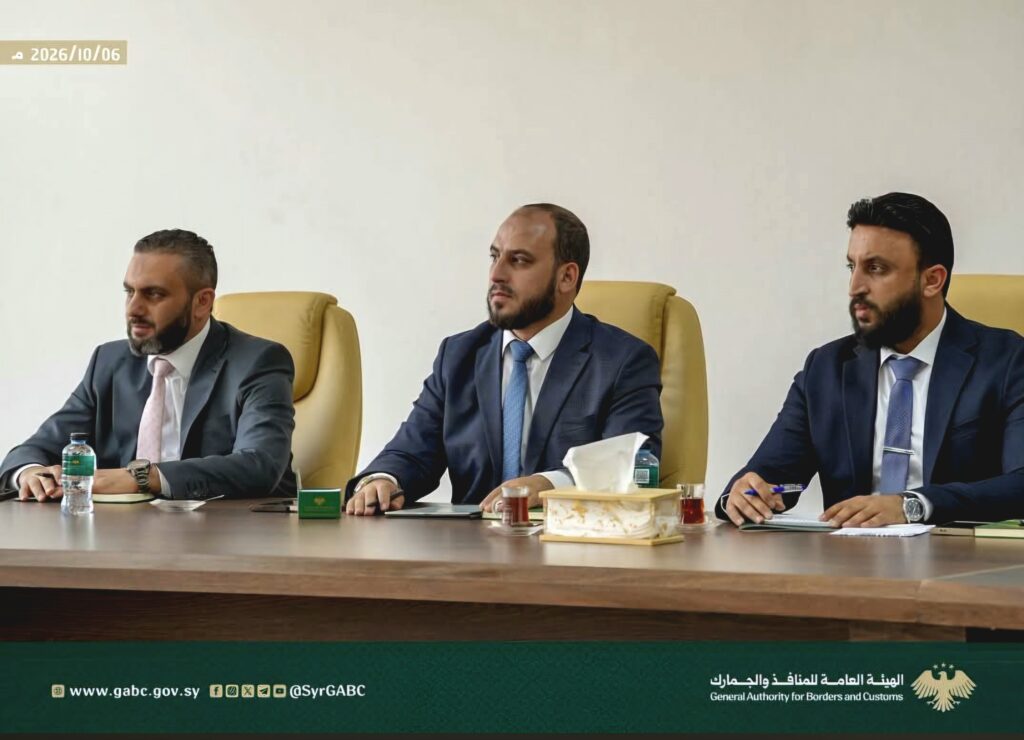
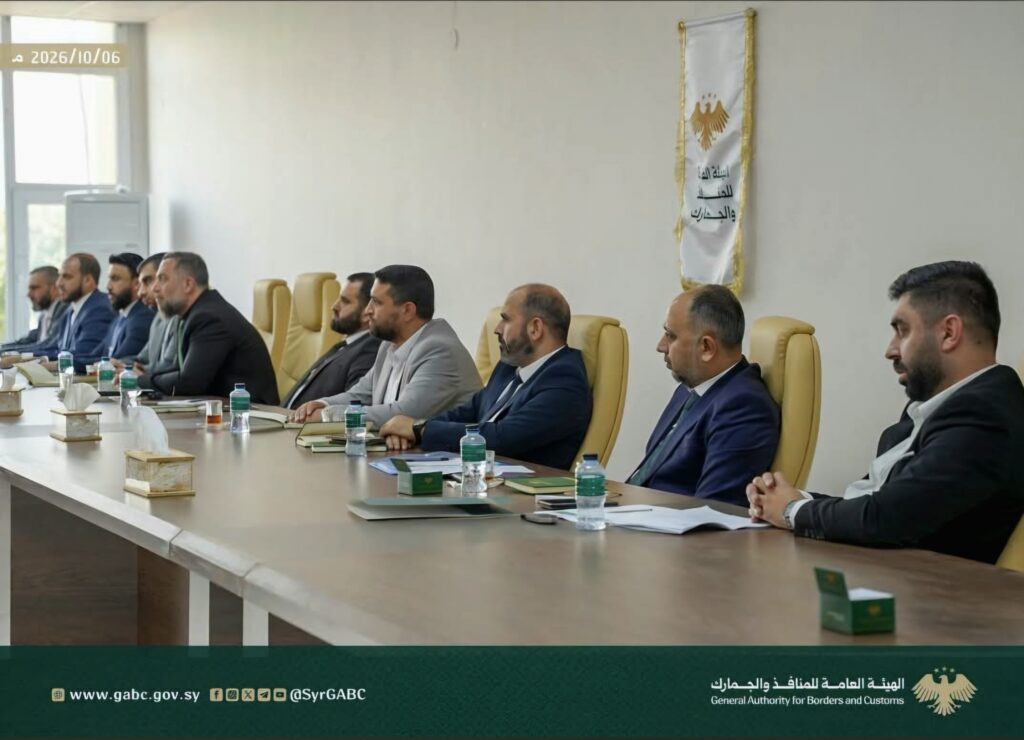
    Shipping Arabia, October 14, 2026 – Syria’s General Authority for Borders and Customs (GABC) has held an extensive meeting at Latakia Port to review maritime operations, development plans and key operational challenges. The discussions focused on improving port services, advancing digital transformation and strengthening coordination among the authority’s affiliated entities.
    The meeting was chaired by Qutaiba Badawi, Head of the General Authority for Borders and Customs, with the participation of directors from the authority’s central departments and directorates.

    Officials examined current operational conditions, identified challenges affecting various departments and discussed measures to improve institutional coordination and service efficiency across Syria’s maritime sector.

    Port Operations and Maritime Service Development

    A major focus of the meeting was the performance of Syrian ports and the development of services provided by the authority’s maritime entities.

    Discussions covered port operations, Coast Guard activities, maritime transport and the Syrian Shipping Agencies Company. Officials reviewed opportunities to improve service delivery, increase operational efficiency and address challenges affecting these activities.

    The meeting also examined the requirements of the Maritime Training and Qualification Establishment, particularly its role in preparing qualified personnel for the maritime sector.

    Participants emphasized the importance of developing the workforce needed to support improvements in maritime services and strengthen the capabilities of institutions operating under the authority.

    These discussions formed part of a broader review of how the authority’s various departments and affiliated organizations can coordinate their activities more effectively.

    Digital Transformation and Administrative Modernization

    Digital transformation was another central topic, with officials reviewing projects to modernize administrative and operational systems across the authority.

    The discussions addressed measures to accelerate official correspondence, simplify working procedures and improve the efficiency of administrative processes.

    Participants also examined the standardization of administrative forms and legal procedures to establish more consistent working practices across departments.

    In addition, the meeting addressed staffing requirements and improvements to the working environment, reflecting the authority’s focus on ensuring that its departments have the personnel and organizational resources needed to perform their responsibilities.

    Performance Monitoring and Service Quality

    During the meeting, Badawi emphasized the importance of adopting clear action plans supported by measurable key performance indicators (KPIs).

    He called for systematic monitoring of assigned tasks, closer follow-up on implementation and measures to overcome obstacles that could delay progress.

    Badawi also directed the authority’s departments to prioritize improvements in service quality while strengthening confidence among customers and investors.

    Furthermore, he stressed the importance of institutional working practices and closer integration among the authority’s different departments and affiliated entities.

    The meeting brought together the operational, administrative and training priorities of Syria’s maritime sector, with an emphasis on coordinated development, improved performance monitoring and more efficient service delivery.

    Source: General Authority for Borders and Customs

  • Latakia Port Cargo Throughput Reaches 3.8 Million Tons Through September 2026

    Shipping Arabia, October 11, 2026 – Latakia Port cargo throughput reached approximately 3.8 million tons during the first nine months of 2026, covering general and containerized cargo. The Syrian port also received 532 vessels between January and September, according to figures released by the General Authority for Borders and Customs.

    The port continues to maintain round-the-clock maritime and cargo handling operations, with vessels arriving and loading and unloading activities taking place across its berths and storage yards.

    Latakia Port Cargo Throughput and Container Volumes

    General cargo accounted for approximately 2 million tons of the total volume handled during the reporting period. Meanwhile, container traffic reached around 219,000 containers, carrying nearly 1.8 million tons of cargo.

    Together, these figures brought Latakia Port cargo throughput to approximately 3.8 million tons through the end of September 2026.

    Containerized cargo and general cargo operations continued throughout the reporting period, supported by ongoing loading and unloading activities at the port’s operational facilities.

    Vessel Calls Reach 532 Across Different Maritime Activities

    Latakia Port received 532 vessels during the first nine months of 2026, reflecting activity across several maritime service categories.

    General cargo vessels accounted for 250 calls, while container ships represented another 247 calls. The remaining traffic included 22 vessels arriving for repair work and 13 passenger ships.

    The breakdown highlights the variety of maritime activities taking place at the port, including commercial cargo handling, vessel repair services and passenger vessel operations.

    Continuous Operations and Port Efficiency

    Alongside its cargo handling and vessel reception activities, Latakia Port continues to focus on maintaining operational efficiency and improving service readiness.

    Technical and operational teams are working to ensure the smooth movement of cargo and accelerate handling procedures across the port’s berths and storage areas.

    These efforts include maintaining continuous operations, strengthening the port’s operational readiness and improving the efficiency of services provided to vessels and cargo operators.

    The ongoing activities aim to support Latakia Port’s role in maritime transportation and commercial trade, while ensuring the continued movement of goods through one of Syria’s maritime gateways.

    Source: General Authority for Borders and Customs
  • Latakia Port Infrastructure Upgrades Target Cargo Handling Efficiency and Faster Clearance

    Shipping Arabia, October 9, 2026 – Syria is advancing Latakia Port infrastructure upgrades and operational improvements aimed at strengthening cargo-handling capabilities, accelerating cargo movements and simplifying administrative procedures. The ongoing rehabilitation program includes new port equipment, improvements to operational facilities and measures to facilitate trade-related transactions.

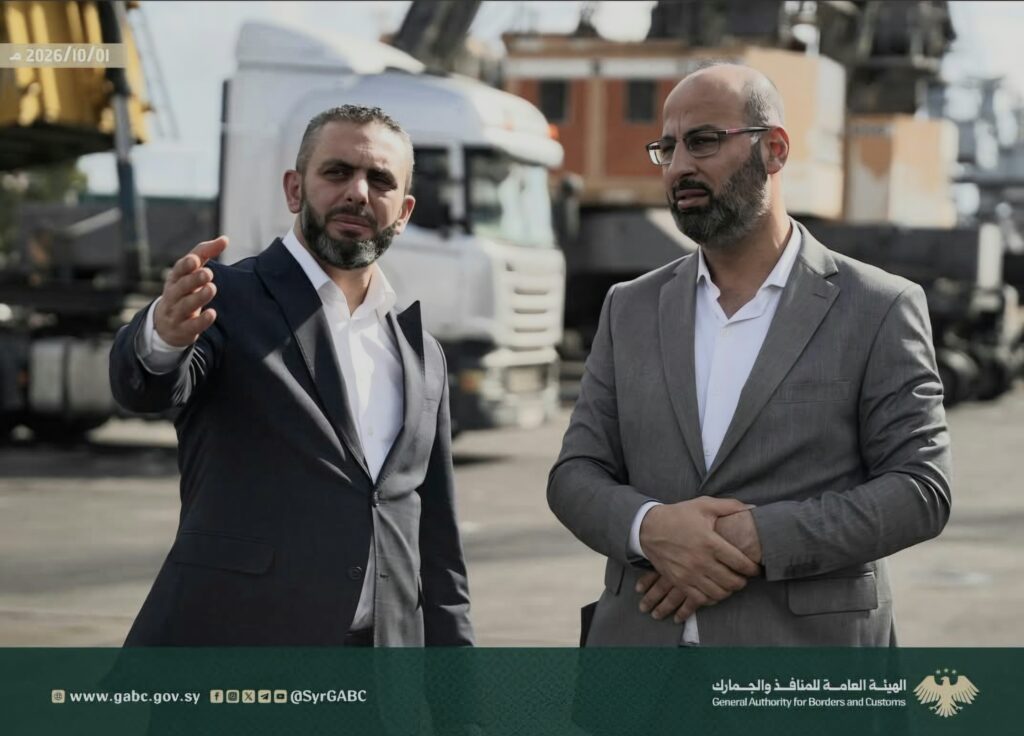
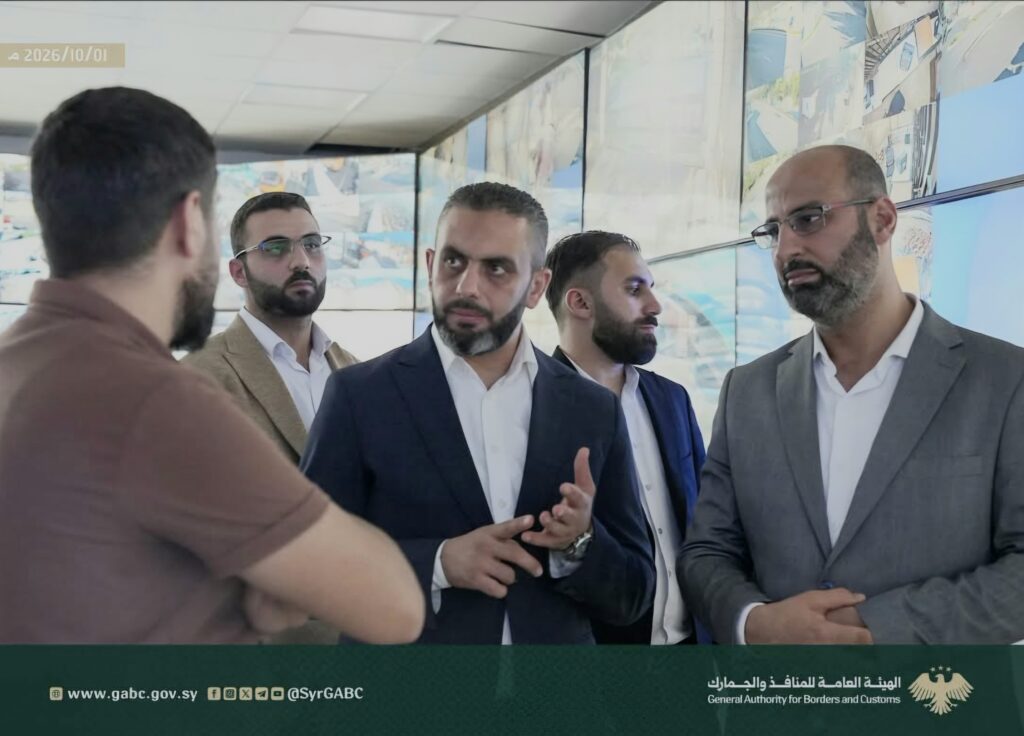
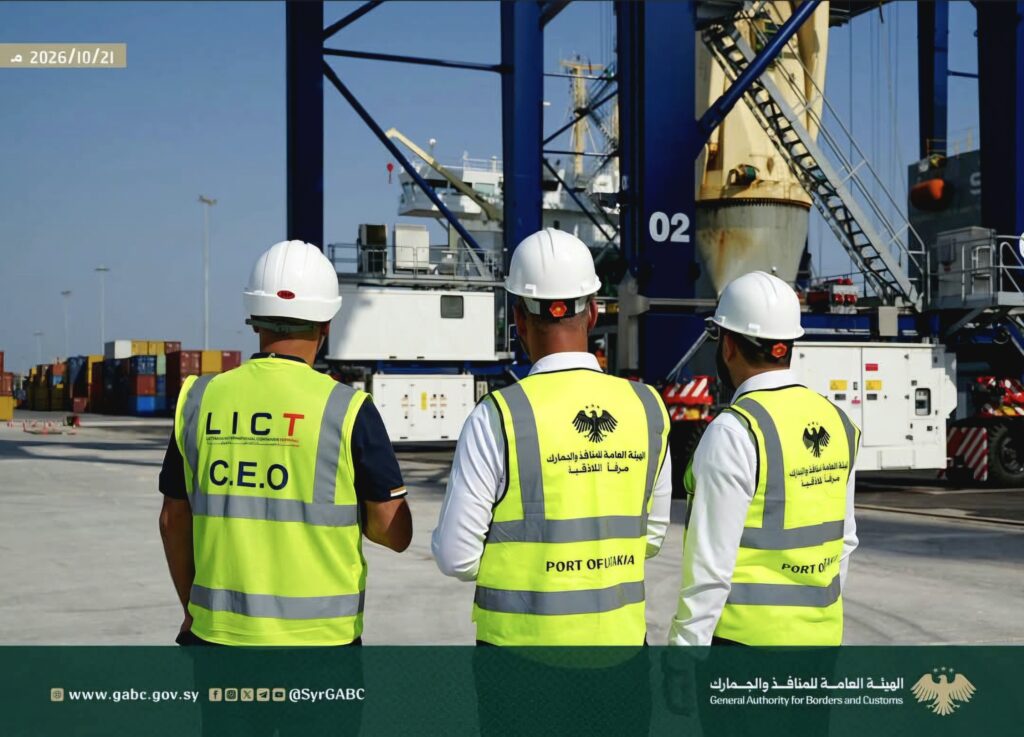
    Tamim Sawaghi, Deputy Head of the General Authority for Borders and Customs for Port Affairs, conducted an inspection visit to Latakia Port to review ongoing development projects and assess operational performance.
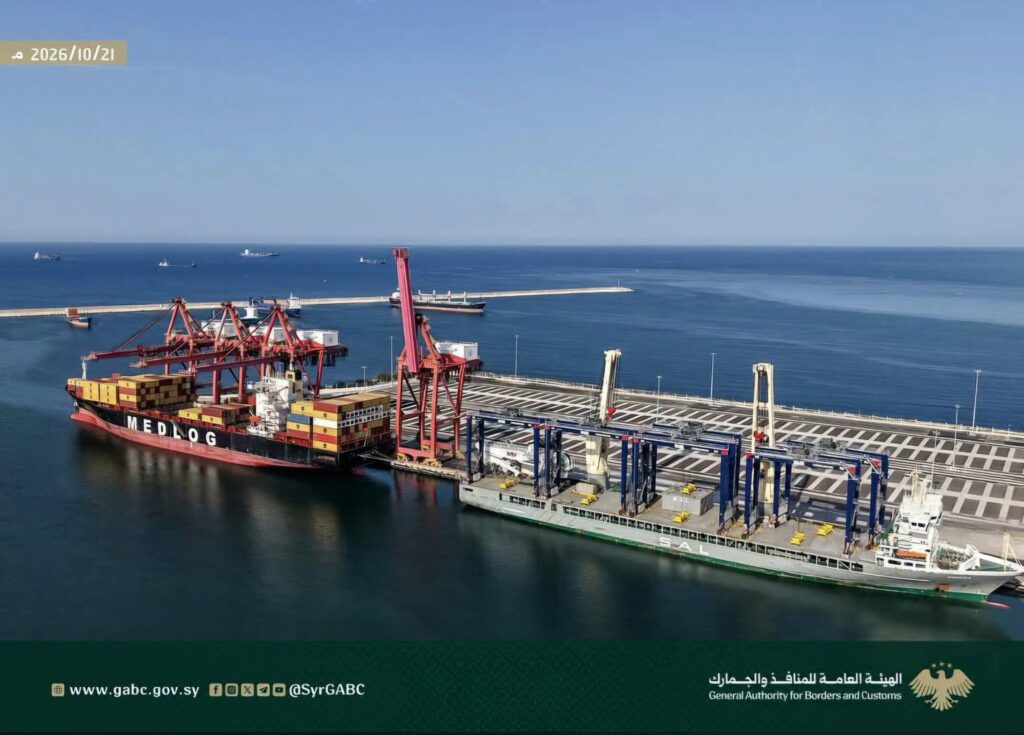
    The visit focused on infrastructure rehabilitation, cargo movement efficiency and procedures designed to improve services for traders and transport operators. Officials also reviewed measures to facilitate cargo reception, unloading and transportation within the port.

    Latakia Port Infrastructure Upgrades and Cargo-Handling Equipment

    During the inspection, Latakia Port Director Abdul Hamid Al-Wahb briefed Sawaghi on the rehabilitation and equipment modernization activities currently underway.

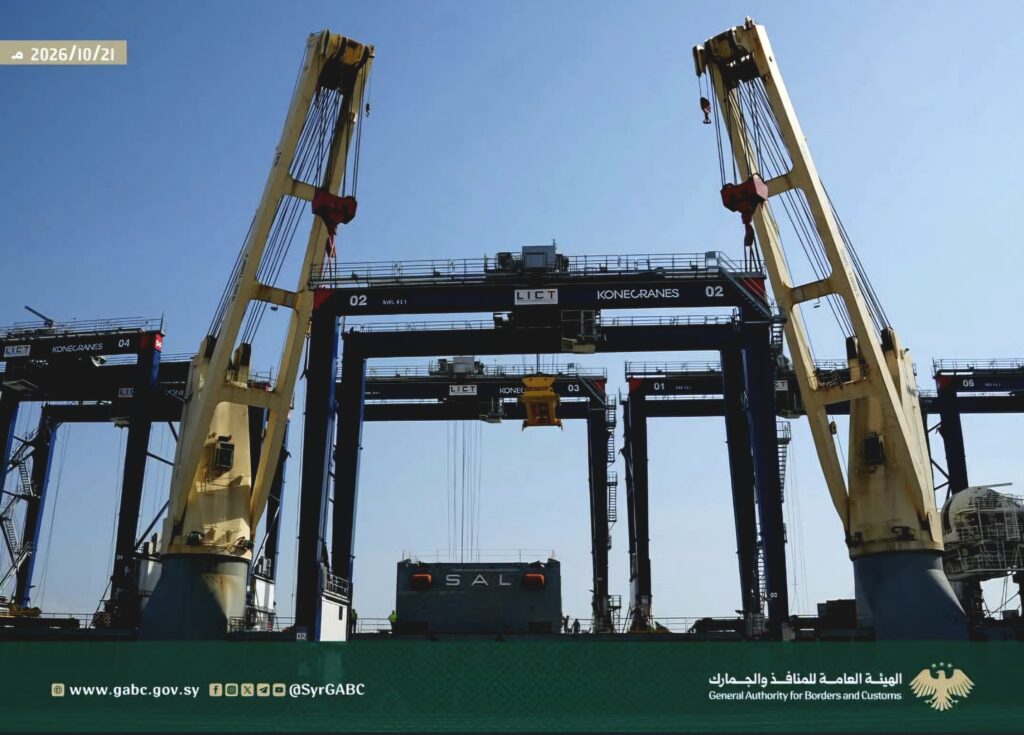
    The projects include upgrading port infrastructure and introducing new machinery to support cargo-handling operations. These improvements aim to strengthen the port’s operational capacity and increase the efficiency of cargo reception, unloading and transportation.

    The addition of handling equipment forms part of efforts to improve service quality and facilitate cargo movements through the port. The rehabilitation work also addresses the operational requirements of port facilities and cargo-handling areas.

    Officials reviewed the organization of cargo yards and other port facilities during the visit. This assessment focused on maintaining orderly operations and improving the movement of goods through different sections of the port.

    The General Authority for Borders and Customs is overseeing these improvements as part of its efforts to develop the performance of Syria’s maritime ports.
    One-Stop Service System Aims to Accelerate Port Procedures

    Administrative efficiency represents another important component of the operational improvements at Latakia Port.

    During the inspection, Sawaghi reviewed the port’s one-stop service system and its role in simplifying procedures for traders and transport operators.

    The system aims to improve coordination between the departments responsible for processing port-related transactions. By bringing together relevant administrative services, the initiative seeks to reduce processing times and facilitate the completion of required procedures.

    Greater coordination between port departments is also intended to improve the flow of transactions associated with cargo movements. These measures complement the infrastructure and equipment improvements currently underway.

    The inspection therefore addressed both the physical handling of cargo and the administrative processes that support commercial operations.

    Strengthening Syria’s Maritime Port Operations

    The inspection visit forms part of the General Authority for Borders and Customs’ ongoing field supervision of maritime port operations and rehabilitation activities.

    Through these visits, the authority aims to monitor progress, assess operational requirements and support improvements in the quality of port services.

    At Latakia Port, the current development efforts focus on improving cargo-handling efficiency, organizing operational areas and reducing administrative processing times.

    Together, these measures are intended to strengthen the port’s ability to accommodate cargo movements and provide more efficient services to shipping-related businesses, traders and transport operators.

    The authority emphasized that developing maritime port performance and improving service quality remain important objectives in supporting trade activity and meeting the needs of Syria’s economic sectors.

    Source: General Authority for Borders and Customs – Syria
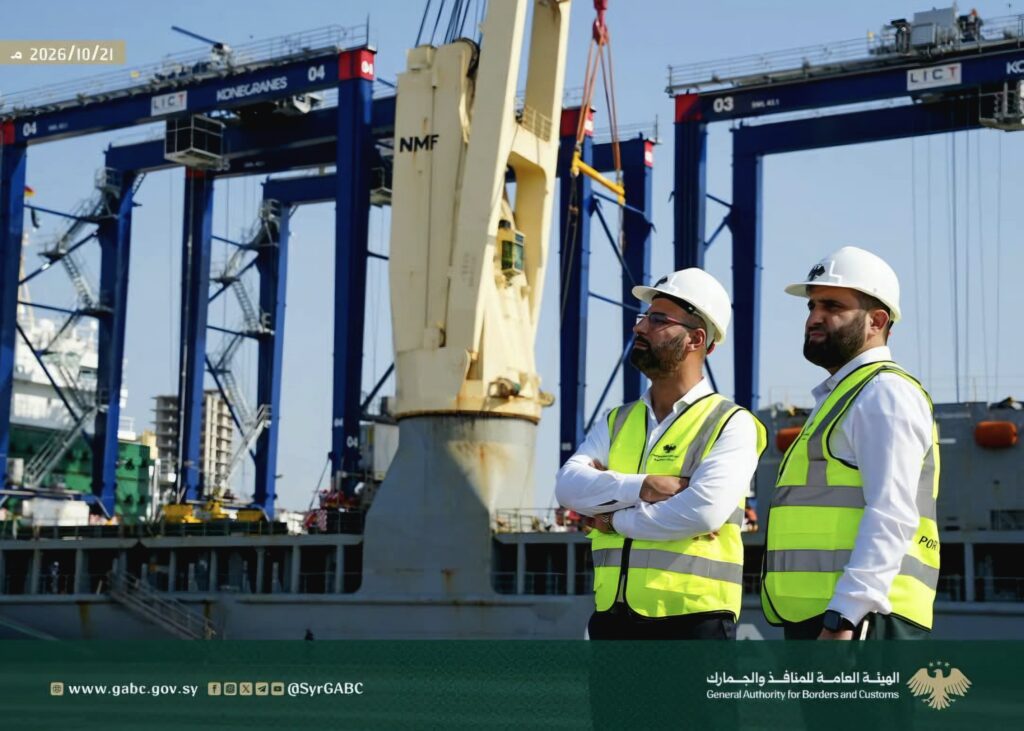
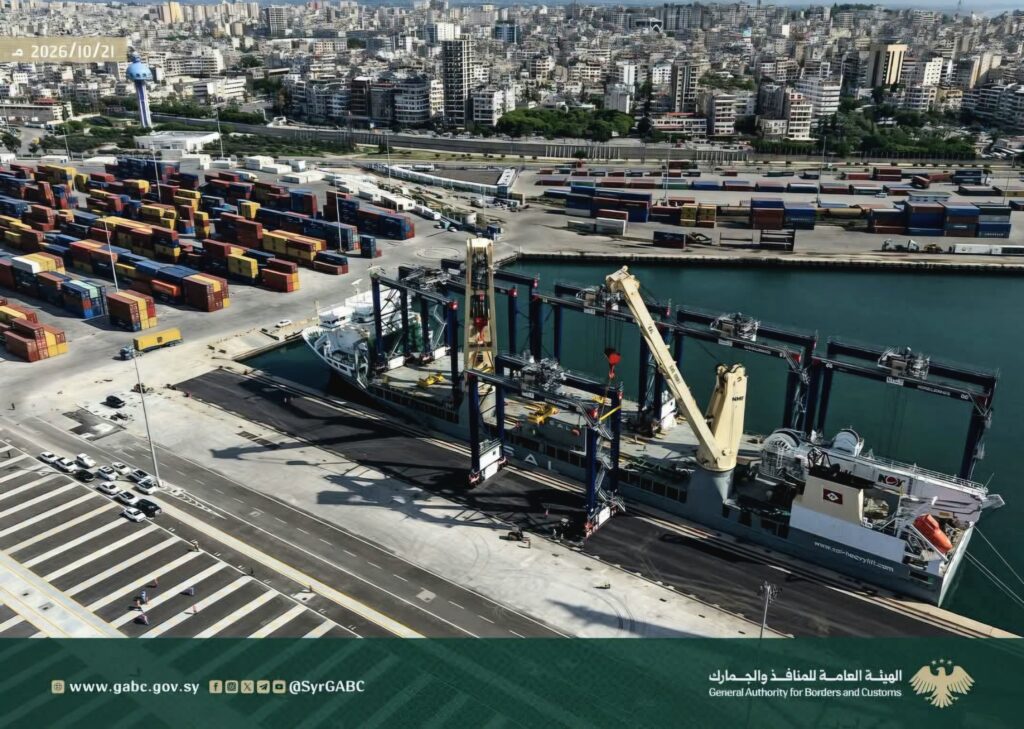
    Latakia Port in Syria, where infrastructure upgrades and cargo-handling improvements are underway.
  • Latakia Port Adds 16 New Forklifts to Strengthen Cargo Operations

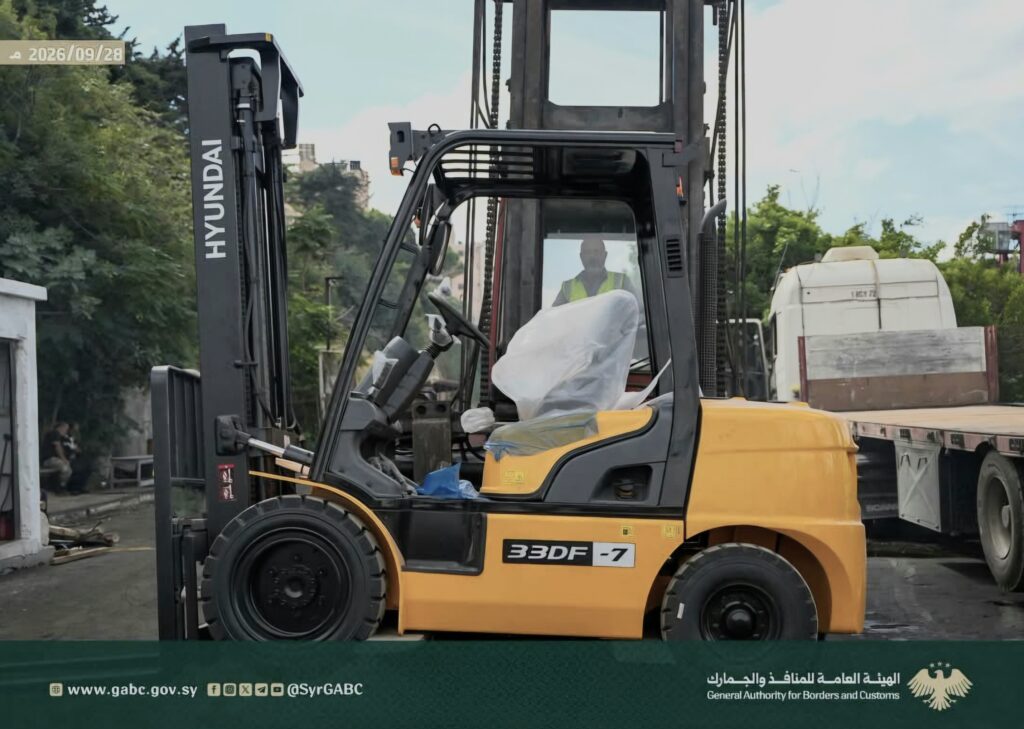
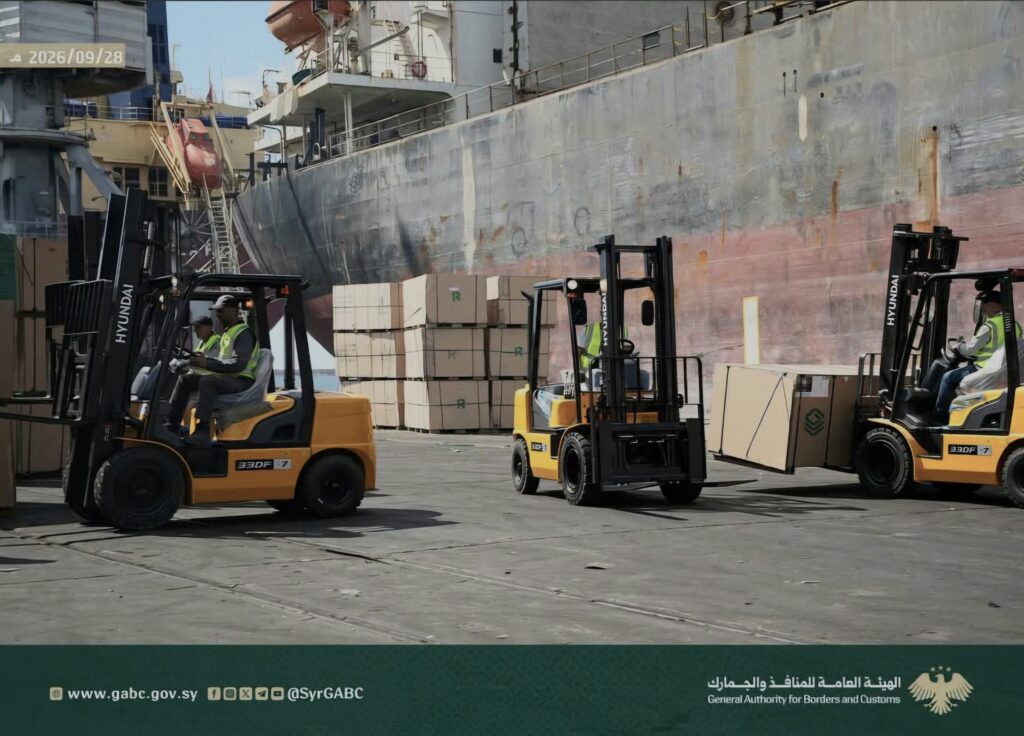
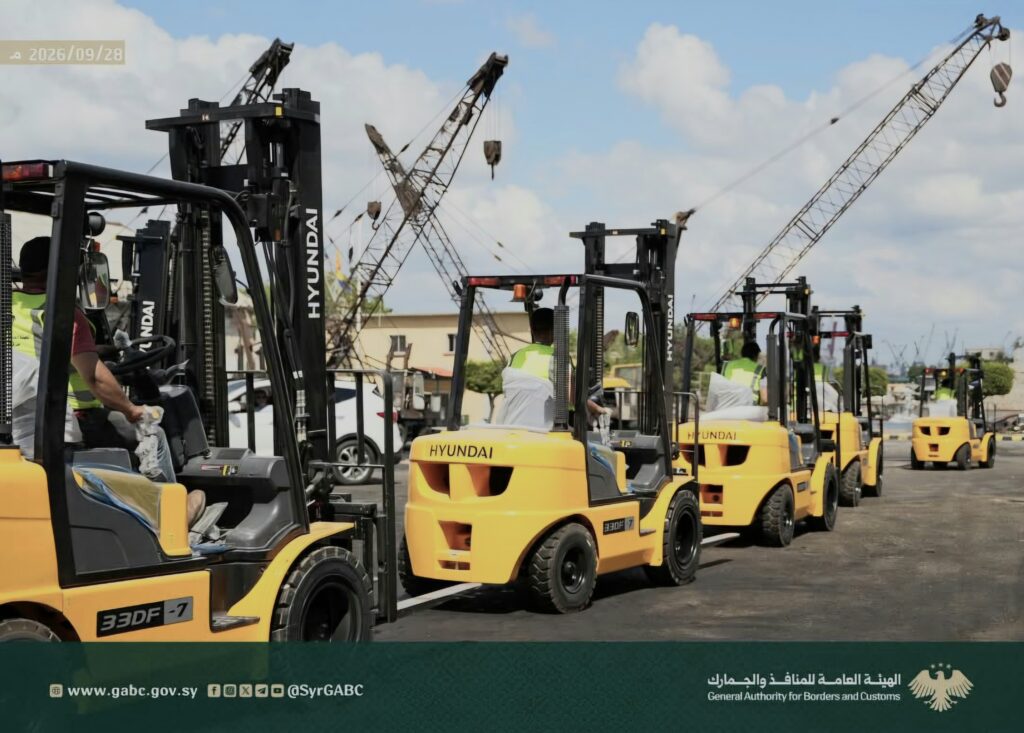
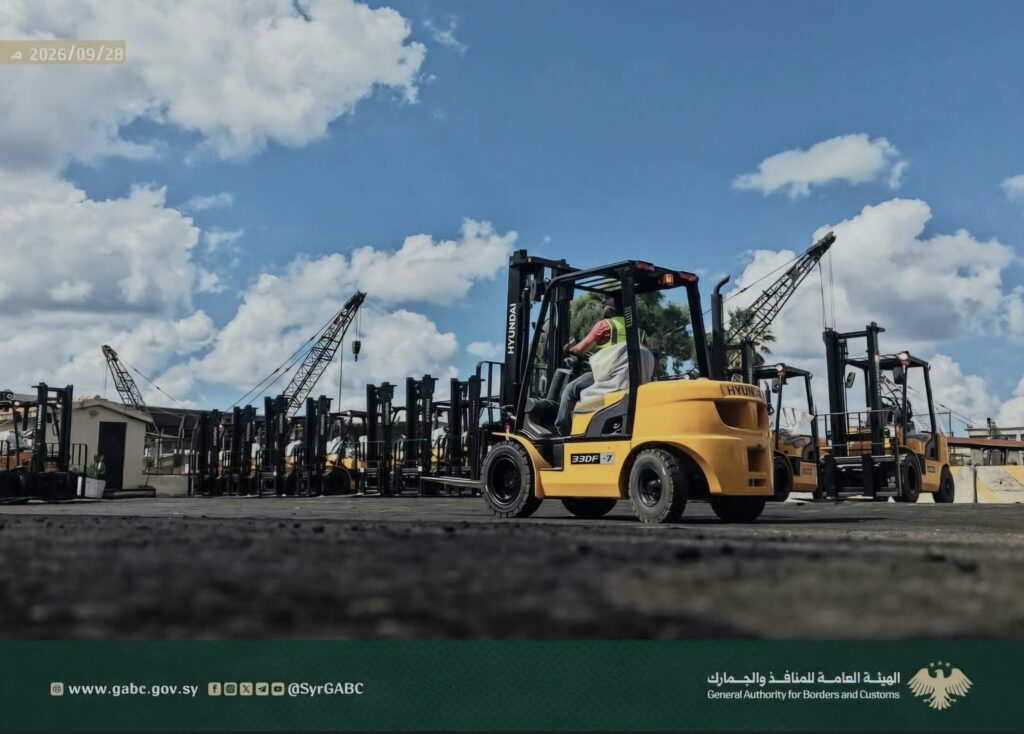
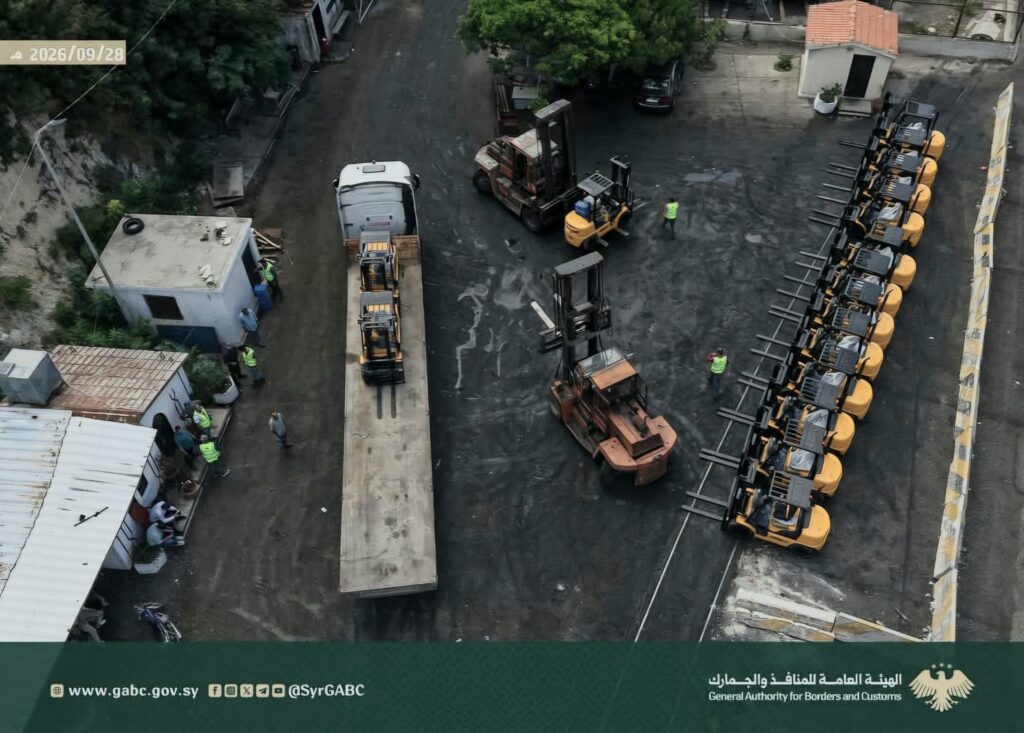
    Shipping Arabia, October 5, 2026 – Latakia Port has received 16 new forklifts, each with a lifting capacity of up to three tonnes, as part of ongoing efforts to strengthen operational efficiency and accelerate cargo-handling activities at the Syrian port.

    The new forklifts will join the port’s existing fleet of machinery and equipment. Their deployment is intended to support loading and discharge operations while improving the flow of cargo through the port.

    New Equipment to Support Cargo Handling

    The addition of the 16 forklifts is expected to improve the port’s ability to respond to operational requirements more efficiently. By supporting cargo movement across port operations, the equipment will help streamline handling activities and improve the movement of goods.

    The new machinery is also intended to contribute to reducing the amount of time vessels remain alongside the port’s berths. This forms part of wider efforts to improve operational performance at Latakia Port.

    Infrastructure and Service Development Continue

    The equipment delivery comes as rehabilitation work on port infrastructure and service development continues at Latakia Port.

    These efforts include improving the working environment, facilitating procedures and raising the level of services provided to port users. The new forklifts form part of this broader program to upgrade the port’s operational capabilities.

    General Authority for Borders and Customs Continues Port Upgrades
    The General Authority for Borders and Customs continues to implement plans to rehabilitate Syria’s ports and border facilities and modernize their equipment.
    According to the authority, the ongoing program aims to strengthen operational readiness while supporting the role of Syrian ports in stimulating trade and maritime transport activity.

    The arrival of the 16 forklifts at Latakia Port therefore forms part of a wider effort to upgrade equipment, rehabilitate infrastructure and improve the efficiency of port services.

    Source: General Authority for Borders and Customs
  • Tartous Port Accelerates Cargo Handling at Berth 4 Following Commercial Restart

    Shipping Arabia, October 4, 2026 – Cargo handling and unloading operations are continuing at an accelerated pace at Tartous Port Berth 4, with active movement of cargo-handling equipment supporting faster operations and smoother cargo flows within the Syrian port.

    The ongoing activity follows the start of commercial operations at Berth 4 on August 11, when the berth received its first vessels. Its operation has added to the port’s handling and storage capabilities while supporting efforts to increase capacity and accelerate cargo movements.

    Tartous Port Berth 4 Returns to Commercial Operations

    The General Authority for Ports and Customs took over the commercial areas previously occupied by the Russian side at Tartous Port in August. The handover included Berth 4 as well as its associated facilities, installations and storage yards.

    Commercial operations subsequently began at the berth on August 11. Since then, Tartous Port Berth 4 has been used for cargo-handling and unloading activities, with machinery and equipment deployed to move cargo and support the flow of operations within the port.

    The additional berth capacity is intended to strengthen Tartous Port’s operational and storage capabilities. It also supports faster cargo handling and increases the port’s capacity to accommodate commercial activity.

    Authority Targets Higher Port Readiness and Efficiency

    The operation of Berth 4 forms part of the General Authority for Borders and Customs’ efforts to develop Syrian ports and improve their operational readiness.

    The authority is also seeking to raise the efficiency of port services to meet the requirements of trade flows and support maritime transport activity.

    The continuing cargo operations at Tartous Port Berth 4 therefore represent part of the wider effort to make greater use of the port’s infrastructure, storage areas and commercial facilities.

    Source: General Authority for Borders and Customs
    Cargo handling operations at Tartous Port Berth 4
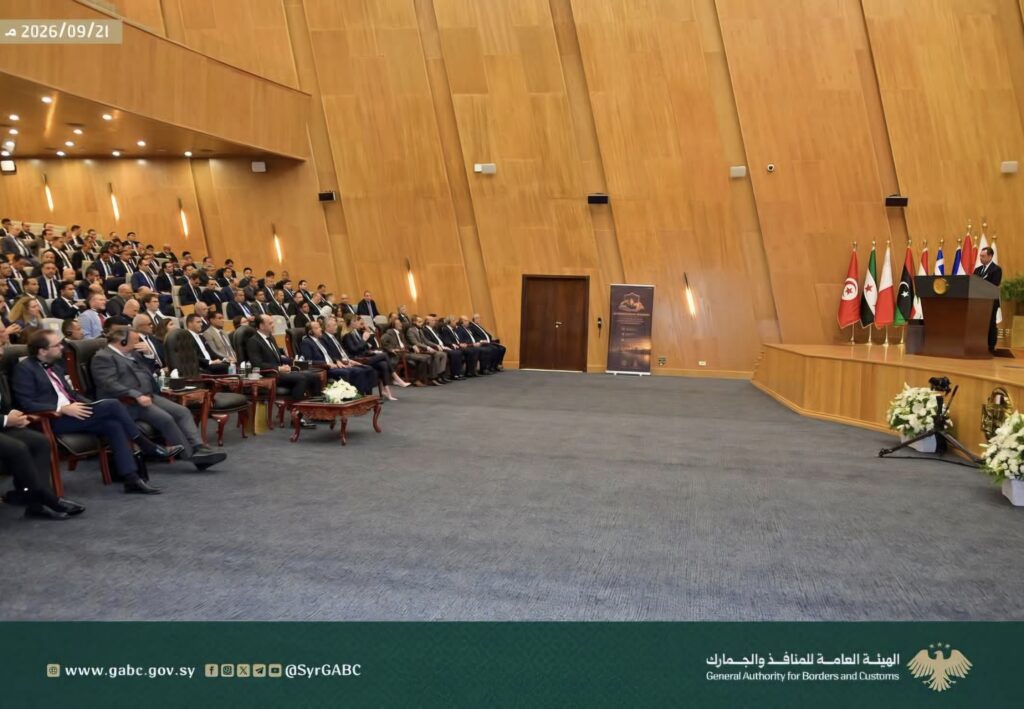
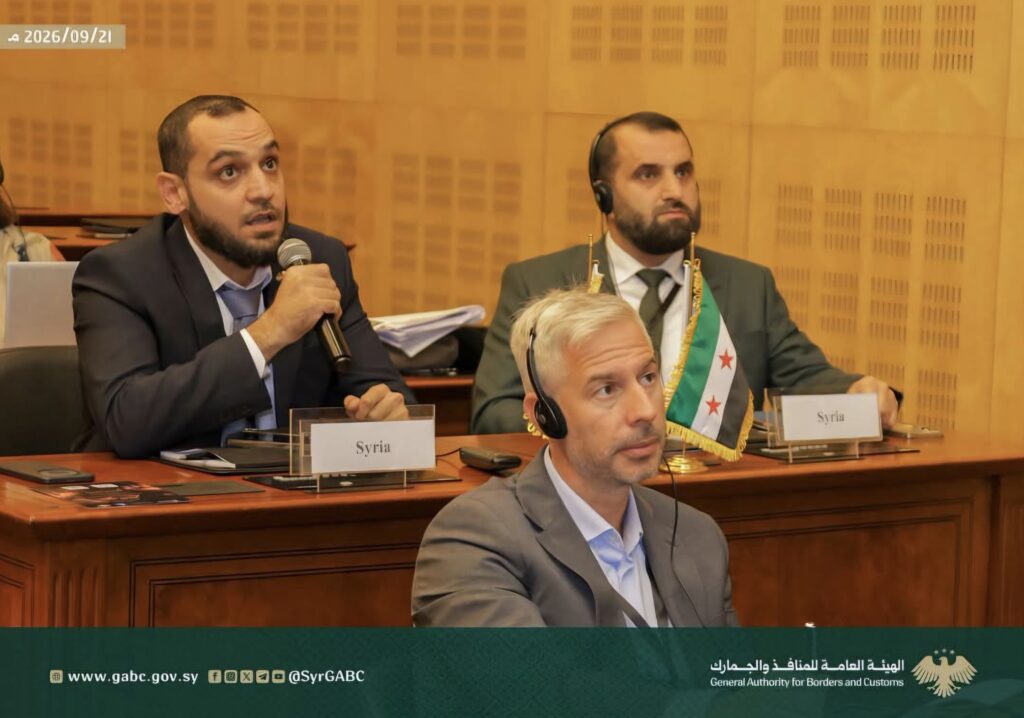
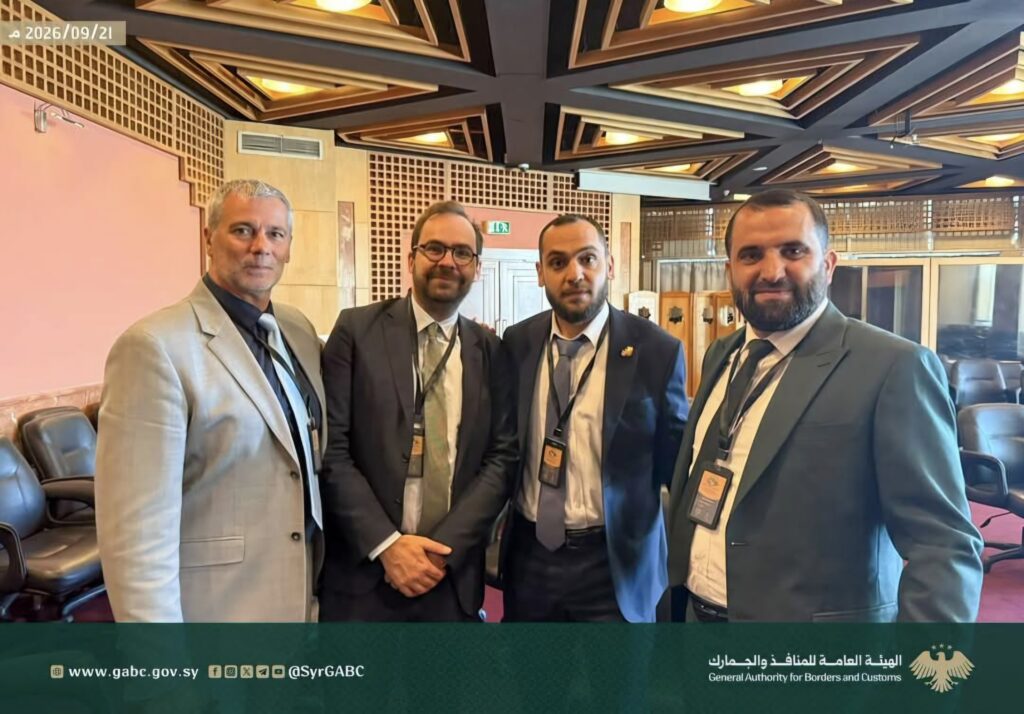
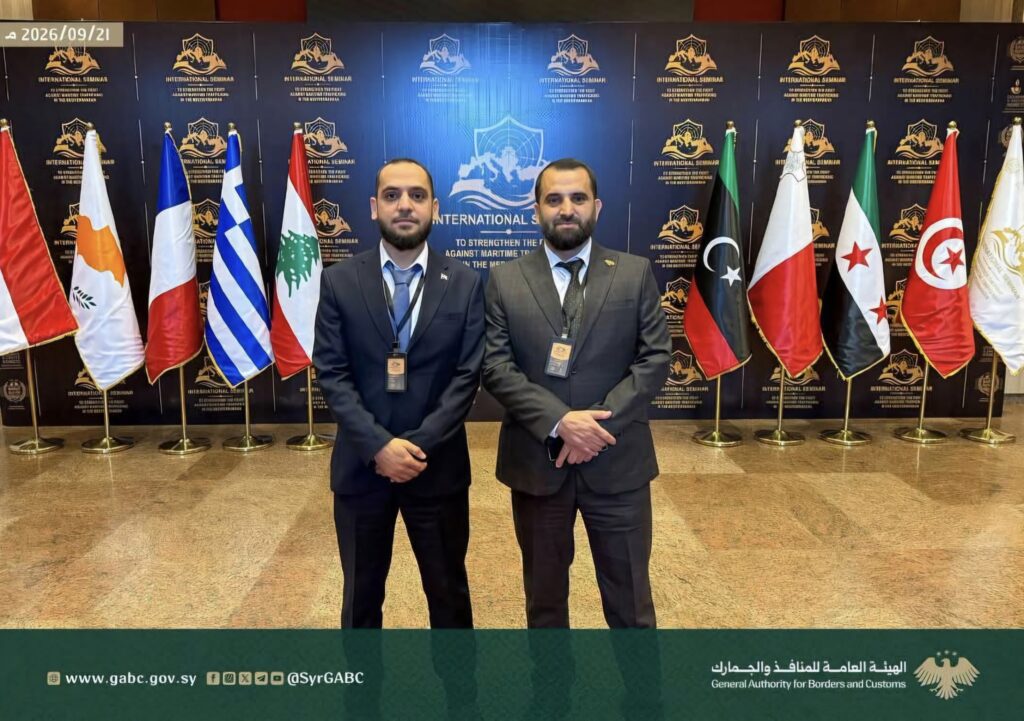
  • Syria’s General Authority for Borders and Customs Joins Mediterranean Maritime Security Seminar in Egypt
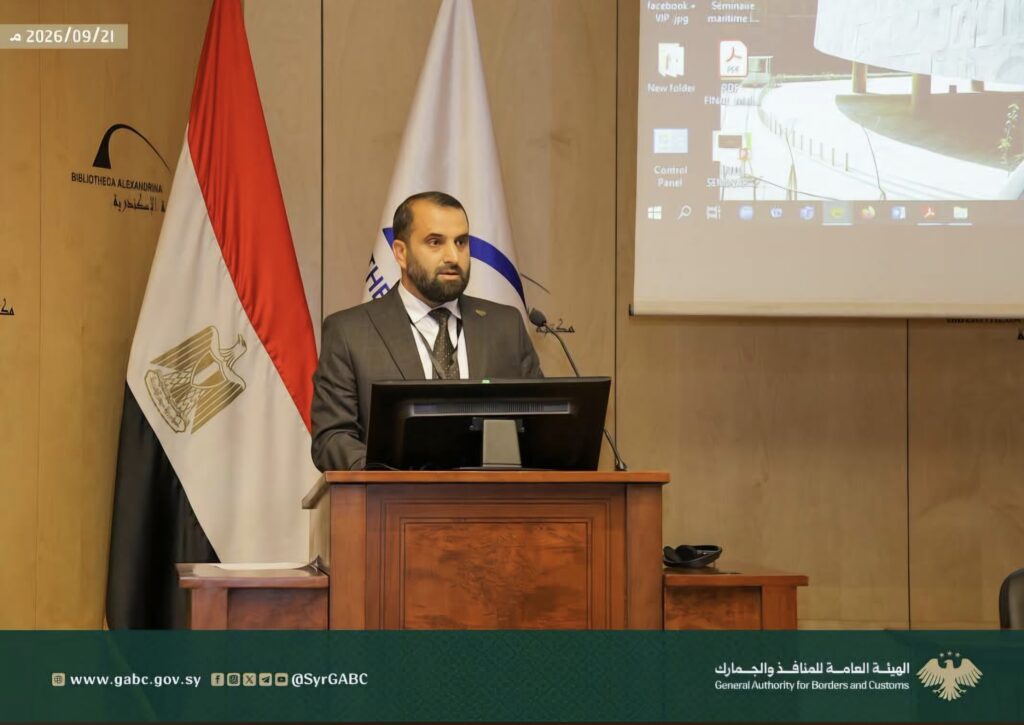
    Shipping Arabia, September 27, 2026 – A delegation from Syria’s General Authority for Borders and Customs participated in an international maritime seminar held in Cairo and Alexandria, Egypt, focused on strengthening efforts to combat illicit trafficking through maritime routes and drug smuggling across the Mediterranean.
    The Syrian delegation included Naji Abdeen, Director General of the General Directorate of Ports, and Ahmed Al-Masri, Director of the Coast Guard Forces.

    The seminar was organized by France’s Directorate General of Customs and Indirect Taxes and brought together experts and representatives from authorities responsible for combating smuggling across countries in the region. Representatives of shipping companies and port operators also took part, with discussions centered on cooperation and the exchange of expertise in addressing shared maritime security challenges.

    Maritime intelligence and risk analysis

    Sessions examined the maritime security situation in the Mediterranean and reviewed emerging routes and methods used by criminal groups for smuggling operations.

    Participants also discussed the role of maritime intelligence and risk analysis in identifying illicit activities, alongside ways to strengthen international cooperation at both strategic and operational levels.

    The discussions reflected the need for closer coordination between customs, coast guard, port and maritime stakeholders in dealing with criminal activity that moves through maritime transport channels.

    Bilateral talks with Greece, Cyprus and France

    On the sidelines of the seminar, the General Authority for Borders and Customs delegation held bilateral meetings with representatives from Greece, Cyprus and France.
    The talks addressed opportunities for technical cooperation, as well as the exchange of information and operational expertise.

    The delegation also discussed developing Syrian Coast Guard capabilities in several areas, including training and qualification, surveillance, maritime inspection, operations and maintenance.

    These discussions formed part of efforts to strengthen operational capacity and deepen cooperation with regional and international partners involved in maritime security and anti-smuggling activities.

    Joint maritime operations and inspection procedures

    The Syrian delegation also participated in a workshop dedicated to joint maritime operations.

    The workshop examined proposals for conducting field exercises and developing vessel and container inspection procedures. Participants also discussed improving coordination between specialized teams involved in maritime enforcement and security operations.

    Another focus was the development of an operational communications network across the region. The objective is to move cooperation beyond the exchange of experience and toward practical coordination between the relevant administrations.

    The General Authority for Borders and Customs said its participation forms part of efforts to strengthen regional and international partnerships, improve the capabilities of national personnel and further develop Syria’s port and coastal security system.
    These efforts are aimed at supporting the fight against drug smuggling while protecting the legitimate movement of maritime trade.

    Source: General Authority for Borders and Customs
  • Syria Reviews Single-Window Operations and Administrative Procedures at Tartous and Banias Ports

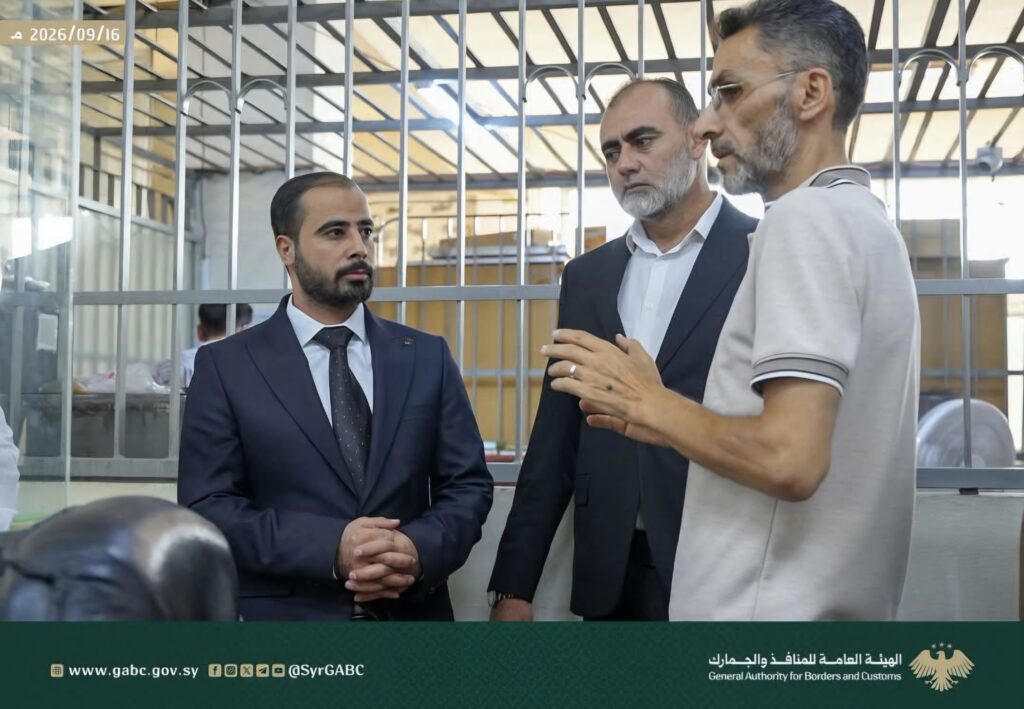
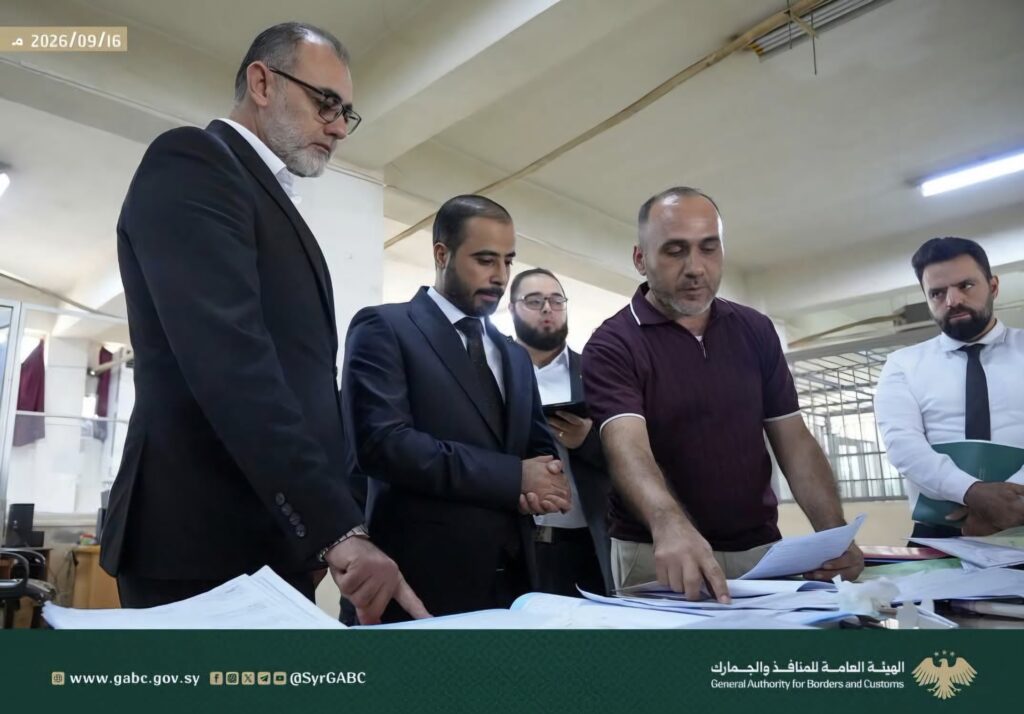
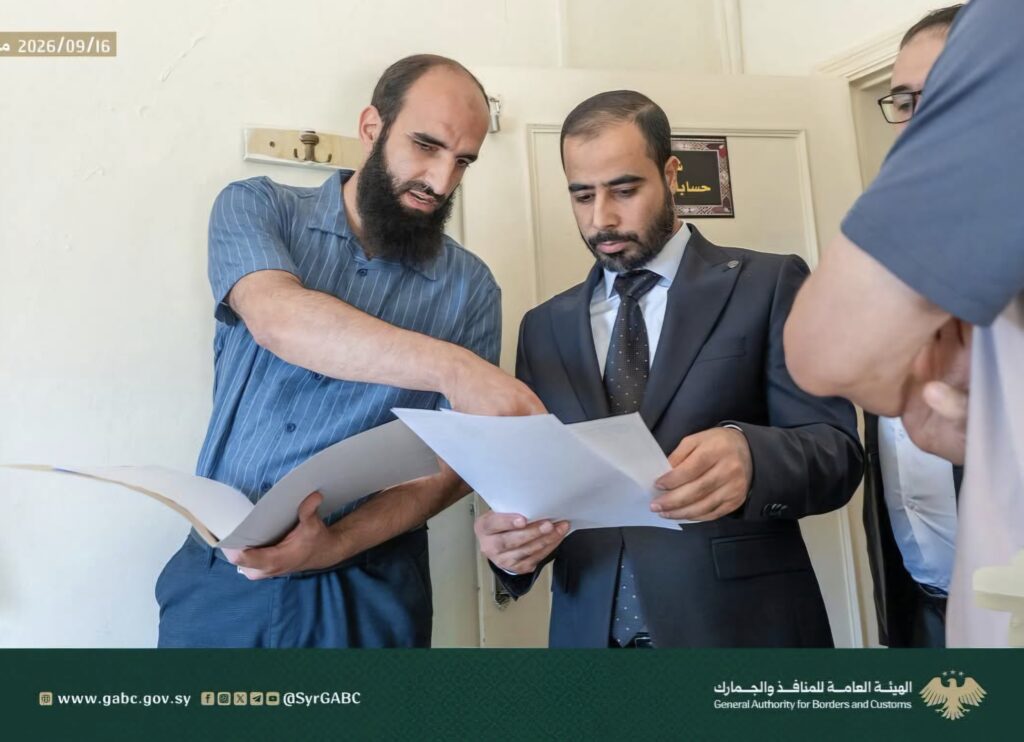
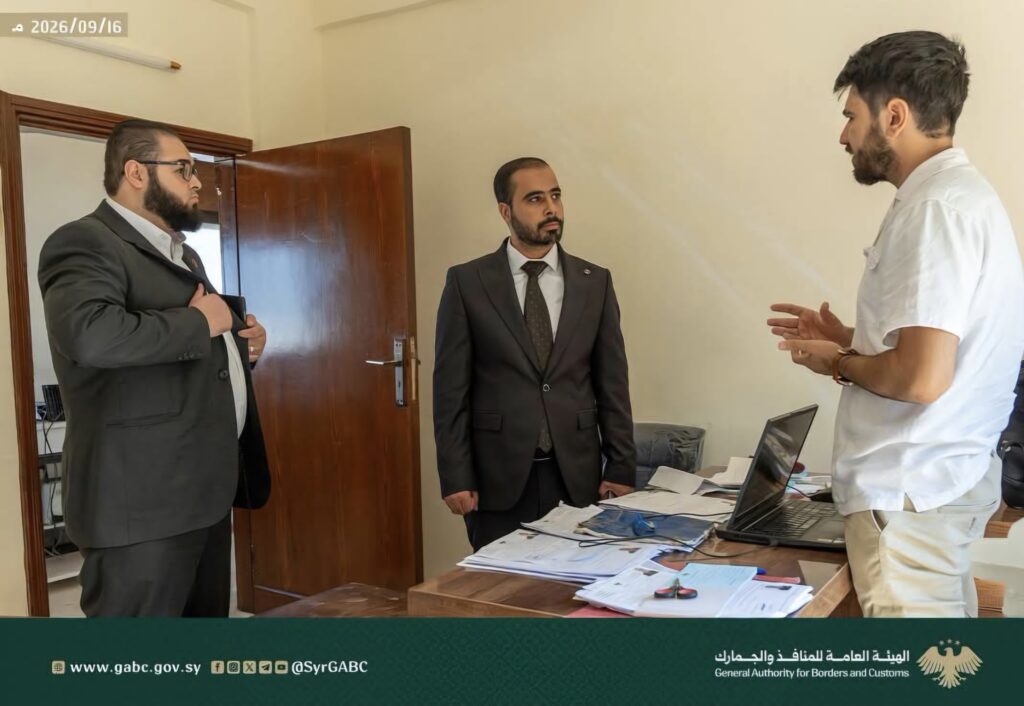
    Shipping Arabia, September 23, 2026 – Syria’s General Authority for Borders and Customs has reviewed administrative, financial and cargo-processing procedures at Tartous and Banias ports as part of efforts to improve operational efficiency and accelerate transactions at the country’s maritime gateways.
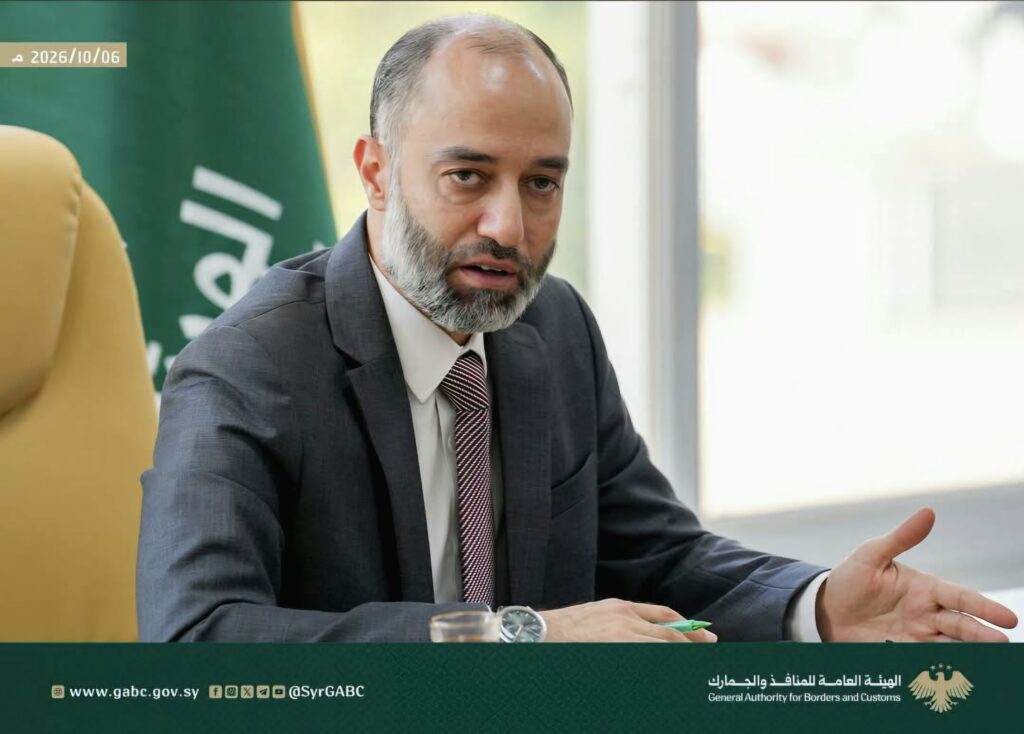
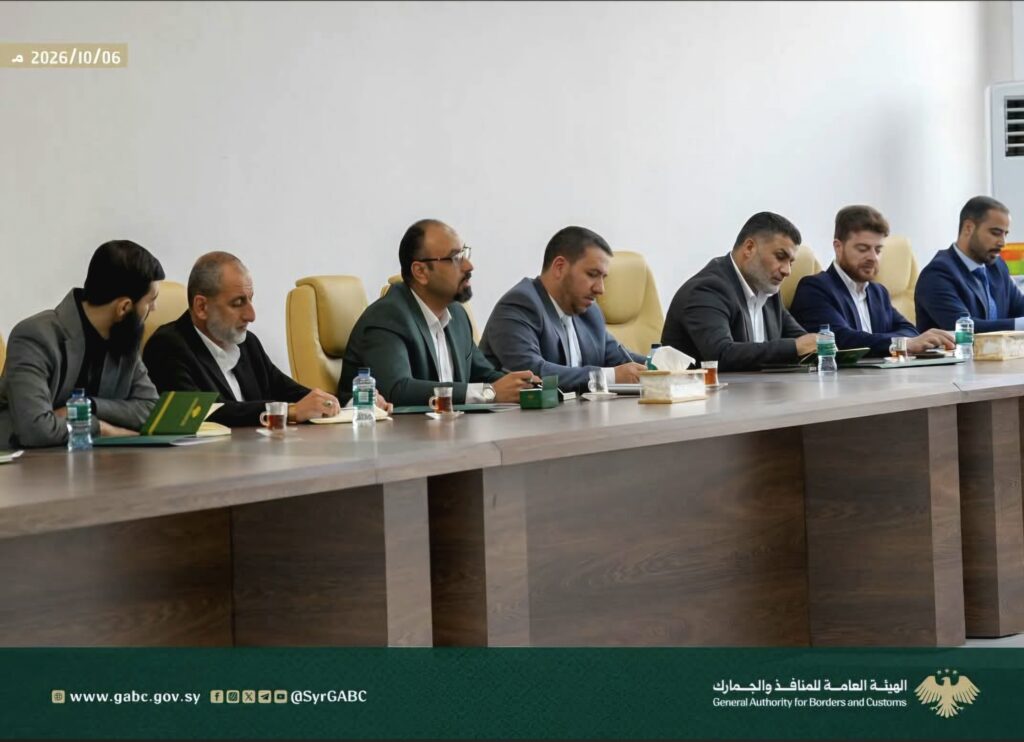
    Assistant Chairman for Financial and Administrative Affairs Waseem Al-Mansour inspected operations at both ports, focusing on administrative and financial procedures and the implementation of tasks across their departments.

    At Tartous Port, the review included the port’s single-window system, covering the processing of transactions and coordination between the authorities involved. Al-Mansour emphasized simplifying procedures and strengthening coordination to reduce processing times and improve service flows.

    The visit also covered the port’s financial affairs and supply departments, including procedures for financial documentation and the provision of materials and equipment required to maintain port operations.

    At Banias Port, discussions focused on administrative and financial performance, coordination between departments and measures to address obstacles affecting day-to-day operations and service delivery.

    The General Authority for Borders and Customs said the inspections form part of wider field monitoring and administrative and financial oversight across its facilities, with a focus on improving performance and speeding up transaction processing.
    The review reflects ongoing efforts to streamline procedures at Syria’s maritime facilities, where efficient documentation, inter-agency coordination and digitalized processing are important to improving cargo and vessel-related services.

    Source: General Authority for Borders and Customs
Back to top button