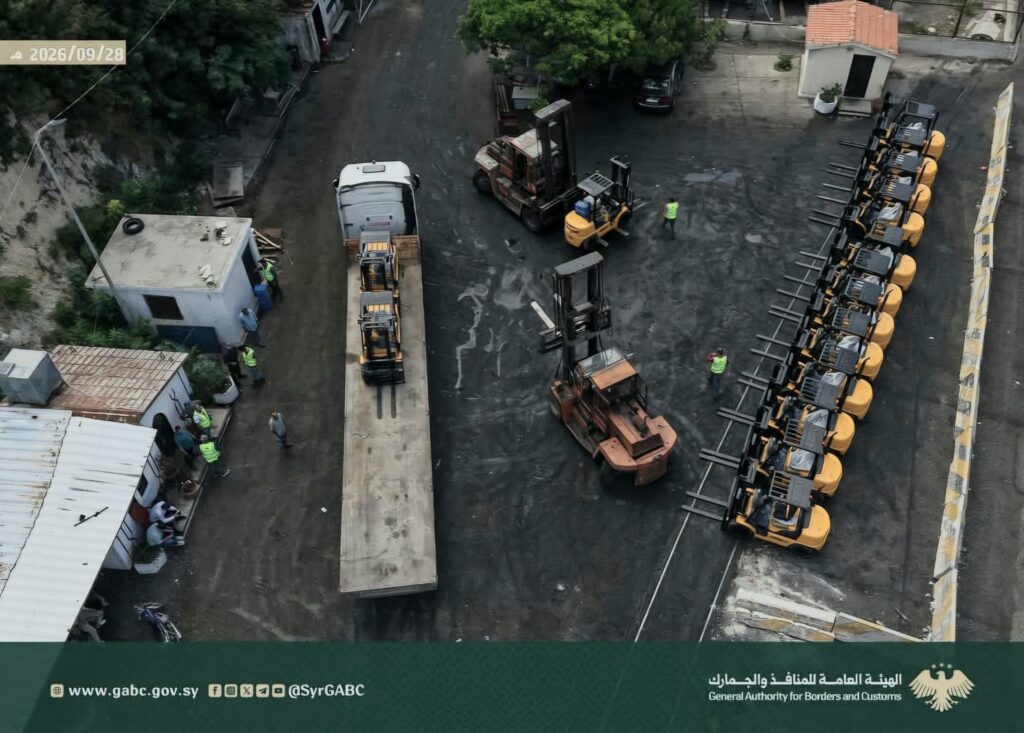
Latakia Port Adds 16 New Forklifts to Strengthen Cargo Operations
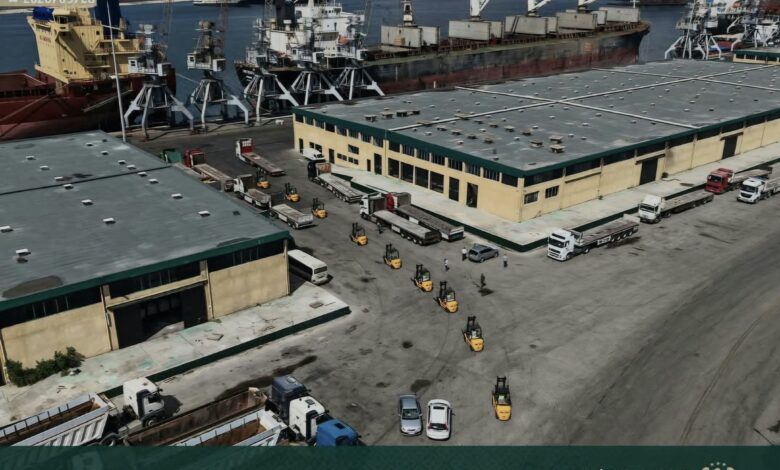
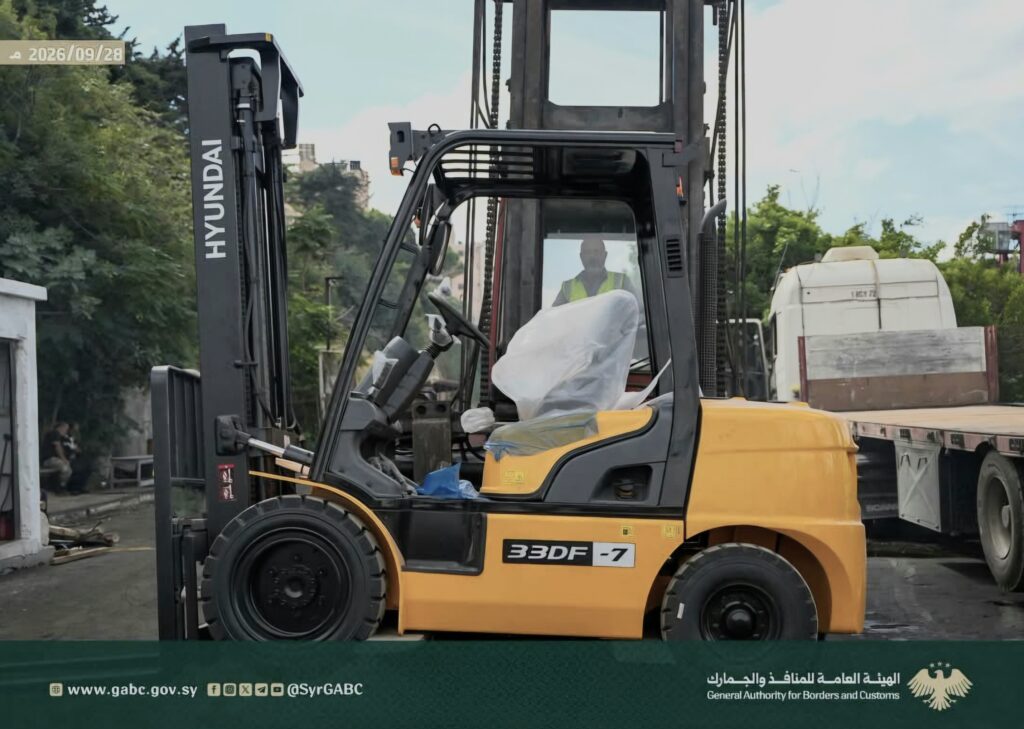
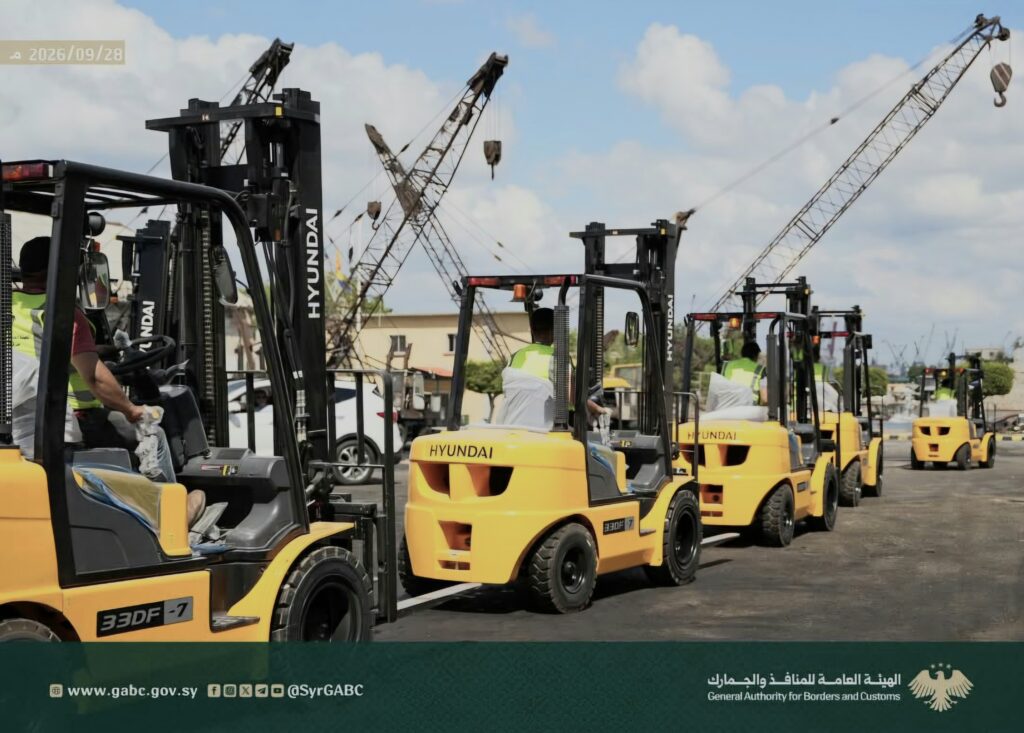
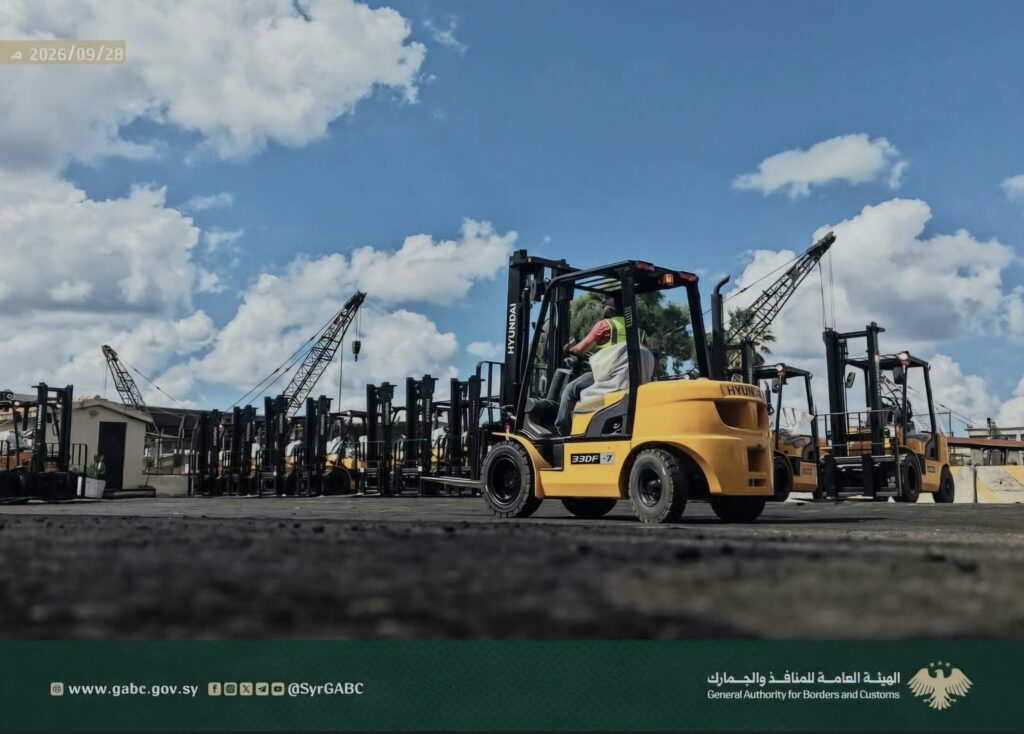
Shipping Arabia, October 5, 2026 – Latakia Port has received 16 new forklifts, each with a lifting capacity of up to three tonnes, as part of ongoing efforts to strengthen operational efficiency and accelerate cargo-handling activities at the Syrian port.
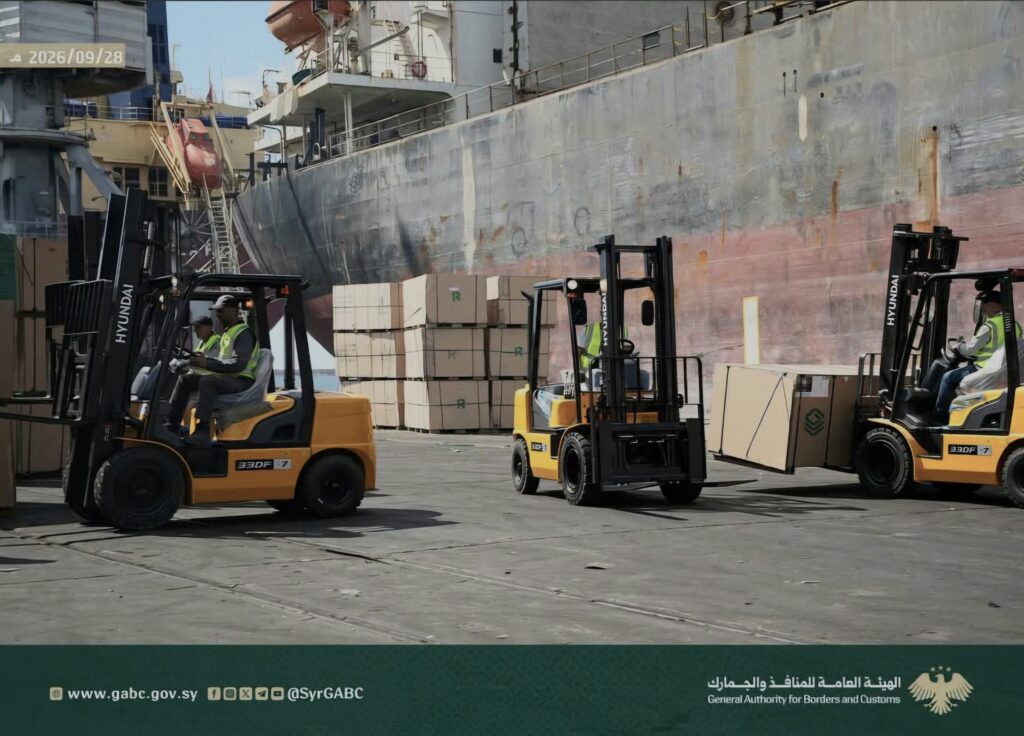
The new forklifts will join the port’s existing fleet of machinery and equipment. Their deployment is intended to support loading and discharge operations while improving the flow of cargo through the port.
New Equipment to Support Cargo Handling
The addition of the 16 forklifts is expected to improve the port’s ability to respond to operational requirements more efficiently. By supporting cargo movement across port operations, the equipment will help streamline handling activities and improve the movement of goods.
The new machinery is also intended to contribute to reducing the amount of time vessels remain alongside the port’s berths. This forms part of wider efforts to improve operational performance at Latakia Port.
Infrastructure and Service Development Continue
The equipment delivery comes as rehabilitation work on port infrastructure and service development continues at Latakia Port.
These efforts include improving the working environment, facilitating procedures and raising the level of services provided to port users. The new forklifts form part of this broader program to upgrade the port’s operational capabilities.
General Authority for Borders and Customs Continues Port Upgrades
The General Authority for Borders and Customs continues to implement plans to rehabilitate Syria’s ports and border facilities and modernize their equipment.
According to the authority, the ongoing program aims to strengthen operational readiness while supporting the role of Syrian ports in stimulating trade and maritime transport activity.
The arrival of the 16 forklifts at Latakia Port therefore forms part of a wider effort to upgrade equipment, rehabilitate infrastructure and improve the efficiency of port services.
Source: General Authority for Borders and Customs