General Cargo

  • Libya’s Julyana Free Zone Signs Agreement With China Land Shipping to Develop Regional Maritime Hub

    Shipping Arabia, November 19, 2026 – Libya’s Julyana Free Zone in Benghazi has signed a strategic partnership agreement with China Land Shipping to establish Julyana Port as a regional hub for direct maritime shipments from China. The agreement aims to strengthen maritime trade between the two countries while expanding Libya’s role in regional cargo distribution, transshipment, and logistics services.

    Julyana Free Zone General Manager Captain Ahmed Al-Amami signed the agreement during a partners’ conference attended by the Chinese company’s CEO. The partnership provides for the introduction of direct maritime services connecting Chinese ports with Julyana Port in Benghazi.

    Under the agreement, high-capacity cargo vessels will transport goods directly from China to Julyana Port. The initiative aims to shorten transit times and reduce shipping costs by limiting reliance on conventional routes involving intermediate ports.

    The partnership also extends beyond cargo destined for Libya’s domestic market. Both parties intend to develop Julyana Port into a regional cargo consolidation and transshipment hub serving neighboring countries and other regional markets.

    Direct Shipping Services to Strengthen Benghazi’s Maritime Connectivity

    The planned direct maritime connections between China and Benghazi represent a central component of the agreement. By establishing direct cargo movements, the partners aim to improve shipping efficiency and provide an alternative to existing transportation arrangements that depend on intermediate ports.

    According to Julyana Free Zone, the initiative will support the development of the port as a regional logistics platform. Cargo arriving from China could be consolidated, redistributed, and shipped onward to neighboring countries and other regional destinations.

    This approach would allow Julyana Port to serve both Libya’s import requirements and cargo movements destined for markets beyond the country.

    The free zone also expects the partnership to stimulate maritime trade and attract additional international shipping lines. Furthermore, the initiative seeks to create new investment opportunities in transportation and logistics services.

    The agreement forms part of efforts to strengthen Benghazi’s position as an international trade gateway connecting Asian markets with regional destinations.

    China Land Shipping Brings Extensive Dry Bulk and General Cargo Experience

    China Land Shipping, the strategic partner in the agreement, is an international maritime transportation company headquartered in Shanghai, China.

    Established in 2001, the company specializes in the transportation of dry bulk cargo and non-containerized general cargo.

    According to information published on the company’s website, China Land Shipping operates a fleet of more than 180 vessels with a combined carrying capacity of approximately 10 million tonnes.

    The company also reported transporting more than 40 million tonnes of cargo during 2025, reflecting the scale of its maritime transportation activities.

    Its experience in dry bulk and general cargo shipping forms part of the operational background of the partnership with Julyana Free Zone.

    Julyana Port Targets Expanded Regional Logistics Role

    The agreement supports wider efforts to develop Libya’s port infrastructure and strengthen the country’s maritime transportation capabilities.

    Julyana Free Zone aims to expand the port’s role beyond conventional cargo reception by developing services that support cargo consolidation, transshipment, and redistribution to surrounding markets.

    The partnership places particular emphasis on direct maritime connectivity and the logistics capabilities needed to handle cargo arriving from China before forwarding shipments to other destinations.

    By combining direct shipping services with regional distribution activities, Julyana Free Zone intends to increase the port’s participation in international maritime trade and strengthen Benghazi’s connections with Asian and regional markets.

    The agreement establishes a framework for these developments, with the planned direct services and regional hub activities forming the principal objectives of the cooperation between Julyana Free Zone and China Land Shipping.

    Source: Ean Libya
  • Port of Salalah Container Throughput Rises 18% to 3.8 Million TEUs in First Nine Months of 2026

    Shipping Arabia, November 19, 2026 – Port of Salalah container throughput increased 18% during the first nine months of 2026, reaching 3.8 million TEUs compared with 3.2 million TEUs in the corresponding period of 2025. The growth was primarily driven by additional handling capacity following the Container Terminal’s upgrade and increased cargo volumes from the upper Arabian Gulf and the UAE.

    According to unaudited consolidated financial results released by Salalah Port Services Company for the period ended September 30, the port also recorded a 6% increase in general cargo throughput. The General Cargo Terminal handled 21 million tonnes, compared with 19.8 million tonnes a year earlier, mainly supported by higher dry bulk volumes.

    The stronger cargo performance contributed to a 20% increase in operating revenue. However, the company also reported rising expenses and a decline in earnings before interest, tax, depreciation and amortization (EBITDA), despite an improvement in net profit.

    Container Terminal Expansion Supports Throughput Growth

    The increase in Port of Salalah container throughput reflects the additional capacity made available following the terminal’s upgrade. The expansion, combined with higher volumes originating from the upper Arabian Gulf and the UAE, supported the port’s performance during the nine-month reporting period.

    Salalah Port Services Chairman Braik Musallam al Amri said demand for container terminal capacity is expected to remain strong well into the fourth quarter of 2026. His assessment was included in a report to shareholders dated November 9.

    The company also anticipates a shift in container freight station (CFS) cargo flows from Jebel Ali to Salalah, particularly for shipments serving Yemen and East Africa. This anticipated shift could generate additional container volumes while placing further pressure on available terminal capacity.

    Meanwhile, the General Cargo Terminal is expected to maintain strong dry bulk volumes, particularly in limestone and gypsum. Higher export demand from Salalah Mills and Raysut Cement is also expected to support growth in breakbulk cargo.

    In addition, the company expects increased bunkering activity to sustain growth in its liquid cargo business.

    Revenue Increases 20% Despite Higher Operating Costs

    Salalah Port Services reported a 20% increase in operating revenue during the first nine months of 2026. The improvement was mainly attributable to the additional container handling capacity, increased volumes from the upper Arabian Gulf and the UAE, and growth in dry bulk throughput at the General Cargo Terminal.

    Consolidated net profit increased to RO 5 million, compared with RO 4.7 million during the corresponding period of 2025.

    However, EBITDA declined to RO 19.2 million from RO 20.3 million a year earlier, despite the growth in revenue and cargo handling volumes.

    Operating expenses rose 21% during the reporting period. The company attributed the increase mainly to costs associated with damage to port equipment and facilities.

    The financial results therefore show higher operating revenue and net profit alongside increased costs and lower EBITDA.

    Salalah Port Services Prepares for Concession Expiry in 2028

    The latest operational and financial results come as Salalah Port Services prepares for the expiration of its existing port concession agreements.

    The company previously confirmed that the Omani government, represented by the Ministry of Transport, Communications and Information Technology, will not extend the agreements beyond their contractual expiry on November 1, 2028.

    Salalah Port Services stated that it has not yet received information regarding the identity of the future concessionaire or concessionaires expected to assume responsibility for port operations.

    Nevertheless, the company intends to begin preparations for the transfer of operations and coordinate closely with the ministry and other relevant authorities to ensure a smooth transition.

    The board and management have also reaffirmed their commitment to maintaining operations and performance until the existing concession agreements expire.

    The planned transition comes during a period of growing container and general cargo activity at the Port of Salalah. With demand for terminal capacity expected to remain strong, the company will continue managing port operations while preparing for the scheduled concession handover in November 2028.

    Source: Oman Observer

  • Qatar Ports Record 56% Increase in Vessel Calls as Cargo Volumes Rise in October 2026

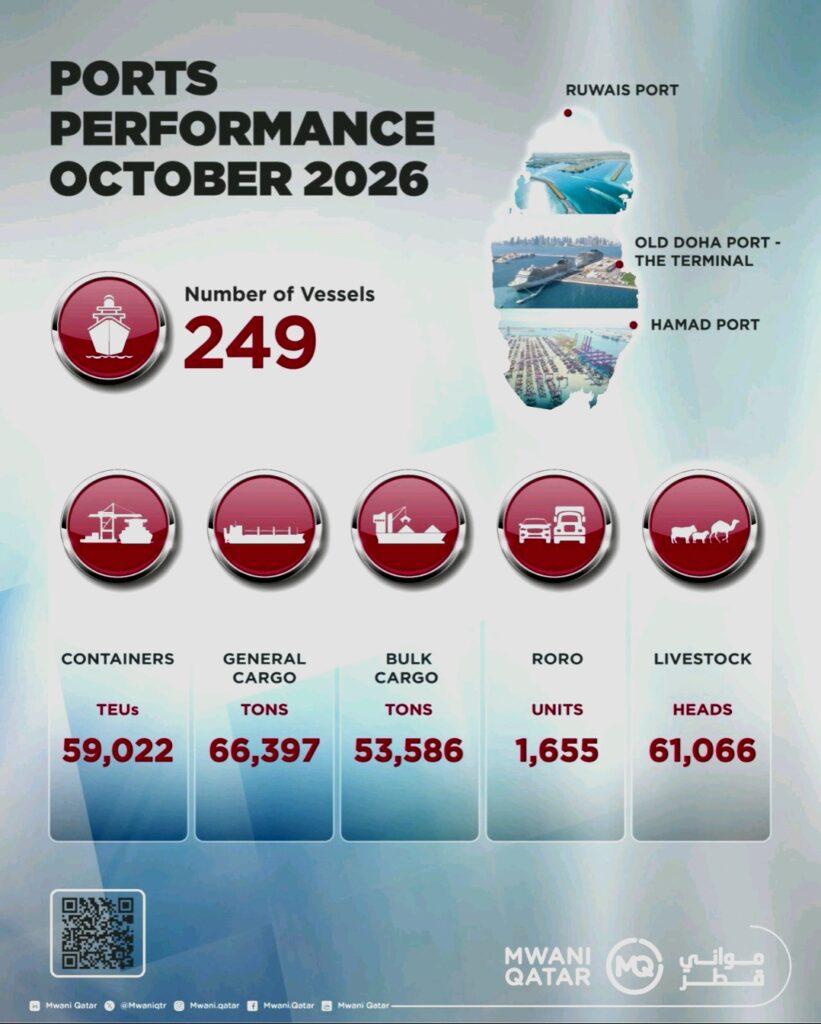
    Shipping Arabia, November 5, 2026 – Qatar’s ports recorded a 56% month-on-month increase in vessel calls during October 2026, receiving 249 vessels compared with approximately 160 in September, according to figures released by Mwani Qatar. The growth was accompanied by higher container throughput and significant increases in general cargo, bulk cargo and livestock handling across the country’s port network.

    The latest figures highlight increased maritime activity at Qatar’s ports, with several cargo categories recording substantial monthly gains. However, the growth rates reflect comparisons with September 2026 rather than the corresponding period of the previous year.

    Qatar Ports Vessel Calls and Cargo Throughput Increase

    Qatar ports vessel calls increased to 249 in October, representing a 56% rise from approximately 160 vessels in September. The increase coincided with higher cargo handling volumes across several segments of the maritime transport sector.

    Container throughput reached 59,022 twenty-foot equivalent units (TEUs), up 9% from approximately 54,086 TEUs in September. The figures indicate an increase in container handling activity during the month, alongside the broader rise in vessel arrivals.

    General cargo volumes also recorded strong growth, increasing 64% to 66,397 tons compared with 40,513 tons in September. This represented one of the largest monthly increases among the principal cargo categories handled by Qatar’s ports.

    Meanwhile, bulk cargo throughput surged 211% to reach 53,586 tons. The increase substantially exceeded the growth rate recorded in container handling, highlighting differences in monthly performance across cargo segments.

    The simultaneous rise in vessel calls and cargo volumes reflects increased activity across Qatar’s maritime transport network. Nevertheless, changes in vessel numbers do not necessarily correspond directly to cargo volume growth, as vessel sizes and carrying capacities vary.

    Livestock Handling Surges 641% as RoRo Traffic Reaches 1,655 Units

    Livestock handling recorded the largest percentage increase among the reported categories in October. Volumes surged 641% to 61,066 head, compared with 8,239 in September.

    The substantial increase highlights a sharp month-on-month change in livestock movements through Qatar’s ports. Livestock shipping forms part of the wider food supply chain, involving maritime transport, veterinary services and distribution activities.

    However, the monthly increase alone does not establish a sustained rise in livestock demand or indicate potential changes in domestic meat prices. Such assessments would require additional information on consumption, inventories and market conditions.

    RoRo cargo handling also contributed to October’s activity, with Qatar’s ports processing 1,655 vehicles and equipment units during the month.

    Mwani Qatar did not provide a corresponding month-on-month percentage change for RoRo traffic in the reported figures.

    Hamad Port and Qatar’s Maritime Trade Network

    The October performance figures cover Qatar’s port network, which includes Hamad Port, Ruwais Port and Old Doha Port.

    Hamad Port serves as one of the country’s principal maritime gateways, handling containerized cargo alongside general and bulk shipments. Its facilities support commercial vessel operations and connect Qatar with international shipping networks.

    Ruwais Port supports maritime trade and services in northern Qatar, while Old Doha Port contributes to maritime and tourism-related activities.

    Together, these facilities support different segments of Qatar’s maritime transport sector, providing infrastructure for commercial cargo movements and other marine activities.

    During the first nine months of 2026, Qatar’s ports handled approximately 648,000 TEUs and received 1,277 vessels. These figures provide additional context for the increase in vessel traffic and cargo volumes recorded in October.

    October Growth Highlights Stronger Monthly Maritime Activity

    The latest results show that Qatar ports vessel calls increased alongside cargo handling activity across several major categories. General cargo, bulk cargo and livestock volumes recorded particularly substantial gains, while container throughput also advanced.

    Higher vessel arrivals and cargo movements can increase demand for port handling, storage and inland transportation services. These activities form important components of the logistics networks connecting maritime trade with domestic and regional supply chains.

    However, the October figures do not establish that Qatar’s imports increased by the same percentages. Port throughput can include imports, exports and transshipment activities, and the published data did not provide a breakdown of their respective contributions.

    Similarly, the sharp monthly increases do not necessarily indicate a sustained upward trend. Port activity can fluctuate according to vessel schedules, shipment timing, cargo demand and changes in regional and international trade flows.

    The October performance therefore provides a snapshot of stronger operational activity compared with September, rather than a confirmed indication of annual growth.

    Figures for November and subsequent months will offer a clearer picture of whether the increases in vessel calls and cargo handling volumes continue.

    For now, Mwani Qatar’s October results demonstrate higher activity across the country’s maritime gateways, with growth spanning containerized cargo, general cargo, bulk shipments and livestock movements.

    Source: Arabian Business

  • Tahya Misr Terminal Receives General Cargo Vessel With Record 13.5-Meter Draft

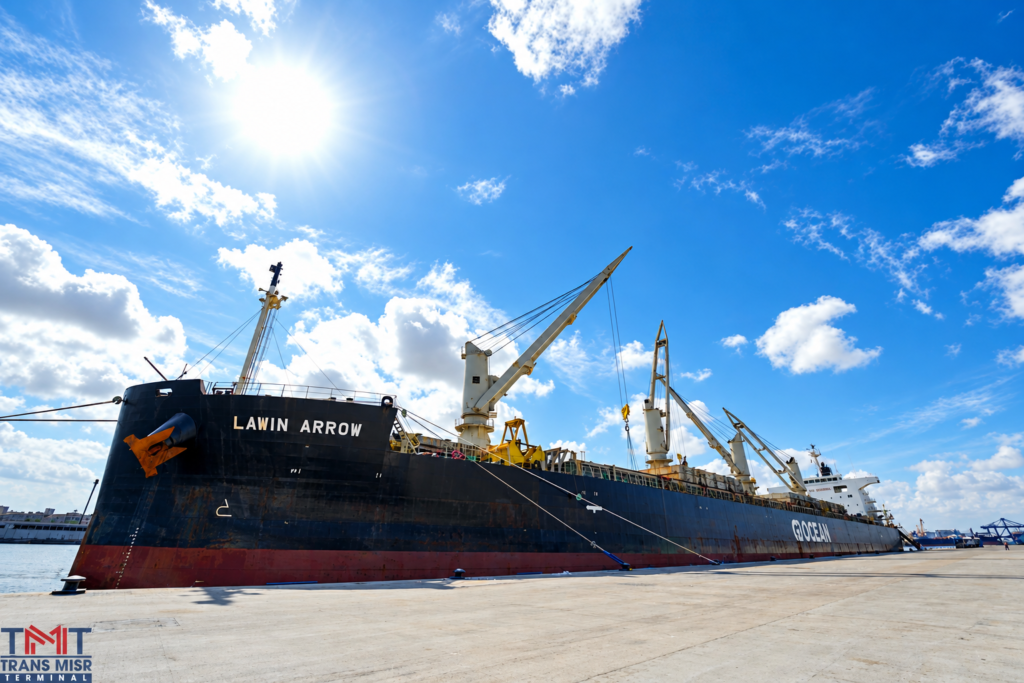
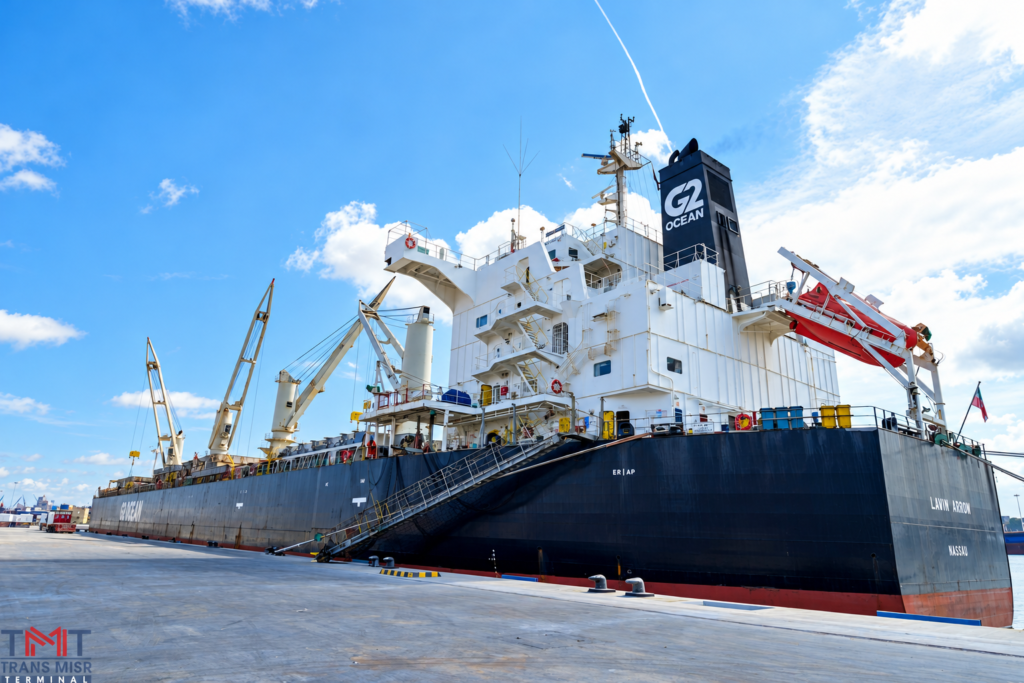
    Shipping Arabia, October 20, 2026 – Egypt’s Tahya Misr Multipurpose Terminal at Alexandria Port has received the general cargo vessel LAWIN ARROW, with a reported tonnage of approximately 63,000 tons and a draft of 13.5 meters. The vessel’s arrival marks a new operational milestone for the terminal, which began operations in 2023, as it continues expanding its cargo-handling capabilities and upgrading its equipment.

    According to sources at Alexandria Port cited by Al Mal, LAWIN ARROW berthed at the terminal’s southern quay. The vessel is among the most significant general cargo ships handled by the facility since its inauguration, becoming the first reported general cargo vessel to arrive with a draft of approximately 13.5 meters.

    The terminal is managed by Egypt Maritime Ports Company, which has continued developing its operations to accommodate growing cargo activity.

    Tahya Misr Terminal Expands Handling Capacity With New Cranes

    Alongside the vessel’s arrival, Tahya Misr Terminal has strengthened its cargo-handling capabilities with the addition of two mobile harbor cranes (MHCs), delivered during the week preceding the report.

    The new equipment brings the terminal’s reported crane fleet to four ship-to-shore (STS) cranes and two mobile harbor cranes, marking another step in its capacity expansion.

    Mobile harbor cranes provide flexible cargo-handling capabilities, allowing terminals to load and discharge vessels using equipment that can move between operating positions.

    The additional cranes are expected to support the terminal’s operational expansion and increase its ability to accommodate cargo-handling demand.

    In a company statement cited by Al Mal, Egypt Maritime Ports Company reported rapid growth in container volumes since the terminal began commercial operations. The company said this growth reflects increasing customer demand and the facility’s expanding role in Egypt’s container shipping market and the wider region.

    Located at Alexandria Port, Tahya Misr Terminal serves as a gateway for Egyptian trade and an important transport facility in the Eastern Mediterranean.

    Digital Truck Registration Improves Port Logistics Efficiency

    In a related development, Dr. Amr El Samadouni, Secretary-General of the International Transport and Logistics Division at the Cairo Chamber of Commerce, highlighted improvements in truck operations at Tahya Misr Terminal following the introduction of a digital truck pre-registration system.

    El Samadouni said the system has successfully reduced truck waiting times, representing an important step toward improving Egypt’s transport and logistics sector and increasing cargo-handling efficiency at ports.

    He explained that digital solutions for managing truck movements help reduce congestion and accelerate cargo entry and exit procedures. These improvements also contribute to lowering operating costs for importers and exporters, supporting the competitiveness of Egyptian trade in international markets.

    El Samadouni emphasized that digital transformation in ports is no longer simply a technological improvement. Instead, it has become an essential requirement for improving supply chain efficiency and logistics services, particularly as regional and international ports compete to attract trade volumes and investment.

    Calls for Wider Integration of Port Digital Systems

    Building on the improvements achieved at Tahya Misr Terminal, El Samadouni called for expanding successful digital initiatives across Egypt’s maritime and logistics sector.

    He specifically highlighted the importance of integrating truck pre-registration systems with terminal operating systems and customs clearance platforms.

    According to El Samadouni, stronger integration between these systems would facilitate cargo movements, improve service quality for importers and exporters, and further reduce logistical inefficiencies.

    Such measures would also support Egypt’s efforts to strengthen its position as a regional transport and logistics hub.

    El Samadouni stressed the need for continued investment in digital infrastructure and the development of logistics services to support national objectives. These include increasing exports, reducing trade costs and transforming Egyptian ports into integrated centers for logistics services and transit trade.

    The developments at Tahya Misr Terminal, including its ability to accommodate general cargo vessels with a 13.5-meter draft, additional handling equipment and improvements in digital truck management, reflect the facility’s ongoing operational development at Alexandria Port.

    Source: Al Mal

  • Latakia Port Cargo Throughput Reaches 3.8 Million Tons Through September 2026

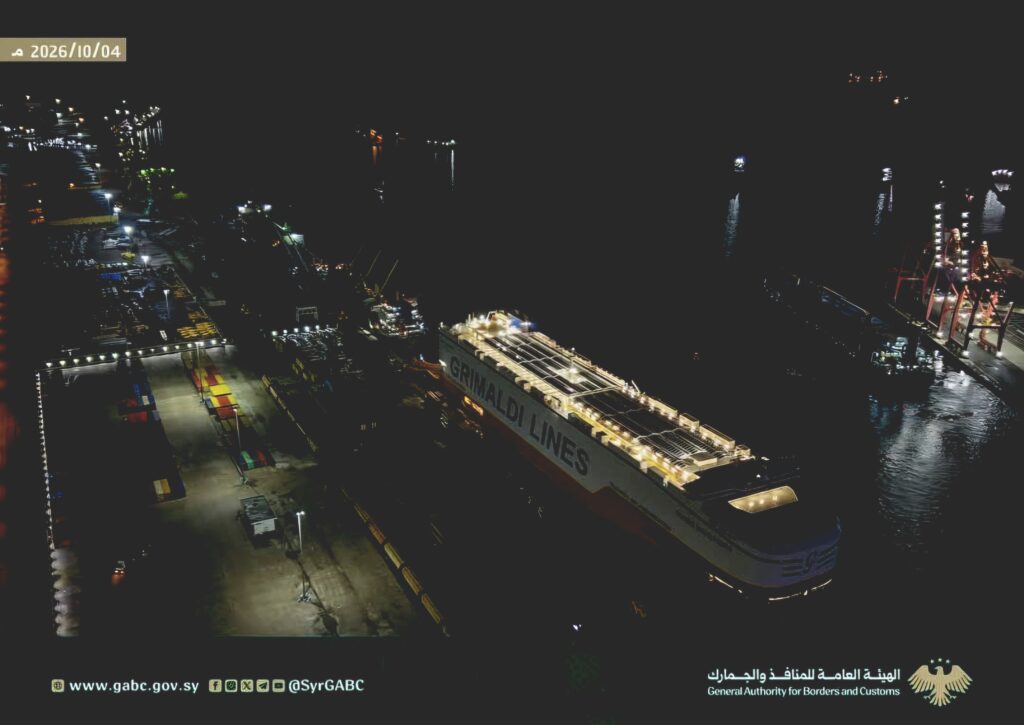
    Shipping Arabia, October 11, 2026 – Latakia Port cargo throughput reached approximately 3.8 million tons during the first nine months of 2026, covering general and containerized cargo. The Syrian port also received 532 vessels between January and September, according to figures released by the General Authority for Borders and Customs.

    The port continues to maintain round-the-clock maritime and cargo handling operations, with vessels arriving and loading and unloading activities taking place across its berths and storage yards.

    Latakia Port Cargo Throughput and Container Volumes

    General cargo accounted for approximately 2 million tons of the total volume handled during the reporting period. Meanwhile, container traffic reached around 219,000 containers, carrying nearly 1.8 million tons of cargo.

    Together, these figures brought Latakia Port cargo throughput to approximately 3.8 million tons through the end of September 2026.

    Containerized cargo and general cargo operations continued throughout the reporting period, supported by ongoing loading and unloading activities at the port’s operational facilities.

    Vessel Calls Reach 532 Across Different Maritime Activities

    Latakia Port received 532 vessels during the first nine months of 2026, reflecting activity across several maritime service categories.

    General cargo vessels accounted for 250 calls, while container ships represented another 247 calls. The remaining traffic included 22 vessels arriving for repair work and 13 passenger ships.

    The breakdown highlights the variety of maritime activities taking place at the port, including commercial cargo handling, vessel repair services and passenger vessel operations.

    Continuous Operations and Port Efficiency

    Alongside its cargo handling and vessel reception activities, Latakia Port continues to focus on maintaining operational efficiency and improving service readiness.

    Technical and operational teams are working to ensure the smooth movement of cargo and accelerate handling procedures across the port’s berths and storage areas.

    These efforts include maintaining continuous operations, strengthening the port’s operational readiness and improving the efficiency of services provided to vessels and cargo operators.

    The ongoing activities aim to support Latakia Port’s role in maritime transportation and commercial trade, while ensuring the continued movement of goods through one of Syria’s maritime gateways.

    Source: General Authority for Borders and Customs

  • Qatar Ports Container Throughput Reaches 648,164 TEUs in First Nine Months of 2026

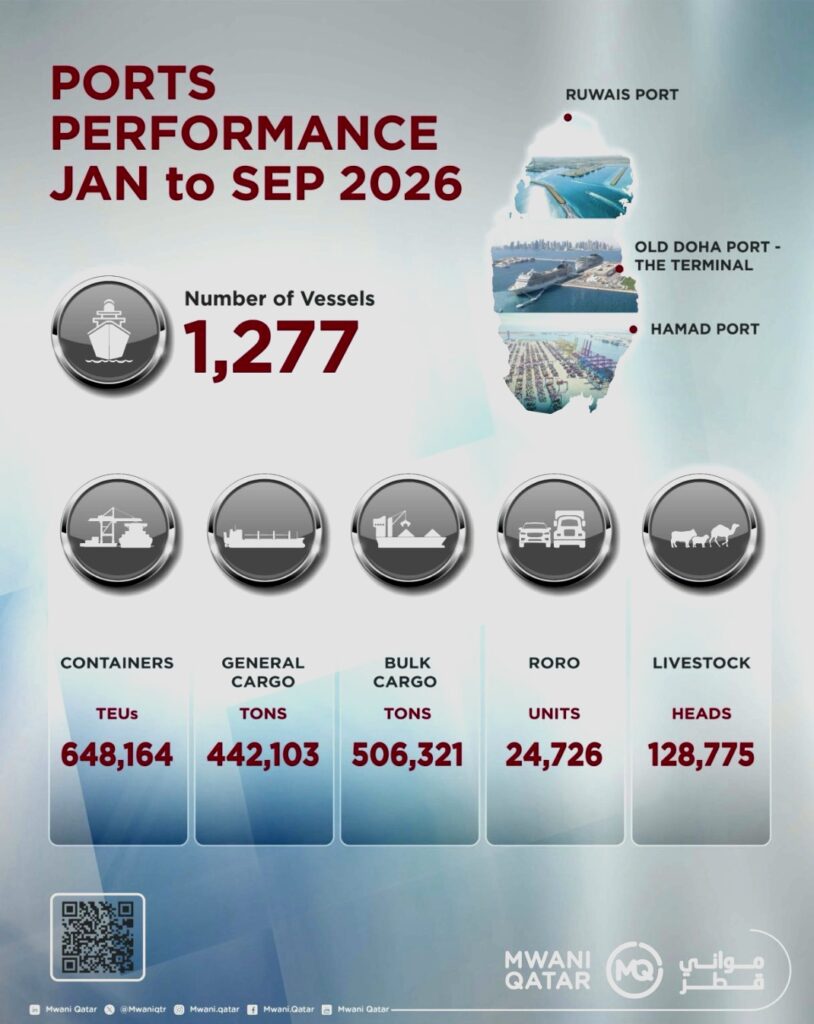
    Shipping Arabia, October 11, 2026 – Qatar ports container throughput reached 648,164 TEUs during the first nine months of 2026, according to official performance figures released by Mwani Qatar. The country’s ports also received 1,277 vessels between January and September, while handling general cargo, bulk commodities, RORO shipments and livestock.

    The figures cover port operations during the nine-month period ending September 30, 2026. Mwani Qatar’s performance report identifies Hamad Port, Ruwais Port and Old Doha Port – The Terminal.

    Qatar Ports Container Throughput and Cargo Performance

    Container traffic accounted for 648,164 TEUs during the reporting period, while general cargo volumes reached 442,103 tons.

    Bulk cargo operations contributed another 506,321 tons, bringing the combined volume of general and bulk cargo handled during the nine months to 948,424 tons.

    These figures reflect the range of cargo handled through Qatar’s ports, including containerized shipments and non-containerized general and bulk cargo.

    The performance report provides aggregate figures for the reporting period rather than individual throughput statistics for each port.

    RORO and Livestock Handling

    Beyond container and conventional cargo operations, Qatar’s ports handled 24,726 RORO units between January and September 2026. The reported volumes covered vehicles and equipment moving through the country’s port facilities.

    Livestock handling also formed part of the ports’ activities, with 128,775 head of livestock recorded during the nine-month period.

    Together, the container, general cargo, bulk cargo, RORO and livestock figures provide an overview of the different maritime cargo segments covered by Mwani Qatar’s performance report.

    Vessel Traffic Across Qatar’s Ports

    Mwani Qatar reported a total of 1,277 vessel calls during the first nine months of 2026.

    The official report features Hamad Port, Ruwais Port and Old Doha Port – The Terminal, reflecting the port facilities included in Mwani Qatar’s performance overview.

    While the statistics provide cumulative cargo volumes and vessel traffic for January through September, they do not include a comparison with the corresponding period of 2025.

    The latest figures establish the reported level of cargo handling and vessel activity across Qatar’s ports during the first three quarters of 2026.

    Source: Mwani Qatar

  • Qatar Ports Container Throughput Rises 10% as Vessel Calls Jump 20% in September 2026

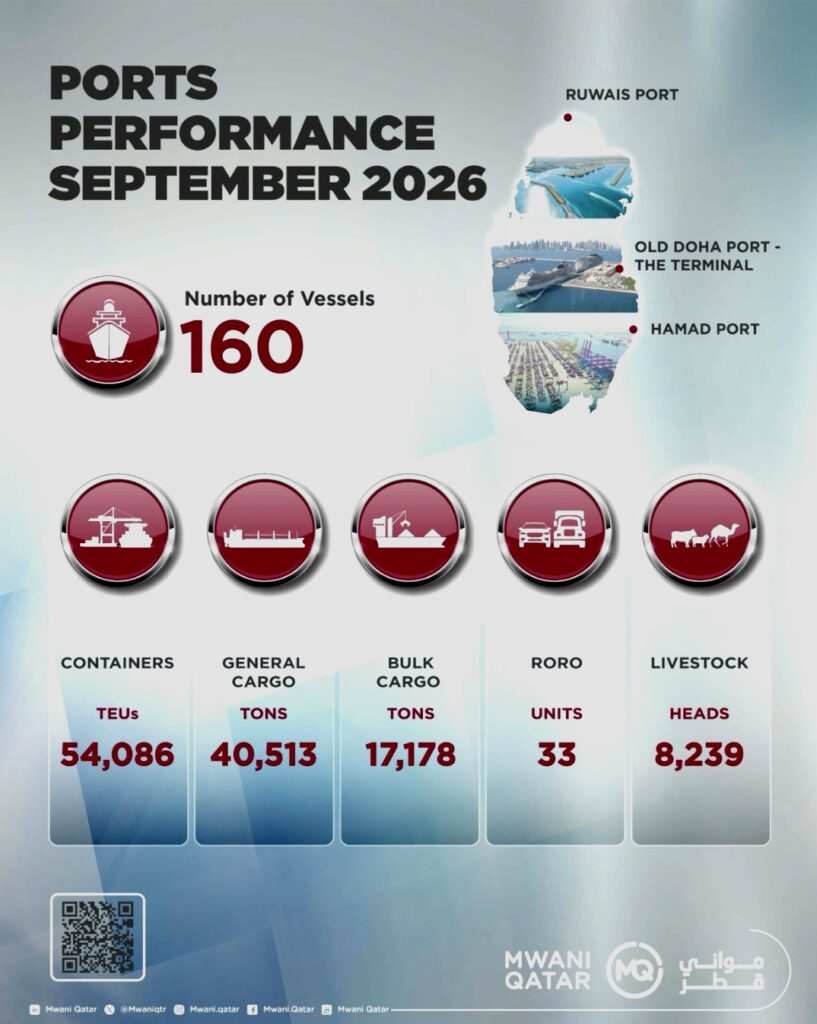
    Shipping Arabia, October 9, 2026 – Qatar ports container throughput reached 54,086 TEUs in September 2026, marking a 10% increase compared with August, while vessel calls rose 20% to 160. The latest figures released by Mwani Qatar highlight stronger maritime activity across the country’s port network, alongside increased livestock handling and continued cargo operations.

    The September performance report covers Hamad Port, Ruwais Port and Old Doha Port – The Terminal. Together, these facilities support Qatar’s maritime trade, domestic supply chains and passenger shipping activities.

    The results reflect the importance of the country’s port infrastructure in facilitating international trade and maintaining maritime connectivity. They also provide an indication of monthly developments across different cargo segments.

    Qatar Ports Container Throughput and Cargo Performance

    According to Mwani Qatar, the country’s ports received 160 vessels during September, representing a 20% increase compared with the previous month. Container throughput also rose by 10%, reaching 54,086 twenty-foot equivalent units (TEUs).

    The increase in vessel calls indicates higher ship traffic during the reporting period. Meanwhile, the growth in container volumes reflects stronger container handling activity compared with August.

    Beyond containers, Qatar’s ports handled 40,513 tons of general cargo and 17,178 tons of bulk cargo during September. These figures demonstrate the range of non-containerized commodities moving through the country’s maritime facilities.

    RoRo operations accounted for 33 units during the month. Although relatively limited in volume compared with other cargo categories, RoRo handling remains part of the services provided within Qatar’s diversified port system.

    Livestock throughput reached 8,239 heads, an increase of 38% compared with August. This represented one of the strongest reported monthly growth rates among the performance indicators released by Mwani Qatar.

    The data confirms month-on-month increases in vessel calls, container throughput and livestock handling. However, the report does not provide comparative growth rates for general cargo, bulk cargo or RoRo traffic.

    Hamad Port, Ruwais Port and Old Doha Port Support Different Maritime Activities

    Qatar’s maritime infrastructure comprises ports with complementary commercial and operational functions. Mwani Qatar manages Hamad Port and Ruwais Port while also supporting the development and operation of Old Doha Port’s maritime facilities.

    Hamad Port serves as Qatar’s principal commercial maritime gateway and plays a central role in the country’s containerized trade. Its facilities support container handling, general cargo, bulk commodities, vehicles and other specialized shipments.

    The port is an important component of Qatar’s international trade connectivity, providing infrastructure for imports, exports and regional transshipment activities. Its development also forms part of the country’s strategy to strengthen logistics capabilities and support economic diversification.

    Ruwais Port, located in northern Qatar, serves as an additional gateway for regional maritime trade. The port handles general cargo, food products and other commodities, supporting commercial activity and supply chains in the northern part of the country.

    Its role complements the larger commercial operations at Hamad Port by providing facilities for regional shipments and smaller maritime trade flows. The development of Ruwais Port has also supported Qatar’s efforts to diversify its maritime access points.

    Old Doha Port – The Terminal has a different operational focus, supporting cruise shipping and maritime tourism. Its passenger facilities accommodate cruise vessels and provide services for international visitors arriving by sea.

    The port contributes to Qatar’s tourism infrastructure and its presence in the Arabian Gulf cruise market. Its role in passenger shipping complements the cargo-oriented activities of Hamad Port and Ruwais Port.

    Together, the three ports provide a diversified maritime network serving commercial cargo, regional trade and cruise tourism.

    September Performance Highlights Qatar’s Maritime Trade Connectivity

    The September 2026 results underline the importance of Qatar’s ports in supporting trade flows and the movement of essential goods.

    The 10% monthly increase in container throughput is particularly relevant to the country’s commercial shipping sector. Containers represent a major component of international maritime trade, carrying goods across established liner shipping networks.

    The 20% rise in vessel calls also points to increased shipping activity during September. However, the combined figures do not identify how the additional calls were distributed among individual ports or vessel categories.

    General cargo and bulk cargo operations remain important components of Qatar’s maritime logistics system. These segments support the movement of commodities and materials that require specialized handling outside conventional container operations.

    Meanwhile, the 38% rise in livestock handling highlights the role of port facilities in accommodating agricultural and food-related imports. Livestock transportation requires dedicated handling arrangements within maritime supply chains.

    The combination of containers, general cargo, bulk cargo, RoRo units and livestock illustrates the variety of cargo segments served by Qatar’s commercial ports.

    Supporting Qatar’s Long-Term Maritime and Logistics Ambitions

    Qatar has continued developing its port infrastructure as part of its broader economic and logistics objectives. Hamad Port, in particular, represents a major investment in strengthening the country’s maritime connectivity and international trade capabilities.

    The development of commercial ports also aligns with Qatar National Vision 2030, which emphasizes economic diversification and the expansion of infrastructure supporting sustainable development.

    Within this framework, Hamad Port provides large-scale commercial cargo capacity, while Ruwais Port supports regional trade and northern Qatar’s commercial activities. Old Doha Port contributes through cruise tourism and maritime passenger services.

    The September performance figures offer a monthly measure of activity across this network. They show increased vessel traffic, higher container throughput and growth in livestock handling compared with August.

    While a single month’s results do not establish a longer-term trend, the reported increases demonstrate stronger activity in several key operational indicators. The figures also reinforce the relevance of Qatar’s diversified port infrastructure to its maritime transport and logistics sectors.

    Source: Mwani Qatar

  • Sokhna Launches Trial Operations at New 10 Million-Tonne General Cargo and Bulk Terminal

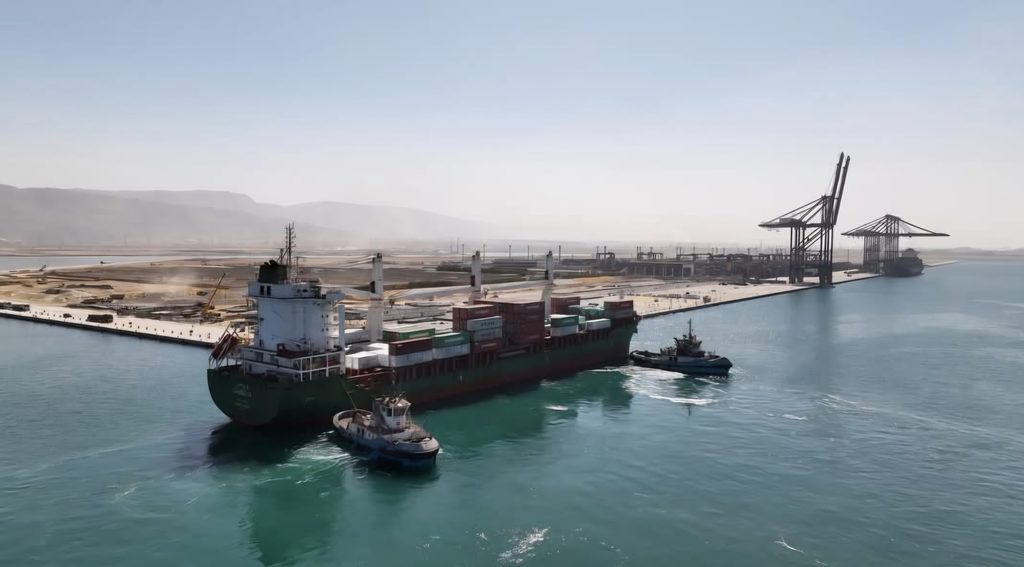
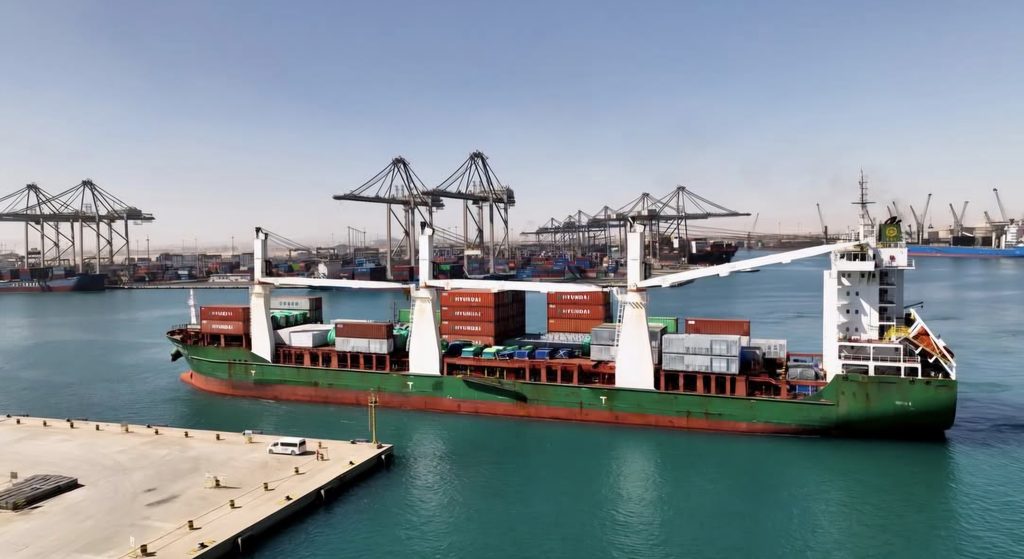
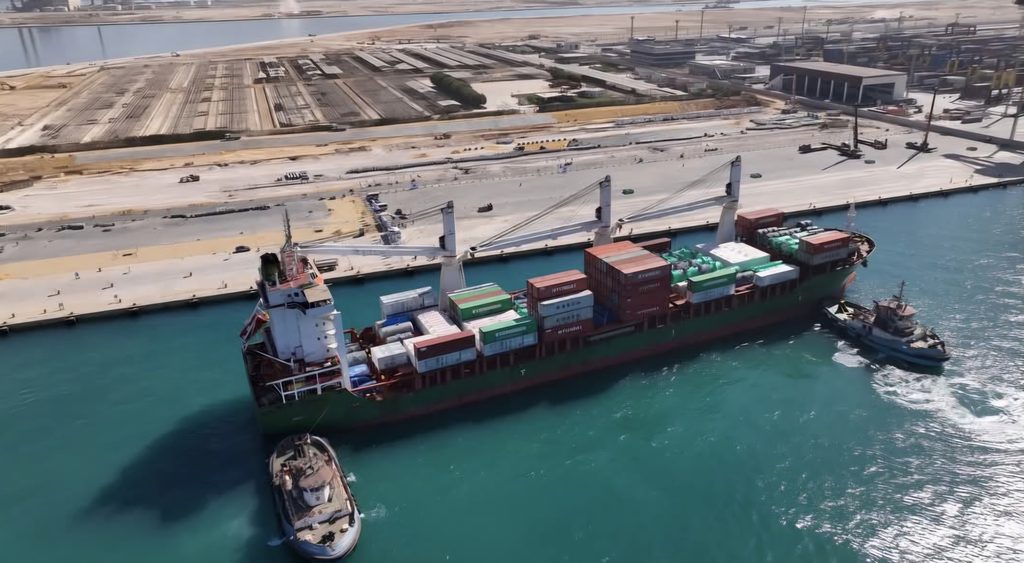
    Shipping Arabia, September 21, 2026 – Egypt has launched trial operations at the first phase of a new general cargo and bulk terminal at Sokhna Port, with the facility designed to handle up to 10 million tonnes annually and accommodate large vessels at berths with depths of up to 18 meters.

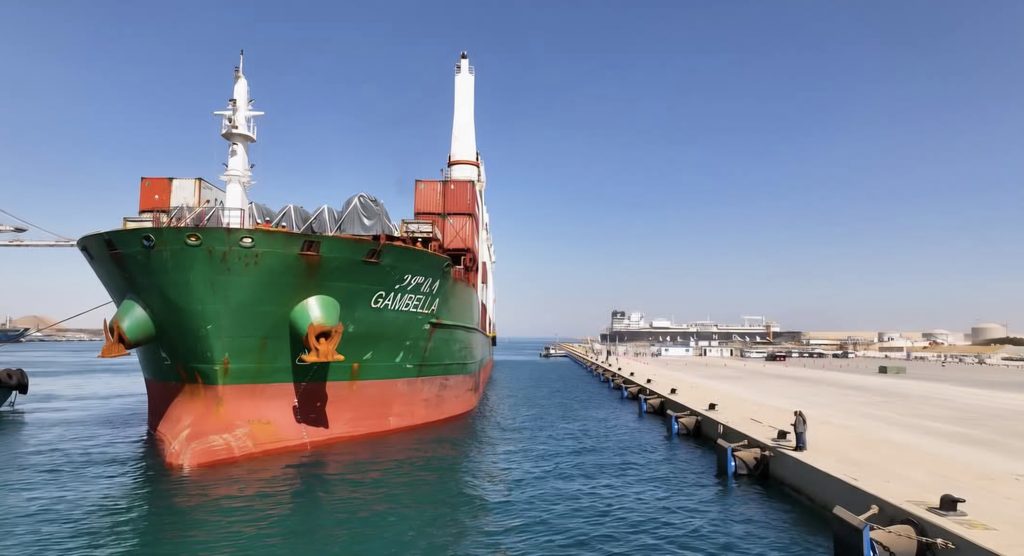
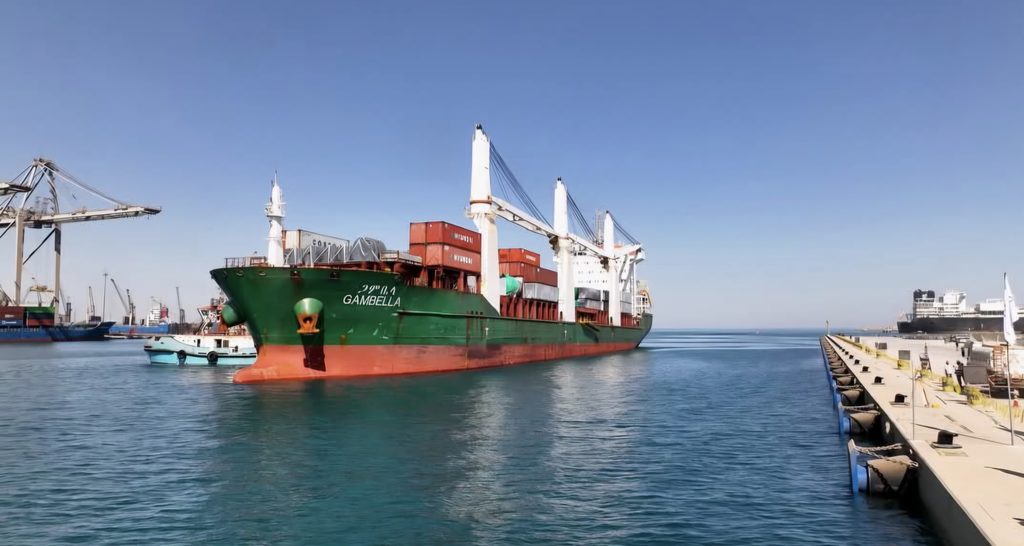
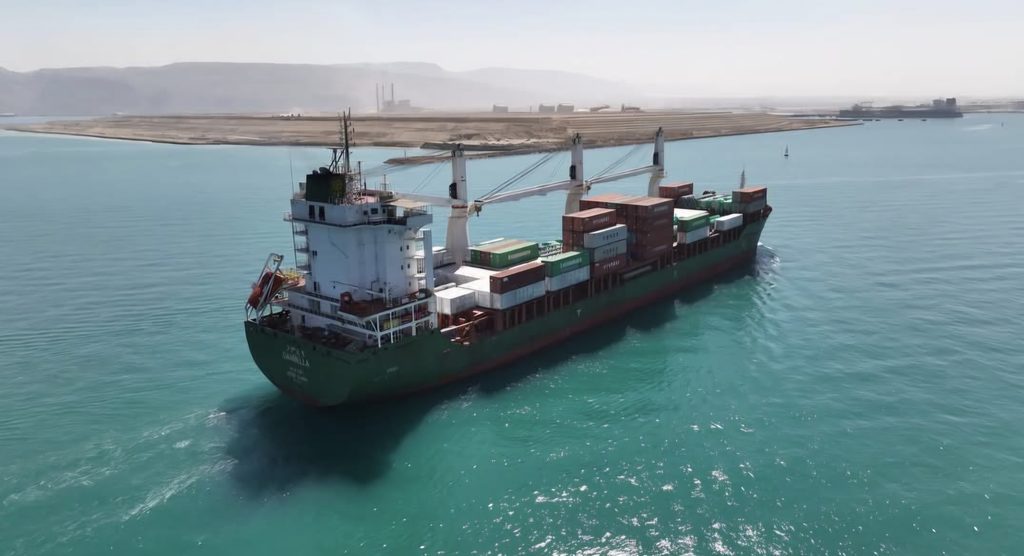
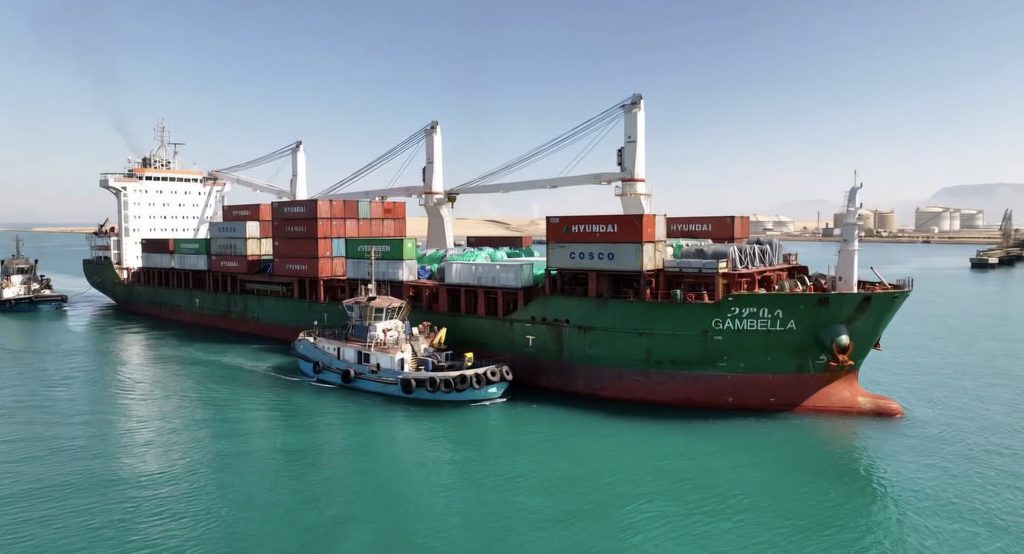
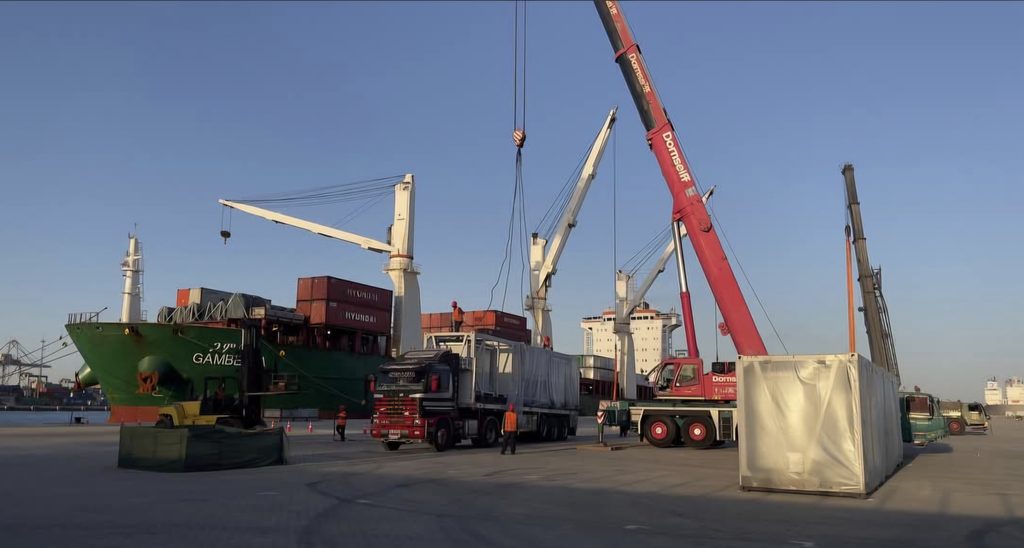
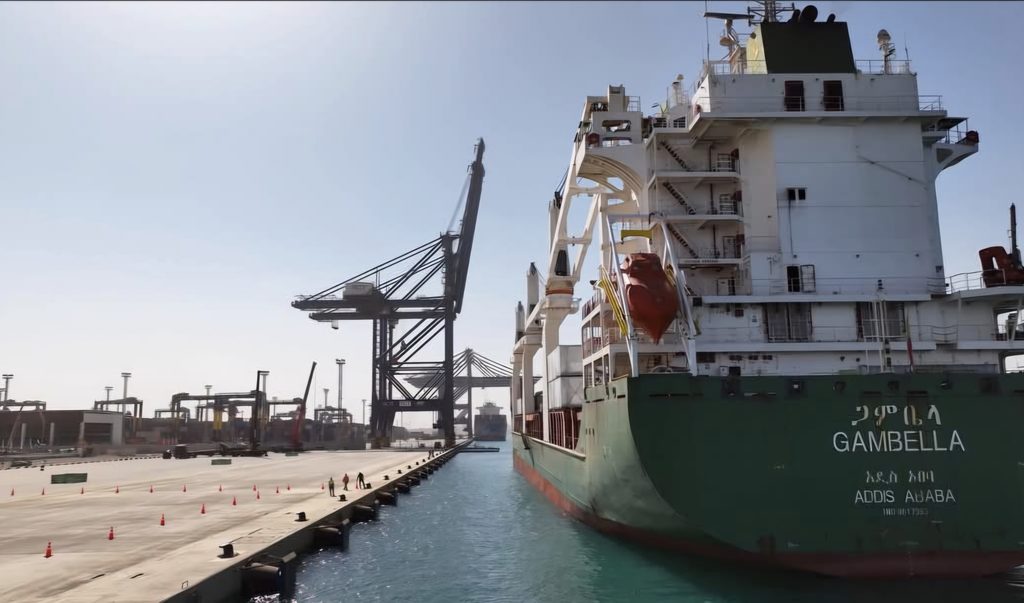
    Trial operations began with the arrival of GAMBELLA, represented by Dominion Shipping Agency, carrying around 1,460 metric tonnes of battery units for an energy storage system. The vessel was berthed and its cargo discharged and handled as part of the terminal’s operational testing programme.

    Cargo discharge was carried out by Suez Stevedoring Company, while the terminal is operated by Egypt Marine Ports Company.

    Transport Minister Kamel El-Wazir said the trial phase will test the terminal’s complete operating system, including the readiness of its berths, yards, equipment, workforce and operational systems, as well as performance during vessel reception, discharge, cargo transfer and storage before progressing toward full operations.

    The terminal occupies approximately 397,000 square meters and includes two marine berths with a combined length of 1,200 meters and depths of up to 18 meters, enabling it to receive large vessels and handle both general and bulk cargo.

    Its targeted annual capacity of around 10 million tonnes will add substantial handling capability at Sokhna while supporting industrial and logistics activity across the Suez Canal region and surrounding economic zones.

    Rear Adm. Abdel Qader Darwish, Chairman and Managing Director of Egypt Marine Ports Company, said the first vessel call represents an important step toward full operation of the facility as part of the wider development of Sokhna into a strategic Red Sea port.

    Further phases will include the development of customs warehouses and value-added logistics services, with the company planning to progressively utilize the terminal’s full area and reach its targeted operating capacity.

    Source: Ministry of Transport – Egypt

Back to top button