Jordan Maritime Commission

  • Jordan Maritime Commission and General Company for Maritime Transport Discuss Ship Safety Compliance

    Shipping Arabia, October 18, 2026 – The Jordan Maritime Commission (JMC) and the General Company for Maritime Transport have discussed strengthening cooperation on ship inspections, maritime safety compliance and crew competency standards for vessels flying the Jordanian flag. The discussions focused on ensuring compliance with international maritime conventions and improving coordination between the two organizations.

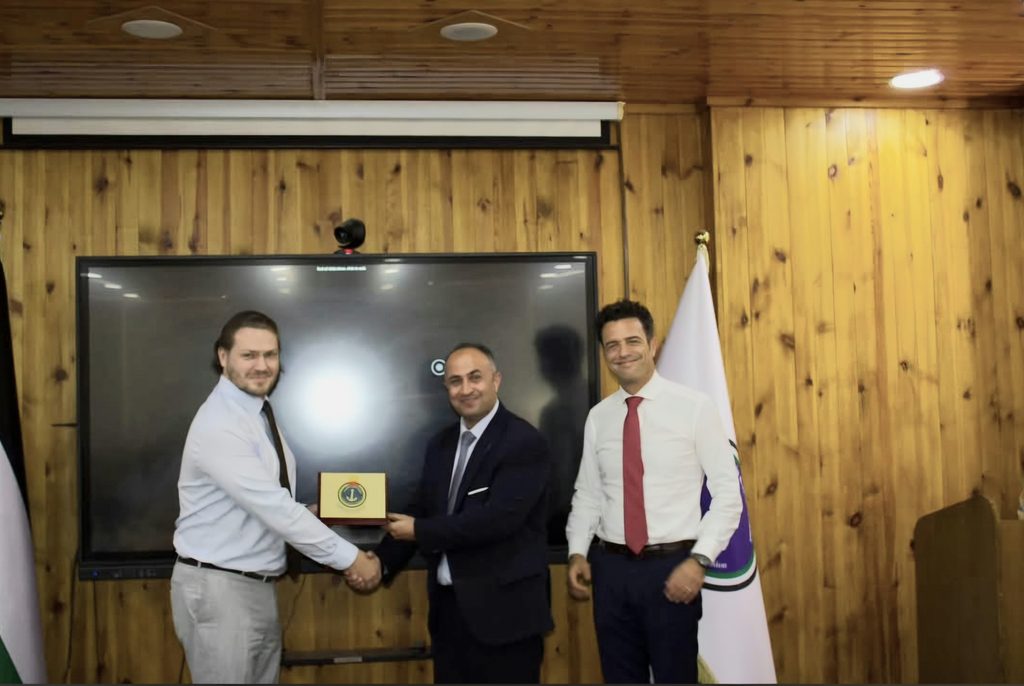
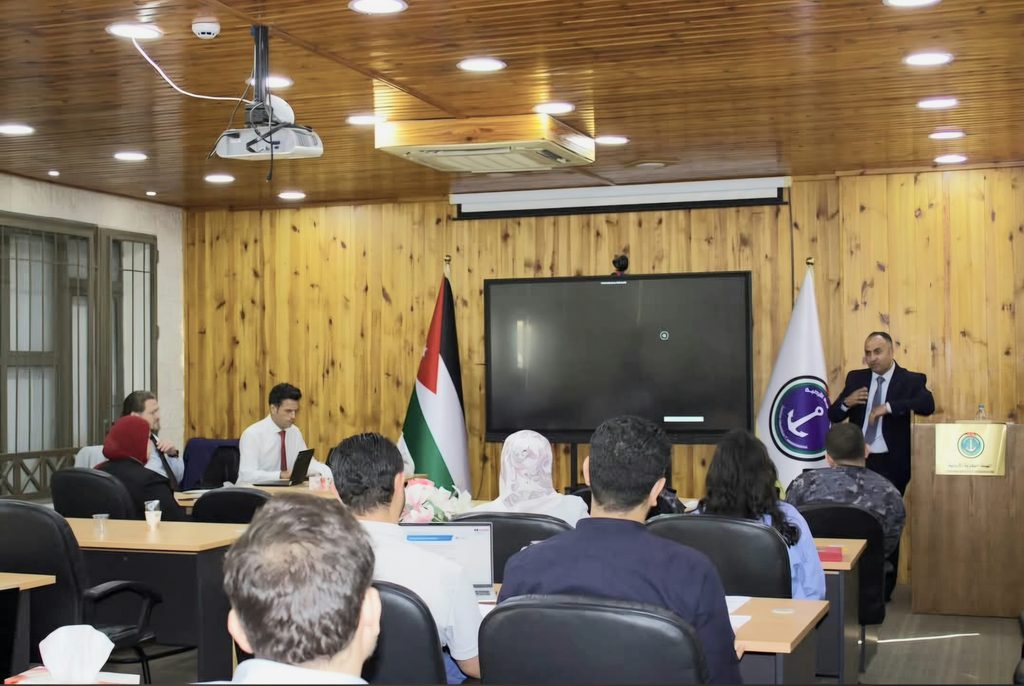
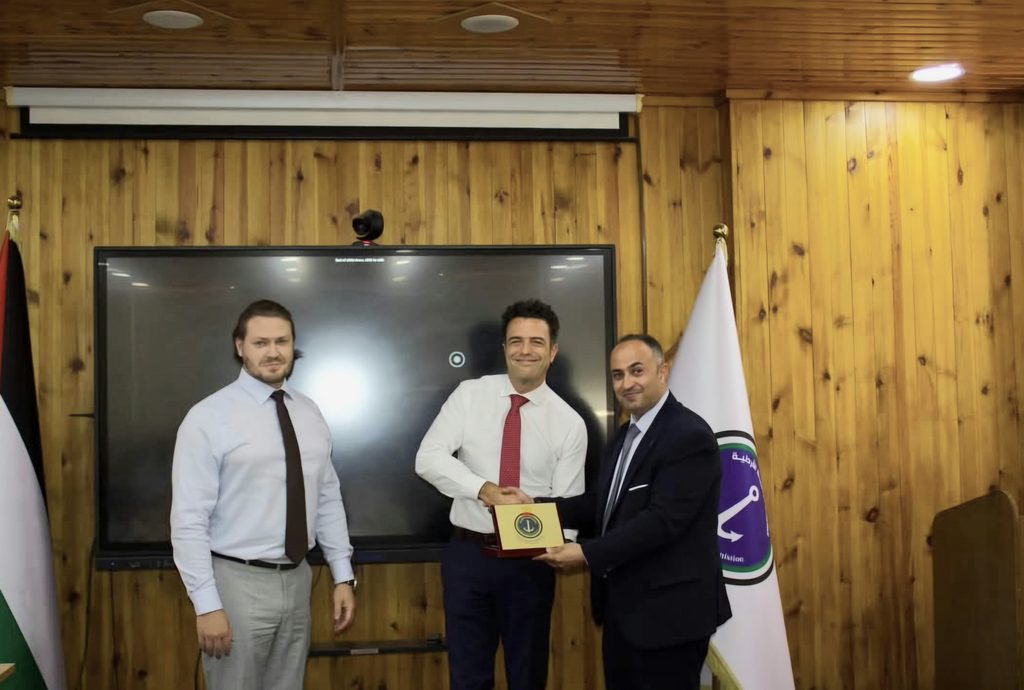
    JMC Director General Ahmad Al-Assasleh received Captain Mazen Talib Saddam, Director of the Marine Safety (ISM) Department at the General Company for Maritime Transport, at the Commission’s headquarters. The meeting addressed inspection procedures, regulatory compliance and opportunities for continued cooperation on maritime safety matters.

    Inspections and Safety Compliance of Jordanian-Flagged Vessels

    A central focus of the meeting was the inspection and survey procedures conducted by the Jordan Maritime Commission on the company’s Jordanian-flagged vessels.

    These procedures aim to verify that vessels meet applicable maritime safety requirements and comply with relevant international maritime conventions and regulations. They also cover the competency of seafarers serving on board, ensuring that crews satisfy the required professional and safety standards.

    The discussions highlighted the importance of maintaining effective oversight of Jordanian-flagged vessels through established inspection procedures and compliance with internationally recognized maritime requirements.

    Strengthening Coordination on IMO Regulations

    The two sides also examined ways to improve communication and maintain continuous coordination on maritime safety matters. Particular attention was given to monitoring the latest instructions, regulatory developments and requirements issued by the International Maritime Organization (IMO).

    The discussions emphasized the role of regulatory coordination in improving maritime safety standards, strengthening operational efficiency and ensuring continued compliance with internationally adopted requirements.

    Both parties reaffirmed the importance of ongoing cooperation and exchanging technical expertise to support these objectives.

    The meeting concluded with a shared emphasis on maintaining maritime safety compliance and preserving the standing of the Jordanian flag in maritime navigation and shipping.

    Source: Jordan Maritime Commission

  • Jordan Maritime Commission Reviews Maritime Emergency Response Plan for Gulf of Aqaba

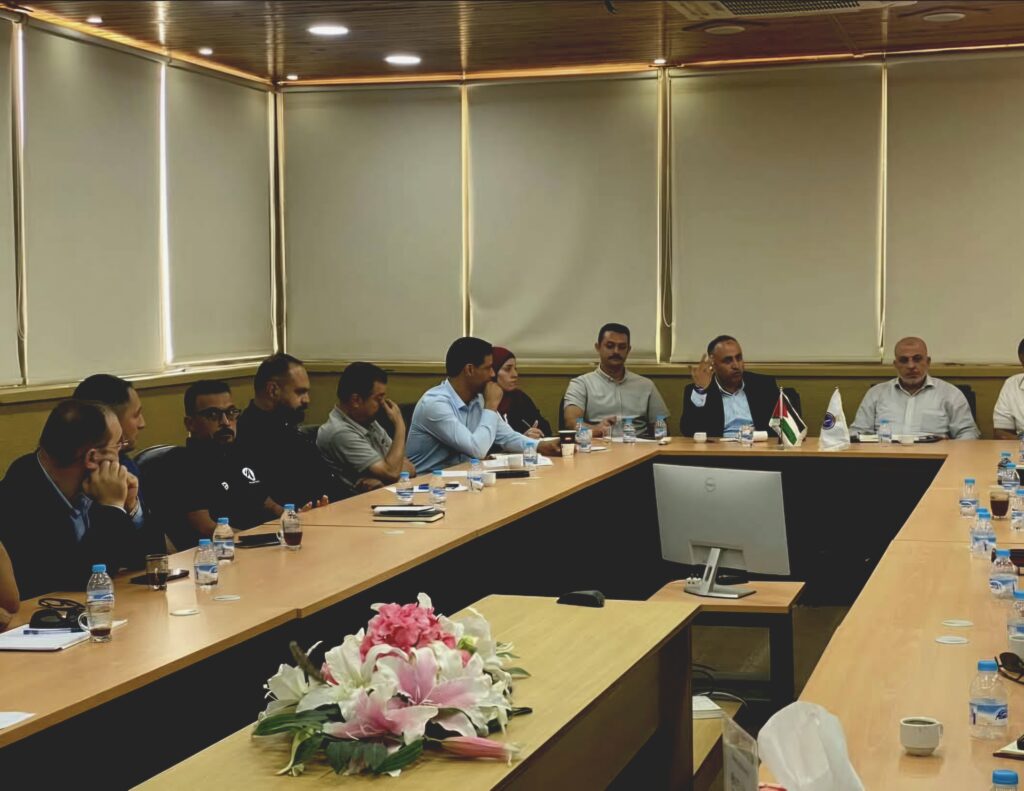
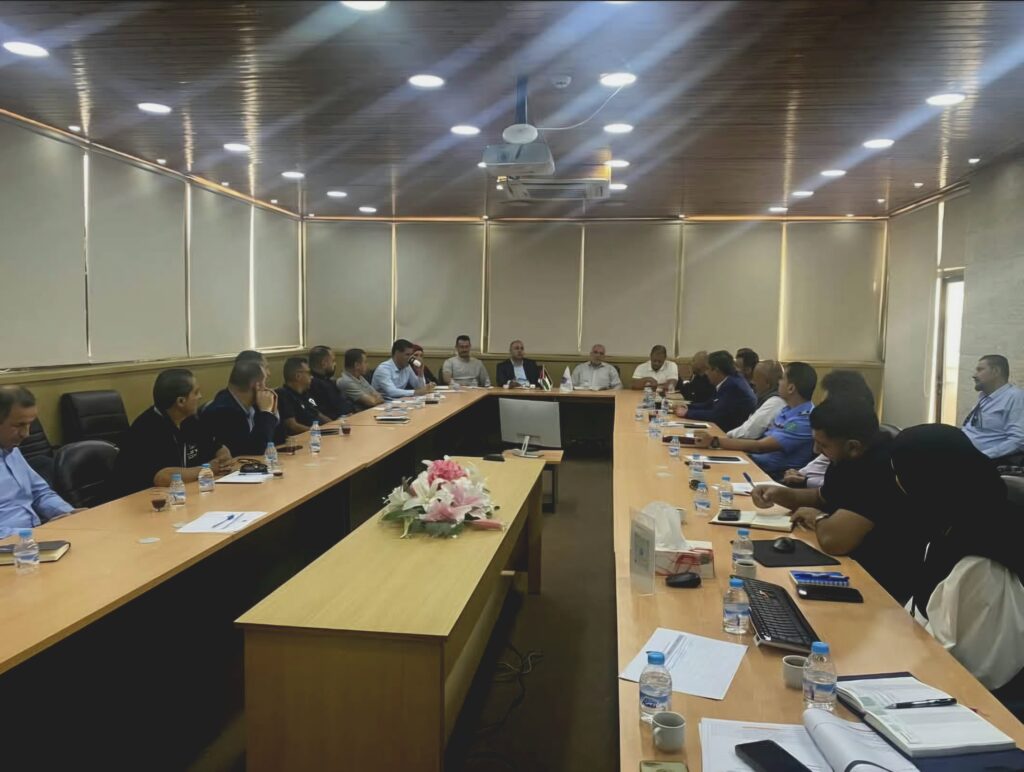
    Shipping Arabia, October 17, 2026 – The Jordan Maritime Commission (JMC) held a meeting on October 11 to review a draft maritime emergency response plan and procedures for managing marine disasters and incidents in Jordanian territorial waters and the Gulf of Aqaba. The discussions focused on strengthening national preparedness, improving coordination among responsible authorities and establishing clear procedures for responding to maritime emergencies.

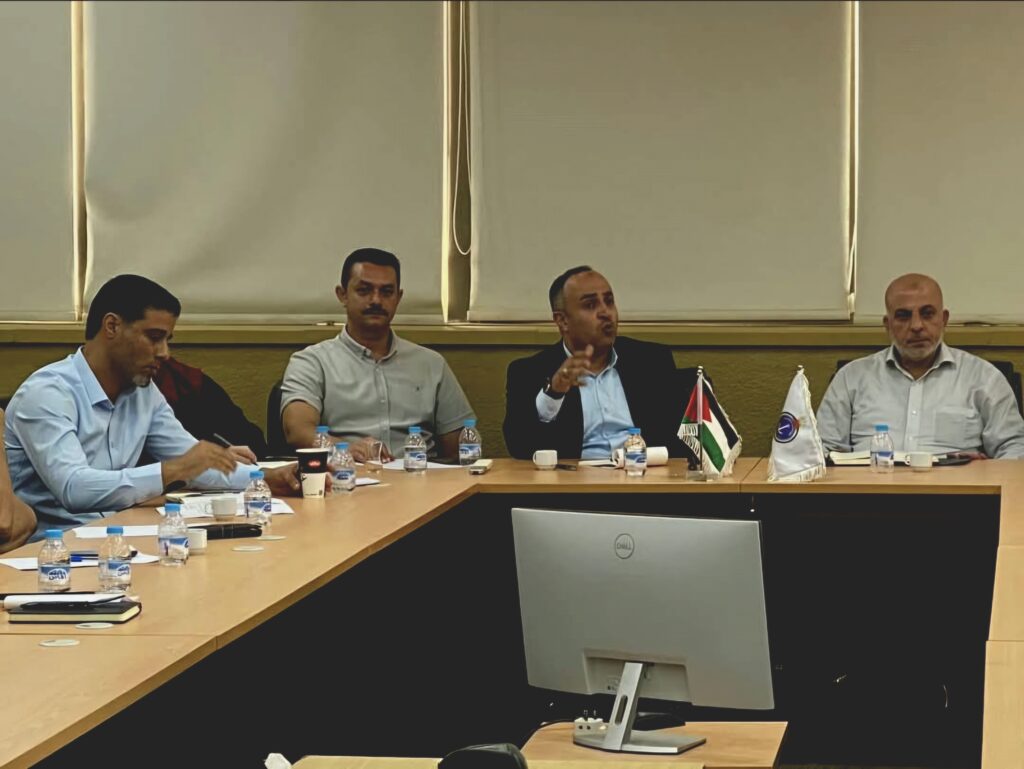
    The meeting took place at the commission’s headquarters under the chairmanship of JMC Director General, Dr, Ahmed Al-Assasleh. Representatives of relevant authorities and maritime specialists attended to discuss the proposed framework and the responsibilities of institutions involved in maritime emergency response.

    Jordan Maritime Commission Focuses on Emergency Preparedness

    During the meeting, Al-Assasleh emphasized the importance of developing a comprehensive and clearly defined maritime emergency response plan capable of addressing different types of maritime incidents and disasters.

    He stressed that effective emergency management requires rapid response capabilities, strong coordination among responsible authorities and clearly allocated roles and responsibilities. These elements are essential to ensuring that participating organizations can act efficiently when maritime emergencies occur.

    Al-Assasleh also highlighted the importance of strengthening preparedness to protect human lives, property and the marine environment. He emphasized that the proposed framework should contribute to maintaining navigational safety throughout Jordanian territorial waters and the Gulf of Aqaba.

    The draft plan aims to establish clear and effective procedures that support coordinated action among relevant institutions, allowing authorities to respond appropriately according to the circumstances and nature of each maritime incident.

    Strengthening Coordination Among Maritime Authorities

    A central theme of the discussions was the need to strengthen cooperation and institutional coordination among organizations responsible for maritime safety and emergency management.

    Al-Assasleh called for unified efforts and closer integration between the relevant authorities. He also emphasized the importance of utilizing their collective expertise, resources and operational capabilities to improve national readiness for maritime emergencies.

    According to the JMC Director General, effective cooperation between institutions is necessary to ensure that response procedures are implemented efficiently and that responsibilities remain clearly defined throughout emergency operations.

    Participating organizations similarly emphasized the importance of maintaining continuous coordination and ensuring that institutional roles complement one another. They agreed that stronger cooperation would improve the efficiency of maritime incident response and support the timely implementation of measures appropriate to each emergency.

    Protecting Maritime Safety and the Gulf of Aqaba Environment

    The participating authorities welcomed the Jordan Maritime Commission’s efforts to prepare and review the draft emergency response plan.

    They also praised the commission’s collaborative approach, which brings together relevant institutions and specialists to clarify responsibilities, coordinate resources and strengthen national capabilities for managing maritime disasters and incidents.

    The participants highlighted the importance of this cooperation in achieving high standards of maritime safety and security while protecting the marine environment in the Gulf of Aqaba.

    Through the proposed maritime emergency response plan, the Jordan Maritime Commission aims to establish a coordinated national approach that improves institutional preparedness and supports effective action during maritime emergencies.

    The meeting represented a step in reviewing the draft procedures and aligning the responsibilities of participating authorities to strengthen maritime safety, emergency response capabilities and environmental protection in Jordanian waters.

    Source: Jordan Maritime Commission

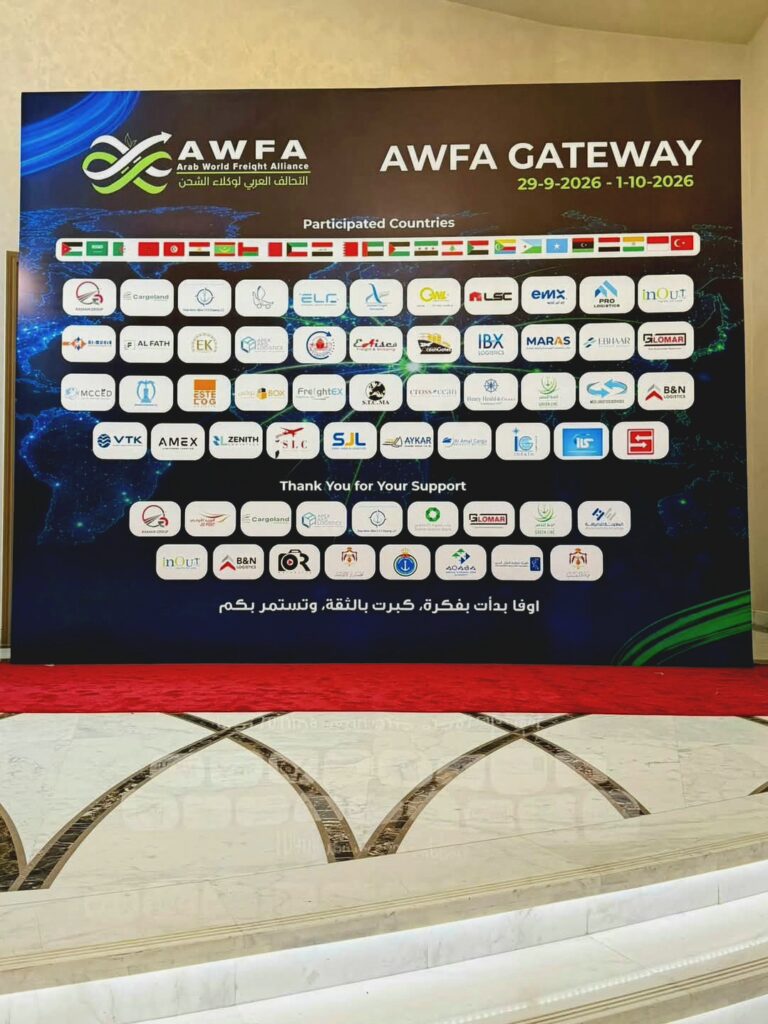
  • AWFA Conference in Amman Highlights Maritime and Logistics Integration

    Shipping Arabia, October 10, 2026 – The AWFA Conference in Amman highlighted the importance of integrating maritime transport, land transportation, and logistics services to strengthen regional trade, improve supply chain connectivity, and enhance the competitiveness of ports and transport corridors. The event brought together government officials, decision-makers, and industry leaders from across the Arab region and internationally.

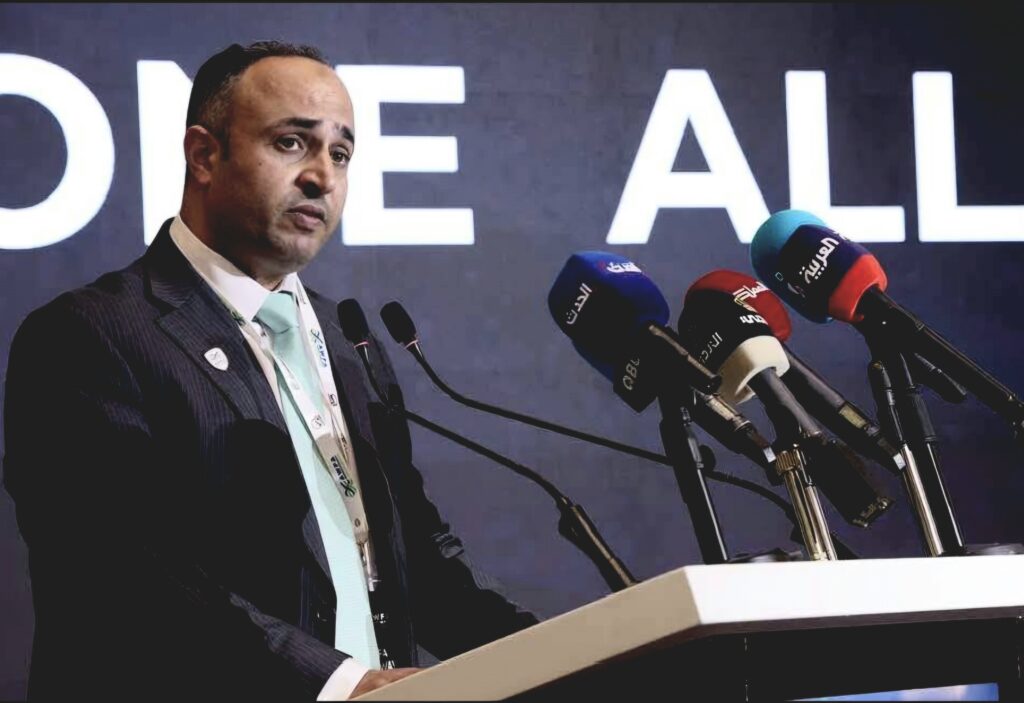
    Ahmad Al-Asasleh, Director General of the Jordan Maritime Commission (JMC), officially inaugurated the Arab World Freight Alliance (AWFA) Conference on behalf of Jordan’s Minister of Transport and Minister of Labor.

    Addressing participants, Al-Asasleh emphasized the importance of strengthening cooperation and integration among different segments of the transport and logistics industry. He also highlighted the need to exchange expertise, share industry experiences, and explore opportunities to develop the sector in response to rapidly evolving global conditions.

    Strengthening Maritime and Logistics Integration in Jordan

    Al-Asasleh stressed that closer integration between maritime transport, land transportation, and logistics services plays an important role in supporting international trade and strengthening supply chains.

    He highlighted the relationship between transport connectivity and the competitiveness of ports and transport corridors. Improving coordination across different transport and logistics activities, he noted, supports Jordan’s efforts to consolidate its position as a regional logistics hub.

    The discussions at the AWFA Conference in Amman reflected the importance of cooperation among freight forwarding companies, transport operators, logistics service providers, and other industry stakeholders.

    The conference provided a platform for participants to exchange knowledge and experiences while exploring approaches to developing the transport and logistics sector. These discussions also addressed the need for greater regional integration as the industry responds to changes affecting global trade and supply chains.

    Jordan Maritime Commission Supports Regional and International Partnerships

    During his remarks, Al-Asasleh reaffirmed the Jordan Maritime Commission’s commitment to strengthening partnerships with the private sector and relevant Arab and international organizations.

    He emphasized the importance of cooperation and coordination in developing Jordan’s maritime transport and logistics framework. These efforts also support the objectives of the country’s Economic Modernization Vision, which includes strengthening Jordan’s position as a regional logistics center.

    The Commission views cooperation between public institutions, private companies, and regional and international stakeholders as an important component of developing the maritime and logistics sectors.

    Through these partnerships, the JMC aims to support the continued development of Jordan’s maritime transport system while contributing to broader efforts to improve logistics capabilities and regional connectivity.

    AWFA Conference Promotes Cooperation Across the Arab Logistics Sector

    The AWFA Conference in Amman brought together representatives from across the freight forwarding, transportation, and logistics industries to discuss opportunities for stronger cooperation.

    The gathering offered participants an opportunity to share expertise, exchange experiences, and examine ways to improve integration among different components of the transport and logistics sector.

    The conference also highlighted the importance of cooperation at both Arab and international levels in addressing industry developments and supporting the future of freight forwarding and logistics services.

    For Jordan, the event reinforced the country’s focus on strengthening maritime and logistics partnerships, improving transport integration, and advancing its ambitions to serve as a regional logistics hub.

    Source: Jordan Maritime Commission

  • Jordan Maritime Commission Targets Vessel Waiting Times at Aqaba Ports

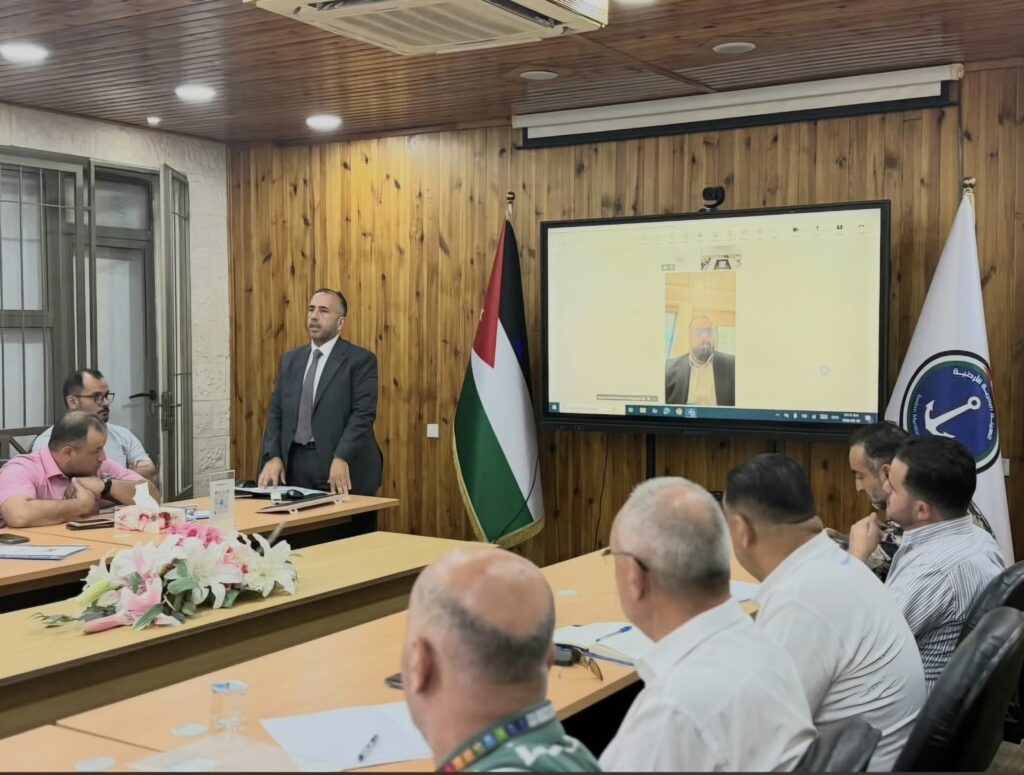
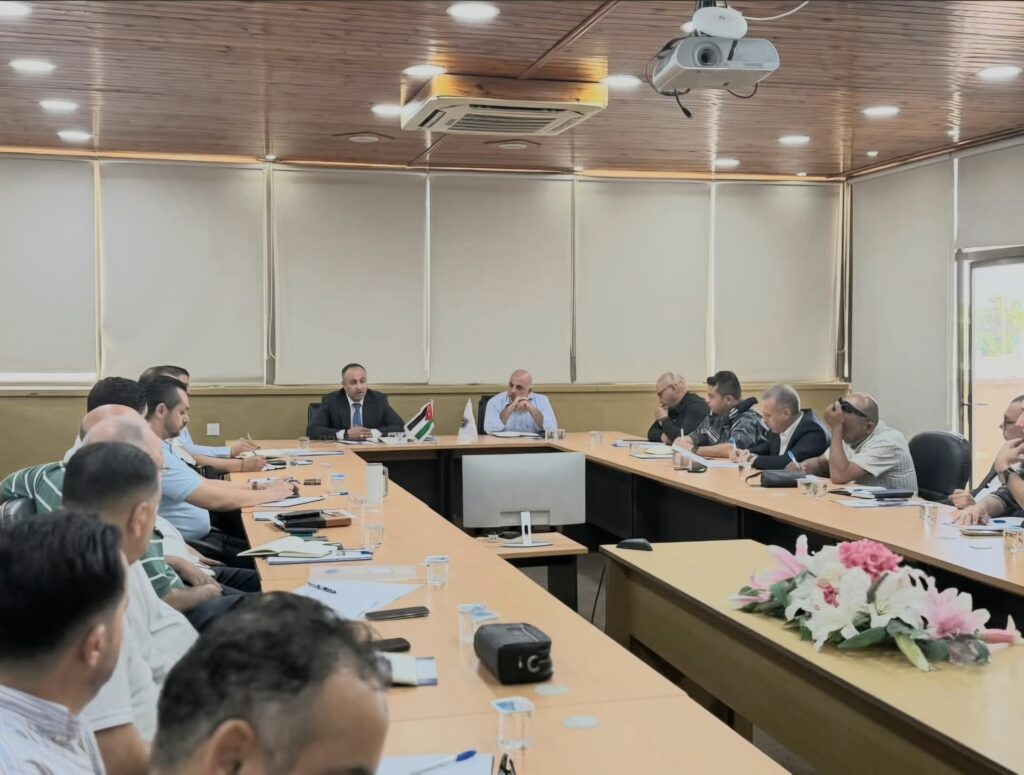
    Shipping Arabia, October 5, 2026 – The Jordan Maritime Commission has convened a coordination meeting in Aqaba to address vessel waiting times at Aqaba ports and identify practical measures to improve cargo flow, accelerate handling operations and strengthen the efficiency of the maritime and logistics system.

    The meeting was chaired at the Commission’s headquarters by Director General Ahmad Al-Assasleh. Representatives from the Ministry of Transport joined remotely, while participants also included the Aqaba Special Economic Zone Authority, Aqaba Development Corporation, the Royal Jordanian Navy, port and terminal operators, the Jordan Shipping Association, relevant security agencies and other stakeholders.

    The discussions focused on current port operations, the causes behind vessel waiting cases and operational measures that could improve the movement and clearance of cargo. Participants emphasized that vessel delays have multiple causes and cannot be attributed to a single party or operational factor.

    Follow-Up to August Ministerial Meeting

    The meeting reviewed progress on recommendations from a ministerial meeting held in Aqaba on August 6, 2026, chaired by Minister of Transport and Minister of Labour Dr. Nidal Al-Qatamin and Minister of Industry, Trade and Supply Eng. Yarub Al-Qudah.

    That meeting brought together government bodies, private-sector stakeholders and other parties involved in port operations to examine operational challenges and discuss measures aimed at improving efficiency and reducing congestion.

    Participants at the latest meeting reviewed the implementation of those recommendations. They noted that a significant portion had already been put into effect through Cabinet decisions approving several of the proposed measures.

    According to the meeting, these steps helped address a number of operational obstacles, ease pressure and congestion, improve cargo flow and support the continuity of supply chains.

    The Ministry of Transport and other government entities will continue to follow up on implementation in coordination with port operators, the private sector and other stakeholders. The process will also focus on measuring the actual impact of measures already taken and identifying any further obstacles that may require additional action.

    Aqaba Vessel Waiting Times Under Review

    Participants examined the circumstances behind individual vessel waiting cases, including ships that had remained at anchor or in waiting areas for extended periods.

    The meeting stressed the importance of identifying the specific cause of each case rather than treating vessel waiting as a single operational problem. It also called for greater advance readiness by vessels, agents, equipment providers, transport operators, storage yards and documentation teams before cargo operations begin.

    Improving readiness before a vessel reaches the operational stage was identified as an important step toward reducing delays and improving berth utilization.

    Participants also reviewed operational factors affecting the handling time of some ships, particularly vessels carrying several types of cargo or cargo covered by multiple bills of lading. In such cases, the meeting emphasized the need for detailed pre-planning covering cargo types, the sequence of handling operations and equipment requirements before work starts.

    This approach is intended to reduce operational stoppages and improve the use of berths and cargo-handling equipment.

    Faster Cargo and Vehicle Movement

    The meeting discussed measures to increase yard turnover and accelerate the removal of vehicles and cargo from port areas.

    Participants highlighted the need to ensure sufficient availability of trucks and car carriers in line with the scale and pace of discharge operations. Greater transport capacity would support faster evacuation of cargo from the port and reduce pressure on storage areas.

    Transit cargo was another area of focus, particularly shipments moving through Aqaba toward Iraq. Participants discussed challenges affecting these cargo flows and the need to strengthen coordination among relevant authorities to improve their movement.

    Efforts to increase port capacity were also reviewed. These include the development of additional yards for vehicles and other cargo to reduce pressure on existing storage areas and support more efficient operations.

    The meeting also discussed studying the rehabilitation and reactivation of Mu’tah Port/Berth for handling vessels carrying vegetable oils. Any such move would follow the completion of technical studies, safety requirements and the necessary approvals.

    Advance Planning and Operational Data Sharing

    Participants emphasized the importance of planning for vessels before their arrival in Aqaba.

    Regular sharing of vessel arrival schedules and operational information among relevant parties was identified as a key tool for detecting possible bottlenecks early and addressing them before they develop into congestion or extended vessel waiting times.

    The meeting also considered proposals for managing the number of vessels present in waiting areas and reactivating anchorage areas in accordance with technical and regulatory requirements and approvals from the relevant authorities.

    Greater advance coordination with shipping lines and agents was also discussed. The aim is to reduce situations in which vessels arrive in Aqaba before operational restrictions or other constraints have been identified and addressed.

    The participants stressed that improved information exchange should form part of a broader shift from reacting to congestion after it occurs toward proactive operational planning.

    This requires advance knowledge of expected vessels, their characteristics and operational requirements, combined with confirmation that port, yard, transport and logistics resources are ready before arrival.

    Measuring the Impact of Port Measures

    The Jordan Maritime Commission stressed that follow-up should extend beyond confirming whether recommendations and decisions have been implemented.

    Participants agreed that their actual effect on port performance must also be measured through clear operational indicators. These include the average vessel waiting time, the number of waiting cases resolved and the number of newly arriving ships added to waiting lists.

    Authorities will also monitor vessels that remain waiting beyond defined periods, allowing stakeholders to identify persistent cases and examine the reasons behind them.

    The meeting emphasized that reducing vessel waiting times requires coordinated action across government entities, port operators, logistics providers and the private sector. Clear responsibilities and practical follow-up mechanisms will therefore remain central to the process.

    The Jordan Maritime Commission said it will continue coordinating with the Ministry of Transport, government authorities, the private sector and other stakeholders to follow up on meeting outcomes, Cabinet decisions and operational measures.

    These efforts are intended to improve the efficiency of Aqaba’s maritime and logistics system, support supply chain continuity and strengthen the operational performance of Aqaba ports and their role in regional trade and transport.

    Source: Jordan Maritime Commission

  • Jordan Maritime Commission Concludes IMSAS Audit Training Program

    Shipping Arabia, October 2, 2026 – The Jordan Maritime Commission has concluded an IMSAS audit training program designed to strengthen participants’ technical knowledge of International Maritime Organization audit requirements and enhance Jordan’s institutional and technical readiness for obligations under the IMO Member State Audit Scheme.

    The four-day course, titled “Preparatory Program for the IMO Member State Audit Scheme (IMSAS) and Study of Audit Principles,” ran from September 21 to 24, 2026. It focused on building participants’ capabilities and improving their understanding of maritime audit requirements and procedures in accordance with IMO standards.

    IMSAS Framework and III Code Requirements

    The training covered the framework of the IMO Member State Audit Scheme and the IMO Instruments Implementation Code, known as the III Code.

    Participants examined the IMSAS audit framework under IMO Resolution A.1211(34), as well as the implementation of the III Code under Resolution A.1070(28). The course also addressed common areas of responsibility and the obligations associated with flag State and coastal State functions.

    In addition, the program reviewed port State requirements as part of the broader responsibilities covered by the IMO audit system.

    Audit Planning, Implementation and Corrective Actions

    The IMSAS audit training program included practical preparation for the different stages of the audit process. Participants studied planning and preparation procedures, as well as the mechanisms used to conduct an IMSAS audit.

    The course also covered interview techniques, report preparation and the development of corrective action plans. Participants reviewed the principles and management systems used to organize and manage audit processes.

    These subjects were intended to strengthen technical understanding of how IMO Member State audits are prepared, conducted and followed up.

    Strengthening Jordan’s Maritime Readiness

    The Jordan Maritime Commission said the training forms part of its efforts to develop national capabilities and raise institutional and technical preparedness.

    The commission also aims to strengthen compliance with international requirements and standards related to maritime safety and security, as well as protection of the marine environment.

    By developing knowledge of IMSAS procedures and the III Code, the program supports Jordan’s preparations for requirements associated with the IMO Member State Audit Scheme.

    Source: Jordan Maritime Commission

  • Aqaba Maritime Excellence Moves From Policy to Practice on World Maritime Day

    Shipping Arabia, September 30, 2026 – Aqaba maritime excellence is increasingly being measured through practical improvements in port infrastructure, cargo handling, maritime safety, digitalization and logistics integration as Jordan seeks to strengthen its only maritime gateway and expand its role in regional transit trade.

    World Maritime Day highlights how international maritime conventions, standards and policies translate into operational results at sea and across port terminals. This year’s theme, which for the first time extends across 2026 and 2027, is “From Policy to Practice: Powering Maritime Excellence.”

    For Aqaba, the theme carries particular significance because the city serves as Jordan’s sole maritime outlet on the Red Sea and a gateway for national trade, while also supporting transit flows to regional markets.

    Maritime excellence in Aqaba therefore depends not only on international compliance, but also on effective inspections, tested emergency plans, safe pilotage and towage, efficient vessel and cargo handling, smooth truck movements and stronger connections between ports, logistics zones and transport networks.

    Aqaba Maritime Excellence Built on Port and Logistics Capacity

    Shadi Ramzi Al-Majali, Chairman of the Aqaba Special Economic Zone Authority, said World Maritime Day provides an opportunity to reaffirm Aqaba’s strategic role as Jordan’s maritime gateway and an integrated logistics platform serving national trade and regional transit flows.

    He said the 2026-2027 theme reflects the Authority’s approach of converting plans and regulations into tangible outcomes for investors and port users through more efficient services, more flexible procedures and an investment environment capable of supporting sustainable employment.

    According to Al-Majali, Aqaba has developed an integrated network of specialized ports, logistics areas and supporting marine services. The port system comprises 12 specialized terminals and 32 operational berths covering a broad range of cargo and maritime activities.

    These facilities handle containers, oil and gas, liquefied natural gas, phosphates, fertilizers, sulfur, ammonia, grain, livestock and general cargo. Aqaba also has a dedicated passenger and tourism terminal, while the new port alone contains nine multipurpose berths.

    Al-Majali said this range of terminals and berths gives Aqaba advanced operational and logistics capabilities and strengthens its readiness to accommodate different ship types and cargoes. It also supports the requirements of trade, industry and energy while reinforcing Aqaba’s position as a safe and reliable corridor for regional commerce.

    He added that coordination among port stakeholders has helped Aqaba maintain the continuity of supply chains despite regional challenges.

    Transit Growth Creates New Logistics Opportunity

    The expansion of transit traffic represents a strategic opportunity for Aqaba to strengthen its position on the regional maritime and logistics map, Al-Majali said.

    However, he stressed that capturing this opportunity requires continued investment in infrastructure, faster procedures and better connections between ports, logistics zones and transport networks.

    These measures are intended to reduce time and cost while improving the competitiveness of services offered to investors, shipping lines and other port users.

    The wider maritime system also places increasing importance on faster transaction processing, lower waiting times for vessels and cargo, and more efficient data exchange between relevant entities. These factors are central to strengthening confidence among carriers, importers and exporters using Aqaba.

    Al-Majali also said environmental protection must remain a fundamental consideration in every development or expansion project in Aqaba. Maritime excellence, he noted, should be judged not only by cargo volumes or vessel numbers, but also by the ability to combine economic growth, operational efficiency, navigational safety and environmental sustainability.

    He emphasized the importance of protecting the distinctive marine environment of the Gulf of Aqaba while maintaining the city’s role as a maritime and logistics gateway for Jordan and the wider region.

    Port Operations Focus on Berths, Equipment and Cargo Flow

    Mahmoud Khalifat, General Manager of Aqaba Ports Management and Operation Company, said World Maritime Day also recognizes the employees working across berths, yards and operations rooms to maintain cargo flows around the clock.

    He said the 2026-2027 theme directly reflects the nature of port operations because standards and plans achieve their purpose only when they become daily procedures followed by employees, supervisors and management.

    According to Khalifat, the company has strengthened the readiness of berths, equipment and yards. It has also improved cargo-handling arrangements, truck movements, safety procedures and coordination with partner institutions.

    These measures have given port operations greater flexibility in managing higher workloads and changes affecting supply chains.

    Khalifat said the continued growth of transit traffic represents an important opportunity for Aqaba. He added that continuous training, occupational safety and the modernization of operating methods remain among the company’s leading priorities as Jordanian personnel prepare to manage the next phase of port activity.

    Jordan Maritime Commission Strengthens Safety and Regulation

    Ahmad Al-Assasleh, Director General of the Jordan Maritime Commission, said World Maritime Day reinforces Jordan’s commitment to international maritime conventions and standards, navigational safety, maritime security and protection of the marine environment.

    He said these responsibilities support the reliability of Aqaba’s ports and their role in serving national trade and regional transit movements.

    Al-Assasleh said the theme of moving from policy to practice reflects the Commission’s role in converting international commitments into operational measures. These include ship inspections, regulation of navigation, verification of safety requirements and preparedness for maritime emergencies.

    The Commission is also continuing to review and update maritime legislation and instructions while developing regulatory, technical and digital services in line with international best practices.

    According to Al-Assasleh, these measures aim to improve performance and accelerate transactions without compromising maritime safety and security, particularly as vessel, cargo and transit activity through Aqaba increases.

    The Commission’s responsibilities also extend to Jordanian seafarers working aboard vessels around the world. It verifies their qualifications, documentation and certificates, follows their professional conditions and contributes to protecting their rights.

    Al-Assasleh said investment in the training and qualification of Jordanian seafarers supports their presence in the international maritime labor market. The Commission is also continuing to strengthen emergency preparedness and reduce pollution risks to protect the Gulf of Aqaba.

    Aqaba Container Terminal Advances Operational and Digital Systems

    José Rueda, General Manager of Aqaba Container Terminal, said World Maritime Day highlights the terminal’s responsibility at the center of Jordan’s national supply chain and recognizes employees who maintain the flow of containers through the facility.

    He said the terminal translates development plans into practical improvements in equipment performance, yard management, vessel services and data exchange with partners.

    Development of operational and digital systems, together with improved management of equipment and resources, has strengthened the terminal’s operational flexibility and its ability to respond to changes in vessel schedules and demand volumes.

    Rueda said operating teams have also demonstrated their ability to maintain service continuity under exceptional conditions, reflecting the accumulated experience of Jordanian personnel.

    Marine Services Strengthen Pilotage, Towage and Emergency Response

    Frederik Rutgers, General Manager of Aqaba Port Marine Services Company, said maritime excellence also begins before a vessel reaches the berth.

    He highlighted the role of marine pilots, tug crews, engineers and operations-room personnel in applying safety standards from the moment a vessel approaches Jordanian waters until it berths and later departs safely.

    Rutgers said the company has strengthened its capabilities in pilotage, towage, mooring, maneuvering and emergency response since its establishment. It has also improved coordination with ports and specialized maritime authorities.

    Training and joint exercises have increased the ability of operational teams to respond to fires, pollution incidents and other potential emergencies, helping protect people, infrastructure and the marine environment.

    As vessel numbers grow and ship sizes become more diverse, Rutgers said the efficiency of tugs and pilots and the speed of operational response become increasingly important in reducing waiting times without compromising safety.

    He added that the company will continue investing in training Jordanian maritime personnel and in technologies that support accurate and efficient marine operations.

    Across Aqaba’s maritime sector, the move from policy to practice is being reflected in inspections, training, operational readiness, port equipment, digital systems and daily safety procedures. The continued development of infrastructure, technology and human capital remains central to strengthening Aqaba’s role as a safe, efficient and competitive maritime gateway.

    Source: Al Ghad

Back to top button