Jordan Maritime Commission Reviews Maritime Emergency Response Plan for Gulf of Aqaba
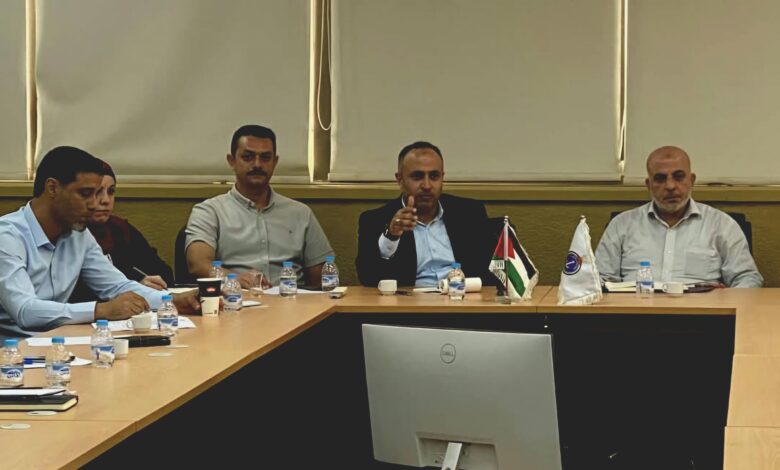
Shipping Arabia, October 17, 2026 – The Jordan Maritime Commission (JMC) held a meeting on October 11 to review a draft maritime emergency response plan and procedures for managing marine disasters and incidents in Jordanian territorial waters and the Gulf of Aqaba. The discussions focused on strengthening national preparedness, improving coordination among responsible authorities and establishing clear procedures for responding to maritime emergencies.
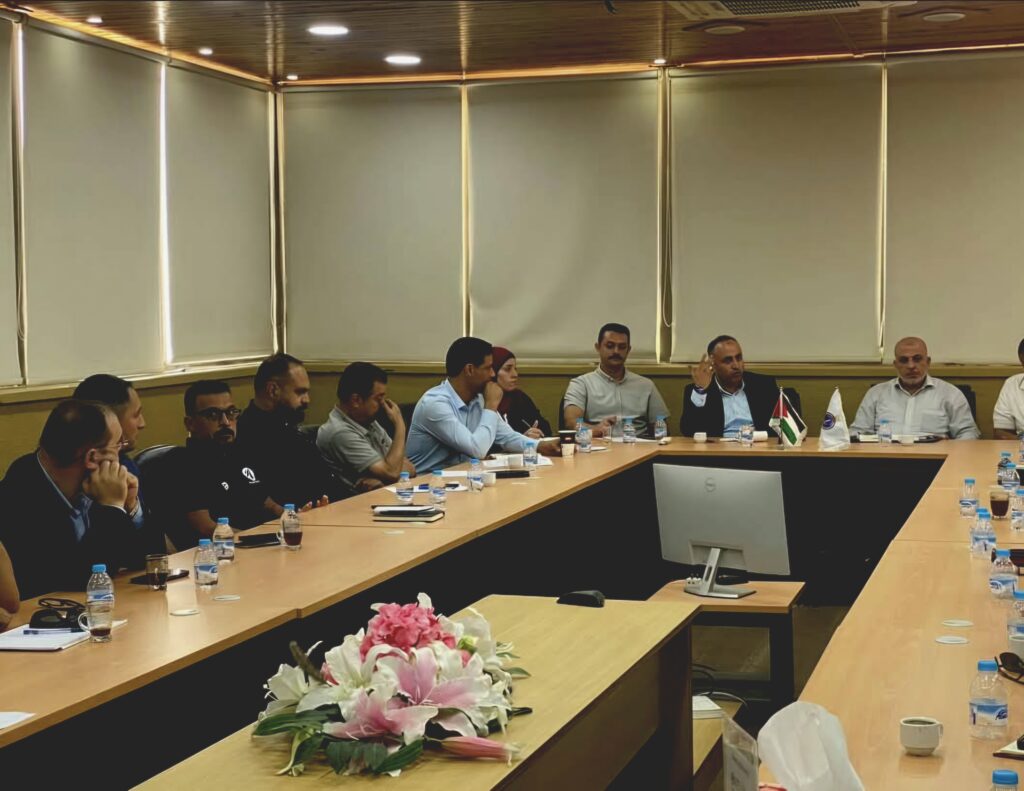
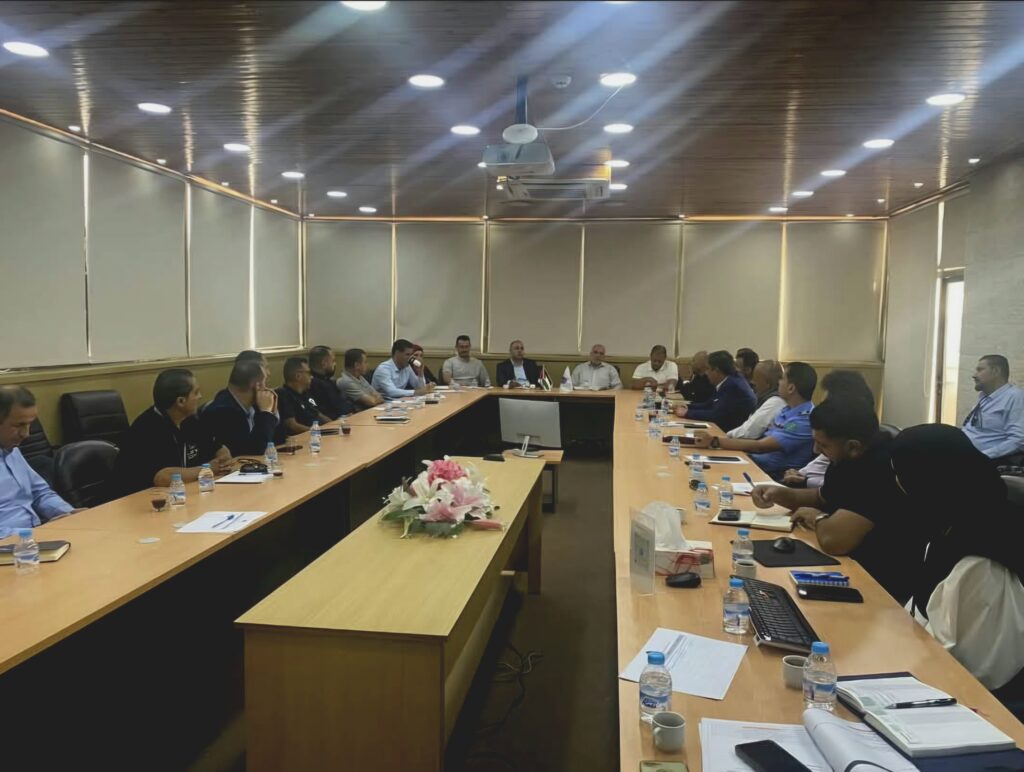
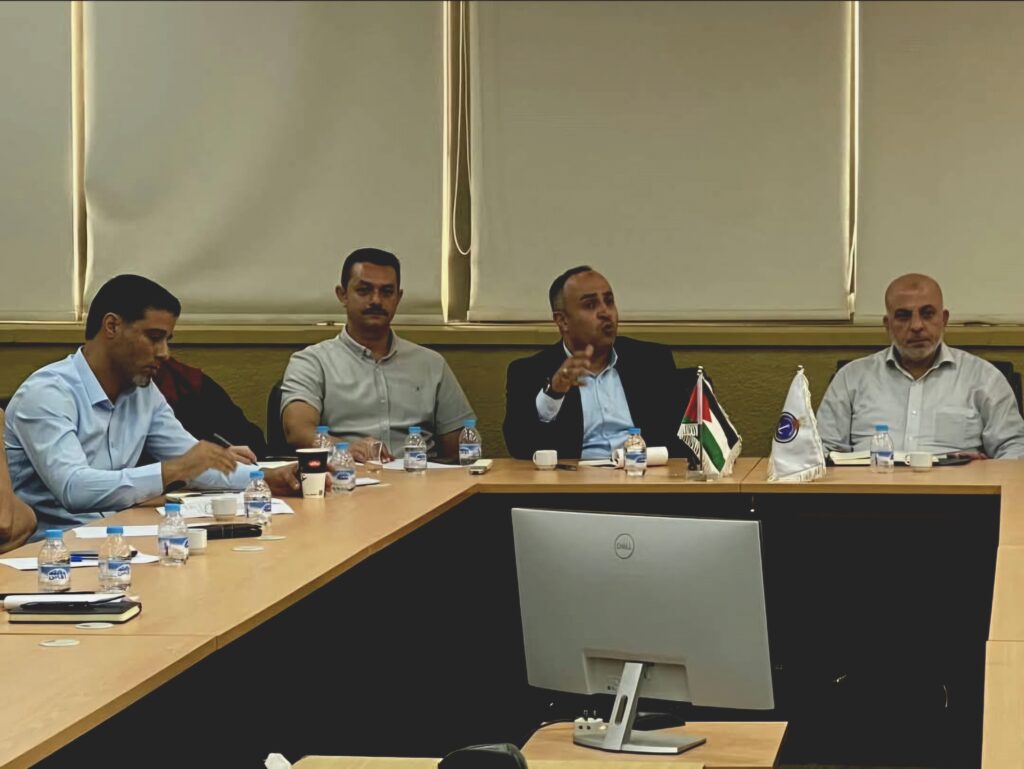
The meeting took place at the commission’s headquarters under the chairmanship of JMC Director General, Dr, Ahmed Al-Assasleh. Representatives of relevant authorities and maritime specialists attended to discuss the proposed framework and the responsibilities of institutions involved in maritime emergency response.
Jordan Maritime Commission Focuses on Emergency Preparedness
During the meeting, Al-Assasleh emphasized the importance of developing a comprehensive and clearly defined maritime emergency response plan capable of addressing different types of maritime incidents and disasters.
He stressed that effective emergency management requires rapid response capabilities, strong coordination among responsible authorities and clearly allocated roles and responsibilities. These elements are essential to ensuring that participating organizations can act efficiently when maritime emergencies occur.
Al-Assasleh also highlighted the importance of strengthening preparedness to protect human lives, property and the marine environment. He emphasized that the proposed framework should contribute to maintaining navigational safety throughout Jordanian territorial waters and the Gulf of Aqaba.
The draft plan aims to establish clear and effective procedures that support coordinated action among relevant institutions, allowing authorities to respond appropriately according to the circumstances and nature of each maritime incident.
Strengthening Coordination Among Maritime Authorities
A central theme of the discussions was the need to strengthen cooperation and institutional coordination among organizations responsible for maritime safety and emergency management.
Al-Assasleh called for unified efforts and closer integration between the relevant authorities. He also emphasized the importance of utilizing their collective expertise, resources and operational capabilities to improve national readiness for maritime emergencies.
According to the JMC Director General, effective cooperation between institutions is necessary to ensure that response procedures are implemented efficiently and that responsibilities remain clearly defined throughout emergency operations.
Participating organizations similarly emphasized the importance of maintaining continuous coordination and ensuring that institutional roles complement one another. They agreed that stronger cooperation would improve the efficiency of maritime incident response and support the timely implementation of measures appropriate to each emergency.
Protecting Maritime Safety and the Gulf of Aqaba Environment
The participating authorities welcomed the Jordan Maritime Commission’s efforts to prepare and review the draft emergency response plan.
They also praised the commission’s collaborative approach, which brings together relevant institutions and specialists to clarify responsibilities, coordinate resources and strengthen national capabilities for managing maritime disasters and incidents.
The participants highlighted the importance of this cooperation in achieving high standards of maritime safety and security while protecting the marine environment in the Gulf of Aqaba.
Through the proposed maritime emergency response plan, the Jordan Maritime Commission aims to establish a coordinated national approach that improves institutional preparedness and supports effective action during maritime emergencies.
The meeting represented a step in reviewing the draft procedures and aligning the responsibilities of participating authorities to strengthen maritime safety, emergency response capabilities and environmental protection in Jordanian waters.
Source: Jordan Maritime Commission