Shipping Arabia, October 18, 2026 – The Suez Canal Authority (SCA) and Monaco Yacht Club have signed a cooperation protocol to strengthen the marketing, management and environmental sustainability of yacht marinas in Ismailia and Al-Alamein. The agreement aims to attract international yacht owners, improve marina services and support Egypt’s efforts to expand its position in the global yacht tourism market.
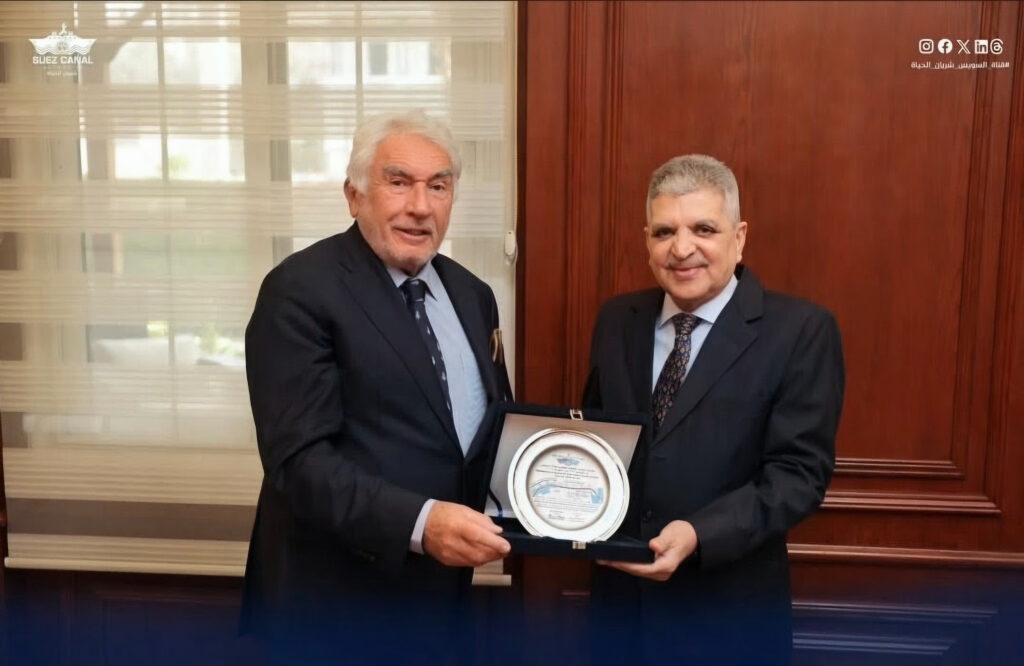
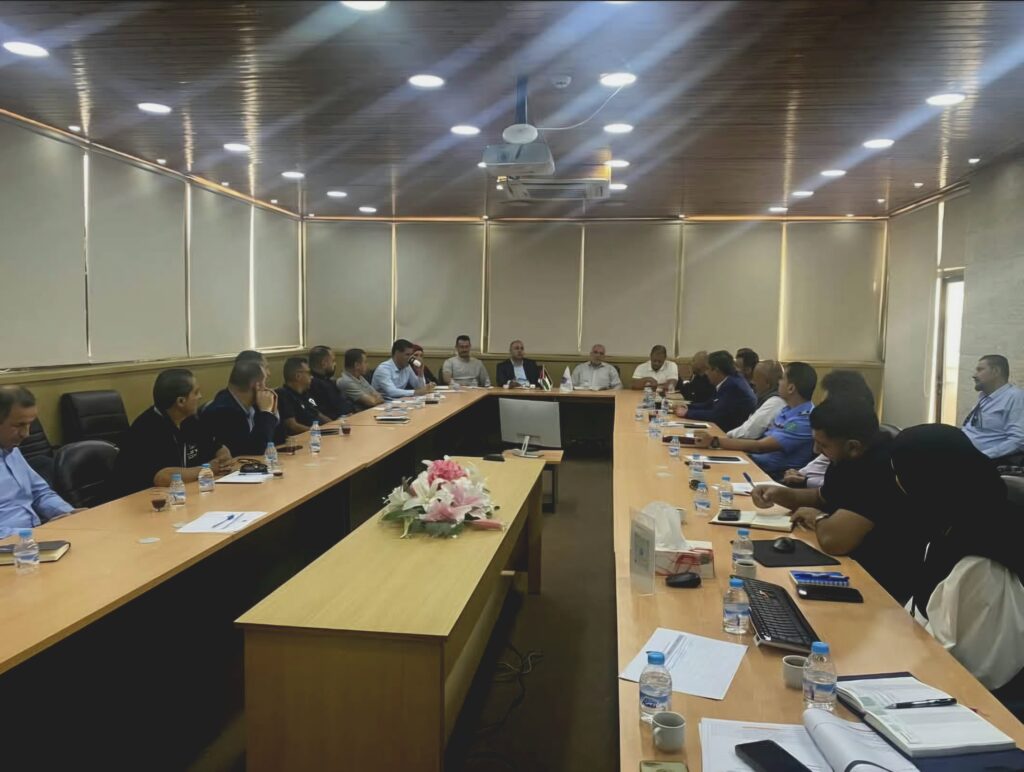
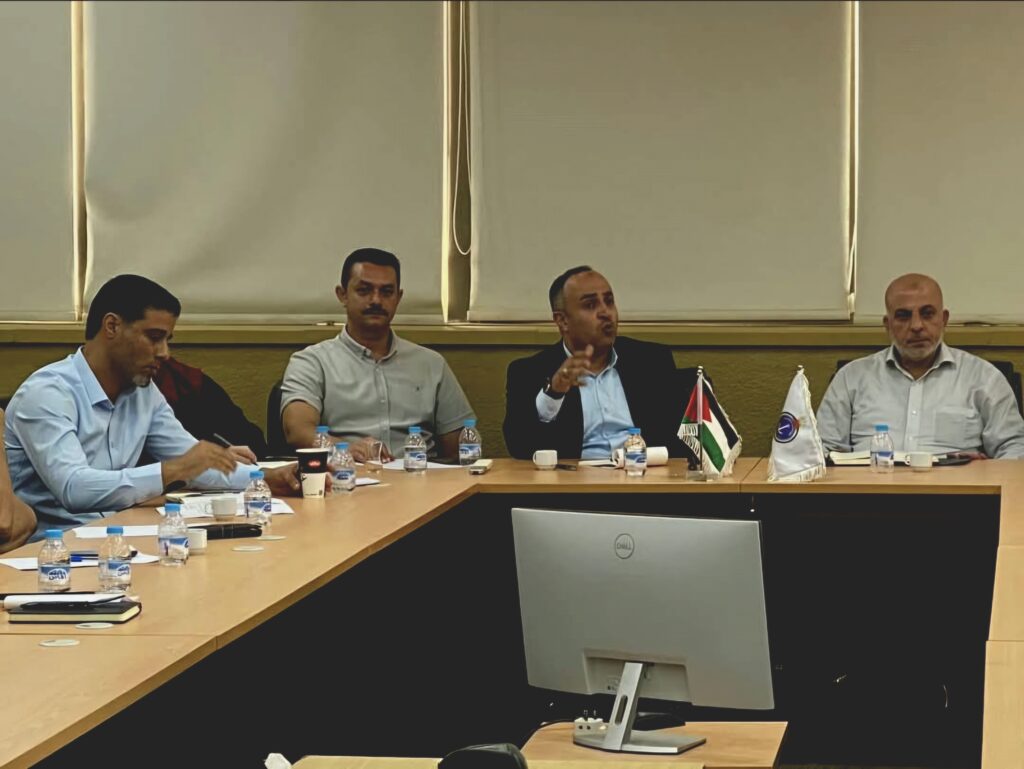
The signing ceremony took place at the SCA’s headquarters in Cairo in the presence of Admiral Ossama Rabiee, Chairman and Managing Director of the Suez Canal Authority. The protocol establishes a framework for cooperation in marina promotion, innovation, sustainability and the adoption of international best practices in resource management and marine environmental protection.
The partnership also seeks to leverage Monaco Yacht Club’s international network and industry expertise to attract new clients to Egypt’s yacht marinas and strengthen the country’s presence in the international yachting sector.
Promoting Suez Canal Authority Yacht Marinas to International Clients
A central objective of the agreement is to promote the Suez Canal Authority’s yacht marinas in Ismailia and on Egypt’s North Coast. The cooperation will draw on Monaco Yacht Club’s experience in the international yachting industry to expand awareness of the facilities and reach potential customers.
Monaco Yacht Club serves as an international meeting point for yacht owners and maritime industry professionals. Its membership exceeds 2,500 people representing 80 nationalities, providing an established network of stakeholders involved in yacht ownership, maritime services and tourism.
The Suez Canal Authority has already pursued international marketing opportunities through its participation in the Monaco Yacht Show in recent years. These appearances have allowed the Authority to showcase its marina services and establish direct communication channels with yacht owners and companies operating in the yachting industry.
The new protocol builds on an existing relationship between the two organizations. Last year, the SCA and Monaco Yacht Club signed an earlier cooperation agreement covering marina marketing and the exchange of technical and administrative expertise.
The latest agreement extends this cooperation to additional areas related to sustainable marina operations and environmental management.
Sustainability and International Marina Management Standards
Beyond marketing, the cooperation protocol addresses innovation, operational sustainability and the implementation of best practices in marina management.
The agreement includes collaboration on resource management and marine environmental protection, reflecting the partners’ intention to incorporate sustainability considerations into the development and operation of yacht marina facilities.
Through the exchange of expertise and international practices, the two organizations aim to support the development of marina services while improving operational standards.
These efforts form part of the SCA’s broader strategy to develop its yacht marinas into facilities capable of serving the international yachting market.
Egypt Targets Growth in Mediterranean Yacht Tourism
During the signing ceremony, Admiral Ossama Rabiee expressed his intention to strengthen cooperation with Monaco Yacht Club as part of the Suez Canal Authority’s strategy to develop world-class yacht marinas.
He emphasized the importance of capitalizing on Egypt’s geographical location and the services available at its marina facilities to position the country as an international destination for yacht tourism.
Rabiee also highlighted the Authority’s role in implementing the Egyptian government’s strategy to maximize the economic benefits of yacht tourism and increase foreign currency revenues.
He pointed to the growth of the global yacht tourism industry, particularly in the Mediterranean region, which remains one of the world’s most attractive destinations for recreational yachts.
The SCA considers the development and international promotion of its yacht marinas an important component of Egypt’s efforts to benefit from this expanding tourism segment.
For his part, Bernard d’Alessandri, Secretary-General of Monaco Yacht Club, praised the Suez Canal Authority’s efforts to develop marina facilities in Ismailia and Al-Alamein.
He highlighted the maritime and logistics infrastructure available at the two locations, along with the services provided to yacht owners and other marina clients.
Monaco Delegation Visits Al-Alamein Yacht Marina
The cooperation protocol was formally signed by Capt. Mohamed Mohsen on behalf of the Suez Canal Authority and Bernard d’Alessandri on behalf of Monaco Yacht Club.
The ceremony was also attended by Audrey Luciani, Executive Director of M3 (Monaco Marina Management), reflecting the involvement of marina management expertise in the discussions.
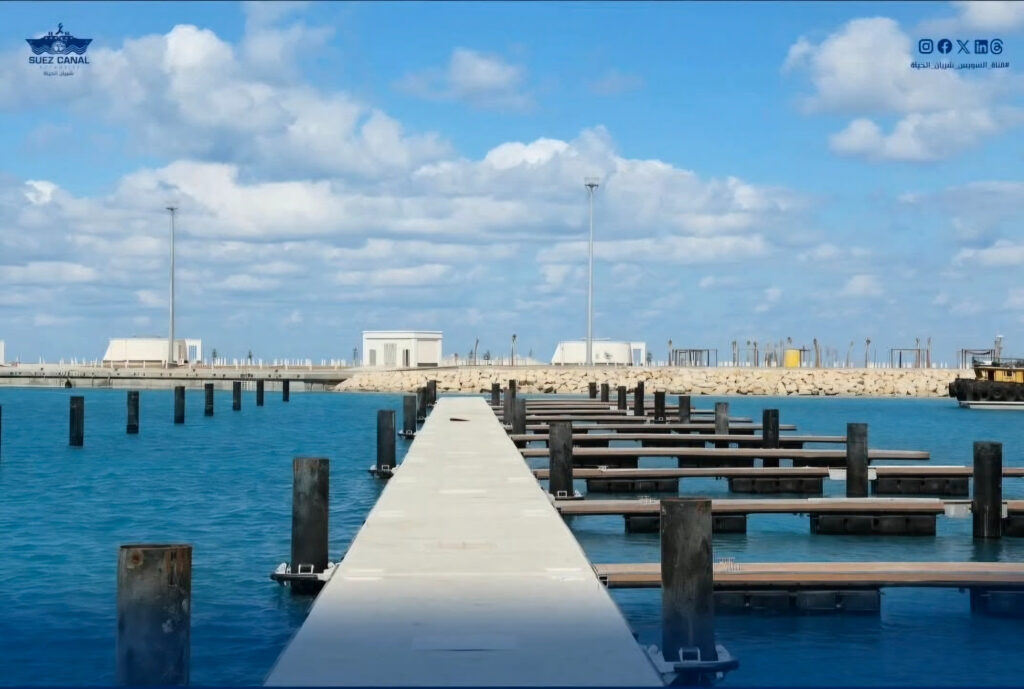
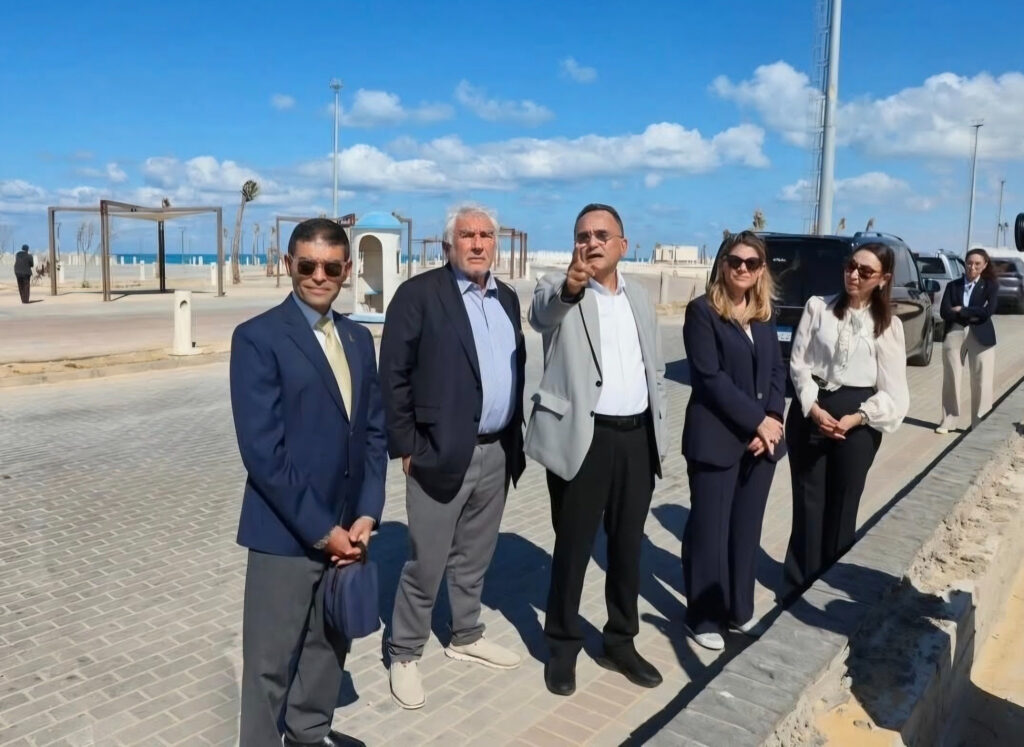
Following the signing, the Monaco Yacht Club delegation visited Al-Alamein Yacht Marina, located at kilometer 92 on Egypt’s North Coast.
The visit provided an opportunity for the delegation to examine the marina’s facilities, review the services available to yacht owners and explore potential areas for further cooperation.
The agreement reinforces the ongoing relationship between the Suez Canal Authority and Monaco Yacht Club, combining international marketing expertise with initiatives focused on marina management and environmental sustainability.
Through this cooperation, the SCA aims to strengthen the international visibility of its marina facilities and support Egypt’s ambitions to attract more yacht tourism activity.
Source: Suez Canal Authority