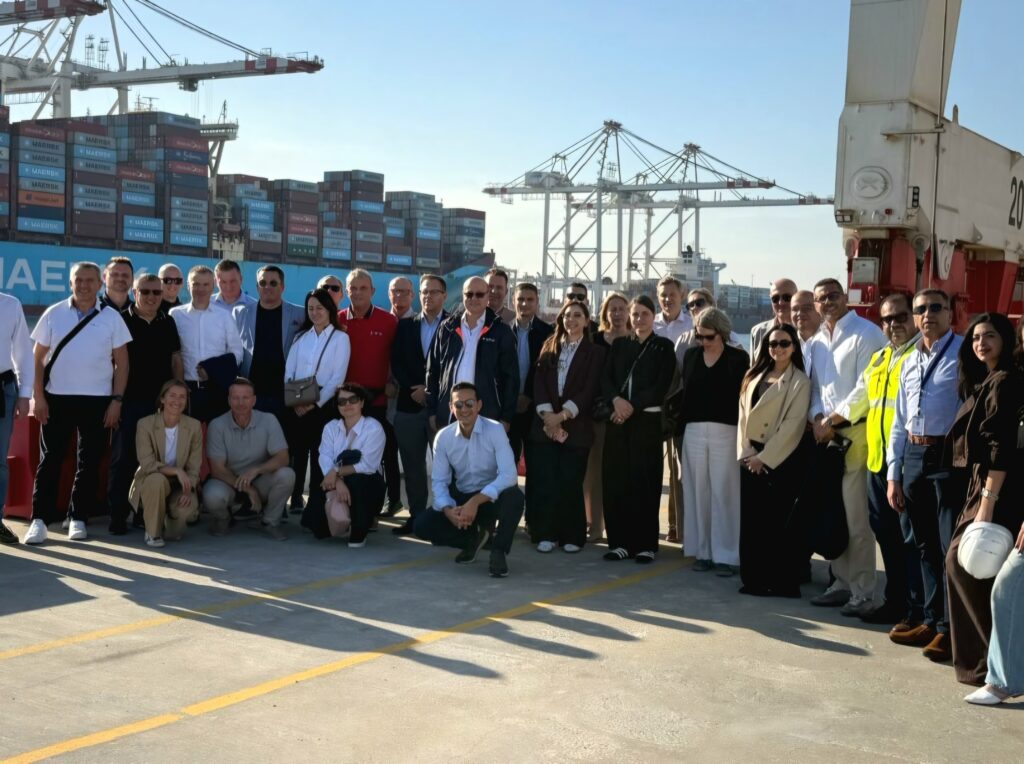
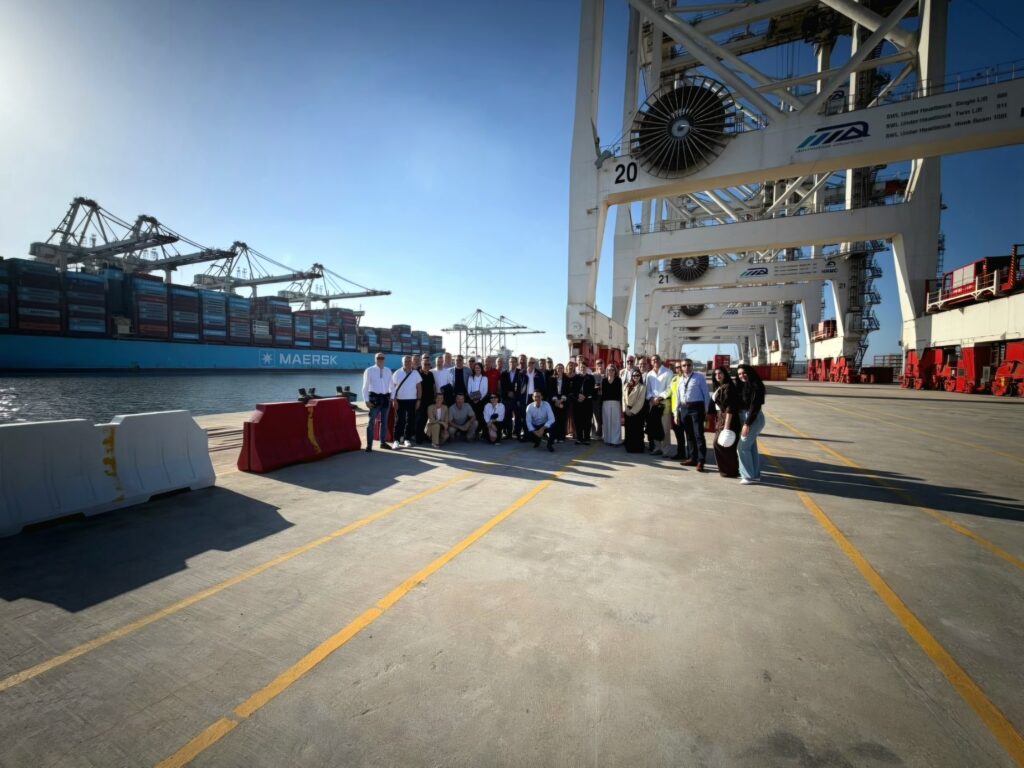
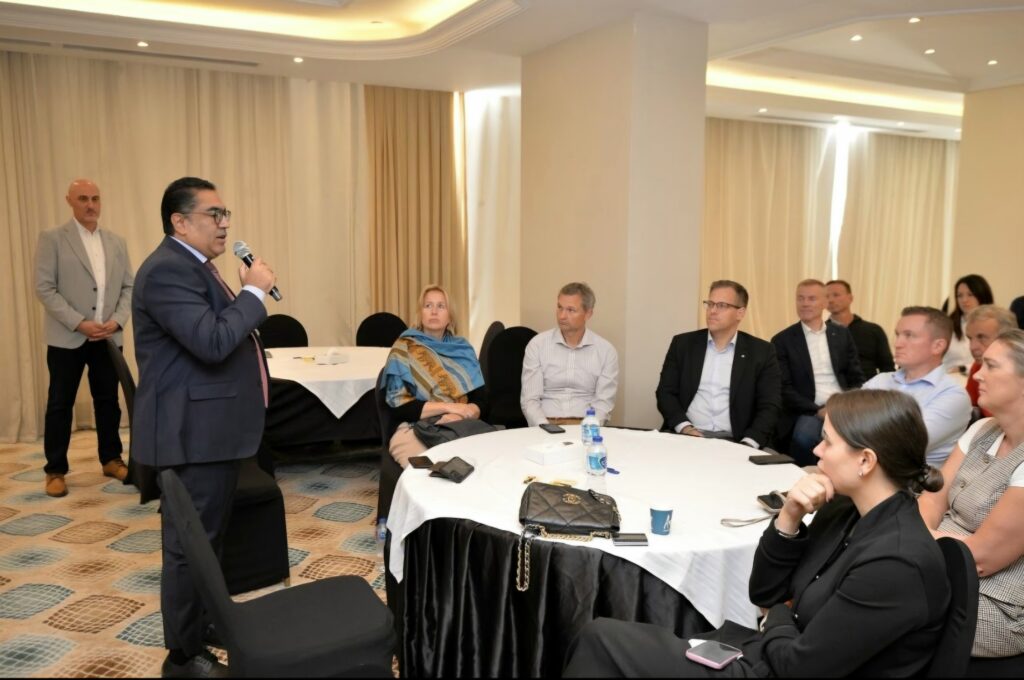
Shipping Arabia, November 10, 2026 – Damietta Alliance Container Terminals (DACT) hosted representatives from Slovenia’s Port of Koper (Luka Koper), Hapag-Lloyd Egypt and other maritime industry stakeholders to discuss potential cooperation aimed at strengthening trade connectivity and supporting Egypt’s import and export activities.
The visit, held on November 4, brought together representatives of the participating organizations to explore opportunities for strategic partnerships, mutual growth and operational development. Discussions also addressed the role of port infrastructure and logistics capabilities in facilitating the movement of Egyptian cargo, particularly agricultural exports and refrigerated commodities.
According to DACT, the Port of Koper is one of Egypt’s key gateways for agricultural exports to Eastern Europe. This trade relationship formed an important part of the discussions, highlighting opportunities for cooperation between the Egyptian container terminal and the Slovenian port.
Exploring Opportunities for Port and Trade Cooperation
The visiting delegation included senior representatives from the Port of Koper and Marwan El Sammak, representing Hapag-Lloyd Egypt, alongside other maritime industry stakeholders.
DACT Chief Operating Officer Andreas Russler and Chief Financial Officer Mohamed El Nakib welcomed the delegation to the terminal and participated in discussions on potential areas of future cooperation.
The meeting focused on strengthening strategic partnerships and identifying opportunities for mutual growth and operational development. Participants also explored how cooperation among ports, shipping companies and other industry stakeholders could support Egypt’s foreign trade activities.
A particular area of interest was the movement of Egyptian agricultural products and refrigerated cargo. DACT highlighted the importance of efficient cargo handling and logistics solutions in supporting these trade flows, particularly given the Port of Koper’s role in serving Egyptian agricultural exports destined for Eastern European markets.
Terminal Infrastructure and Logistics Capabilities
Following the discussions, the delegation toured Damietta Alliance Container Terminals to examine its operational capabilities, infrastructure and logistics solutions.
The visit provided an opportunity for DACT to showcase its terminal facilities and approach to efficient cargo handling, including the movement of Egyptian imports, exports and refrigerated commodities.
Visitors also received an overview of the terminal’s infrastructure and the logistics solutions designed to meet customer requirements and support supply chain operations.
The terminal tour complemented the earlier discussions by giving participating stakeholders an opportunity to examine DACT’s capabilities and explore potential areas of operational cooperation.
Supporting Egypt’s Export Sector
DACT emphasized its commitment to strengthening cooperation with international ports and maritime industry stakeholders as part of its wider efforts to support Egypt’s foreign trade.
The company also highlighted its focus on operational excellence, logistics efficiency and the development of partnerships that contribute to the growth of Egypt’s export sector.
The discussions with representatives of the Port of Koper, Hapag-Lloyd Egypt and other industry participants reflected DACT’s ongoing efforts to identify opportunities for future cooperation and support the movement of Egyptian products into international markets.
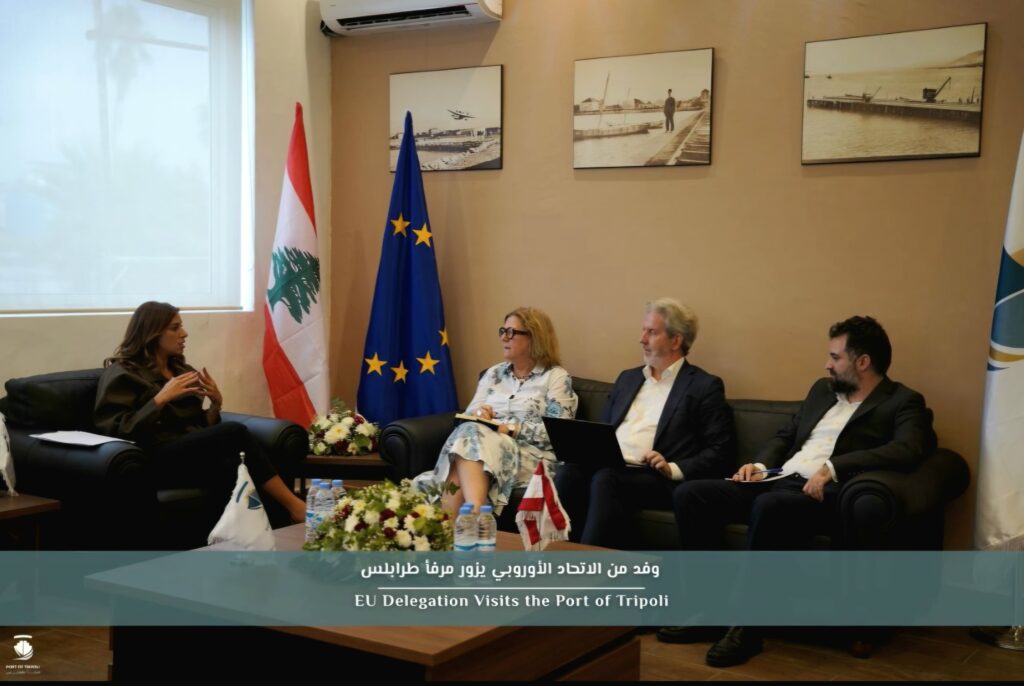
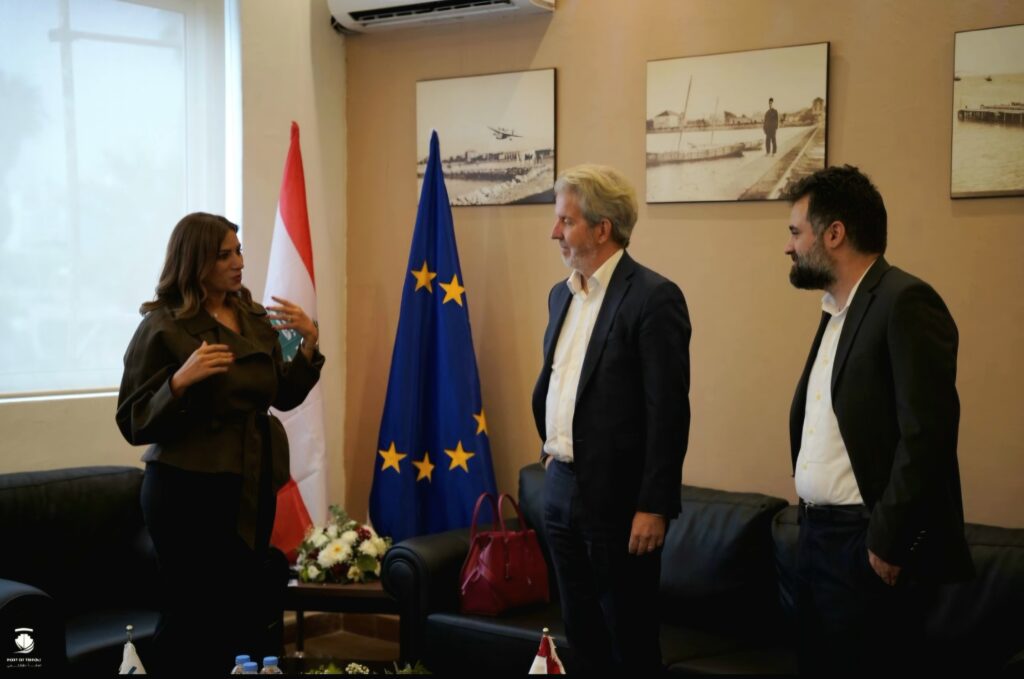
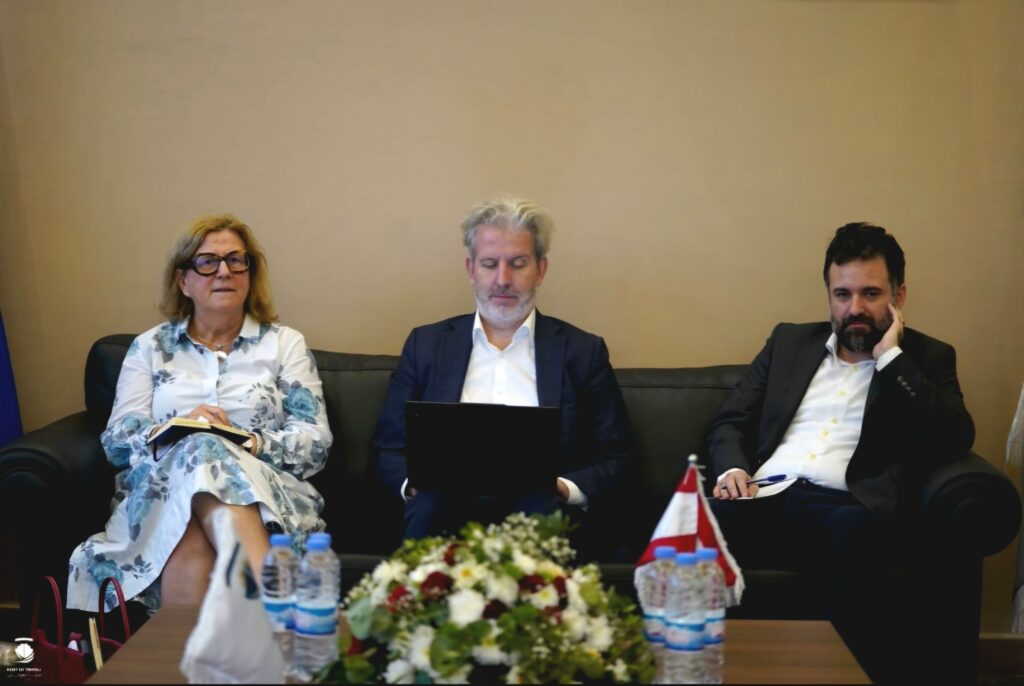
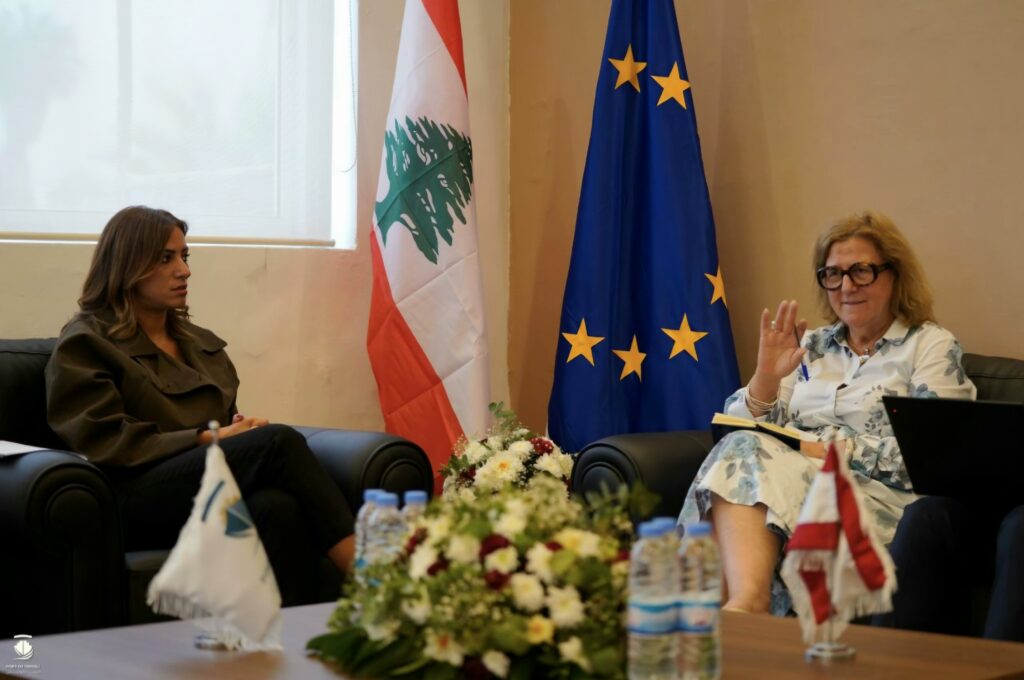
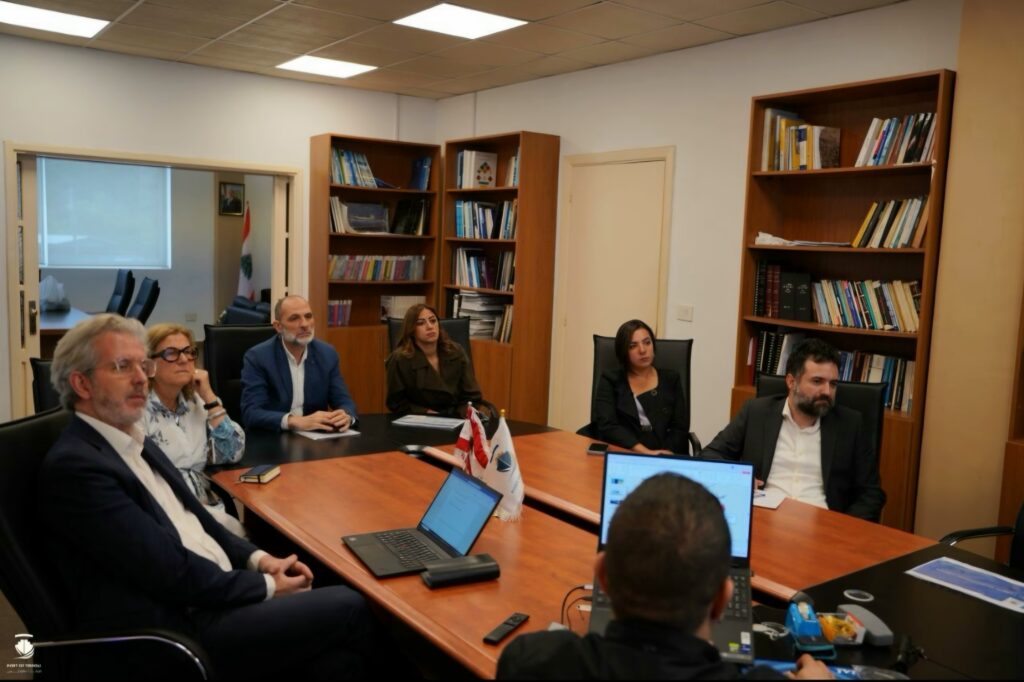
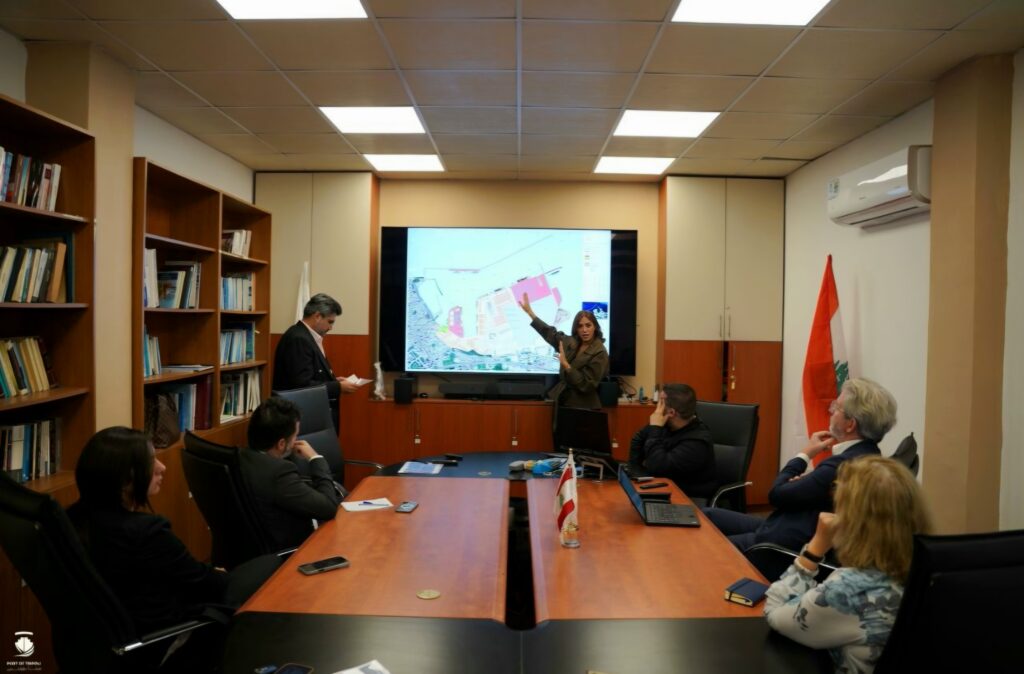
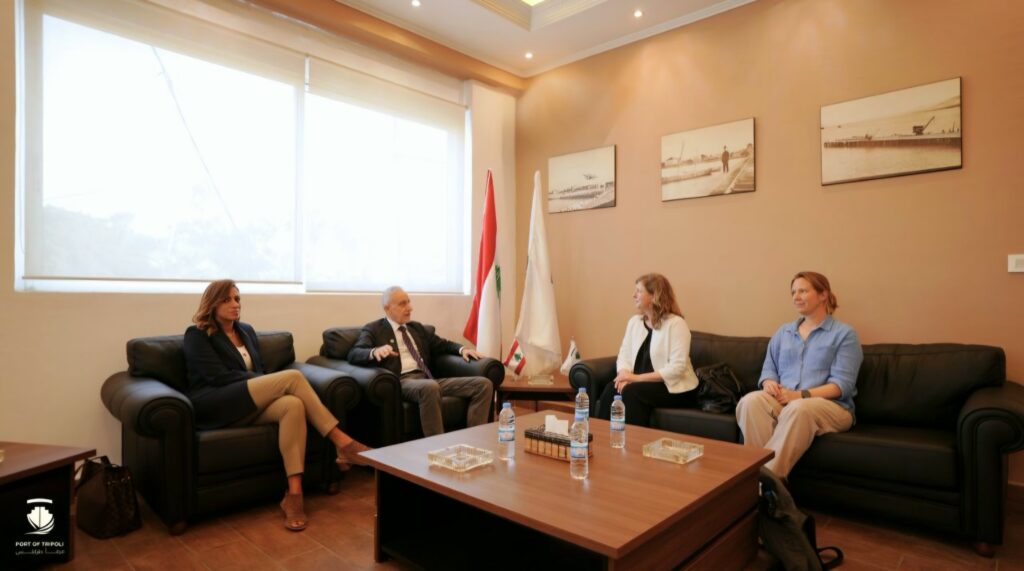
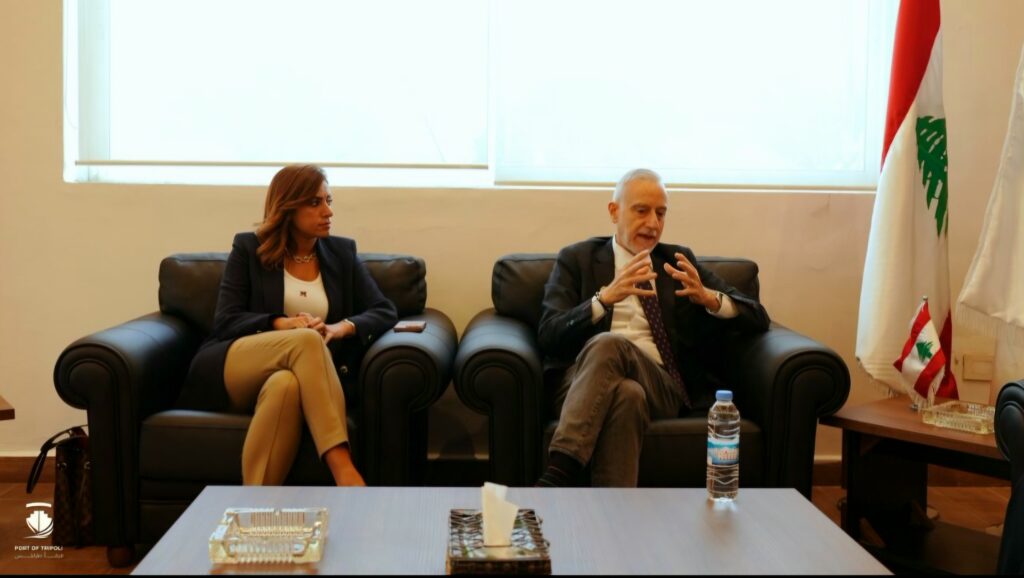
Shipping Arabia, November 4, 2026 – The Port of Tripoli in Lebanon has held discussions with a European Union delegation on potential funding, investment opportunities and technical cooperation to support its strategic development. The talks focused on advancing the Port of Tripoli development plans, strengthening partnerships with European institutions and attracting international participation in port operations and infrastructure.
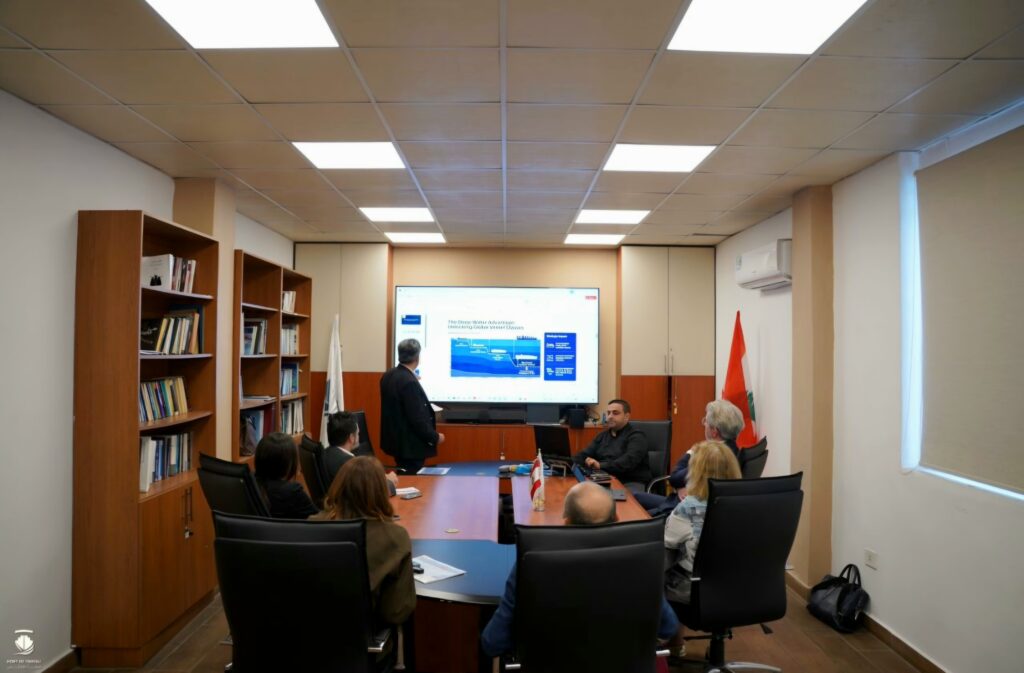
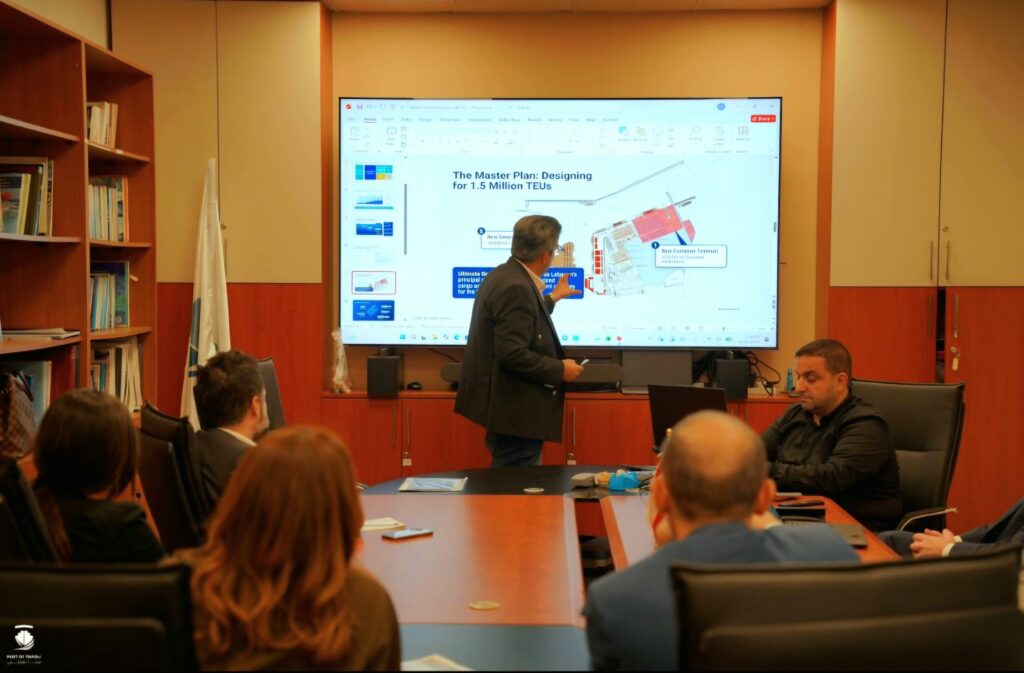
The EU Delegation to Lebanon visited the port for meetings with its Board of Directors. Discussions covered the port’s development vision, master plan, ongoing projects and opportunities for future technical and financial cooperation.
EU Funding and Investment Opportunities
A central focus of the discussions was the Port of Tripoli’s previously submitted proposals for EU funding. Both sides explored opportunities for future financial and technical cooperation to support the port’s development priorities.
The meetings also addressed ways to attract European companies to participate in the port’s development. Potential areas of engagement included investment, port operations, technical expertise and strategic partnerships.
Port officials presented the facility’s master plan and outlined its short-, medium- and long-term development priorities. The presentation provided the European delegation with an overview of ongoing projects and the port’s strategic objectives.
The discussions formed part of efforts to strengthen cooperation with European partners and explore opportunities that could support the port’s infrastructure development and operational capabilities.
EU Delegation Reviews Port Infrastructure and Operations
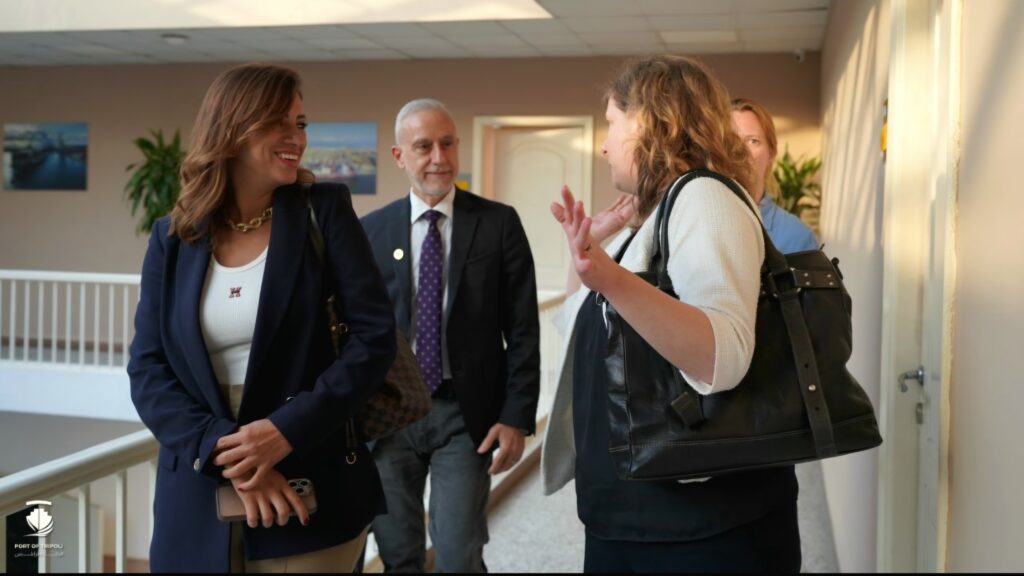
The visiting delegation included Alessandra Viezzer, Head of Cooperation at the EU Delegation to Lebanon, and Cyril Dewaleyne, Deputy Head of Cooperation and Team Leader for Economy, Green Deal and Local Development.
Other participants included economist Jimmy Alboussi and Vana Minassian.
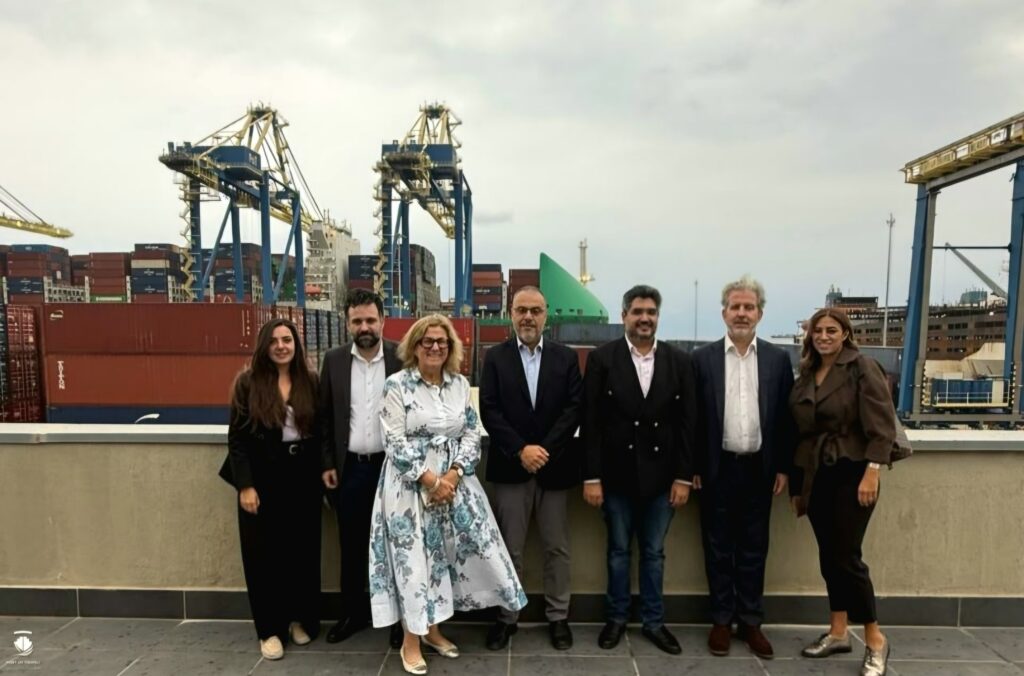
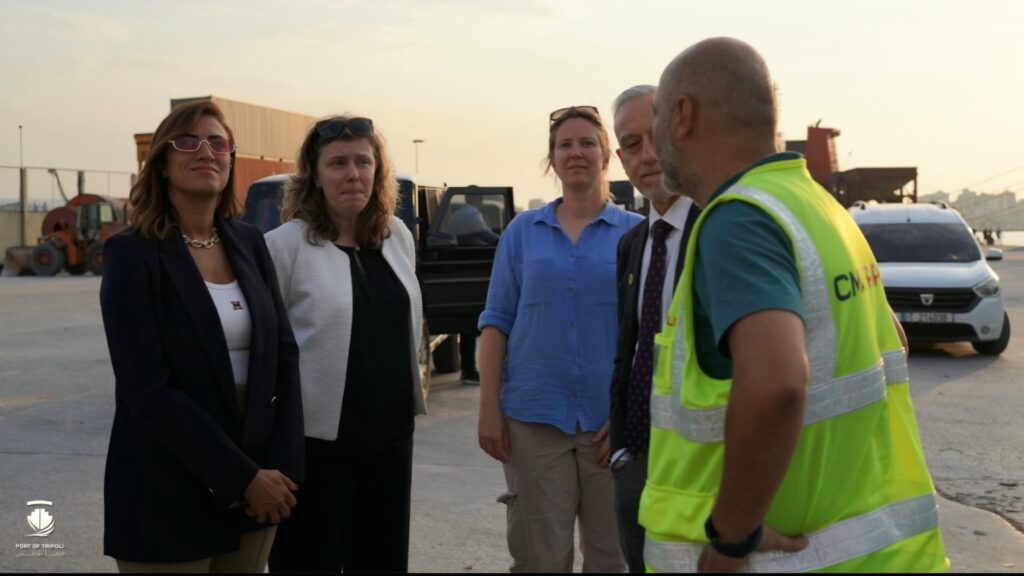
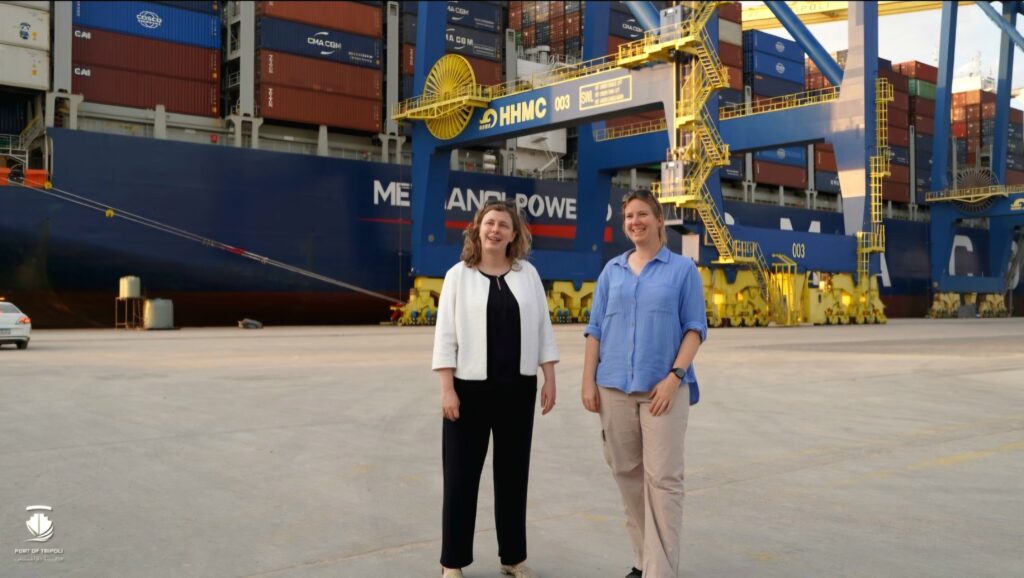
Following the meetings, the delegation conducted a field tour of the Port of Tripoli’s operational facilities. The visit covered the general cargo and container terminals, providing an opportunity to examine the port’s existing infrastructure and cargo-handling capabilities.
The delegation also visited the cargo inspection scanner and reviewed CMA CGM’s container terminal operations.
The tour provided a closer look at the port’s operational environment, existing facilities and potential for future development. It also complemented discussions on opportunities for European companies to contribute through investment, operational participation and technical expertise.
Strengthening the Port of Tripoli’s Regional Logistics Role
The Port of Tripoli views stronger cooperation with the European Union as an important element of its long-term development strategy.
Its stated objective is to position the port as a competitive regional logistics and trade hub, strengthening Lebanon’s connections with European and international markets.
In this context, potential EU funding and technical cooperation represent areas of interest alongside opportunities to attract European companies into port-related investments and operations.
The port’s development priorities cover multiple planning horizons, from ongoing projects to medium- and long-term initiatives identified in its master plan.
The discussions highlighted opportunities to expand cooperation between the Port of Tripoli and European partners through financing, technical assistance and strategic partnerships. These areas remain central to the port’s efforts to advance its development plans and strengthen its role in regional and international trade.
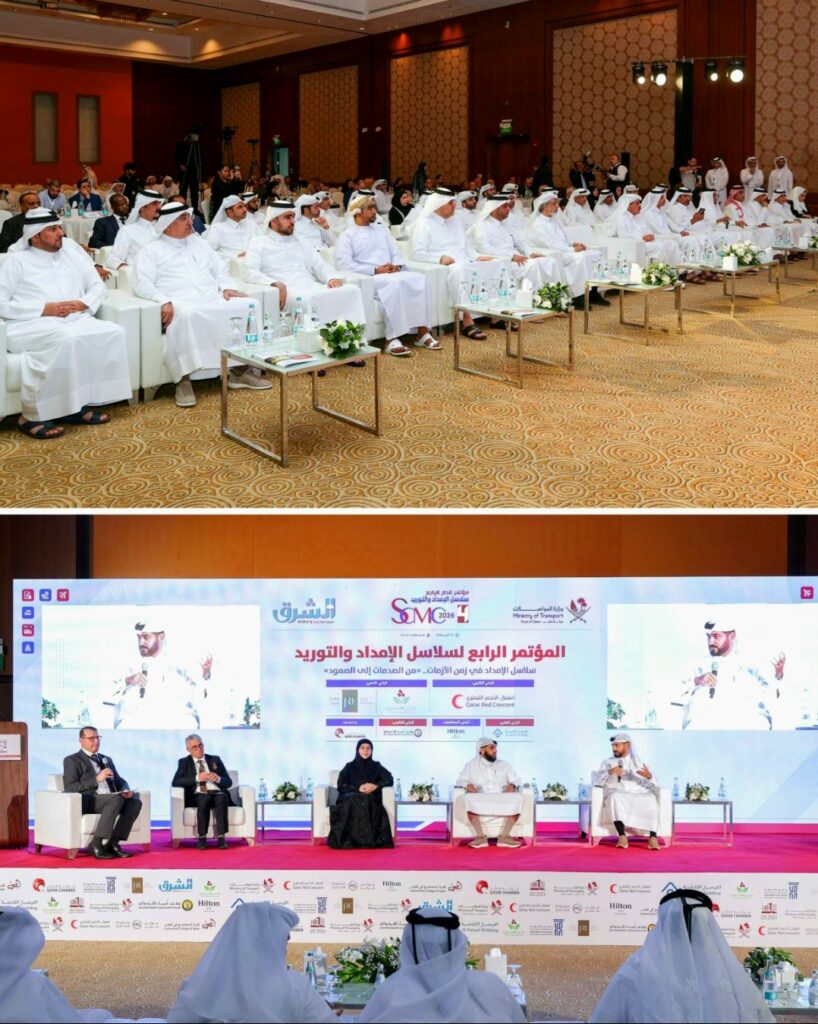
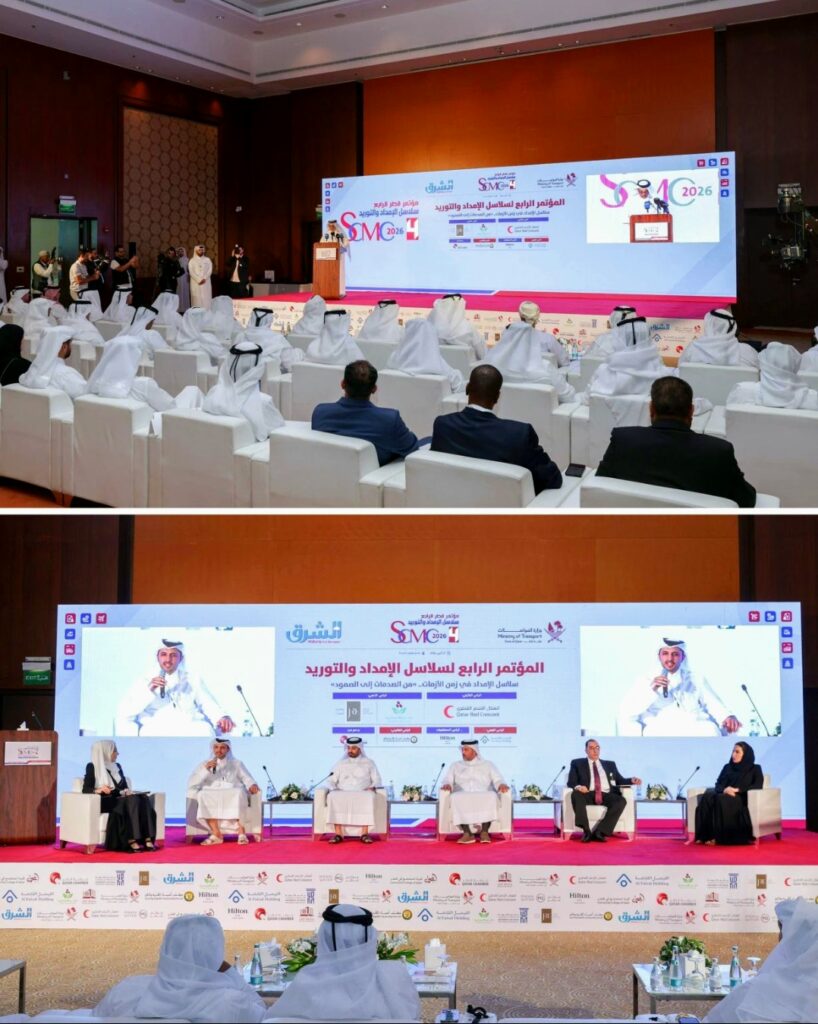
Shipping Arabia, November 1, 2026 – Mwani Qatar participated in the fourth Qatar Supply Chain Management Conference at Hilton Doha, joining industry leaders and experts to discuss supply chain resilience, operational efficiency and strategies to maintain trade flows amid emerging challenges affecting transport and logistics networks.
The conference focused on the challenges facing supply chains and opportunities to develop more resilient and adaptable logistics systems. Discussions also addressed the importance of maintaining trade continuity, strengthening food security and improving the ability of supply chains to respond to disruptions.
Mwani Qatar’s participation reflected its commitment to exchanging expertise and strengthening cooperation with stakeholders across the transport and logistics sectors. These efforts aim to improve the efficiency and resilience of supply chain operations while maintaining port readiness and facilitating the uninterrupted movement of goods.
Capt. Mohamed Hamad Al-Saiyari, Hamad Port Manager, represented Mwani Qatar in the opening session titled “Supply Chains in Times of Crisis: Shared Challenges and National Solutions.”
The session addressed challenges facing supply chains during periods of crisis, with particular emphasis on shared challenges and national solutions. The discussion formed part of the conference’s broader focus on developing more resilient supply chain ecosystems and safeguarding trade flows.
Abdulrahman Ibrahim Al-Marzooqi, HSSE Manager at Mwani Qatar, participated in the second session, titled “Operational Efficiency, Risk Management, and Enhancing Supply Chain Resilience.”
The session focused on operational efficiency, risk management and the importance of strengthening supply chain resilience. These themes aligned with the conference’s objective of identifying approaches to improve logistics performance and the ability to respond to operational challenges.
Through its participation, Mwani Qatar emphasized the importance of knowledge sharing and closer collaboration with partners across the transport and logistics industries. The company highlighted the role of cooperation in developing supply chain networks that can respond more effectively to disruptions while maintaining efficient operations.
The discussions also reinforced the importance of port readiness in supporting the continuity of cargo movements. Maintaining operational preparedness and strengthening coordination across the logistics sector remain central elements of Mwani Qatar’s approach to supporting reliable cargo flows.
Mwani Qatar’s involvement in the conference further reflected its focus on strengthening supply chain resilience through industry engagement, professional knowledge exchange and collaboration with logistics stakeholders.
These efforts support the development of a more efficient and adaptable supply chain ecosystem while enhancing the ability of ports to facilitate the smooth movement of goods and maintain continuity in maritime and logistics operations.
Shipping Arabia, November 1, 2026 – Morocco is advancing two major Mediterranean port developments, with an $825 million Tanger Med expansion planned to increase the complex’s annual container capacity to approximately 20 million TEUs, while the new Nador West Med port prepares to begin operations following $5.5 billion in public and private investment.
The developments were presented during a meeting chaired by King Mohammed VI, which reviewed progress at the Nador West Med port and industrial complex and plans for the third expansion phase of Tanger Med. Both projects form part of Morocco’s strategy to strengthen its port infrastructure, expand maritime and logistics capabilities, and improve its competitiveness within global trade networks.
According to Morocco’s Royal Cabinet, the investments aim to establish an efficient port system capable of responding to changes in global value chains. The strategy also emphasizes supporting regional economic development, creating employment opportunities and increasing the economic value generated in areas surrounding the new infrastructure.
The projects come as Mediterranean ports gain importance amid disruptions affecting strategic shipping routes, particularly the Strait of Hormuz and Bab el-Mandeb. These challenges have increased risks to global oil, gas and cargo movements, reinforcing the importance of maritime infrastructure and alternative trade connectivity.
Nador West Med has attracted more than MAD 54 billion ($5.5 billion) in combined public and private investment. The port’s first terminal is expected to enter operation in the coming days, marking a major milestone for the new maritime, industrial and energy complex on Morocco’s Mediterranean coast.
The development combines container handling, fuel storage, liquefied natural gas processing, industrial activities and logistics facilities. Its first container terminal will have an annual capacity of 3.5 million TEUs upon completion, while a second terminal is scheduled to enter service in April 2027 with additional capacity of 1.8 million TEUs.
Together, the two container terminals represent approximately MAD 8 billion ($825 million) in private investment, according to the Royal Cabinet. Their development will expand Morocco’s container handling capabilities and strengthen its infrastructure serving international maritime trade.
Energy infrastructure represents another major component of Nador West Med. The complex includes a fuel terminal with potential storage capacity of 4 million cubic meters, alongside Morocco’s first liquefied natural gas (LNG) terminal, designed to process up to 5 billion cubic meters annually.
The LNG facility will enable Morocco to import natural gas from international markets and process it domestically to meet industrial demand and support electricity generation. Combined with the fuel storage facilities, the development will expand the country’s energy handling and storage infrastructure.
Nador West Med will also connect to national railway and highway networks, supporting the integration of maritime operations with inland transport and industrial activities. The project seeks to replicate aspects of Tanger Med’s success in attracting investment and developing integrated port and logistics infrastructure.
Additional facilities include terminals for dry bulk and general cargo, further diversifying the port’s operational capabilities. The associated industrial zone has already entered operation, with one factory currently operating and three others under construction.
Alongside the Nador West Med development, Morocco is preparing a third major expansion of Tanger Med through the planned Tanger Med 3 project, representing approximately MAD 8 billion ($825 million) in investment.
The Tanger Med expansion will include 1,200 meters of quays and provide additional annual container handling capacity of 4.5 million TEUs. A concession agreement has been signed with Maersk-APM for the development of the new container terminal.
The broader investment program also includes expanding passenger port facilities and infrastructure serving international road freight transport. In addition, the plans provide for an eastern extension of Tanger Med 2, further increasing the complex’s capacity and operational infrastructure.
Once these developments are completed, Tanger Med’s total annual container handling capacity is expected to reach approximately 20 million TEUs. According to the Royal Cabinet, this would position the complex among the world’s ten largest ports by capacity.
Tanger Med already holds a leading position in international maritime trade, ranking first among ports in Africa and the Mediterranean, according to the source. Since beginning operations in 2007, it has become one of Morocco’s most significant port infrastructure investments.
Beyond its container terminals, Tanger Med has developed into an integrated industrial and logistics platform, supported by major economic and industrial zones. These facilities include Renault’s largest automotive manufacturing plant in Morocco, alongside other industrial companies producing goods for export to European markets.
The combination of port infrastructure, manufacturing activities and logistics services has supported Tanger Med’s development as a major trade and industrial hub. The planned expansion aims to build on this model by increasing container handling capacity and strengthening the complex’s position in international shipping networks.
Morocco currently operates 44 ports, including 14 serving foreign trade, supported by approximately 3,500 kilometers of coastline. Its geographic position provides maritime connections between Europe, Africa and the Americas, while its Mediterranean facilities also serve shipping routes linking European and Asian markets.
The parallel development of Nador West Med and Tanger Med reflects Morocco’s approach to expanding its maritime infrastructure across several strategic activities. While Tanger Med focuses on increasing container handling capacity and strengthening its established logistics and industrial ecosystem, Nador West Med introduces additional capabilities in energy storage, LNG processing, container operations and industrial development.
Together, the projects form part of the kingdom’s efforts to strengthen its position in maritime trade, attract investment and improve the competitiveness of its port system amid changing global supply chains and disruptions affecting international shipping corridors.
Shipping Arabia, October 31, 2026 – The Port of Beirut is advancing an expansion project designed to increase its annual container capacity from approximately 1.2 million TEUs to 3 million TEUs. The development forms part of broader plans to modernize port operations, strengthen regional logistics connectivity and position Lebanon as a major trade gateway serving neighboring markets.
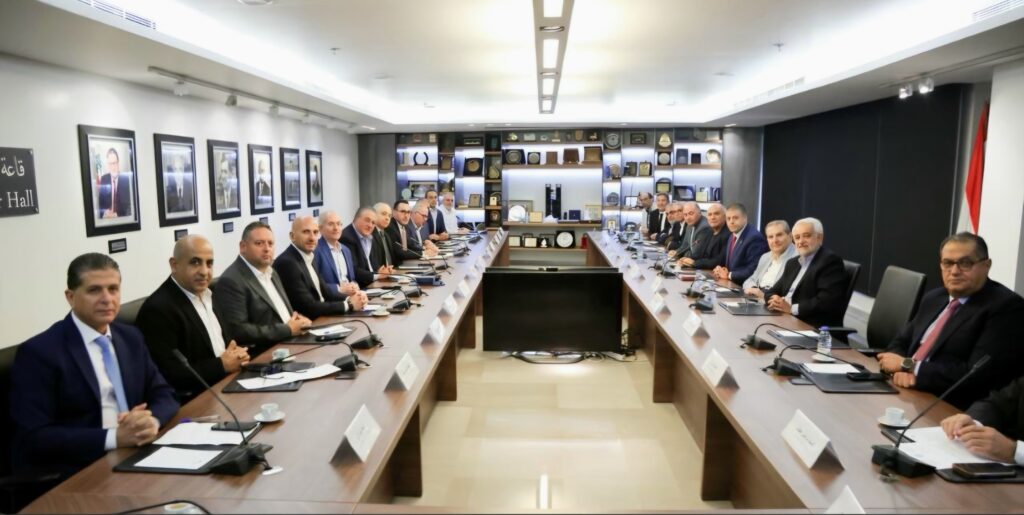
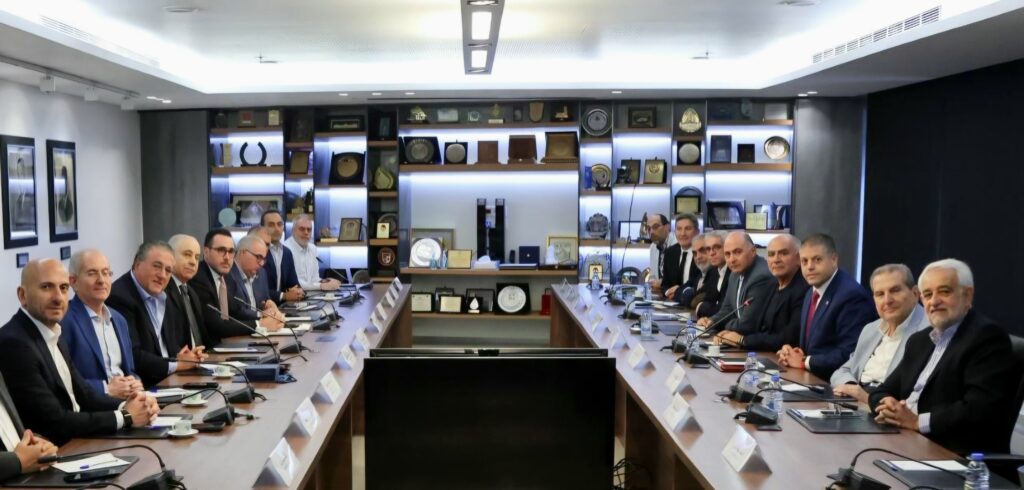
Port of Beirut Chairman and Director General Marwan Naffi outlined the development strategy during a meeting with Lebanon’s Economic Bodies, chaired by former Minister Mohamed Choucair. The discussions addressed port infrastructure, operational improvements, import and export procedures, and future development priorities.
The meeting took place at the Chamber of Commerce, Industry and Agriculture of Beirut and Mount Lebanon. Participants included representatives of commercial and industrial associations, importers, exporters and trade unions involved in port activities.
Discussions focused on simplifying procedures for port users, reducing operational burdens and improving cooperation between the port administration and Lebanon’s business community. Participants also reviewed expansion, reconstruction and modernization projects intended to strengthen the port’s long-term competitiveness.
Port of Beirut Expansion to Triple Container Capacity
Naffi identified the Port of Beirut expansion as one of the administration’s most significant development projects. The initiative aims to raise annual container handling capacity from approximately 1.2 million TEUs to 3 million TEUs.
According to Naffi, the planned expansion could place Beirut among the seven largest ports in the Mediterranean. It would also strengthen the port’s ability to support growing regional logistics requirements.
The expansion project, signed with global shipping group CMA CGM, was among the principal topics raised during the meeting. Choucair requested an update on its progress and its importance to the port’s future development.
Naffi emphasized that the port already plays a central role in Lebanon’s economy, accounting for approximately 80% of the country’s import and export traffic.
However, he stressed that its strategic importance extends beyond the Lebanese market. He described Beirut as a maritime gateway serving Lebanon, Syria, Jordan and Iraq, which together represent a market of approximately 100 million people.
The port administration is working with Lebanon’s Minister of Public Works and Transport, with government support, to prepare Beirut for a potential role in Syria’s reconstruction.
Naffi presented this regional opportunity as a key consideration in the port’s development strategy. Expanding capacity and strengthening logistics connections would support the administration’s ambition to serve markets beyond Lebanon.
Bekaa Dry Port and Rail Connection to Support Regional Trade
Another major component of the development strategy involves establishing an inland logistics facility in Lebanon’s Bekaa region.
Naffi described the proposed facility as a dry port that would function as an extension of the Port of Beirut. The inland terminal would support cargo storage and onward distribution to regional destinations.
Under the proposal, the facility could connect to Beirut through a railway or receive containers transported by truck. Both arrangements would allow cargo to move between the seaport and the inland logistics center.
Once operational, the proposed Bekaa facility would serve as a storage and distribution hub for goods destined for neighboring markets.
Naffi explained that the arrangement could reduce the time required to transport cargo to Syria, Iraq and Jordan, as well as destinations in the Arabian Gulf.
He emphasized the importance of establishing a clear and achievable strategy that takes advantage of Lebanon’s geographical position.
The proposed inland logistics project reflects the port administration’s ambition to expand Lebanon’s role beyond its domestic import and export requirements.
Naffi expressed confidence that developing Lebanon into a regional logistics center could contribute to economic recovery and support national economic activity.
Lebanon Joins IMEC Ports Club Through International Cooperation
Naffi also highlighted Lebanon’s participation as a founding member of the IMEC Ports Club, describing the development as an important step toward strengthening the country’s position in international trade.
He attributed the initiative to coordinated efforts involving the Lebanese government, the Ministry of Public Works and Transport and the Port of Beirut administration, with support from France.
According to Naffi, participation in the international ports initiative could reinforce Lebanon’s role within global trade networks and generate economic benefits.
He connected this international cooperation with the wider strategy to position Lebanon as a logistics gateway capable of serving multiple regional markets.
The port administration considers stronger international links and improved domestic infrastructure complementary priorities in developing Beirut’s future commercial role.
Port Digitalization, Security Upgrades and Operational Improvements
Alongside infrastructure expansion, the Port of Beirut is implementing operational and technological improvements intended to increase efficiency and improve services for port users.
Naffi highlighted the transition to electronic payments as an important modernization measure. The initiative forms part of wider efforts to simplify administrative processes and improve interactions with businesses using the port.
Security improvements were another major focus. Naffi referred to measures designed to meet demanding security requirements, including the installation of an advanced cargo scanner.
He described the scanner as one of the most modern systems of its kind in the Mediterranean.
The port administration has also worked to improve the performance of its CAMA system. In parallel, preparations are underway to launch a tender for a Port Community System (PCS).
The proposed PCS would represent another step in the port’s digital modernization program. Naffi identified the system as one of the advanced technological solutions used at major international ports.
Operational improvements also include opening the port at night to facilitate cargo release. The measure aims to improve services for businesses and provide greater flexibility in moving goods out of the port.
Together, these initiatives reflect the administration’s emphasis on improving operational performance, strengthening security and building closer relationships with port users.
Naffi also stressed the importance of improving the relationship between the port and the city of Beirut, as well as the wider community.
Business Community Supports Port Development and Reconstruction
During the meeting, Mohamed Choucair reaffirmed the support of Lebanon’s Economic Bodies for the Port of Beirut administration and its development priorities.
He praised the progress achieved under Naffi’s leadership and emphasized the port’s importance to economic activity in Beirut and across Lebanon.
Choucair expressed support for efforts to strengthen the port’s position among leading Mediterranean ports. He also stressed that successful modernization requires closer cooperation between port management and businesses.
According to Choucair, stronger partnerships with industrial companies, traders, importers and exporters could simplify procedures, accelerate commercial activities and reduce costs and administrative burdens.
He requested updates on several important development files, including the CMA CGM expansion project and efforts to clear the remaining consequences of the Beirut port explosion.
Other subjects included the proposed rail connection between Beirut and the Bekaa region, Lebanon’s participation in the IMEC Ports Club and the port administration’s five-year development plan.
Naffi welcomed the dialogue and emphasized that the Port of Beirut serves as a fundamental platform for Lebanon’s economy.
He stated that the administration’s responsibility is to facilitate the activities of traders, industrial companies, importers and exporters by ensuring that port services respond to their needs.
The discussions also covered issues affecting individual business sectors and organizations involved in port operations.
Participants agreed to organize a field visit to the Port of Beirut to inspect completed projects and continue discussions on matters of common interest.
At the conclusion of the meeting, Naffi presented Choucair with a commemorative plaque representing the foundation stone of the port expansion project. The gesture recognized Choucair’s contribution and the support provided by Lebanon’s Economic Bodies.
Choucair, in turn, presented Naffi with a medal from the Economic Bodies in recognition of development projects undertaken at the port.
The meeting underscored a shared focus on modernizing Beirut’s maritime infrastructure, improving services for importers and exporters, and developing the port’s capacity to support Lebanon’s position in regional logistics and international trade.
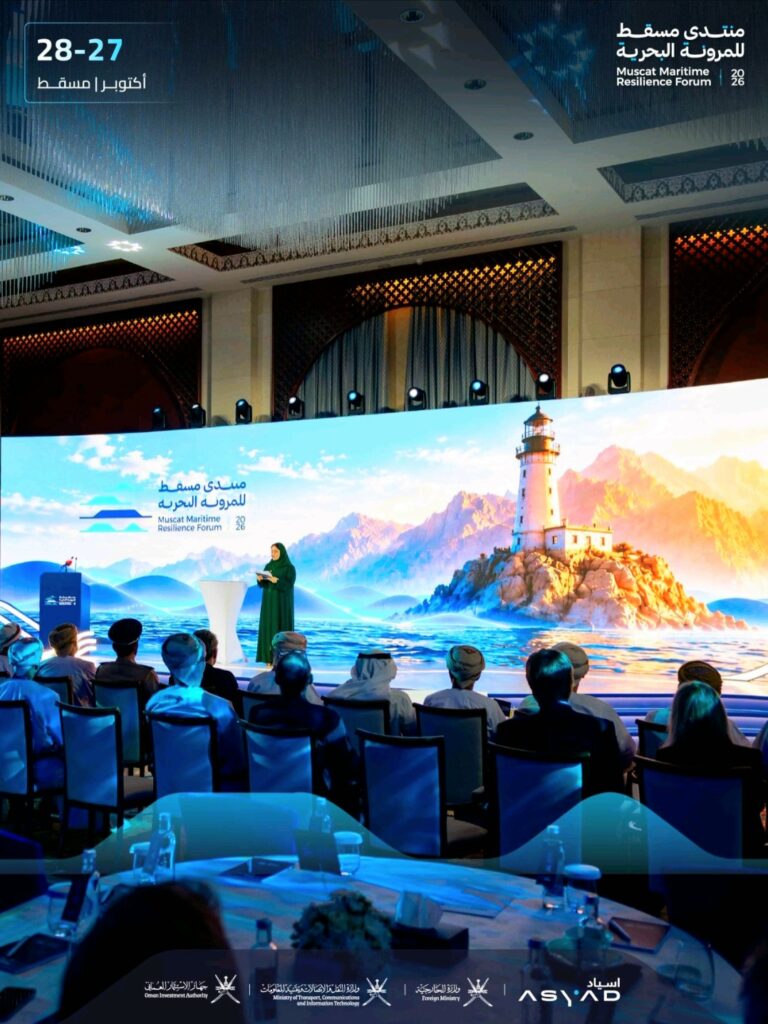
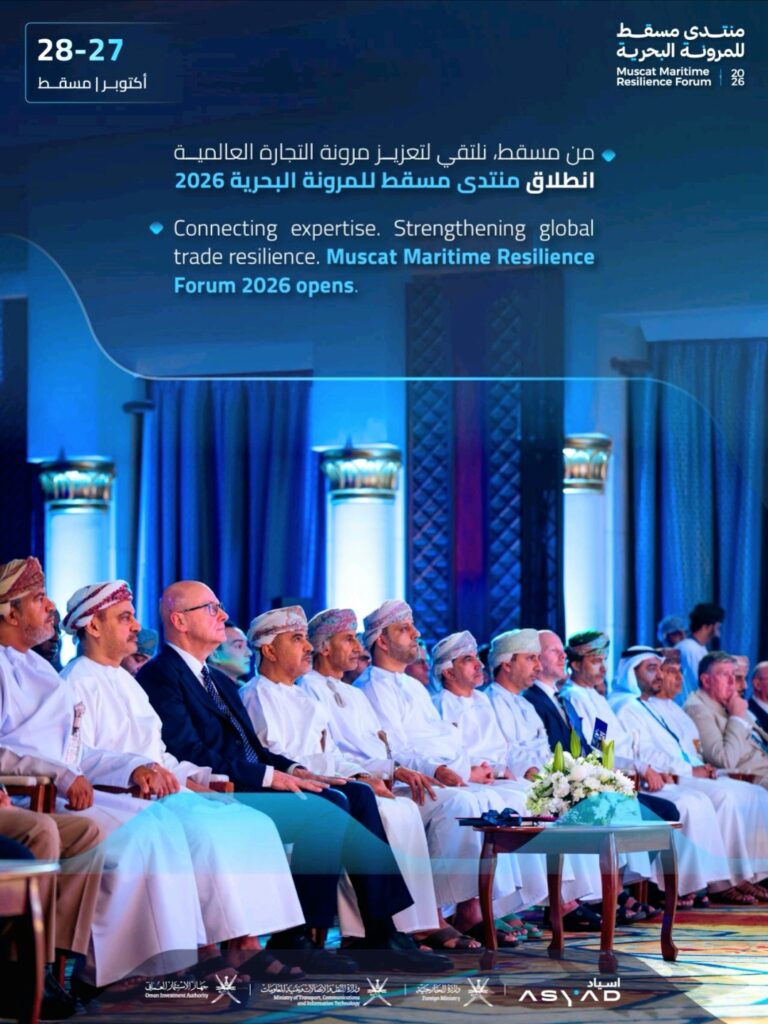
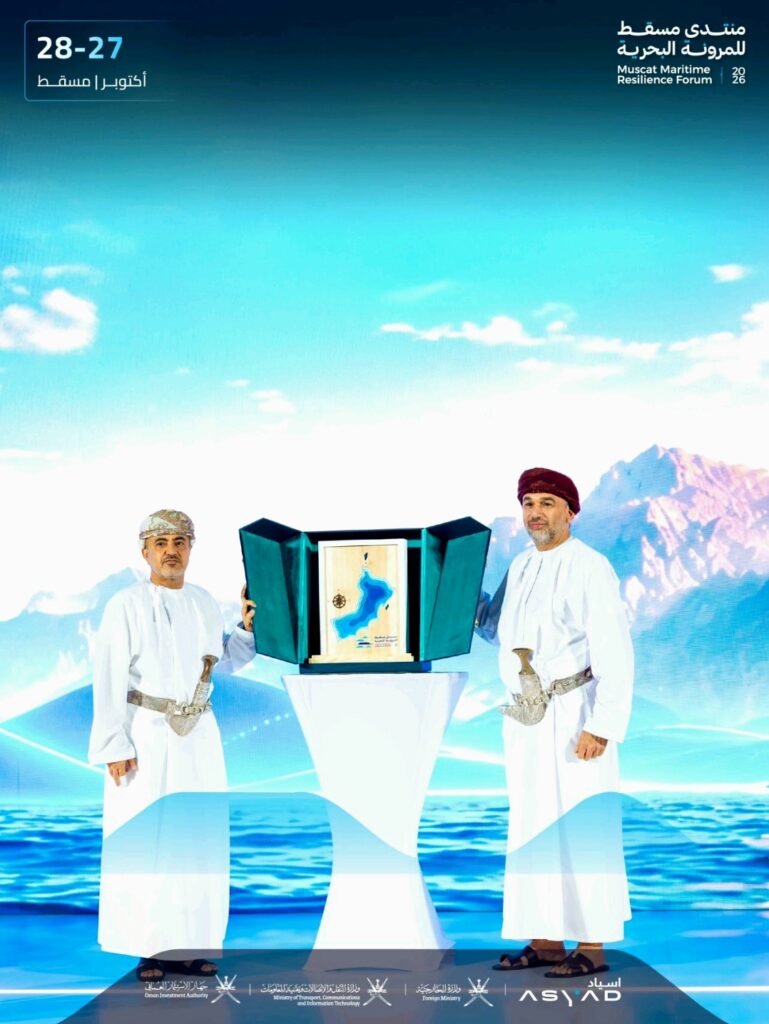
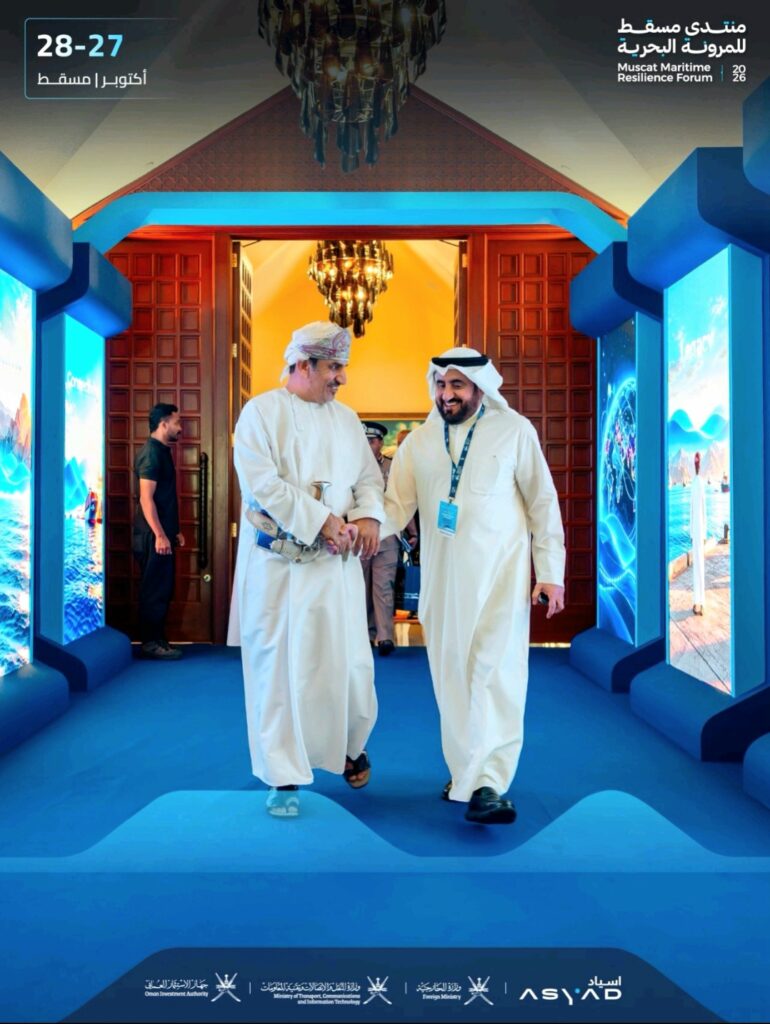
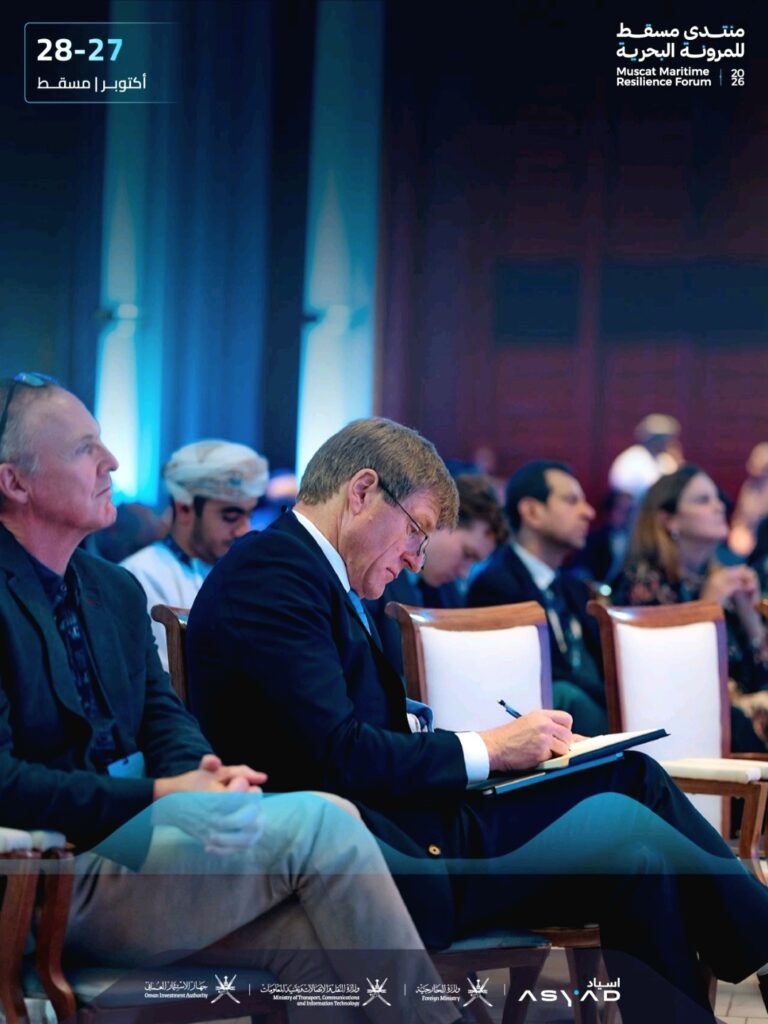
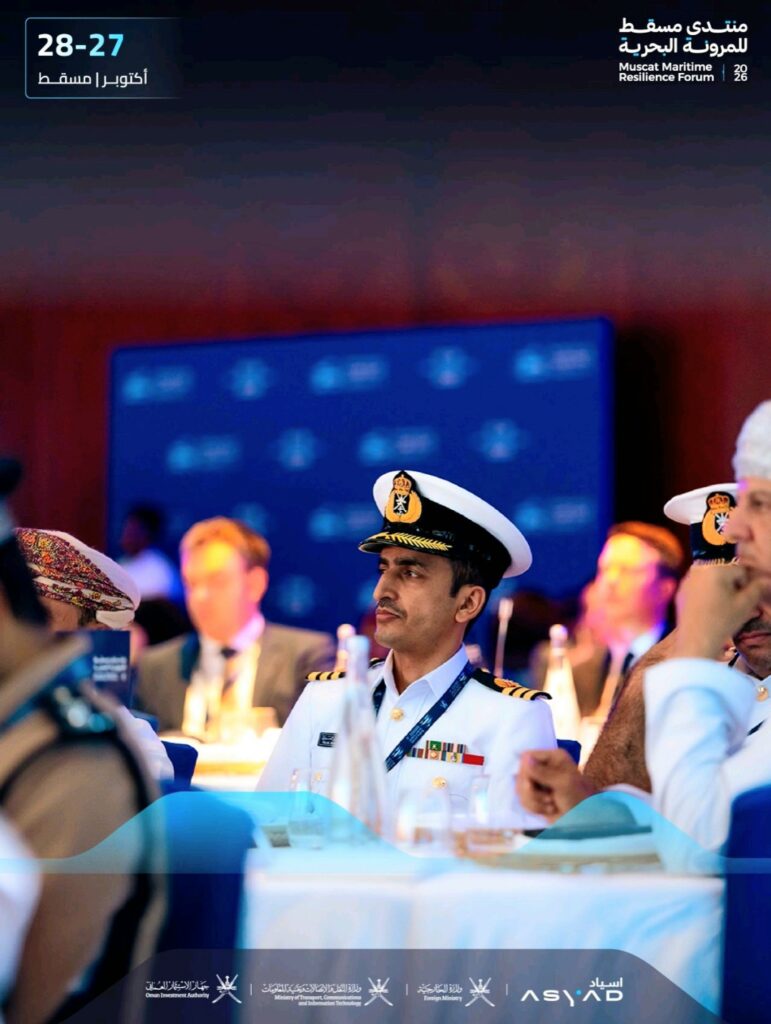
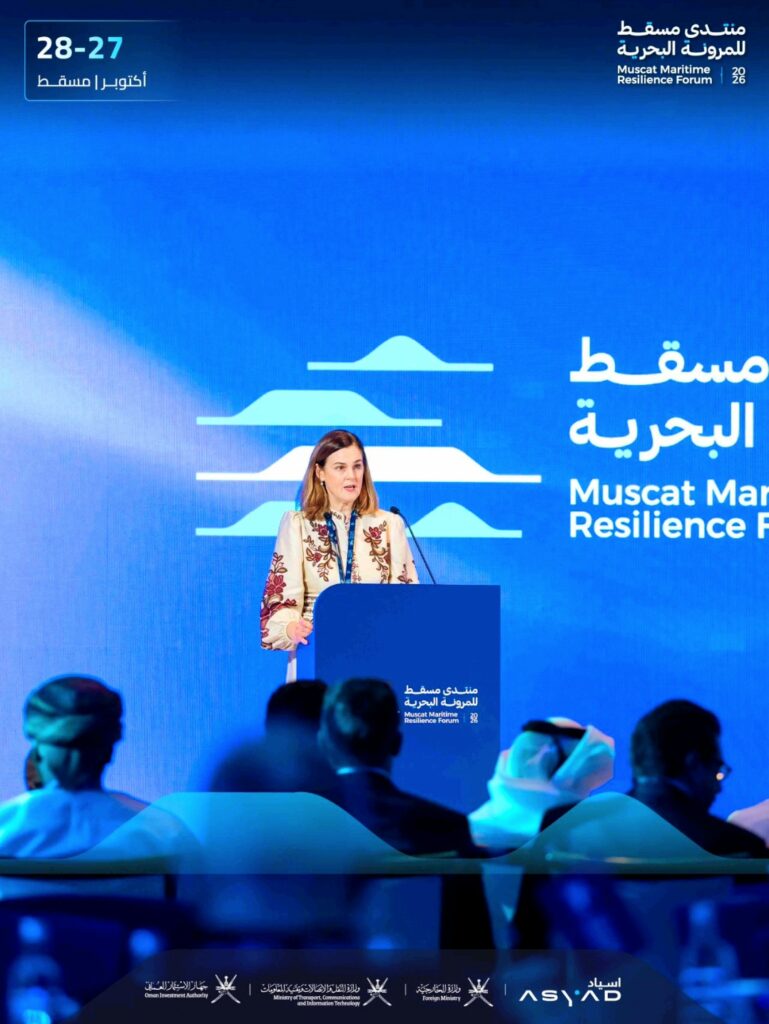
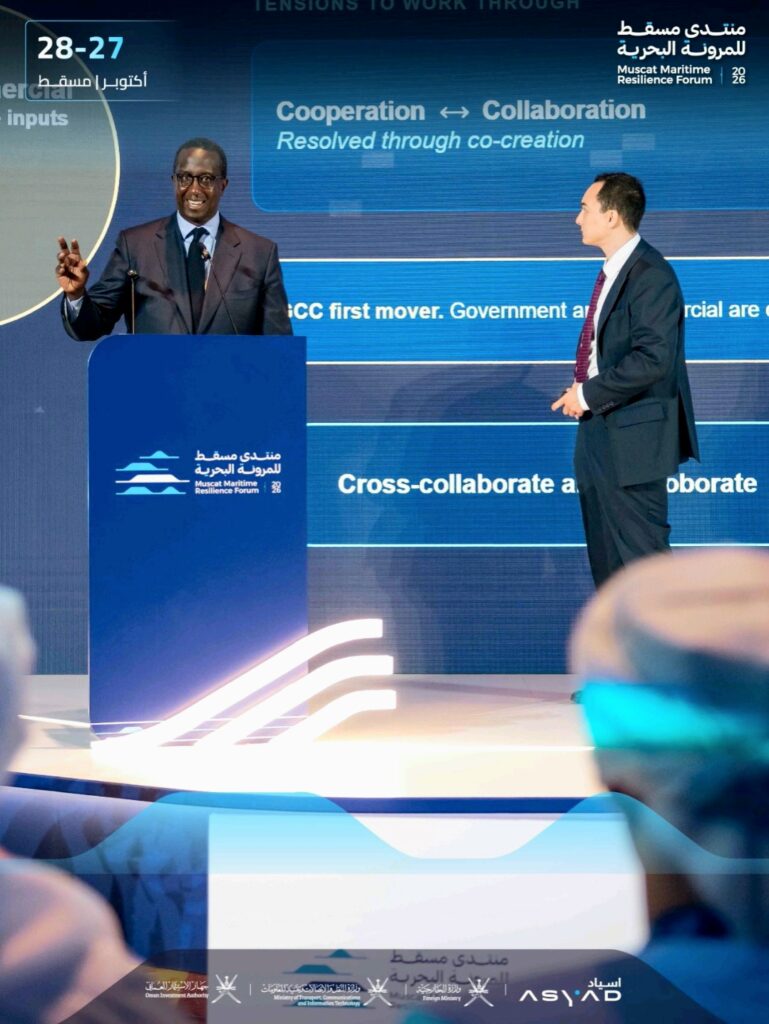
Shipping Arabia, October 30, 2026 – Asyad Group has concluded the Muscat Maritime Resilience Forum 2026, held October 27–28 in Oman, with discussions emphasizing infrastructure investment, operational preparedness and international cooperation as essential elements of maritime resilience and global trade continuity.
The two-day forum focused on connecting international expertise, strengthening maritime readiness and promoting cooperation to support resilient global supply chains. Asyad Group described the event as a step toward translating international dialogue into strategic action and advancing a sustainable, future-ready maritime sector.
The forum was organized by Asyad Group in partnership with Oman’s Ministry of Foreign Affairs, Ministry of Transport, Communications and Information Technology, and Oman Investment Authority.
Infrastructure Investment and Operational Readiness at the Center of Maritime Resilience
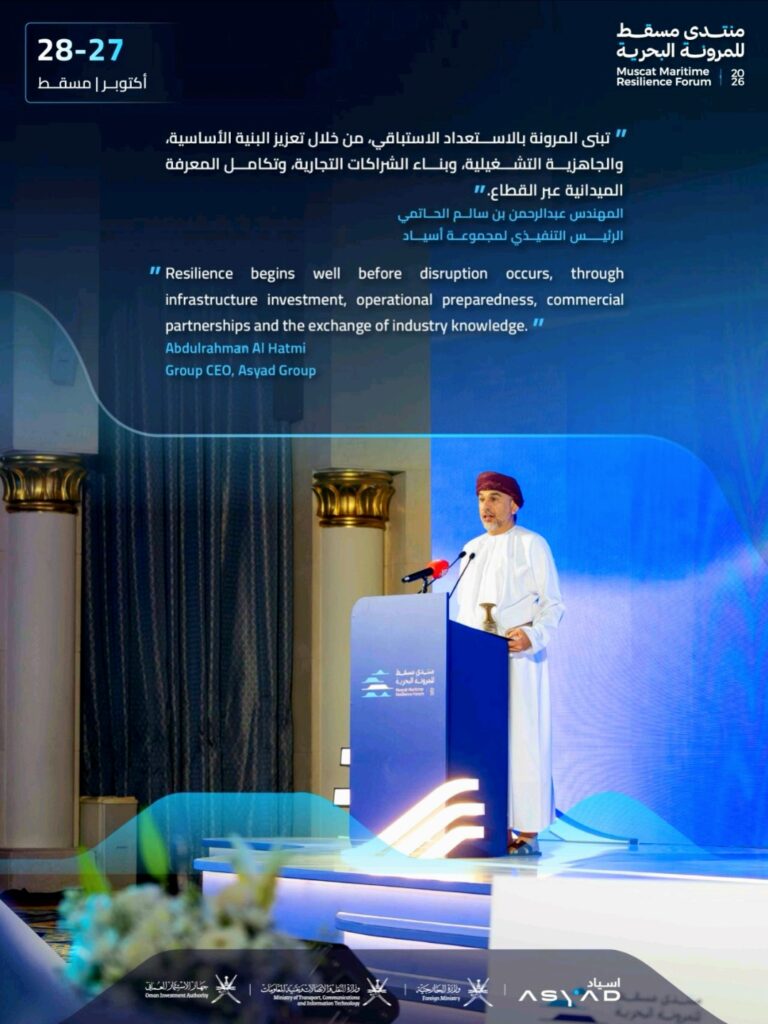
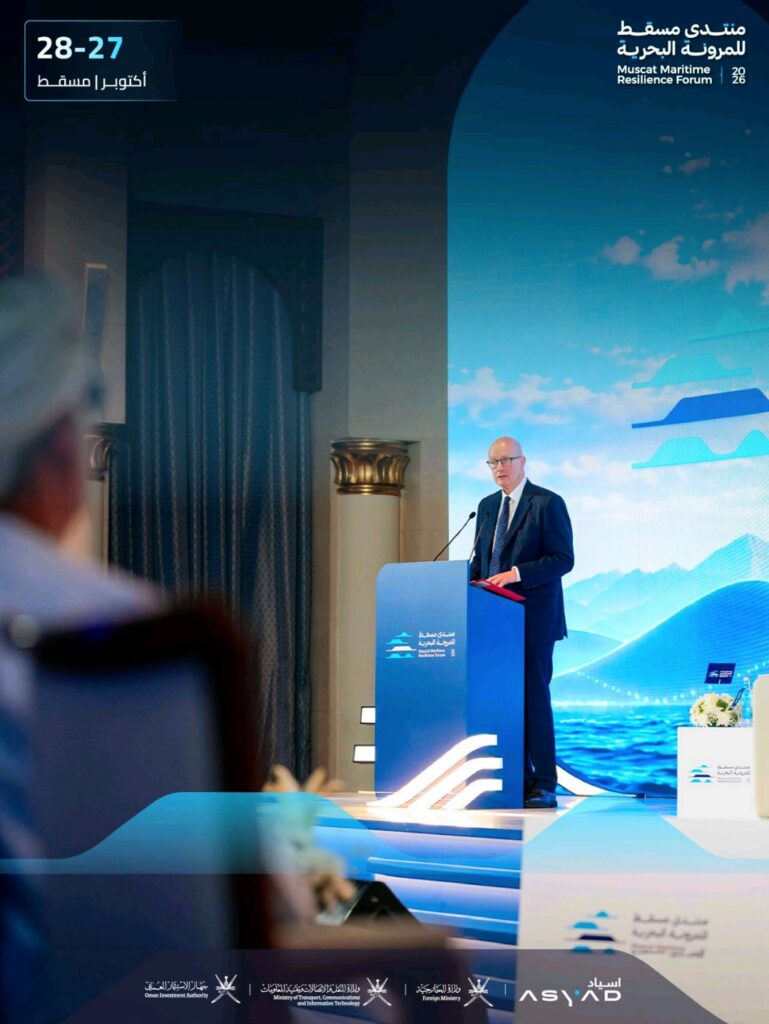
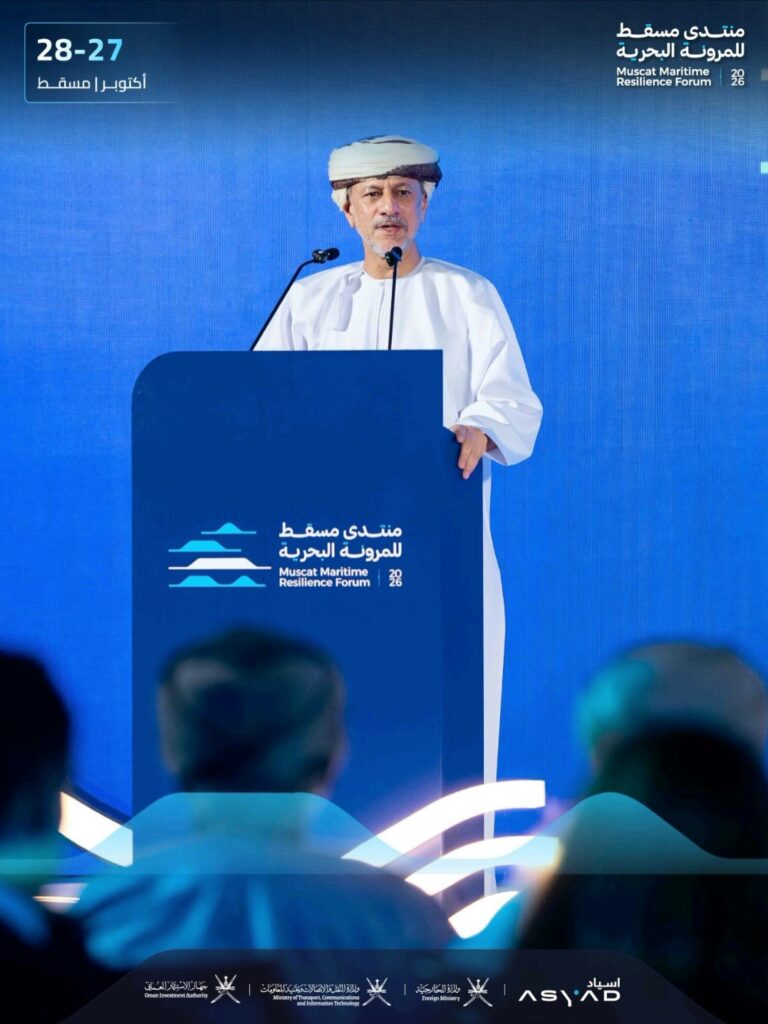
The Muscat Maritime Resilience Forum 2026 opened under the auspices of Eng. Said bin Hamoud Al Maawali, Oman’s Minister of Transport, Communications and Information Technology. The opening ceremony featured welcoming remarks by Asyad Group CEO Eng. Abdulrahman Al Hatmi.
In his address, Al Hatmi identified infrastructure investment, operational preparedness, commercial partnerships and the exchange of industry knowledge as the foundations of a resilient maritime sector.
He emphasized that effective maritime resilience requires proactive planning and cooperation rather than relying solely on responses to disruptions.
“Resilience begins well before disruption occurs, through infrastructure investment, operational preparedness, commercial partnerships and the exchange of industry knowledge,” Al Hatmi stated.
His remarks highlighted the importance of combining infrastructure development with practical operational readiness and stronger commercial relationships. He also emphasized knowledge-sharing across the maritime industry as a means of supporting an adaptable and future-ready sector.
International Cooperation and Global Trade Continuity
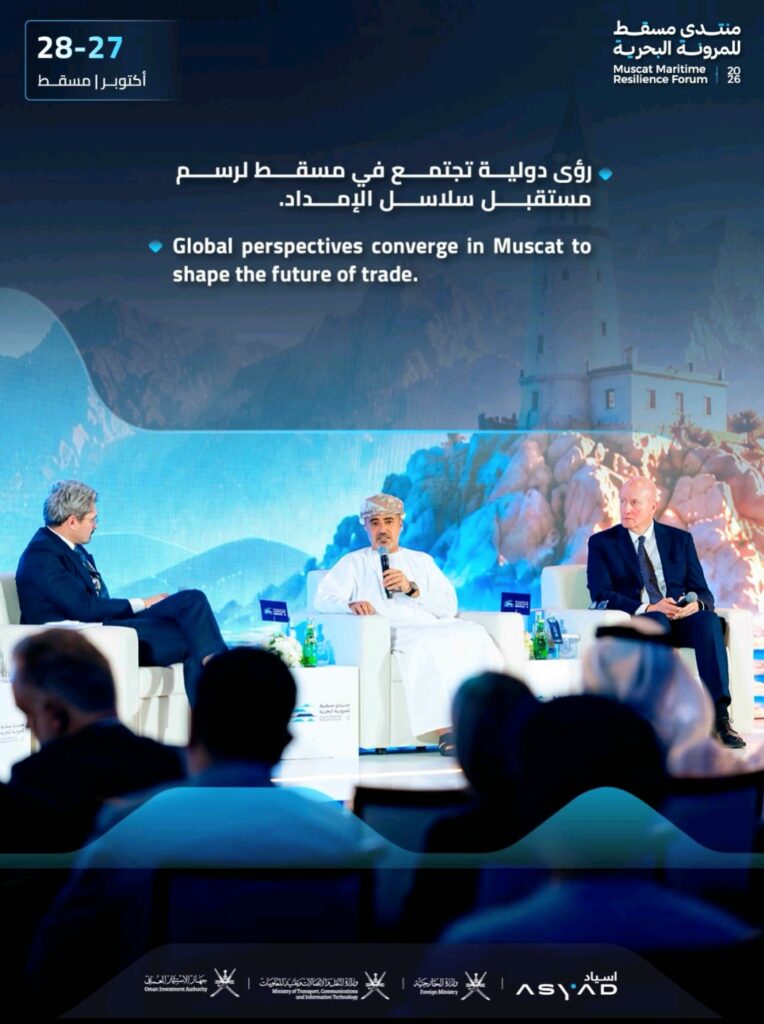
The forum’s opening panel brought together Eng. Said bin Hamoud Al Maawali and Lord Christopher Geidt, a member of the UK House of Lords.
Dr. Andreas Krieg of King’s College London moderated the discussion, which formed part of Asyad Group’s efforts to connect international expertise and strengthen cooperation on maritime preparedness and global trade continuity.
The forum emphasized the role of collaboration in building maritime networks capable of supporting international commerce amid changing operating conditions.
Through the event, Asyad Group sought to reinforce the importance of cooperation among maritime stakeholders, combining operational expertise, infrastructure investment and commercial partnerships to strengthen trade resilience.
The discussions also reflected the forum’s broader objective of connecting global perspectives on the future of maritime transport and logistics.
Oman’s Maritime Heritage and Its Role in International Trade
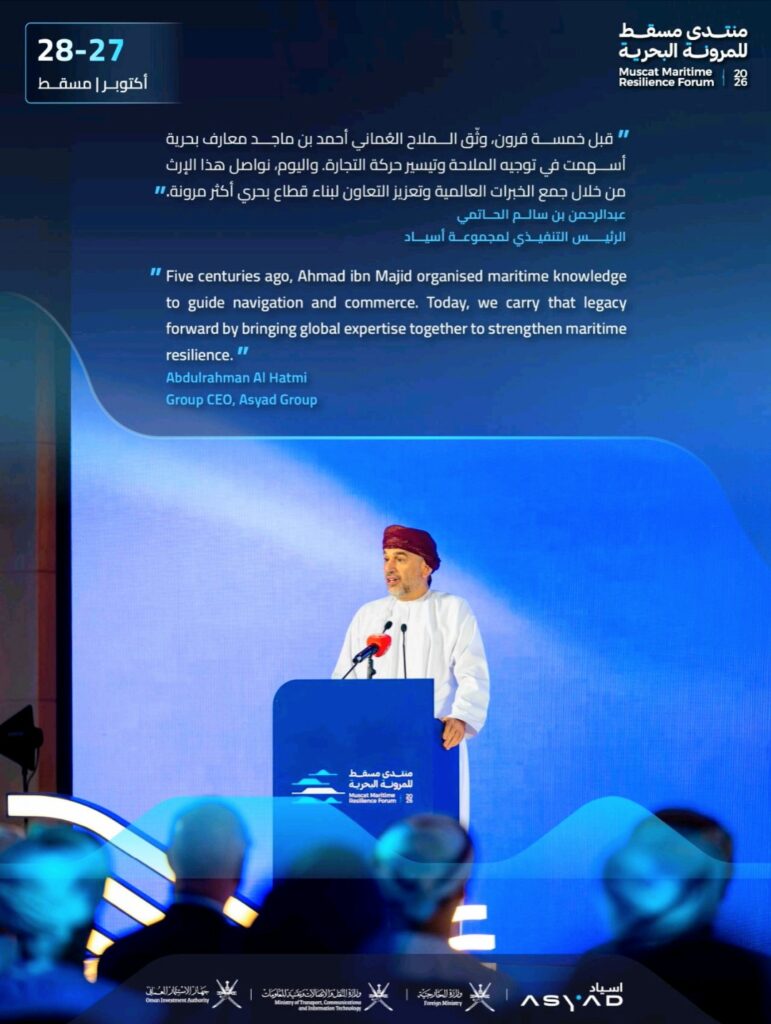
During his opening remarks, Al Hatmi also highlighted Oman’s longstanding maritime heritage, referring to the contributions of the renowned navigator Ahmad bin Majid.
He noted that more than five centuries ago, Ahmad bin Majid documented and organized maritime knowledge that helped guide navigation and commercial activities.
Al Hatmi drew a connection between this historical legacy and the importance of bringing international expertise together to strengthen maritime resilience today.
He emphasized Oman’s historic role in connecting people, markets and cultures through international trading routes, presenting the exchange of maritime knowledge as a continuing element of the country’s maritime identity.
Asyad Group Emphasizes Strategic Action and Sustainable Maritime Networks
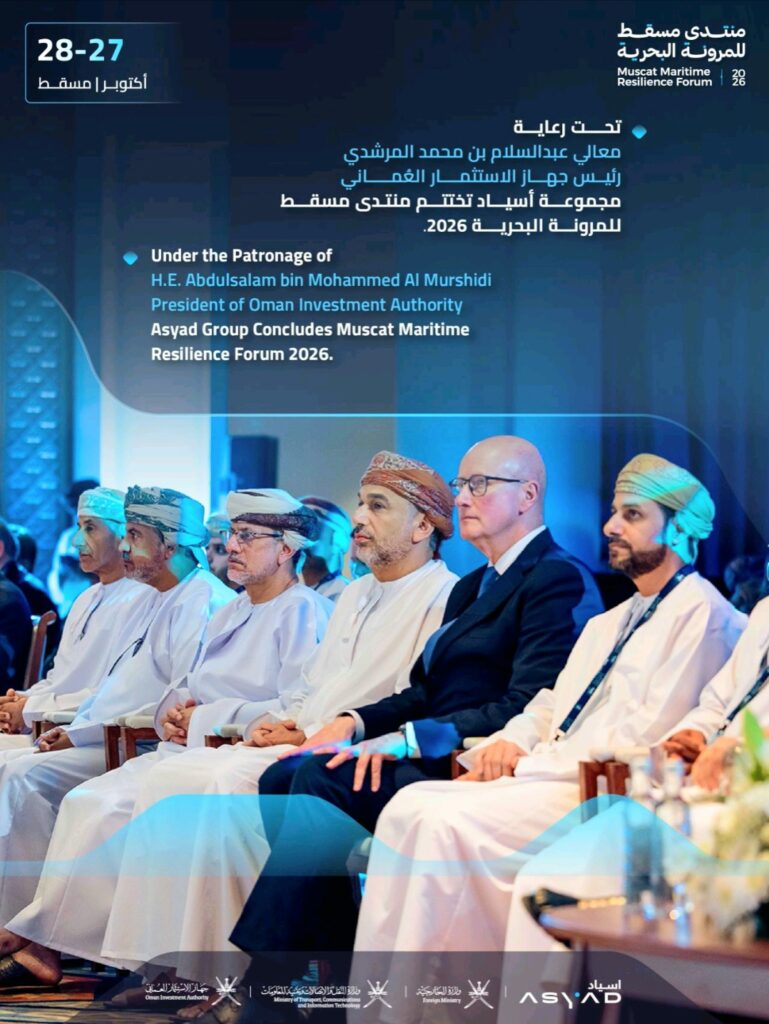
The Muscat Maritime Resilience Forum 2026 concluded under the patronage of Abdulsalam bin Mohammed Al Murshidi, President of Oman Investment Authority.
Following the event, Asyad Group characterized the forum as marking a transition from international dialogue toward strategic action in support of maritime resilience.
The group reaffirmed its commitment to leveraging its logistics capabilities and strengthening international cooperation to improve trade connectivity and support resilient maritime networks.
It also emphasized the importance of developing approaches that combine operational readiness, commercial partnerships and the exchange of expertise to address the evolving requirements of global maritime transport.
Asyad Group stated that its continued focus will be on strengthening international partnerships and advancing pathways that support trade resilience, connectivity and the development of a sustainable, future-ready maritime network.
Shipping Arabia, October 30, 2026 – The Suez Canal Authority (SCA) and Greece have discussed opportunities to expand Suez Canal maritime cooperation in industrial activities and logistics services, with a focus on attracting Greek investment to projects in the Canal region.
The discussions took place during a meeting between SCA Chairman and Managing Director Adm. Ossama Rabiee and Greek Ambassador to Egypt Nikolaos Papageorgiou. The meeting was held at the authority’s headquarters, the Al-Irshad building in Ismailia.
Both sides highlighted opportunities to strengthen economic and commercial relations through maritime industry partnerships, logistics development and the exchange of technical expertise.
Rabiee emphasized the importance of building on the close relationship between Egypt and Greece to expand cooperation in maritime industries and logistics services. He expressed his interest in strengthening partnerships that would support the exchange of expertise between the two countries.
The SCA chairman invited Greek companies operating in these sectors to explore cooperation opportunities with the authority. He highlighted the SCA’s development into an industrial base encompassing numerous affiliated shipyards and companies involved in maritime and industrial activities.
These capabilities provide potential areas for cooperation with Greek businesses seeking opportunities in the Suez Canal region. The discussions also reflected the two countries’ shared interest in expanding their maritime and commercial relationships.
Suez Canal Development and Maritime Competitiveness
Rabiee outlined the authority’s efforts to strengthen the Suez Canal’s competitiveness through the introduction of new maritime services and activities. These initiatives form part of a comprehensive development strategy that also includes improvements to the waterway and modernization of the SCA’s fleet of marine units.
He also highlighted the Canal’s ability to respond to successive crises and operational challenges. According to Rabiee, cooperation with organizations and stakeholders across the international maritime community has played an important role in maintaining the continuity of global supply chains.
The SCA chairman emphasized that continued development of maritime services and industrial capabilities remains central to the authority’s strategy.
Greece Reaffirms Suez Canal’s Importance to Global Trade
For his part, Ambassador Papageorgiou praised the progress achieved in the Canal’s maritime and logistics services. He described its development as an ongoing success story despite unprecedented challenges and turbulent conditions affecting maritime transport.
The ambassador reaffirmed that the Suez Canal remains a key pillar of the international maritime transport industry and an indispensable artery of global trade.
He also stressed the importance of greater geopolitical stability in the region. According to Papageorgiou, stable regional conditions are essential for maintaining steady vessel traffic through the Canal and supporting the sustainability of global supply chains.
Strengthening Egypt-Greece Economic Relations
Papageorgiou emphasized that relations between Egypt and Greece are strategic and rooted in deep historical ties. He expressed his commitment to strengthening economic and commercial cooperation between the two countries in the coming period.
A central priority, he explained, is attracting additional investment to projects in the Suez Canal region, particularly through closer engagement with businesses operating in relevant sectors.
The discussions highlighted the potential for broader Suez Canal maritime cooperation between Egypt and Greece, particularly in maritime industries, shipyard activities and logistics services.
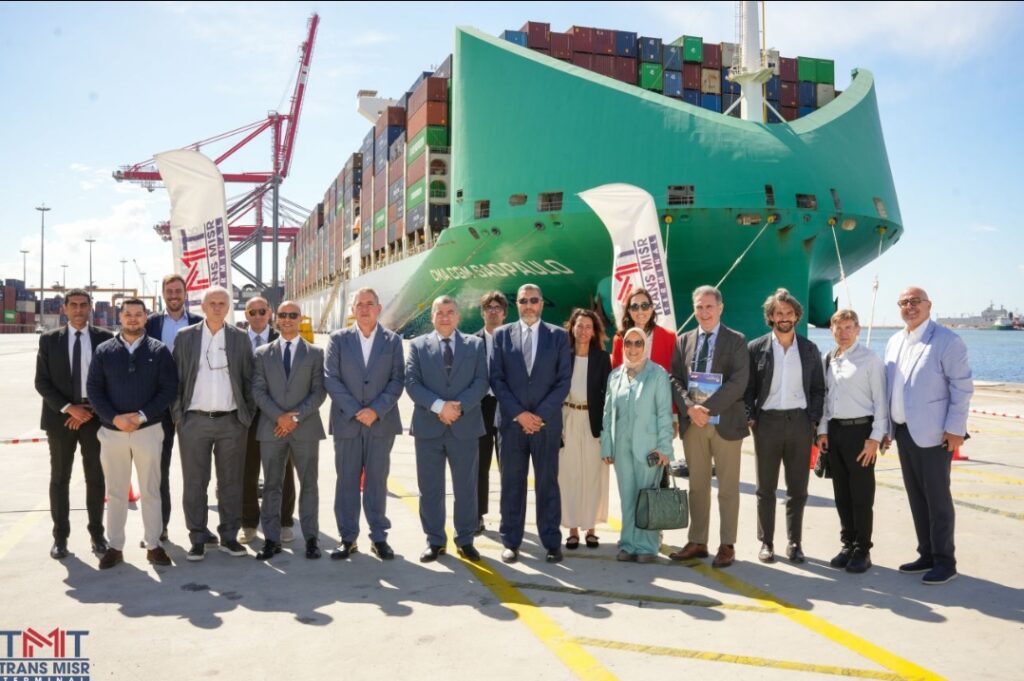
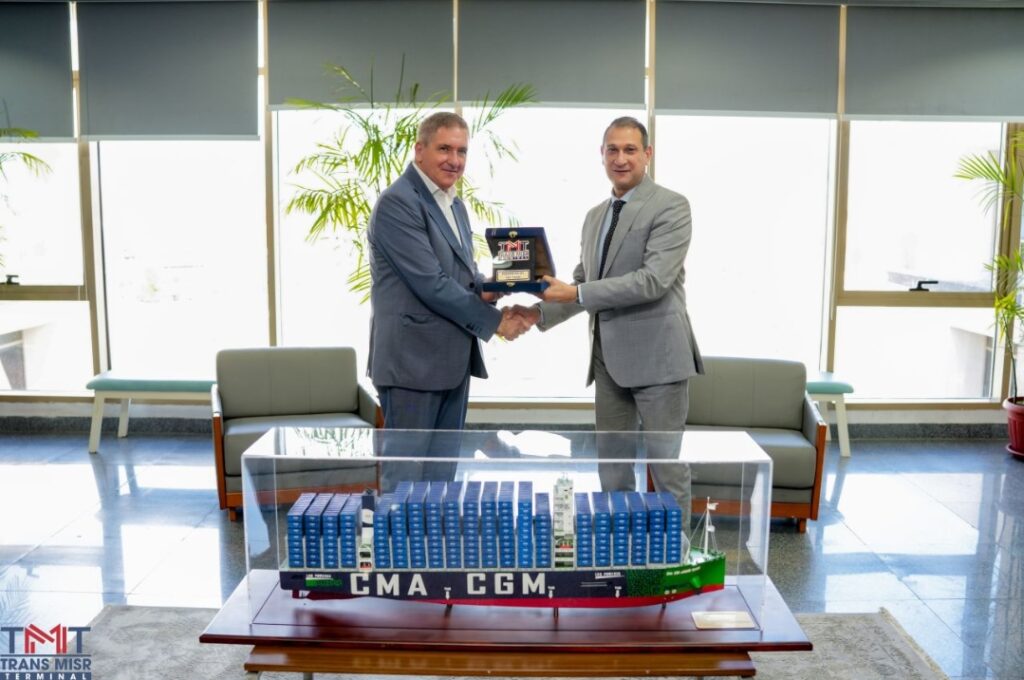
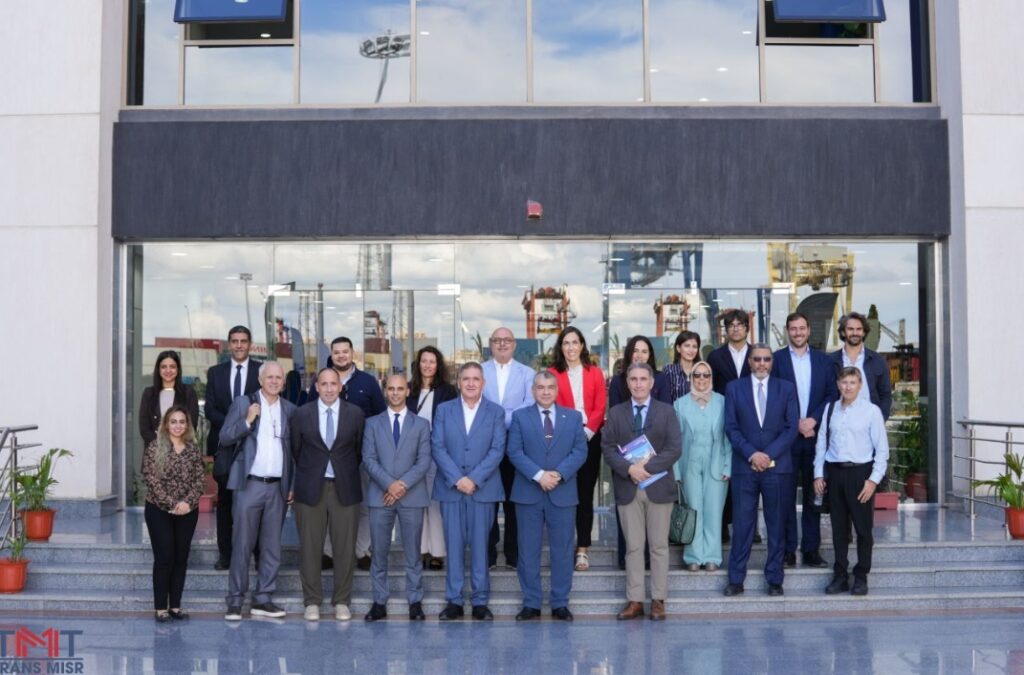
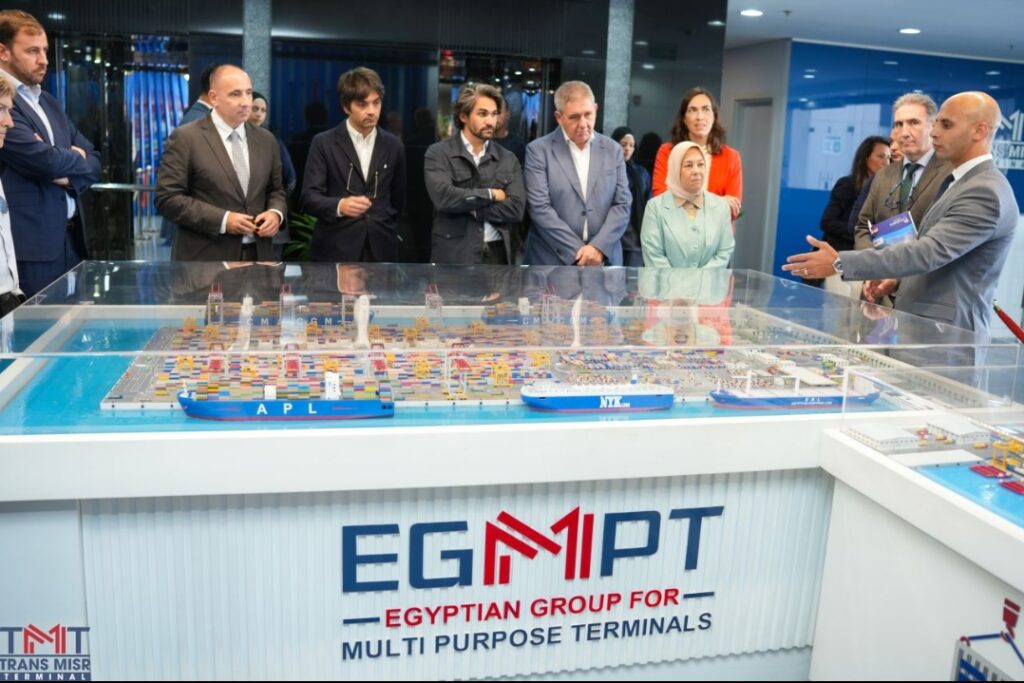
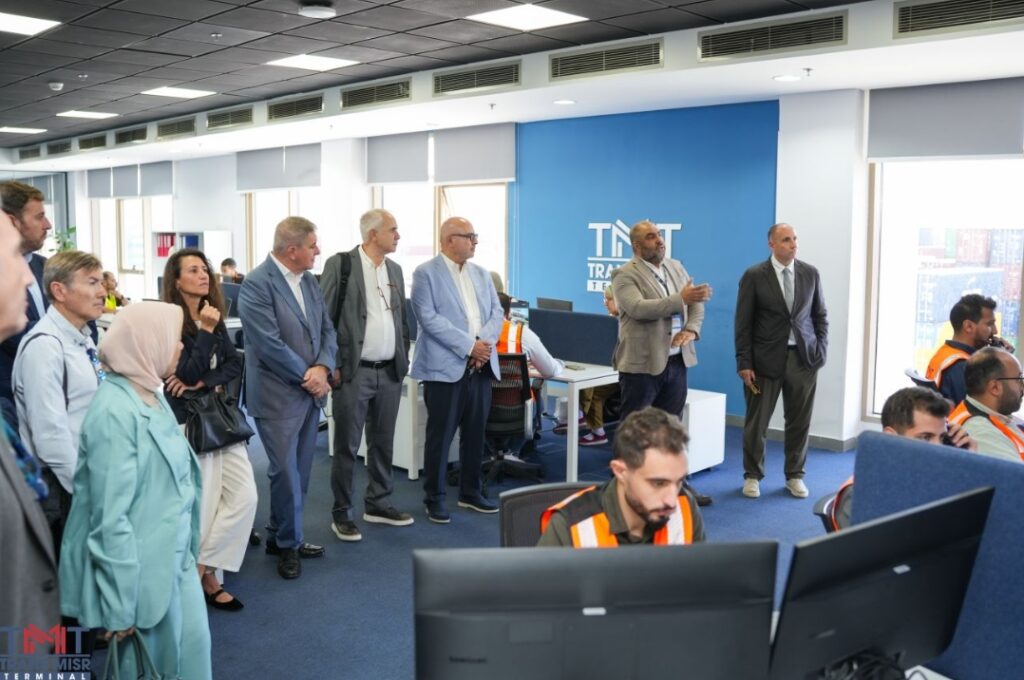
Shipping Arabia, October 29, 2026 – Trans Misr Terminal (TMT) welcomed a delegation from Barcelona, Spain, on October 20, 2026, for discussions focused on maritime operations, port infrastructure and logistics industry developments. The visit brought together representatives from the Port de Barcelona, the Barcelona Chamber of Commerce and companies operating in the transport and logistics sectors.
The engagement provided an opportunity for TMT to present its operational capabilities and exchange industry knowledge with Spanish maritime and logistics stakeholders. Discussions also addressed emerging trends affecting port operations and the wider logistics industry.
Trans Misr Terminal Showcases Port Infrastructure and Cargo-Handling Capabilities
During the visit, TMT presented its terminal infrastructure, operational capabilities and diverse cargo-handling services to the visiting delegation.
The presentations highlighted the terminal’s role in supporting Egypt’s maritime and logistics sector, alongside its position as a hub in the Eastern Mediterranean region.
By showcasing its facilities and services, TMT provided the Barcelona delegation with an overview of its cargo-handling activities and operational capabilities.
Maritime and Logistics Industry Knowledge Exchange
Beyond the presentation of terminal facilities, the visit created a platform for exchanging industry insights and sharing operational experiences among representatives of the Egyptian and Spanish maritime and logistics sectors.
Participants discussed emerging trends shaping the maritime, port and logistics industries, providing an opportunity to explore the evolving dynamics of these interconnected sectors.
The engagement brought together port authority representatives, commercial organizations and logistics companies, reflecting the range of maritime and transport stakeholders involved in the discussions.
TMT described the visit as an opportunity for constructive dialogue and professional knowledge exchange with the Barcelona delegation, emphasizing the value of sharing experiences and perspectives on developments across the maritime and logistics industries.
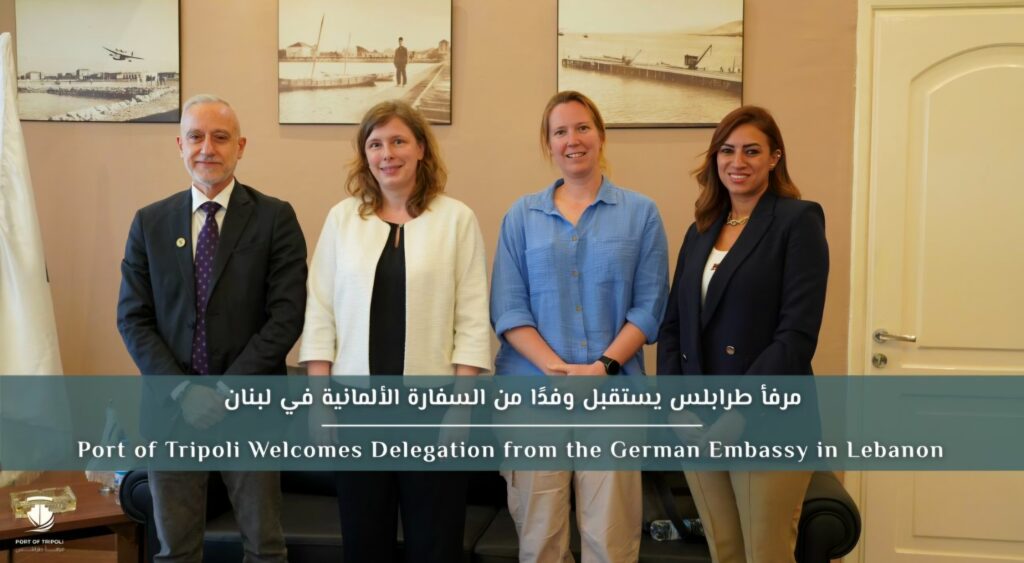
Shipping Arabia, October 27, 2026 – Lebanon’s Port of Tripoli is exploring opportunities to attract German investment and strengthen maritime and logistics cooperation with Germany. The initiative follows a visit by senior representatives of the German Embassy in Lebanon to discuss potential partnerships, infrastructure development and private sector engagement.
The port welcomed Yasmin Raya, Deputy Head of Mission at the German Embassy, and Caroline Tiurat, Director of the Cultural and Economic Section. Their visit focused on identifying areas of mutual cooperation and strengthening engagement with German businesses and institutions.
During the meeting, port officials presented their strategic vision, development priorities and key initiatives planned over the short, medium and long term. They also highlighted the port’s potential to serve as a strategic maritime and logistics gateway, supporting economic development in Tripoli and Lebanon.
German Investment and Technical Cooperation Opportunities
Discussions explored several avenues for cooperation between the Port of Tripoli and the German private sector. These included technical assistance, knowledge exchange, capacity building, investment and potential operational partnerships.
Particular attention was given to opportunities for German companies to participate in the port’s development activities. The discussions also addressed ways to strengthen private sector engagement and encourage interest in future maritime and logistics projects.
A key priority was establishing direct communication channels with German companies and relevant institutions. These connections would help raise awareness of the port’s ongoing developments, upcoming projects, investment opportunities and future tenders.
By improving communication with potential German partners, the port aims to increase the visibility of its development plans and create opportunities for cooperation across maritime operations, logistics and infrastructure.
German Delegation Tours Port of Tripoli Terminals
Following the discussions, the German delegation conducted a field visit to three major facilities at the Port of Tripoli: the Passenger Terminal, General Cargo Terminal and Container Terminal.
The tour provided an opportunity to examine the port’s existing infrastructure and gain a better understanding of its operational capabilities. It also allowed the delegation to assess the facilities and explore their potential for future development and cooperation.
The terminal visits complemented the strategic discussions by providing firsthand exposure to the port’s maritime operations and infrastructure.
The visit forms part of the Port of Tripoli’s efforts to develop relationships with international partners and promote its maritime and logistics potential.
Port officials expressed interest in building on the discussions and exploring further cooperation with German businesses and institutions. Potential areas of engagement include maritime services, logistics activities, infrastructure development and operational opportunities.
The Port of Tripoli aims to use this engagement to support its development priorities while strengthening its potential contribution to economic activity in Tripoli and Lebanon.
Shipping Arabia, October 26, 2026 – The General Company for Ports of Iraq (GCPI) has held discussions with national oil companies to explore improvements to oil tanker infrastructure, port logistics services and cargo loading and discharge operations. The talks aim to strengthen operational efficiency and enhance cooperation between Iraq’s maritime transport and energy sectors.
The discussions brought together senior officials from GCPI, the Oil Pipelines Company and the Iraqi Oil Tankers Company. They focused on developing port facilities, improving logistics capabilities and identifying opportunities for joint projects that support maritime operations and energy transportation.
The meeting took place under the supervision of Iraq’s Minister of Transport, Wahab Al-Hassani, as part of the ministry’s efforts to modernize port infrastructure and expand cooperation with national industries.
Iraqi Ports Discuss Oil Tanker Infrastructure and Operational Efficiency
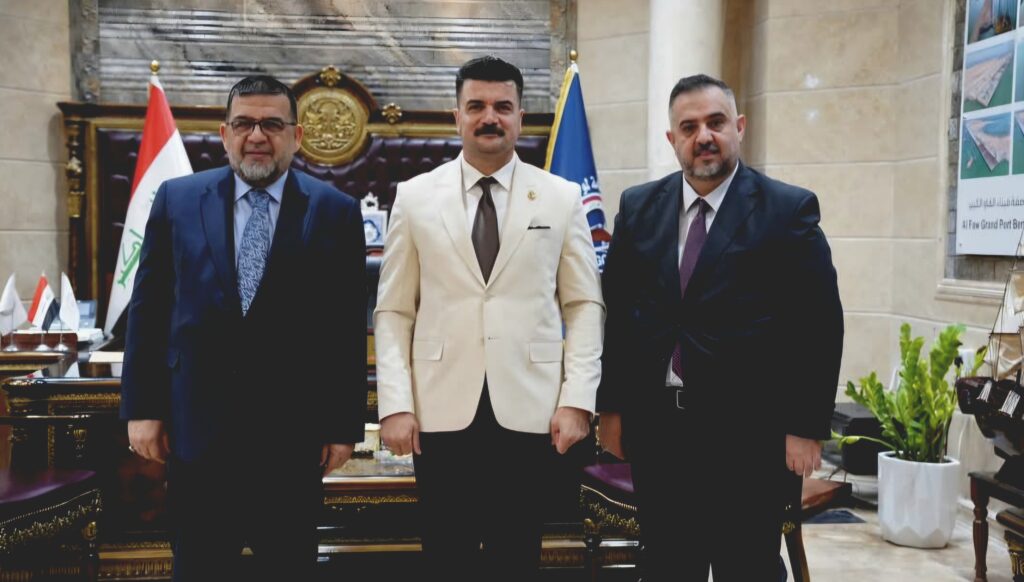
Abdullah Ati Abdullah, Director General of GCPI, received Ali Abdul Karim Al-Mousawi, Director General of the Oil Pipelines Company, and Ali Qais, Director General of the Iraqi Oil Tankers Company, to discuss potential areas of cooperation.
A central focus of the meeting was the development of berths and supporting infrastructure used to accommodate oil tankers at Iraqi ports. Participants reviewed technical and logistics requirements for improving these facilities and supporting more efficient port operations.
The discussions also addressed measures to accelerate tanker loading and discharge activities, improve operational performance and enhance coordination between port operators and national oil companies.
In addition, the parties examined opportunities to implement joint projects and programs aimed at developing port services and infrastructure. The talks included potential cooperation in investment-related activities that could support improvements to port facilities and logistics operations.
These proposed measures form part of broader efforts to strengthen the operational capabilities of Iraqi ports and improve the services available to the country’s energy sector.
GCPI Seeks Stronger Integration with Iraq’s Energy Sector
During the meeting, GCPI reaffirmed its readiness to provide the technical capabilities and on-site operational support required to assist national oil companies in their activities.
The company emphasized the importance of expanding coordination with the oil sector to support infrastructure development, improve operational performance and strengthen the role of Iraqi ports in international trade and energy transportation.
GCPI also highlighted the value of closer cooperation between maritime transport institutions and energy companies in addressing shared operational requirements.
Representatives of the Oil Pipelines Company and Iraqi Oil Tankers Company welcomed continued coordination and stressed the importance of expanding partnership opportunities.
They emphasized that sustained cooperation between the port and oil sectors would support common operational objectives, improve service efficiency and strengthen integration between the two industries.
The discussions reflected a shared interest in developing more effective working arrangements between Iraq’s maritime infrastructure operators and national energy companies.
Port Development and National Industry Cooperation
The meeting forms part of the Iraqi Ministry of Transport’s efforts to upgrade port infrastructure and strengthen cooperation with national institutions involved in related economic activities.
The ministry’s approach includes improving the technical and logistics capabilities of Iraqi ports while encouraging closer coordination with industries that depend on maritime transport services.
For the oil sector, the discussions focused particularly on infrastructure serving tanker operations, the efficiency of loading and discharge activities, and the availability of supporting logistics services.
The potential joint projects and cooperation programs discussed during the meeting have not yet been detailed. However, the participating organizations expressed their willingness to continue coordination and explore opportunities to improve port operations and energy transportation services.
Through these efforts, GCPI aims to improve the performance of Iraqi ports and strengthen cooperation between the country’s transport and energy sectors.
Source: Iraqi Ministry of Transport and General Company for Ports of Iraq