Maritime Logistics

  • Iraqi Ports Explore Oil Tanker Infrastructure and Logistics Upgrades with National Oil Companies

    Shipping Arabia, October 26, 2026 – The General Company for Ports of Iraq (GCPI) has held discussions with national oil companies to explore improvements to oil tanker infrastructure, port logistics services and cargo loading and discharge operations. The talks aim to strengthen operational efficiency and enhance cooperation between Iraq’s maritime transport and energy sectors.

    The discussions brought together senior officials from GCPI, the Oil Pipelines Company and the Iraqi Oil Tankers Company. They focused on developing port facilities, improving logistics capabilities and identifying opportunities for joint projects that support maritime operations and energy transportation.

    The meeting took place under the supervision of Iraq’s Minister of Transport, Wahab Al-Hassani, as part of the ministry’s efforts to modernize port infrastructure and expand cooperation with national industries.

    Iraqi Ports Discuss Oil Tanker Infrastructure and Operational Efficiency

    Abdullah Ati Abdullah, Director General of GCPI, received Ali Abdul Karim Al-Mousawi, Director General of the Oil Pipelines Company, and Ali Qais, Director General of the Iraqi Oil Tankers Company, to discuss potential areas of cooperation.

    A central focus of the meeting was the development of berths and supporting infrastructure used to accommodate oil tankers at Iraqi ports. Participants reviewed technical and logistics requirements for improving these facilities and supporting more efficient port operations.

    The discussions also addressed measures to accelerate tanker loading and discharge activities, improve operational performance and enhance coordination between port operators and national oil companies.

    In addition, the parties examined opportunities to implement joint projects and programs aimed at developing port services and infrastructure. The talks included potential cooperation in investment-related activities that could support improvements to port facilities and logistics operations.

    These proposed measures form part of broader efforts to strengthen the operational capabilities of Iraqi ports and improve the services available to the country’s energy sector.

    GCPI Seeks Stronger Integration with Iraq’s Energy Sector

    During the meeting, GCPI reaffirmed its readiness to provide the technical capabilities and on-site operational support required to assist national oil companies in their activities.

    The company emphasized the importance of expanding coordination with the oil sector to support infrastructure development, improve operational performance and strengthen the role of Iraqi ports in international trade and energy transportation.

    GCPI also highlighted the value of closer cooperation between maritime transport institutions and energy companies in addressing shared operational requirements.

    Representatives of the Oil Pipelines Company and Iraqi Oil Tankers Company welcomed continued coordination and stressed the importance of expanding partnership opportunities.

    They emphasized that sustained cooperation between the port and oil sectors would support common operational objectives, improve service efficiency and strengthen integration between the two industries.

    The discussions reflected a shared interest in developing more effective working arrangements between Iraq’s maritime infrastructure operators and national energy companies.

    Port Development and National Industry Cooperation

    The meeting forms part of the Iraqi Ministry of Transport’s efforts to upgrade port infrastructure and strengthen cooperation with national institutions involved in related economic activities.

    The ministry’s approach includes improving the technical and logistics capabilities of Iraqi ports while encouraging closer coordination with industries that depend on maritime transport services.

    For the oil sector, the discussions focused particularly on infrastructure serving tanker operations, the efficiency of loading and discharge activities, and the availability of supporting logistics services.

    The potential joint projects and cooperation programs discussed during the meeting have not yet been detailed. However, the participating organizations expressed their willingness to continue coordination and explore opportunities to improve port operations and energy transportation services.

    Through these efforts, GCPI aims to improve the performance of Iraqi ports and strengthen cooperation between the country’s transport and energy sectors.

    Source: Iraqi Ministry of Transport and General Company for Ports of Iraq

  • Egypt Signs MoU to Develop 273,000-Sqm Dekheila Port Logistics Hub

    Shipping Arabia, October 26, 2026 – Alexandria Port Authority has signed a memorandum of understanding (MoU) with Hassan Allam Utilities and Al Tarek Capital Real Estate Asset Management to study the establishment, development and operation of an integrated Dekheila Port logistics hub covering 273,008 square meters in the port’s western hinterland.

    The proposed facility will serve as a regional and international center for distribution, re-export and value-added logistics services. It forms part of Egypt’s strategy to strengthen its position as a regional hub for transport, logistics and transit trade while expanding private-sector participation in port development and investment.

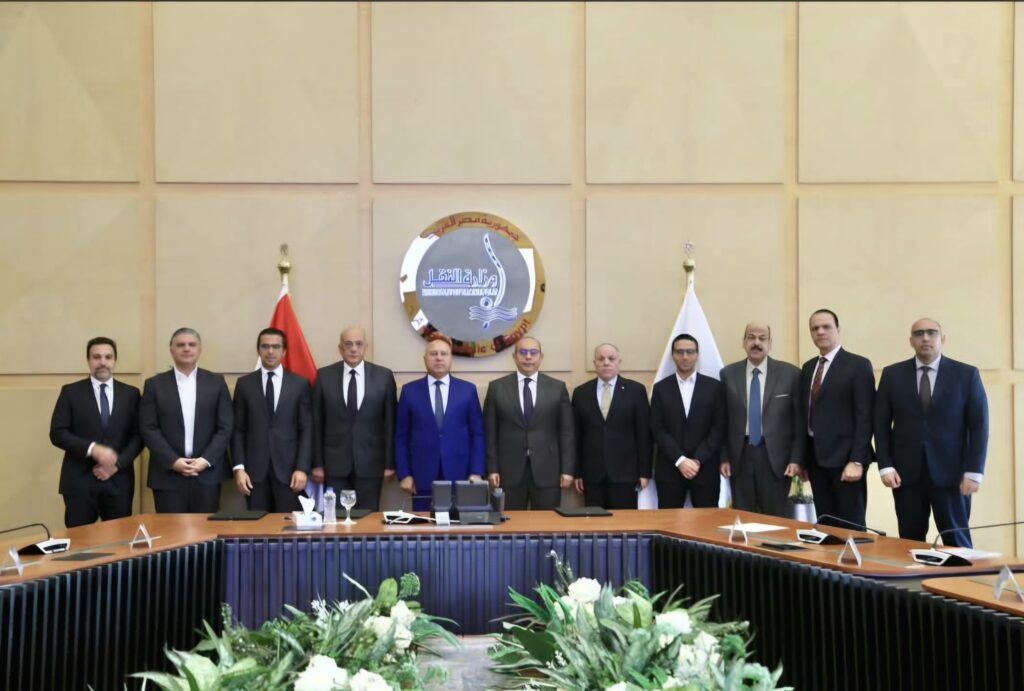
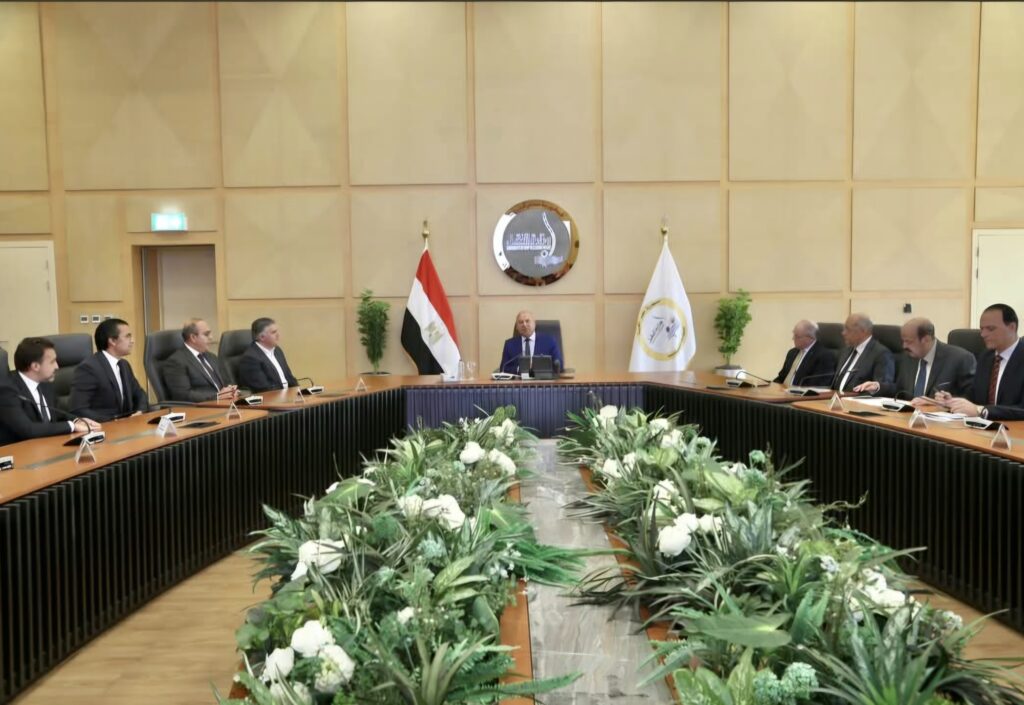
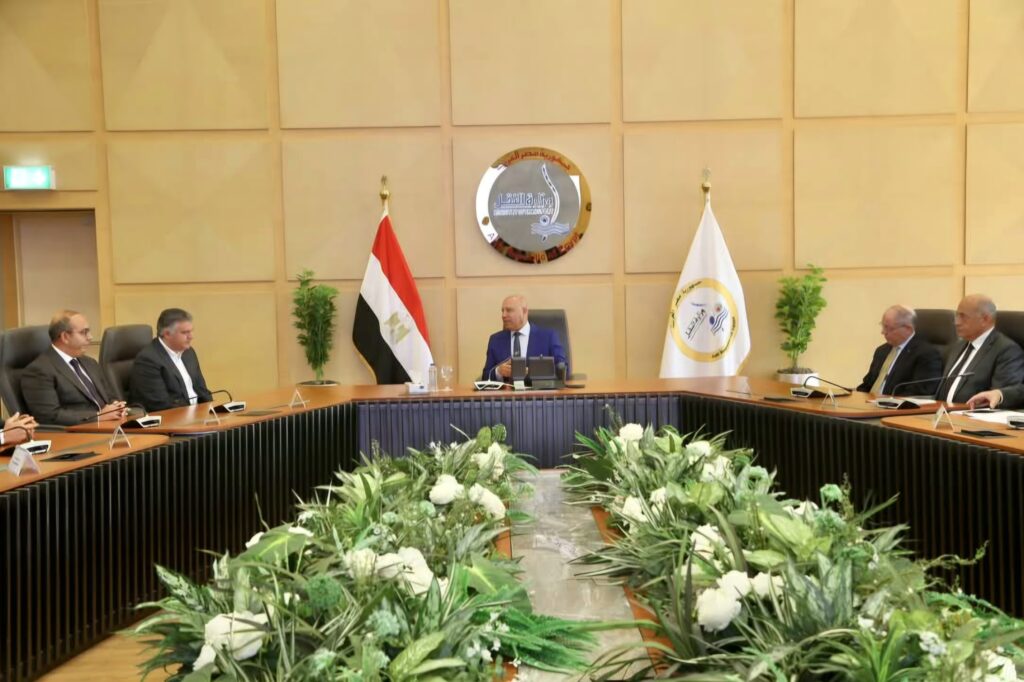
    Egypt’s Minister of Transport, Kamel El-Wazir, witnessed the signing ceremony, which brought together senior government officials and representatives of Hassan Allam Holding. The project is intended to strengthen Dekheila Port’s competitiveness and support its role as a regional trade and logistics gateway in the Eastern Mediterranean.

    Dekheila Port Logistics Hub to Provide Integrated Services

    The proposed Dekheila Port logistics hub will combine cargo handling and storage operations with distribution, re-export and other value-added activities. The project aims to create an integrated platform that supports trade movements and provides additional services for cargo passing through the port.

    According to the Ministry of Transport, the planned facility will offer warehousing, cargo handling, distribution, re-export, final product preparation and light industrial activities. These services are intended to generate added value for traded goods while improving the efficiency of logistics operations.

    The project will also seek to improve services available to exporters and importers, attract new investments and increase regional and international cargo flows through Dekheila Port.

    By integrating logistics and industrial activities with port operations, the development is expected to support Egypt’s participation in international supply chains and provide businesses with wider opportunities to access regional and global markets.

    The planned facility will occupy 273,008 square meters within the western hinterland of Dekheila Port, providing space for the proposed range of logistics, distribution and value-added services.

    Ministry of Transport Advances Port Development Strategy

    El-Wazir said the agreement supports directives from President Abdel Fattah El-Sisi to establish Egypt as a regional center for transport, logistics and transit trade while maximizing the advantages of the country’s strategic geographic location.

    The minister explained that the initiative forms part of the Ministry of Transport’s wider program to develop Egyptian ports, improve the utilization of their assets and operational capabilities, and expand cooperation with private-sector investors.

    He emphasized that the proposed logistics center would create new investment opportunities at Dekheila Port and strengthen its ability to attract trade and logistics activities.

    According to El-Wazir, developing integrated logistics centers represents one of the main pillars of the ministry’s strategy to maximize the economic contribution of Egyptian ports.

    The strategy seeks to transform ports from facilities primarily focused on receiving vessels and handling cargo into integrated centers offering trade, distribution and logistics services.

    The minister added that this approach would strengthen Egypt’s role as a regional transport and trade hub, particularly within the Eastern Mediterranean, while supporting sustainable economic development.

    Following the signing, El-Wazir instructed the parties involved to intensify their meetings and accelerate preparations for a terms and conditions agreement. The agreement would establish the next contractual framework ahead of implementation of the proposed project.

    Hassan Allam Highlights Port and Supply Chain Integration

    Amr Allam, Co-CEO of Hassan Allam Holding and Chairman of Hassan Allam Utilities, described transport and logistics as central components of the group’s investment strategy.

    He highlighted opportunities to strengthen integration between ports, distribution networks and industrial activities, explaining that closer coordination between these sectors could improve cargo movement efficiency and expand market access for businesses.

    Allam said the proposed Dekheila Port logistics hub reflects this investment direction through its connection to the port and its planned provision of value-added logistics services.

    He emphasized that combining maritime connectivity with distribution and industrial capabilities could contribute to more efficient and competitive supply chains.

    According to Allam, the project also supports Egypt’s ambitions to become a regional center for transport, logistics and transit trade.

    The proposed investment therefore aligns with Hassan Allam’s focus on infrastructure and logistics activities while supporting broader efforts to improve the integration of port services with commercial and industrial operations.

    MoU Signed in Presence of Senior Transport Officials

    The memorandum was signed by Rear Admiral Ehab Salah El-Din, Chairman of Alexandria Port Authority, and Amr Allam, Co-CEO of Hassan Allam Holding and Chairman of Hassan Allam Utilities.

    The ceremony was attended by Nehad Shaheen, Deputy Minister of Transport for Maritime Transport; Ashraf El-Lozy, Assistant Minister for Authorities and Companies; and Mohamed Fathy, Head of the Central Administration for Investment and Assistant to the Minister for Maritime Transport.

    Hassan Allam, Chairman and CEO of Hassan Allam Holding, also attended the signing ceremony.

    The agreement establishes a basis for studying the proposed logistics development and defining the arrangements required for its establishment, development and operation.

    The next phase will focus on discussions between the parties and the preparation of the terms and conditions agreement, as directed by the Minister of Transport.

    The project represents another initiative within Egypt’s efforts to expand integrated logistics activities around its ports, encourage private-sector investment and strengthen the country’s position in regional and international trade and supply chains.

    Source: Egyptian Ministry of Transport

  • Aqaba Ports Cargo Handling Rises 14.3% as Iraq Transit Trade Surges
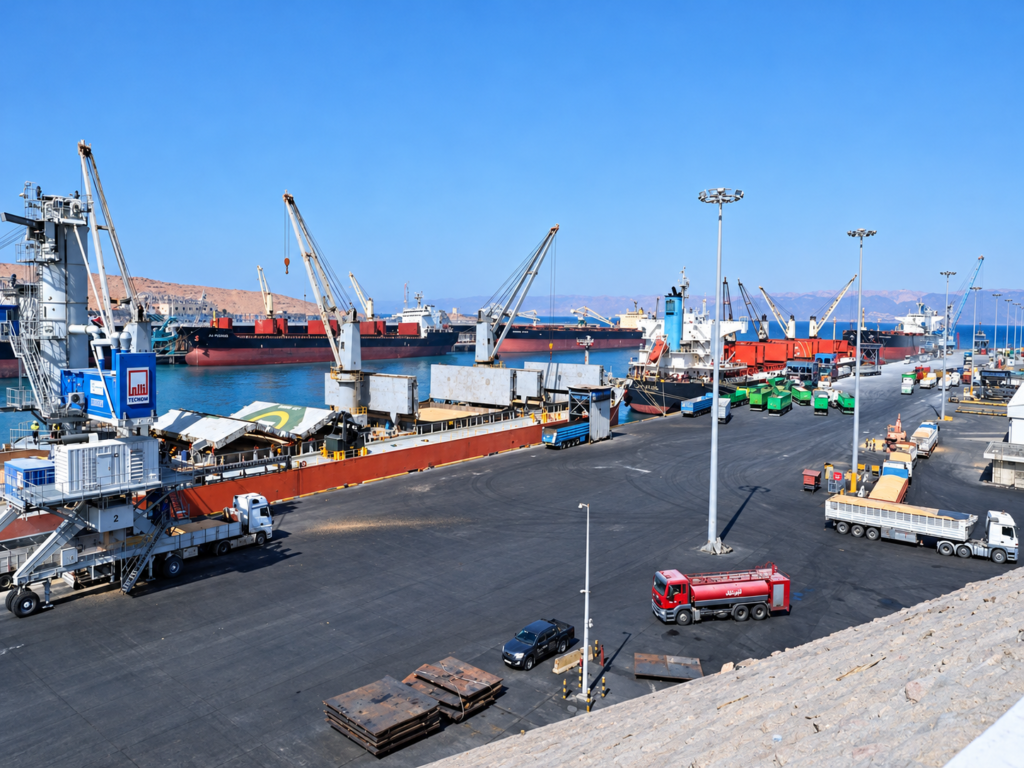
    Shipping Arabia, October 24, 2026 – Aqaba ports cargo handling increased by 14.3% during the first nine months of 2026, reaching 20.51 million tons, as container throughput, vehicle movements and transit trade recorded substantial growth. The expansion was driven by higher imports, increased handling of essential commodities and growing cargo flows to regional markets, particularly Iraq, according to figures released by the Jordan Shipping Association.

    Total cargo handling, excluding vehicles and containers, rose from approximately 17.95 million tons during the corresponding period of 2025. Import volumes exceeded 12.4 million tons, compared with around 9 million tons a year earlier, reflecting stronger cargo flows through Jordan’s maritime gateway.

    Capt. Mohammad Al-Dalabih, Secretary General of the Jordan Shipping Association, said the figures demonstrate sustained maritime and commercial activity through Aqaba. He emphasized the importance of developing port infrastructure and improving operational efficiency to accommodate rising cargo volumes and transit traffic.

    Aqaba Container Terminal Records Growth in Iraq-Bound Transit Traffic

    Aqaba Container Terminal (ACT) handled 786,948 twenty-foot equivalent units (TEU) between January and September 2026, an increase of 6.6% compared with 738,349 TEU during the same period last year.

    Transit container volumes recorded significantly stronger growth, rising 151.8% to 115,762 TEU, compared with approximately 45,000 TEU in the corresponding period of 2025. The increase highlights Aqaba’s expanding role in facilitating containerized trade to neighboring markets.

    Iraq emerged as one of the main drivers of this expansion. Container traffic destined for the Iraqi market surged 1,040.5% to 56,286 TEU, compared with only 4,935 TEU during the first nine months of 2025.
    Refrigerated import container traffic also increased, reflecting growing demand for temperature-controlled logistics services. Reefer imports rose 25.2% to 15,846 containers, compared with 12,129 containers a year earlier.

    According to the Jordan Shipping Association, the increase underscores the importance of strengthening cold chain infrastructure, refrigerated storage facilities and supporting logistics services.

    RoRo Vehicle Traffic Records Exceptional Growth

    Aqaba’s roll-on/roll-off (RoRo) sector registered substantial increases in both vehicle imports and exports during the reporting period.

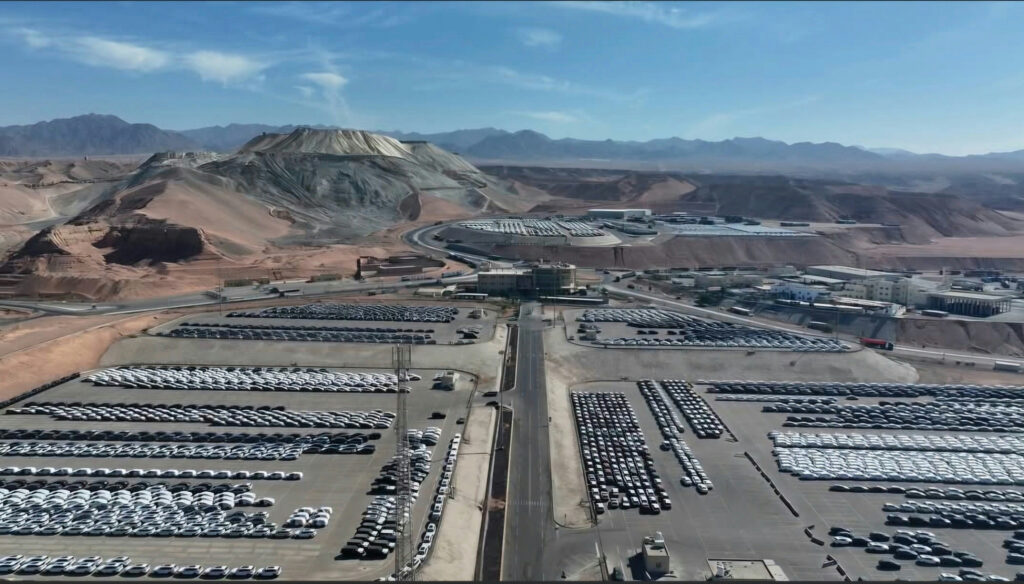
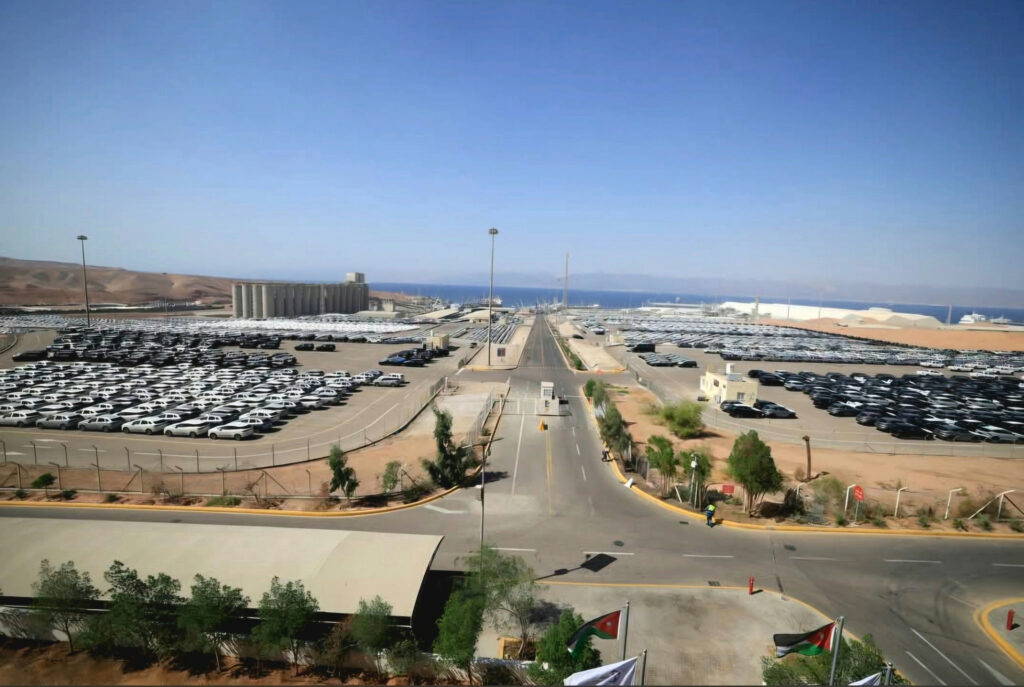
    Vehicle imports rose 114.9% to 142,955 units, compared with 66,513 vehicles during the first nine months of 2025.

    Meanwhile, vehicle exports increased by more than 1,245%, reaching 18,568 units, compared with just 1,380 vehicles during the corresponding period last year.

    Al-Dalabih attributed much of this growth to expanding vehicle transit traffic through Aqaba toward Saudi Arabia and other Arabian Gulf markets.

    The increase reinforces the importance of specialized vehicle-handling facilities, storage yards and associated logistics infrastructure in supporting regional automotive trade.

    It also places greater emphasis on maintaining efficient vehicle handling and onward transportation as transit volumes continue to expand.

    Grain Imports Increase as Iraqi Demand Strengthens

    Bulk grain and essential food commodity imports recorded substantial growth during the first nine months of 2026, supported largely by increased demand from the Iraqi market.

    Bulk corn imports increased 108.1%, exceeding 1.1 million tons, compared with approximately 552,000 tons during the corresponding period of 2025.

    Soybean imports rose 72.9% to approximately 500,000 tons, compared with 288,000 tons a year earlier. Barley imports also increased 15.6%, reaching around 972,000 tons, up from approximately 841,000 tons.

    Wheat imports recorded a 30.1% increase, reaching approximately 1.1 million tons, compared with 846,000 tons during the first nine months of 2025.

    Al-Dalabih explained that the growth was closely linked to stronger Iraqi demand for grain and other essential commodities, which increased cargo movements through Aqaba’s ports.

    He stressed the importance of maintaining efficient supply chains and ensuring that ports and border crossings have sufficient operational capacity to handle rising volumes.

    According to the association, greater coordination between port operations, transportation providers and customs clearance procedures will be essential to maintaining cargo flows and meeting the requirements of domestic and regional markets.

    Energy Cargo Expands While Livestock and Phosphate Decline

    Beyond containers, vehicles and grain, Aqaba recorded mixed performance across several other cargo segments.

    Handling of petroleum products, gas and mineral oils increased 19% to approximately 3.78 million tons during the first nine months of 2026, compared with around 3.1 million tons during the corresponding period last year.

    The increase occurred alongside expanding transit cargo movements, highlighting the importance of Aqaba’s port facilities in supporting energy supply flows and regional distribution activities.

    However, livestock imports declined significantly. The number of imported animals fell 39% to approximately 543,000 head, compared with around 890,000 during the first nine months of 2025.

    According to the reported figures, the decline was partly attributable to livestock carriers shifting their operations to Syrian ports instead of Aqaba.

    Phosphate exports also decreased, falling 18.2% to approximately 4 million tons, compared with around 4.9 million tons during the corresponding period last year.

    The decline came amid challenges affecting maritime trade, including higher shipping, transportation and insurance costs. These pressures have increased overall export expenses and affected competitiveness in international markets.

    In contrast, bulk potash exports increased 5.7% to approximately 1.9 million tons, compared with 1.8 million tons in the corresponding period of 2025.

    The figures demonstrate differing performance across Aqaba’s commodity segments despite the overall increase in cargo handling.

    Aqaba Ports Cargo Handling Growth Highlights Infrastructure Requirements

    Al-Dalabih emphasized that the continued expansion of cargo, container and vehicle traffic reinforces Aqaba’s position as a regional logistics and commercial gateway.

    The growth in Iraq-bound transit cargo and vehicle movements toward Saudi Arabia and other Arabian Gulf countries has increased the importance of maintaining efficient connections between port facilities and inland transportation networks.

    He called for continued development of port infrastructure, expansion of handling and storage capacity, and improvements to supporting logistics services.

    Particular attention should be given to strengthening coordination between ports and land border crossings, ensuring that growing cargo volumes can move efficiently toward their final destinations.

    Al-Dalabih also highlighted the need to improve customs and operational procedures, enhance transportation efficiency and expand storage facilities to support increasing trade volumes.

    According to the Jordan Shipping Association, these measures are essential to strengthening Aqaba’s competitiveness as a regional transportation and logistics hub.

    The association stressed that improving integration between port operations, border crossings and supporting logistics infrastructure will help maintain supply chain continuity amid regional and international developments.

    With container throughput approaching 787,000 TEU, vehicle traffic rising sharply and Iraq-bound transit shipments recording exceptional growth, Aqaba’s performance during the first nine months of 2026 reflects the increasing importance of its ports in regional trade.

    Source: Al Ghad

  • Saudi Maritime & Logistics Congress 2026 Opens in Jeddah With Industry Agreements and Strategic Discussions

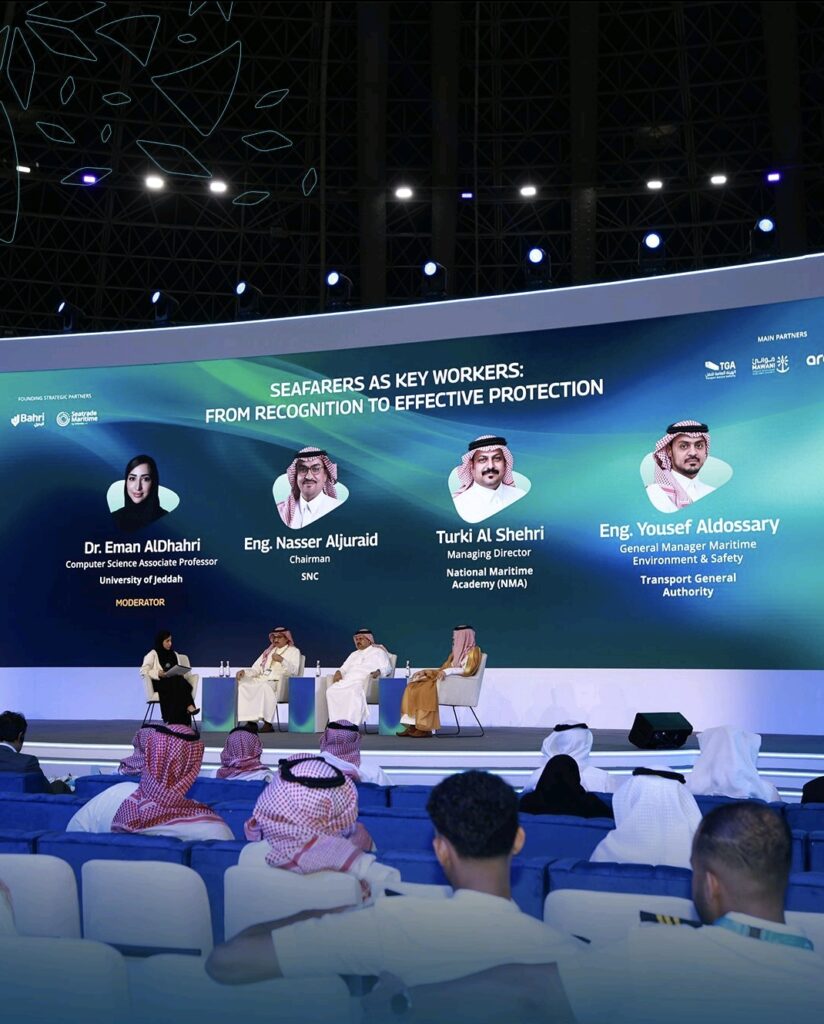
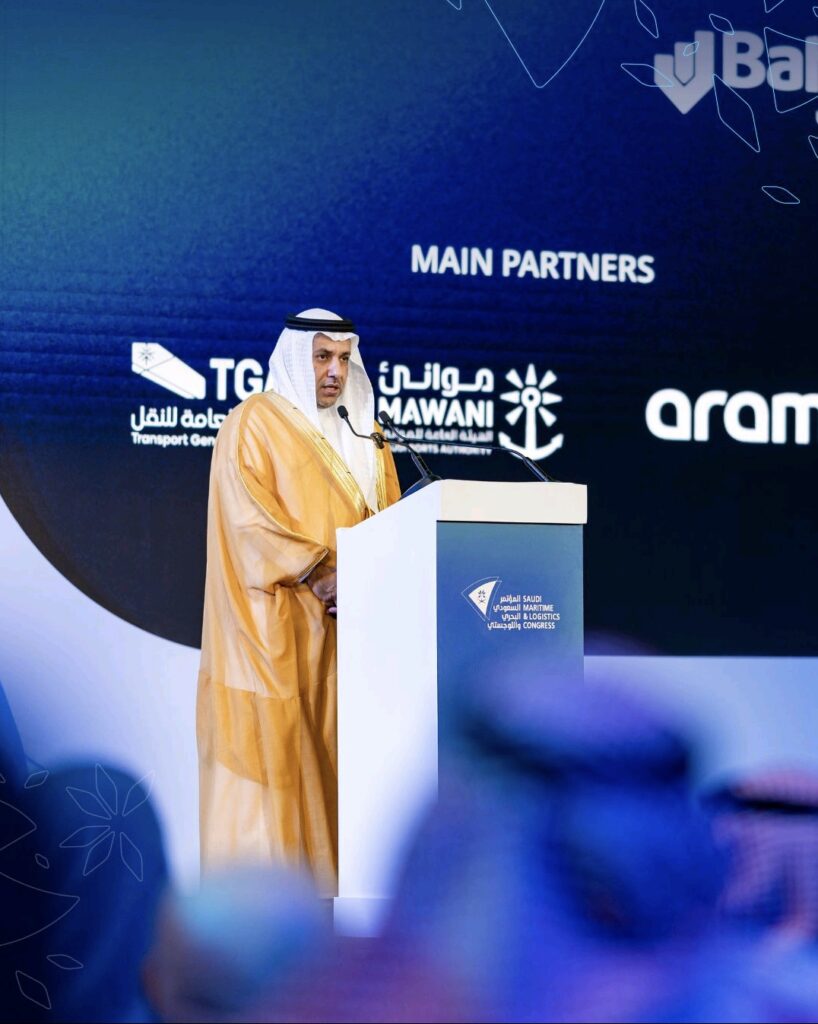
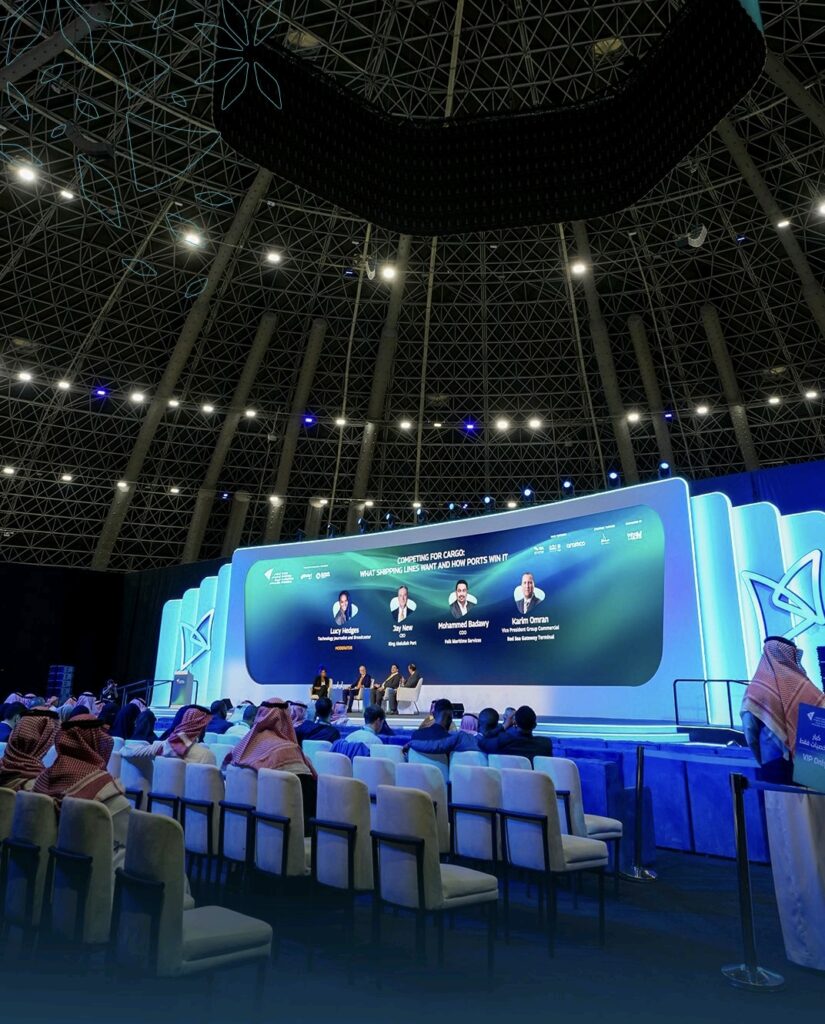
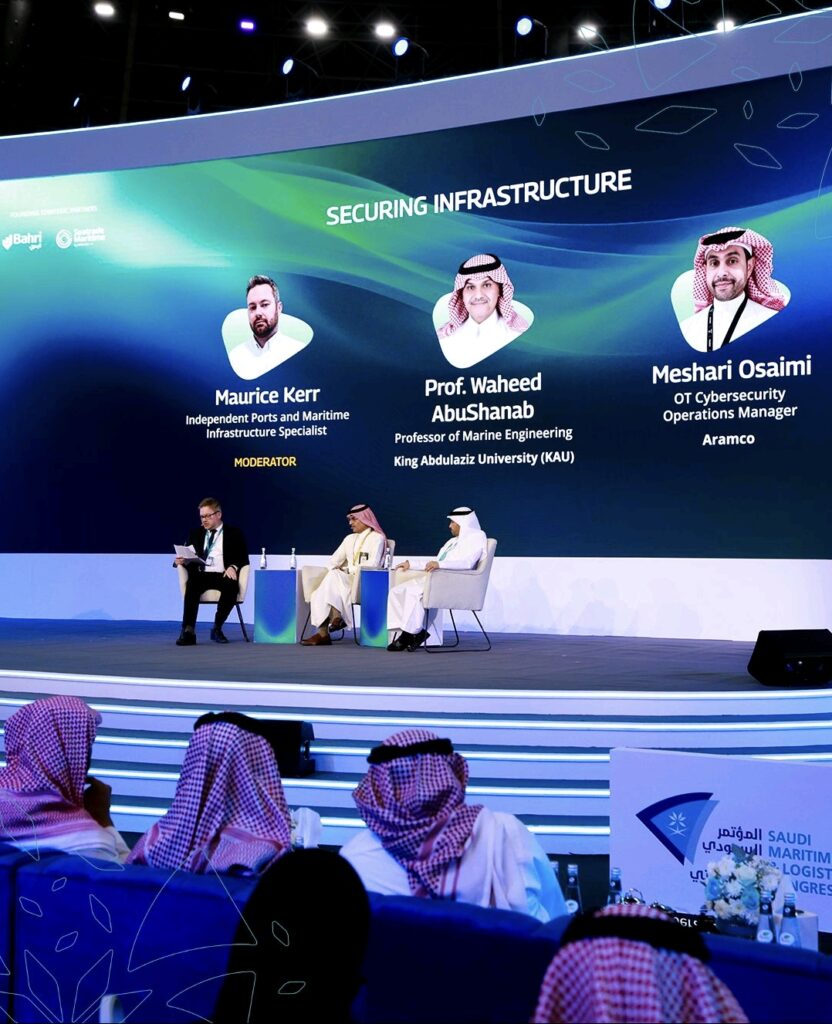
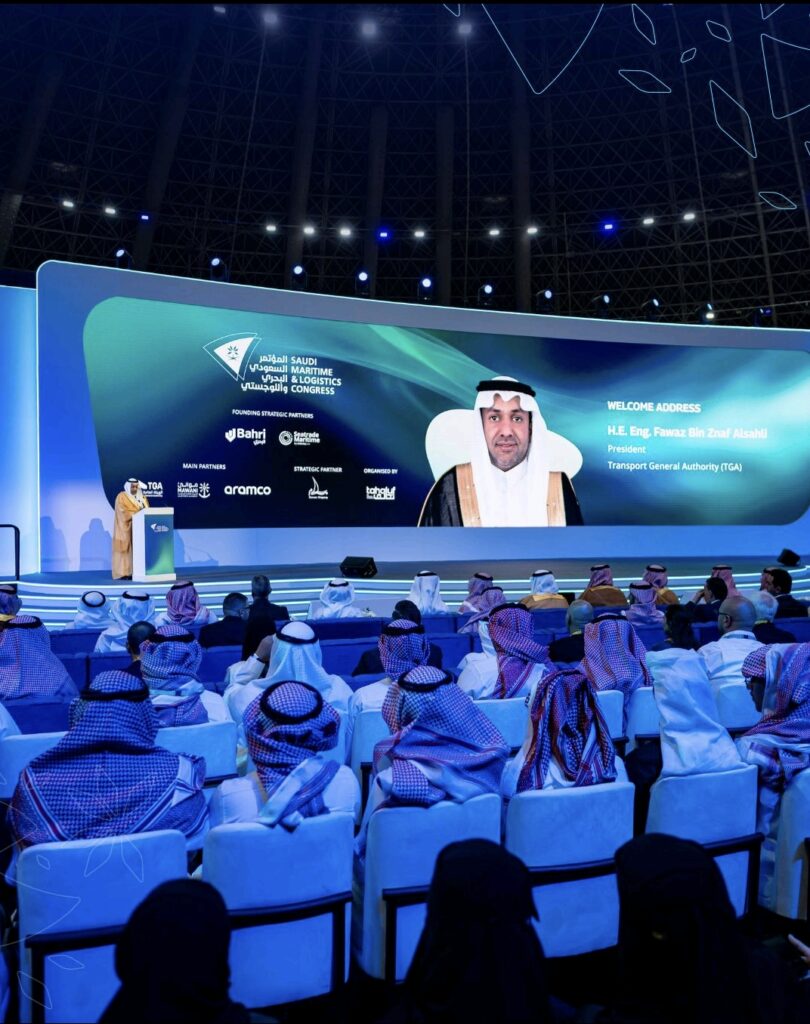
    Shipping Arabia, October 22, 2026 – The Saudi Maritime & Logistics Congress 2026 opened at Jeddah Superdome on October 21, bringing together government officials, maritime executives and industry stakeholders for two days of discussions on port competitiveness, shipping connectivity, digital transformation and global trade. The opening day also featured industry agreements and discussions addressing operational efficiency, investment and supply chain resilience.

    The official opening ceremony was attended by H.E. Eng. Fawaz Bin Znaf Alsahli, President of Saudi Arabia’s Transport General Authority (TGA), who toured the exhibition before delivering the welcome address. His participation marked the formal opening of the two-day congress, scheduled for October 21–22.

    The event’s conference program brought together industry representatives to examine developments influencing maritime transport and logistics. Discussions addressed shipping routes, capacity, investment decisions and the challenges facing global supply chains.

    Industry Agreements Signed During Opening Day

    The first day of the Saudi Maritime & Logistics Congress 2026 featured the signing of memoranda of understanding (MOUs) between several industry participants, highlighting opportunities for cooperation across the maritime and logistics sectors.

    NASS and OSM Thome signed an MOU during the exhibition, while a separate agreement was signed between Faisal M. Higgi (FMH) and Bahar. The congress organizers presented both agreements as commitments to strengthening industry partnerships and exploring new opportunities.

    The signings formed part of a broader opening-day program that combined commercial engagement with discussions on the challenges and opportunities facing the maritime industry.

    Port Competitiveness and Shipping Line Requirements Take Center Stage

    Port competitiveness and the factors influencing shipping line decisions were among the subjects addressed during the congress.

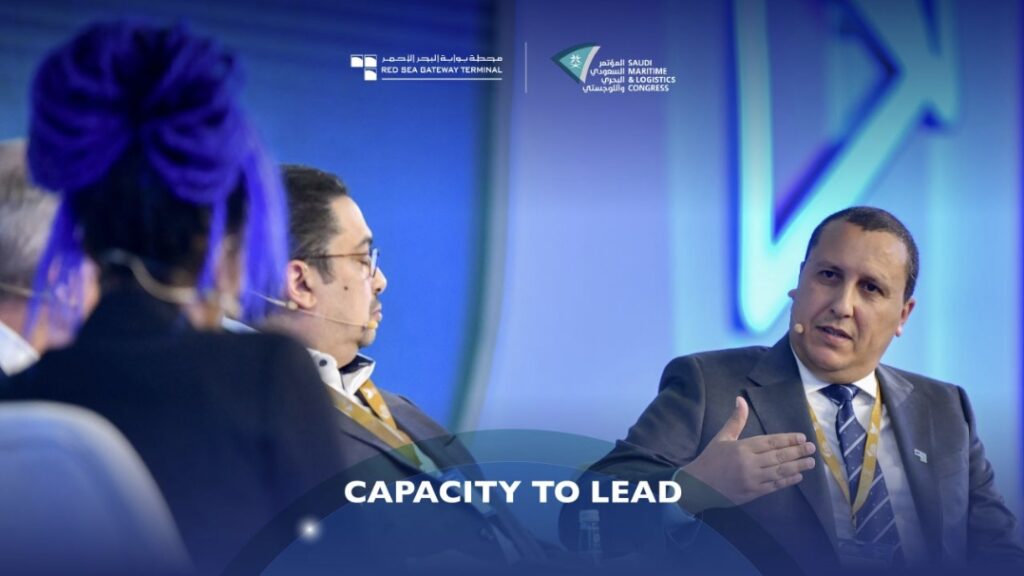
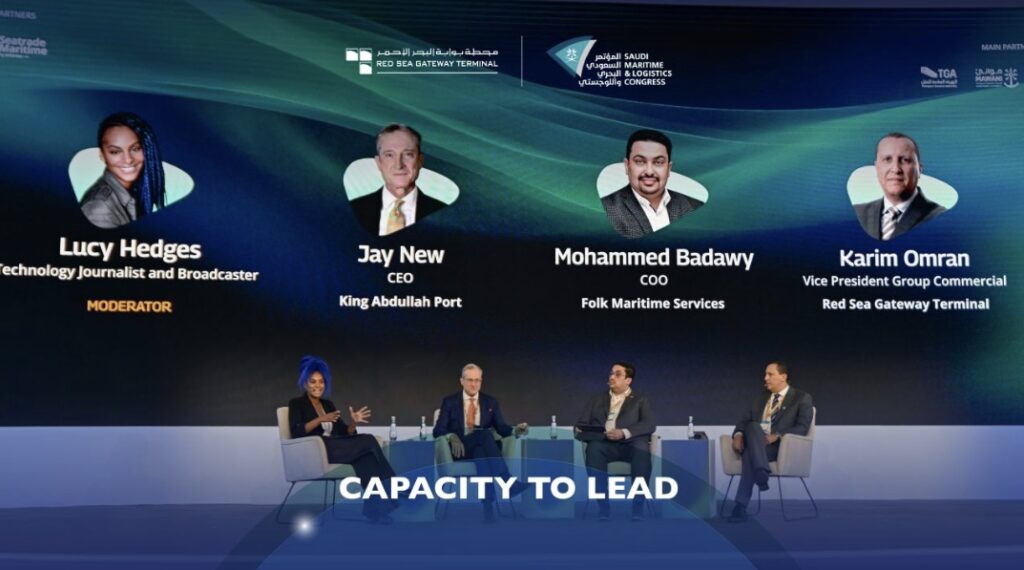
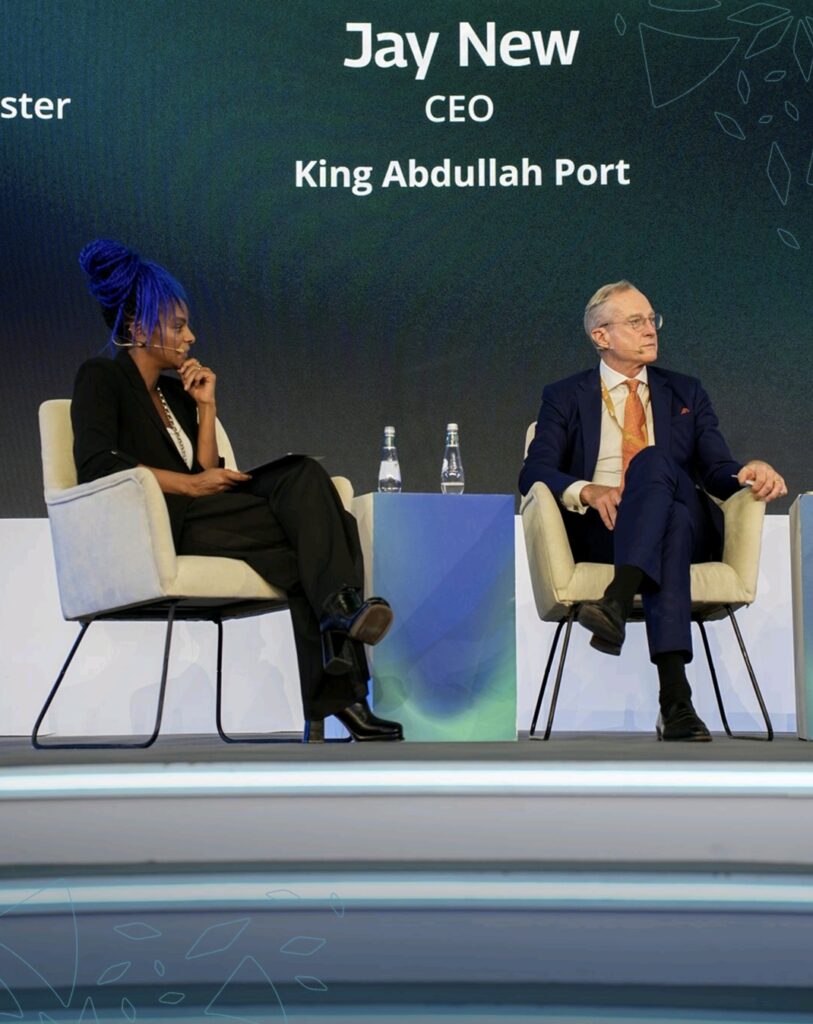
    Karim Omran, Commercial Vice President at Red Sea Gateway Terminal (RSGT), participated in a panel discussion titled “Competing for Cargo: What Shipping Lines Want and How Ports Win It.”

    The discussion examined the factors shaping shipping lines’ port selection decisions, including operational certainty and digital competitiveness. Panel participants also explored the considerations influencing cargo attraction and trade flows within Saudi Arabia.

    The session addressed how ports compete for cargo and the operational capabilities that influence their attractiveness to shipping lines. Digital performance and operational reliability featured among the central themes of the discussion.

    Saudi Global Ports Highlights the Role of Ports in Industrial Development

    Saudi Global Ports (SGP) also participated in the Saudi Maritime & Logistics Congress 2026, contributing to discussions on the evolving relationship between ports, industrial development and international trade.

    Omar Basleem, Head of Operations and Engineering at SGP Container Terminals in Jubail, joined a panel titled “The Future Port: Beyond Trade into Industrial Ecosystems.”

    The discussion focused on the role of ports in connecting global trade with industrial development. It also addressed how port infrastructure and operations contribute to attracting investment, strengthening supply chains and supporting economic growth.

    SGP’s participation highlighted the wider economic role of ports beyond traditional cargo handling, particularly their connections with industrial activities and supply chain development.

    Geopolitical Pressures, Trade Resilience and Digital Transformation

    The conference program also examined the forces reshaping global trade, with sessions covering geopolitical developments, digital transformation, operational performance and regional connectivity.

    During a session focused on geopolitical shifts and trade resilience, Akshay Anand, CEO and Group Member at ABSA Al Barrak Group, discussed the transportation industry’s ability to adapt under pressure.

    Anand acknowledged the challenges confronting the sector while emphasizing its resilience during recent months.

    “The pressure on the entire transportation industry is massive,” Anand said, expressing pride in how the industry had endured difficult conditions.

    He emphasized that the industry had remained strong and resilient despite continuing challenges, adding that businesses were prepared to respond to the pressures they face.

    The discussion reflected one of the congress’s central themes: the need for maritime transport and logistics operators to maintain resilience while responding to changing trade conditions.

    Across the opening day’s sessions, speakers examined how operational performance, digital capabilities and stronger regional connectivity could support the maritime and logistics sectors.

    The Saudi Maritime & Logistics Congress 2026 continues through October 22 at Jeddah Superdome, bringing together industry leaders and stakeholders for discussions on maritime development, trade connectivity and opportunities for collaboration.

    Source: Saudi Maritime & Logistics Congress; Saudi Global Ports; Red Sea Gateway Terminal

  • Jordan’s Prime Minister Calls for Accelerated Aqaba Ports Expansion and Modernization

    Shipping Arabia, October 20, 2026 – Jordanian Prime Minister Dr. Jaafar Hassan has called for accelerating Aqaba ports expansion and modernization projects, emphasizing the importance of strengthening port capacity, operational efficiency and regional logistics connectivity. During an inspection visit to Aqaba’s port system, Hassan highlighted the ports’ growing role as a major regional gateway serving several neighboring countries despite ongoing regional challenges.

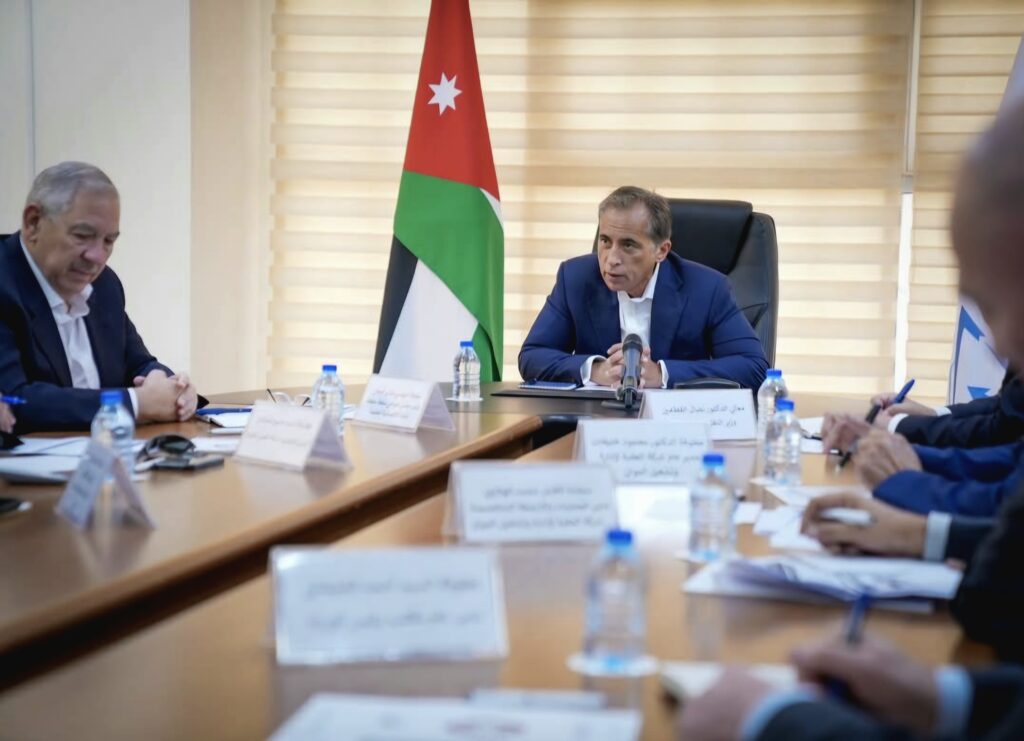
    The prime minister chaired a meeting at Aqaba Company for Ports Operation and Management (ACPOM), where he reviewed port operations and development priorities. He praised the efficiency of the port system and urged officials to maintain the current pace of improvements while intensifying efforts to accommodate increasing activity.

    Hassan said Jordan has consistently demonstrated its ability to transform challenges into opportunities. He credited the vision of King Abdullah II and the continued follow-up of Crown Prince Al Hussein bin Abdullah II for driving development and achievements in Aqaba.

    Aqaba Ports Expansion and Oil Port Development

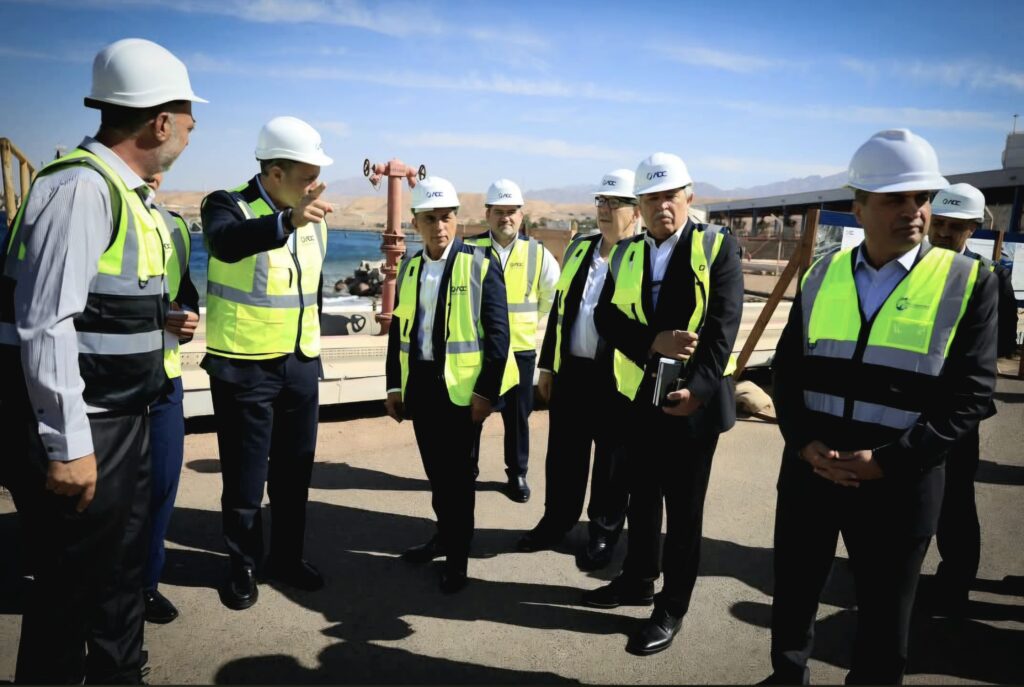
    During his visit, Hassan inspected the Aqaba Oil Port and reviewed development and expansion projects scheduled for completion within the next two years.

    The planned improvements aim to increase the facility’s handling capacity, strengthen Jordan’s energy supply security and reinforce Aqaba’s position as a major hub for supplying petroleum products to neighboring countries.

    Hassan stressed the importance of completing these projects as part of the broader effort to expand and modernize Aqaba’s maritime infrastructure. He also called for sustained efforts across the port system to keep pace with increasing operational activity.

    The prime minister emphasized the need to maintain the highest standards of safety and security throughout Aqaba’s ports. He said these standards are essential for strengthening confidence in Jordan’s maritime facilities and improving their competitiveness.

    Government Measures Improve Cargo Handling and Transit Trade

    Hassan highlighted several government decisions implemented over the past year to support the rapid development of Aqaba’s port system and improve trade efficiency.

    According to the prime minister, these measures have significantly accelerated cargo handling and customs clearance procedures while facilitating operations for importers and exporters.

    The decisions have also strengthened transit trade, increased storage yard capacity and supported the continuity of supply chains and logistics operations. In addition, they have contributed to maintaining strategic reserves and developing the infrastructure required to support port activities.

    Hassan emphasized that the government remains focused on maintaining these improvements as Aqaba’s ports continue to develop and handle growing levels of activity.

    Aqaba–Shidiya–Ma’an Railway and Dry Port Projects

    The prime minister also highlighted the importance of coordinating Aqaba’s port development with major inland transport and logistics infrastructure projects.

    He noted that the foundation stone for the Aqaba–Shidiya–Ma’an railway project had been laid two weeks earlier. Hassan stressed that port infrastructure and logistics services must continue to develop alongside the implementation of this strategic railway project.

    The coordinated development of maritime and inland transport infrastructure aims to improve freight movement, storage efficiency and transit trade. It is also intended to strengthen Aqaba’s position on the regional transport and logistics map.

    Hassan identified the Aqaba–Ma’an dry port project as another strategic development priority for the government, emphasizing its role within Jordan’s broader transport and logistics development plans.

    These projects form part of the government’s efforts to enhance connectivity between Aqaba’s maritime facilities and inland logistics infrastructure.

    Natural Gas Infrastructure to Support Industry and Exports

    Beyond the maritime sector, Hassan highlighted the natural gas supply project serving industrial complexes in Aqaba and Quweira, which the government inaugurated approximately three months earlier.

    The project is expected to reduce operating costs for Jordanian industries, improve their competitiveness and support national exports to international markets.

    Hassan explained that the industrial gas supply project complements the ongoing development of Aqaba’s port system, linking improvements in industrial infrastructure with broader efforts to strengthen trade and logistics capabilities.

    He also expressed optimism about the launch of additional projects in Aqaba in the near future.

    Throughout his visit, the prime minister praised the efforts of those responsible for managing and operating Aqaba’s ports. He called for continued momentum and greater efforts to support ongoing development, strengthen operational performance and reinforce Aqaba’s position as a regional maritime and logistics gateway.

    Source: Prime Ministry of Jordan

  • Suez Canal Authority Explores Maritime Cooperation With Sri Lanka in Shipbuilding and Logistics

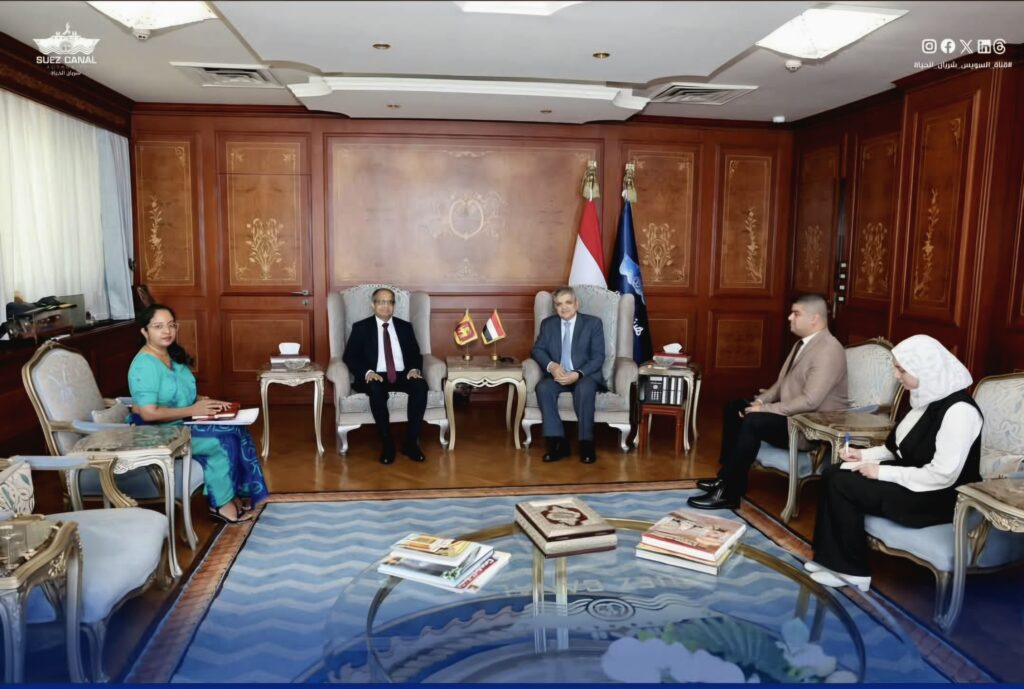
    Shipping Arabia, October 16, 2026 – The Suez Canal Authority (SCA) and Sri Lanka have discussed opportunities to strengthen maritime cooperation with Sri Lanka across shipbuilding, port operations, marine construction, logistics and specialized training. The discussions also covered potential partnerships between SCA-affiliated companies and Sri Lankan maritime businesses, alongside investment opportunities in the Suez Canal region.

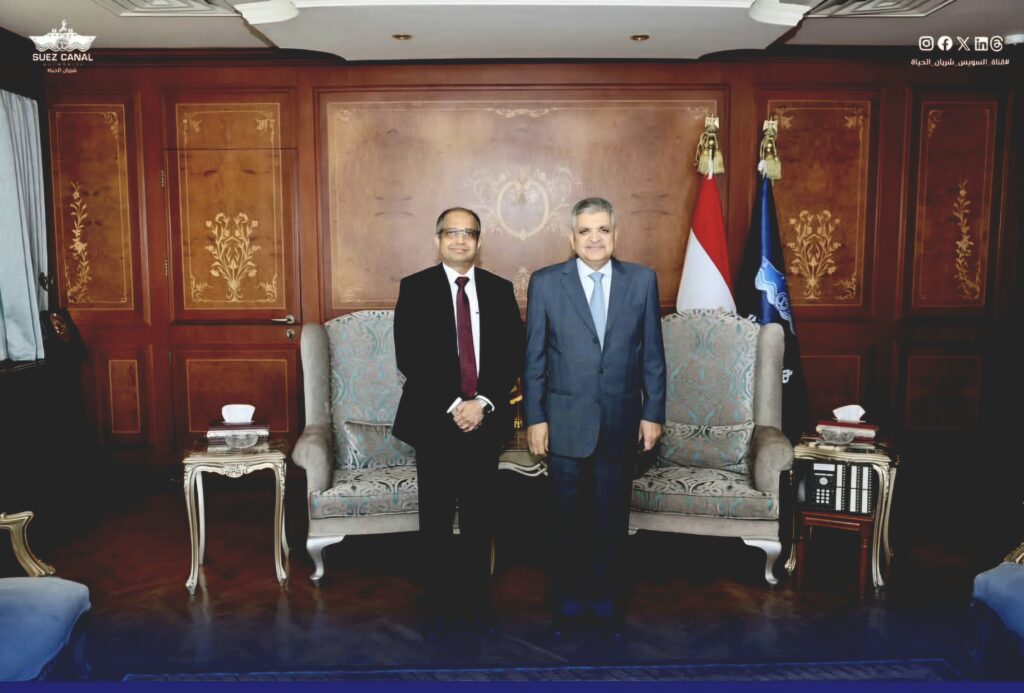
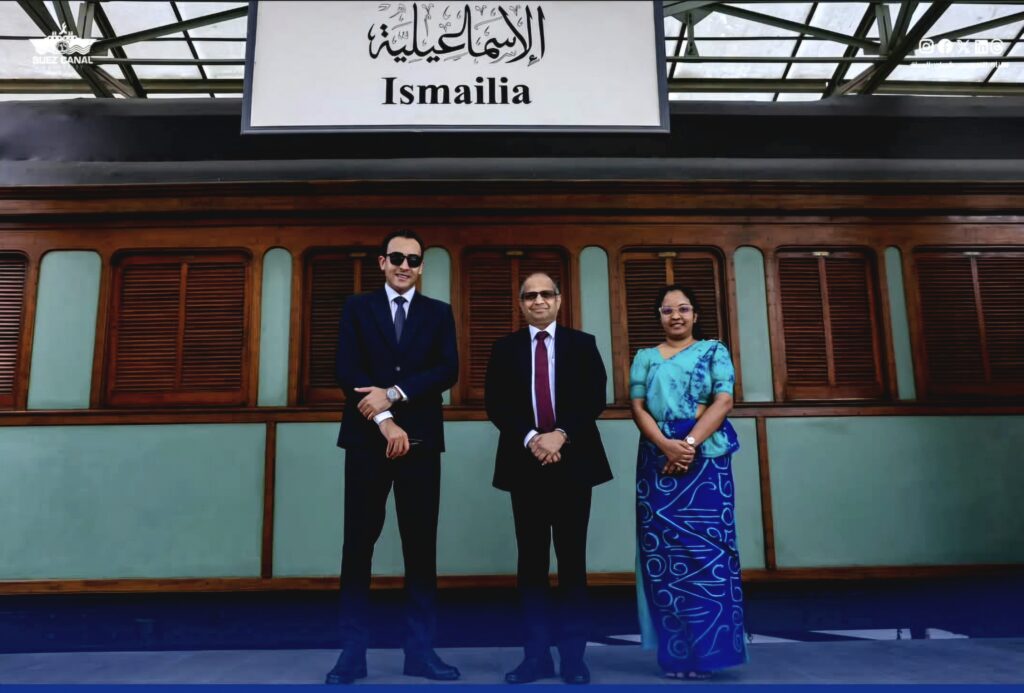
    SCA Chairman Adm. Ossama Rabiee met with Sri Lanka’s Ambassador to Egypt, Sisira Senavirathne, on October 7 at the authority’s Pilotage Building in Ismailia. The meeting focused on expanding bilateral cooperation and exchanging expertise in areas of mutual interest.

    Rabiee welcomed the growing ties between Egypt and Sri Lanka, noting that both countries share a strong interest in maritime affairs. He said this common focus creates opportunities for collaboration in maritime industries, logistics, training and other related activities.

    Expanding Maritime Cooperation With Sri Lanka

    During the meeting, Rabiee confirmed that the SCA’s affiliated companies and shipyards are ready to explore cooperation with Sri Lankan maritime companies and institutions. Potential areas include marine construction, port works, the construction of different types of marine vessels and units, fishing activities and logistics services.

    The SCA chairman also highlighted the capabilities of the authority’s Maritime Training and Simulation Academy. He identified maritime training and specialized consultancy services as additional areas where Egyptian and Sri Lankan organizations could exchange expertise and develop cooperation.

    These opportunities form part of wider discussions aimed at strengthening institutional and commercial links between the two countries’ maritime sectors. The talks addressed both industrial activities and services supporting maritime operations.

    Suez Canal Strategy Focuses on Maritime Industries and Logistics

    Rabiee outlined the SCA’s strategy to diversify revenue sources and improve the canal’s competitiveness. He said the authority has significantly expanded its activities and services as part of an integrated approach to developing its maritime business.

    The strategy focuses on localizing maritime industries while developing and modernizing marine and logistics services. According to Rabiee, these initiatives aim to broaden the authority’s activities and strengthen the range of services available within the Suez Canal sector.

    He also addressed the geopolitical challenges affecting maritime trade in the region. The SCA continues to engage with stakeholders across the shipping industry to coordinate efforts and reduce the impact of regional tensions on trade passing through the canal.

    Rabiee emphasized that these efforts also support the continuity of global supply chains. Maintaining communication and cooperation with the maritime community remains part of the authority’s approach to addressing current challenges.

    Sri Lanka Eyes Investment Opportunities and Maritime Partnerships

    Ambassador Senavirathne expressed appreciation for Egypt’s efforts to manage the Suez Canal efficiently despite the challenges affecting the region. He also acknowledged the canal’s important role in facilitating international maritime trade.

    The ambassador emphasized Sri Lanka’s interest in opening new channels for maritime cooperation and exchanging expertise with Egyptian institutions and businesses. He also highlighted his country’s interest in exploring investment opportunities associated with development projects in the Suez Canal region.

    Senavirathne pointed to Egypt’s strategic geographical location and developing infrastructure as factors supporting its investment attractiveness. He noted that these advantages contribute to the country’s important position in global trade.

    As part of efforts to strengthen business connections, the ambassador invited the SCA and its affiliated companies and shipyards to participate in Sri Lanka Expo 2027, scheduled for mid-January 2027.

    The exhibition, focused on exports, international trade and industry, was presented as an opportunity for Egyptian and Sri Lankan companies to establish partnerships and exchange technical and commercial expertise.

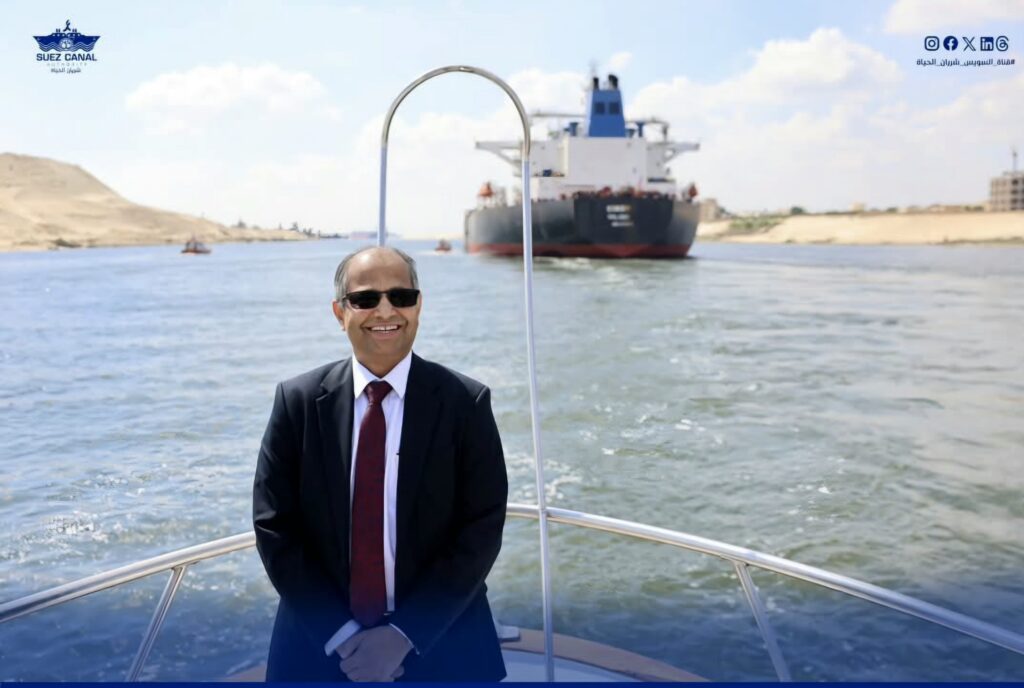
    At the conclusion of the meeting, Rabiee presented the Suez Canal Shield to the Sri Lankan ambassador. He also invited Senavirathne to take a maritime tour of the New Suez Canal and visit the Suez Canal Museum to learn more about the canal’s development achievements.

    Source: Suez Canal Authority

  • Jordan Shipping Association Discusses Aqaba Port Operational Challenges and Customs Procedures

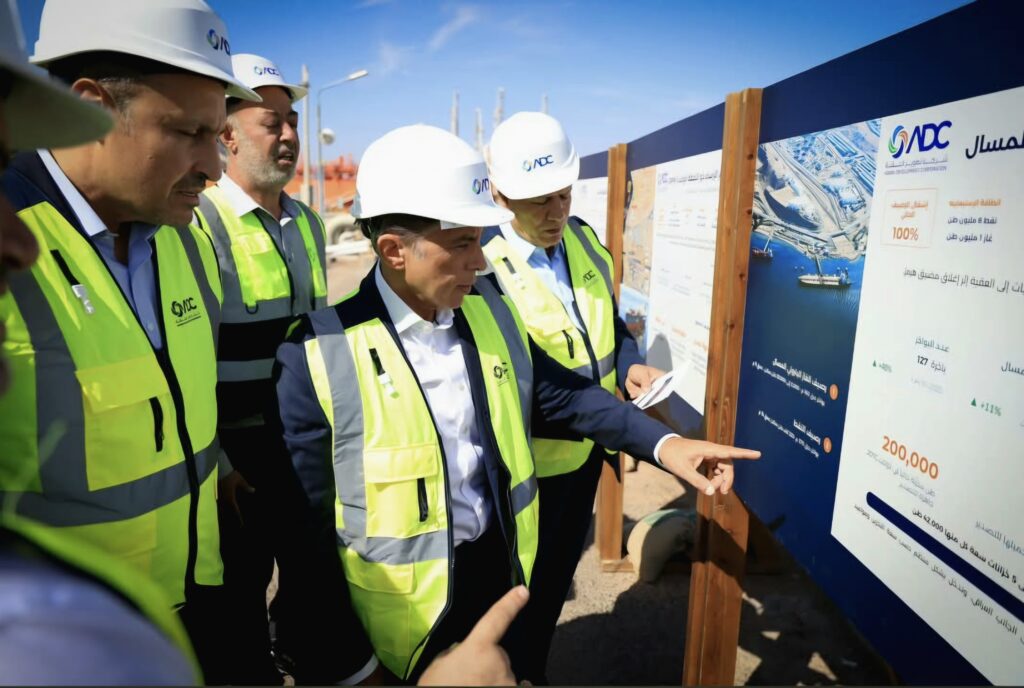
    Shipping Arabia, October 13, 2026 – The Jordan Shipping Association (JSA) held a series of meetings in Aqaba to address operational challenges, customs procedures and developments affecting maritime trade through Aqaba Port. The discussions brought together customs officials, port stakeholders and representatives of Aqaba Development Corporation (ADC) to review current operating conditions and identify measures to improve cargo movements and port efficiency.

    The meetings formed part of the association’s ongoing efforts to monitor developments in Jordan’s maritime transport and logistics sector. They also focused on addressing procedural challenges, strengthening coordination with government authorities and maintaining the smooth flow of trade amid changing geopolitical conditions.

    The JSA delegation included Chairman Zaid Al-Kalaldeh, Board Member Mohammed Abdul Hadi and Assistant General Manager Raad Hakouz.

    Aqaba Port Customs Procedures and Cargo Movements

    During a meeting with Brigadier General Yahya Al-Faraheed, Director of the Aqaba Customs Directorate, the association discussed several customs and operational matters directly affecting shipping and logistics activities.

    Key issues included the movement of vehicles out of port yards, permission to store transit cargo and electronic clearance procedures for outbound cargo manifests. The discussions also covered other customs-related procedures affecting the movement of goods and vehicles through Aqaba Port.

    The association emphasized the importance of addressing these matters to facilitate cargo flows, reduce procedural challenges and improve coordination between shipping companies and customs authorities.

    Al-Kalaldeh commended the efforts of the Jordan Customs Department in responding to challenges facing the transport and trade sectors. He noted that measures and facilitation procedures introduced by customs authorities had played an important role in mitigating the impact of existing difficulties on trade and transport activities.

    The JSA chairman also stressed the importance of maintaining close cooperation between the association and the customs department. He highlighted the need for continued coordination to address sector requirements and improve the efficiency of customs procedures.

    For his part, Al-Faraheed recognized the Jordan Shipping Association’s role in representing the interests of the maritime sector and maintaining constructive engagement with relevant authorities.

    He praised the association’s ongoing coordination and its efforts to follow up on industry concerns, emphasizing the value of cooperation in resolving challenges and improving working procedures.

    Aqaba Development Corporation Reviews Port Operating Conditions

    In a separate engagement, the Jordan Shipping Association participated in a meeting hosted by Aqaba Development Corporation, attended by representatives of various stakeholders within the Aqaba port community.

    The meeting reviewed measures already implemented across the port system and assessed current operational conditions. Participants also discussed recent changes affecting maritime transport and trade movements, particularly in light of geopolitical developments and their implications for the sector.

    Discussions focused on operational matters requiring attention and the measures needed to respond to emerging challenges. Participants examined proposals, recommendations and possible actions to strengthen the port system’s ability to adapt to changing circumstances.

    Maintaining the efficient movement of cargo through Aqaba Port was a central priority. Stakeholders considered how greater coordination and appropriate operational measures could help preserve cargo flows while addressing existing difficulties.

    The discussions also provided an opportunity for representatives of the port community to review developments affecting their respective activities and identify areas requiring continued follow-up.

    Strengthening Coordination Across Aqaba’s Maritime Sector

    The series of meetings reflected the Jordan Shipping Association’s continued engagement with government institutions, customs authorities and the wider port community.

    By raising issues related to vehicle movements, transit cargo storage and electronic customs procedures, the association sought to address operational and administrative matters that directly affect shipping and logistics activities.

    The meeting at Aqaba Development Corporation complemented these discussions by examining broader port operating conditions and the implications of geopolitical developments for maritime trade.

    Together, the engagements highlighted the importance of coordination between public authorities and private-sector stakeholders in responding to changing operating conditions.

    The Jordan Shipping Association reaffirmed its commitment to monitoring developments affecting the maritime and logistics sectors, maintaining communication with relevant authorities and supporting efforts to resolve procedural and operational challenges.

    These efforts aim to improve the efficiency of port operations, facilitate trade movements and support the continued flow of goods through Aqaba Port.

    Source: Jordan Shipping Association

  • Beirut and Tripoli Ports Sign IMEC Ports Club Declaration in New Delhi

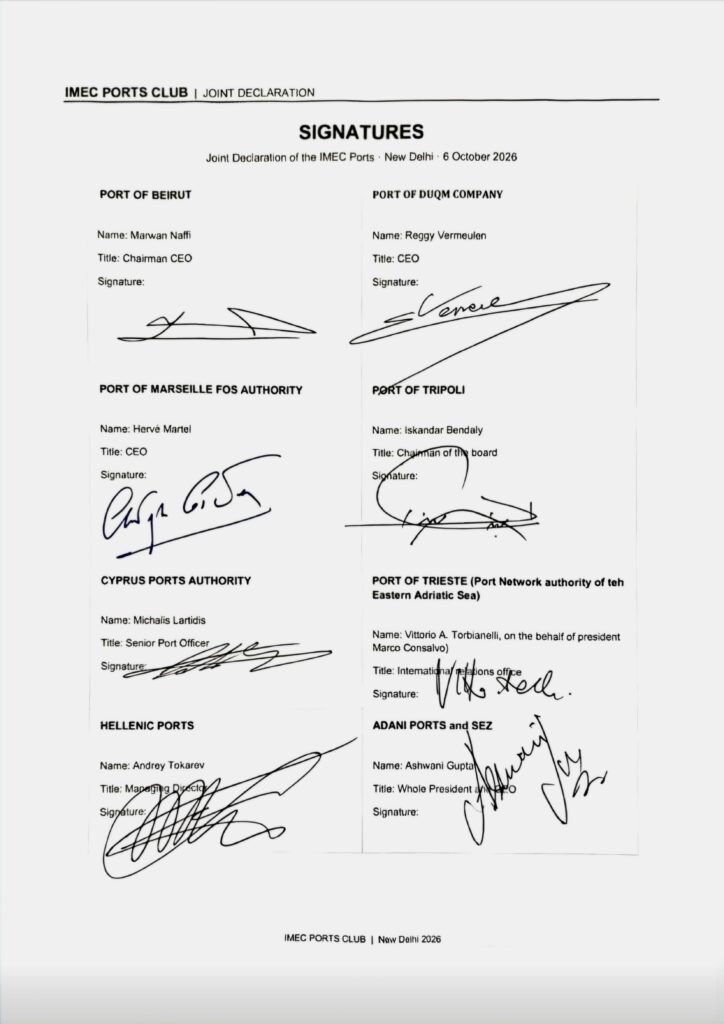
    Shipping Arabia, October 12, 2026 – Lebanon’s Port of Beirut and Port of Tripoli have signed the joint declaration launching the India-Middle East-Europe Economic Corridor (IMEC) Ports Club in New Delhi, India. The initiative aims to strengthen international port cooperation and support trade and logistics connectivity between India, the Middle East, the Mediterranean and Europe.

    The declaration was signed by Marwan Naffi, Chairman and Director General of the Port of Beirut, and Iskandar Bandali, Chairman of the Port of Tripoli. Their participation forms part of broader efforts to expand cooperation among ports associated with the economic corridor and encourage their involvement in developing trade and logistics connections.

    The IMEC Ports Club seeks to bring together ports and economic partners to explore opportunities for cooperation, improve connectivity and support the development of the corridor.

    IMEC Ports Club to Strengthen Port Cooperation

    The joint declaration establishes the IMEC Ports Club as an open platform for dialogue and collaboration among participating ports. Its central objective is to bring ports and their surrounding economic and logistics ecosystems closer together through practical cooperation and knowledge exchange.

    Rather than creating a new institutional structure, the initiative provides a framework for participating ports to share expertise, identify common priorities and develop collaborative projects.

    The declaration also encourages practical initiatives and pilot projects that can be expanded across participating ports and logistics networks. This approach aims to translate cooperation into activities that support the broader development of the economic corridor.

    Focus on Connectivity, Trade Facilitation and Digitalization

    The IMEC Ports Club identifies several priority areas for cooperation, reflecting the operational and logistical requirements of stronger trade connectivity.

    These include improving transport and supply chain connections, facilitating trade and related procedures, and advancing cooperation on energy and decarbonization.

    Digitalization and data interoperability are also central to the initiative. The declaration identifies these areas as opportunities for closer coordination between ports and their logistics ecosystems.

    Through cooperation in these fields, the IMEC Ports Club aims to contribute to a more seamless, reliable, resilient and sustainable trade corridor.

    The initiative also seeks to create additional opportunities for trade, investment and logistics services across India, the Middle East, the Mediterranean and Europe.

    For the ports of Beirut and Tripoli, signing the declaration establishes their participation in this collaborative platform, which focuses on strengthening relationships among ports and supporting the development of practical initiatives across the regions connected by IMEC.

    Source: Port of Beirut

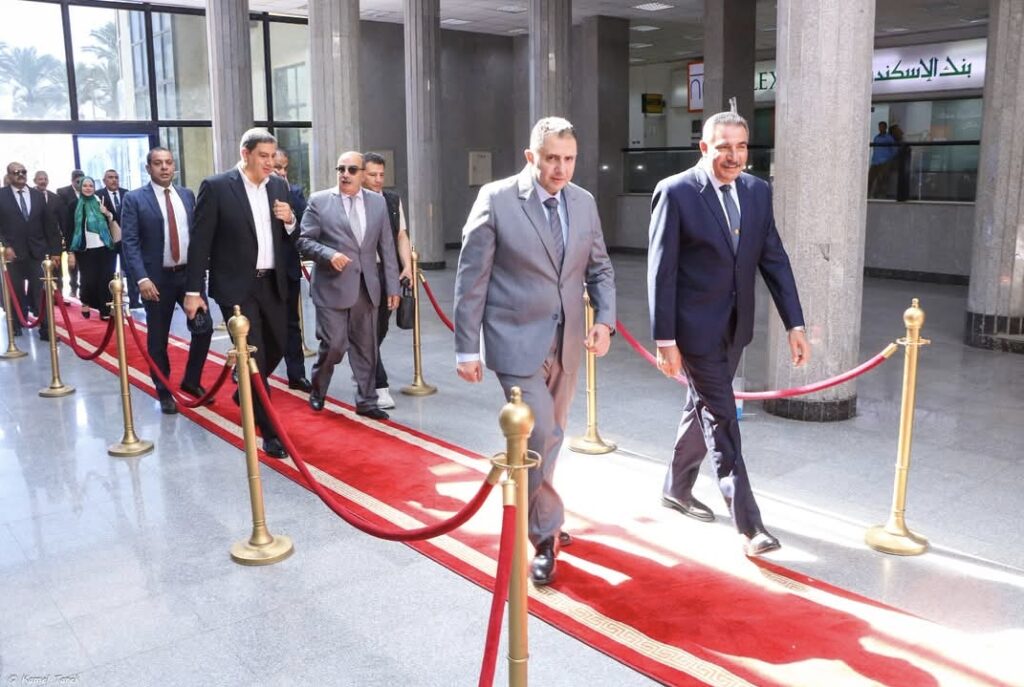
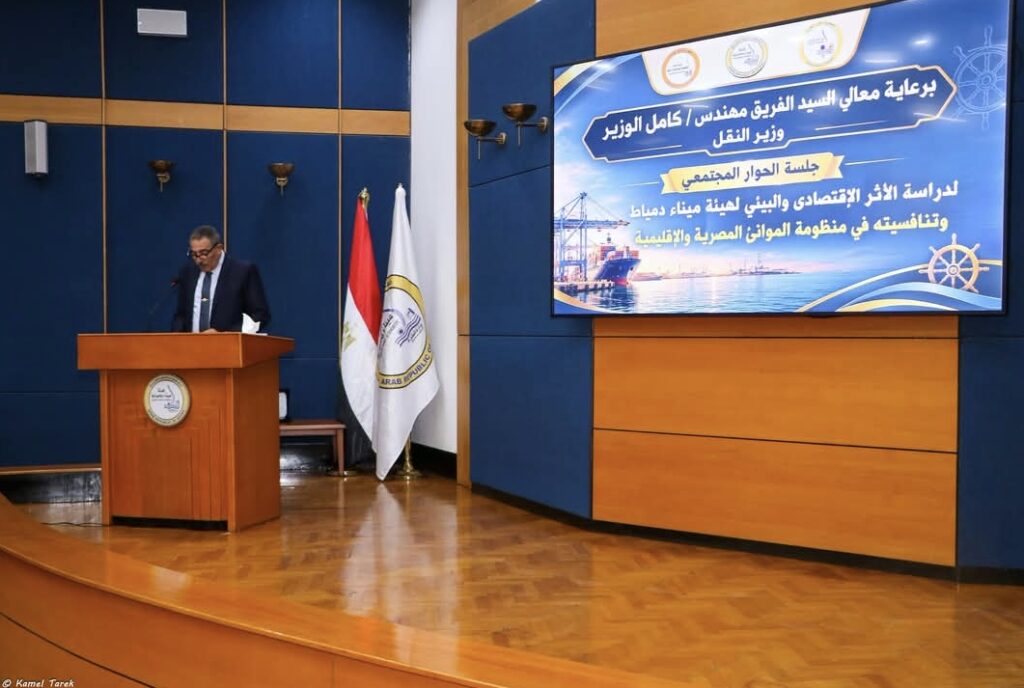
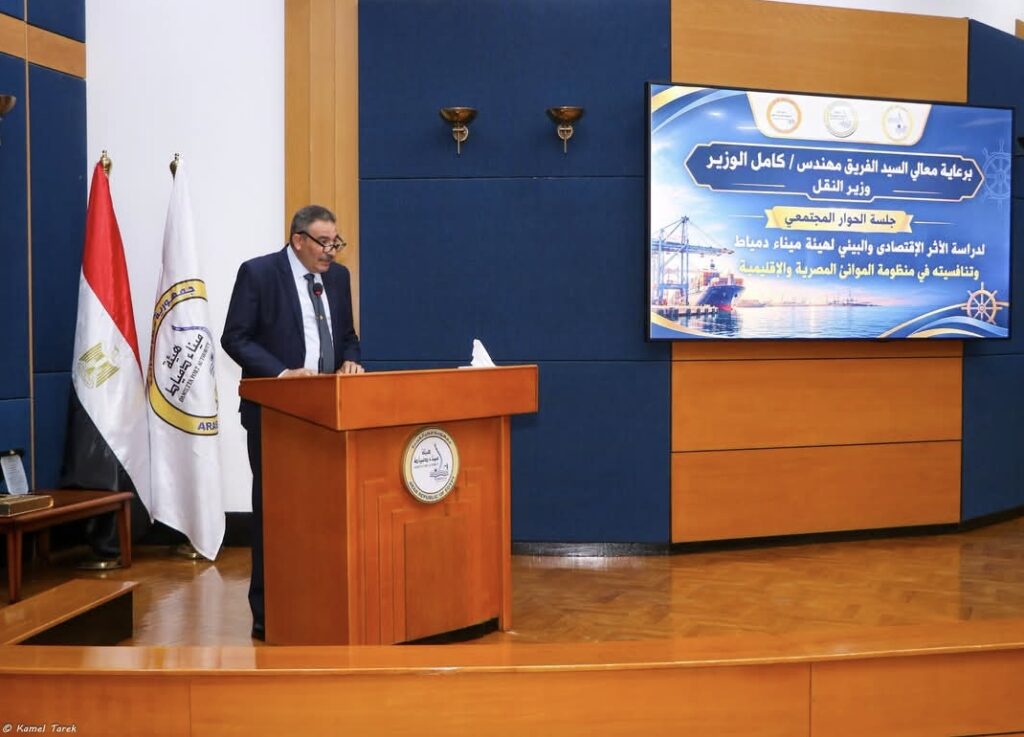
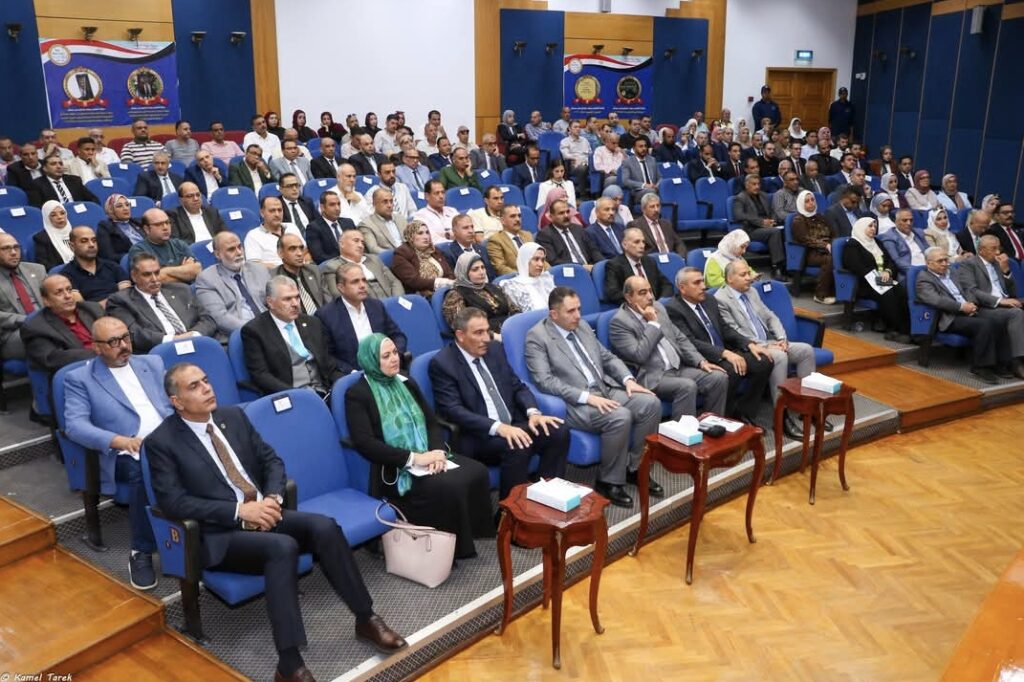
  • Damietta Port Launches Economic and Environmental Competitiveness Assessment

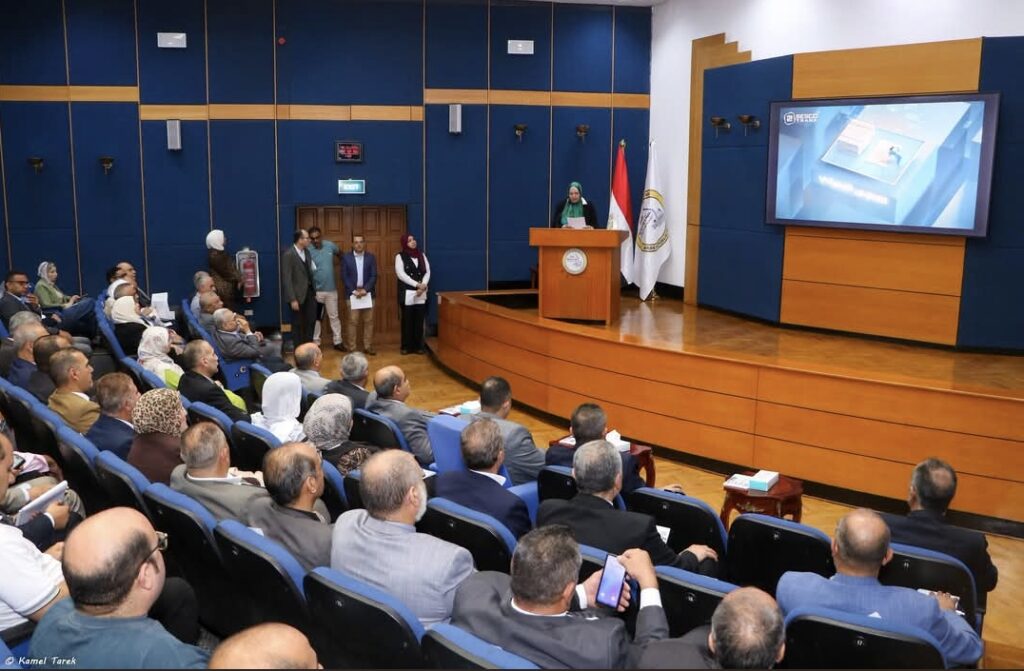
    Shipping Arabia, September 24, 2026 – Damietta Port has launched a comprehensive assessment of its economic and environmental impact and competitive position among Egyptian and regional ports, as it seeks to align ongoing infrastructure expansion with future operational and logistics requirements.

    The Damietta Port Authority organized a stakeholder dialogue in cooperation with the General Authority for Transport Planning, bringing together port officials, operators, maritime companies, industry specialists and transport experts to contribute to the study.

    The assessment will examine the port’s operational performance, economic contribution, environmental impact and competitive advantages, alongside the challenges and opportunities expected to influence its future development. The findings are intended to support investment priorities and long-term planning.

    Damietta Port Authority Chairman Rear Adm. Tarek Adly Abdullah said port performance can no longer be measured solely through vessel calls and cargo volumes, but must also consider economic and environmental impact, contribution to trade and logistics, value creation and long-term competitiveness.

    Damietta Governor Hossam El-Din Fawzy highlighted the port’s role in supporting economic development in the governorate and the importance of coordination between government institutions and other stakeholders as major development projects advance.

    The session included a presentation by Prof. Khaled El-Sakty, Dean of the College of International Transport and Logistics at the Arab Academy for Science, Technology and Maritime Transport, outlining the study’s methodology and indicators for assessing performance, competitiveness and environmental and economic impact.

    Damietta Port Authority Vice Chairman Rear Adm. Dr. Ahmed Hamdy Abdel Aziz also presented the port’s recent performance indicators and ongoing national development projects, focusing on how additional infrastructure and logistics capacity could strengthen its ability to respond to changes in maritime transport and supply chains.

    Participants reviewed operational strengths and constraints, environmental considerations and future opportunities, with industry feedback expected to be incorporated into the final assessment and recommendations.

    The study forms part of Damietta’s wider effort to combine port expansion, operational efficiency and environmental sustainability as it strengthens its position within Egypt’s port network and the wider Eastern Mediterranean logistics market.

    Source: Damietta Port Authority

Back to top button